
The Best Fourth Entries in Movie Franchises
How many fourth entries in movie franchises have been truly worthy of any cinematic admiration? If you can’t come up with one from the top of your head, then you are probably right. We all know how sequels mostly suck due to an excessive amount of ambition (e.g., The Matrix Reloaded (2003)), baffling creative decisions (e.g., A Nightmare on Elm Street 2: Freddy’s Revenge (1985), Alien 3 (1992), Highlander II: The Quickening (1991)) or plain bad artistic input (e.g., The Exorcist II: The Heretic (1977), Staying Alive (1983), Transformers: Revenge of the Fallen (2009)).
While there are exceptions, by the time you saw the third installment, the type of quality is extremely low. You see, capitalism took what was initially exciting and fresh and converted it into some sort of a Frankenstein monster- a mishmash of ideas driven by financial greed unsupported by the original creative team. With that in mind, if you dare to explore tetralogies, outputs are excruciatingly bad (e.g., A Nightmare on Elm Street: The Dream Master (1988), The Matrix Resurrections (2021)), uninspiring (e.g., Terminator: Salvation (2009)), or unintentionally hilarious (e.g., Superman IV: The Quest for Peace (1987), Batman and Robin (1997)).
Yet, in this creative vacuum of our own making, you still can dig up (albeit very, very rarely) a number of diamonds which, due to the series’ length, you might have forgotten how they concluded the franchises on a high (or at least satisfactory) note. Let’s dig in together and discover which fourth entries are worthy!
10. Exorcist: The Beginning (2004)
MVP: Vittorio Storaro’s otherworldly and creepy cinematography makes an underground church the stuff of (unseen) nightmares.
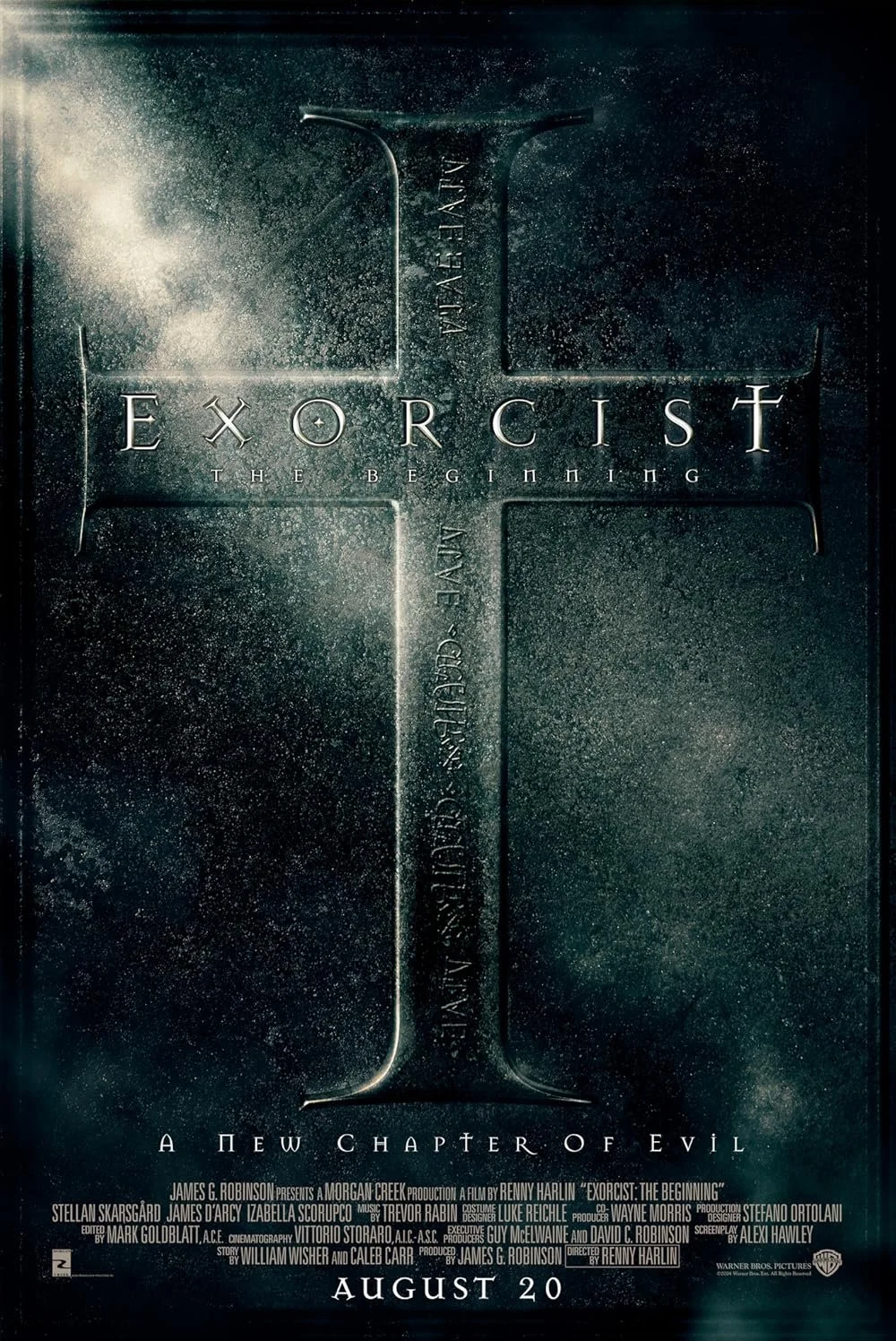
The demand for something gorier took over any creative thinking resulting in a rather unnecessary and occasionally underwhelming entry in The Exorcist (1973-1990) after the studio saw Paul Schrader’s version. Enter Finnish director Renny Harlin who was brought to amp the scare factor. The premise is deliciously Lovecraftian: a church was found underground in an area that Christianity never reached enters a supernatural Indiana Jones territory. However, the script does not explore the intriguing historical and supernatural possibilities and does little to expand the mythos of its glorious predecessor culminating in an underwhelming finale. Despite though its dodgy special effects and scathing reviews, it does offer (rarely) some pathos in Father Merrin’s backstory with the parallel of Nazi ideology not far off demonic shenanigans. The superb cinematography of Vittorio Storaro (Apocalypse Now (1978), The Last Emperor (1987)) and a disturbing production design also help Harlin to conjure up a few eerie images in the deserts of British Kenya in a film where kids aren’t safe. It’s worth a shot!
Franchise respect
🎬🎬🎬
Franchise consistency
🎞️🎞️🎞️
Myth expansion
👌👌
Film quality
🎥🎥🎥
Critical success
🌟
Commercial success
💰💰
Best moment: Merrin enters the church for the first time. Pitch perfect atmosphere.
9. Resident Evil: Afterlife (2010)
MVP: The Ukraine supermodel remains a solid action lead four films in convincingly disposing all types of T-virus creatures with ease and 3D creativity.
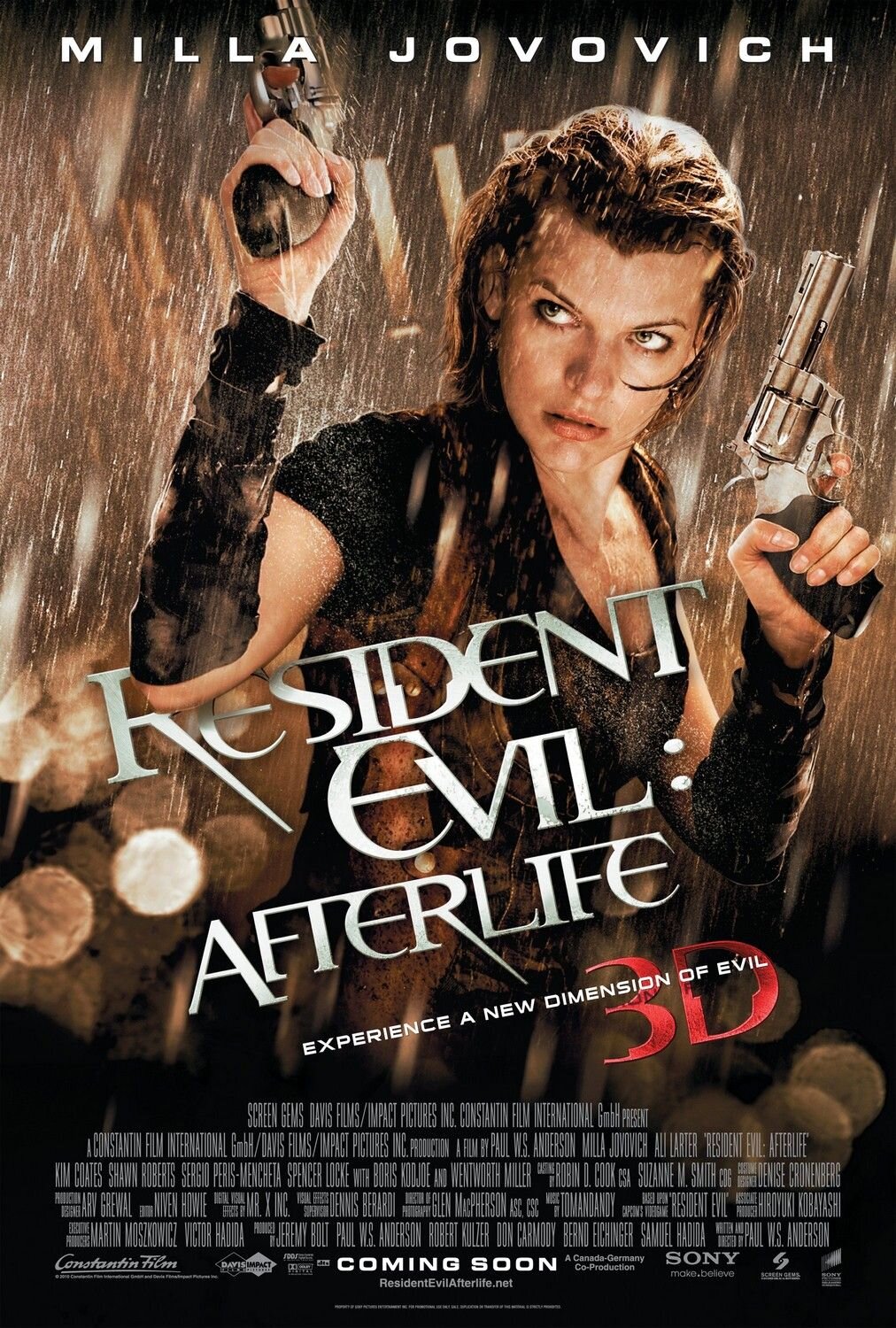
The fourth entry in the Resident Evil saga (2002-2016) sees the return of franchise maestro, Paul WS Anderson to the director’s chair. With James Cameron’s Avatar (2009) success serving as an inspiration to establish clear 3D spectacle, Anderson respects his audience and offers plenty of cheesy eye candy to distract us from his pedestrian story. Unable to bend the knee to the cop out post-conversion process, Afterlife has its every shot conceived with depth in mind. Consequently, Anderson puts together an aesthetically pleasing B-movie elevated by Glen MacPherson’s hypersaturated cinematography. There is solid action but mostly it is an excuse for showcasing glorious slo-mo sequences: from the bombastic opening in Tokyo that features several version of Milla Jovovich plowing their way through an army of endless Japanese henchmen to the final showdown inside a ship’s interior. It is all fluff really and an excuse for Jovovich’s charismatic heroine to kick monster butt amidst some infamous beautiful (and symbolic) opening credits in the Shibuya crossing.
Franchise respect
🎬🎬🎬
Franchise consistency
🎞️🎞️
Myth expansion
👌👌
Film quality
🎥🎥
Critical success
🌟
Commercial success
💰💰💰💰💰
Best moment: The opening credits hands down: Tomandandy’s industrial score, the eeriness of the choir, and the rain amidst a sea of umbrellas in Shibuya is a visual treat.
8. Lethal Weapon 4 (1998)
MVP: Jet Li brings a cinematic energy that was missing from the more comedy-focused part 3. His scenes are by far the most memorable.
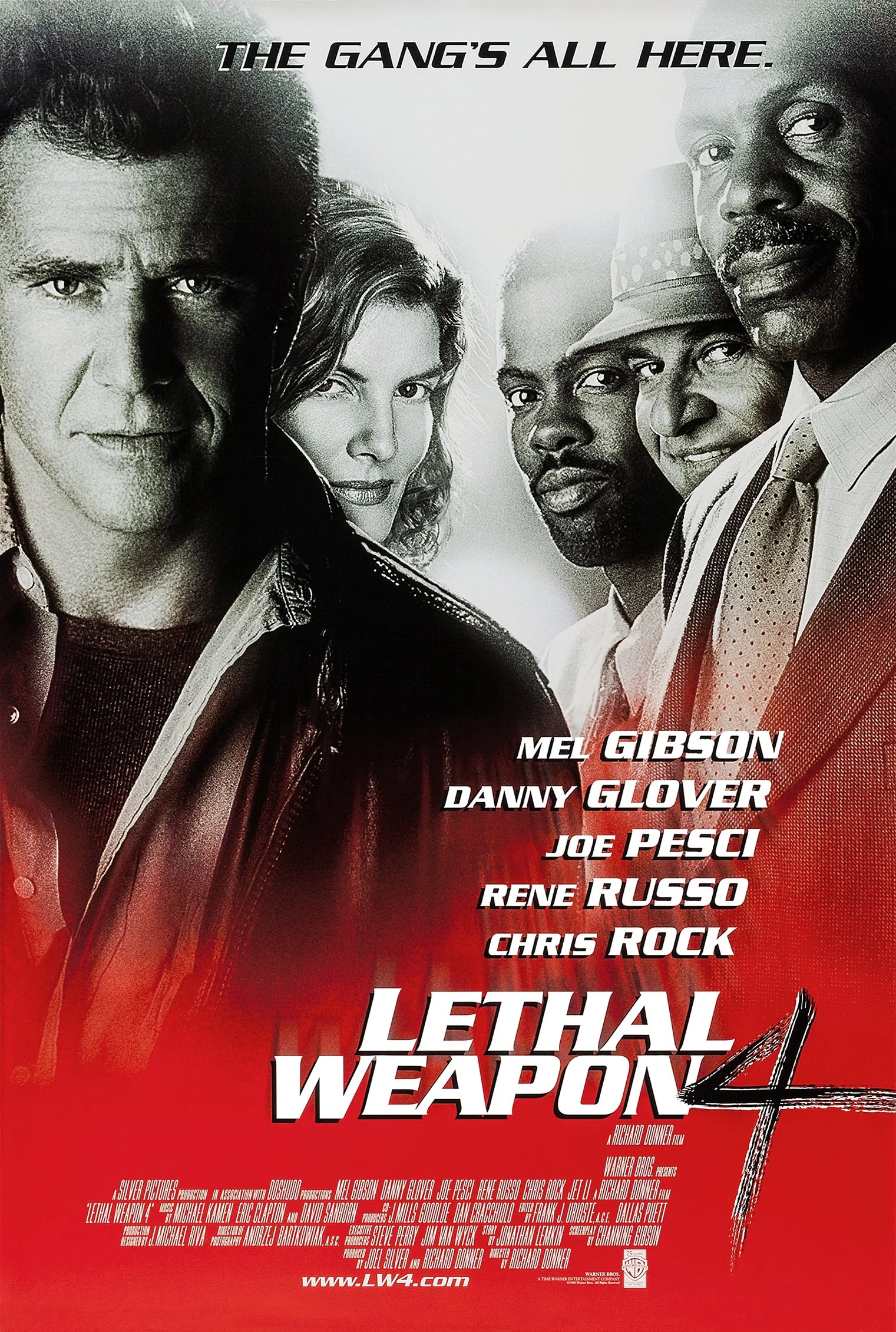
The Lethal Weapon (1987-2008) series remains one of the most consistent ones conceived and supervised by the same creative team (Donner, Gibson, Glover). While the third part stumbled a bit due to its blunt storyline about illegal arms dealers, Lethal Weapon 4 increases the stakes by having Gibson and Glover going mano a mano against the Chinese triads. Revisiting it, there are certain questionable aspects in the depiction of Chinese culture and the constant piss taking of anything non-American that might put some people off. Nevertheless, Donner opens the film with a fiery bang, altering between conventional comedy in the extended family interactions and exhilarating action (e.g., car chase) giving Riggs and Murtaugh who have taken down all sorts of baddies such as dodgy South African diplomats and ex-army drug dealers, an appropriate epilogue. If one element is disappointing is in typical Hollywood fashion the under-utilization of action Asian superstar Jet Li, whose charismatic villainous turn has hardly any scenes to showcase his athletic prowess or acting chops.
Franchise respect
🎬🎬🎬🎬🎬
Franchise consistency
🎞️🎞️🎞️🎞️🎞️
Myth expansion
👌👌
Film quality
🎥🎥🎥
Critical success
🌟🌟
Commercial success
💰💰💰
Best moment: Jet Li’s mysterious introduction in a rooftop.
7. Rambo (2008)
MVP: Stallone - writer, director, and lead whose beloved icon may be brutal but has something to say, cinematically, at least.
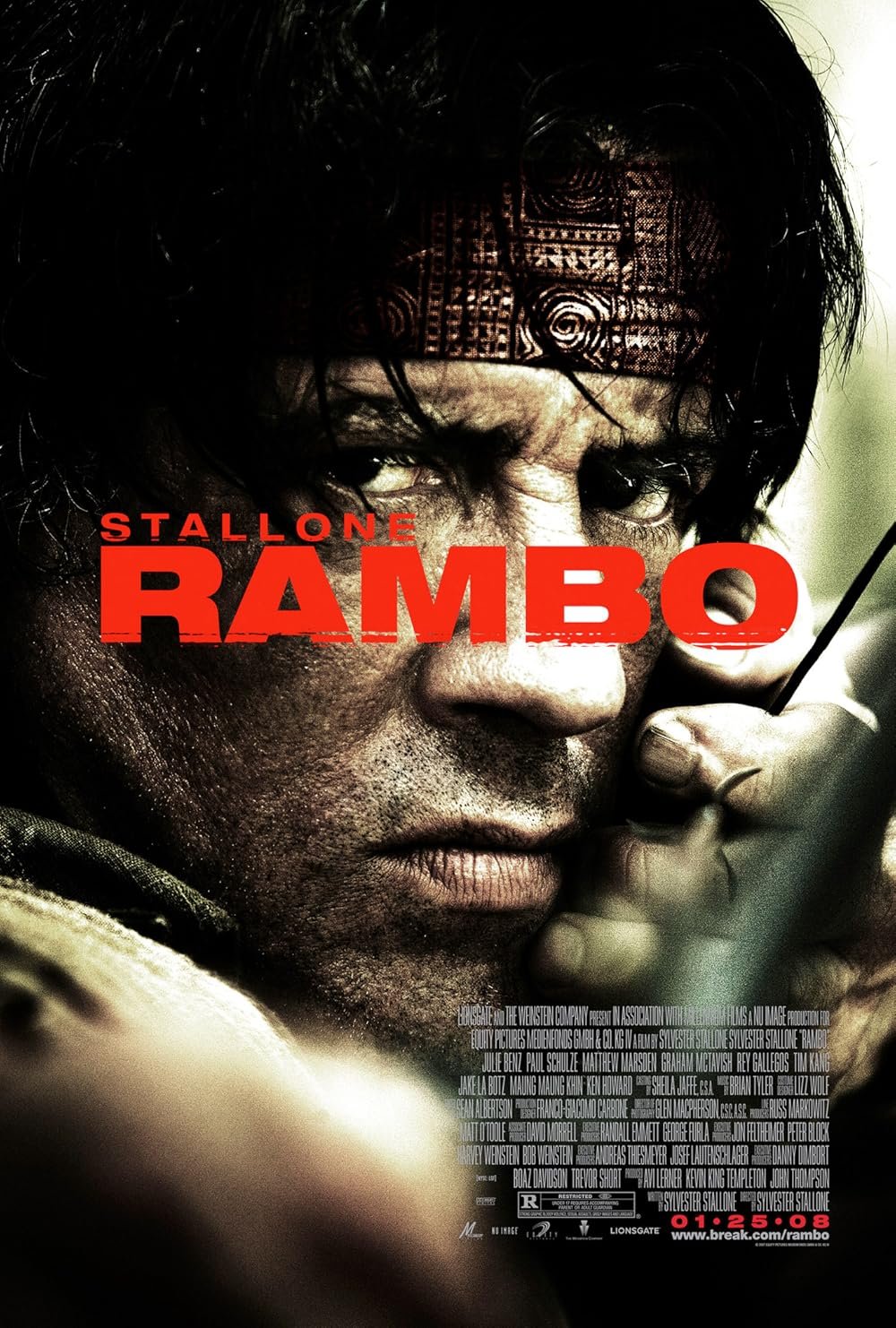
First Blood (1982) was considered to be a looming disaster. However, Stallone’s humanizing portrayal of a war veteran who is wrongfully hounded by local law enforcement resonated with the audiences giving birth to one of the most famous movie icons of all time. While Part II (1985) and Part III (1990) emphasized OTT action, explosions, and a limitless supply of ammo, Rambo seeks to make a return to the emotional core of this character and his apathy towards war. Living now in Thailand, Rambo minds his own business until he has to go on a rescue mission of missionary doctors in a military occupied Myanmar. The film fires at all cylinders not really condemning the white saviour complex but not really endorsing it either. While the finale sees John unleashing hell on truly despicable humans resulting in gratuitous violence that looks like a blood bath, there is surprisingly a humanistic brush to the whole ordeal. Boasting serious intent behind its story with lines like “Live for nothing, die for something” separates this tetraquel from its predecessors’ wacky action theatrics.
Franchise respect
🎬🎬🎬🎬
Franchise consistency
🎞️🎞️🎞️🎞️
Myth expansion
👌👌👌
Film quality
🎥🎥🎥
Critical success
🌟🌟
Commercial success
💰💰💰💰
Best moment: Rambo mows down an entire platoon of goons using high caliber bullets.
6. Rurouni Kensin: The Final (2021)
MVP: Action director Kenji Takai keeps reinventing the choreography setting the bar so high that perhaps we will never see anything coming remotely close to his work.
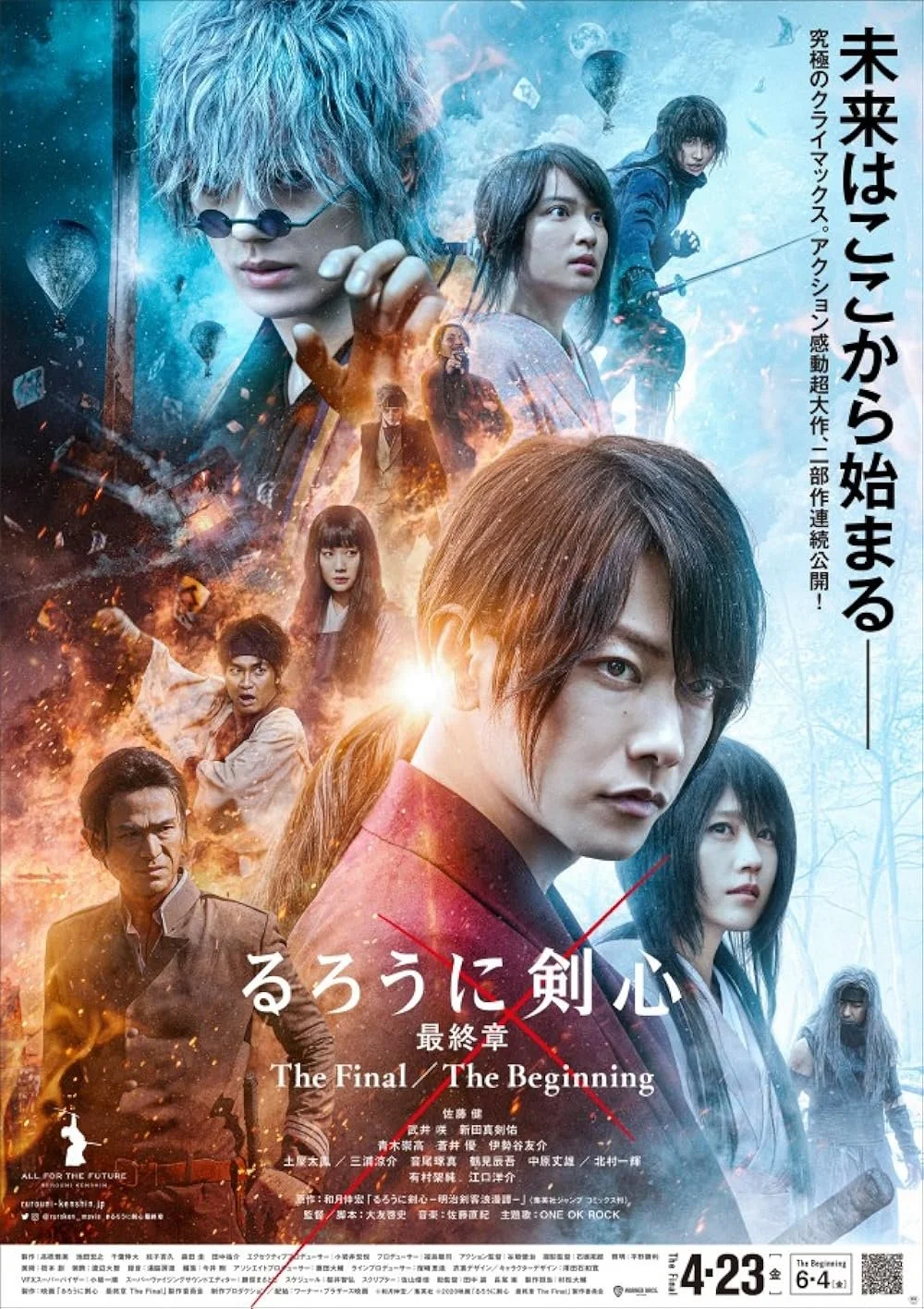
Similarly to the Lethal Weapon series, Rurouni Kenshin (2012-2021) bears the same filmmaking team and on-screen intent behind a whooping group of five segments. When The Final was announced, the hype was real tackling one of the most famous Kenshin arcs. With bigger budget, a larger cast, and the critical acclaim of earlier installments, The Final was released and was unsurprisingly a smashing success. Director Keishi Ohtomo expands Himura’s world adding extra political dimensions to the storyline, and a hint of Chinese visual influence concluding adequately the occasionally tragic odyssey of Kenshin. The main antagonist is played with the right amount of ferocity and vulnerability by MacKenyu who goes toe to toe with Himura in one of the best fighting sequences in the cinema history. Despite some odd pacing issues and Naoki Satoh’s rather sublime score, The Final is worth watching due to its sensational fight sequences which are simply a marvel of action filmmaking that modern Hollywood productions would only dream to make.
Franchise respect
🎬🎬🎬🎬🎬
Franchise consistency
🎞️🎞️🎞️🎞️🎞️
Myth expansion
👌👌👌👌
Film quality
🎥🎥🎥🎥
Critical success
🌟🌟🌟🌟
Commercial success
💰💰💰💰
Best moment: Kenshin vs Onishi - a masterpiece of a sequence.
5. Star Wars Episode I: The Phantom Menace (1999)
MVP: George Lucas. All of these incredible stuff would not have happened if it was not for him, whose imagination seemed endless.

The most hyped motion picture of all time has plenty of merits now that the dust has settled. From dazzling designs and an incredible expansion of the Star Wars mythos, George Lucas’ return to a galaxy far, far away is a triumph of human imagination. We now take for granted pod racing, Darth Maul, fast paced lightsaber duels, entire city-planets, underwater civilizations, fighting androids, Queen Amidala’s makeup, Jedi councils, and Liam Neeson’s stoicism. Sure, the plot leans too much on politics and there is a Zen sense perpetuated throughout. Still, each shot offers plenty of detailed eye candy. Filled with practical sets, thousands of props, excellent miniature work, spectacular special effects and production and costume designs which compensate for the wooden performances, Episode I is a winner of wild creativity that came from one guy’s brain. Frames as a 1950/60s epic, Lucas gives us too many pop culture moments including John Williams transfixing score. Duel of the Fates is peak composition and an international treasure for the music world.
Franchise respect
🎬🎬🎬🎬🎬
Franchise consistency
🎞️🎞️🎞️🎞️🎞️
Myth expansion
👌👌👌👌👌
Film quality
🎥🎥🎥🎥🎥
Critical success
🌟🌟🌟
Commercial success
💰💰💰💰💰
Best moment: The doors open to reveal Darth Maul in all of his glory. The rest is history.
4. Scream 4 (2011)
MVP: Hayden Panettiere’s horror savvy Kirby is a superb new addition to the franchise, an individual whom we all would like to have as a friend.

It would be a decade since the last Scream hit the cinemas. Scream 4 proved though that the franchise was very much alive. As so gracefully the poster tag line informs us with its “new decade, new rules” moto, the quadriquel takes the horror tropes and bends them to an extremely mocking degree evident from its infamous opening scene. Kevin Williamson points out the flaws and cliches of torture porn flicks like Saw (2004), PG-13 horror, remakes, and characters who can survive due to their identity status. Together with Craven, they craft an entertaining albeit not particularly scary chapter paraded by quirky characters who end up making some impact; Hayden Panettiere as horror savvy Kirby is an instant fan favourite delivering a masterclass of acting in one of the film’s highlights involving remake naming under an unbroken shot while a closet-stand off is particularly nasty. The original trio have a lot of things to do, Beltrami’s score is on fire, and the killer reveal clever enough with successful commentary on modern motives predicting what our society will devolve into.
Franchise respect
🎬🎬🎬🎬🎬
Franchise consistency
🎞️🎞️🎞️🎞️🎞️
Myth expansion
👌👌👌
Film quality
🎥🎥🎥🎥
Critical success
🌟🌟🌟
Commercial success
💰💰
Best moment: Naming horror remakes while freaking out must be one of the best sequences in the whole series.
3. Alien: Resurrection (1997)
MVP: Nigel Phelps. His production design is simply of the best in cinema history. Period.

Alien: Resurrection had the hard task of continuing Ripley’s story after Alien 3 (1992) leaving little room for creative thinking, yet screenwriter Joss Whedon found a clever way to have the xenomorph, well, resurrected. Incorporating elements from Aliens (1986) (multiple xenomorphs, the Alien Queen) and Alien (1979) (setting being a massive spaceship), Resurrection leans on black humour, and erotic undertones make it a unique addition to the mythos of Alien. Jean-Pierre Jeunet displays a superb ultra futurism vision backed by the same creative team behind his surrealistic City of the Lost Children (1995). Although, the cloning ideas do not get the screentime they deserve with Jeunet electing to support gore instead of dread, the production values are off the charts; USM Auriga’s interior is nothing sort of stunning, a cold and metallic prison, boasting the best (for real) underwater chase sequence ever. And the cast is clearly having a ball, especially Sigourney Weaver in her leather outfit who is the soul of these films and the barking dog that is Ron Perlman’s Johner.
Franchise respect
🎬🎬🎬🎬🎬
Franchise consistency
🎞️🎞️🎞️🎞️🎞️
Myth expansion
👌👌👌👌
Film quality
🎥🎥🎥🎥
Critical success
🌟🌟
Commercial success
💰💰💰
Best moment: The underwater sequence is a triumph of action staging with real stakes for both the characters and the actors.
2. Mad Max Fury Road (2015)
MVP: Guy Norris - the stunt coordinator whose exquisite set ups for explosions, daredevil stunts, and car crashes are the stuff of legend.

To be able to describe in non-hyperbolic terms George Miller’s dystopian masterpiece would be an exercise in futility. The long awaited reboot (or legacy sequel) of Max Max was 30 years in the making but oh boy it was worth the wait. Filling in for Mel Gibson, Tom Hardy is fine sharing electric chemistry with Charlize Theron’s tough Furiosa in a film where Max is a co-lead. Leaner on storytelling than before, Fury Road makes up for it by showcasing jaw-dropping, visceral set pieces where cars and metal collide in spectacular, CGI-free fashion. While it can be described as a two hour car chase, we witness greatness when realistically designed vehicles cross the apocalyptic wastelands under the hyper-saturated cinematography of John Seale. Miller keeps things steady and centric avoiding shaky cam gimmicks or glorification of special effects. And Fury Road works 10/10 on that front. Its quiet strength though resides in the clever and sporadically enigmatic world building, where stoicism displays more emotion than any contemporary sentimental outburst with subtle social commentary on several issues.
Franchise respect
🎬🎬🎬🎬🎬
Franchise consistency
🎞️🎞️🎞️🎞️🎞️
Myth expansion
👌👌👌👌👌
Film quality
🎥🎥🎥🎥🎥
Critical success
🌟🌟🌟🌟🌟
Commercial success
💰💰💰
Best moment: The whole film is one great moment but seeing the sand storm for the first time.
1. John Wick Chapter 4 (2023)
MVP: Dan Laustsen’s powerhouse cinematography elevates the world of John Wick; Chad Stahelski’s dynamic direction gives the movie a beautiful scope.

Much to the detriment of people who prefer some story within their action servings, John Wick Chapter 4 has Wick meeting head on the High Table represented in round 4 by a proper aristocratic douche, Bill Scarsgard’s Marquis Vincent Bisset de Gramont. Things go international now; the mayhem spills over to Osaka’s zen Continental, Berlin’s industrial clubs, and all over Paris’ famous locations. Chad Stahelski increases the stakes by having multiple goons going after Wick simultaneously with many conflicts of interest although the stoic assassin has plenty of allies himself. What follows is a stunning achievement in action staging where Keanu navigates himself from extravagant set-piece to extravagant set-piece culminating into a forty minute climax that has to be seen to be believed. Chapter 4 is a compelling case for action to be recognised as an award worthy genre. Its stunning cinematography and style - which turns each shot into a contemporary neon-baroque painting - make John Wick: Chapter 4 not only the best John Wick film but the ultimate fourth entry ever.
Franchise respect
🎬🎬🎬🎬🎬
Franchise consistency
🎞️🎞️🎞️🎞️🎞️
Myth expansion
👌👌👌👌👌
Film quality
🎥🎥🎥🎥🎥
Critical success
🌟🌟🌟🌟🌟
Commercial success
💰💰💰💰💰
Best moment: John Wick shouts his way through a Parisian flat in a top down approach with spectacular results.