The production design of Mortal Kombat (1995)
Director: Paul WS Anderson
Production designer: Jonathan Carlson
Summary
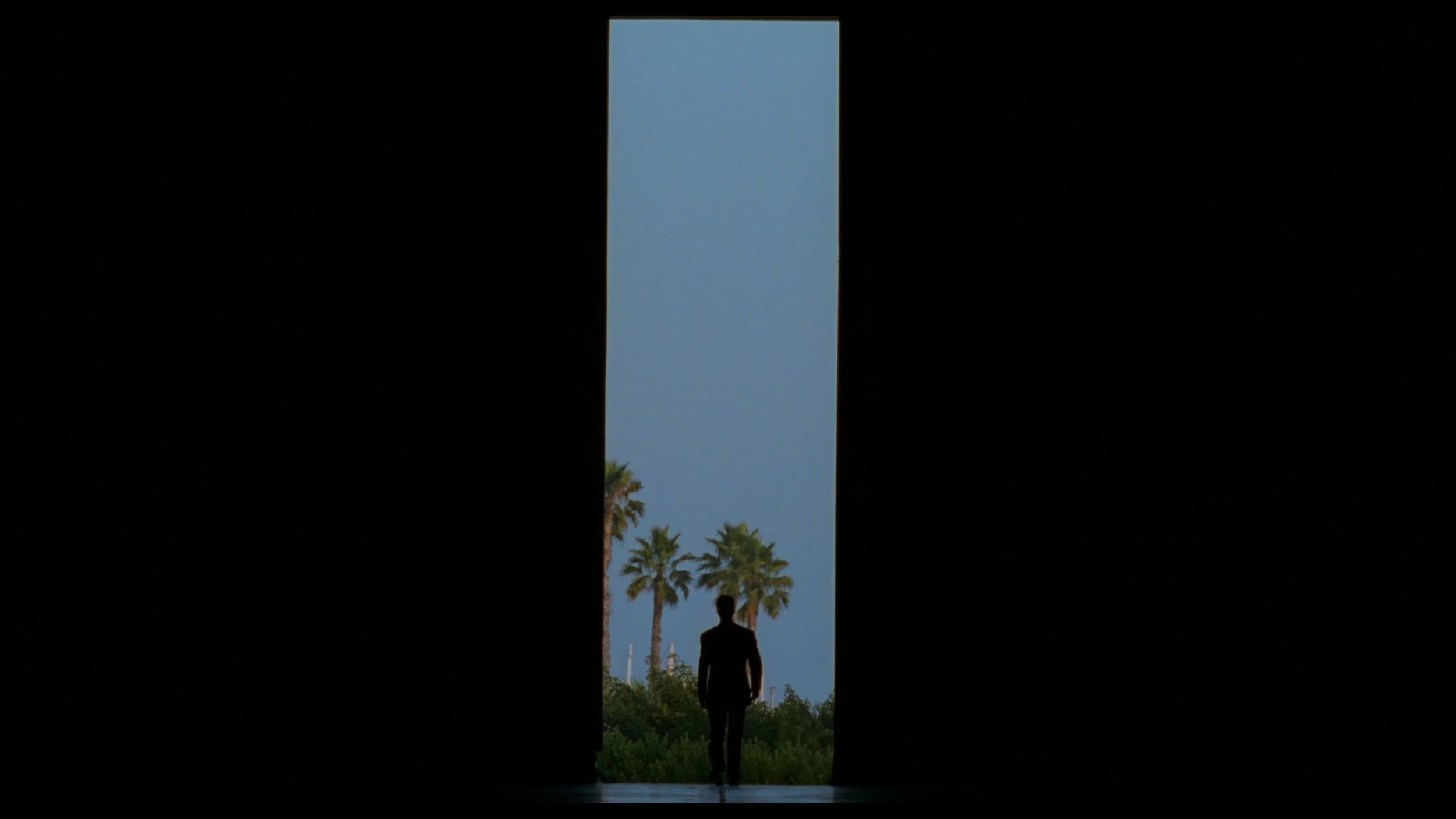
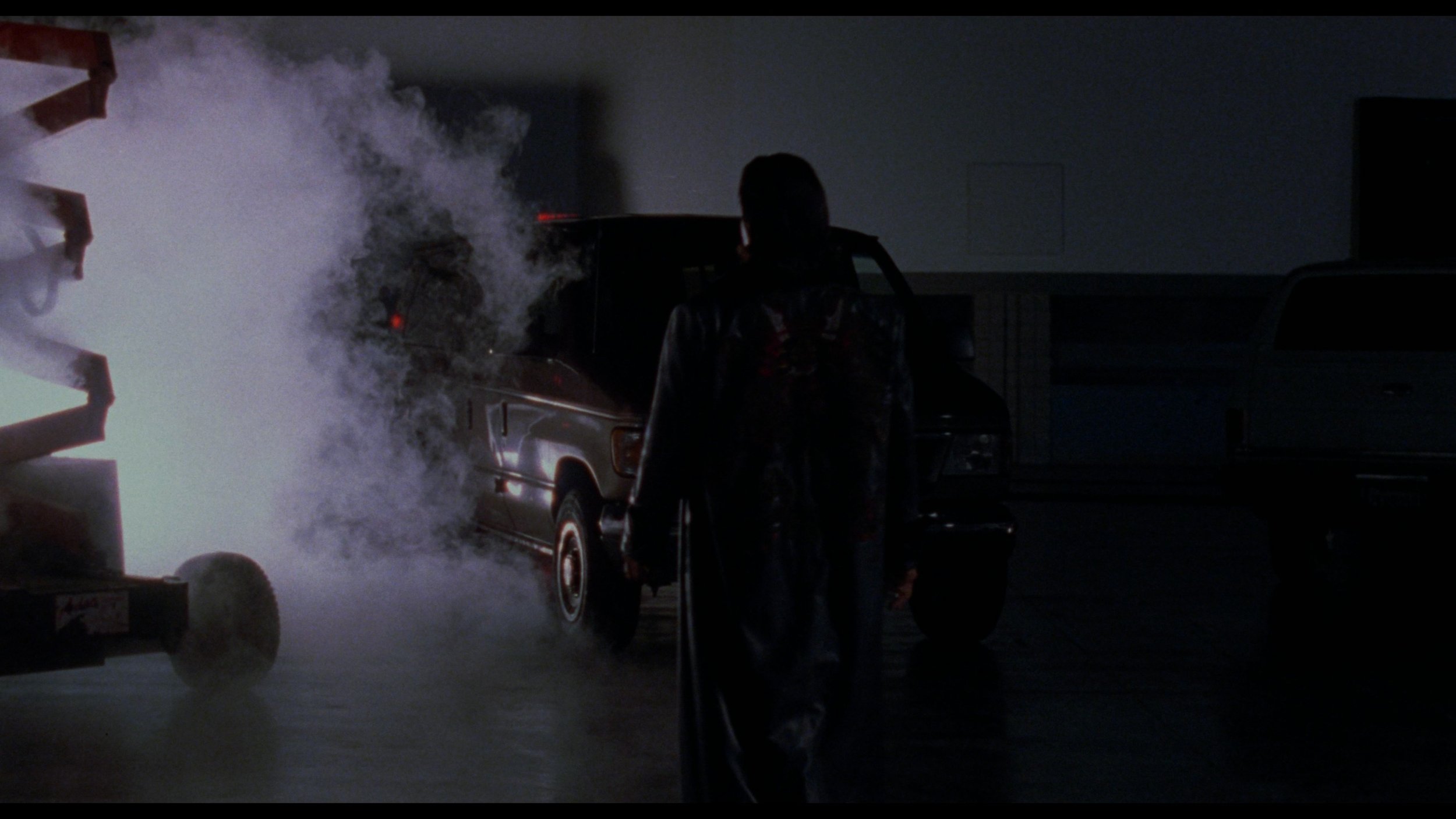
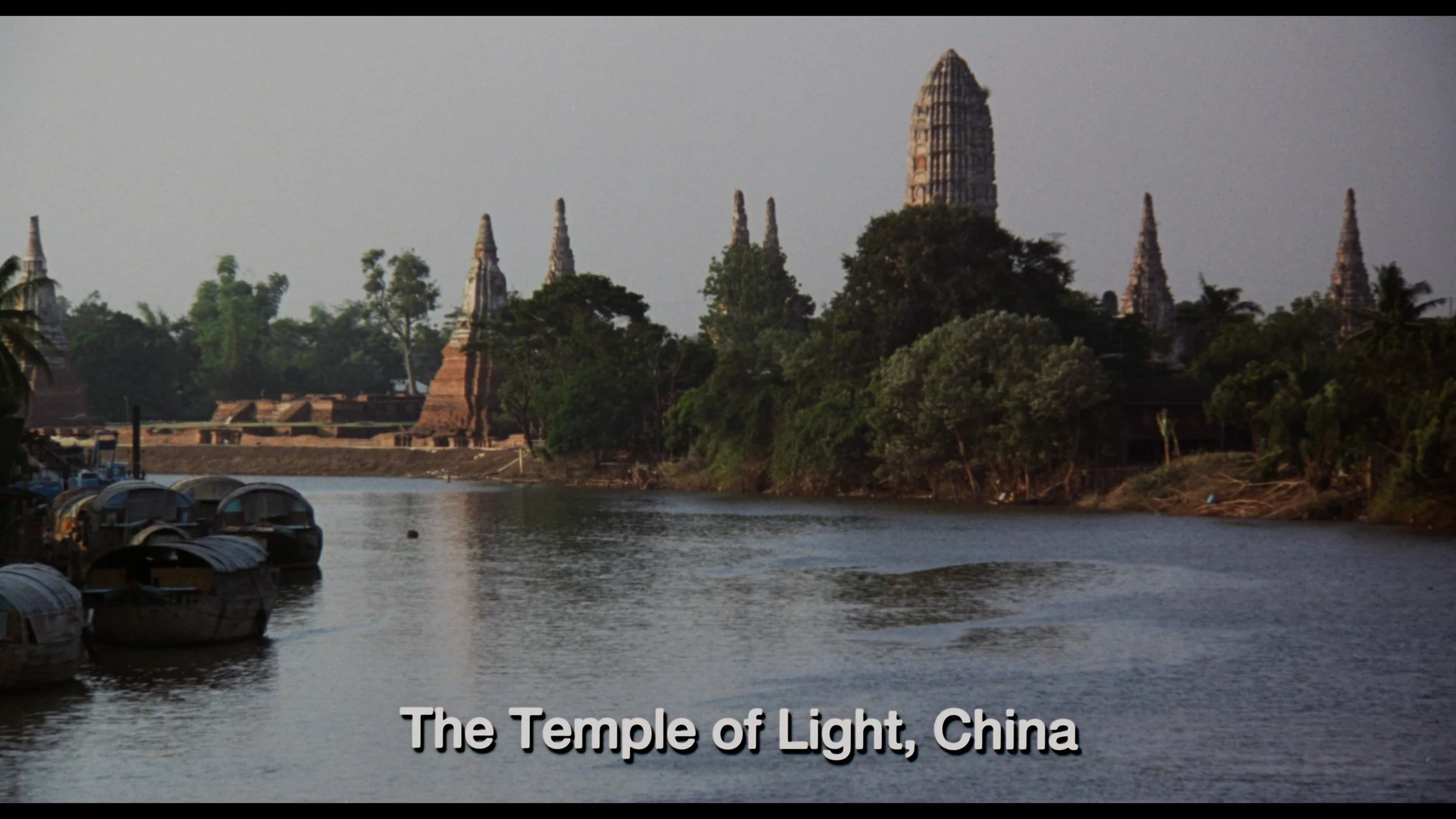
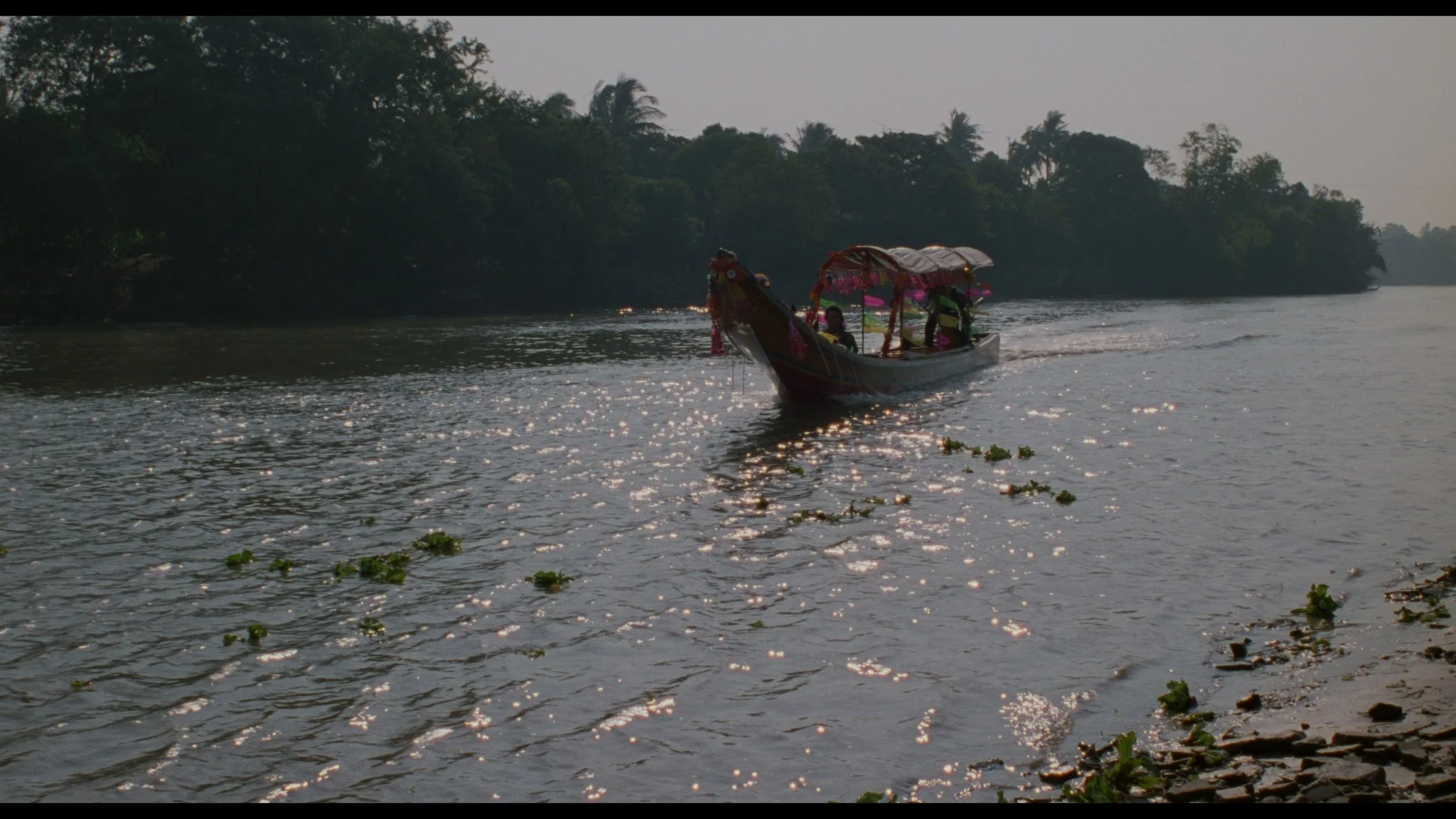
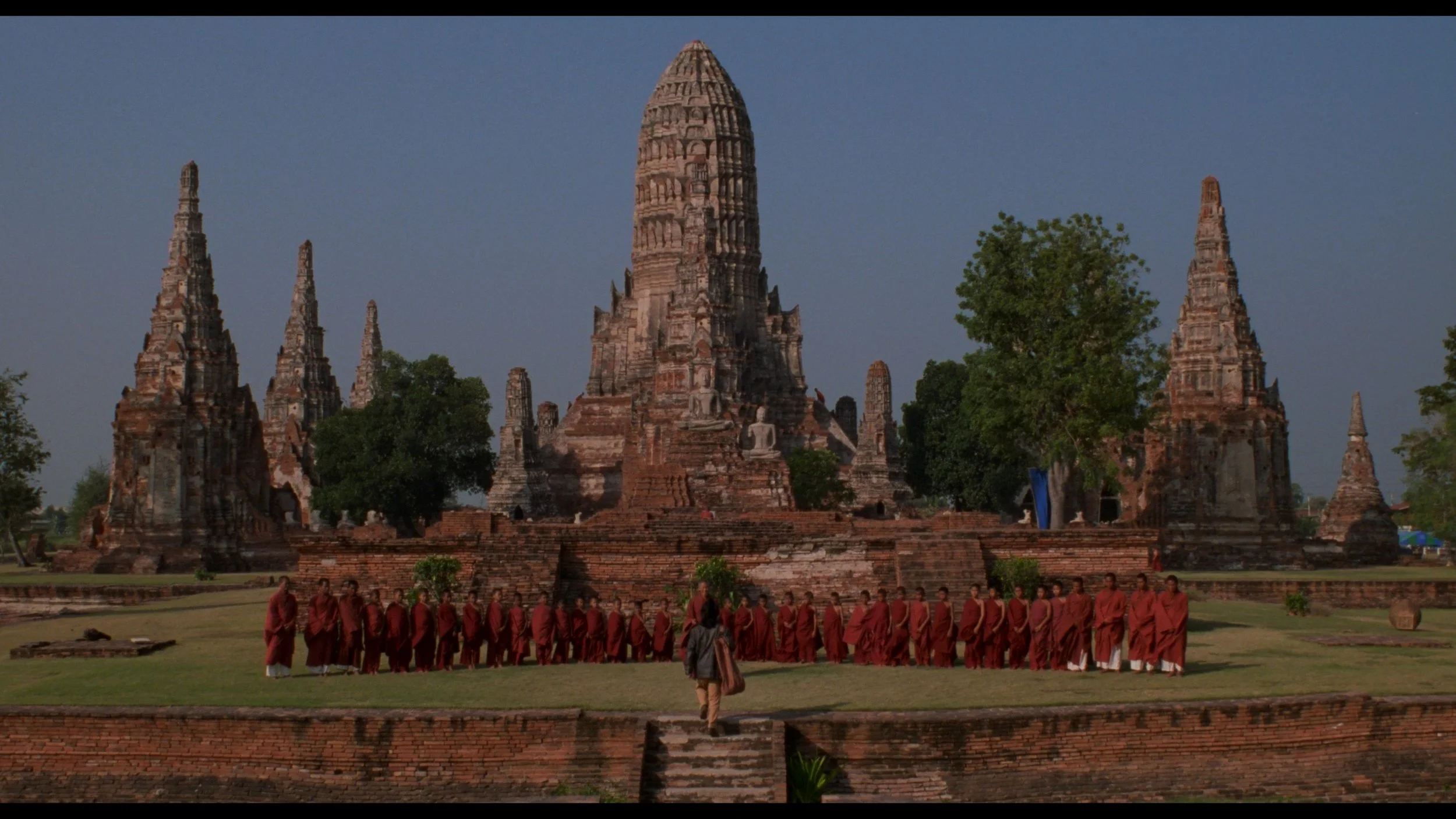
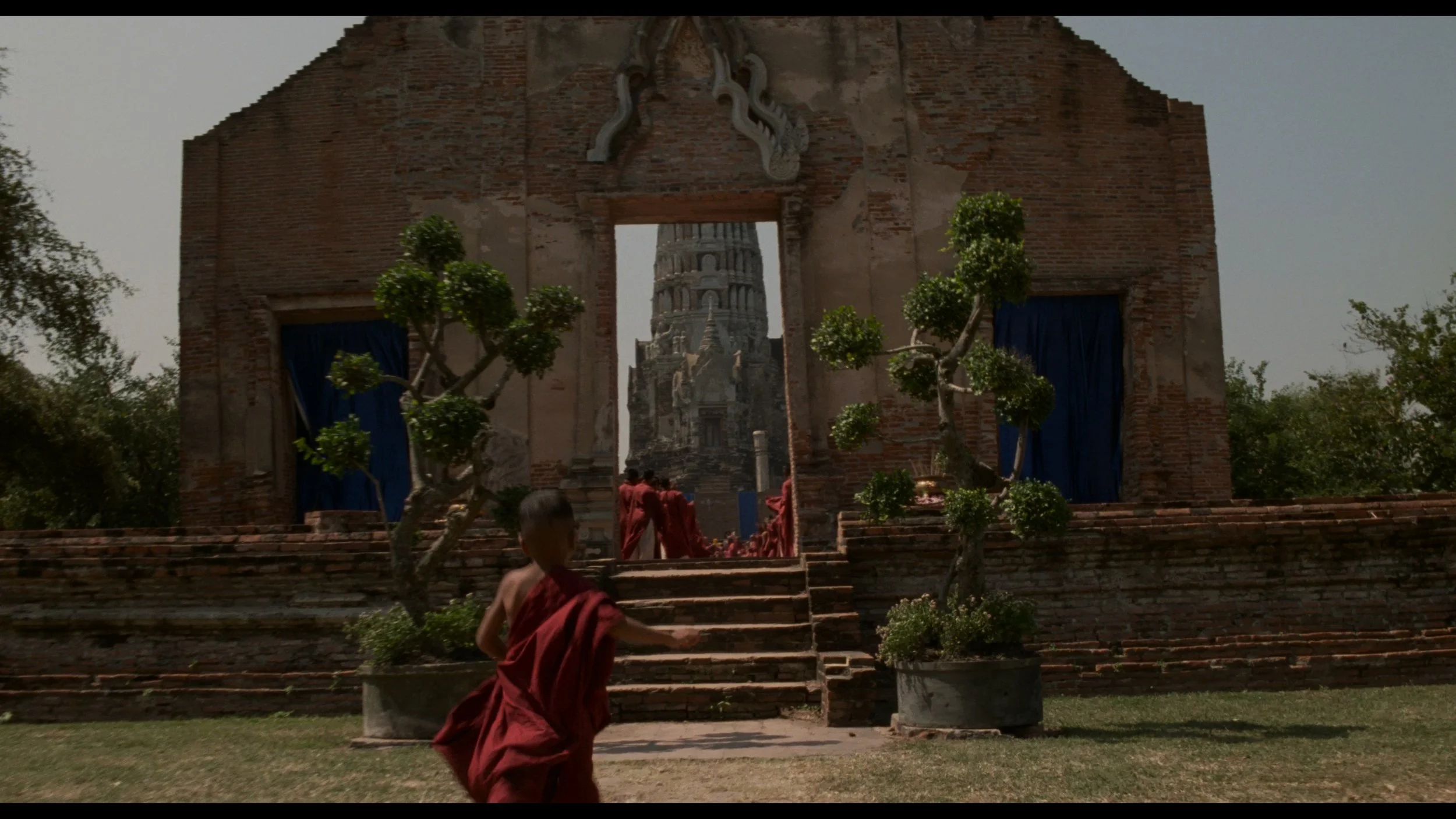
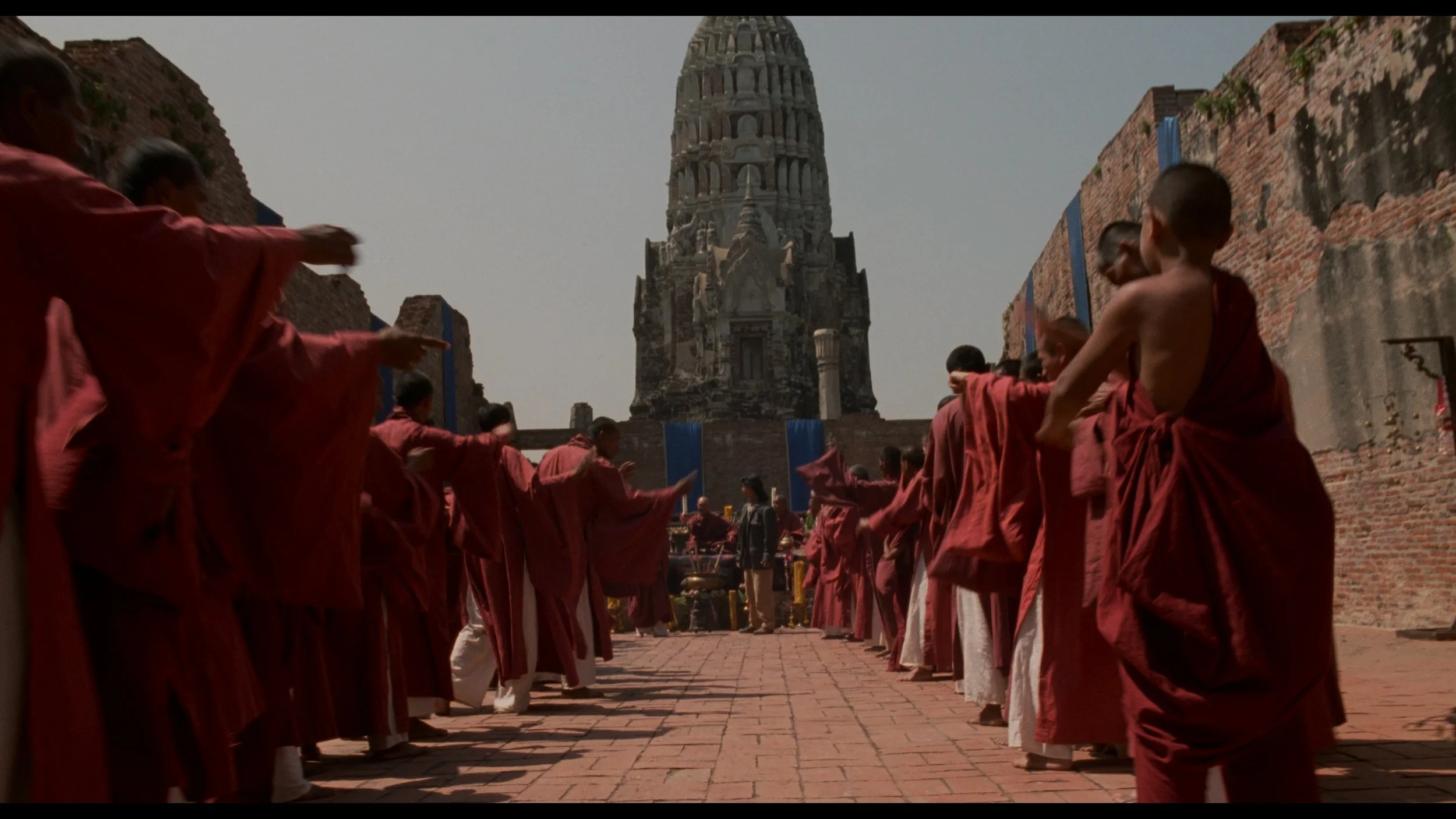
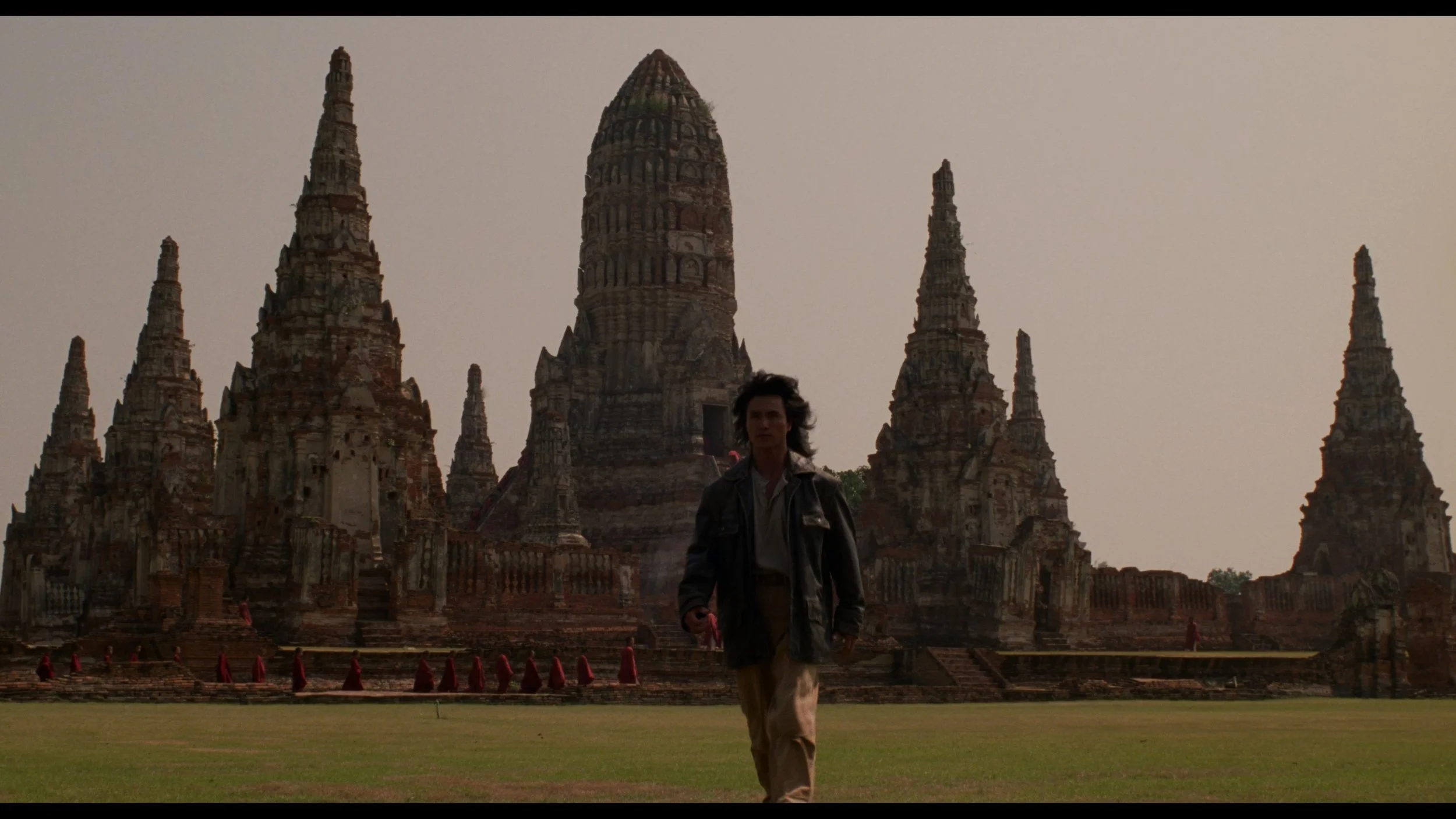
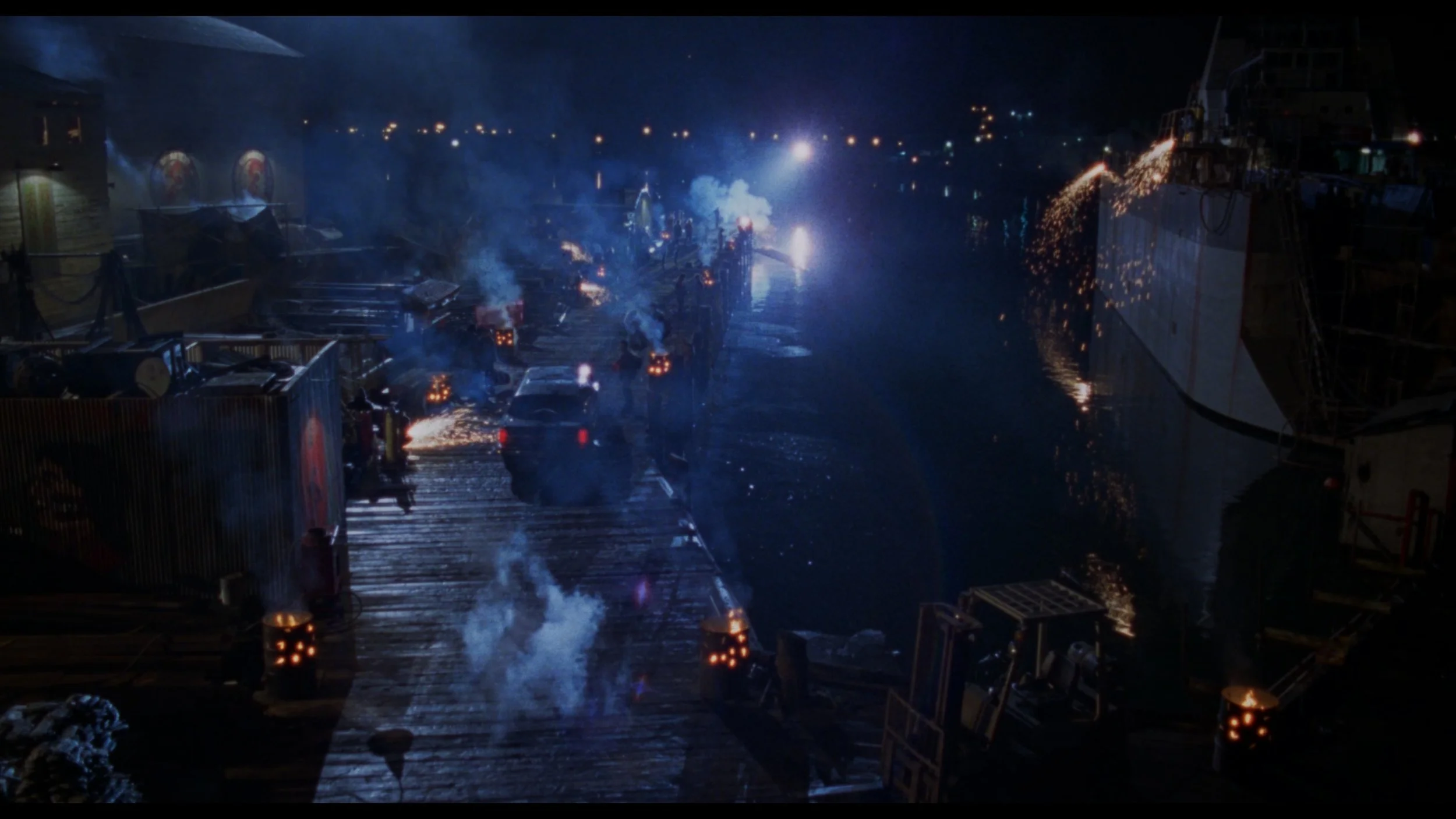
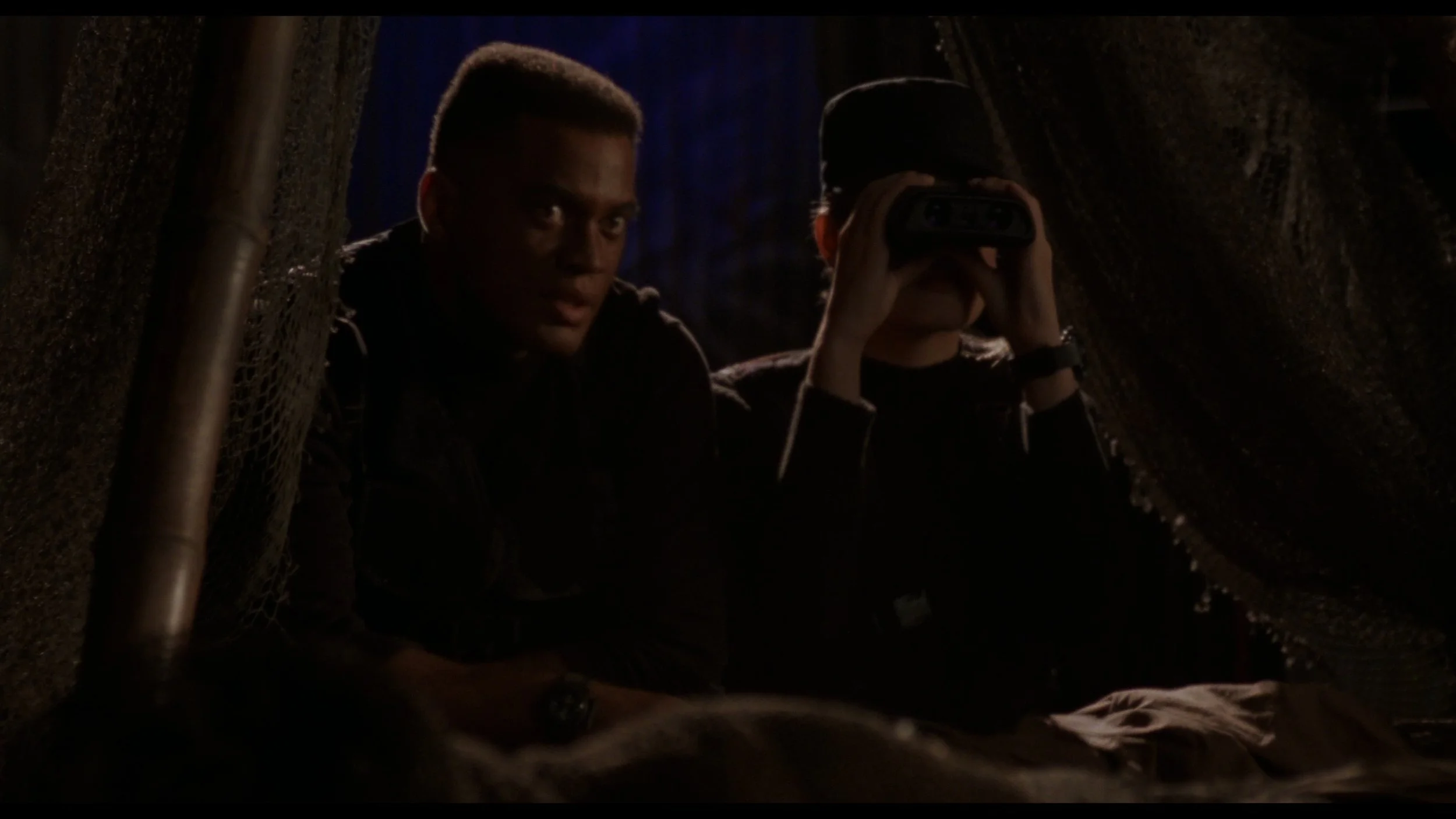
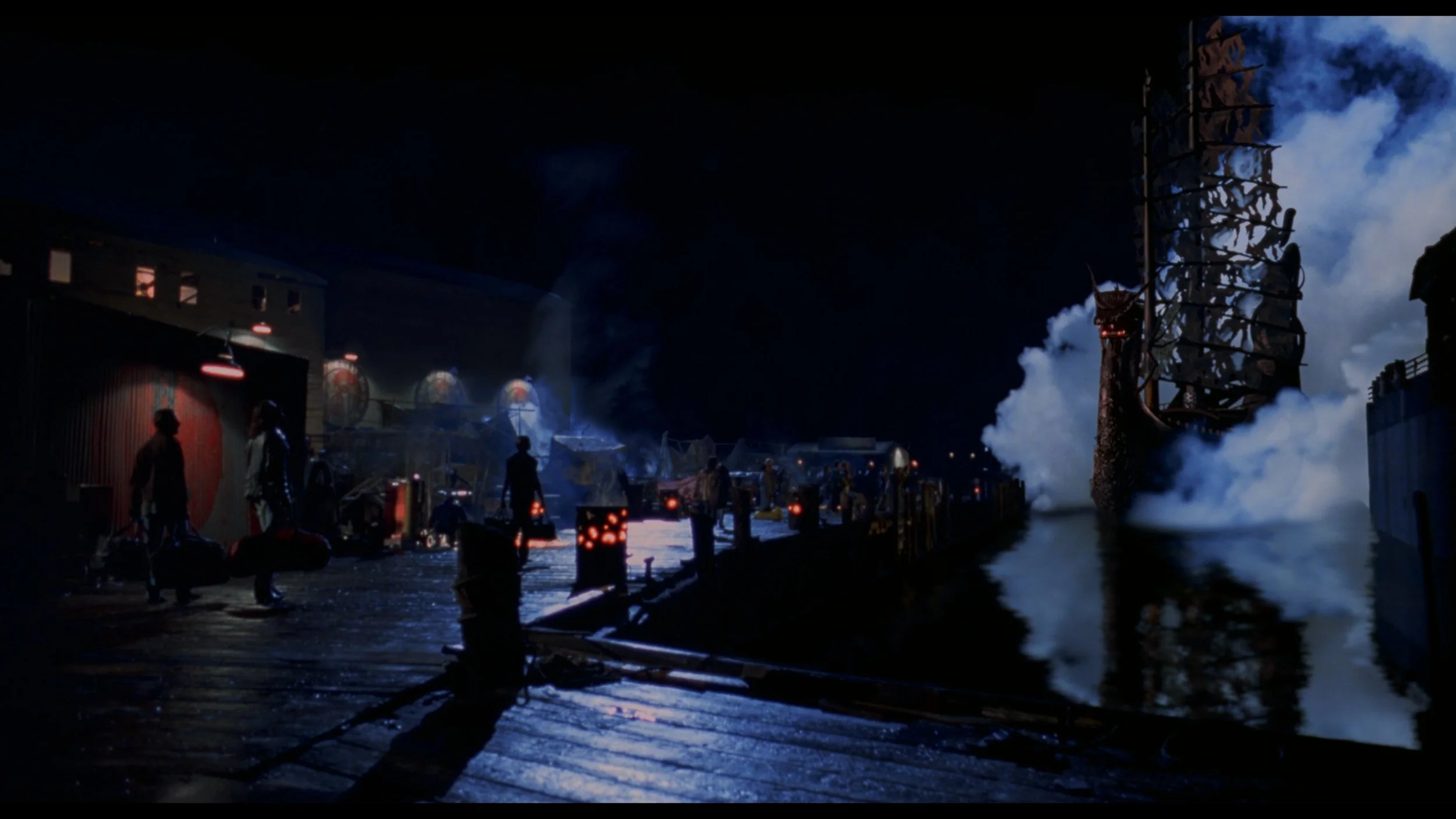
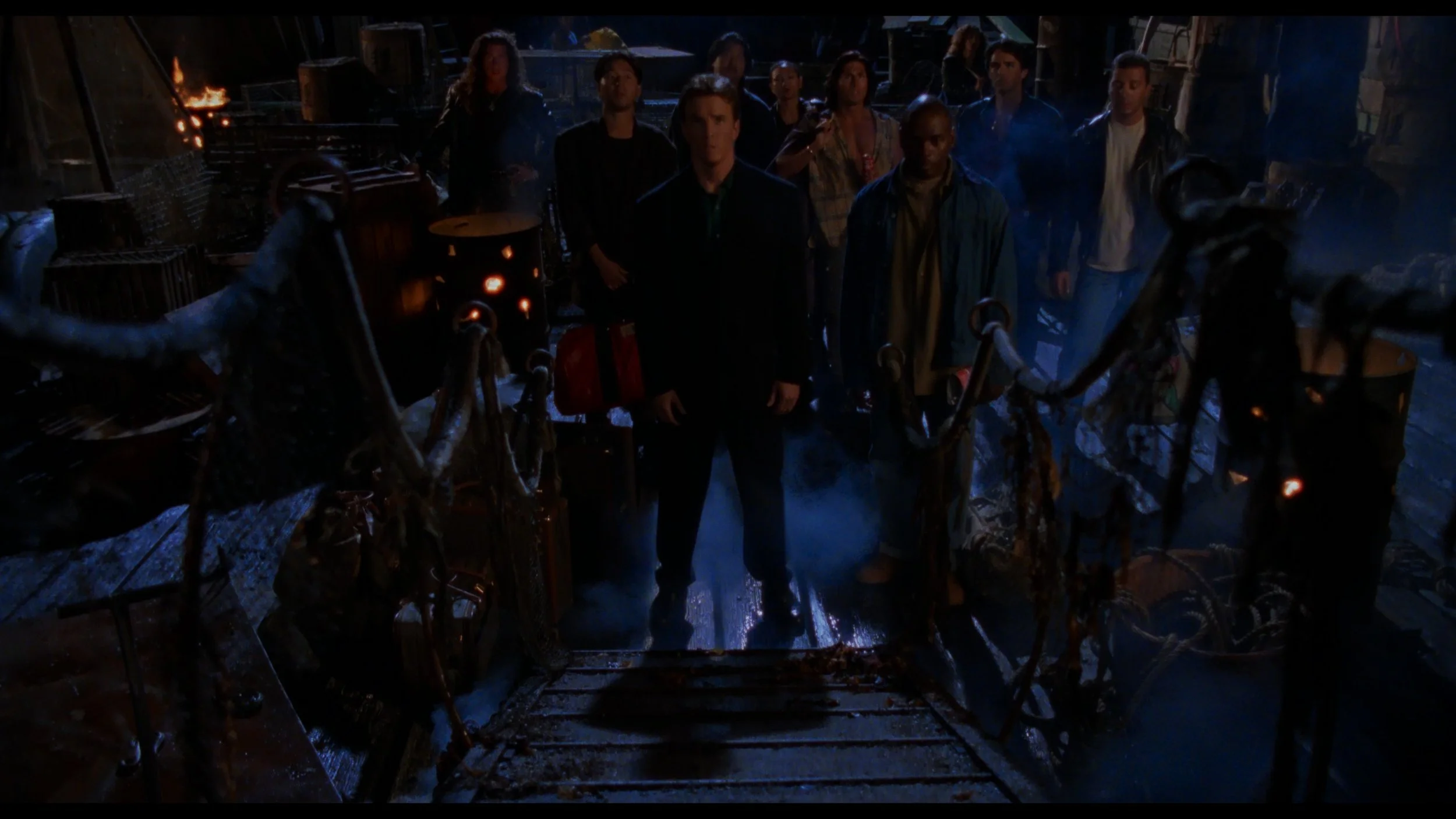
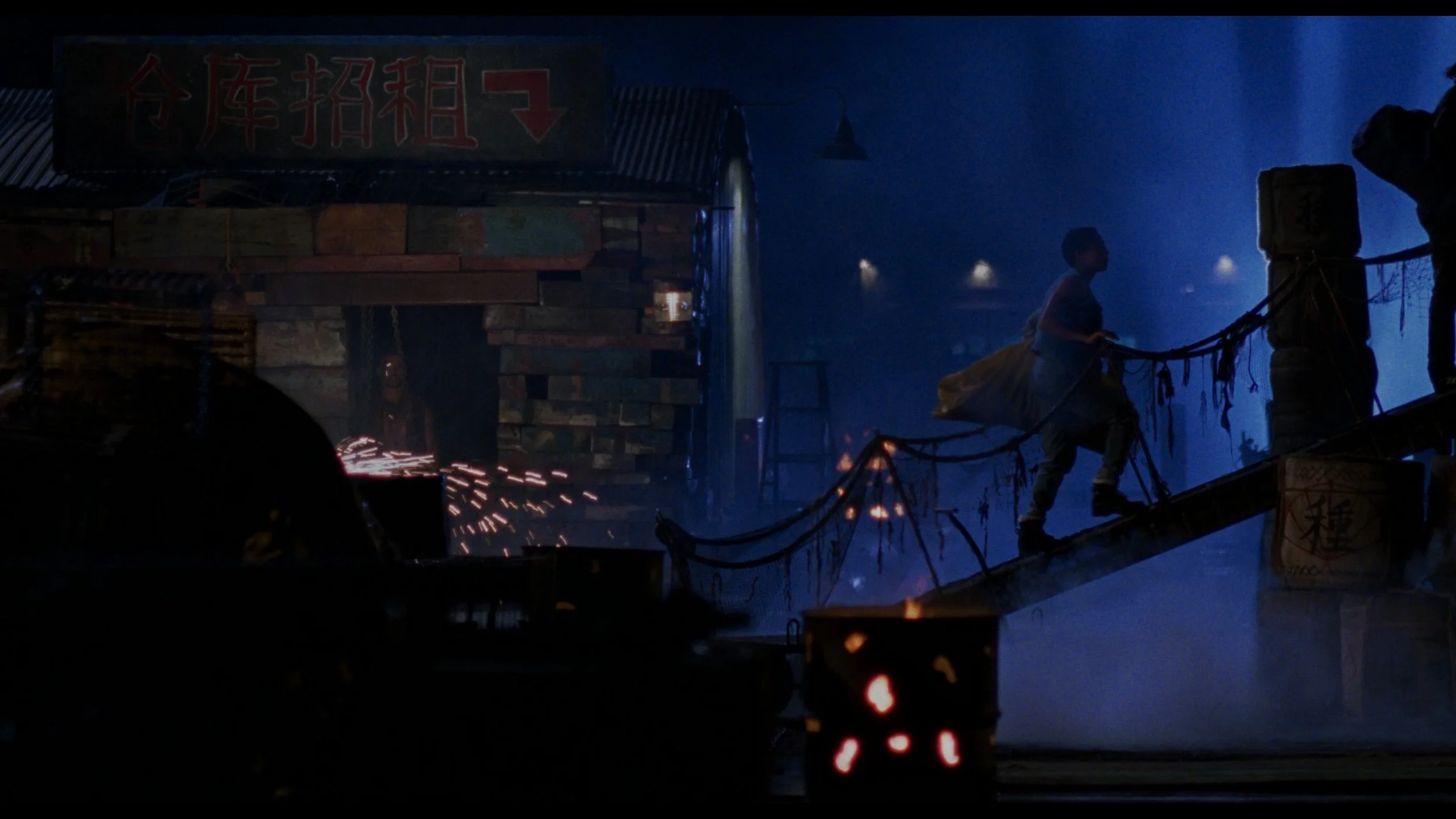
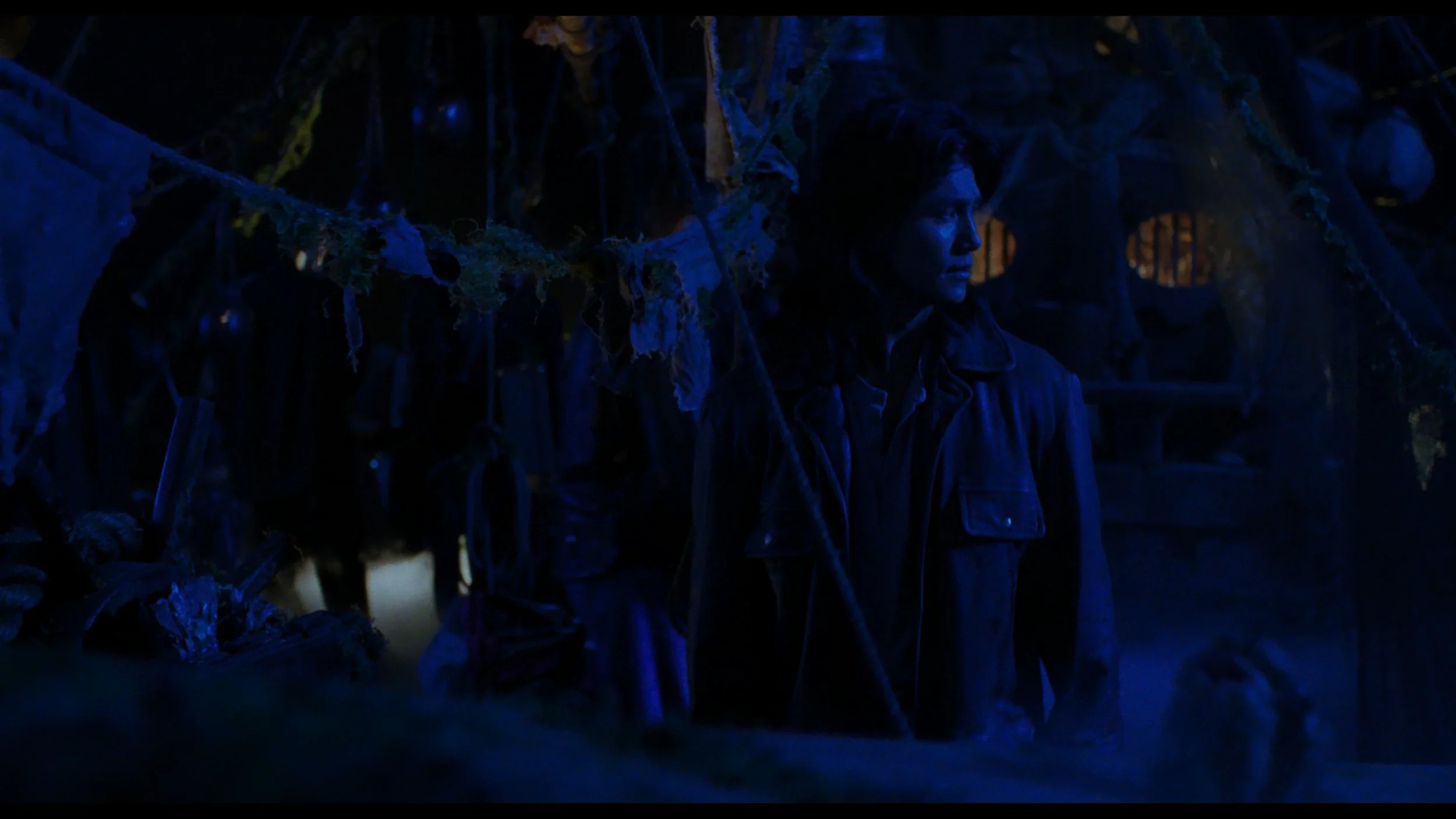
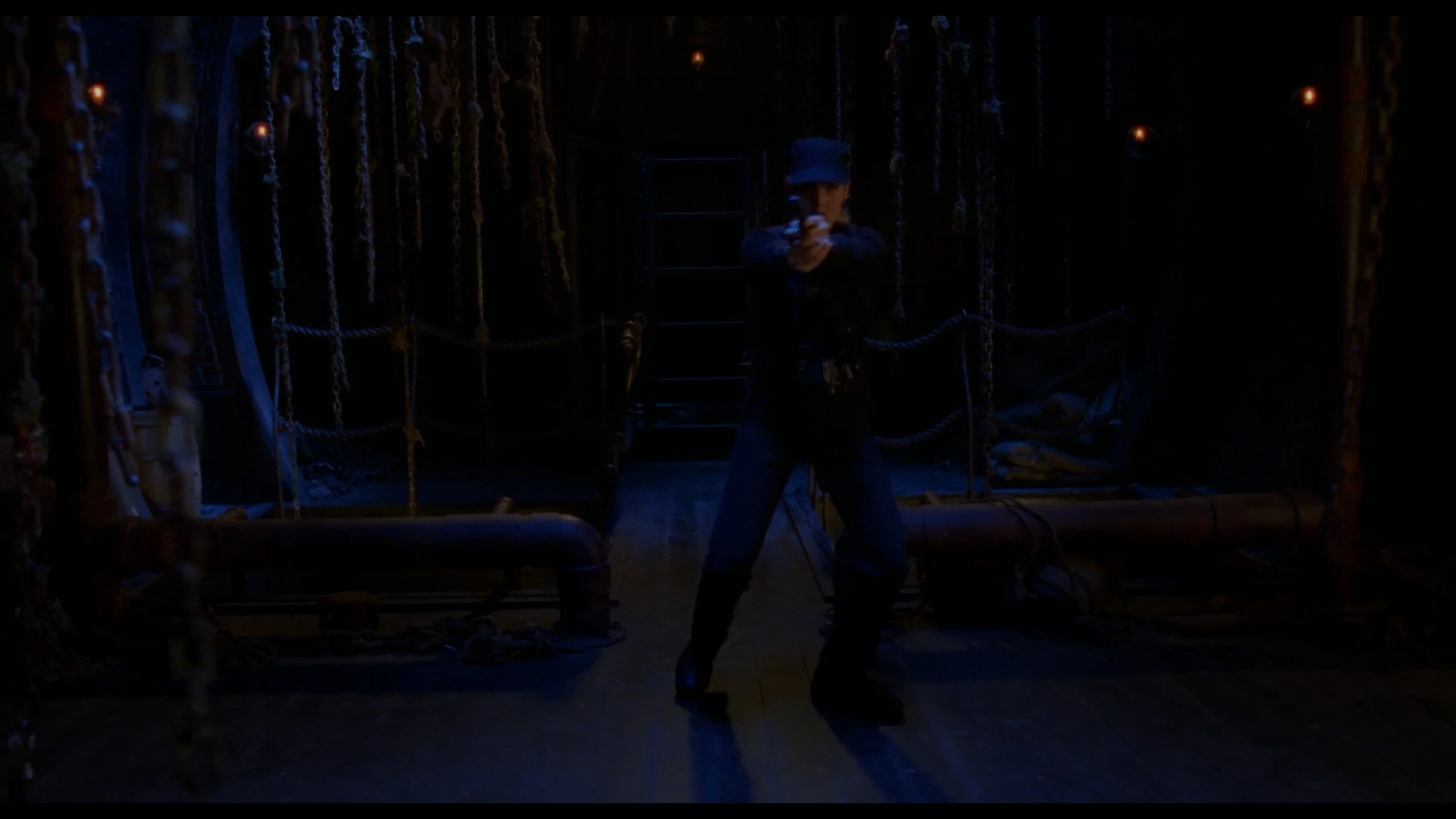
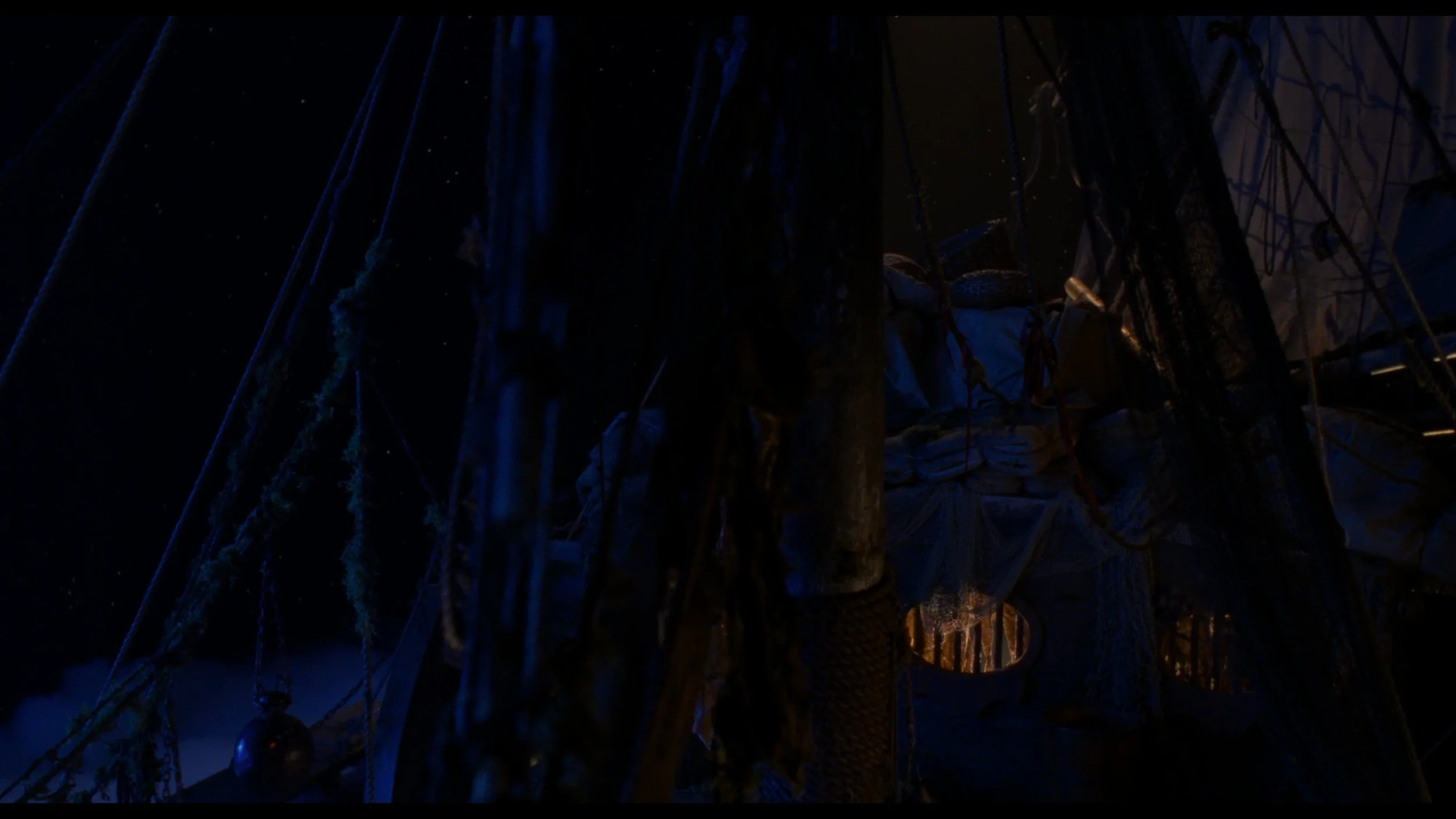
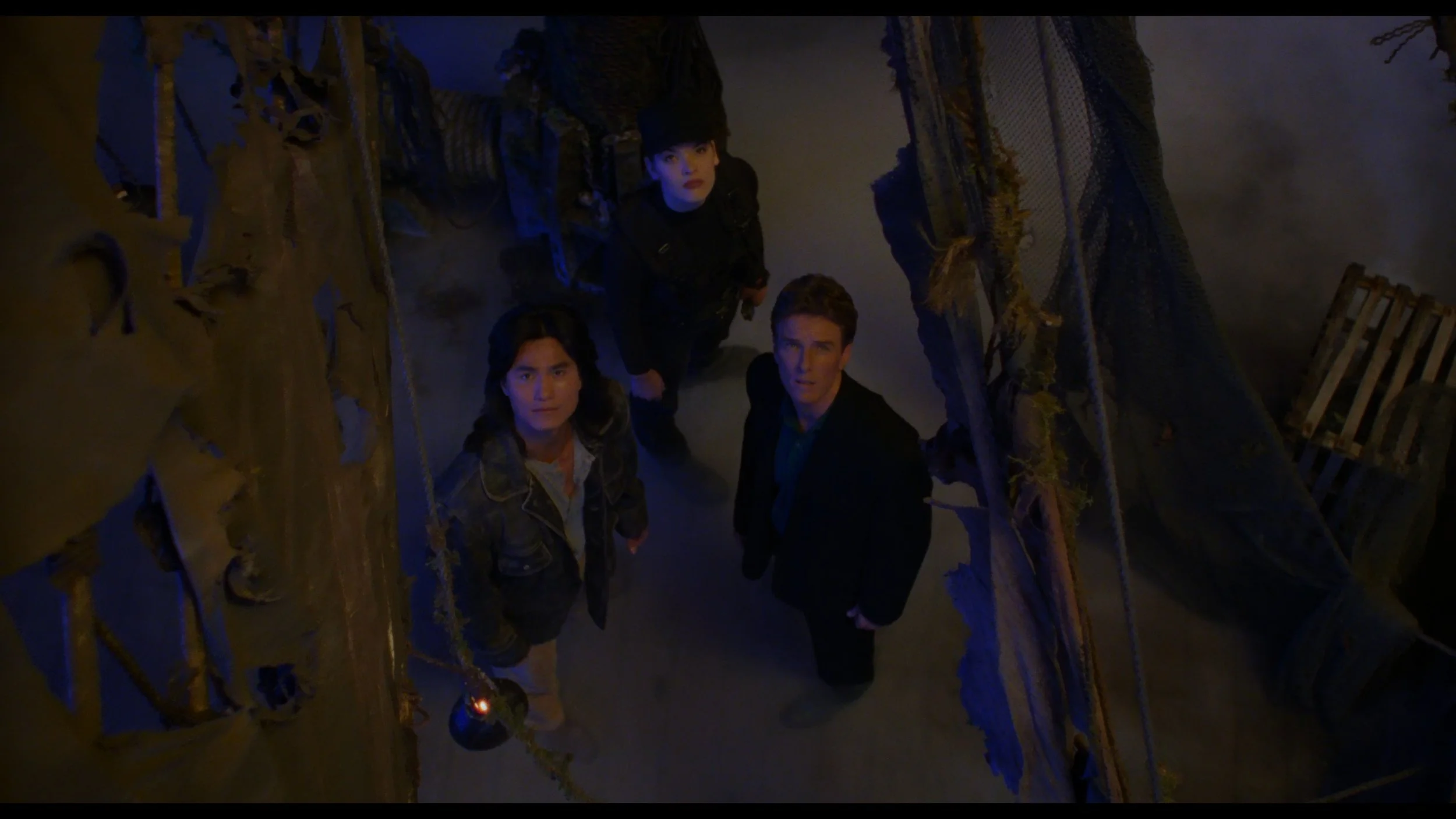
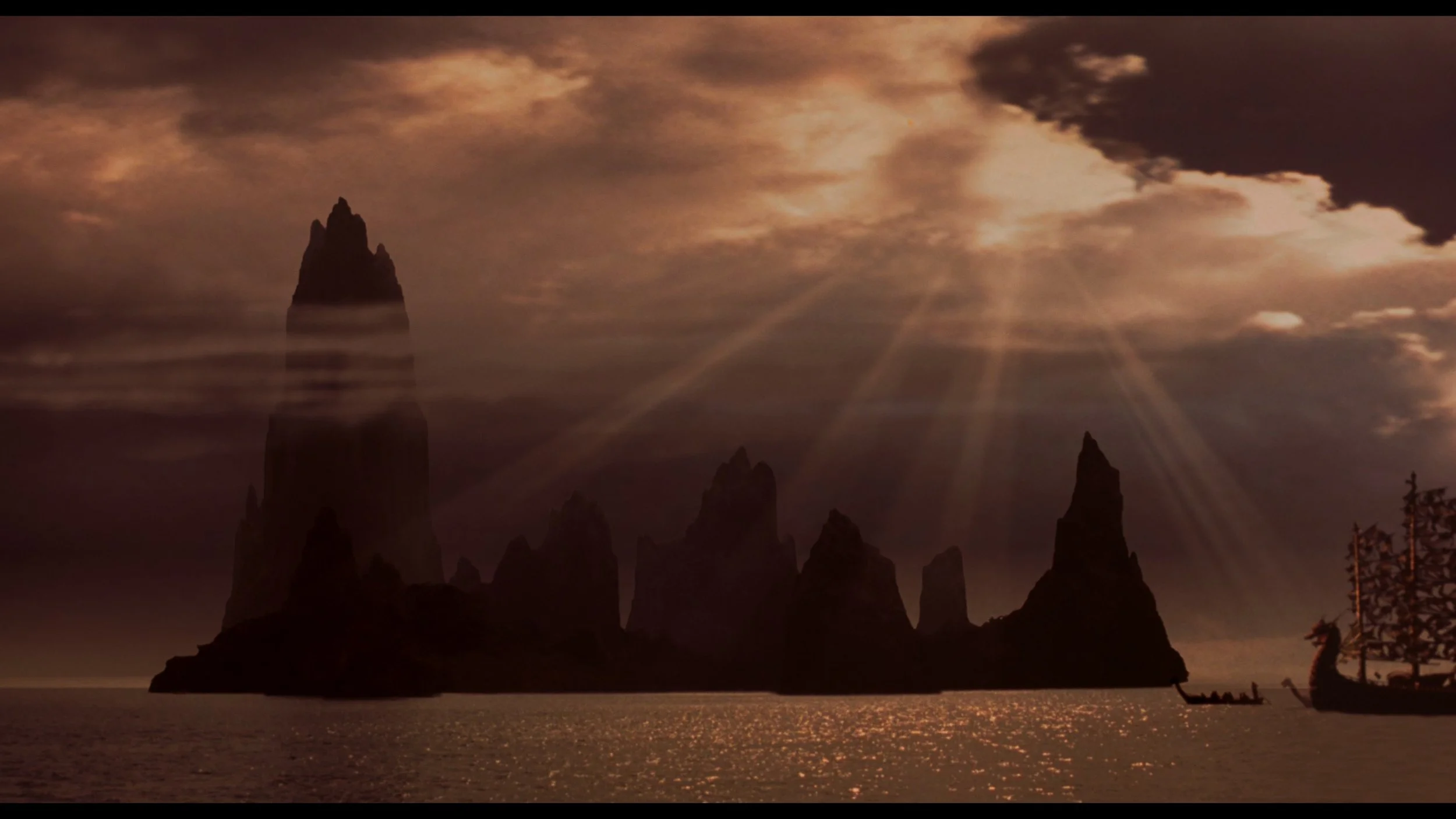
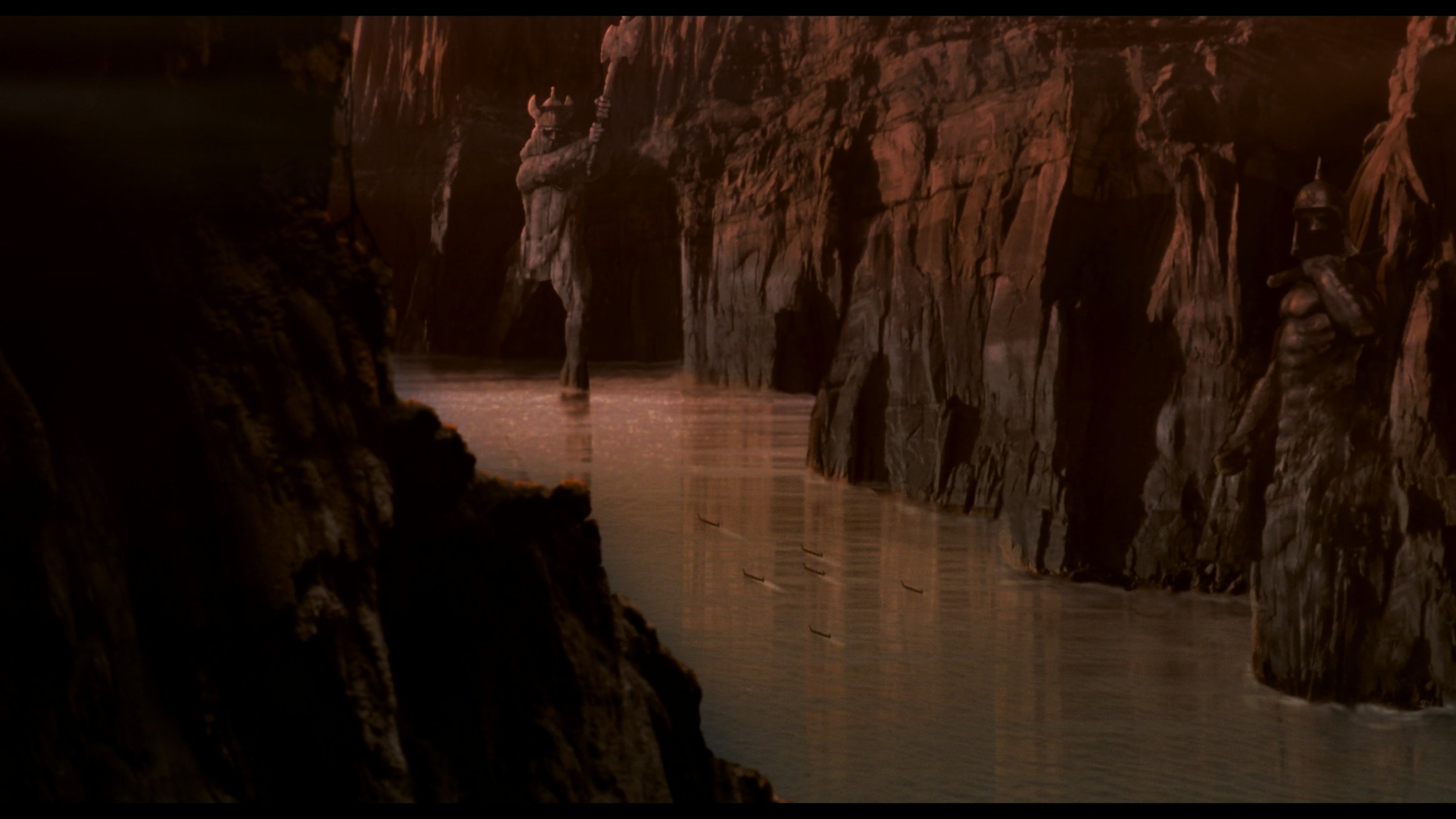
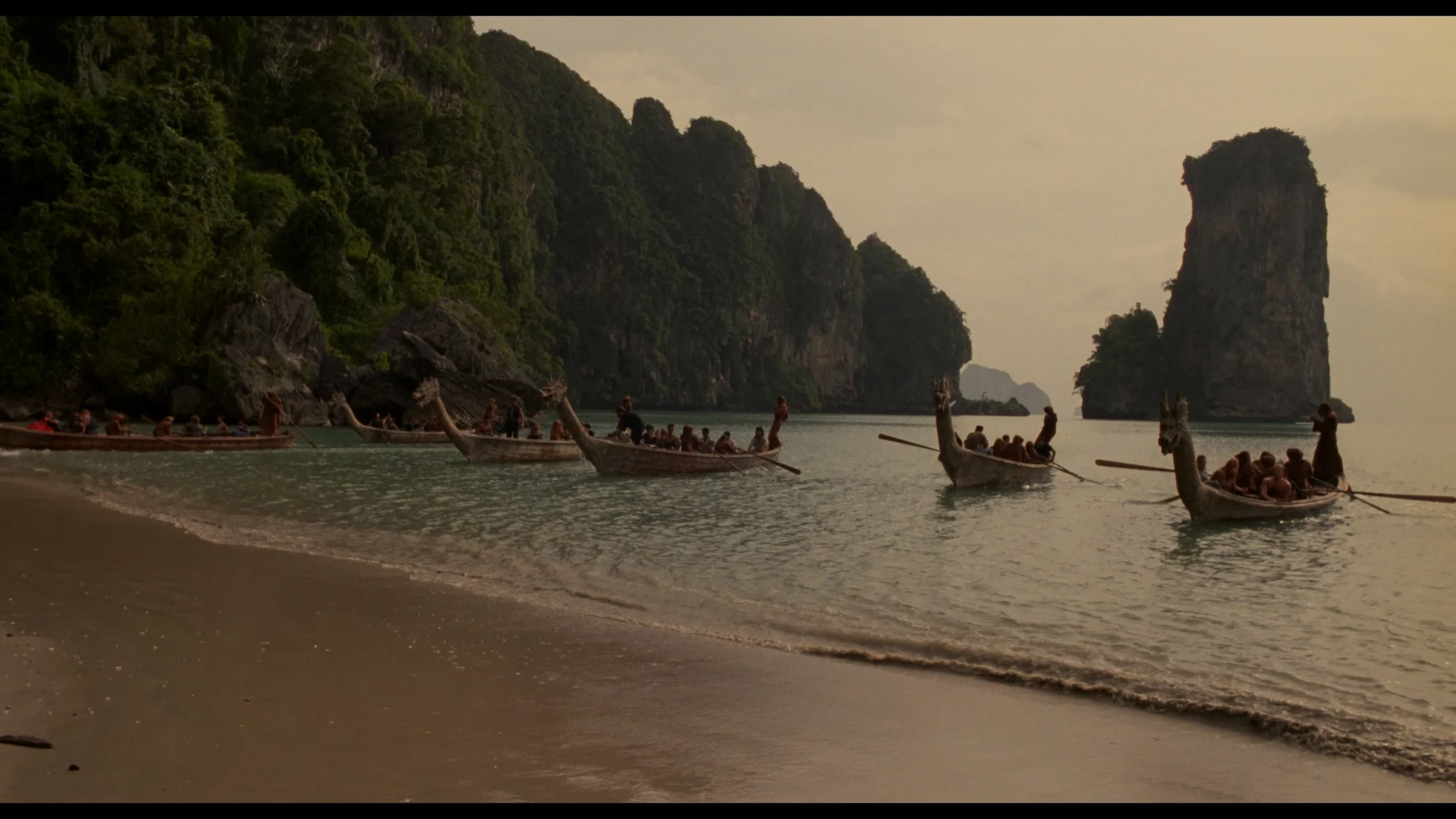
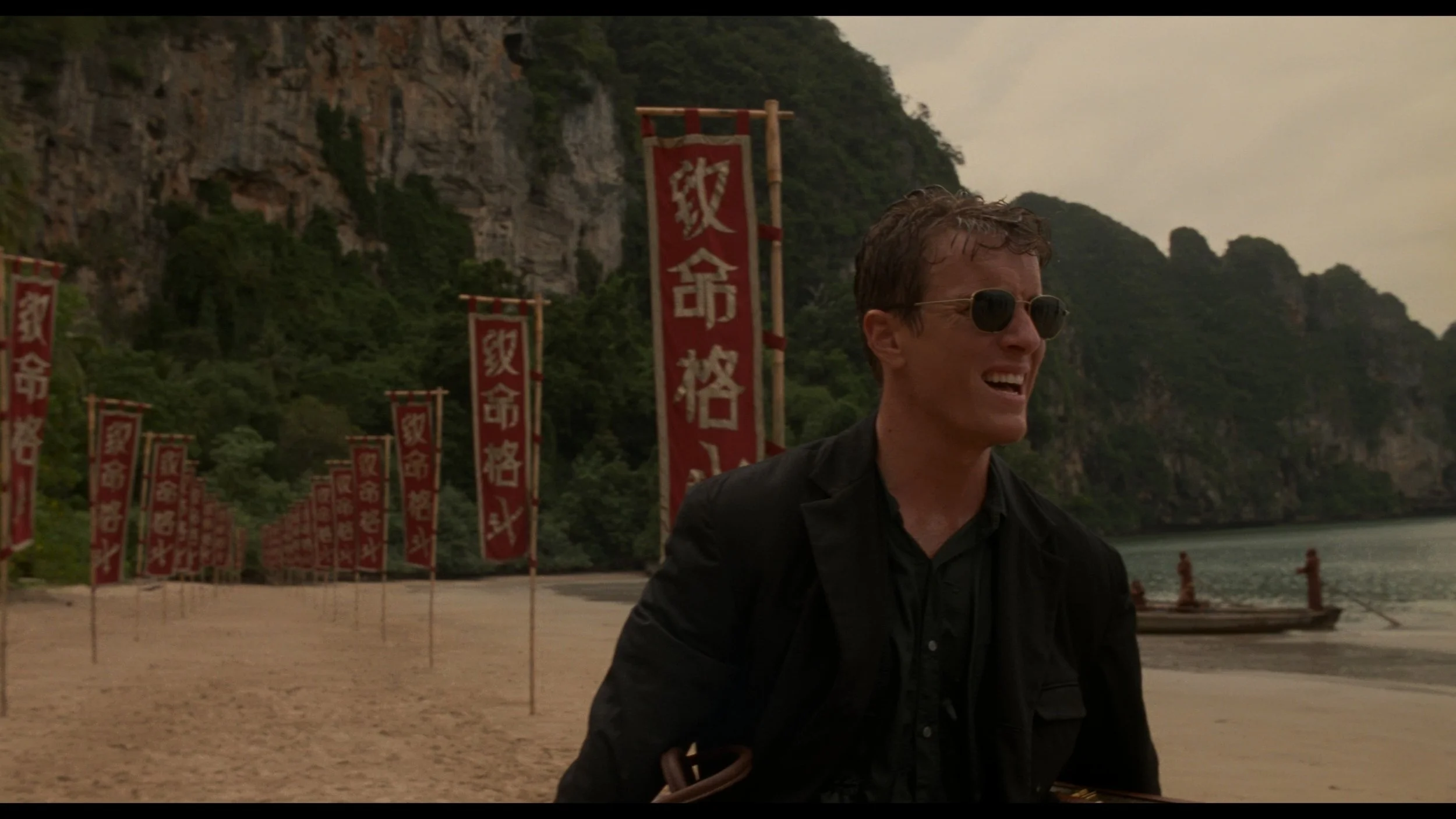
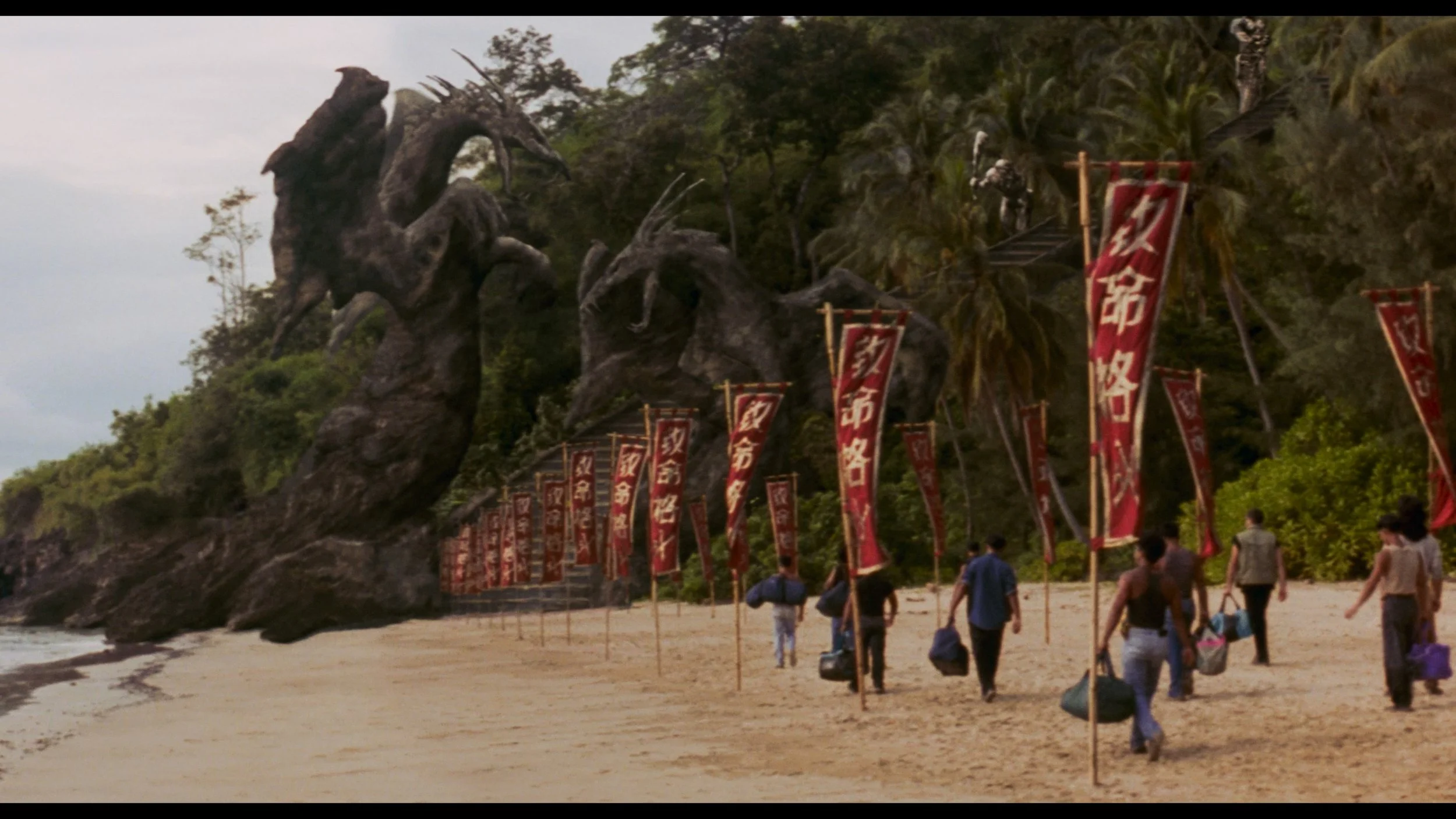
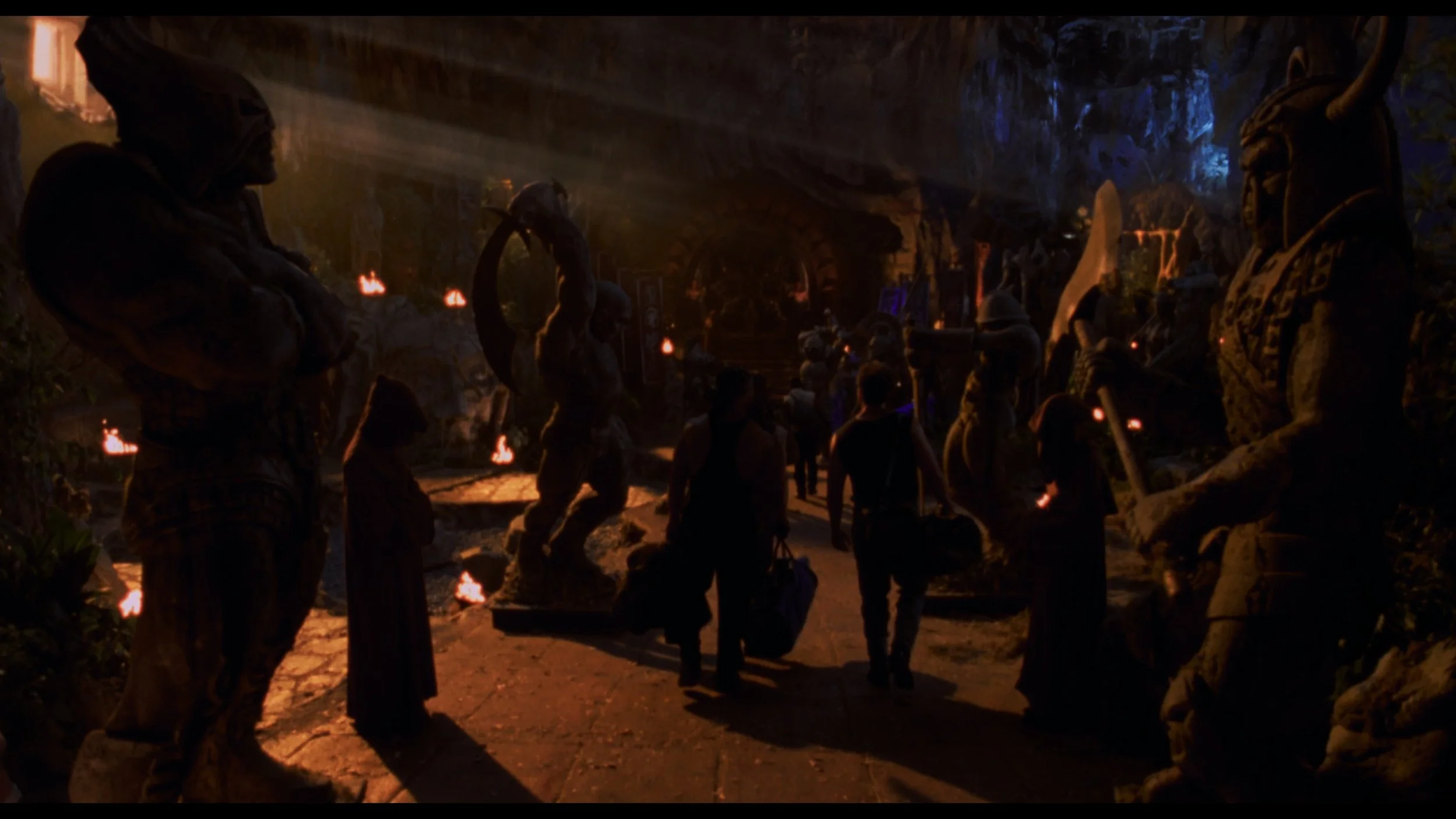
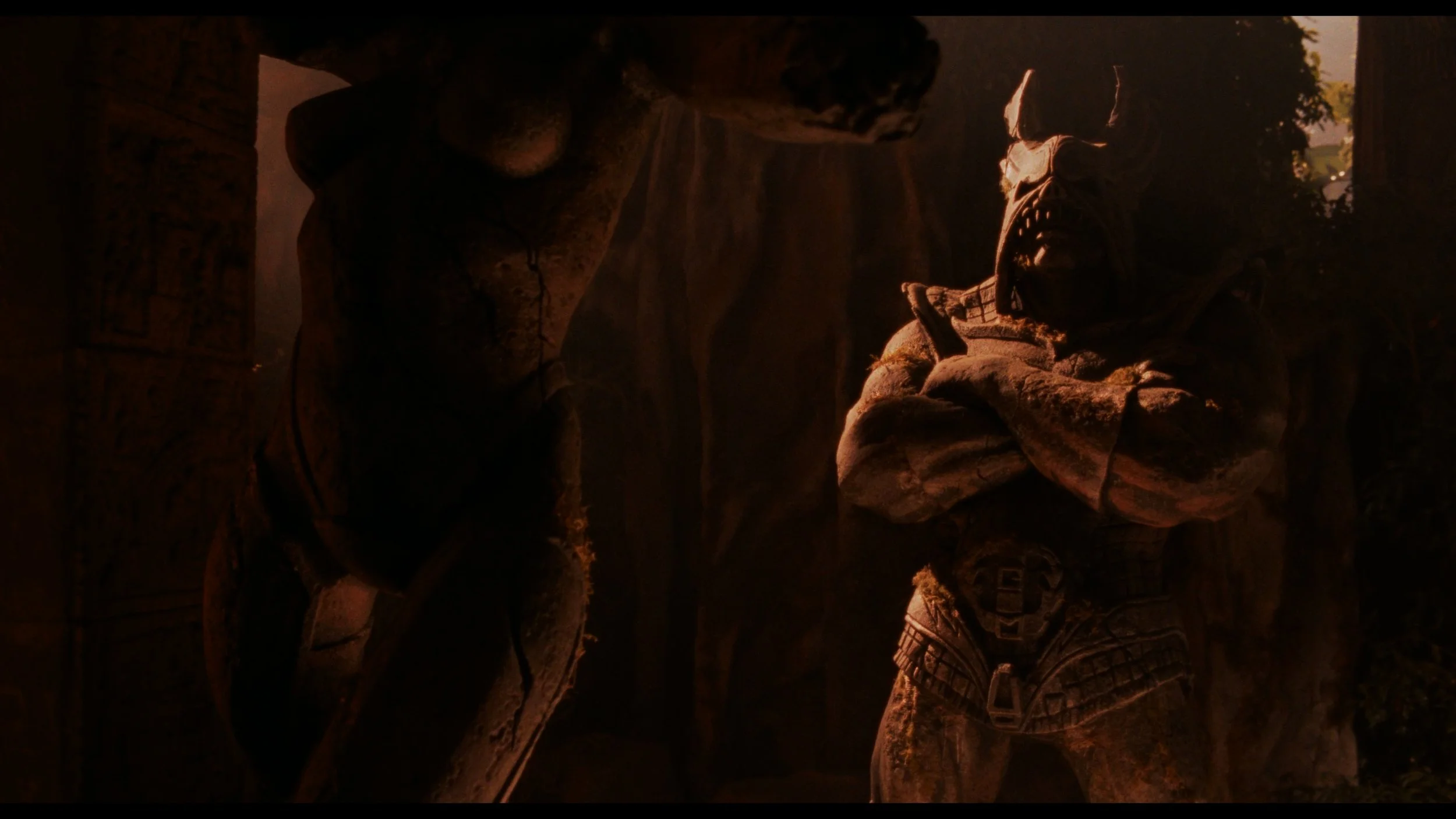
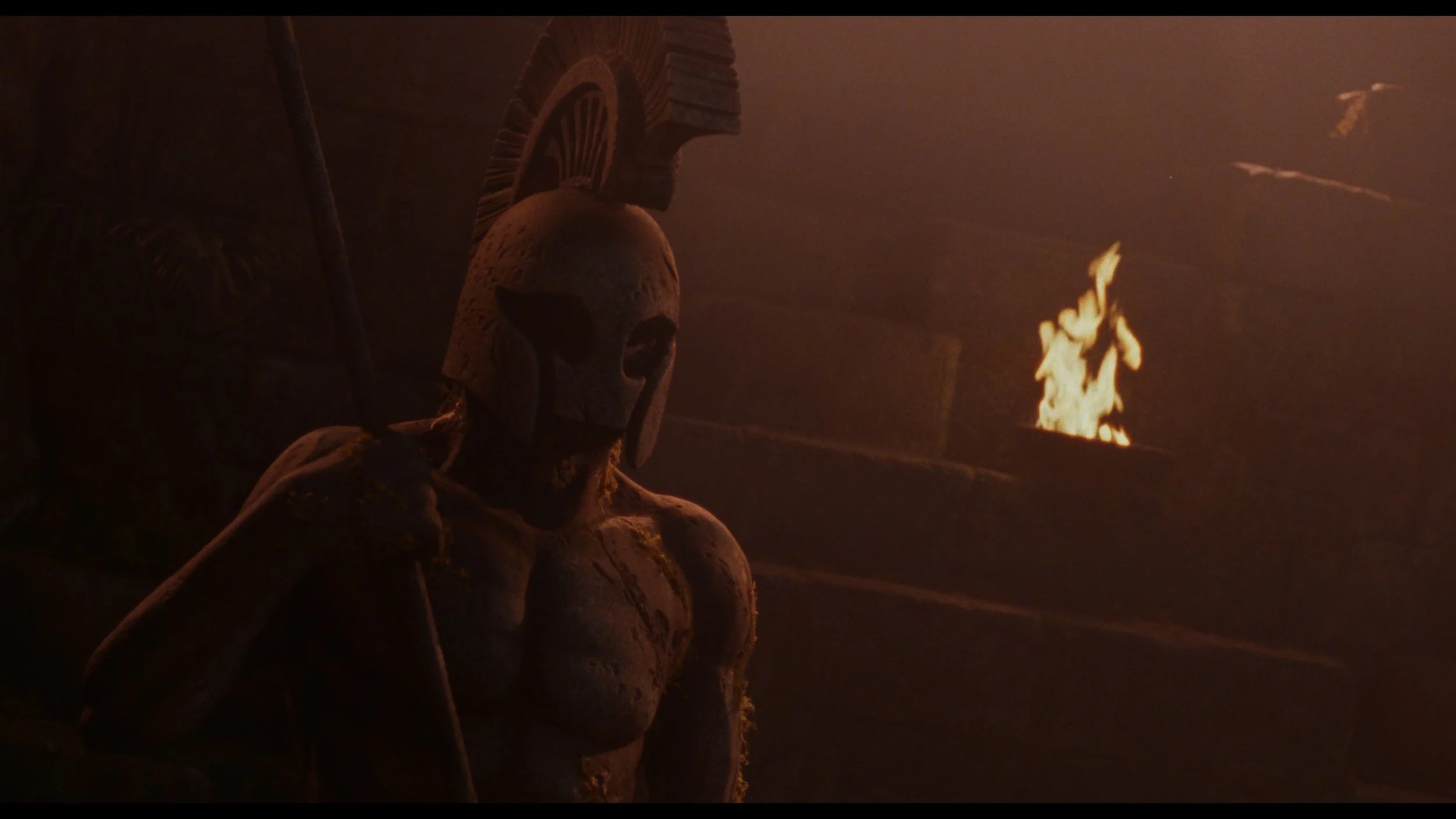
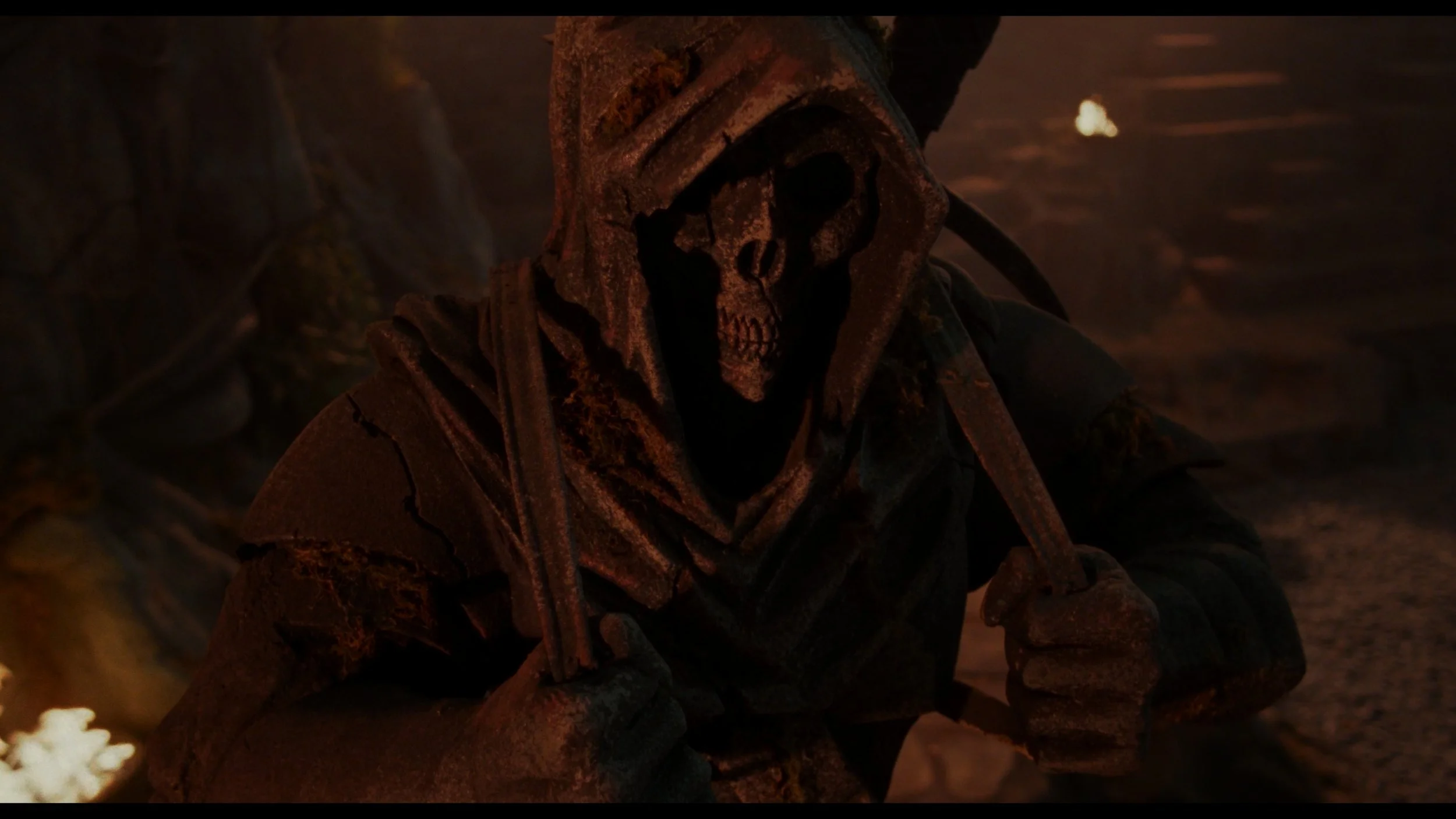
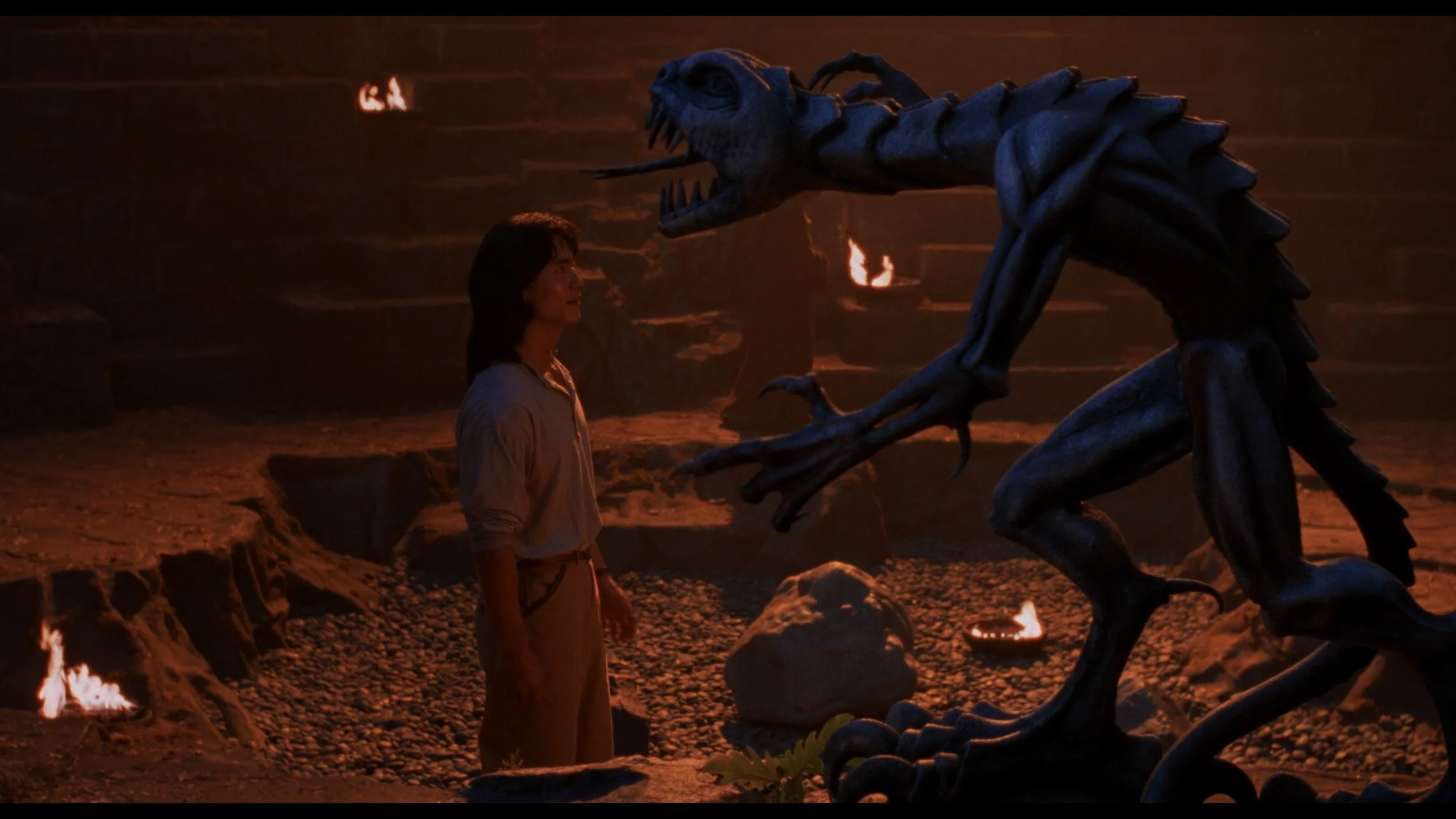
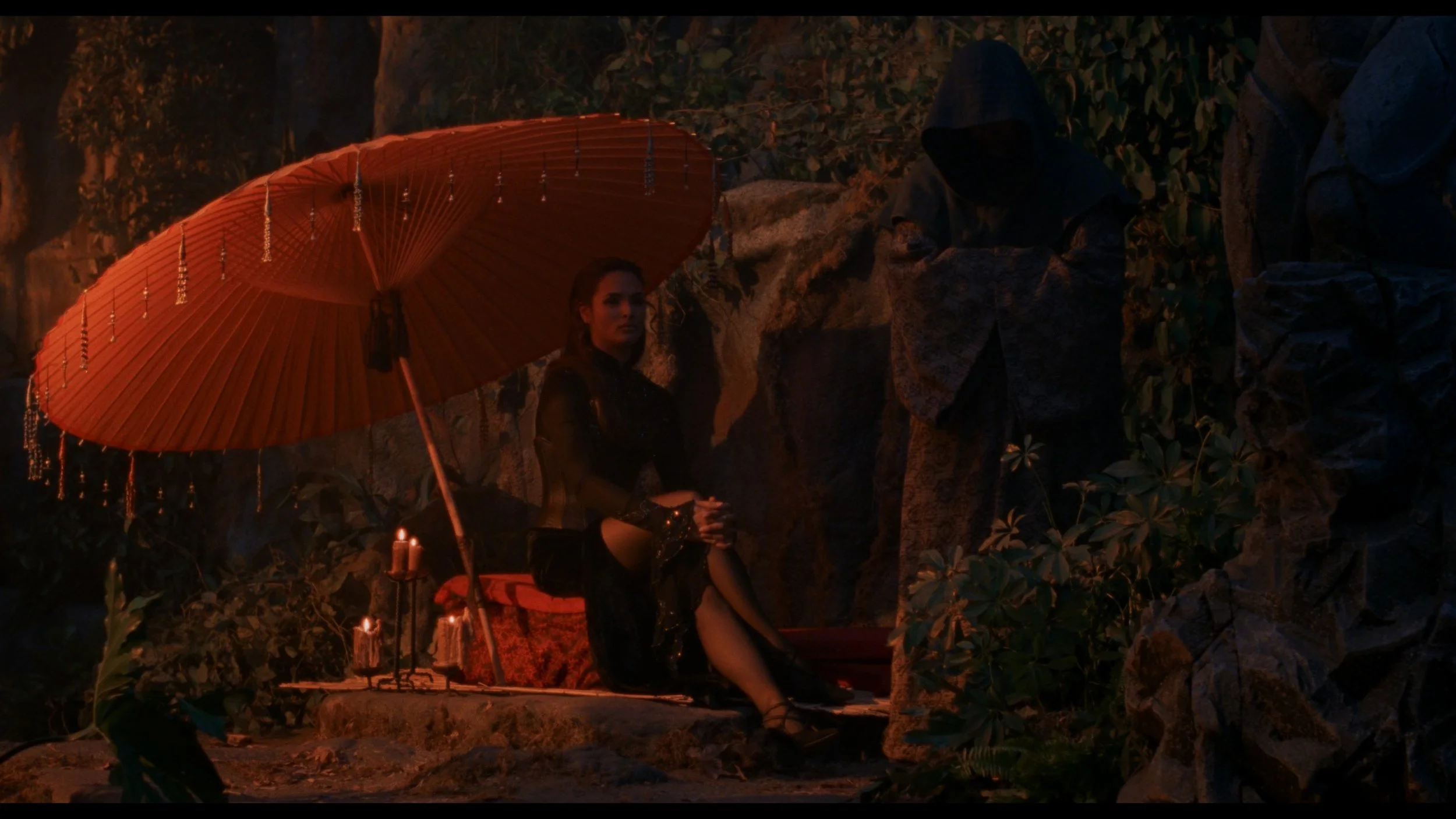
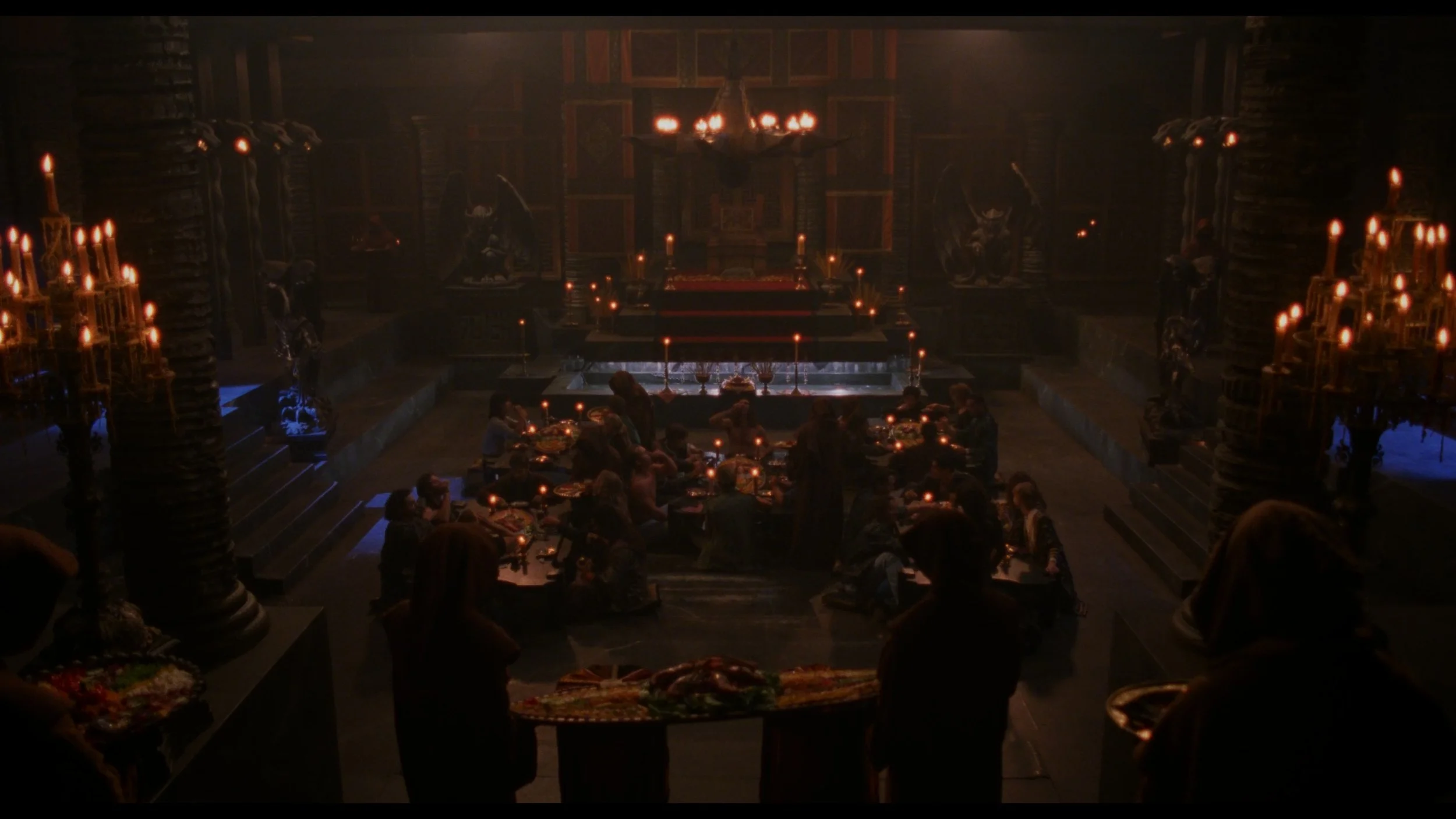
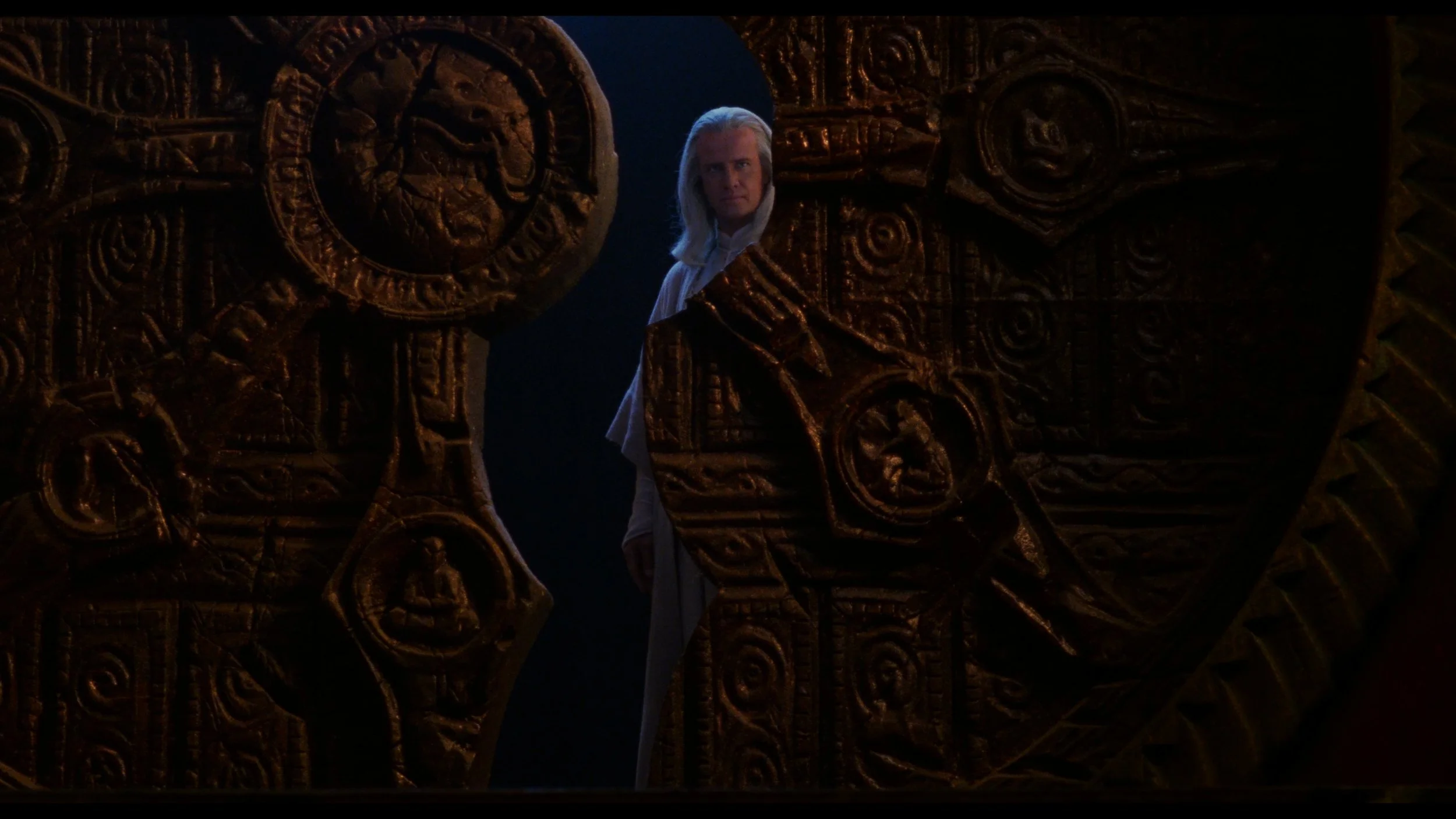
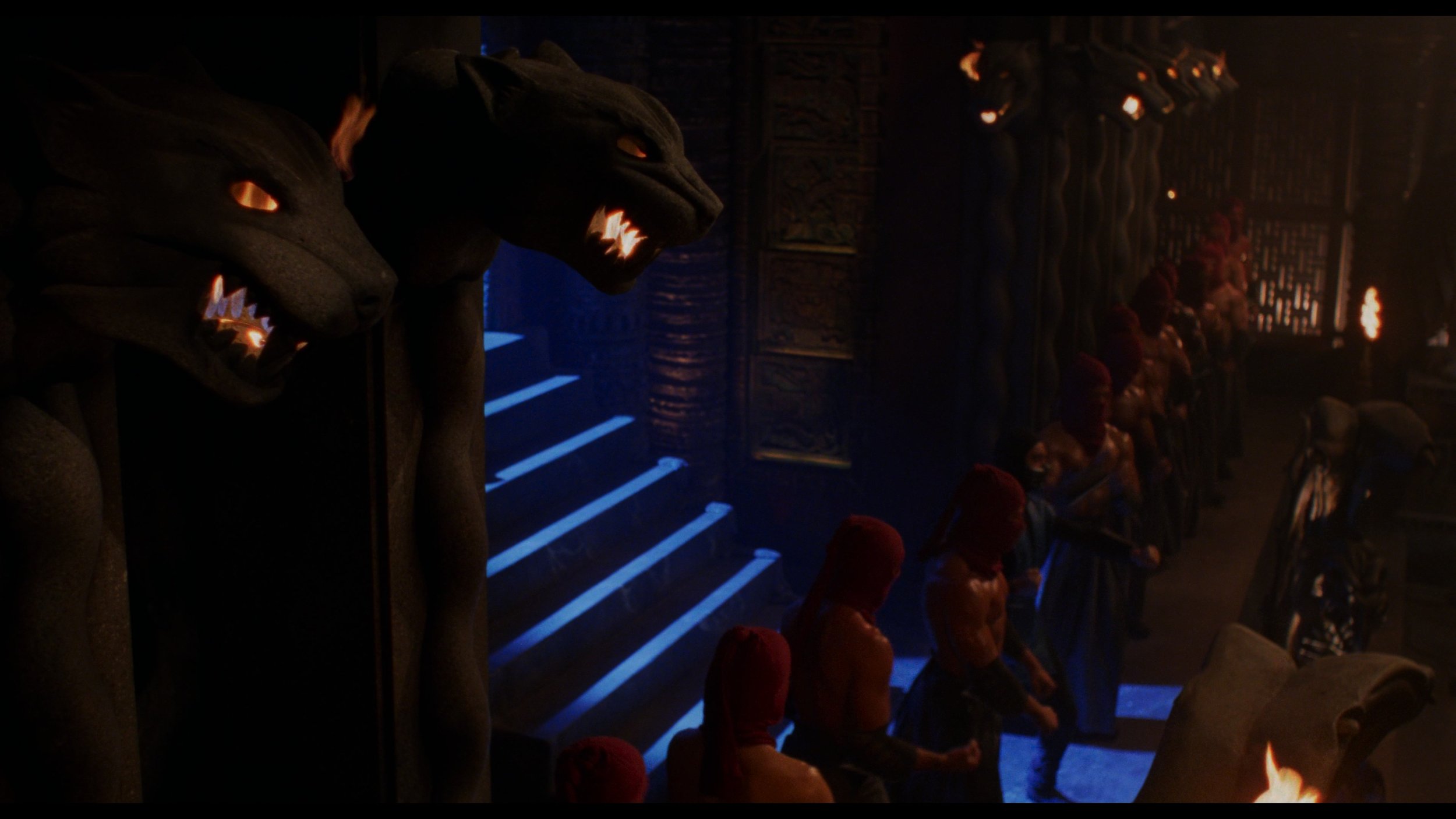
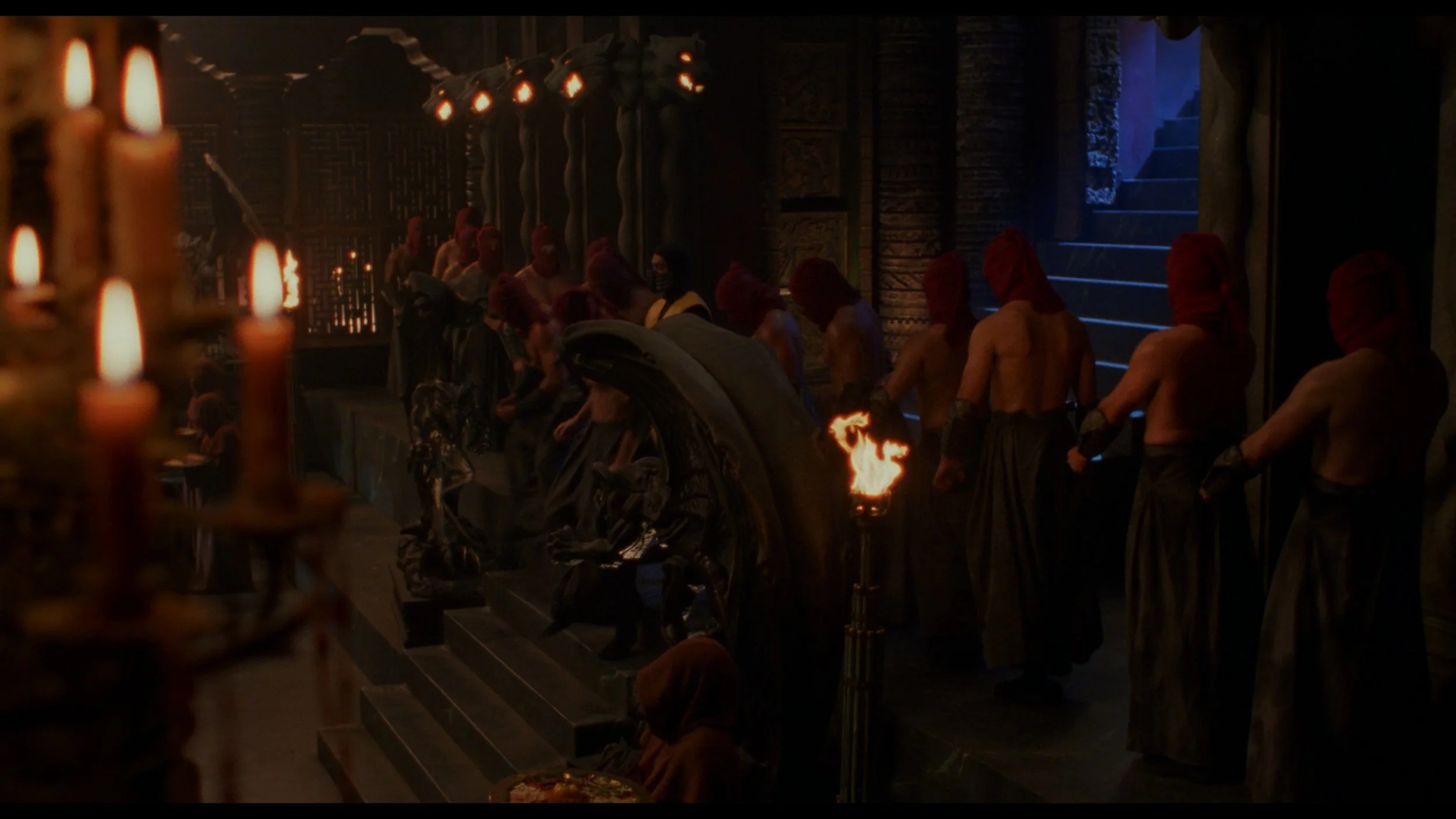
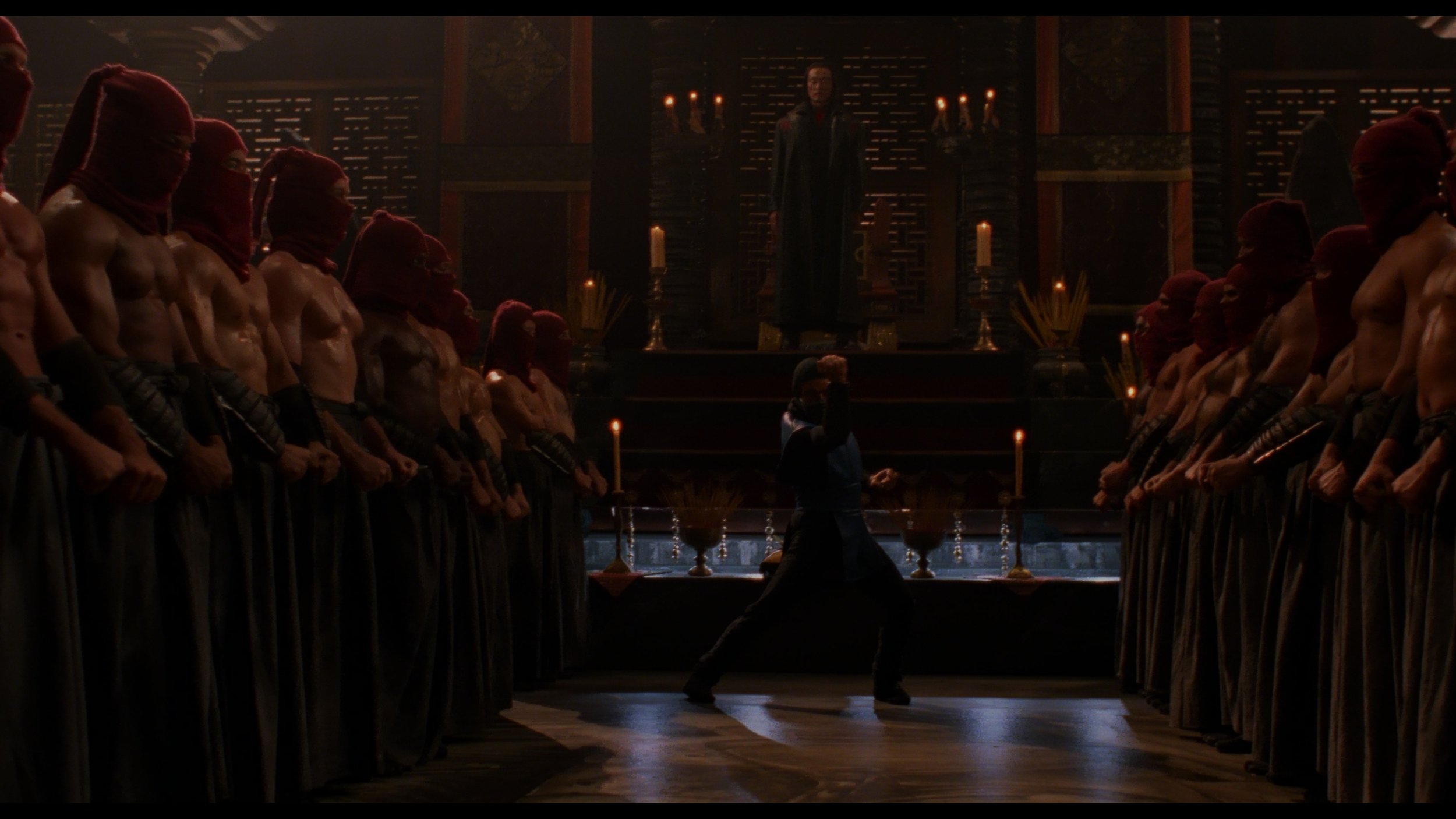
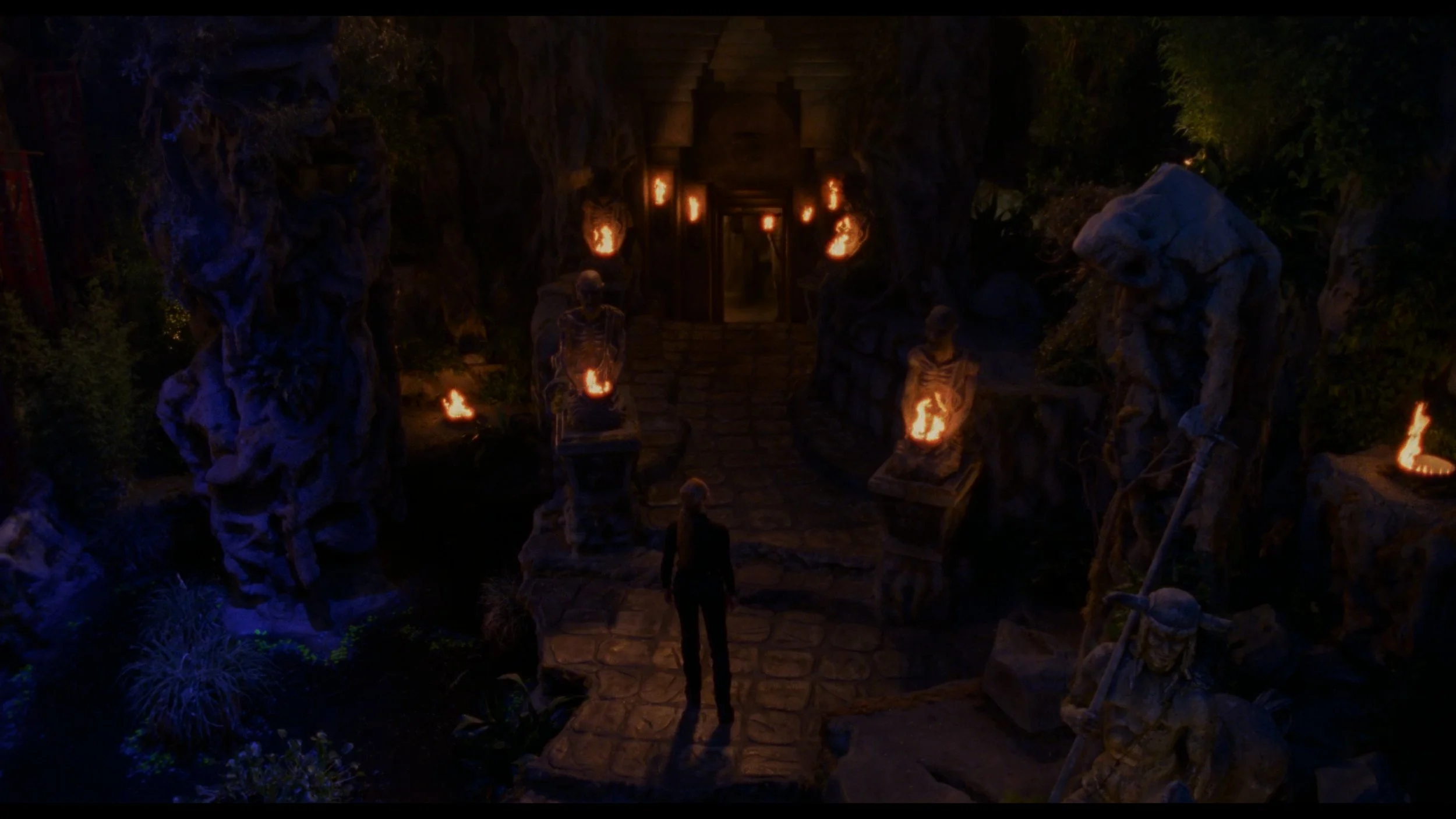
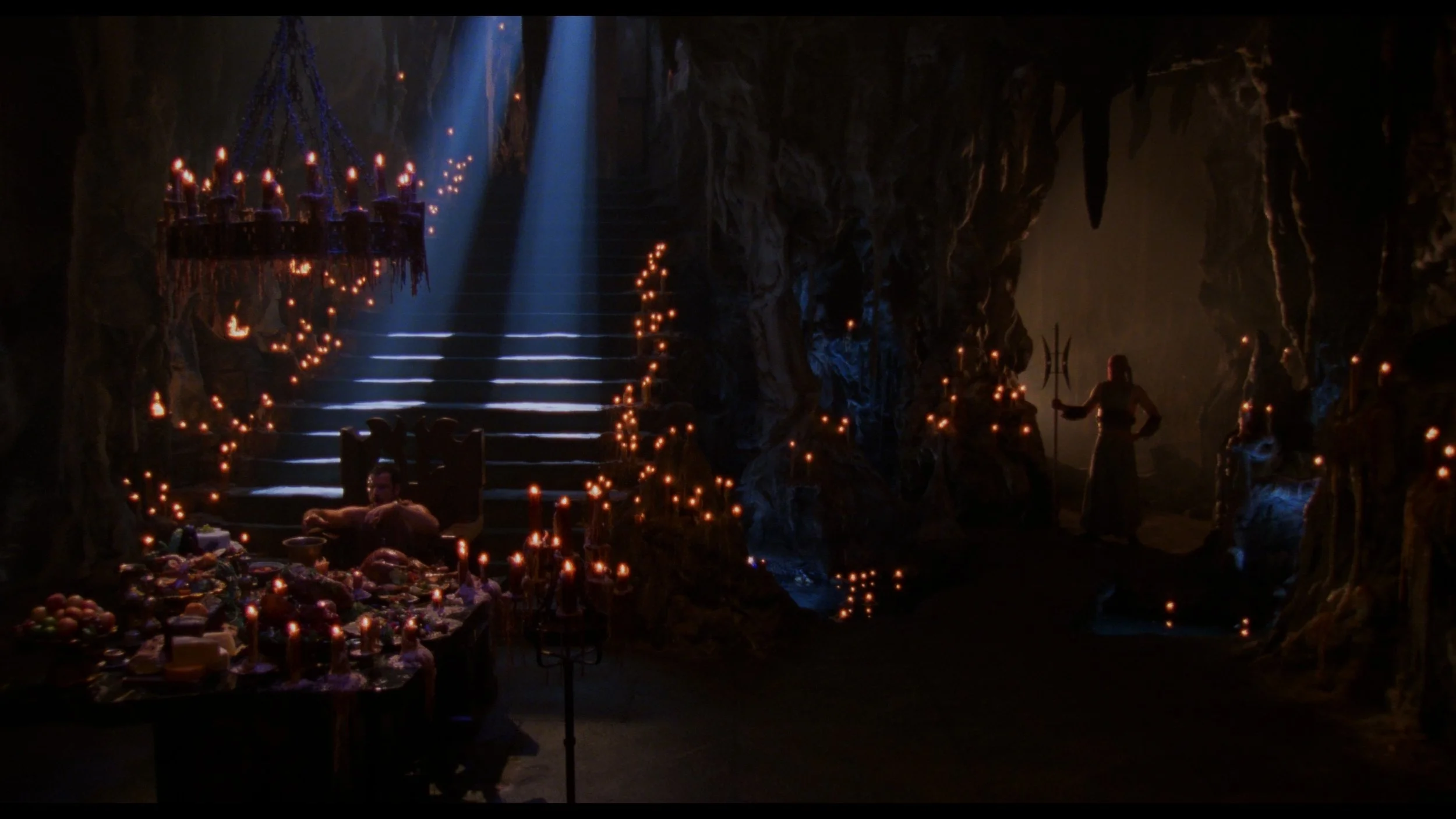
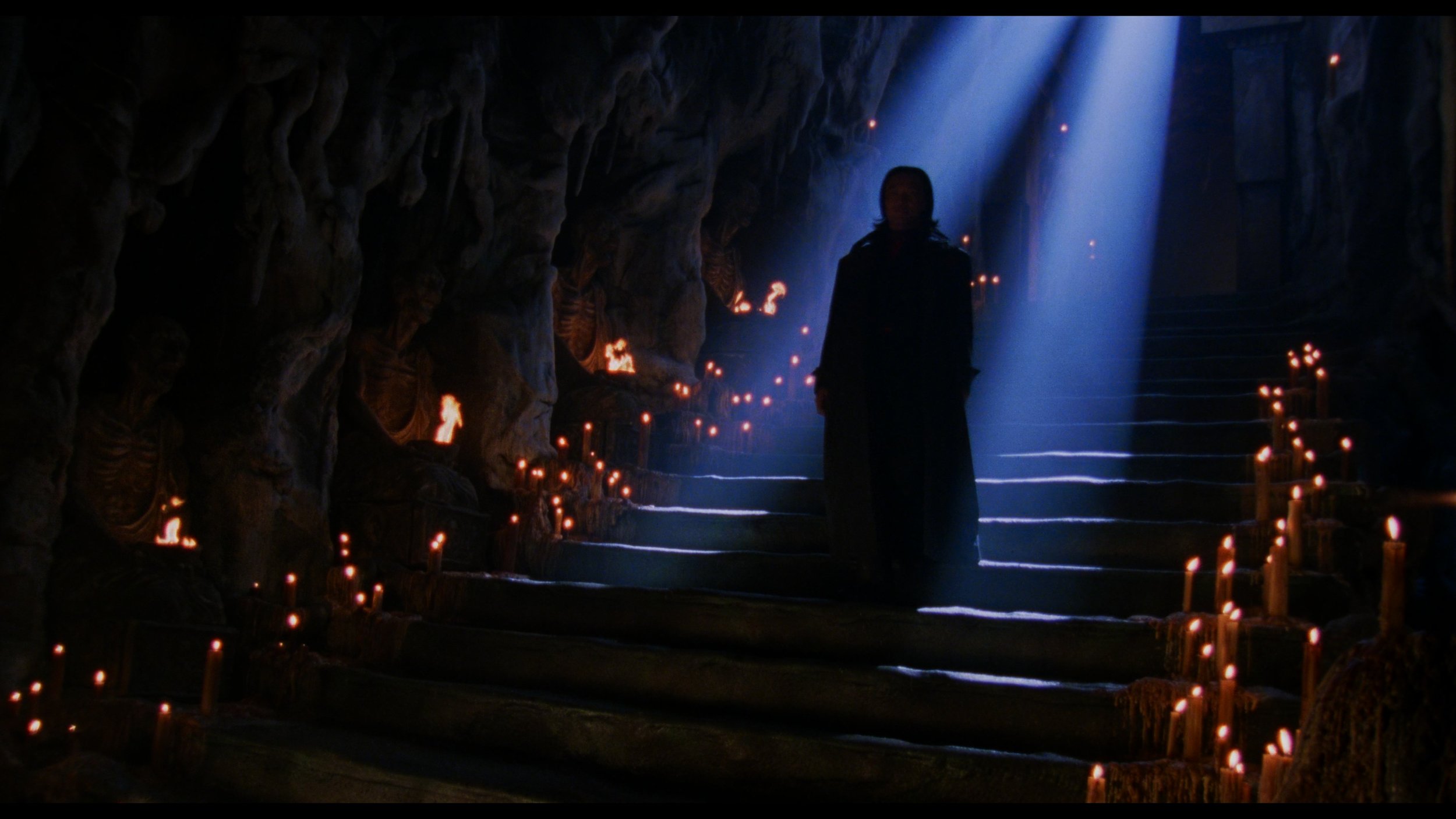
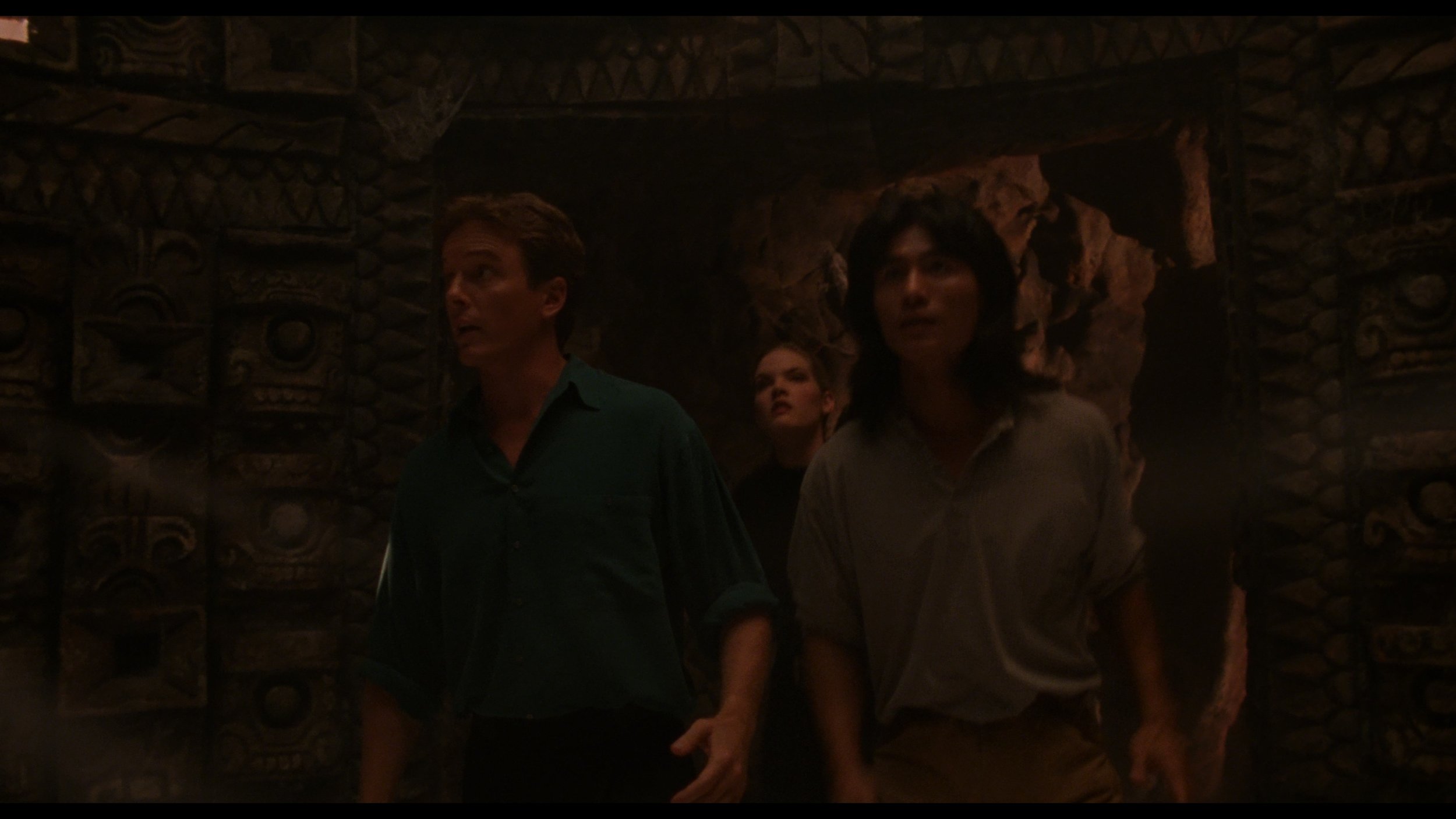
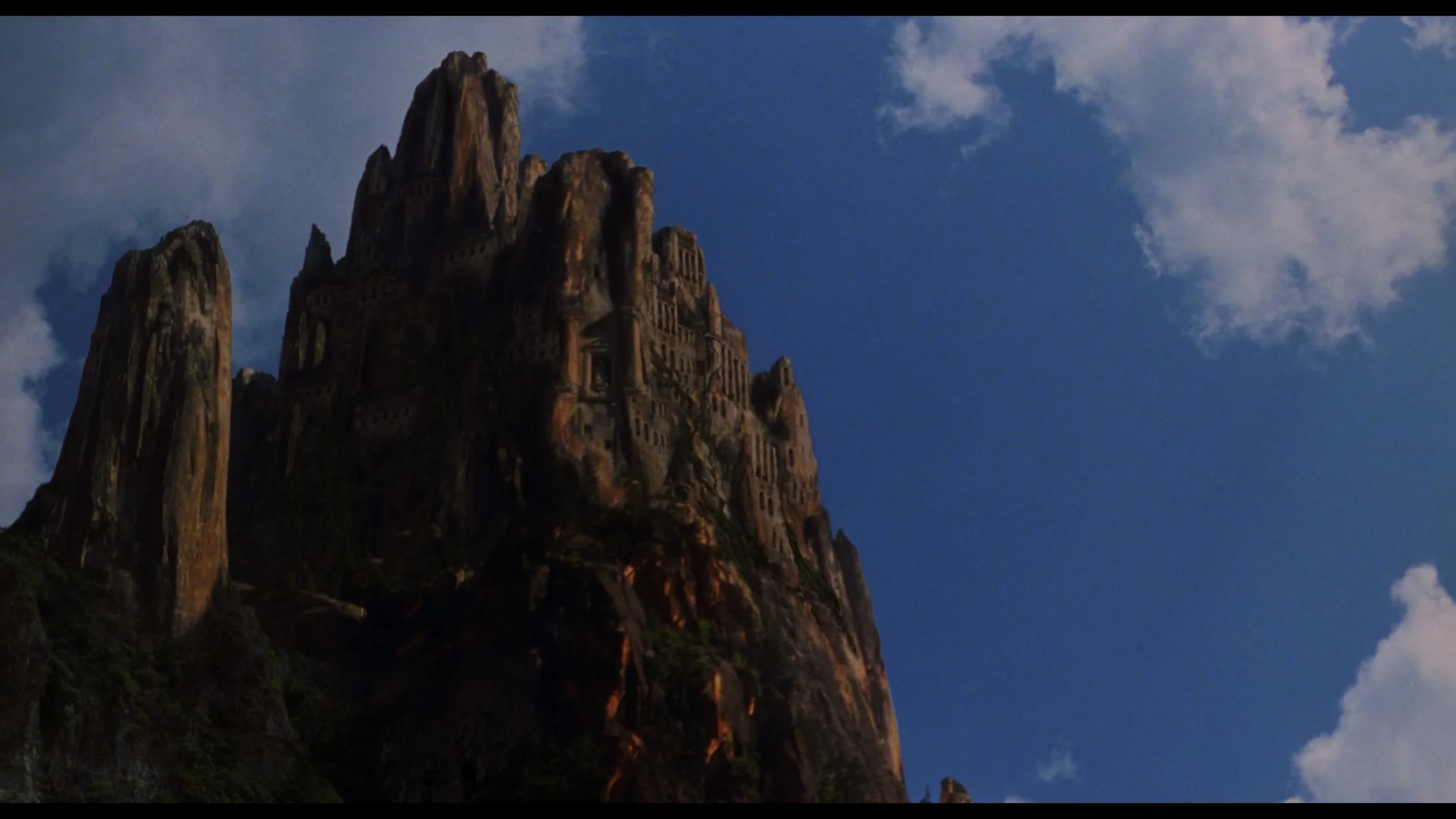
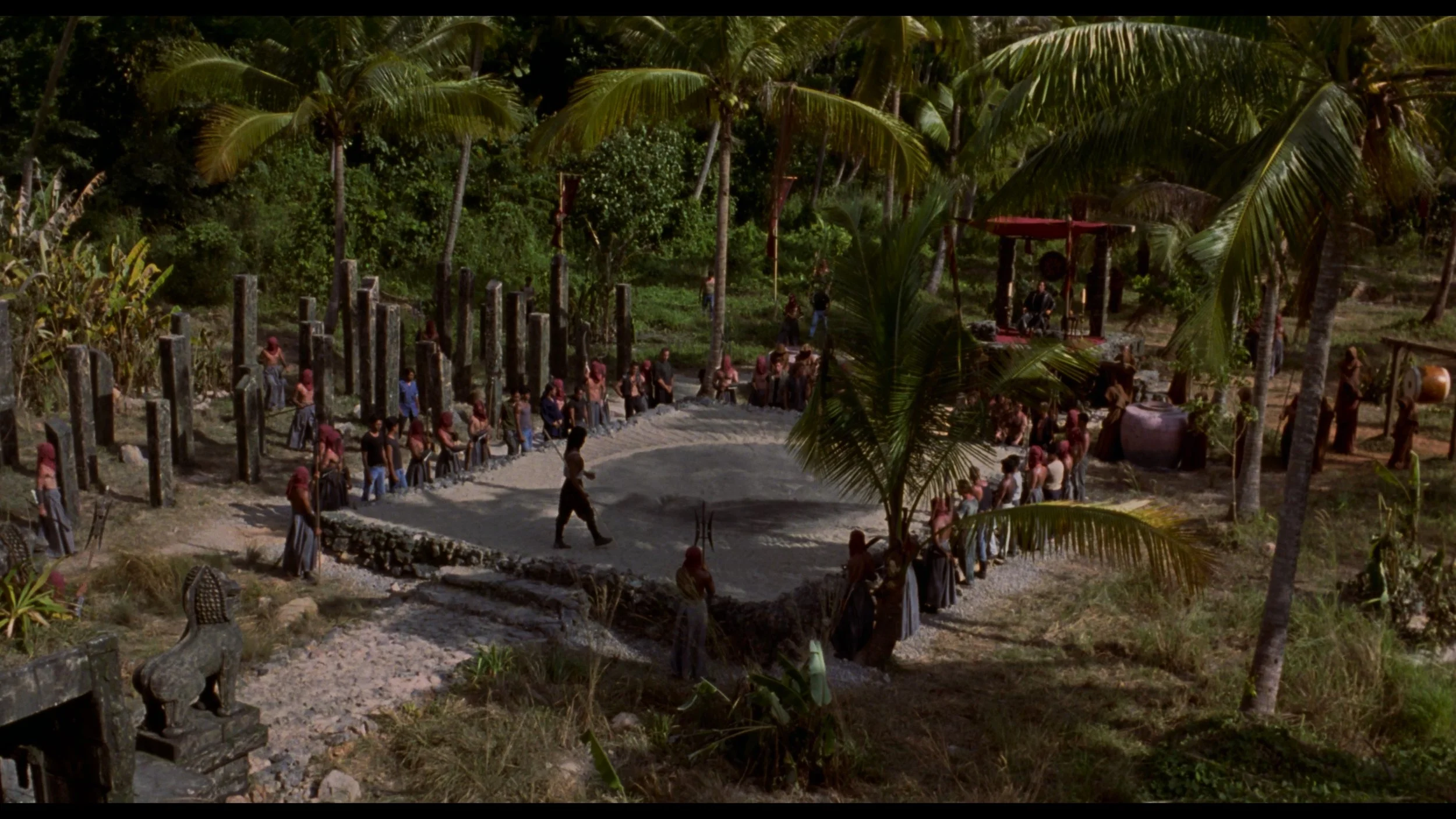
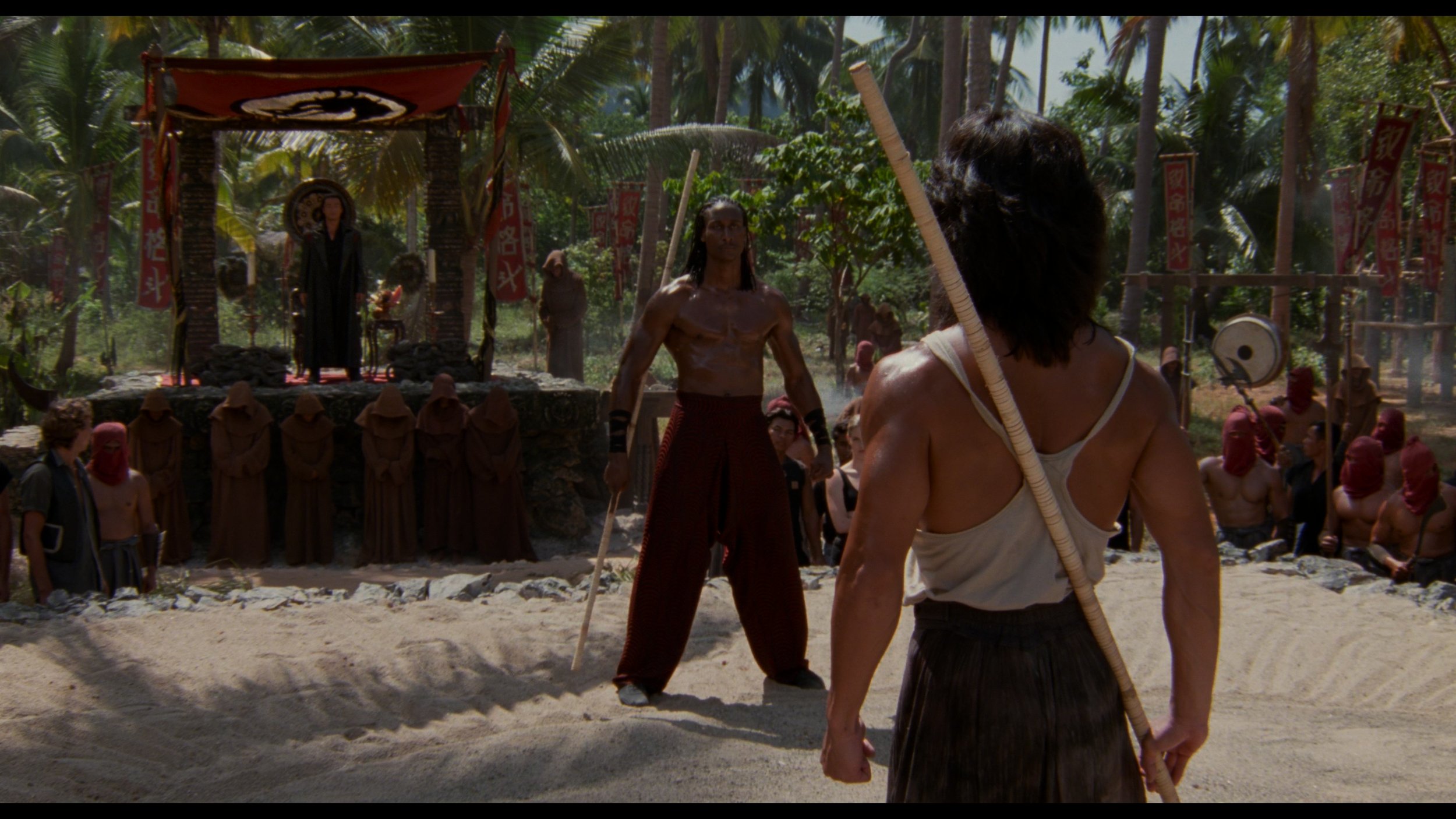
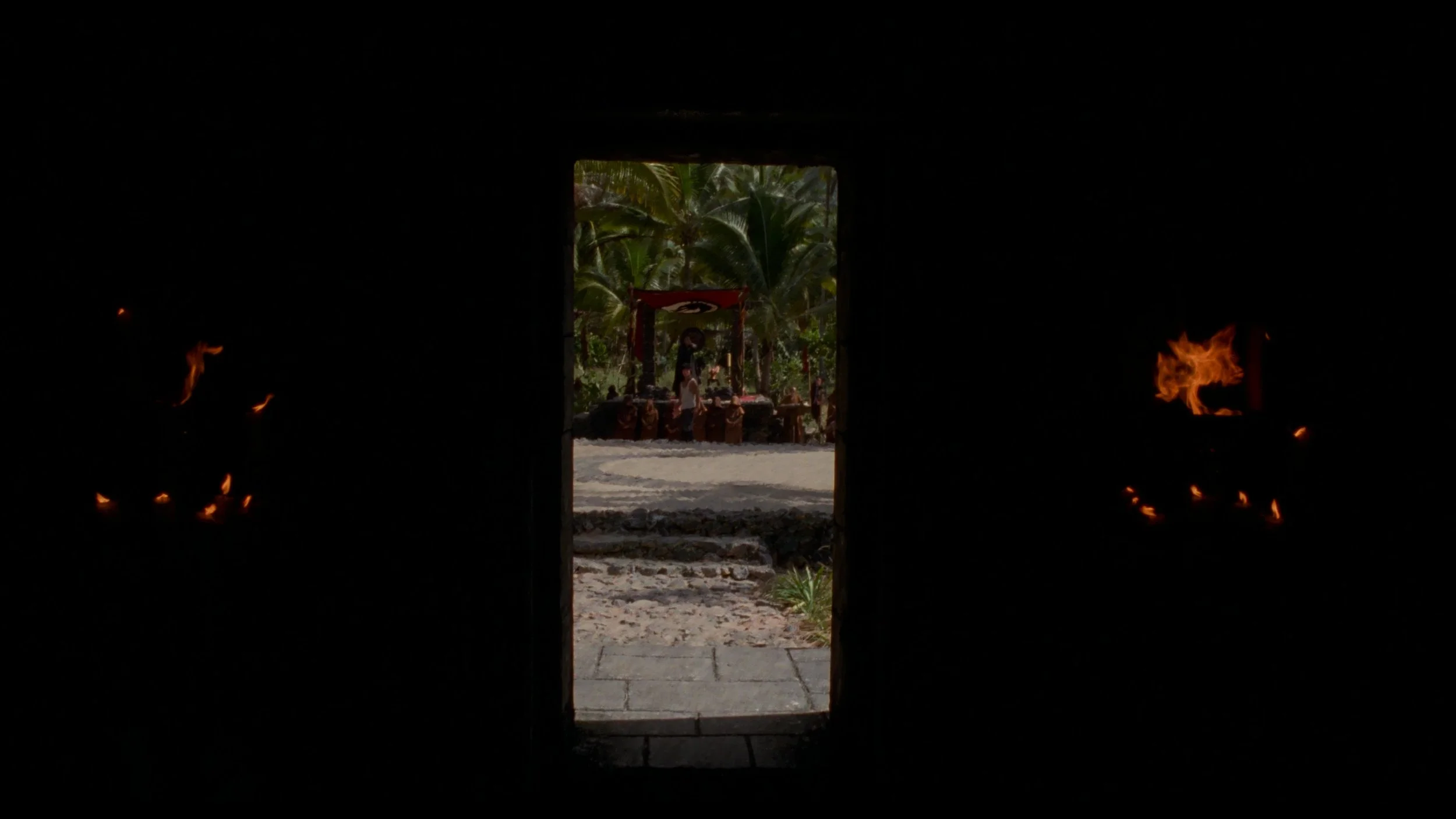
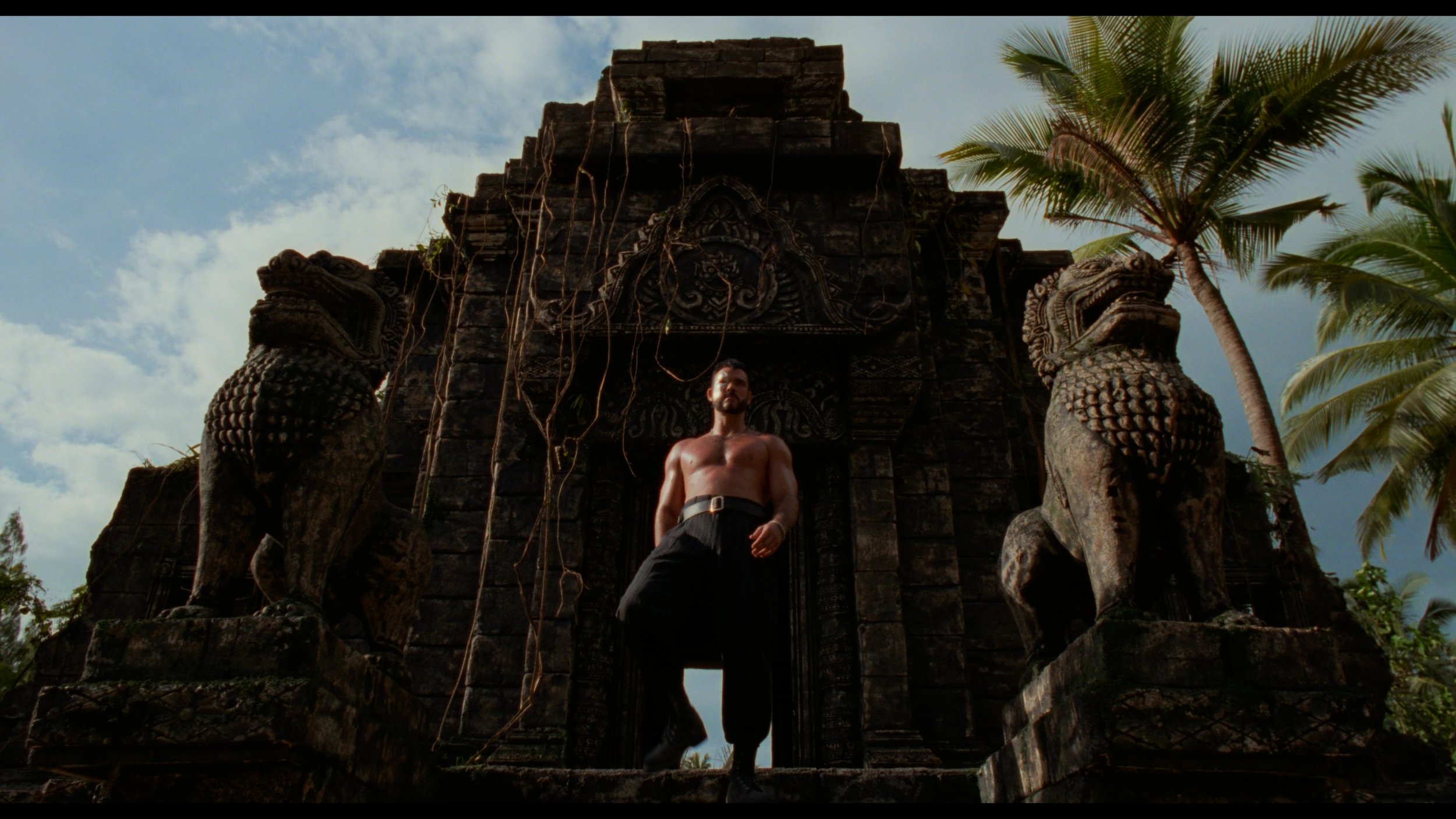
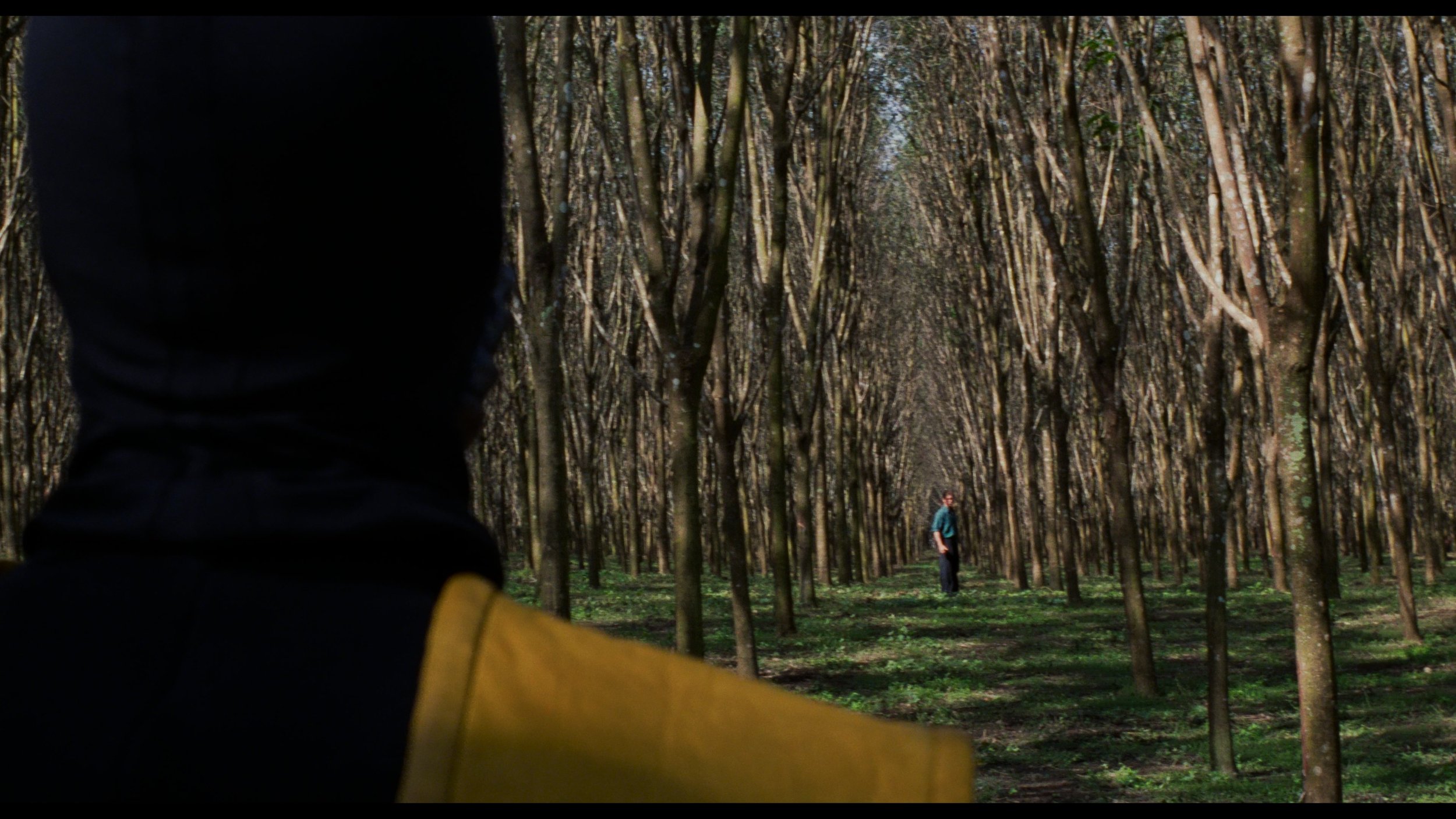
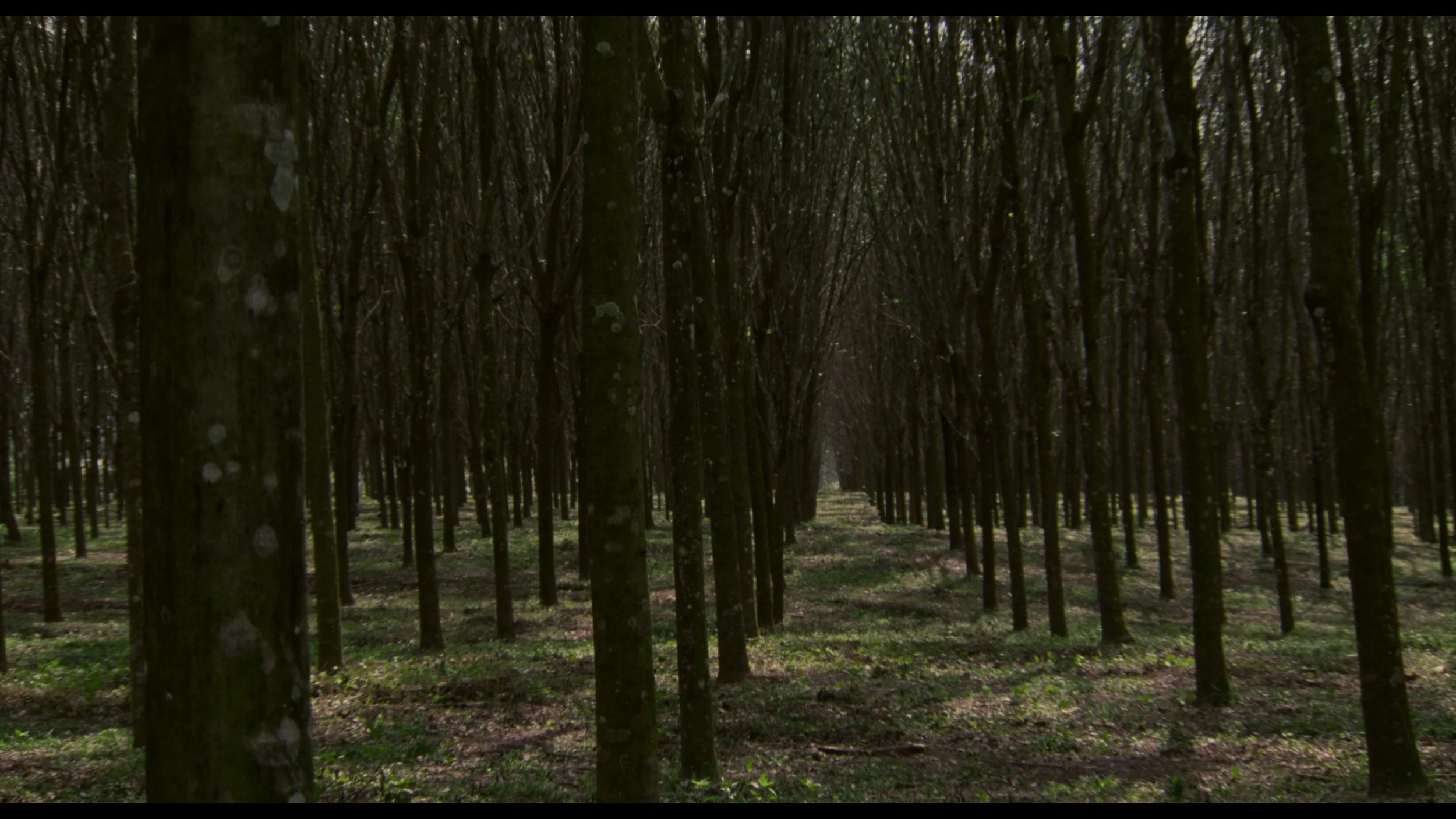
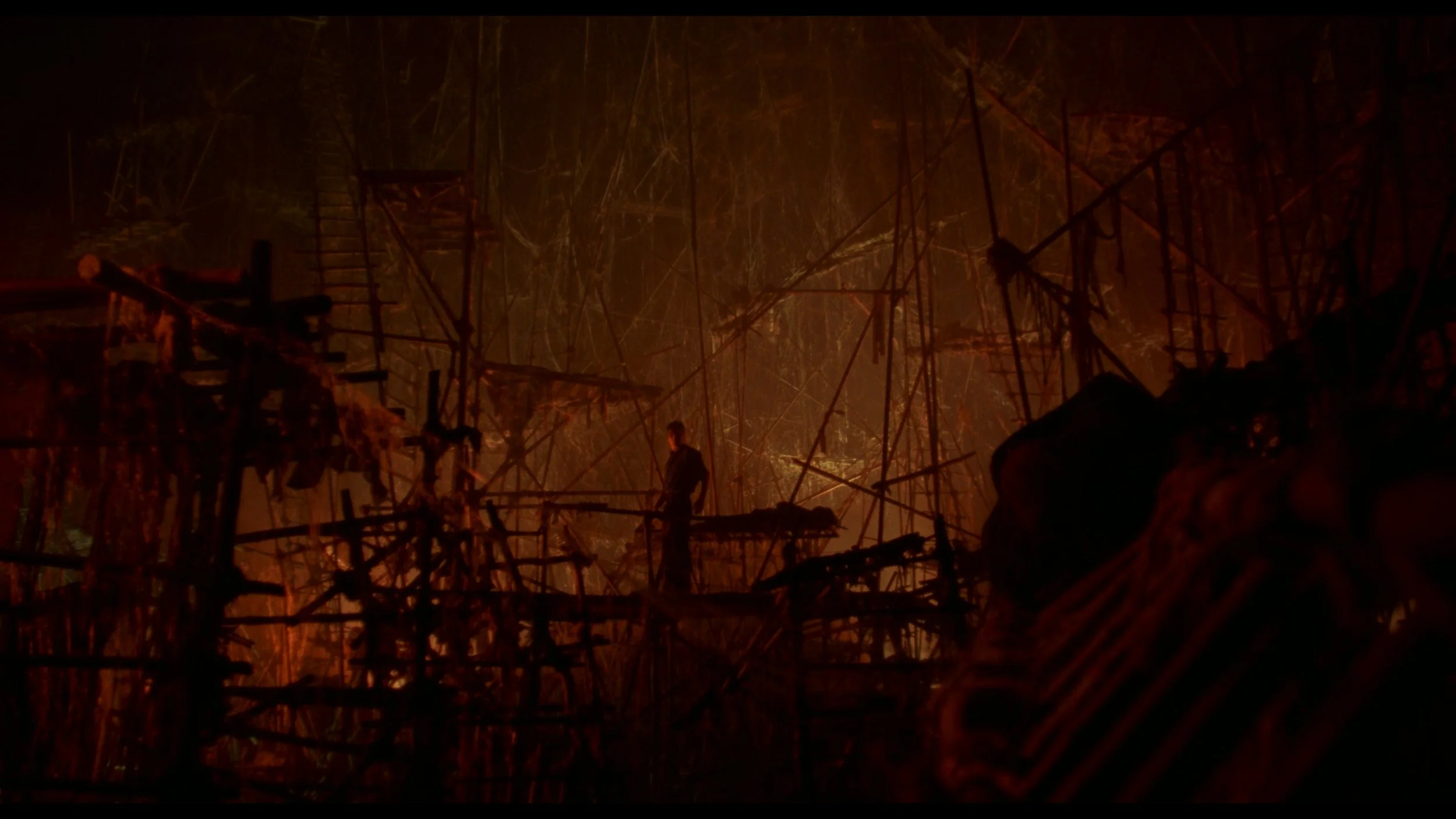
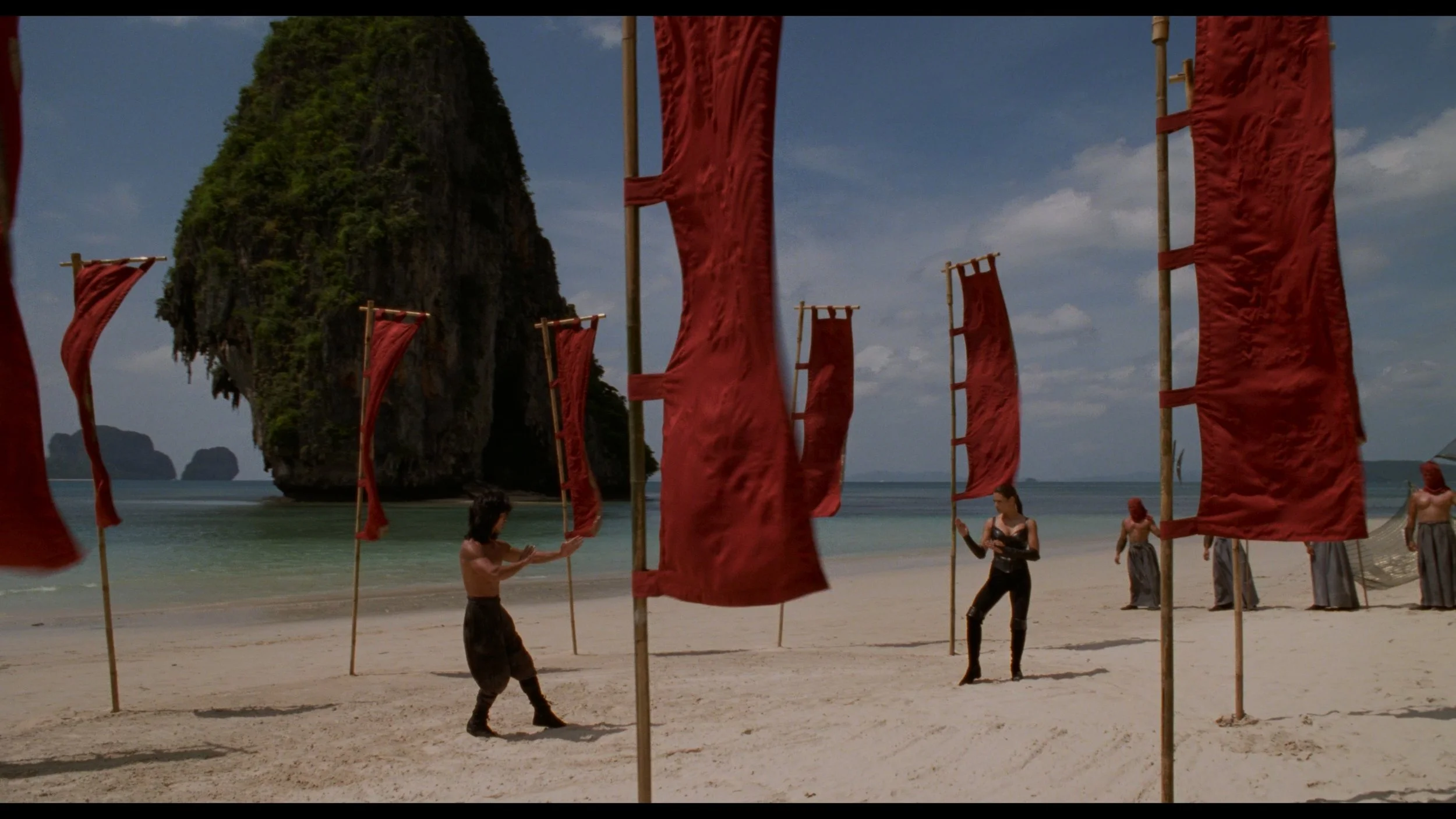
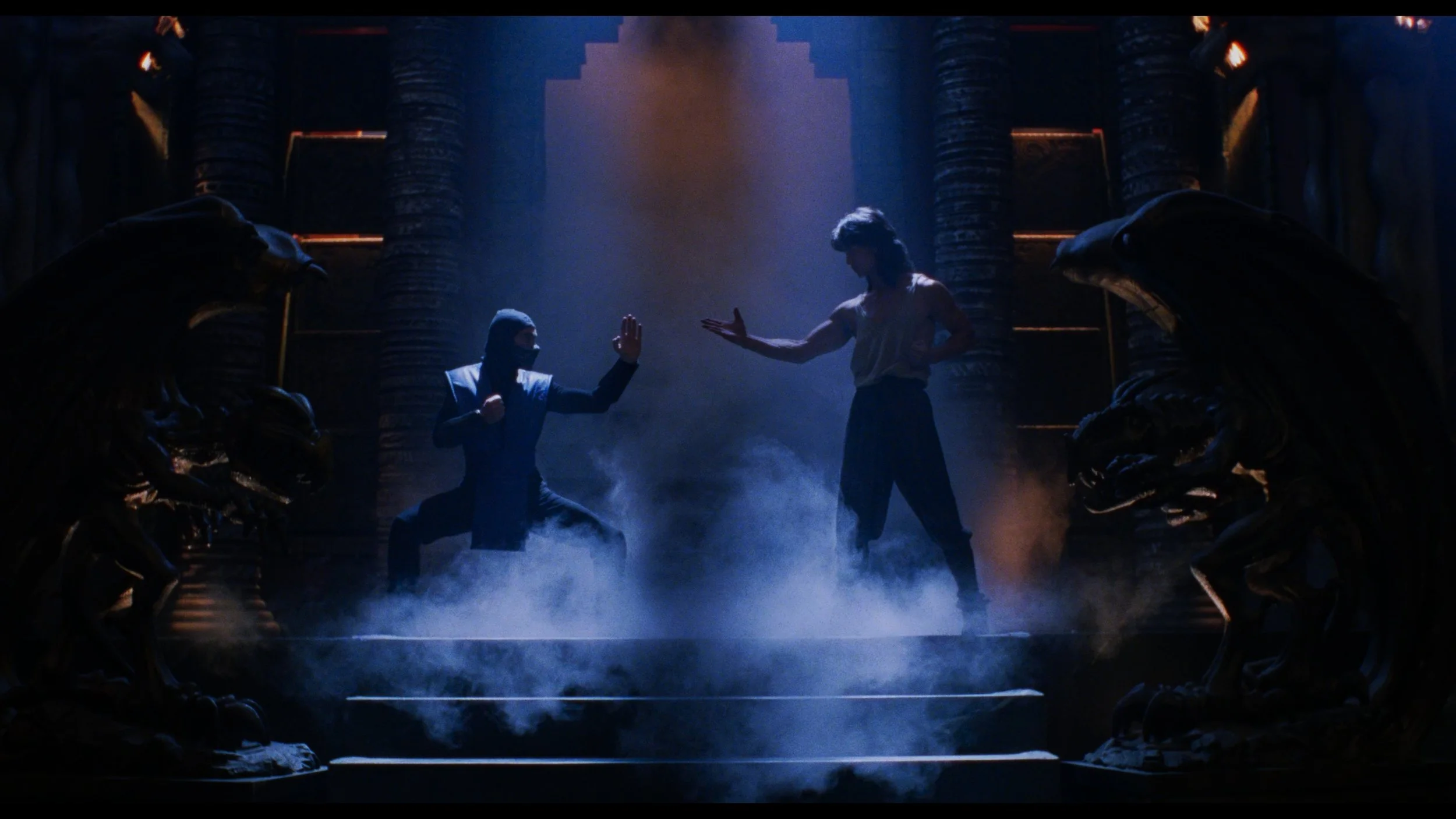
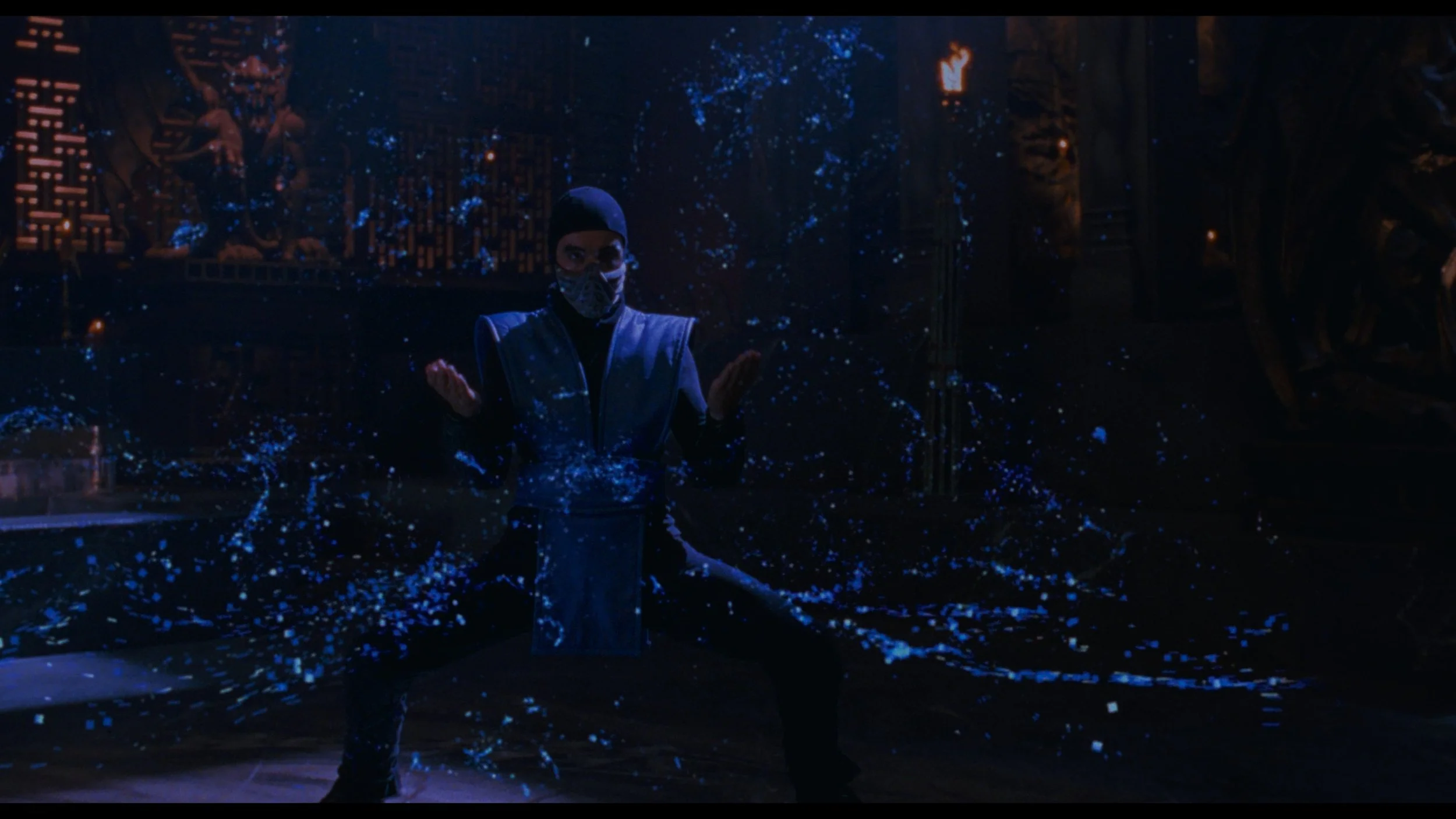
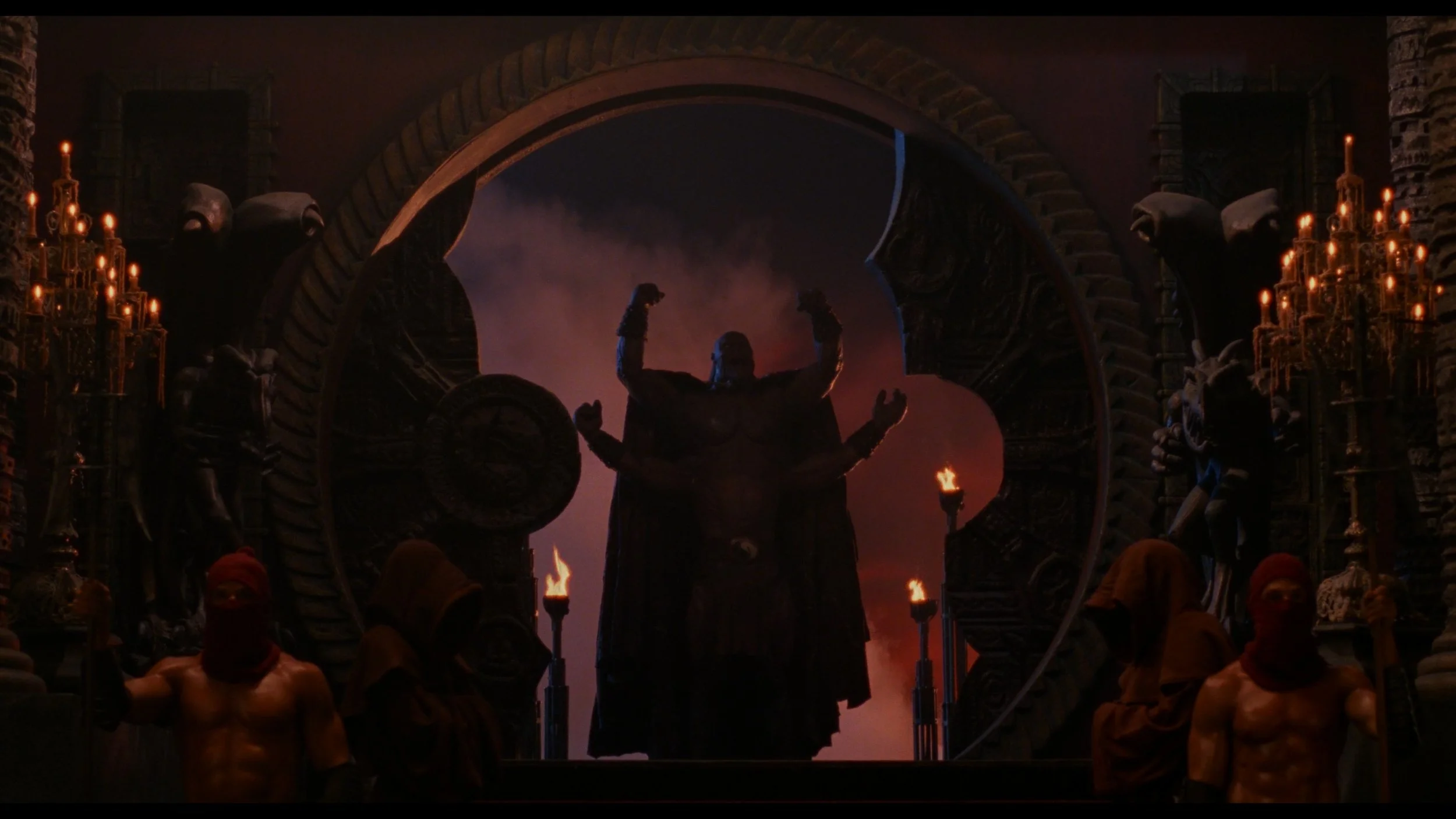
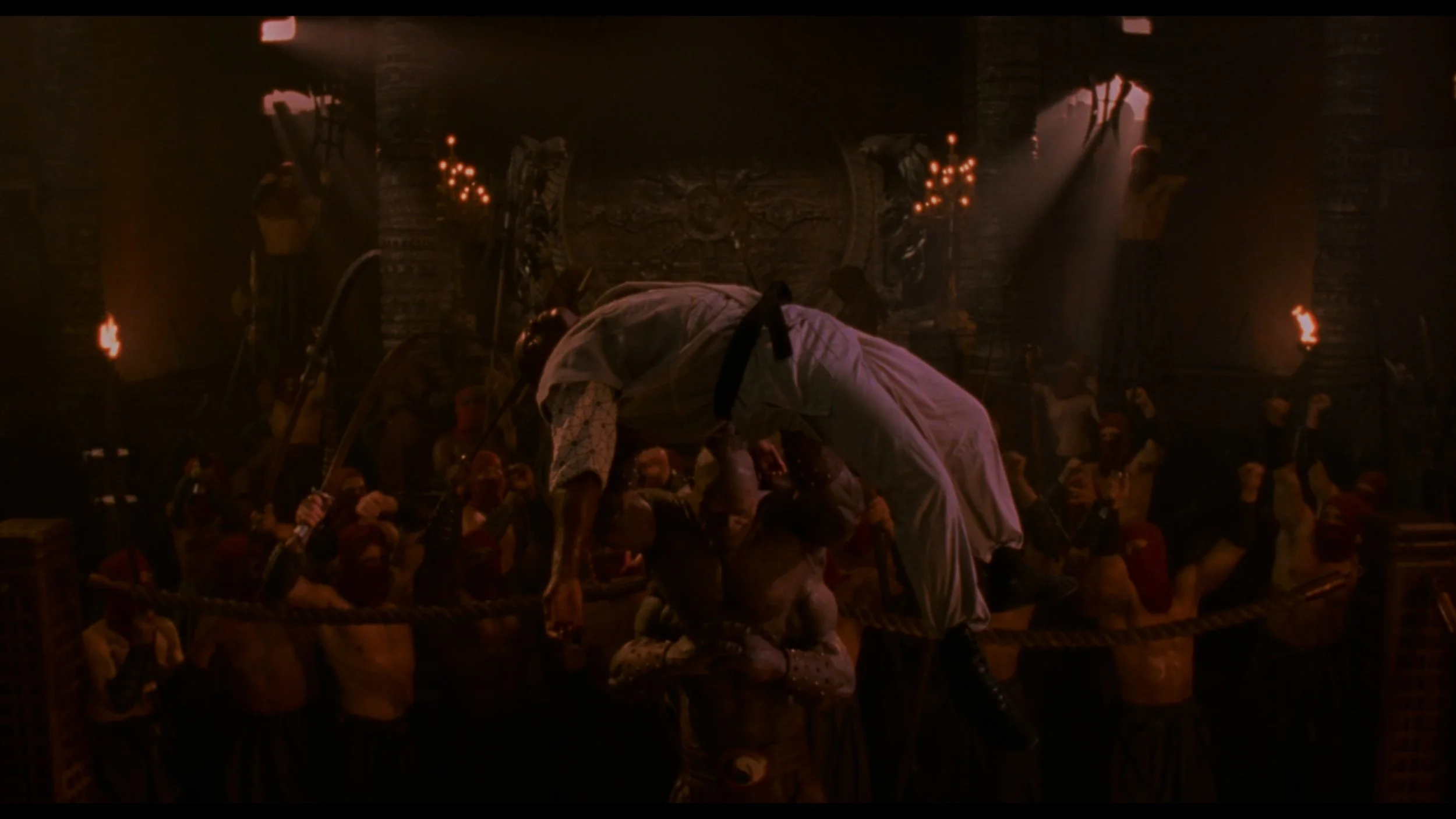
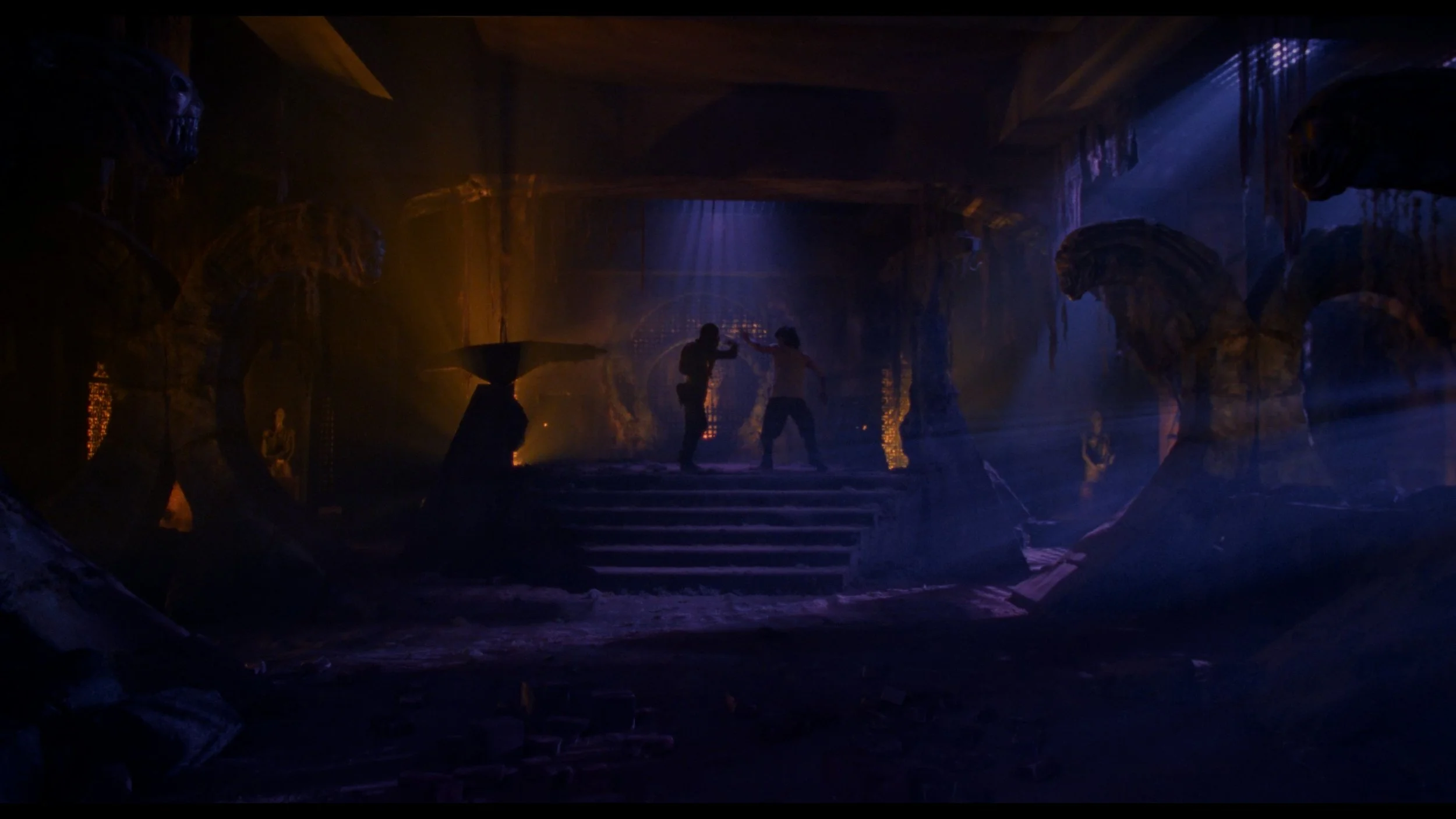
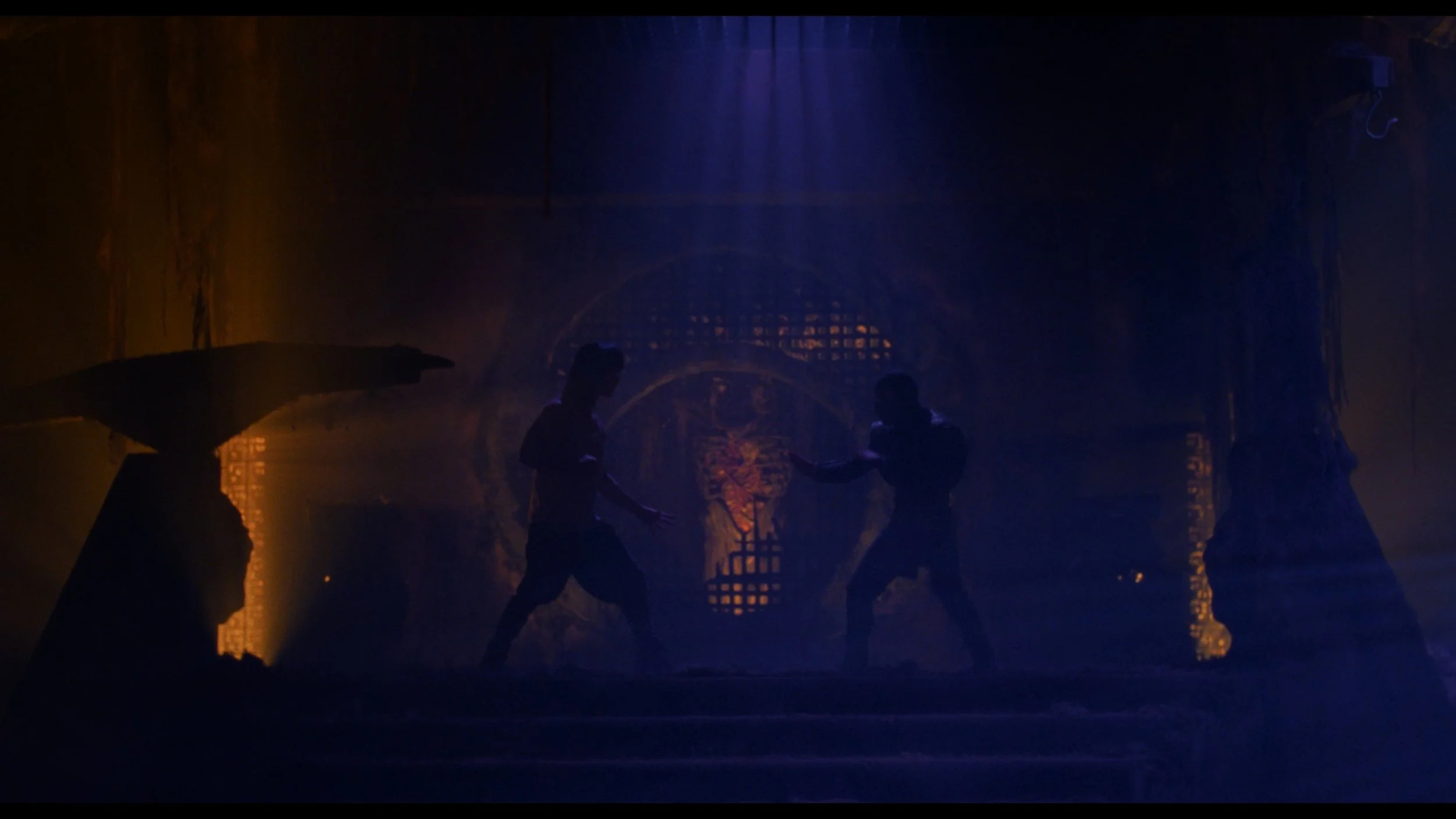
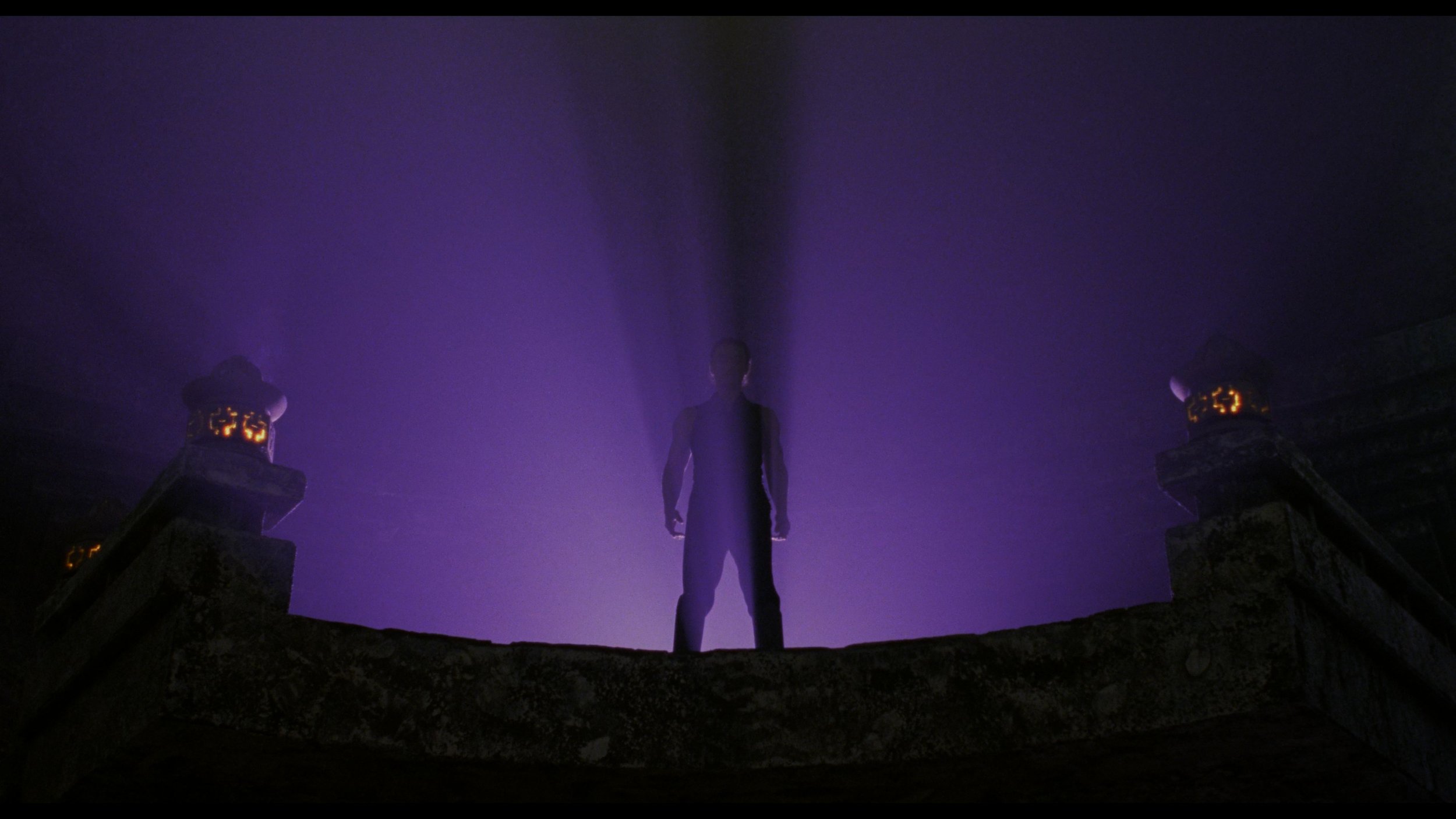
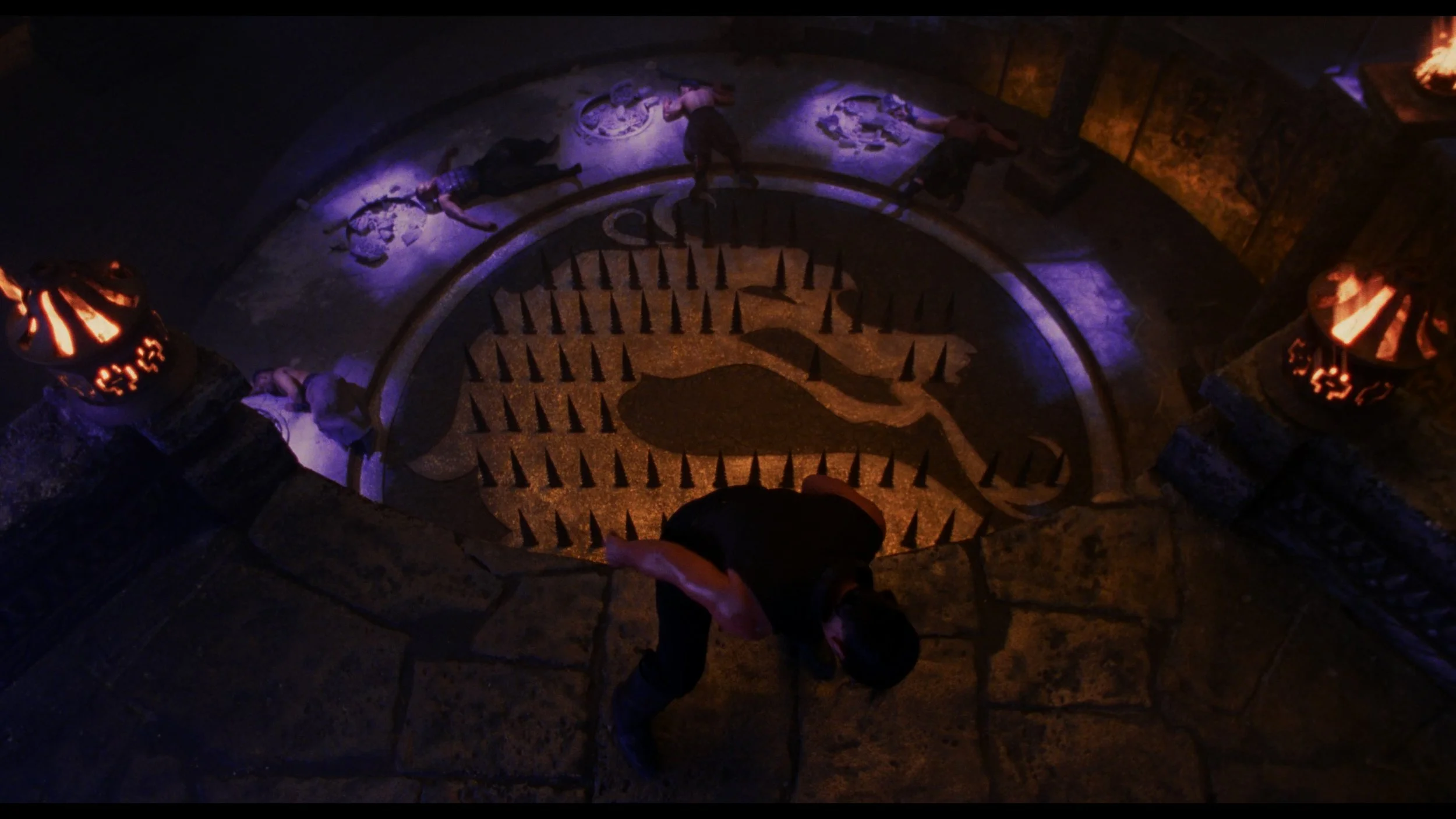
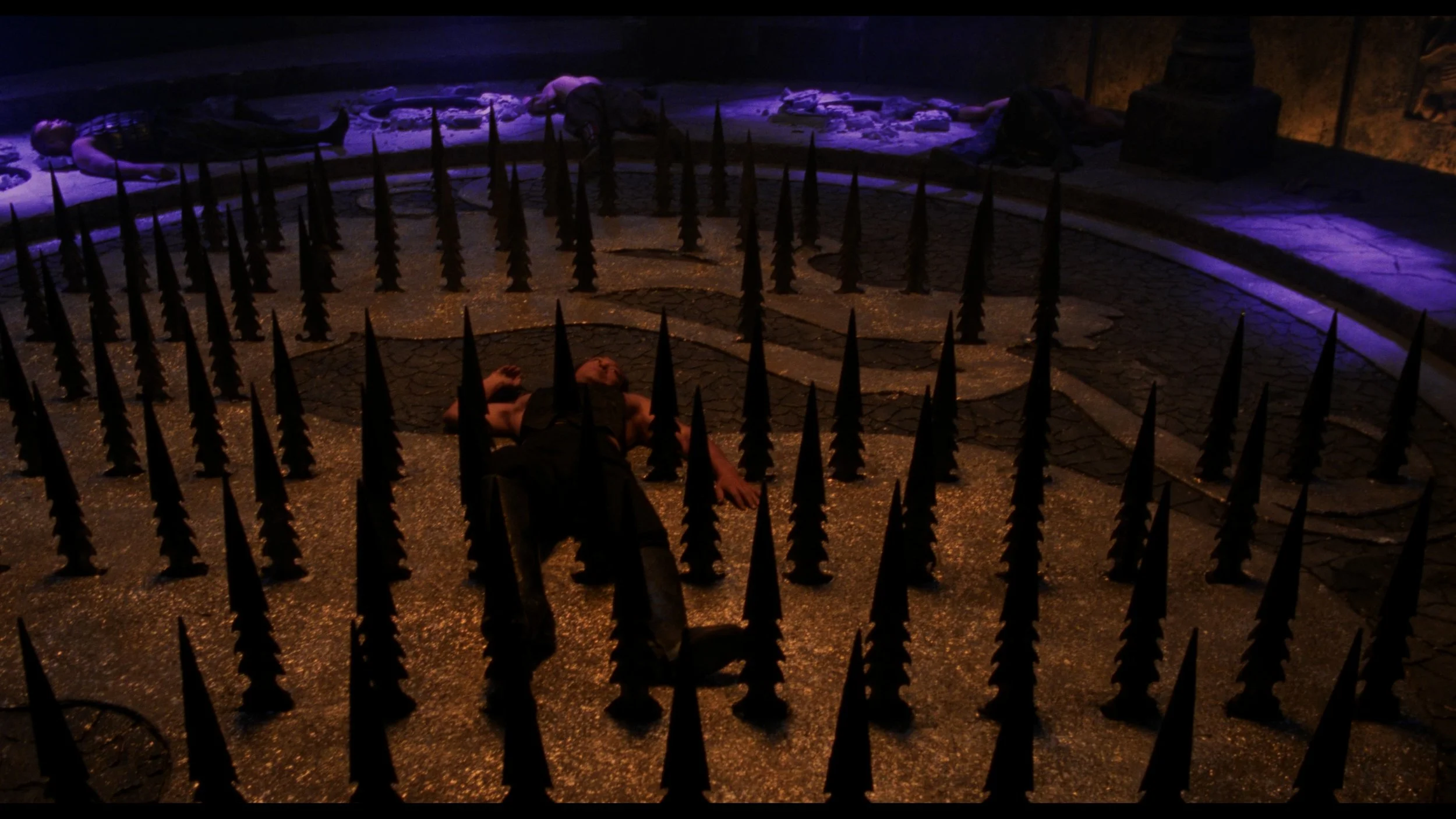
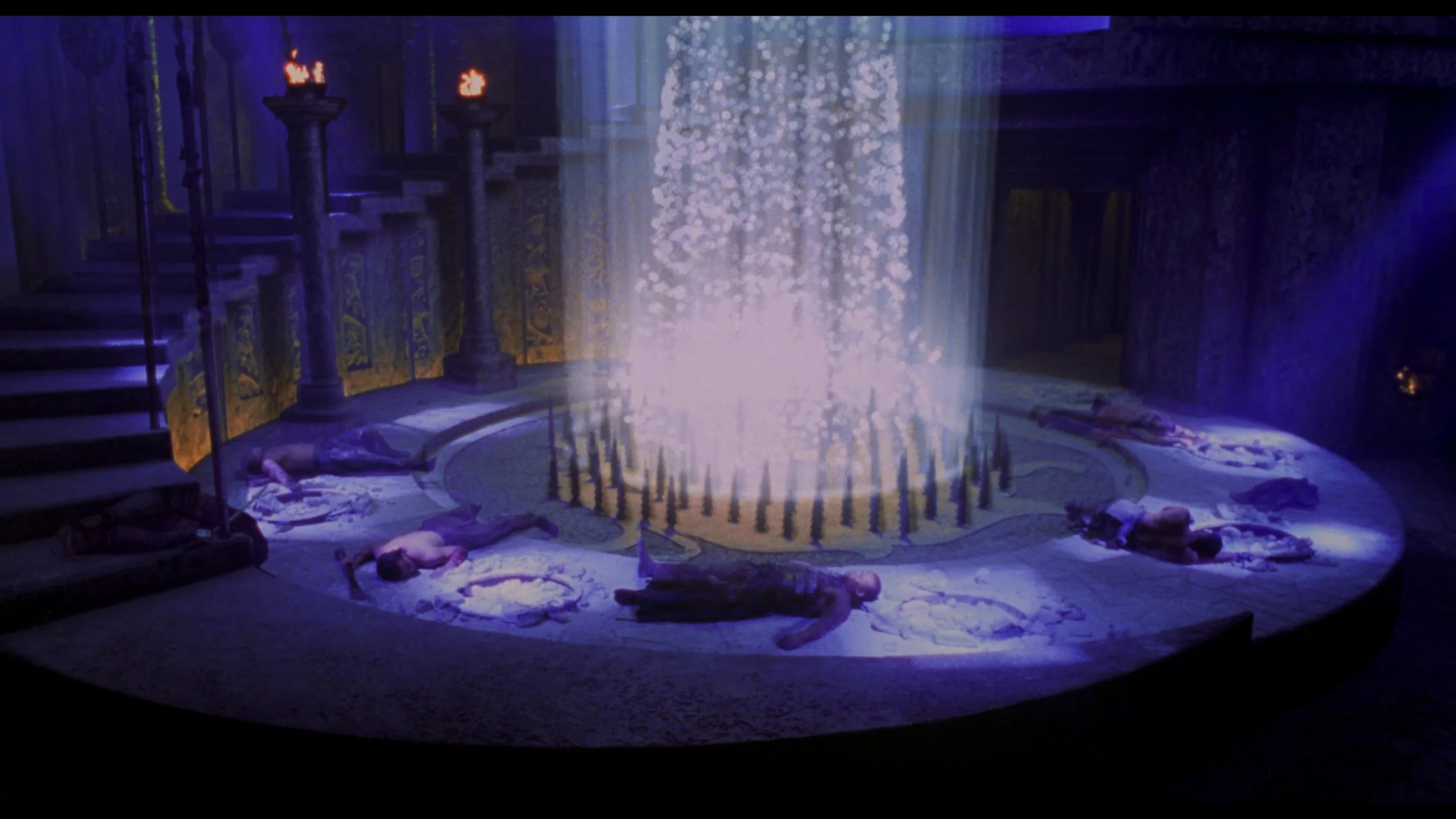
The most enduring aspect of Paul WS Anderson’s Mortal Kombat besides its aggressive choreography and stuntwork, was Jonathan Carlson’s grandiose production design. Taking direct inspiration from the videogame’s arenas, Carlson does a superb job of translating the surrealistic and mythical visuals into appropriate and most importantly, practically made environments where characters can react to them. He echoes the old school Hollywood epics of Cecil B. DeMille.
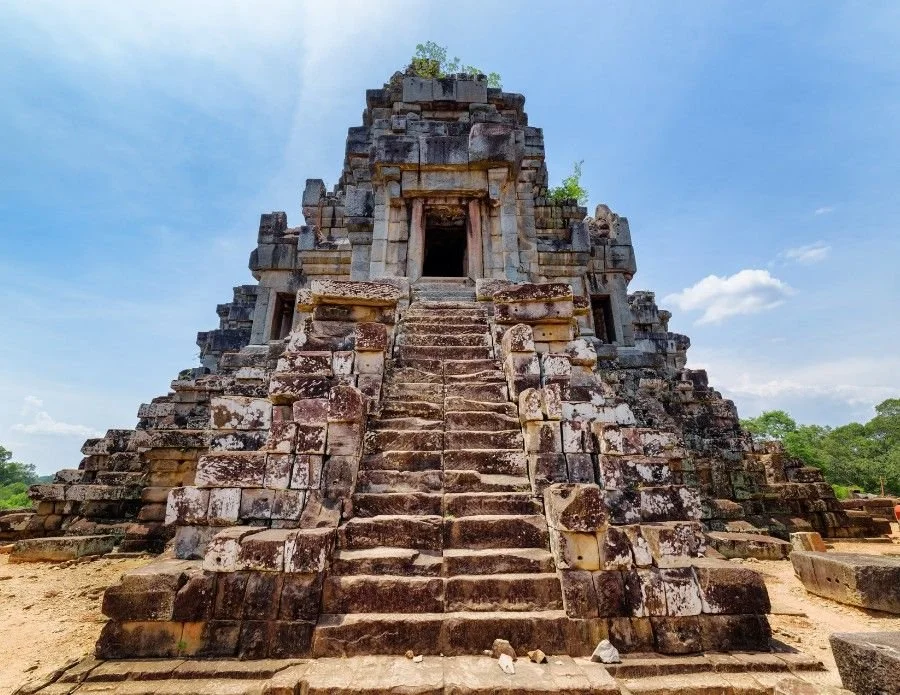
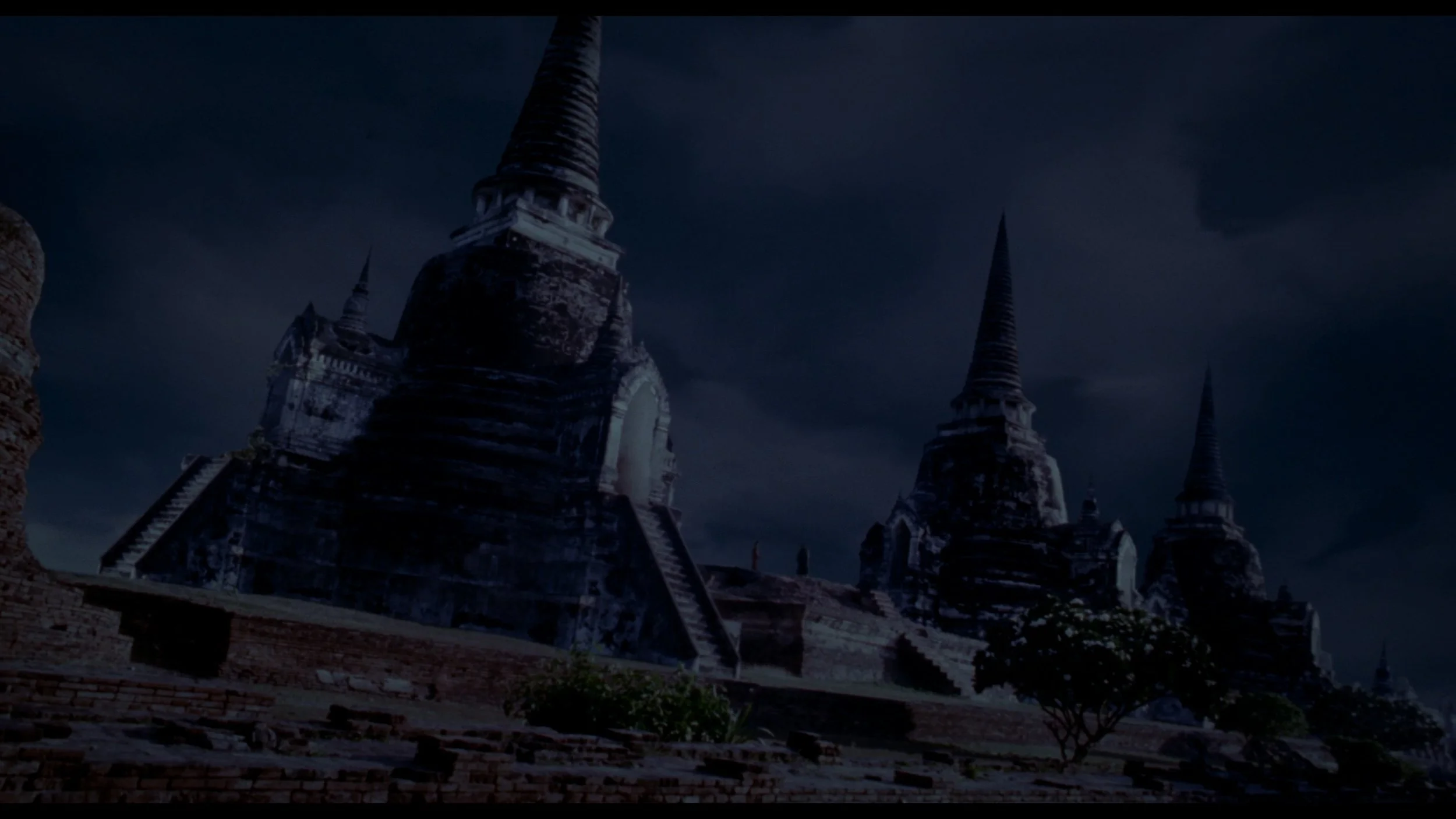
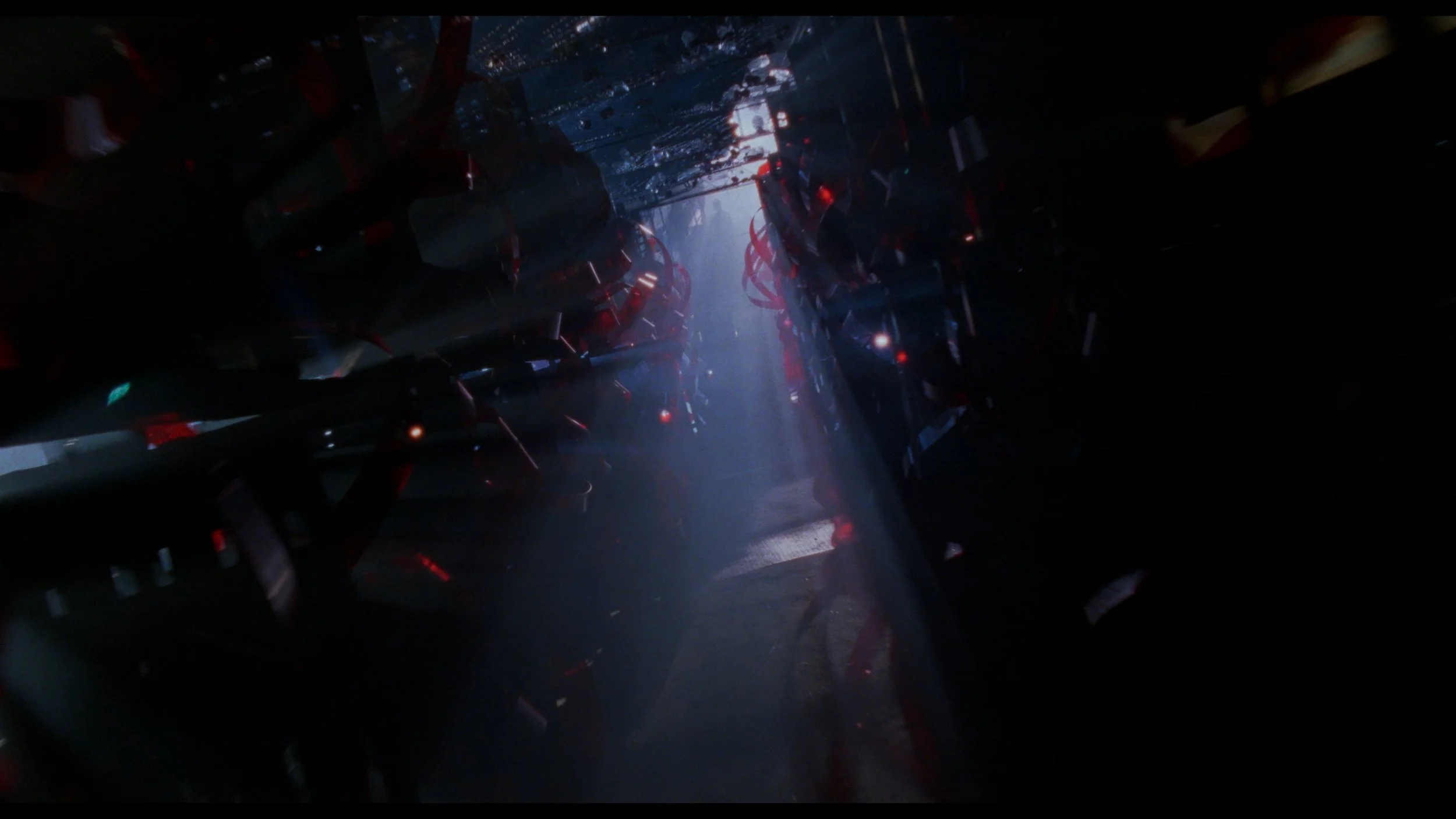
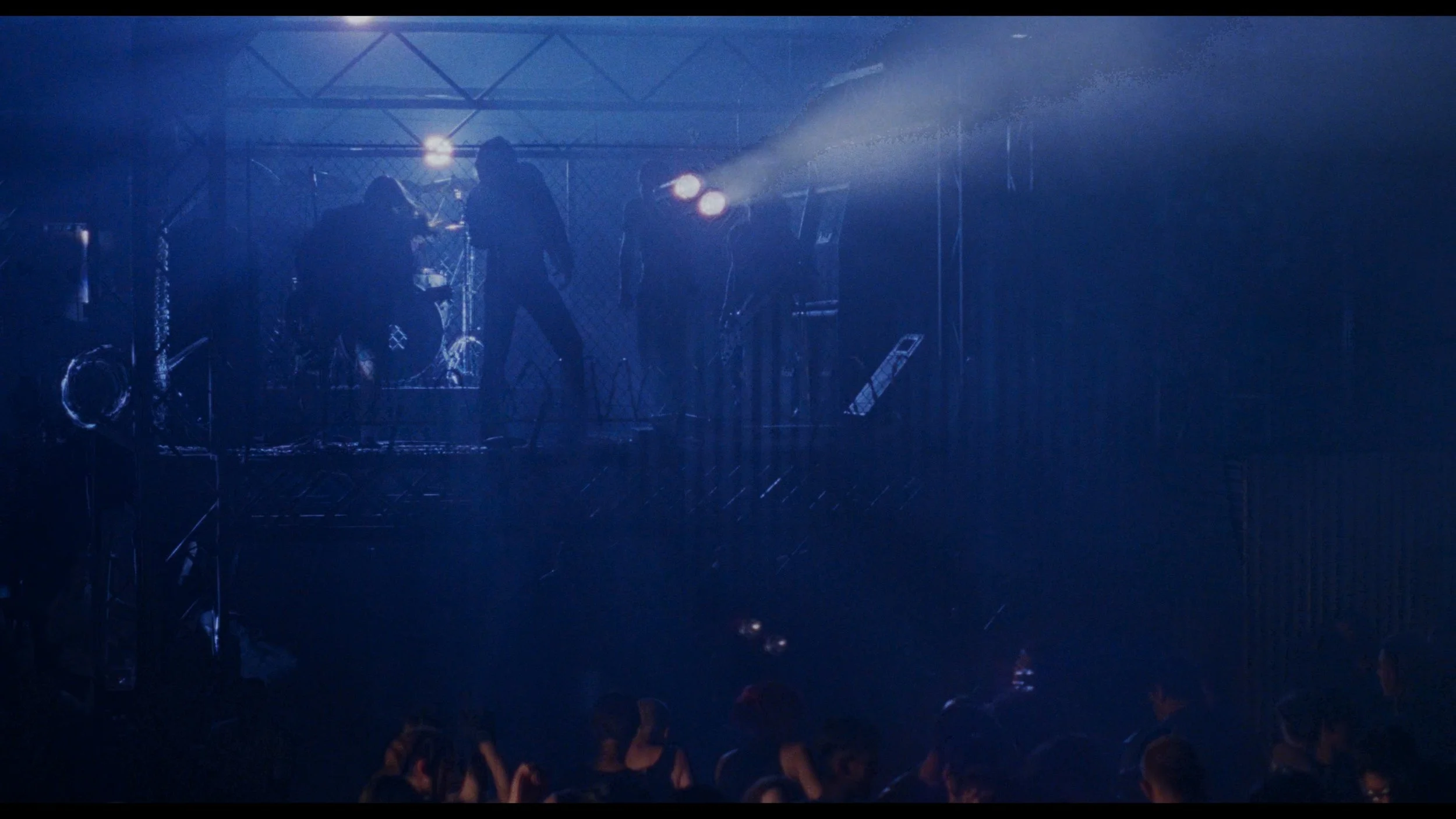
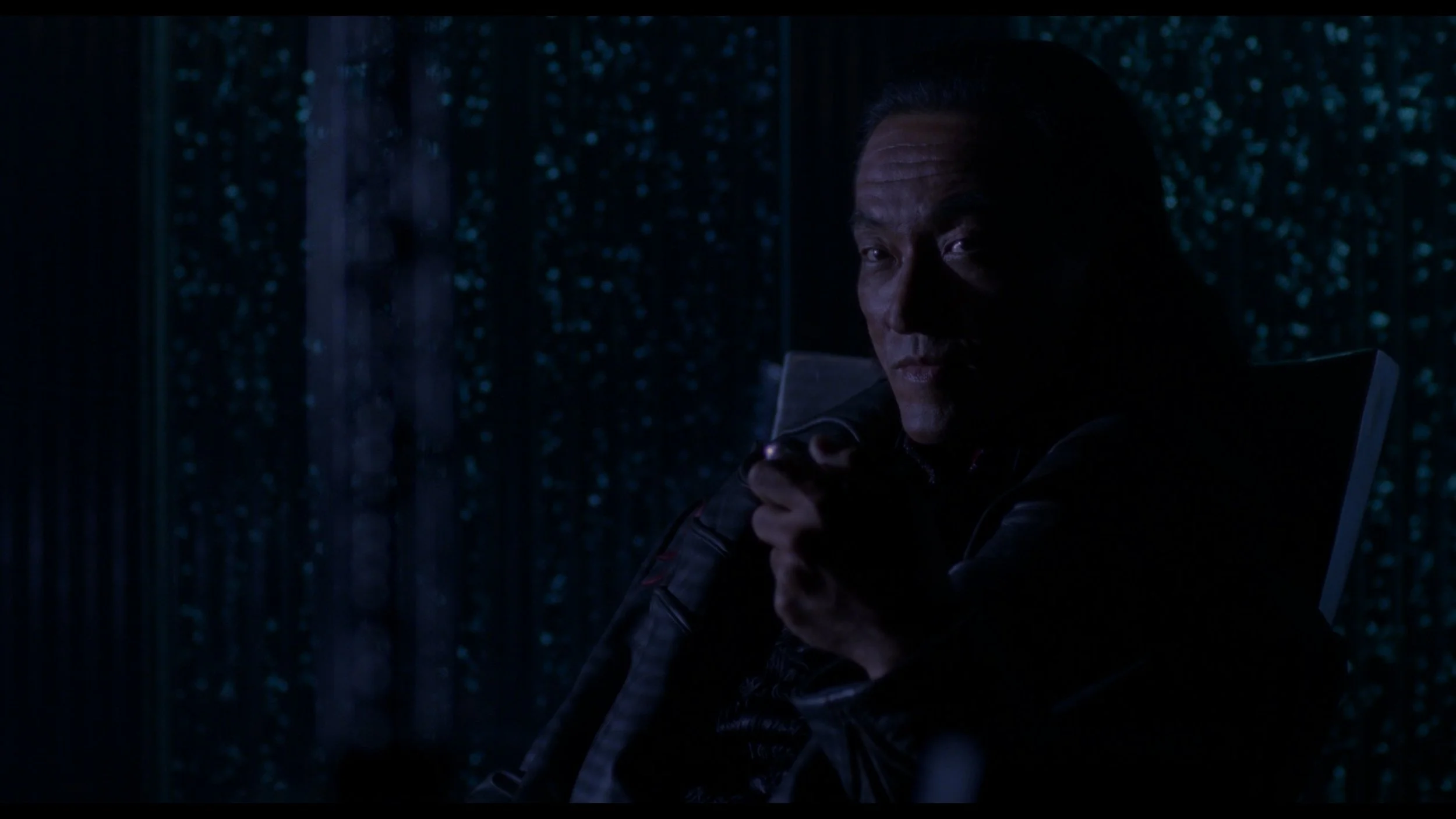
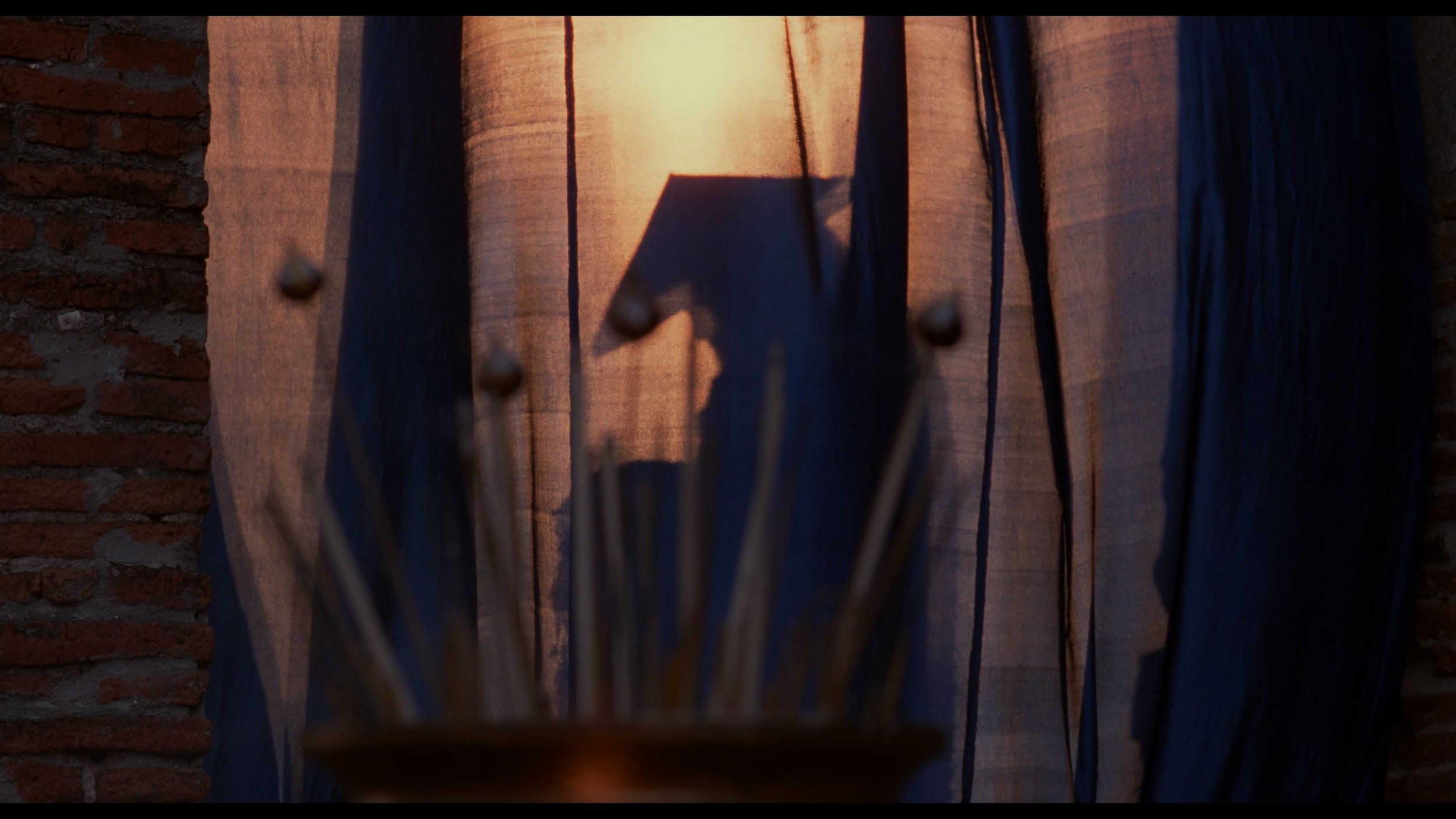
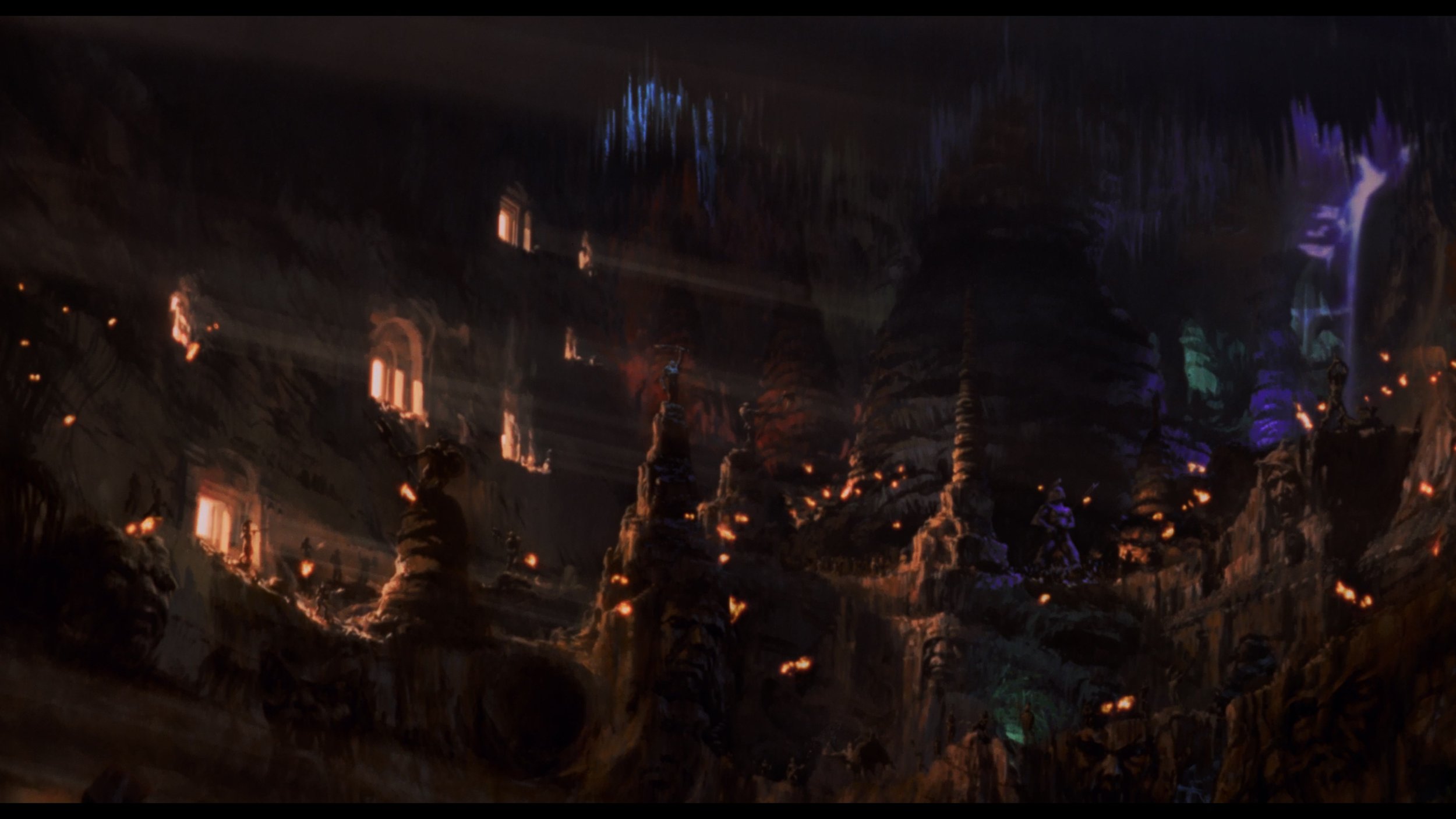
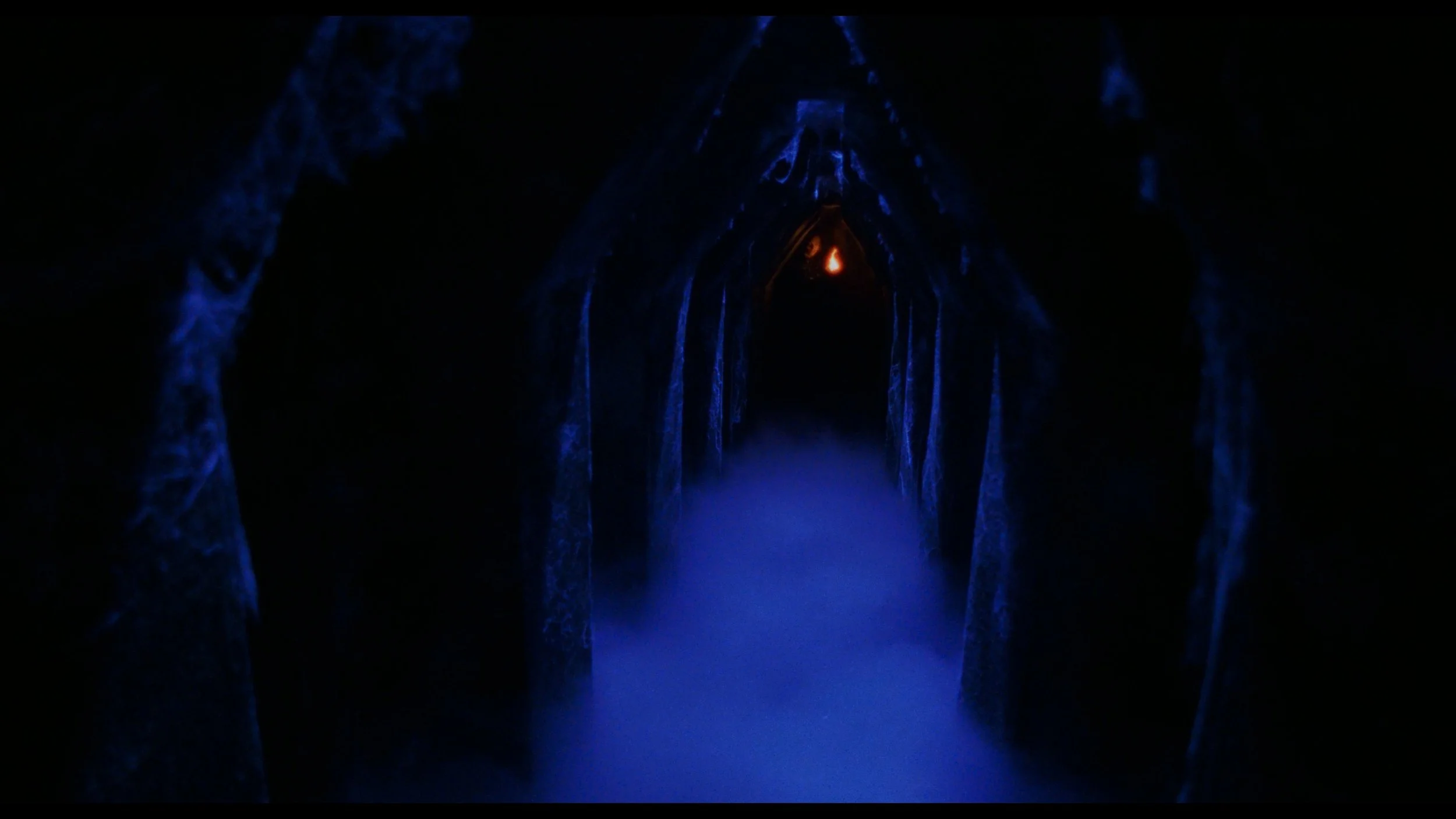
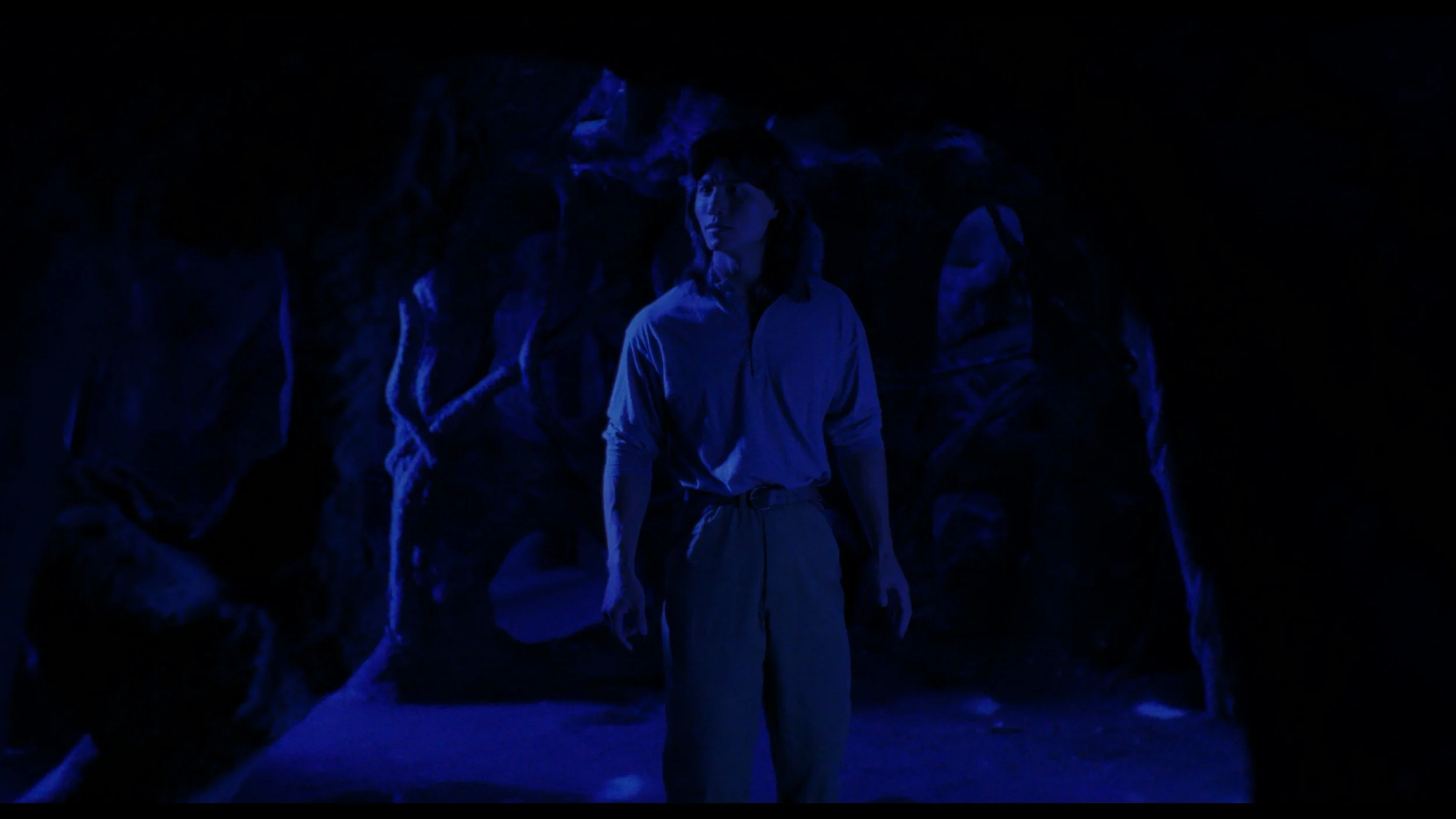
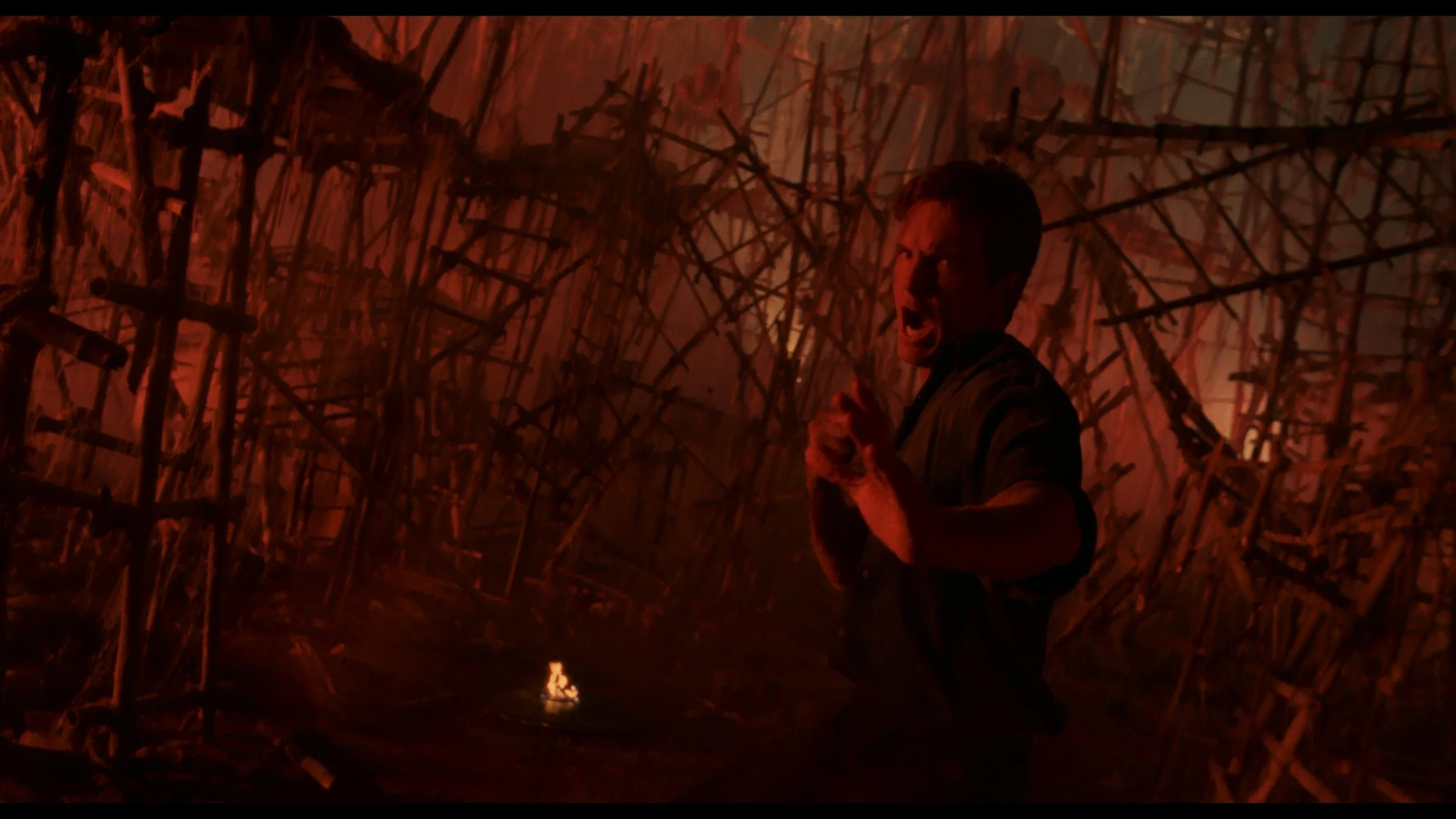
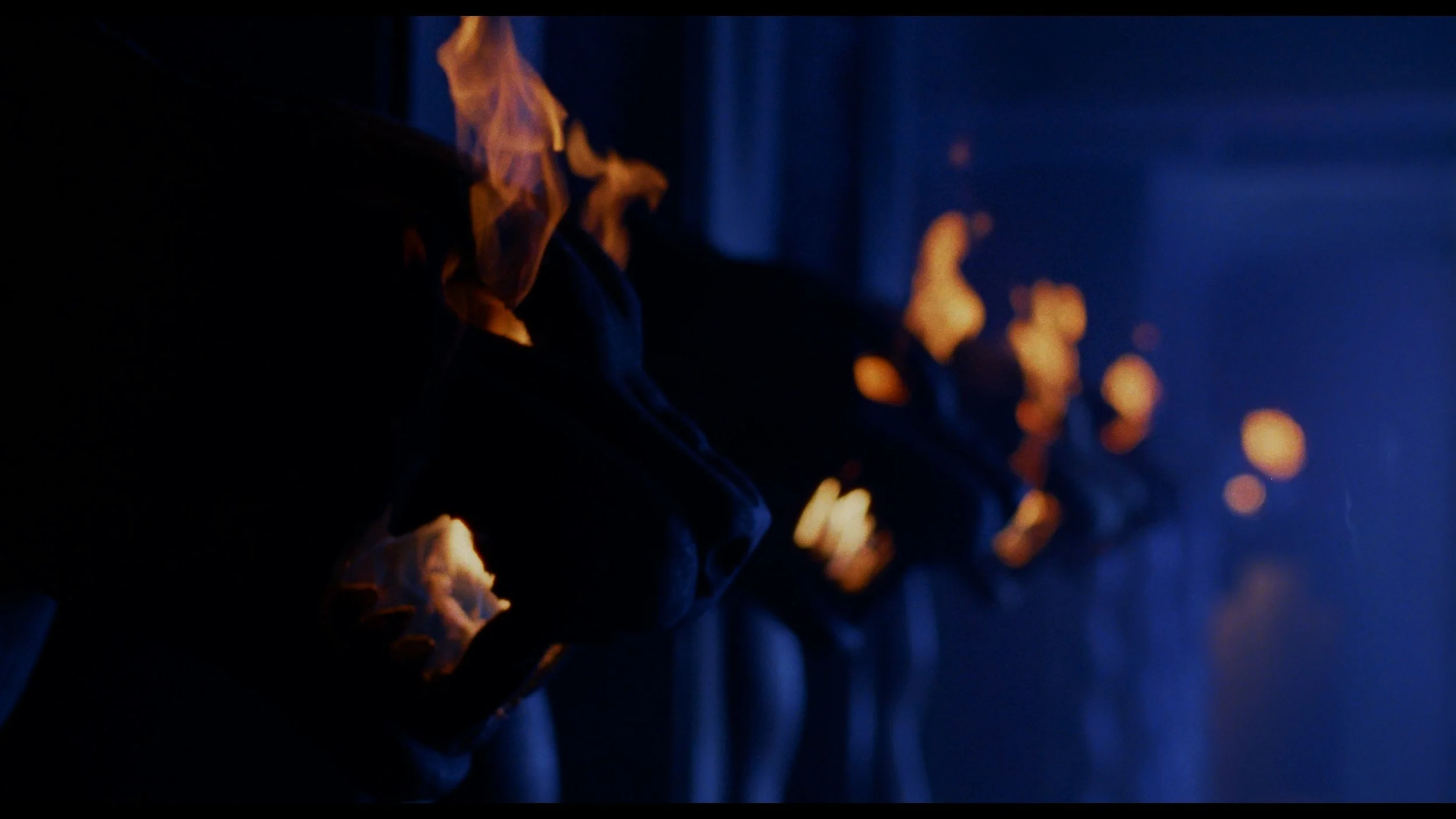
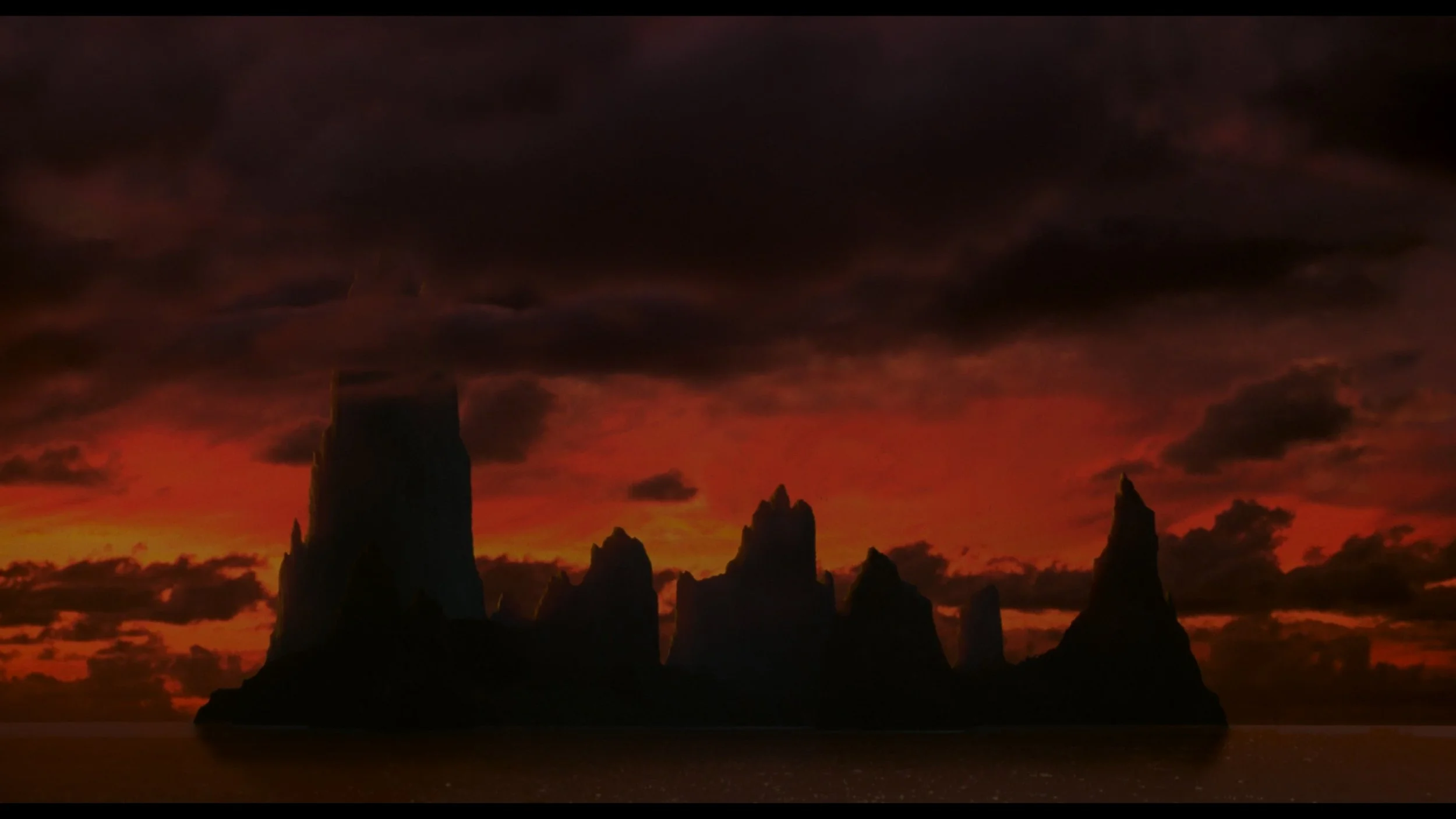
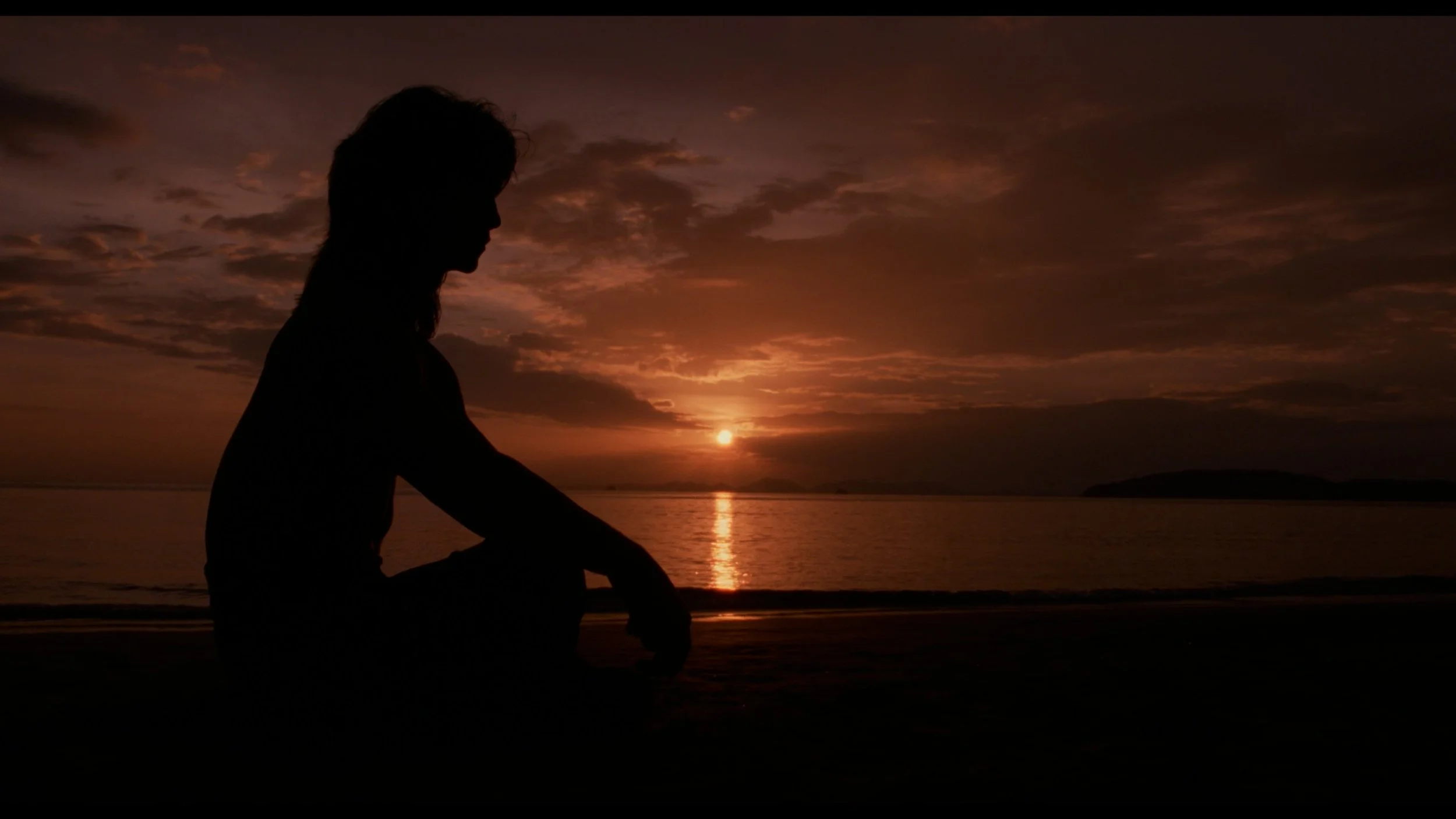
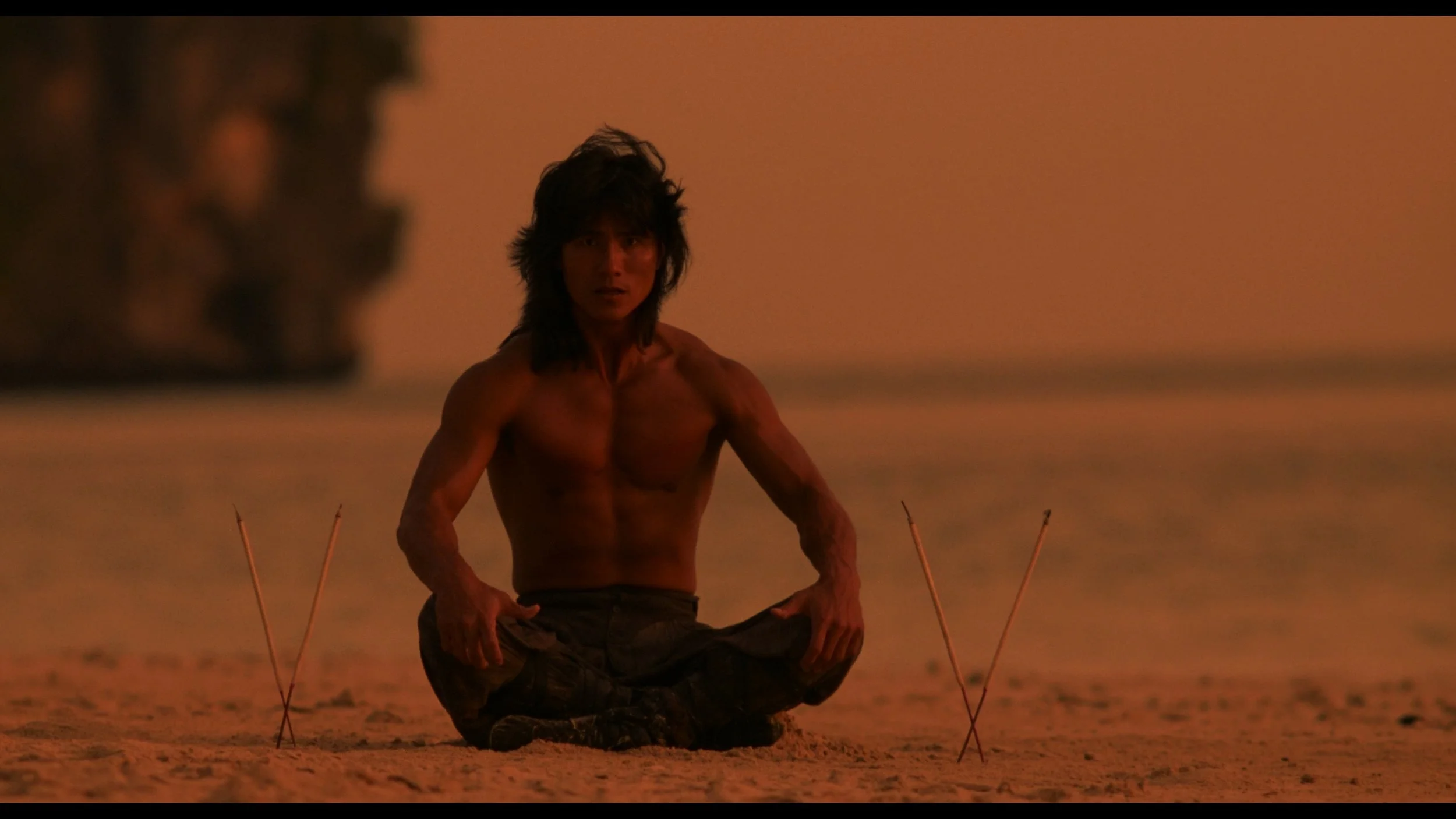
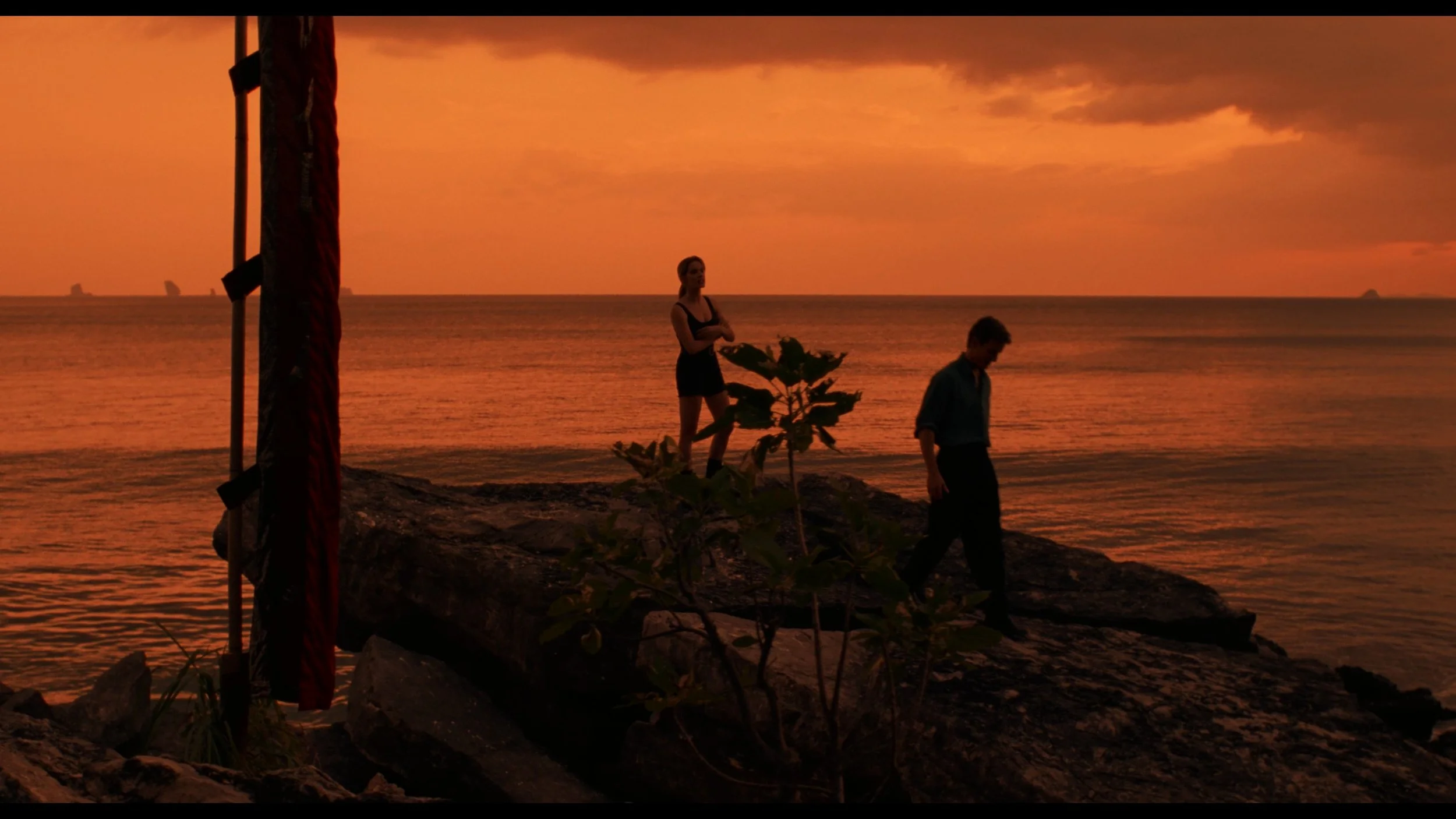
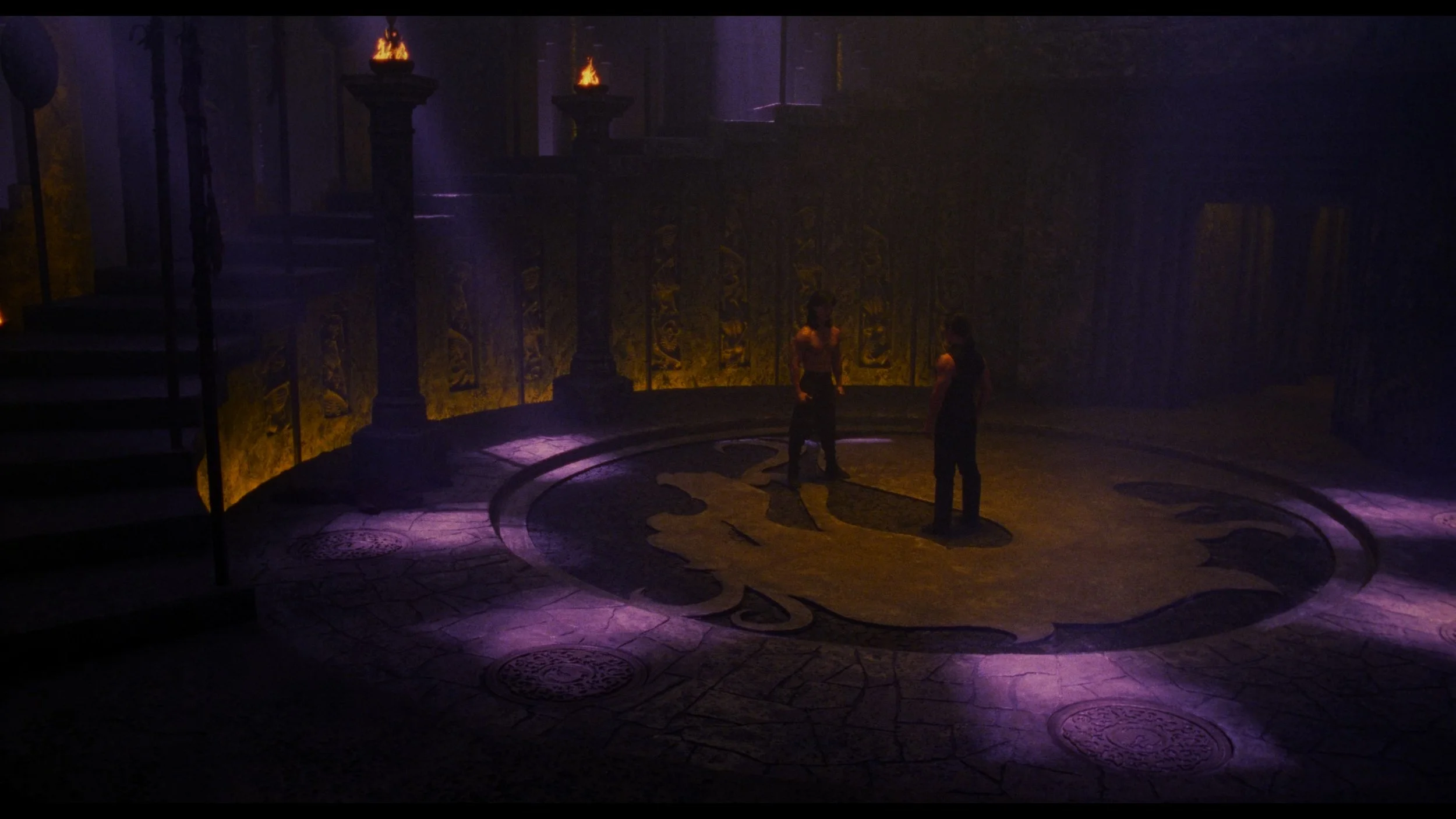
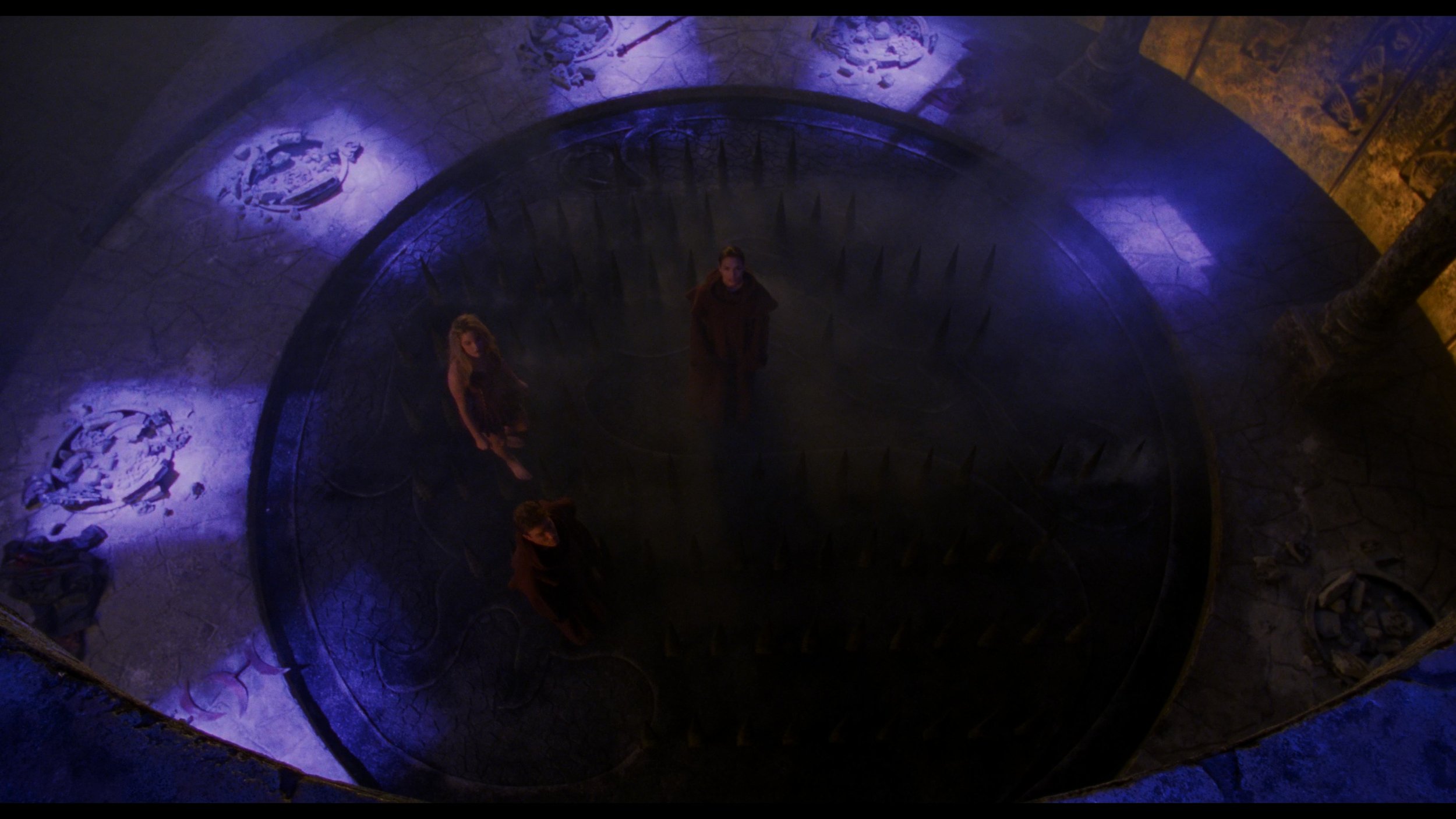
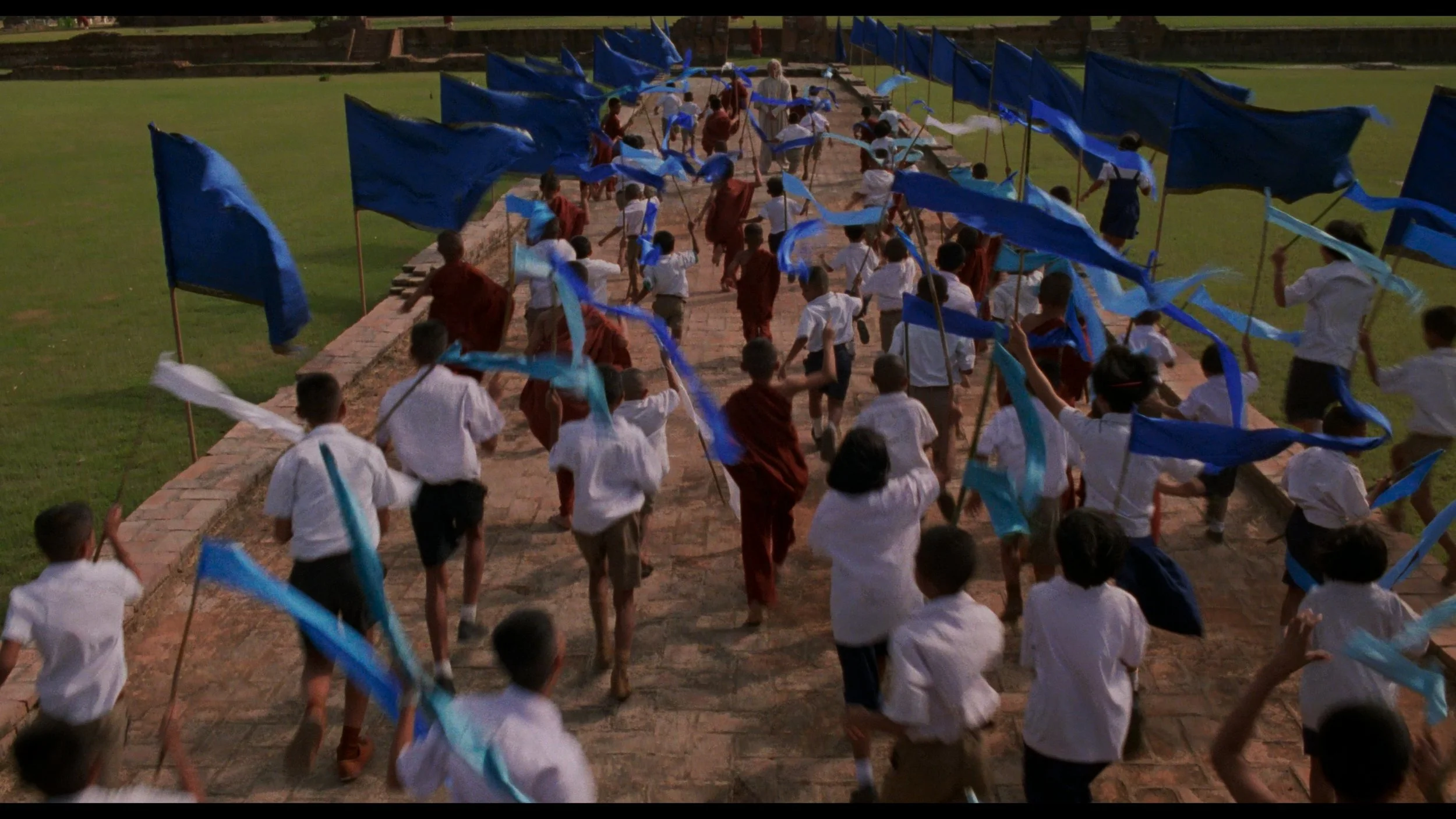
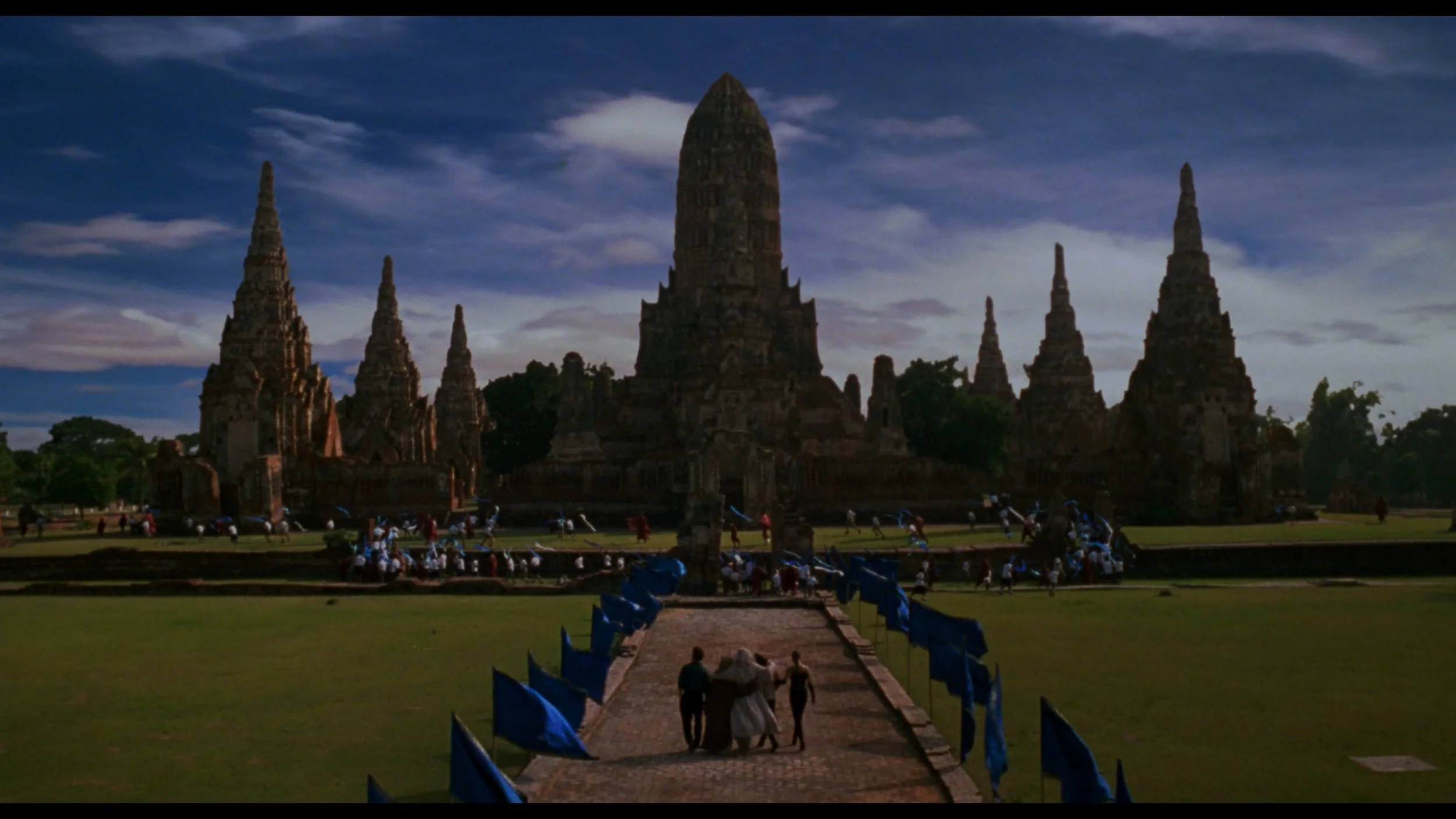
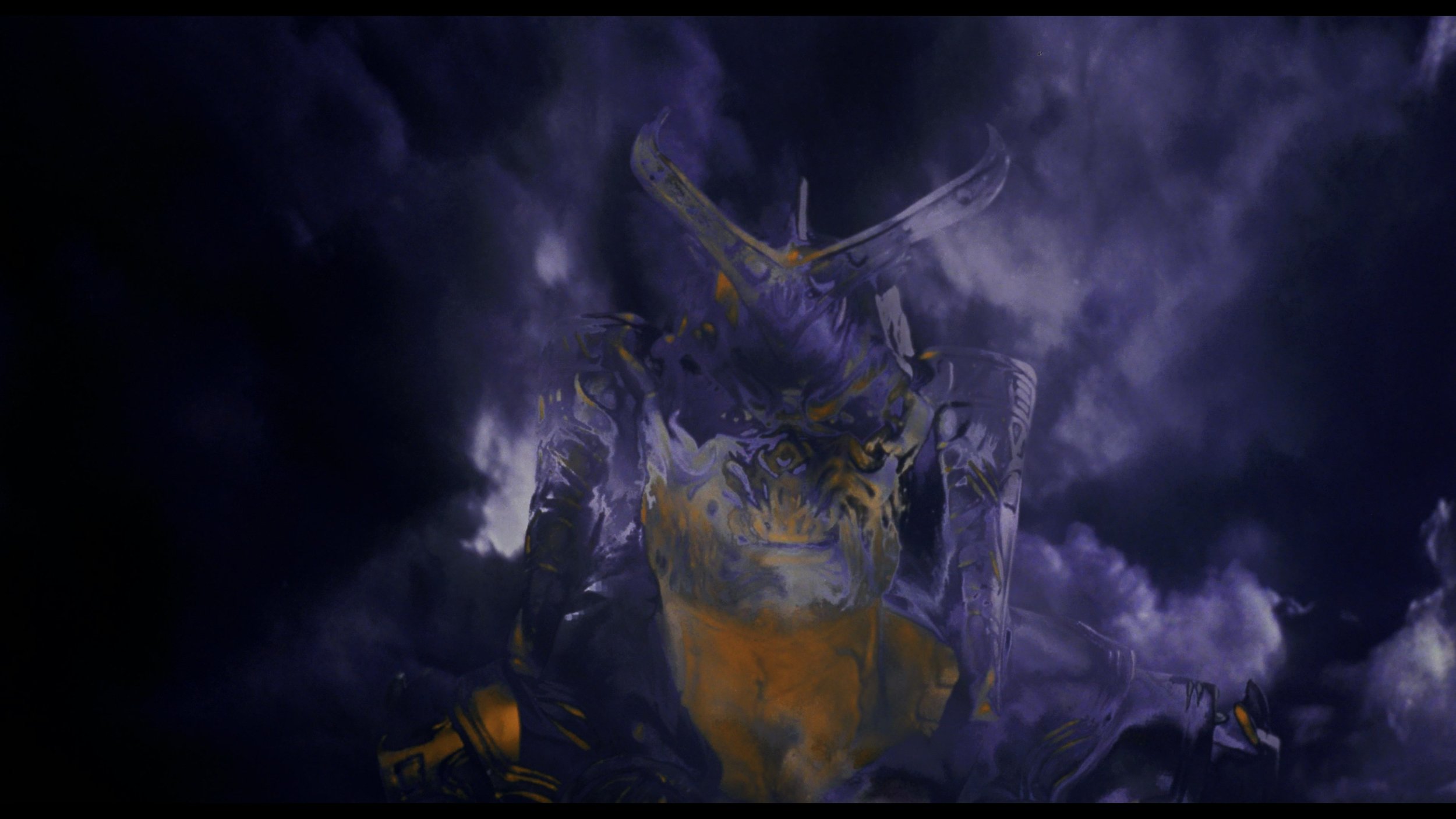
Carlson uses many sources of inspiration for his gargantuan sets. Bruce Lee’s cult classic Enter the Dragon (1973) serves as the primary one, infused here with a sense of the supernatural. The island’s labyrinthine layout has several dark corridors, subterranean lairs, and bottomless pits, replacing Dragon’s minions and human-trafficked victims in favor of ninjas, monsters and reptiles (among other things). A strong Asian influence permeates the movie’s look as Carlson draws cues from Japanese garden principles (e.g., the careful placement of water features across Shang Tsung’s palace) and the Khmer and Sukhothai styles of architecture which serve as a natural contrast to the film’s more exaggerated elements. Meanwhile, the choice of employing a hypersaturated color palette pays homage to the metal music videos of the 90s as seen in Kano’s underground club in Hong Kong and Scorpion’s infernal lair.
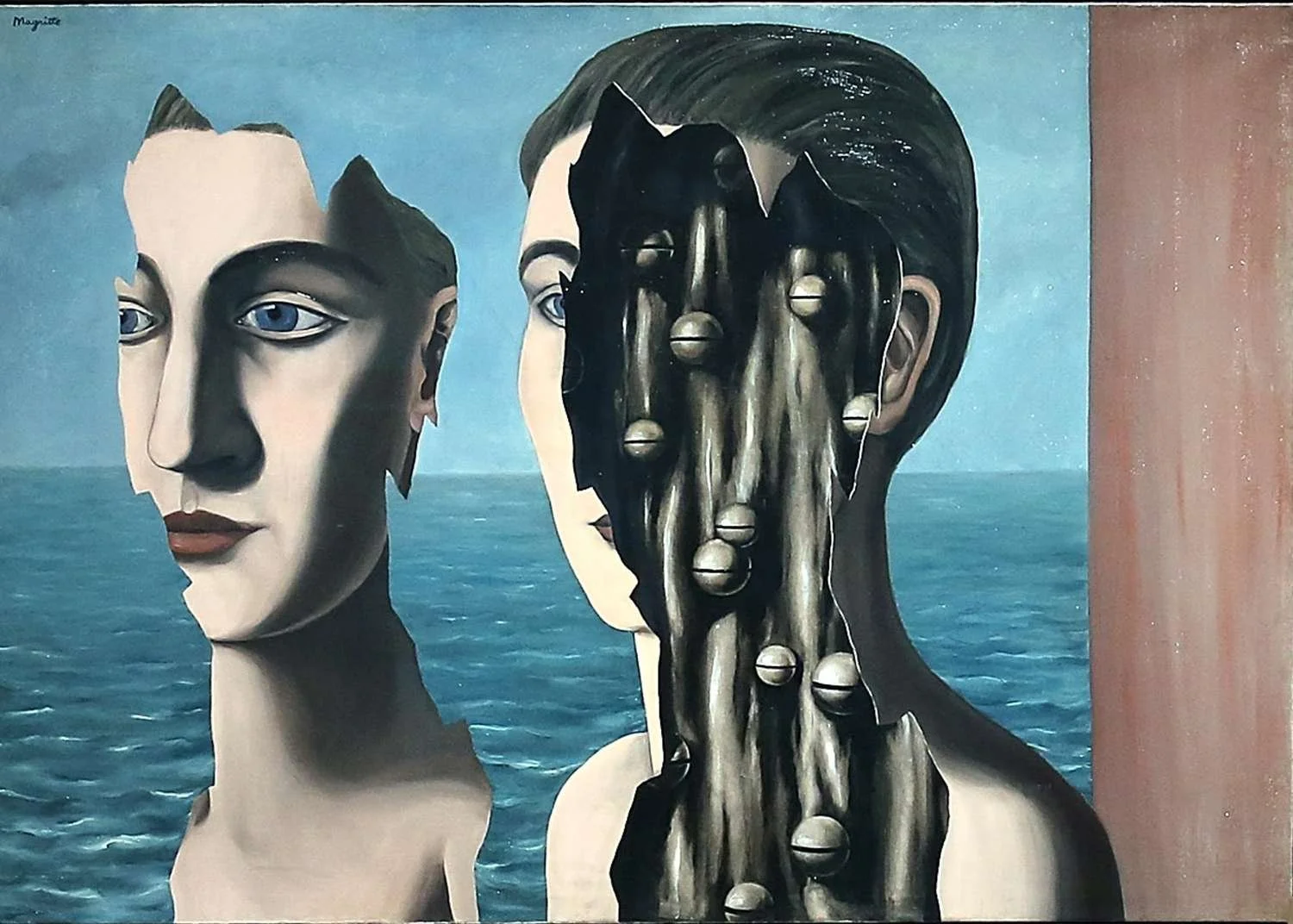
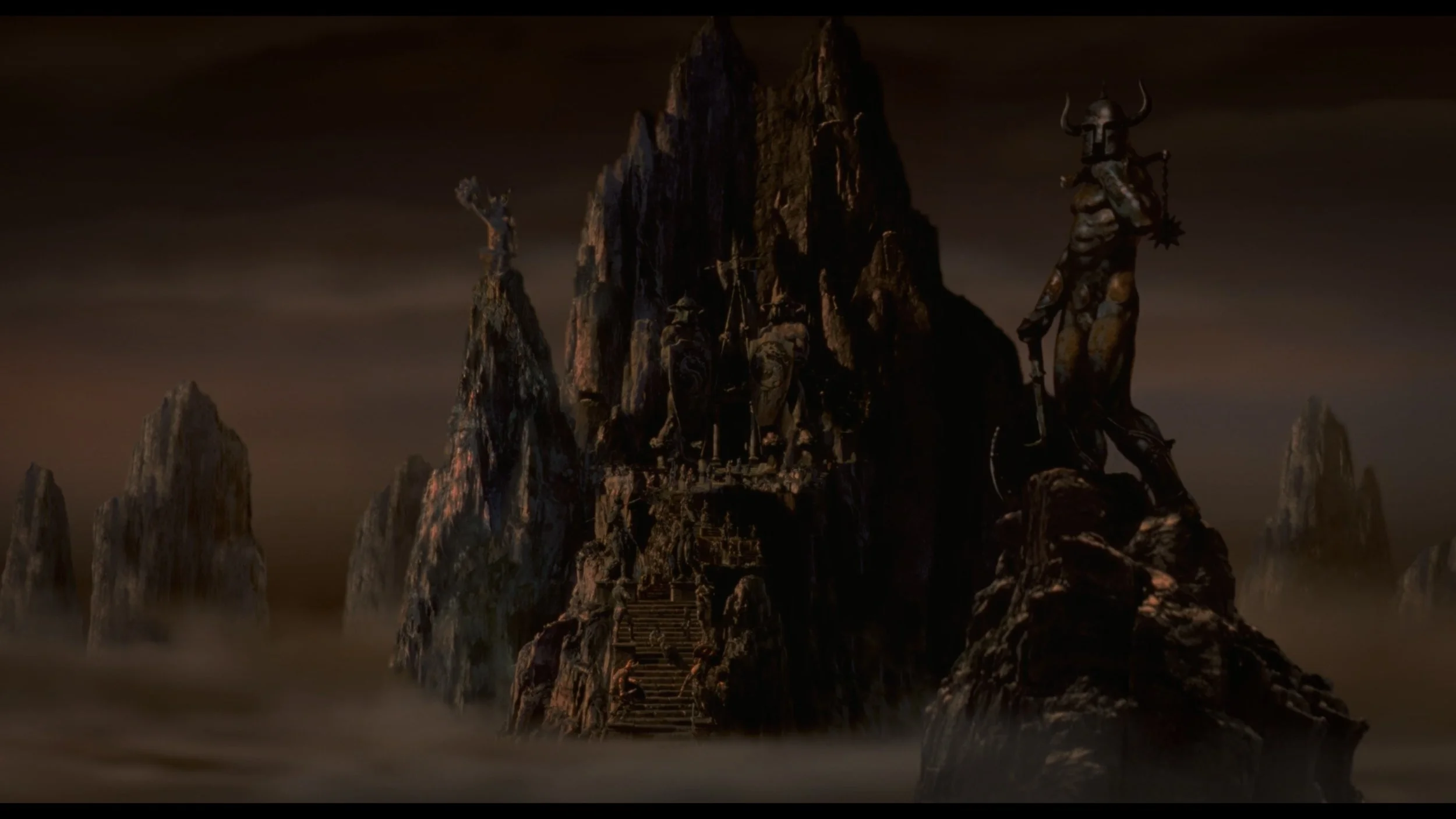
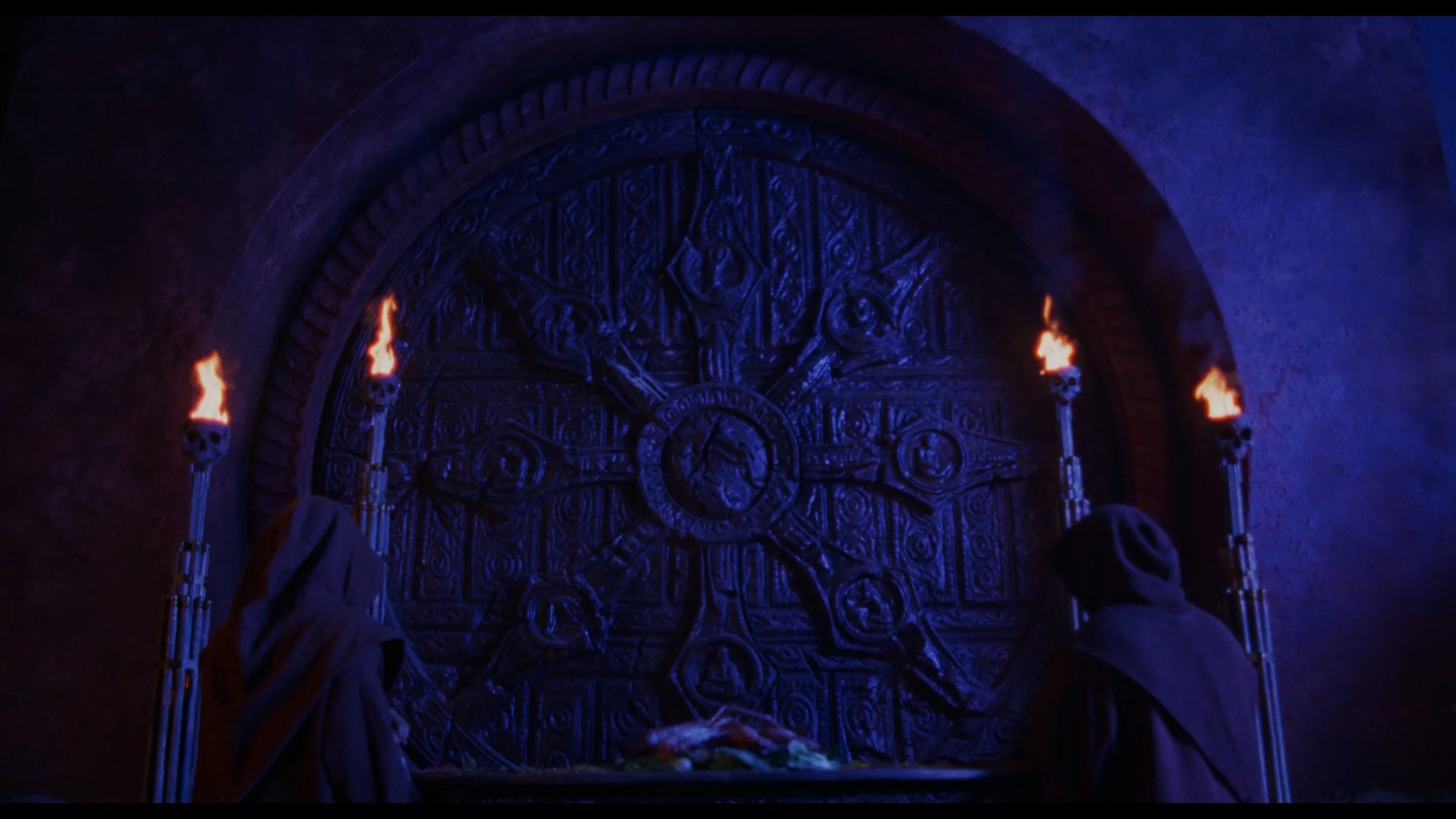
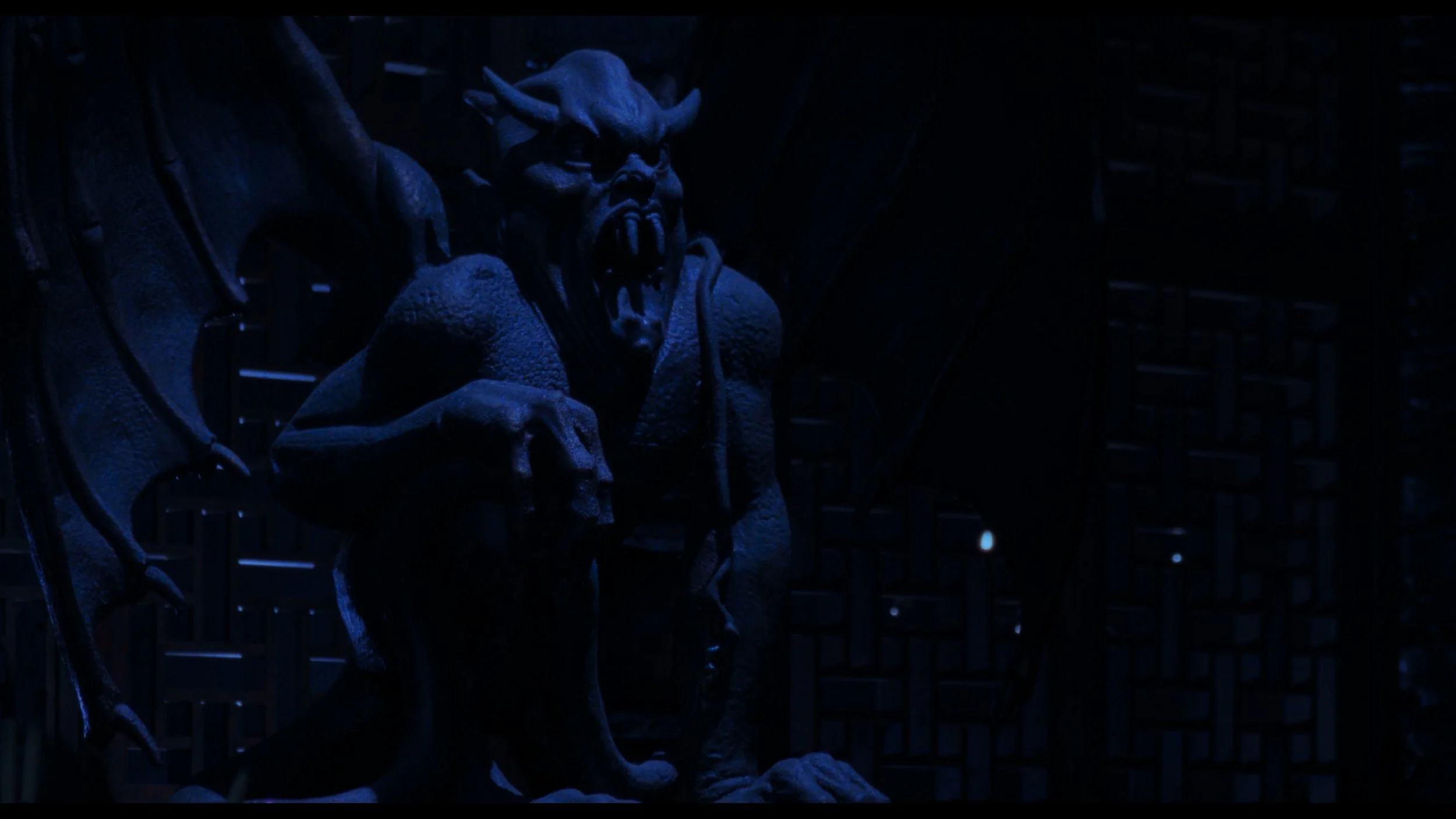
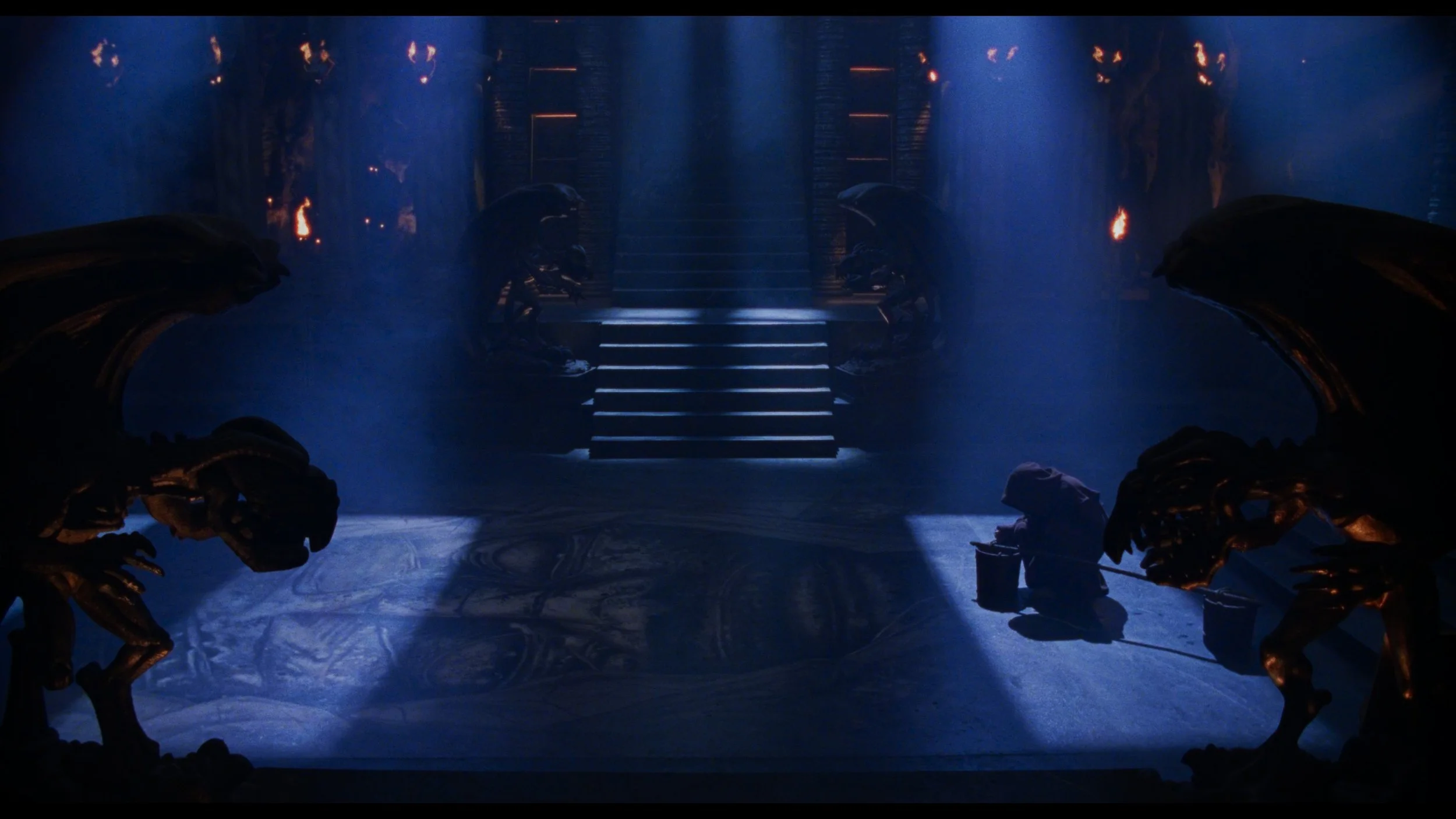
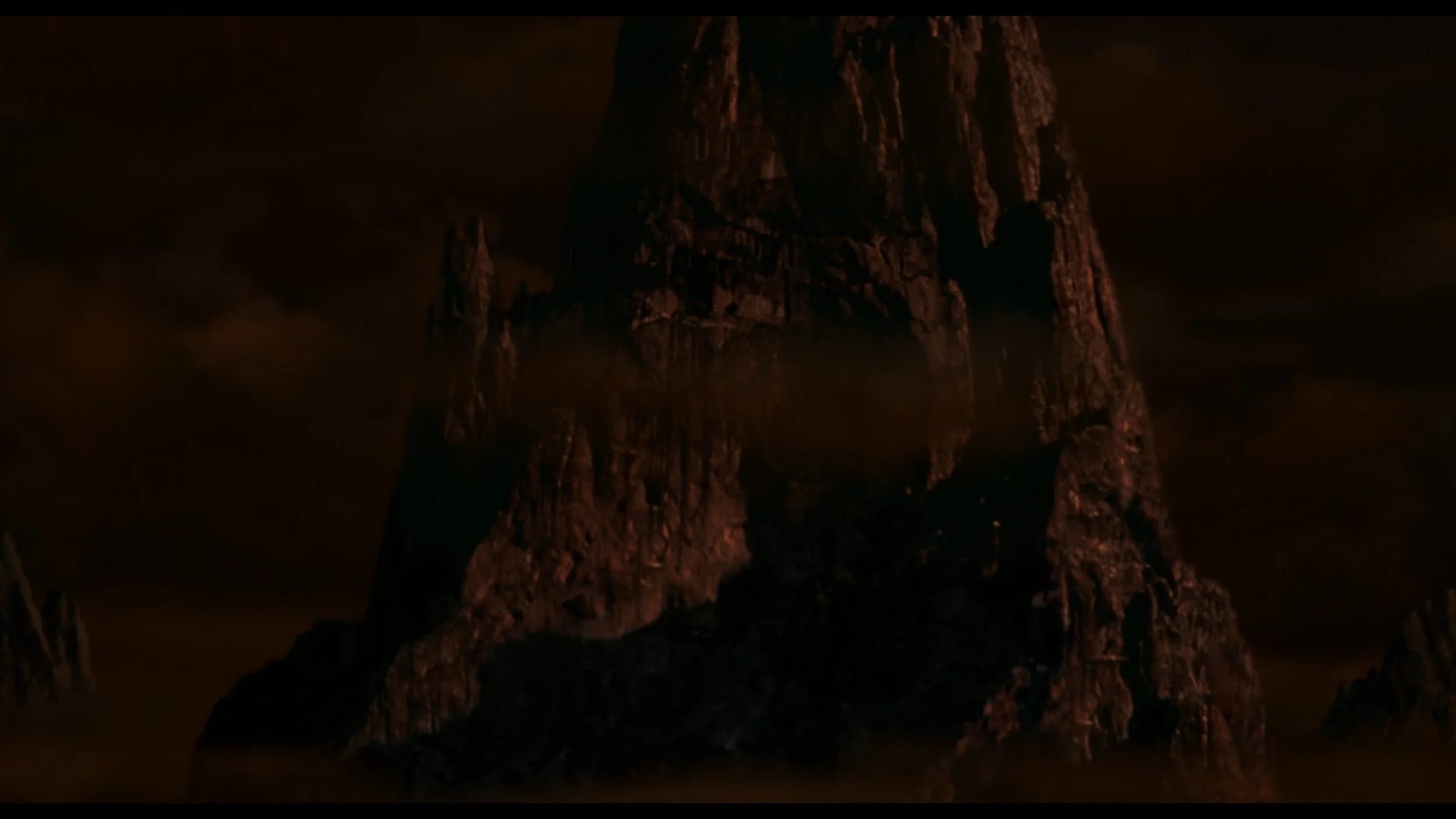
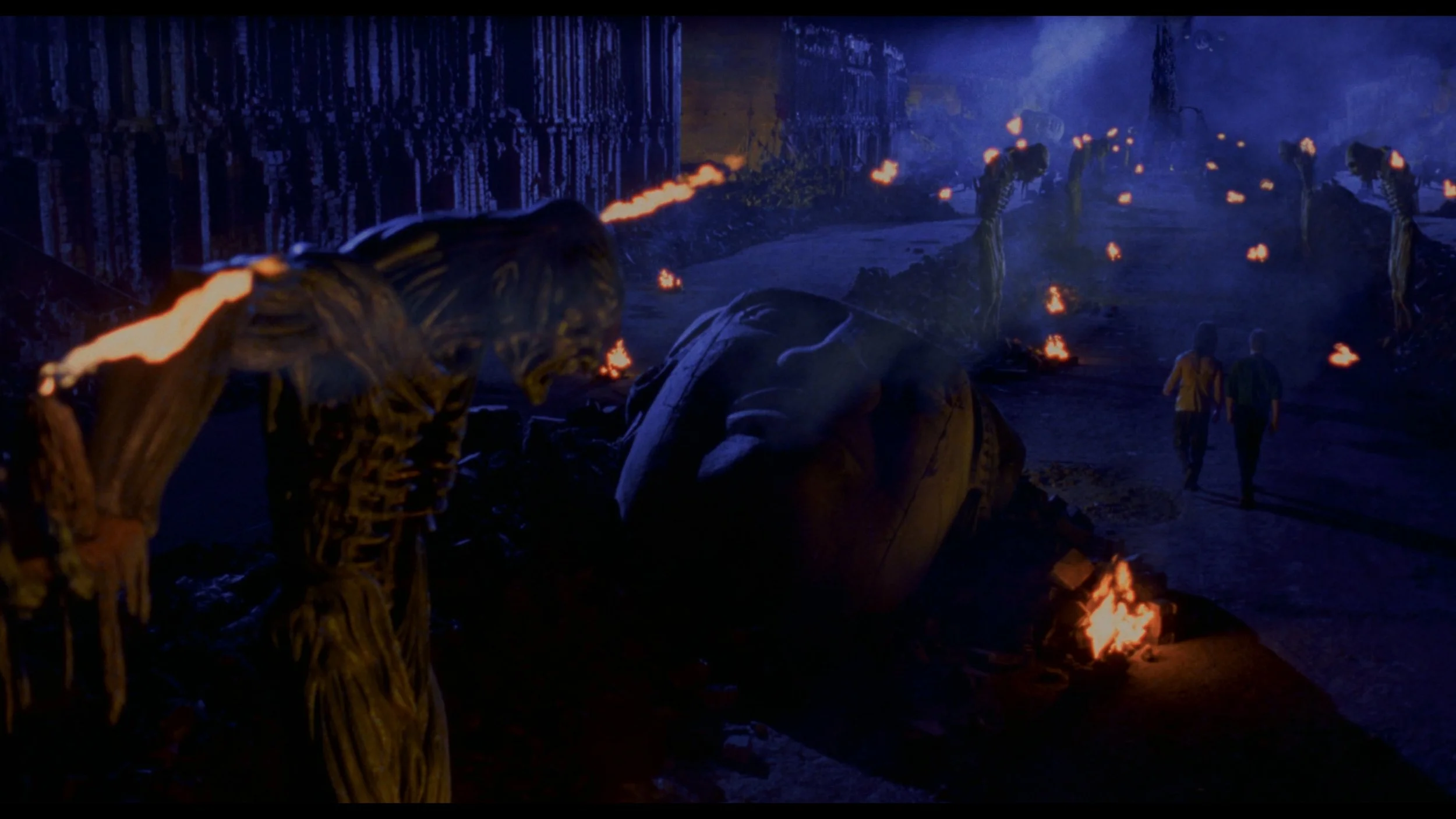
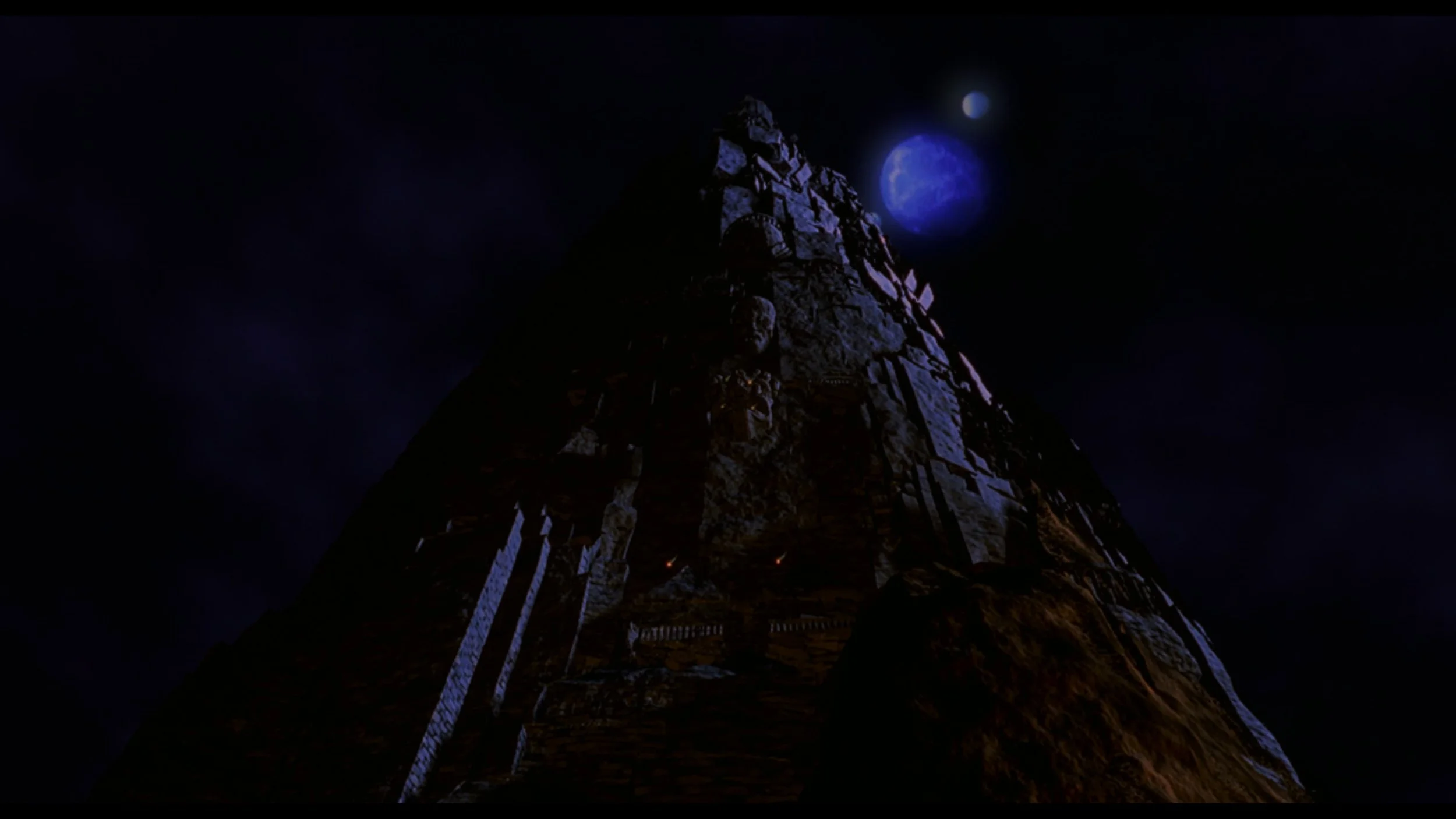
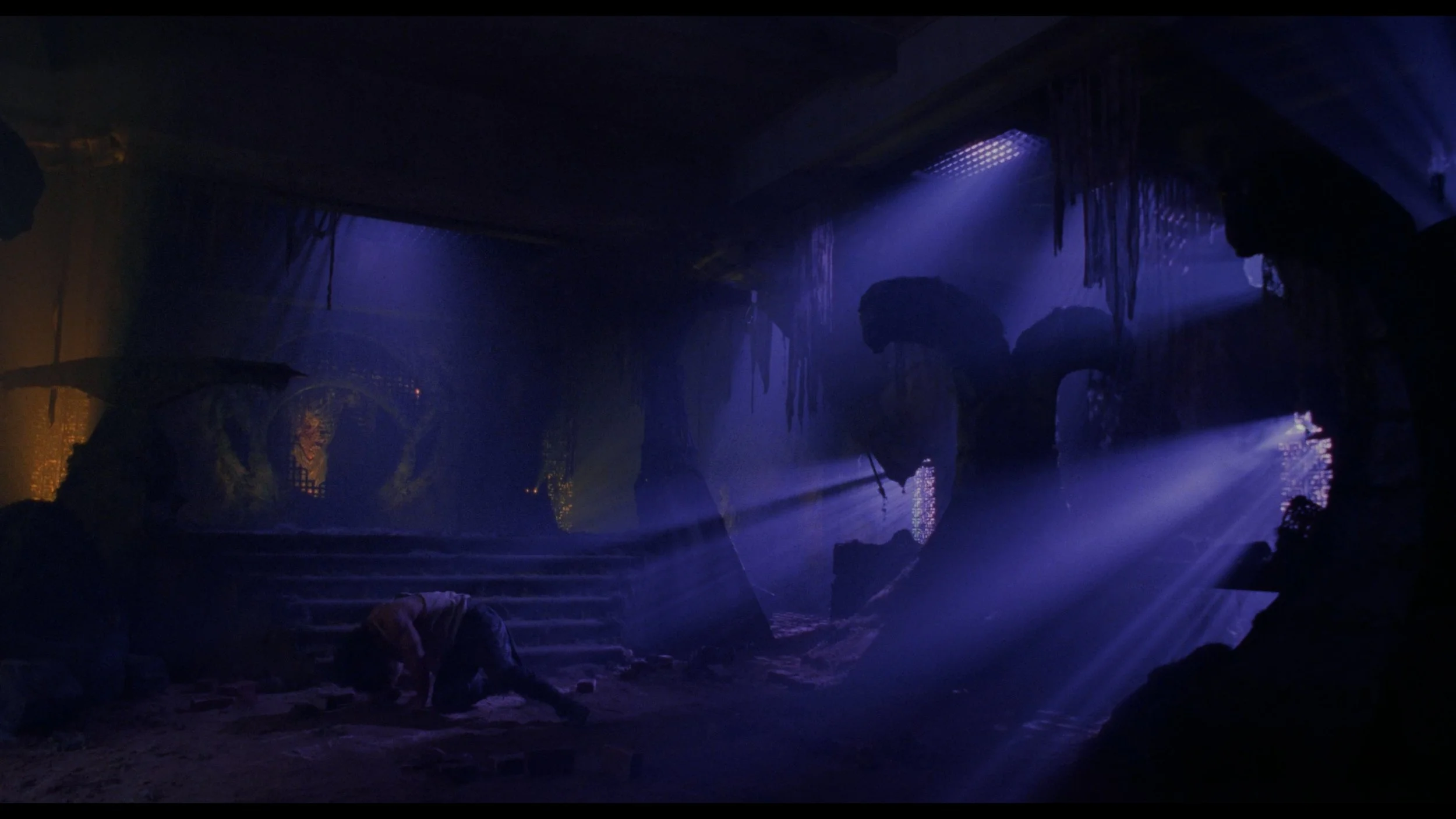
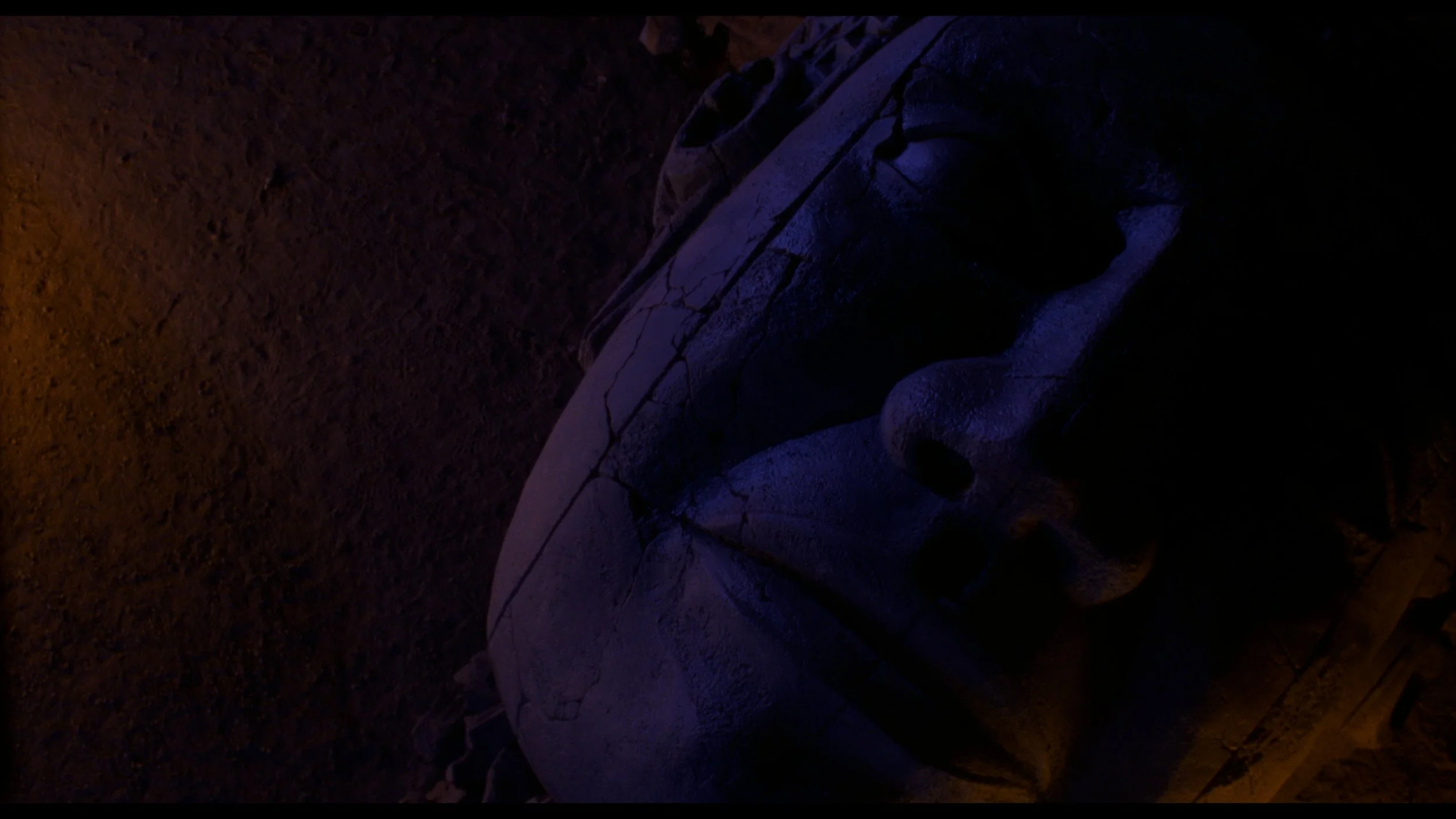
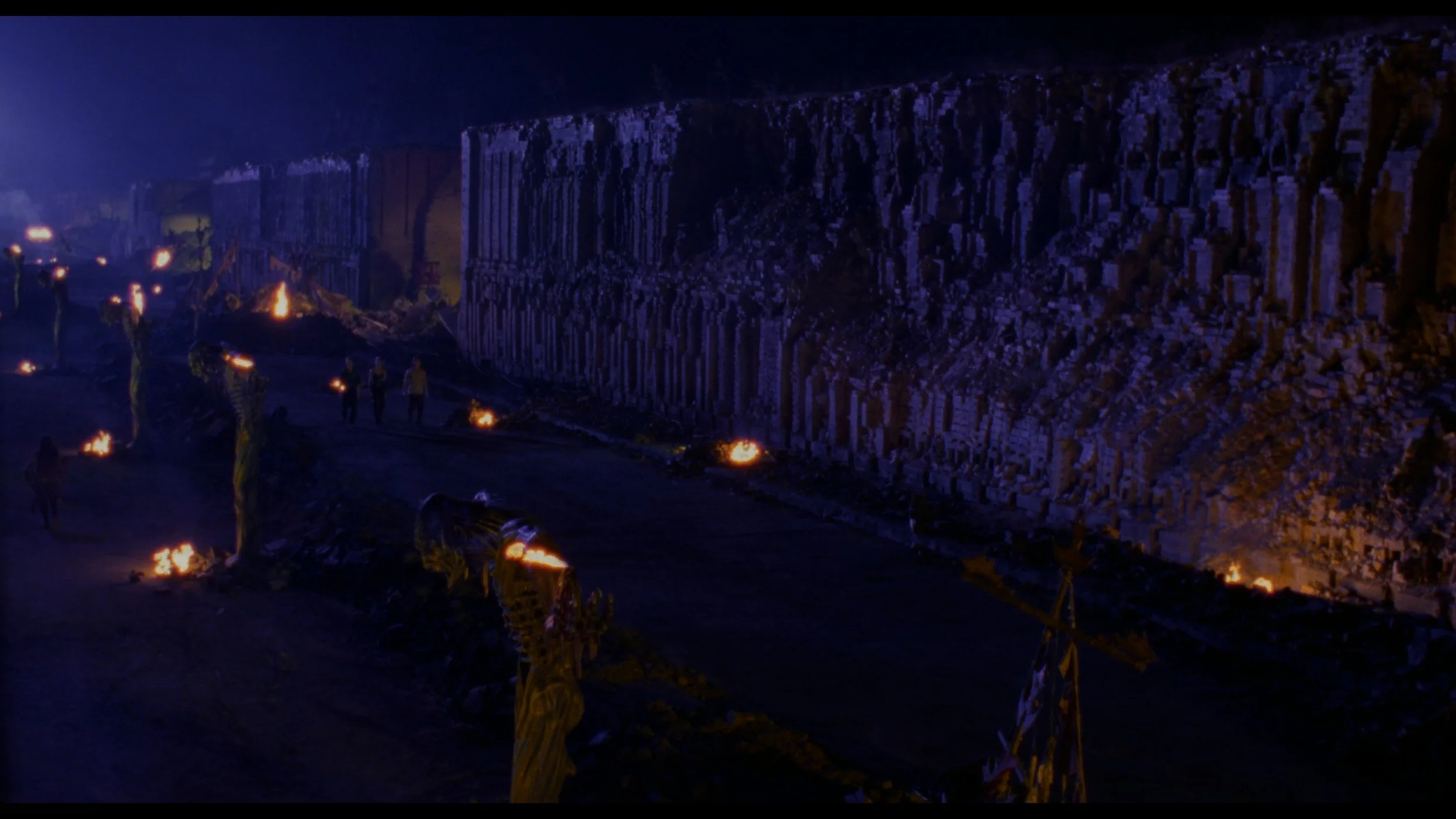
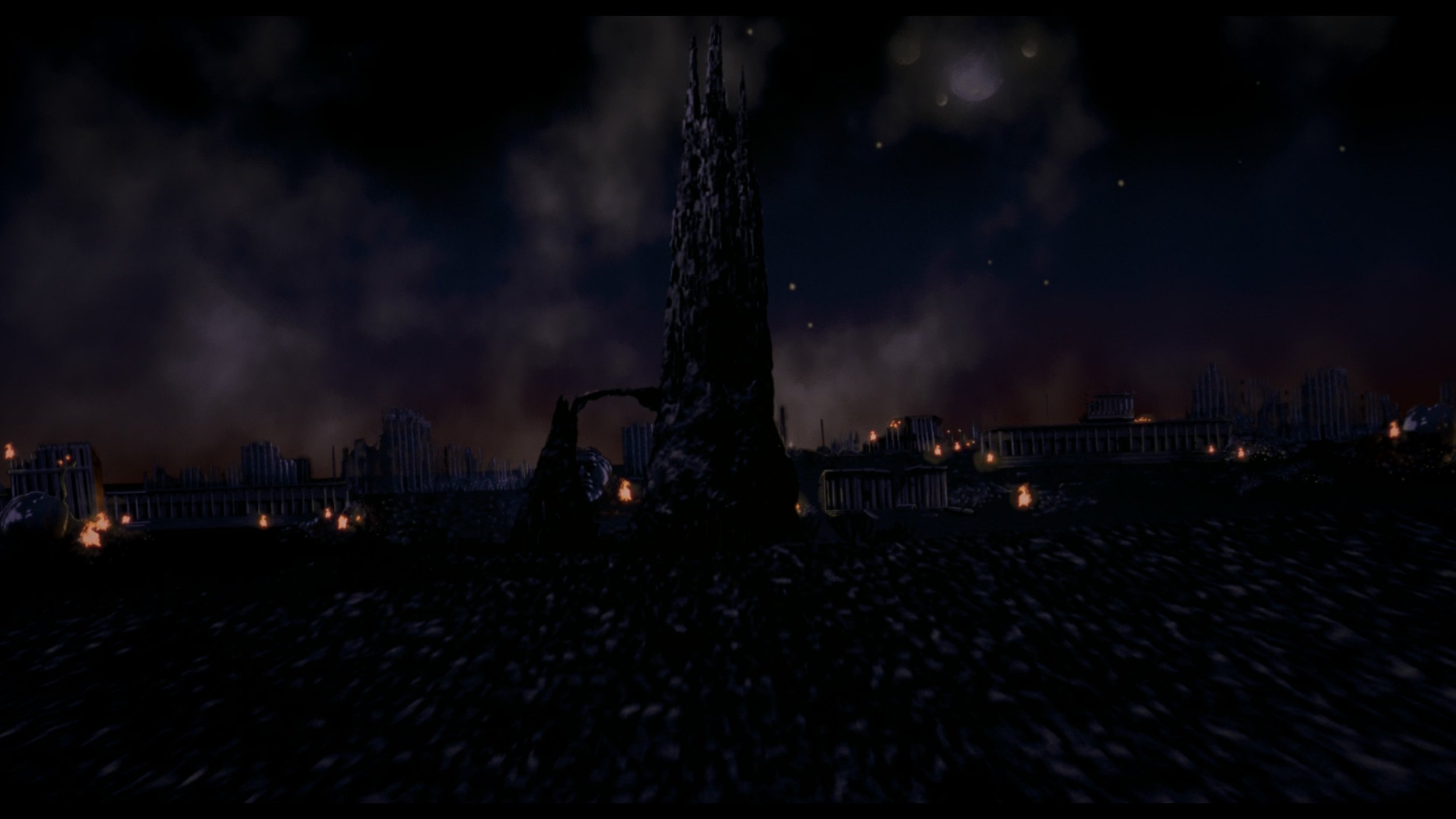
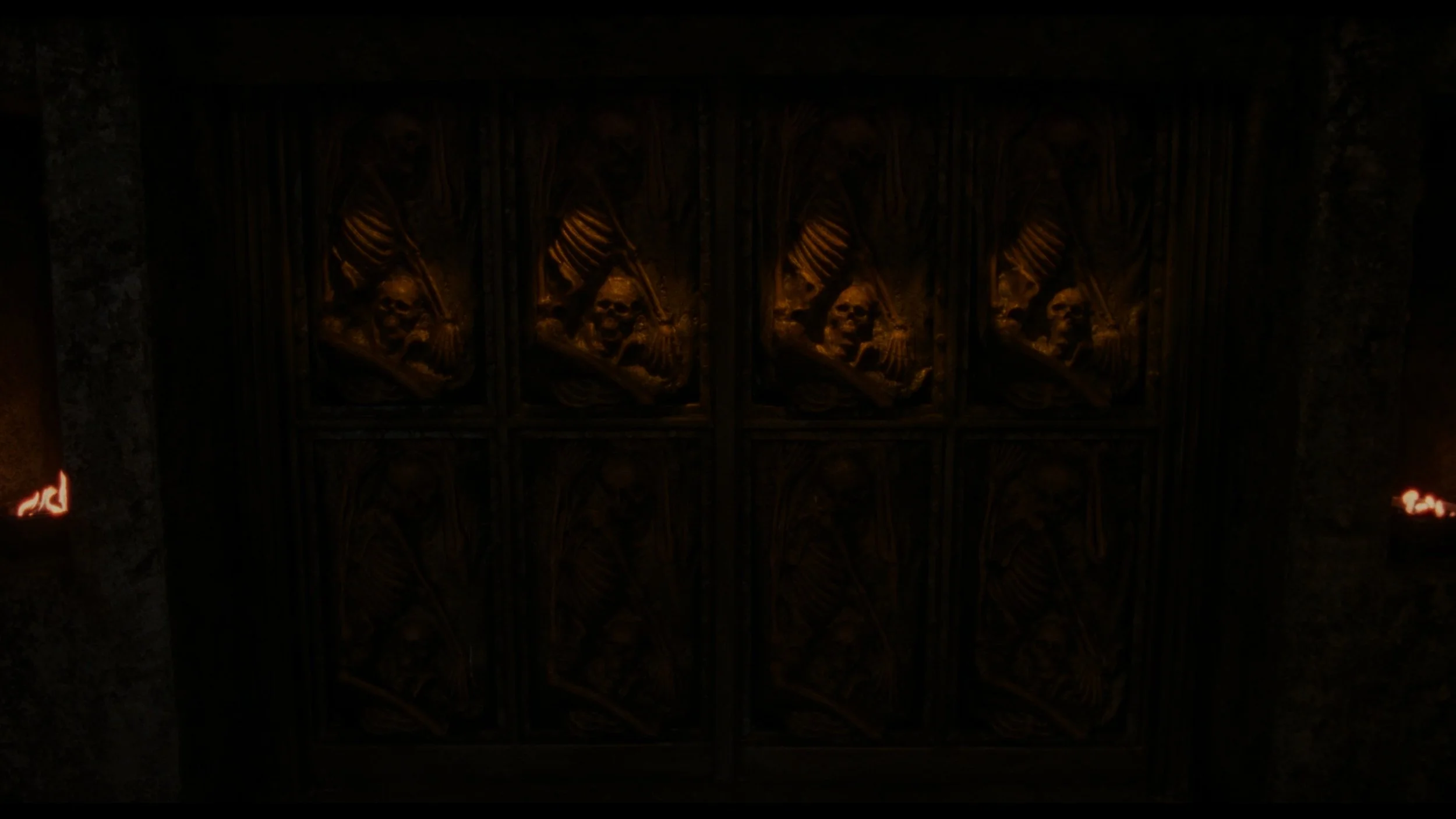
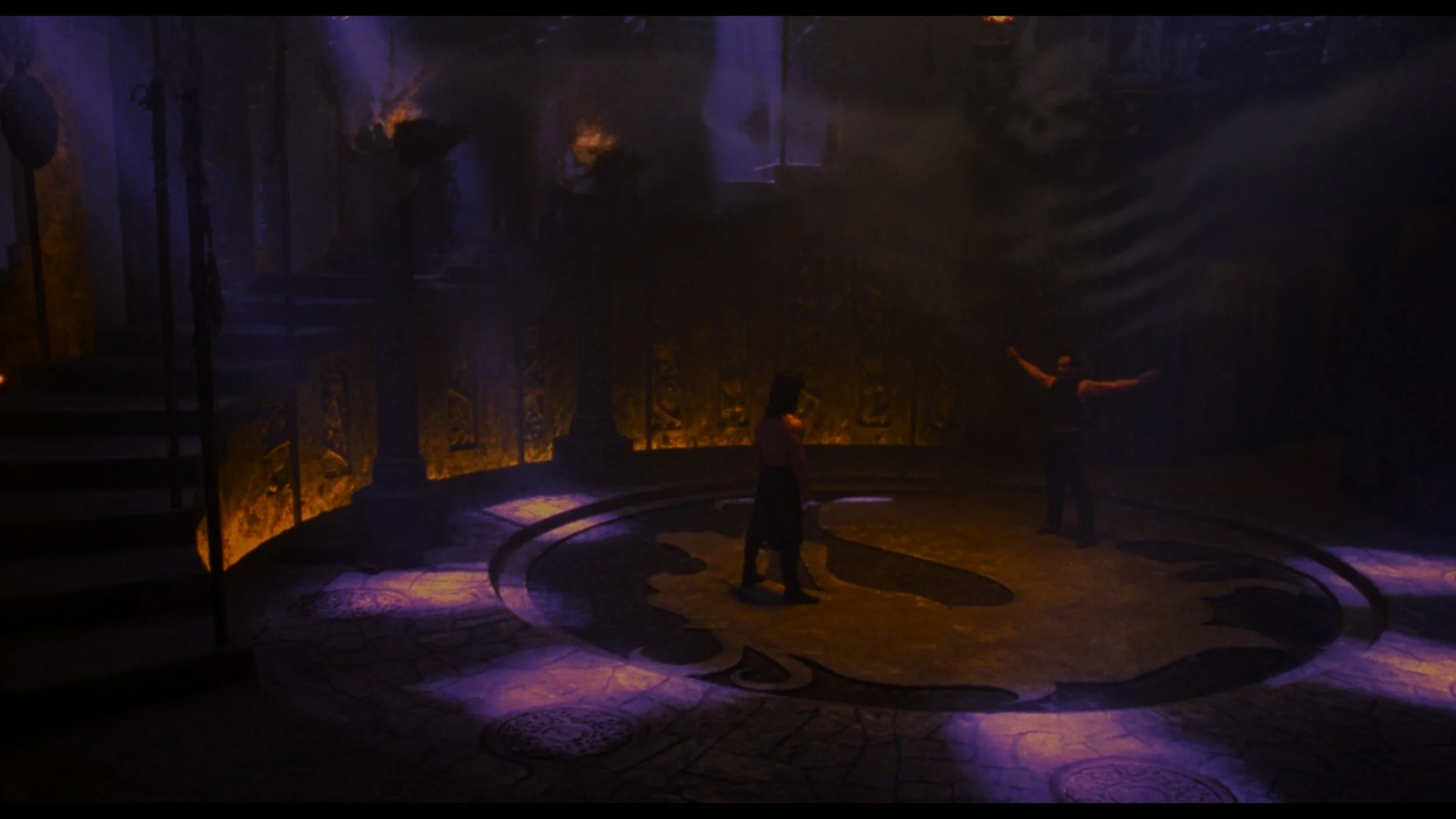
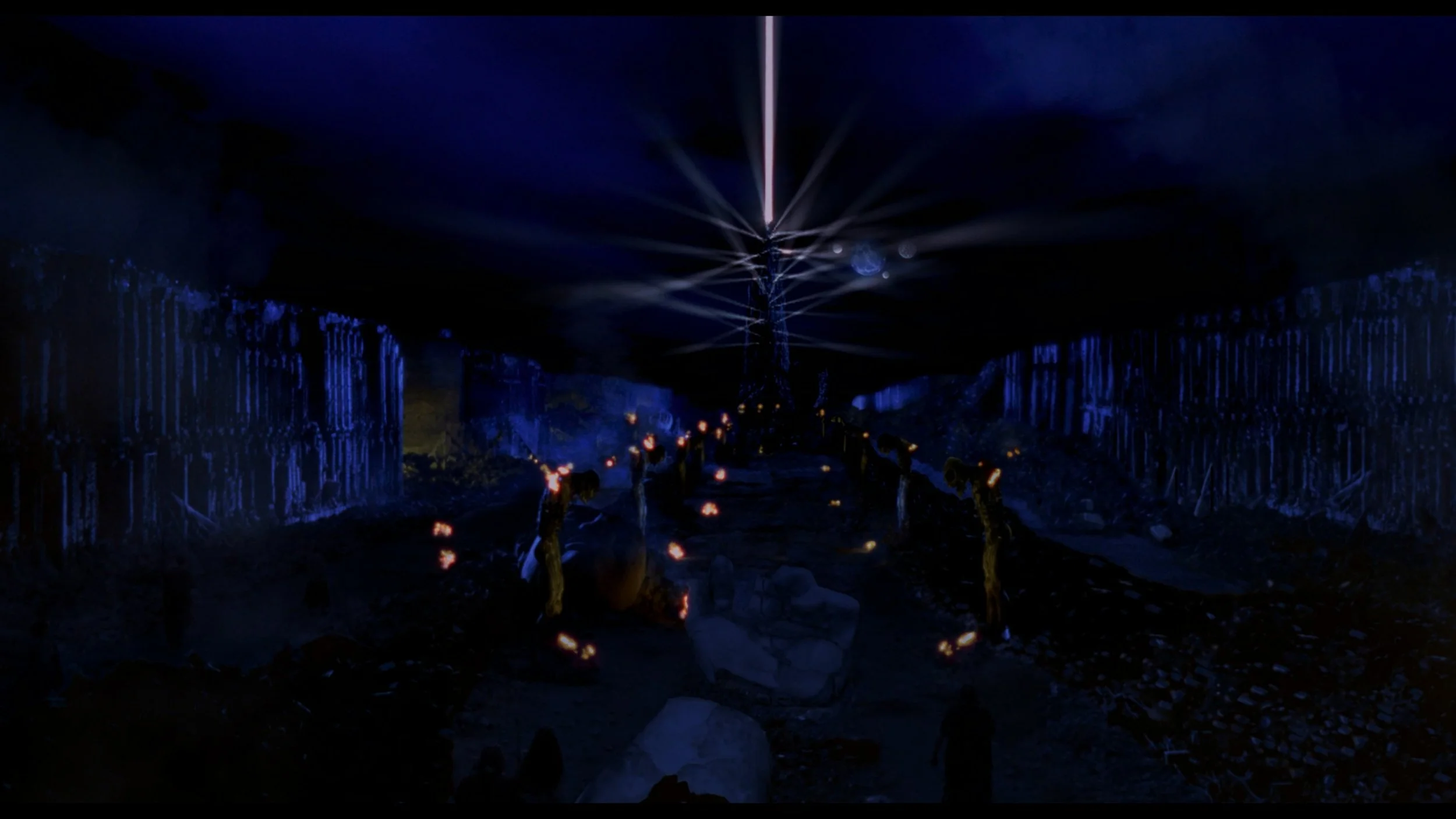
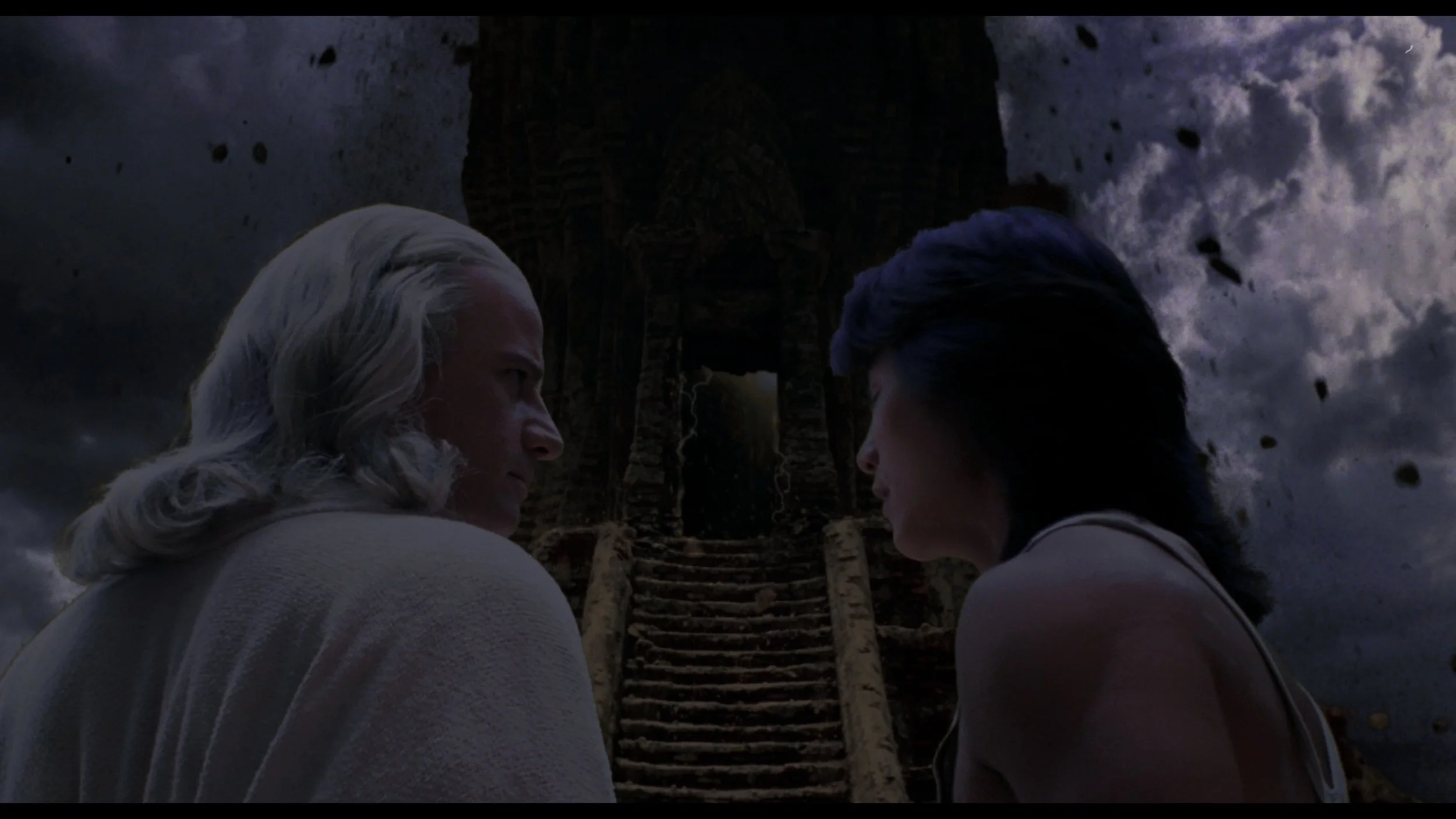
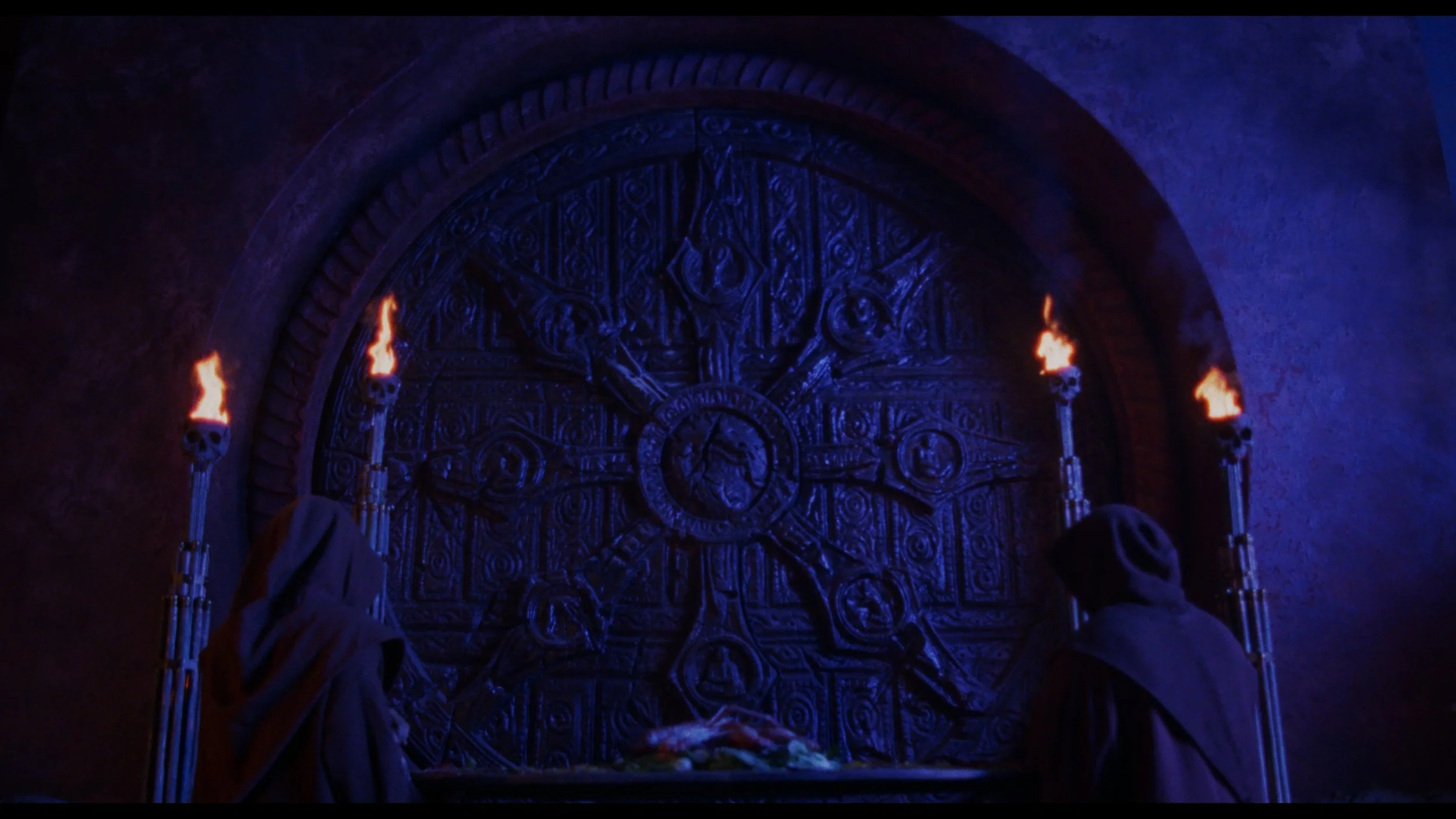
When we arrive in Outworld during the film’s climactic showdown, we witness a never-ending desolate landscape. The imposing dark tower at its center boasts a huge room for the captured Sonya and the inevitable (and extensive) face-off. Yet Carlson refuses to let unnoticed elements of surrealism adding street statues that contain hidden surprises reminiscent of Zdzisław Beksiński’s work, metal doors adorned with sequenced human bones, and carved-into-wall faces. This blend of real anthropogenic activity, pop culture, and surrealistic content should not work but it does, making Mortal Kombat a wonderful surprise in its presentation.
Colors
Deep navy, midnight blue, electric blue, violet, purple, charcoal, near black, amber, burnt orange, blood red, crimson, burnt Sienna, rust, sepia, dusty tan, slate gray
Influences
Sukhothai architecture
Enter the Dragon
Surrealism
Khmer architecture


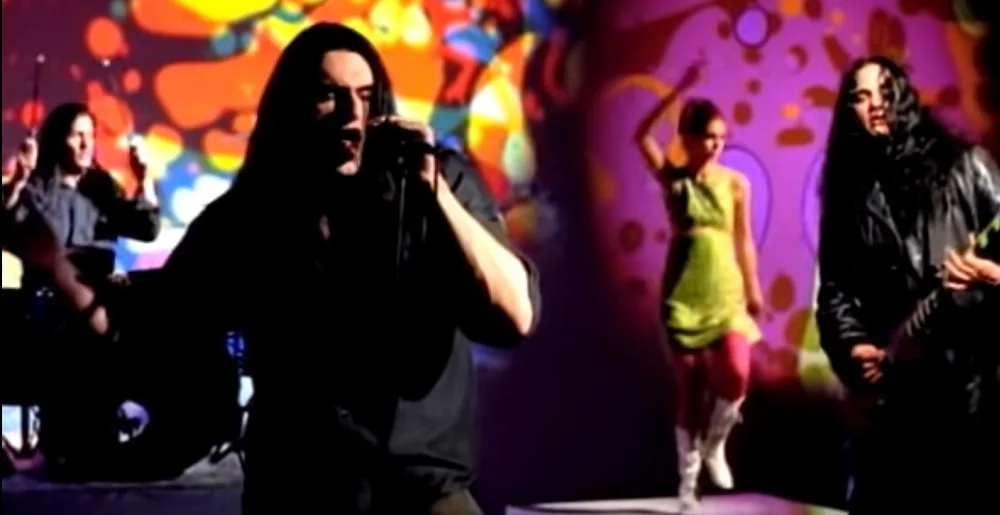
Metal videoclips
Mortal Kombat