
City on Fire (1987)
Director: Ringo Lam
Starring: Chow Yun-fat, Danny Lee, Sun Yueh, Carrie Ng
Primary genre: Action
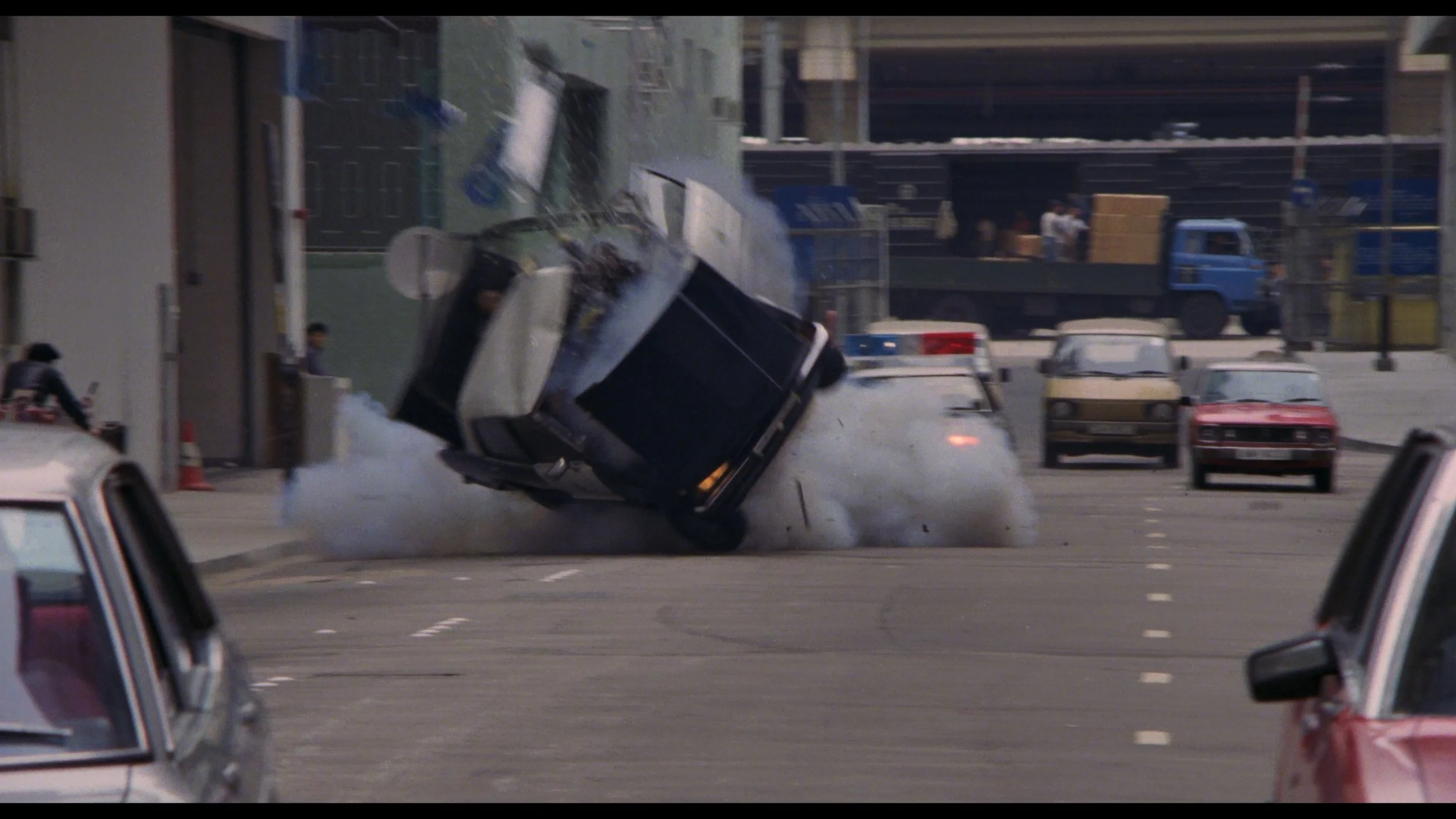
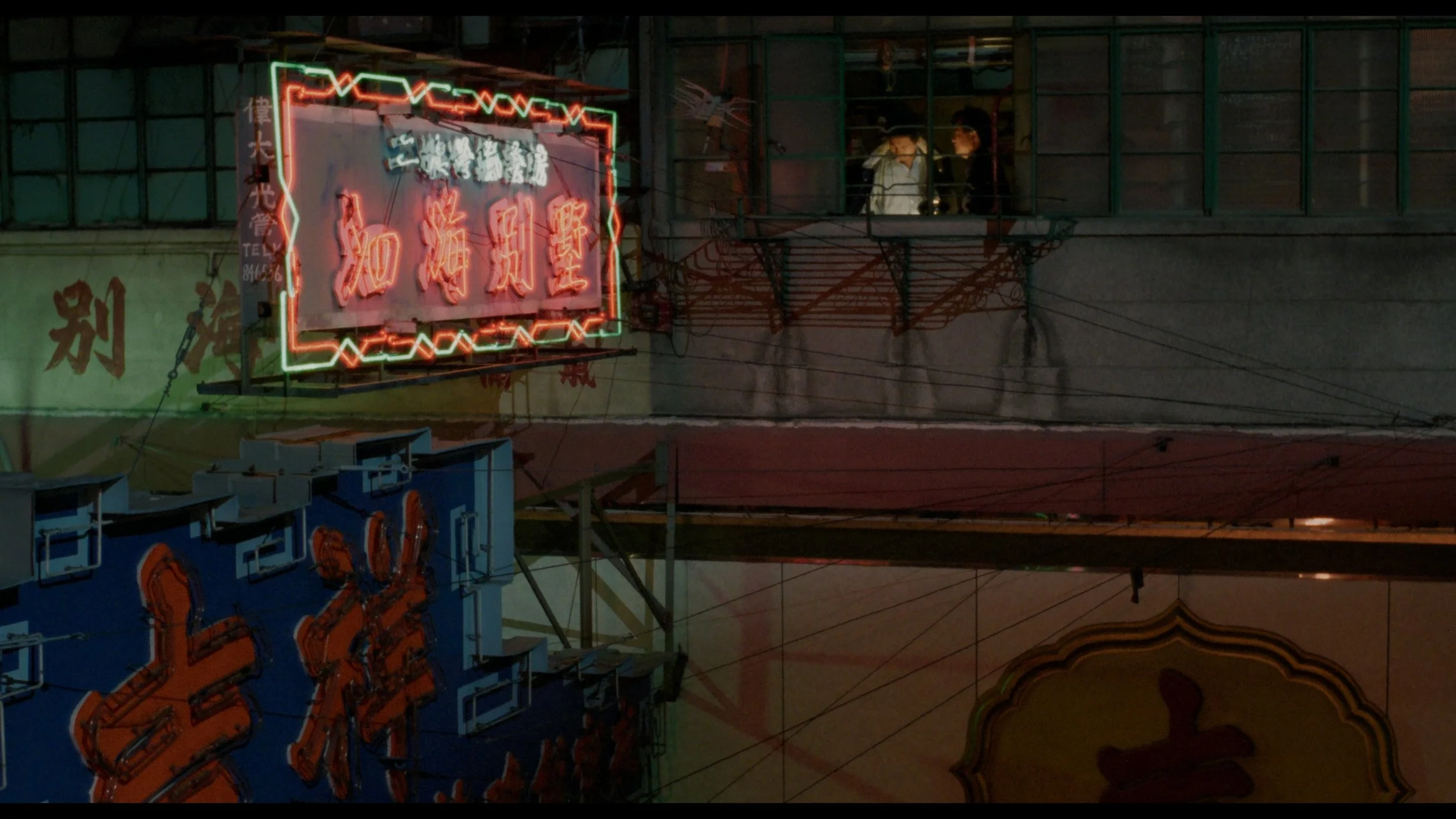
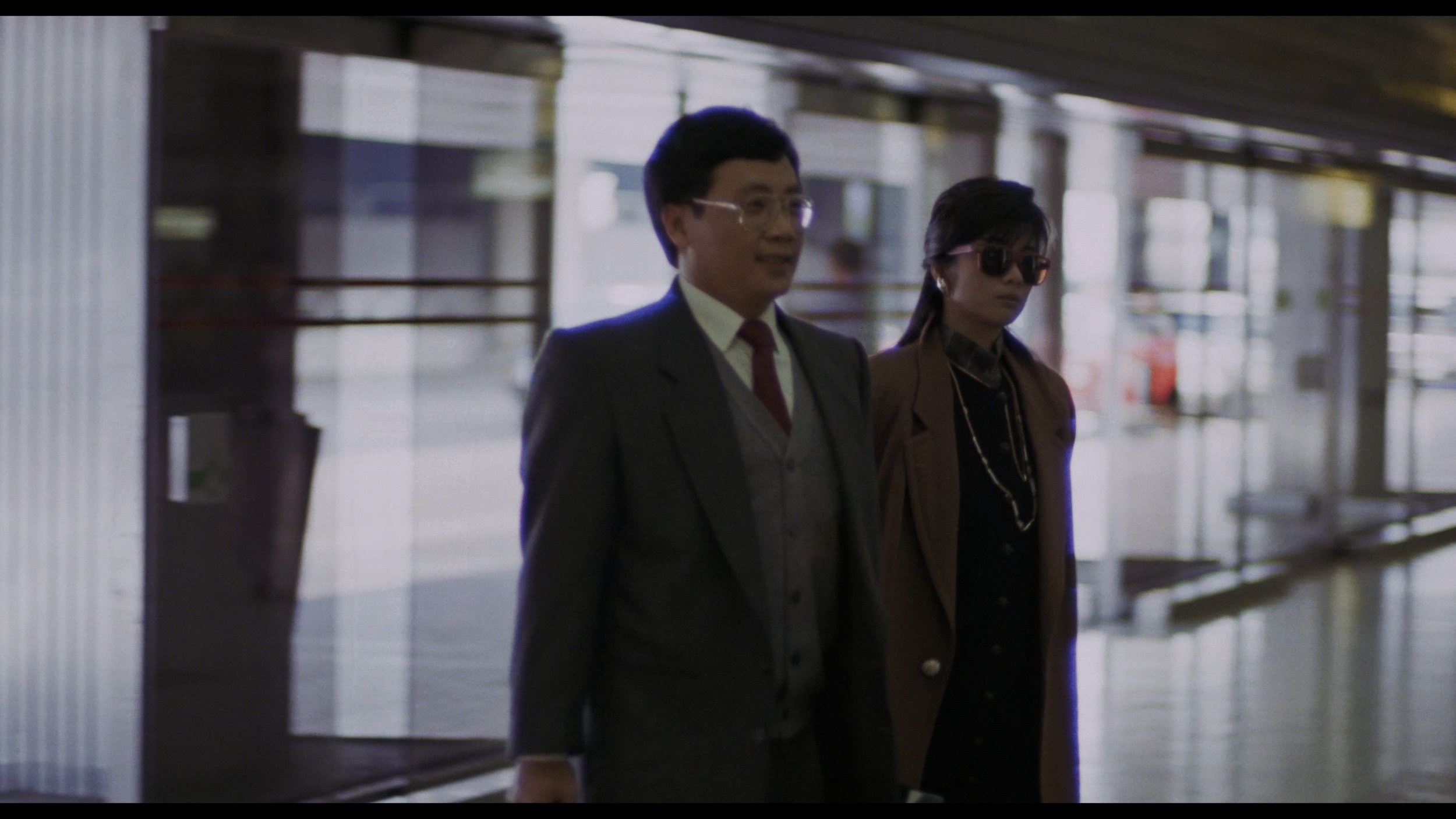
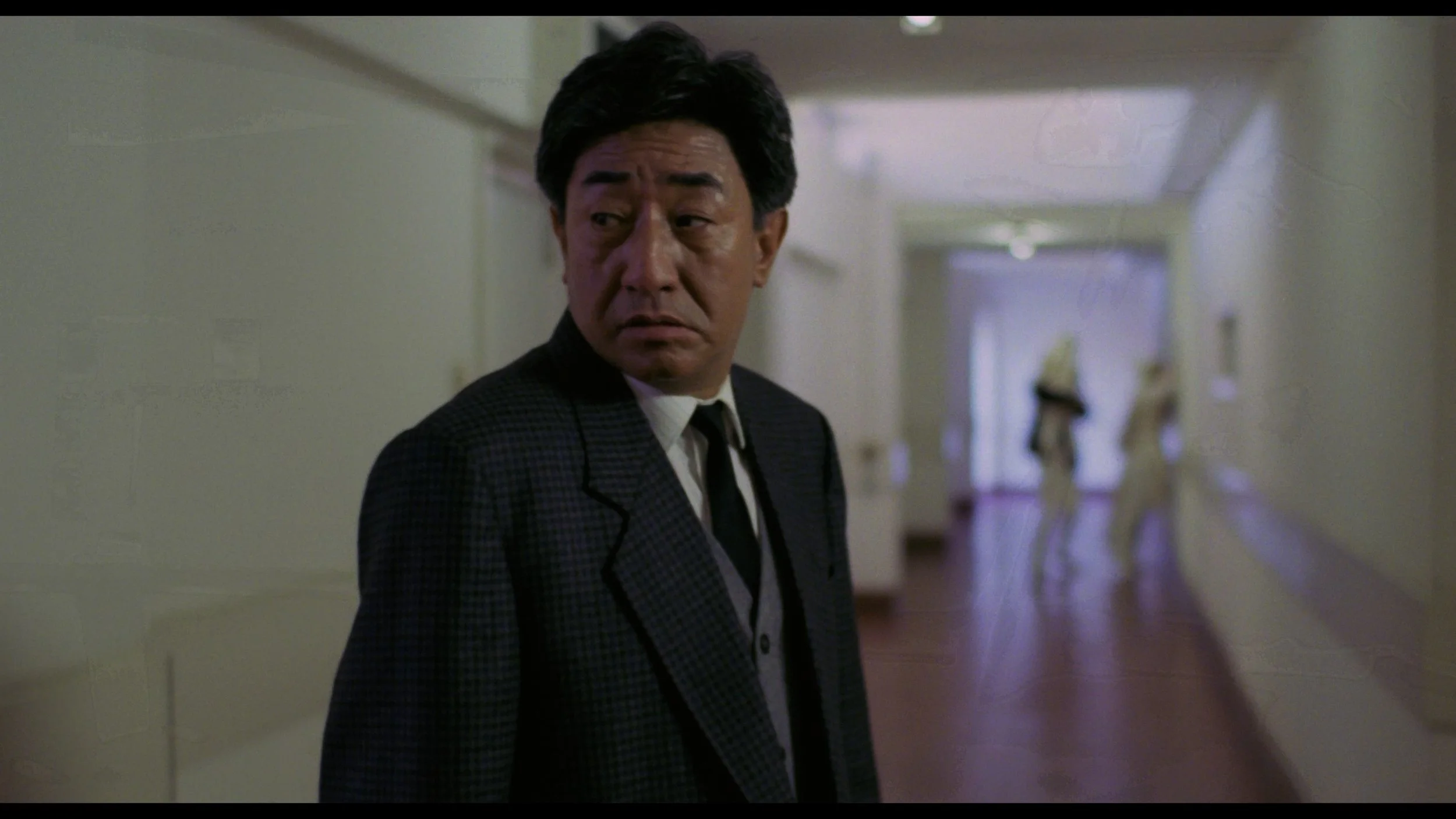
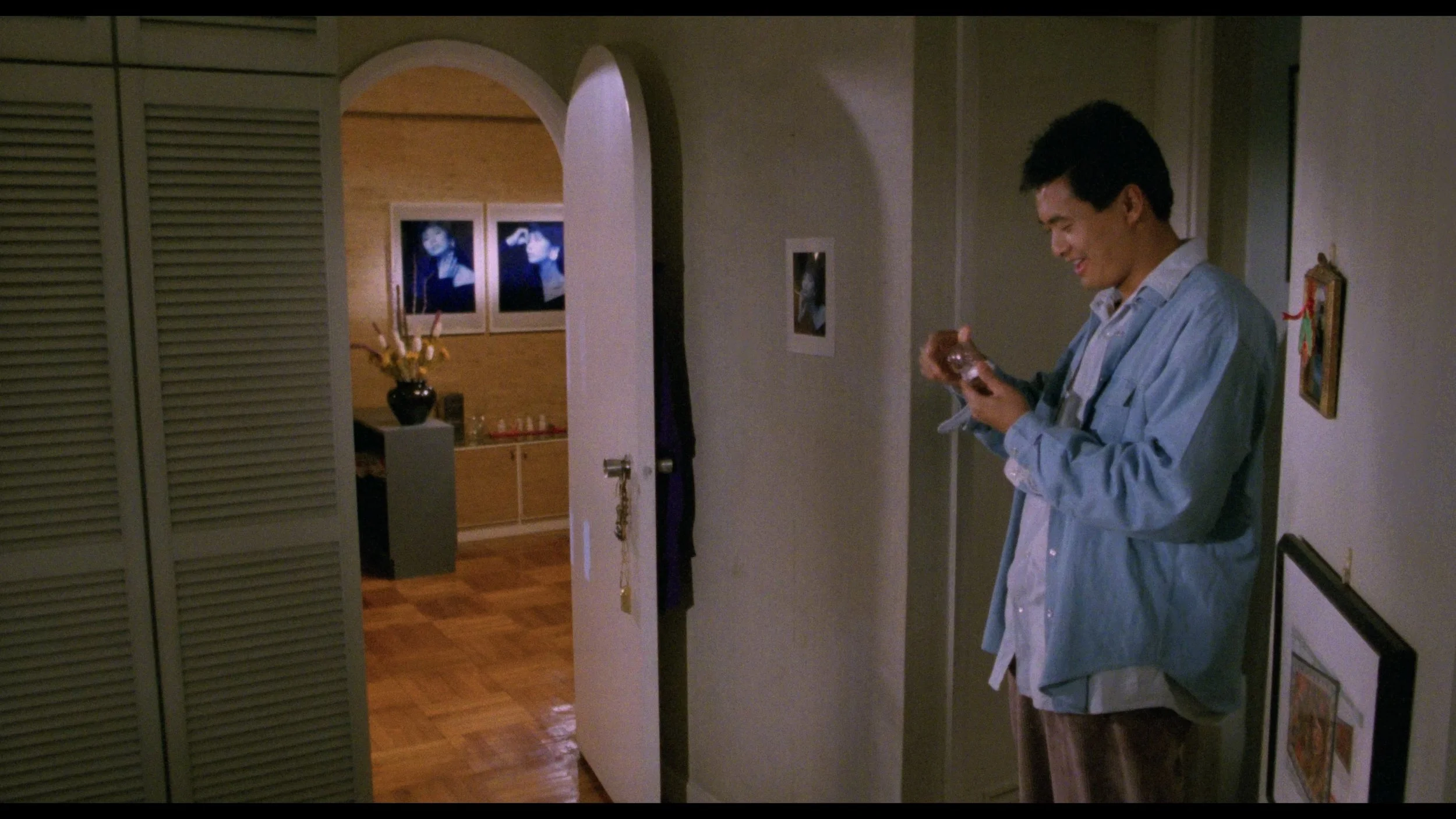
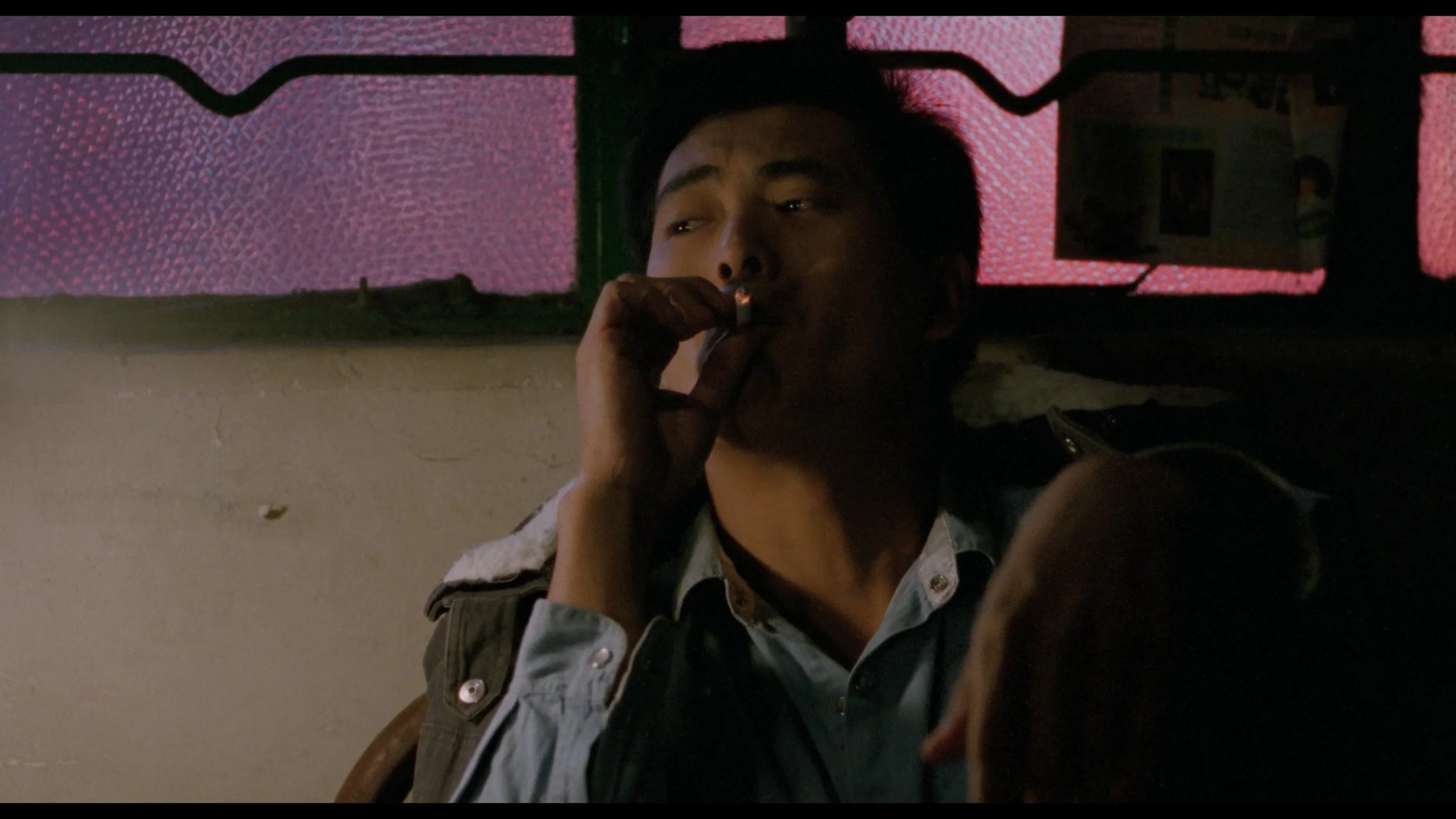
From its opening shot, Ringo Lam’s City on Fire is a different beast within the heroic bloodshed subgenre which stemmed from the action Mecca of Hong Kong. Demonstrating amply an eye for mesmerizing night shots that would make Michael Mann blush, City on Fire is relentless, bleak, moody, and surprisingly, slow.
“You helped capture scum, all right? This friend ordered the deaths of hundreds. He had to die. You’re a cop. Who told you to make friends with them?”
This tale of bank robbers and undercover cops compelled Tarantino to create his own groovy (and more violent) version with Reservoir Dogs (1992). Although you would have seen the film’s linear plot since its humble debut endless times now, rest assured that its slick Hong Kong take remains a novelty after all this time. Occasionally Lam ventures into the John Woo territory (a handful of times), yet he never tries to copy the action auteur’s style; far from it. His shootouts are small, and, let’s say, less flashy. While elements of this new cinema genre are evident - visceral stunts, lots of squibs, relentless violence, a sense of brotherhood and doomed friendships, City on Fire focuses more on Yun-fat’s character, his sense of honor, and efforts on maintaining a personal life outside of loan sharks, and other types of scum.
Shot impeccably by Andrew Lau (As Tears Go By (1988), Chungking Express (1994)), Lam is interested more in establishing shots of the Hong Kong metropolis and showcasing the difference between the rich and the old. Tommy Sham’s script does not seek to characterize anyone as ultimately heroic or pure evil, and the only sense of justice gets diluted by political or selfish decisions which can have (obviously) only one outcome for anyone immediately involved. Those who have dared to plunge themselves into the action abyss of this particular style would experience no surprises here; others though might be turned off from the unorthodox finale, and lack of optimism since City on Fire embraces the naturalistic evolution of these stories and rejects a desire to satisfy the audience’s moral compass.
An influential film for several directors, Lam’s work is supported by an exceptional turn from the charismatic Chow Yun-fat who became the face of this new cinematic expression. After starring in John Woo’s A Better Tomorrow a year prior, he captivated cinephiles with his swag and a relatable personality under the saxophone-based score of Teddy Robin Kwan which gives the movie a warm noir-ish vibe despite its tropical setting. While certain characteristics might rub off modern viewers (the depiction of the protagonistic’s materialistic girlfriend is the typical girl trope in almost all Hong Kong action and gangster motion pictures), City on Fire makes up for it with its pathos, something that would fit nicely into a Martin Scorsese flick. And it is a credit to the script’s power for establishing the relationship blueprints (along with several others like A Better Tomorrow) for the Hong Kong underworld convincingly for years to come.

Lam’s bleak metropolis
+Mesmerizing cinematography
+Yun-fat is an acting god
+Bleak plot that pulls no punches
+Well-established undercover cop story
+Atmospherically scored
-Distracting girlfriend trope
-Too bleak for modern audiences