
Judge Dredd (1995)
Director: Danny Canon
Starring: Sylvester Stallone, Diane Lane, Armand Assante, Max Von Sydow
Primary genre: Science fiction
Secondary genre: Action
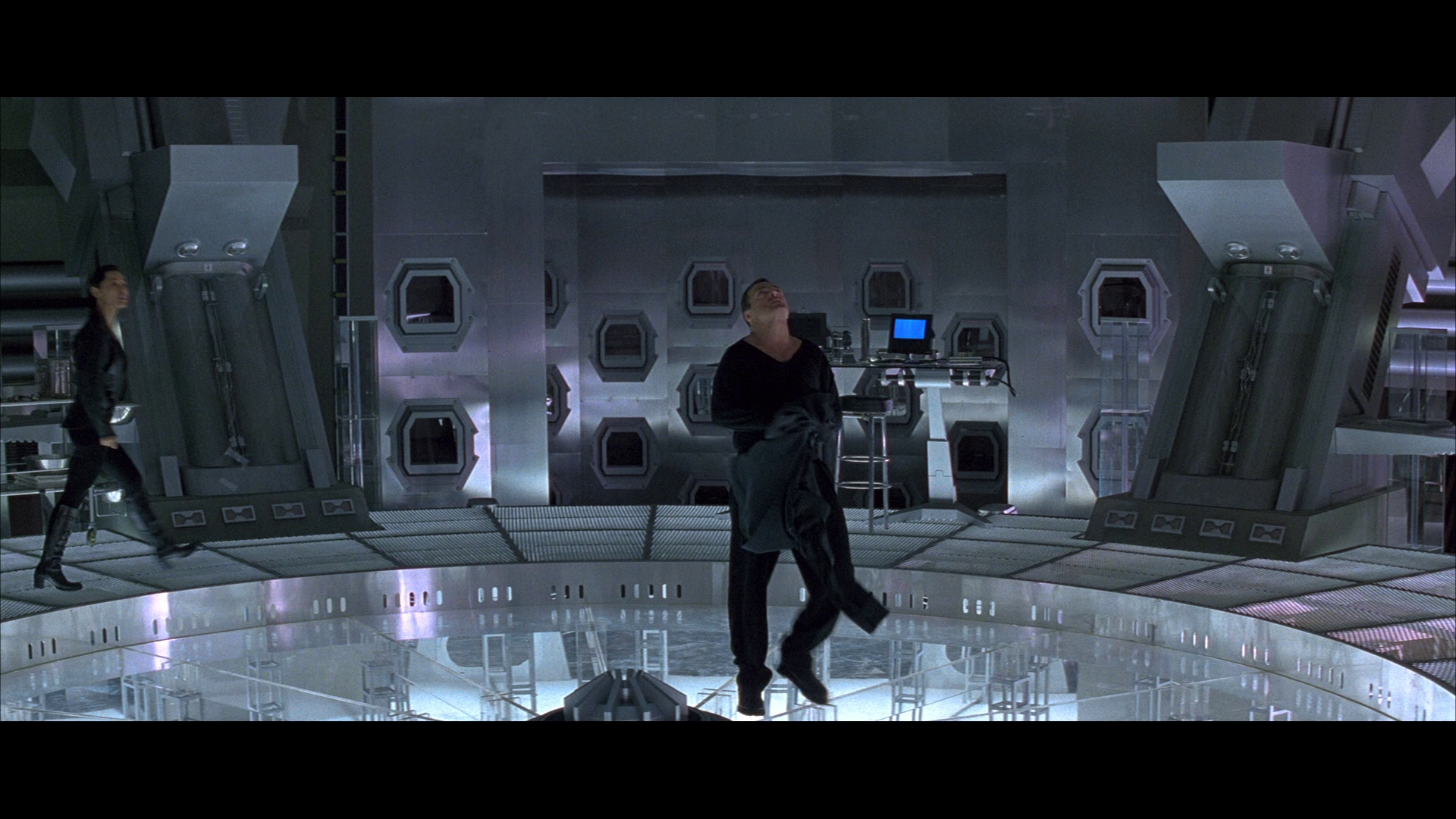

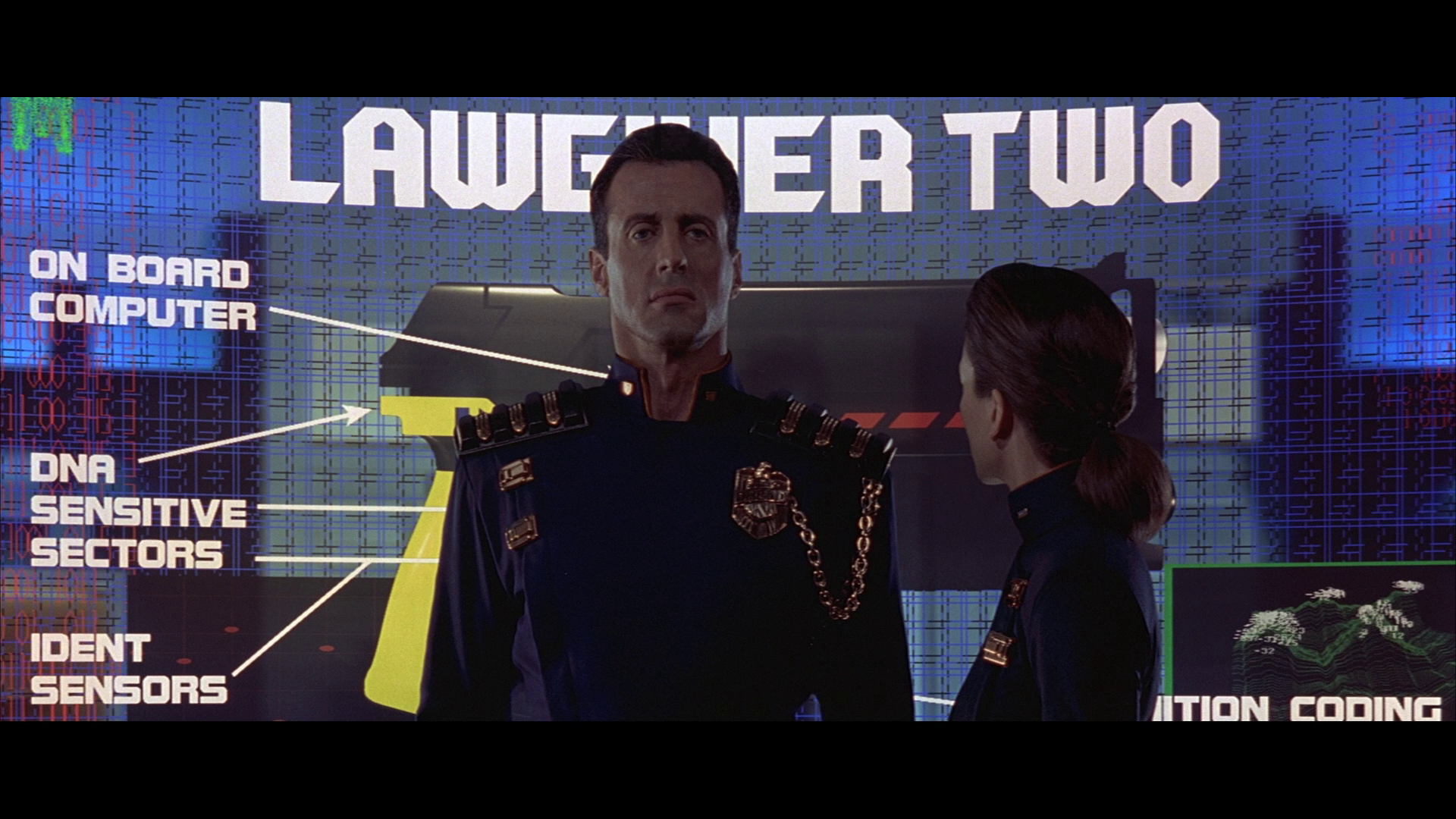
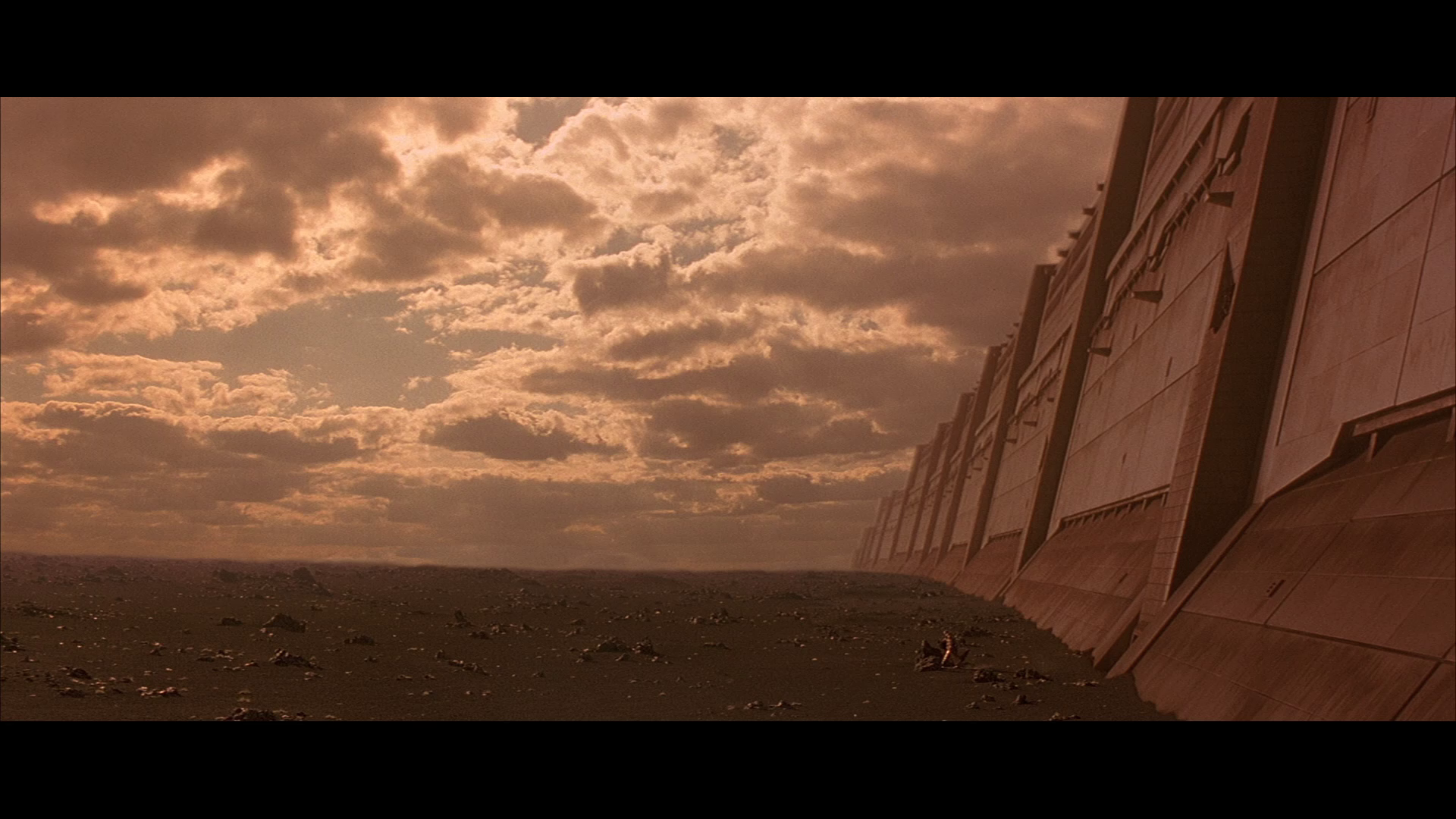
“I am the LAW!” Stallone’s judge, jury, and executioner proclaims loudly in a very dystopian future that includes massive cities populated by over 800 million people, cannibals, robot warriors, clones, and more. Well, he might be the law but what he is not, is an engaging protagonist.
“I am the LAW!”
Victim of reshoots, tonal adjustment, forced comedy relief, and creative differences between Sly and director Danny Cannon who desired a nasty and violent version of the comic on the big screen, Judge Dredd is one of these movies that you will end up wondering how the hell did this one get made? Its price tag of $100 million is clearly visible on every shot though. The world of Dredd has been brought to life with spectacular detail and cyberpunk panache by Nigel Phelps (who did Alien Resurrection two years later). Each set boasts an exquisite amount of detail whether it is private quarters, desert ruins, isolated prisons, or gorgeous shots of Dredd’s metropolis, simply there is too much to admire.
Avoiding becoming a simple copy-paste job of another famous dystopian flick (i.e., Blade Runner (1982)), Judge Dredd’s visual hybrid of architectural styles and genres makes it stand out from contemporary science-fiction flicks of the time giving it a place in cinematic history for its concepts. Adrian Biddle’s cinematography (The Mummy (1999), Aliens (1986)) grounds the film in science fiction realism - basically it does not look cheap at all.
It’s a shame, then, that Cannon’s vision will never see the light of the day. Plagued by Stallone’s insistence of making this a PG-13 buddy comedy by reshooting (or trimming down) its violent scenes to achieve a marketable appeal, the final version of Judge Dredd is a pastiche of ideas that please no one. There is enough violence to justify its R-rating but there is clear evidence of scenes being entirely left on the cutting room floor with Stallone and co. telegraphically progressing from point A to B. A sense of time does not exist; the whole story could easily be taking place in one day for all we know.
Its meagre 90 minutes running time ruins the impressive cast’s chances to shine. Armand Assante’s villain is propelled to the narrative with no explanation while Jurgen Prochnow and Joan Chen have pedestrian roles in clearly reduced scenes under a pretty amateur editing job that leaves their characters confused, frustrated, or angry for no explanation. Only Max Von Sydow and Diane Lane have something to do but their roles are too archetypal to make an impact.
Judge Dredd then becomes a solo Stallone flick where he carries the dramatic weight on his shoulders but even Sly plays Dredd super straight and attempting to spark some sort of forced comedic chemistry with Rob Schneider who looks like he walked into the wrong movie. Some of the effects range from spectacular (e.g., the bodyguard robot is jaw-dropping) to being too ambitious for the time to pull them off (e.g., the chase throughout the city on flying bikes). So where does that leave us? Judge Dredd was seen as a failure overall but there are arguments to be made for its (many) positives. It’s a film that resurrects a time in Hollywood where people try to wow cinemagoers one way or another. It might have a messy script in this chopped presentation but stylistically at least, it has a lot going for it. Who knows? Maybe they will released the Cannon cut.

You will be the judge
+Spectacular production design
+…and costume design
+Biddle’s cinematography
+Excellent cast
-Sly destroys the film’s potential
-Uneven
-Forced comedy
-Major and obvious trimming