
Rurouni Kenshin: The Beginning (2021)
Director: Keishi Ohtomo
Starring: Takeru Satoh, Kasumi Arimura, Issey Takahashi, Nijiroh Murakami
Primary genre: Period
Secondary genre: Drama
Third genre: Action
Ranking the Rurouni Kenshin films
The final “Rurouni Kenshin” film is actually a prequel titled “The Beginning” following “The Final” (2021), despite being filmed back-to-back. After five movies, the series comes full circle enriching Himura’s past and making a rewatch of the first four films more meaningful. Hailed as the most emotional entry (although a strong argument can be made for “The Legend Ends” (2014)), this is by far the most violent “Kenshin”. Himura’s relentless fighting style makes it rain blood (literally), all for the purpose of bringing prosperity in Japan and overthrowing the corrupt shogunate. Those unfamiliar with Japan’s history, civil war, and Meiji period might be left confused. Famous historical names like Souji Okita are dropped without an explanation for the uninitiated but this does not distract from the story’s central themes.
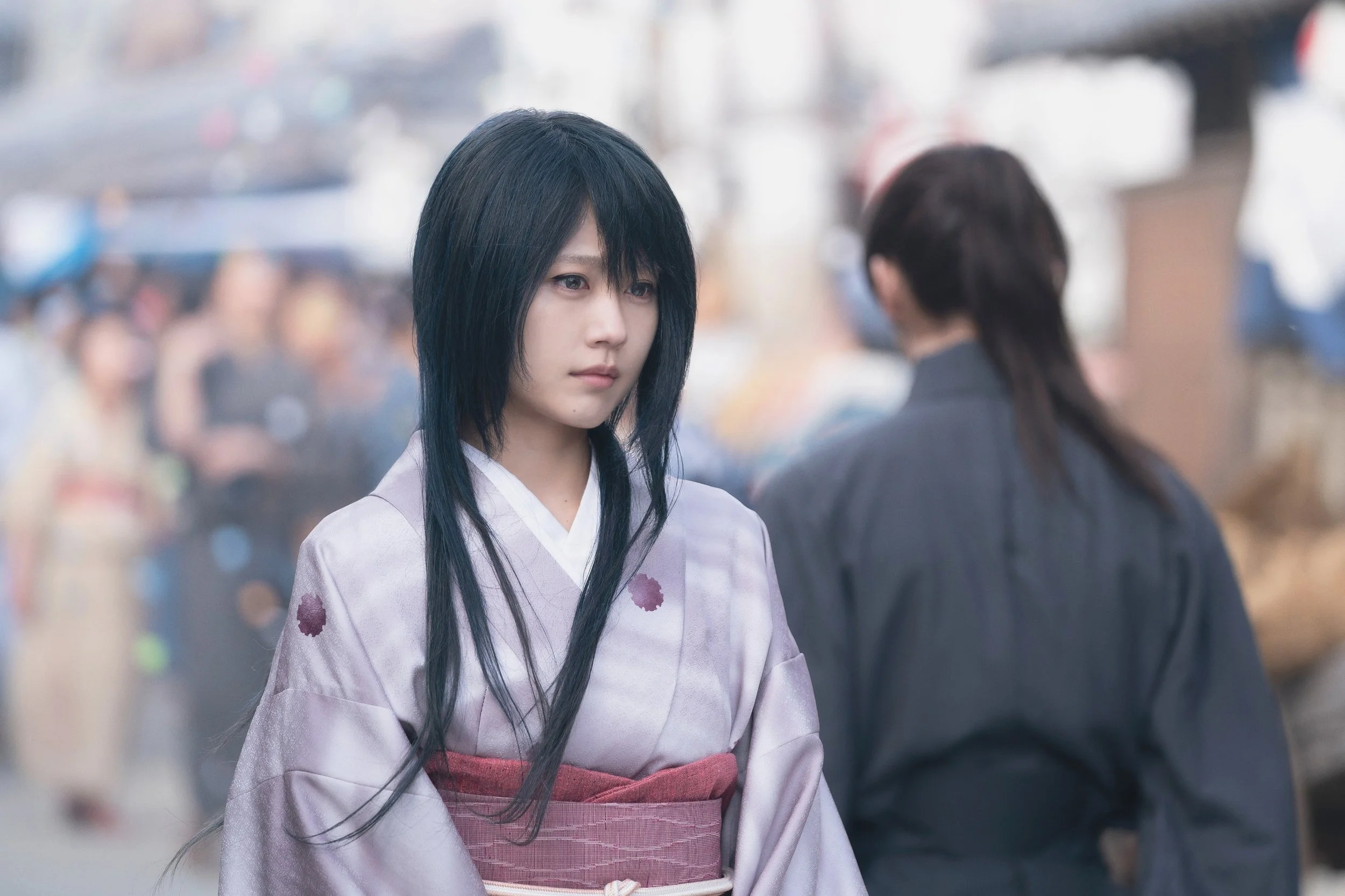
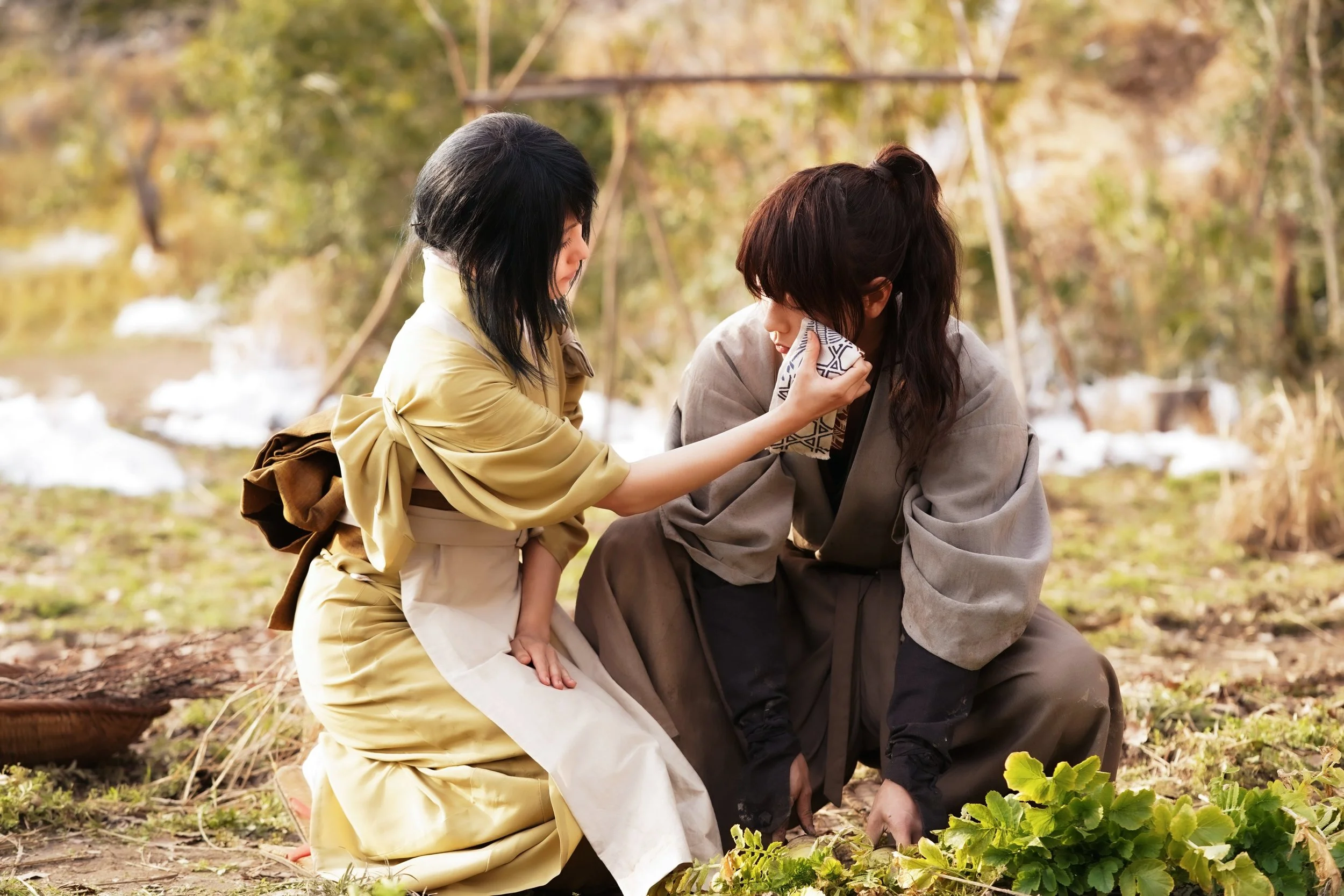
Consequently, this is a much slower film than the breathless “Kyoto Inferno” or “Origins”, exploring the complex dynamics between Kenshin and Tomoe, a woman seeking revenge. Occasionally the pace slows down a lot to allow these characters and stoicism to shine in a way worthy of a Greek tragedy. These less conventional and morally complex ideas (e.g., can you love your husband’s killer and at what cost?) limit the action setpieces disorienting Western audiences much like Zhang Yimou’s Chinese, epic masterpiece, “Hero” (2002).
“When I hear we are fighting for the sake of peace, what does it really mean? Will it benefit all of us? Does it speak to our principles? Or is it just we turn a blind eye, as the little things fall victim?”
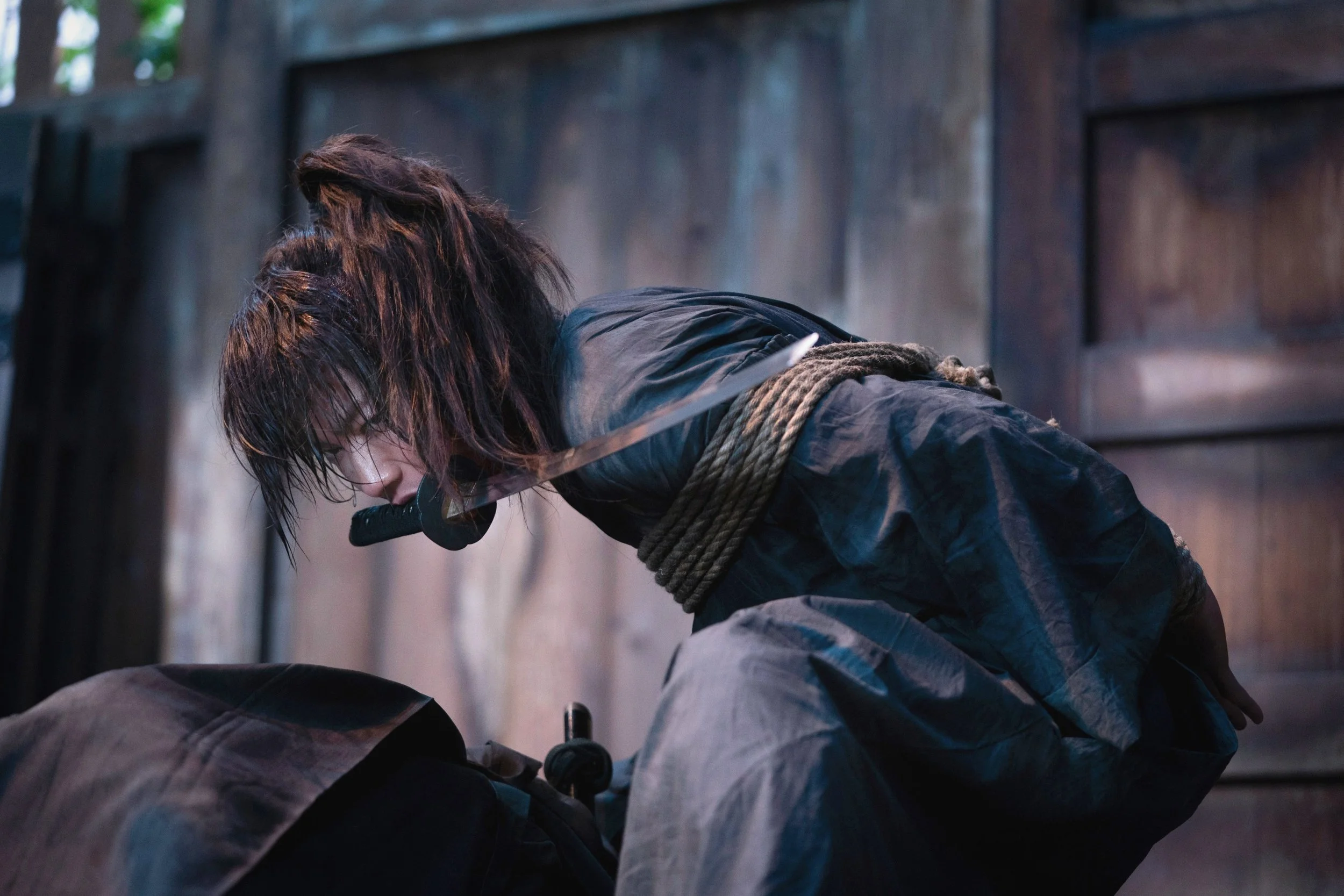
Though the action is limited, there is much to admire. Opening strongly with a massacre that features visceral and fast paced choreography, the superhuman assassin is reduced to an absolutely lethal and remorseless killing machine similar to a Japanese period Terminator. The action is tight, and beautifully executed culminating in a one-on-one duel with the aforementioned Okita Souji. The fighters do not clash to disarm but to kill, testing each other initially exhibiting cat-alike curiosity until they proceed to look for an opening and end this as fast as possible. Ohtomo frames each shot like a beautiful Japanese painting, highlighting an exquisite production design worthy of the Meiji Era. Kenshin’s and Okita’s clash, a beautifully scored (by Naoki Satoh, his best work to date) cat and mouse game, is one of the scenes in the franchise’s most memorable scenes thanks to fluid camera work that effectively translates action into cinematic duels.
While quite a few people prefer the other chapters in Himura Battousai’s journey, it should be noted that “The Beginning” is the only movie that demonstrates Kenshin’s complex character through his gory assassinations and underlying romance. Although it is a tad long (2.5 hours), it is nevertheless deeply compelling. A tale of love, betrayal and loss due to one’s actions. Neither of these characters can be labeled as good or bad and it is precisely for this reason why the “Rurouni Kenshin” franchise works. By not taking the high moral ground, they submit to the ideals of either side. After all, this is how life works.

The most emotional Kenshin yet
+Incredible (and gory) action
+Kenshin vs Souji is a highlight
+Music
+Gorgeous cinematography
+Emotionally mature story
+Complex themes
-A tad too long
-Limited action
-Slow pace