
Scream (1996)
-
The cue from hell
Trouble in Woodsboro
Killer calls Sidney
Bathroom
Gale crashes the van
Randy gets it
They’re crazy
-
Electronic: Keyboards
Vocals: Vocal female solo, female choir
Percussion: Drums
Wind: Flutes
String: Violin, violas, cello, bass, harp
Brass: Trumpet, French horns, trombones, tuba

Intelligent horror score

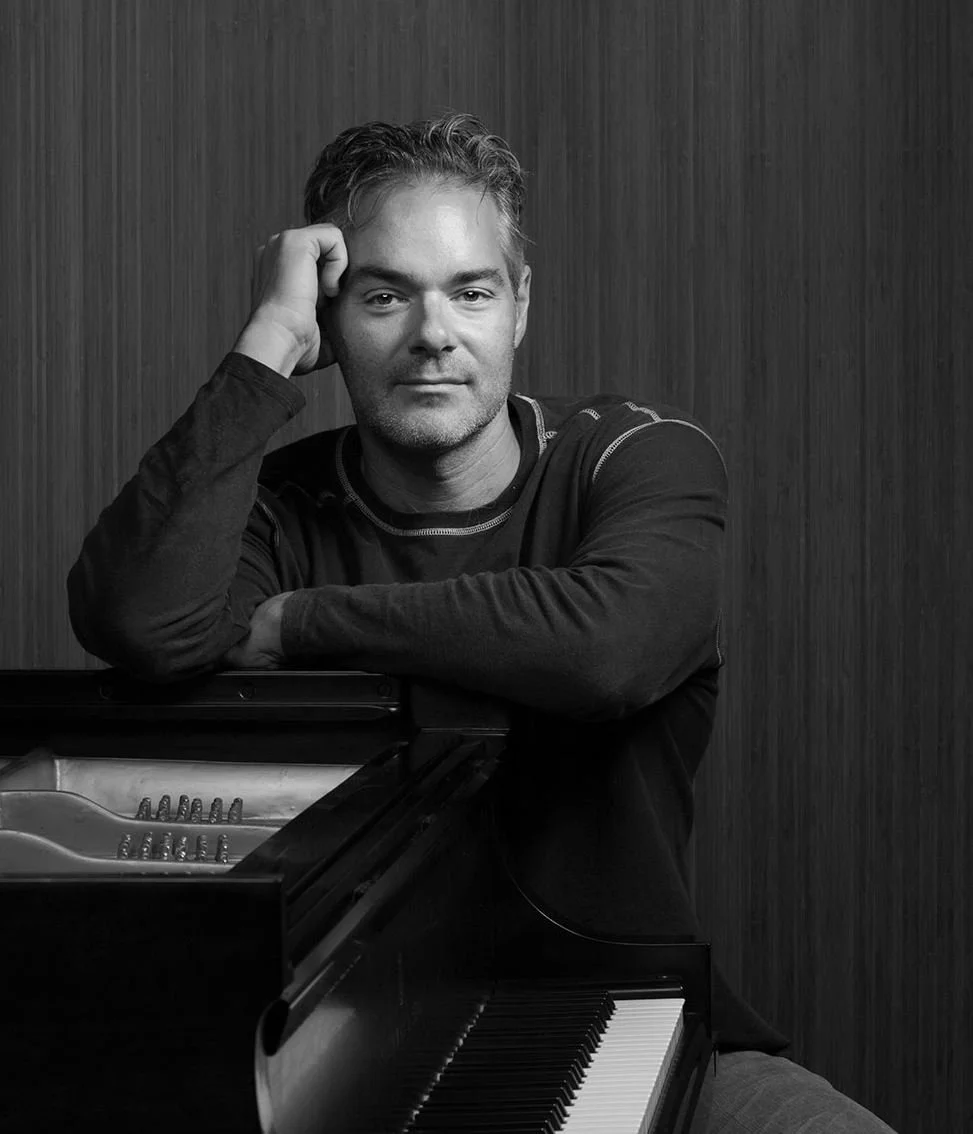
Marco Beltrami’s first film score is easily among his top three in a lengthy career mostly defined by compositions for many (forgettable) horror movies. His minimalistic approach to rely on the fundamental instruments of a small orchestra resulted in the conception of his own style for the slasher genre. While others such as John Carpenter used a simplistic synth-based method for their work, Marco took the Jerry Goldsmith route providing rich textures to musically enhance this shocking murder mystery.
There are several outstanding tracks here, but none more vividly than the lengthy “The cue from hell“ can capture the film’s essence, a blueprint for everything that comes afterwards. As a whole, the album is a rollercoaster ride of fear, paranoia, panic and yes, sadness all conveyed through the effective use of a piano - a key part of this score - to elicit a sense of stalking (“Red herring”, “Dewey and Gale”) and tragedy (“Trouble in Woodsboro”). When things go bad, Beltrami adds a layer of string plucking to create an uneasy clock-ticking effect. Short piano motifs interject, evoking playful curiosity (“They’re Crazy”) before exploding to terrifying climaxes (“Chasing Sidney“, “Tatum’s torture”, “Gale crashes the van“,) backed by trumpets, flute, a bit of brass and short bursts of percussion.
It is remarkable how Beltrami arranges strings against each other causing a nauseous feeling, especially in moments where Ghostface psychologically torments his victims (“Killer calls Sid”). The restrained incorporation of some (surprisingly) not outdated electronic sounds give this soundtrack edge-of-your-seat tension, something in which the opening cue excels at.
“Killer calls Sidney” is a standout replicating the audience’s knowledge of a monster’s presence that the character is not aware of. “Killer stabs Billy” features an excellent section of heavy orchestration which sounds like a train and ends into an inquisitive four piano melody to highlight the killer’s disappearance. Horror flicks usually do not deserve such beautiful compositions; while “Randy almost gets it”, heavy in ominous atmosphere under its opening synth propels the action with energetic and repetitive string chords that emulate the incoming chaos.
There are some welcome pauses amidst all this dread (“Backdoor Gale”, “Schoolyard 2”, “Sidney wants It”), particularly “Trouble in Woodsboro”, with its extra layer of a soft female choir and a female vocal solo to represent Sidney’s situation and emotional predicament, easily the heart of the score. “Scream” avoids glorifying death sequences though endowing victims with relatable traits, an absent tactic from the majority of the genre’s entries. This is evident across several other tracks like “The cue from hell“, “Red herring” and “Bathroom” all boasting sections with a harp, an unusual choice for a movie where a lunatic goes around and stabs people.
Once the whodunit is solved, Beltrami employs heavier arrangement than before backed by the anticipated use of percussion, harp and the earlier choir piece to bring things full circle. By the time you reached the end (“Sidney’s Lament”), the threat has been eliminated but Beltrami like Sidney does not celebrate - he lingers on to understand what the hell was that all about.