
Dissecting Action: The 2010s
-
Inception (2010)
The Raid (2011)
The Avengers (2012)
John Wick (2014)
Rurouni Kenshin: Kyoto Inferno (2014)
Mad Max: Fury Road (2015)
-
Digi doubles
Superheroes
Green screen
Destroyed cities
Dramatic stakes
PG-13
Blunt cinematography
Lack of original ideas
Excessive budgets
3D
-
George Miller
Joss Whedon
Chad Stahelski
Gareth Evans
Christopher Nolan
Entering the 2010s, the production of action films reached a creative plateau that saw directors discarding cool displays of high-octane sequences for the sake of urban realism. Several factors contributed to this. The elements which made “The Matrix”, “Bourne Identity” (2002) and the “Lord of the Rings” trilogy (2001-2003) popular (and enduring) were included in many cheap outputs, a move that led to the oversaturation of the market with subpar movies. So like any art style, it was time for the genre to reinvent itself. From the cinematic cocoon, new filmmakers burst through finding unexpected success and thus, another circle begun. The Christopher Nolan school of action was created; motion pictures now were deprived from any colors favoring modern and generic desaturated visuals striped from distinct visual identities. Despite a lack of style, they made up for it with improved dialogue, story structure and smart social context following the de facto template of “The Dark Knight” (2008) (and subsequently “Inception” (2010)). Yet many who tried to walk that path trail failed. Preferring IPs from original ideas, an endless supply of reboots, sequels and more took action cinema hostage deciding the time is right to deprive from it a sense of fun (e.g., “Clash of the Titans” (2010), “Star Trek Into Darkness“ (2013), “Batman Vs Superman“ (2016), “Star Wars Episode VII: The Force Awakens” (2015)) with brooding content (e.g., “Sucker Punch” (2011)).
Although this decade does have a fraction of goodness inside - female heroes, less sex appeal, the majority of action flicks get dragged down by the 3D gimmick and a strong emphasis in handling legacy properties to inexperienced directors (e.g., Colin Trevorrow’s “Jurassic World” (2015), Rian Johnson’s “Star Wars Episode VIII: The Last Jedi“ (2017)) leading evidently to ridiculous results.
2010s were also marked by the dominance of a specific subgenre: superheroes. The 2000s proved that films based on (mostly) spandex wearing individuals can make a lot of money (e.g., “X-Men” (2000), “Spiderman“ (2002), “X-Men 2“ (2003), “Batman Begins“ (2005)) but it wasn’t until Joss Whedon’s “The Avengers” (2012) that such movies became mainstream. Whedon’s smash hit established Marvel as a blockbuster powerhouse through its infamous Cinematic Universe where each entry was seen as the next product towards “The Avengers: Endgame” (2019). Their commercially successful, effects-driven plots with poorly staged action, and unconvincing green screen usage were considered the new medium leading to a growing movement of similar style flicks (e.g., “Guardians of the Galaxy“ (2014), “Gods of Egypt” (2016), “Furious Seven” (2017), “Terminator: Dark Fate” (2019)) that desperately tried to achieve a balance between over-exaggerated dramatic stakes, neurotic humor and above average performances.
So while these choices were influencing plenty of people behind the camera (especially executives) to make money, the world itself became more connected; the spots where there is no internet coverage shrinking daily. As a result, movie audiences were lucky enough to be exposed to a wider range of visceral action from different countries: George Miller (Australia), Wilson Yip (Hong Kong), Timo Tjahjanto (Indonesia) and Kim Jee-woon (South Korea) found unexpected success in their films with keen cinephiles discussing fanatically their storytelling which although it was drenched in conflict, it retained serious character work and pathos.
Despite the appeal of brand new special effects, and their vast moments of devastating skirmishes at a planetary scale, 2010s were marked by a string of incredibly expensive flops (e.g., “The Three Musketeers“ (2011), “John Carter” (2012), “Battleship” (2012), “Pompeii“ (2014), “Gods of Egypt”, “Justice League” (2017), “Transformers: The Last Knight” (2017), “Terminator: Dark Fate”). This caused a reaction leading to smaller films unexpectedly to push forward. A stoic and puppy-loving assassin in “John Wick” (2014) and Gareth Evan’s “The Raid” (2011) singlehandedly reinvent the way action was shot, framed and presented. Long takes, stuntmen, body contact, brutal violence and bon-crunching stuntwork did not look for the approval of 13 year olds. The adults were back in charge.
Superhero galore
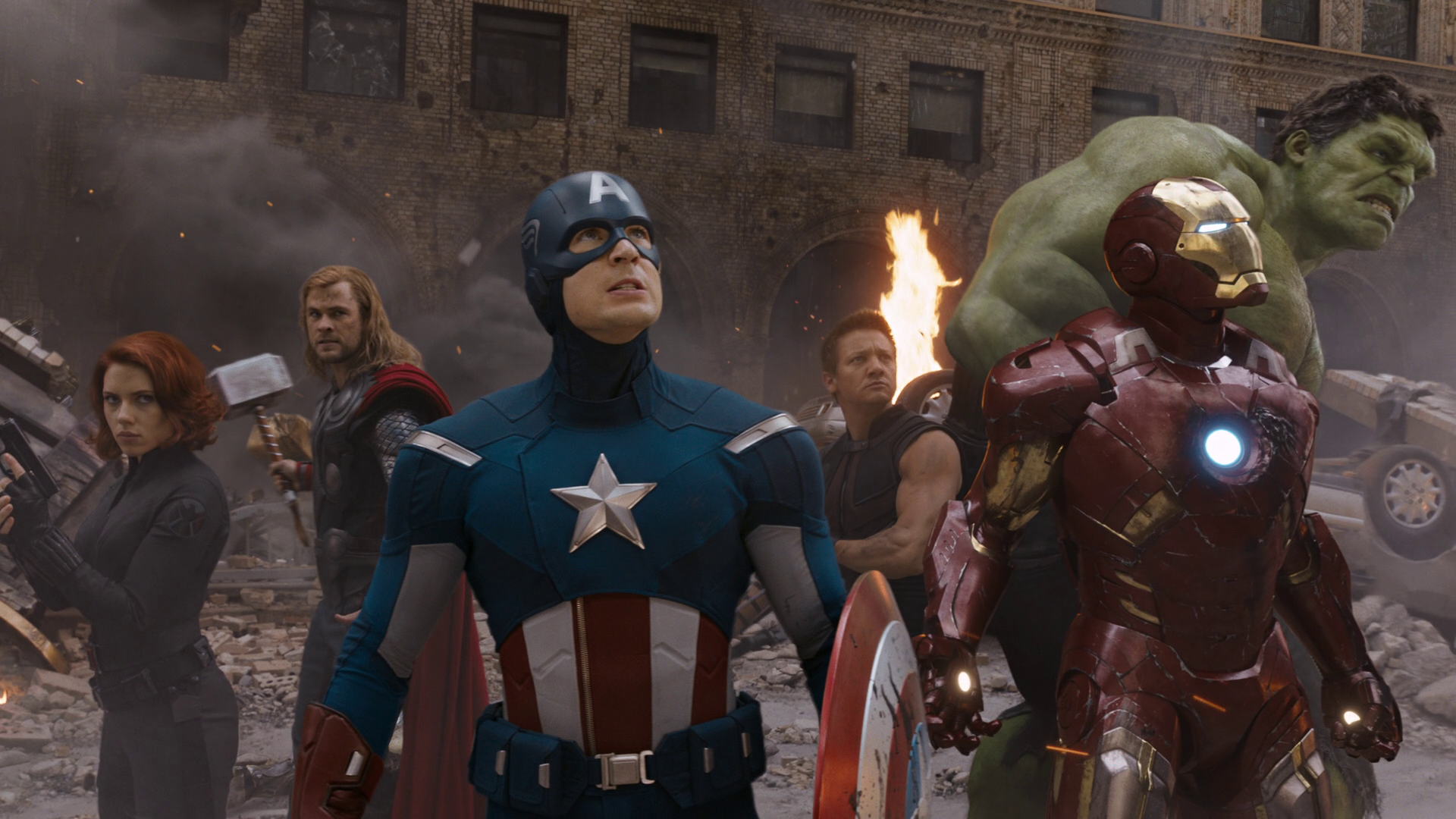
The superhero genre peaked with Joss Whedon’s “The Avengers”.
By the 2010s, the superhero genre established itself as the most commercial leg of action cinema, a blueprint of how to arrange complex (and occasionally silly) mythologies across multiple films. While in the first years of this decade, there were a handful of entries (e.g., “Iron Man 2” (2010), “Captain America: The First Avenger”, “Green Lantern“ (2011), “The Dark Knight Rises” (2012)), it was after the success of Joss Whedon’s “The Avengers” that things entered a factory production pipeline where every year 2 or 3 movies of this material were released. However, replicating Whedon’s flair for snappy dialogue and expectation-subverted humor proved a Sisyphean task.
Every Marvel (and subsequently DC) adaptation adhered to the same formula: powerful but one-dimensional antagonist, city-leveling clash with our hero(es), comedic speech interruptions, generic urban cinematography and adequate performances (e.g., “The Amazing Spiderman“ (2012), “Iron Man 3” (2013), “Thor: The Dark World” (2013), “The Wolverine“ (2013), “Man of Steel” (2013), “Guardians of the Galaxy”, “Big Hero Six“ (2014), “The Avengers: Age of Ultron” (2015), “Batman Vs Superman”, “Spiderman: Homecoming“ (2017), “Wonder Woman” (2017), “Justice League”, “Aquaman” (2018), “Black Panther” (2018), “Venom“ (2018), “The Avengers: Infinity War” (2018), “The Avengers: Endgame”, “Captain Marvel” (2019), “Spiderman: Far from Home“ (2019), “Shazam” (2019), “X-Men: Dark Phoenix” (2019)).
Some were better than others (e.g., “Spiderman: Into the Spiderverse“ (2018)) but a decade later, it is evident how typical (and lazy) directors got downplaying dramatic stakes and pumping out content half-baked story-wise. A few did age well - the original “The Avengers” feels the most organic despite looking like an expensive TV show at times, Bryan Singer’s “X-Men: Day of Future Past” (2014) remains a career high for the beloved mutants and non-mainstream efforts (e.g., Matthew Vaughn’s “Kick Ass” (2010) and “Deadpool“ (2018) can enjoy old school appreciation due to their hard R-rated stance.
2. The rise of female heroes

Furiosa became an instant fan favorite in “Mad Max: Fury Road” prompting a spin off in 2024’s “Furiosa”.
Entering the 2010s meant we were getting closer to what people desired to watch instead of listening to what elitist, isolated and money-hungry executives declare. As such, female centric films became more prevalent. “Kill Bill” (2003-2004), the “Resident Evil” (2002-2016) and “Alien” franchises (1979-2024) were not outliers anymore. A combination of original female roles and existing IP ones demonstrated clearly that women can hold top box office positions. The superhero craze was a strong contributor to this with “Captain Marvel”, “Wonder Woman” and Black Widow. However, some representation was superficial (Rey in the “Star Wars” (2015-2019) sequel trilogy, Baby Doll in Zack Snyder’s “Sucker Punch” (2011), Lucy in “Lucy” (2014), Lara Croft in “Tomb Raider” (2018), Hester Shaw in “Mortal Engines” (2018), and Alita in “Alita: Battle Angel” (2019)), resulting in them in their disappearance from the public’s perception and eye. Yet a few made the cut resonating with modern audiences: Rita Vrataski (“Edge of Tomorrow” (2014)), Furiosa (“Mad Max: Fury Road” (2015)), Lorraine Broughton (“Atomic Blonde” (2017)), Katniss (“Hunger Games” (2012-2015)), Ilsa (“Mission Impossible: Rogue Nation” (2015)), Sook-hee (“The Villainess“ (2017)), Alice (“Afterlife” (2010), “Retribution” (2012), “The Final Chapter” (2016)) and Selene (“Underworld: Awakening” (2012), “Underworld: Blood Wars” (2016)) are proof of this. Judge Anderson in 2012’s “Dredd” was not only capable of kicking ass but did not require any rescue at all. Relying on her own skills, she escapes and rejoins Dredd on their mission to take down MaMa. In a movie filled with nihilism, pro-gun ideology and almost autocratic tendencies, Anderson is a complete character who is treated as an equal.
3. Keep it expensive, keep it overstaffed
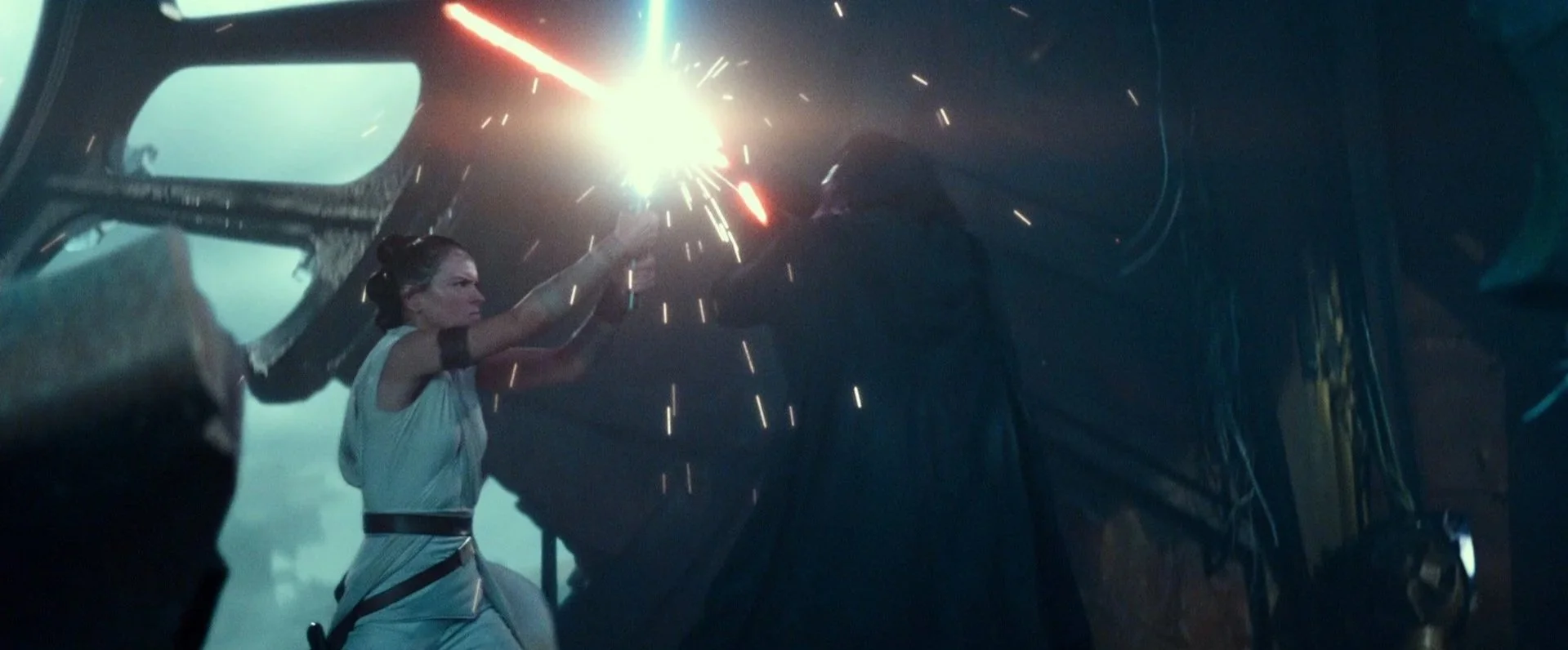
“Episode IX” had a whooping $416 million dollar budget.
The audience demanded more outrageous shenanigans and this demand led to a swift increase in production budgets. Continuing the tradition of overjealous money spending, an average blockbuster would cost close to $200-300 million dollars (e.g., “Pirates of the Caribbean: On Stranger Tides” (2011), “The Dark Knight Rises“, “Star Wars Episode VII: The Force Awakens”, “Spectre“ (2015), “The Fate of the Furious” (2017), “Avengers: Infinity War“, “Avengers: Endgame”). It is a shocking display of wealth which unfortunately is not matched with the content on screen. Most of the money was spent on salaries, promotional materials and special effects of dubious quality instead of exotic locations, gargantuan sets, hundreds of extras and exquisite production values. Thus, it is not impossible to conclude the majority of action outputs yielded the same visual style: plastic explosions, fog and water lacking solid texture. This over-saturated approach in expensive filmmaking denigrated the release of blockbusters from event motion pictures to another overstuffed, overly long and overindulged production which attracted no one (e.g., “Green Lantern“, “Robin Hood“ (2010), “John Carter”, “Battleship“, “47 Ronin“ (2013), “The Lone Ranger” (2013), “Pompeii“ (2014), “Seventh Son“ (2014), “Fantastic Four” (2015), “Jupiter Ascending“ (2015), “Gods of Egypt“, “Justice League”, “Valerian and the City of 1000 Planets“ (2017), “King Arthur: Legend of the Sword“ (2017), “Ghost in the Shell“ (2017), ”Jurassic World: Fallen Kingdom” (2018), “Robin Hood“ (2018), “Solo: A Star Wars Story“ (2018), “Terminator: Dark Fate”, “Gemini Man” (2019), “MIB: International” (2019), “X-Men: Dark Phoenix“).
4. A sustained case of PG-13-nitis
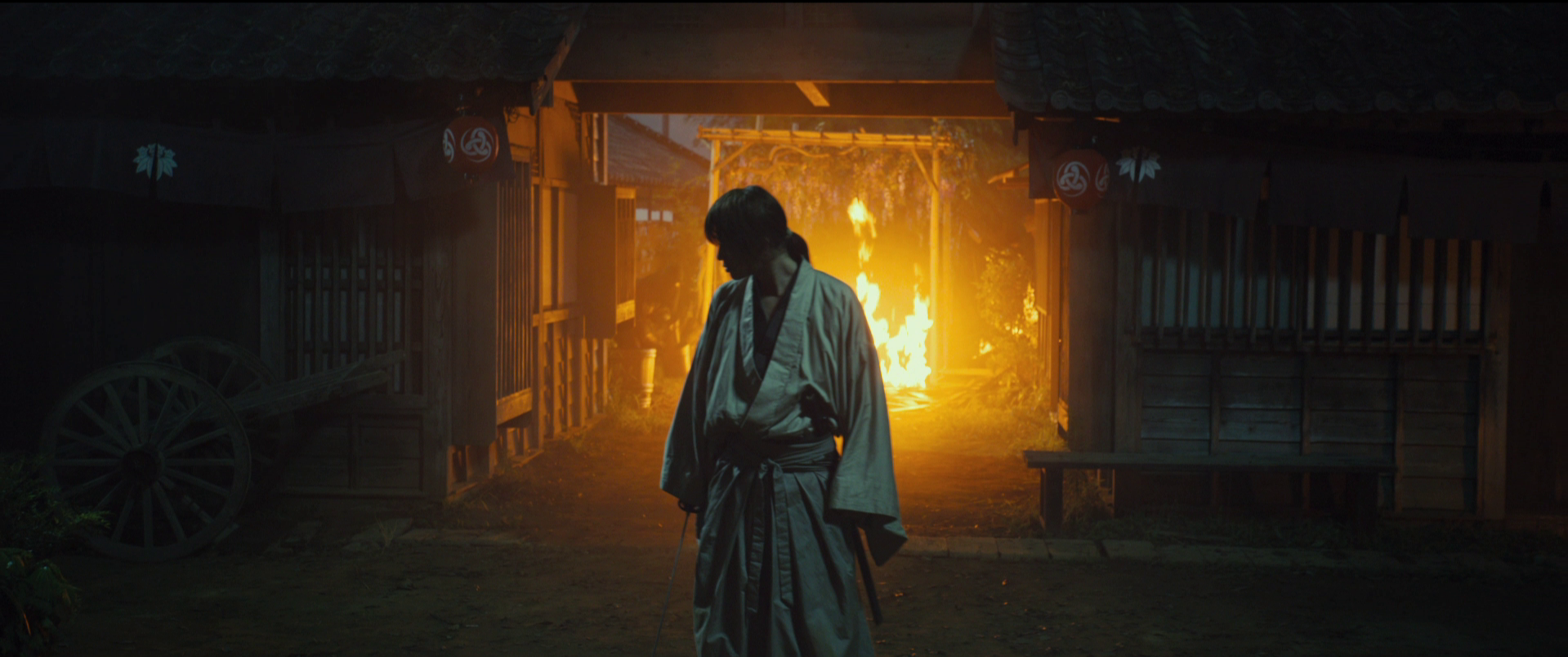
Takeru Satoh as Himura Kenshin kept action grounded and bloody in the “Rurouni Kenshin” trilogy (2012-2014).
As the appeal of cinema shifted towards the younger demographic, so too the priorities and sensibilities of movies changed too. The trend of attracting younger audience members became the be-all, end-all decision that guided (and censored) all creative outputs. As the biggest demographic for the big screen, adult tastes were watered down to captivate these elusive individuals who were distracted by streaming and the rise of social media. The chasm between PG-13 and R-rated oriented entertainment was profound; almost 1 to 4 action entries restricted their violence, profanity, nudity and themes to favor wishy washy shenanigans, especially the superhero flicks. For every moderate success in “Resident Evil”, “The Expendables”, “Underworld” (2003-2016) and “Immortals” (2011), PG-13 entries boasting the same level of cutesy violence were manufactured. Be that as it may, the most egregious act upon the action celluloid was the watered down of pop-culture defining, hard R-rated vehicles like “Total Recall” (2010), “A Good Day to Die Hard” (2013), and “Robocop” (2014). Even the threequel in 2015 to Luc Besson’s smash hit, “Taken” was made for babies in mind. Adaptations of “The Wolverine”, “World War Z” (2013) and “Assassin’s Creed” (2016) were also noted to be PG-13 despite some receiving unrated cuts on Blu Ray. The funny thing is this bet mostly paid off, yet the aftermath and critical re-evaluation is another story. Nobody remembers “The Expendables 3” (2016) nor “Terminator: Genisys” (2015) since they are committee product and nothing more.
Interestingly enough, those who sought to cater to adults, achieved critical success (to say the least) which made their outputs to stand out while displaying genuine artistic vision that actually redefined action cinema: “Mad Max Fury Road”, “Dredd”, “Kick Ass”, “Kingsman” (2014) and its sequel, James Mangold’s “Logan”, “The Raid”, the three “John Wick” (2014-2019) movies, Zhang Yimou’s almost monochromatic masterpiece “Shadow” (2018), Keishi Ohtomo’s “Rurouni Kenshin” (2012-2014) trilogy and all of South Korea properties gave zero thought about PG-13 friendly content.
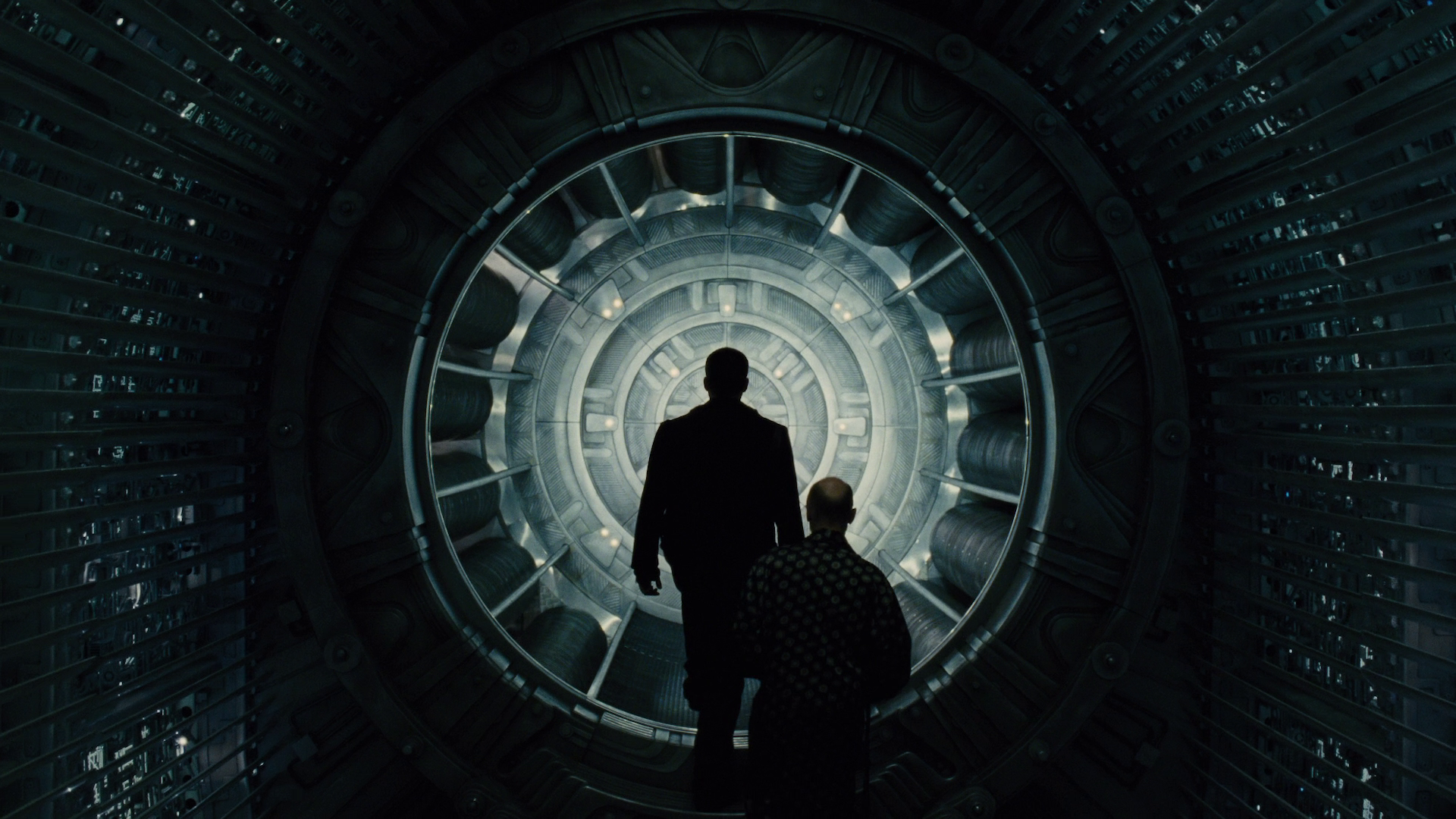
Korean cinema cared for heavy adult themes and brutal action unbothered with “Snowpiercer” (2013).
5. The death of practical action
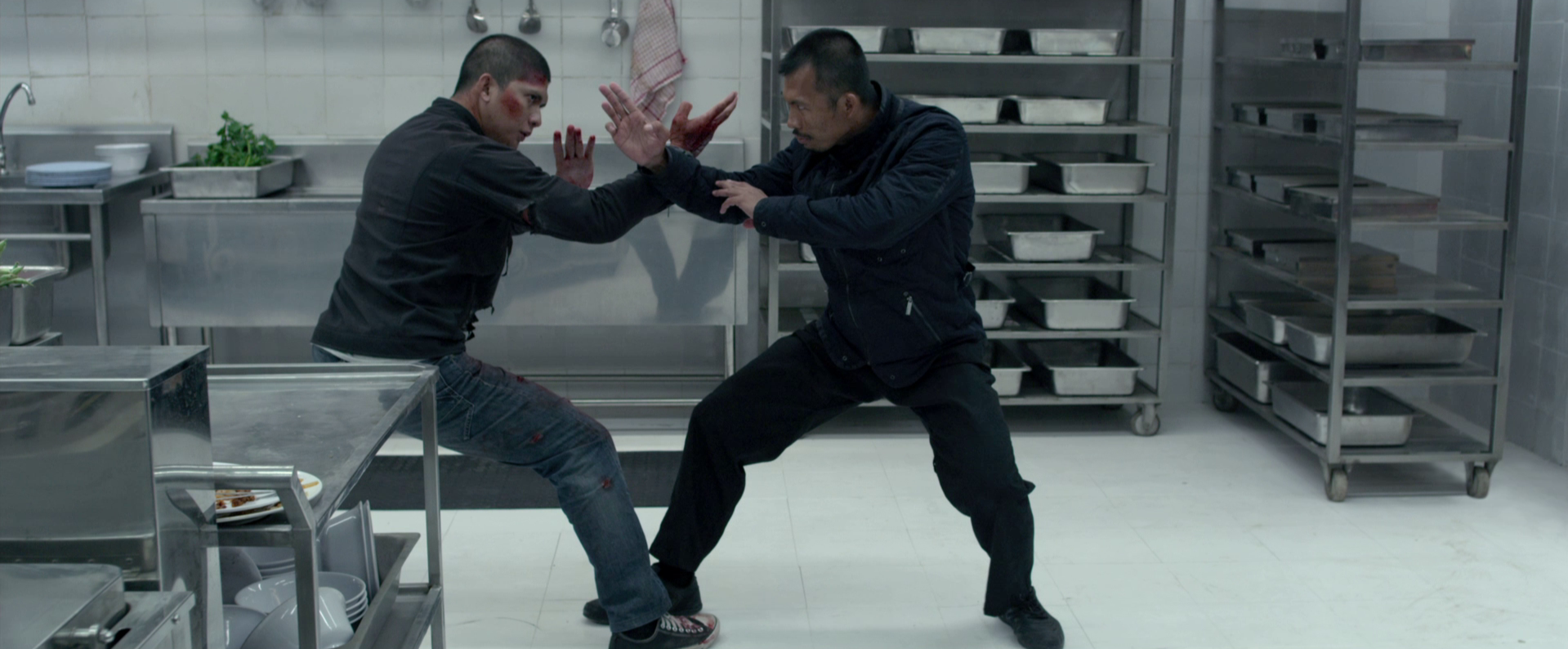
Featuring incredible choreography with body contact, “The Raid 2” is a sequel done right
The combination of PG-13 rating and the rise of special effects led to less practical action. Despite a tiny group of individuals using CGI to complement their sequences (e.g., “Inception“, “Mad Max: Fury Road”), these were far and in between amidst a sea of poorly rendered sequences that might have all the wall breaking action a thirteen year old may desire but they still cannot effectively replicate the visceral feeling of a real punch. By the mid 2010s, all movies replaced actors, squibs, pads and cars to CGI monstrosities. Compare the car cases in “Terminator: Dark Fate” and “Terminator 2: Judgment Day” (1991) and note down which one will have you at the edge of your seat. Key offenders here were almost all superhero films and those with world ending stakes. Ingenuity was replaced by laziness and the human imagination with photoshop. Gone are the days were people built models or merged together different shots to a jaw dropping effect. All the futuristic worlds and vast vistas of destroyed infrastructure have the enthusiastic flair of a cucumber: “Clash of the Titans”, “Sucker Punch“, “Battleship”, “John Carter“, “Man of Steel“, “Jurassic world“, “Terminator: Genisys”, “Avengers: Age of Ultron”, “Dr Strange”, “Batman Vs Superman“, “Fate of the Furious”, “Justice League”, “Aquaman”, “Black Panther”, “Rampage“ (2018), “Captain Marvel”, “Hellboy” (2019), “Shazam”.
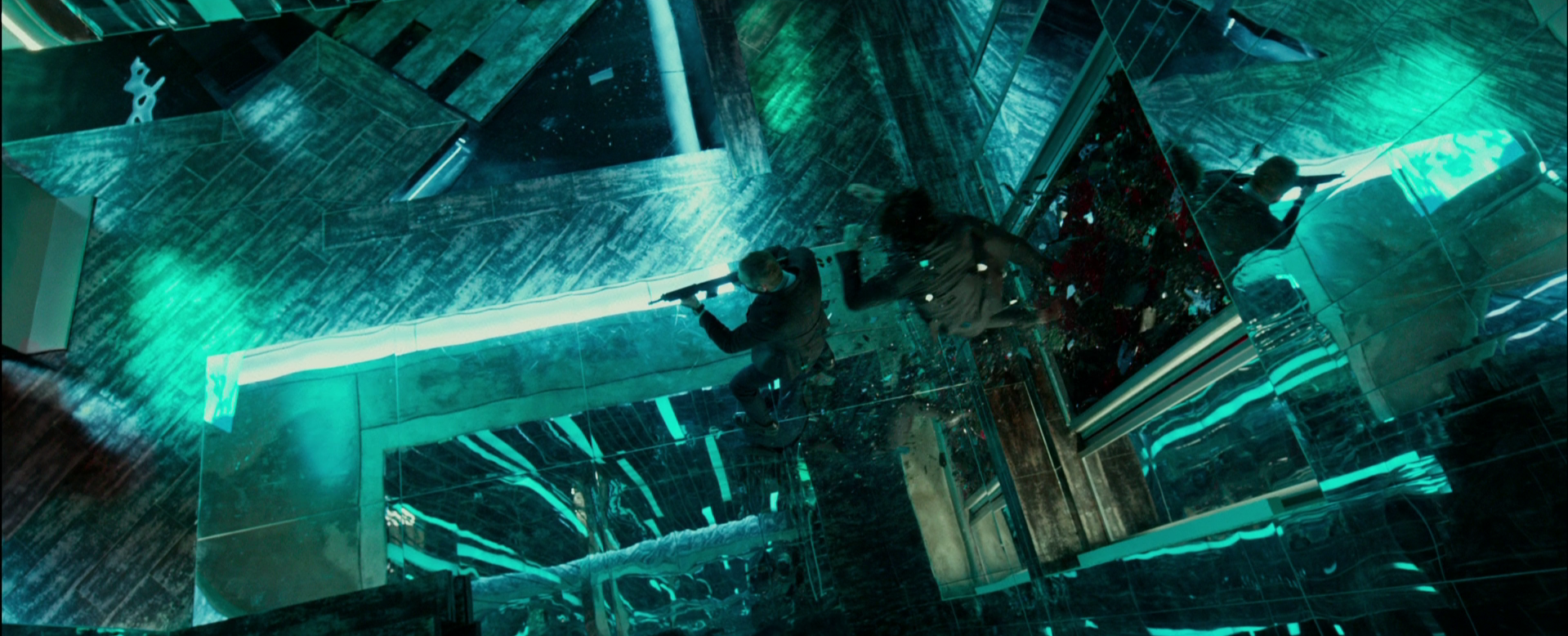
John Wick crashing through a mirror for real to deliver a blow in “John Wick Chapter 2” (2017).
Certain directors resisted this trend turning career defining results. Christopher Nolan’s “Inception” became a beloved sci-fi action vehicle with brains; George Miller shot sensational, breathtaking and unprecedented vehicular combat in “Fury Road”, Chad Stahelski (and David Leitch for the first film) gave us neon-drenched gun-fu Jiu-Jitsu in “John Wick” in never-seen before settings and jaw-dropping stunts, Matthew Vaughn had the time of his life in the “Kingsman” series, Gareth Evans created the best martial art flick in the “Raid” since Jackie Chan’s “Drunken Master II” (1994) and Tom Cruise expanded more his legend with the insane set pieces of “Mission Impossible: Fallout” (2018). It is quite grim to witness this decline in novelty and the disbelief in the human psyche. Instead of having a collective brainstorm to awe moviegoers, directors relied on faceless algorithms which although might present the most outrageous shenanigans, they bear the conviction of Teletubbies. And it is precisely for this reason, why those who truly love the celluloid go back to the 70s, 80s, 90s and occasionally the 2000s just to re-experience that sentiment of “wow, they really did it for real!”.
6. The return of 3D
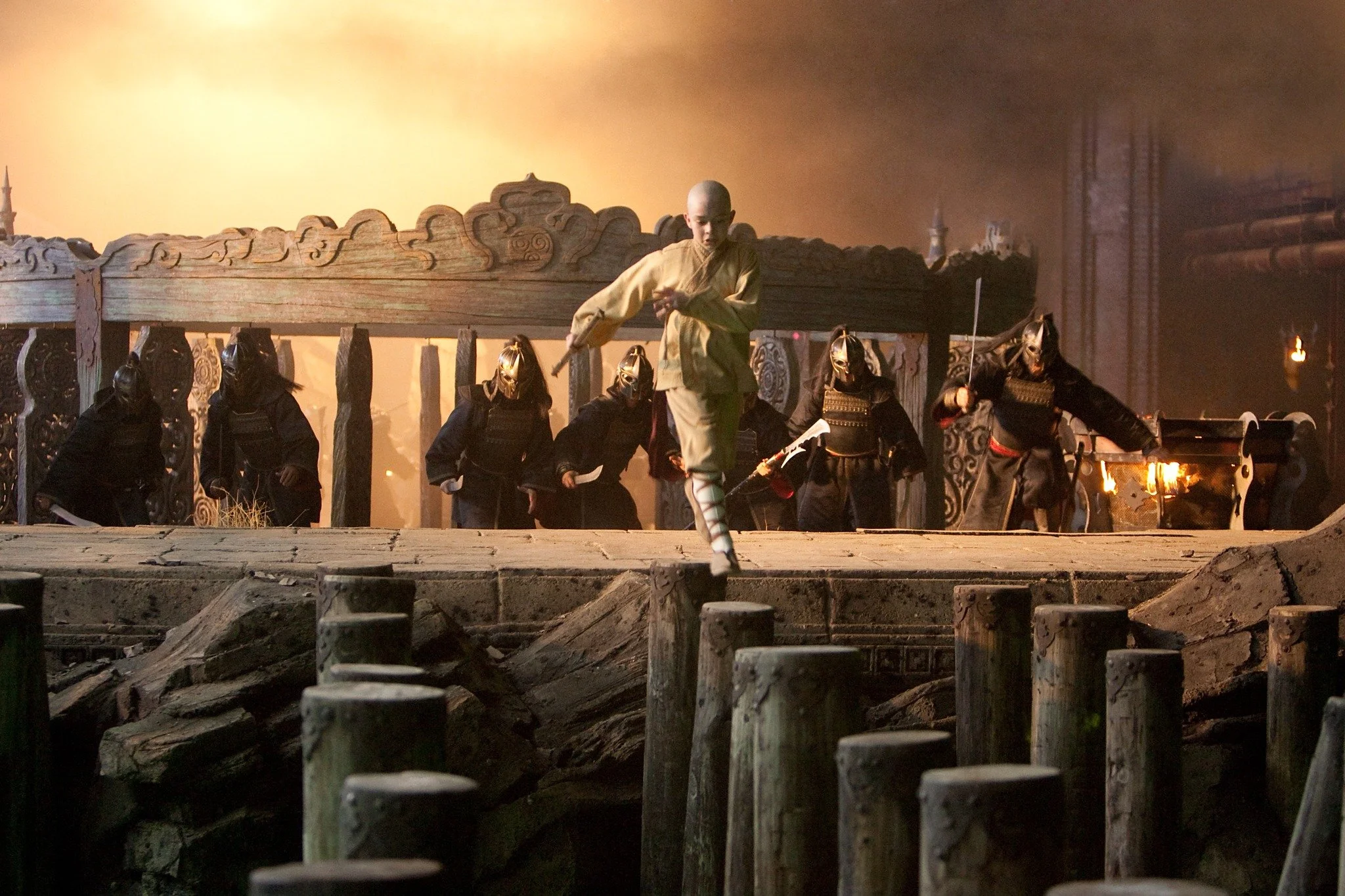
M. Night Shyamalan’s “The Last Airbender” capitalized on the 3D madness resulting in an even poor critical reception of the process.
In 2009 James Cameron launched his ambitious “Avatar” promoting state-of-the-art mo-cap effects and clear 3D presentation that gave his Pandora an immersive scope (at least on Imax). Collecting more than $2 billion dollars worldwide, it opened the flood gates for cheap imitations though: 3D meant higher ticket prices. Higher tickets prices meant larger box office receipts. But how can we do it fast enough without the use of these bulky 3D cameras?
By using of course, a post-converted to 3D process. Consequently, a motion picture not made for 3D became 3D causing headaches and nausea to audiences exposed to such travesty. “Clash of the Titans”, “The Last Airbender”, “Captain America: The First Avenger”, “Green Lantern”, “Thor” (2011) and “Green Hornet” (2011) were some examples that resulted in a more expensive cinema experience. Advocated by most (clueless) directors as the default setting to see any film, by 2013 every flick was using this cheap gimmick (e.g., “G.I. Joe: Retaliation”, “Star Trek Into Darkness”, “Pacific Rim”, “Thor: The Dark World”, “Iron Man 3”, “The Lone Ranger”, “The Wolverine”, “World War Z”, “Man of Steel”, “Jack the Giant Slayer”).
Although certain filmmakers like Michael Bay in “Transformers: Dark of the Moon” (2011) and Paul WS Anderson in “Resident Evil: Afterlife” and “Resident Evil: Retribution” demonstrated clear understanding for this medium, others had no idea of what they were doing. Peter Jackson with his infamous “Hobbit” trilogy (2012-2014) got massive backlash especially for his use of 48 frames per second which made his return to Middle Earth looking dull and pointless. Interestingly, like any other element of art, the rise of this gimmick mimicked his cousin in the 80s; its decent stay was short lived and by 2019 it became obsolete.
7. Sequels, prequels, book and videogame adaptations
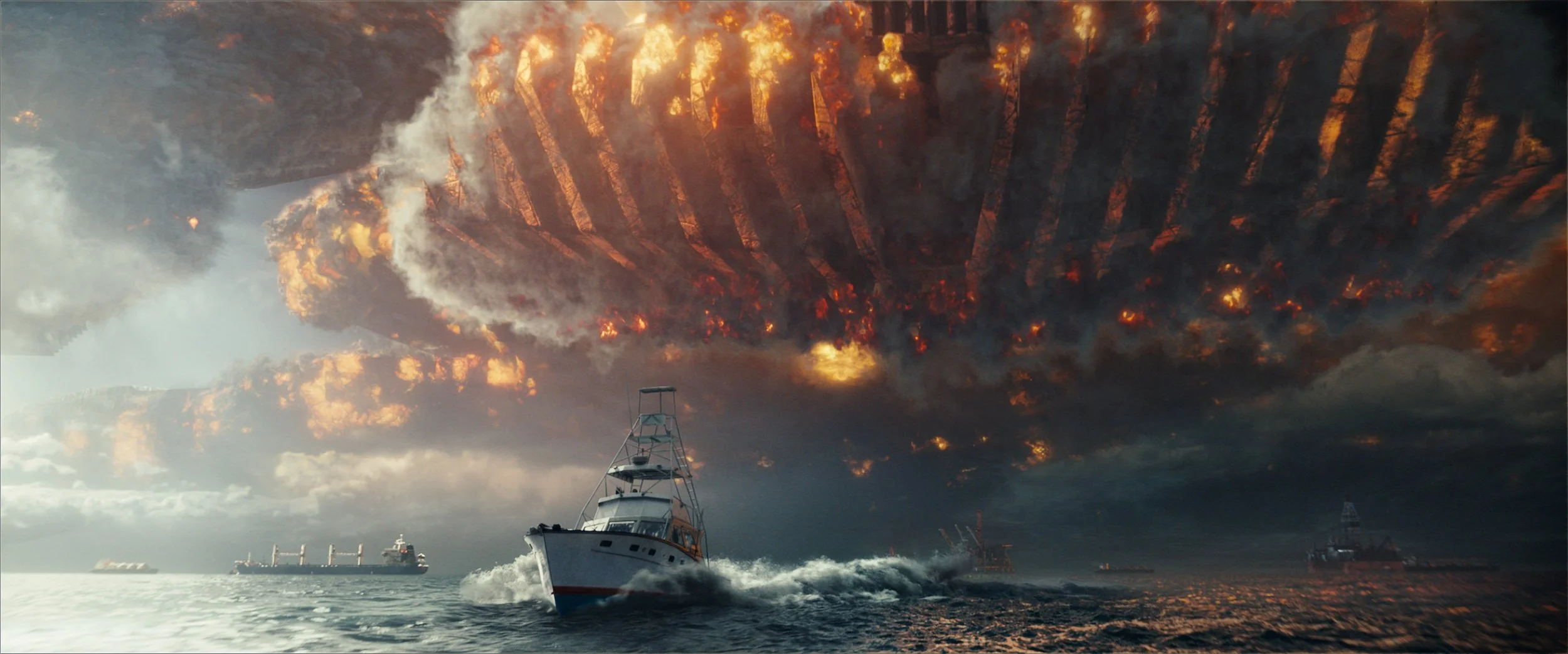
“Independence Day: Resurgence” was perhaps one of the most pointless cash grabs ever.
Nothing screamed creative vacancy than the consistent production of remakes, prequels, sequels, spin-offs and book and videogame adaptations. Screenwriters sought inspiration not from within their own heads but instead focused their energy to interpret previously established ideas and IPs resulting to lame legacy sequels and lackluster at best franchise entries. The motto of “same recipe, slightly different presentation” initially was encouraging with non-original IPs outmatching novel stories yearly 5 to 15! The Marvel Cinematic Universe became a juggernaut with at least two entries post “Avengers” perfecting the concept of post-credit sequences and cliffhanger endings that so many others copied (e.g., “The Last Airbender”, “Fast Five”, “Fast Six“, “Pirates of the Caribbean: On Stranger’s Tides”, “Fantastic Beasts and Where to Find Them“ (2015), “Batman Vs Superman”, “Pirates of the Caribbean: Dead Men Tell no Tales“ (2017), “The Mummy”, “Godzilla: King of Monsters” (2019)).
The “wouldn’t be a great idea if” trope was used to everything and nothing was sacred: “Star Wars” (1977), “Terminator” (1984), “Independence Day” (1996), “Jurassic Park“ (1993), “Tron” (1982), “The Mummy” (1932), “300” (2006) and even James Bond just to name a few pale results which dared to rectify or overexplain previous events that diluted the original (and beloved) mythos in legacy sequels and spin-offs (e.g., “Men in Black 3“ (2012), “Star Wars: Rogue One“ (2016), “Blade Runner 2049“ (2017), “Solo: A Star Wars Story”, “The Incredibles 2“ (2018), “Bumblebee“ (2018), “Hobbs and Shaw“ (2019)).
Meanwhile, a new source of potentially rich material were videogames properties (e.g., “Hitman: Agent 47“ (2015), “Assassin’s Creed“, “Warcraft“ (2016), “Rampage”, “Tomb Raider”) but only a handful were capable to entertain both fans and the uninitiated.
8. CGI overload: from MOCAP characters, digi-doubles to city-leveling finales
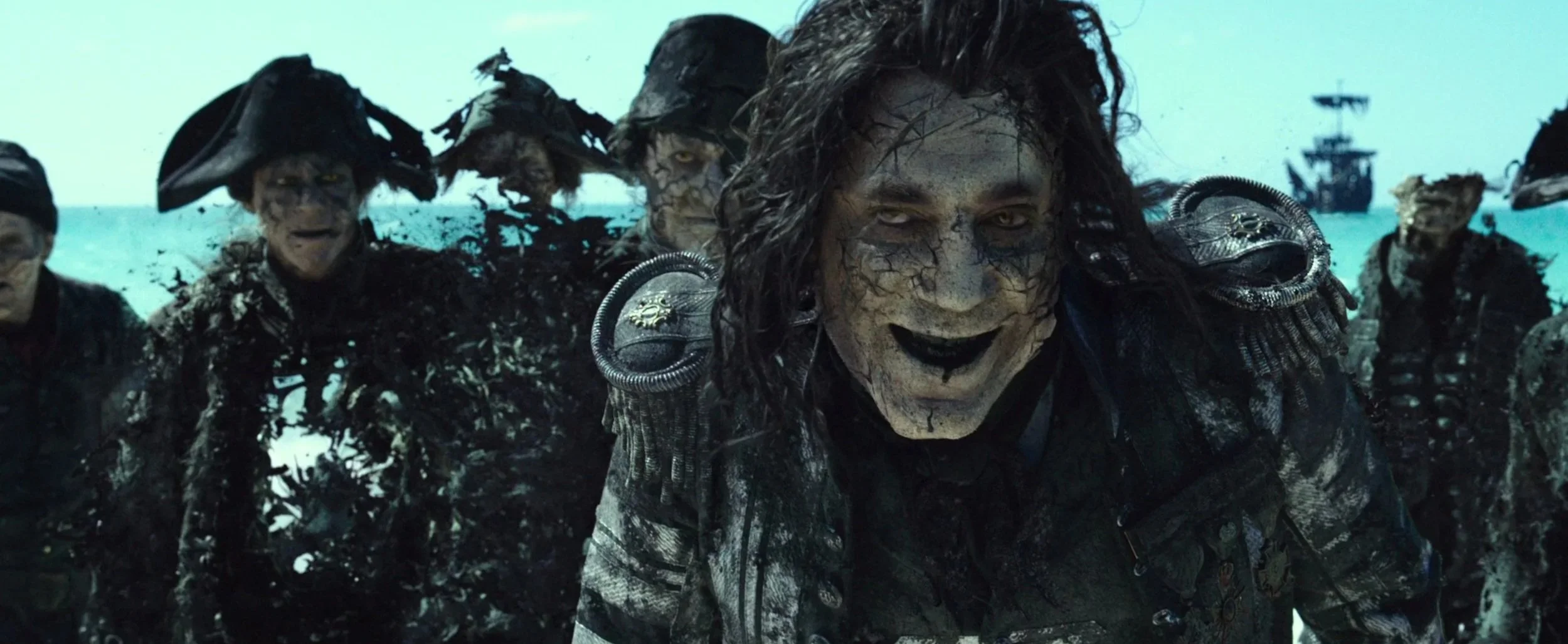
Javier Bardem as the main antagonist in “Pirates of the Caribbean: Dead Men Tell No Tales” assisted by CGI.
The standout performance of Andy Serkins as a motion captured Gollum in “The Lord of the Rings: The Two Towers” (2002) was groundbreaking showcasing that it was possible to craft characters too difficult to manipulate with puppets or excessive make up effects. Yet, there was a reluctance to do this as not many actors would have liked to have their face and bodies covered in dots and deliver lines under extremely elastic onesies. Funny enough a decade later, it was time for characters like Cesar in “Dawn of the Apes” (2011), Smaug in “The Hobbit: Desolation of Smaug” (2013), Hulk, Rocket Racoon, Groot, Thanos, Tars Tarkas in “John Carter” and Alita in “Alita: Battle Angel” to share the big screen but these rarely reshaped the pop culture front. This could be due to several factors such as clunky action scenes, mediocre depth and unconvincing integration with their live action counterparts. The panache of Davvy Jones in “Pirates of the Caribbean: Dead Man’s Chest” (2006) was not there anymore. A younger version of Jeff Bridges scarred for life audiences in 2010’s “Tron: Legacy” while Mark Ruffalo’s Hulk and the CGI terminators in “Genisys” and “Dark Fate” still looked like plastic action figures on the big screen despite the massive budgets.
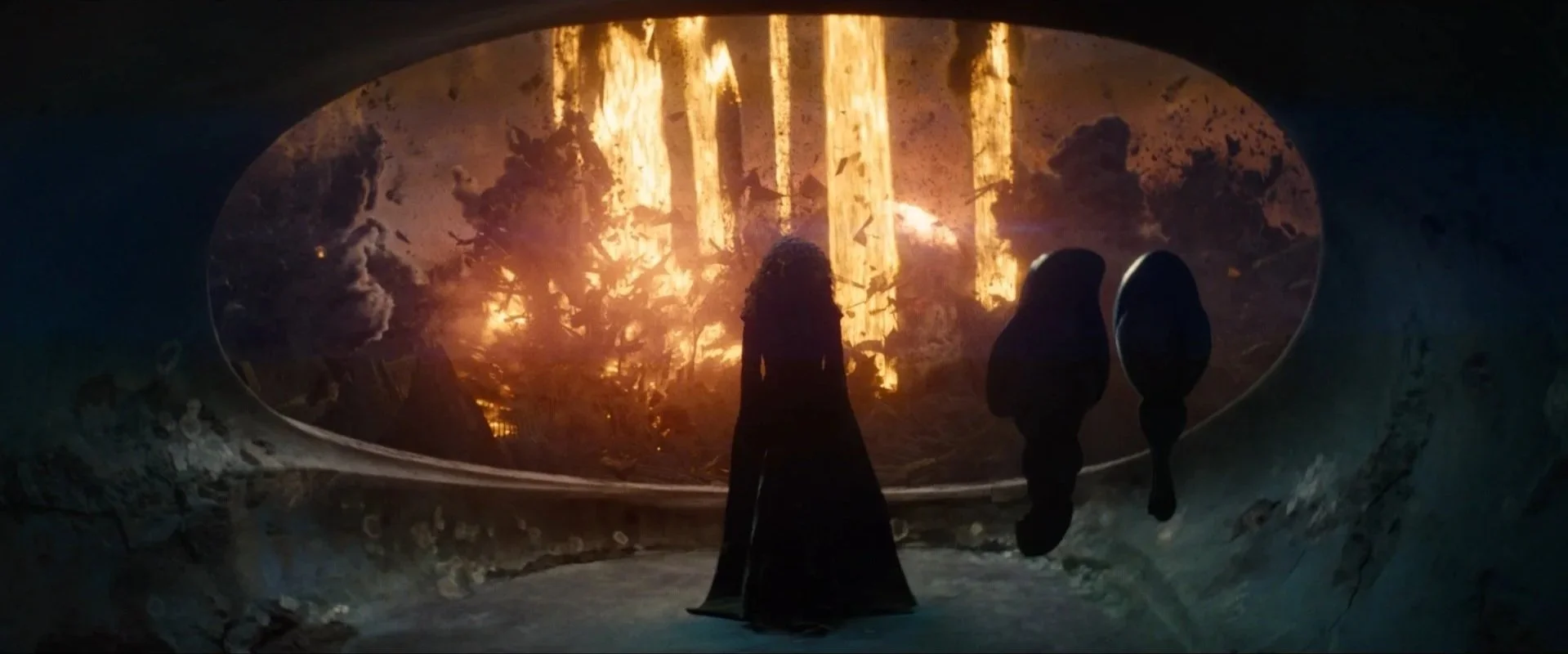
Digital mayhem in Zack Snyder’s “Man of Steel”.
It is hard to make things looking real when extras and stuntdoubles are dictated by the processing power of computers. The final fight in “Black Panther” is a pure illustration of what directors should avoid doing (or any Marvel film after 2012 for that matter) where humans are replaced by digital, rubbery personas under obvious and tacky background composition (see also “Man of Steel“, “The Amazing Spiderman 2” (2014), “Warcraft”, “Shazam”). The era of Hong Kong or death defying stuntwork has came to an end paving the way to complex CPU interactions which occurred behind a desk and in a dark lit room. Modern audiences became saturated with this sudden increase of dramatic stakes where cities are leveled, and super-powered individuals cause carnage in their extended encounters. After all how many times can you watch man made structures being crumbled to dust (“The Avengers”, “Pacific Rim“, “Man of Steel”, “Pompeii“ (2014), “The Avengers: Age of Ultron”, “Dr Strange“, “London has fallen“ (2013), “G.I. Joe: Retaliation“, “Independence Day: Resurgence“, “The Mummy”, “Hellboy”) or armies clashing bloodlessly (“The Avengers: Endgame“, “The Hobbit: Battle of the Five Armies” (2014), “Guardians of the Galaxy“, “The Great Wall” (2016), “Black Panther“, “Aquaman“, “Rampage“, “The Avengers: Endgame”)?
9. De-saturated vs luscious cinematography
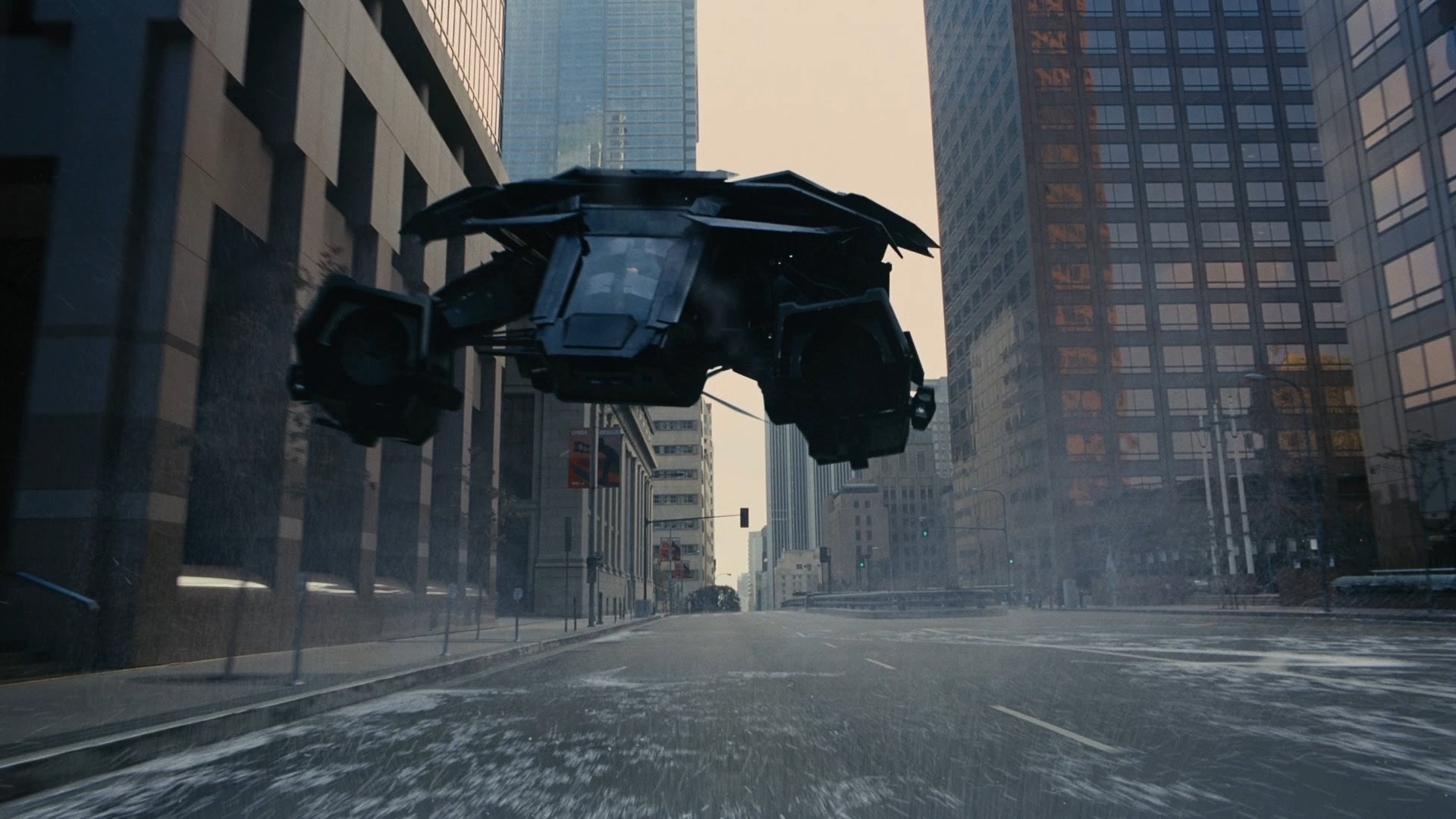
Nolan’s style of generic urban visuals in “The Dark Knight Rises”.
The rise of Nolan’s work gave birth to blunt visually entries. You loved the green color of “The Matrix” (2003) sequels, the stylistic flair of Tarantino’s “Kill Bill” (2003-2004) or the exotic flair of Dariusz Wolski in the “Pirates of the Caribbean” (2003-2007)? Well, you can kiss them goodbye. Minimalistic aesthetics combined with generic urban visuals of grey, black and white tones do not leave space for any other colors to sneak in. Even explosions do not invoke awe as they used to be.
Movies started looking like they were shot in normal cities, with no element boasting any unique optical identity. Franchises circulated around this artistic movement: from its fourth sequel and onwards, the “Fast and the Furious” series makes a compelling case of how not to shoot cities like Rio de Janeiro and Havana, “The Mummy” presented a boring London, “Pirates of the Caribbean: On Stranger’s Tides” looked cheaper in comparison to its predecessors despite having a larger budget and the cradle of western civilization (Ancient Greece) was uninspiringly dull in “Clash of the Titans” and its follow up 2 years later. Other shockingly tedious offenders included: “World War Z”, “Resident Evil: The Final Chapter”, “Assassin’s Creed”, “The Legend of Tarzan” (2016), and “Mortal Engines”.
This hopeless choice took a parasitic refuge in the superhero genre. As cookie cutter outputs were being made, so too they all relied to an unimaginative visual formula: “Ghost Rider 2“ (2011), “The Dark Knight Rises“, “The Avengers”, “Man of Steel”, “Dr Strange”, “Ant-Man and the Wasp” (2018), and “Black Panther” all display the same muted style. And any action flick that had a human story at its core without special effects looked like a carbon copy of Paul Greengrass’ color palette. Examples include “The Yellow Sea” (2010), “The Man from Nowhere” (2010), “Inception”, “Edge of Darkness” (2010), any Jason Statham flick and “The Expendables” (2010-2016).
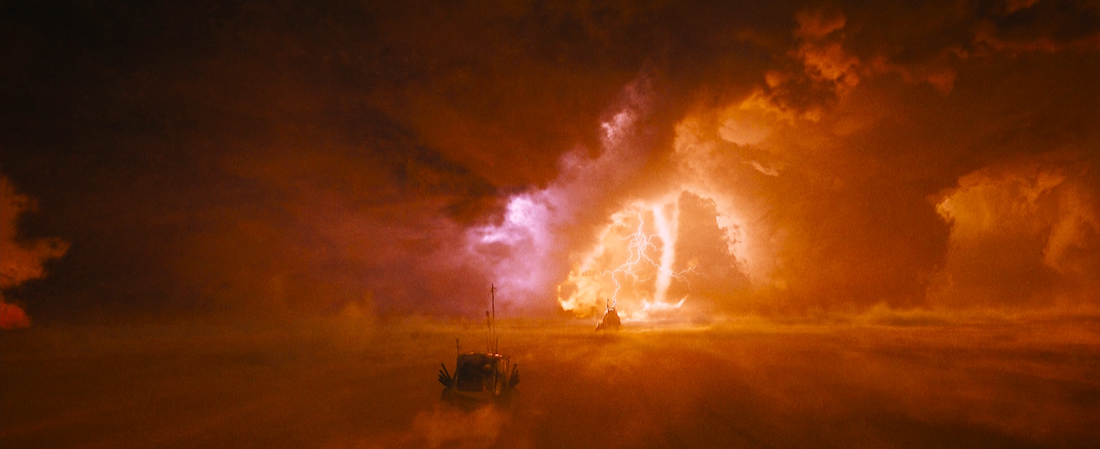
George Miller’s astonishing color grading in “Mad Max: Fury Road”.
A small number though positioned themselves as champions for sensational visuals due to a number of auteurs who were unwilling to compromise their vision. Instead they elected to drench their collage of moving pictures into glorious compositions of twisted metal, fire-kissed skirmishes and bullet riddled walls. “Mad Max: Fury Road“, “John Wick” (2014-2019), “Tron: Legacy”, Michael Bay’s signature hyper-saturated style in the “Transformers” sequels (2011-2017) and his “13 Hours: The Secret Soldiers of Benghazi” (2016), del Toro’s “Pacific Rim”, “Mission Impossible: Rogue Nation”, Wong Kar-wai’s “The Grandmaster”, Zhang Yimou’s “Shadow”, Dennis Villeneuve’s “Sicario” (2015), “Blade Runner 2049” (2017) and Takuro Ishizaka’s hypnotic shots in the “Rurouni Kenshin” period drama trilogy were top contenders amidst an anemic and color-deprived ten year period.
10. I don’t speak English but I can kick your butt
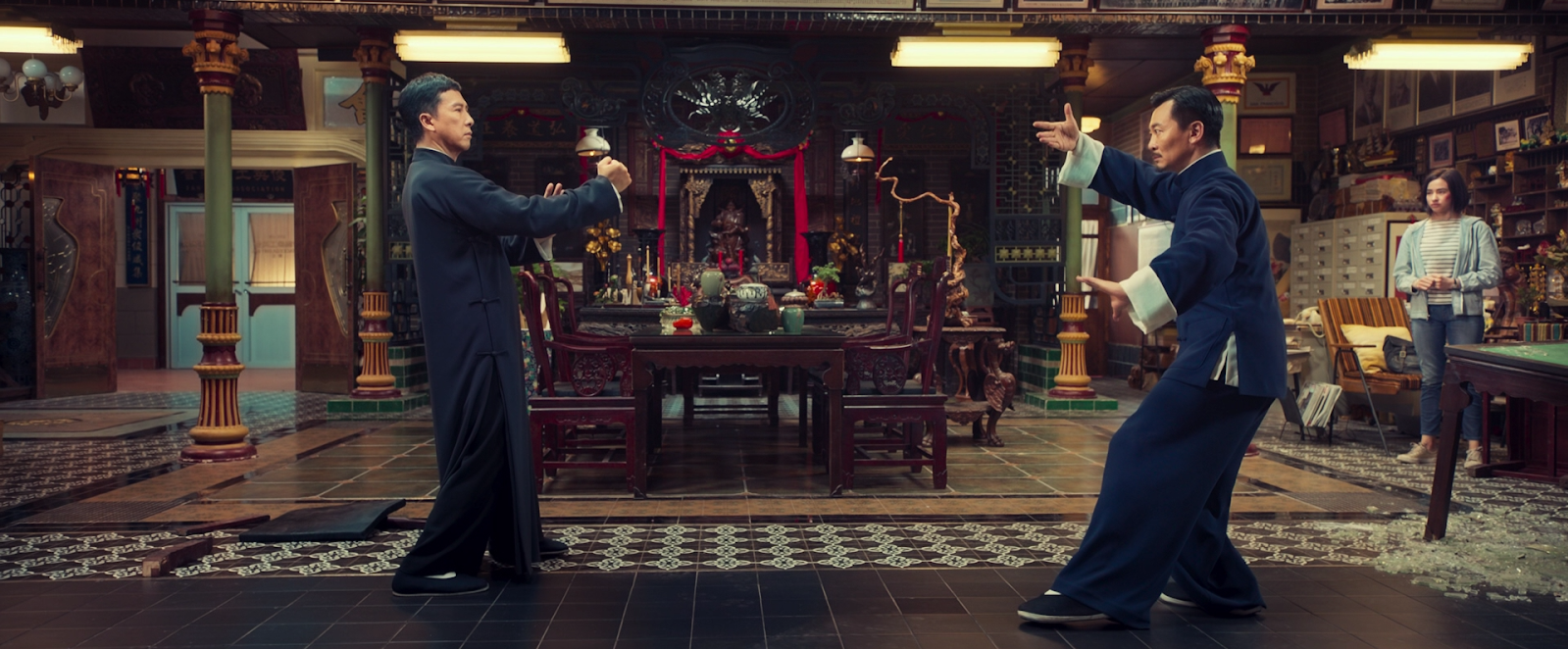
Donnie Yen’s thoughtful portrayal of Ip Man crafted a new action icon with admirable philosophy across 4 films (2008-2019).
Modern audiences had no issues reading subtitles the same way their ancestors did when they were watching “Crouching Tiger, Hidden Dragon” (2000) and “Brotherhood of the Wolf” (2001).
While the American style of action shooting became stale and rigid, the internet and the ability for many individuals to do their own filmmaking begun catching a solid momentum. An unknown Welsh director who lived in Indonesia conceived “The Raid”, a breathless flick crafted around few figments of a story. With nail-biting suspense and expertly staged dramatic stakes, it was the first film to break into the international audiences the brutality of Silat, a devastating martial art style which denigrated the cinematic presentation of Muy Thai the same way it did it to Kung Fu. Extremely long takes, body contact and clever angles gave birth to a new way of shooting action and Indonesia excelled at this generating more outrageous carnage (“The Raid 2”, “Headshot” (2016), “The Night Comes for Us” (2018)). If Indonesia can do it, then so do we: well-made clones from Cambodia (“Jailbreak” (2017)), Vietnam (“Furie” (2019)) and Philippines (“BuyBust“ (2016)) displayed inventive action disappointing no one.

Makoto Shishio in the climatic 20 minute swordfight in “Rurouni Kenshin: The Legend Ends” (2014).
The always reliable Japanese cinema though became more savvy. Unlike its Hong Kong counterpart which faded into oblivion (excluding the appeal of the “Ip Man” (2008-2019) series and Donnie Yen’s charisma) and the lame blockbusterization of Chinese outputs (e.g., “The Great Wall”), the Japanese took notes to conceive violent skirmishes and sometimes, inventive ones too embedded with Wabi Sabi philosophy. Takashi Miike’s “13 Assassins” (2010) and “Blade of the Immortal” (2017) were two outputs boasting a massive body count. Yet, it was Keishi Ohtomo in “Rurouni Kenshin” (2012) that changed the trajectory of Japanese duels. Strong enough to warrant not one, but 4 entries. Movies like “The High & Low” (2016-2017) also pushed forward passionate choreography even if they are mostly seen as an extended advertisement of J-Pop merchandise.
What caused the biggest surprise though was the rise of South Korea which kept pumping out relentless action thrillers with a focus on deeply flawed characters and bleak narratives. Auteurs like Kim Jee-woon (“The Age of Shadows“ (2016)), Bong Joon-ho (“Snowpiercer“, “The Suspect” (2013) and Ryoo Seung-wan (“The Berlin File” (2010), “Veteran“ (2015)) orchestrated realistic mayhem so well-received that influenced bigger productions; “The Villainess” for example, was the reason for the motorcycle-sword-in-hand chase sequence in “John Wick Chapter 3: Parabellum” (2019).
11. Temp music
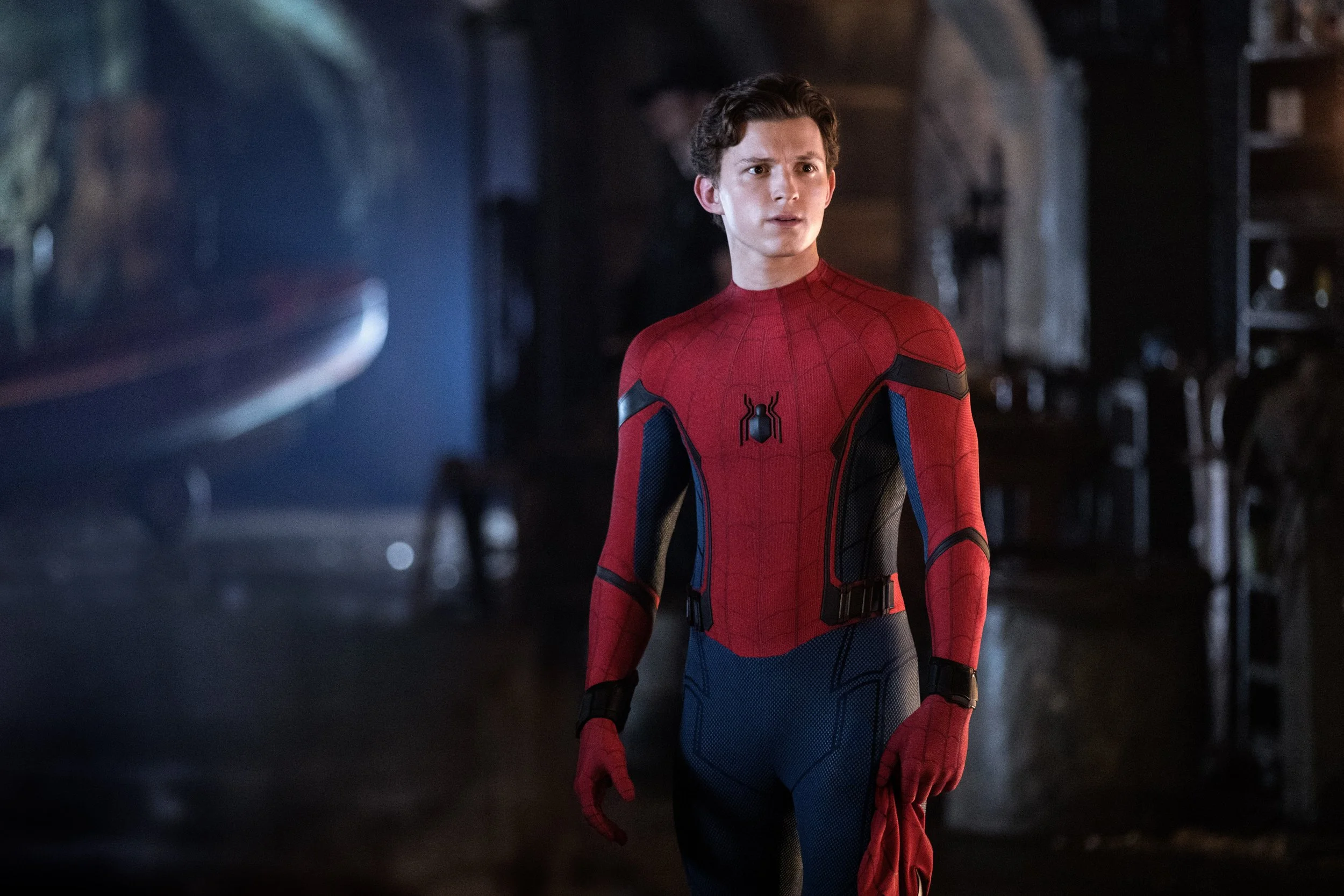
“Spiderman: Far From Home” (2019) has nothing memorable to go for it in the scoring department.
The 2010s saw the limited use of groovy songs in favor of ambient electronic sounds. The next generation of movie composers were less traditionally trained and more inclined to apply a variety of computer generated and soulless synths. Harmonies and melodies were replaced by unhummable effects and the implementation of layered music to heighten the senses giving room to the notorious cacophonic “Braaaaaam”, courtesy of Hans Zimmer in “Inception”.
No more brass, strings, violas, trumpets, flutes or vocals. The generic drum kit and the “Braaaaaam” sound instead forcefully amplified moments of suspense. Such tactics though prove what this type of composition is to music what is fast food to cooking. You like themes and motifs? Please, tone down your musical eclectic taste! While temp music was the term used to showcase the feeling of a scene while a film was in post-production, now it became synonymous with the actual soundtrack. Can anyone remember any composer’s work from “Sucker Punch”, “Pacific Rim”, “John Carter“, “White House Down“ (2013), “Kingsman”, “The Amazing Spiderman”, “Jurassic World“ (2015), “The Avengers: Age of Ultron”, “Assassin’s Creed“, “Dr Strange”, “Justice League”, “King Arthur: The Legend of the Sword“, “Ready Player One“ (2018), “Black Panther”, “Aquaman”, “Mortal Engines“, “Jumanji: The Next Level“ (2019), “Shazam” or “Captain Marvel”? Even Howard Shore’s and John William’s orchestrations in the Middle-Earth and a galaxy far, far away were more feeble when compared to the masterpieces they created before.

Does anyone remember anything from the music of “Jumanji: The Next Level” (2019)?
Thus, in an entire decade dominated by vast and expensive blockbusters, only a handful of flicks managed to create beautiful and melodic sounds for the cinematic landscapes that not only capture the exact tone of the movie but also can stand separately as a listening experience. “Inception“, industrial heavy “Dredd“, the “John Wick” franchise and “Mad Max: Fury Road” had a distinct musical identity which complemented the action scenes and the on screen mood accordingly.
Special credit has to be given to a) the work of Naoki Satoh for “Rurouni Kenshin”, a composer who insisted on arranging traditional Japanese instruments to dress beautifully Himura’s numerous duels and esoteric conflict across three magnificent albums and b) Daft Punk’s sensational, groundbreaking score in “Tron: Legacy” which redefined how different genres can come together to generate a captivating musical vista without any filler tracks.
Final thoughts
It is easy to remember the actions film that stood out in a decade deprived from creativity and imagination. Complex sequences where replaced by computers and visual identity was sacrificed in the altar of capitalism. The outputs of this ten-year period miss out on entertainment value, memorable theatrics, exquisite production design and heightened performances. And the characters surrounding them are blank, neurotic cardboards delivering snappy remarks under the guise of social anxiety. For every “Fury Road”, there was a plethora of movies that nobody remembers. This is what happens when profitability and the employment of several kitchen cooks results to.