
The modern girl boss trope: conservative myth or woke ignorance?
One of the most recent fronts of the culture wars within movies in Western entertainment is the implementation of the modern girl boss trope. It began creeping into mainstream blockbusters around 2015 pushing the narrative of a strong, independent (and stoic) woman, one who does not need a mentor, training, or the necessary physique to achieve extraordinary feats of physical prowess. What makes her capable is her own awesomeness which is further inflated by the constant validation from her peers. This character cannot make any mistakes and if she does, it matters not. Anyone who dares to opposes her (obvious) mental and physical superiority is a sexist (if they are male) or self-loathing (if they are female). When it comes to ass-kicking, naturally, her twice-her-size opponents are mere rag dolls for her ultra slim silhouette which bears the same amount of facial expressions as Derek Zoolander’s signature poses. Yet, in the mainstream media, outputs featuring this content were critically lauded as groundbreaking, leaving genuine moviegoers and cinephiles scratching their heads at the mediocre (at best) craftsmanship and implausible writing.
Many instances have seen “woke” progressives (or people who have not been in the cinema for that matter) clashing with movie fundamentalists (who pretend to have seen or know everything), yet neither group is willing to investigate whether actual evidence exists to support their POV. Advocates of girl bosses, who outperform their male counterparts, emphasized the need for women to lead blockbusters as men have for decades forgetting through there have already been plenty of groundbreaking motion pictures: Ellen Ripley (“Alien” (1979), “Aliens” (1986), “Alien 3” (1992), “Alien: Resurrection” (1997)), Sarah Connor (“Terminator” (1984), “Terminator 2: Judgment Day” (1991)), Beatrix Kiddo (“Kill Bill Volume 1” (2003), “Kill Bill Volume 2” (2004)), “Coffy” (1973), Sidney Prescott (e.g., “Scream” (1996), “Scream 2” (1997)), Nancy Thompson (“A Nightmare on Elm Street” (1984), “A Nightmare on Elm Street: Dream Warriors” (1987)), Yu Shu Lien (“Crouching Tiger, Hidden Dragon” (2000)), and Inspector Ng (“Yes, Madam“ (1985)) were loved by audiences demonstrating amply the female capacity for terror, guns and fights. Recently, Emily Blunt stated that all the roles she gets offered after she starred in Doug Liman’s “Edge of Tomorrow” (2014) were carbon copies of male ones lacking any distinct sense of female identity. Is this true though and if so, why did Hollywood (mostly) get it wrong during the last decade? Let’s dive in.
So it begins … in 2015
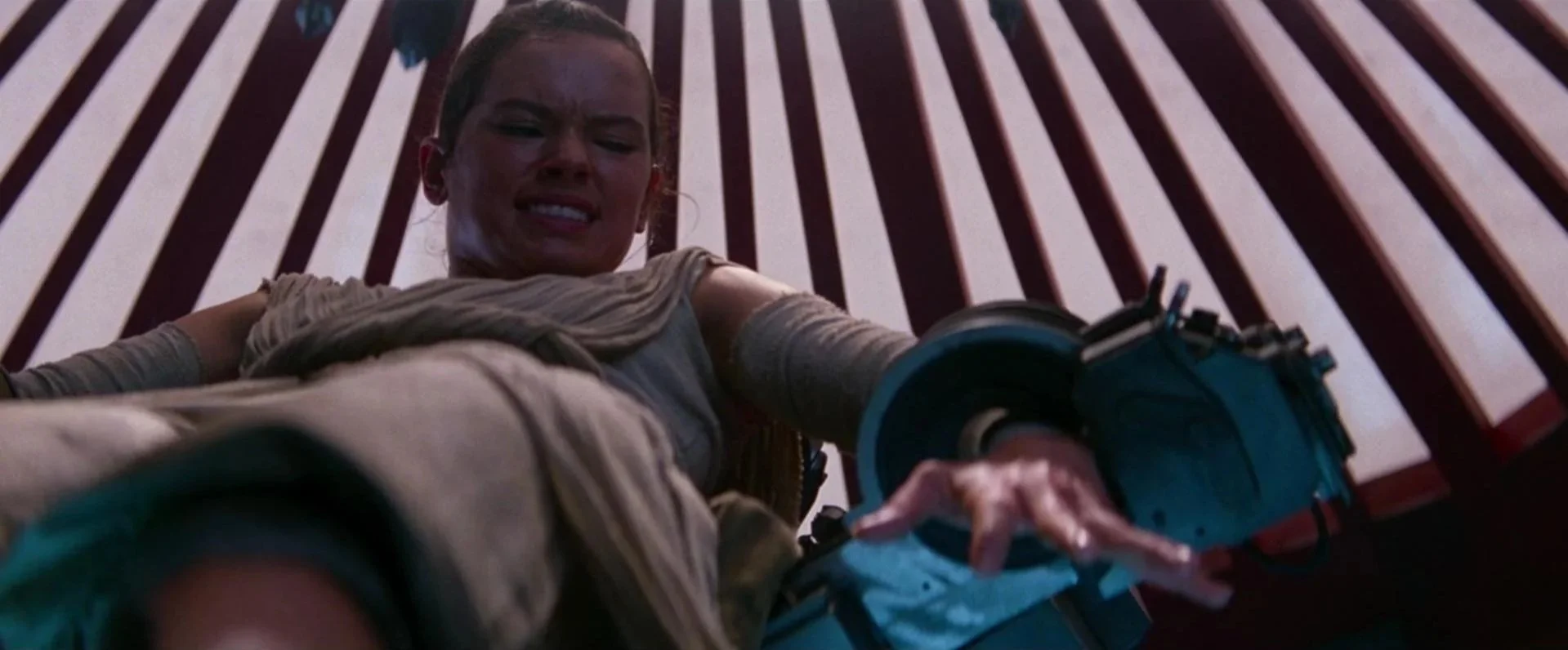
Daisy Riley as Rey Skywalker in J.J Abrams' The Force Awakens (2015).
Championed by Disney’s (cringe) motto, “The Force is Female”, in “Star Wars Episode VII: The Force Awakens”, Rey, the new hero of the sequel trilogy brought some initial excitement. However, this was quickly undermined by her anemic characterization. Rey was as blunt as they come, without a clear arc (or personal growth), able to do anything from the get-go; she was a glorified, space opera Mary Sue. She could pilot (and fix) the Millennium Falcon (even though she had never flown a spaceship before), could use mind control, telekinesis, guns, and defeated a fully trained (by Luke Skywalker and Supreme Leader Snoke) Sith Lord under two minutes. Disney’s “progressivism” ignored George Lucas’ established mythos to promote a superficial feminist message that in 2015 felt already stale. Disney, being a dominant force in the moviemaking business (right after the merger with 20th Century Fox) advanced the production of female centric flicks but it was more about ticking boxes and less about nuanced storytelling.
If Hollywood’s goal was to eclipse any sex stereotypes, it’s interesting how the creative decisions taken had a reverse effect. Paul Feig’s maligned, gender-swapped “Ghostbusters” (2016) reboot a year later featuring Chris Hemsworth’s Thor as a dim-witted character reminiscent of Will Ferrell’s comedic roles is a prime example of this new creative think tank. Be that as it may, a common rule amidst movies is to make a character appealing to audiences. An appealing character attracts audience members and potentially solid reviews. Audience members generate revenue and thus, this great, bidirectional symbiotic procedure has worked remarkably well for more than a century. No matter how strong your political statement might be, a film will ultimately fail if audiences fail to connect with the cast (e.g., “Transformers: The Last Knight” (2017)). When Sarah Connor revealed her hardcore male-looking physique in “Terminator 2”, her toned down femininity against a backdrop of gun gratification was heavily criticized. Still, Sarah endured the test of time and breaking the ceiling for female (and flawed) heroes that can be as smart and resourceful as the male ones. Yet, worse things were looming over the horizon.
Tiny superheroes and action heroines

Brie Larson as Captain Marvel (2019).
If one were to conduct quick research on modern girl bosses, they would discover how most of them originated from Disney and Netflix. Both offer lousy and telegraphic fantasies of female empowerment through unconvincing special effects, lame choreography, lazy stunts, unrelatable protagonists. While actors like Arnold Schwarzenegger, Sylvester Stallone, and Jason Statham had the physique, the skills (or both) to justify the on-screen fights, the new playbook rewrites this; being capable physically does not matter. Stars such as Michelle Yeoh and Cynthia Rothrok were trained for years to perform their own fight sequences but Hollywood went the Victoria Secret model route. Skinny and anemic silhouettes tried to desperately make-believe the world that a 45KG adult female can punch a 120KG male antagonist. Despite an entire entourage of artistic talent behind them though, they still could not cause any awe. The throne room scene, for example, in “Star Wars Episode VIII: The Last Jedi” (2017) is filled with lousy execution, while anything in “Captain Marvel” reeks of creative bankruptcy relying exclusively at the capabilities of animators. The spectacle of watching tiny women taking down opponents three time their size with attitude then dominated particularly the superhero genre: “Wonder Woman” (2017), “Thor: Ragnarok“ (2017), “Black Panther“ (2018), “Star Wars Episode IX: The Rise of Skywalker“ (2019), “Birds of Prey“ (2020), “Eternals” (2020), “Wonder Woman 1984” (2020), “Black Panther: Wakanda Forever” (2021), “Black Widow“ (2021), “Shang Chi and the Legend of the Ten Rings” (2021), “Thor: Love and Thunder” (2022), “The Marvels” (2023).
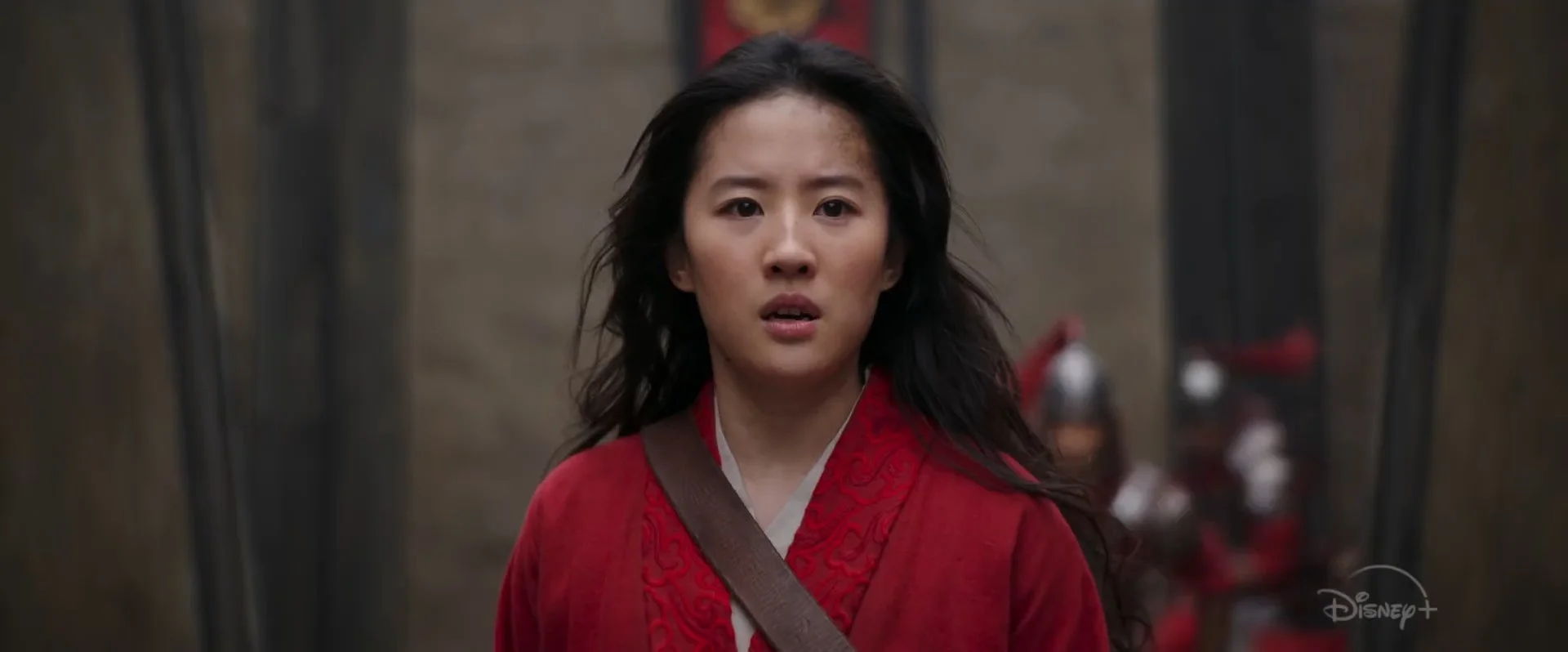
Liu Yifei as the ill-conceived Mulan (2020) in Disney's live action remake
You could argue superhero flicks are just that: products aiming to indulge on our fantasies (despite their excessive political correctness and preachiness), so let bygones be bygones. When however, you invest these elements into more contemporary (and serious) settings (e.g., “G20” (2025), the recent reboot of “Charlie’s Angels” (2019), “The 355” (2022)), the results are comedy gold precisely because the filmmakers think they are the next Pasolini. Even “Dune 2” (2023) was guilty of this by altering Chani’s role to a glorious badass rebel and Zandaya being an expert fighter is like having Rosie Huntingon-Whiteley as a seasoned Muy Thai kickboxer. By why stopping in action when you can infect the horror genre too? A geriatric Jamie Lee Curtis at 65 going toe to toe with a towering Michael Myers was never a good idea resulting in the dumpster fire that was David Green Gordon’s “Halloween” trilogy (2018-2022) while Rosie Perez at the age of 55+ “punching” huge stuntmen in “Birds of Prey” is as ludicrous as it sounds. Yet, none will match the ambition and desire for validation that “Mulan” (2020) sought. Stripping everything that made Mulan a compelling hero to begin with, this live action vessel is perfect from the get go with magical powers (yes, really). Without needing to rely on wits, Mulan is being hold back by men who are unable to understand how great she is. She does not need to learn anything or strive for something. This message will apply to pretty much any character that can come up with some sort of power.
Mainstream prevalence: obnoxious, powerful and boring
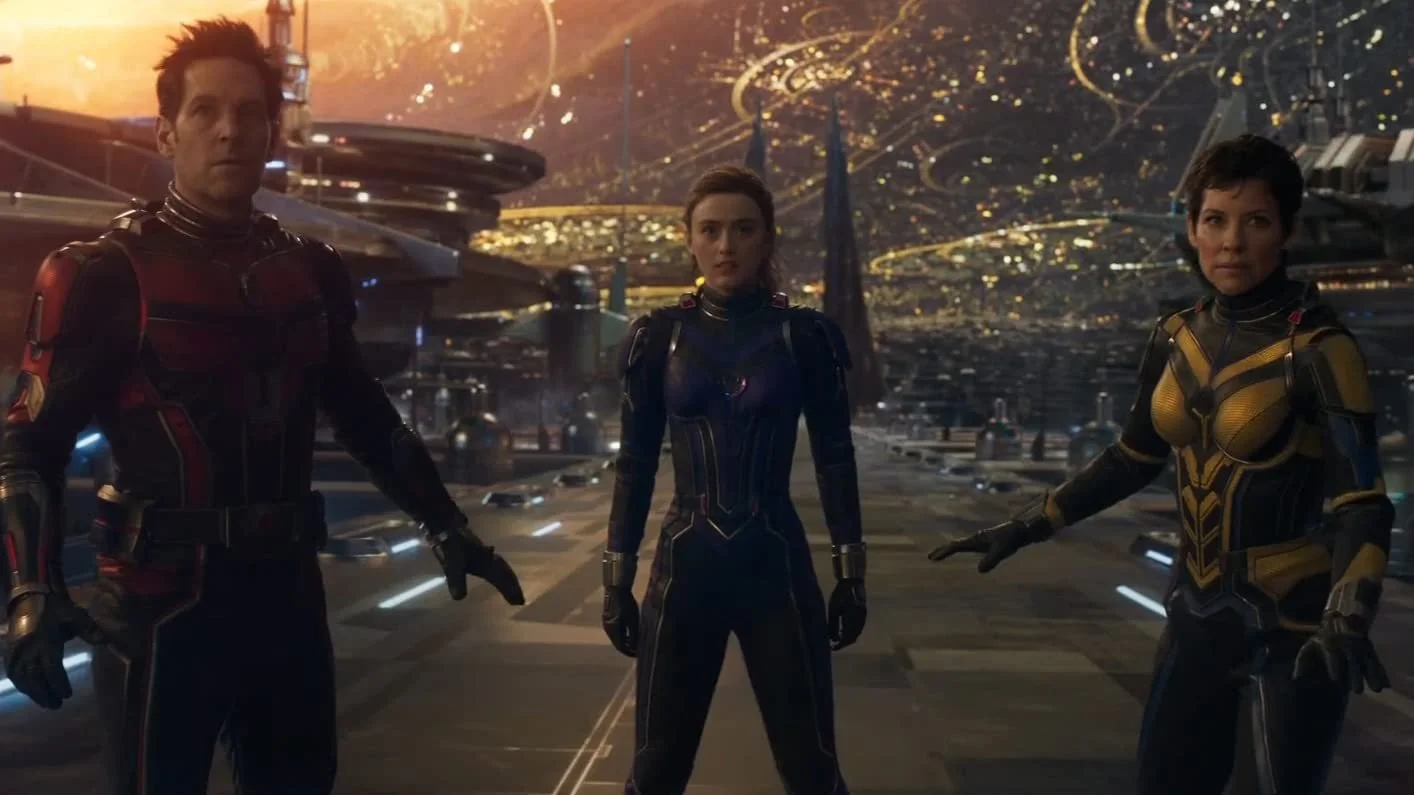
Paul Rudd, Kathryn Newton and Evangeline Lilly in Ant Man and the Wasp: Quantumania (2023)
Reaching a peak around 2019 to 2022, female heroes are also deprived of mentors. They are capable of mastering skills and abilities instantly that other characters trained for years. Rey Skywalker becomes a force expert and combat proficient out of thin air while Suri in “Black Panther” and Cassandra Lang in “Antman and the Wasp: Quantumania” (2023) are so naturally smart that make Bruce Banner, Scott Lang and Hank Pym look like pre-school toddlers in comparison. Who needs Tony Stark, a genius, billionaire, playboy, philanthropist when Cassandra can do it better in her own house and with a simple internet access? All you need to do is to observe or wander. To address this gap, the much teenage-boy oriented franchise “The Fast and the Furious” (2001-2023) converted all the female members of the Family in “Fast 8” (2017), “Fast 9” (2021) and “Fast X” (2023) as street fighters. Hardships, endurance, failure, growth, perseverance and willpower are for men as such elements are ill-equipped for any modern female protagonist. But does it make for a compelling hero? The reason the muscle bound films of the 80s eventually declined in both critical reception and box office receipts was because their invulnerability. The first “Avengers” (2012) movie worked so well because none of the movie’s heroes were flawless. Characters like the Bride or Ellen Ripley had to go through hell to achieve their goal and audiences were behind every step of the way.
Removing this and push for a superficial social commentary about the divide between men and women with a hearty dosage of sarcasm and men-bash intelligence is the final straw for being also obnoxious. To be fair, there were many cinematic cases where women would mock men and in the context of certain films, it worked (e.g., “Kill Bill“, “Death Proof” (2007), “Scream” (1996)). Valkyrie in “Thor: Ragnarok” is portrayed as an almost equal to Thor’s might (as if) downright thinking that the man who saved Asgard twice is a clown; Cassandra is smarter than the whole quantum gang put together teaching about the world’s problems from her house; Shang Chi’s sister is better than him in every way, Helena Shaw is more aware than all the experience Indy has accumulated through his lifetime in “The Dial of Destiny” (2023); Professor Xavier has become an arrogant fool in “X-Men: Dark Phoenix” (2019) and finally, Princess Peach exhumes more confidence than our Italian plumber in “The Super Mario Bros Movie” (2023). Villains were not safe either; they are mostly insecure bullies who cry when women take their armies and power away: Black Mask, one of the most intriguing villains in the Batman lore was plummeted to the ground as a closeted and campy antagonist in “Birds of Prey”, while Kylo Ren despite a strong introduction became a joke in the sequel “Star Wars” trilogy.
Disrespecting the past
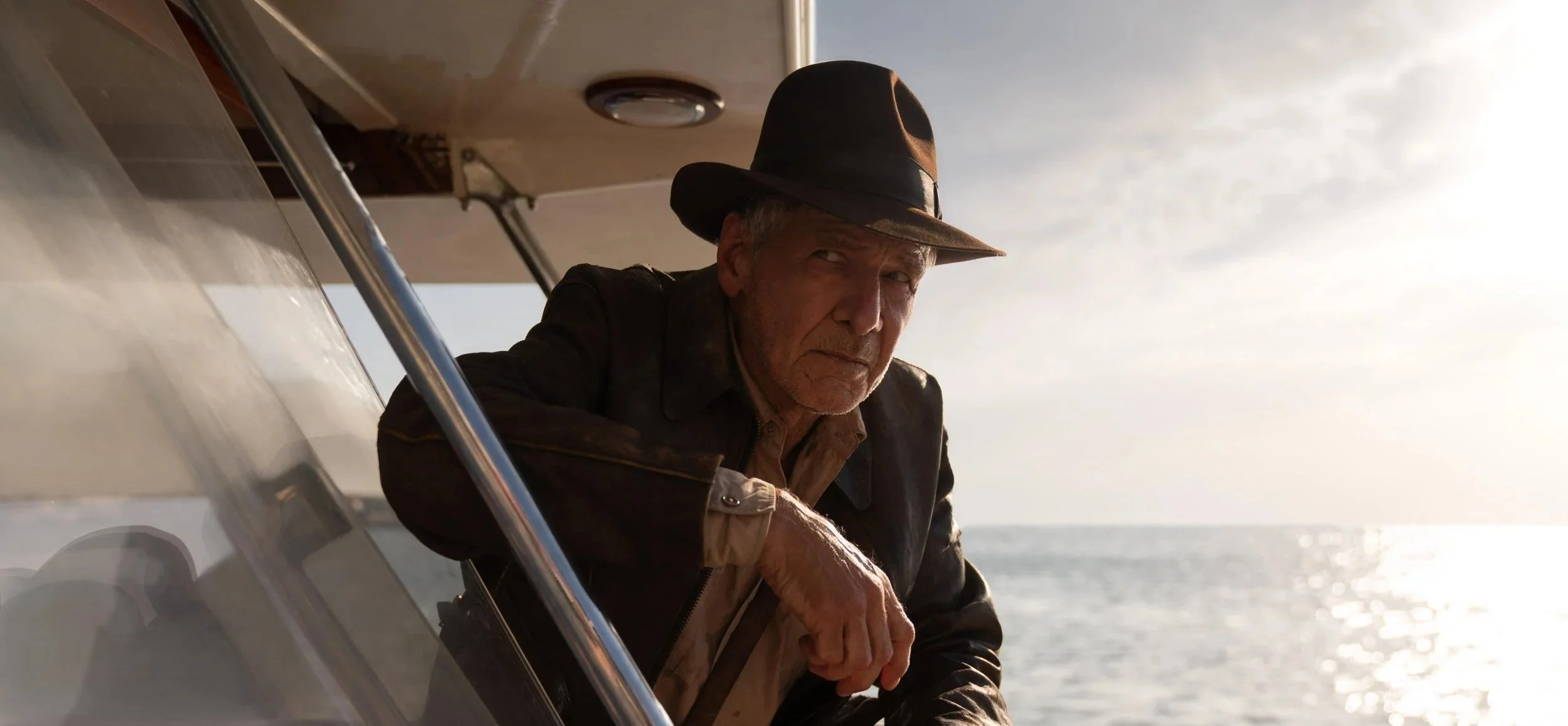
Harrison Ford as Indiana Jones in The Dial of Destiny (2023).
“Halloween”, “Star Wars Episode VII: The Force Awakens”, “Star Wars Episode VIII: The Last Jedi”, “Ocean’s 8” (2018), “Terminator: Dark Fate”, “Star Wars Episode IX: The Rise of Skywalker”, “No Time to Die” (2021), “Scream” (2022), “Indiana Jones and the Dial of Destiny”, and “The War of the Rohirrim” (2024) share a common disdain for established mythology. Modern writers prefer to conduct character assassinations toward established icons of cinema like John Connor, Indiana Jones and Luke Skywalker nullifying their emotional and spiritual journey. They believe they can improve stories they did not originally create. When you start injecting your own ideas into a beloved IP such as James Bond, you risk alienating a massive chunk of a huge fan base that preceded your existence. Nobody wants a brooding Achilles or an alcoholic Hector talked down by women in Ancient Greece for their role in female subjugation or slavery. Yet, arrogant creatives have continued this path of creative bankruptcy by converting Luke Skywalker and Sarah Connor to cynical, bitter idiots, Indiana Jones, Laurie Strode and Dewey Riley to alcoholic, washed out individuals while Danny Ocean, Han Solo, Princess (apologies, General Leia) and John Connor are killed off.
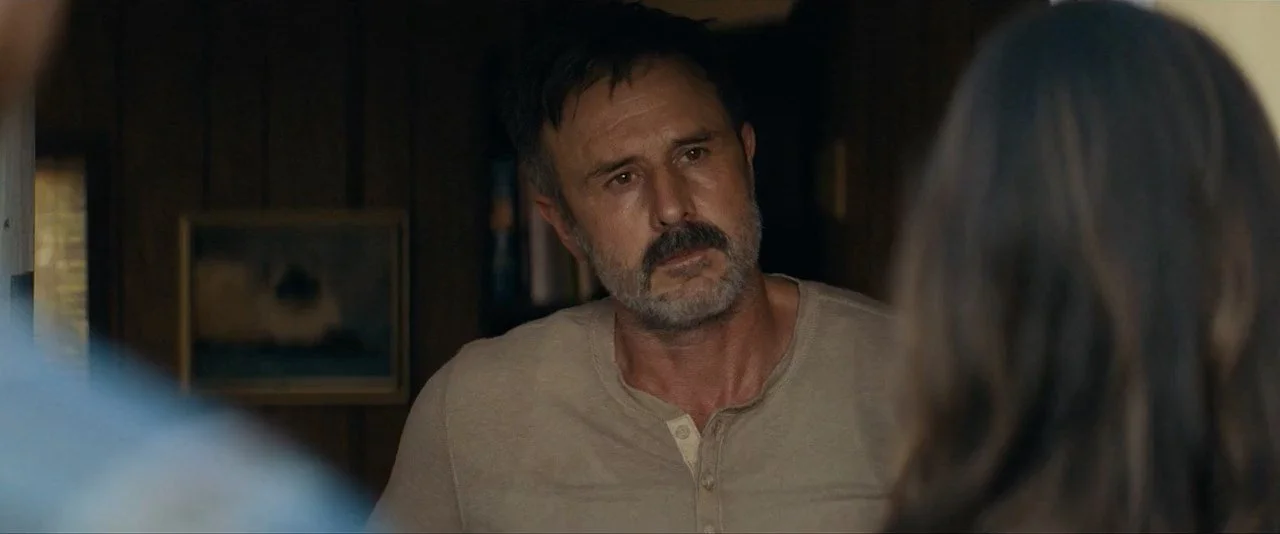
David Arquette as Dewey Riley in Scream (2022).
Conclusion
Does the modern girl boss trope dominate cinema? Yes and no. It is mostly the high-profile, CGI-infused blockbusters of Disney and Netflix that try to rewrite history - sorry, herstory. While other studios infrequently produce motion pictures like “War of the Rohirrim”, these are only a handful. Others continue to prioritize stories first: “Mad Max: Fury Road” (2015), “Atomic Blonde” (2017), the “John Wick” sequels (2017-2023), “Monster Hunter” (2020), “Rurouni Kenshin: The Final” (2021), “Kill Bok-soon” (2023), “The Villainess” (2017), “Furiosa” (2024), “Longlegs” (2024), and “Ballerina” (2025). For those who scream that the movie landscape features only motion pictures with girl bosses, perhaps you need to expand your horizons a bit more and try to be less reactive. Girl bosses reached a peak in 2019 to 2022 and since then, there is a gradual decrease in related outputs. While it is unfortunate that popular IPs have terrible adaptations due to baffling and infuriating choices, remember that a long time ago, superhero films were ridiculed and muscles dominated one liners against lame villains. It is all a circular machine that spits out fading trends. As for the quite vocal progressives (who do not even support financially such films evidently by the majority of their poor performance especially after 2020), there is a massive library of examples that feature exactly what you want. You just need to search for them if you have a deep affection for cinema.