
Scream (1996)
Director: Wes Craven
Starring: Drew Barrymore, Neve Campbell, Courtney Cox, David Arquette
Primary genre: Slasher
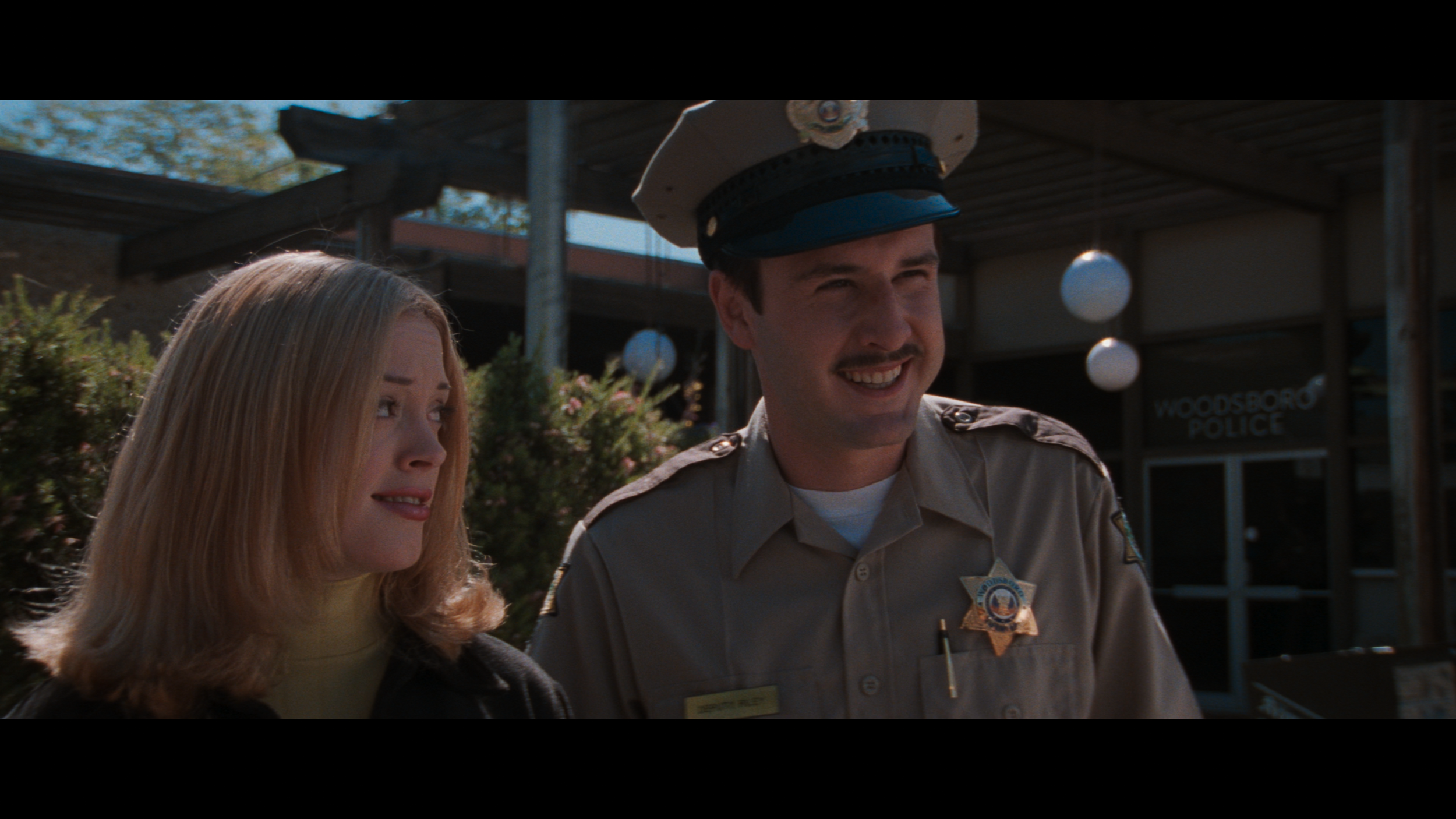
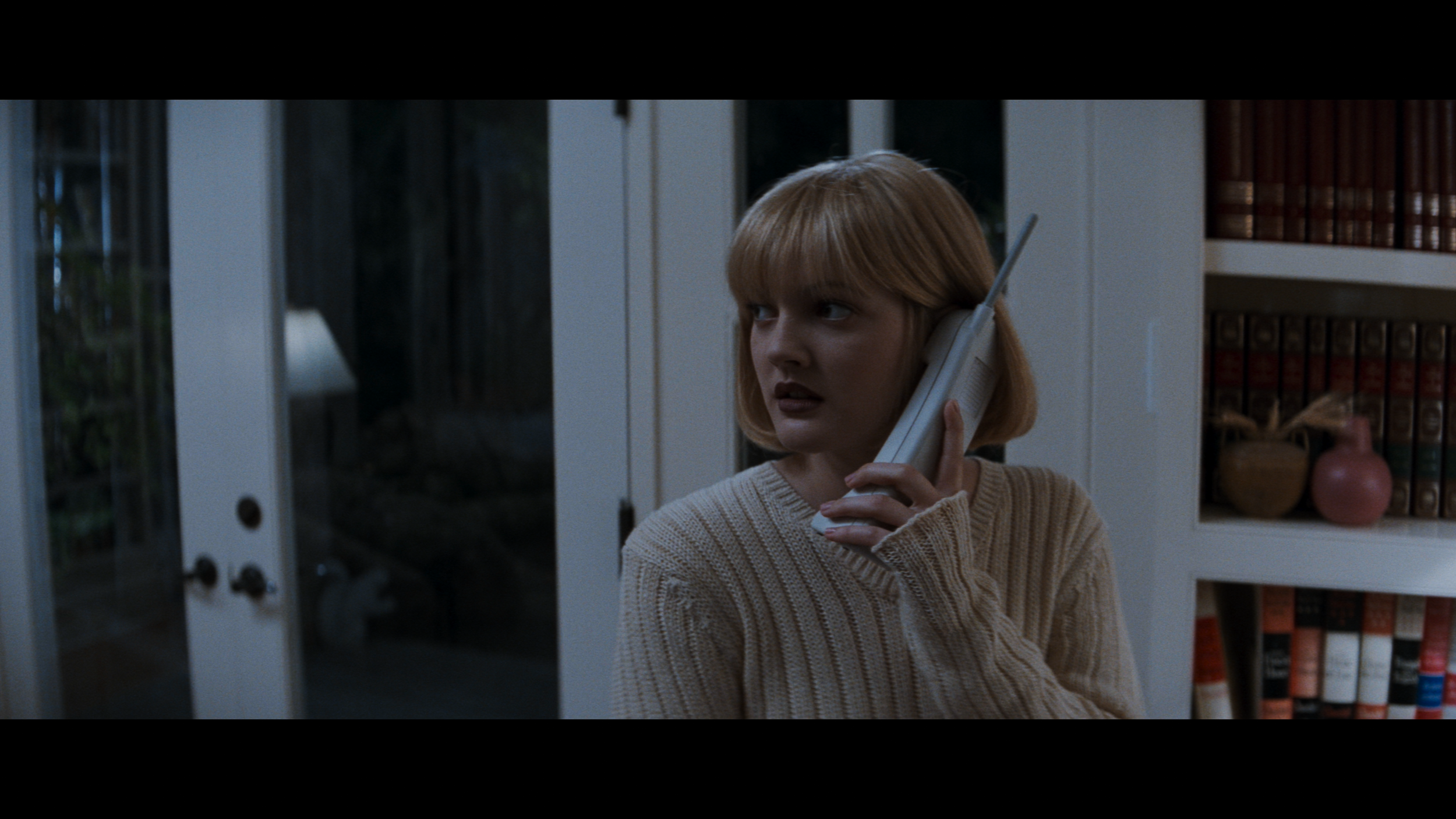
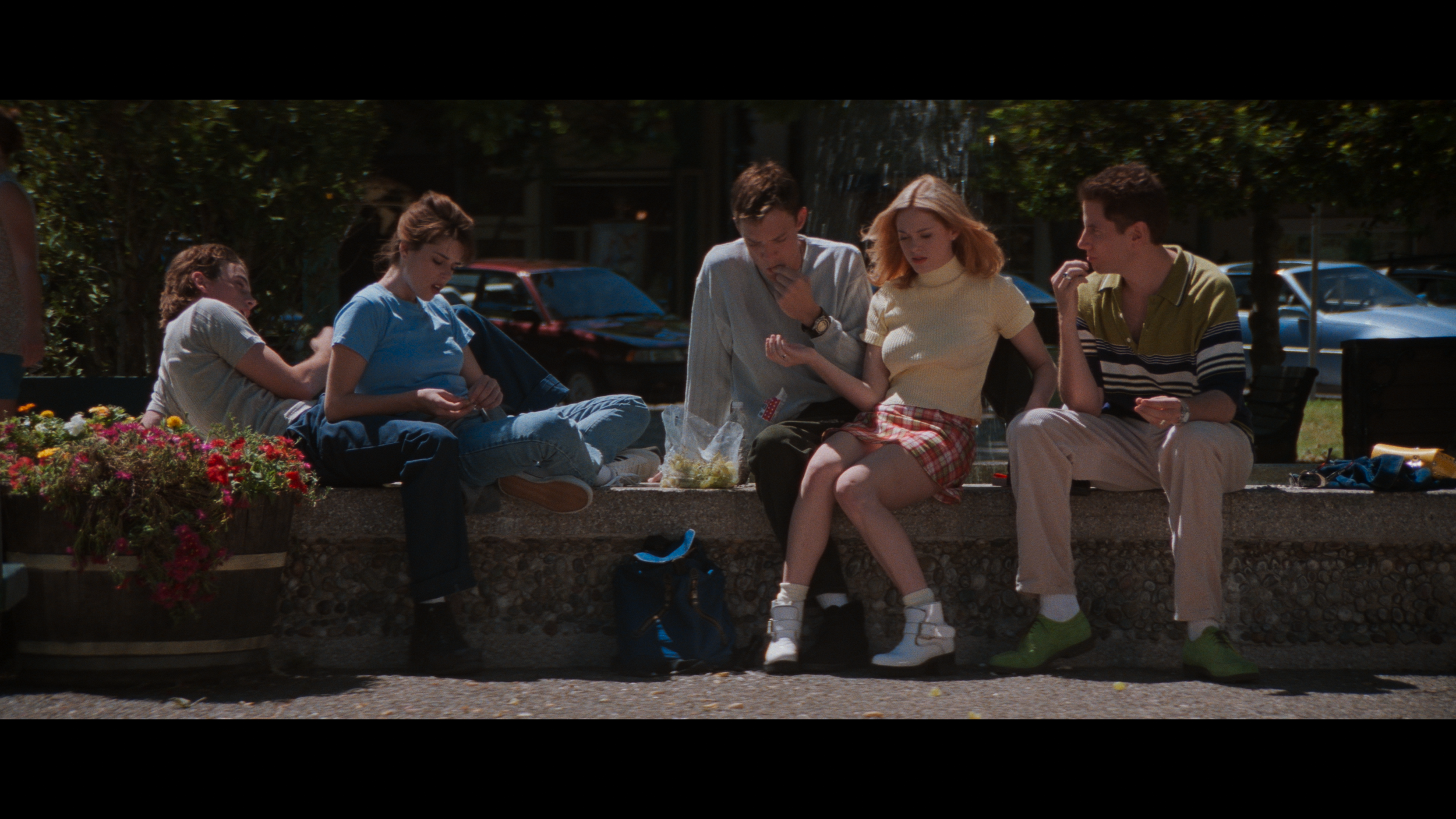
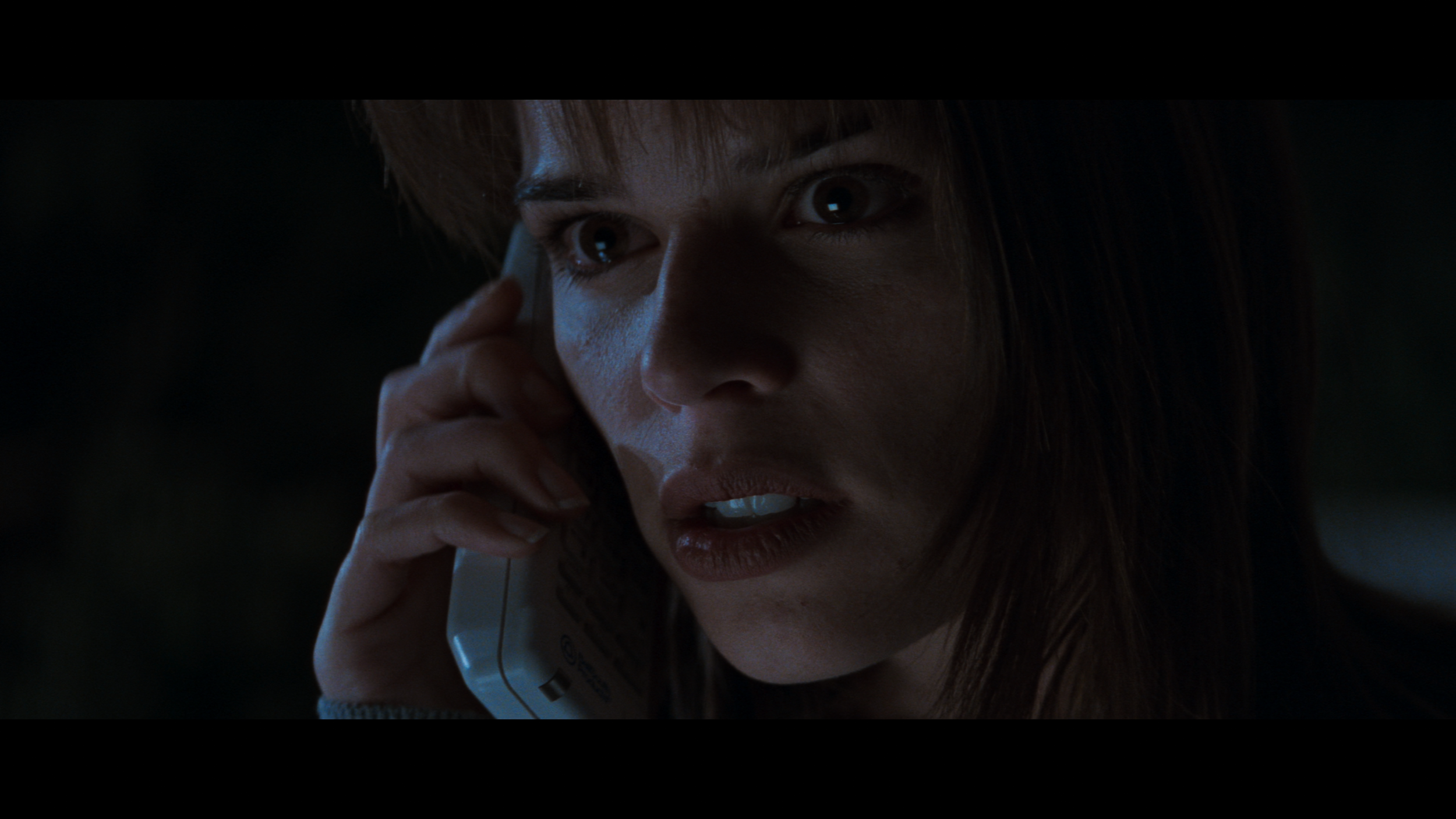
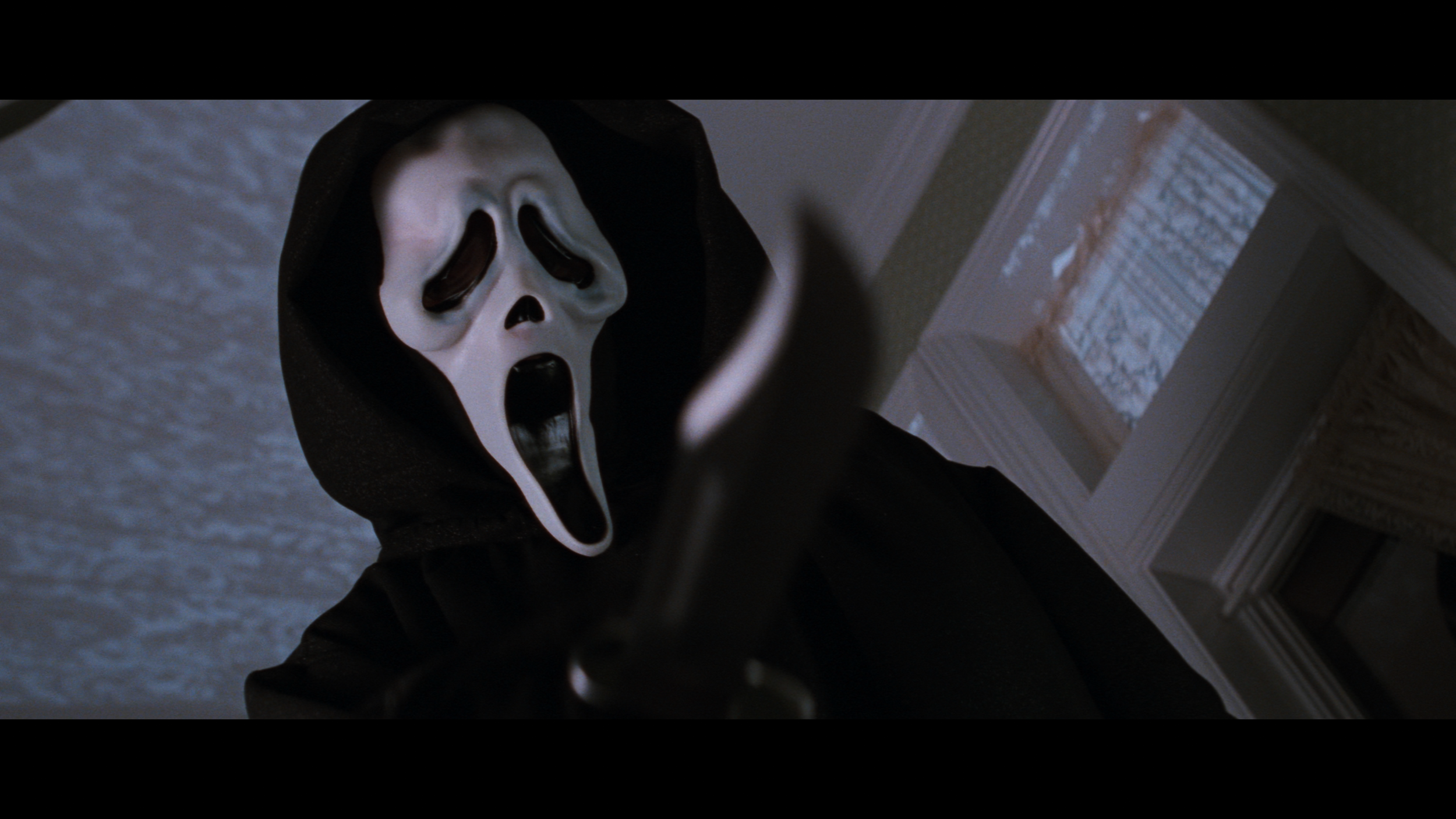
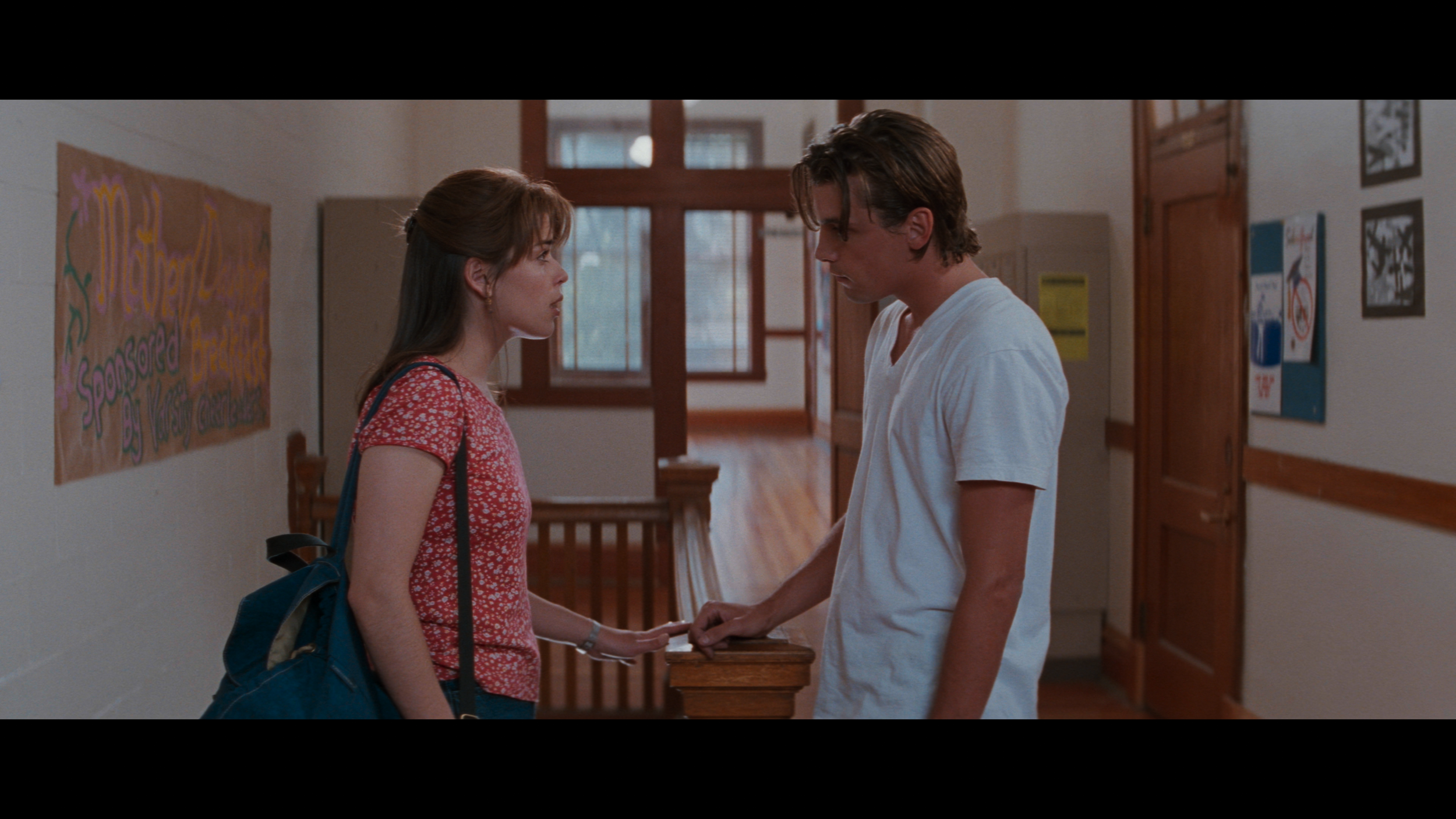
Wes Craven’s Scream revitalized the dead-in-the-water slasher genre, becoming in the process a monster hit, the quintessential horror film of the 90s and the best example of a meta critique on movie violence. Despite being promised (or labeled) as a masked killer vehicle, it is more of a whodunit mystery deployed across a two hour span. Although this might sound like a stretch for this type of potentially mindless entertainment, it is pertinent due to Kevin Williamson’s ingenious script, which works on many fronts.
From its lengthy (and now iconic) opening act, Scream toys with established horror tropes and conventions; by mid 90s, their telegraphic execution and sheer stupidity were so obvious that audiences had entirely lost interest in slice-and-dice shenanigans. Scream, though, is a different beast deciding to burn the rulebook and summarize the prevalent goofiness of the era under one line (“What's the point? They're all the same. Some stupid killer stalking some big-breasted girl who can't act who is always running up the stairs when she should be running out the front door”). With that in mind, Williamson puts things in a realistic context, invoking a sense of tragedy and avoiding murder glorification; an empty chair in a classroom or a shot of the murderer’s knife stopping for a split second before delivering the first blow on an unfortunate victim after they see his face shows glimpses of humanity that are sorely lacking in contemporary, mindless slashers. Genre maestro Craven (“A Nightmare on Elm Street“ (1984)), strongly backs Williamson and his cheeky sense of slasher deconstruction perfecting his own formula of meta-horror he initially presented in his New Nightmare (1994) two years earlier.
“Do you like scary movies?”
Set in the suburban town of Woodsboro in California, the story is populated by sharply defined individuals who act, and most importantly, react like any regular humans would do in a crisis. As such, exaggerated versions of the brawny jock, the horny teenager, or the mean, popular girl do not exist in Williamson’s world and it is precisely for that reason why Scream works. This relatability creates compelling individuals whom the audience cares about. Neve Campbell as Sidney nails the role of her three dimensional protagonist who must navigate catastrophic events in her community while confronting her own personal trauma and has since then becoming the face of the franchise.
Supported by a group of friends who sprout several quips oozing pop culture references and horror-related jokes (“Wes Carpenter“), this whodunnit tale takes a brand new turn as Williamson and Craven play scenes and subtle cues against each other making everyone a suspect. Craven establishes blink-and-you-will-miss-it character shots indicating their probability as the psychotic murderer, and every time you think you might have figured it all out, he proves you wrong.
Under minimal exposition and clever visual storytelling, Scream is a masterclass in setting up an intriguing (and clever) murder puzzle that culminates in a 40 minute single-location climax with all the key players participating unwillingly in a deadly game of Cluedo. While John Carpenter’s Halloween (1978), the granddaddy of slashers is the primary inspiration for Scream’s suburban paranoia and masked killer - there is a neat homage in a one shot take which plays in sync with a VHS of Halloween in the background, Williamson takes things a step further by making the would-be victims using the rules we know - and they know - to survive till the superb finale of twisted logic that will drop your jaw on the floor.
Highlighting similar psychological layers to Alfred Hitchcock's Psycho (1960) or Jonathan Demme’s Silence of the Lamps (1991), this flick makes a compelling case about how people are scarier than any demons or undead ghouls the celluloid can conjure up. Despite a remarkable restraint in violence, when things go stabby, they bear an equally effective and disturbing quality to this day. Unlike other slashers where we are being invited to cherish the demise of idiotic teens, Scream opts out for an alternative route, ramping up the tension by the minute due to its excellent character work. Craven’s camera “licks” its cast like a gaping mouth while they endure psychological torture following them in steadycam and panning shots and using in a creative way the environment to suggest Ghostface’s hiding spots (or not) amidst an atmosphere of dread.
Speaking of Ghostface, this new villain might be a man but his visual design (inspired by Edvard Munch’s The Scream) cemented him into the modern pop culture pantheon. Being unable to see the person’s visage, this antagonist looks more like an eerie (and silent) specter moving from room to room to find the targeted one and less of a homo sapiens. Dealing with the sinister concept of home invasion, Ghostface takes pleasure in tormenting his victims slowly and inquisitively, a master in psychological manipulation (e.g., “Which door am I?“). Delivering a knockout performance based entirely on his voice, Roger L. Jackson should be commended. Not only he became the horror voice of generation with his several quotable lines but also he was able to navigate several emotional tones (e.g., flirty, angry, sadistic) off camera too.
Marco Beltrami’s feature-movie debut delivers a powerhouse of a score that handles in equal measure suspense , terror, and drama becoming iconic in its own right (who knew a handful of strings, few synths and a piano could be so effective). The score elevates Craven’s tactics to dizzying heights taking cues from the great Jerry Goldsmith and using piano as an instrument to express musically the psychological frenzy during the film’s several gripping moments and taking it out of the picture, Scream might not have had the same impact.
Scream is perfect. Not only it works as a murder mystery but as a slasher too. With its genuine characters, charismatic cast, superb plot twists, brilliant moments of tension, villain design, tremendous soundtrack and excellent genre commentary, it is hard not to see its appeal even though it has been nearly three decades since it was released. Do you like scary movies?

The best 90s horror movie
+Fantastic script
+Engaging characters
+Fascinating whodunit mystery
+Made slashers look idiotic
+Incredible opening scene
+Killer reveal (pun intended)
+Beltrami’s score
+Clever (and limited) jump scares
+Atmosphere of dread