
Godzilla Minus One (2023)
Director: Takashi Yamazaki
Starring: Ryunosuke Kamiki, Minami Hamabe, Yuki Yamada, Munetaka Aoki
Primary genre: Epic
Secondary genre: Kaiju
Nominated for: Best special effects
Won: Best special effects
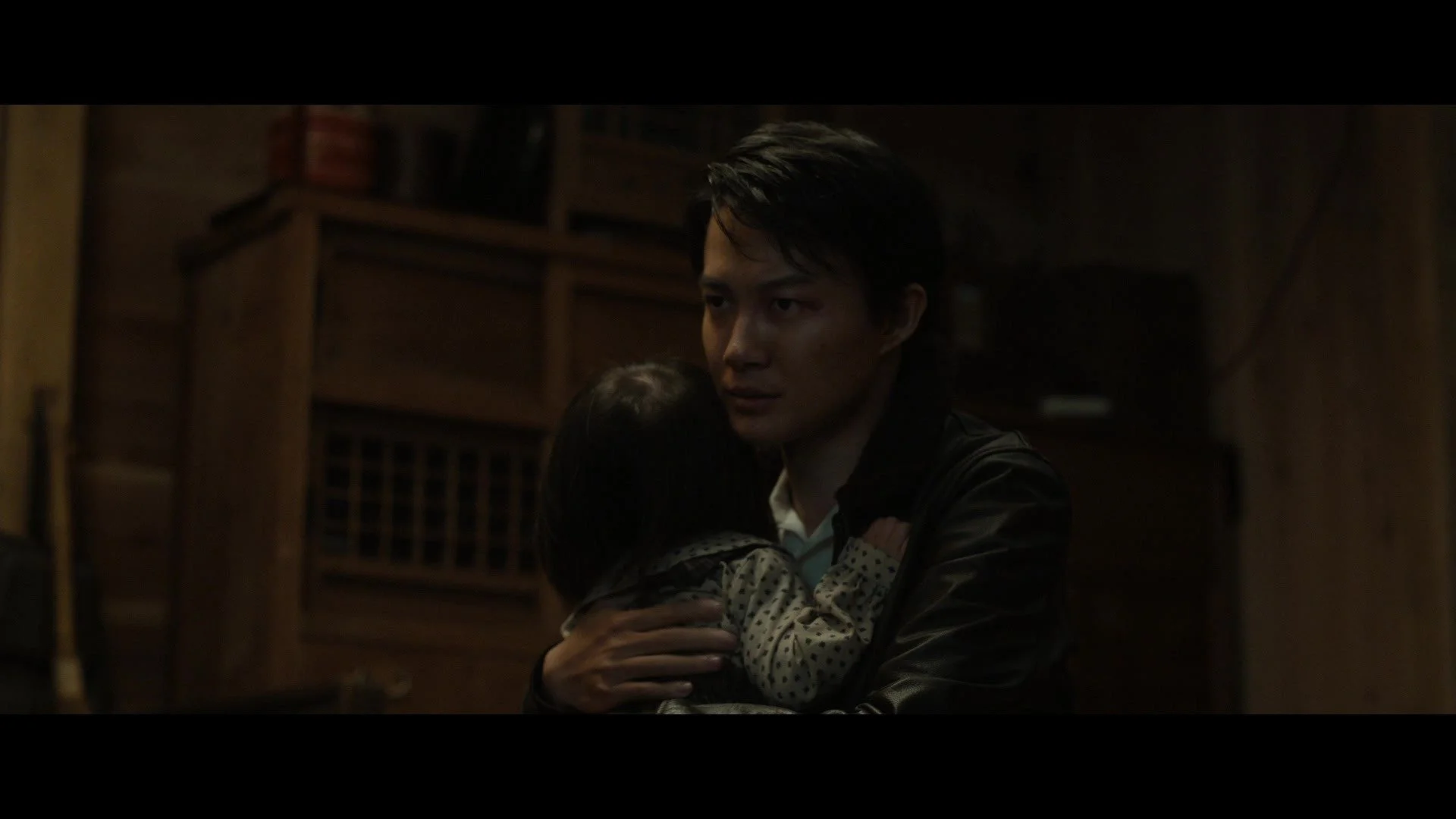
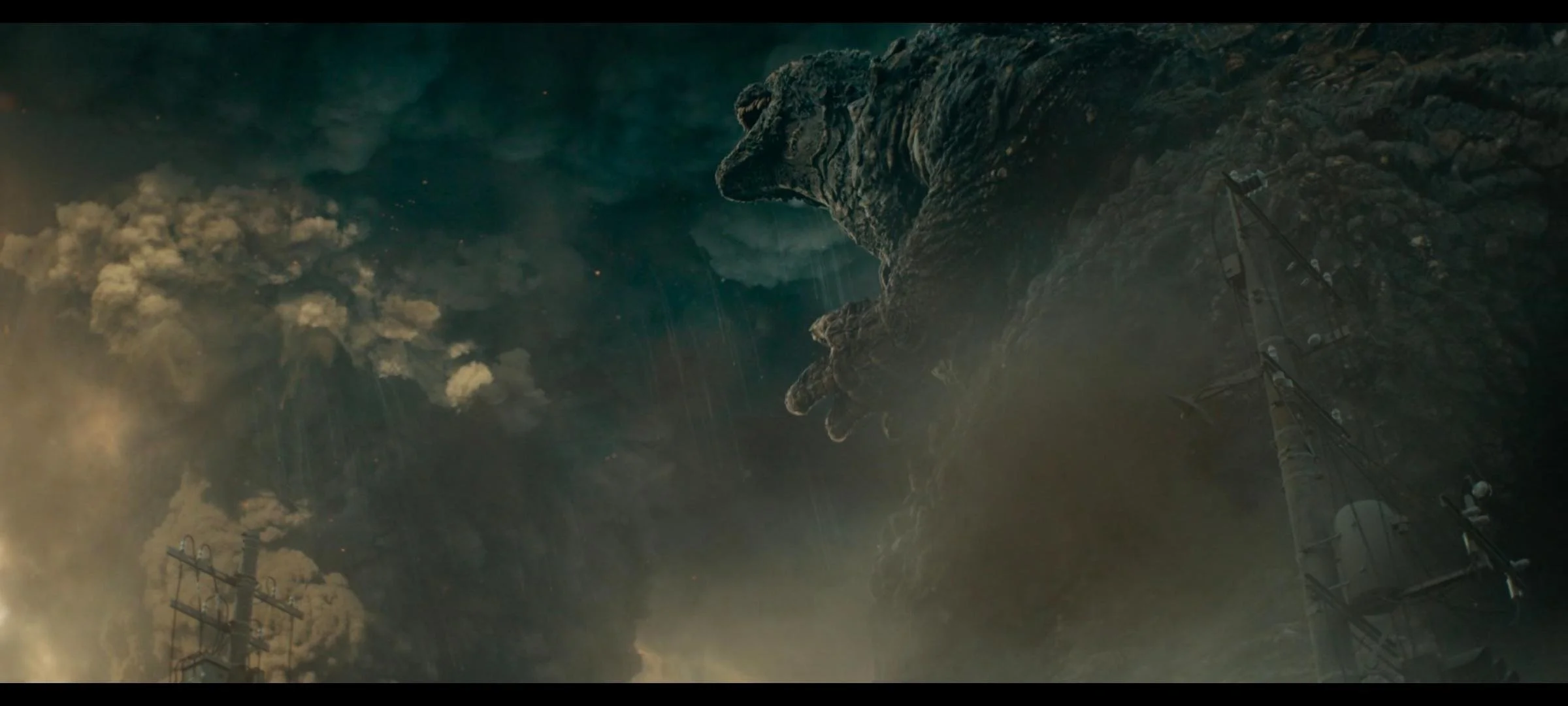
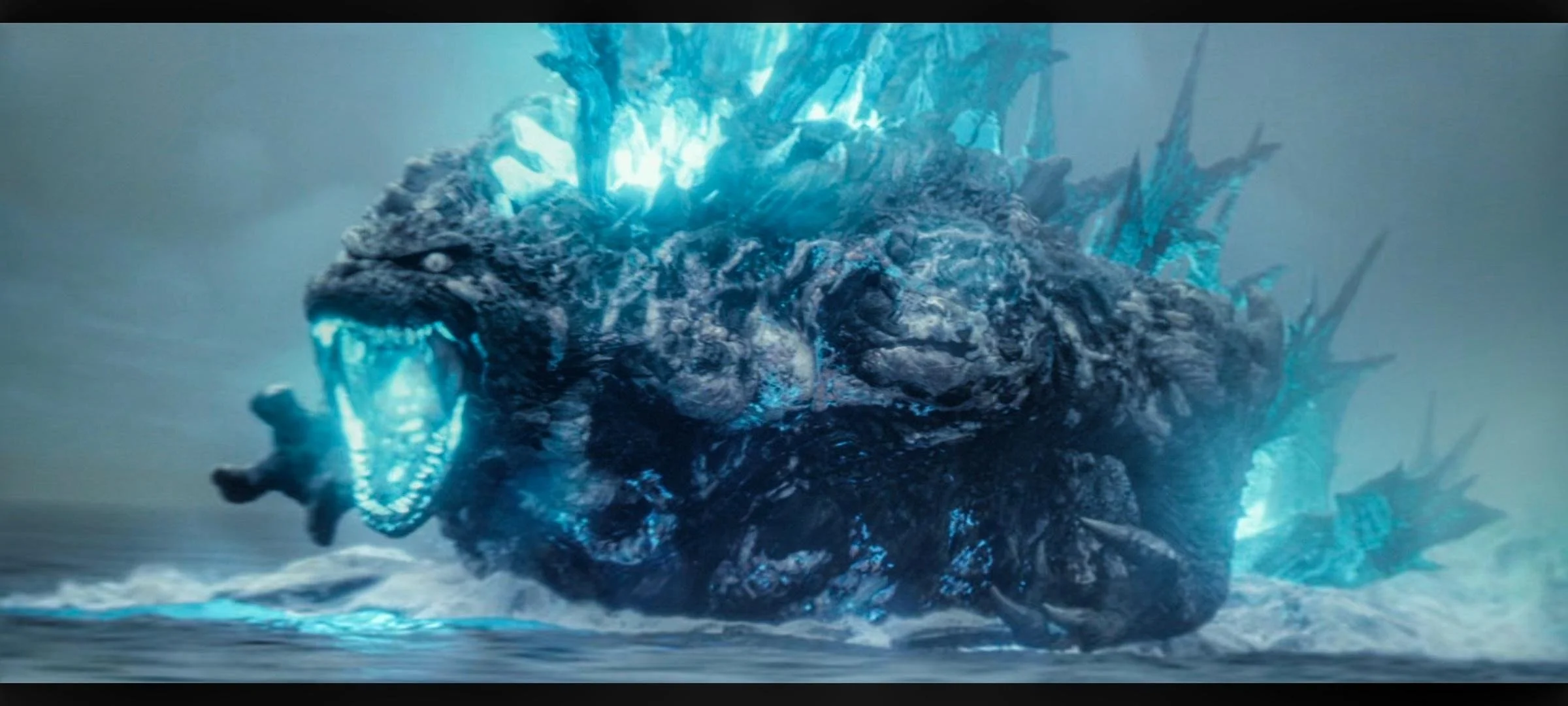
Made with a fraction of the money poured in Hollywood’s mediocre attempts at reinvigorating the atomic lizard for the new century, “Godzilla Minus One” was an unexpected smash hit worldwide. Cleverly utilizing its tiny budget to promote epic spectacle, it nonetheless maintained its focus towards a character driven drama ignoring the cheap screenwriting route of human cardboards delivering boring exposition (e.g., “Godzilla X Kong: The New Empire” (2024)) amidst all the city destruction. Hollywood executives, take notes.
Placing Godzilla at the end of the World War II and Japan’s unconditional surrender and eventual recovery from two atomic explosions was a smart move. “Minus One” refers to the situation which the Land of the Rising Sun found itself after one of the worst conflicts in human history that involved colonization, war crimes and humiliation.
“To have never gone to war is something to be proud of.”
The Kaiju himself appears sporadically used as a catalyst for the post-war life of our main character, Kouichi (portrayed by Ryuynosuke Kamiki who is Soujiro from the “Rurouni Kenshin” (2012-2021) films) who is deemed a “coward” kamikaze pilot by the wartime Japanese standards. Suffering from survivor’s guilt and post-traumatic stress disorder, Kouichi finds two orphans like himself - a girl of his age and a newborn baby - in a ruined Tokyo, forming a rather unconventional family. And this is where “Minus One” really takes off. Tackling skillfully the complex themes of familial bonds, survival and mental illness amidst a gigantic lizard wreaking havoc should not have worked but Yamazaki’s ability to poignantly weave together emotion and action is commendable. Leaning heavily on its cast and their interaction - ranging from finding work to caring for the sick - Yamazaki excels at making his audience feel the esoteric and powerful warmth that only a family can offer.
The story treats Godzilla as a force of nature, a towering, devastating hurricane of gigantic proportions that lays waste to its path without a purpose. There is a Spielbergian approach to Godzilla’s infrequent appearances; his first nightly appearance has a “Jurassic Park” (1993) feel to it while an extended naval face off with a boat is pure nightmare fuel for those who are thalassophobic reminiscing Spielberg’s other famous monster movie, “Jaws” (1974).
Besides the cast (notice Munetaka Aoki, another veteran of the “Rurouni Kenshin” franchise), the real star here is the inventive special effects (e.g., Godzilla’s spikes extending as he charges his neon-colored, atomic breath is a nice touch) which rightfully won the Academy Award. The King of Monsters resembles its more traditional and Japanese-based design which boasts a modern twist and when he walks or stands tall, you really get a sense of the film’s scope, something that is lacking from the more recent American counterparts. A Ginza walk off captures accurately the frenzy and the ensuing chaos of a creature of this size roaming free with stunning scenes of mass destruction which bear more soul than all the recent city devastation Hollywood flicks put together.
Although there might be an element of soft nationalism and an almost hagiographical presentation of a post World War II Japanese society, “Godzilla Minus One” successfully transcends the titular character in contemporary cinema, granting it a new, extended lifeline.

More like Godzilla +100
+Inventive special effects
+Awe inspiring scenes of mass destruction
+Scary Godzilla
+Poignant drama
+Balance between story and spectacle
+Solid performances
+Tense scenes