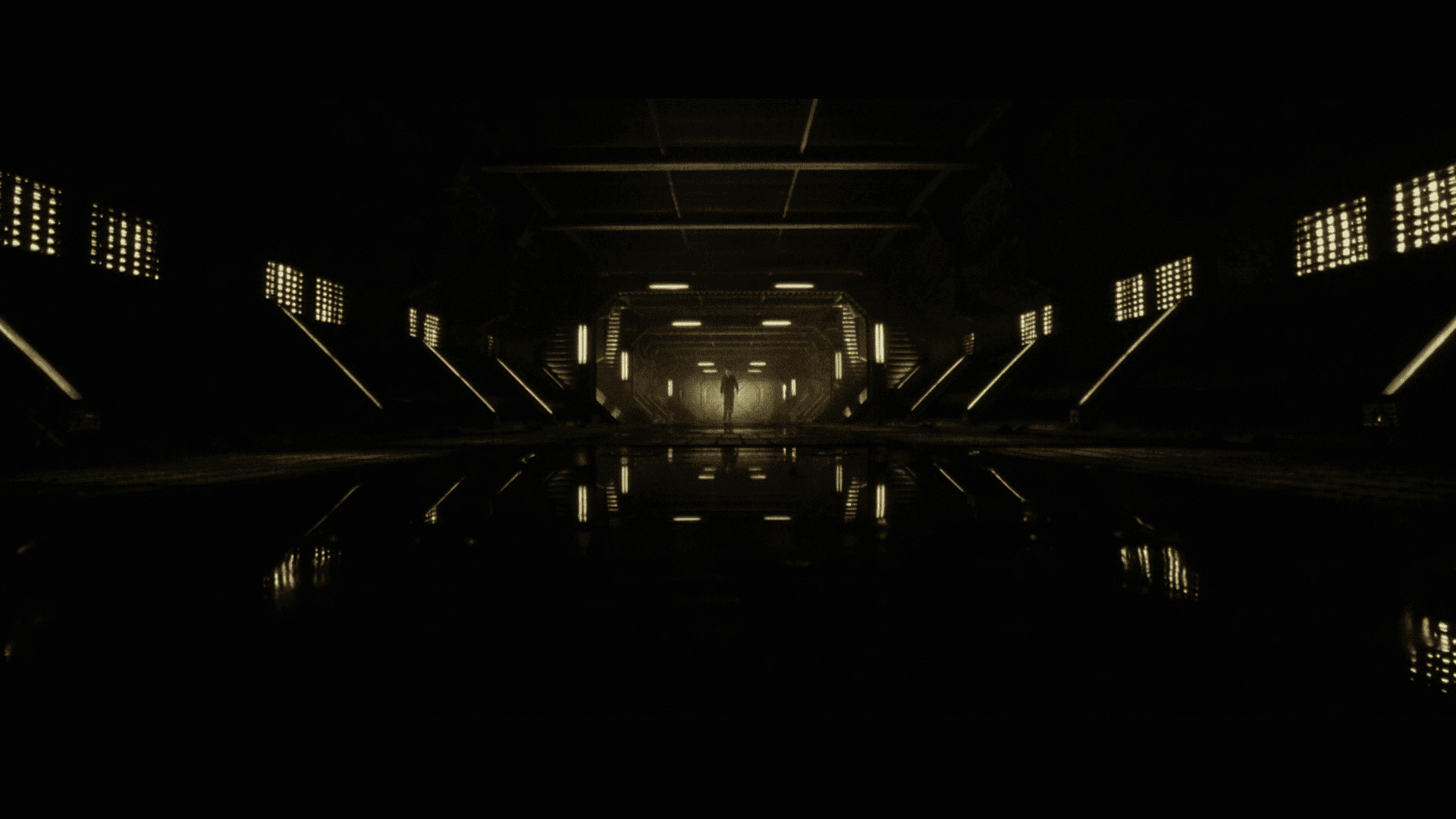
The production design of Alien Resurrection (1997)
Director: Jean Pierre-Jeunet
Production designer: Nigel Phelps
Summary
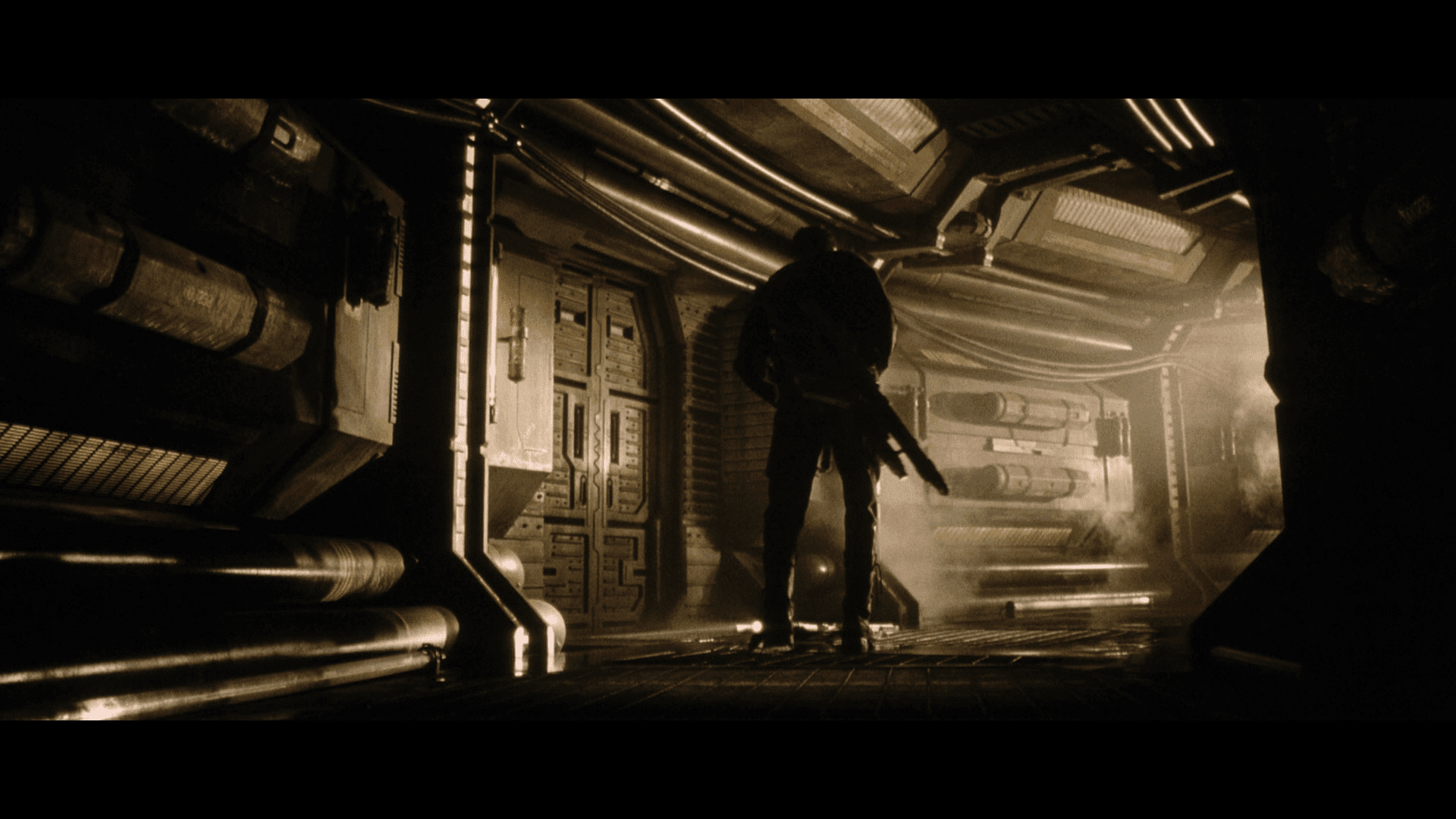
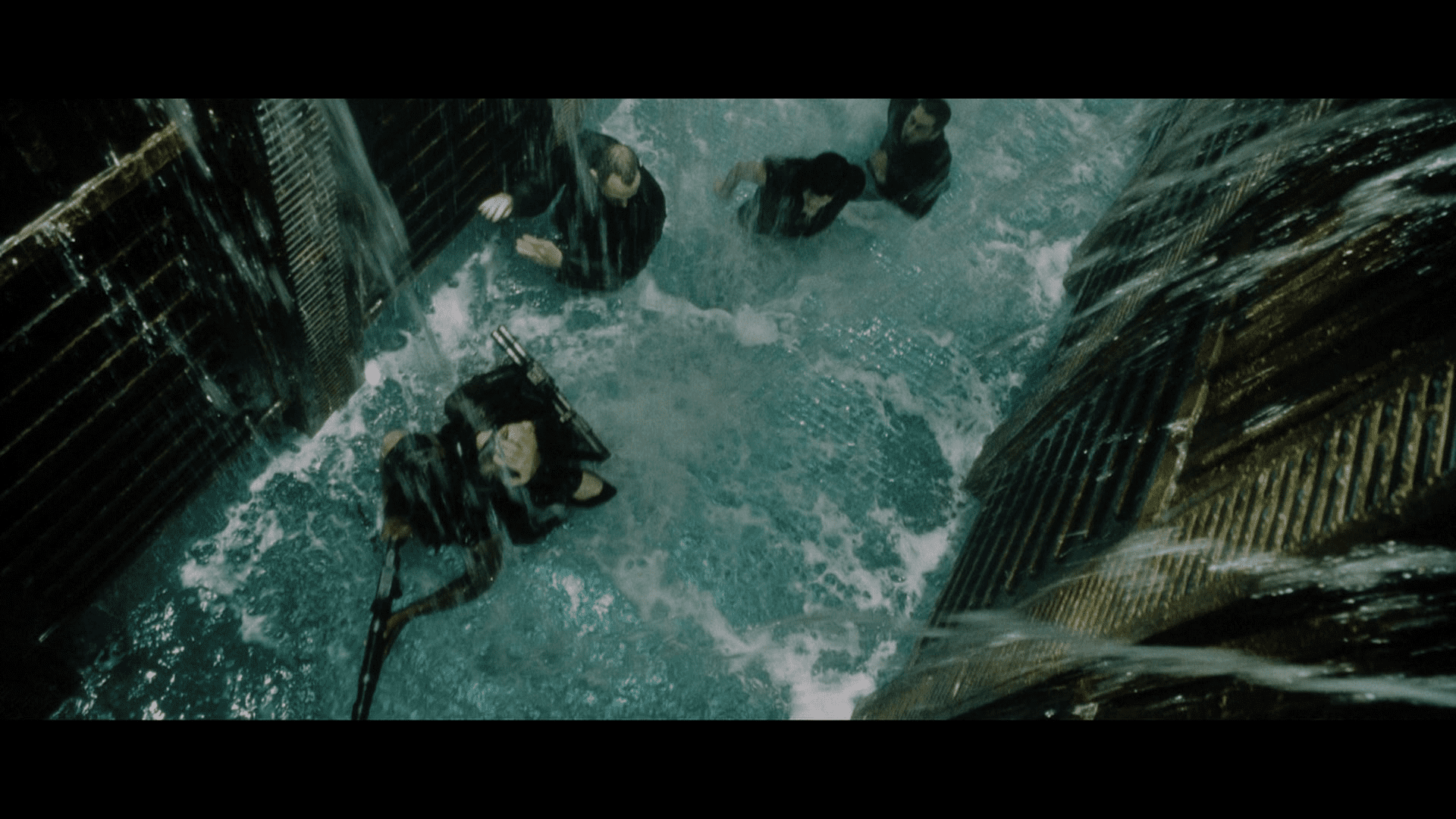
An under-appreciated entry in the Alien franchise (1979-2024), Jean-Pierre Jeunet’s sequel has some of the best visuals ever put on screen. Production designer Nigel Phelps creates a superb, bio-gothic environment with very few, strategically placed light sources moving away from the retro-futurism of the first two films and the raw, bleak aspects of Alien 3 (1992). The level of detail is stunning, bringing to life the industrial vastness of USM Auriga and its unique look that does not tie the movie optically with a specific era.
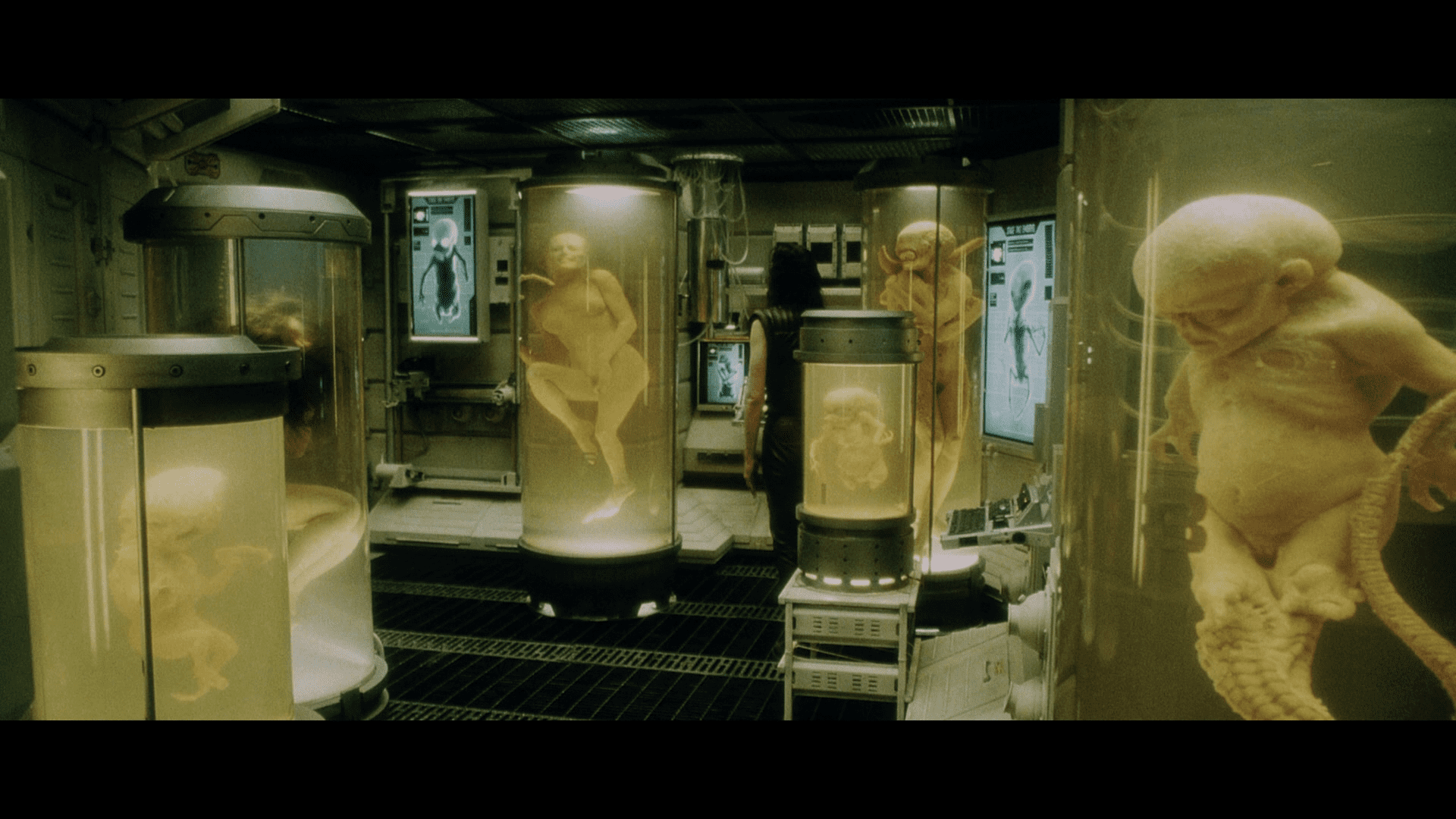
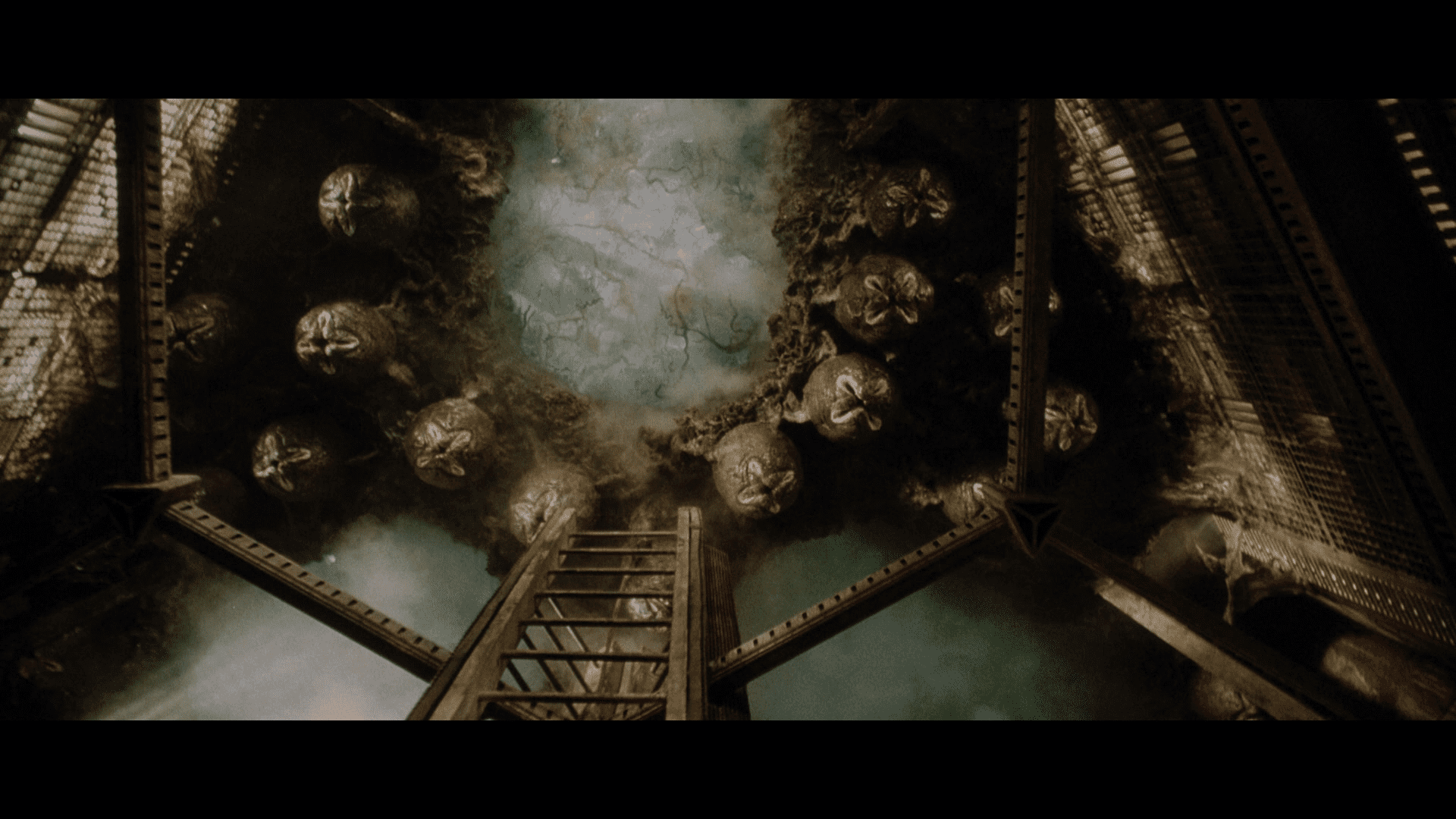
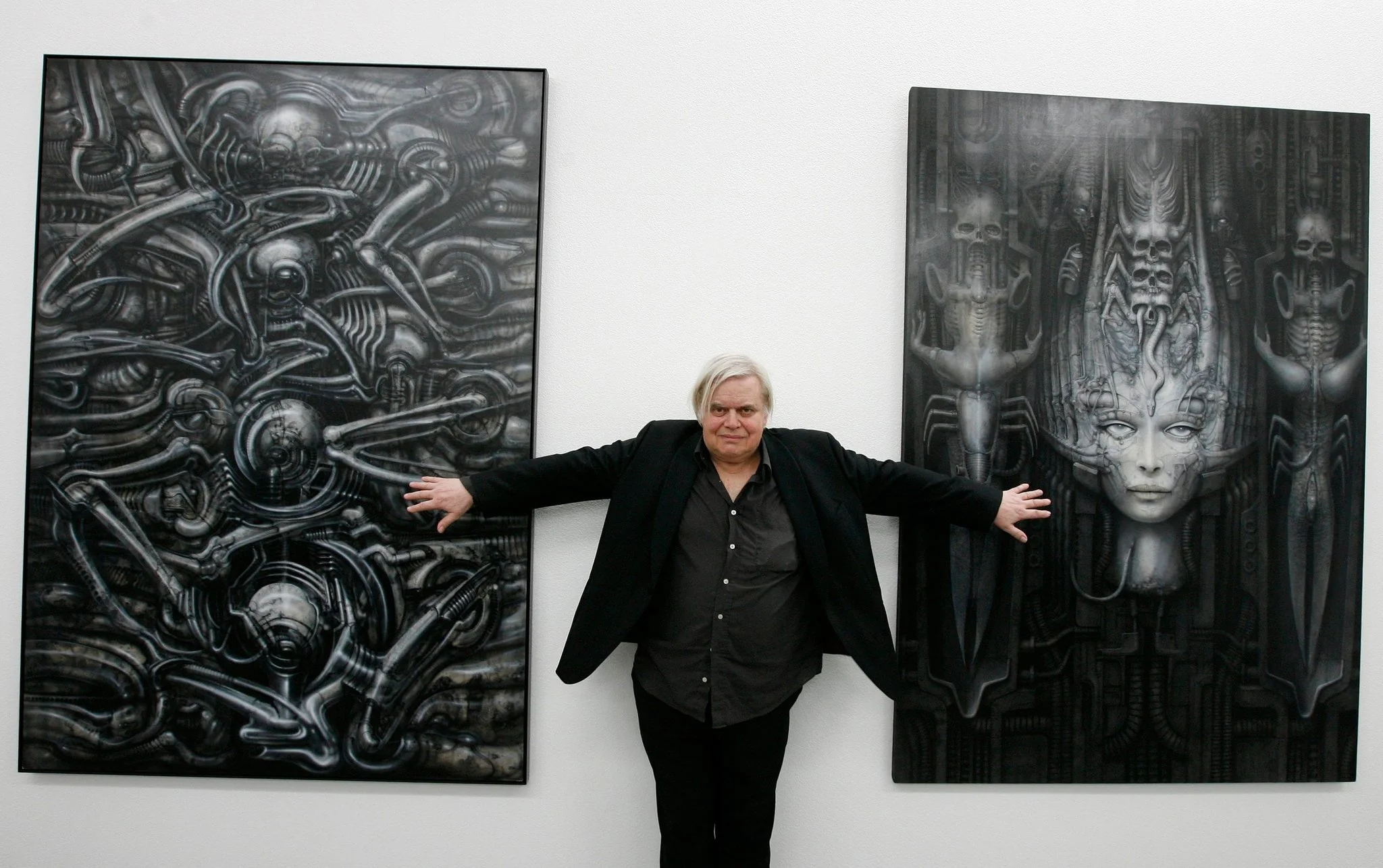
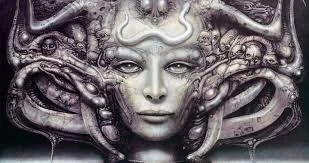
H.R. Giger’s impact is more evident in this Alien entry adding new (and grotesque) characteristics to the cinema’s most insidious monster, merging elements of technology with those of human and monstrous nature, especially towards the film’s finale. As Resurrection deals with themes of genetics and biomedicine, their influence is visible within the vast, hollow interiors of USM Auriga resembling more of a techno-gothic asylum than a military ship. There are bio-labs, cryo-chambers, operating rooms and an endless array of tunnels and corridors which enhance the medical aspect of the ship and downplay its military role. Betty - the pirate group’s vessel - on the other hand, was inspired by the look of industrial equipment, including jackhammers and forklift trucks echoing a jackhammer, exterior-wise.
After cementing himself as a unique voice in French cinema with Delicatessen (1991) and The City of the Lost Children (1995), Jeunet extends his distinctive, often surrealistic aesthetic toward the sci-fi horror genre with great success - from the visuals and the sets to the camera movement and exaggerated expression of terror. A master at giving unique spins in ordinary places of human interaction, he guides Phelps to create fascinating takes on cells of isolation, gyms, kitchens and chapels that look like sci-fi takes on Zdzisław Beksiński’s work more than reality (and practicality) based sets. All rooms can be described as cathedral-like environments; dark, cold, and isolated, and despite their size, they are nothing more than claustrophobic interiors deprived of any rich colors except for hypersaturated blues and crimson reds. Jeunet’s movie is drowned in an emetic, green and black mix that hides the presence of the xenomorphs.
Colours
Shadow, licorice, root beer, dark vanilla, white coffee, zinnwaldite brown, paste brown, Spanish bistre, smoky black, vampire black, bistre, ecru, Pweter blue, Weldon blue, liver (dogs), soldier green
Influences
The City of the Lost Children
H.R Giger
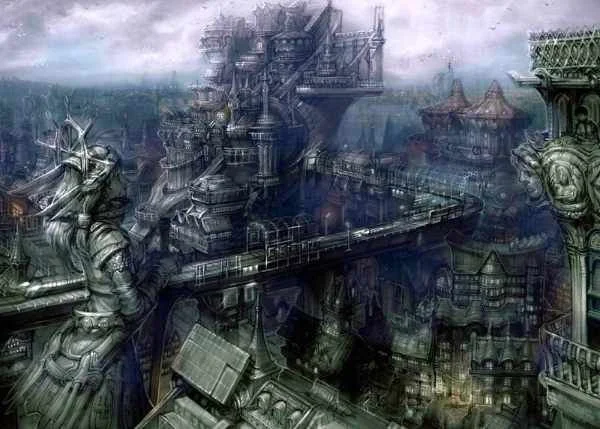
Gothic sci-fi
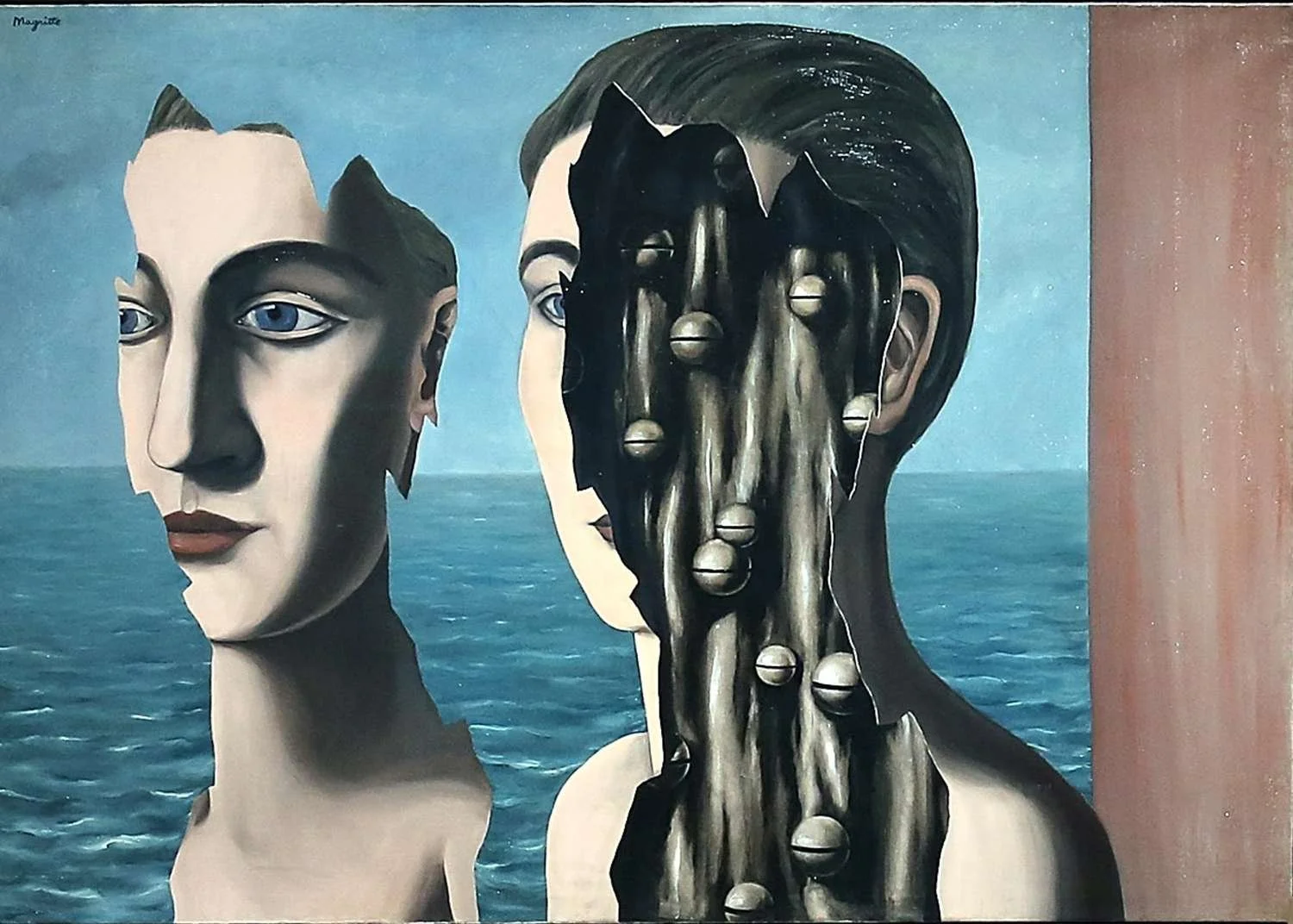
Surrealism

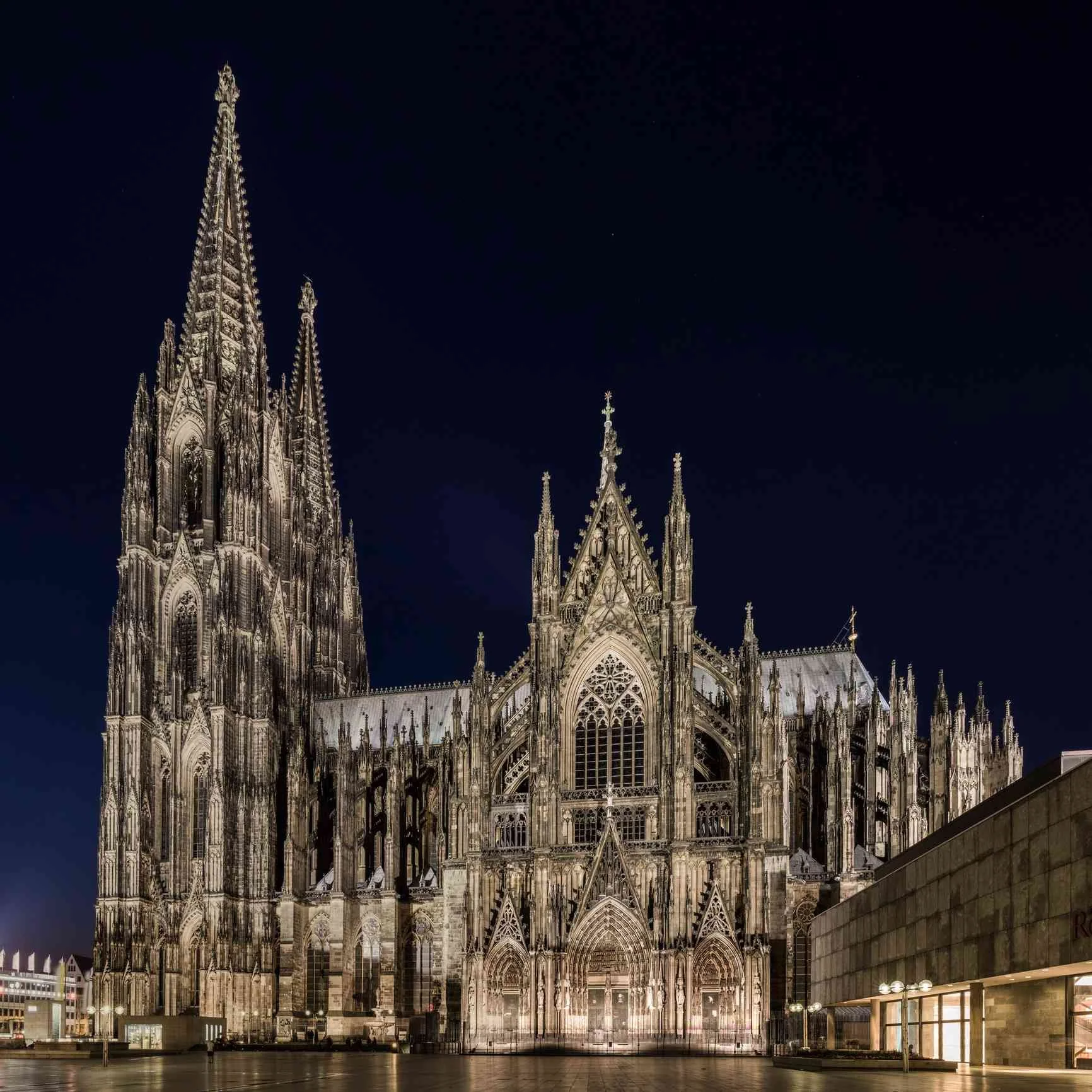
Gothic architecture
Biomechanical art