
The production design of Bram Stoker’s Dracula (1992)
Director: Francis Ford Coppola
Production Designer: Thomas E. Sanders
Summary
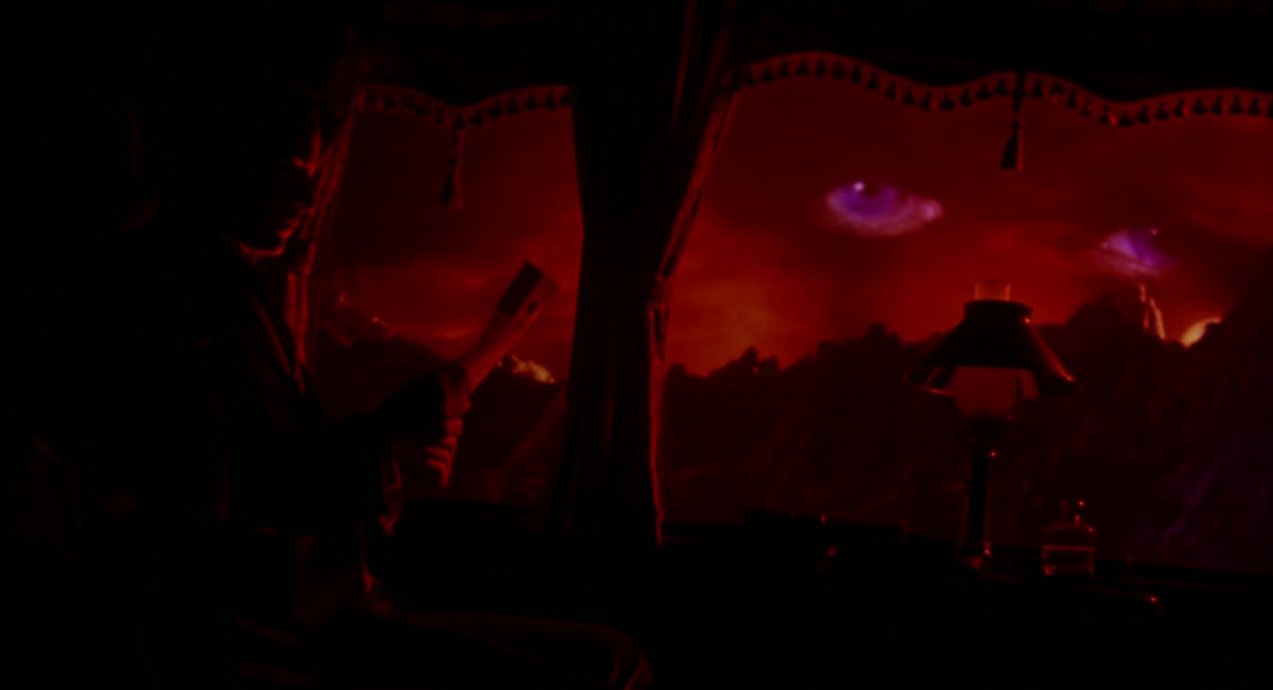
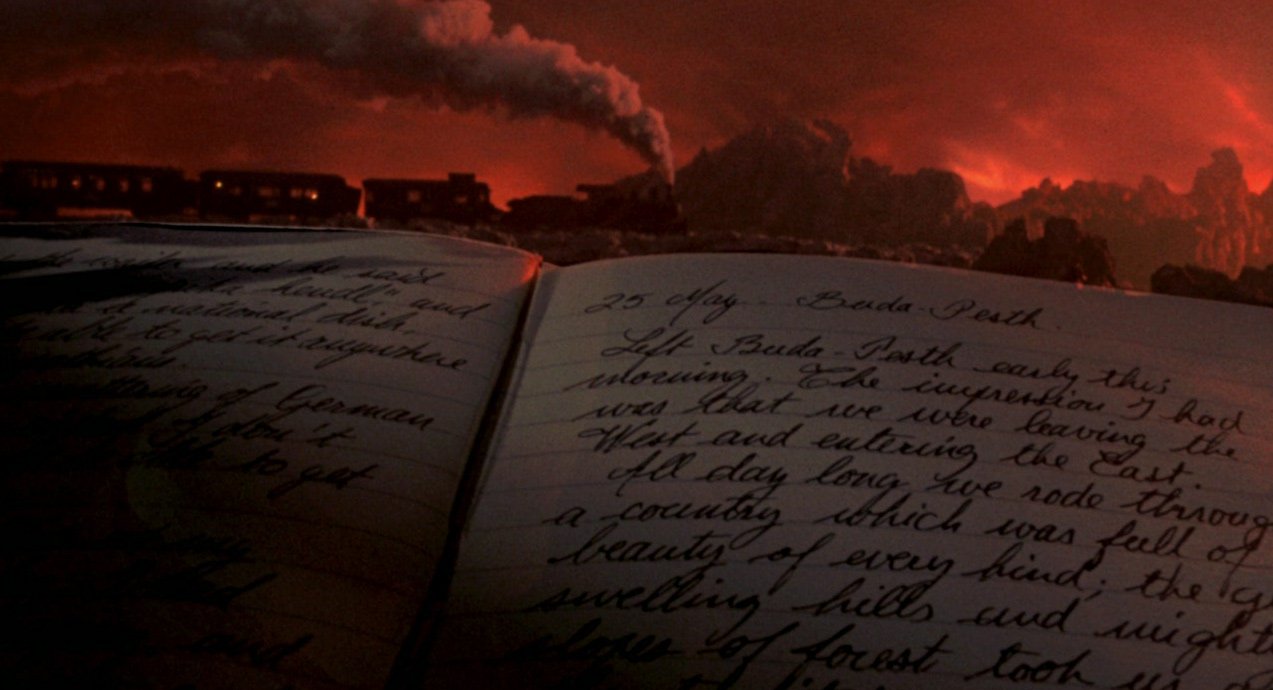
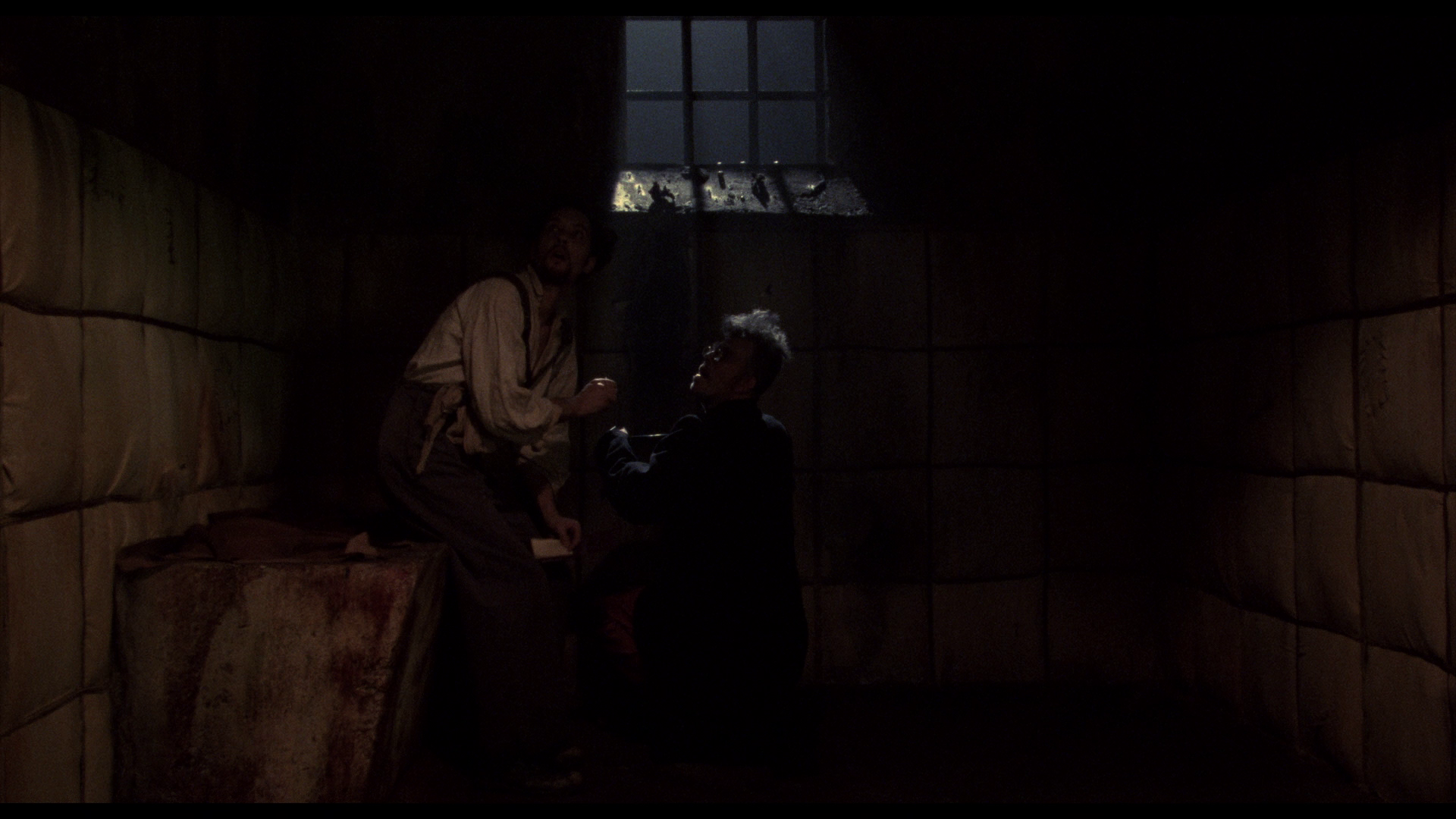
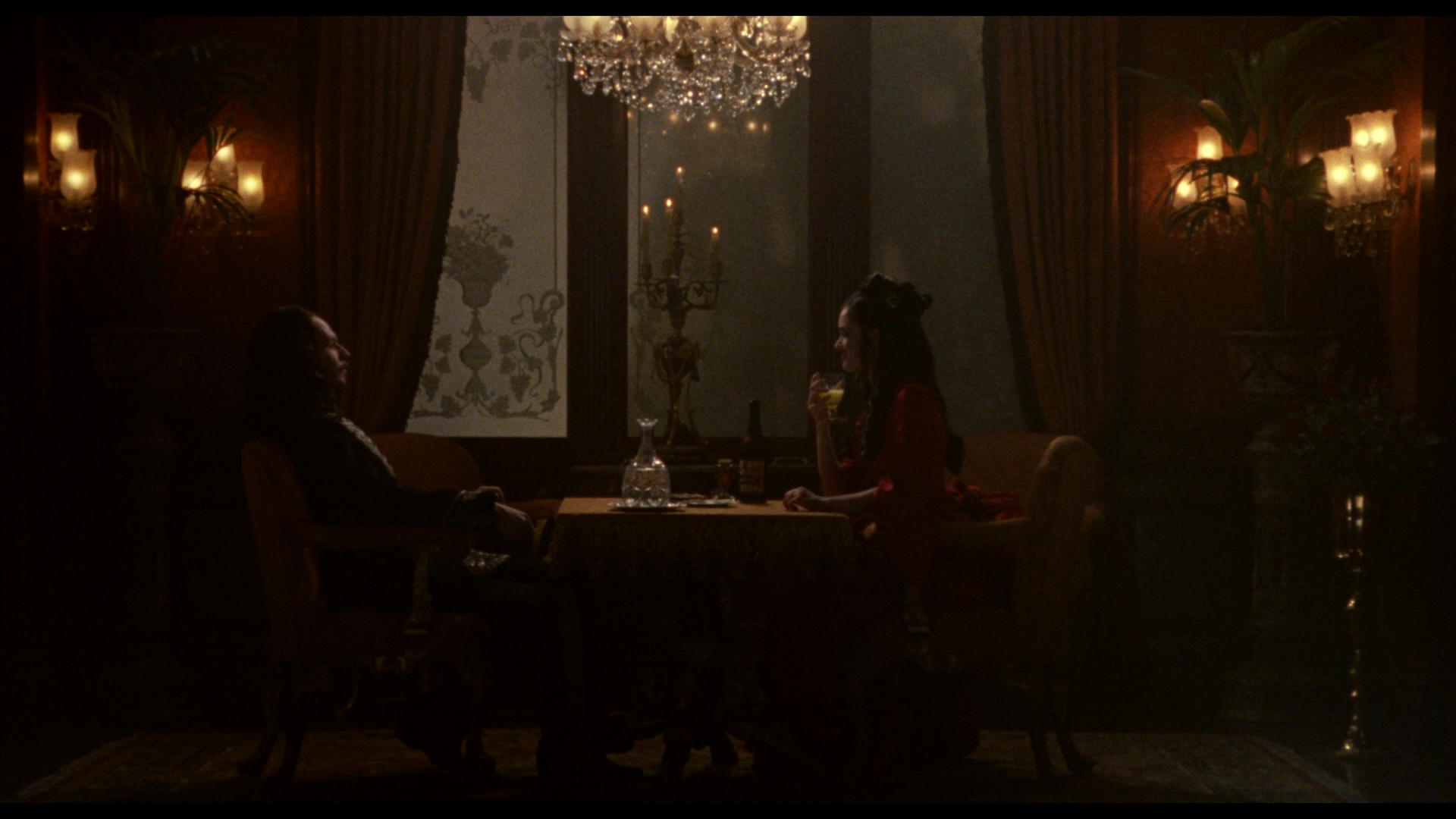
Francis Ford Coppola’s take on Count Dracula is considered the most romantic and perhaps, the ultimate one. Echoing sentiments of an opera both verbally and most importantly, visually, Bram Stoker’s Dracula is a film that relies exclusively on its aesthetic to make a strong impression. It can be easily seen as a theatrical horror motion picture that remains to this day unmatched.
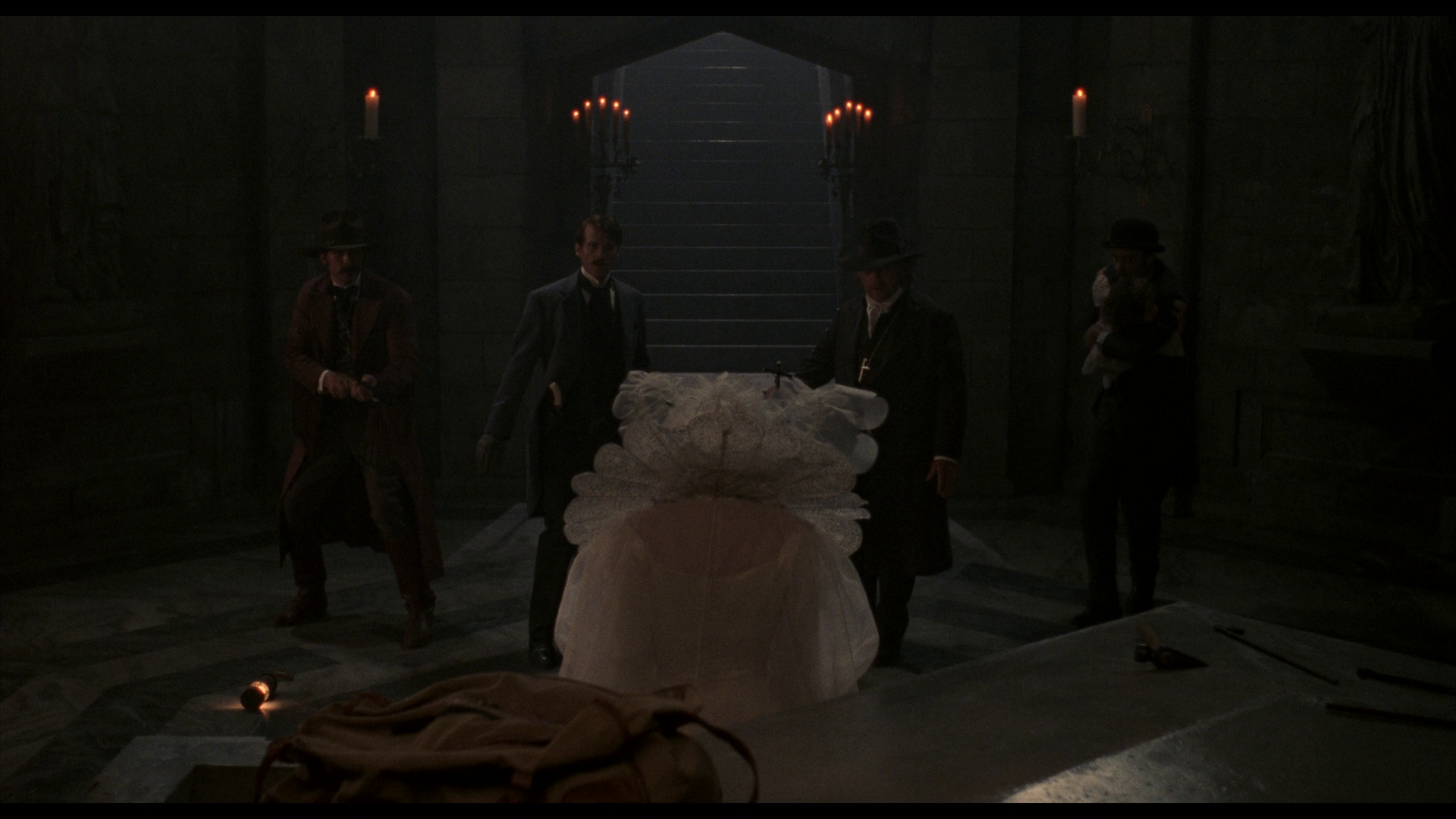
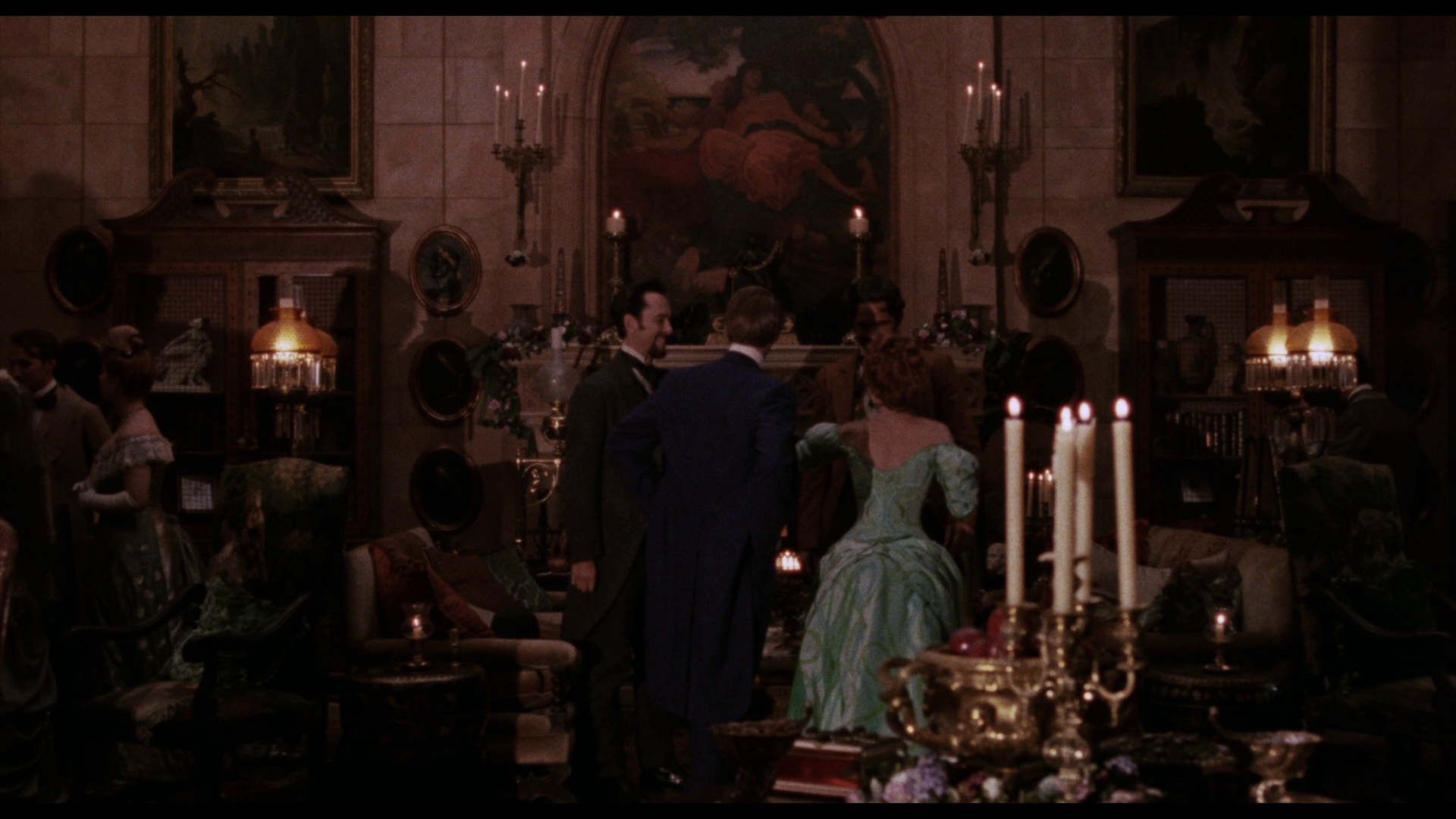
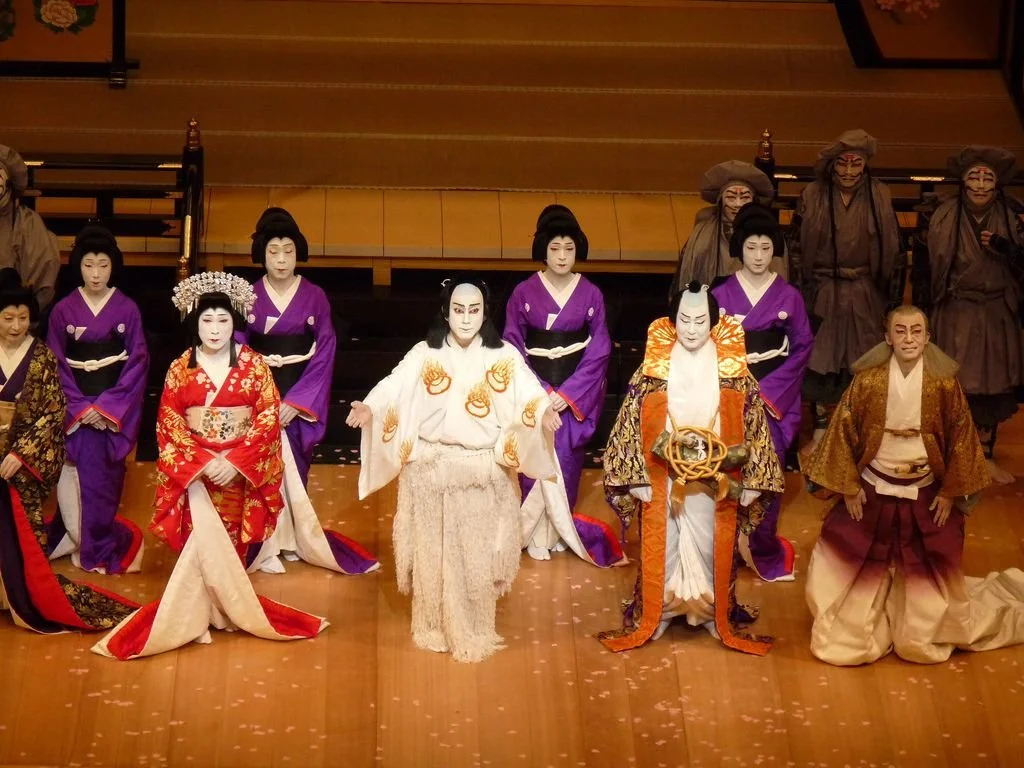
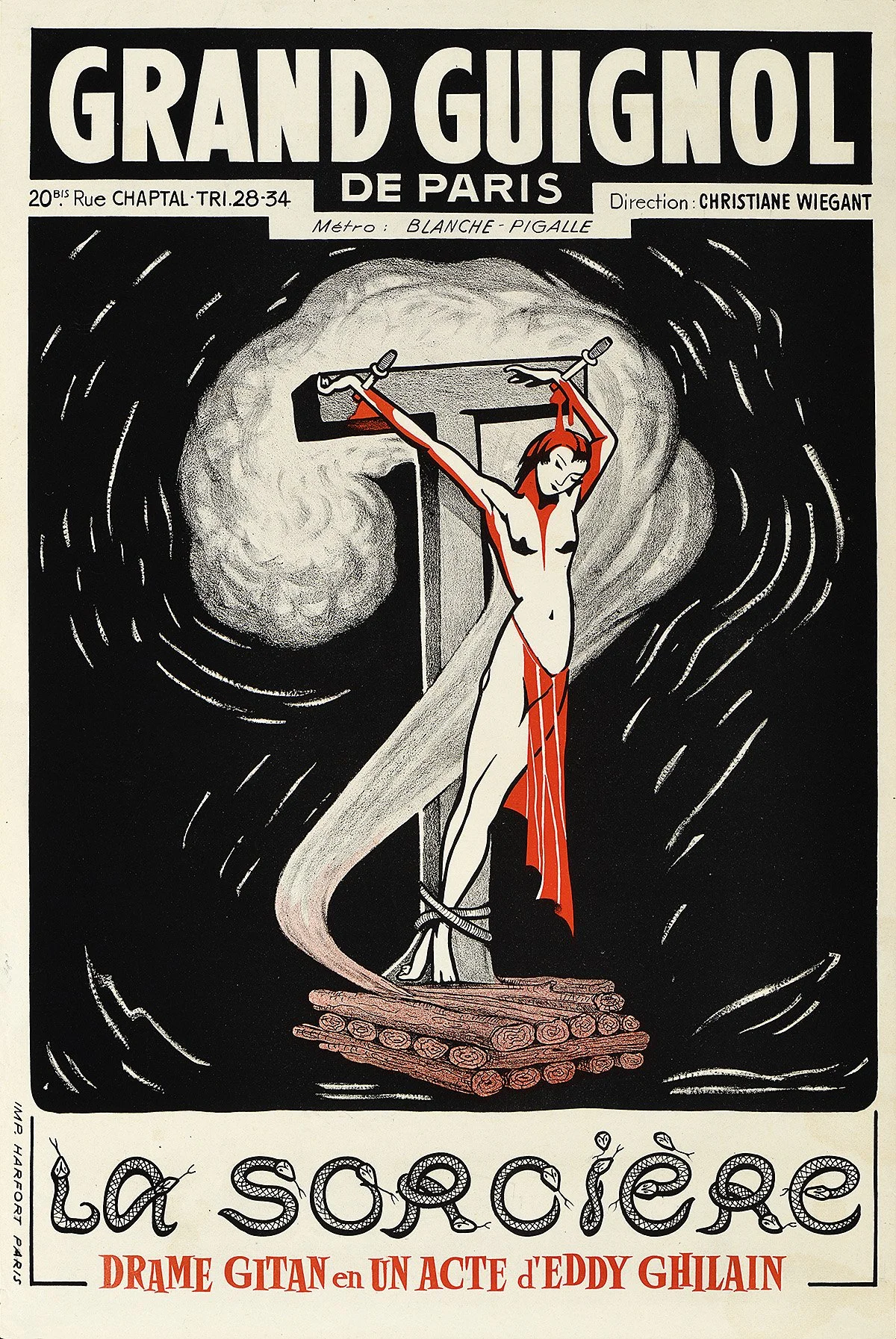
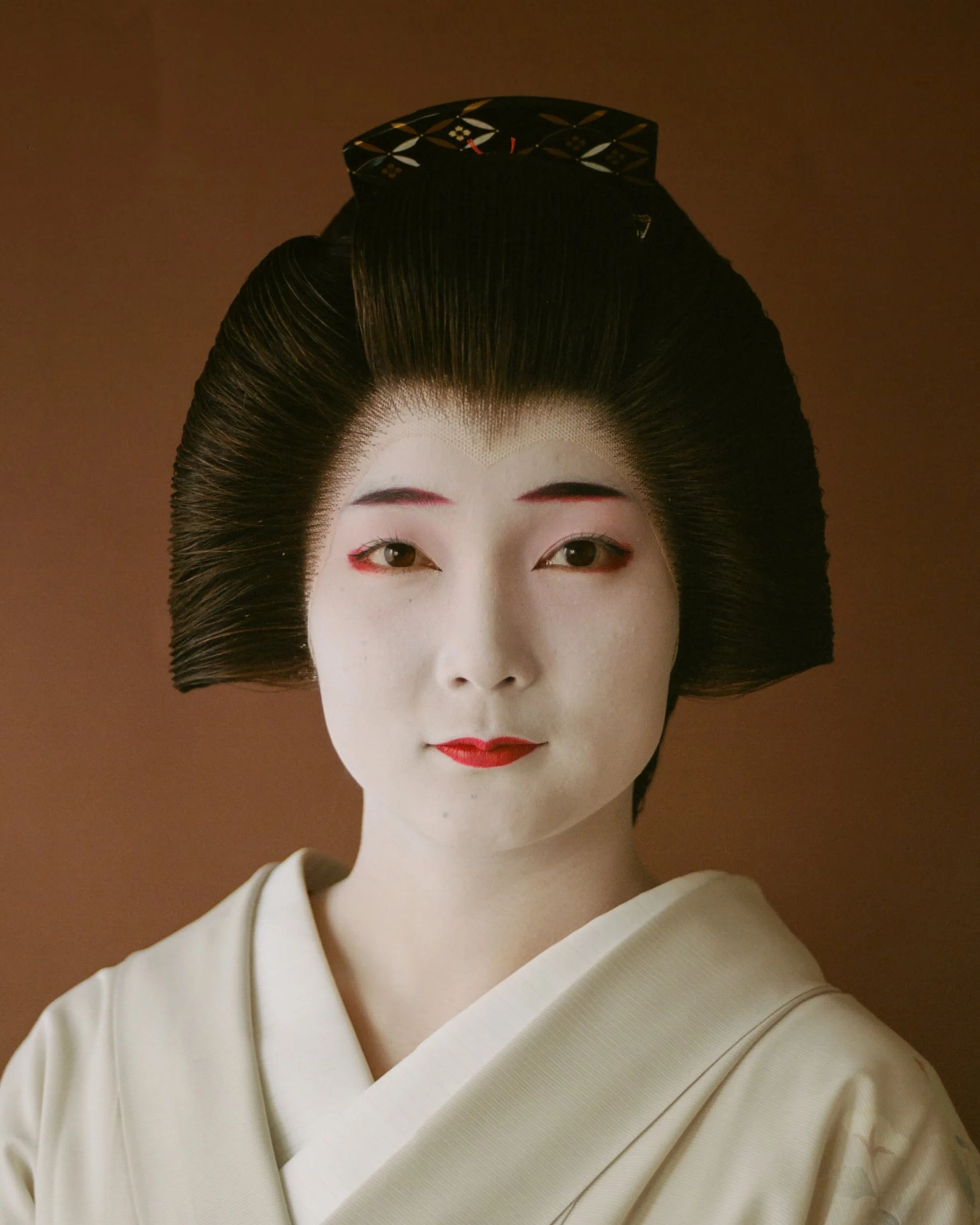
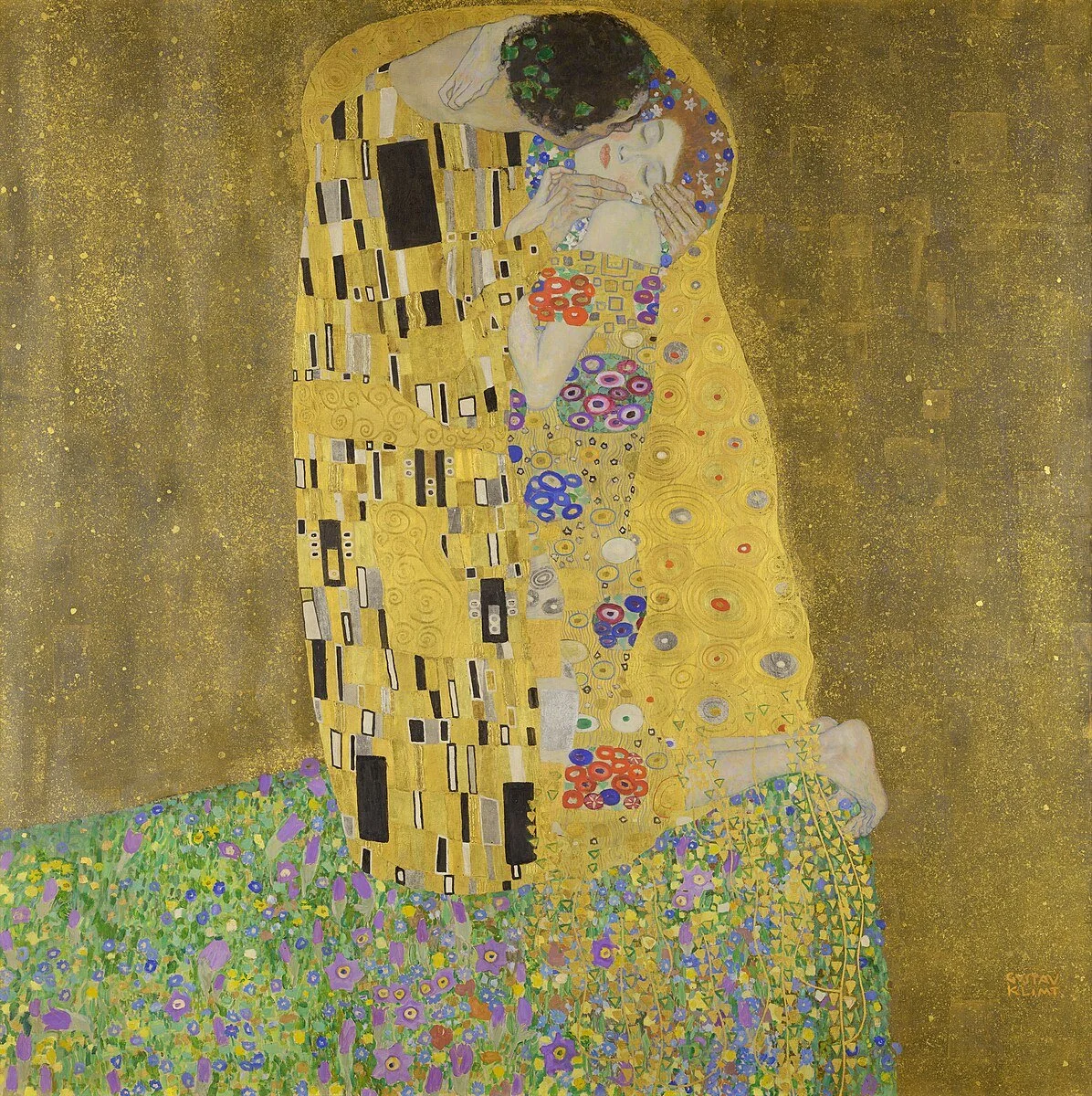
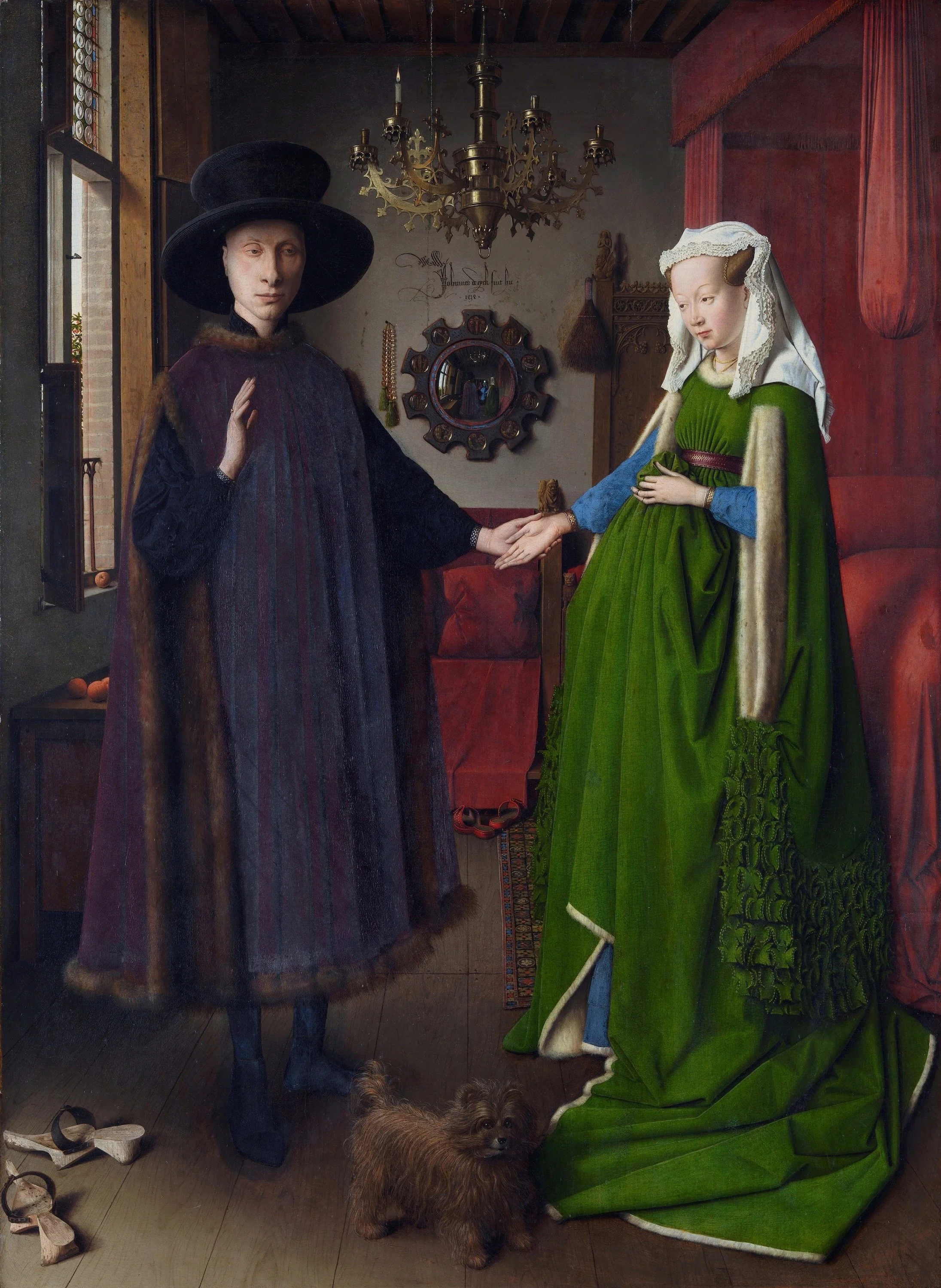
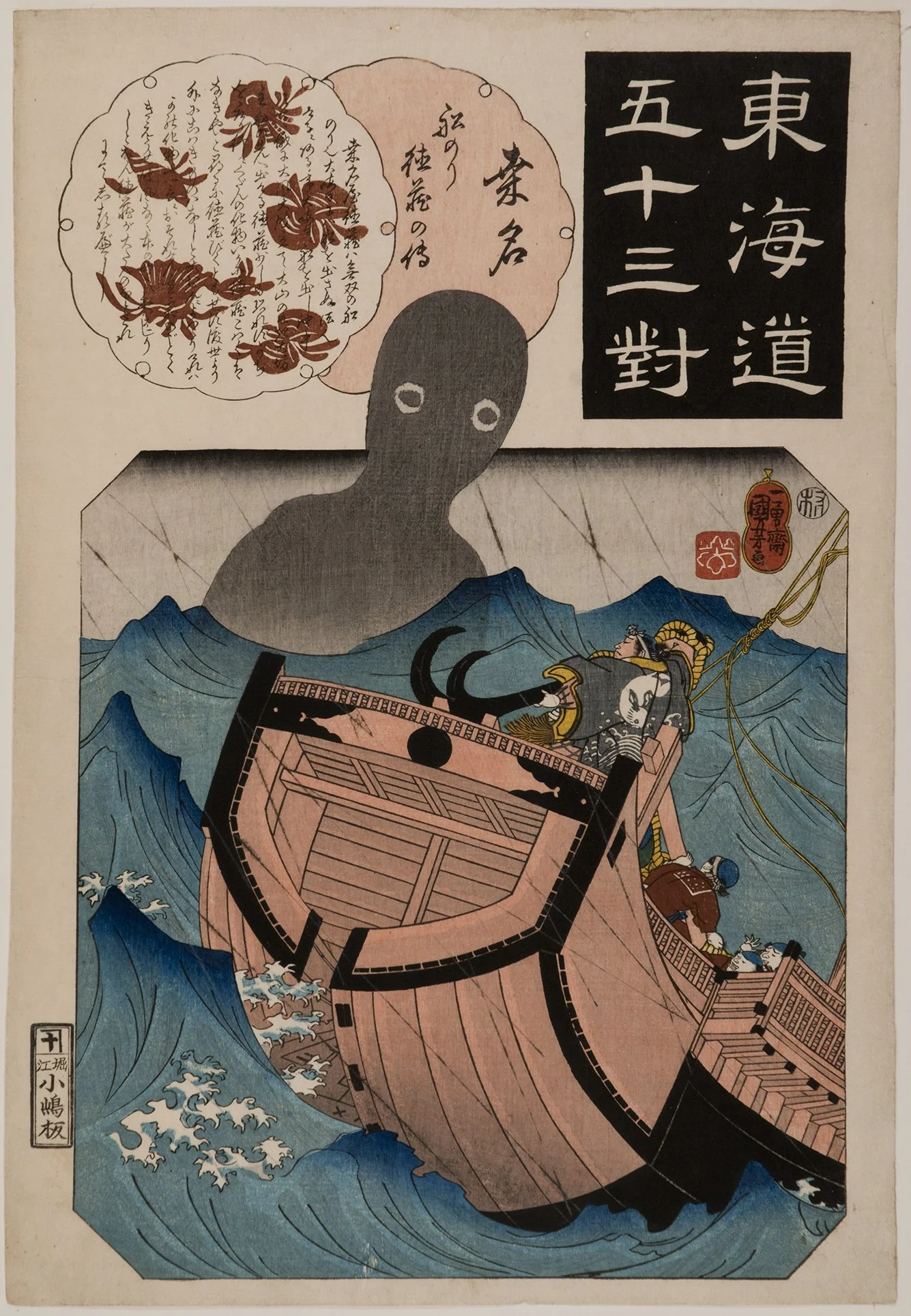
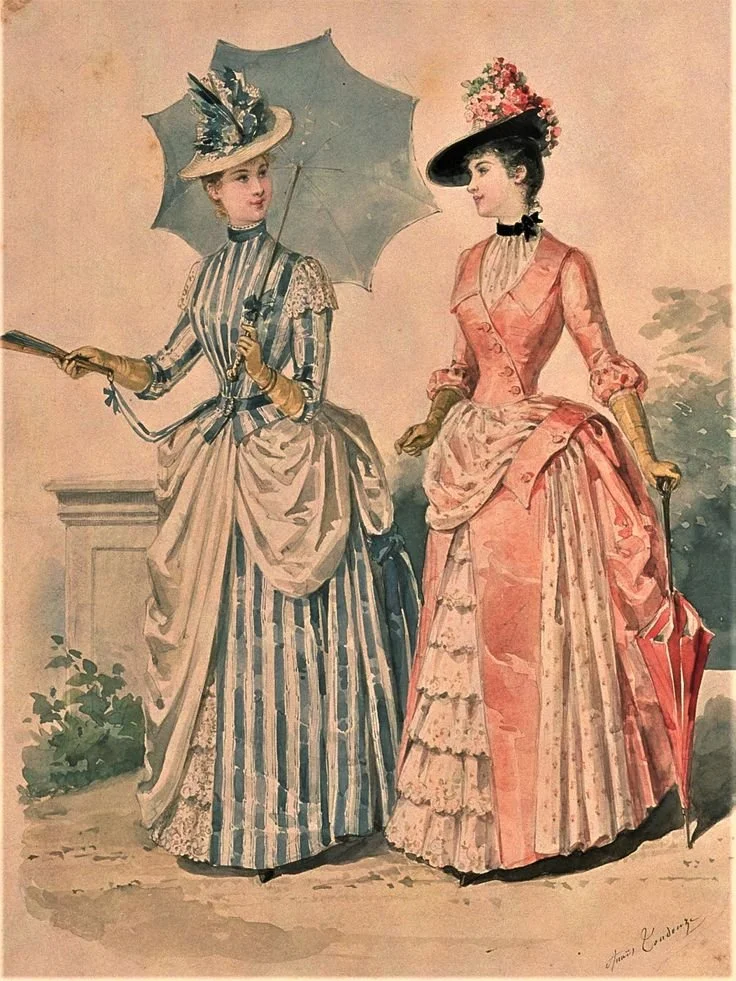
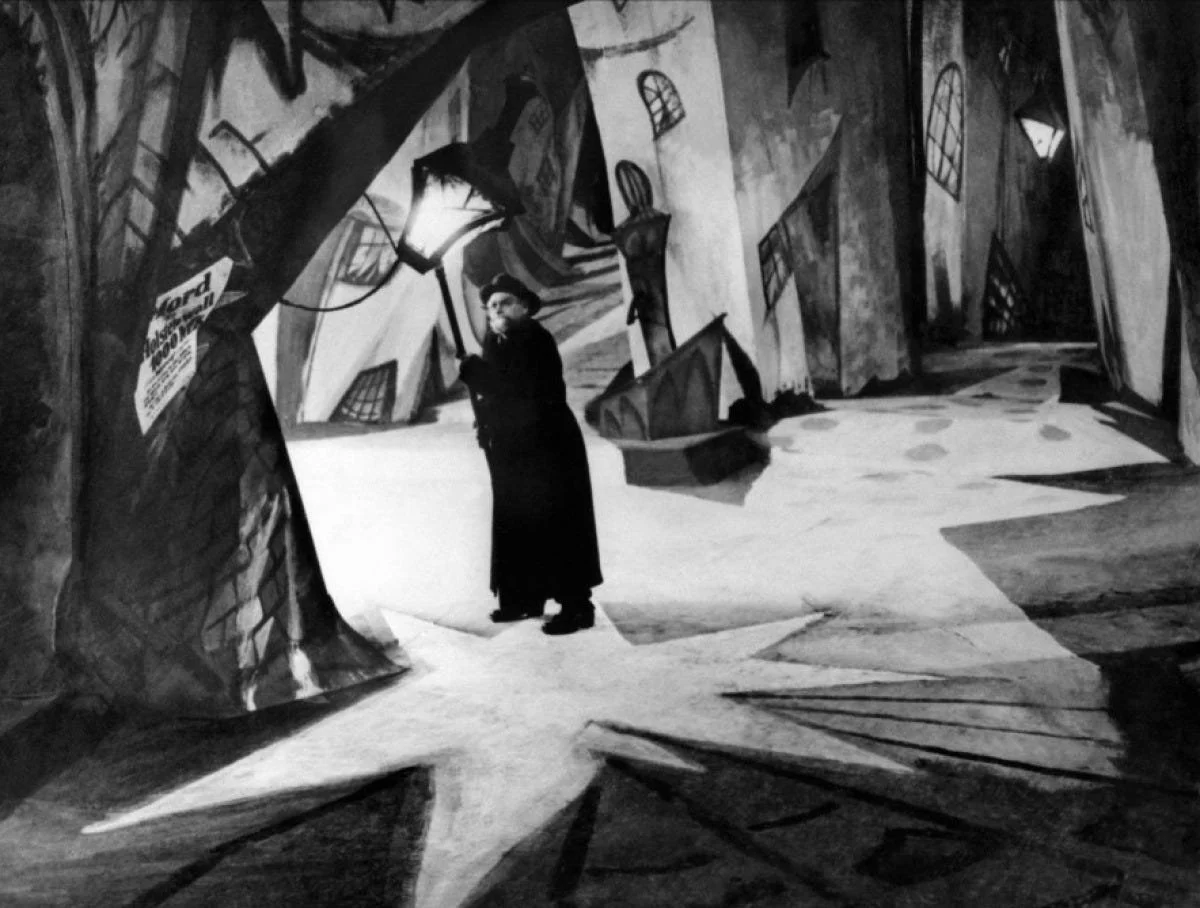
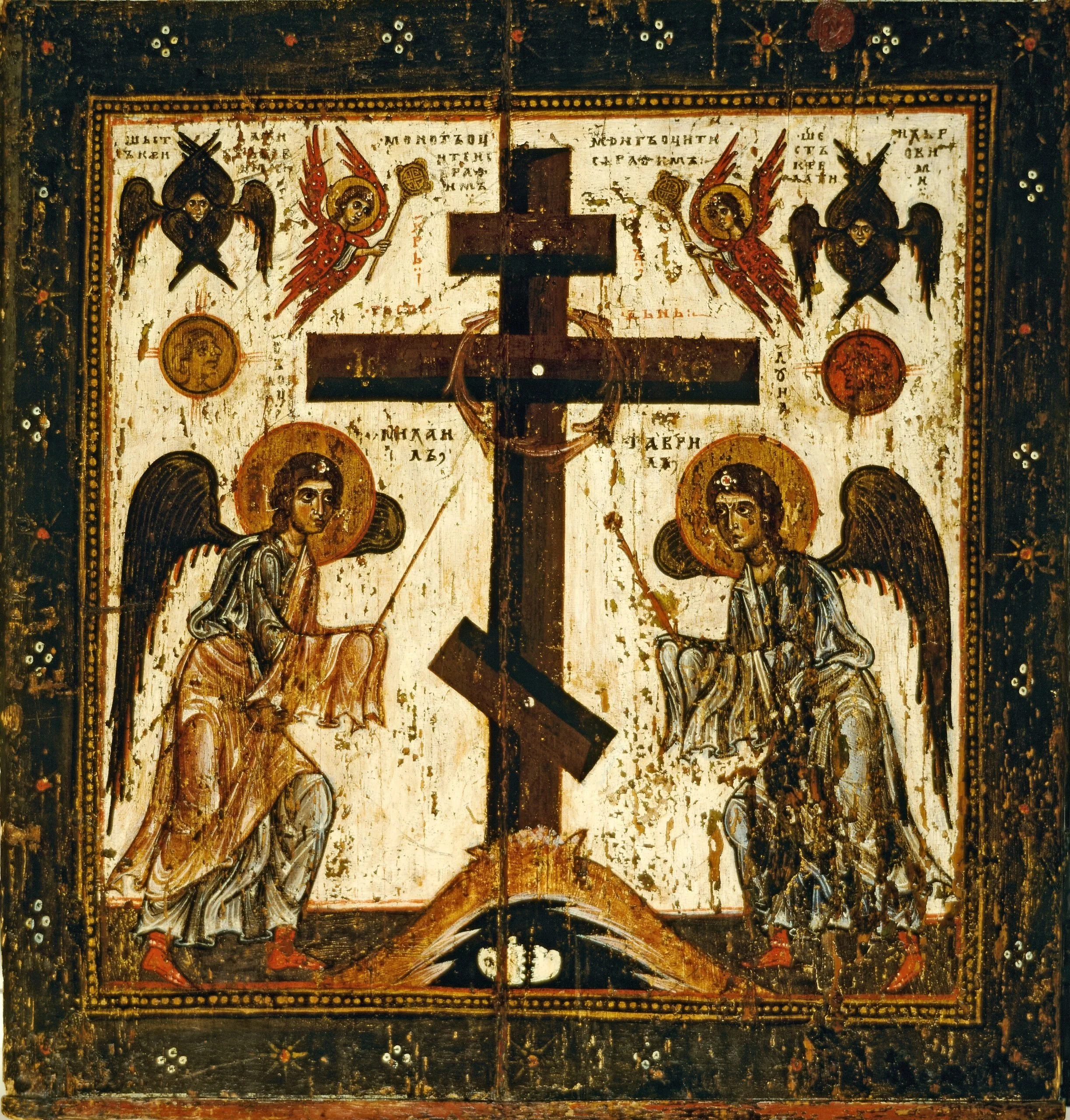
Thomas E. Sanders’ production design displays ambitiously Coppola’s vision for the most famous vampire blending together several eclectic sources of inspiration: Victorian fashion and architecture, neoclassicism, ukiyo-e paintings, kabuki theatre, Byzantine and Eastern Orthodox iconography, Geishas, expressionism, Renaissance, and Grand Guignol theatre!
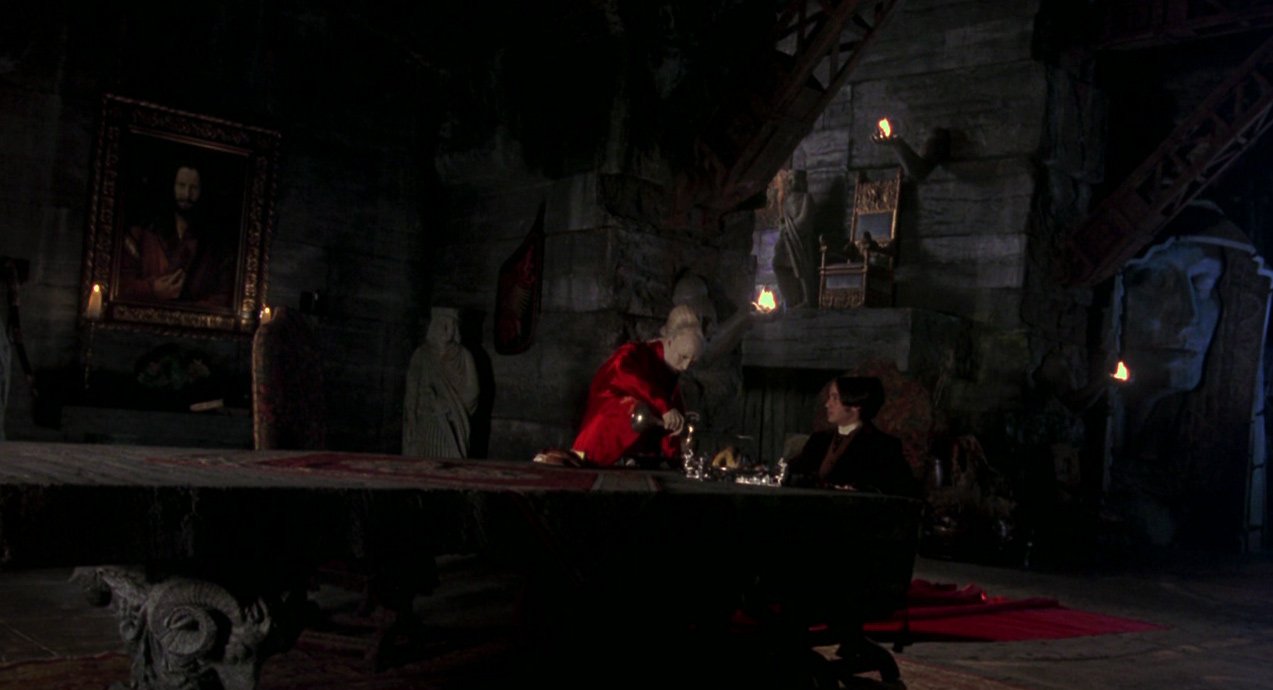
Coppola treats his Count as an anachronistic and stylish Victorian rock star, a man out of time and place in a modern world. His costumes and sets reflect that sentiment paying direct homages to famous artists such as Gustav Klimt and Frantisck Kupka. The exterior view of Dracula’s castle is designed to resemble Kupka's painting Resistance - The Black Idol while its interiors are a mix of German expressionism in their distorted angles and forced perspectives with scattered Renaissance details (the portrait of Count Dracula is a self-portrait of Albrecht Durer with Oldman’s face). Each of Dracula’s several outfits can be seen as a homage towards a movement/style (e.g., kabuki theatre) or a specific artist. For example, Dracula’s gold-plated robe looks exactly the same like the clothes of Klimt’ portraits. Meanwhile his hairstyle and make-up reference kabuki theatre and the aesthetic of Geishas.
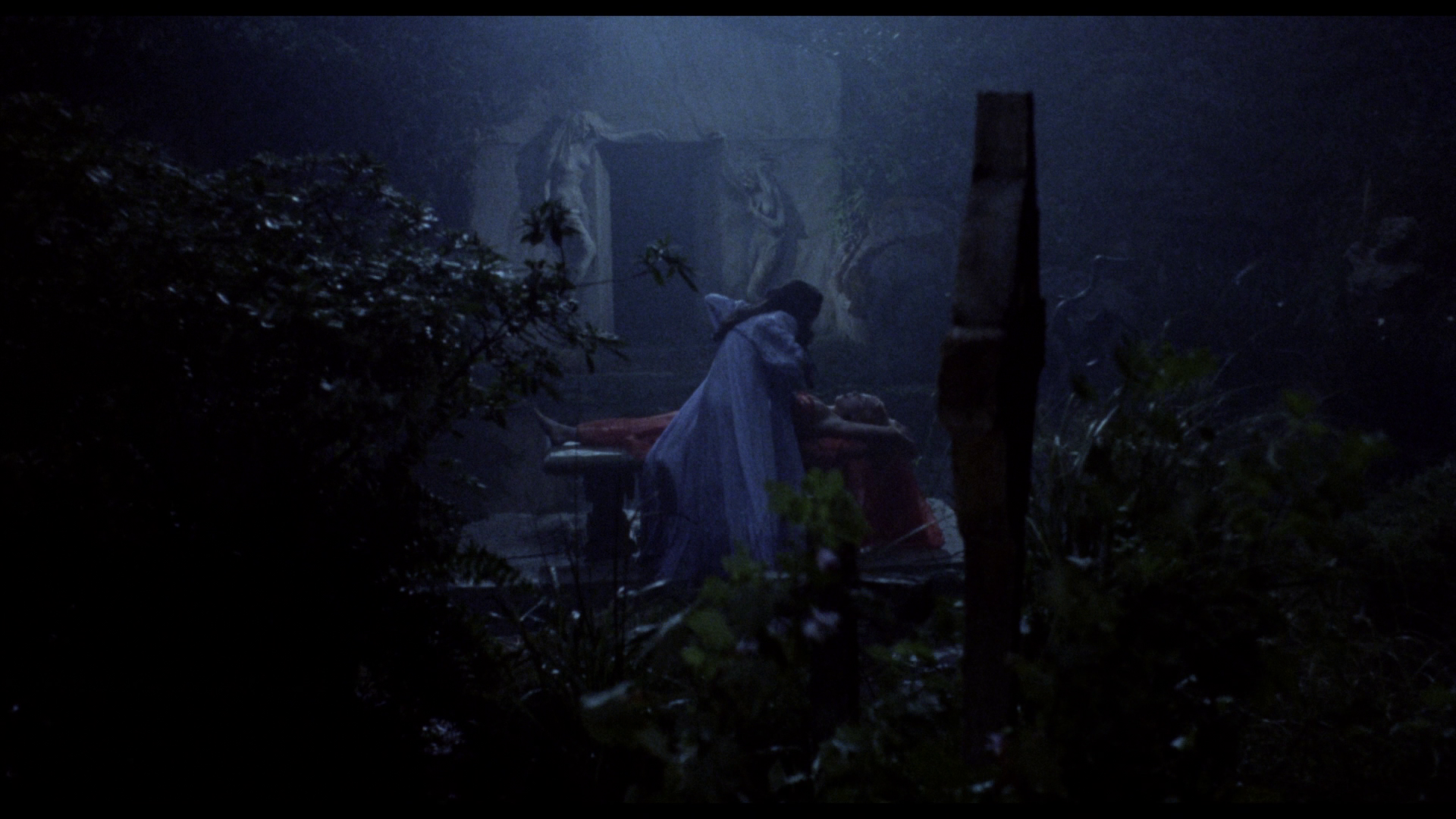
Thus, this bizarre hybrid of various visual expressions works in the film’s favour giving it a sense of a moving painting or a 19th-century stage spectacle. Elements such as neoclassical architecture (for Lucy’s resting place) or aspects of Grand Guignol theatre (the use of crimson red blood) with highly detailed Byzantine and Eastern Orthodox iconography could denigrate the film towards a kitsch level but for some strange reason, they all work giving us a movie that is nothing short of spectacular on the visual front.
Colours
Rich black, smoky black, blood red, English violet, outer space, caput mortuum, dark green jungle, dark lava, Zinnwaldite brown, black olive, maroon, Charleston green
Influences
Orthodox Christianity
German expressionism
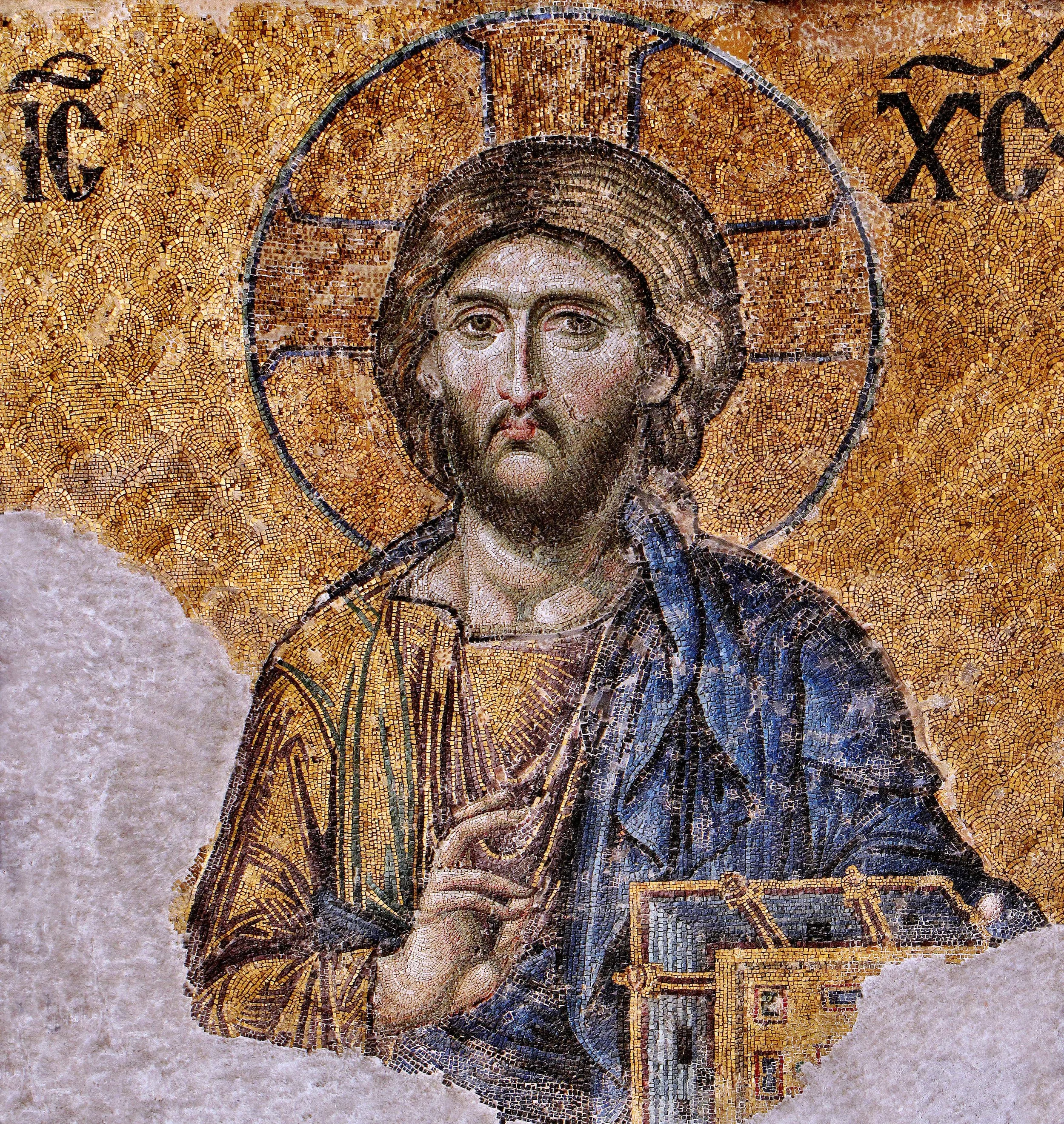
Byzantine iconography
Kabuki theatre
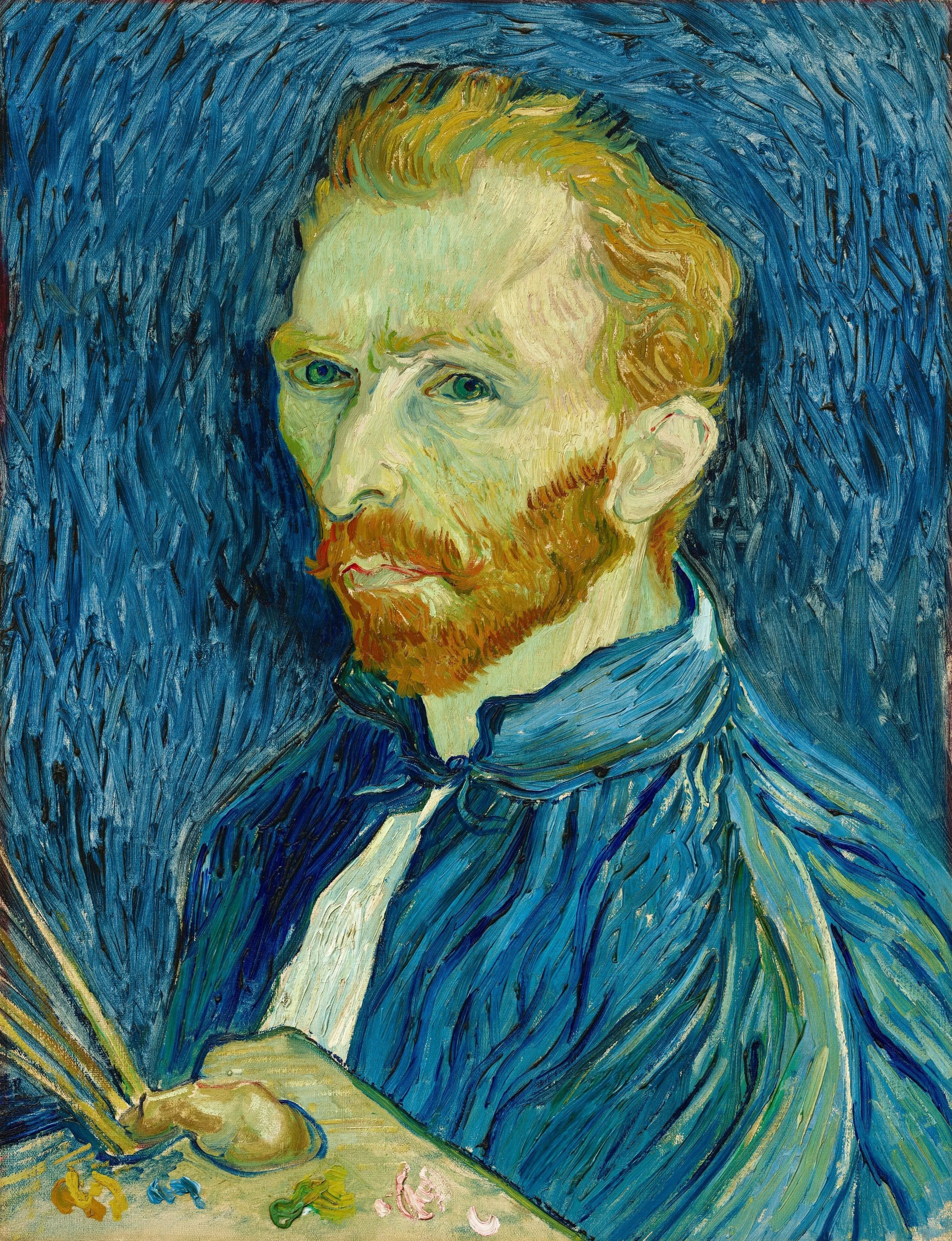
Expressionism
Grand Guignol theatre
Geishas
Gustav Klimt
Renaissance
Ukiyo-e paintings
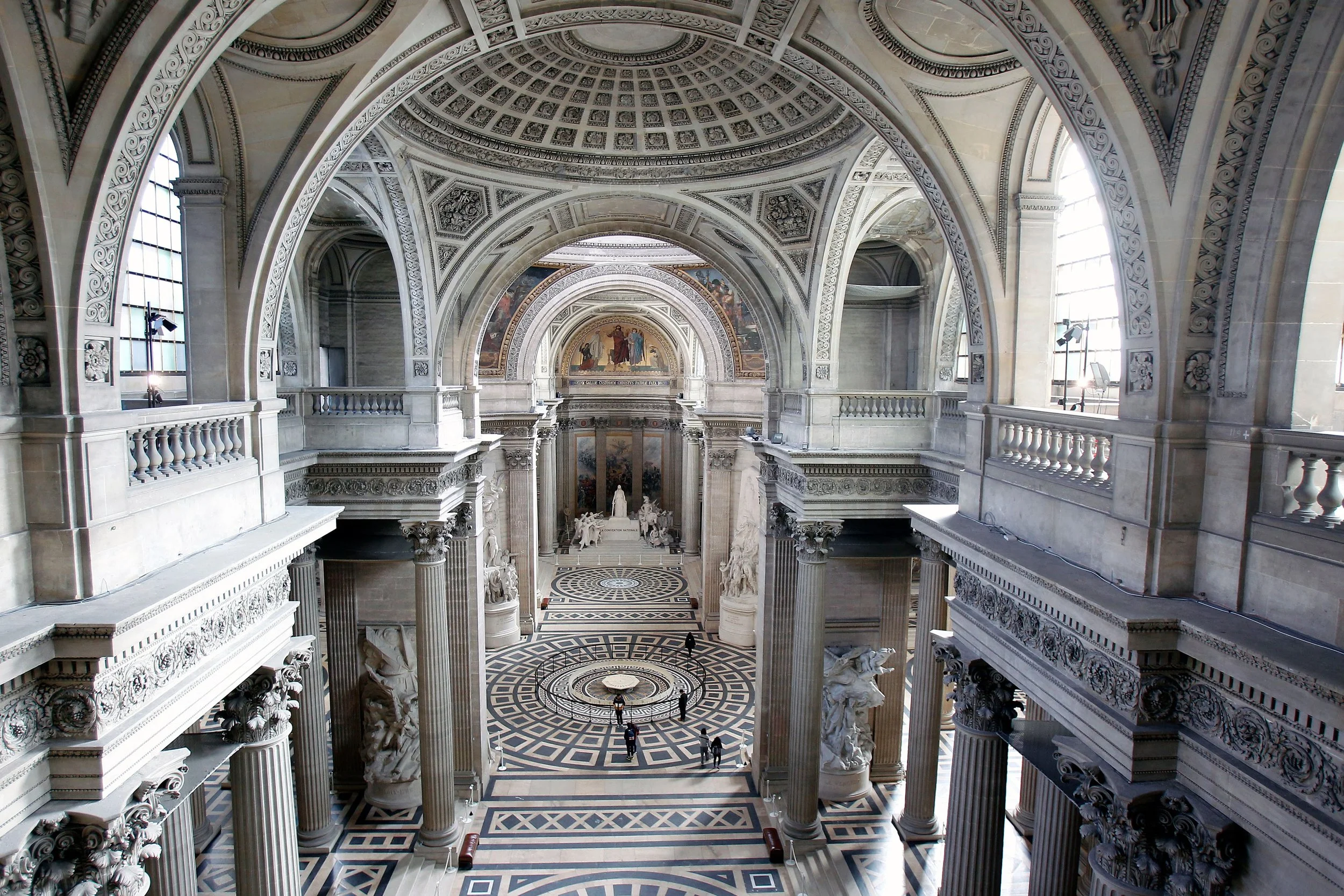
Neoclassic architecture
Victorian fashion