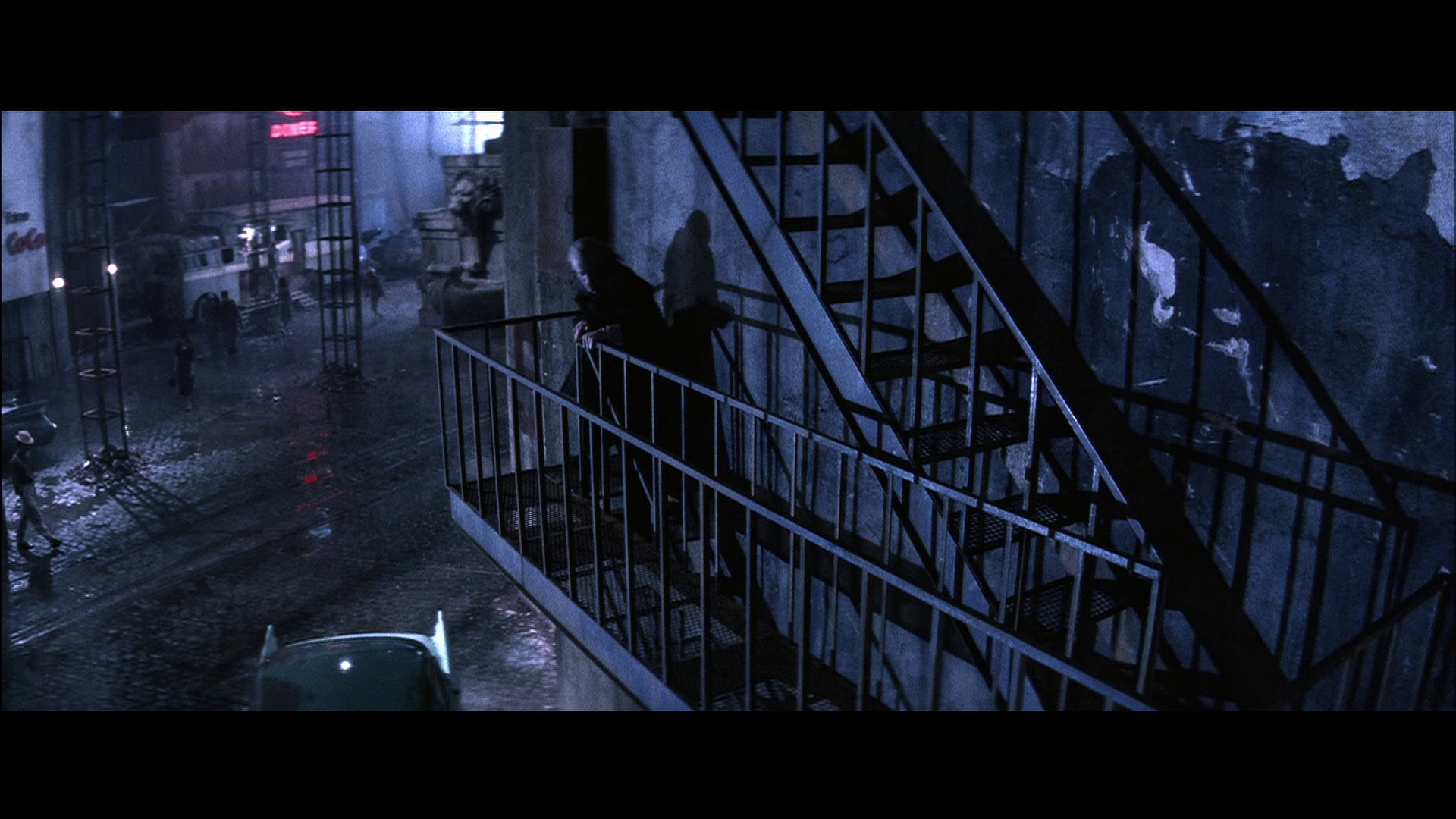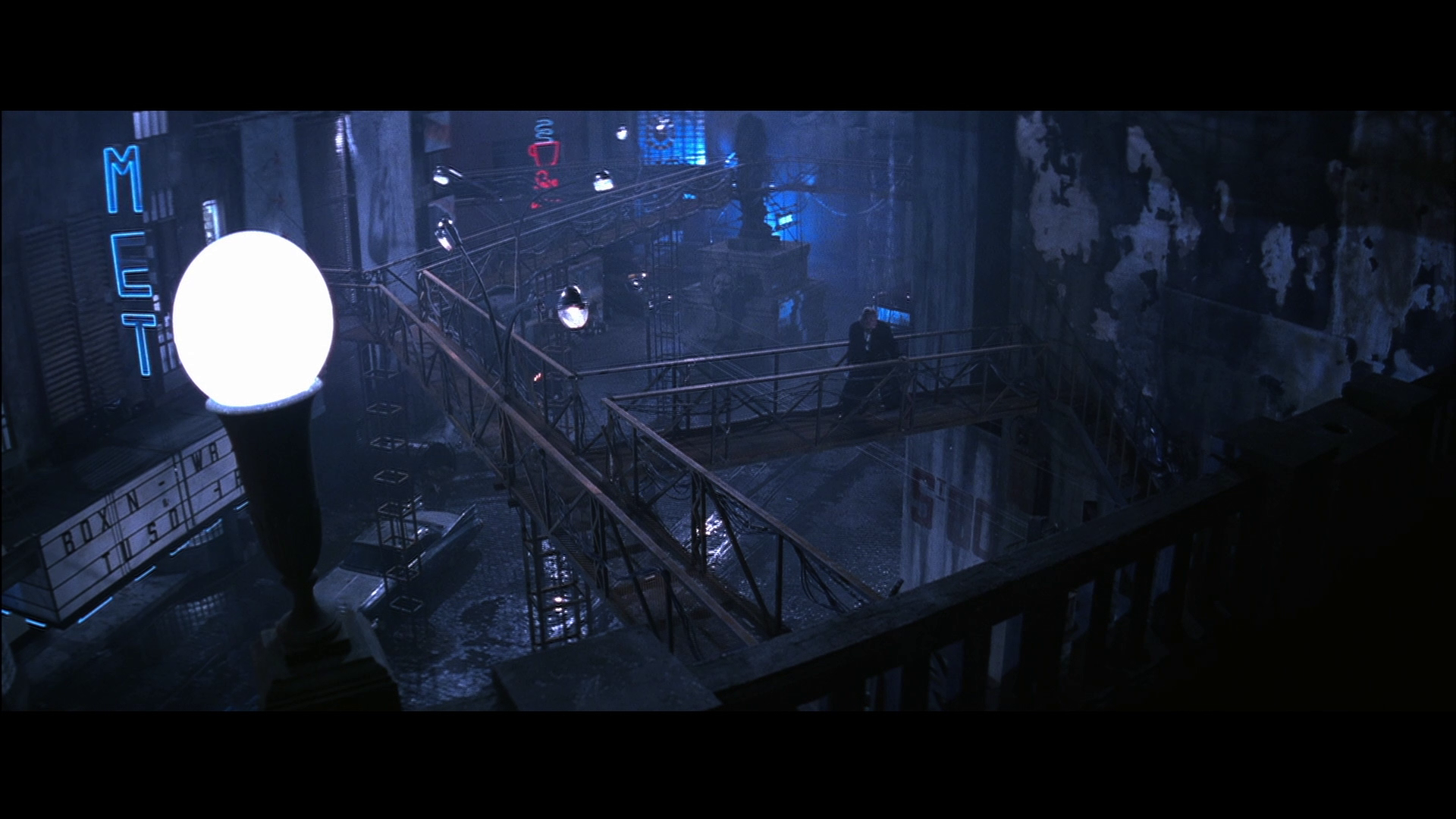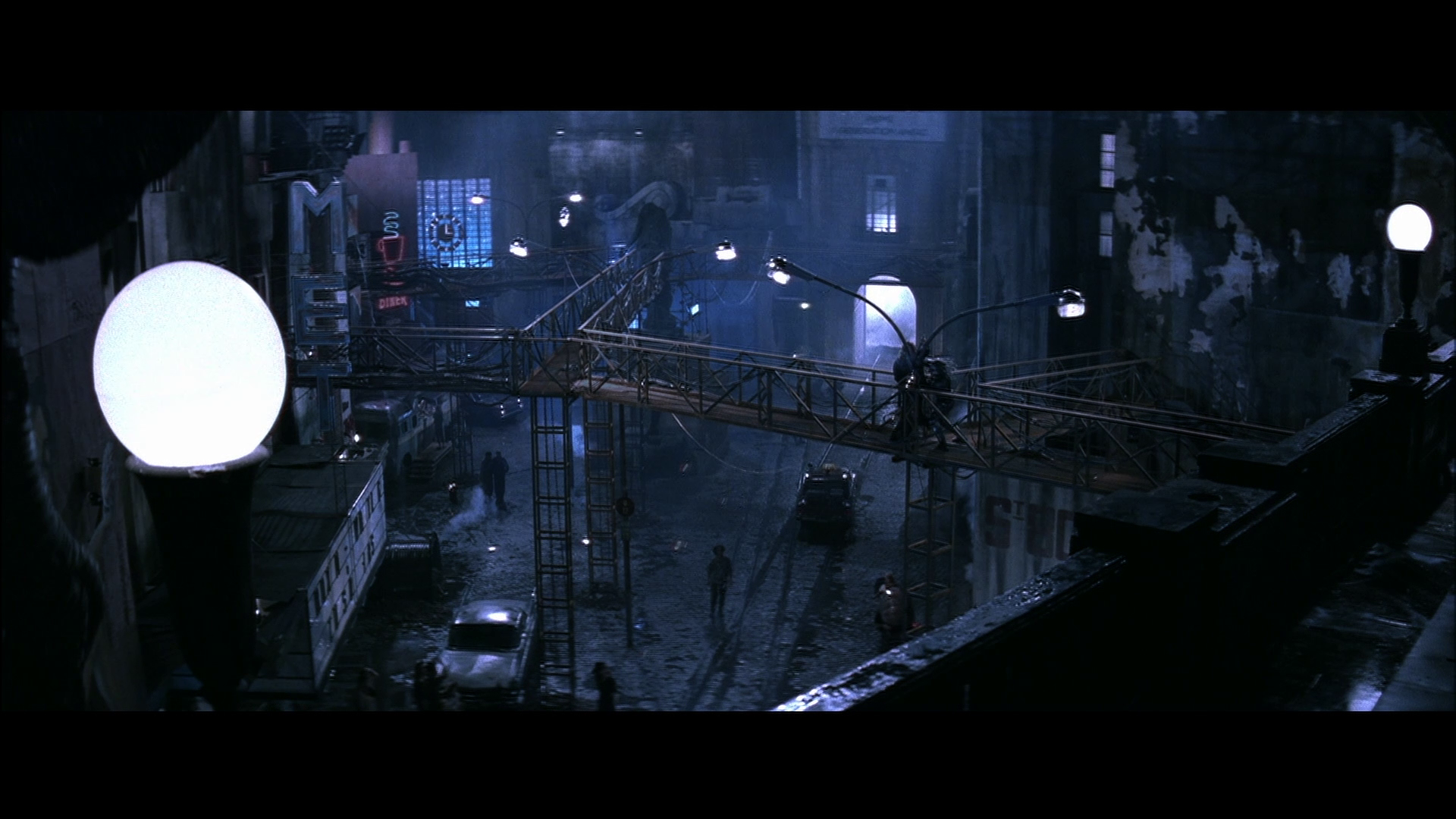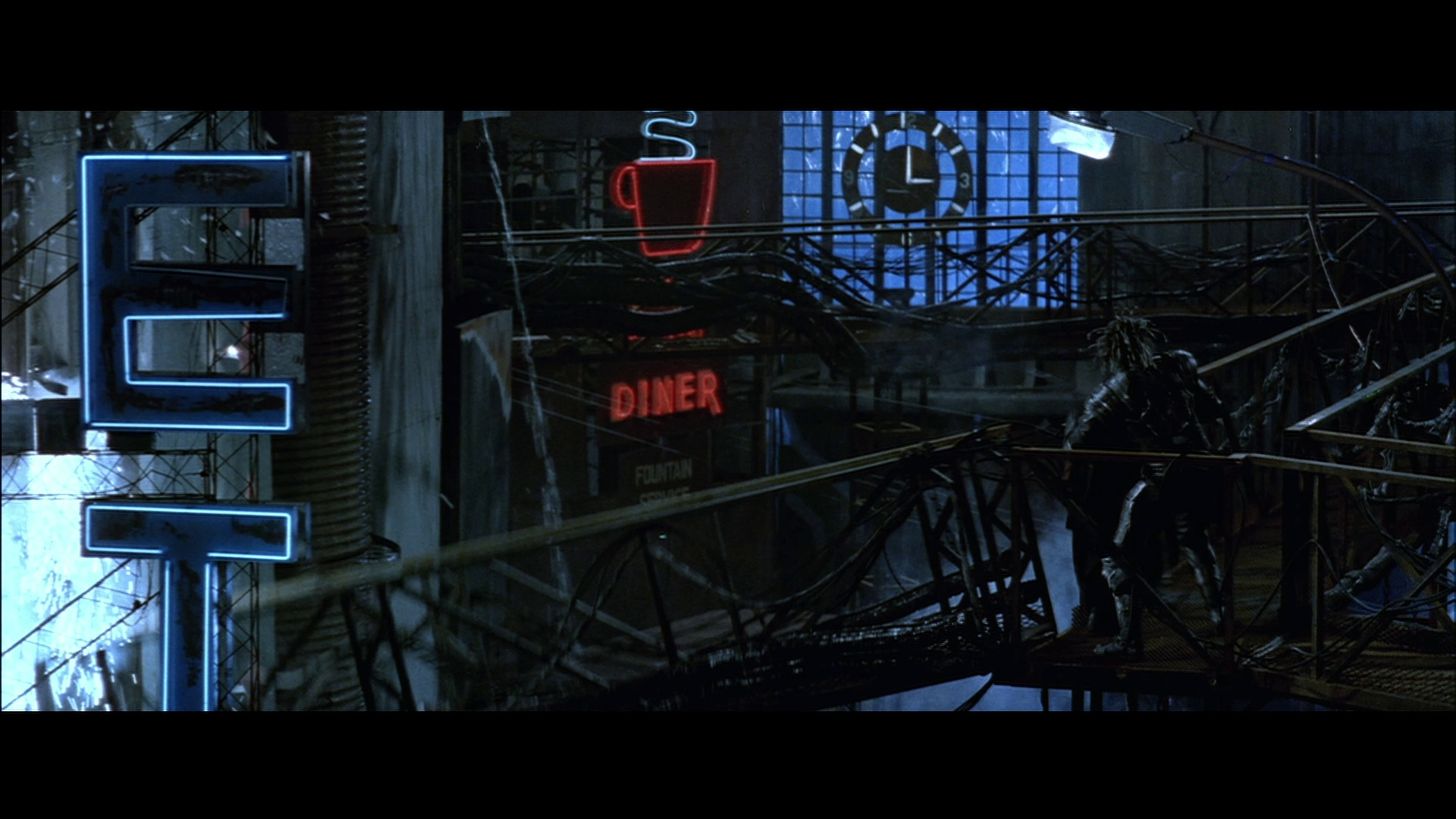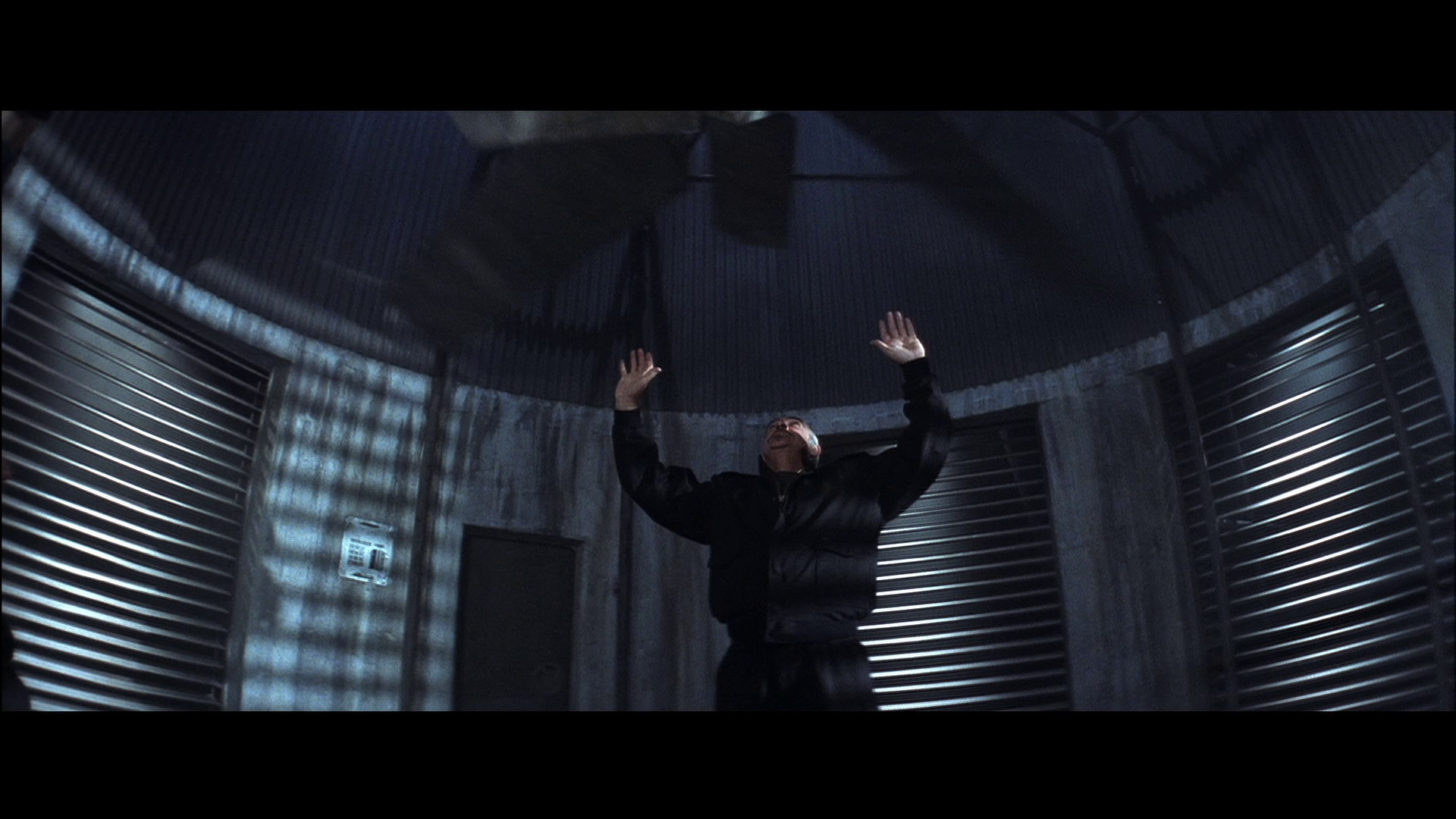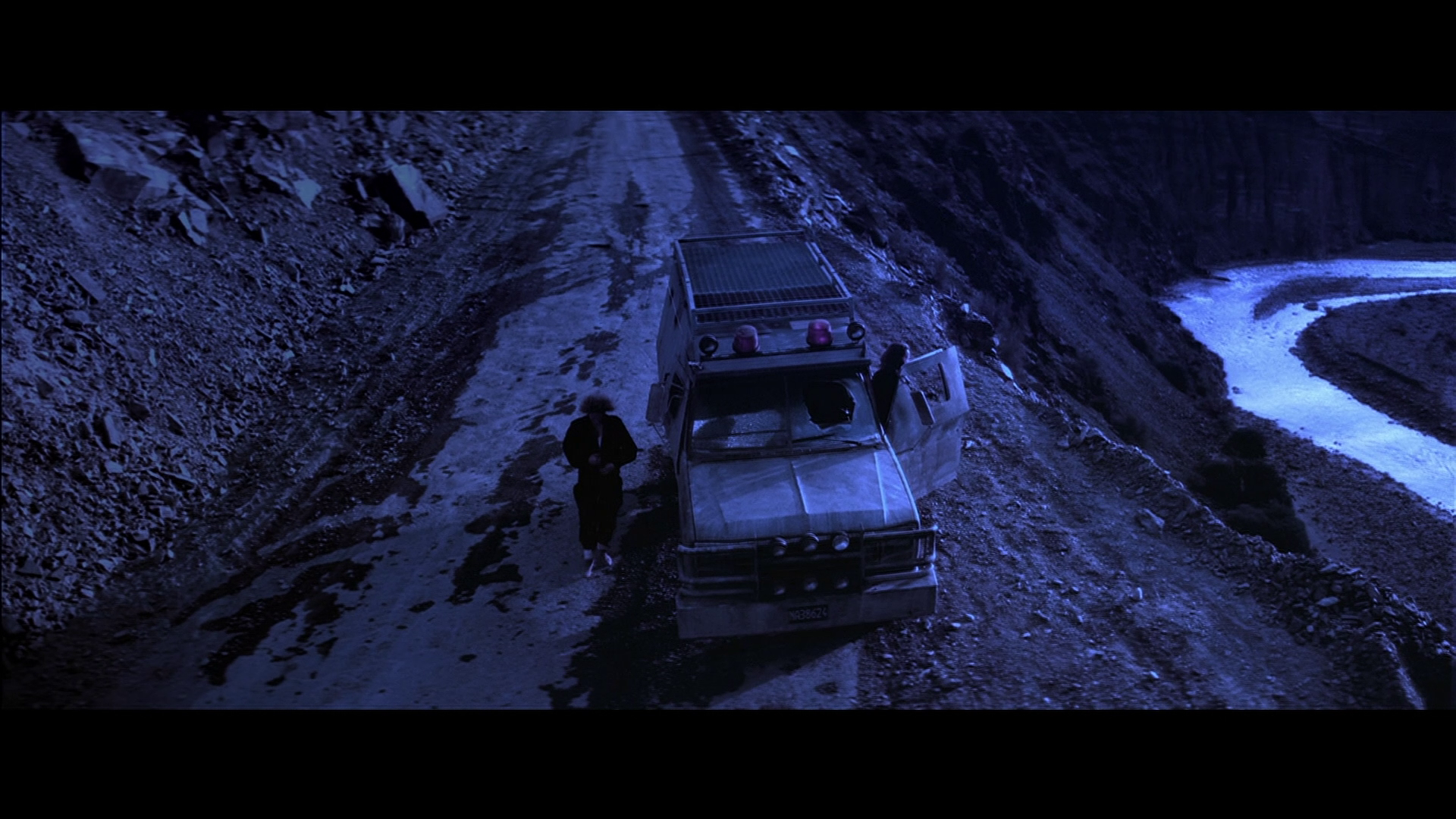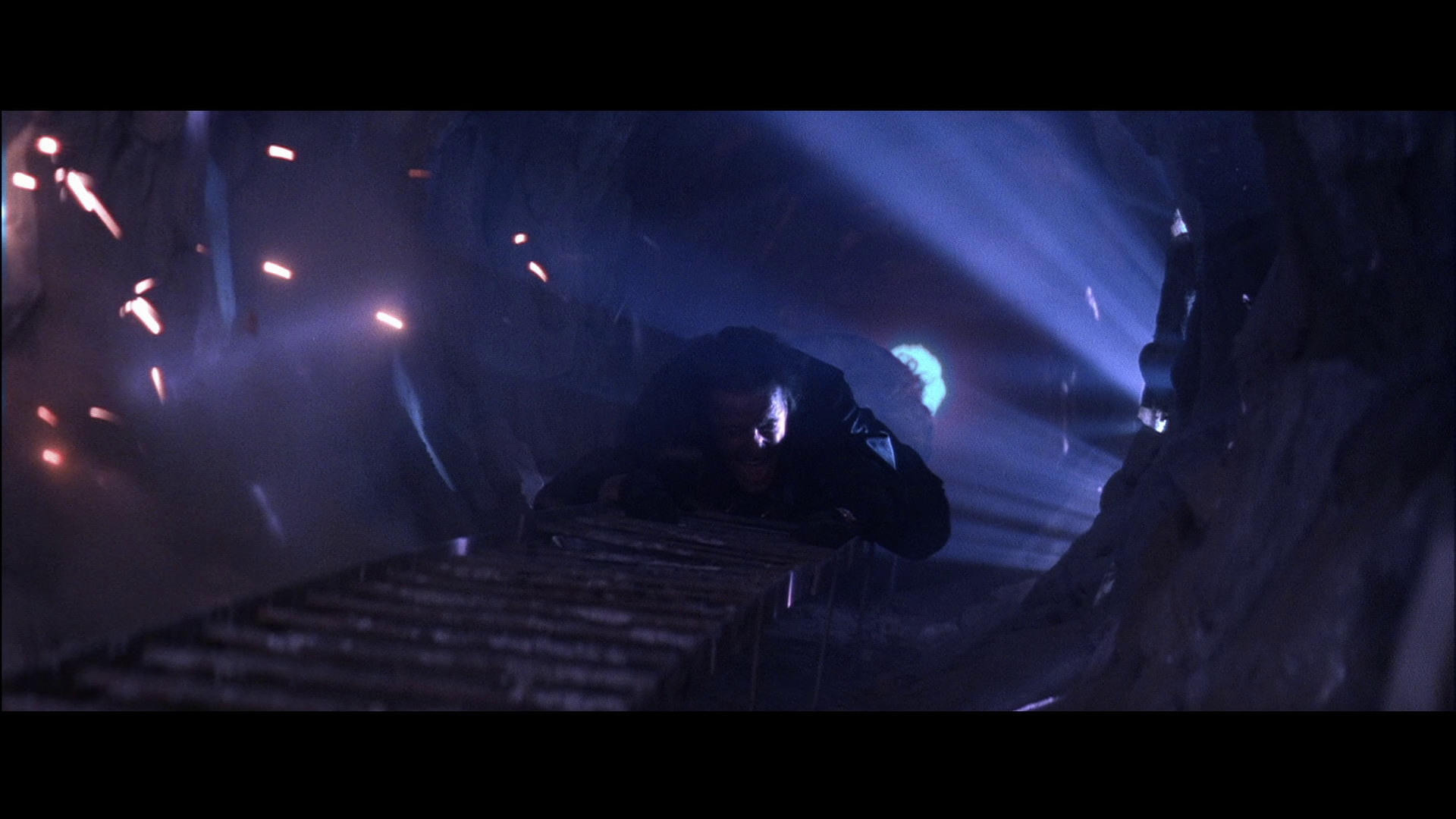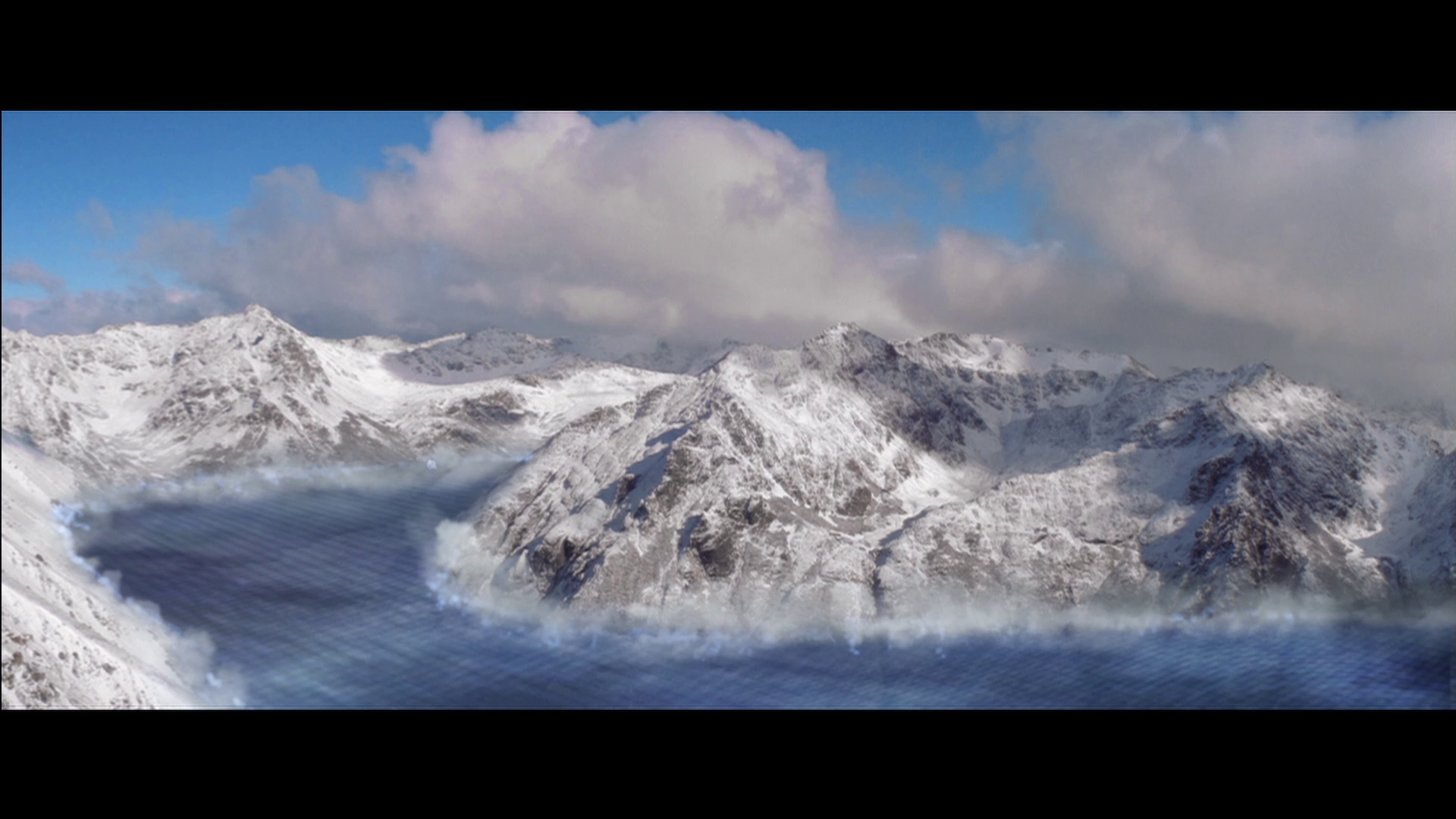
The production design of Highlander II: The Renegade Cut (1991)
Director: Russell Malcahy
Production designer: Roger Hall
Summary
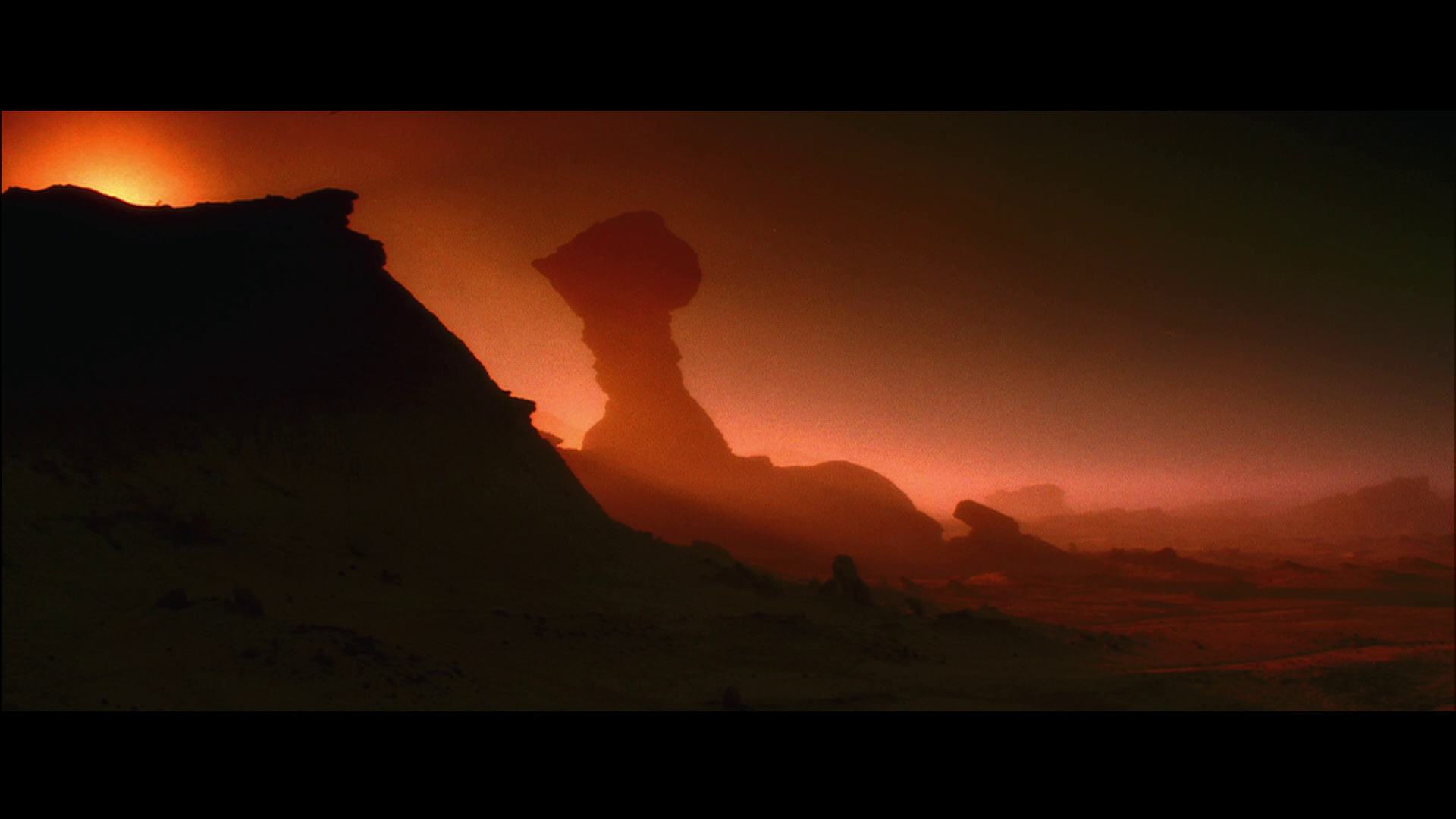
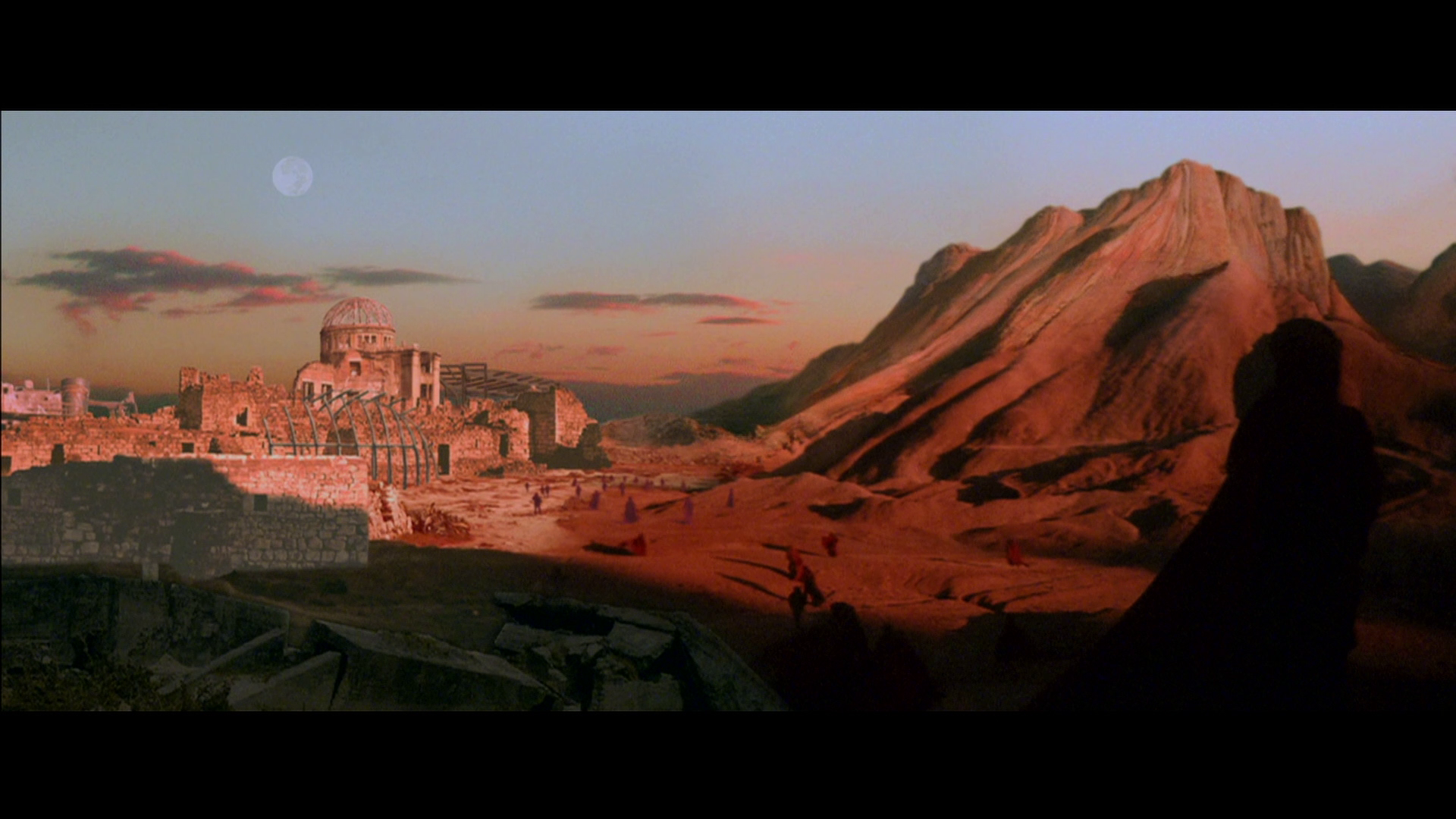
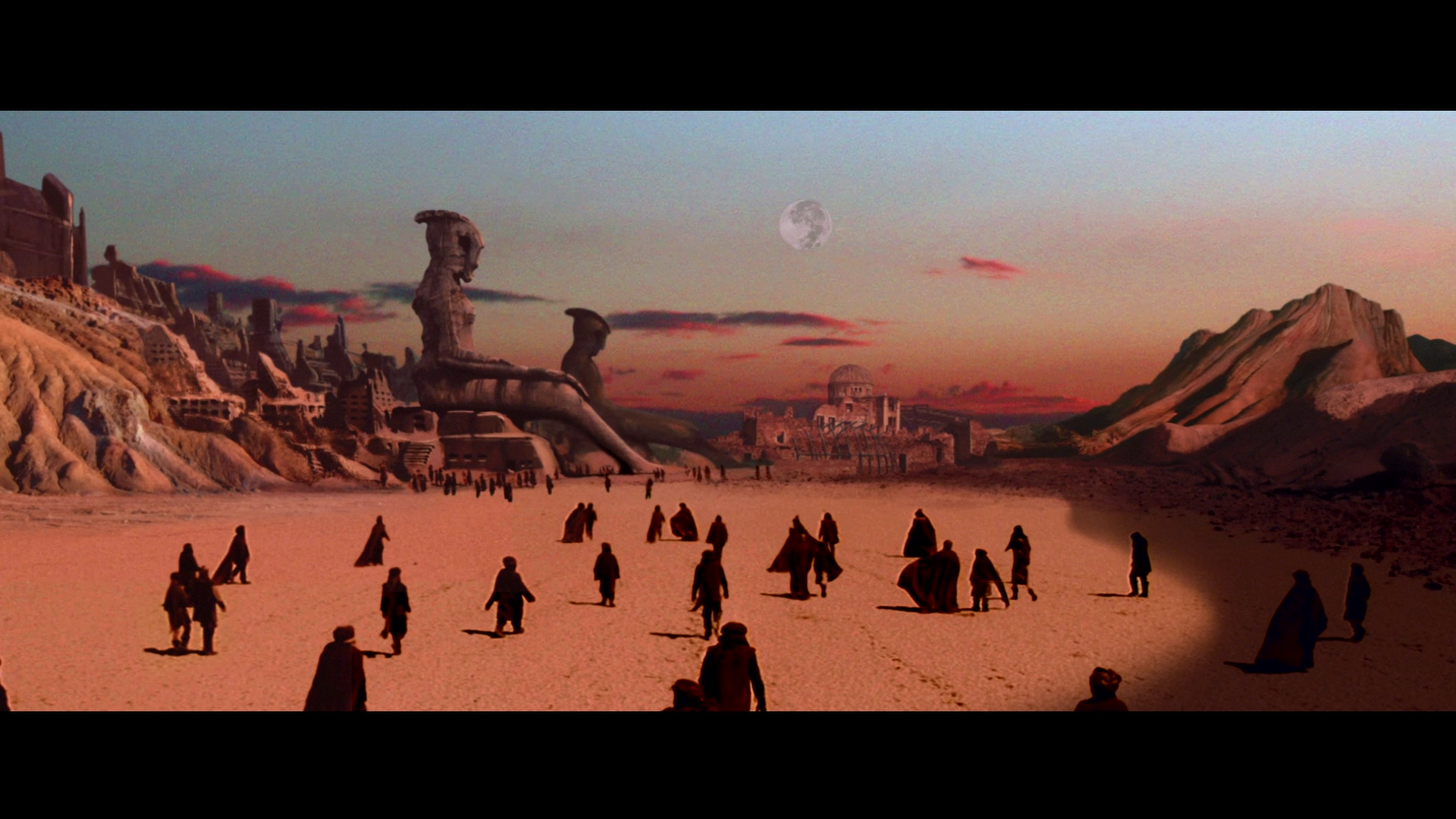
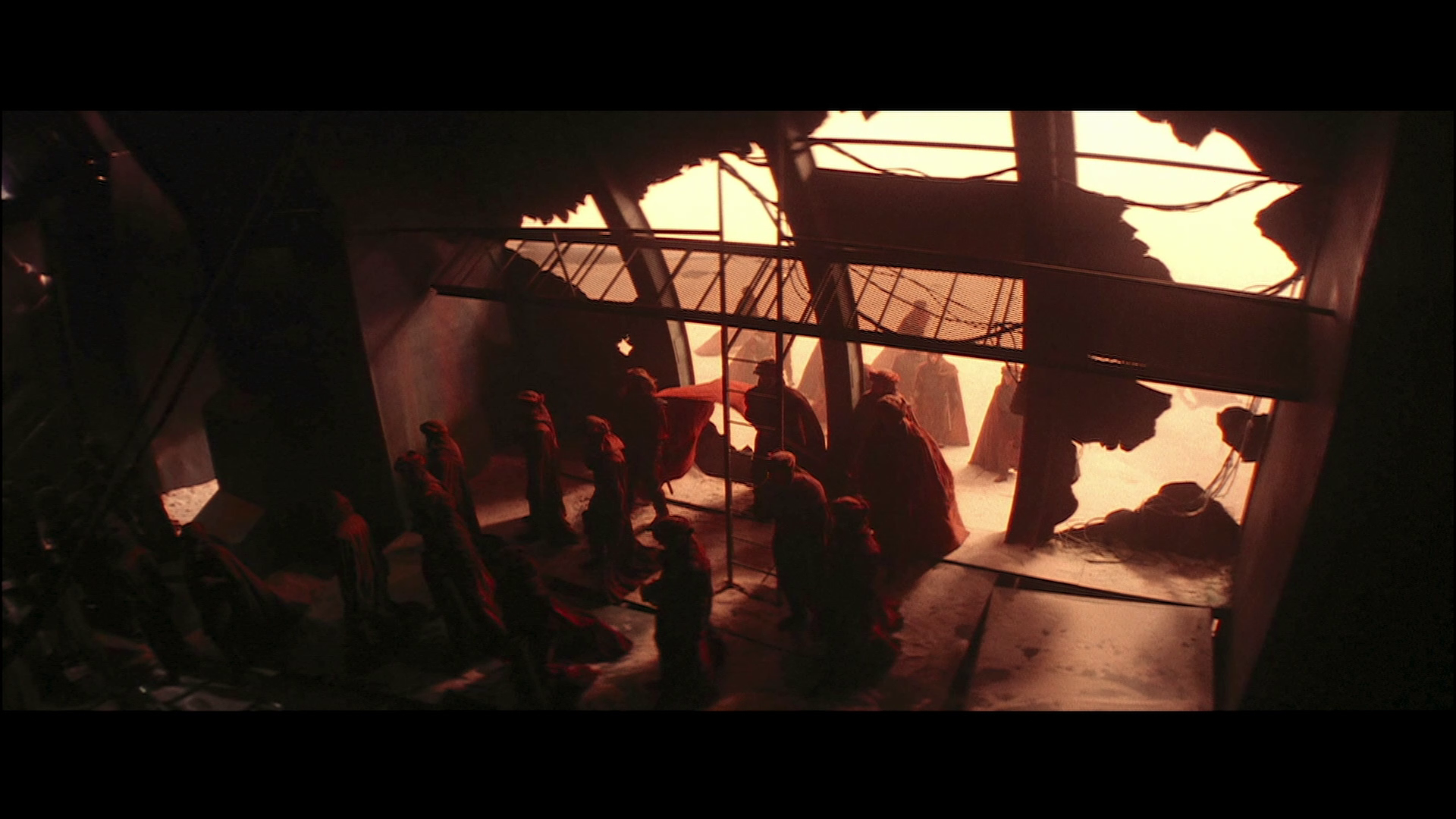
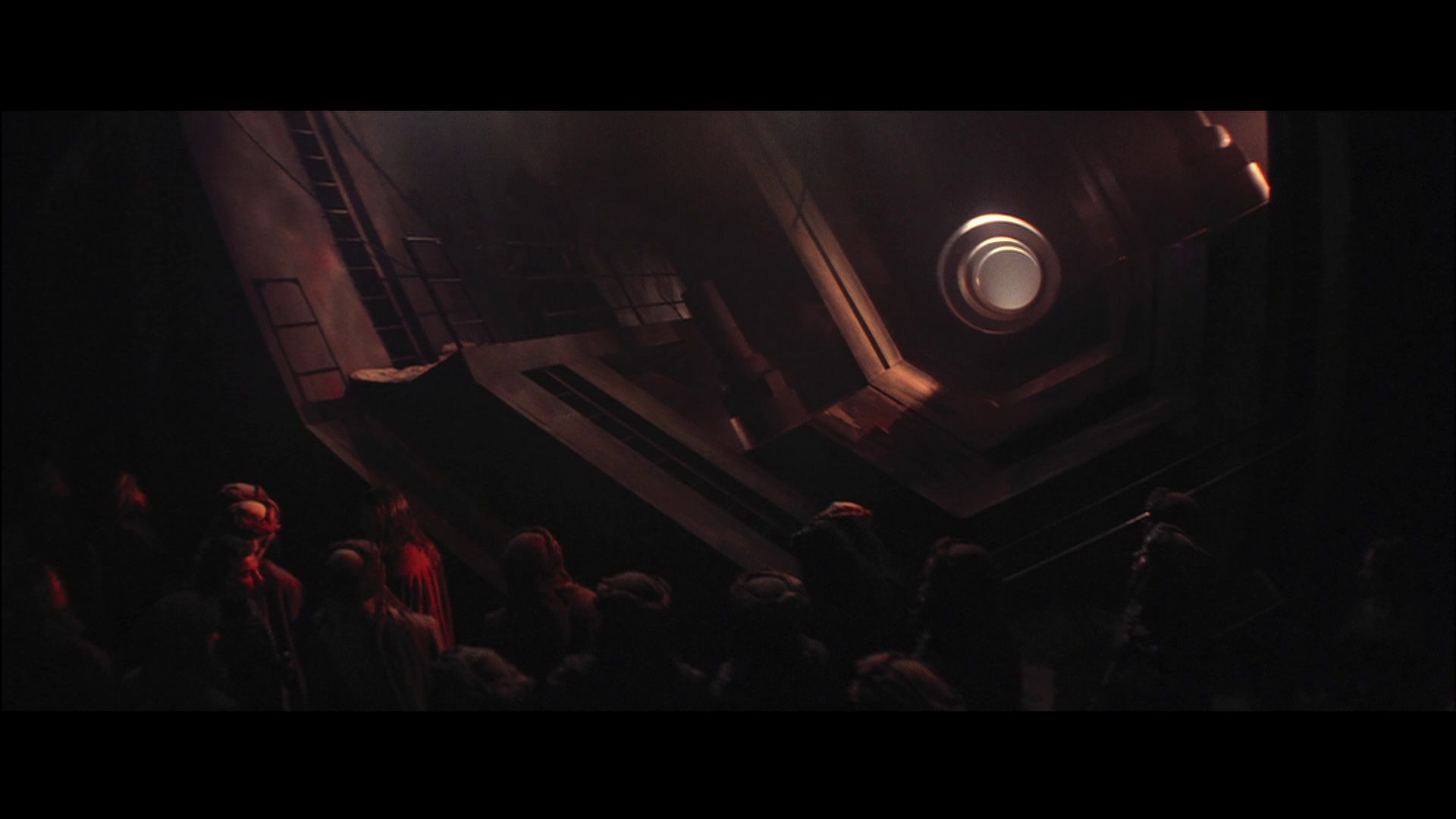
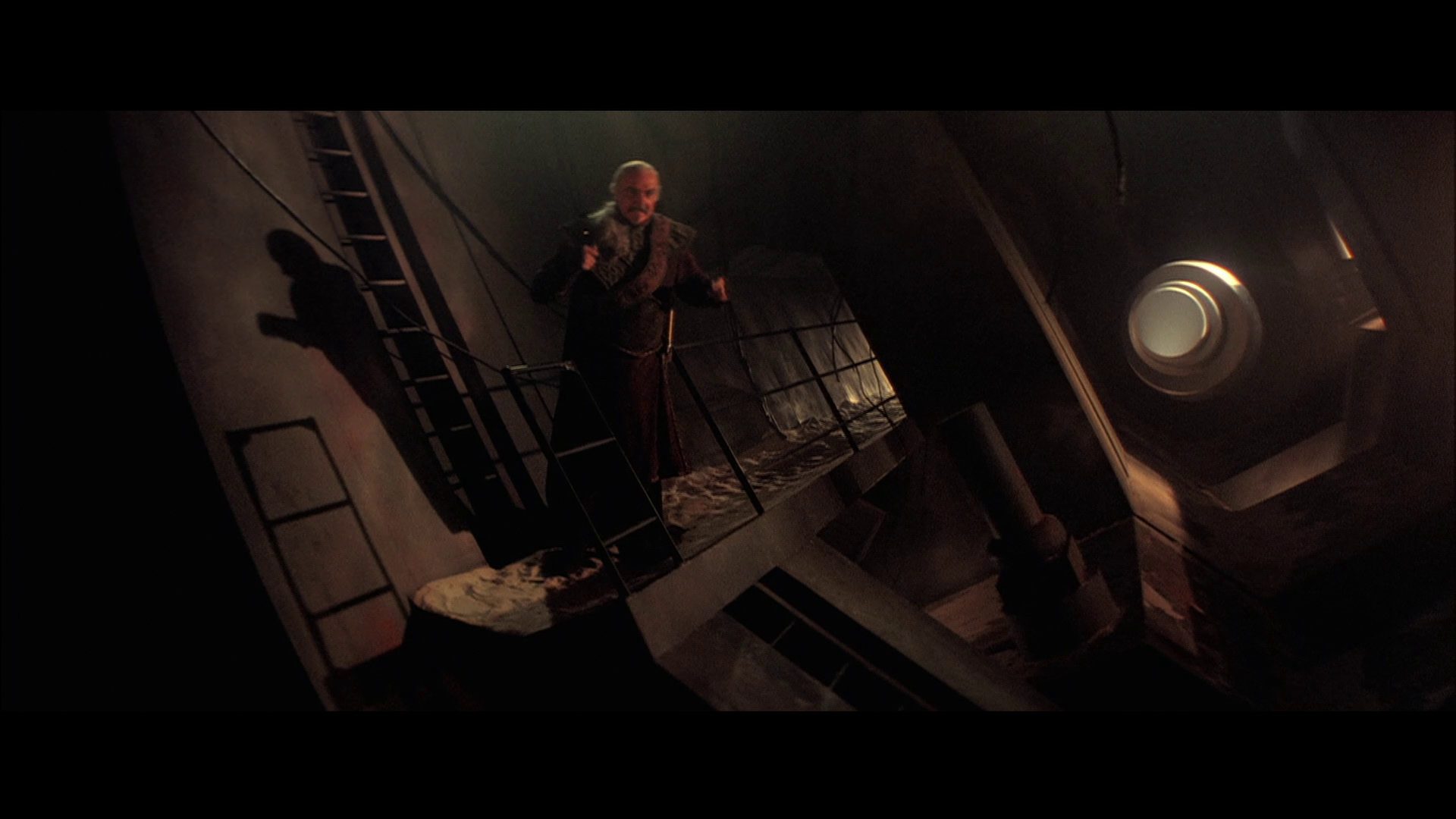
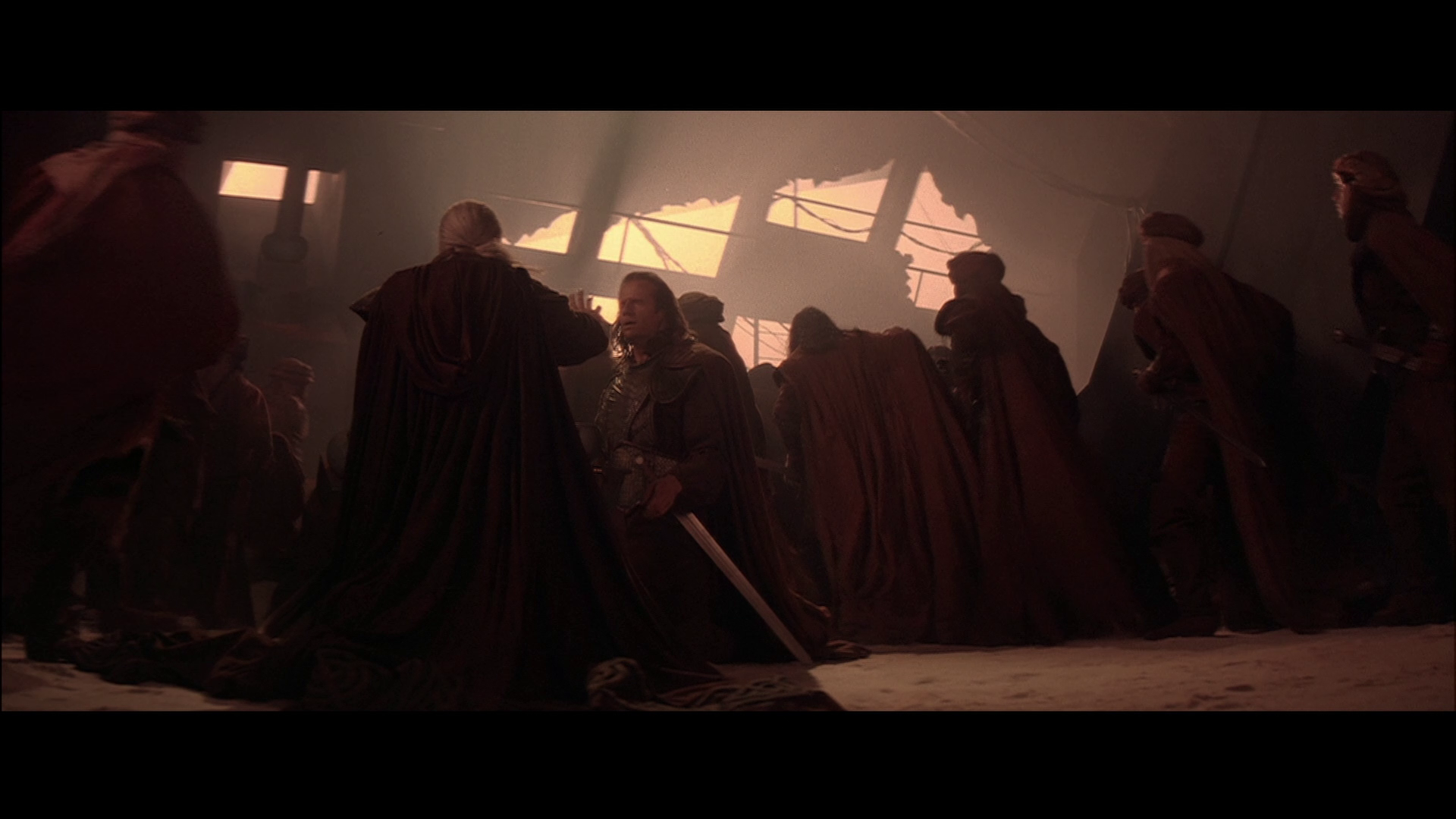
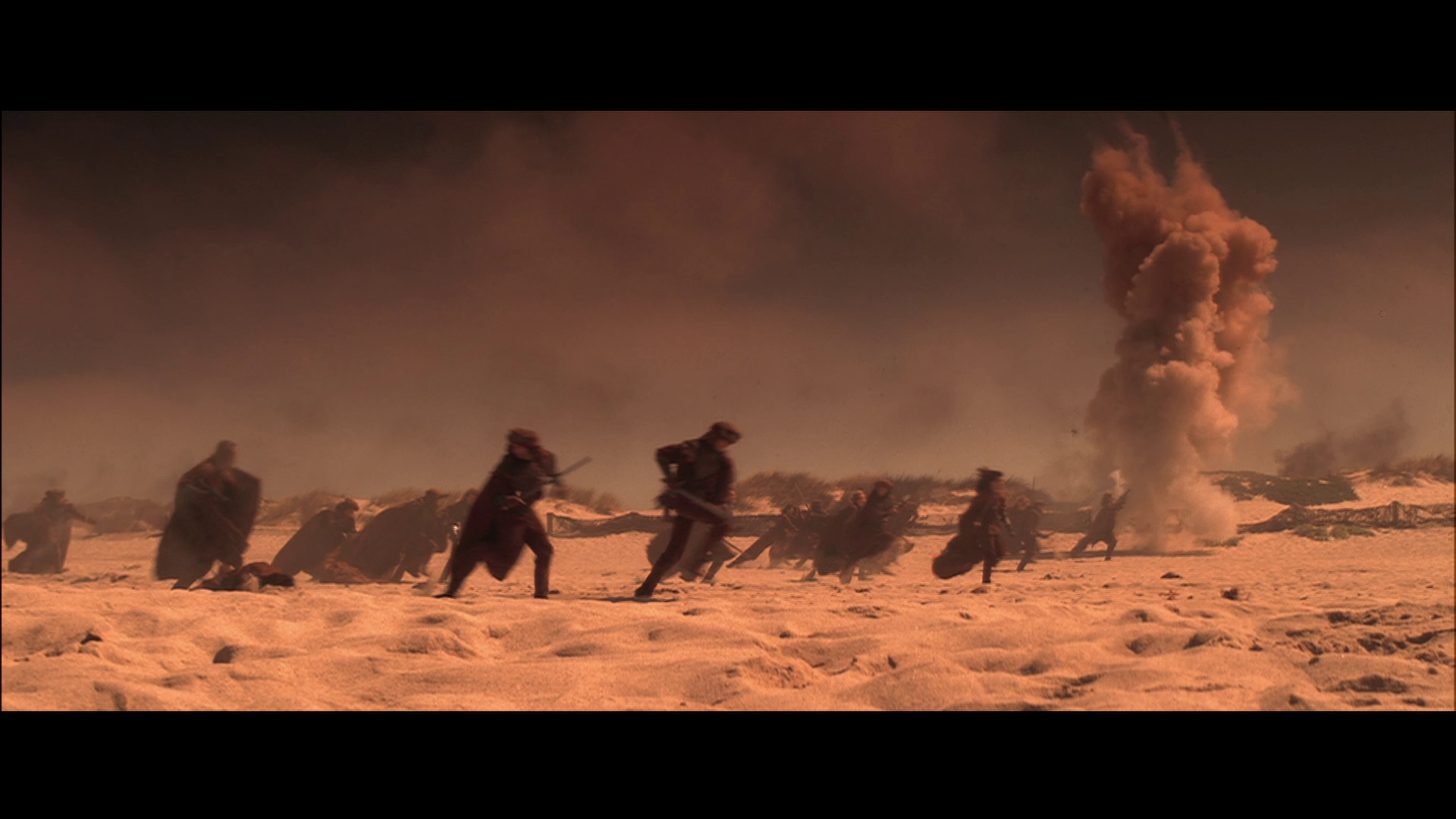
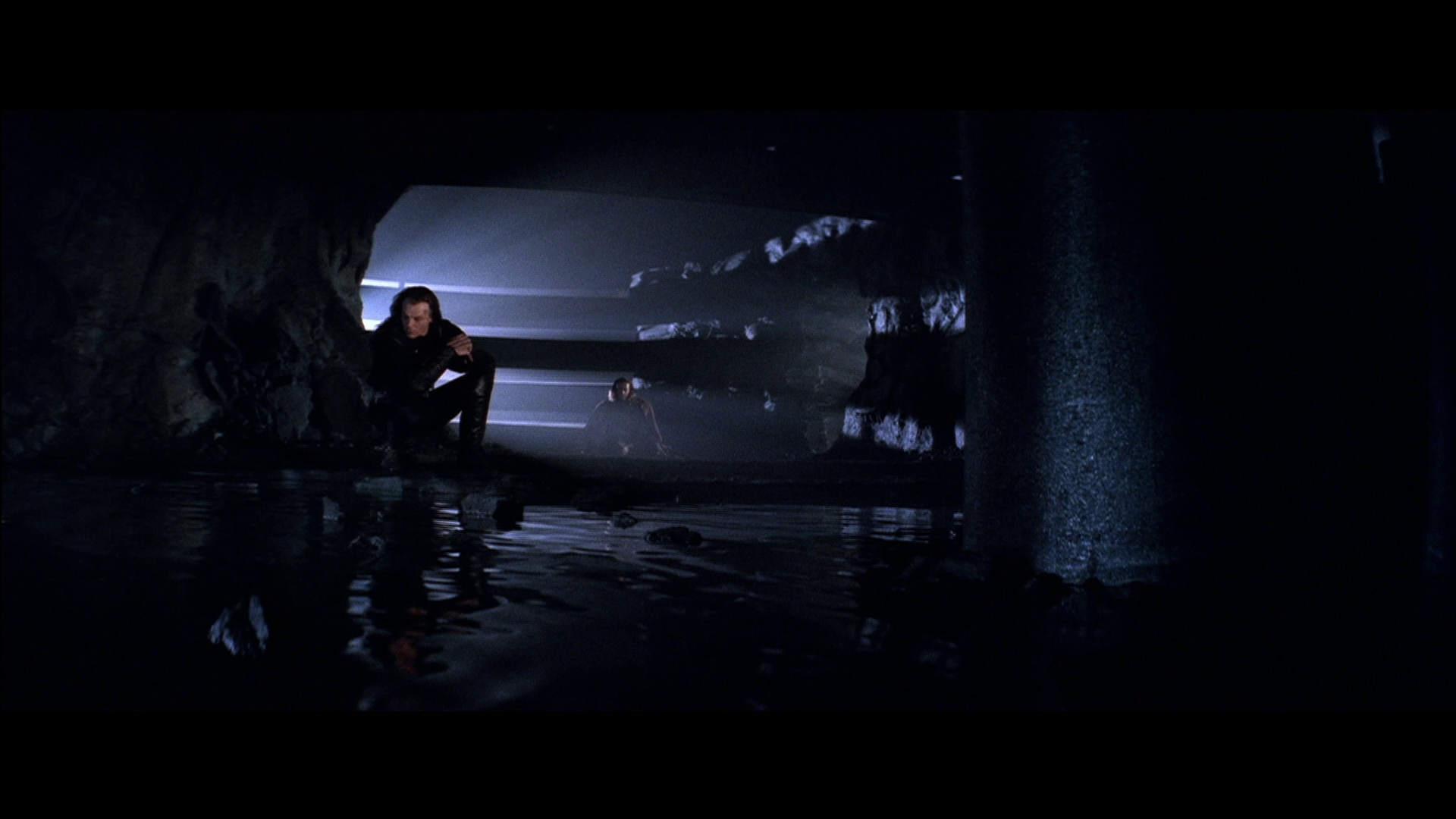
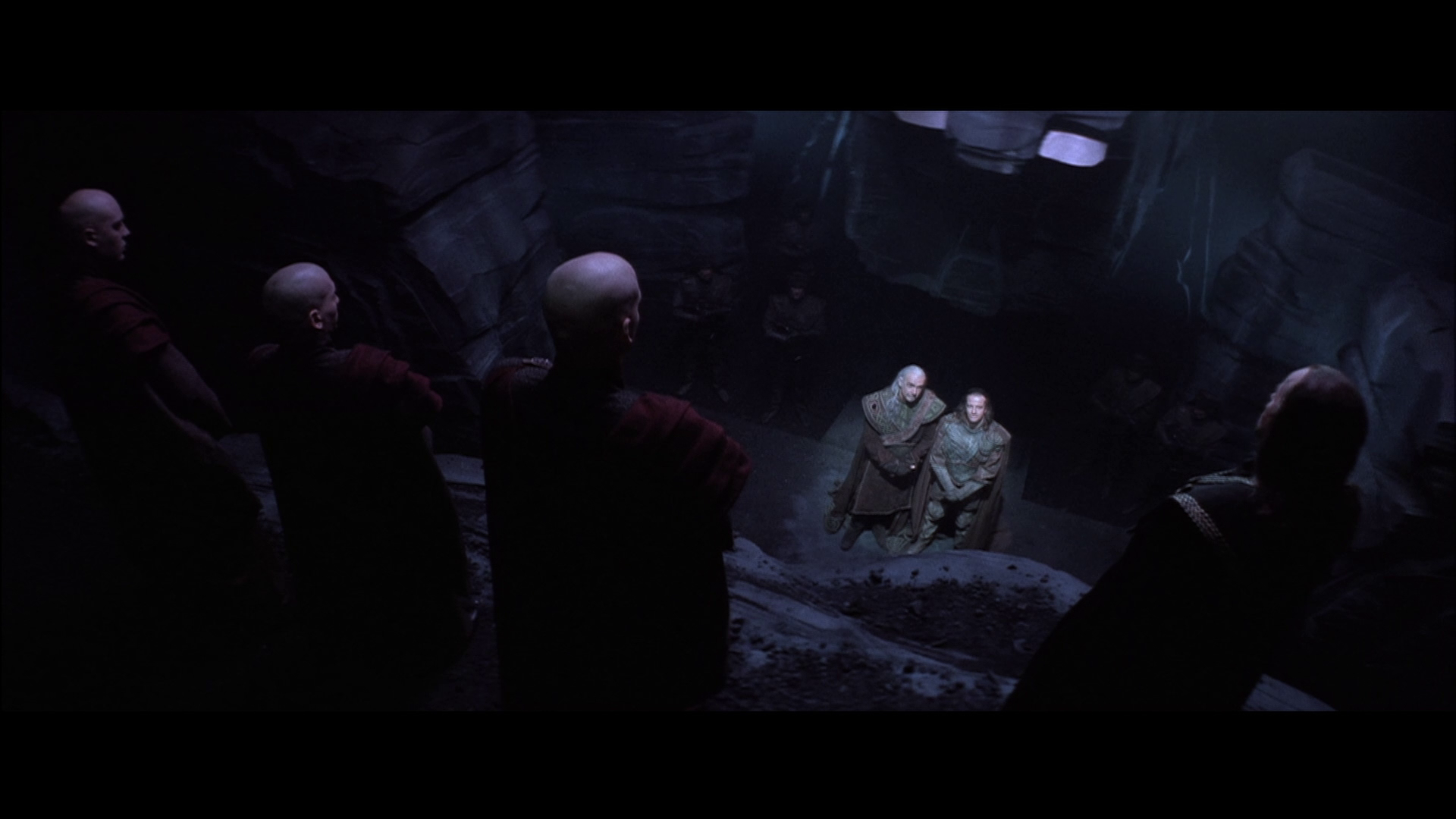
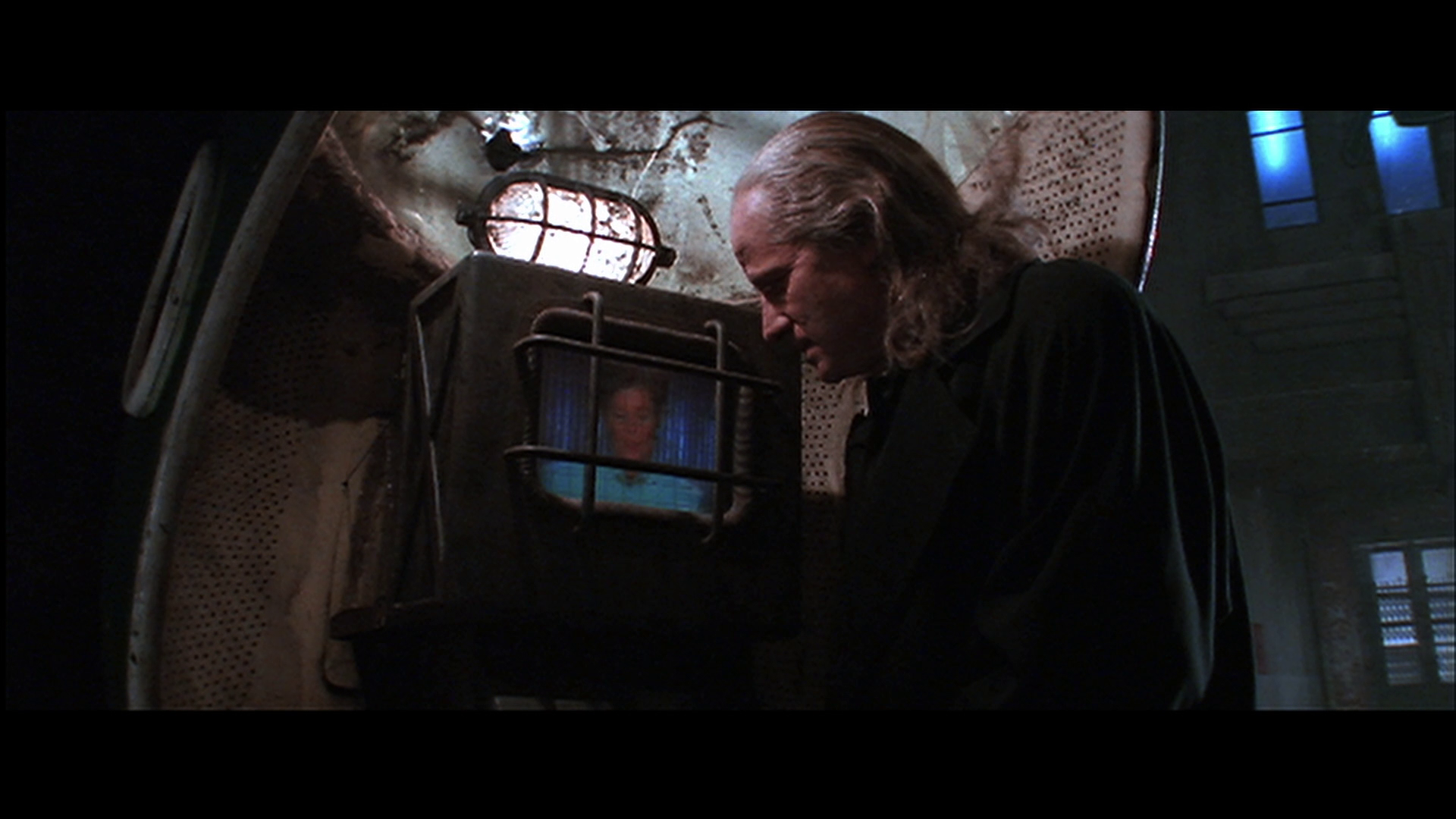
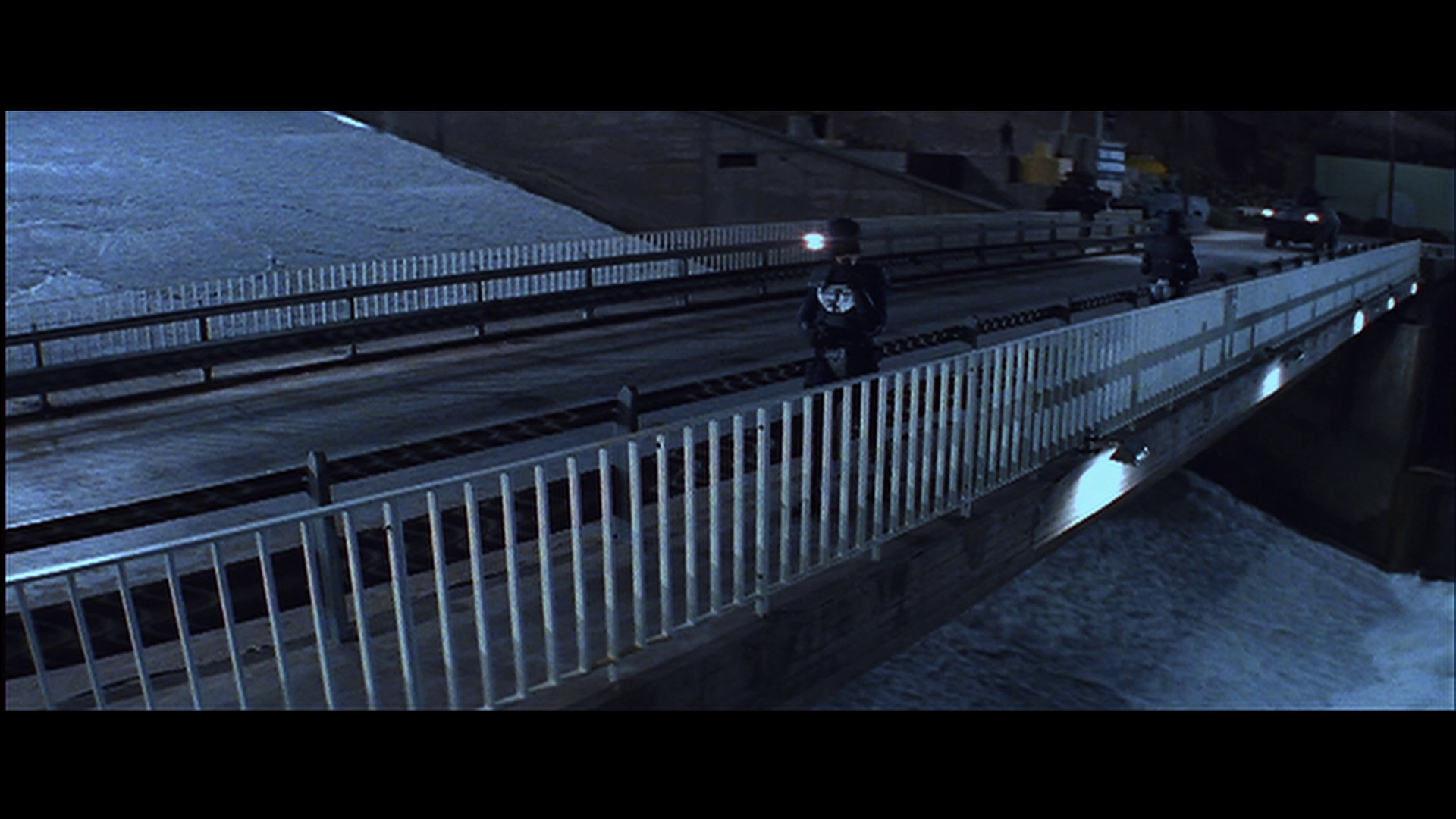
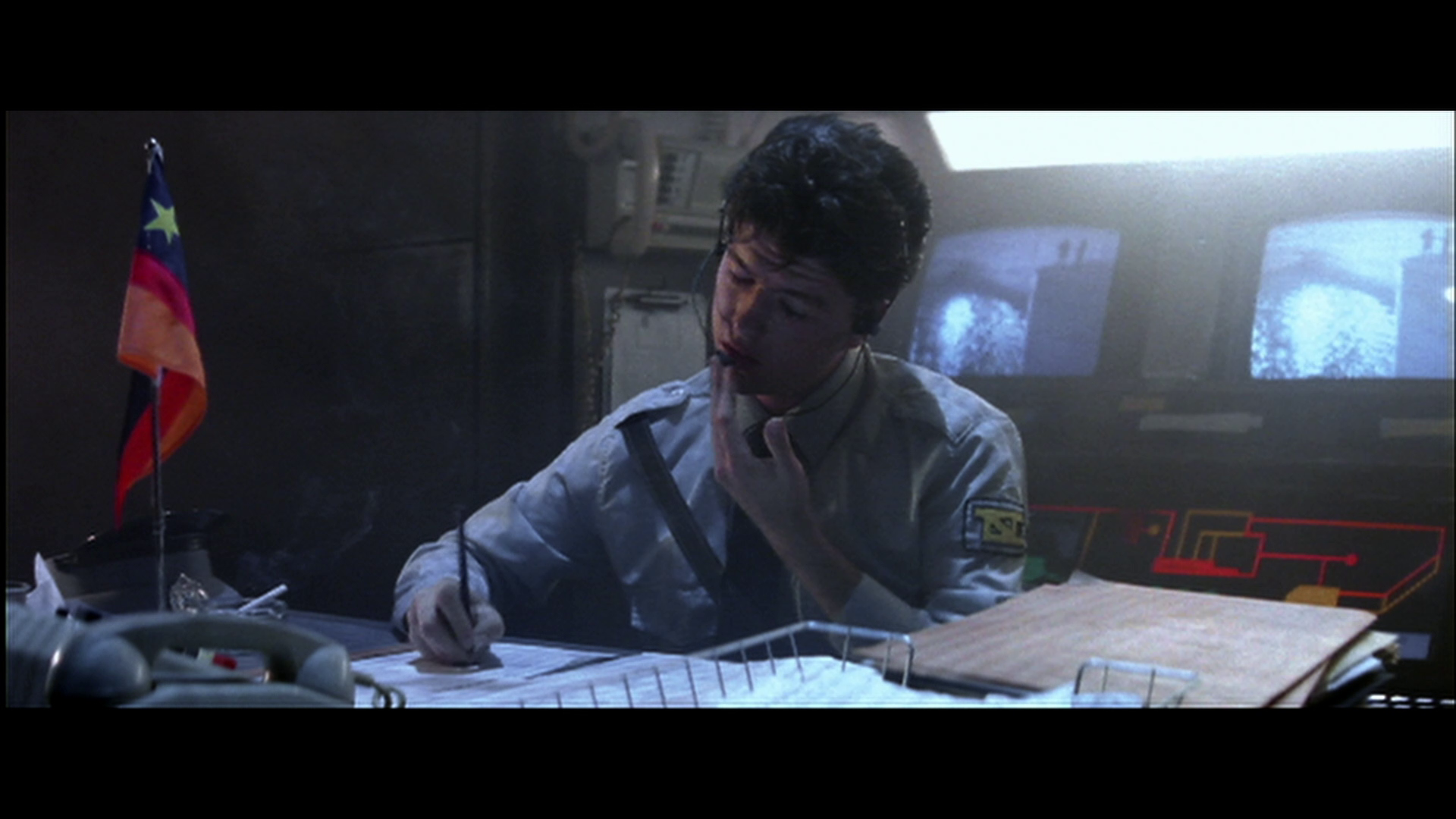
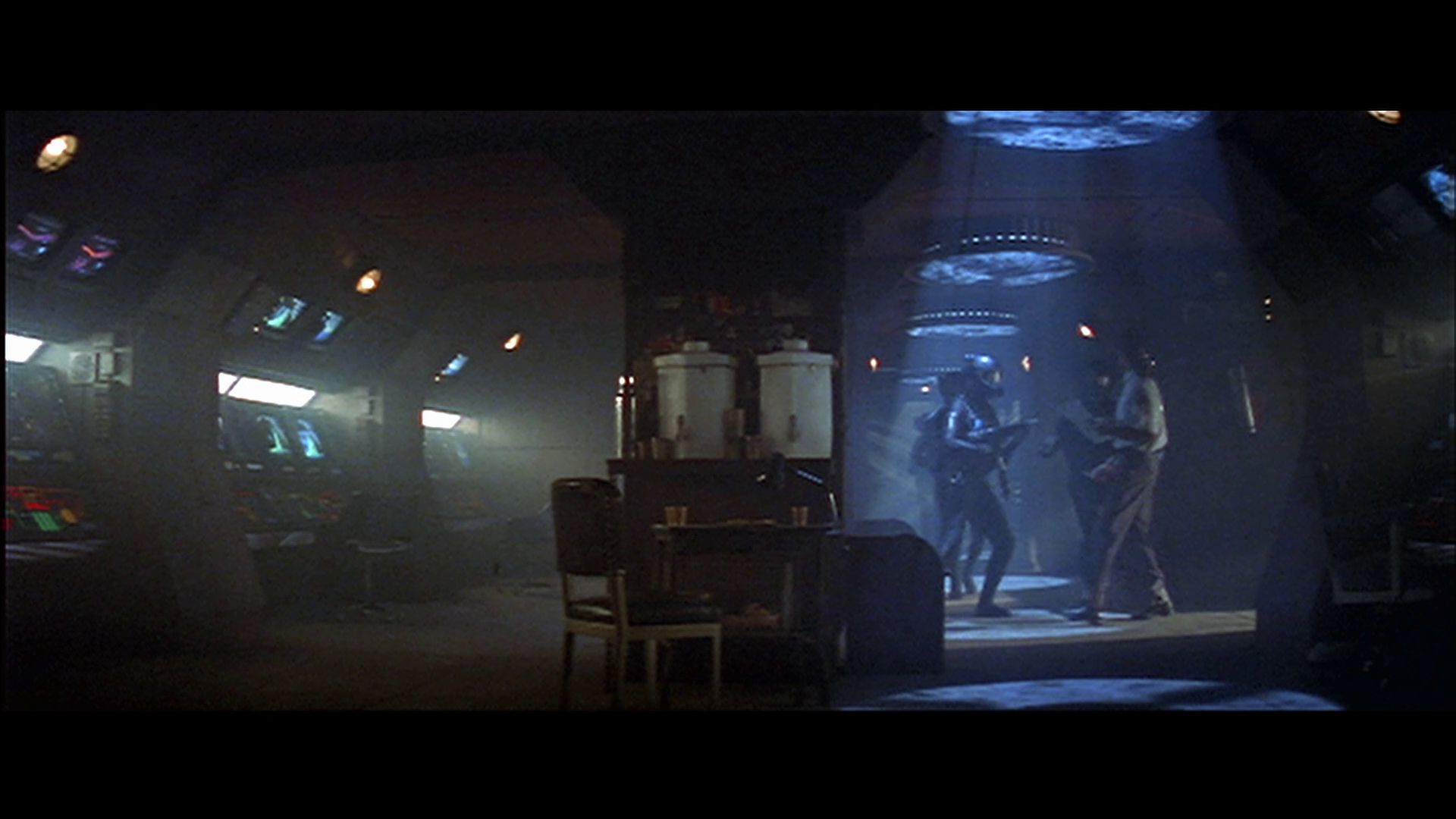
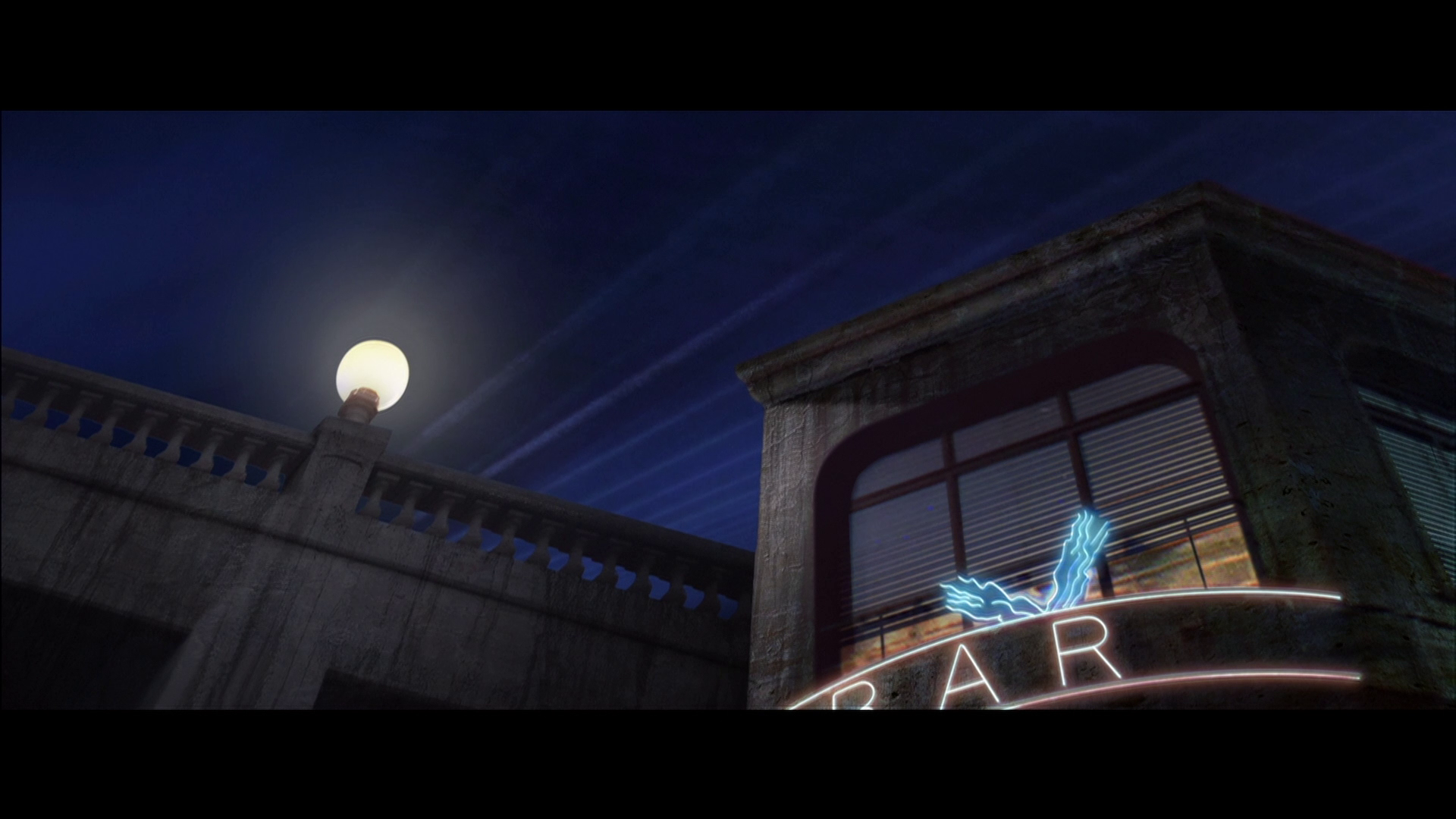
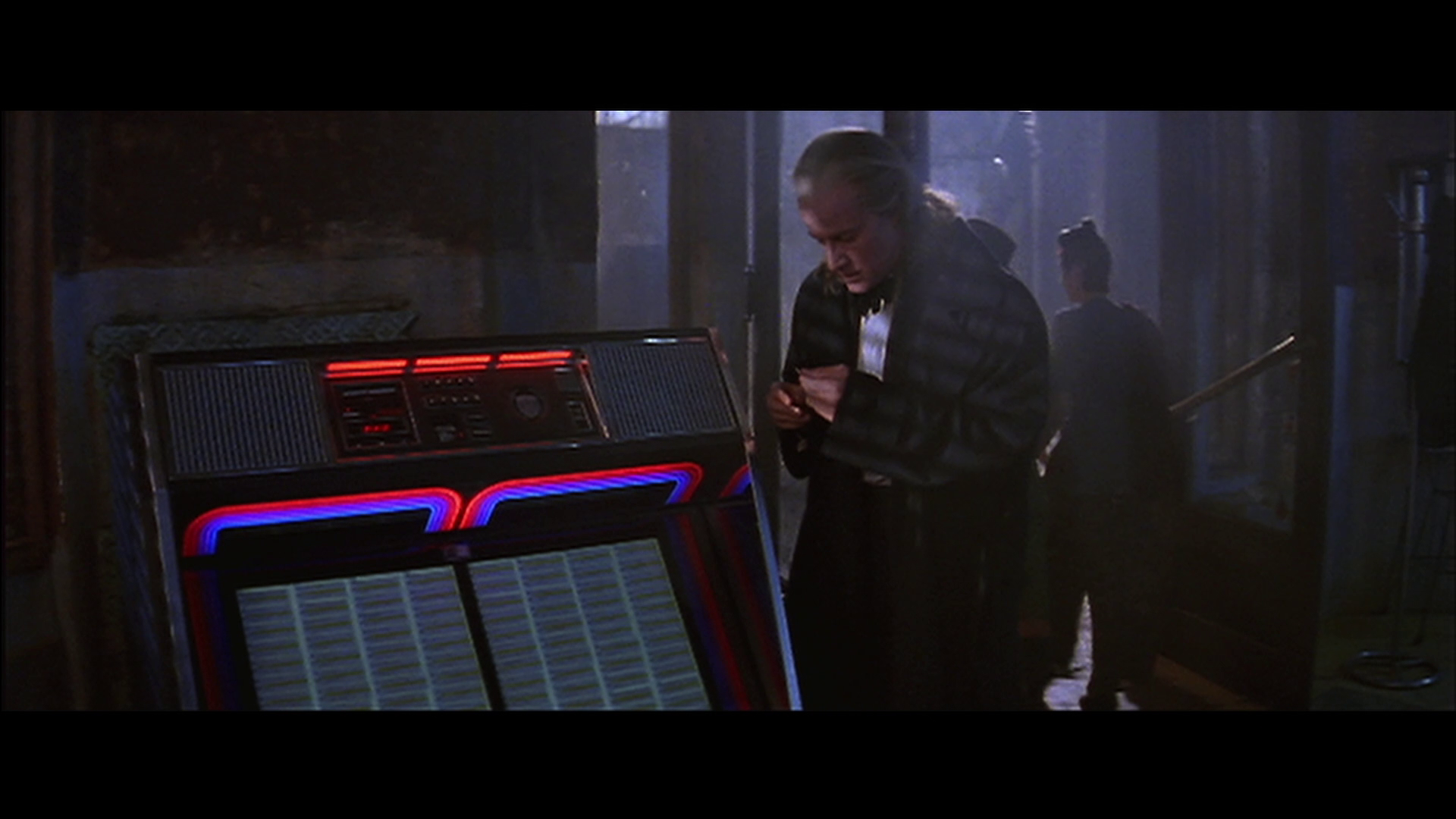
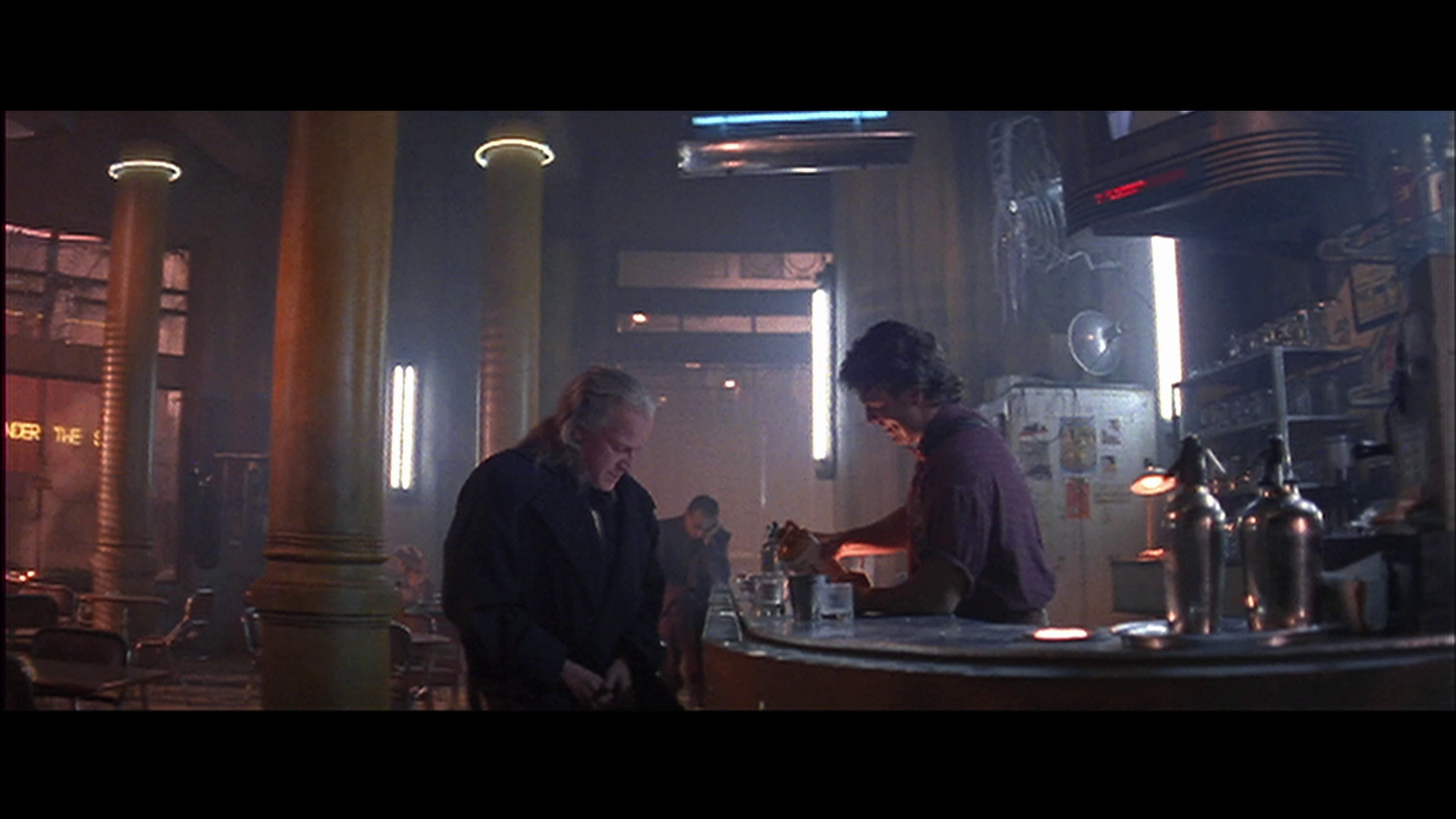
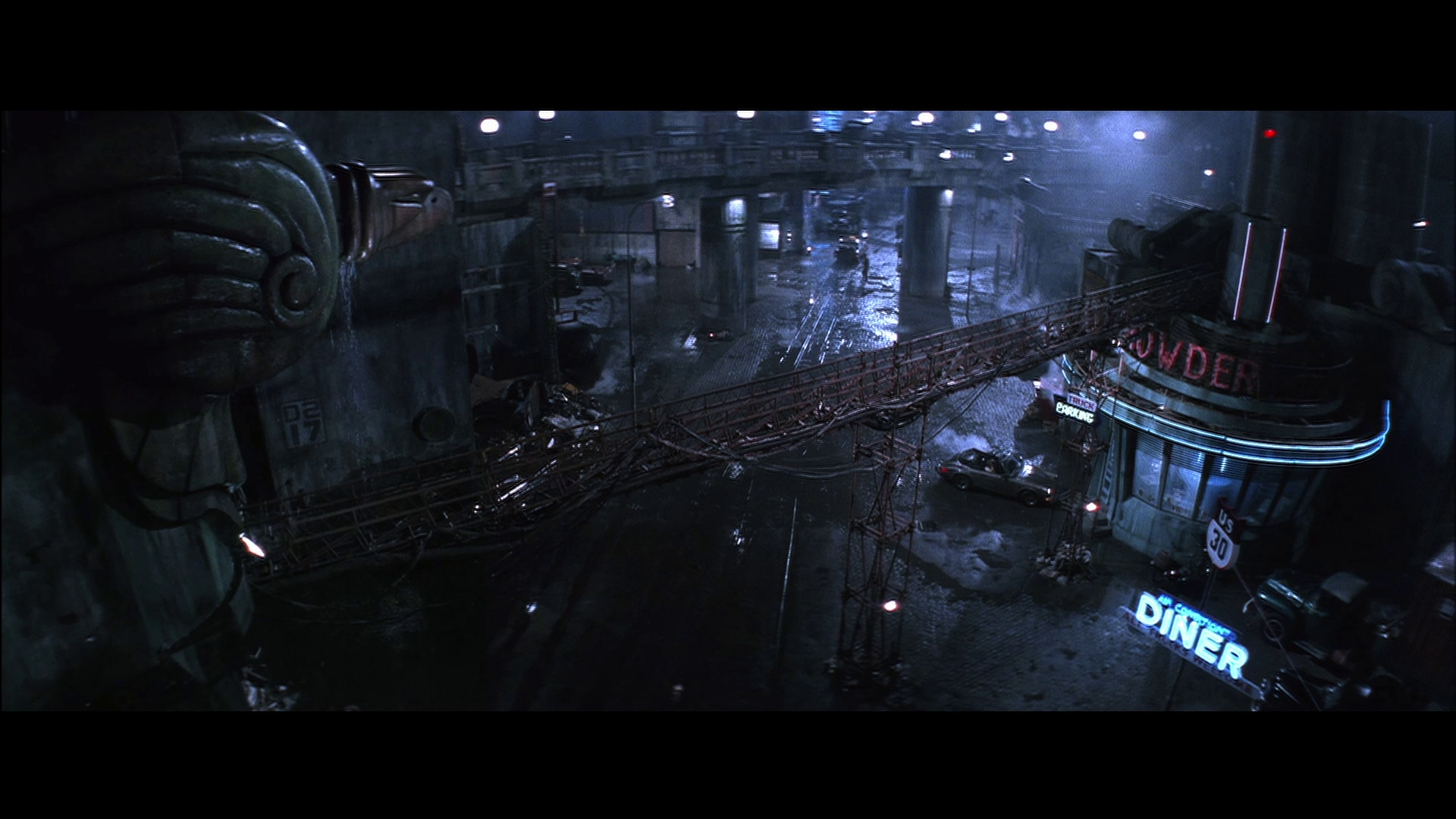
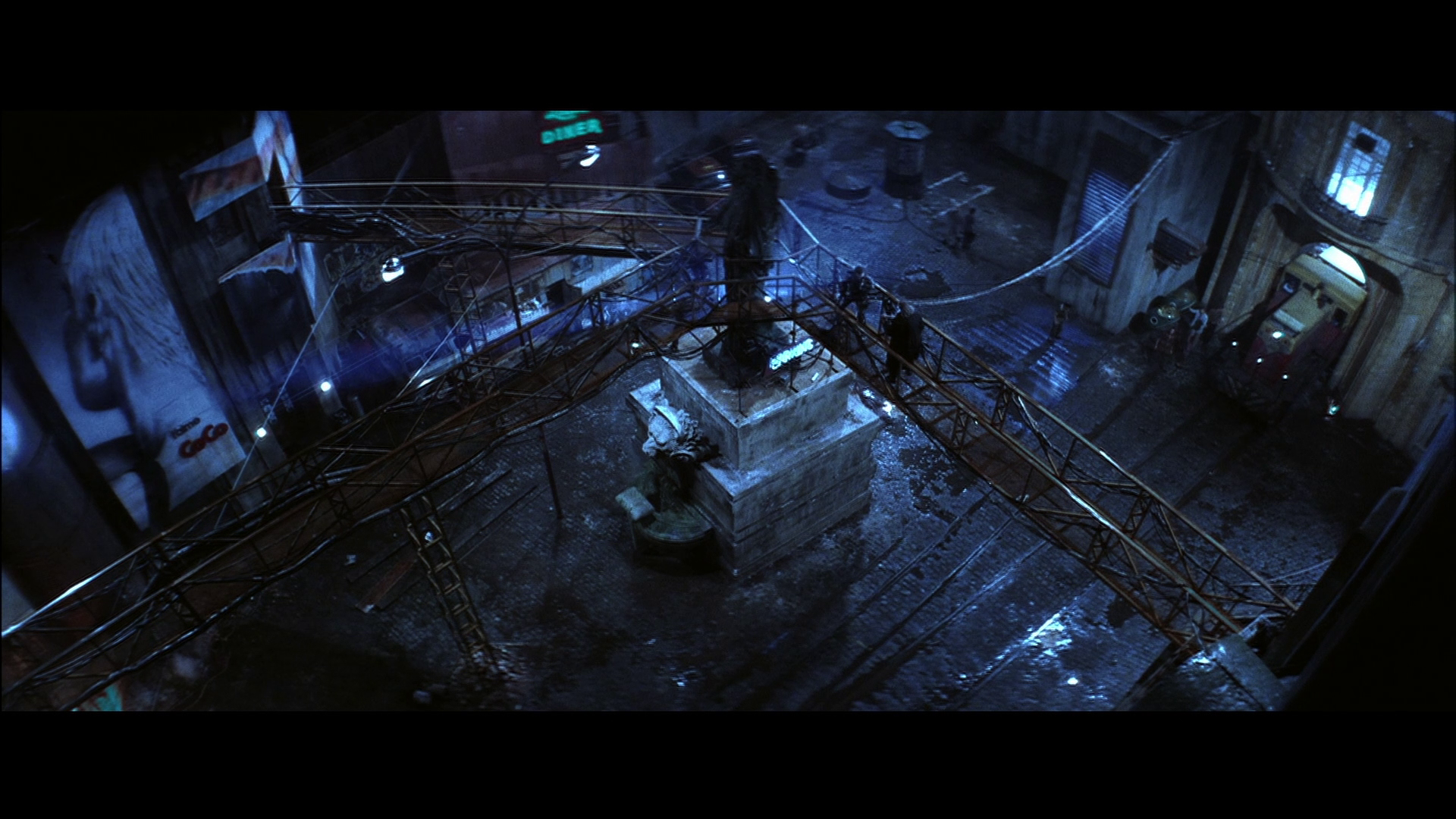
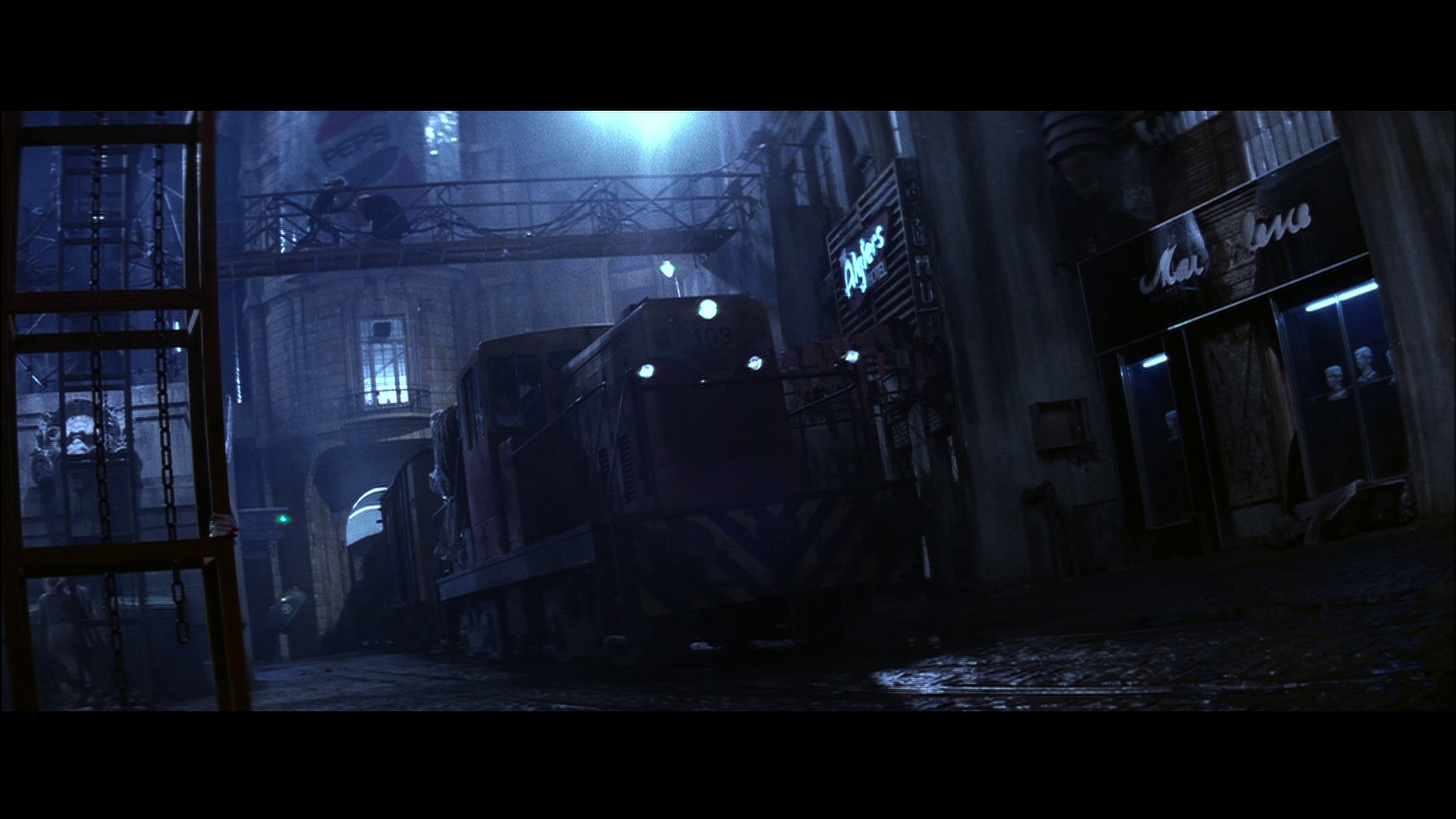
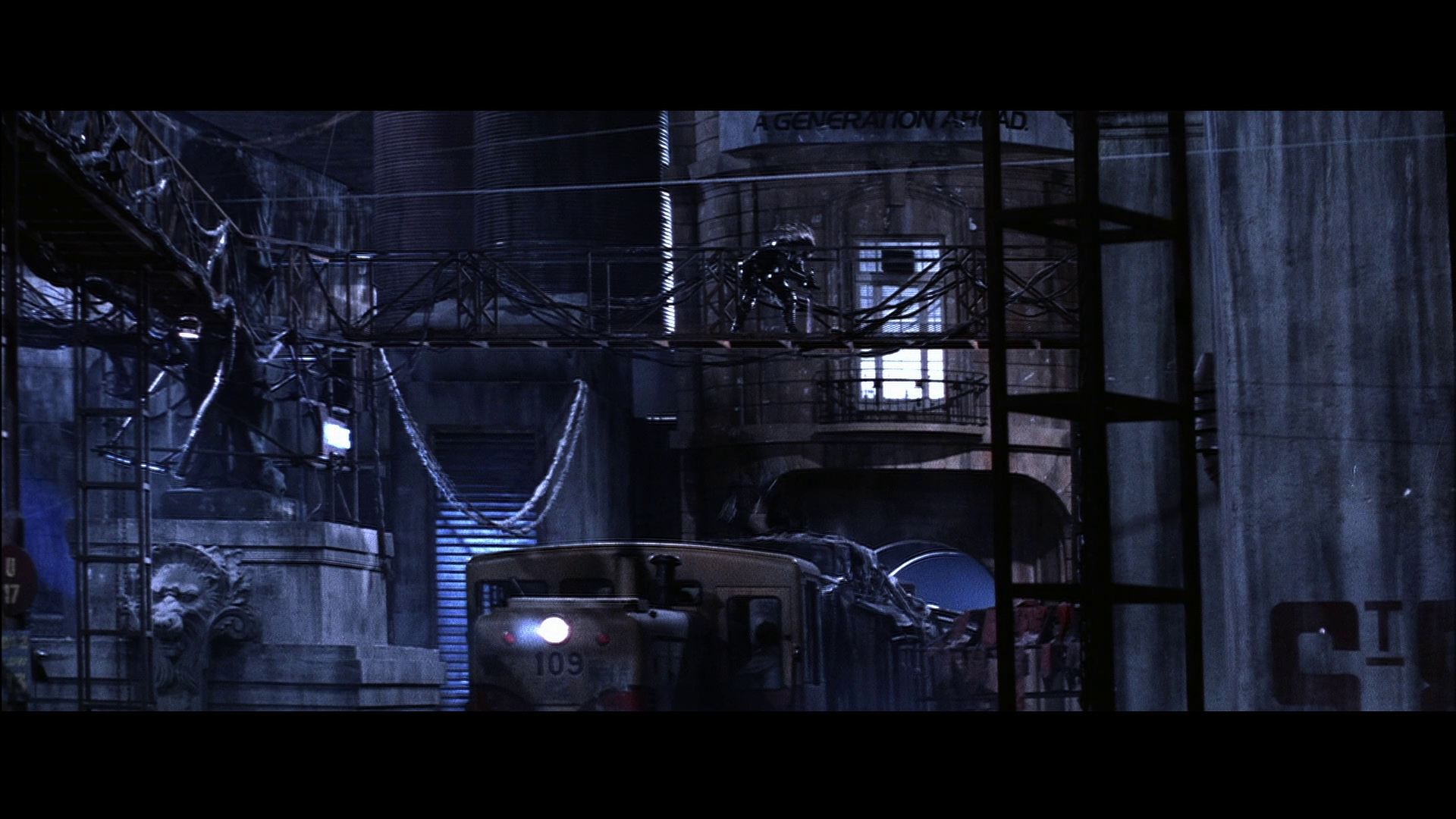
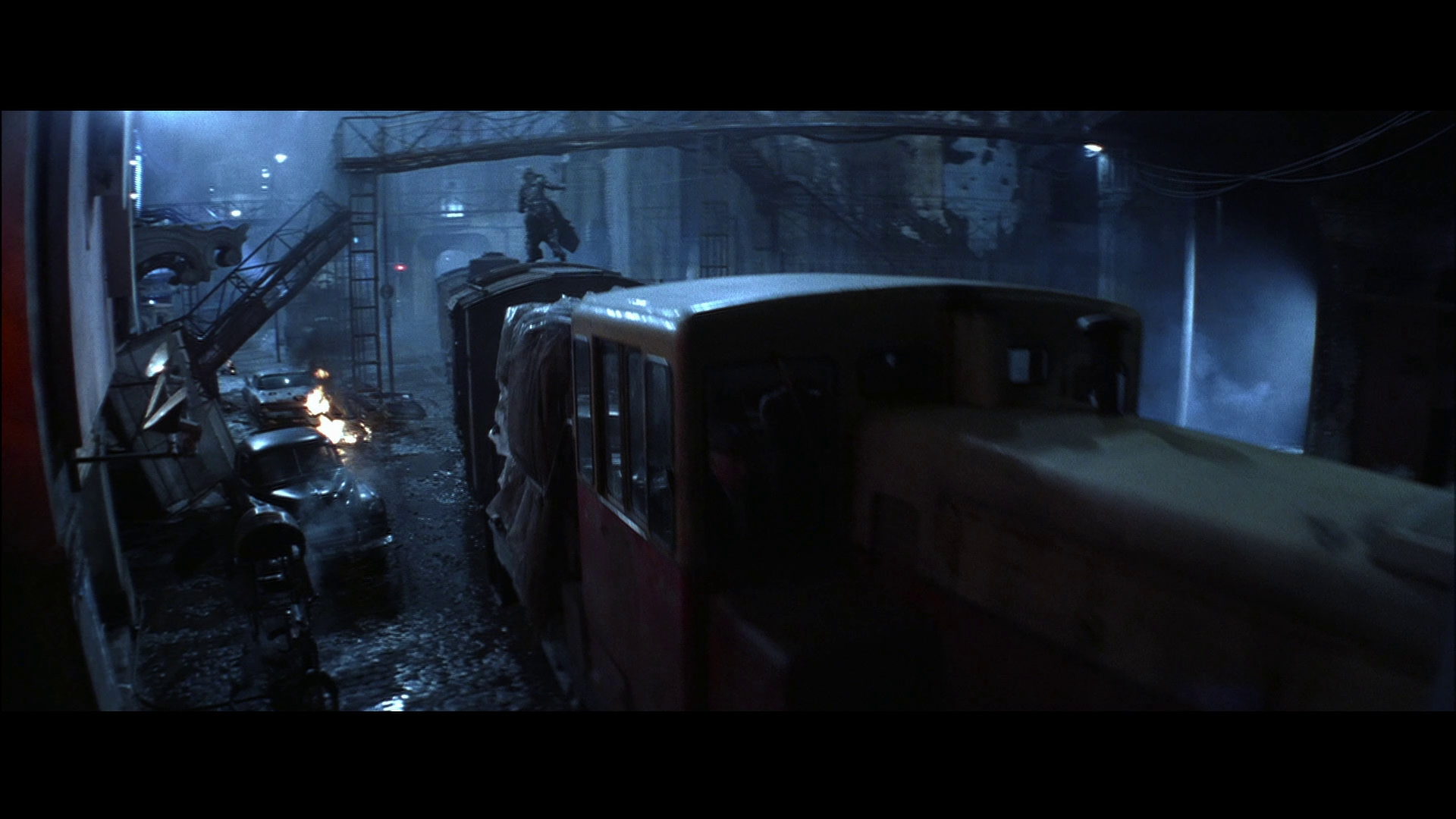
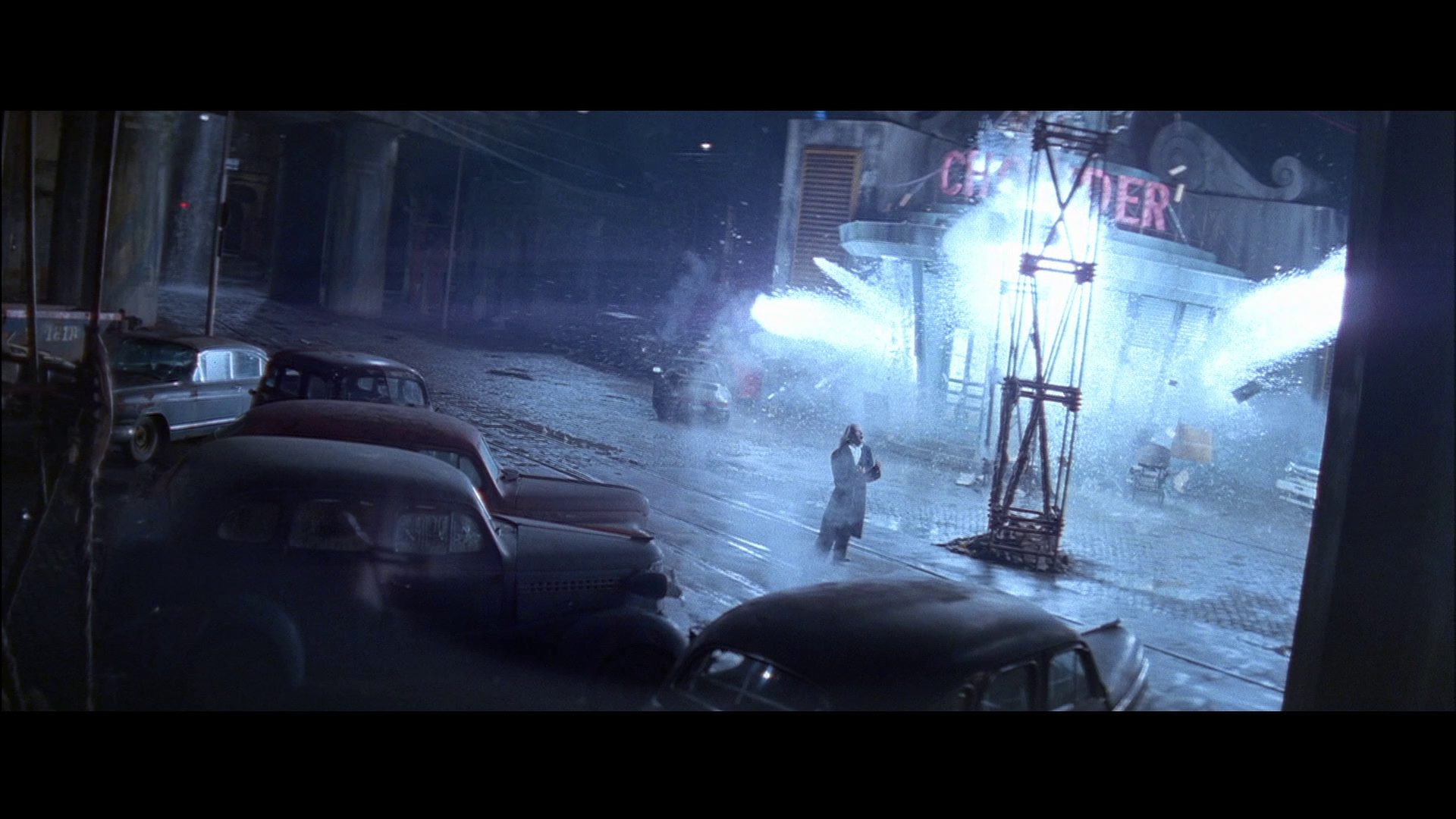
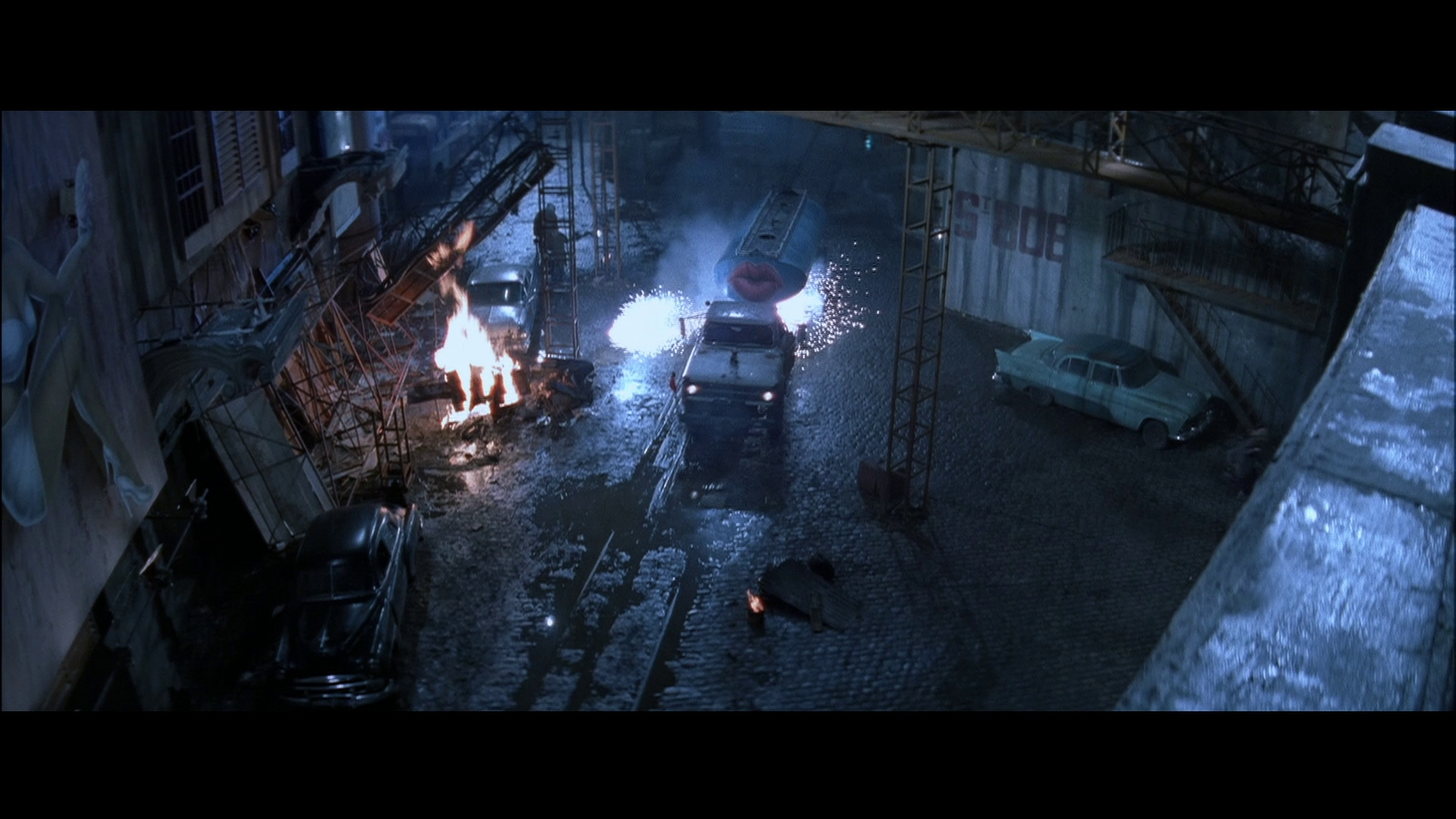
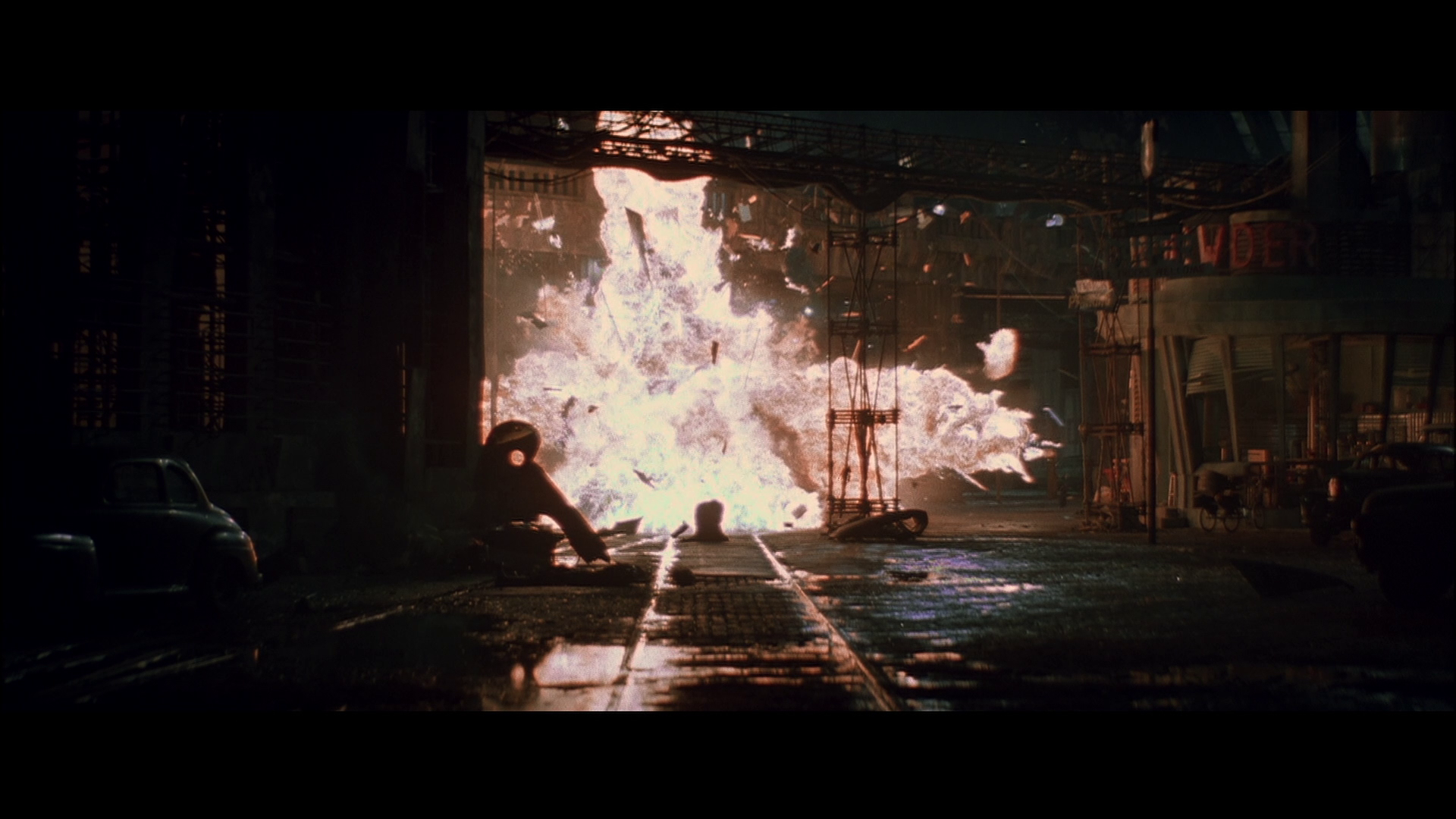
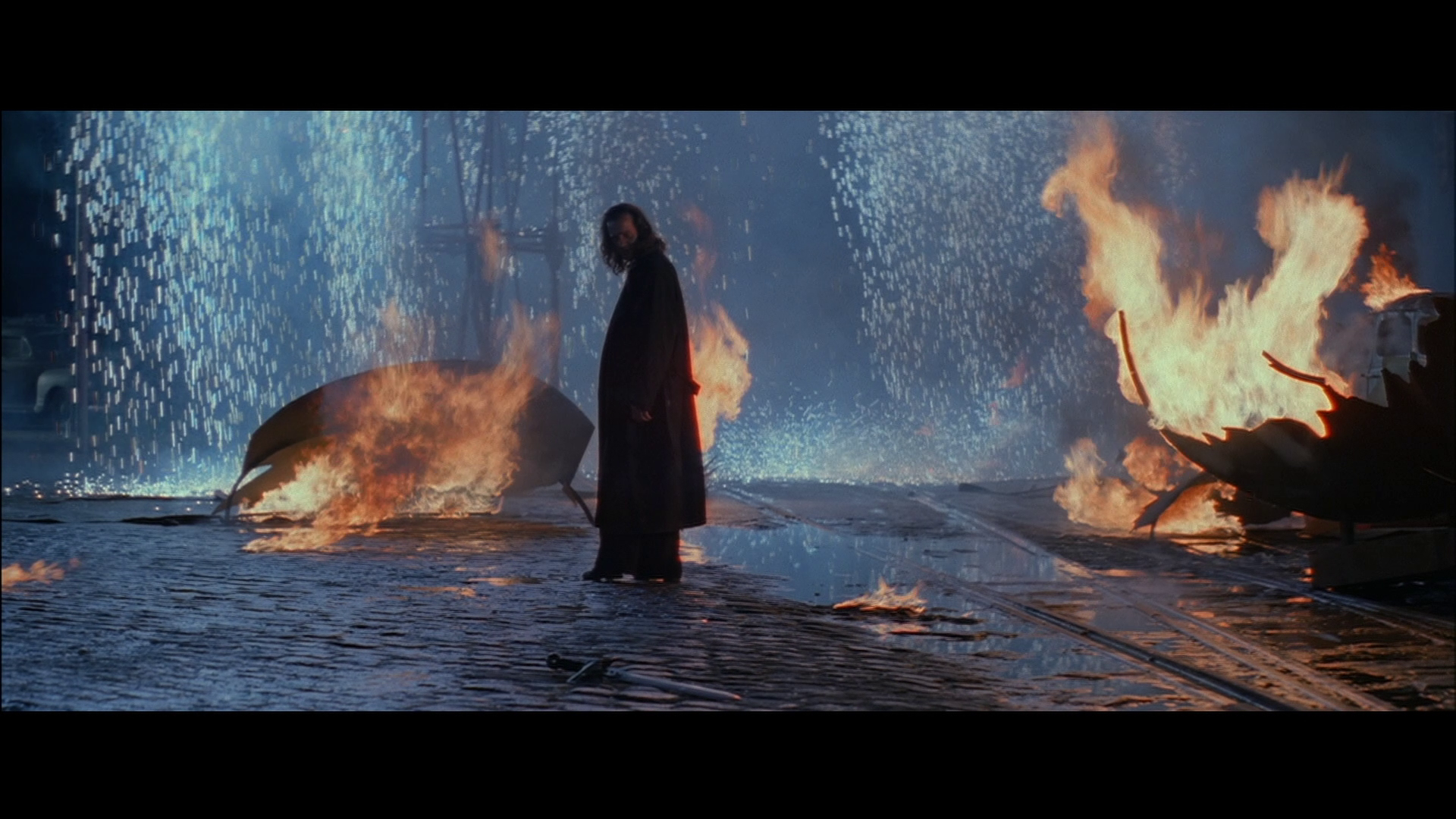
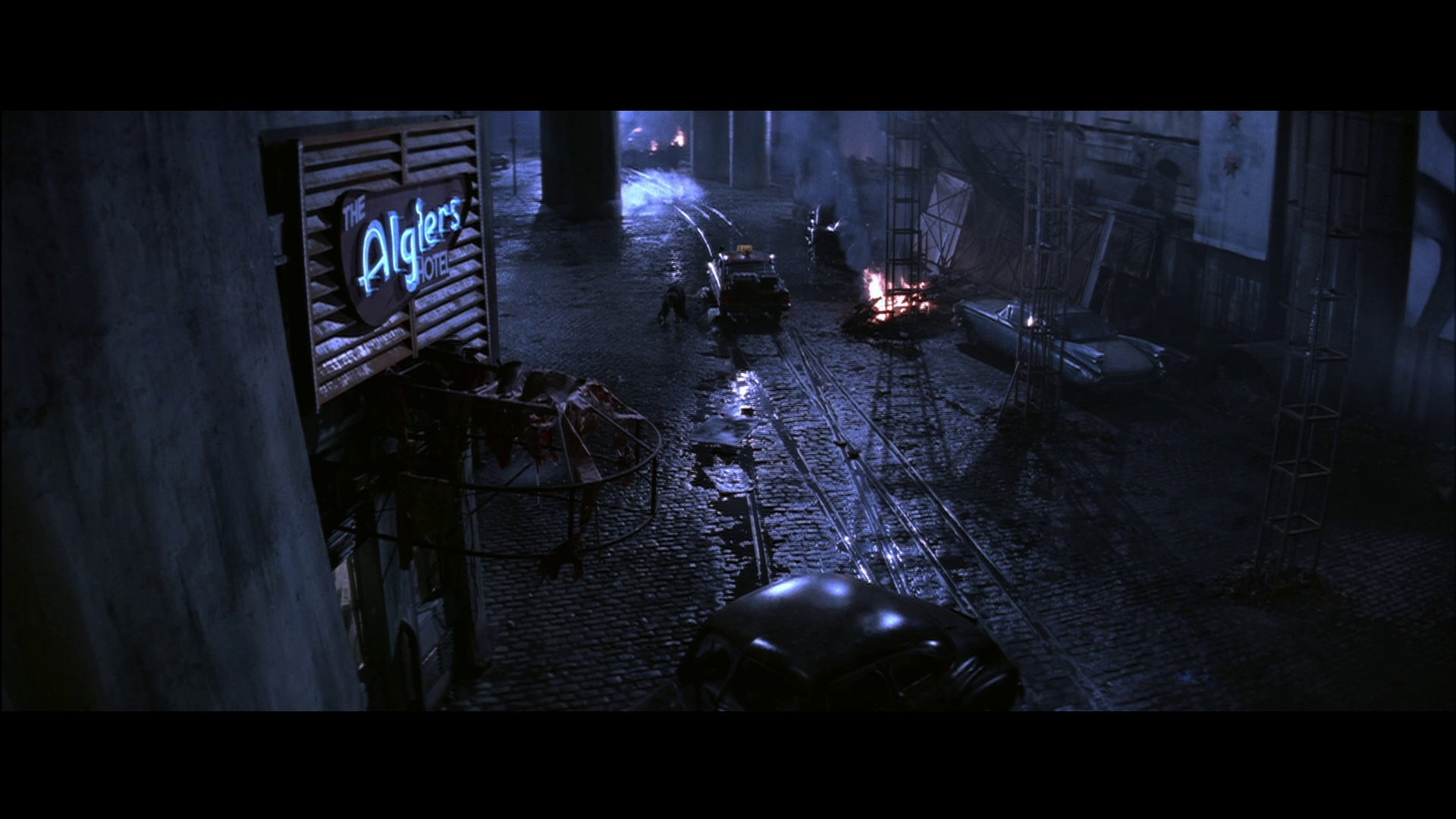
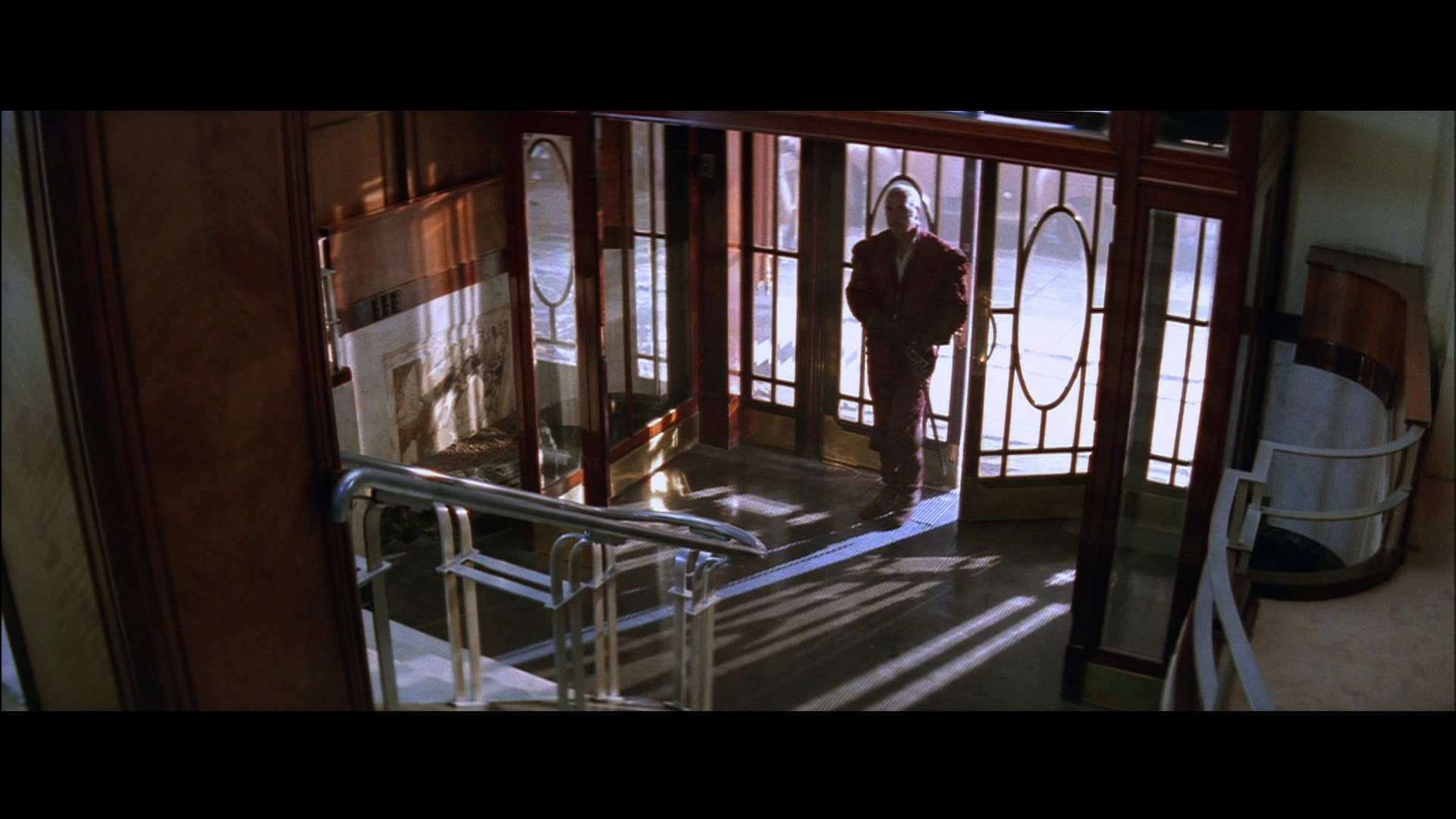
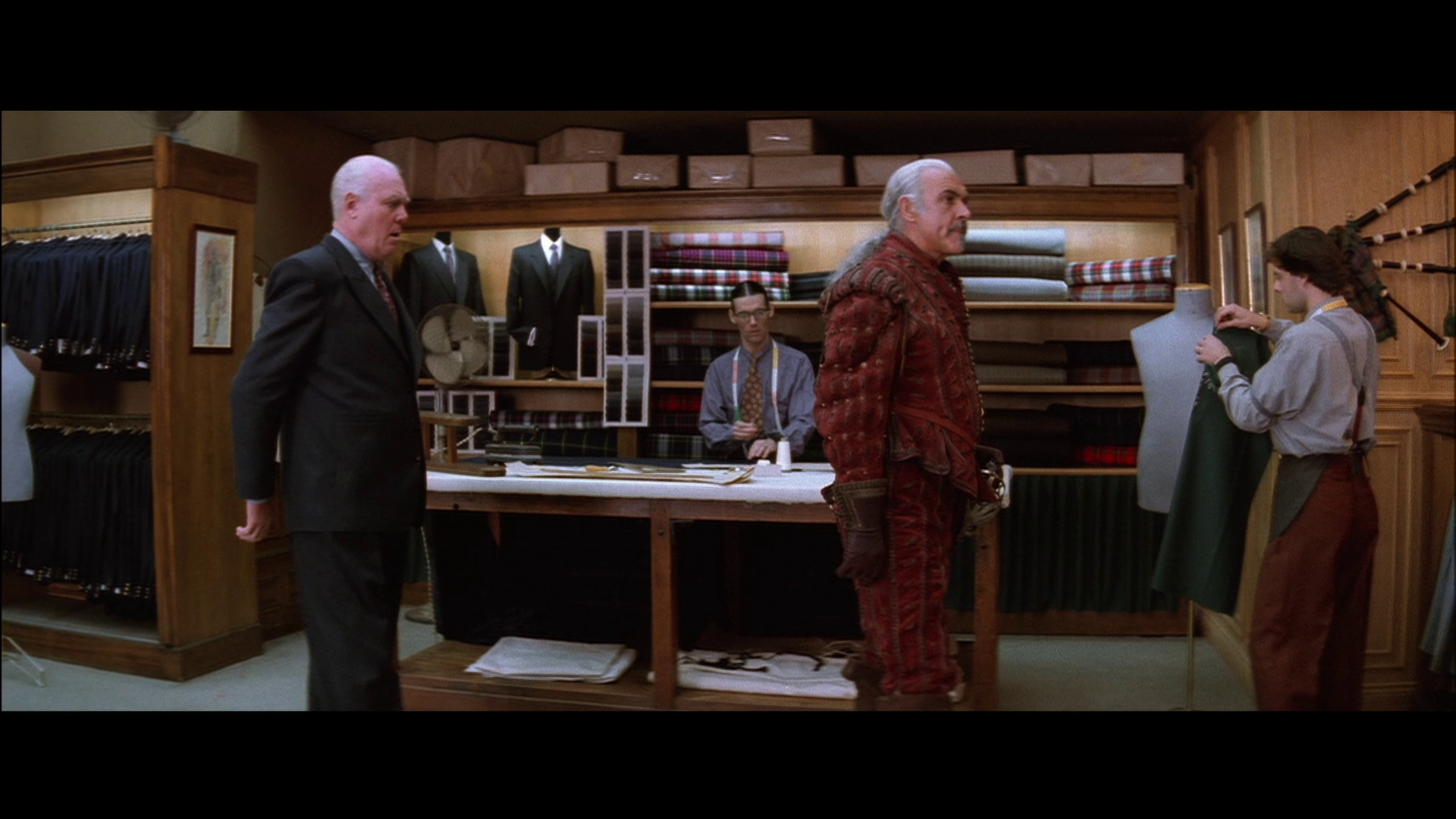
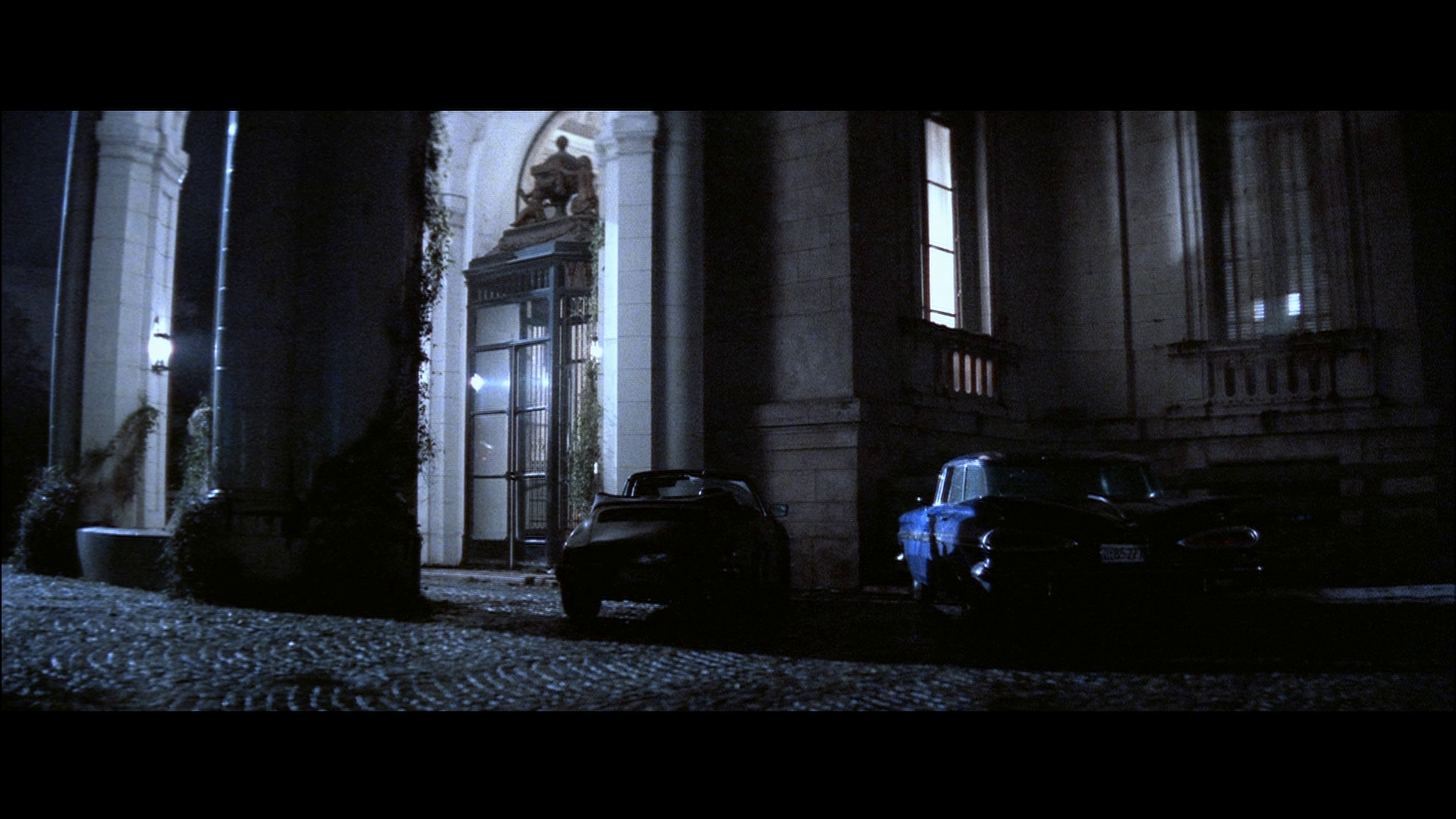
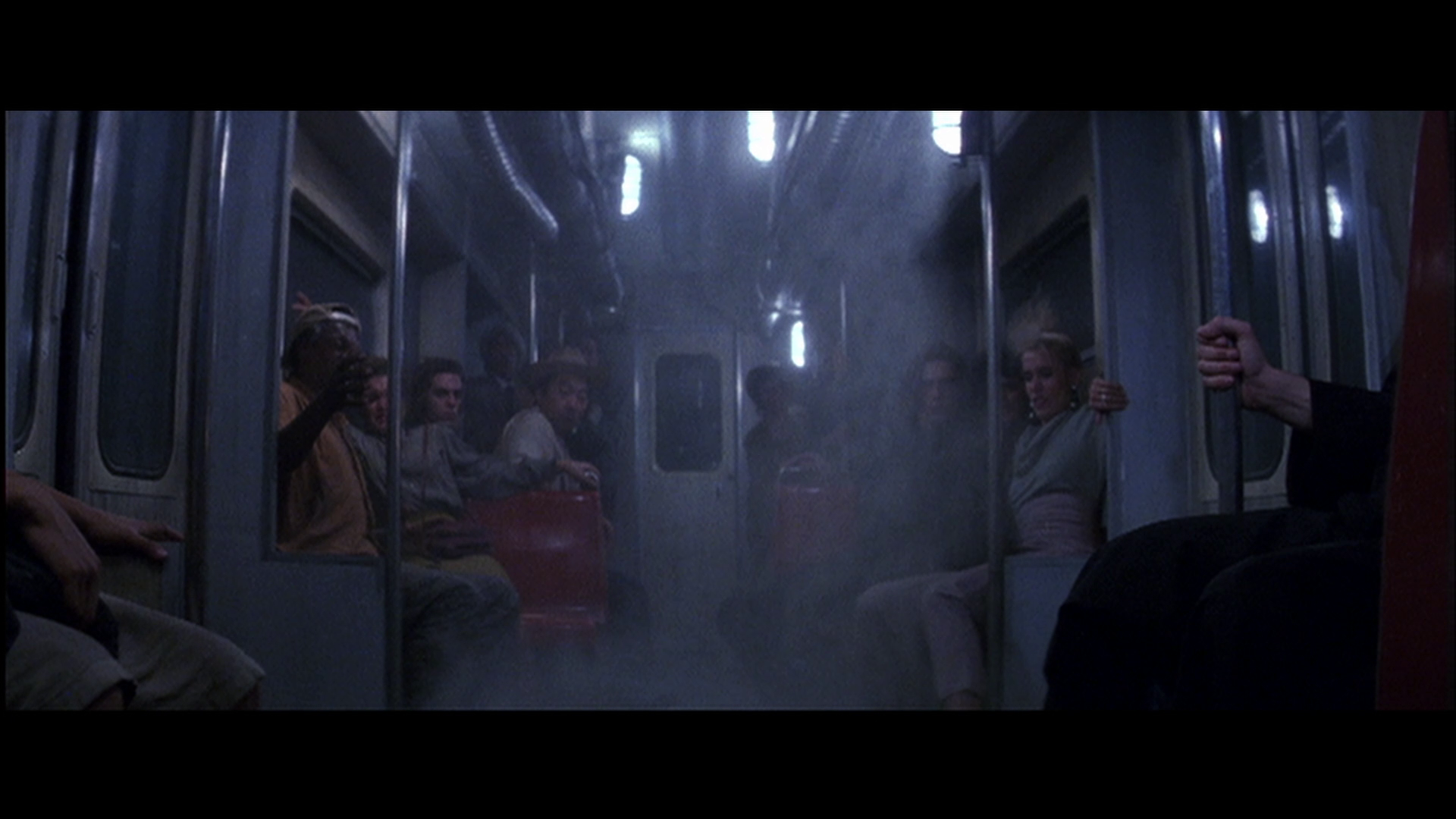
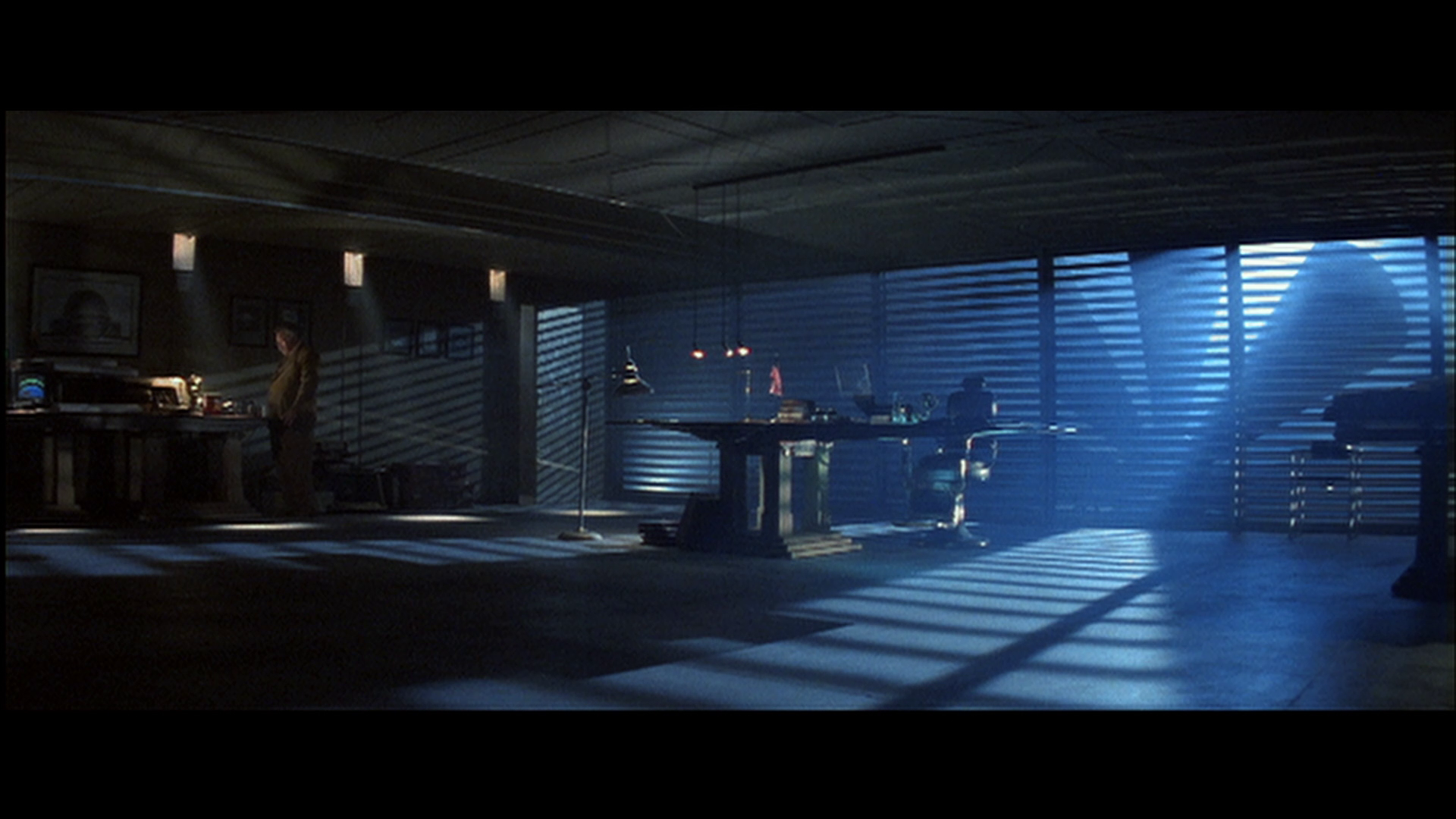
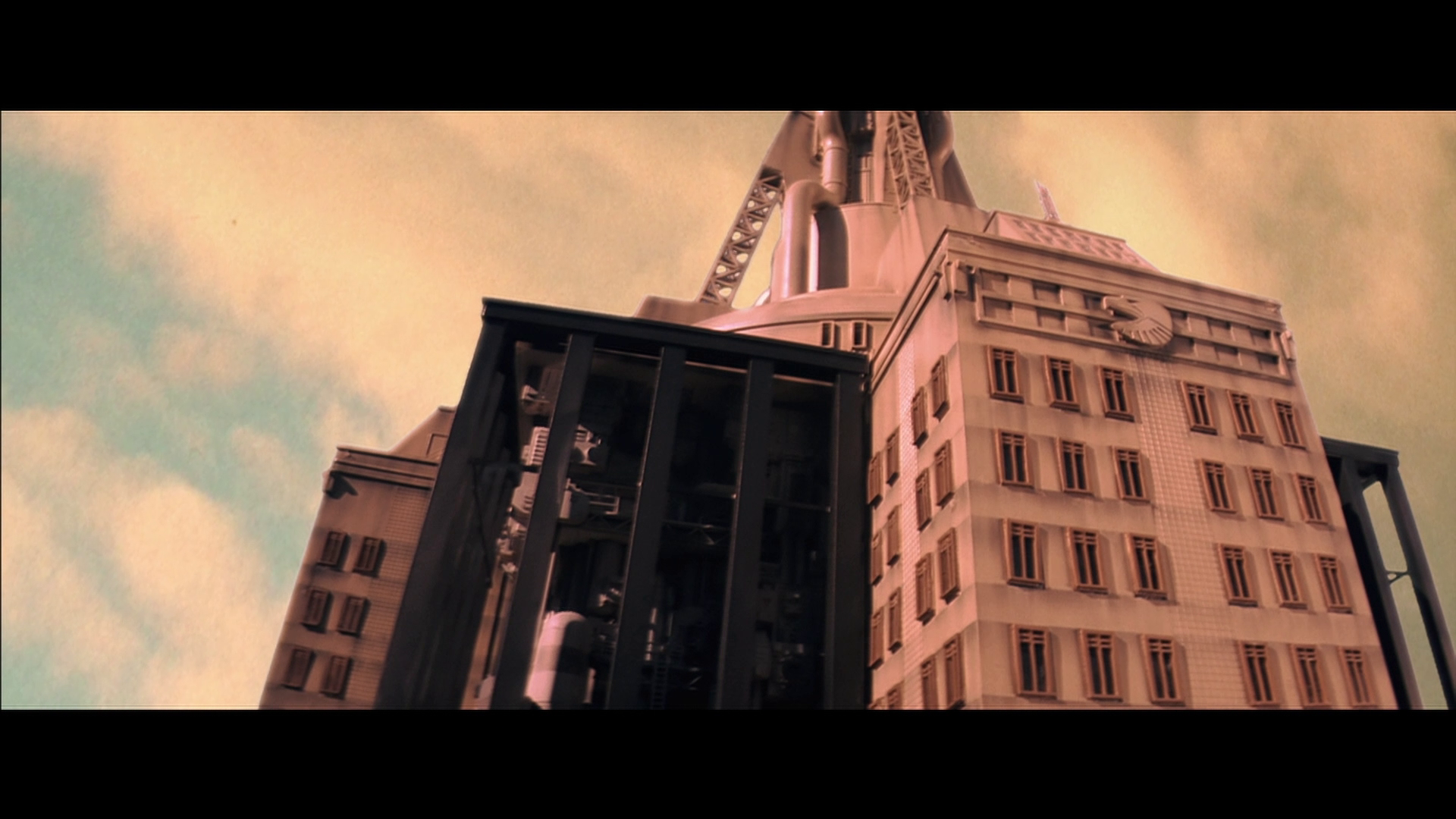
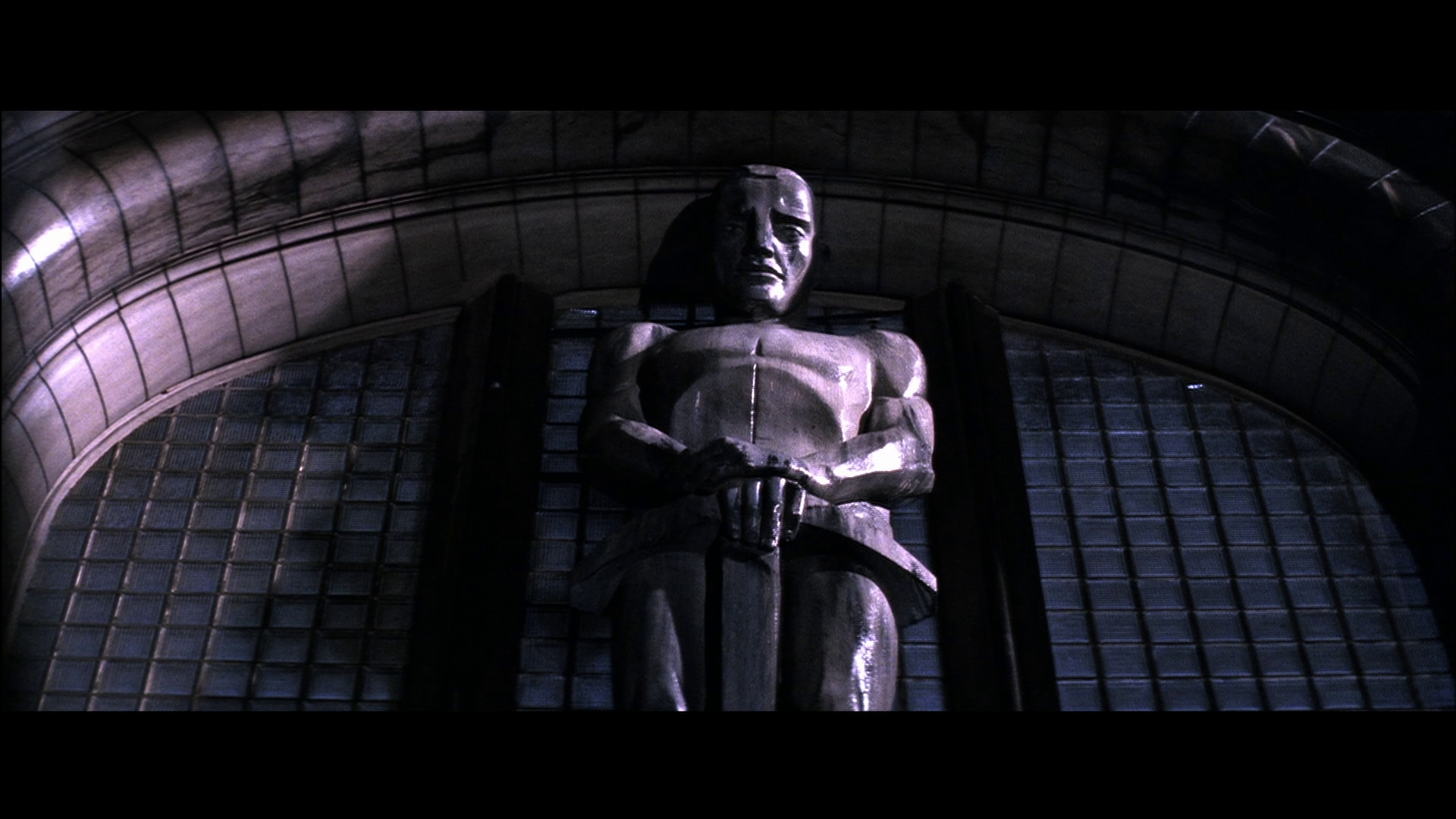
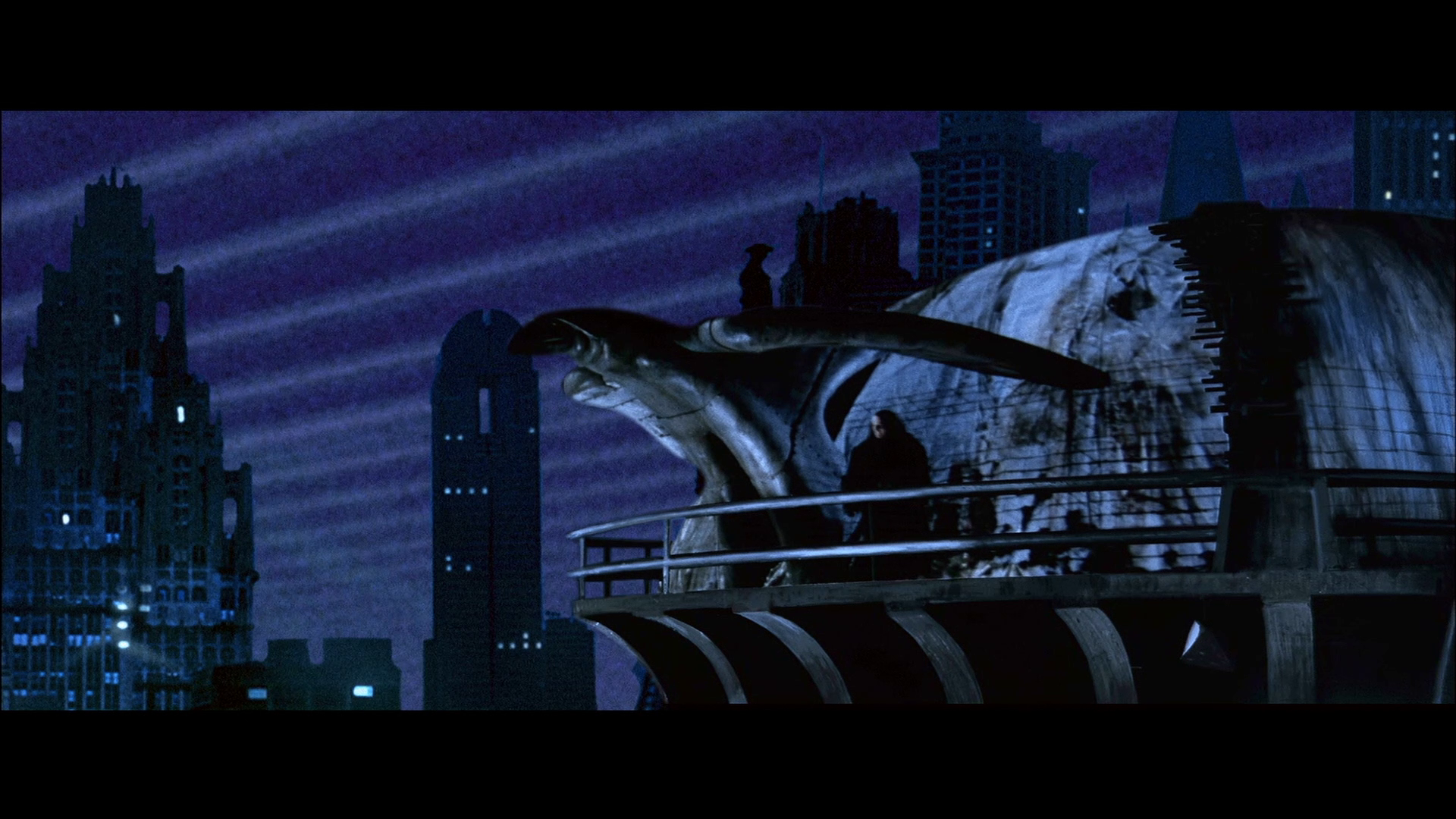
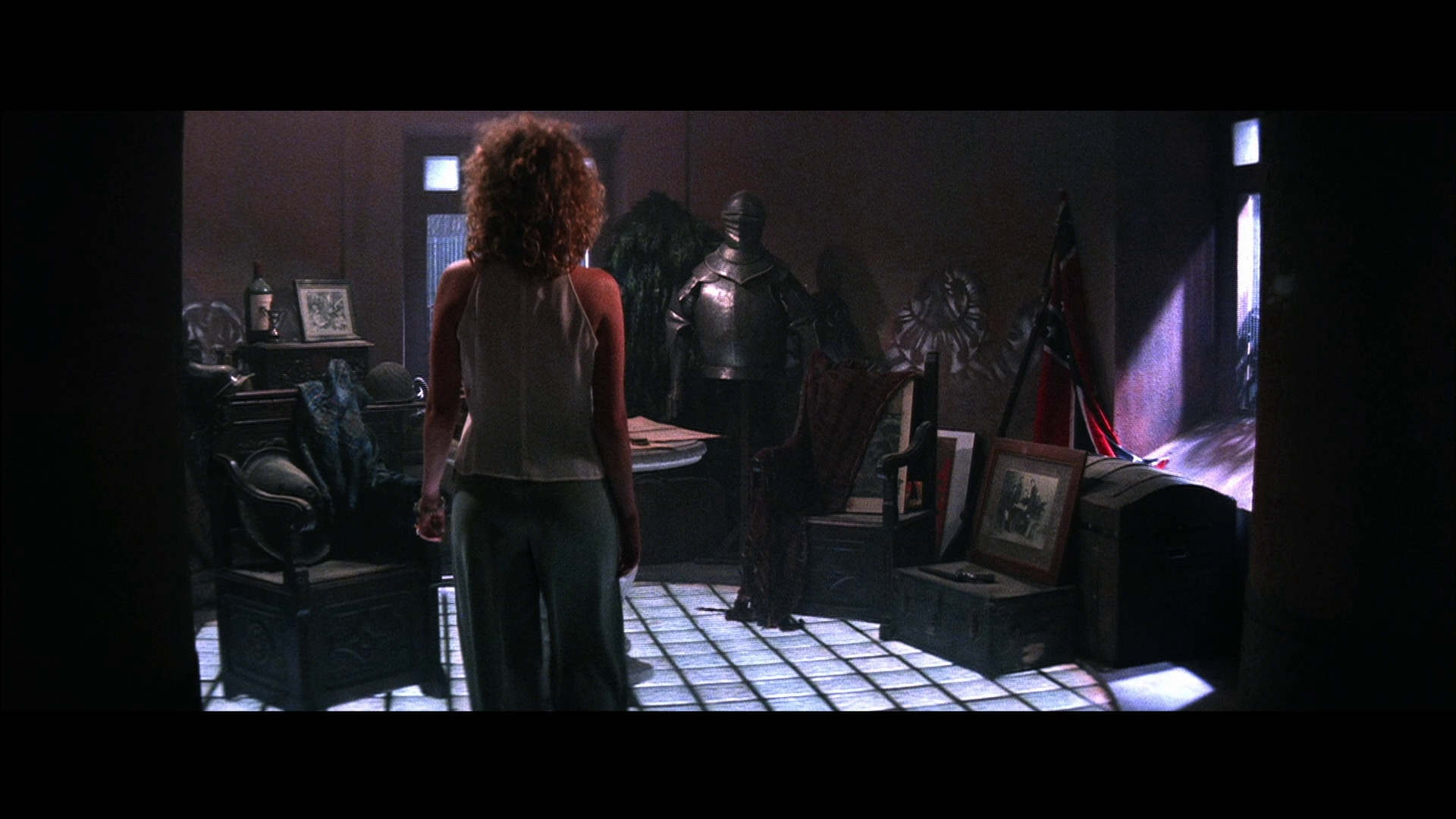
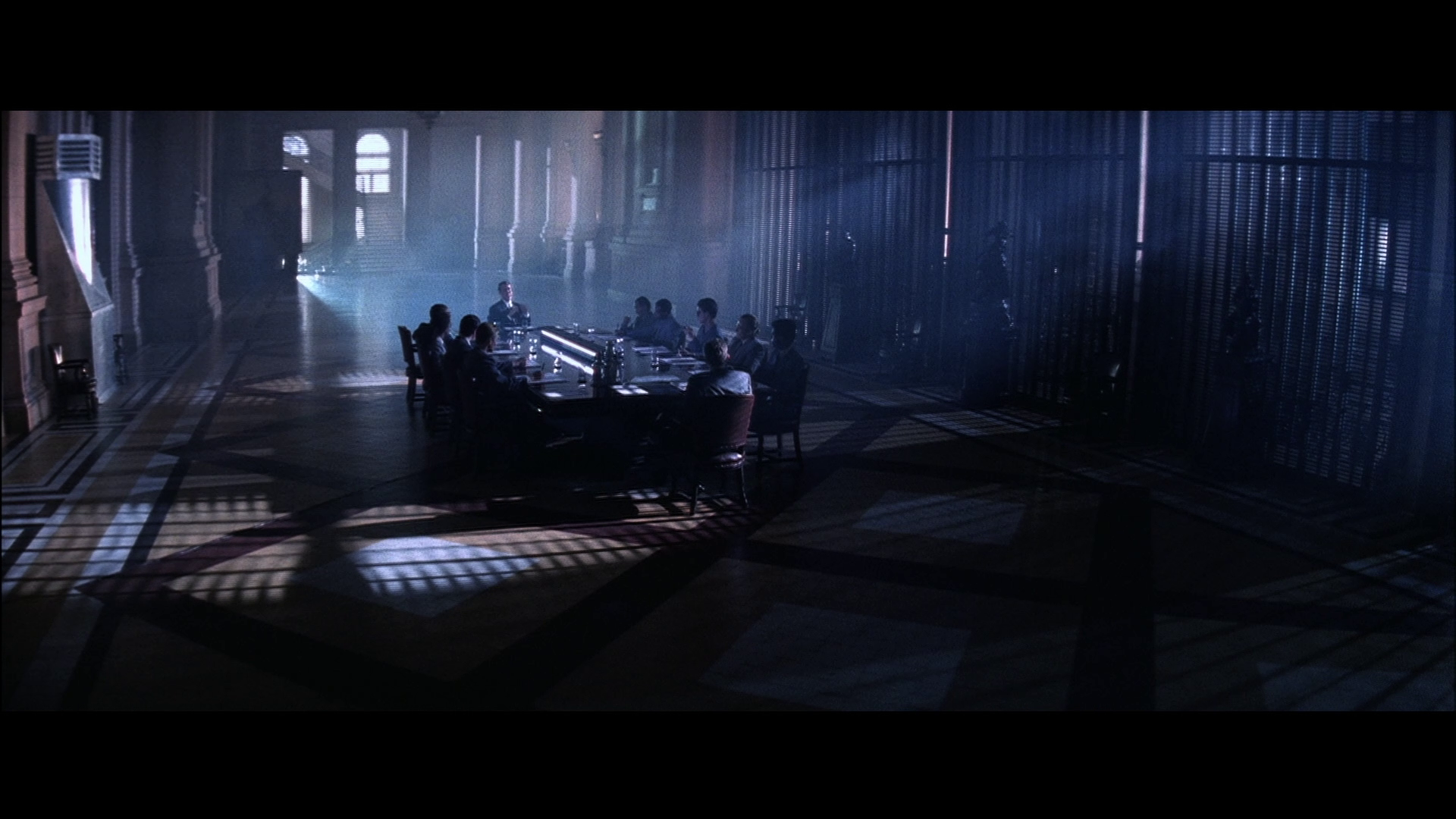
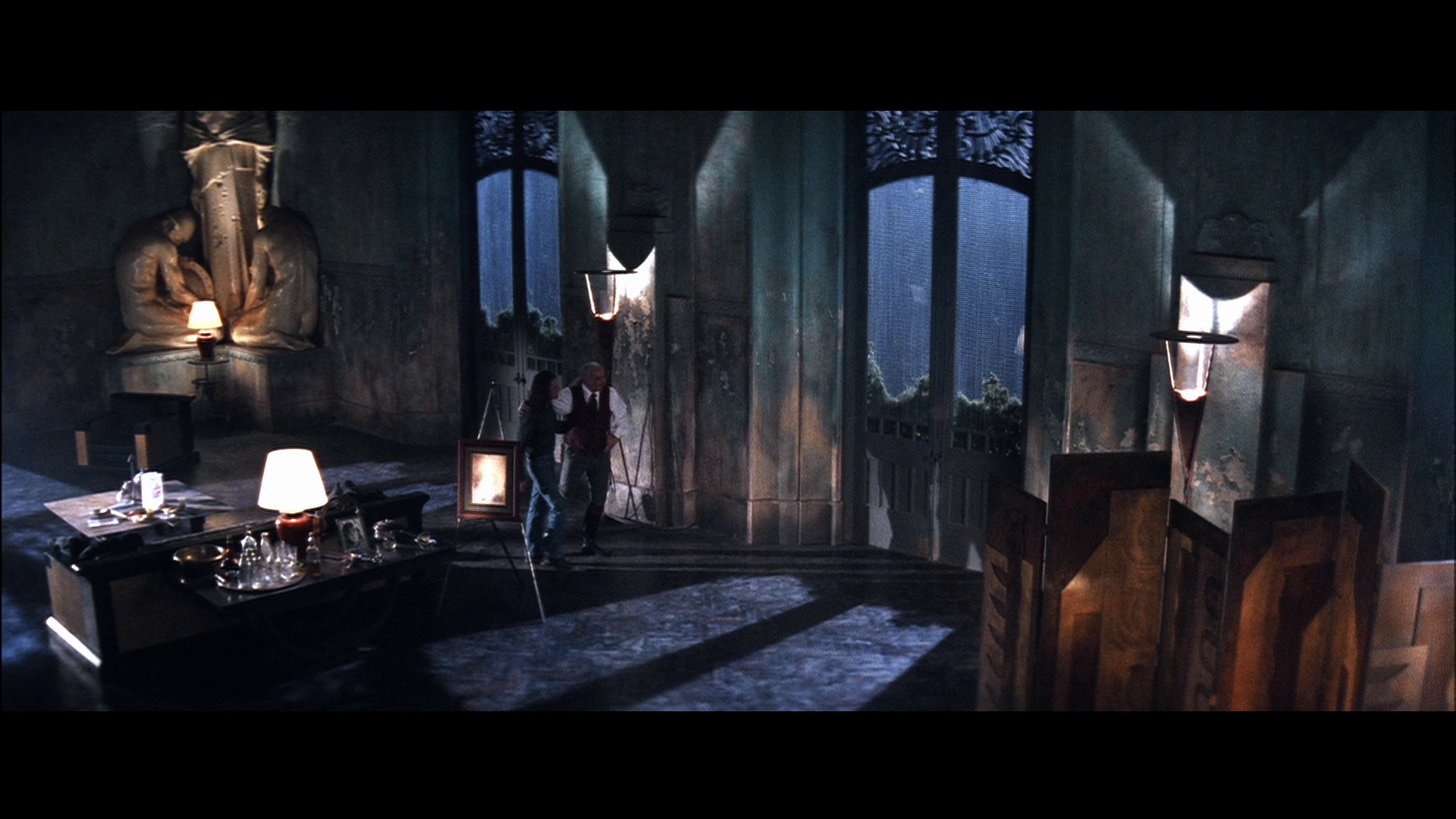
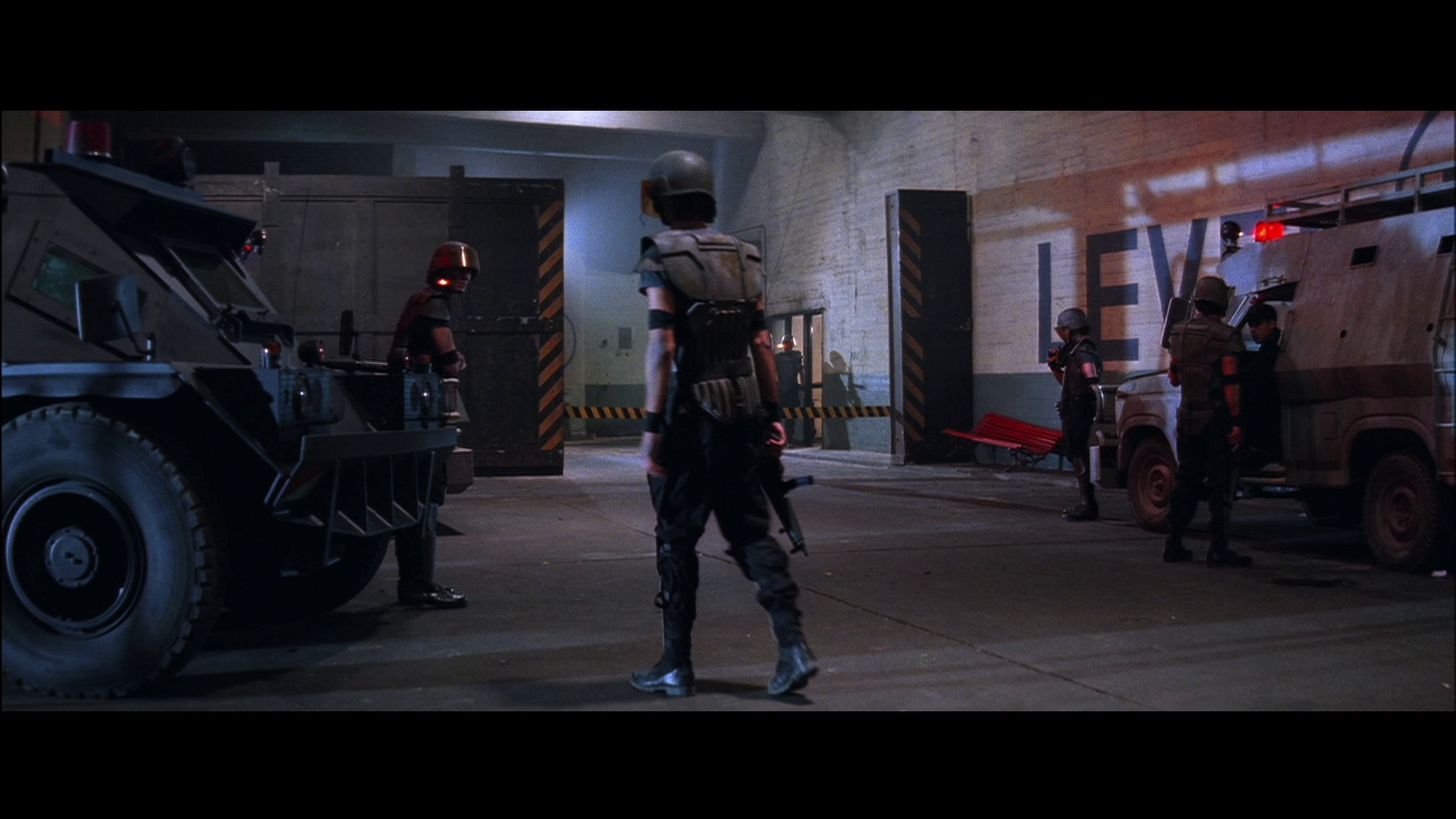
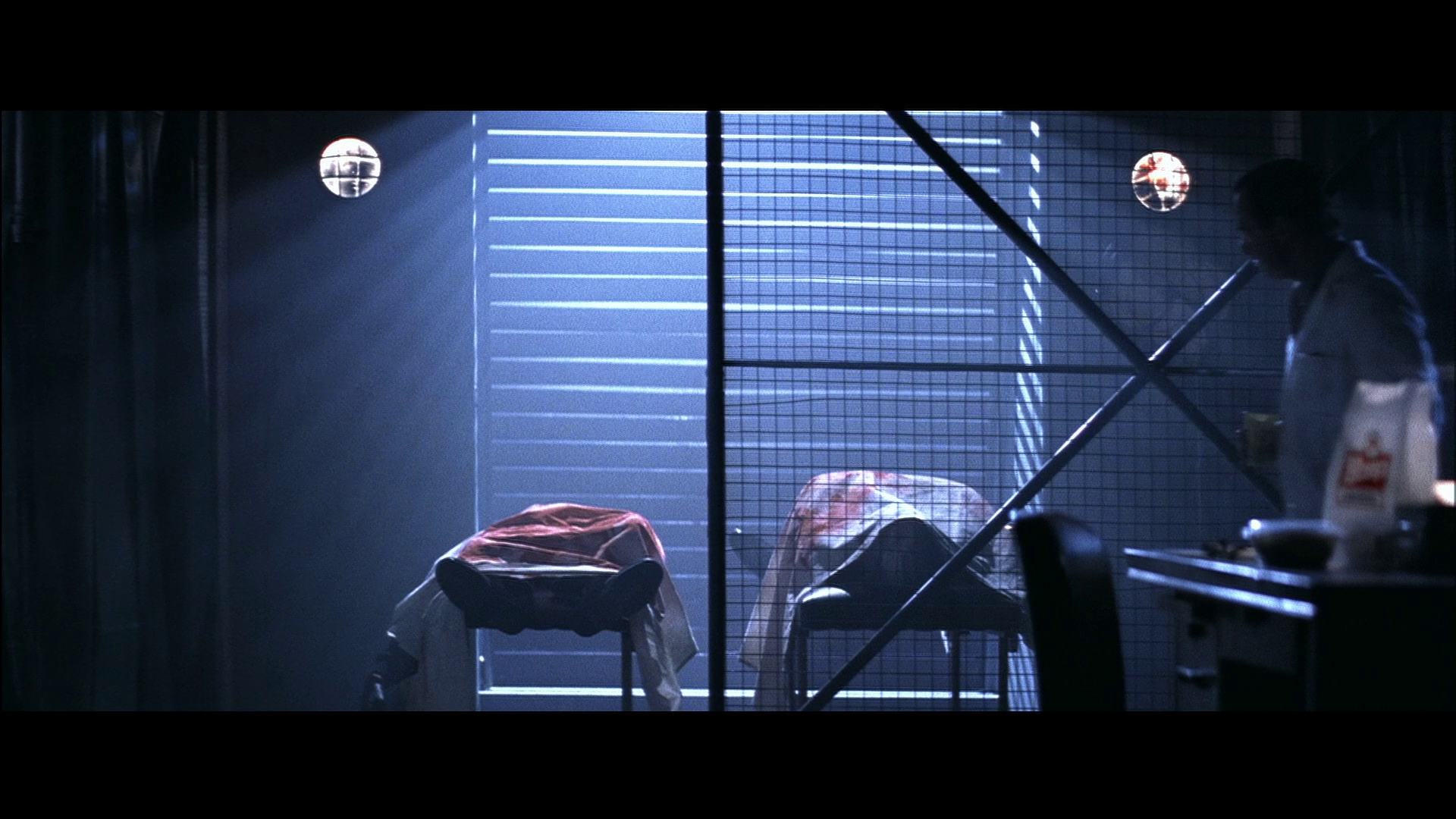
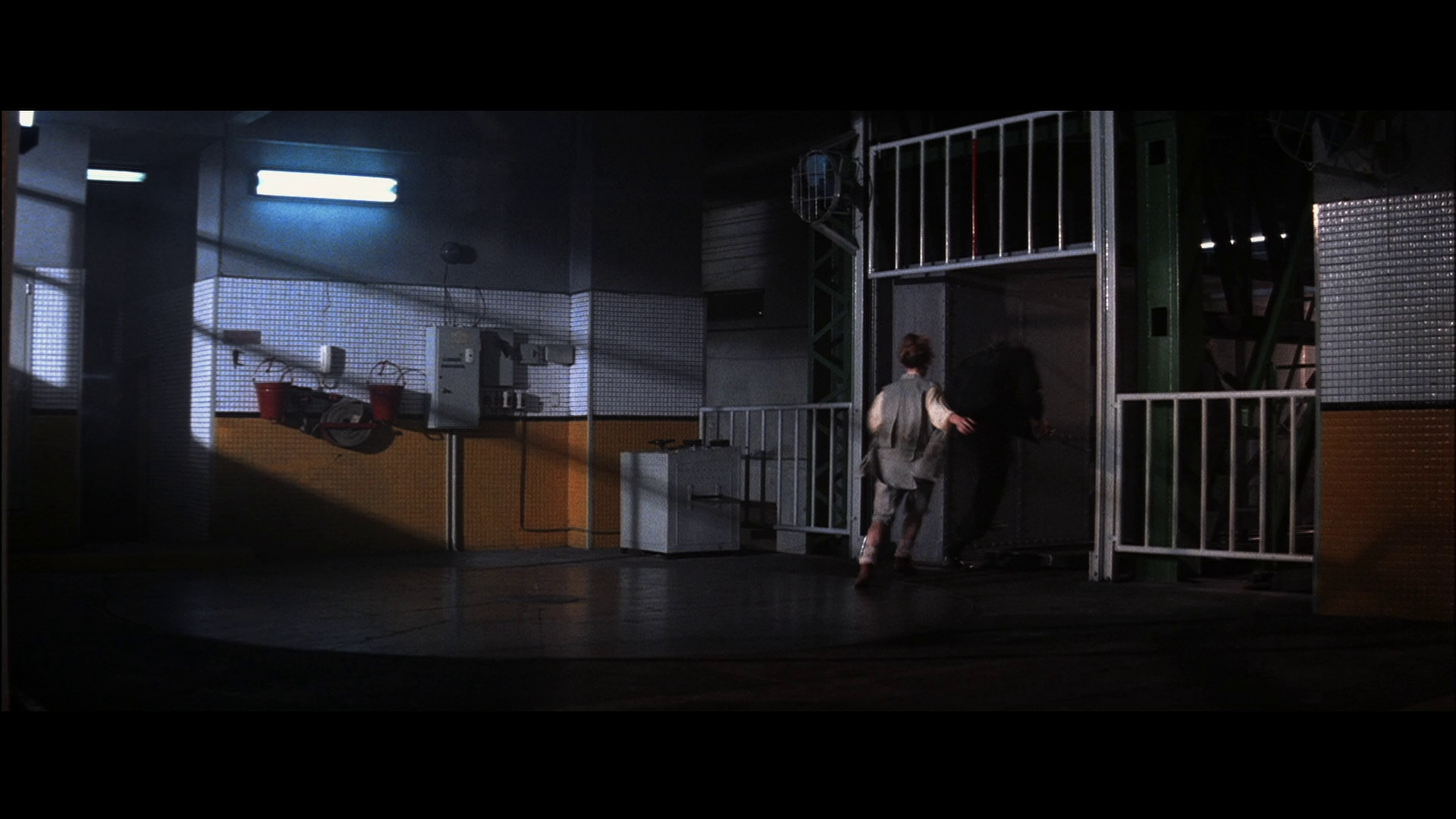
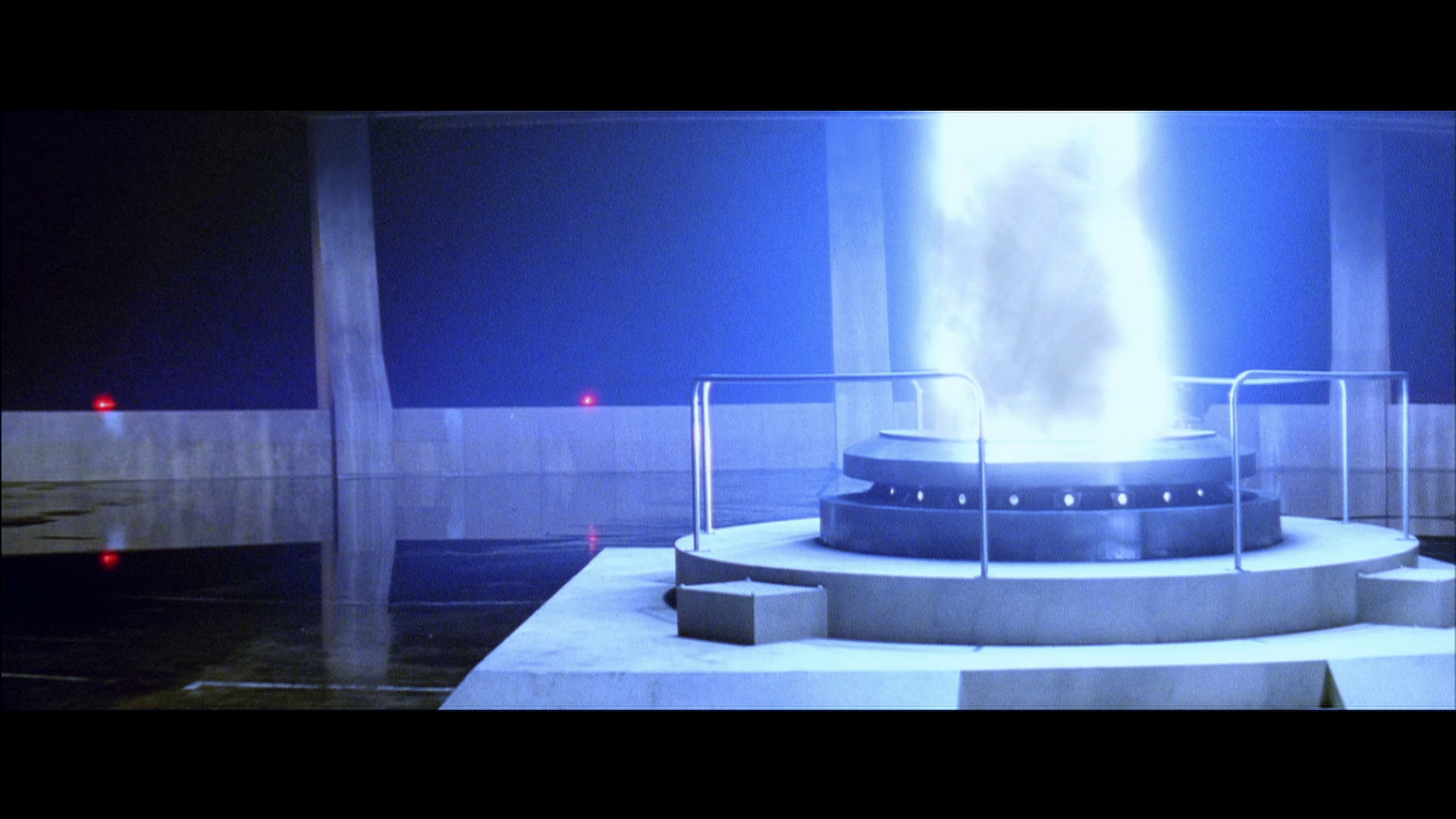
Highlander II: The Quickening might have been a mess of a film for several reasons but one of its few saving graces remains Roger Hall’s moody, dystopian and decayed production design. Moving strictly into science fiction territory, the film rejects the fantasy elements of its predecessor electing to make these immortals ... aliens from a different world. Excluding any logic in its story development, Hall’s design keeps things fresh and bizarrely, stimulating at the visual front; each shot exhumes fascinating details.
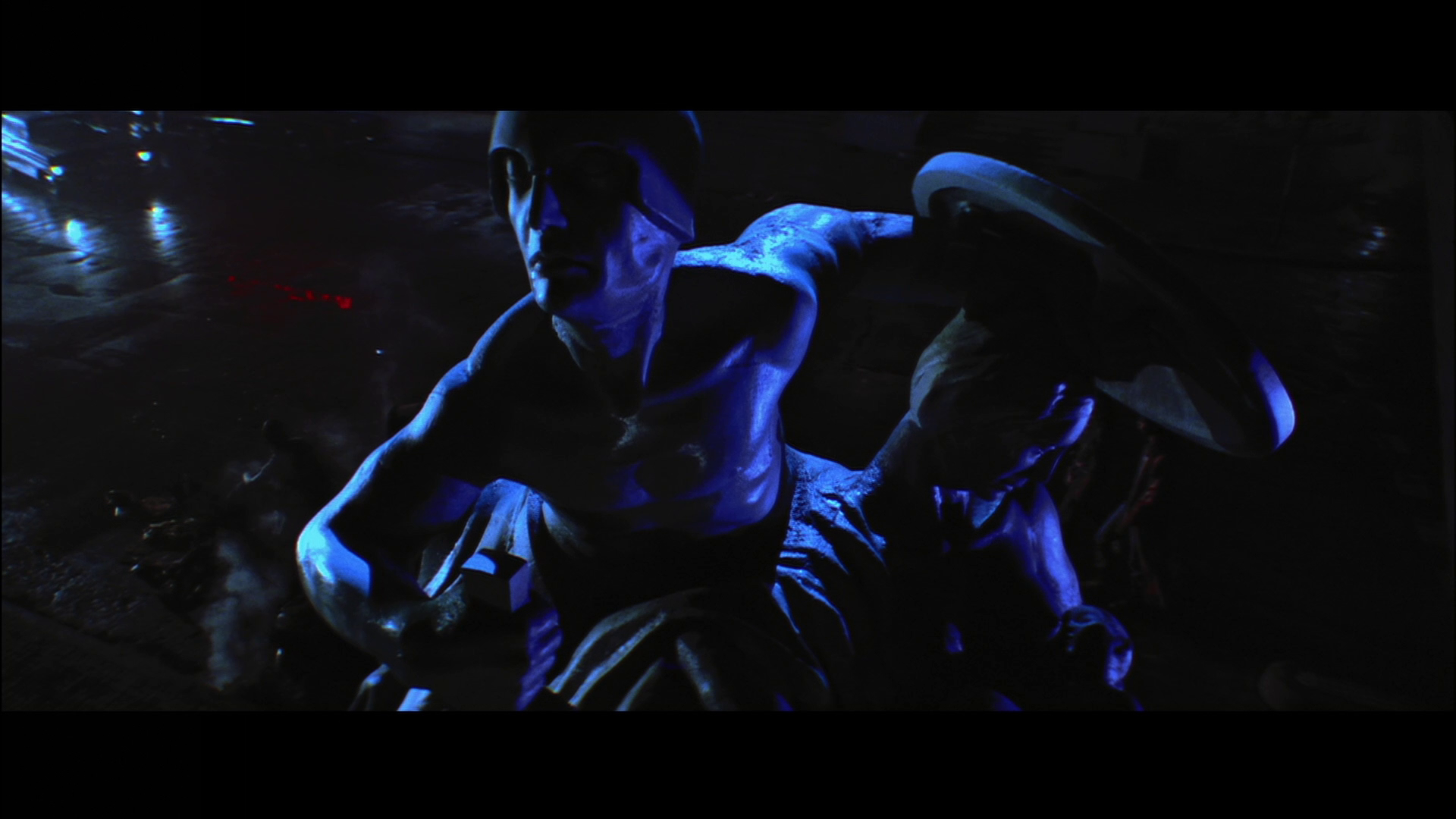
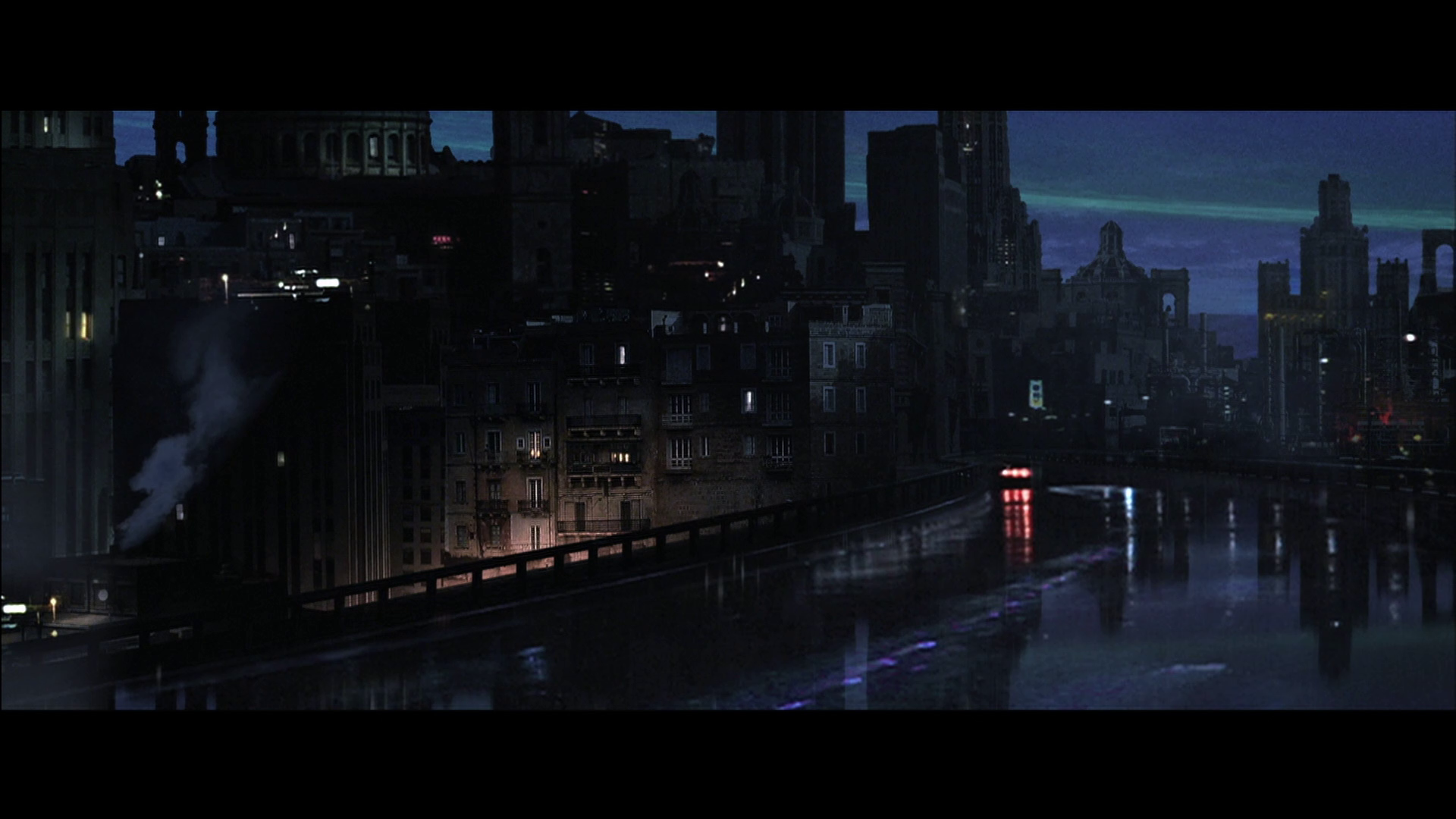
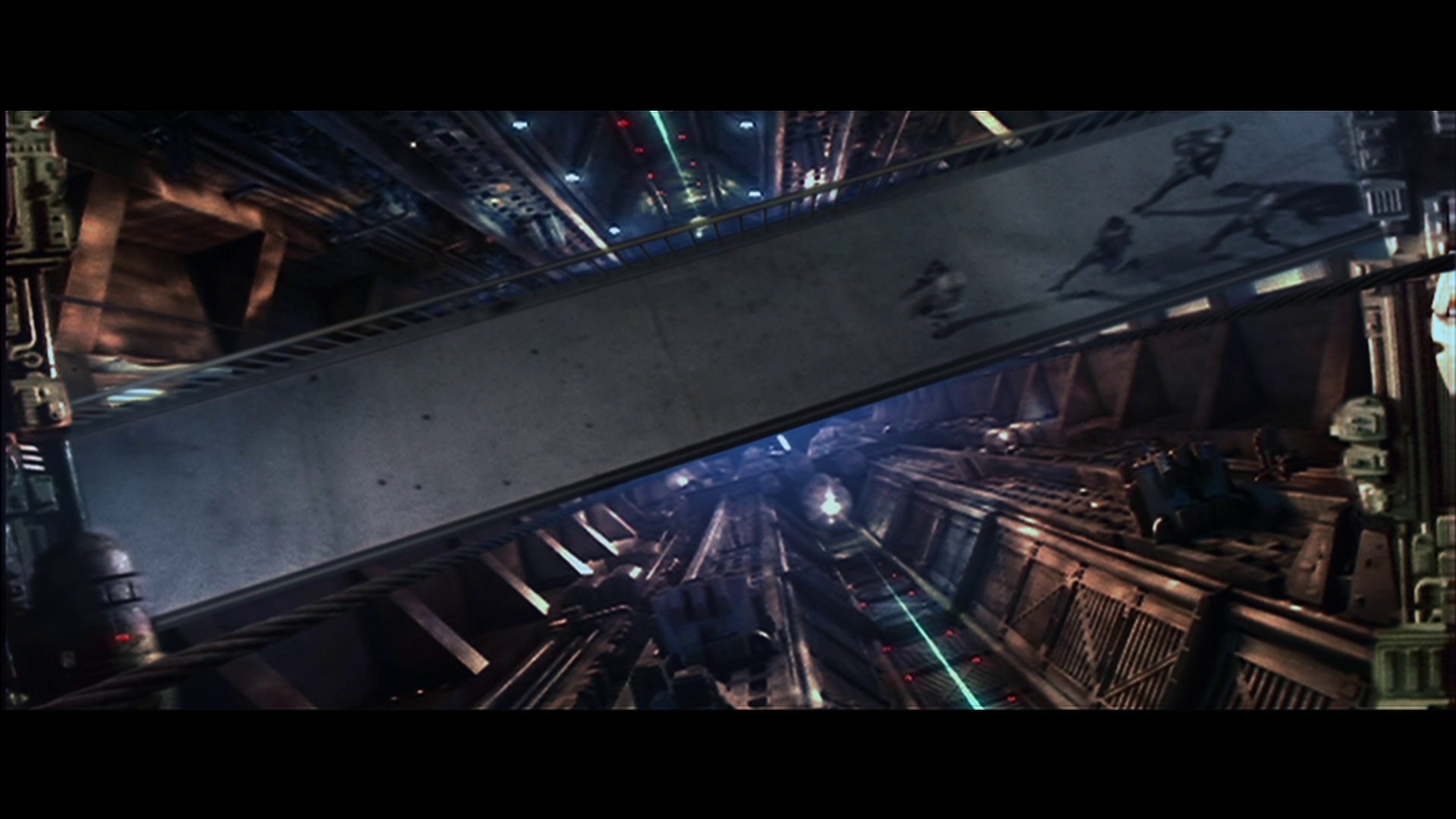
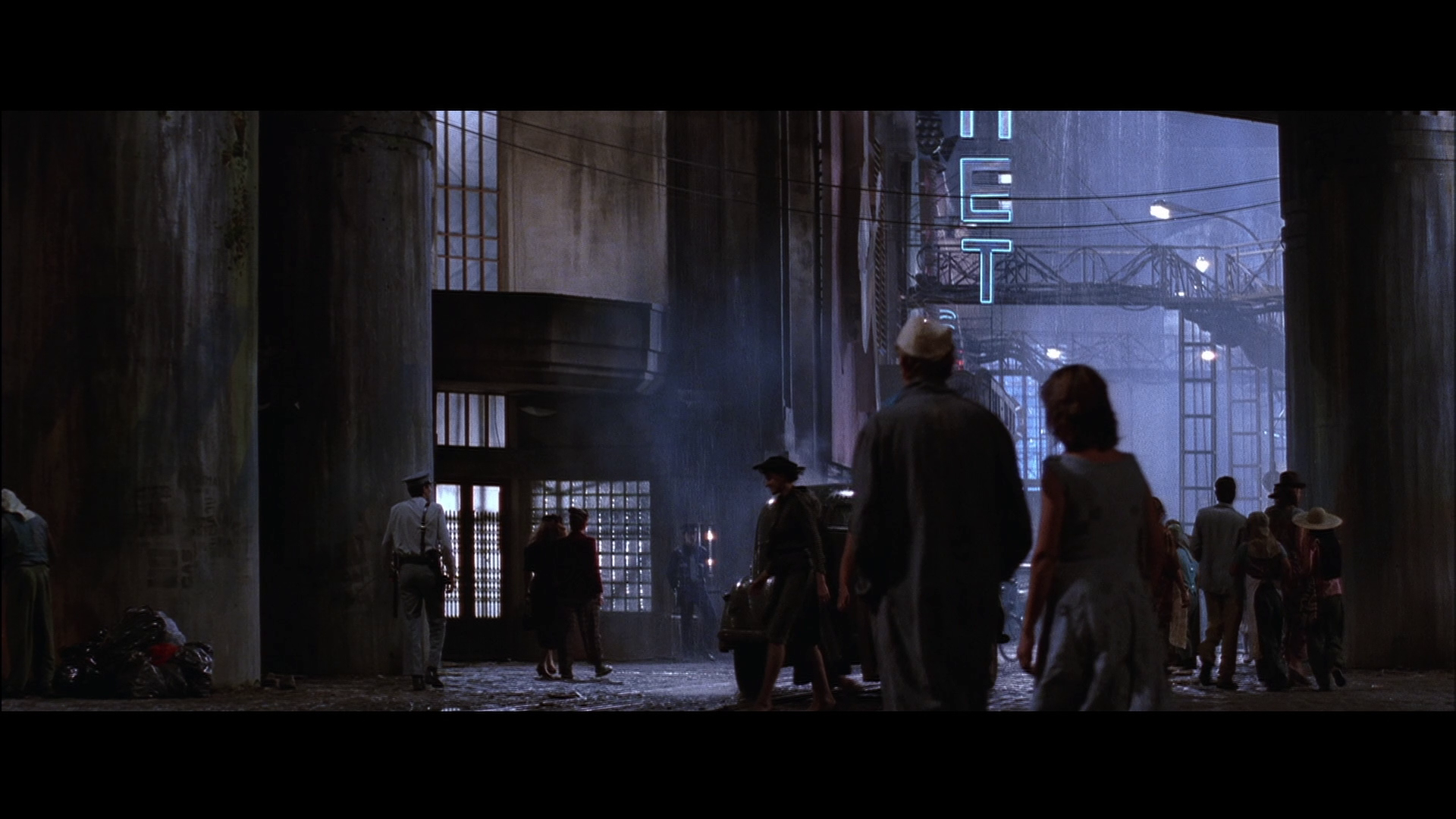
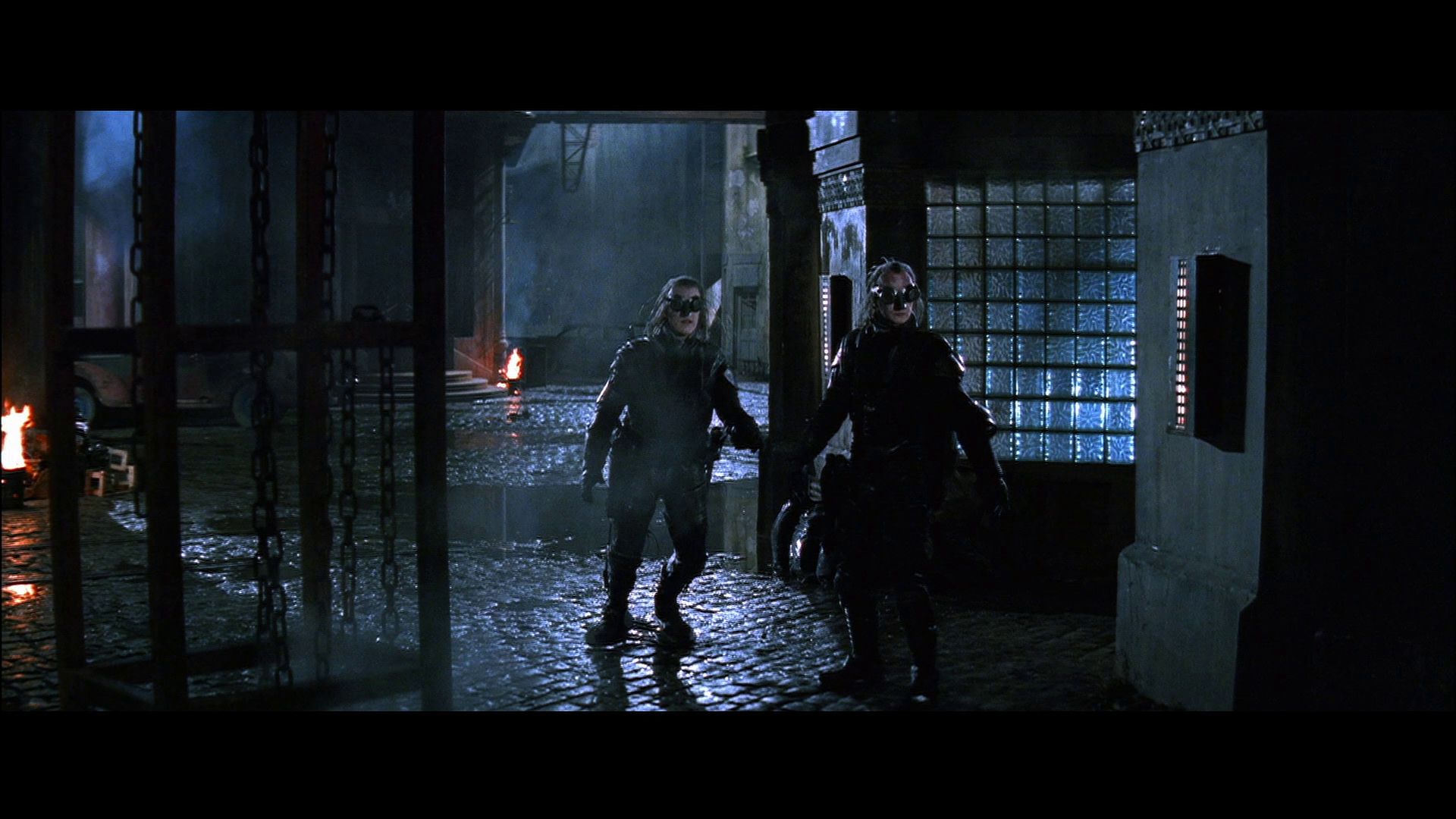
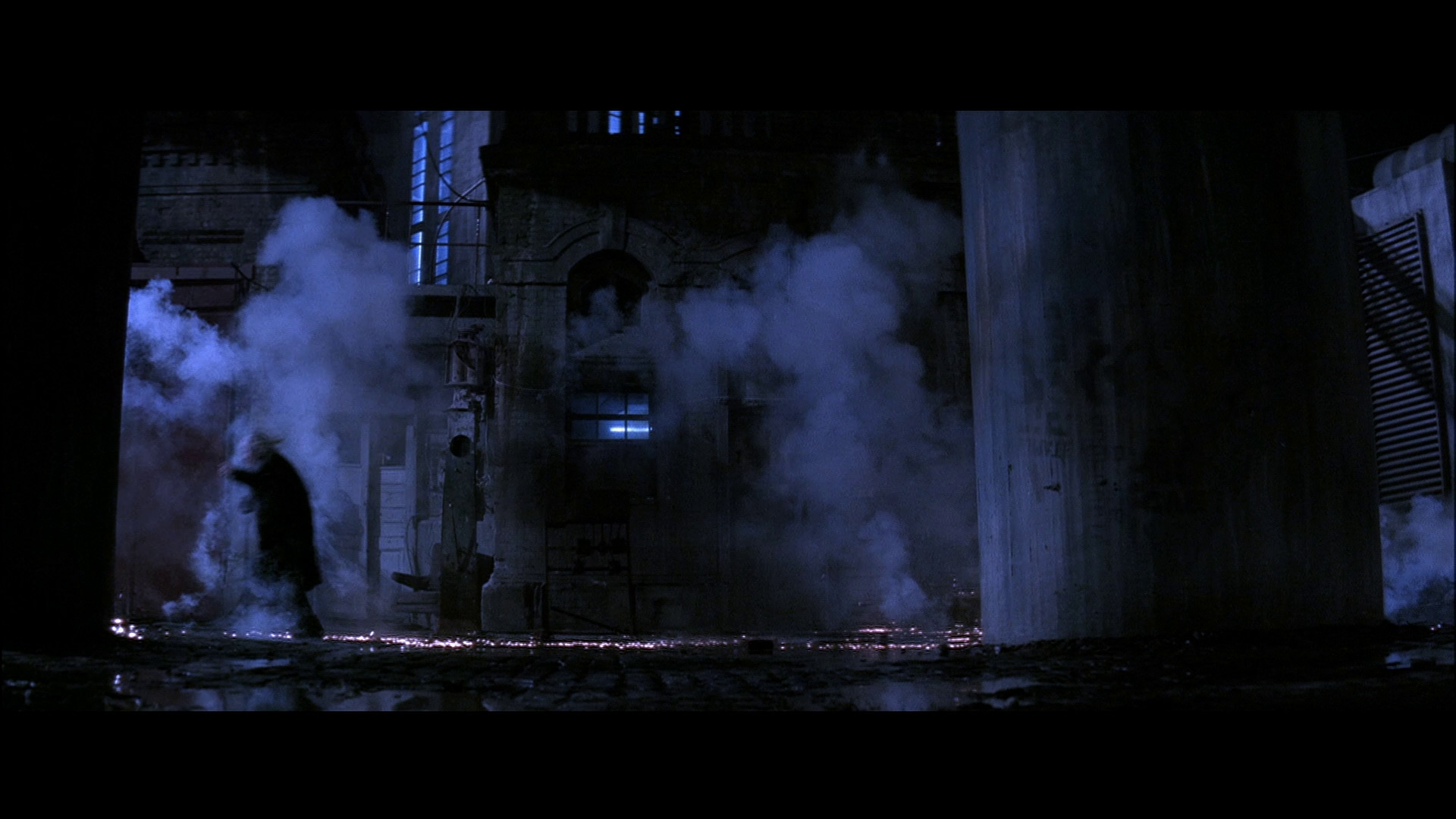
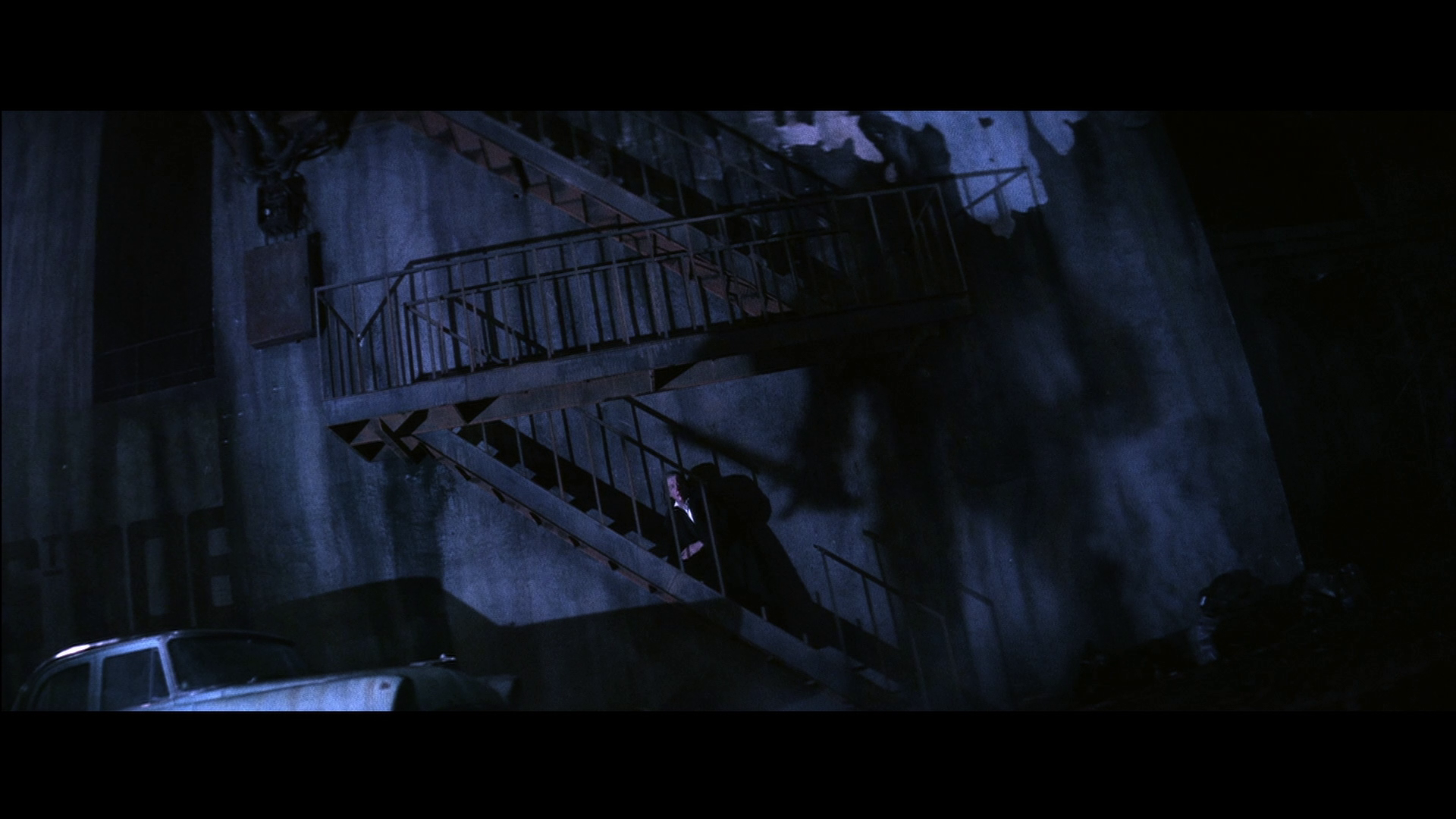
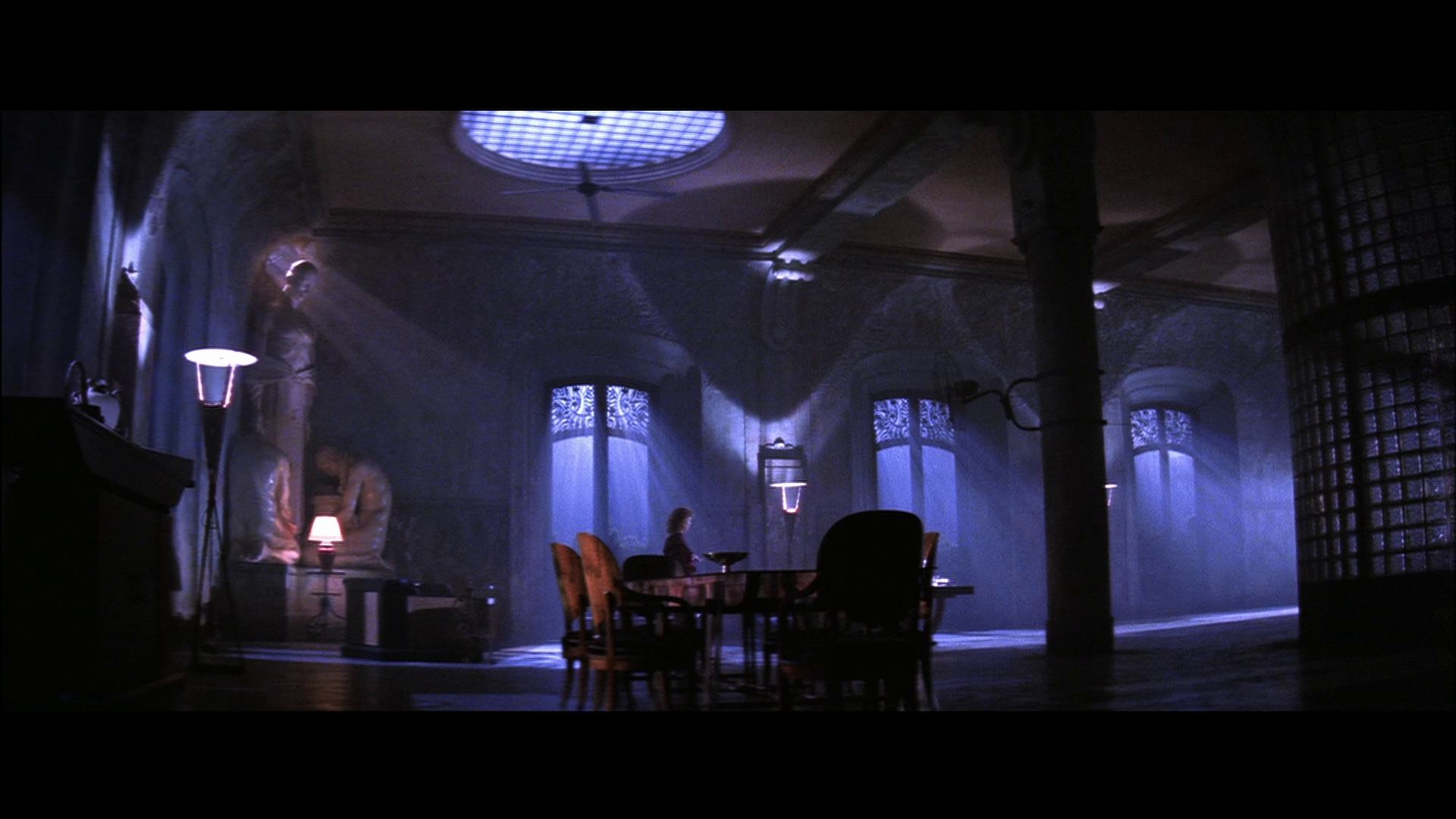
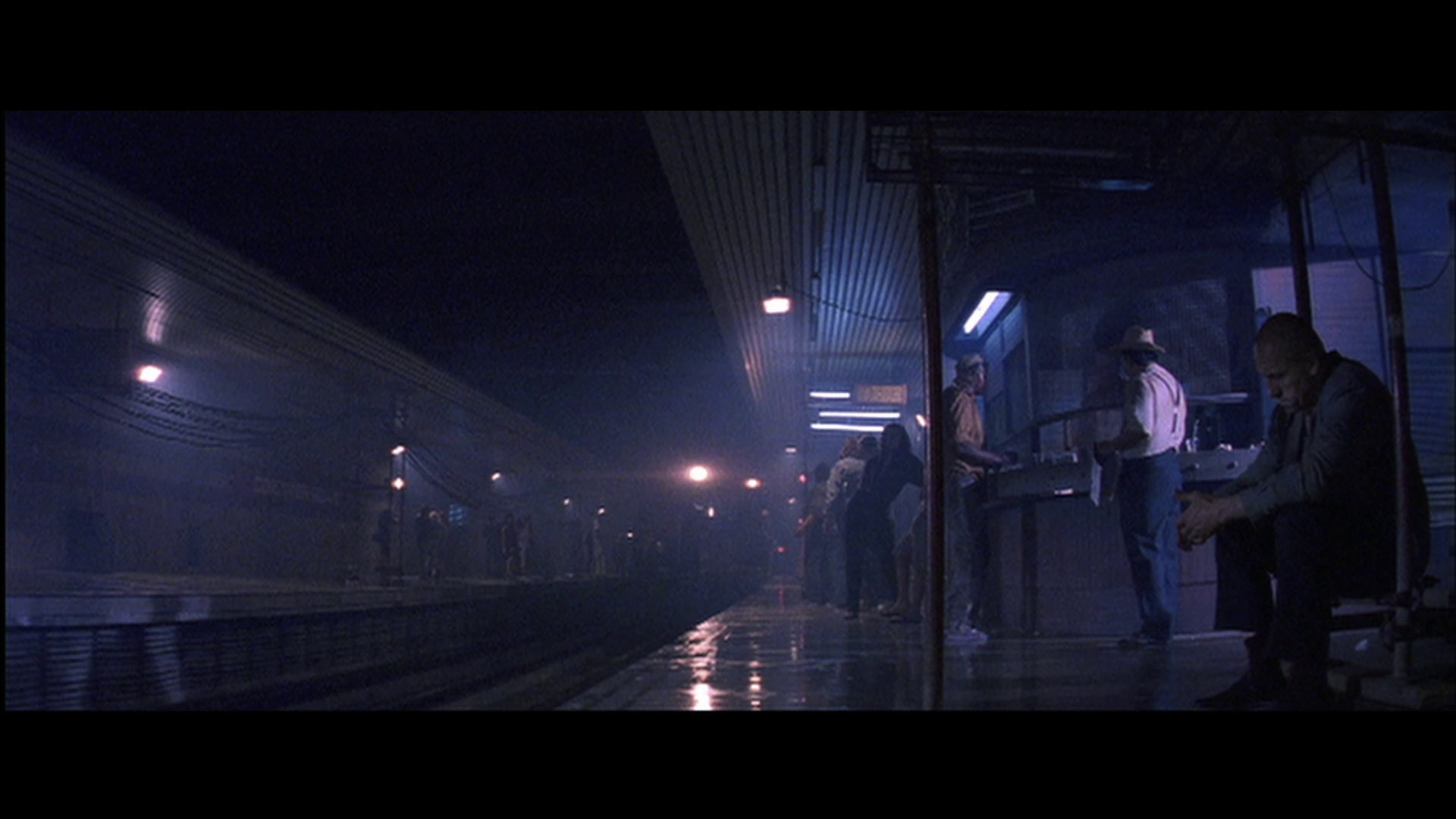
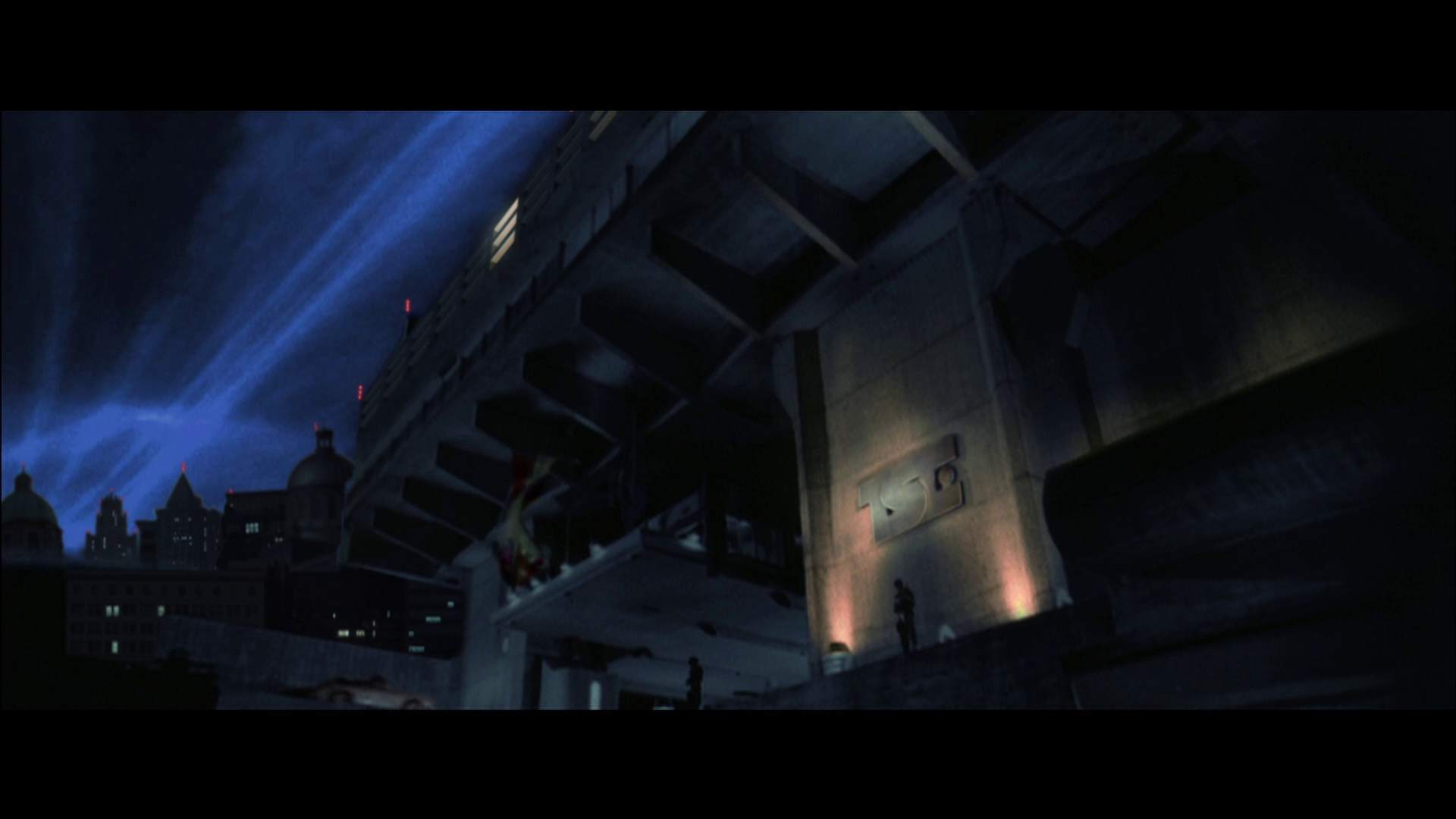
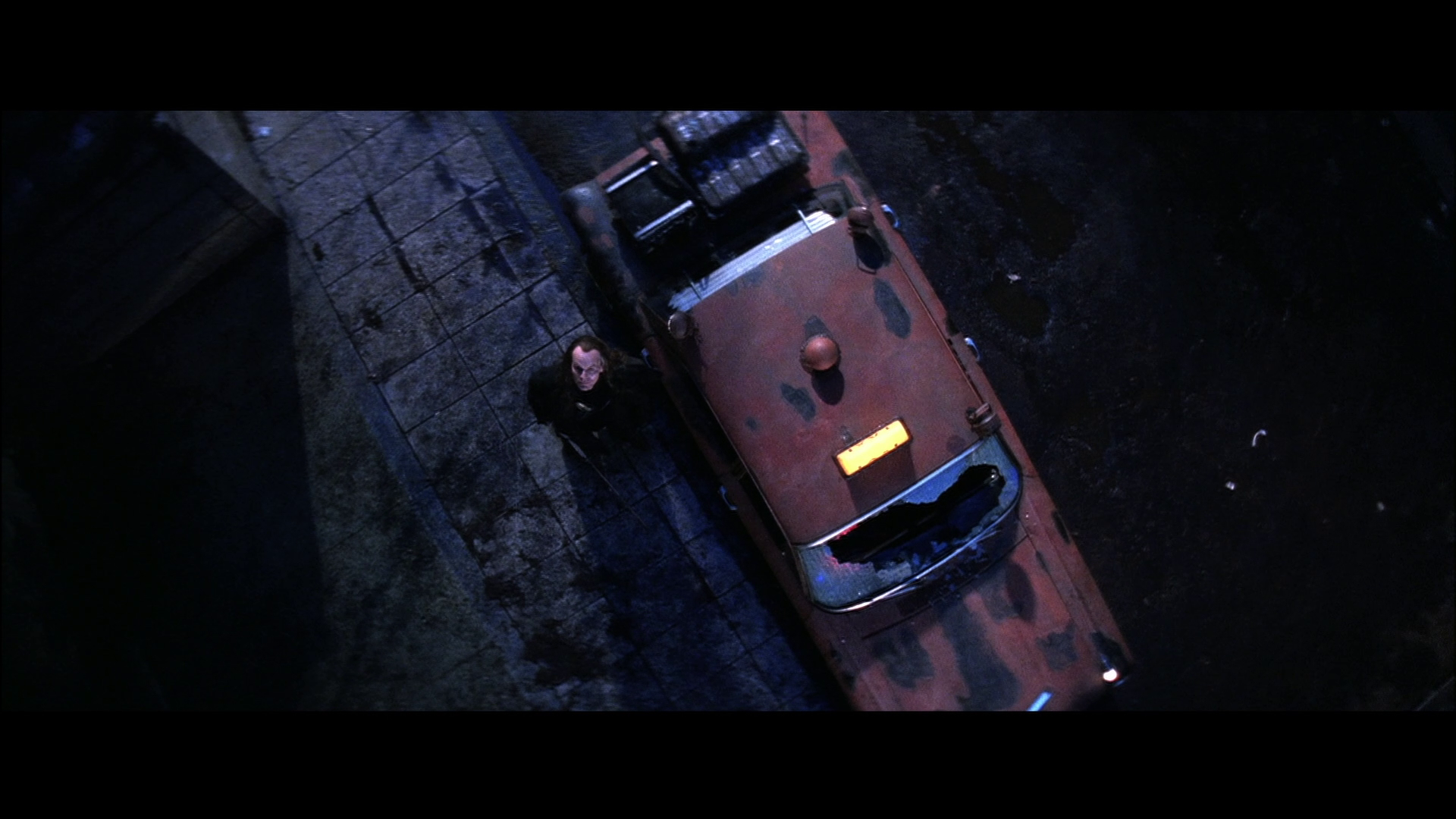
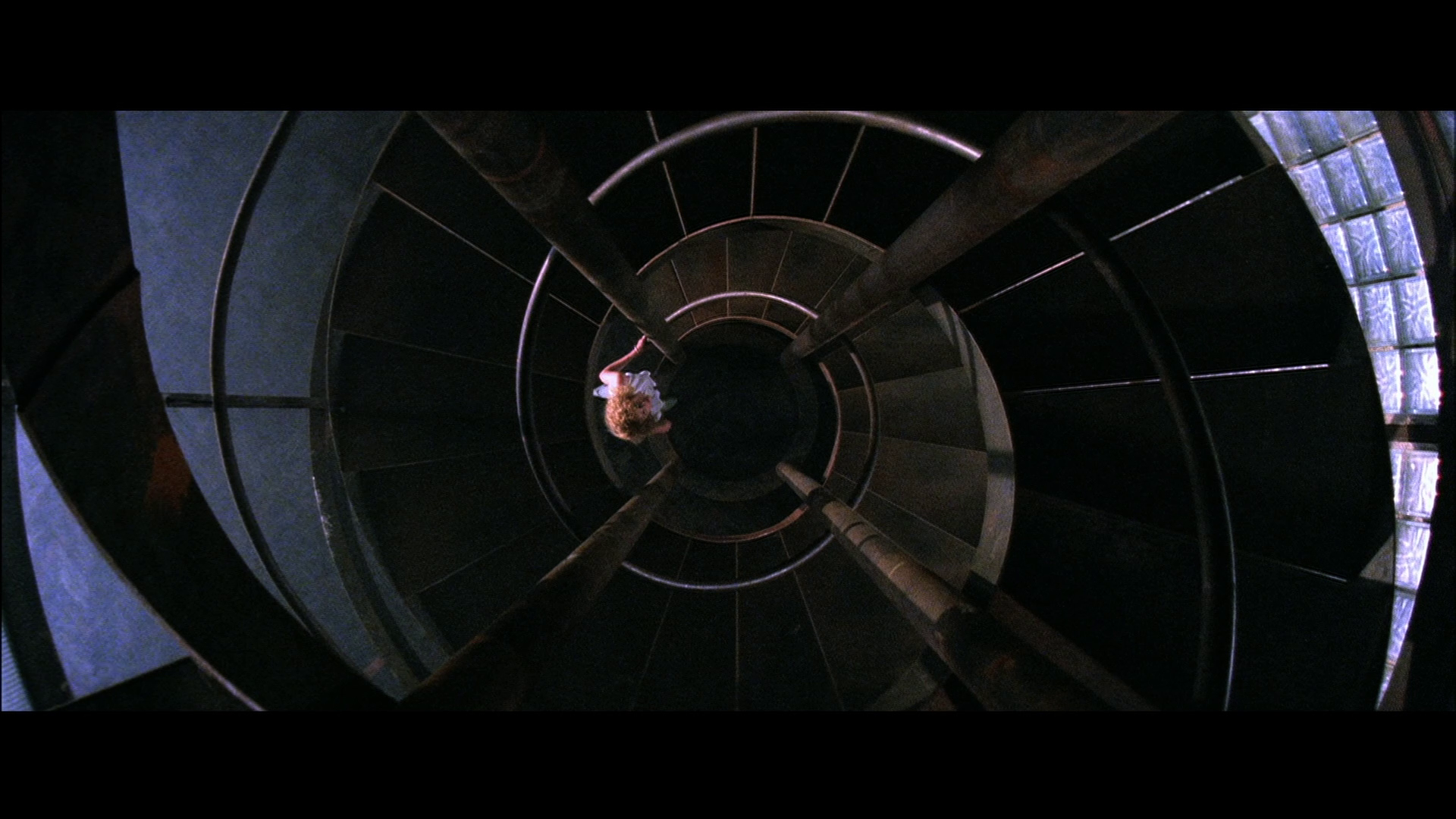
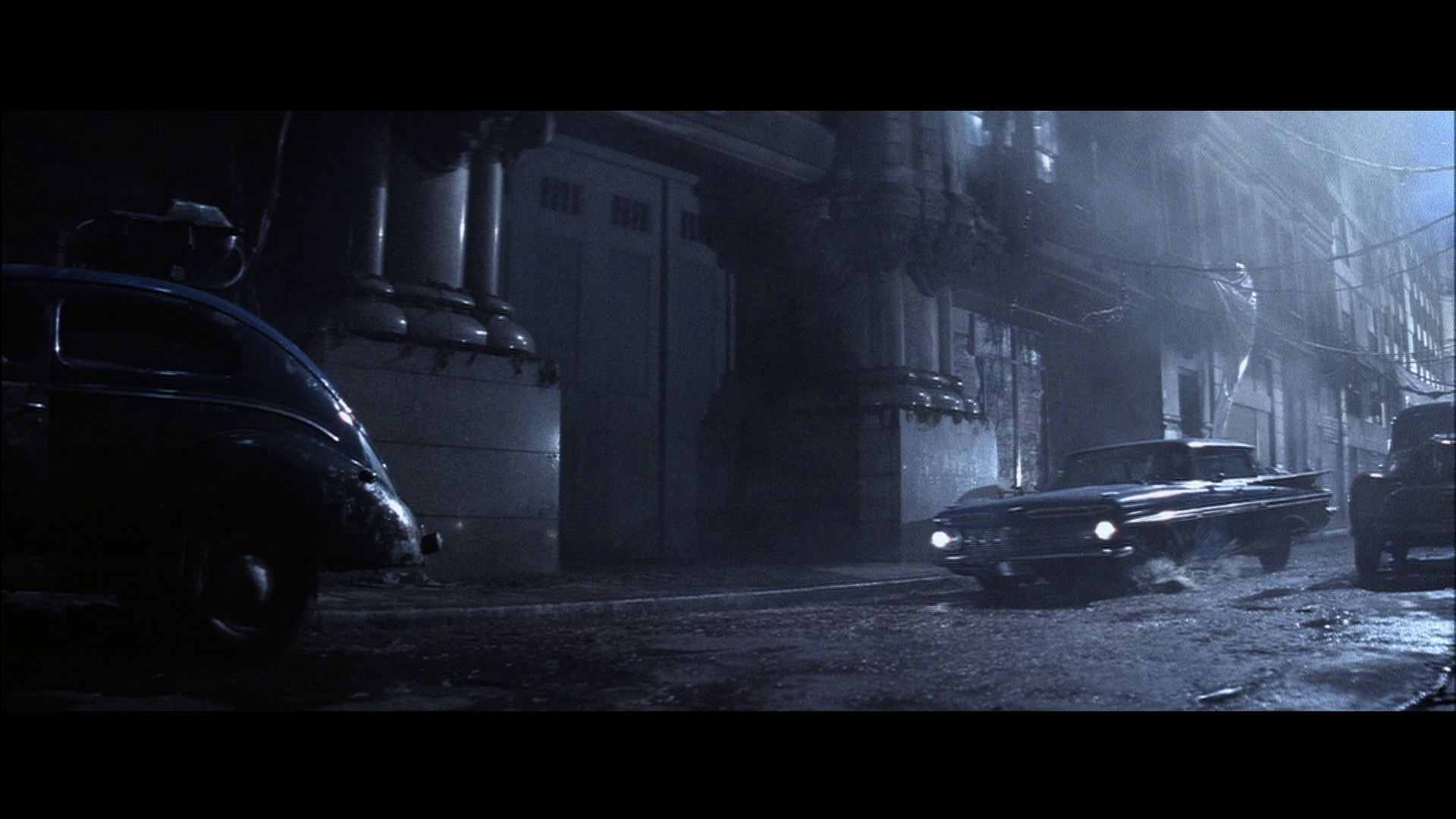
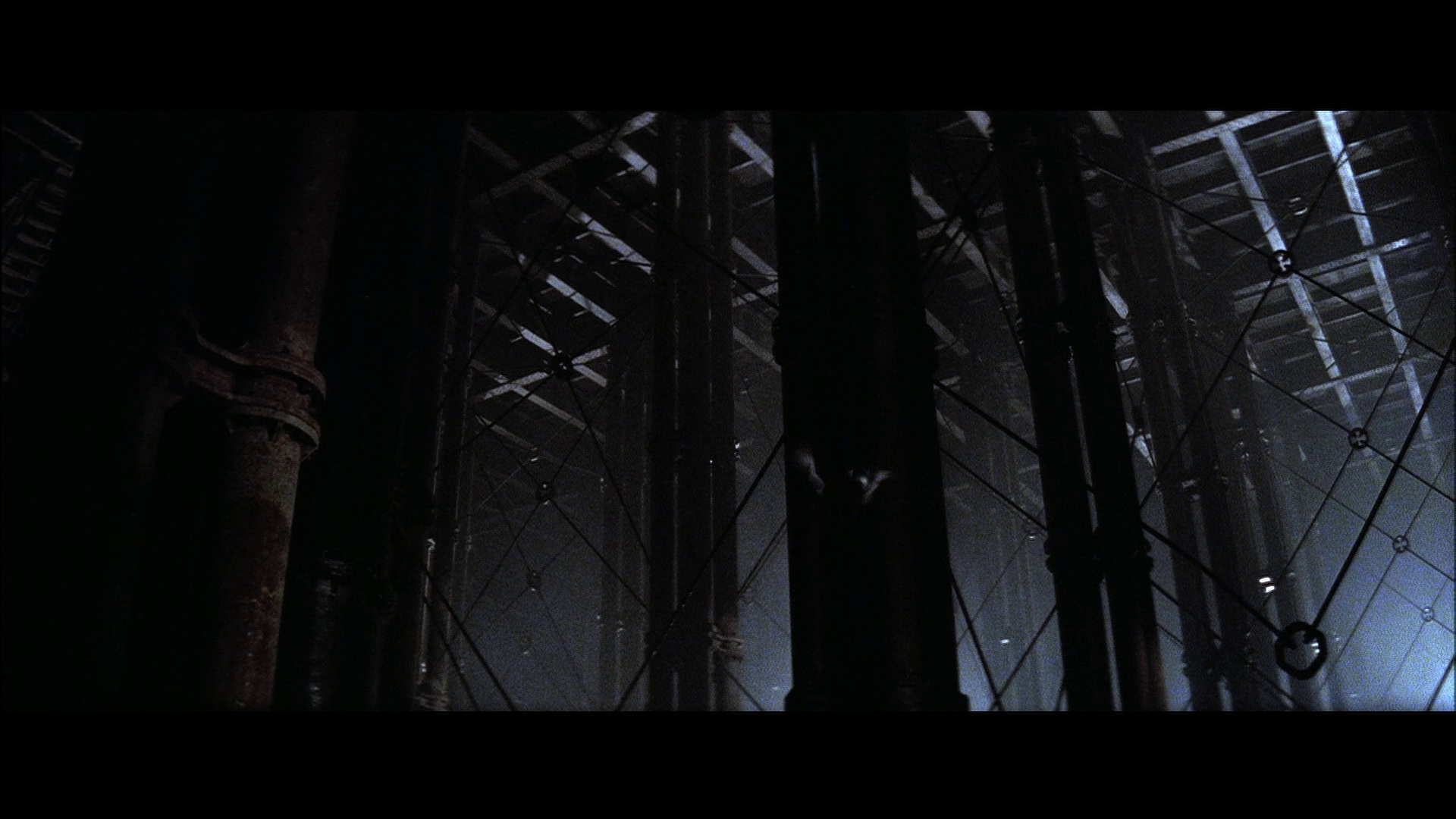
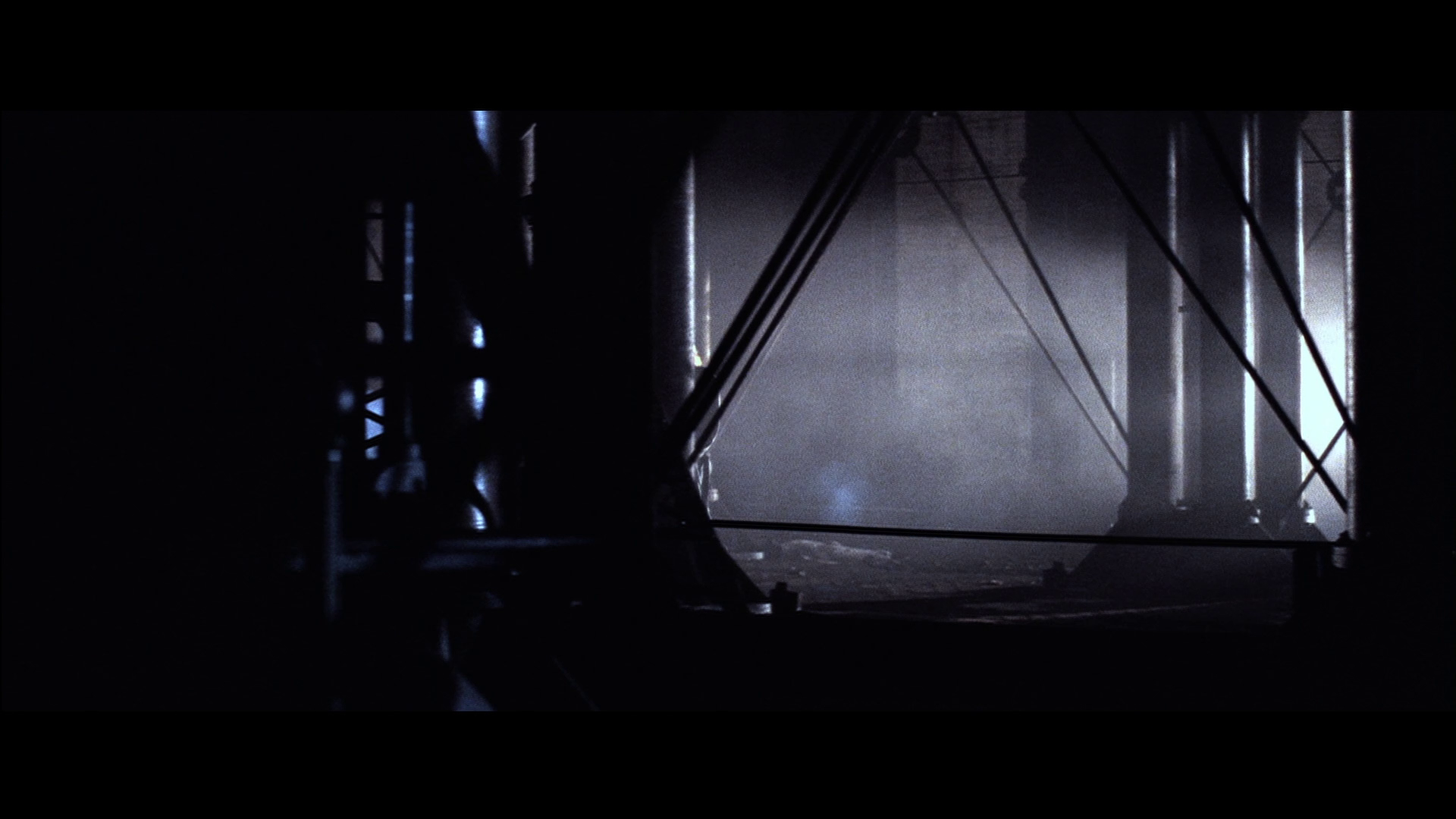
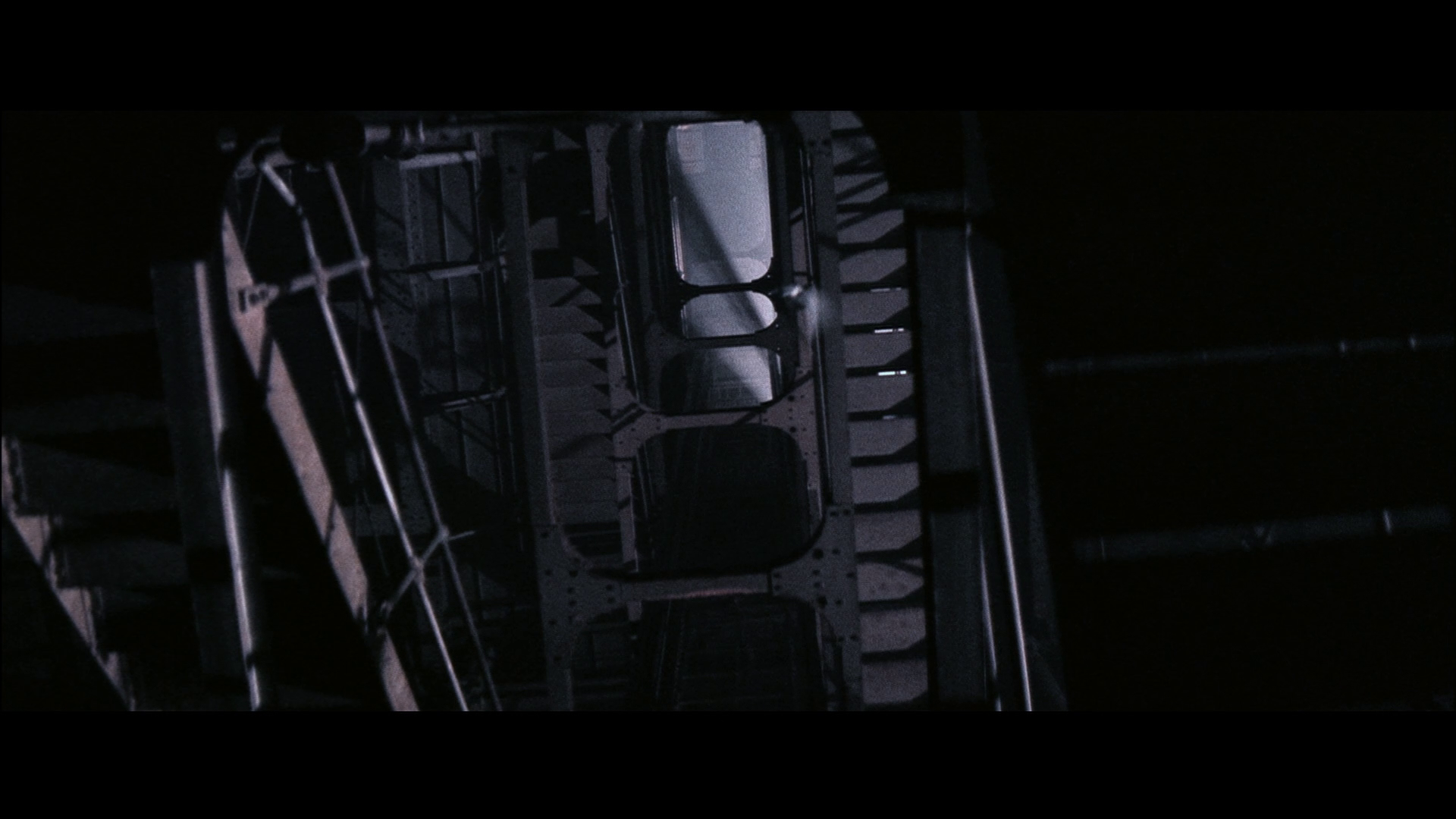
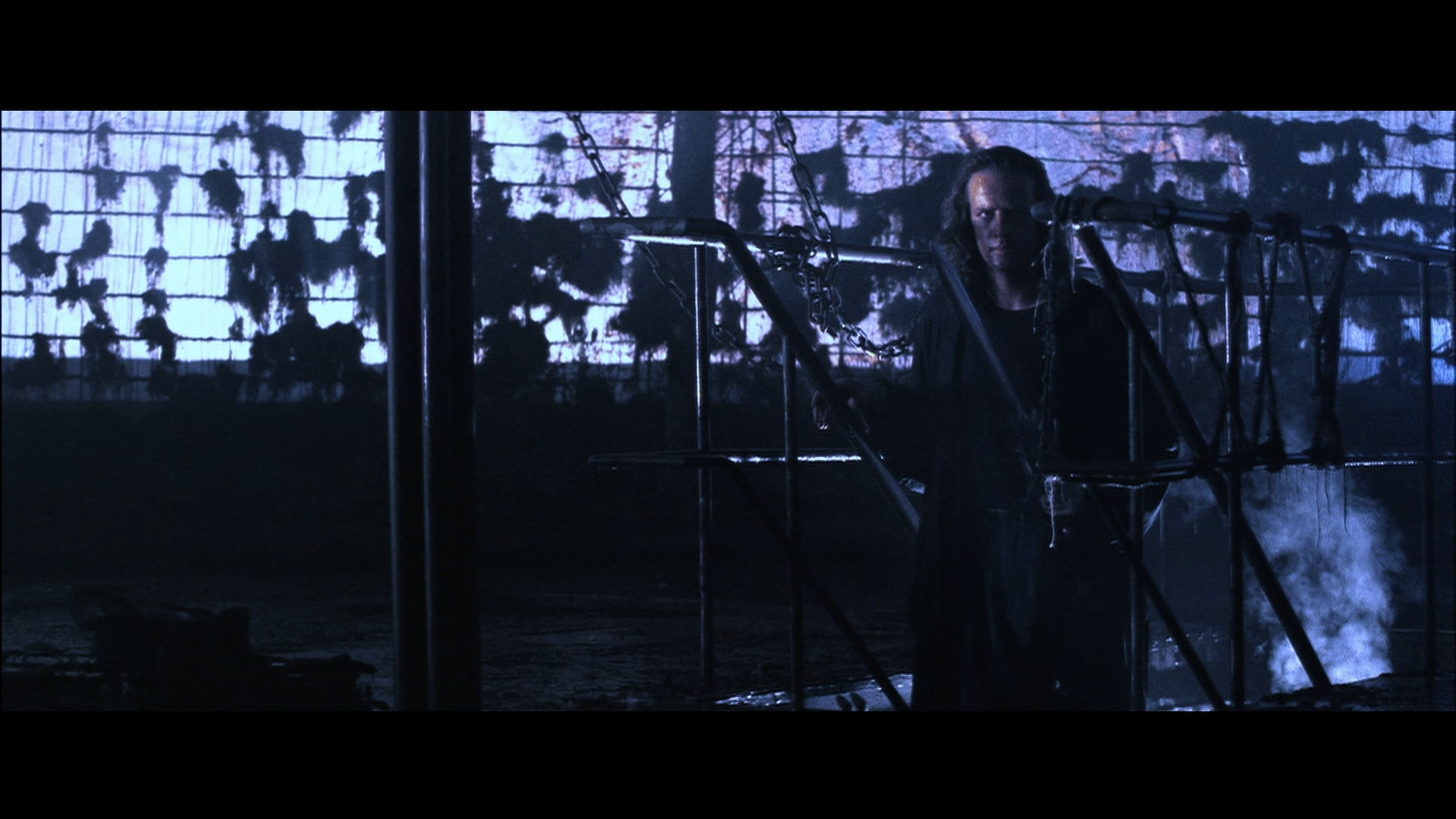
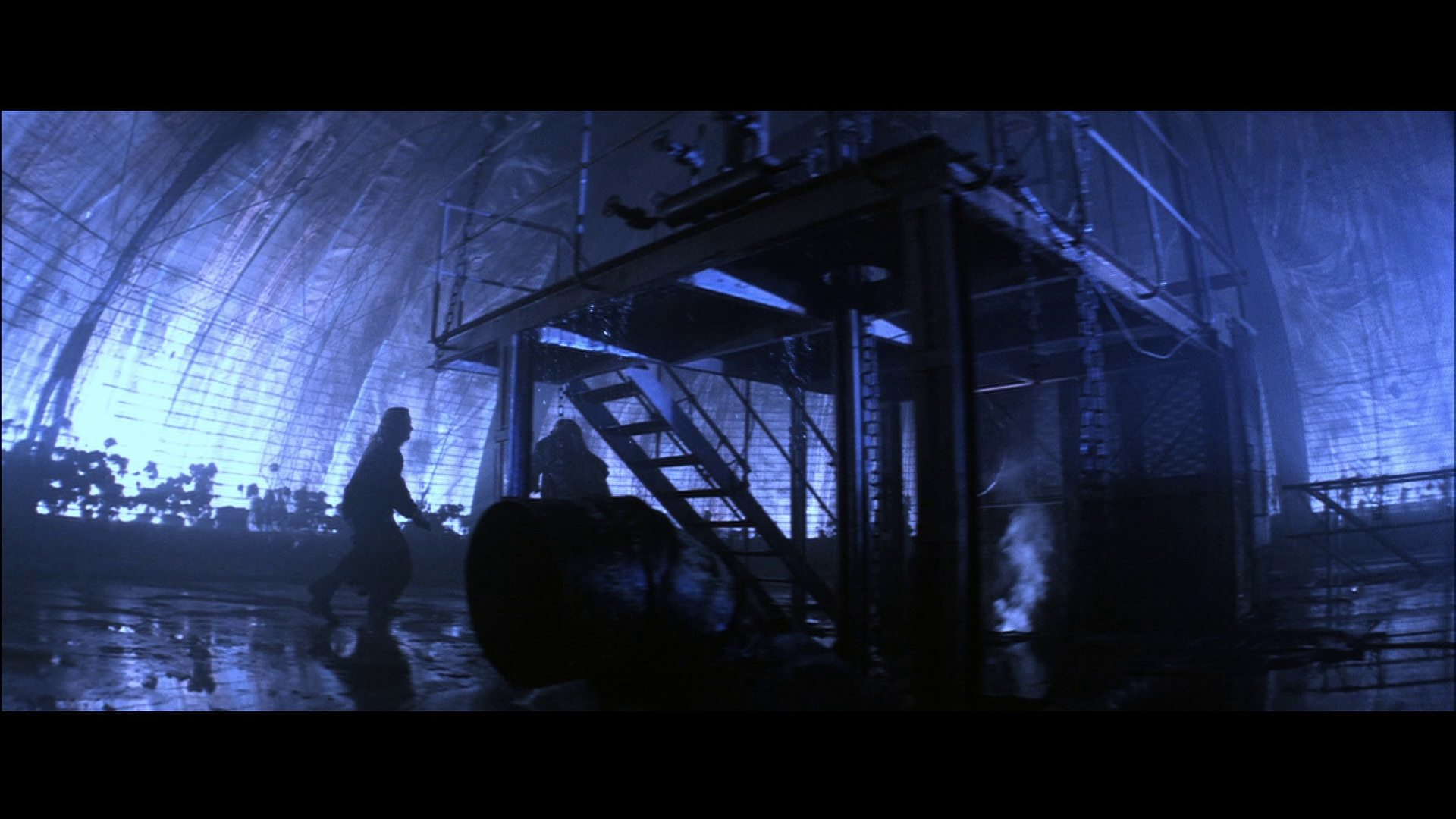
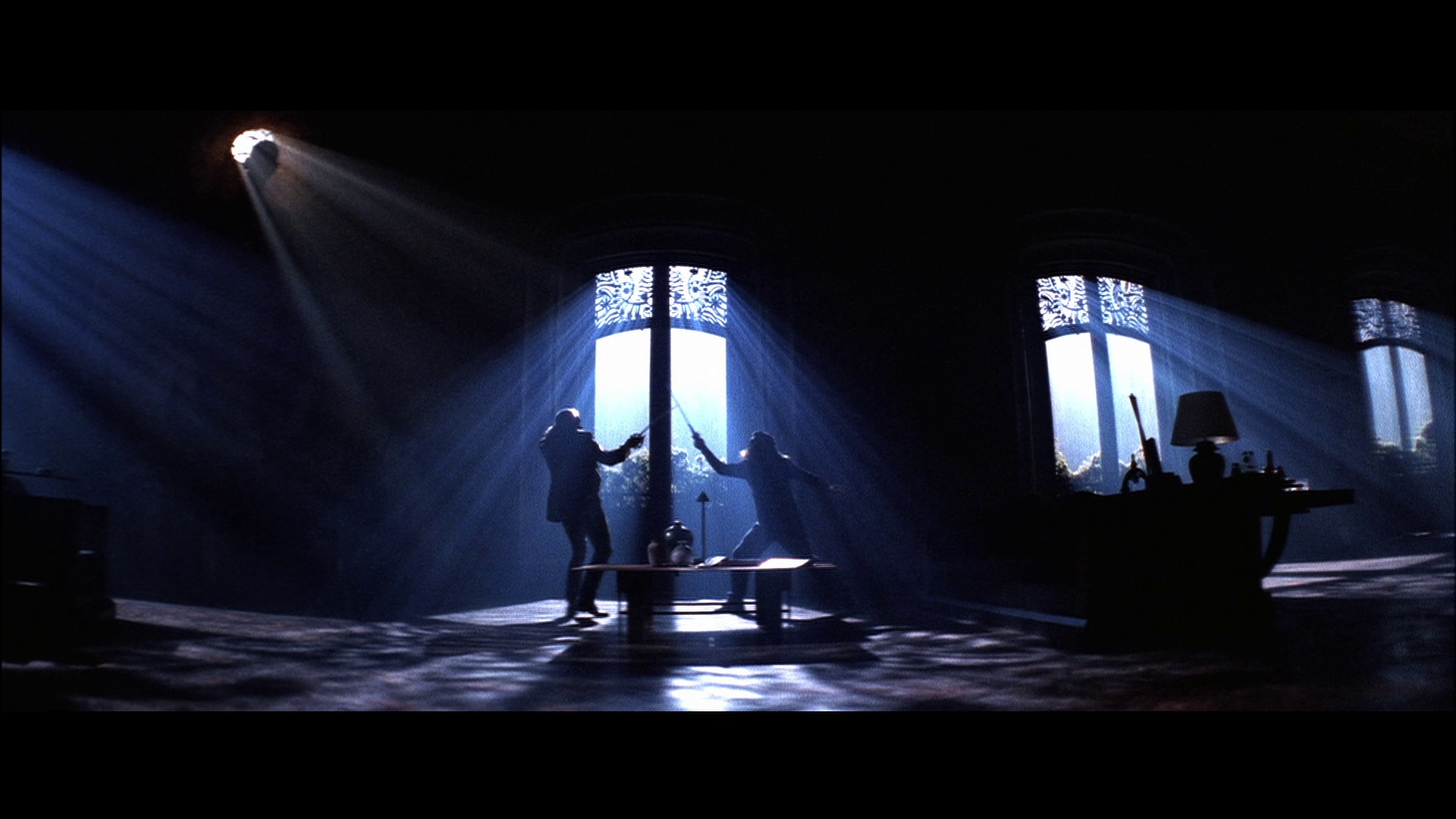
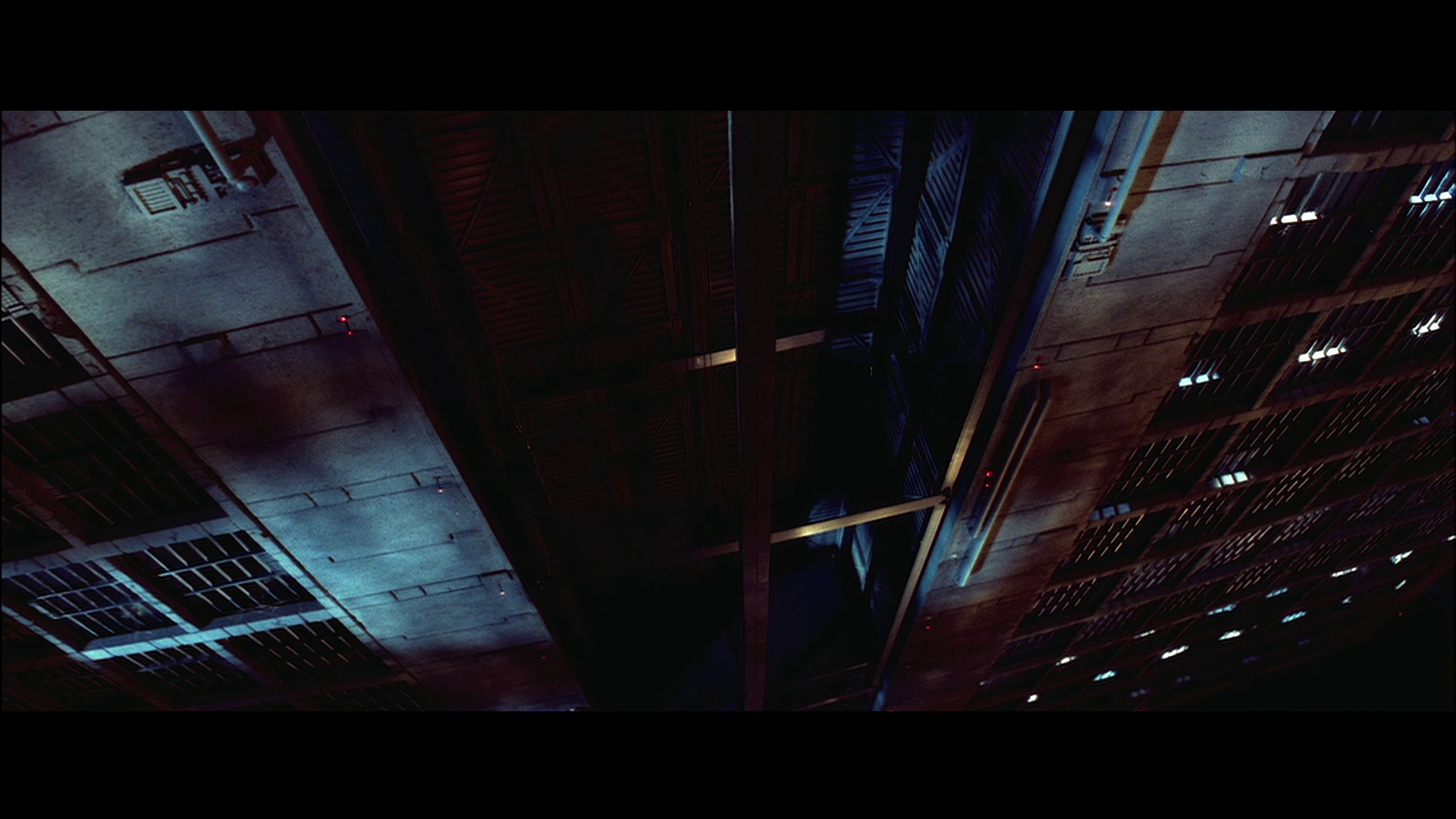
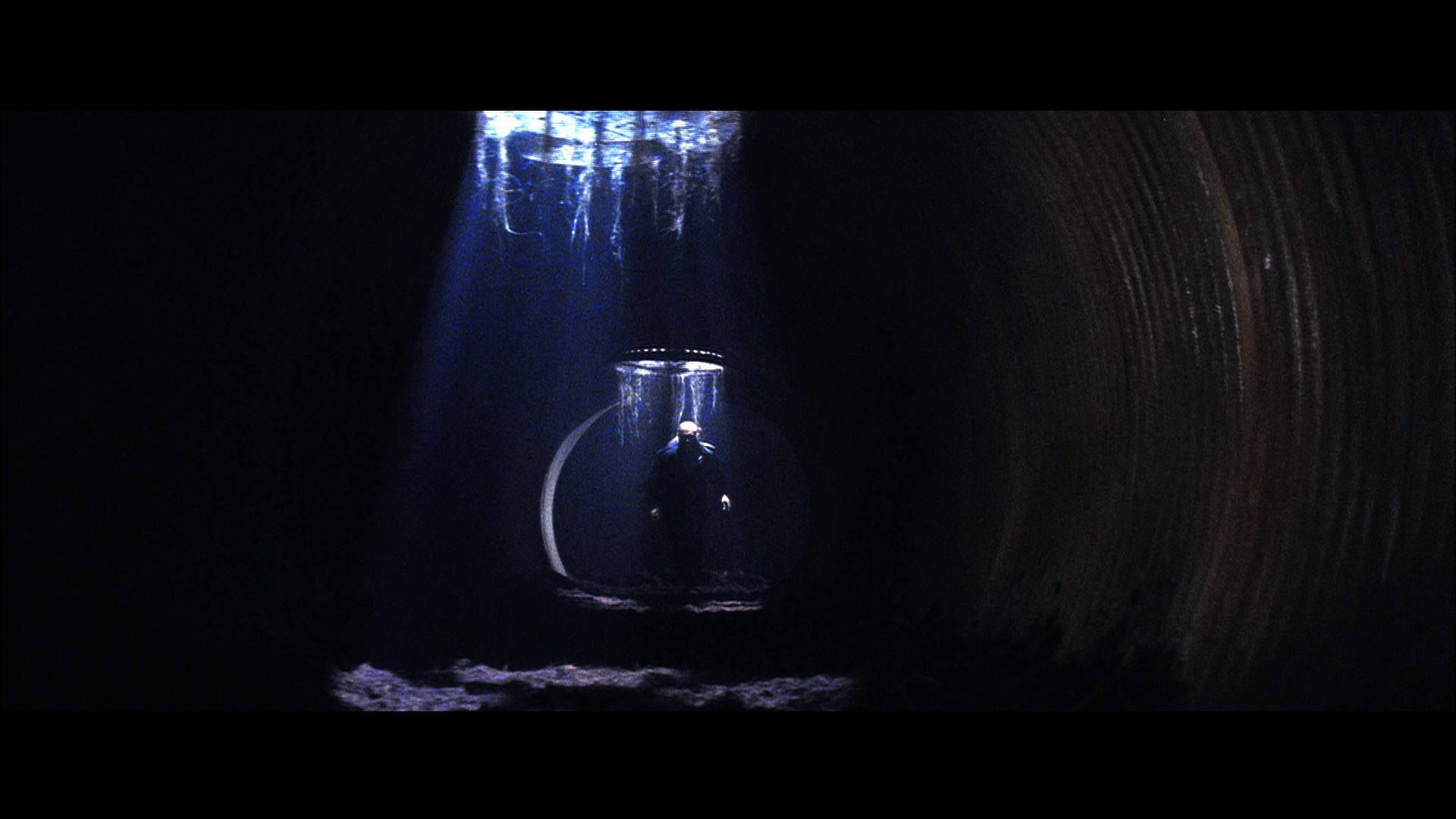
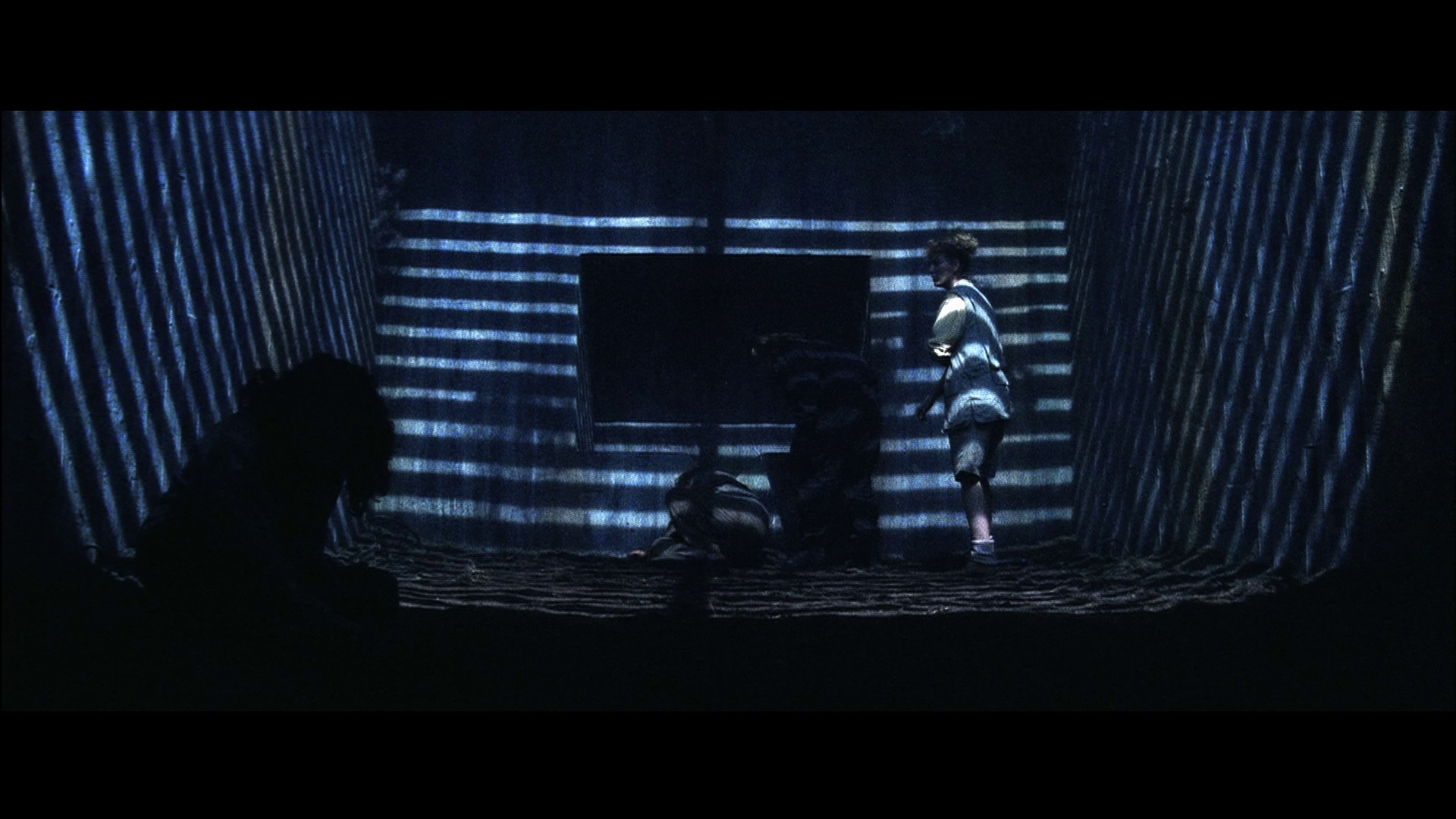
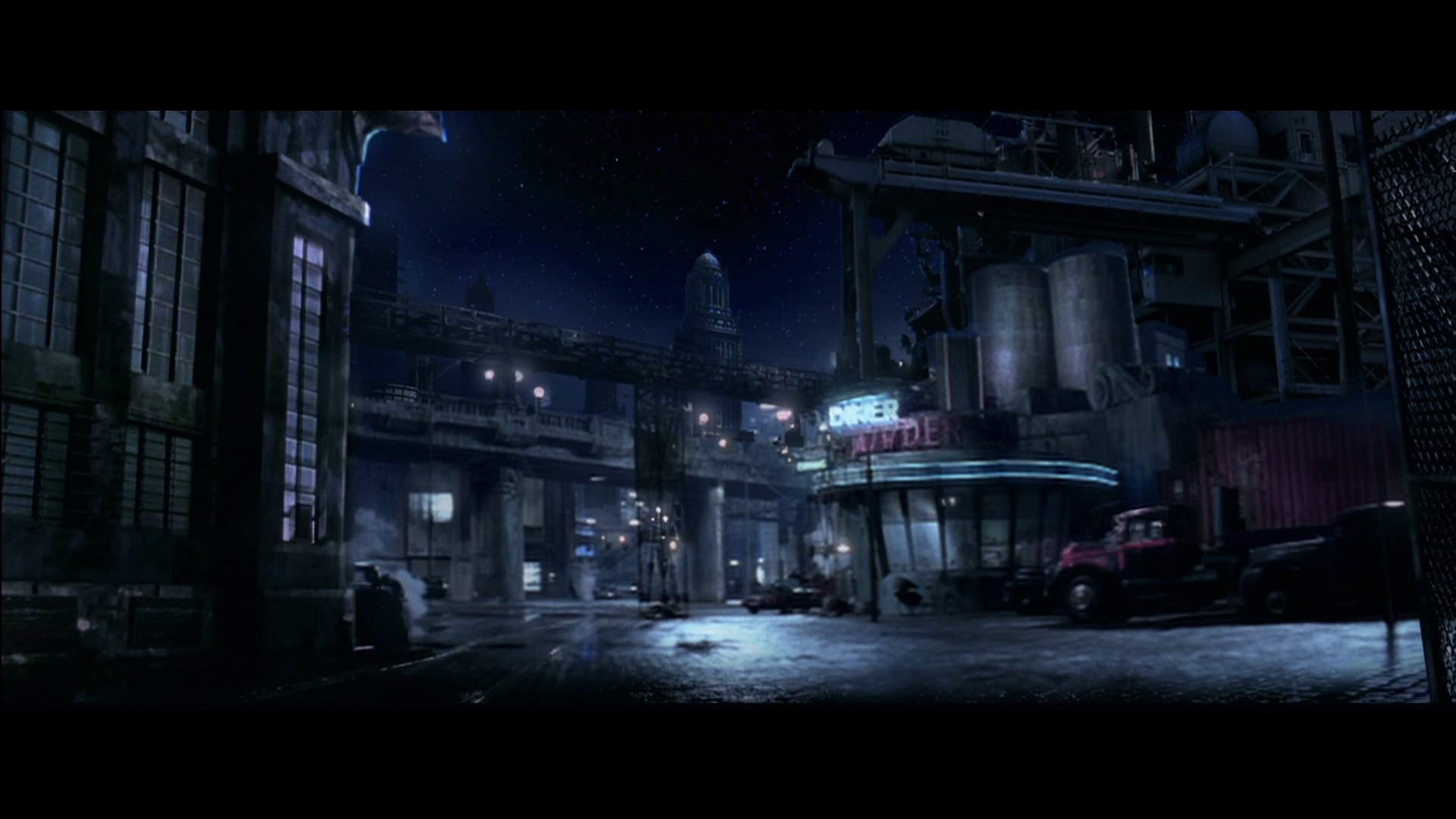
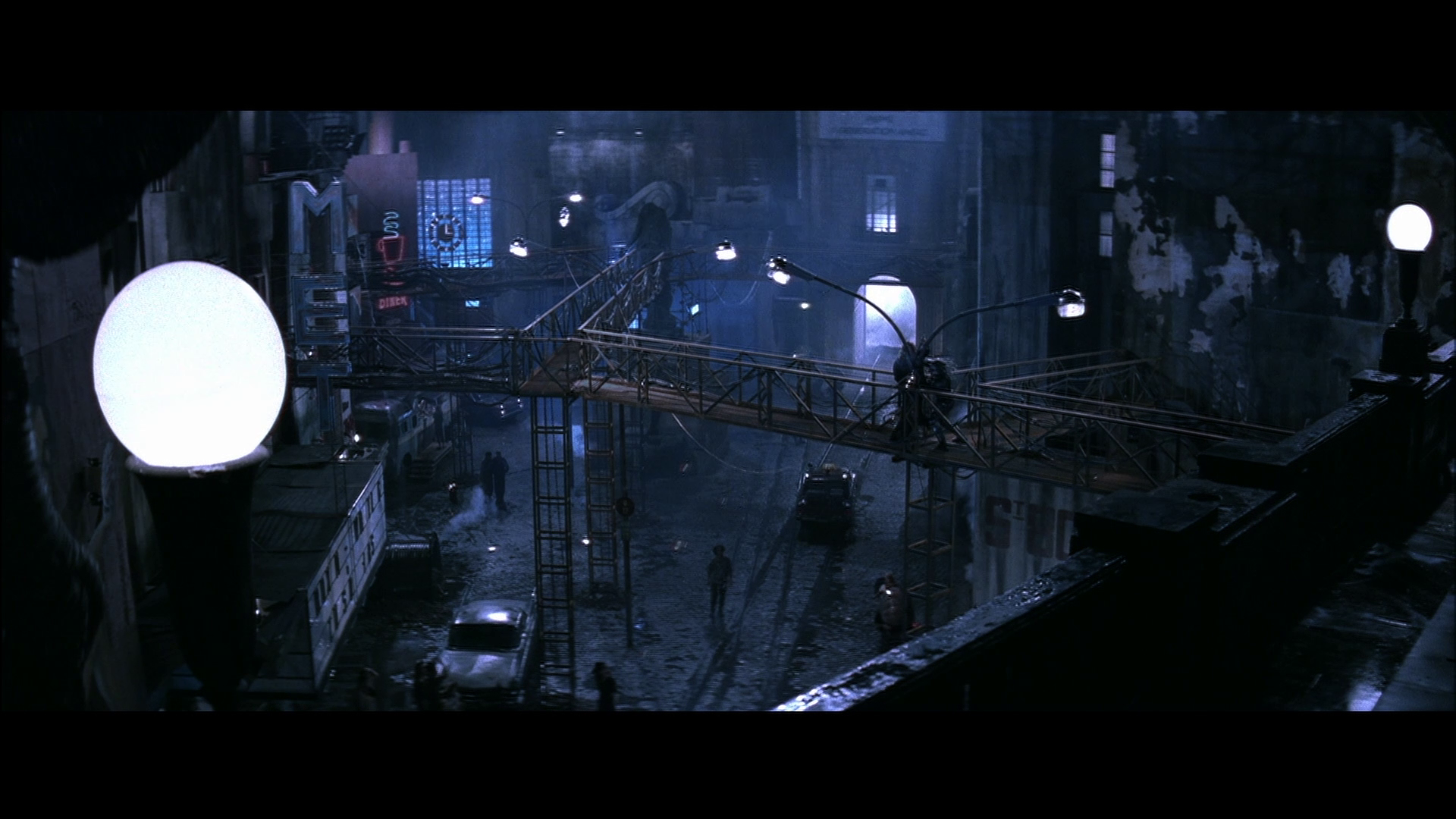
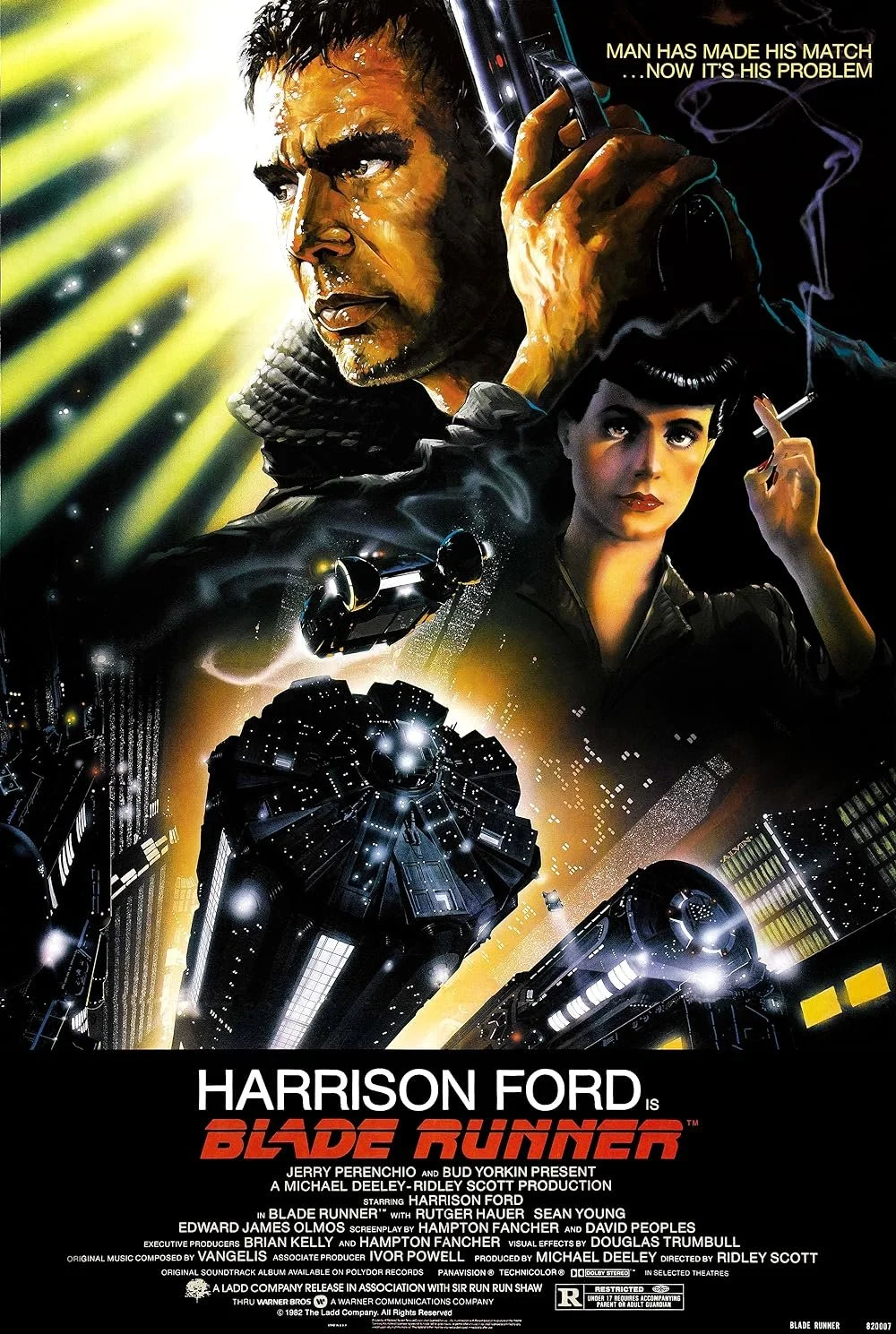
Hall’s dark palette can best described as a combination of Alex Proyas’ Dark City (1998) and a more dirty and bleaker version of Ridley Scott’s Blade Runner (1982), the quintessential science fiction flick. Hall plays a lot with practical locations that bear an art deco style stitched with neon signs, trash, rain (the typical dystopian traits) including some brutal, Beaux-arts, and eclectic architecture here and there, and a dash of cyberpunk. Frankly, the gargantuan sets - especially the one where MacLeod fights off two henchmen boast some beauty within their misery and industrial character. If one thing Highlander II has done right is to demonstrate how this world has decayed since MacLeod put that bloody shield up and how it stayed frozen in the oceans of time.
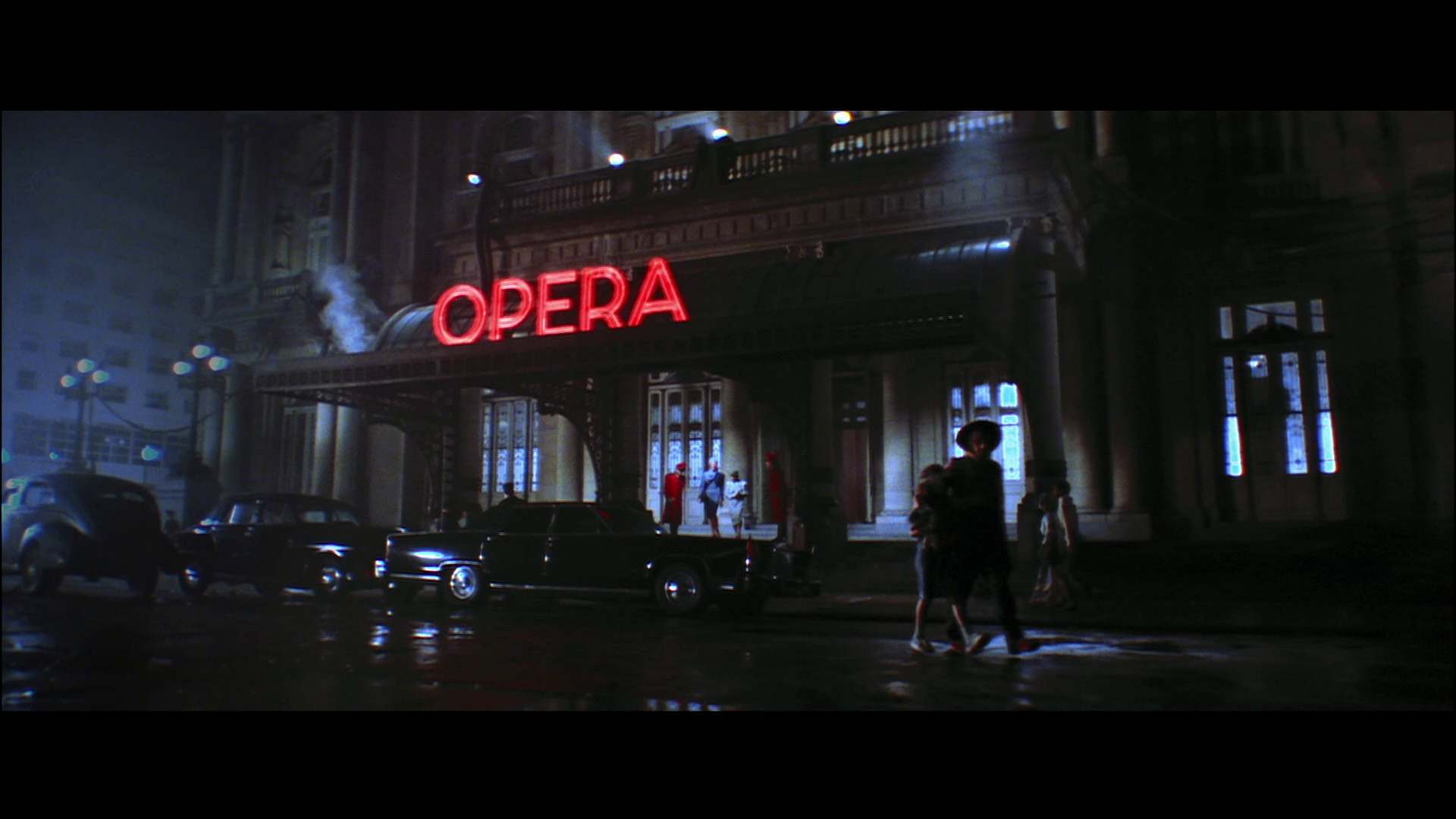
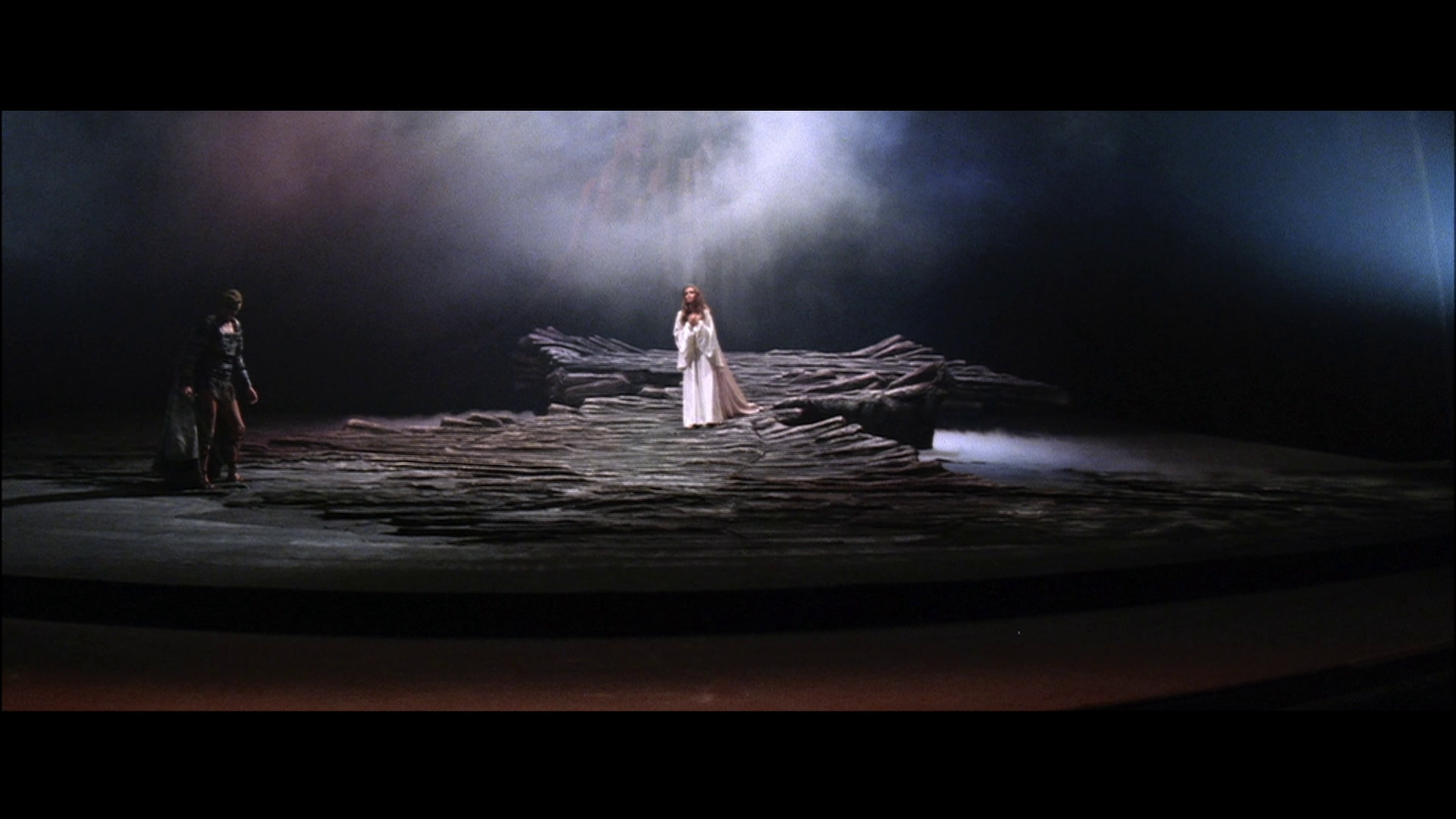
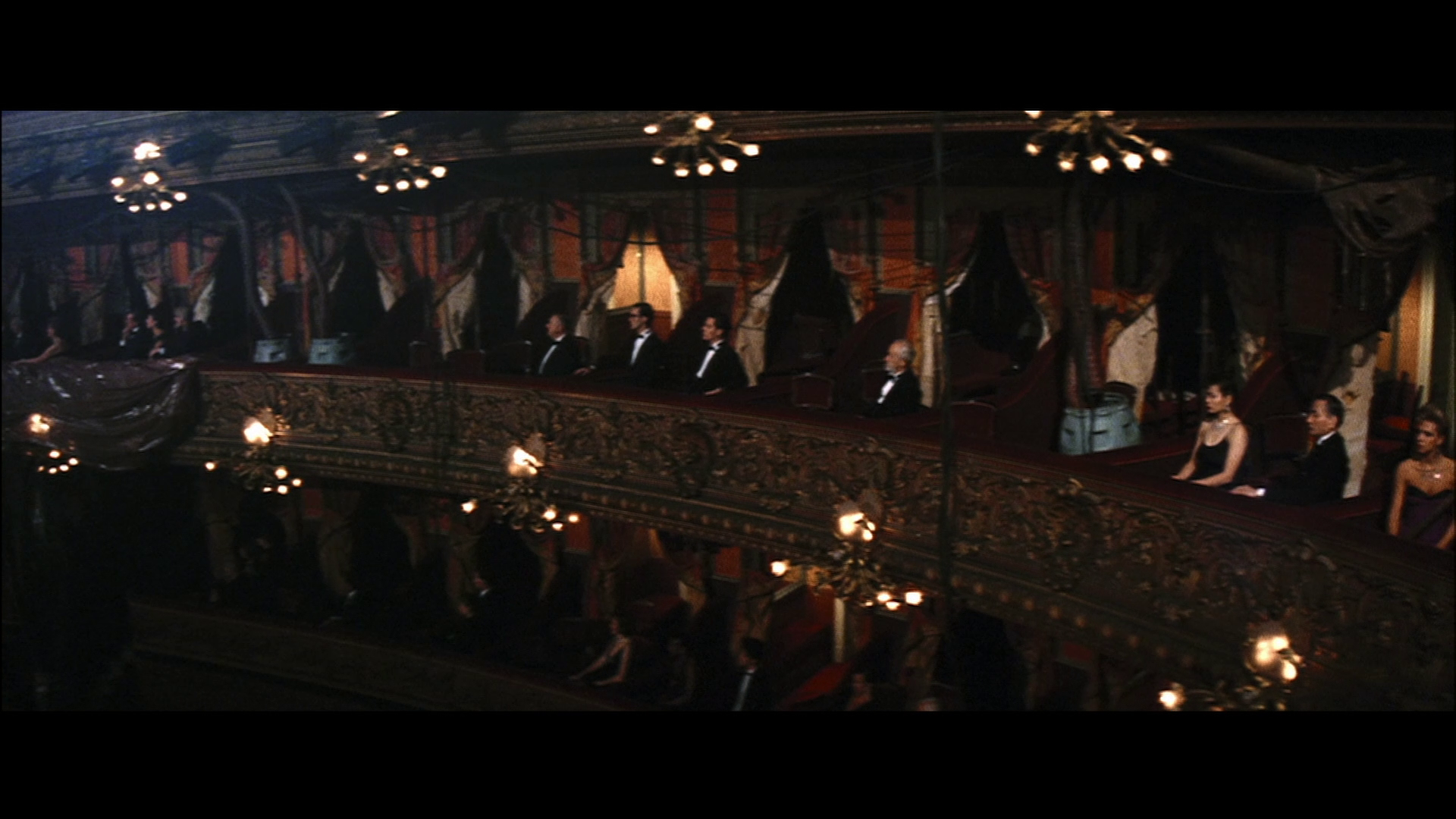
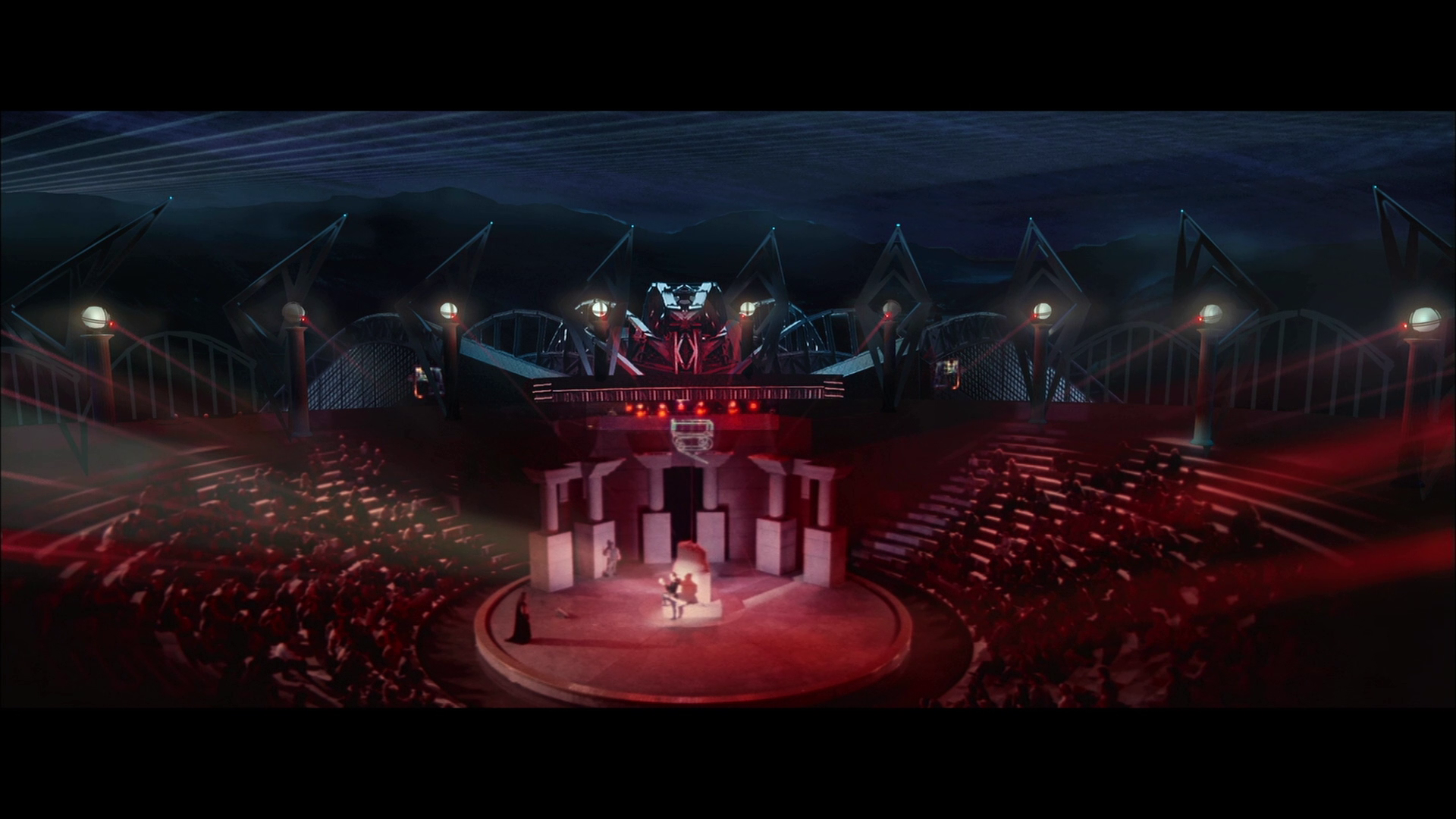
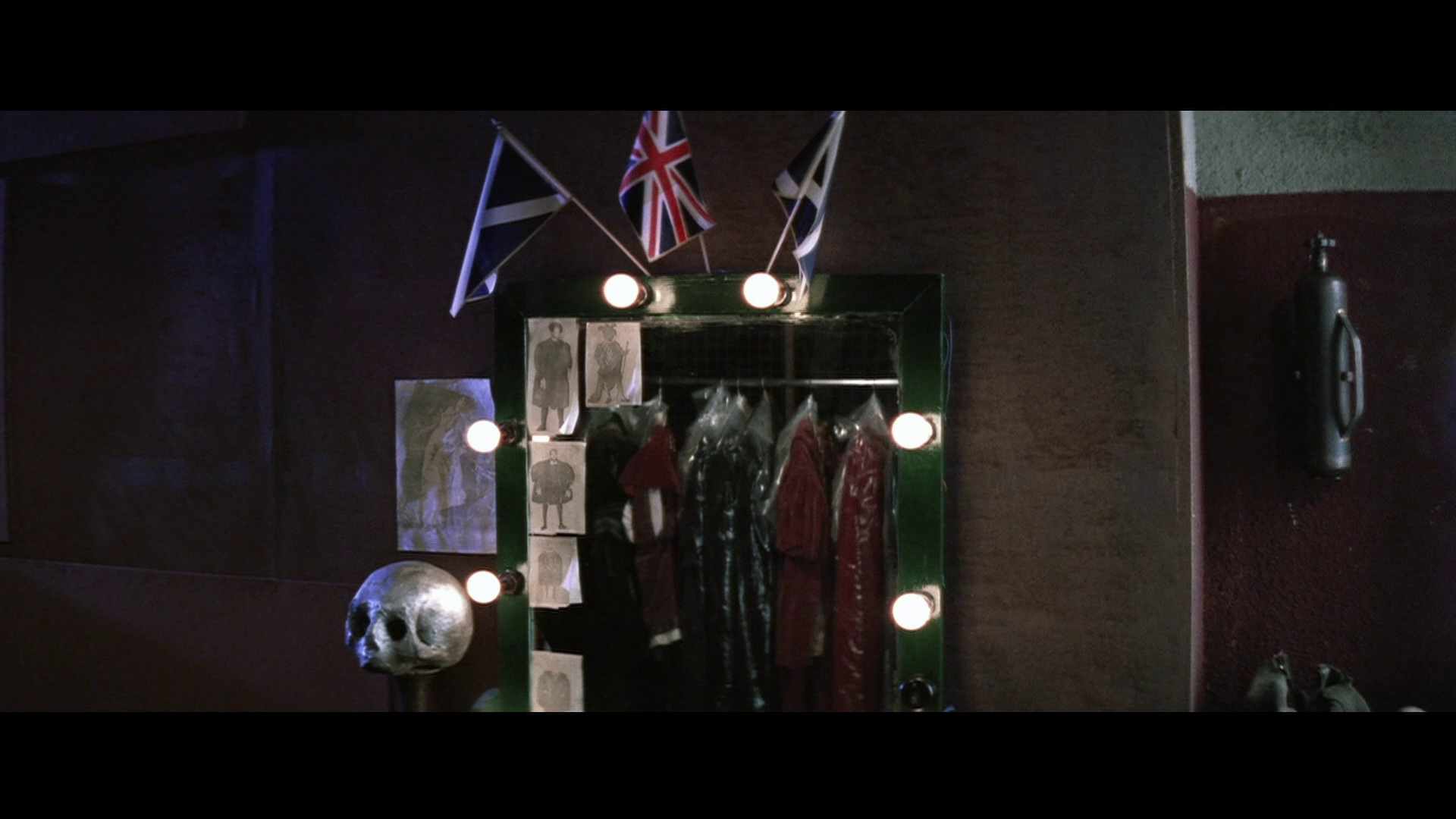
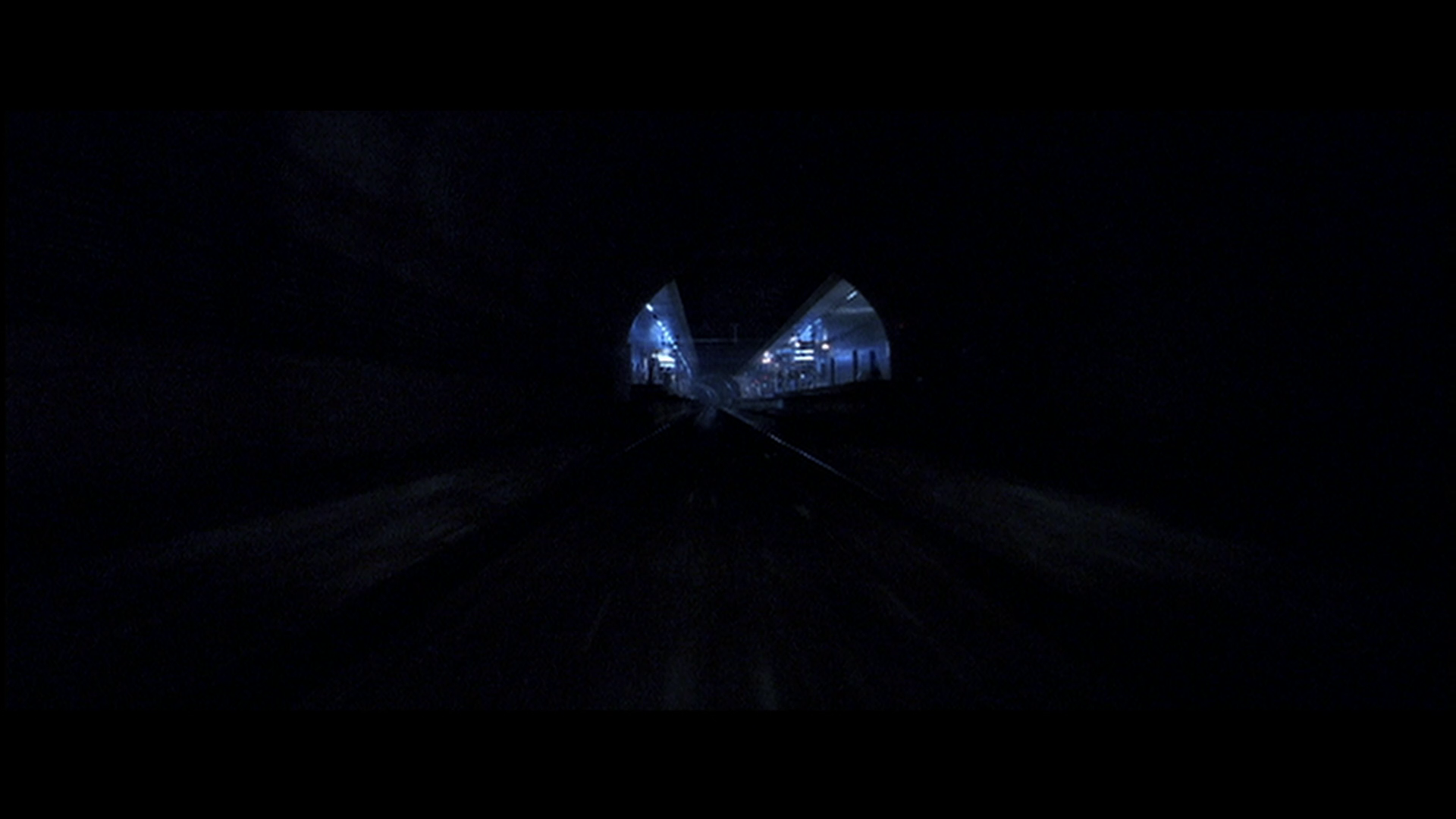
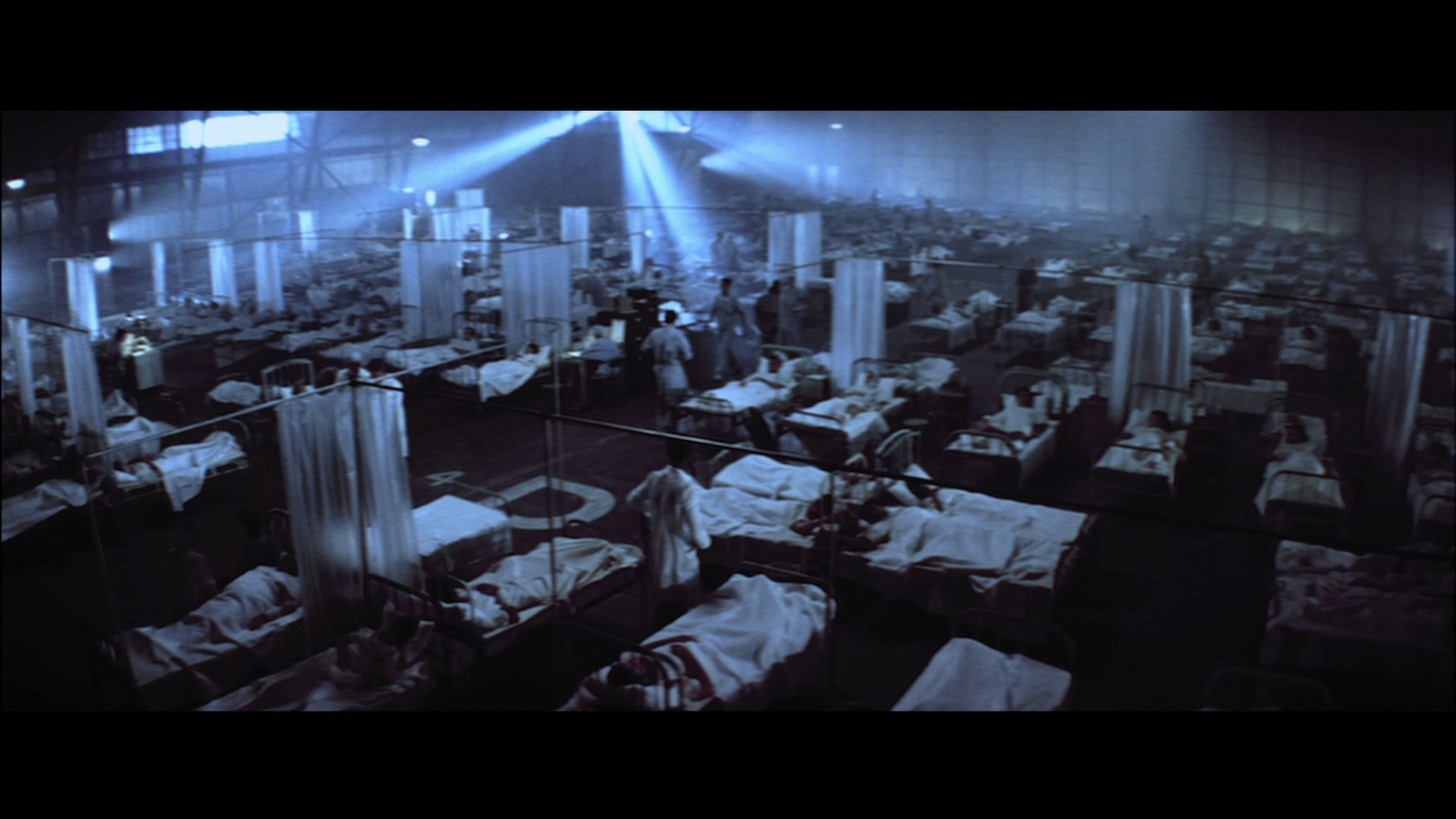
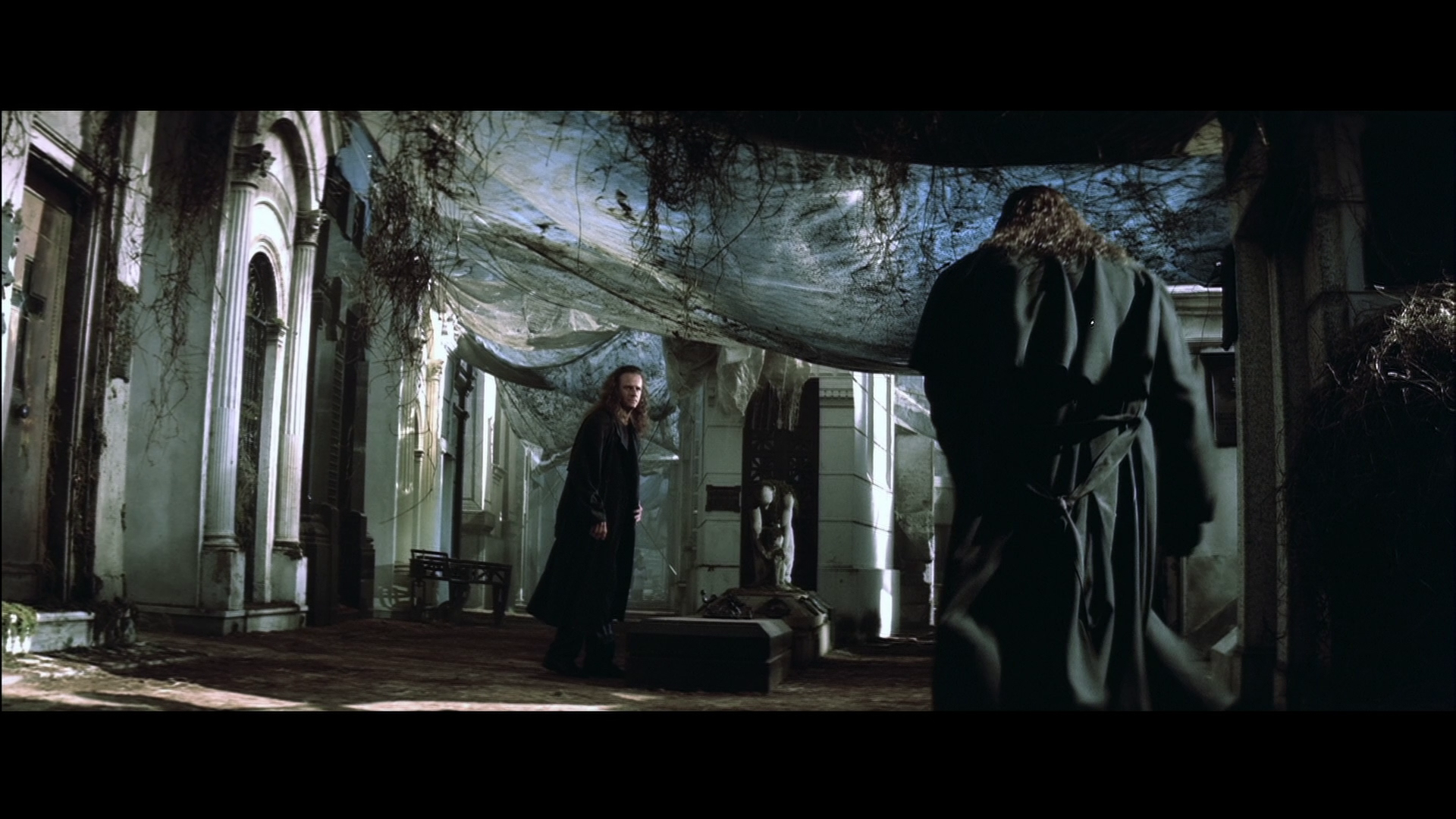
The locations range from train stations to shield generators, hospital dormitories, cemeteries, and abandoned industrial environments, yet all having the same slick, atmospheric style, something that the best CGI still cannot create. Even the opening shot set in an opera feels grandiose and expansive, a reminder of a world that used to be alive but has lost the will to live.
Colours
Guide, oxford brown, premium black, cosmos, calming dark blue, dark black, nutmeg brown, Toronto, charming black, coal, Julianna, black pepper, celeste pallido,
Influences
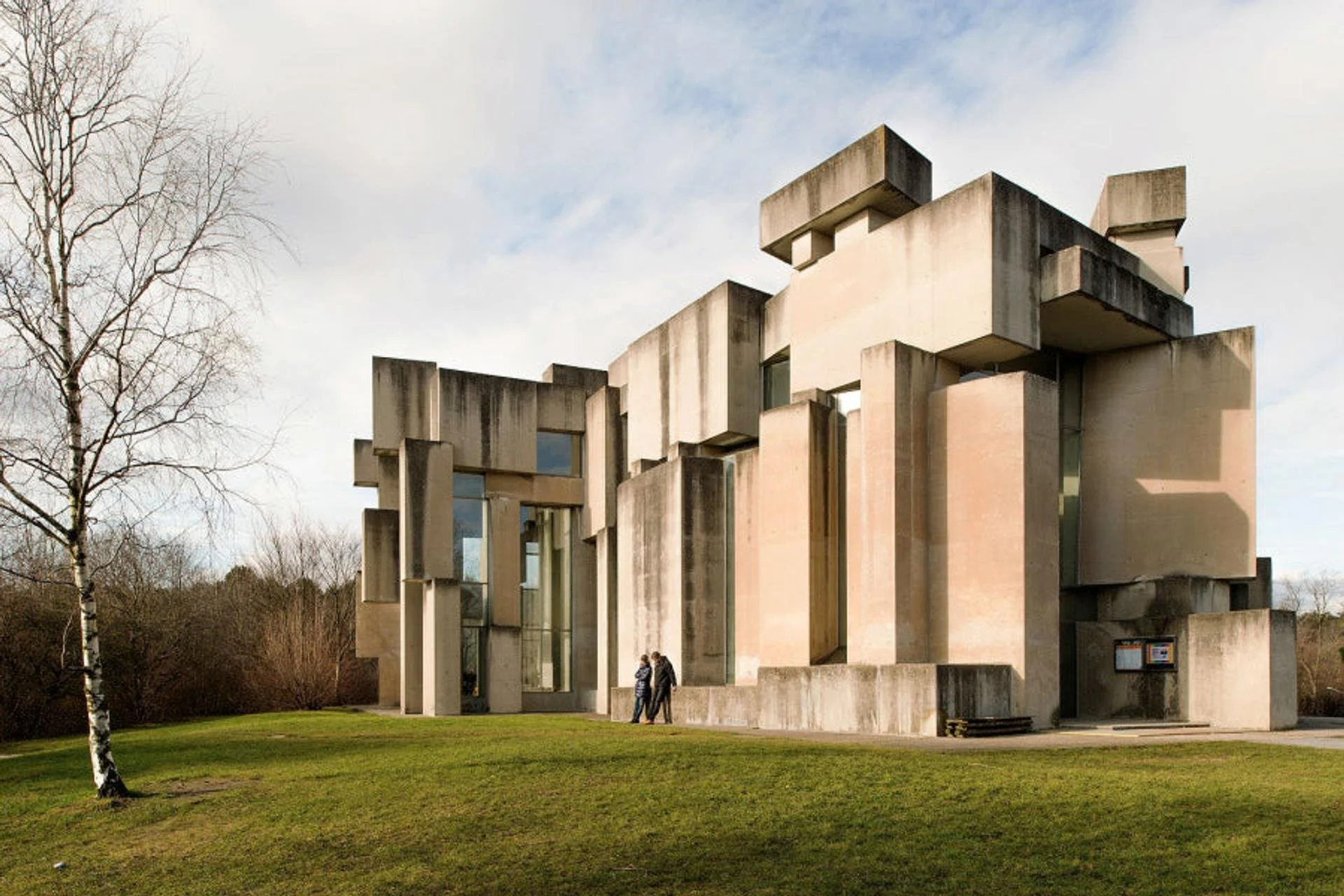
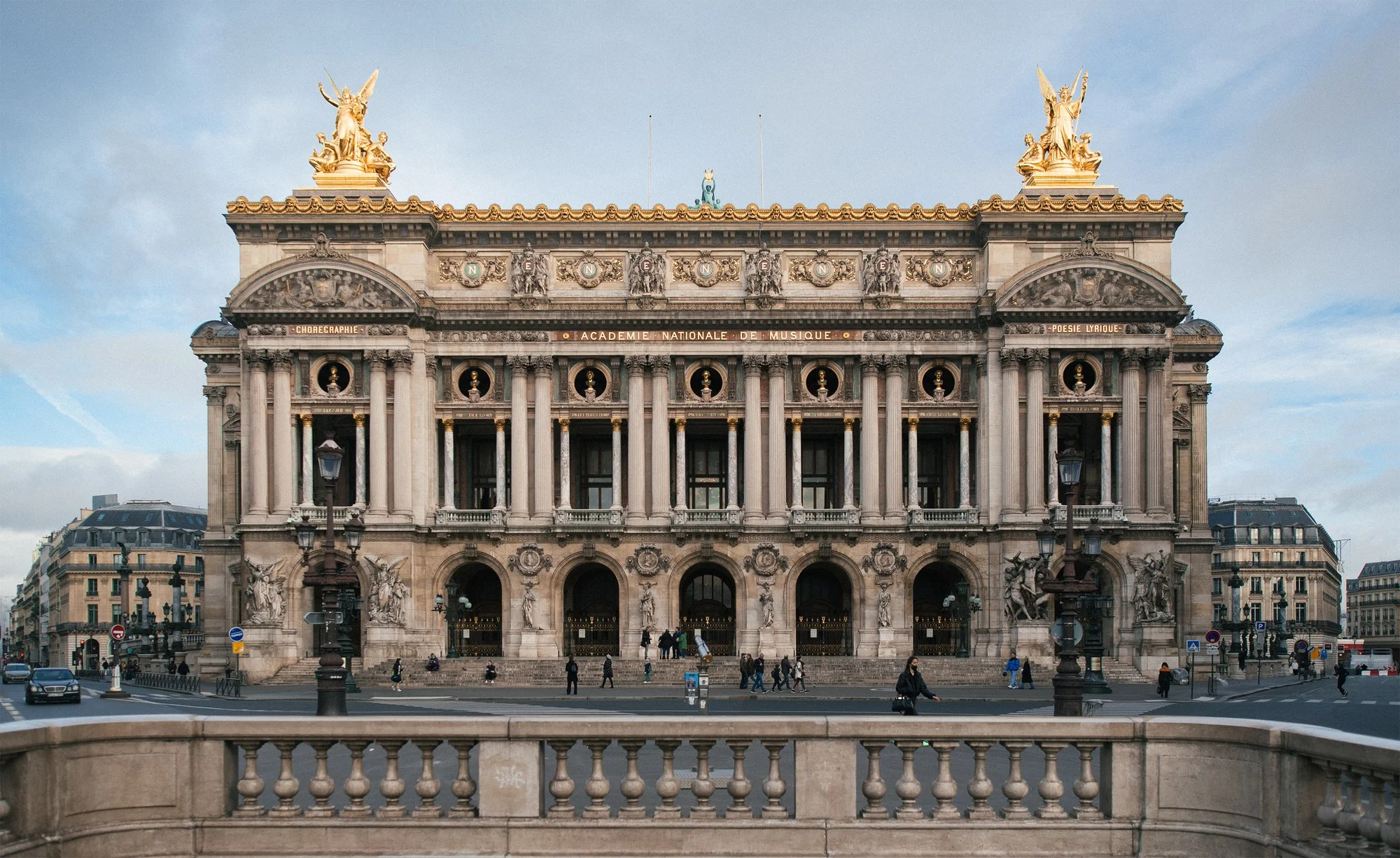
Brutal architecture
Eclectic architecture
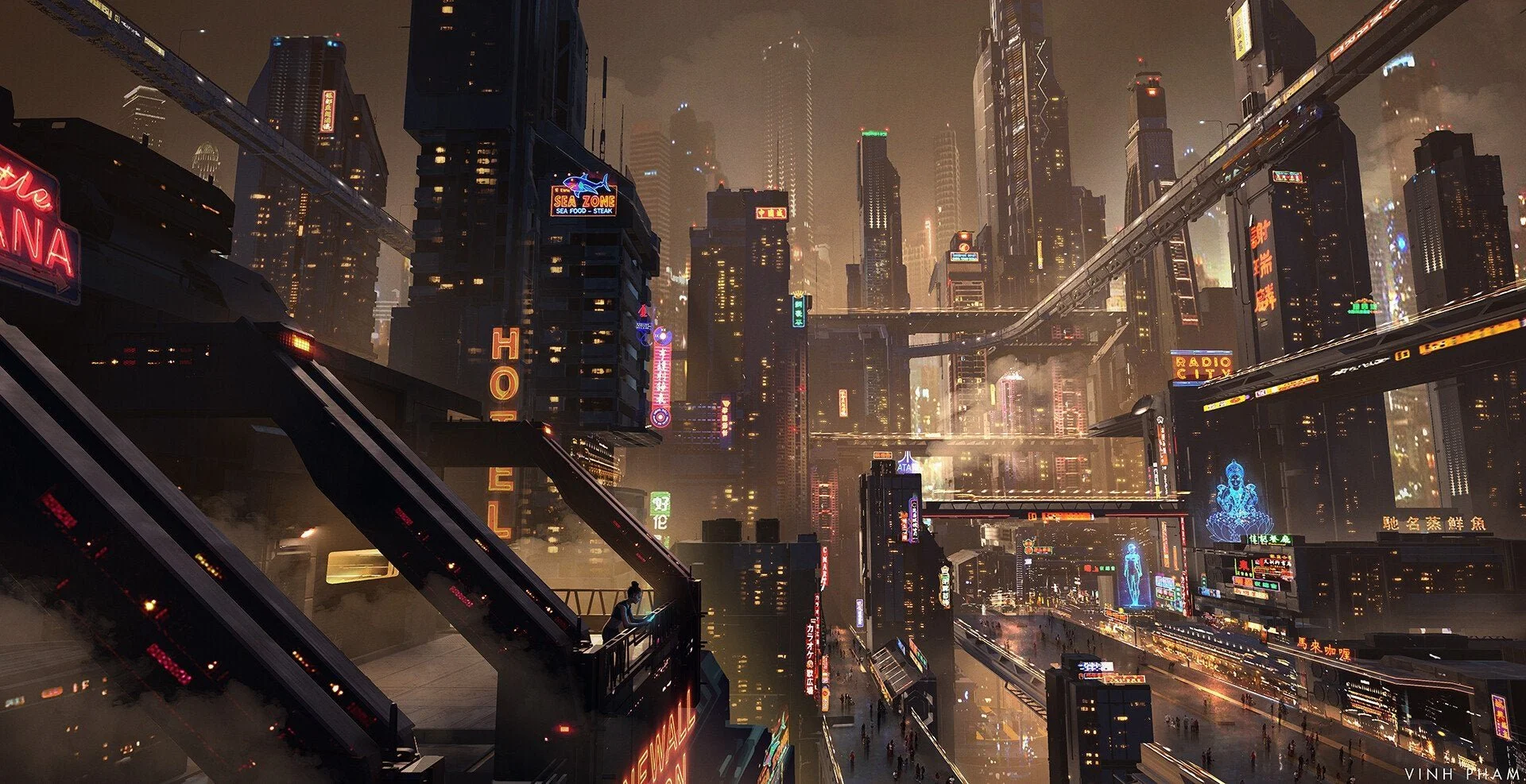
Cyberpunk aesthetic
Blade Runner (1982)
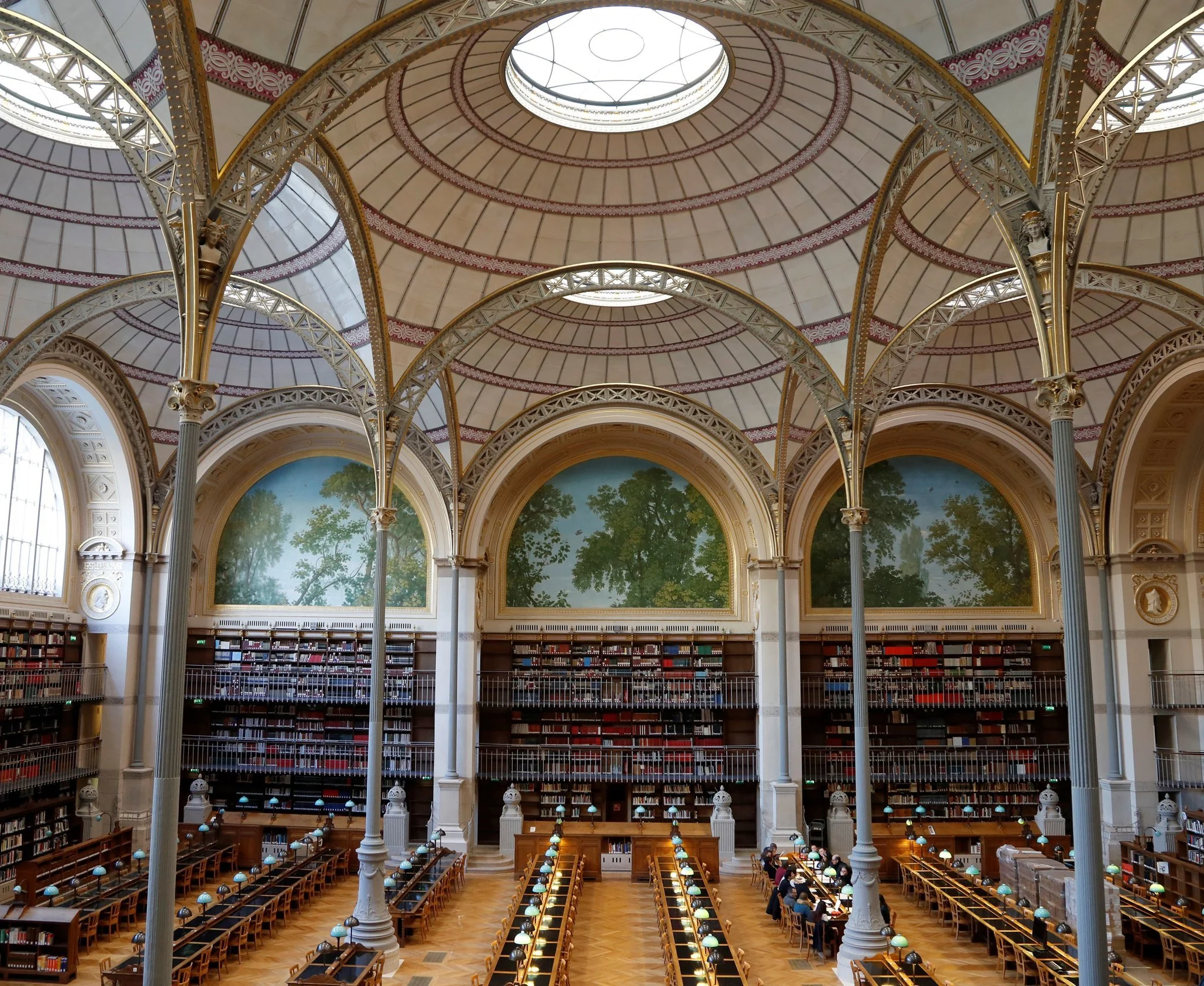
Beaux-arts architecture