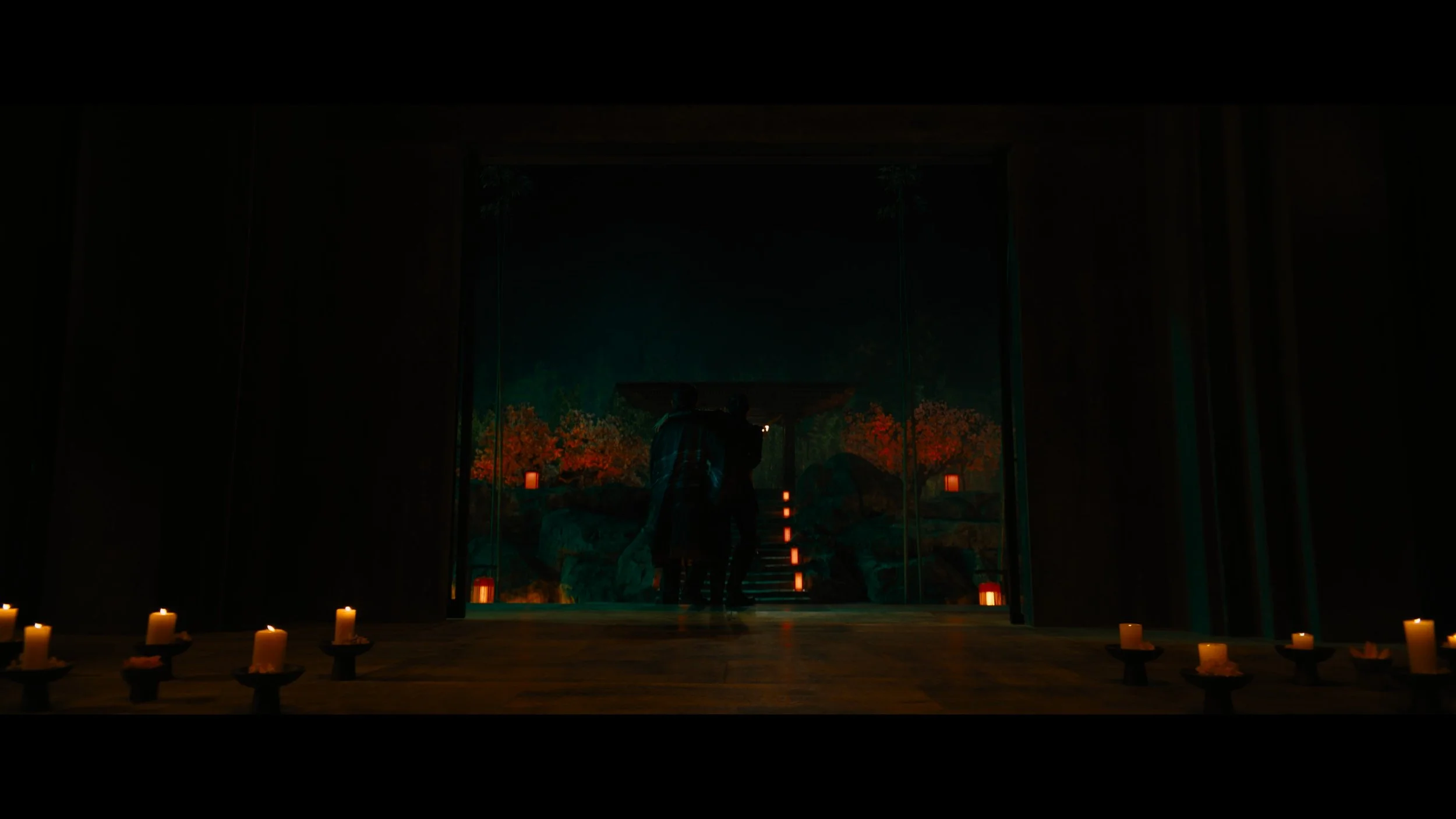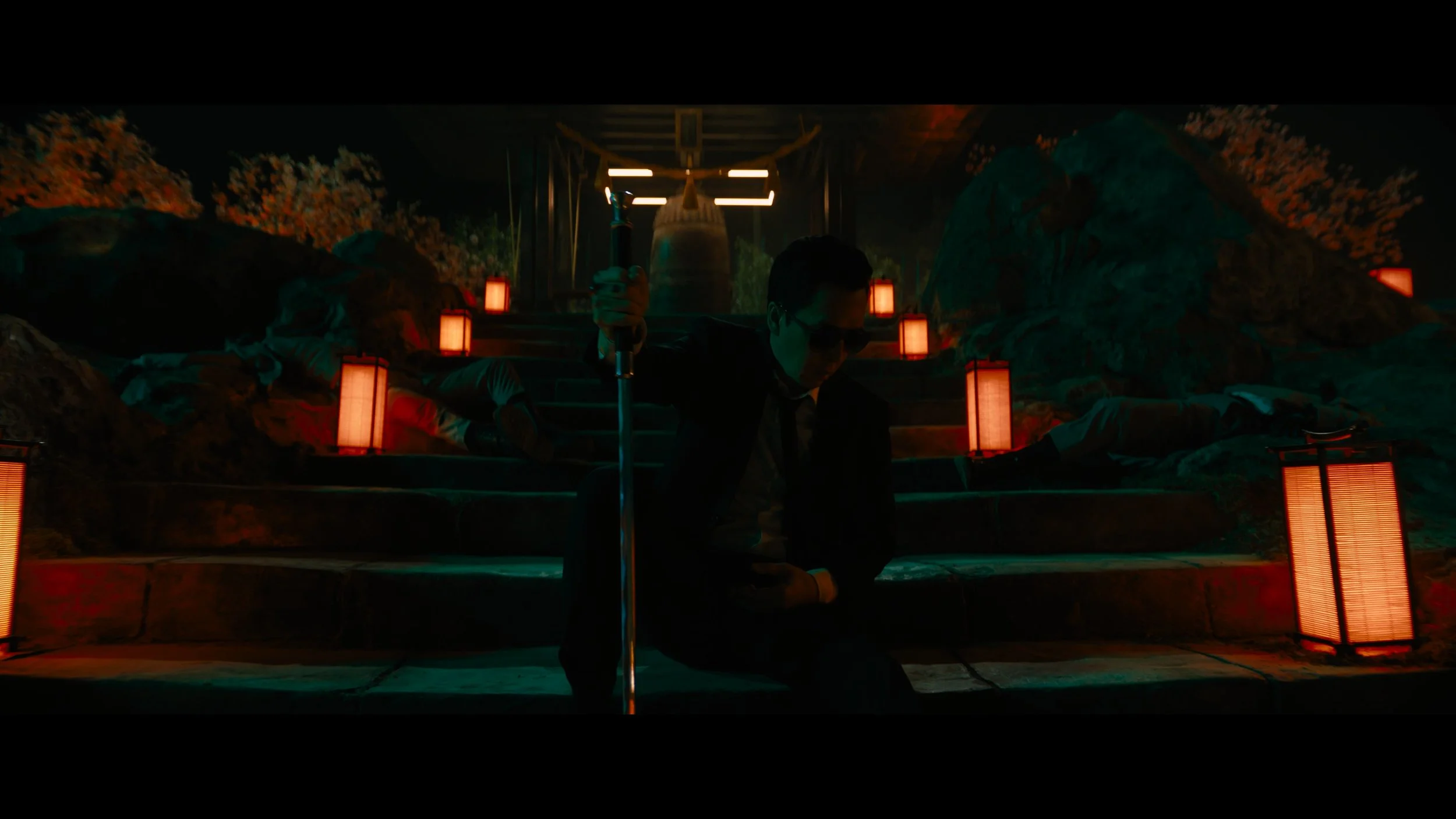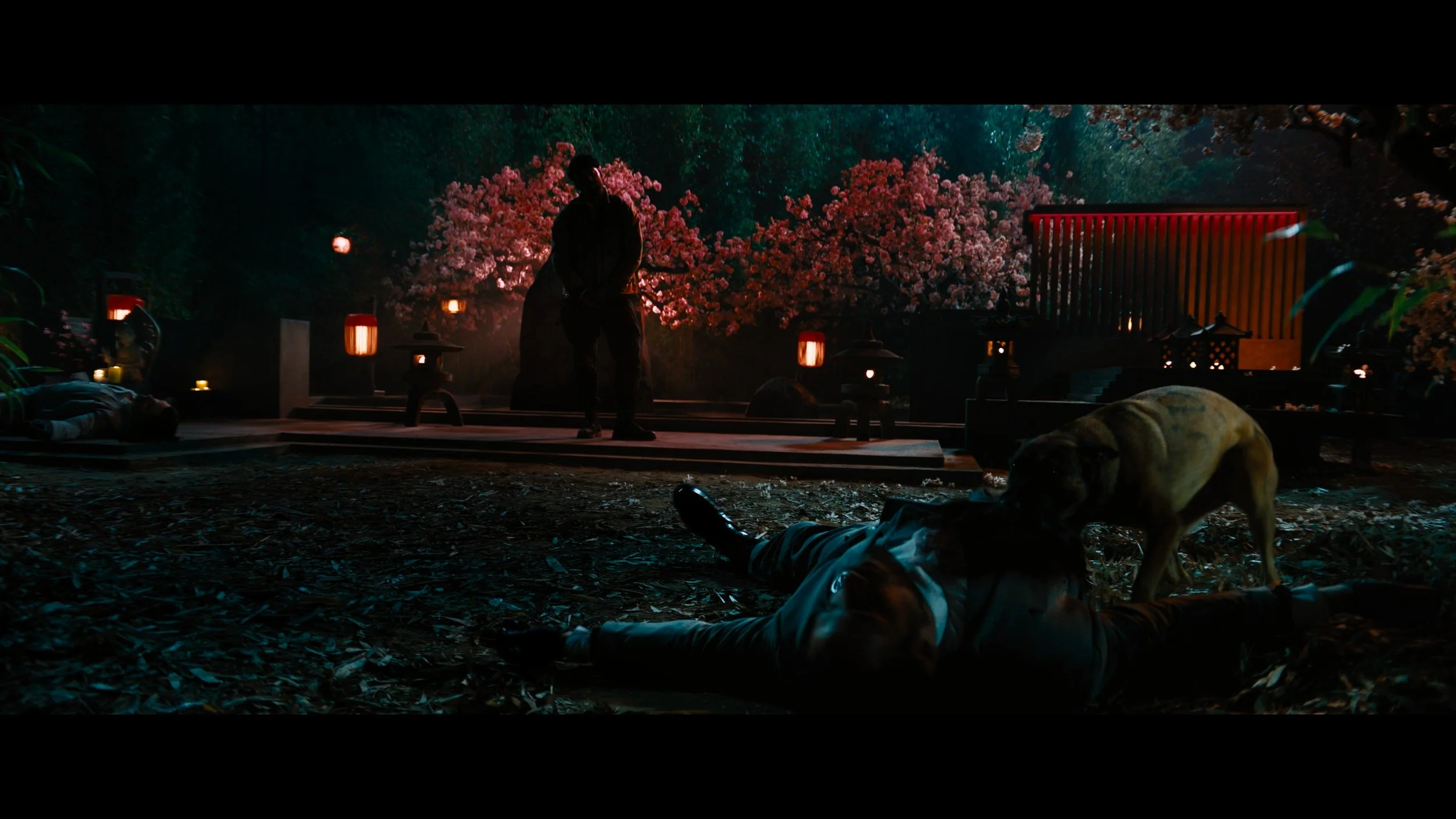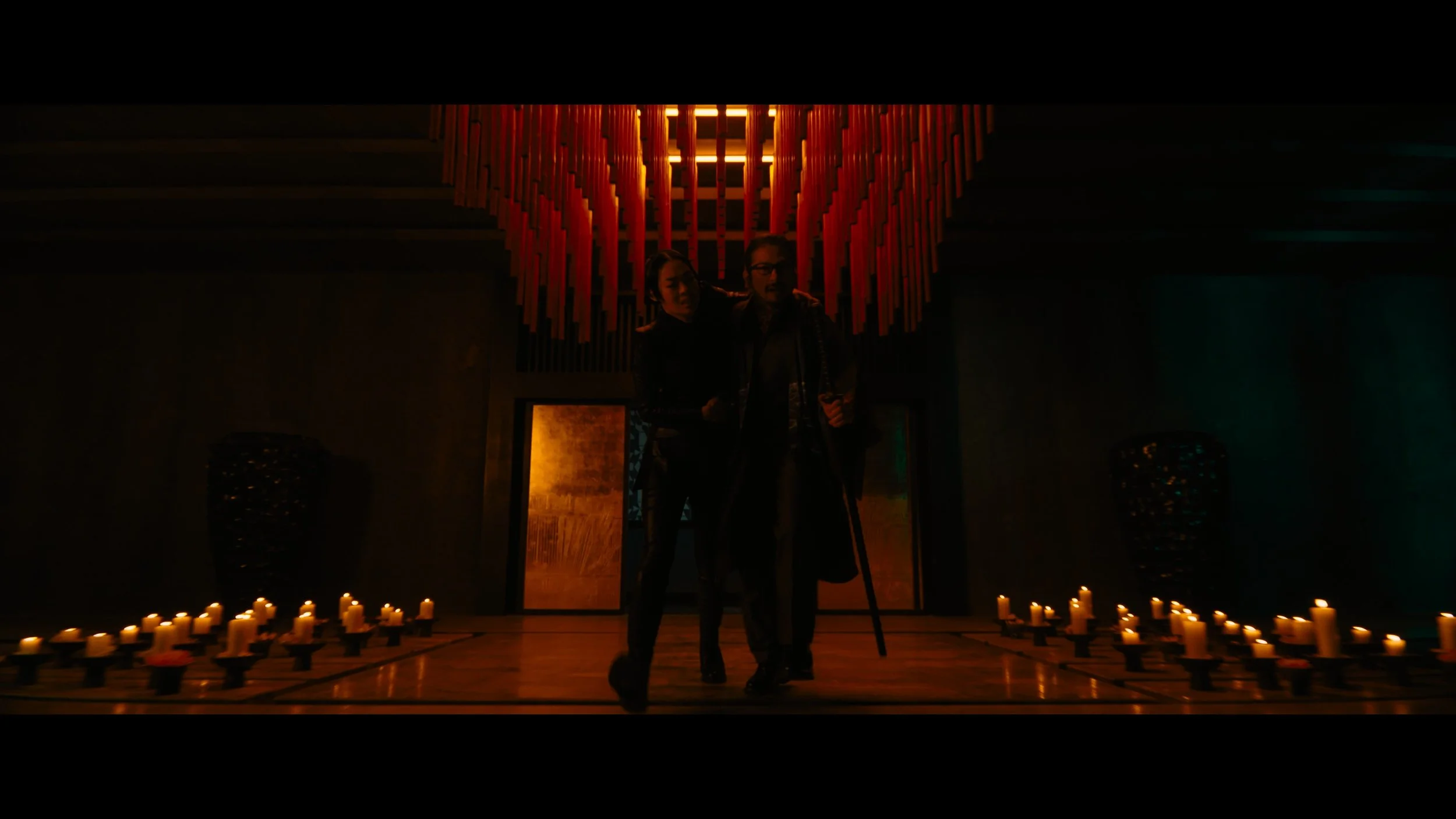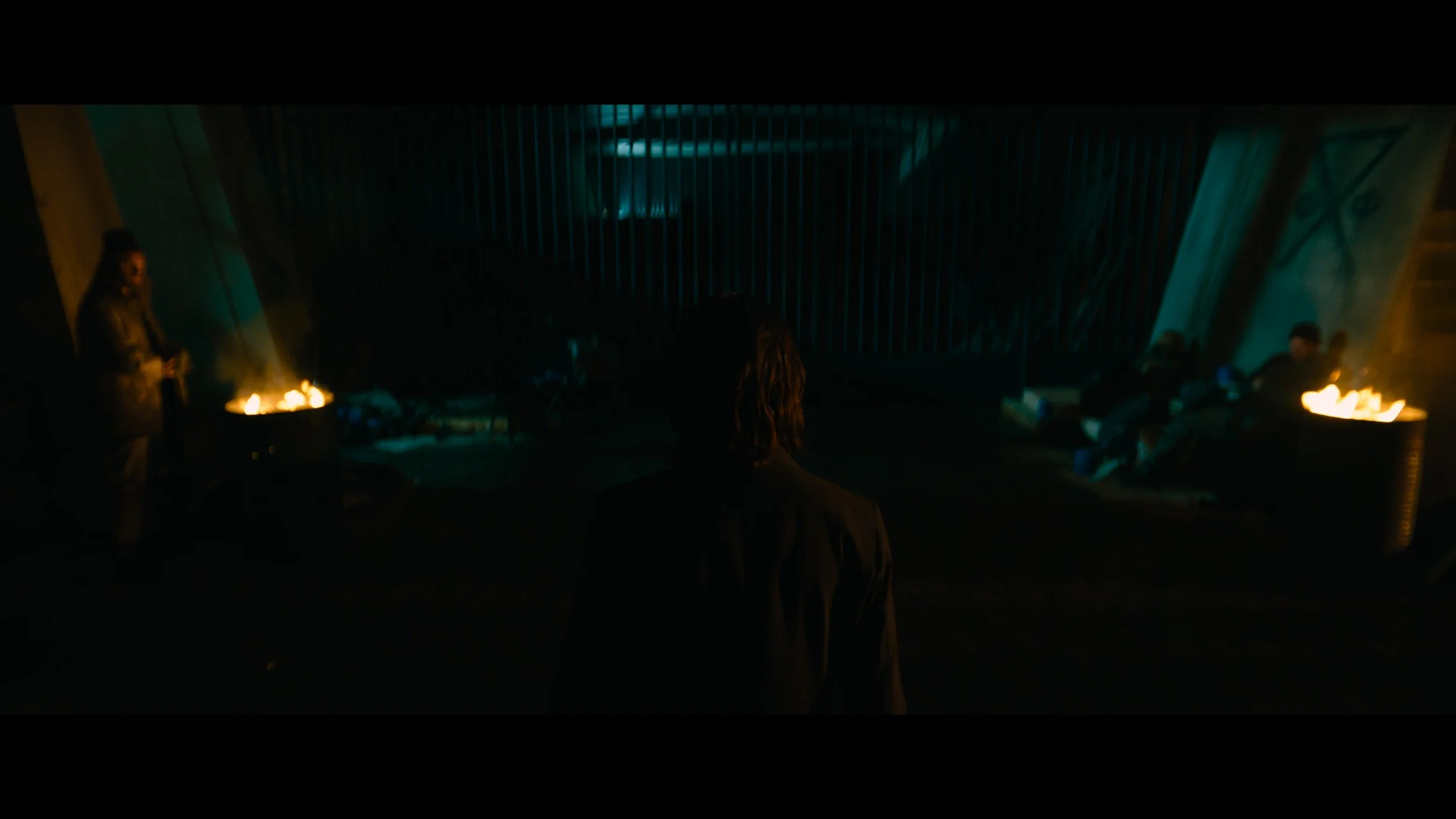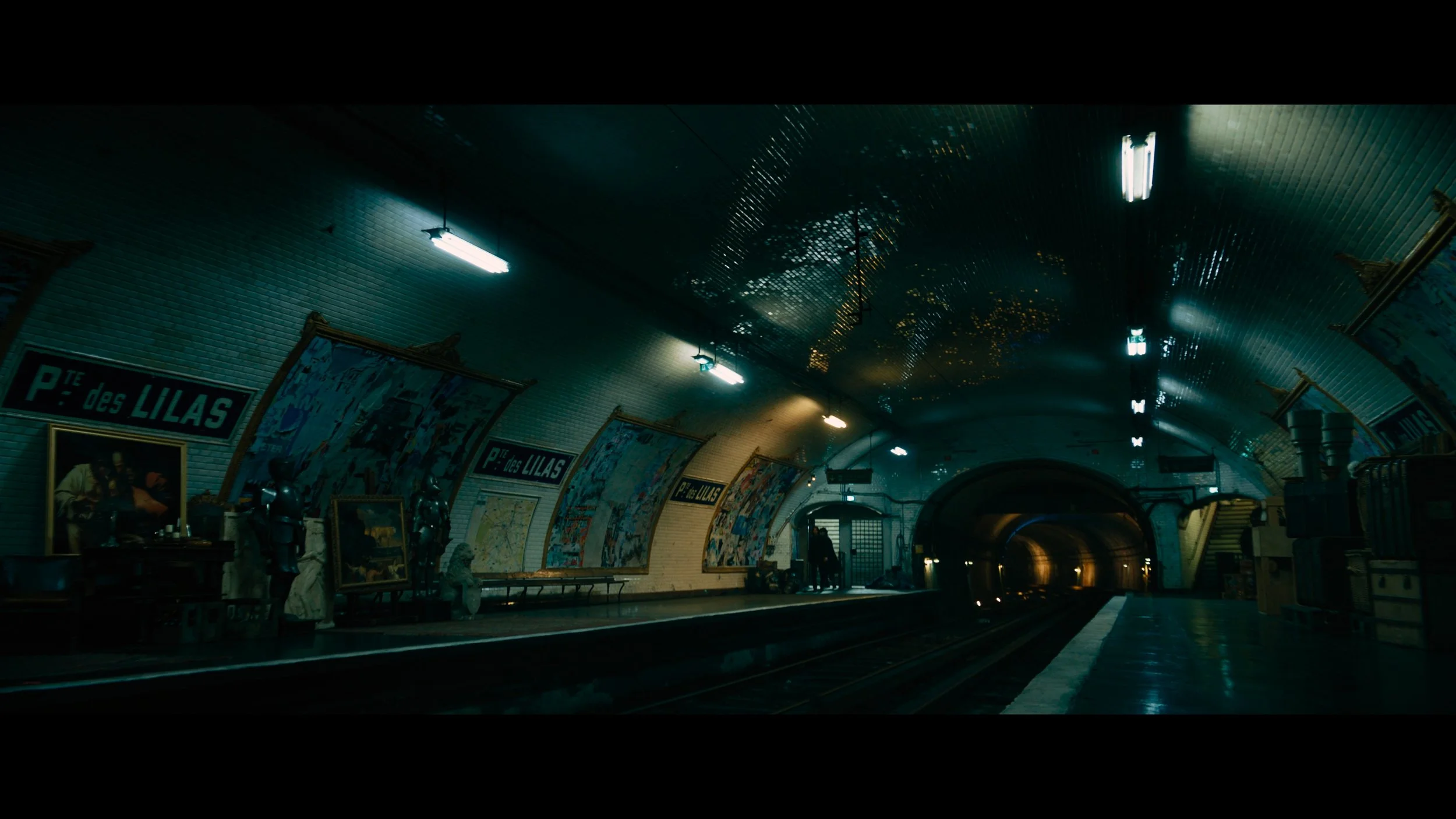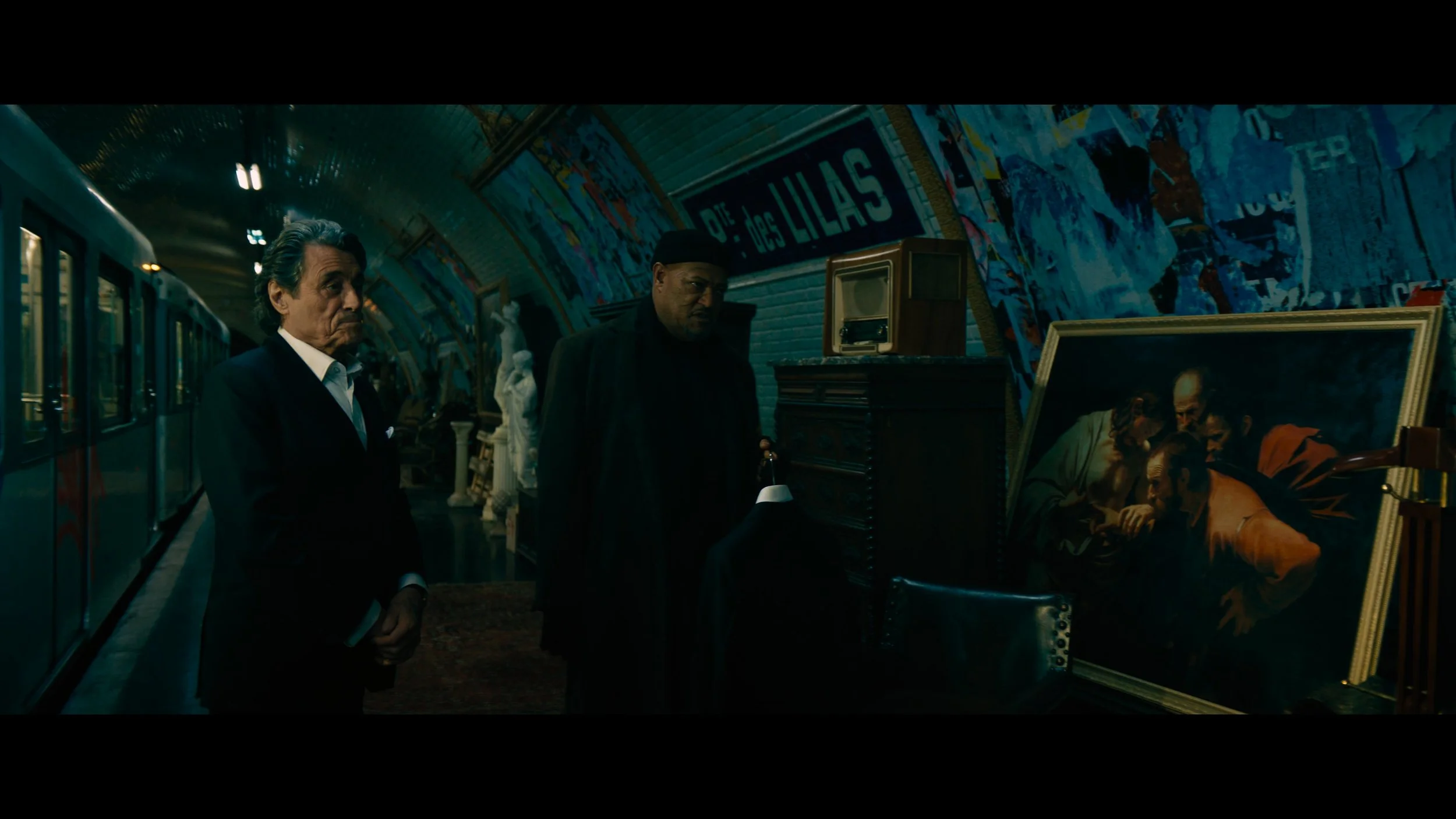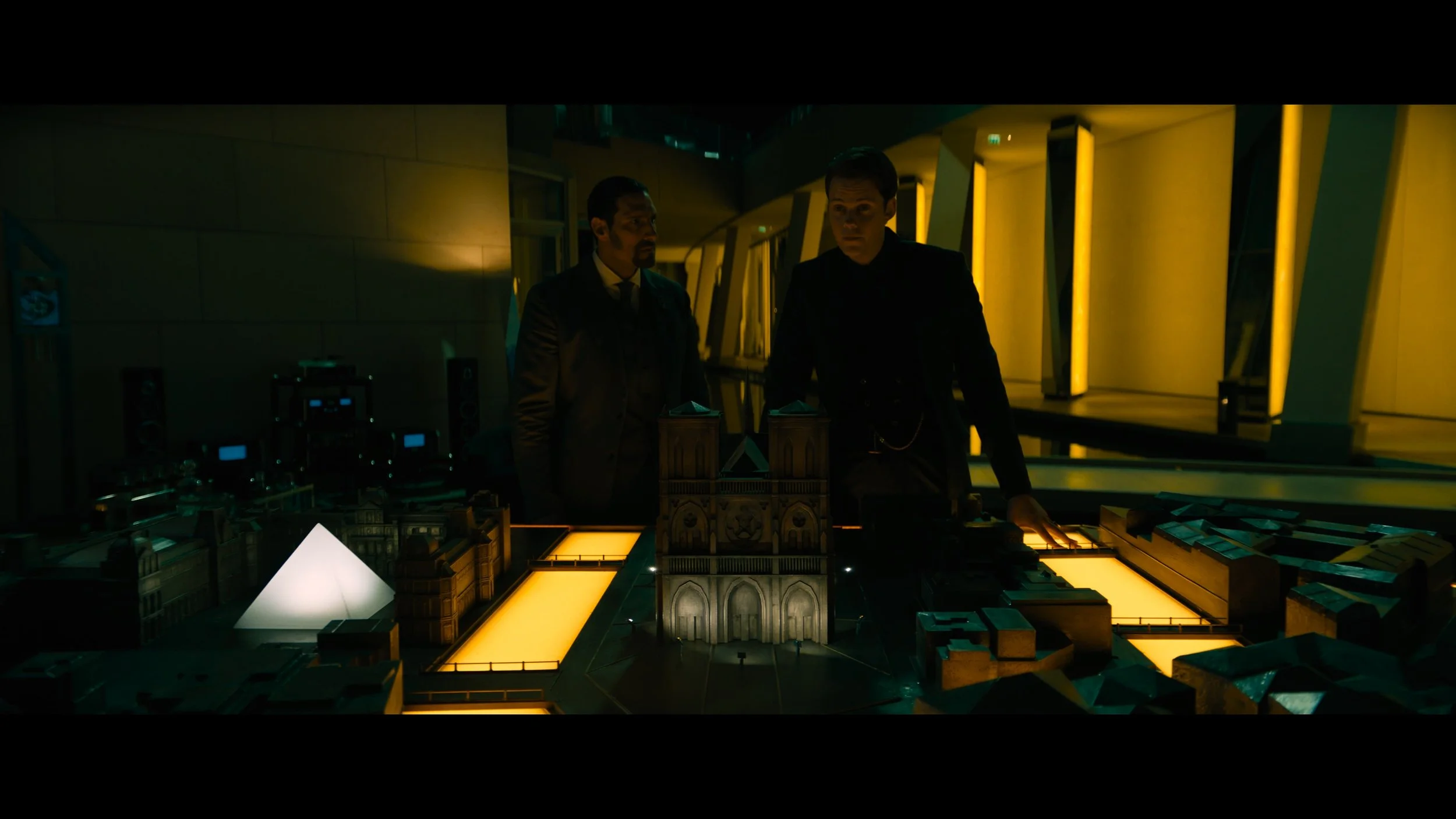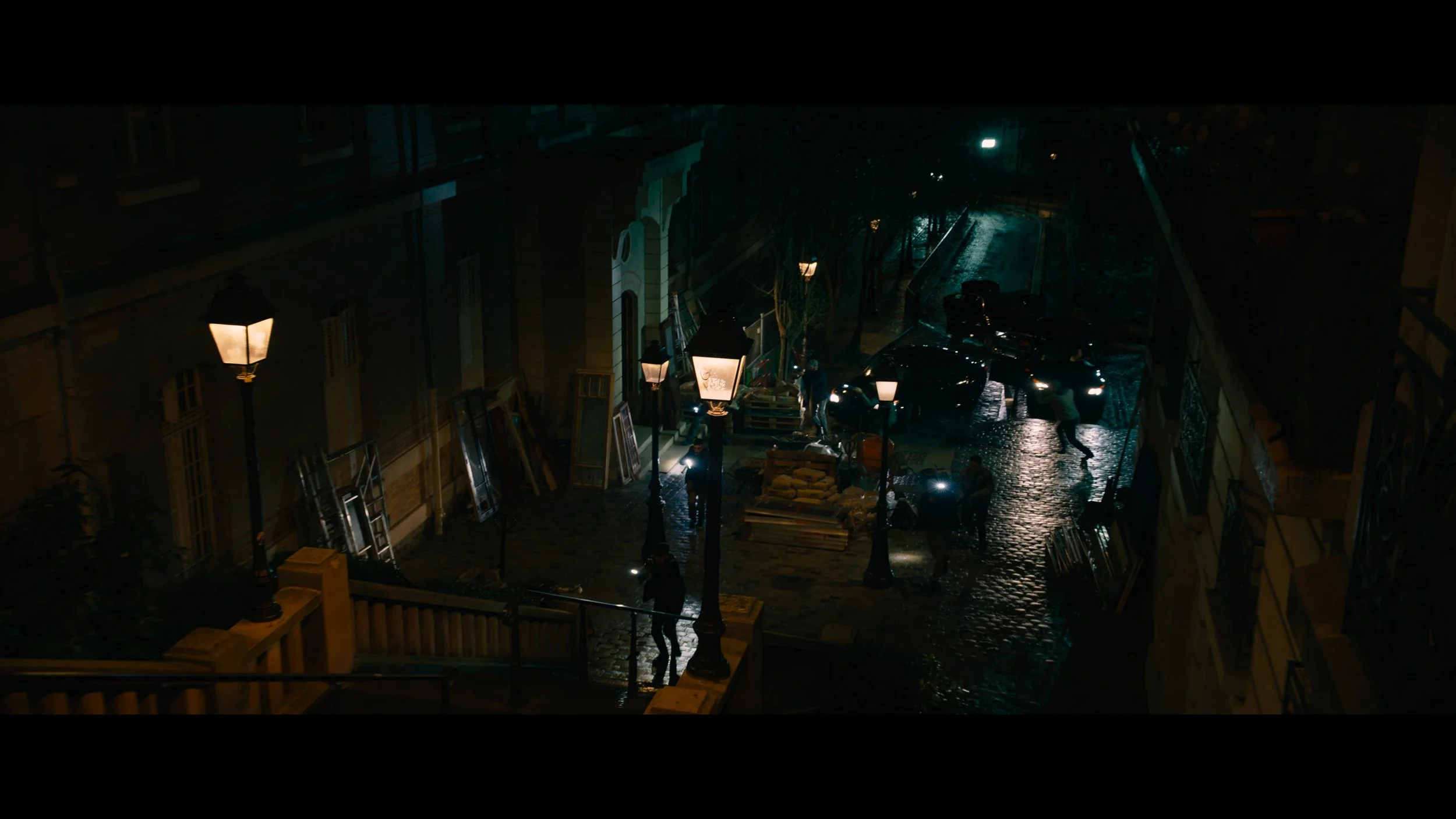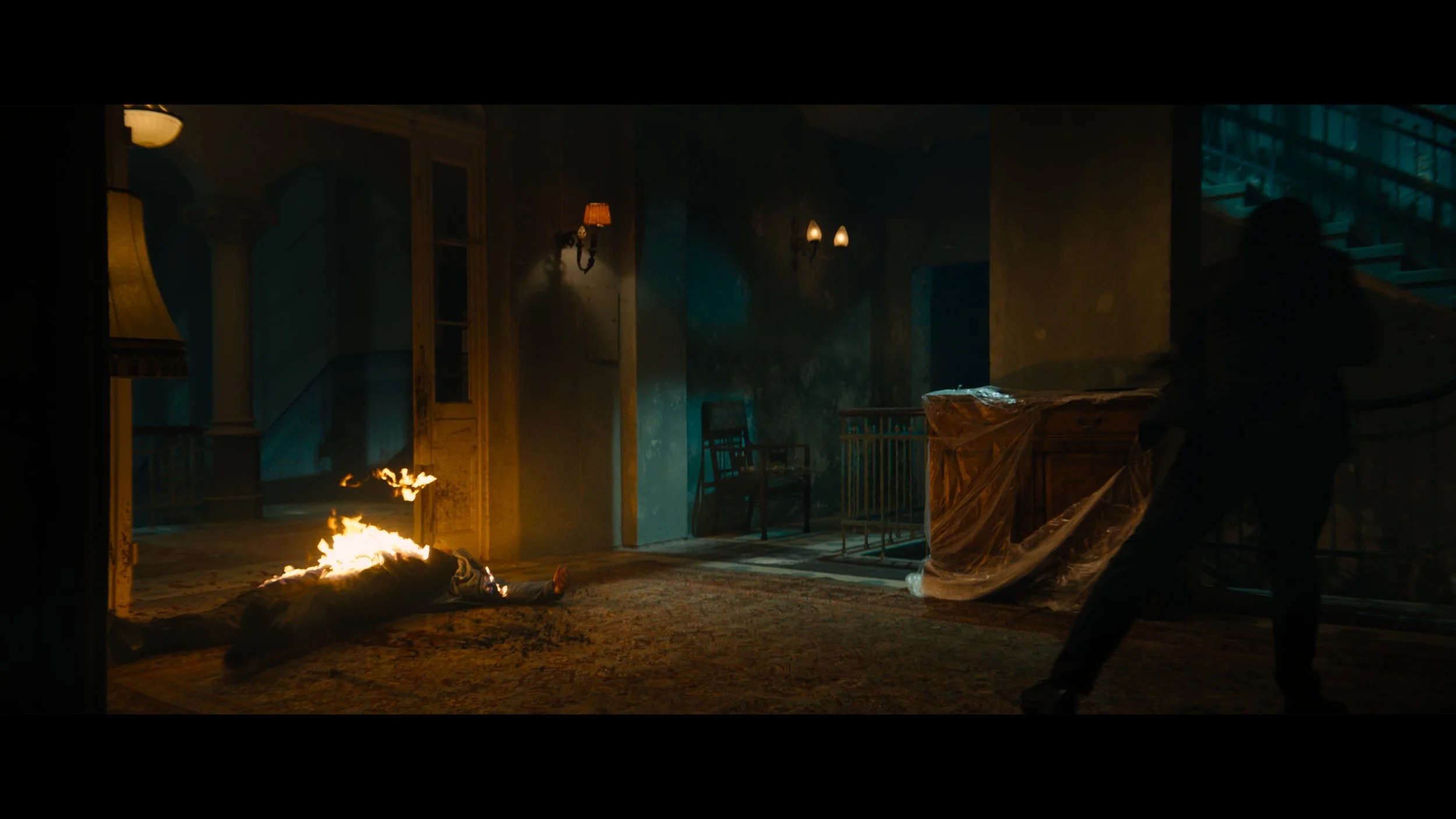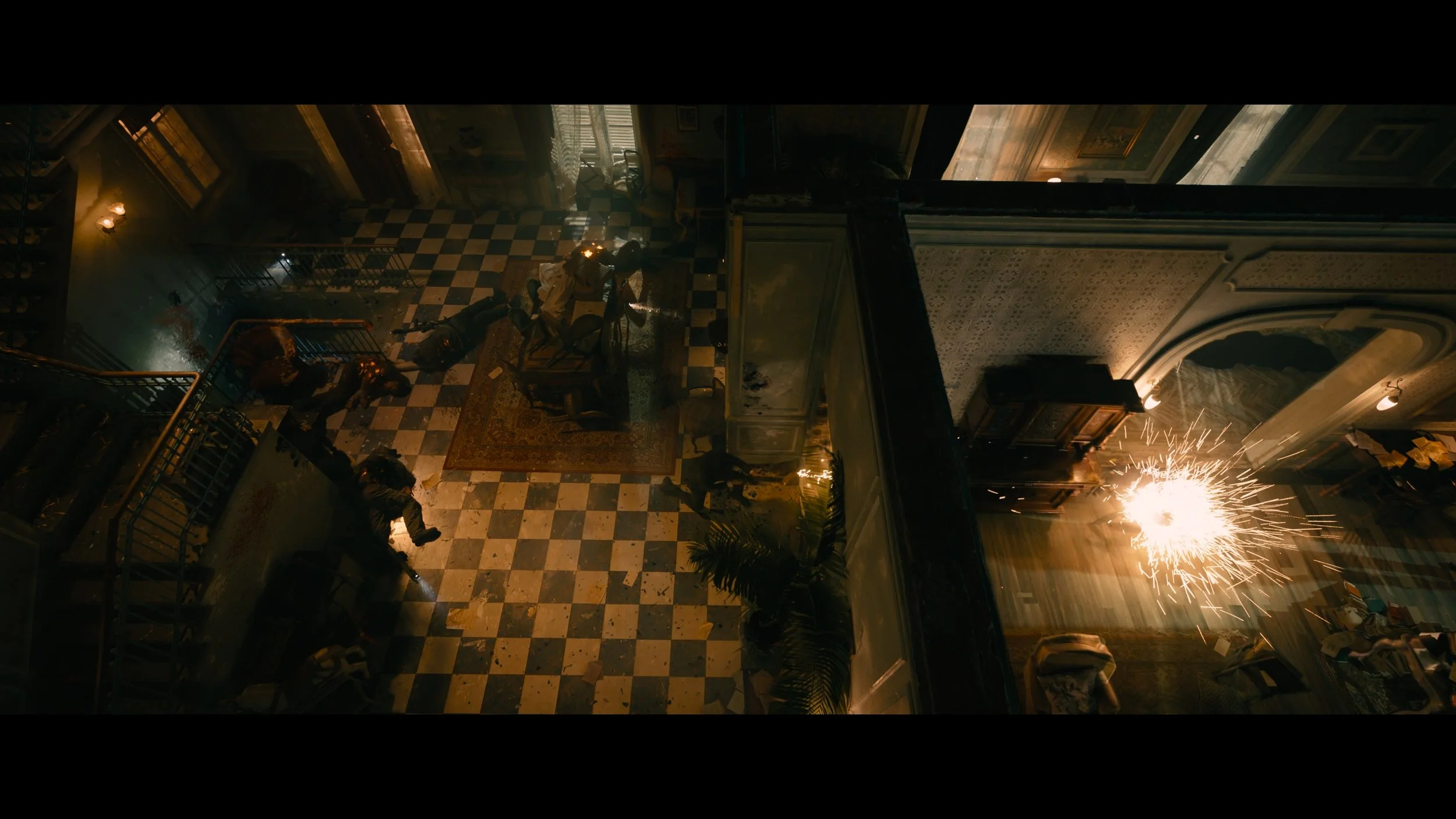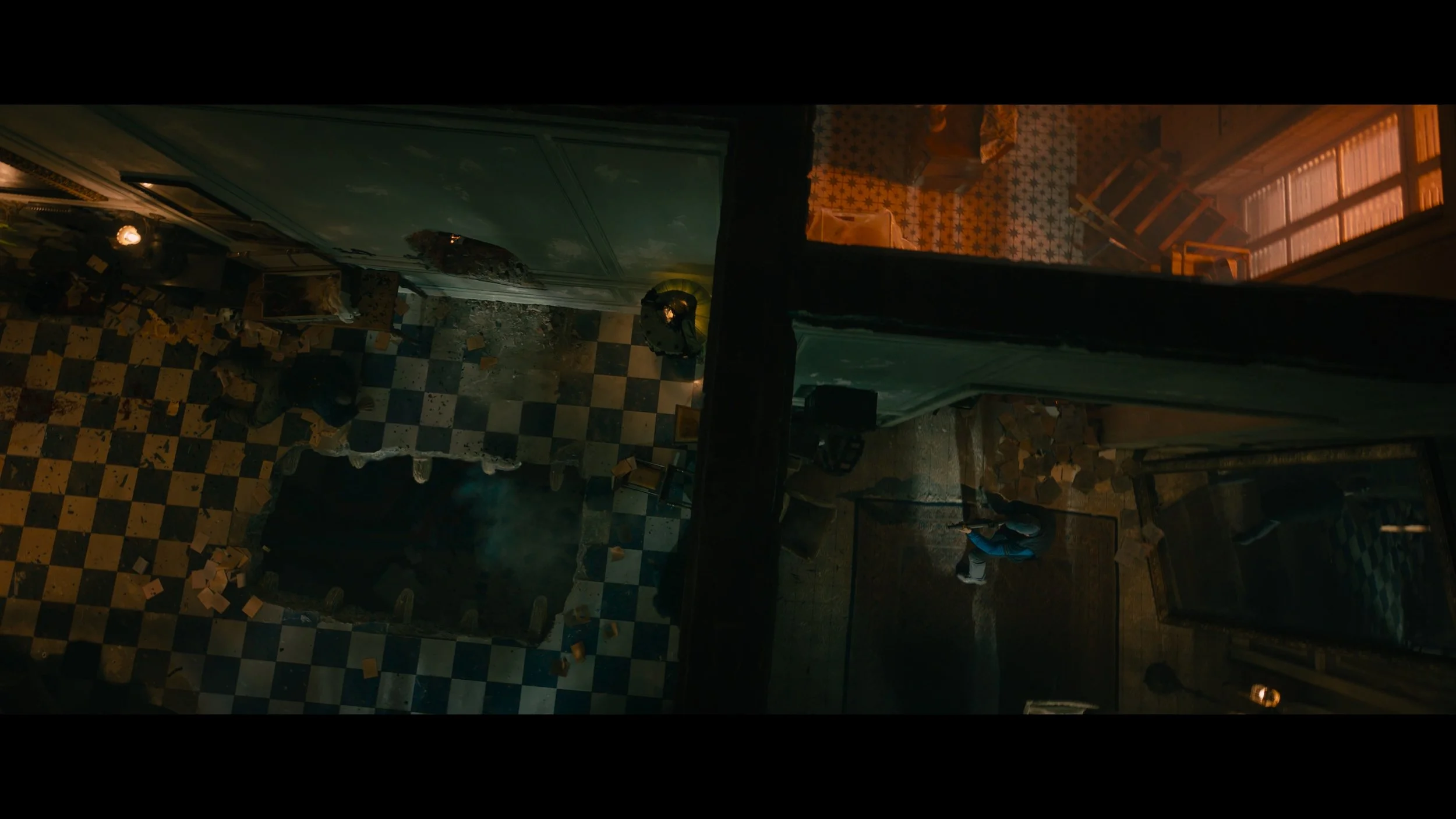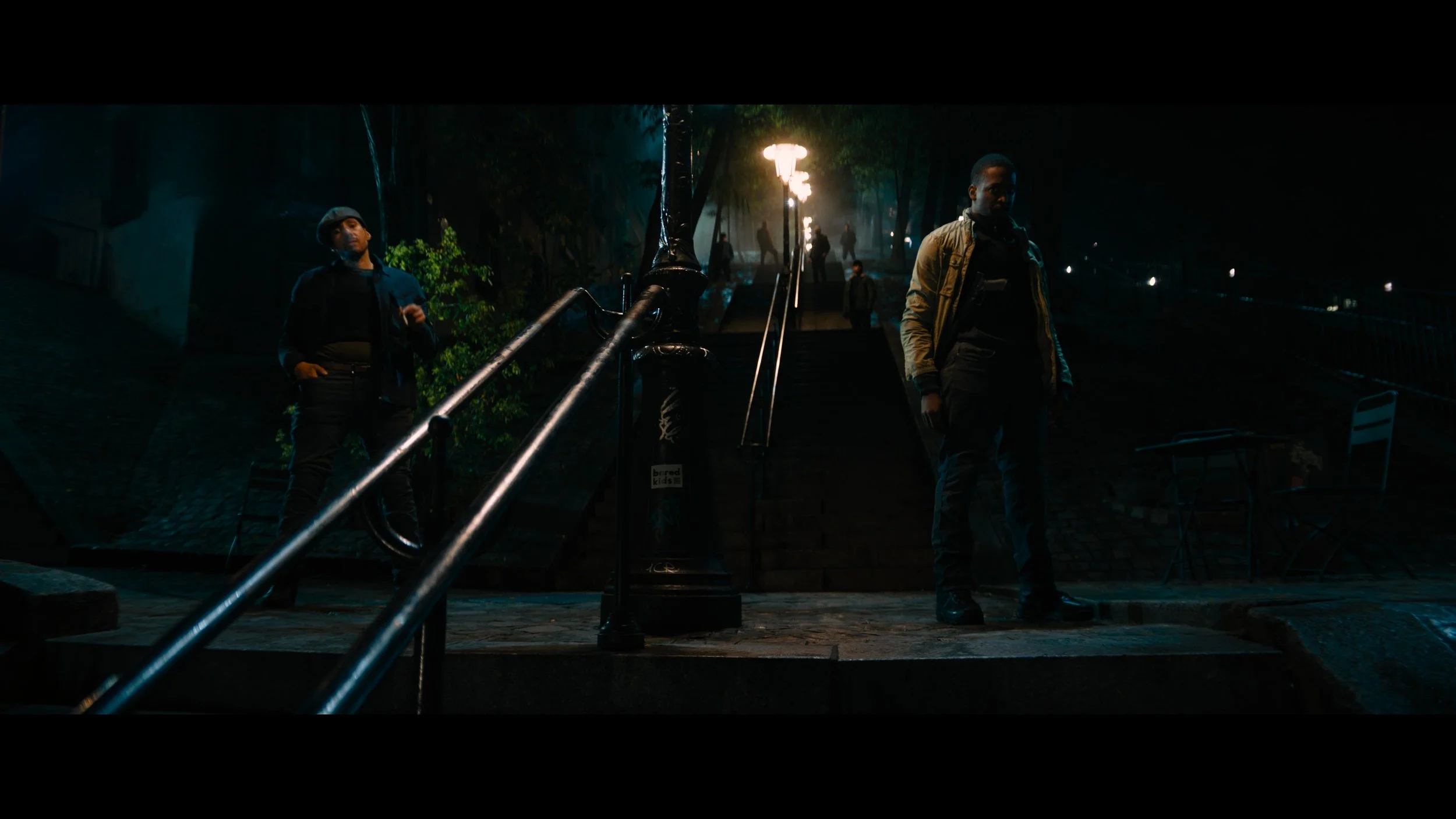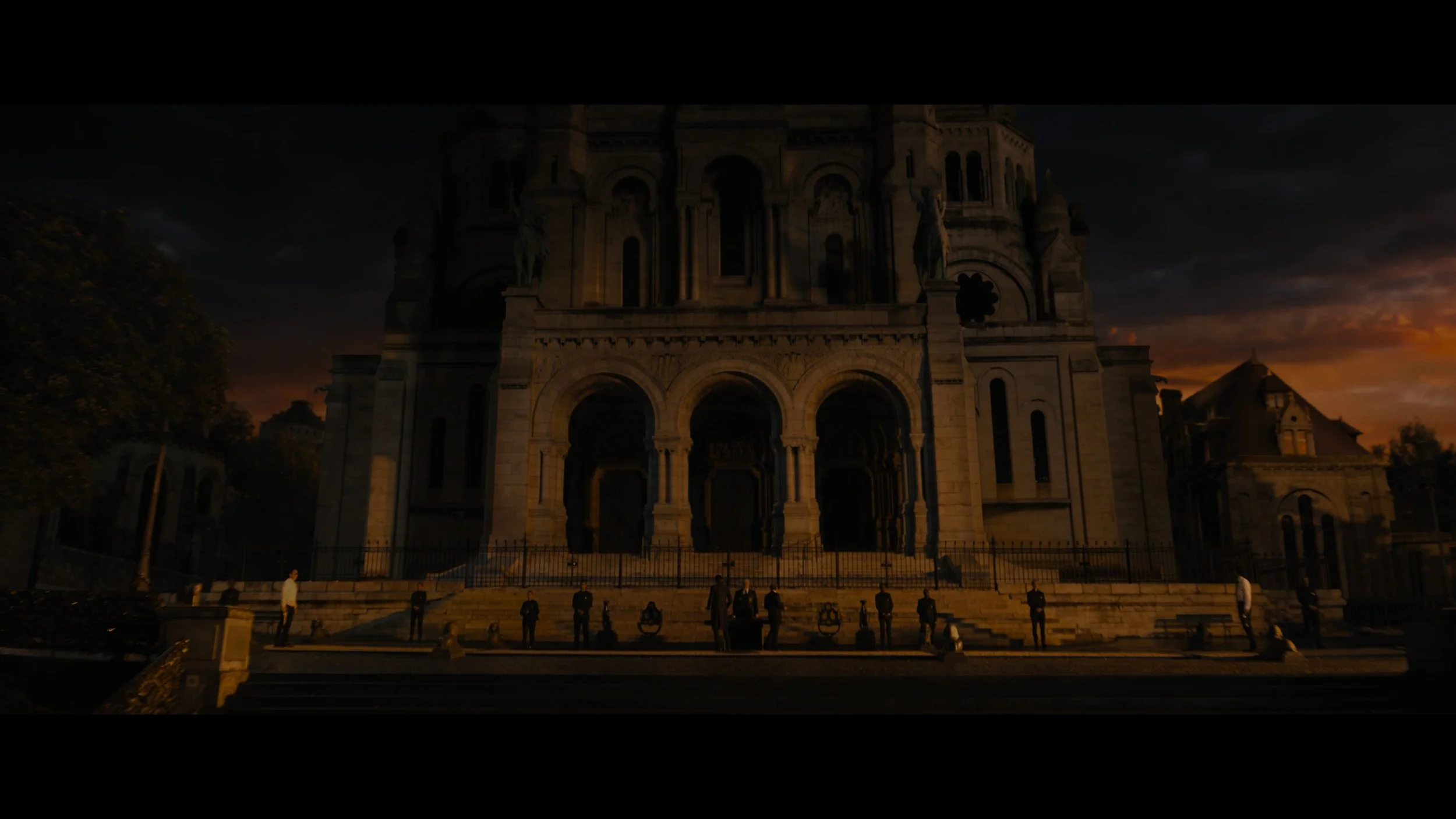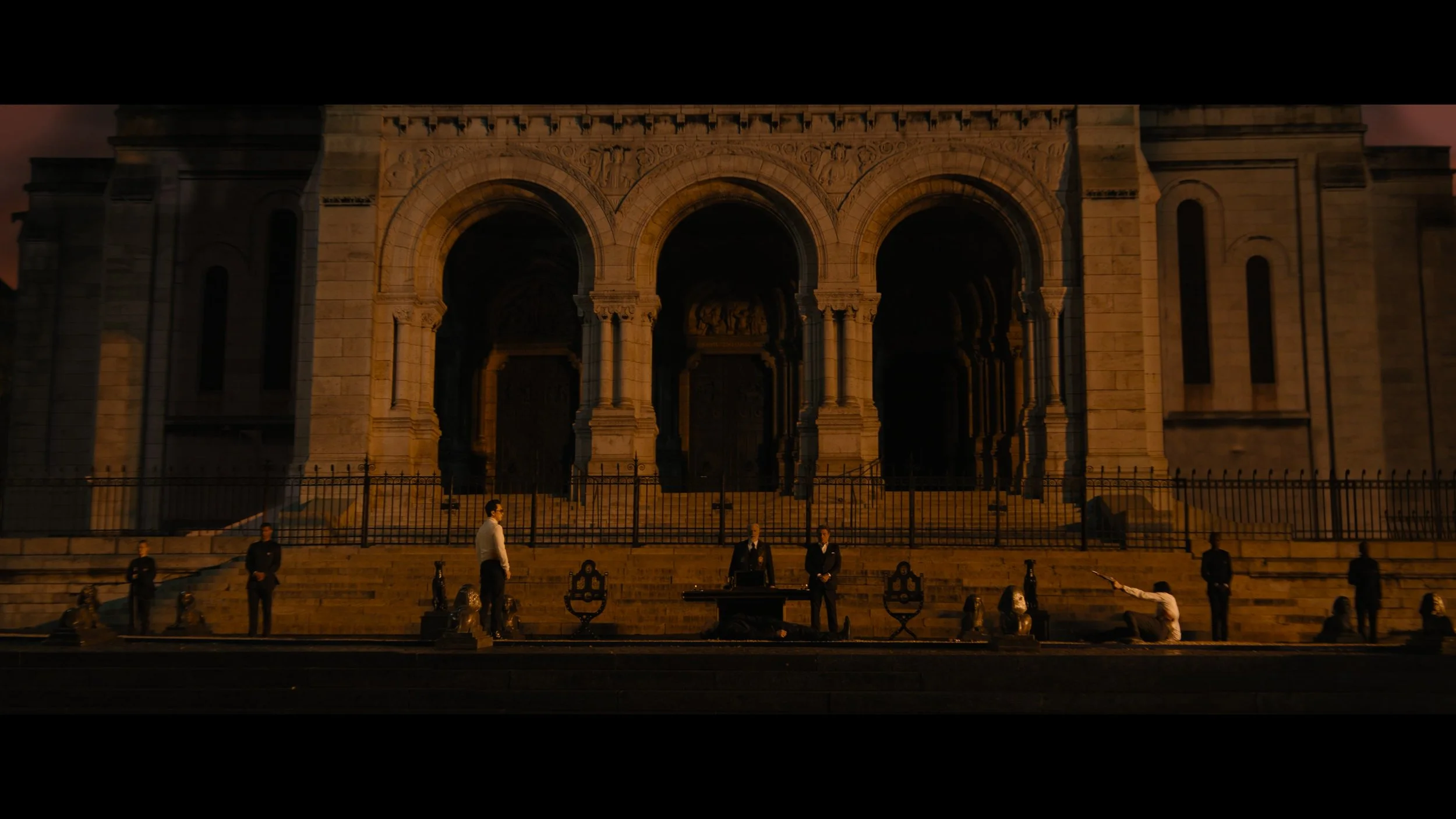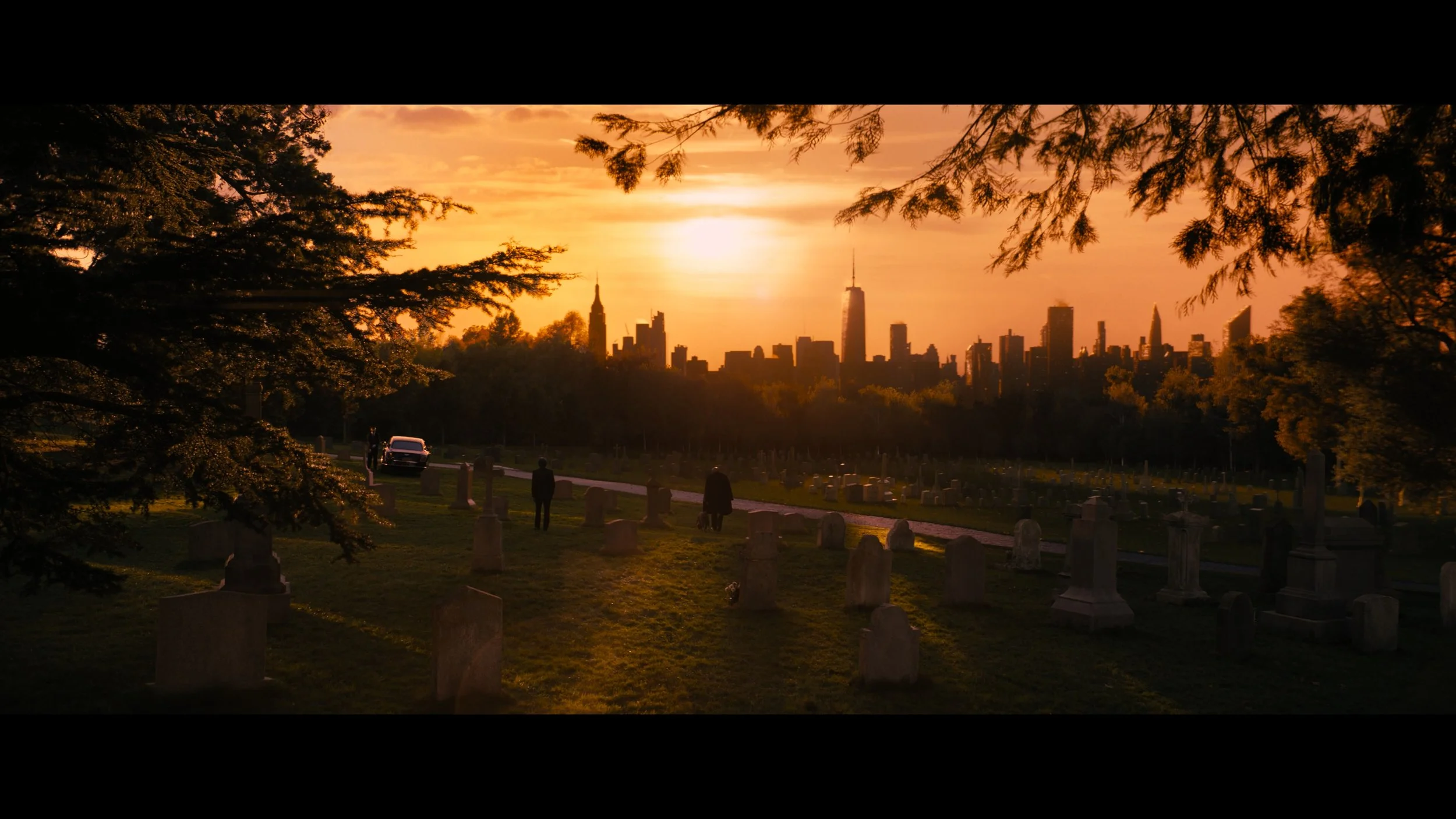

The production design of John Wick Chapter 4 (2023)
Director: Chad Stahelski
Production designer: Kevin Kavanaugh
Summary
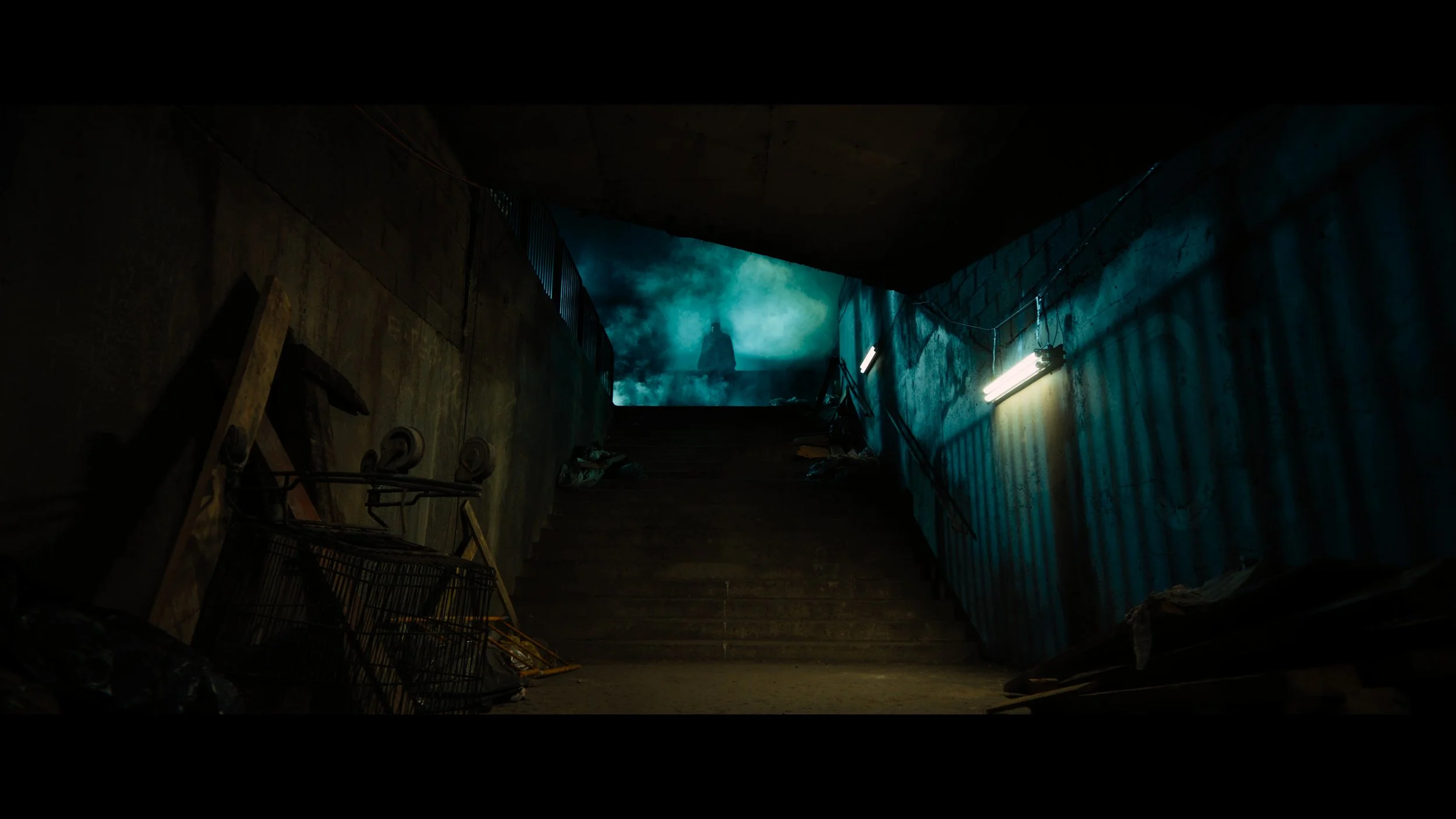
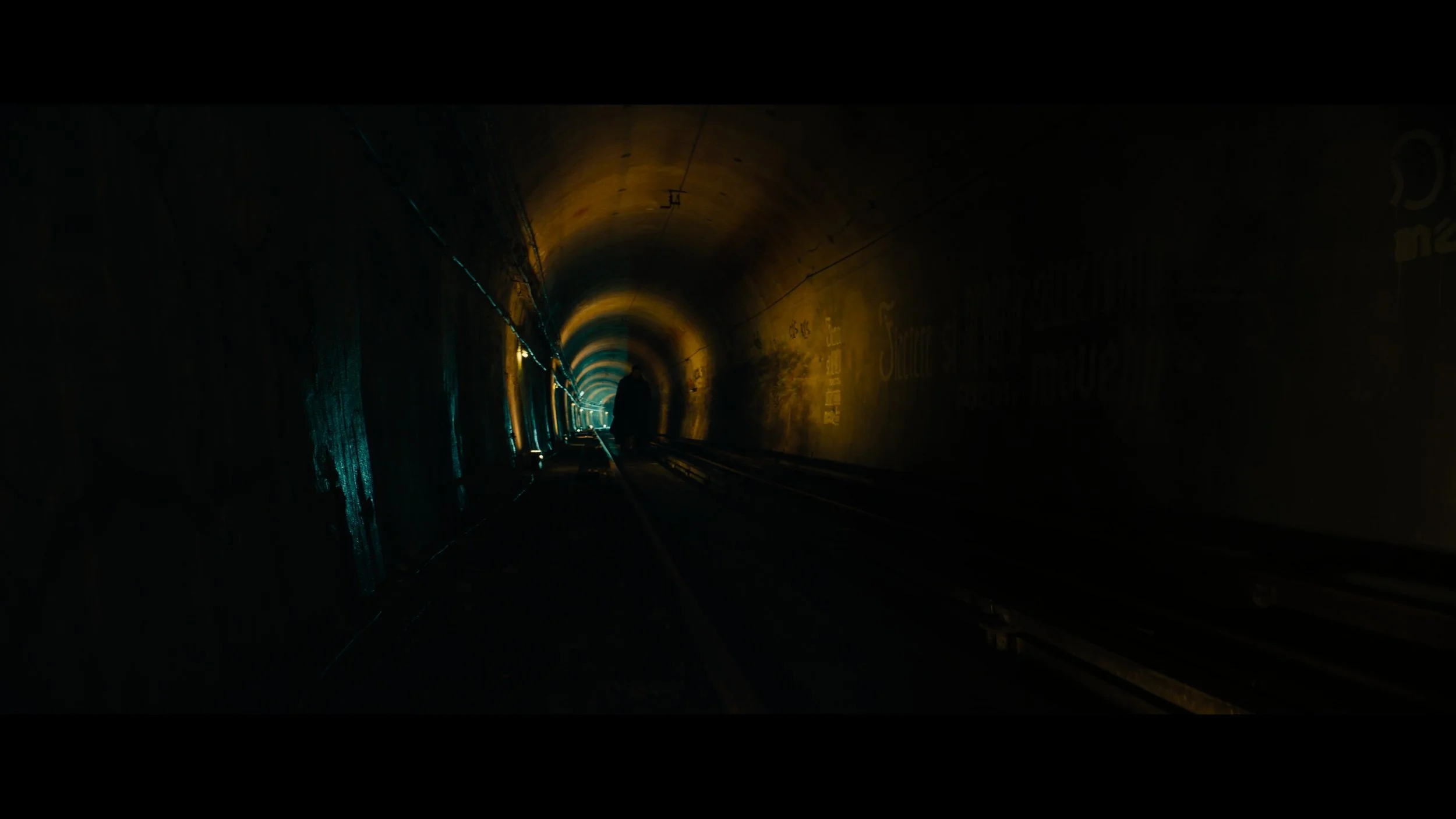
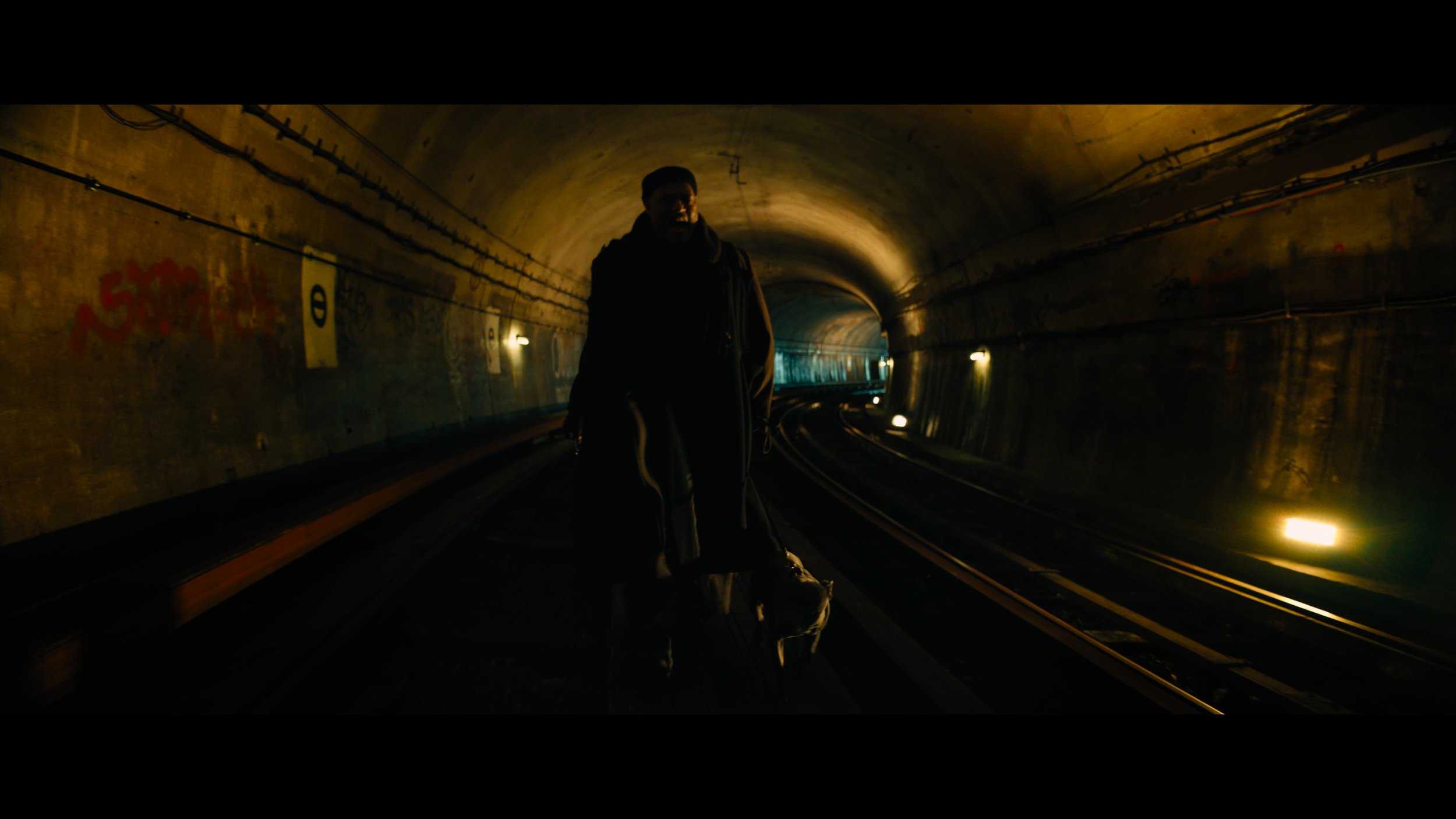
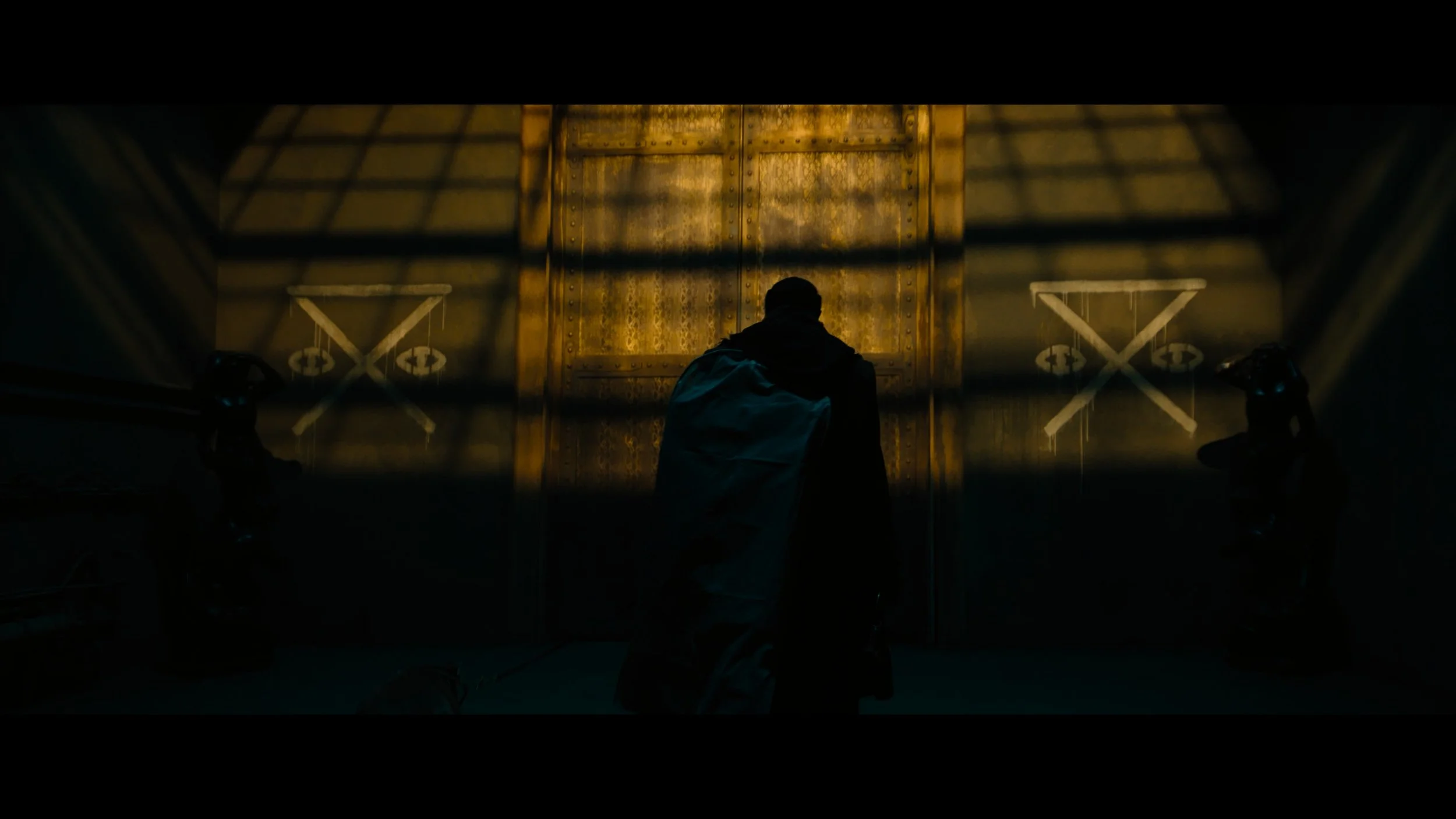
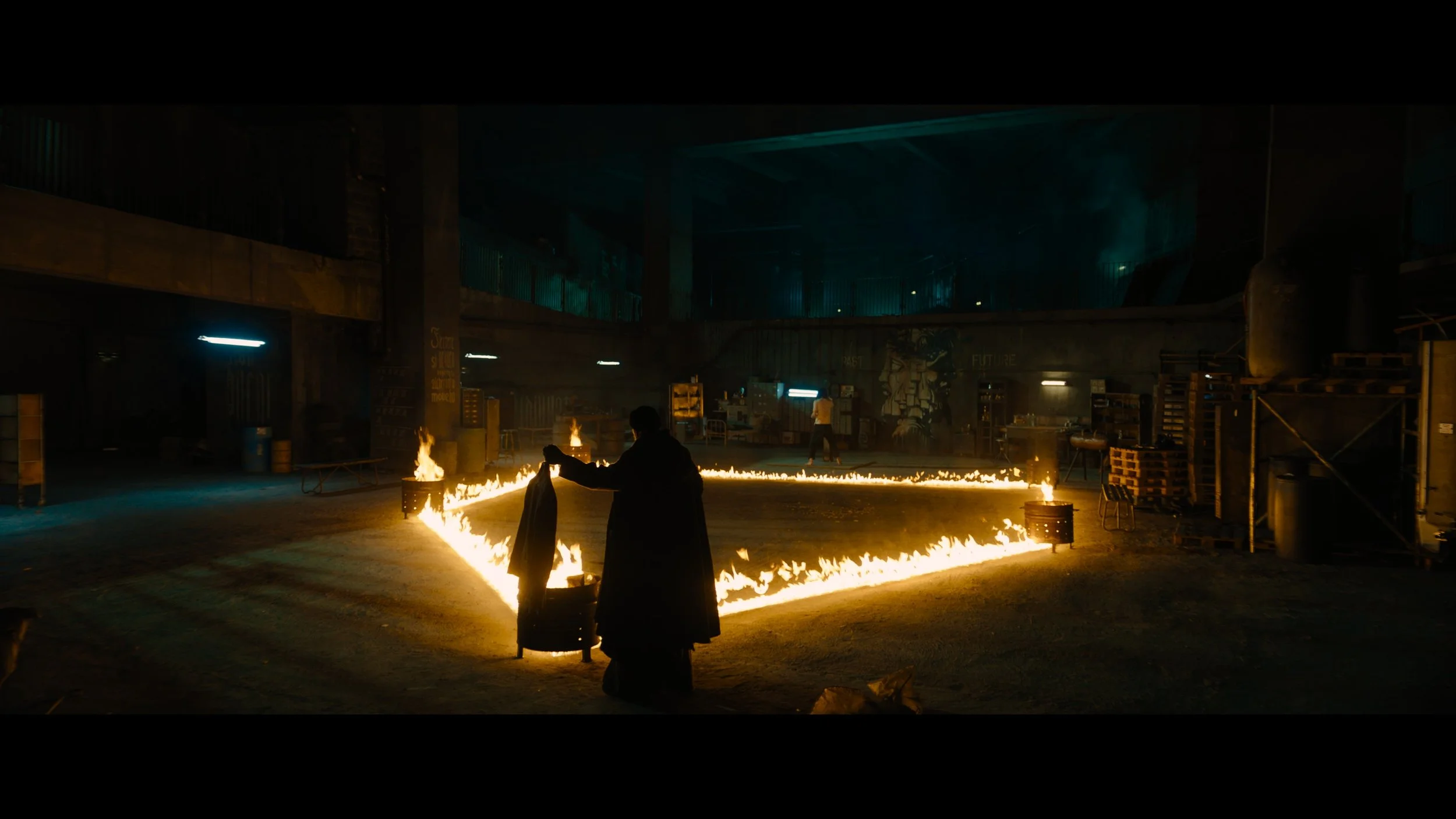
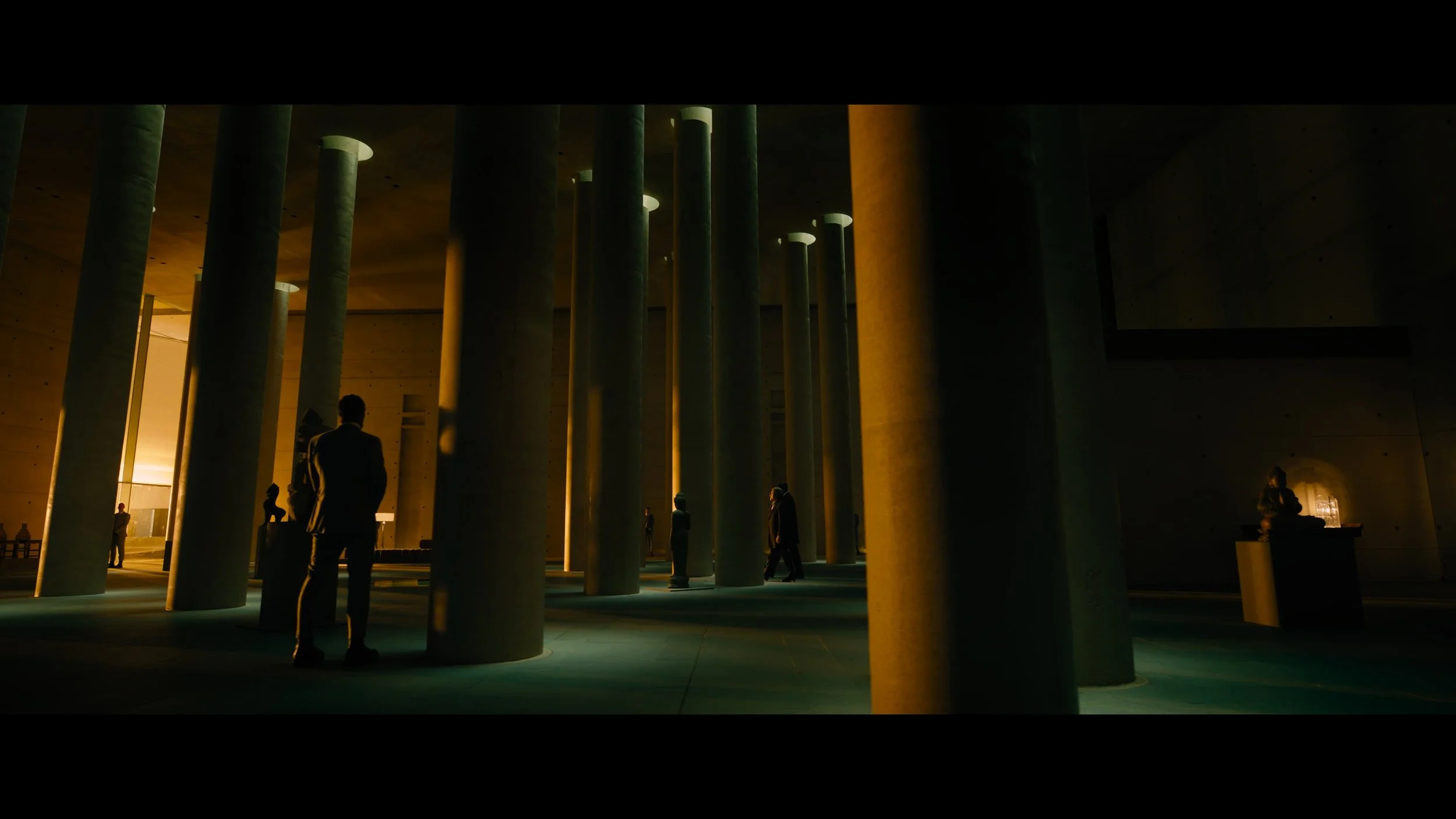
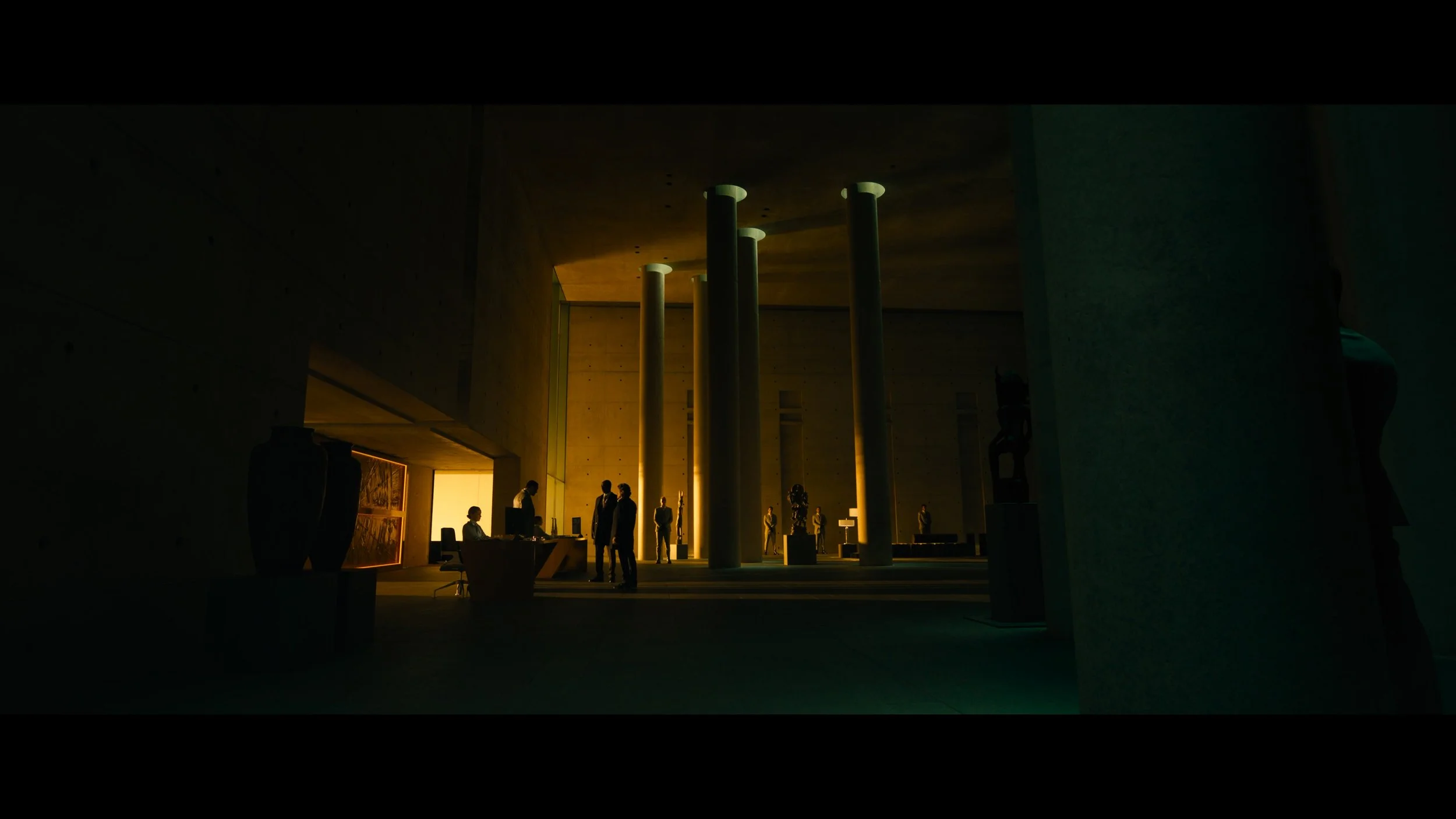
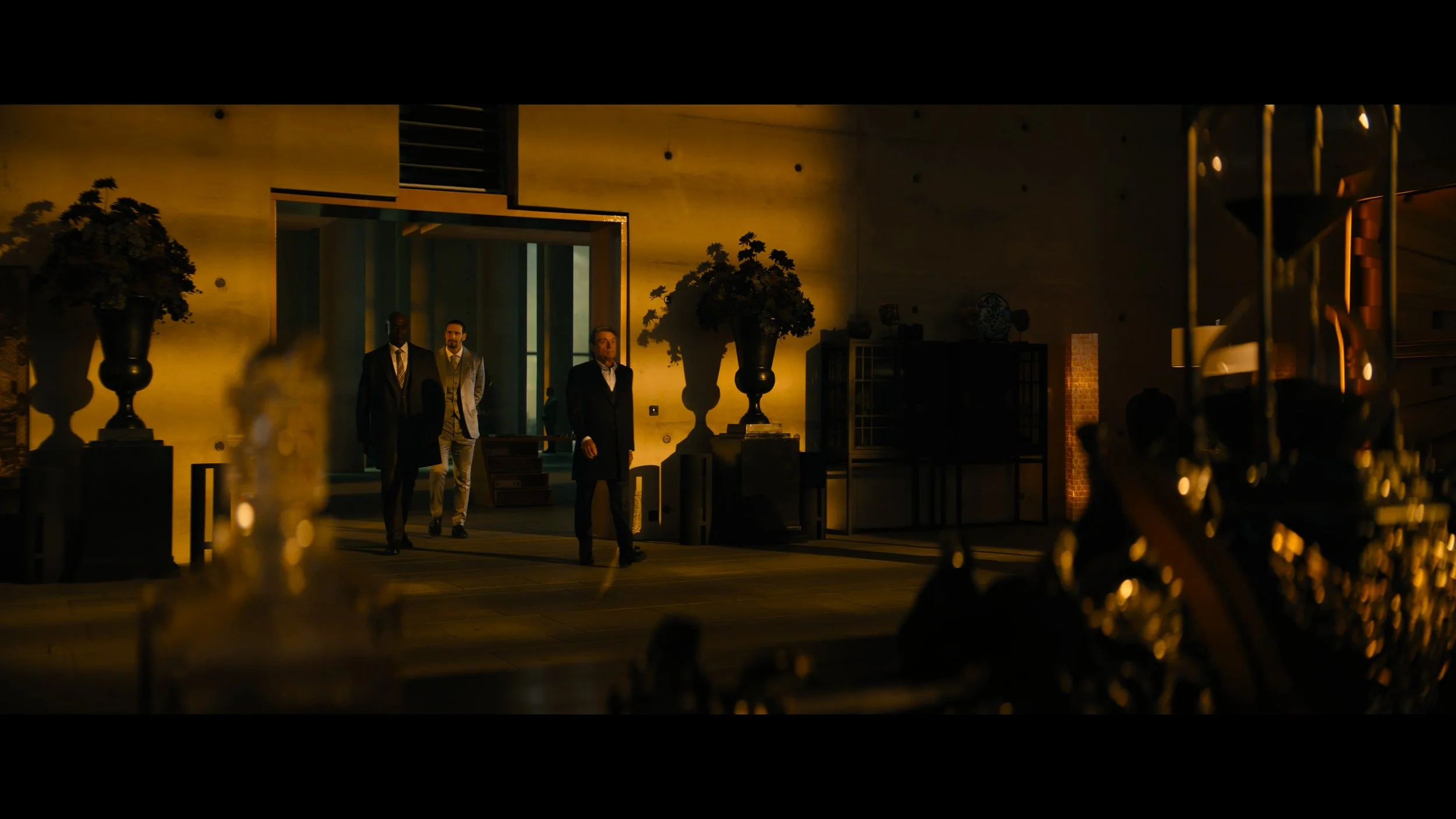
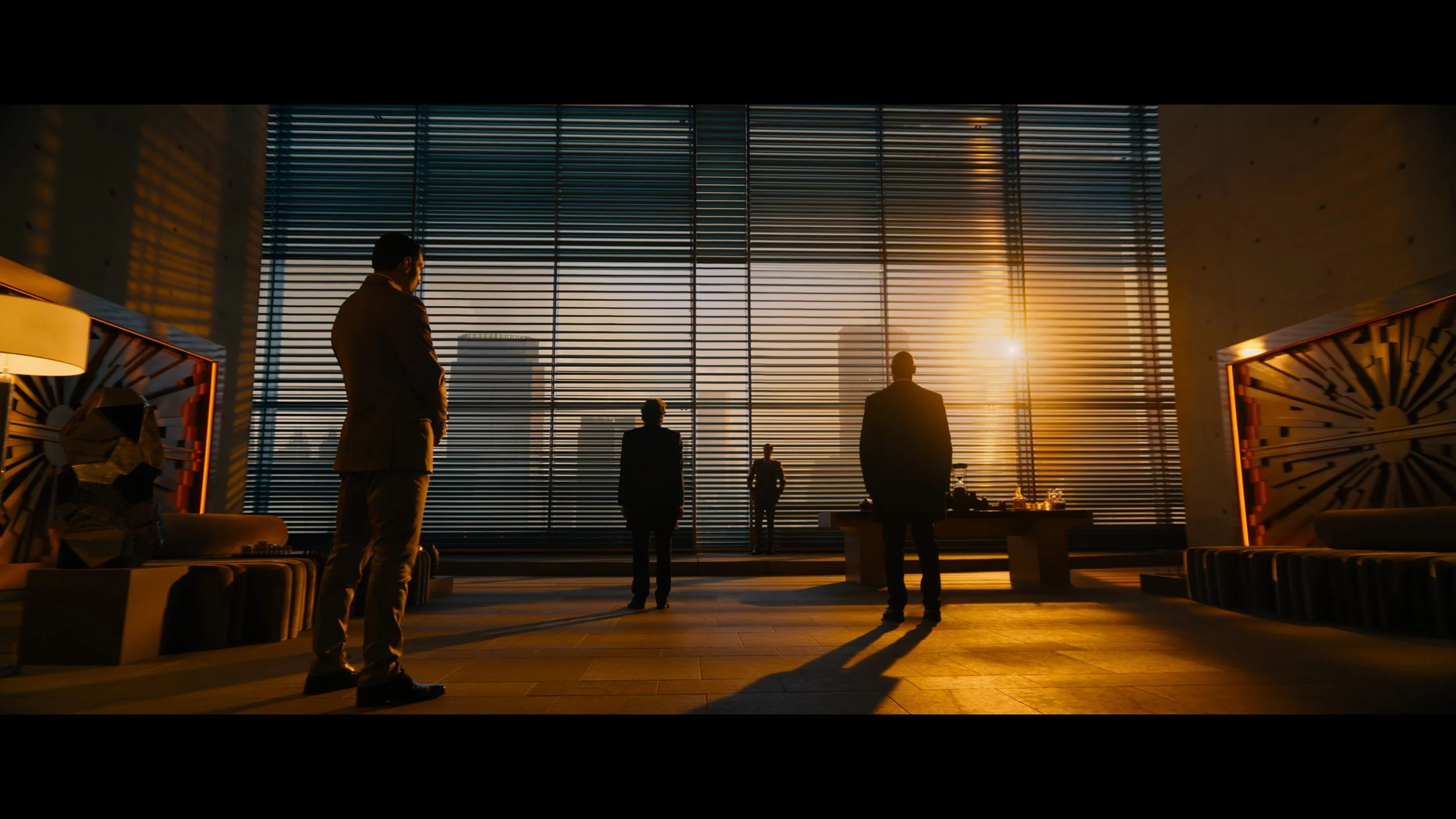
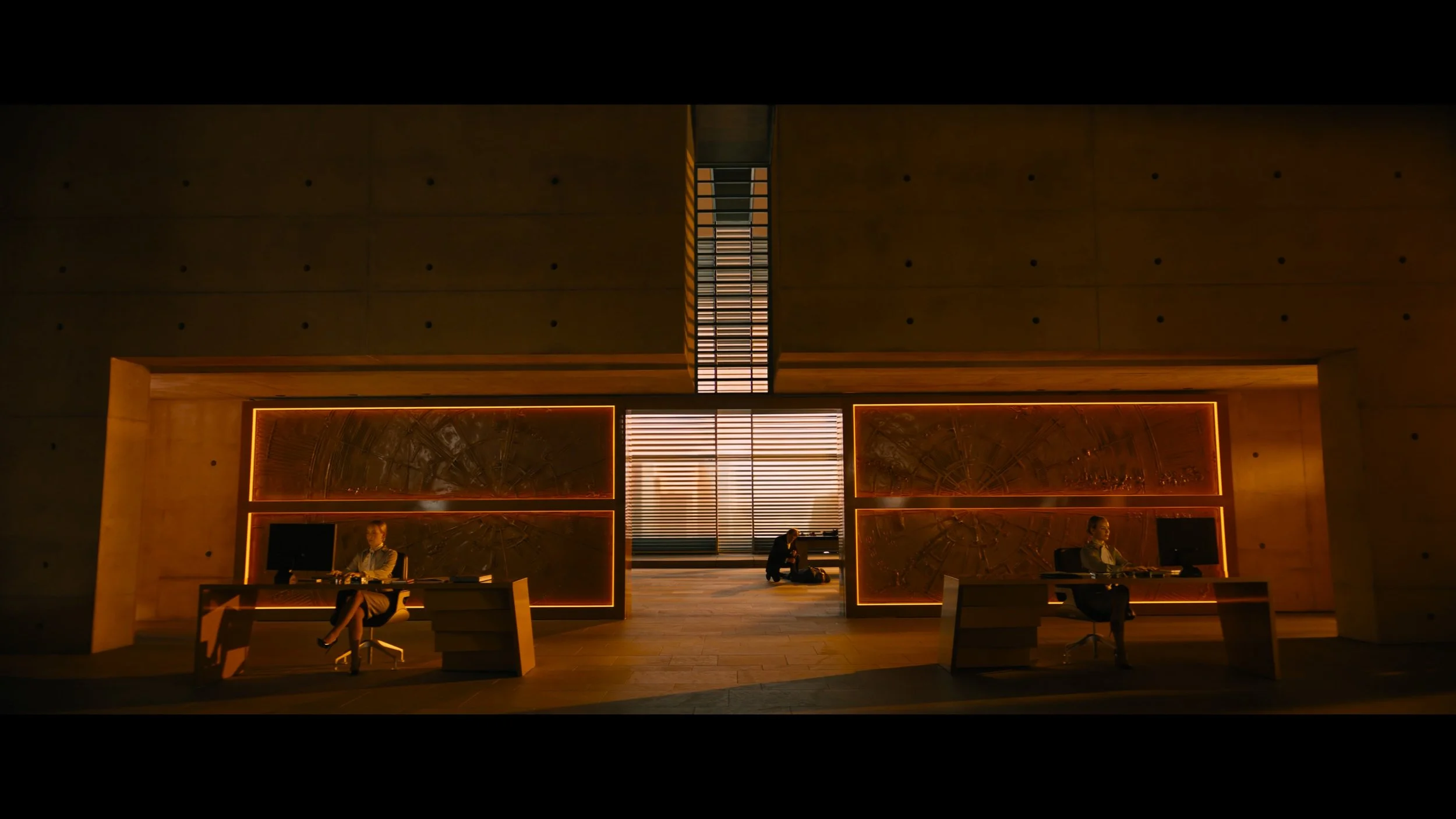
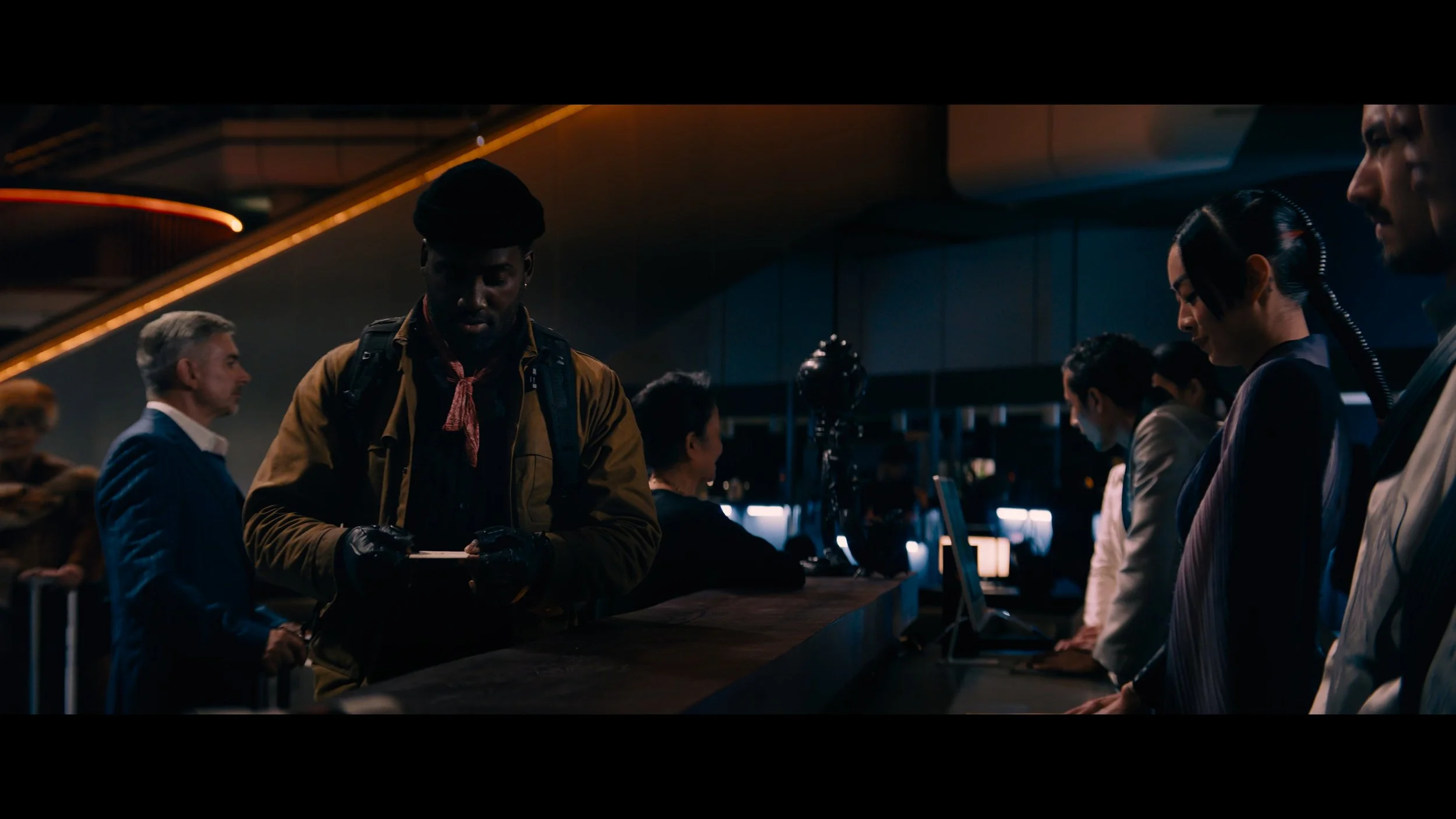
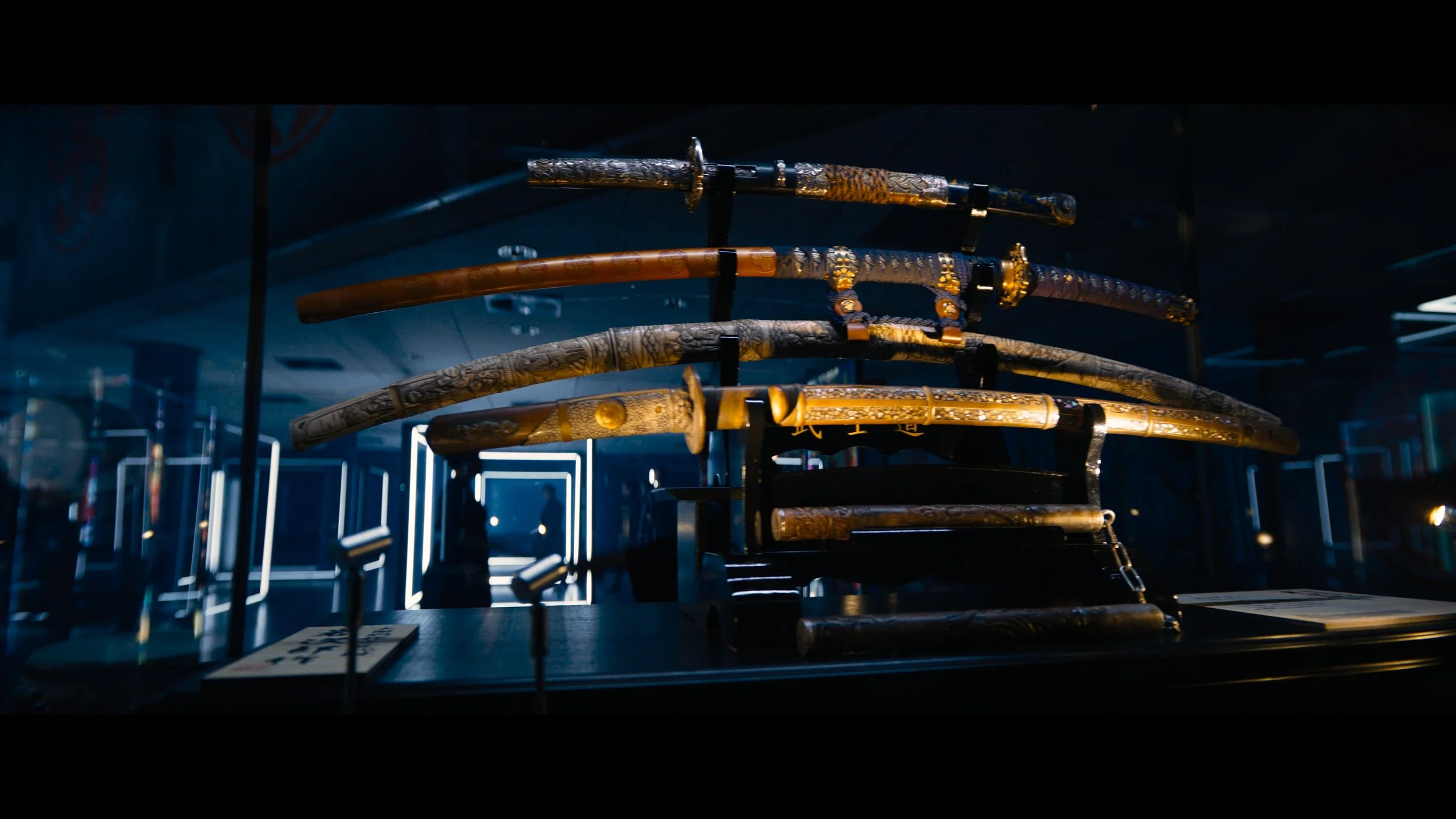
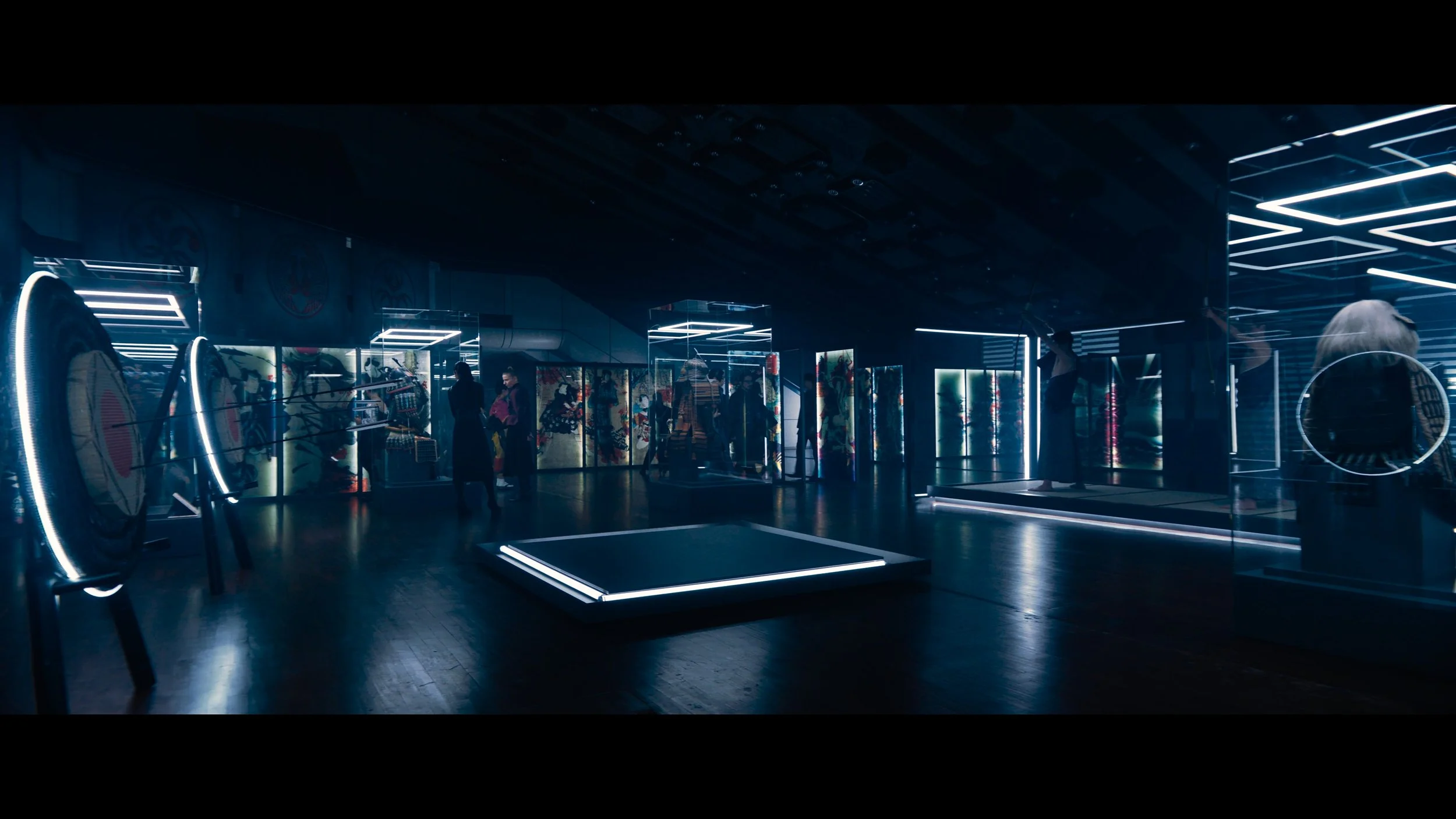
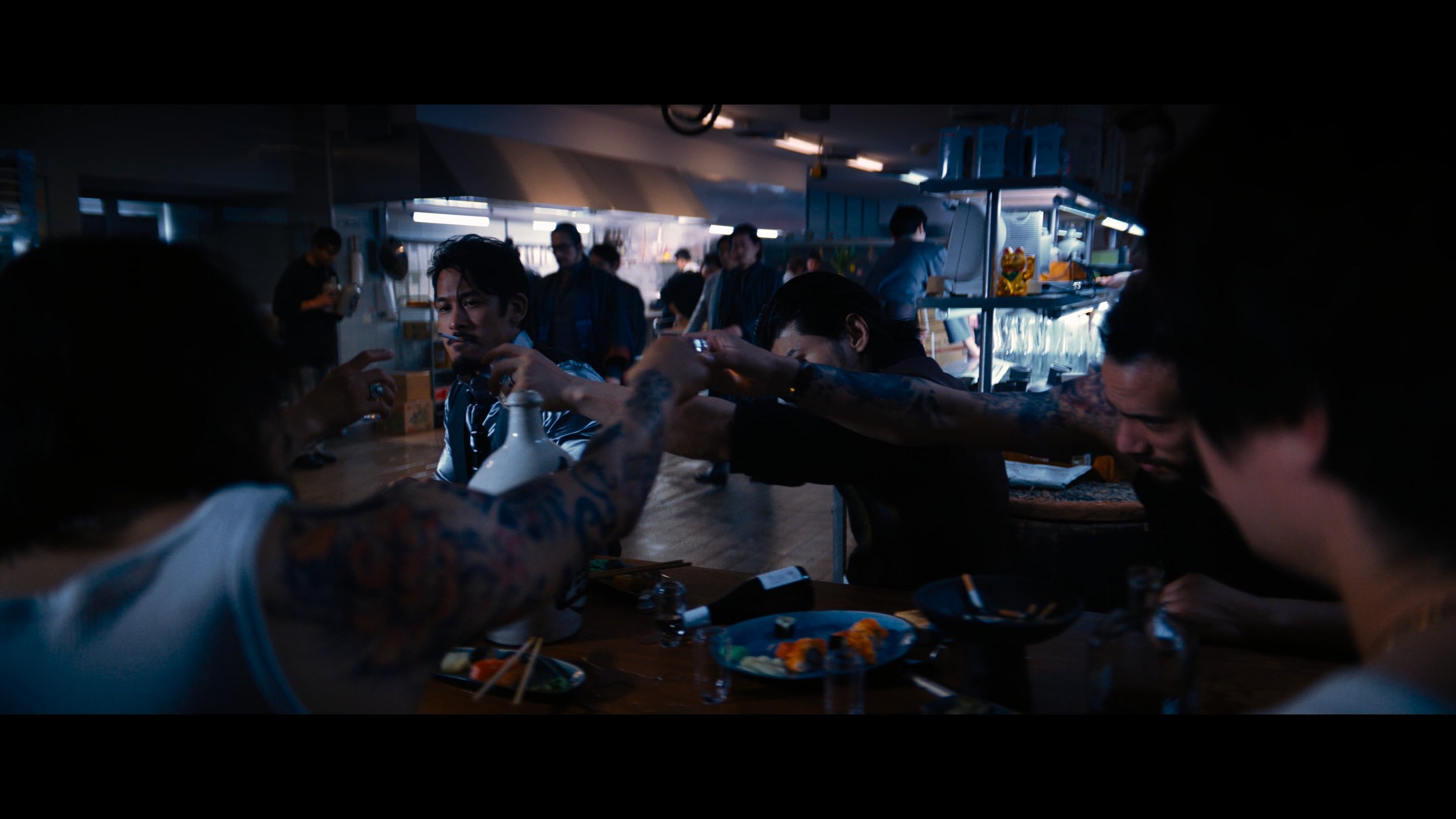
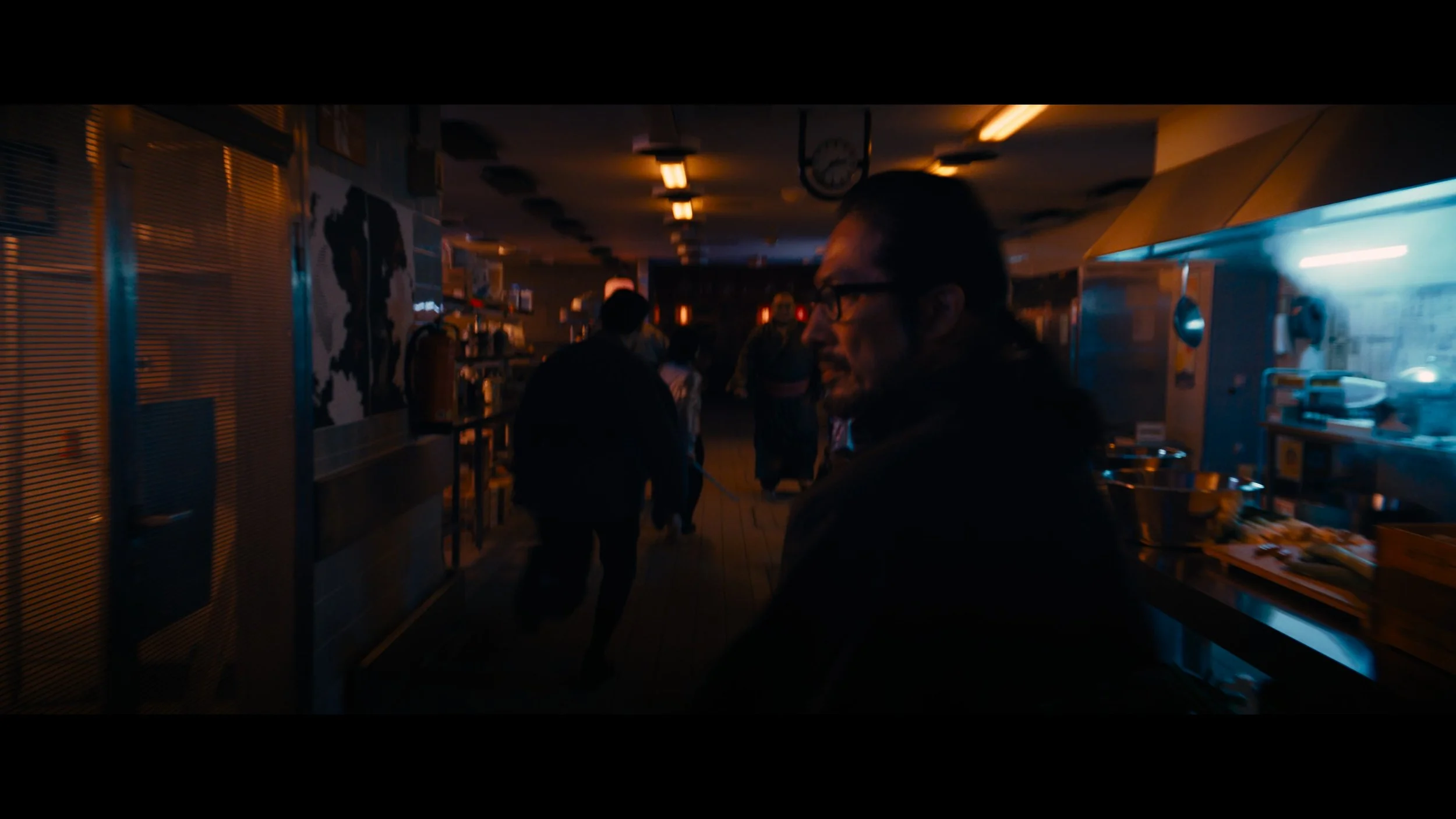
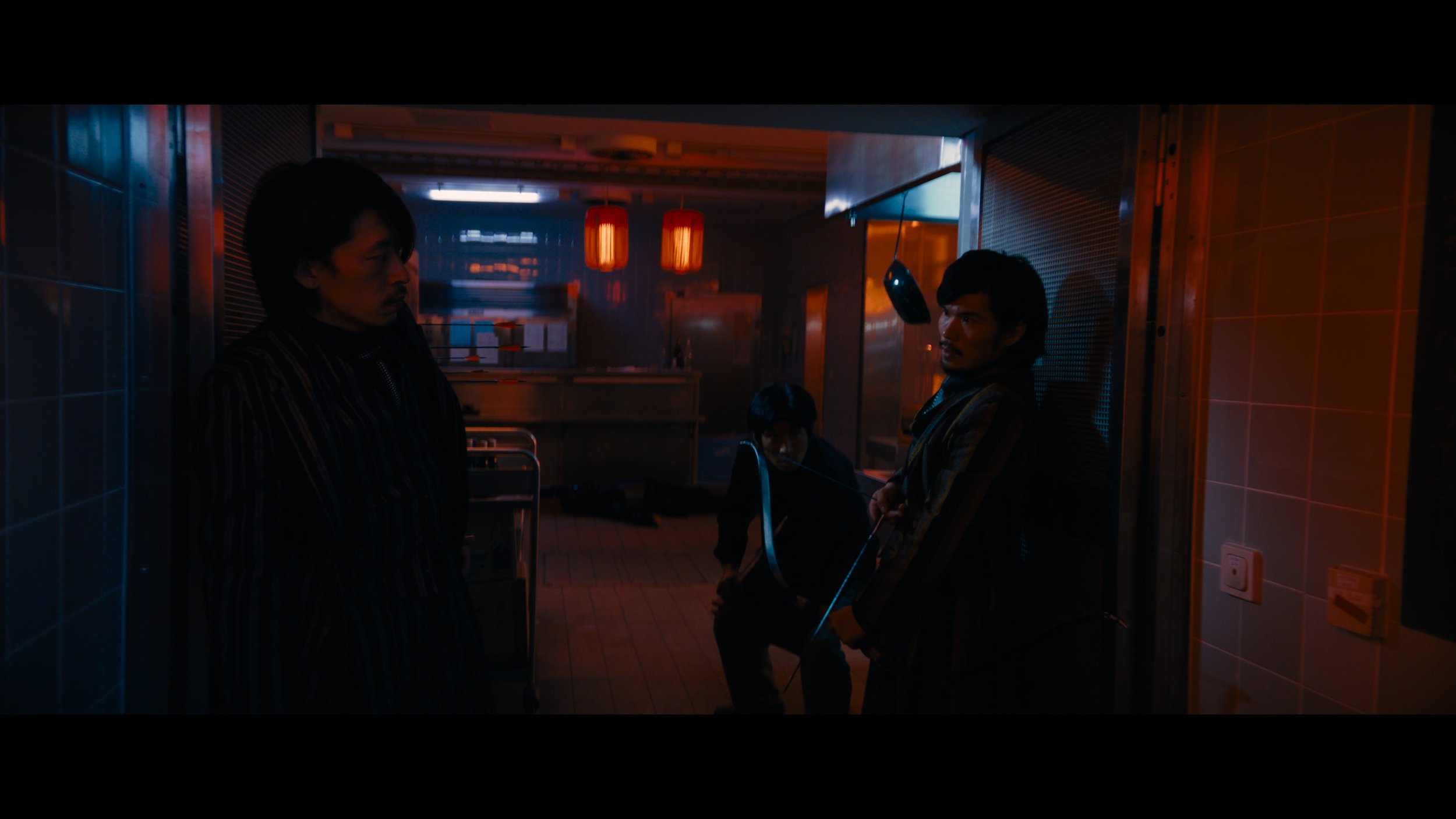
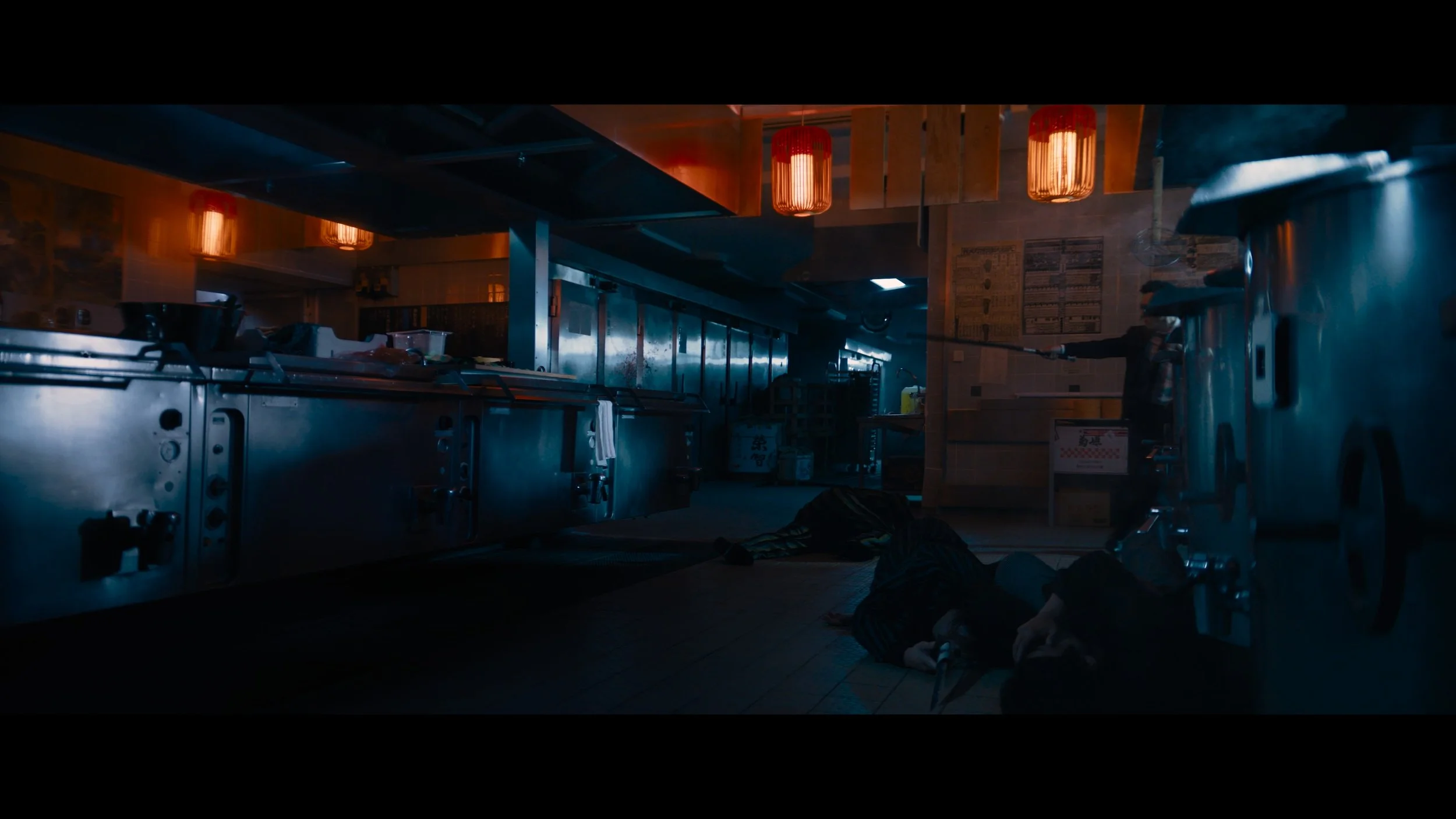
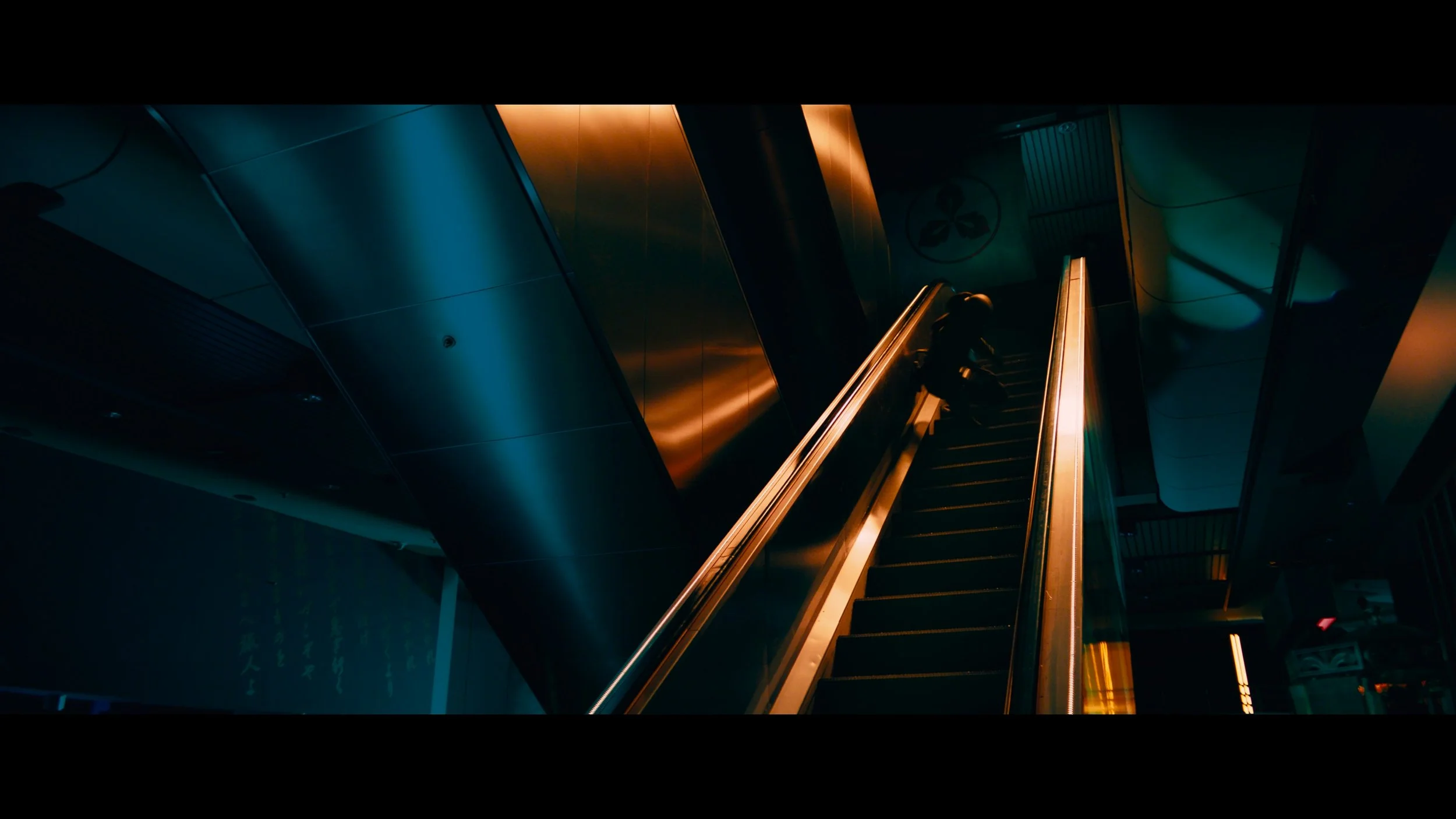
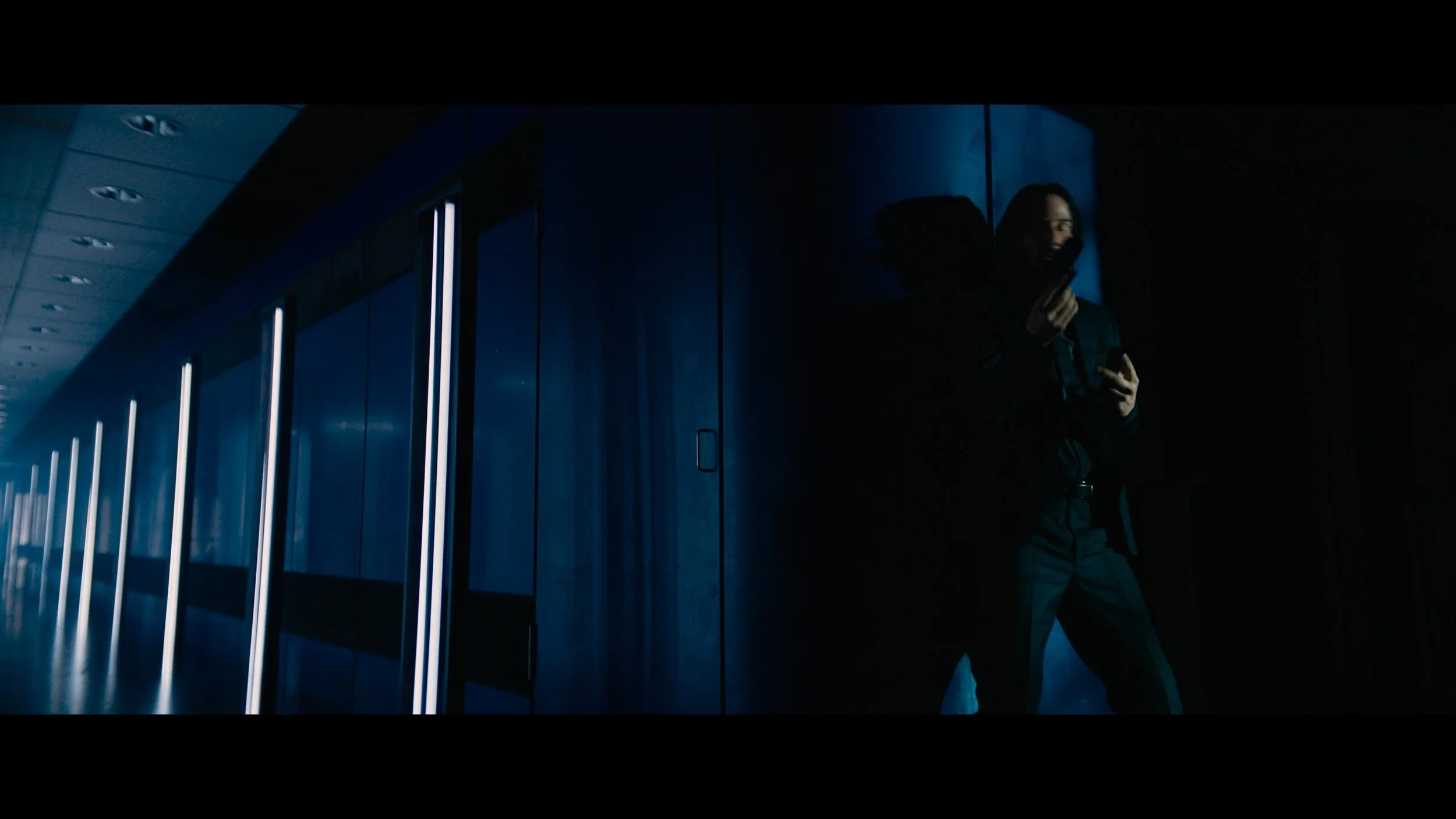
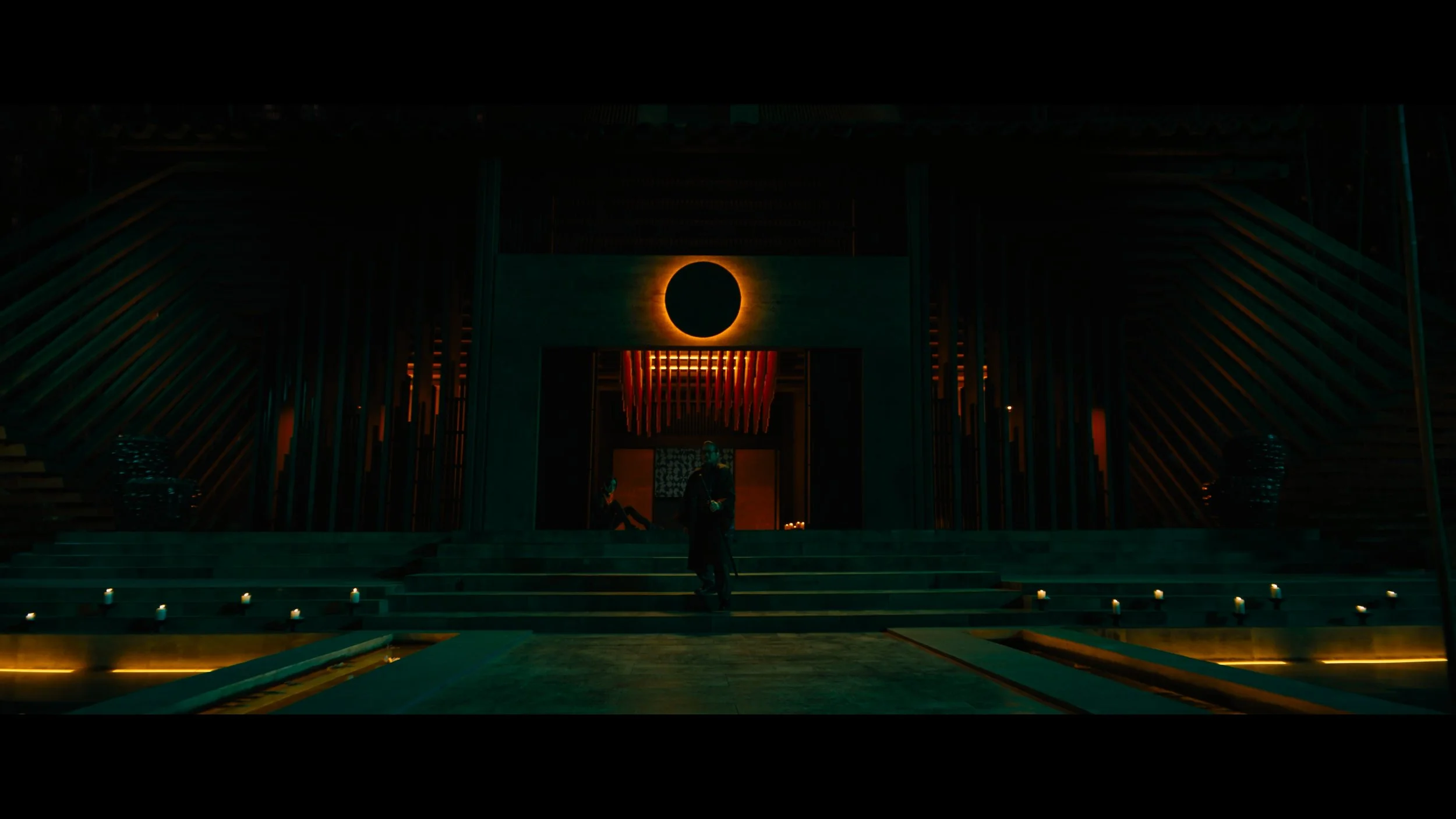
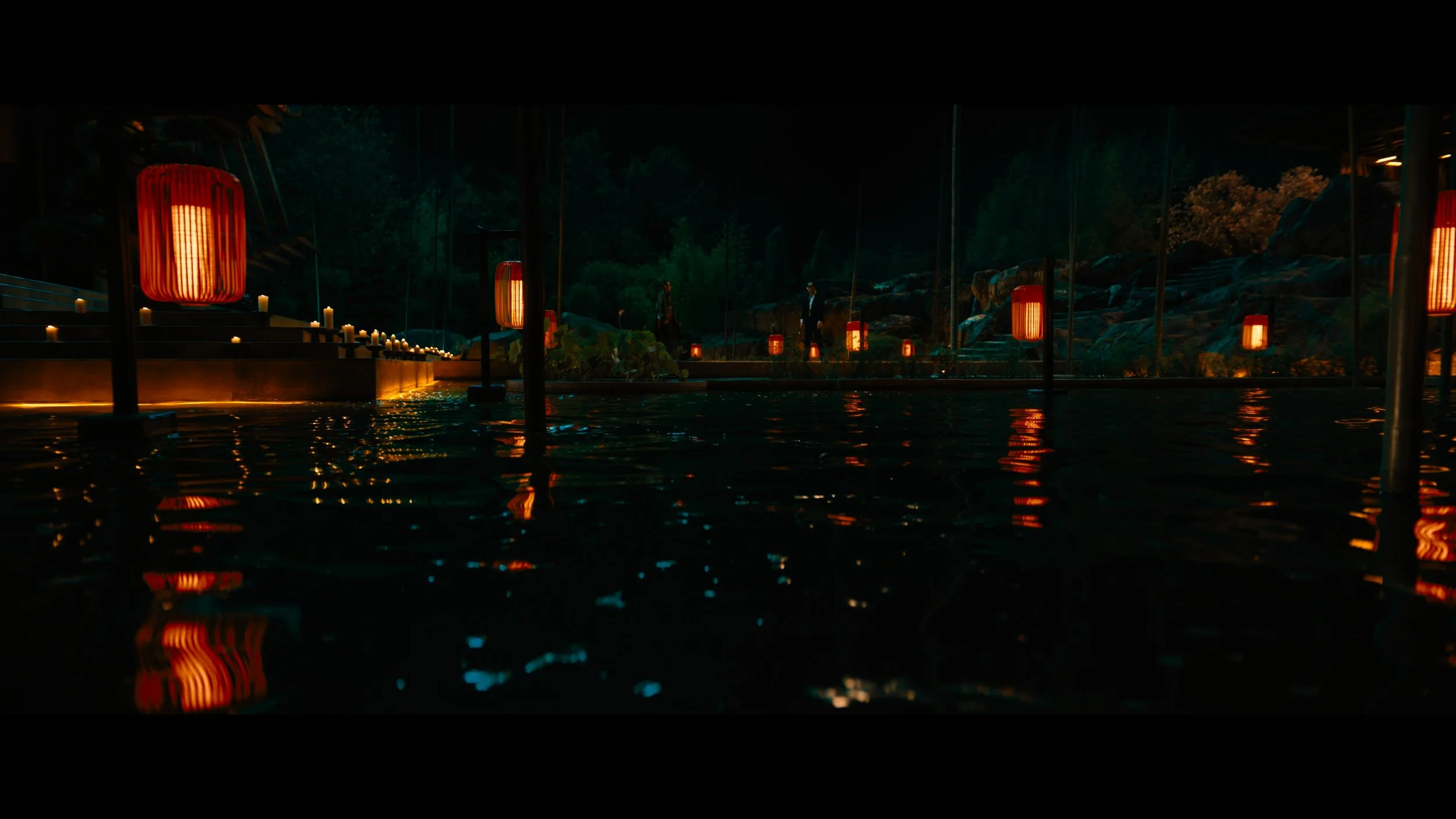
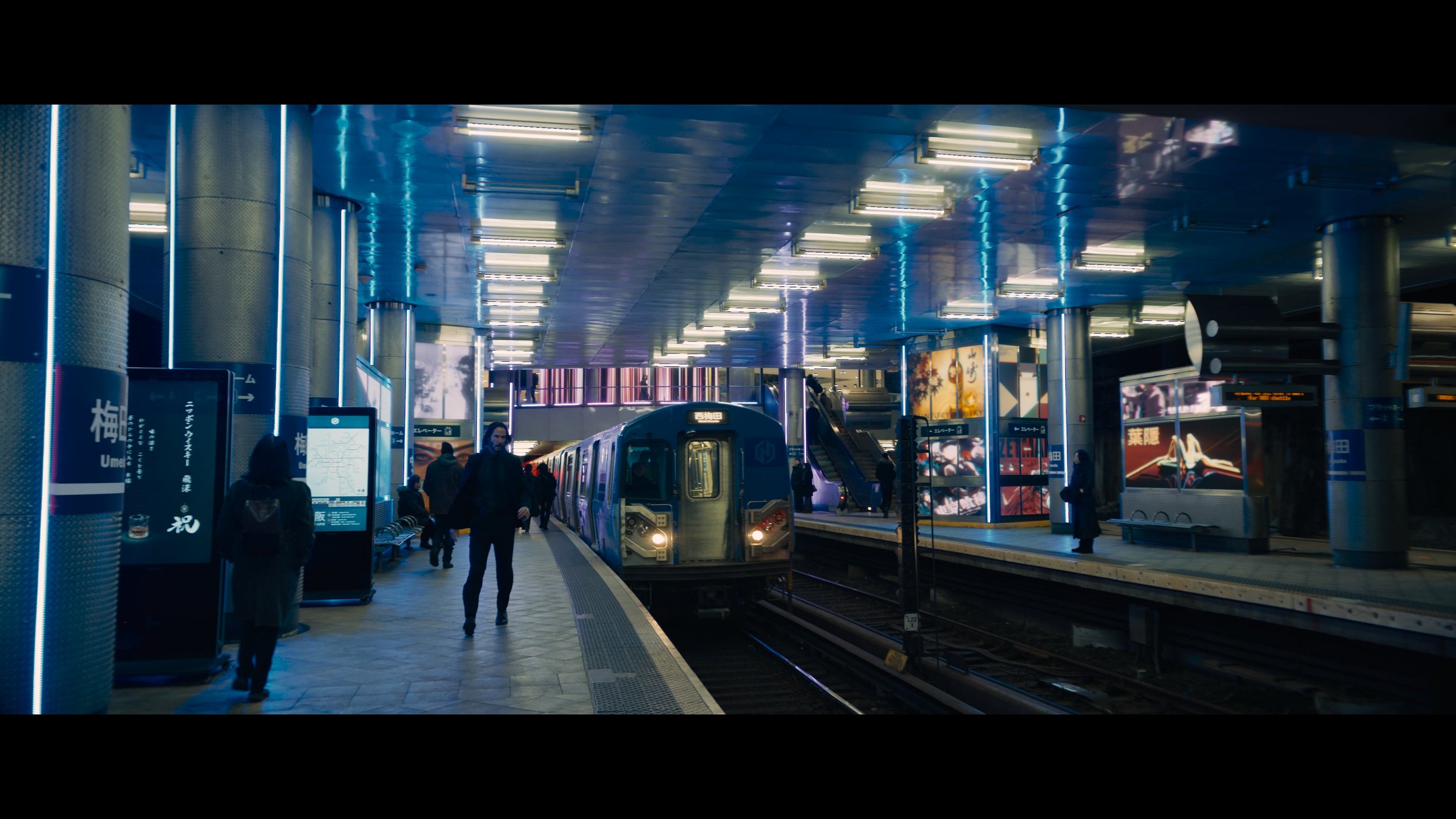
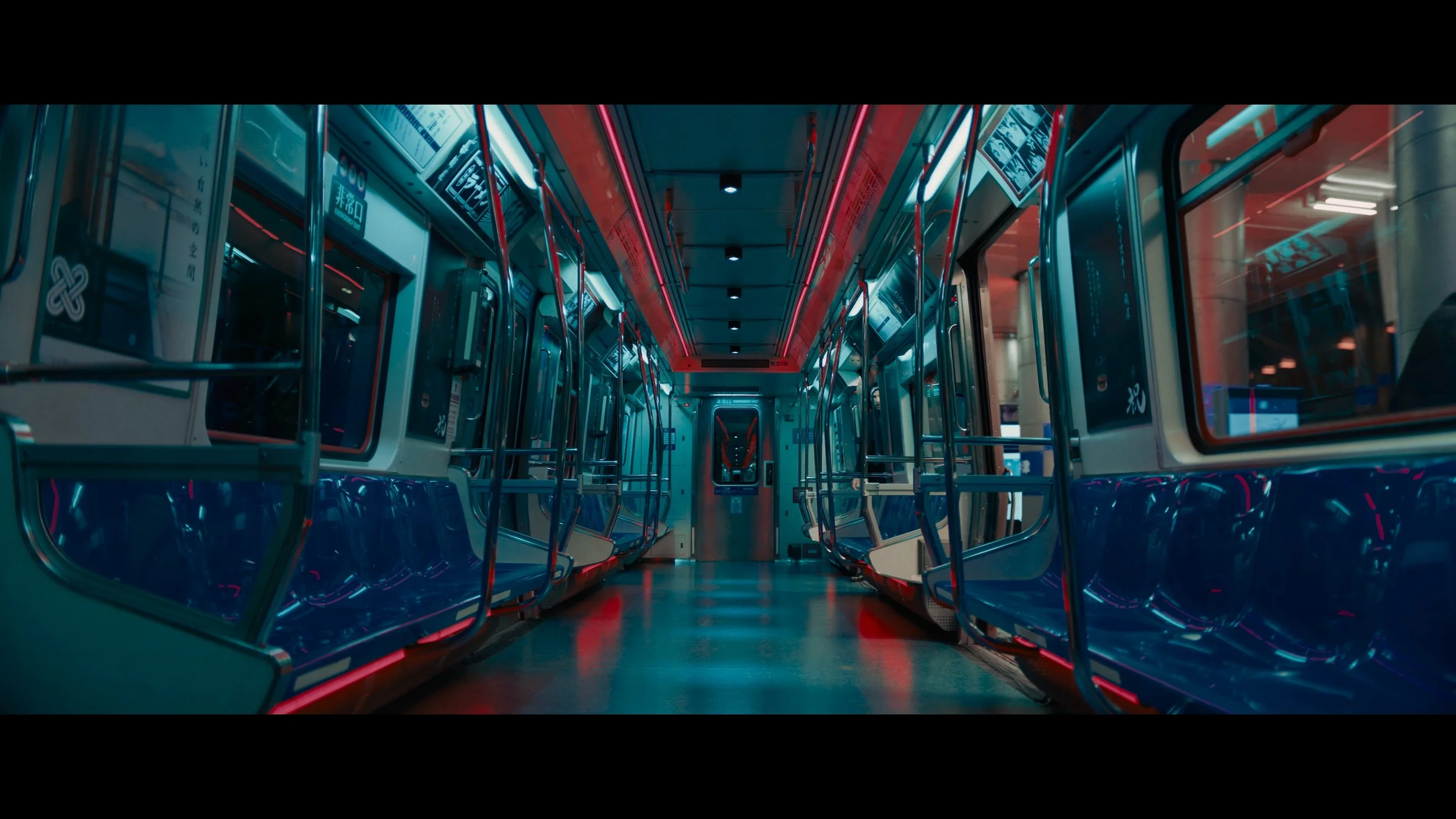
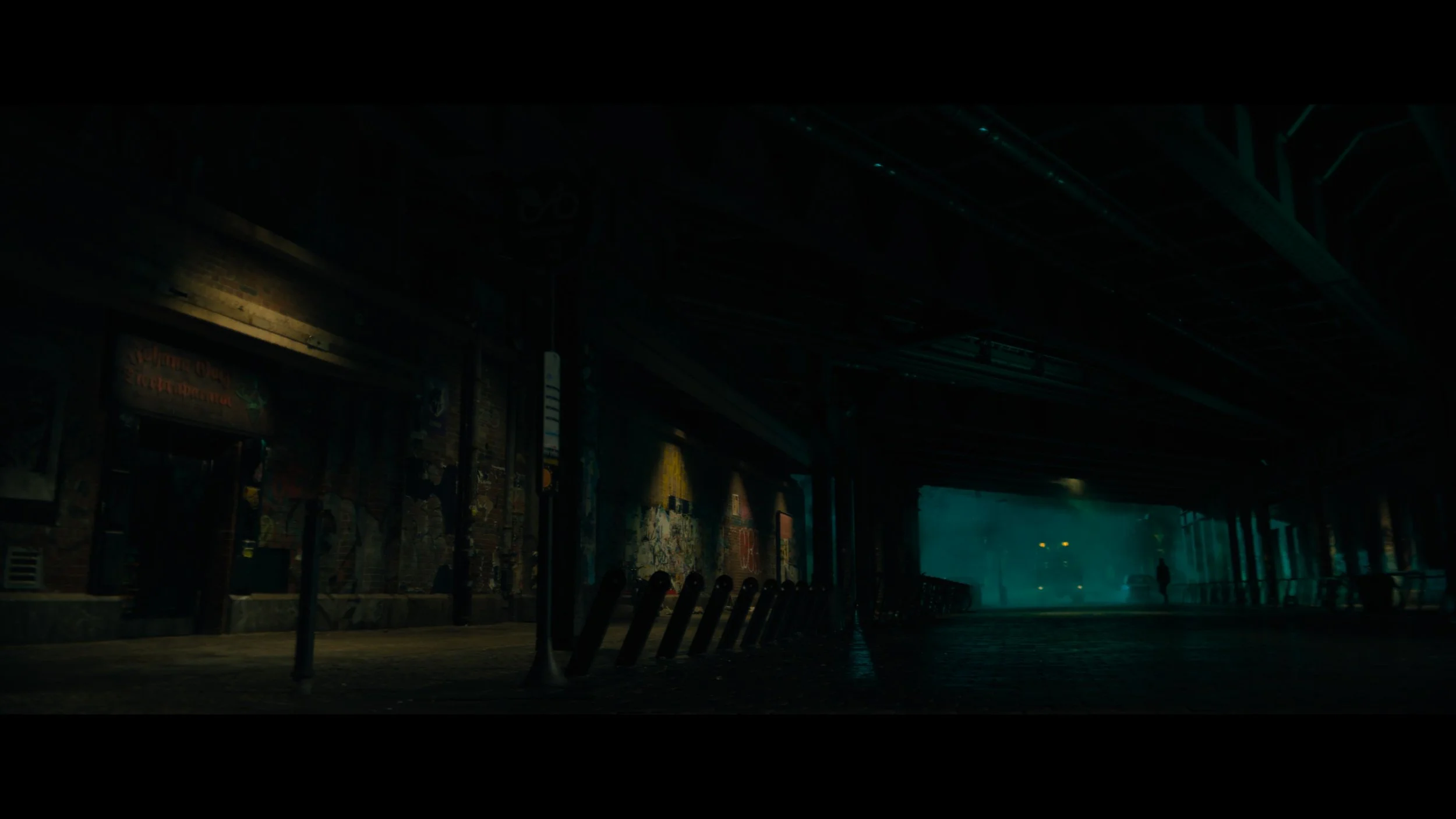
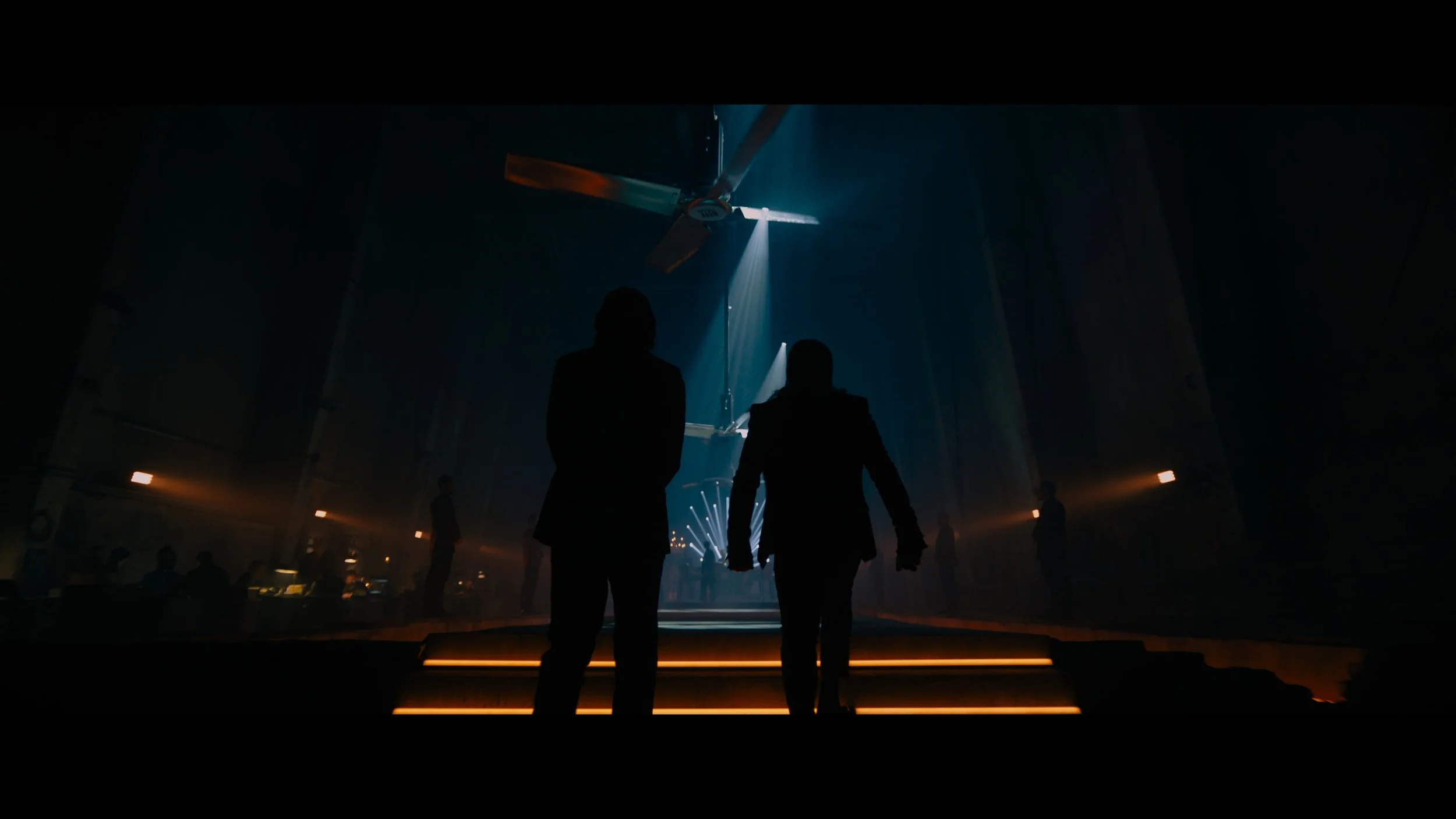
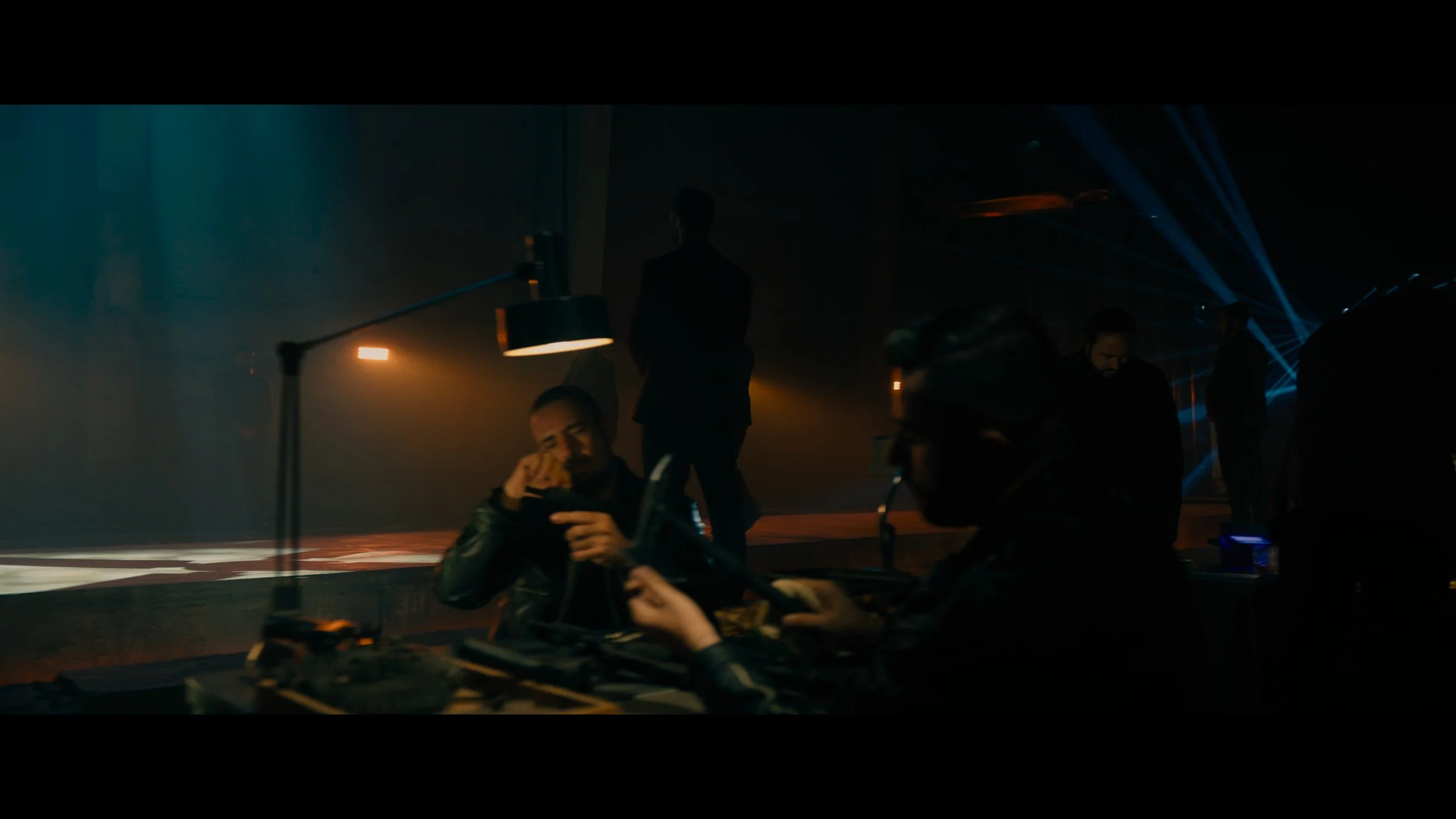
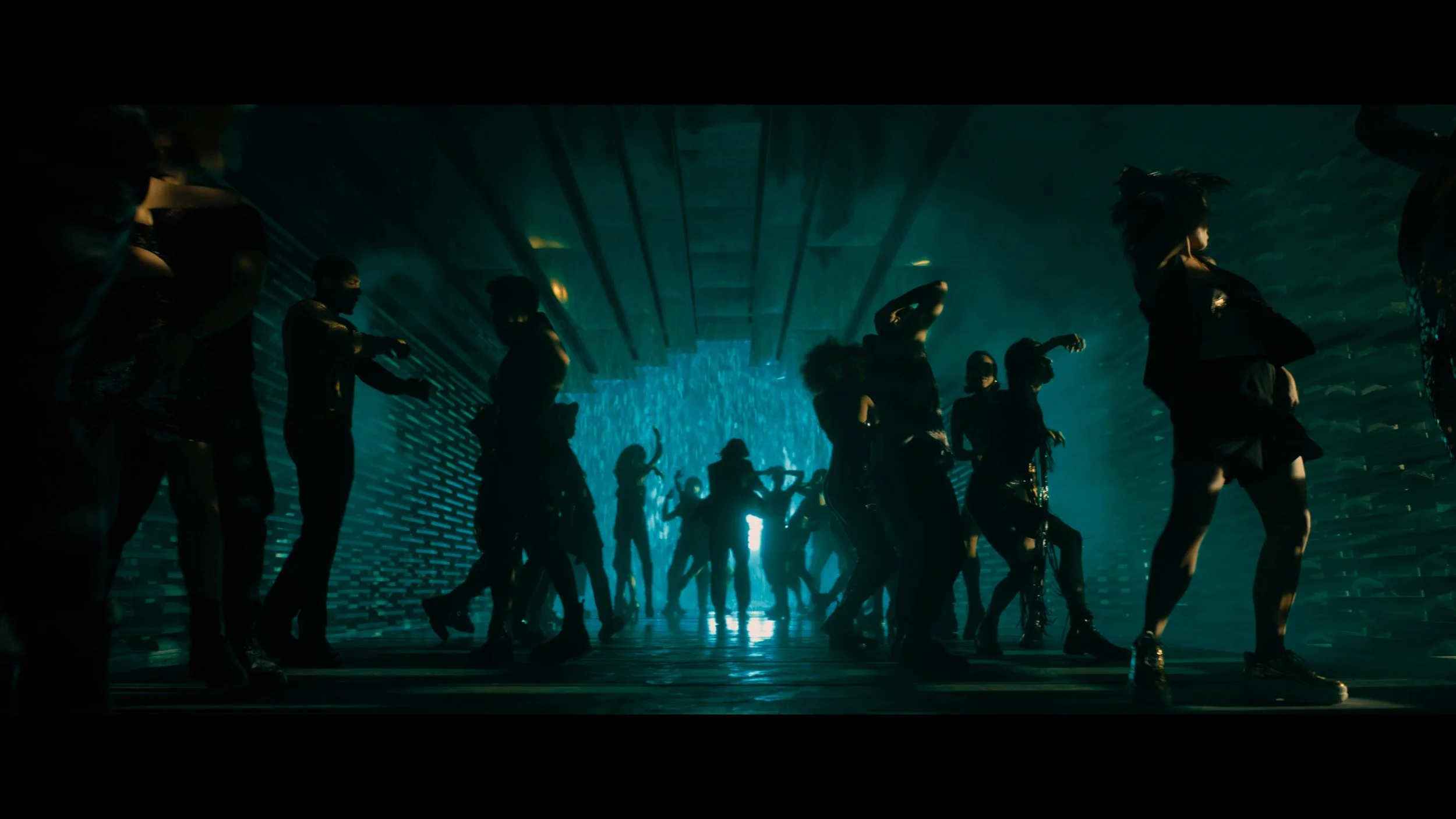
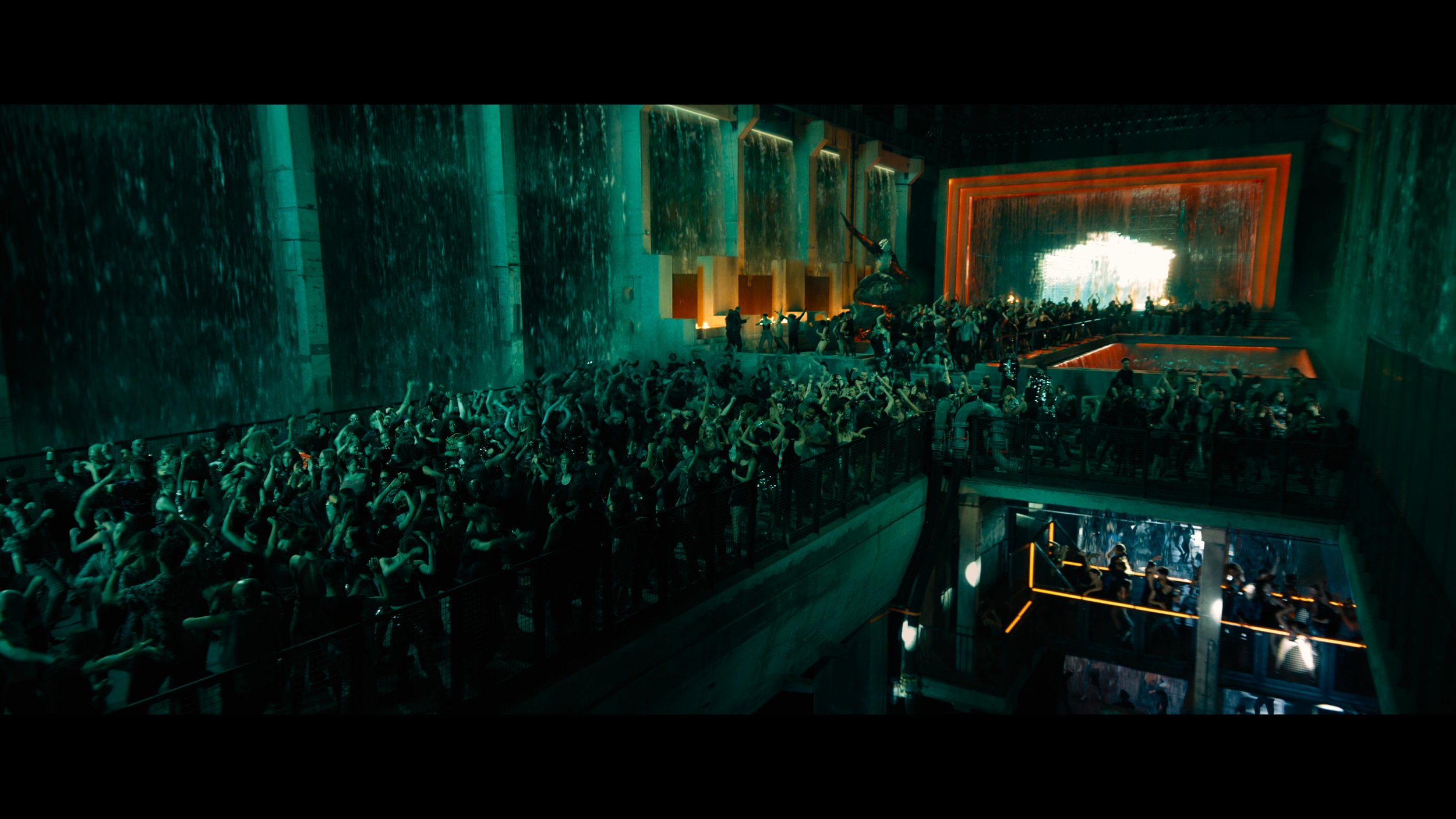
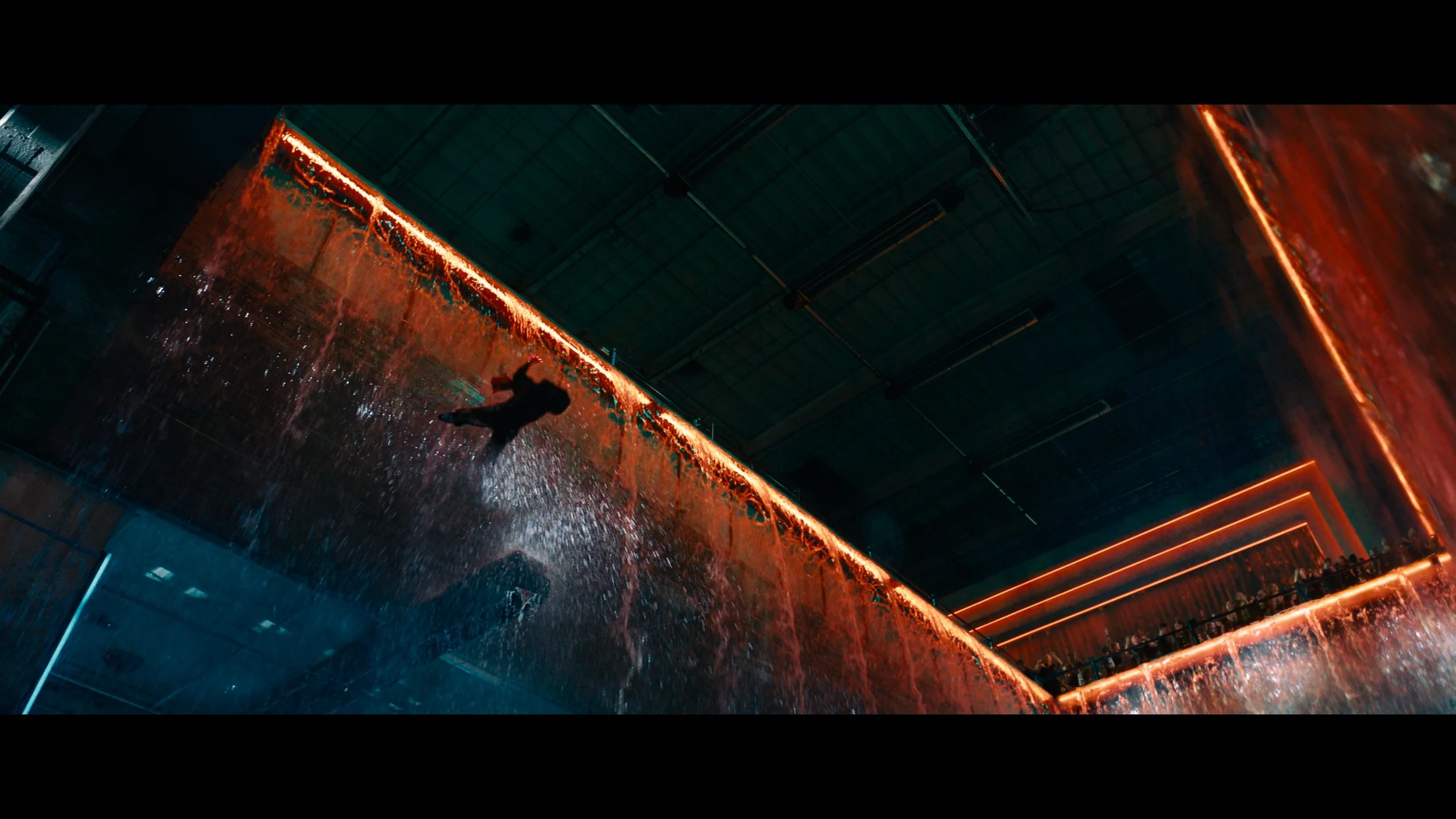
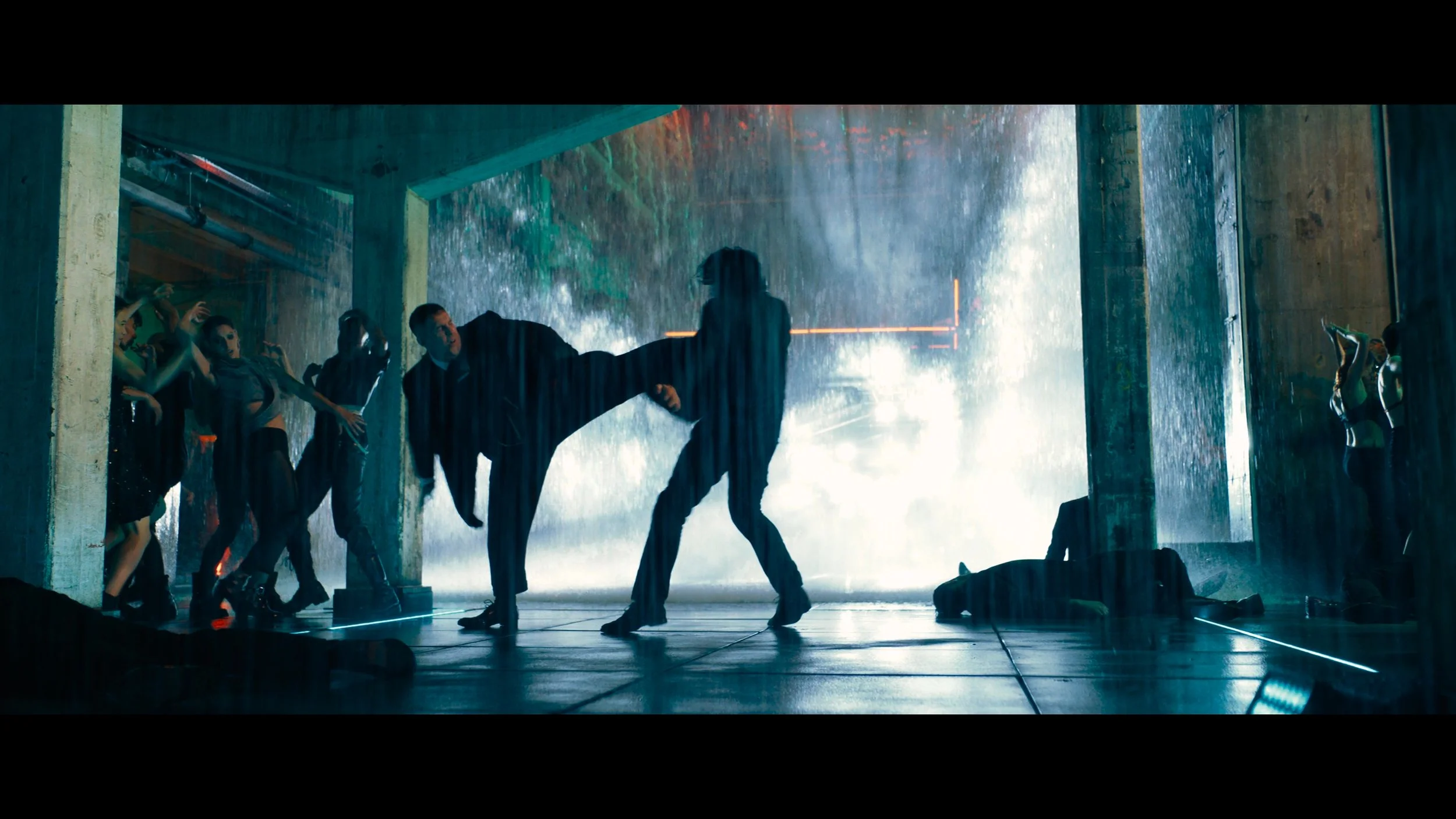
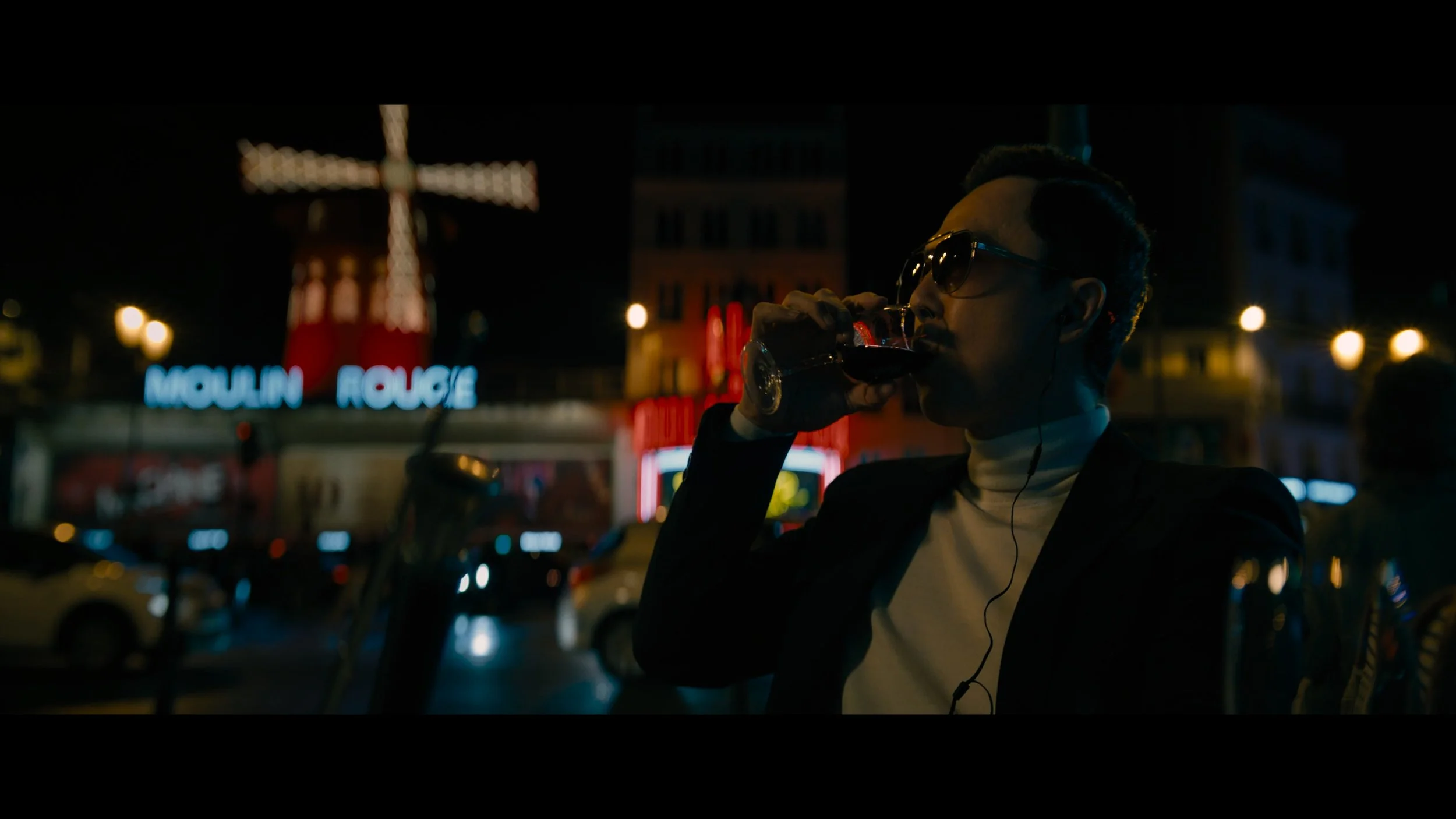
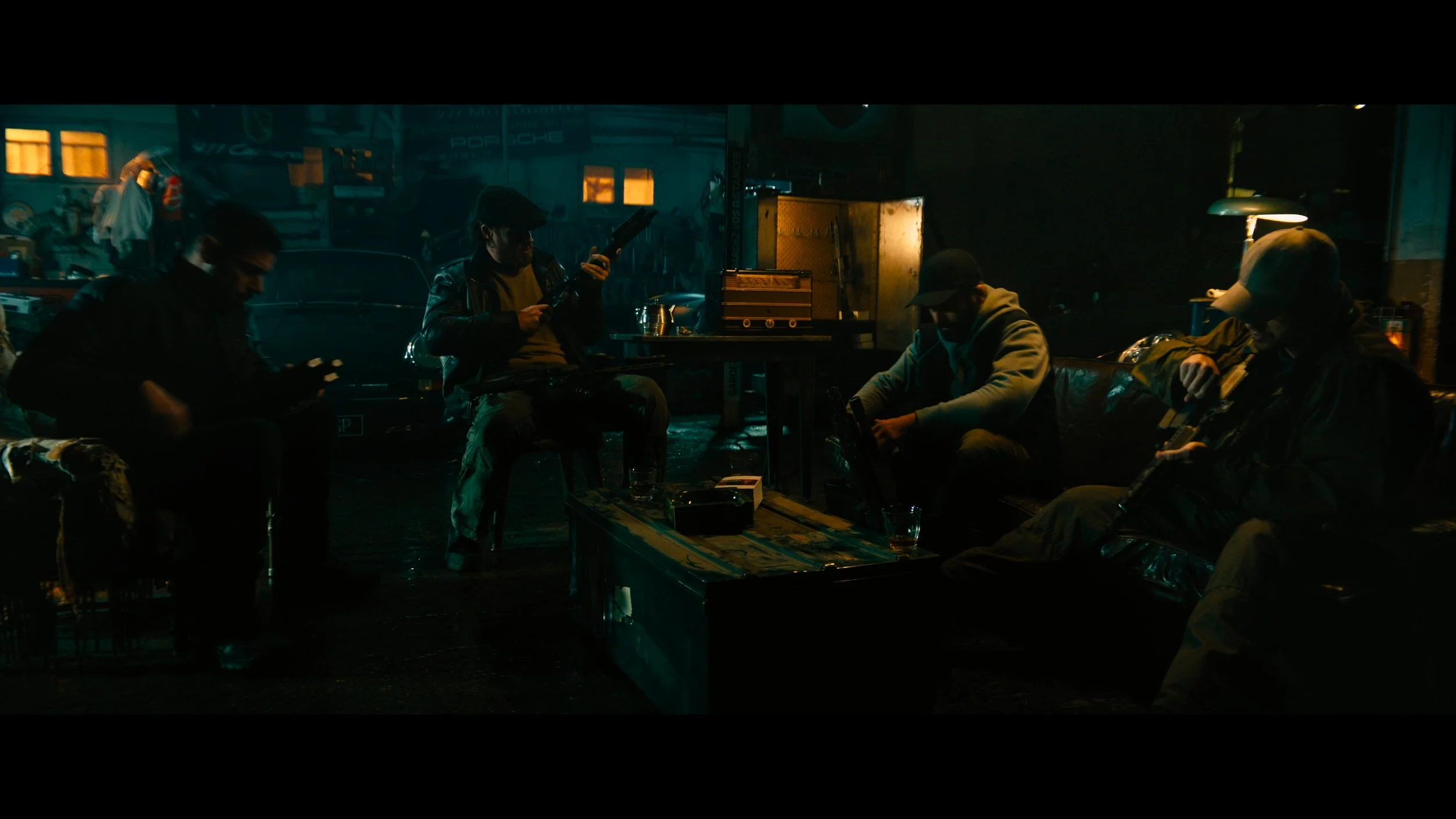
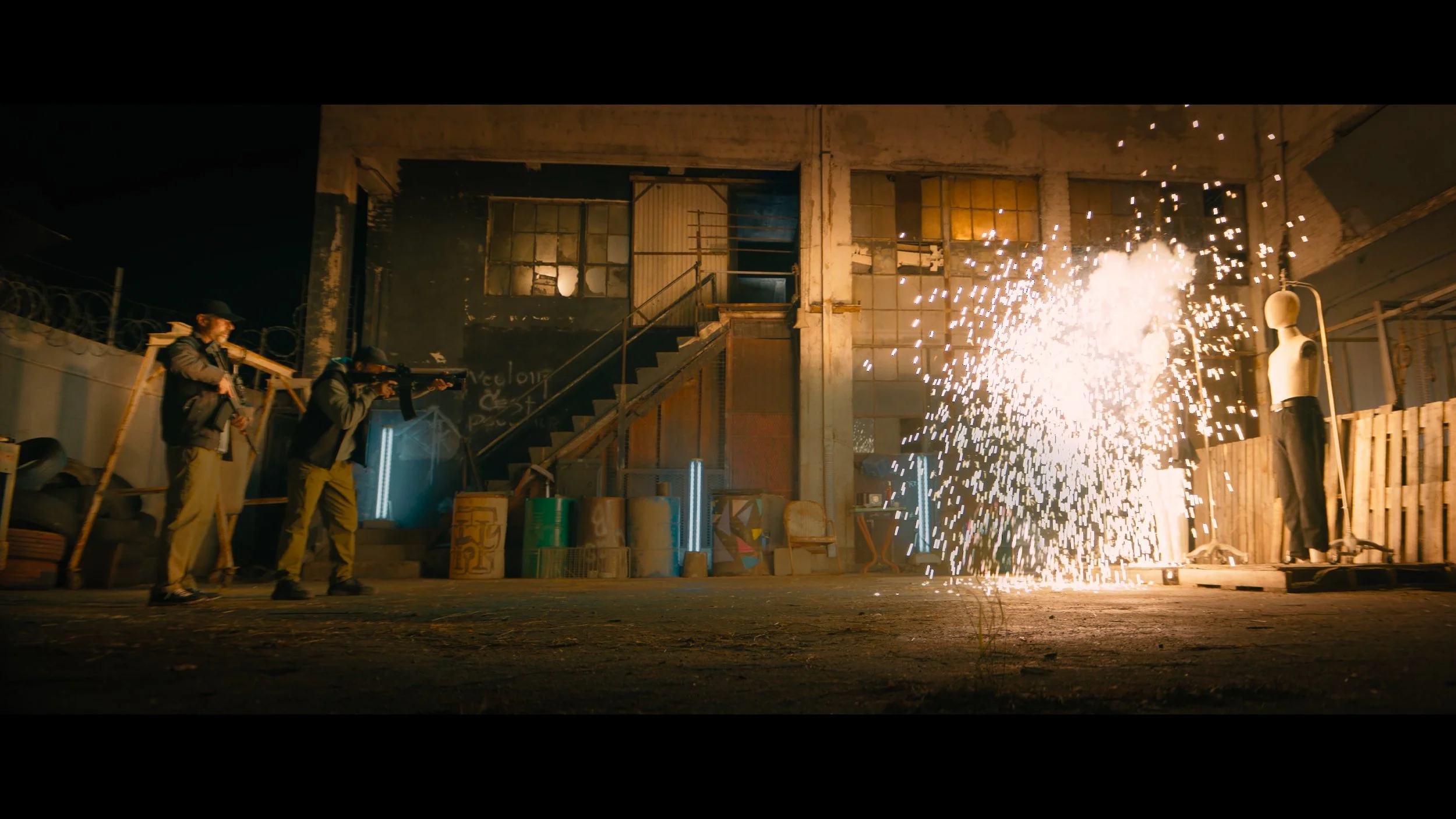
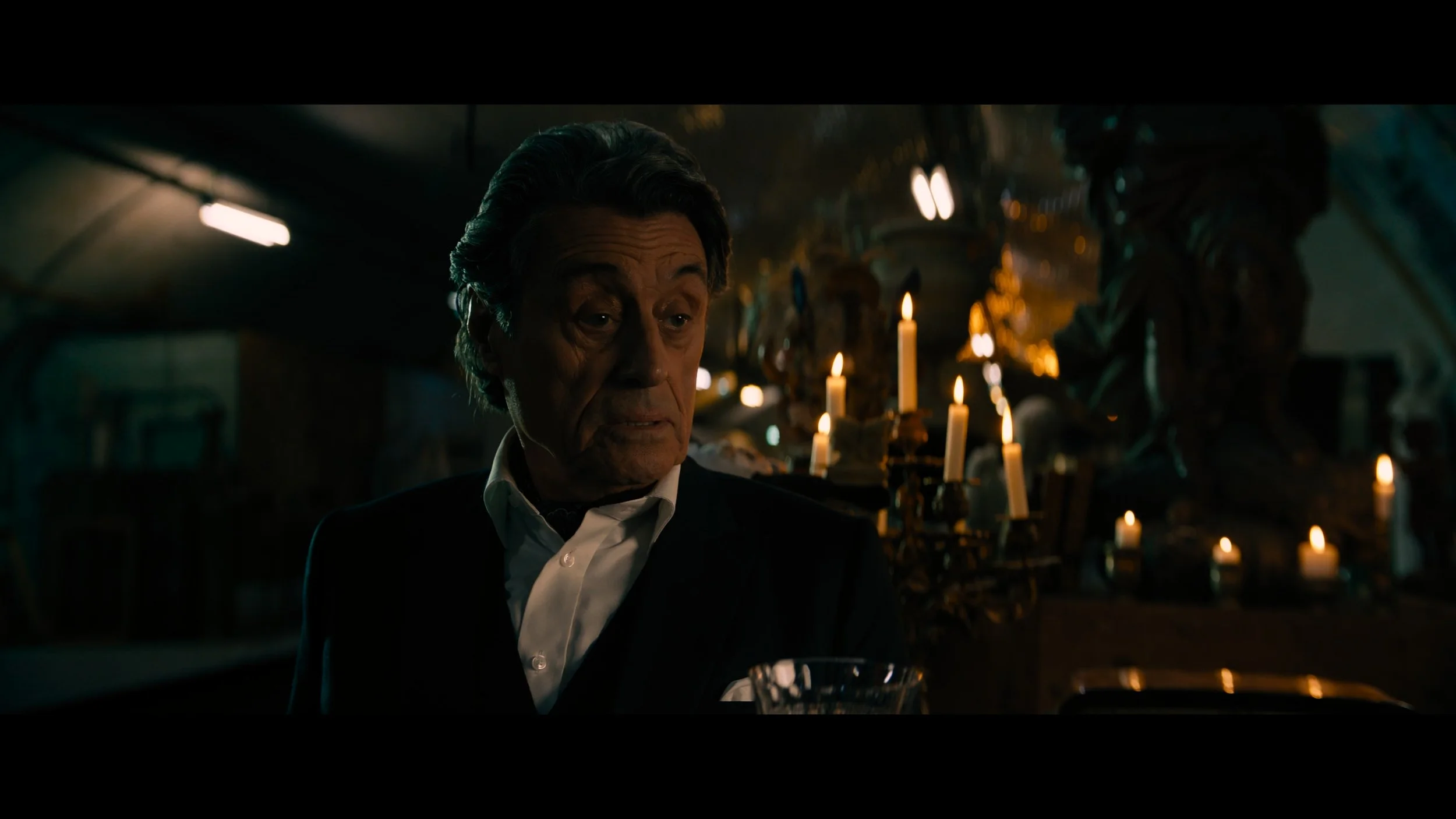
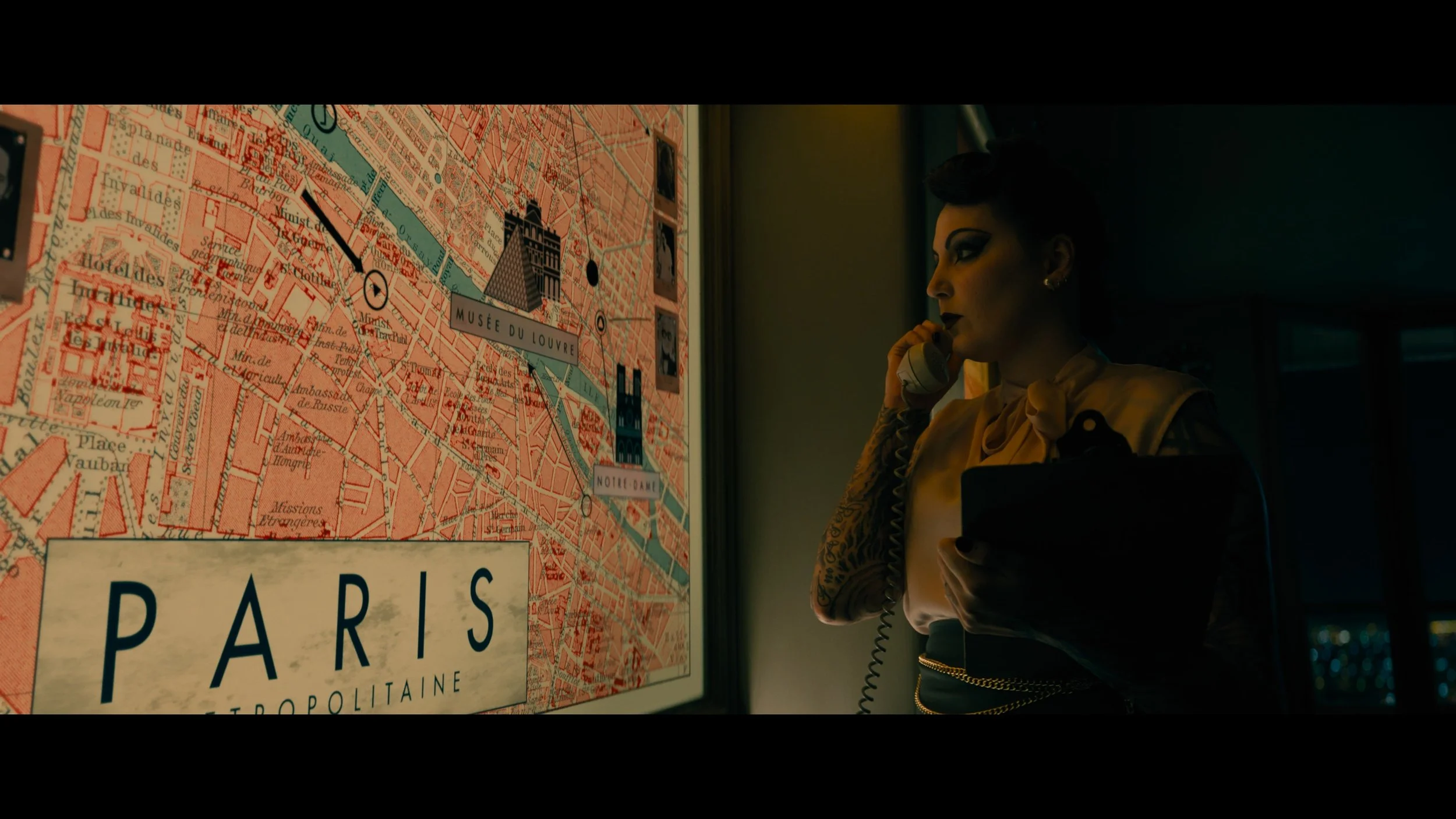
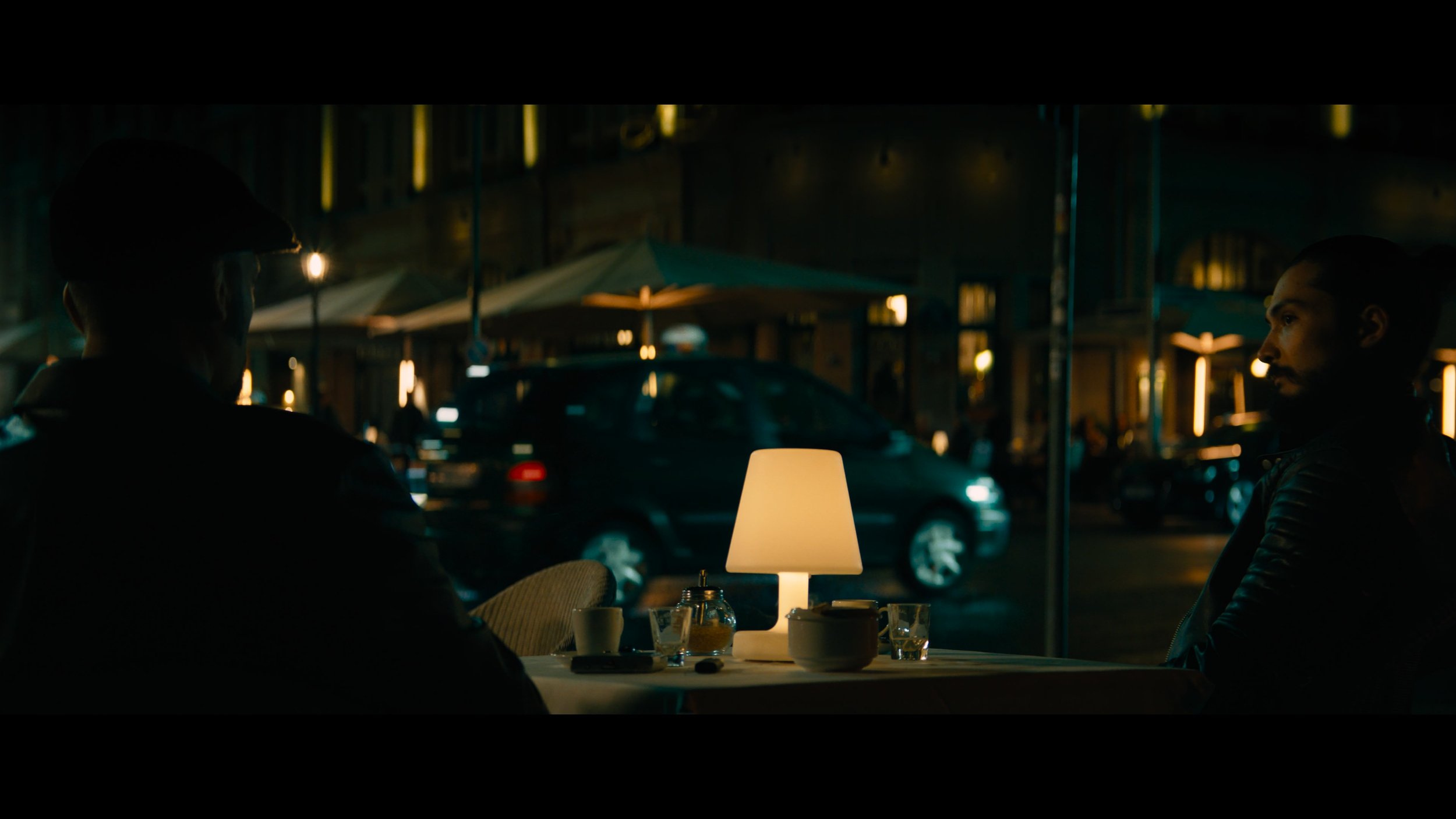
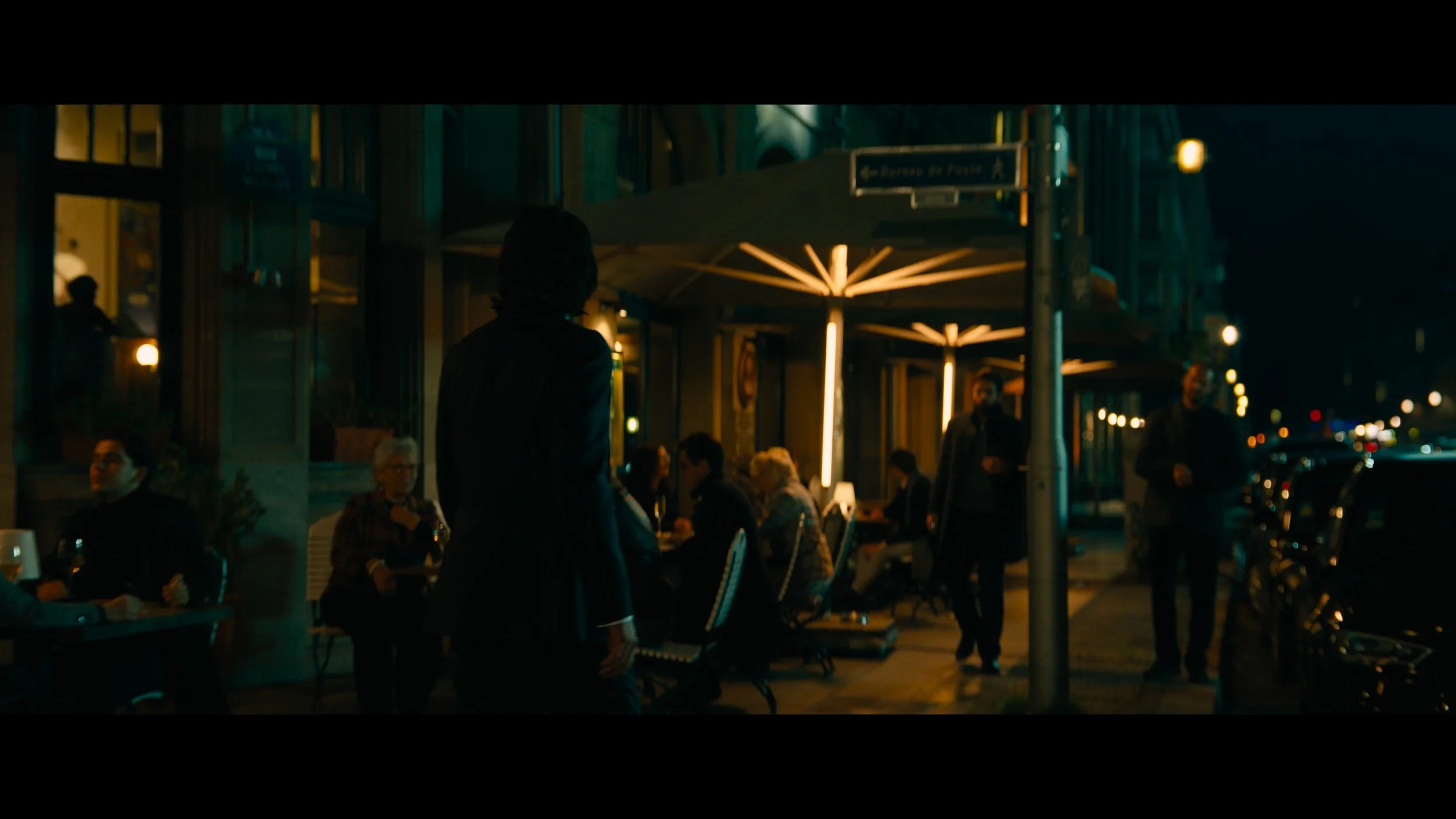
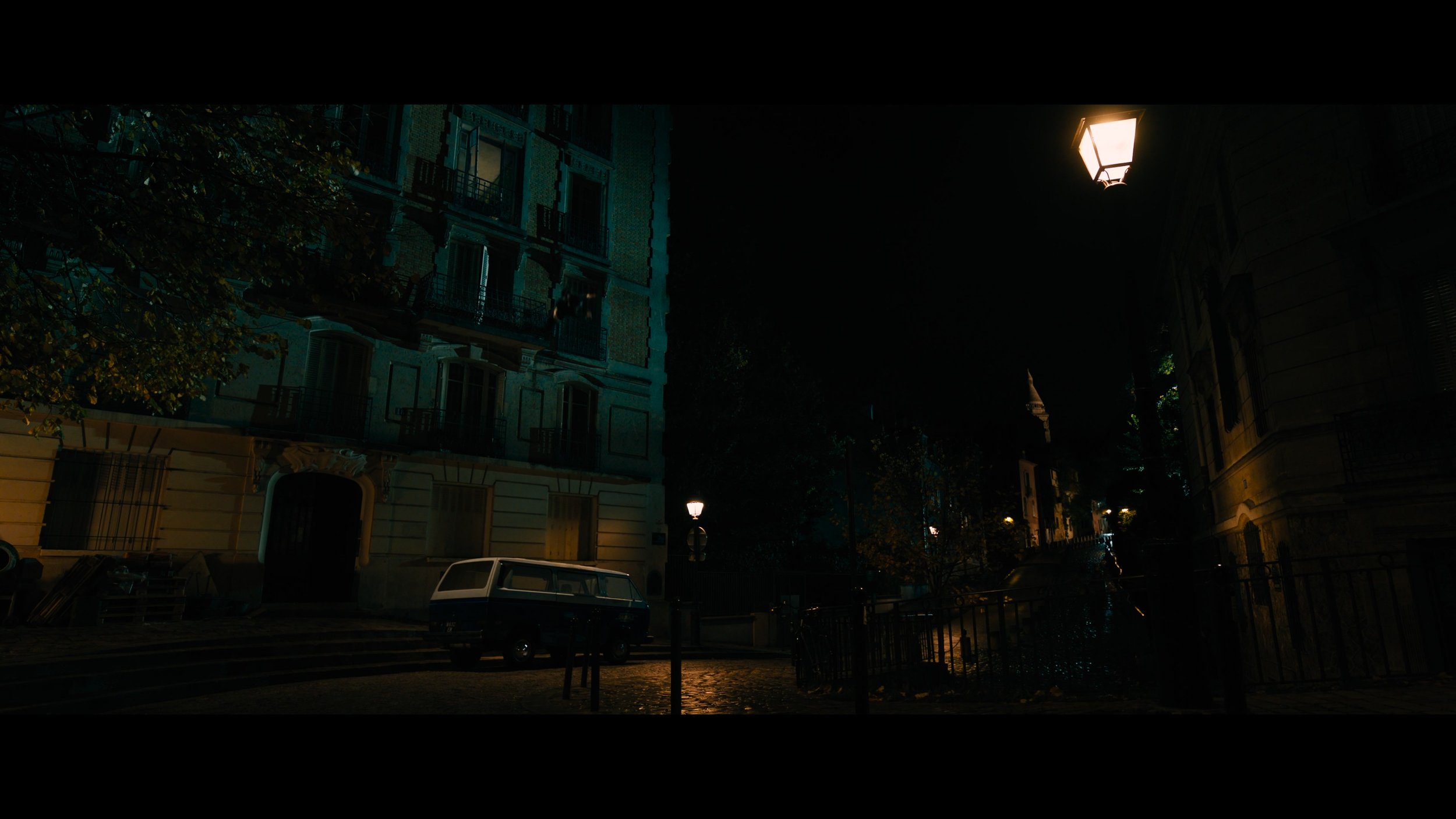
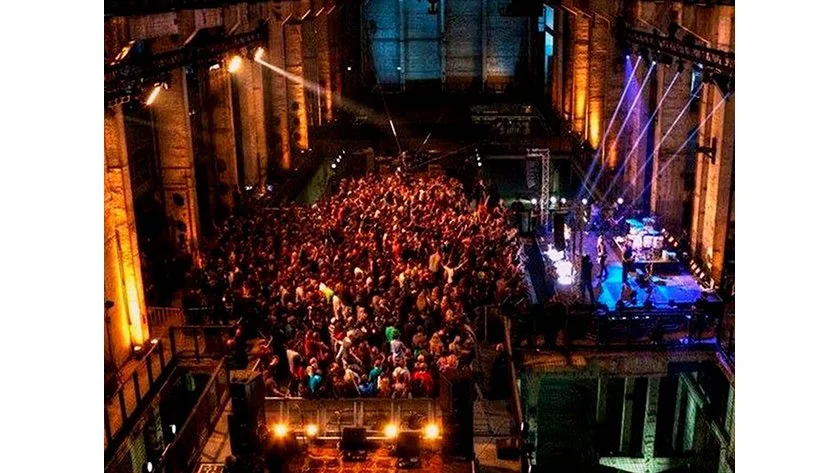
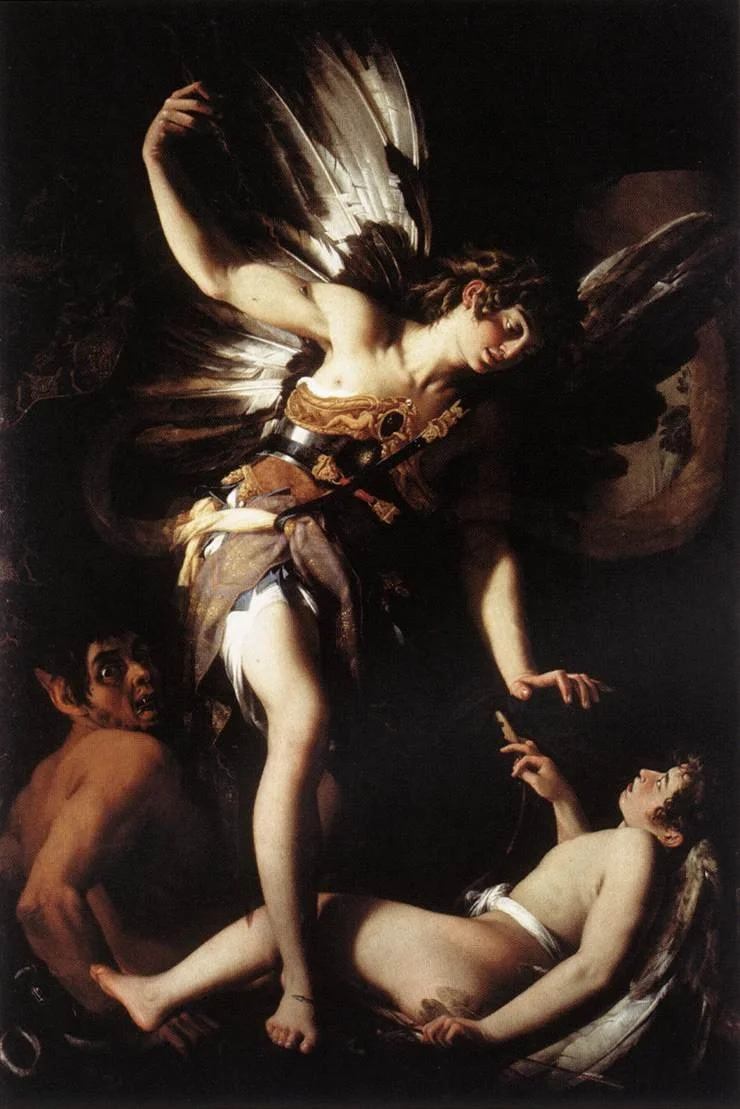
The John Wick (2014-2023) franchise is unique for several reasons. One is its practical stunt mentality. Another is its gorgeous, hyper-saturated cinematography. A third one is its classy production design that brings to life through a neo-noir lens famous cities (New York, Rome, Casablanca, Osaka, Berlin, Paris) and visual panache. In case of John Wick: Chapter 4, Kevin Kavanaugh’s production design here is by far the best in the series. Whether we are in an industrial German club equipped with massive fans, raging waterfalls, and fire pits or in the Japanese version of the Continental, Kavanaugh finds unique ways to convey a sense of baroque/chiaroscuro style within the existing shot to favor deep blacks and strong colors. Sources of inspiration range from Berlin’s infamous Berghain club and Casablanca’s (1942) Cafe Americaine to David Lean’s sweeping framing.
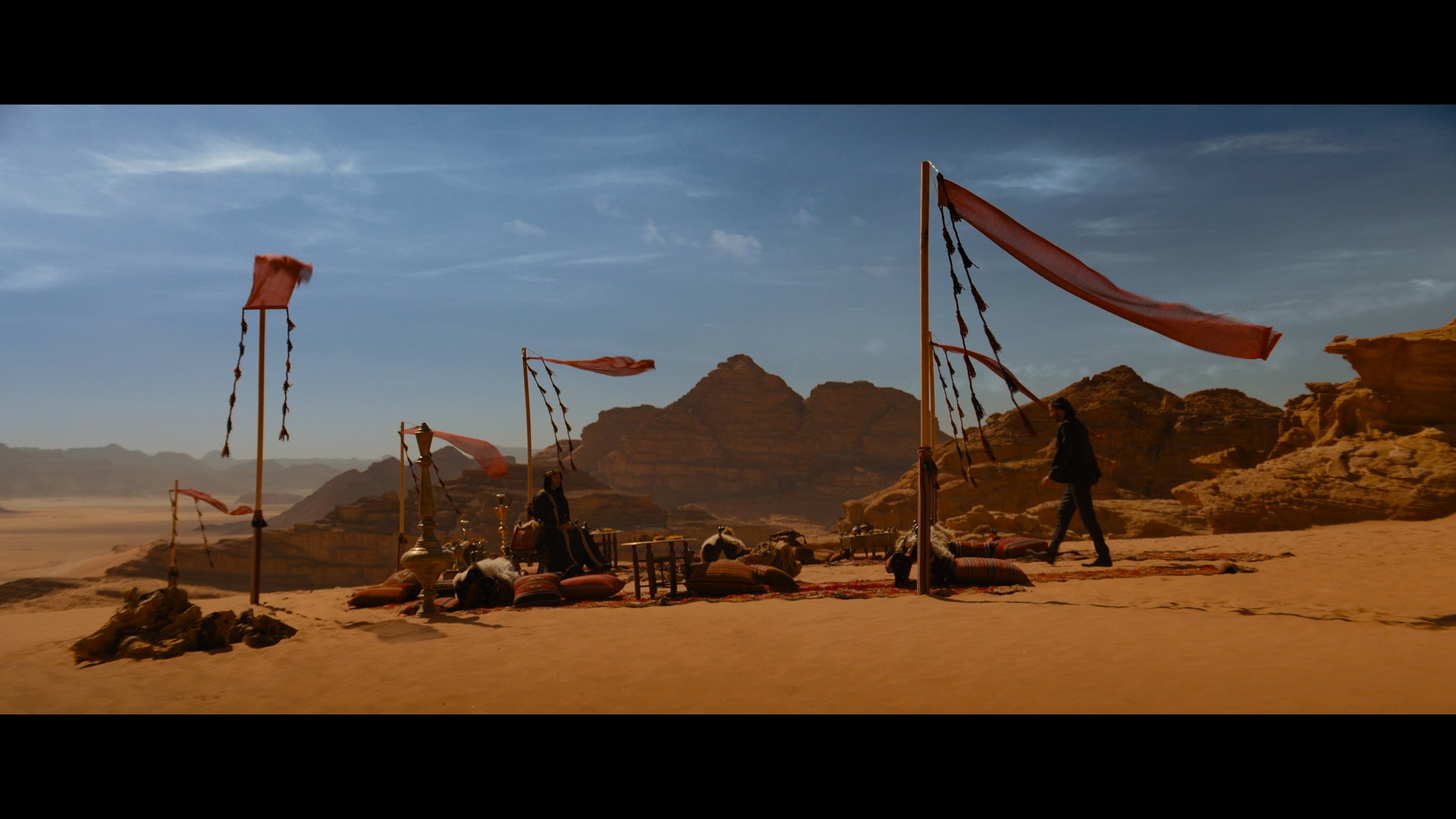
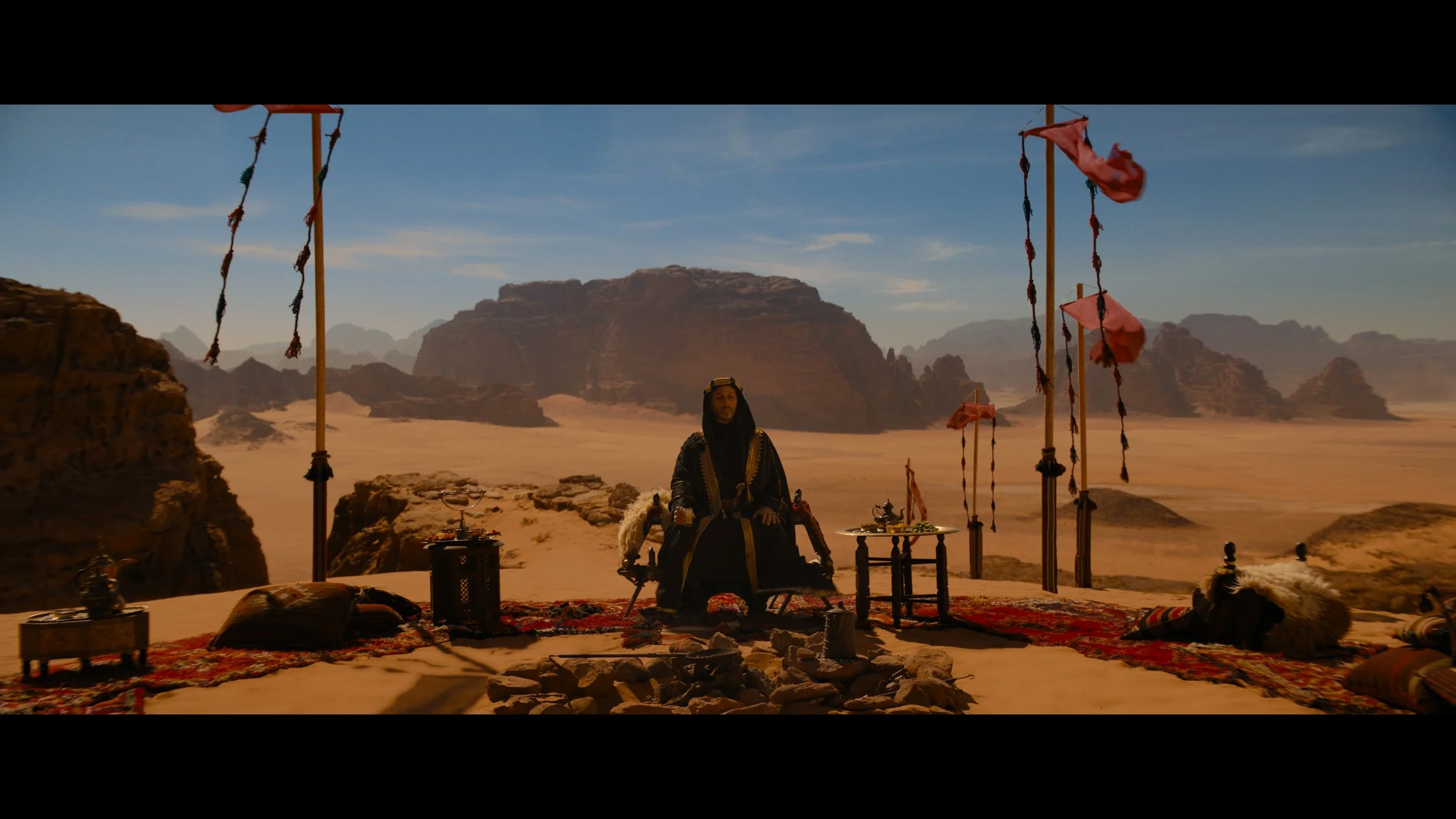
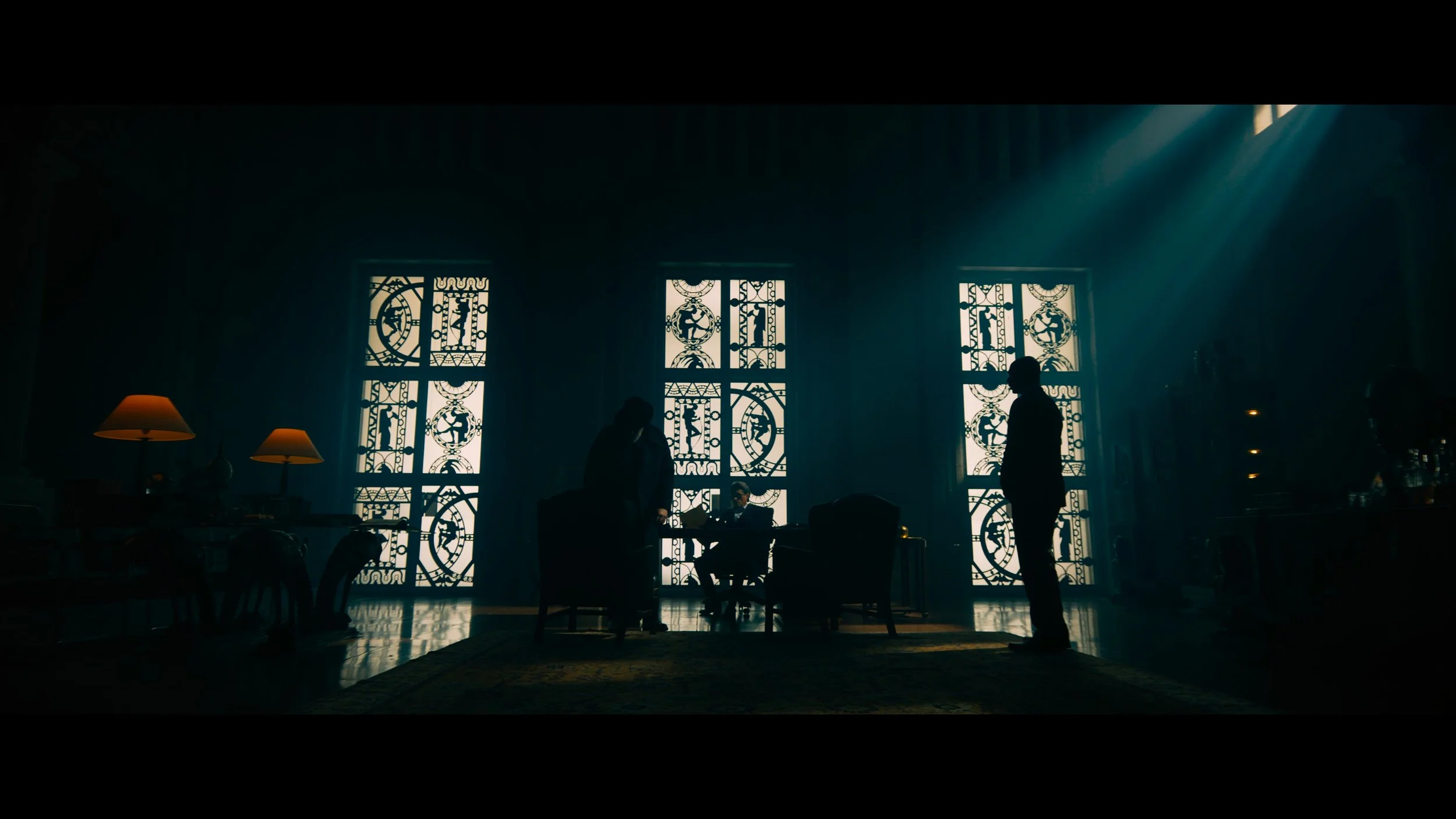
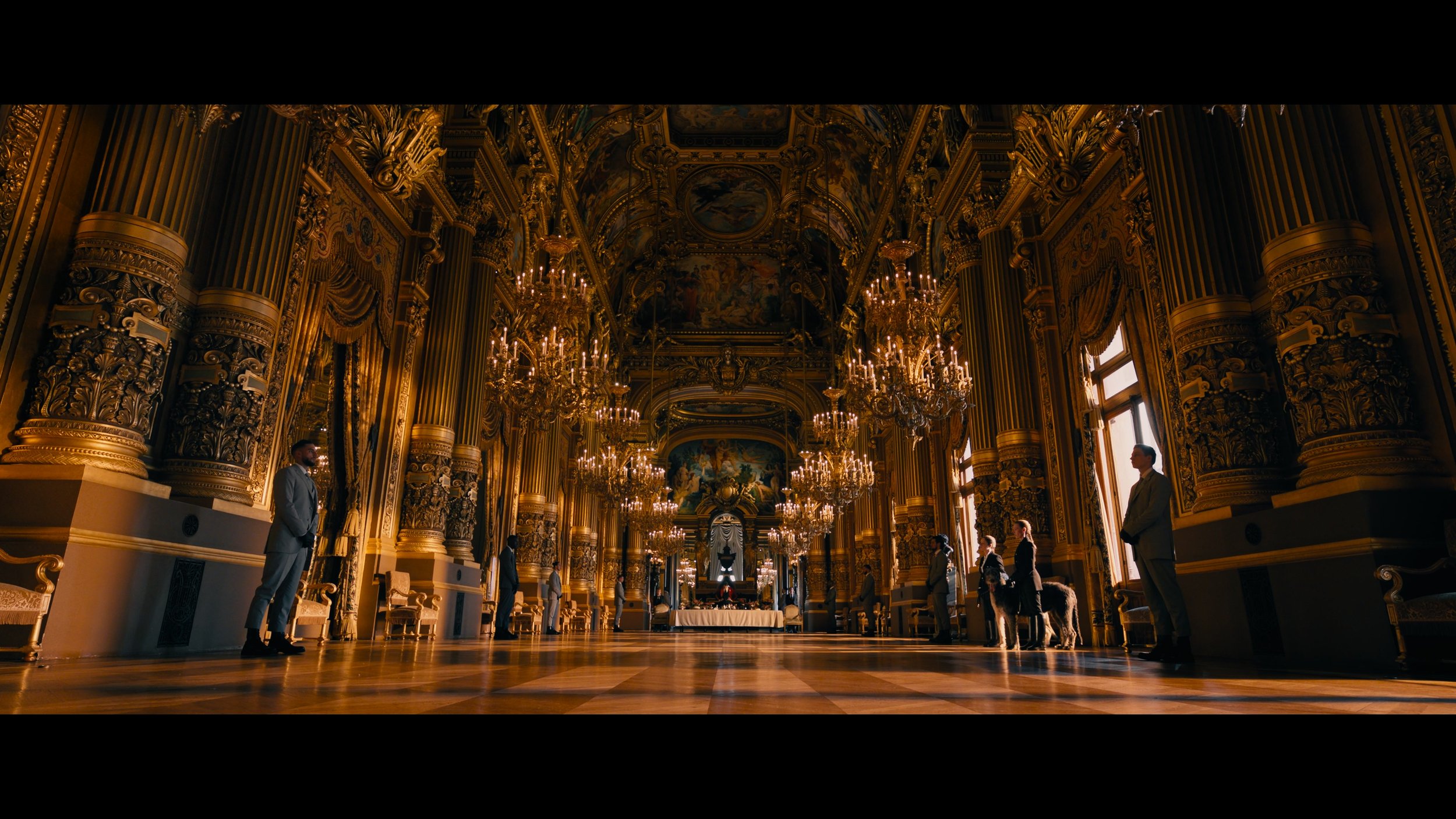
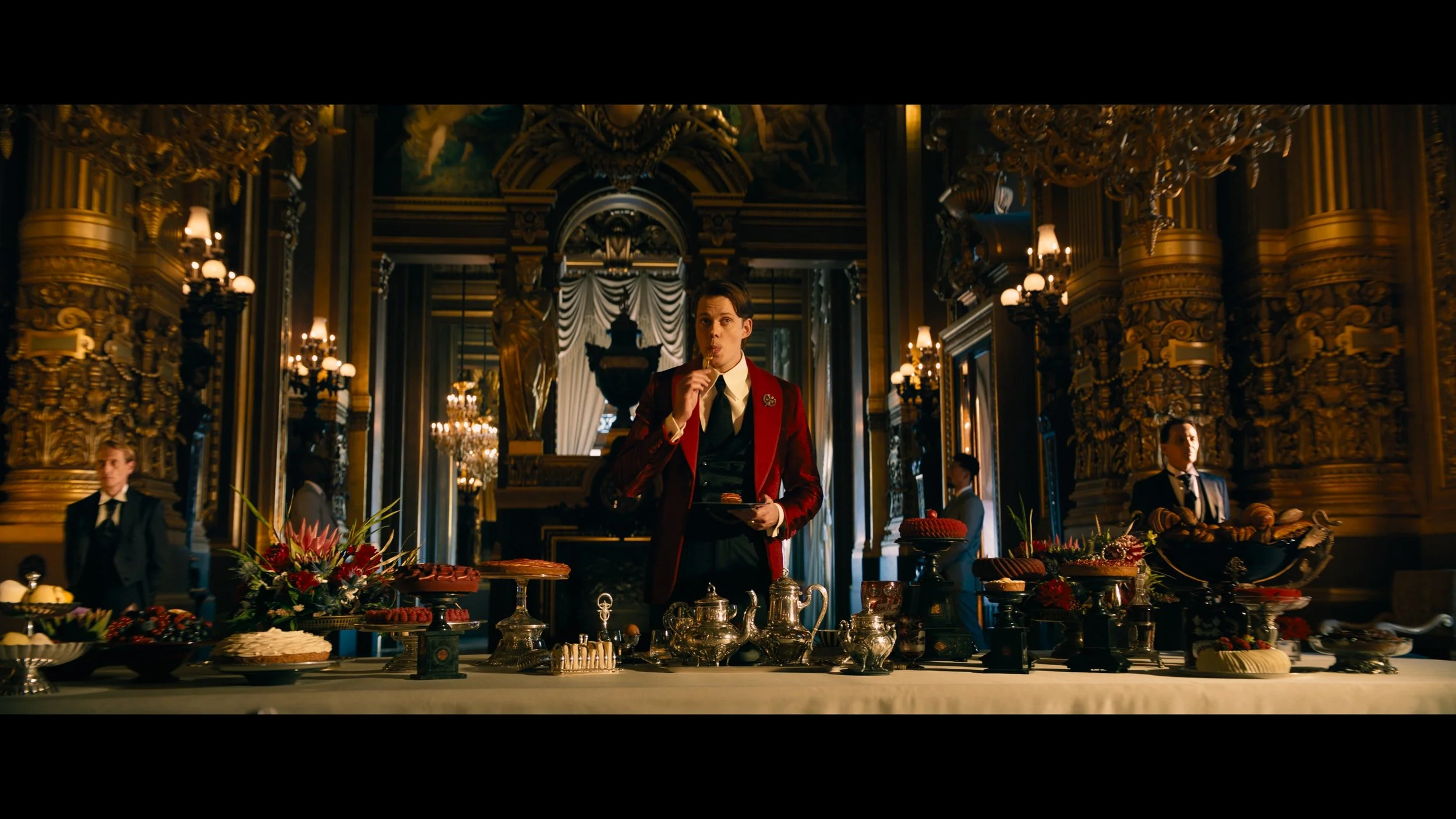
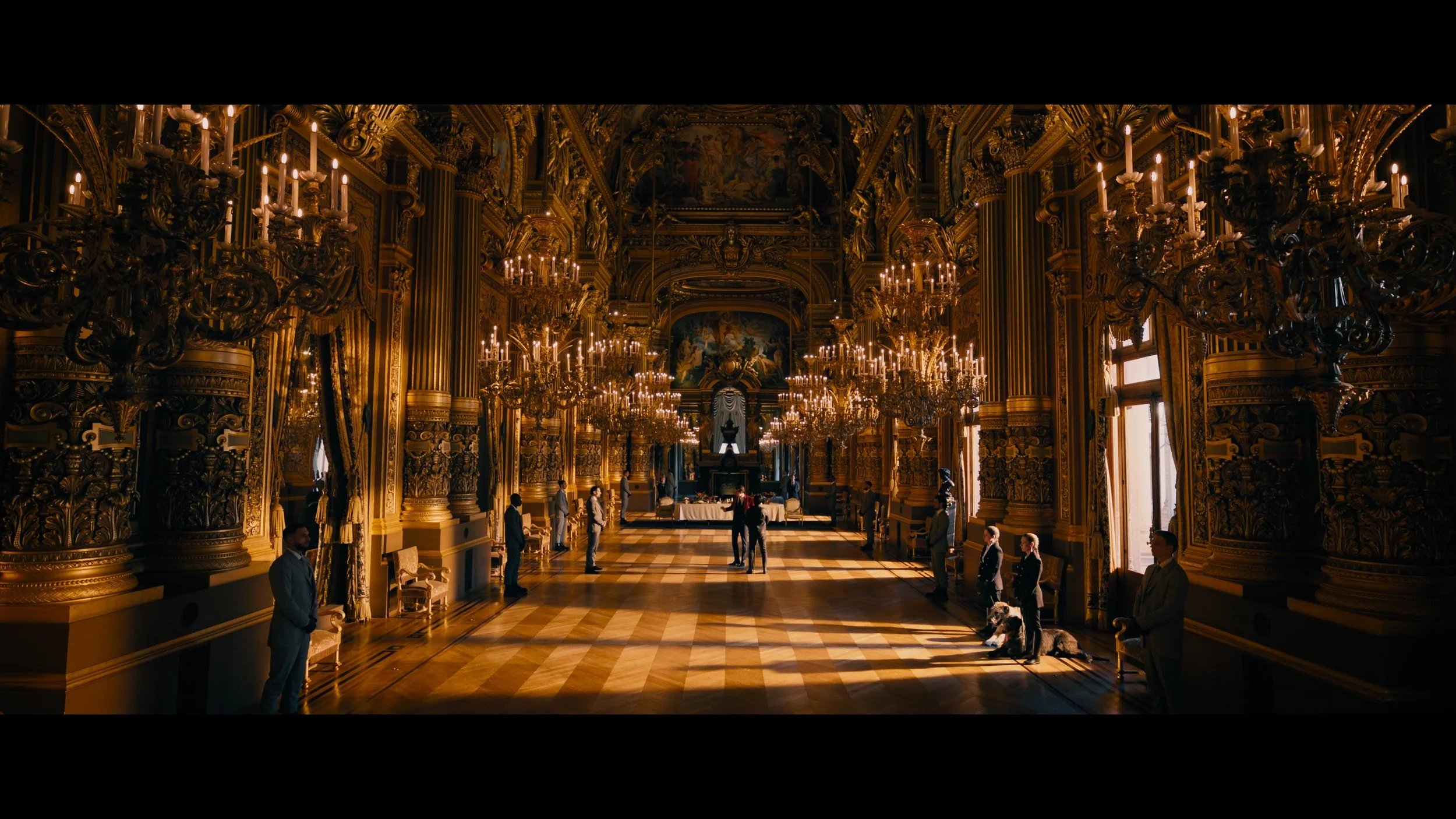
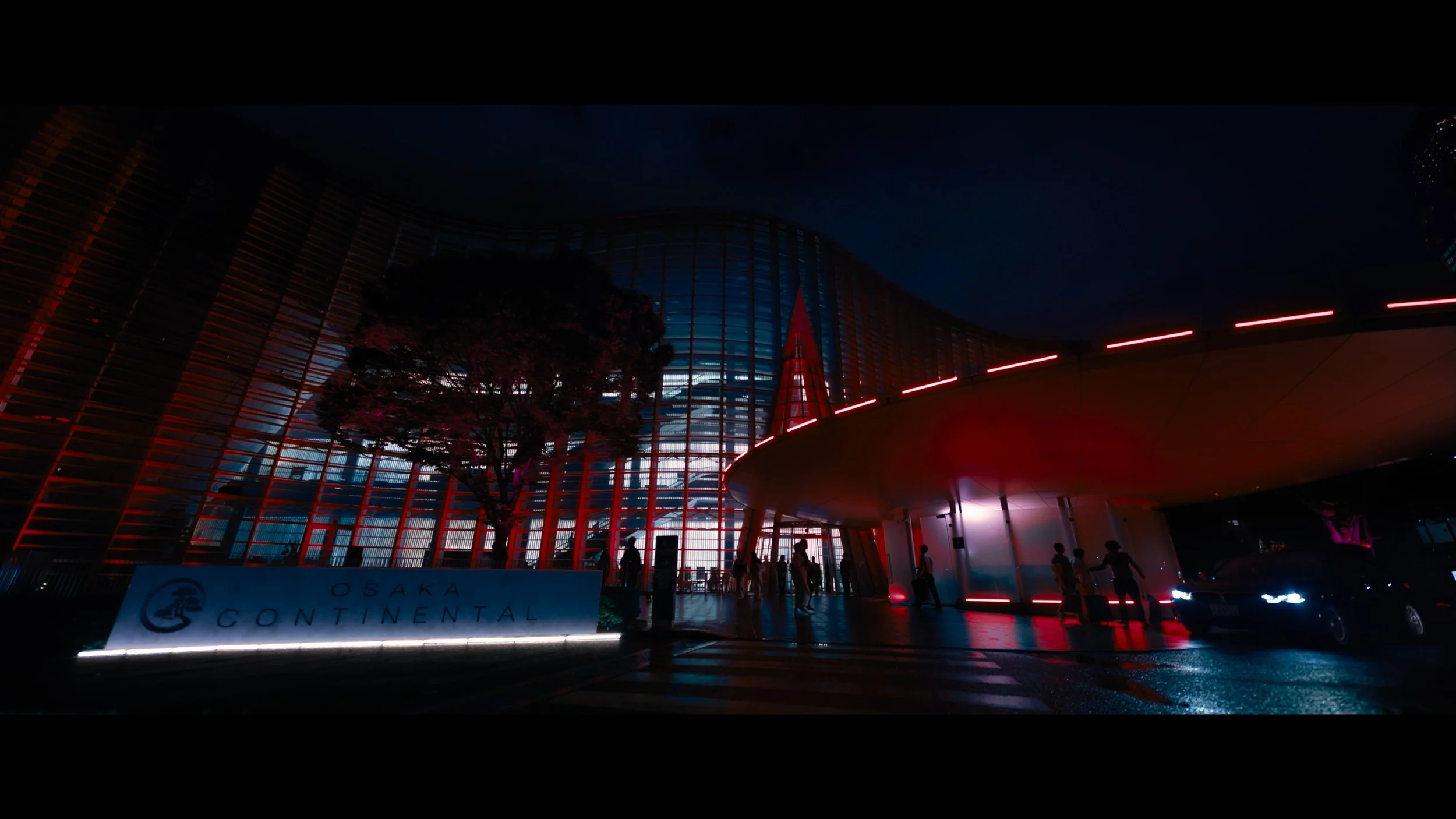
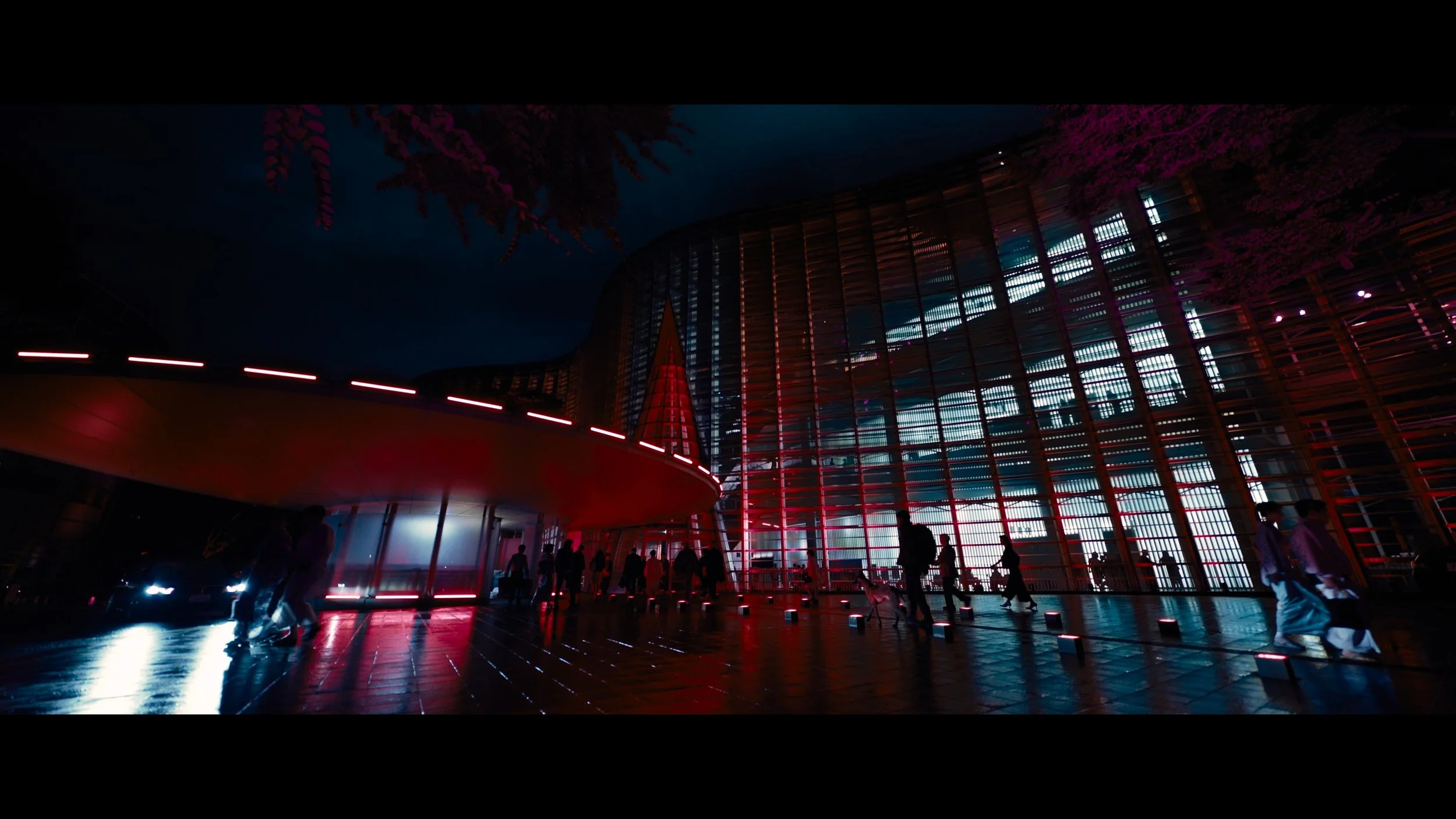
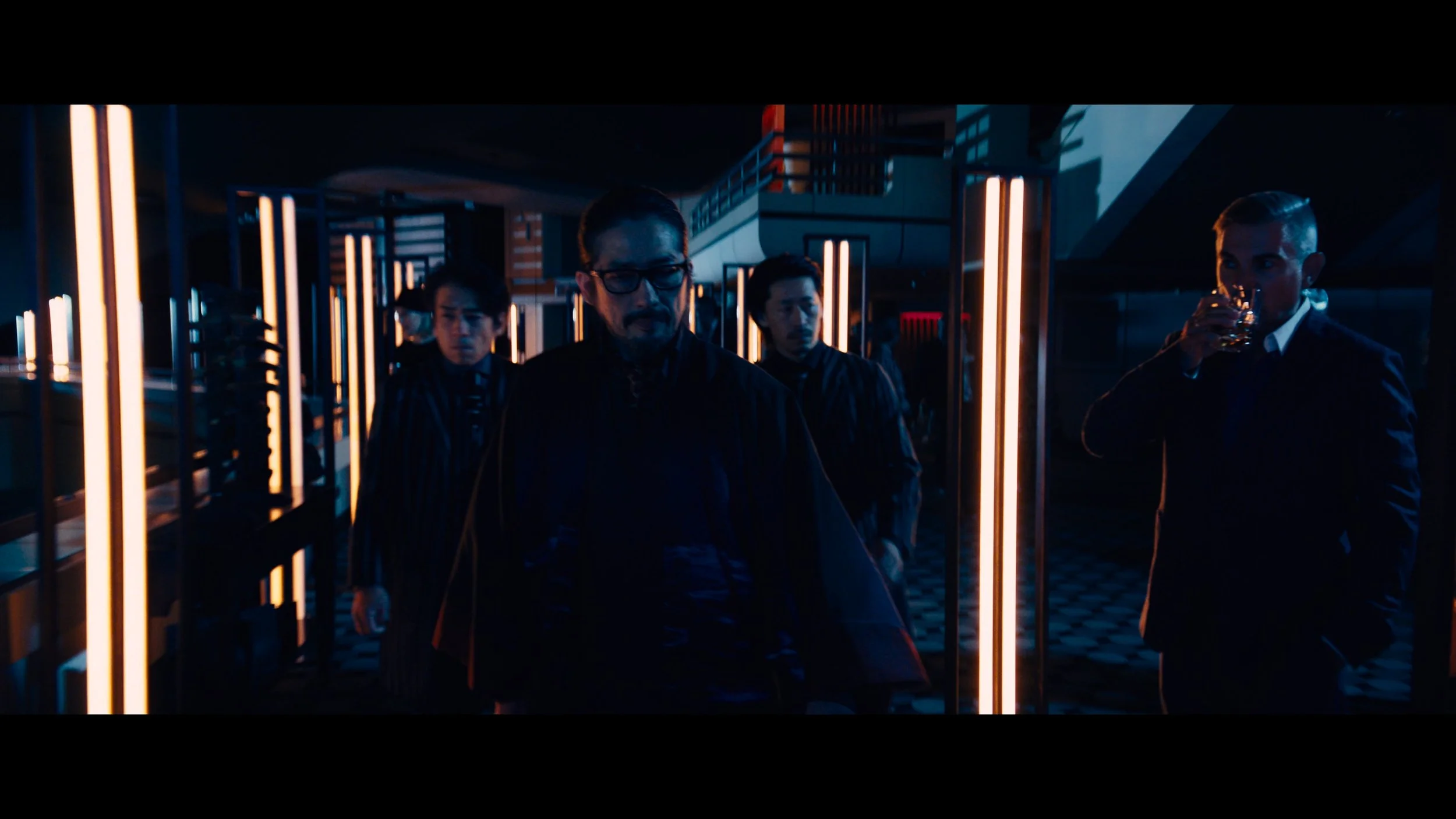
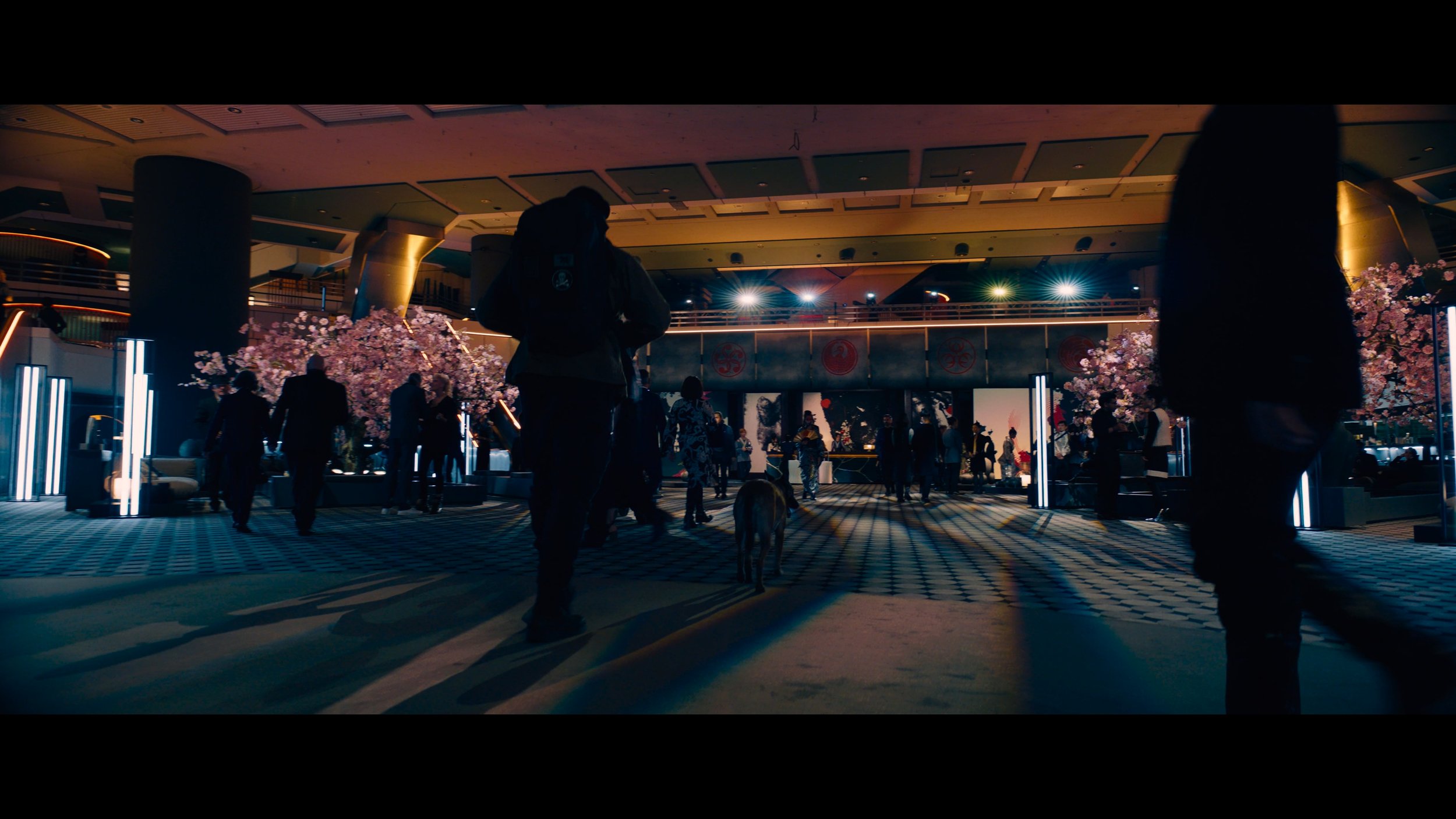
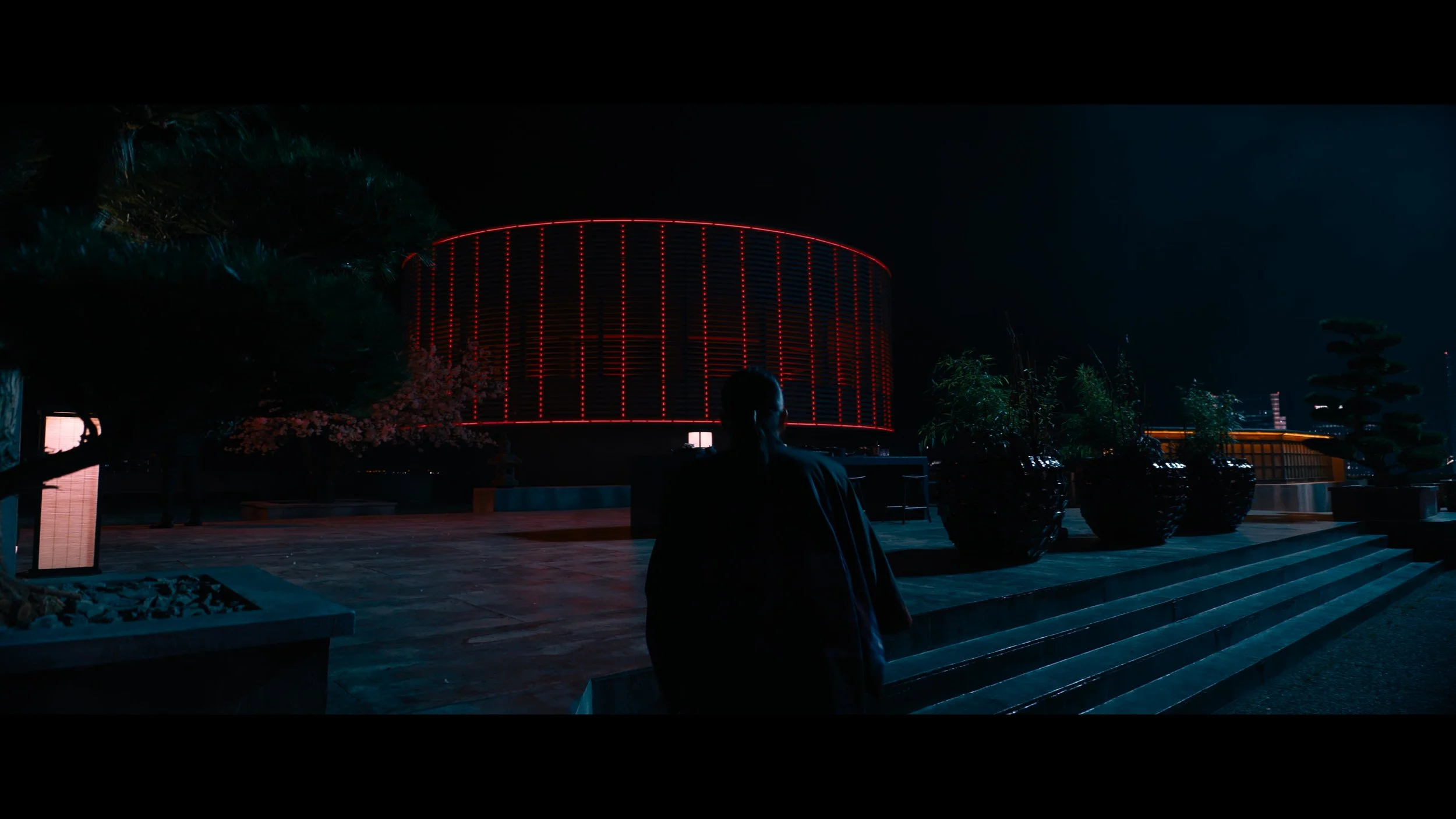
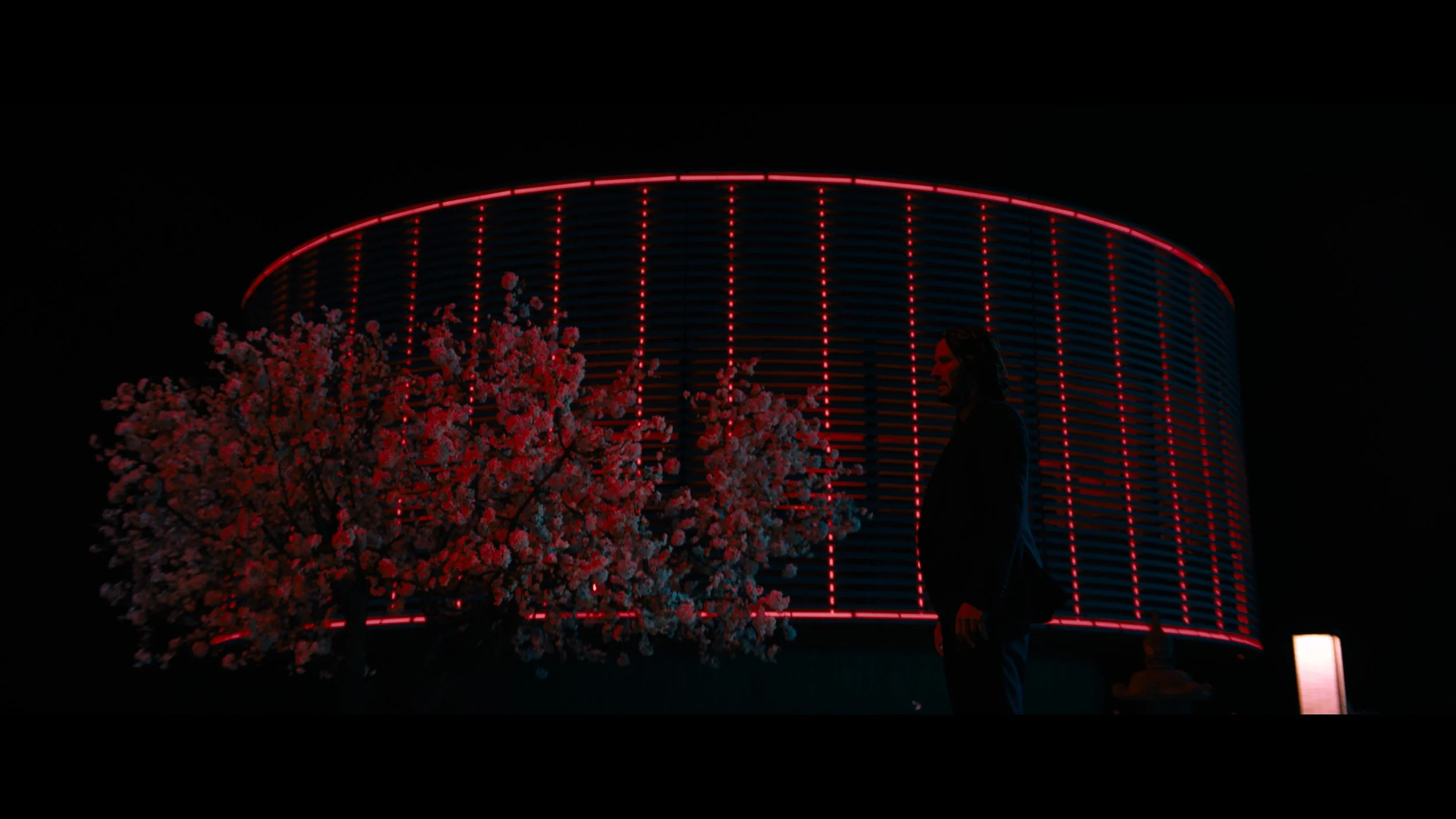
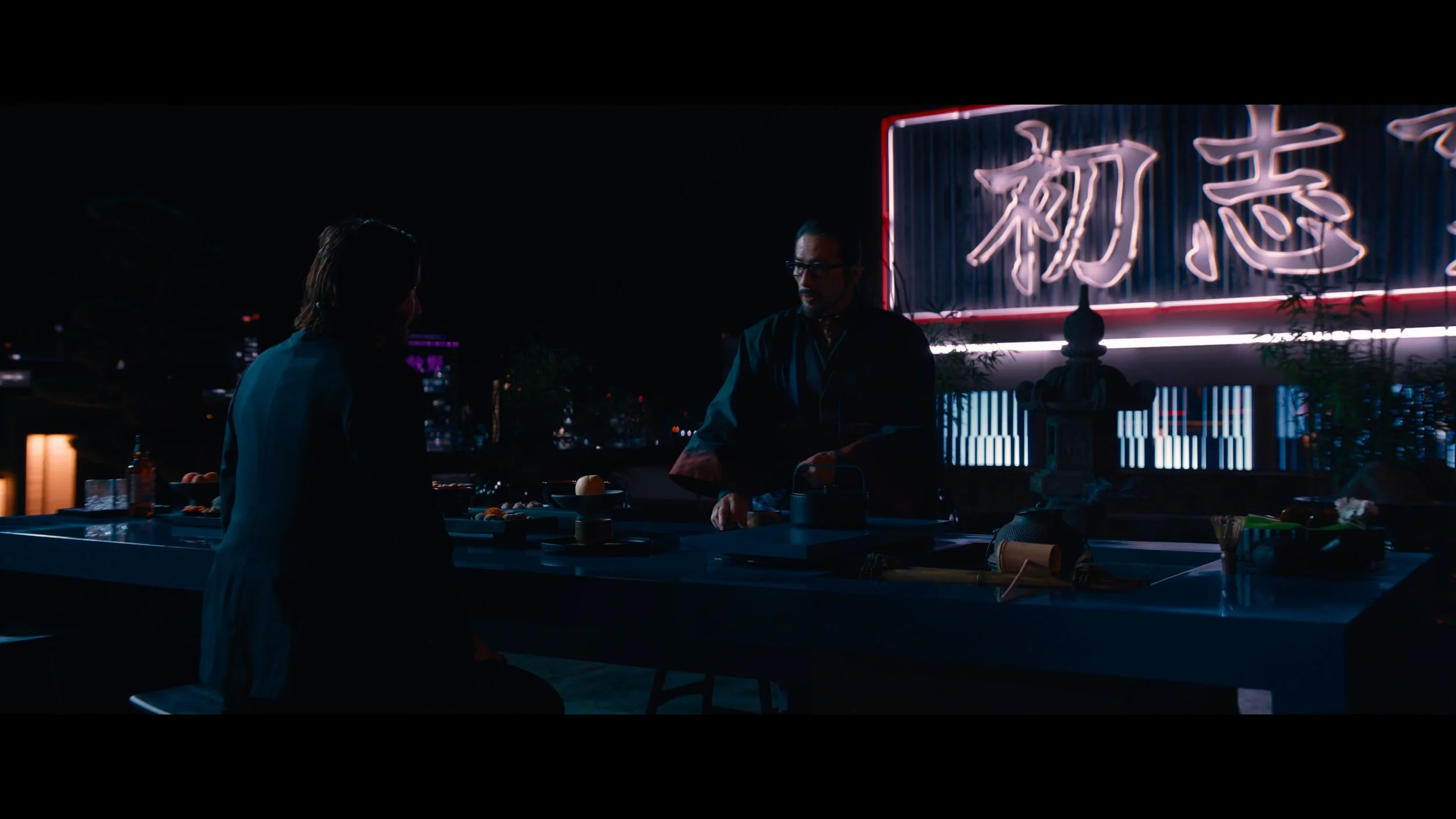
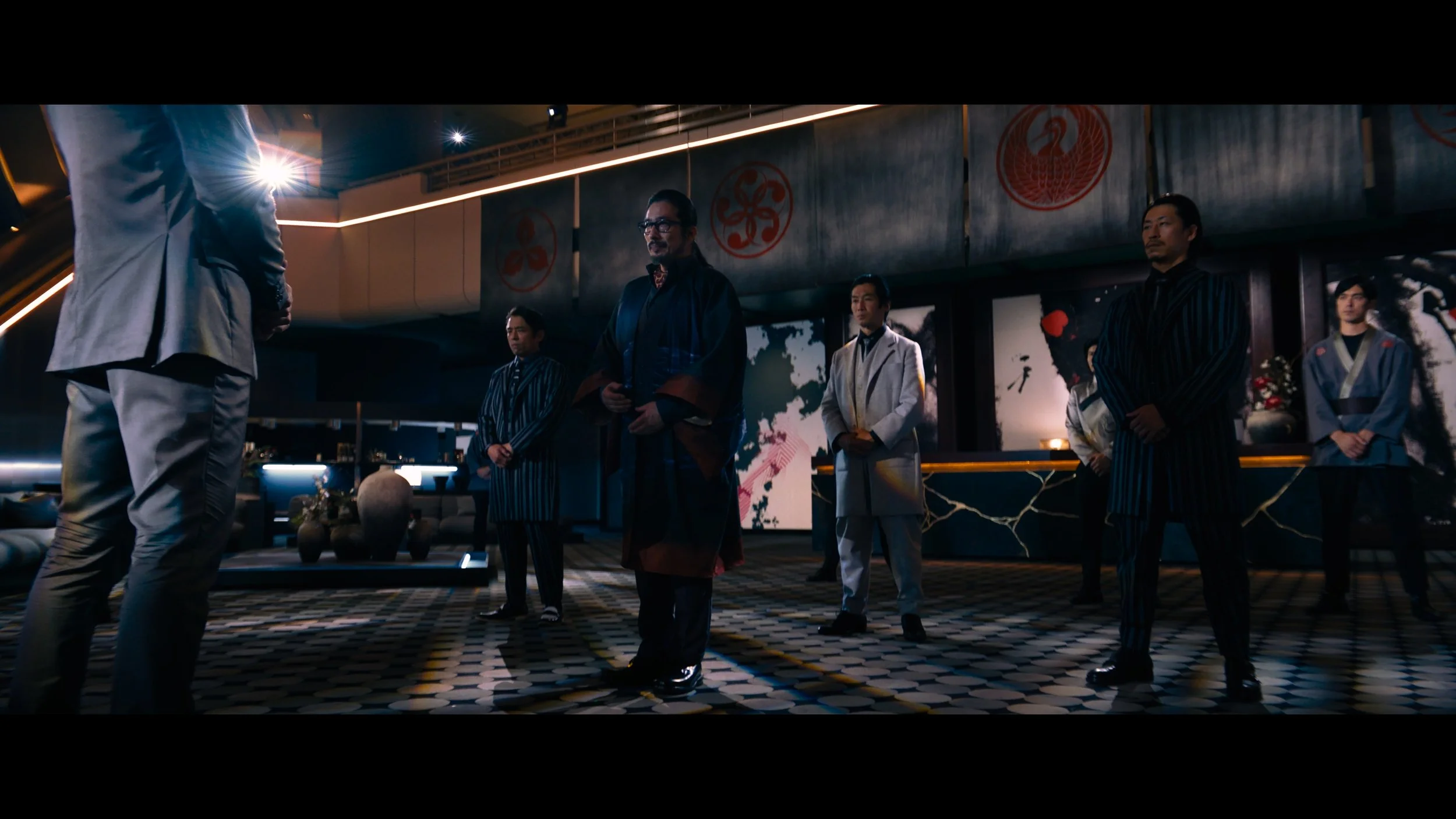
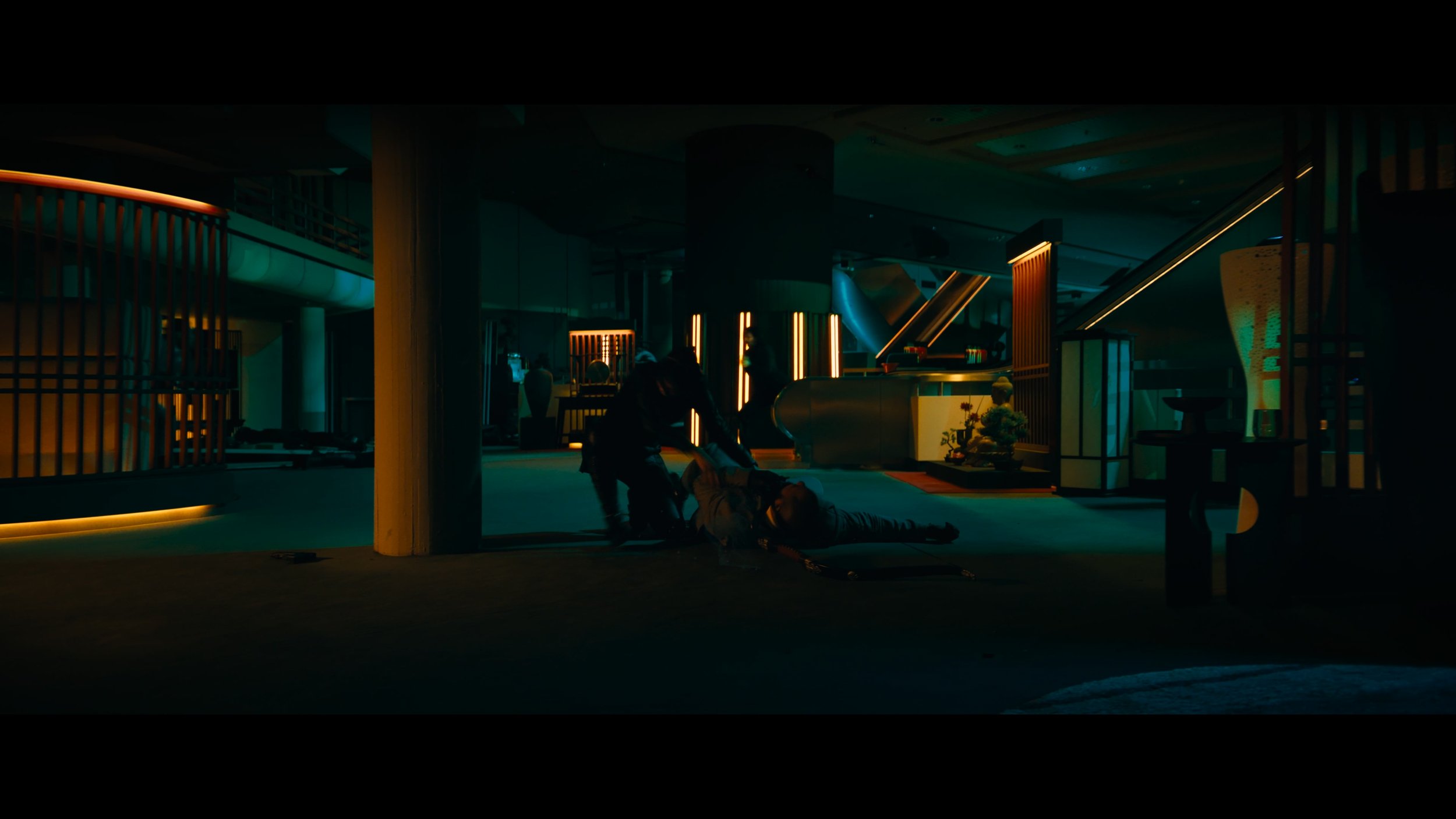
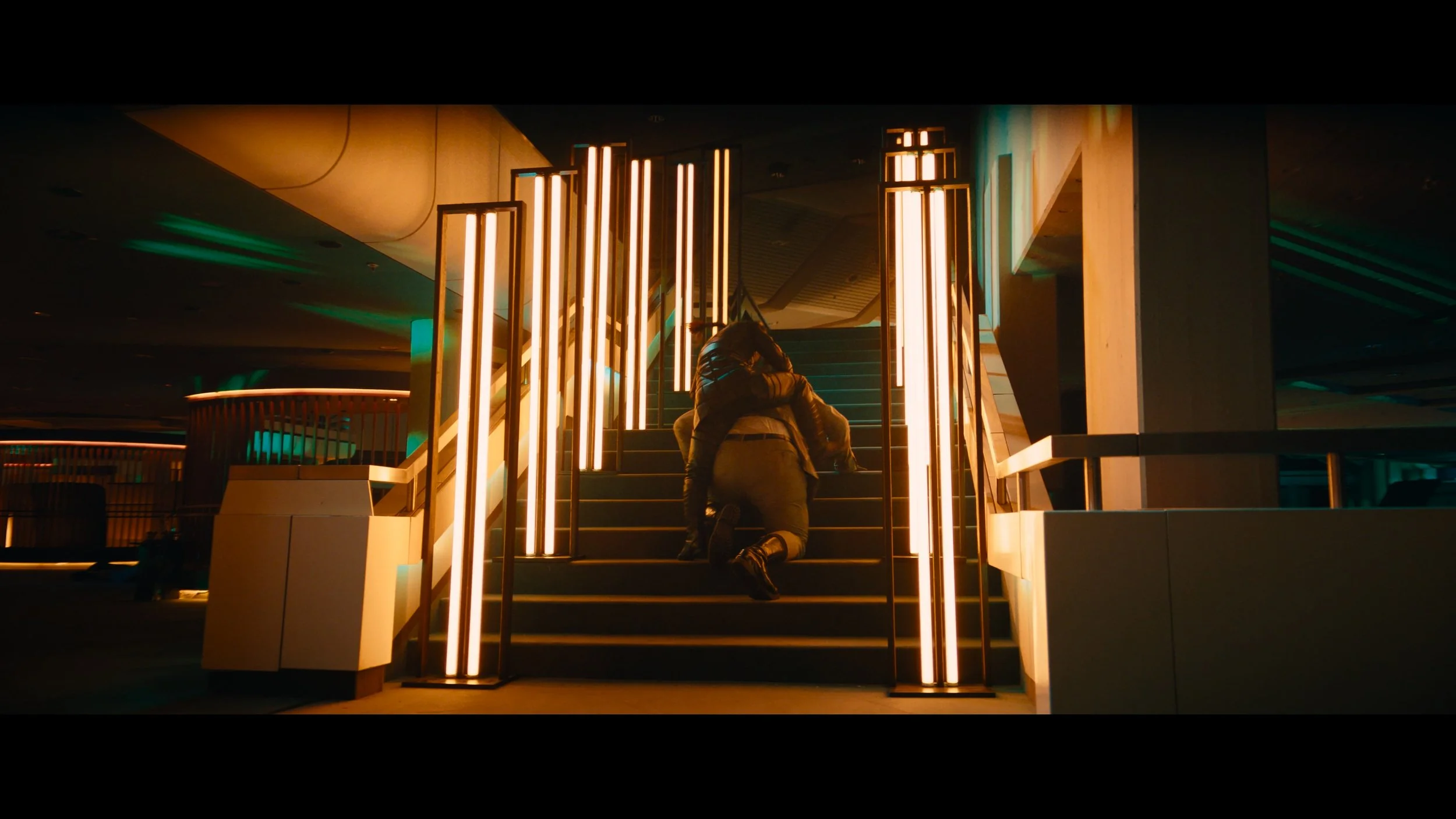
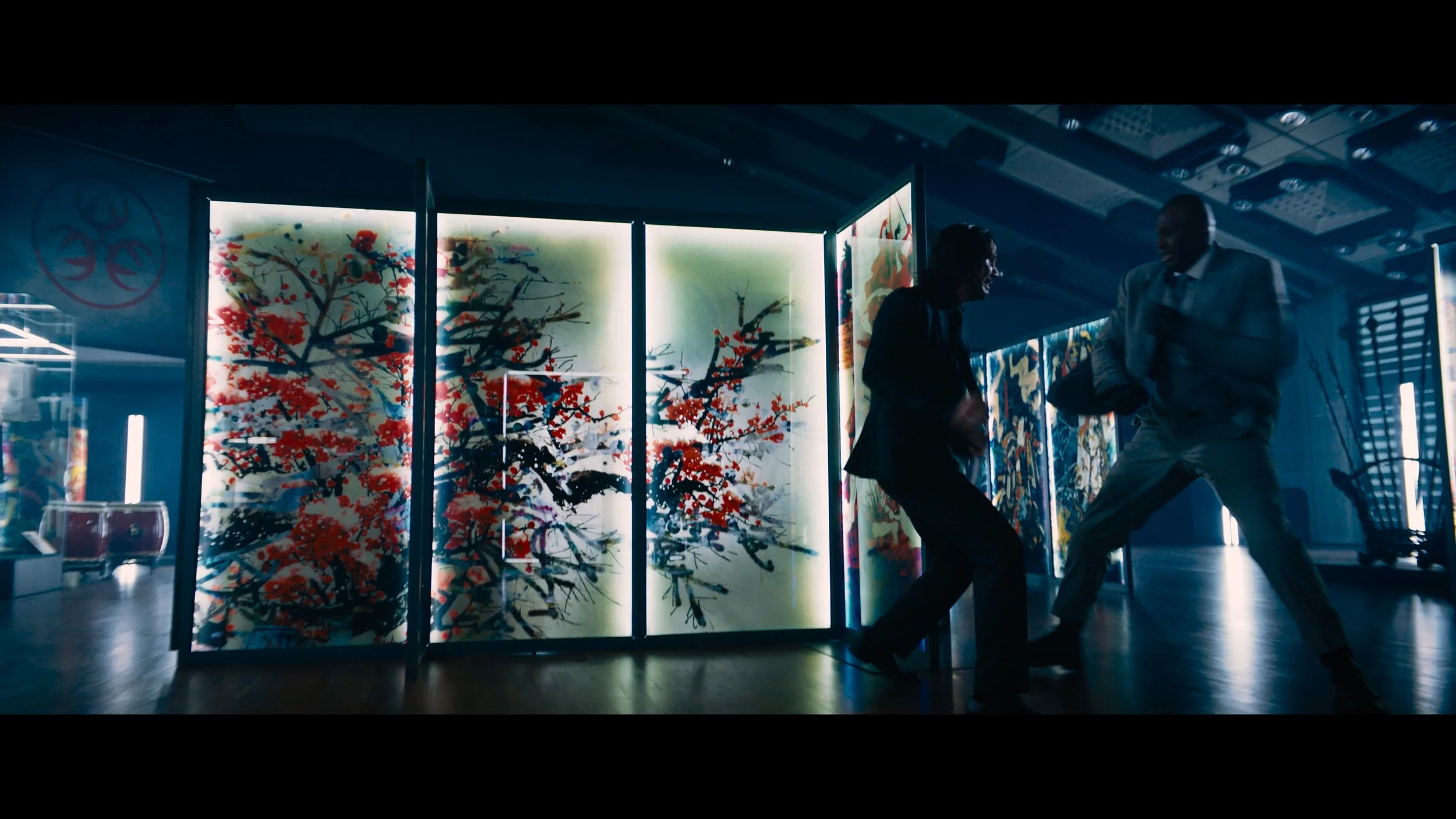
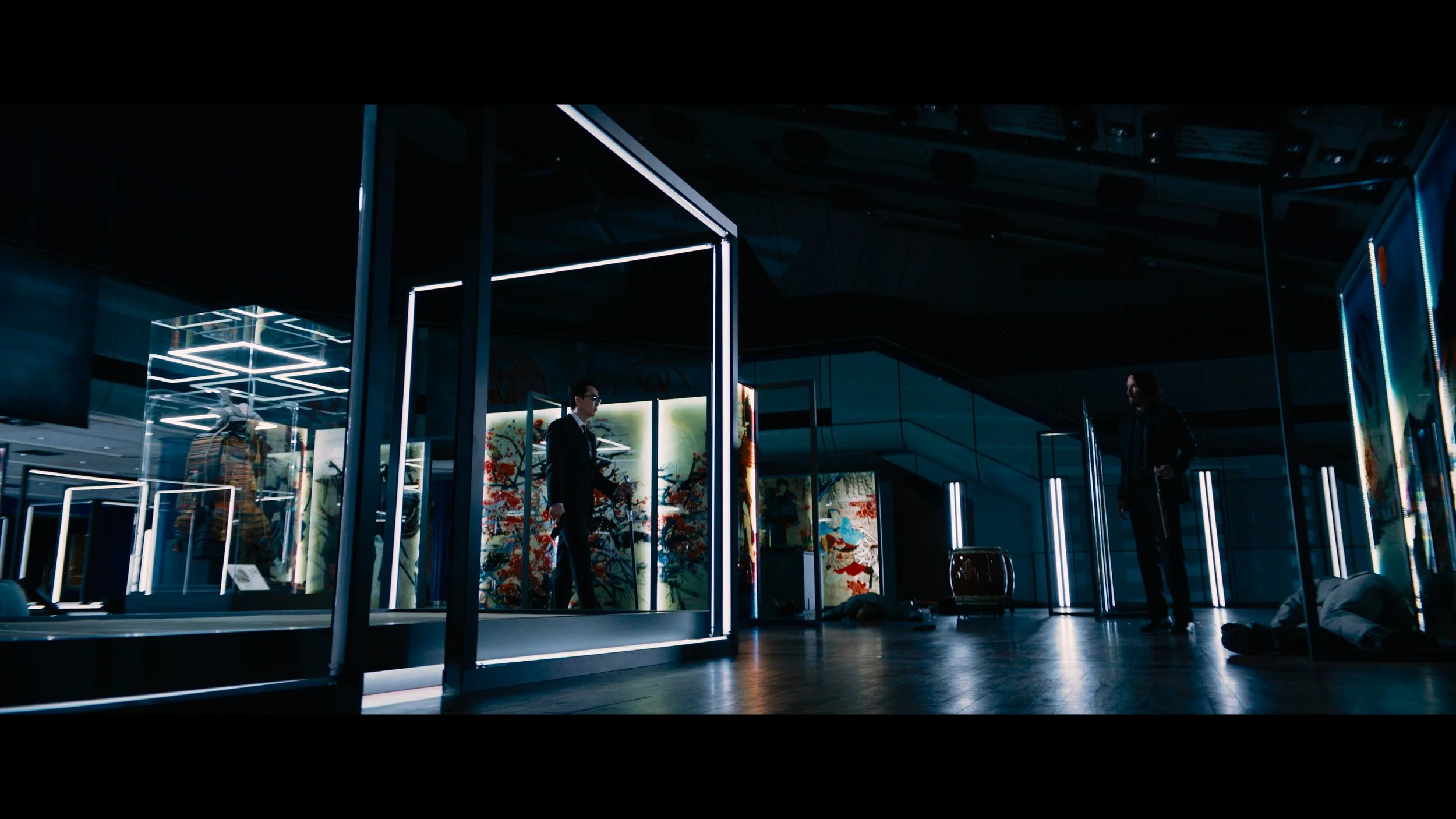
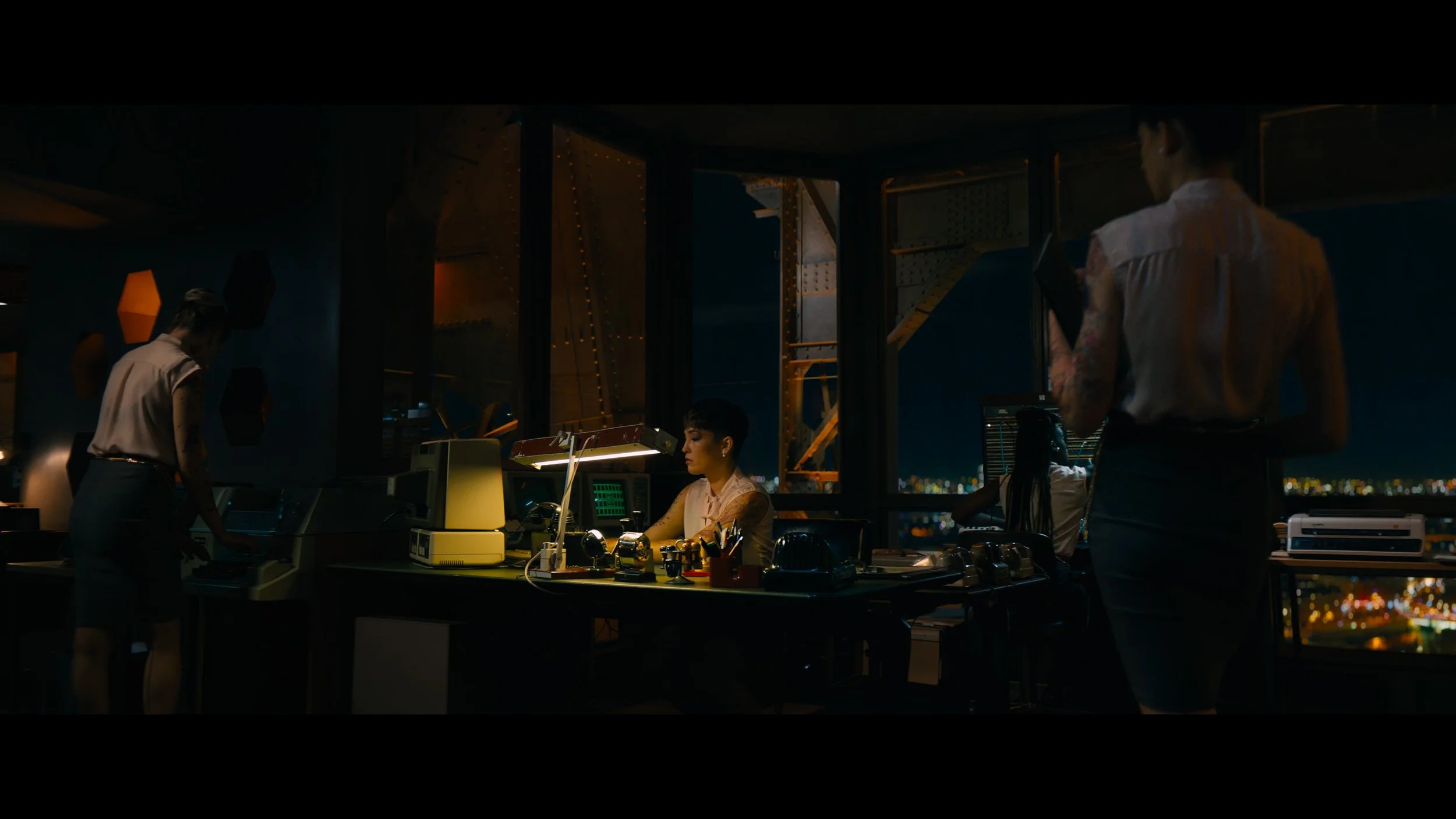
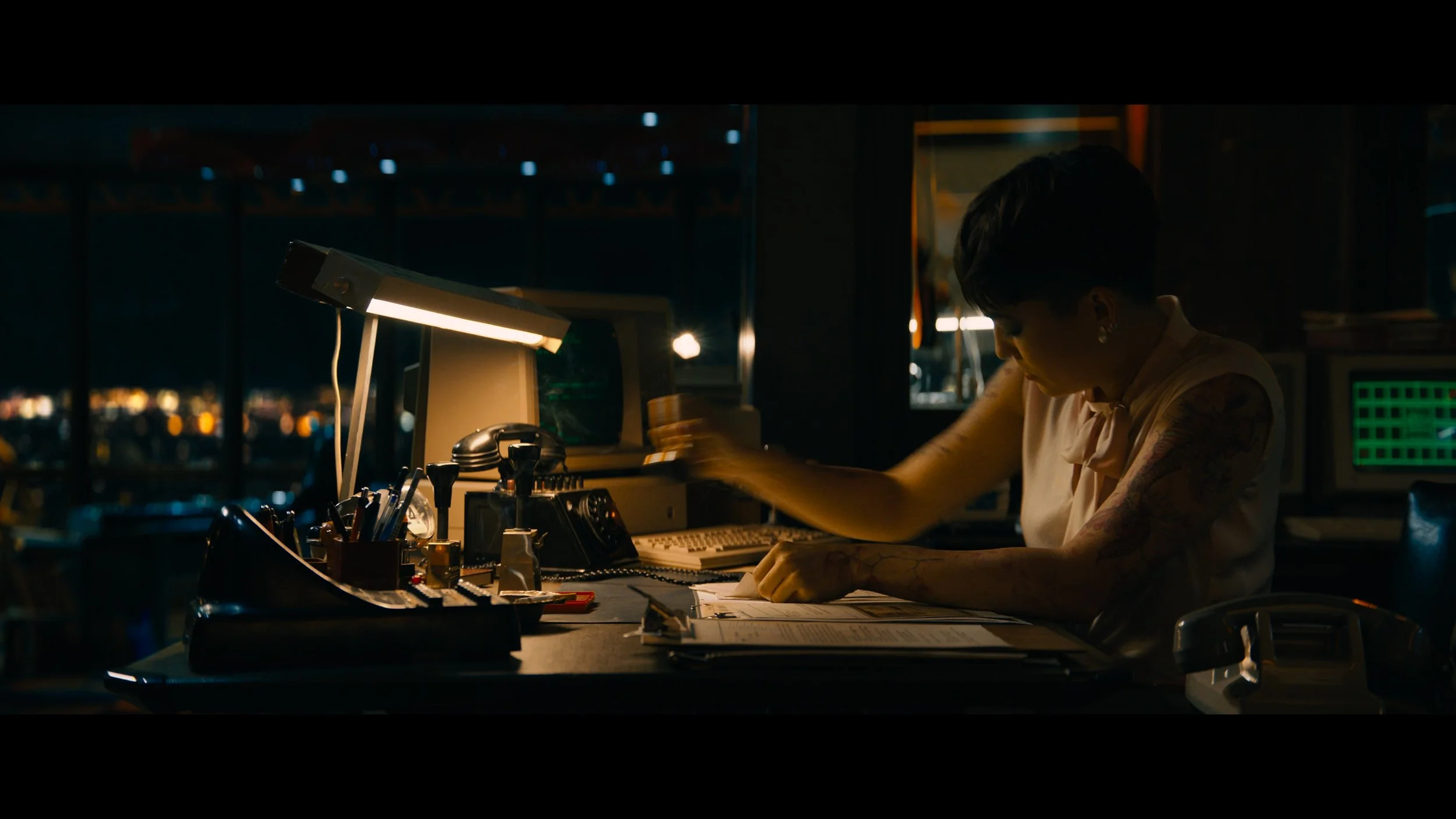
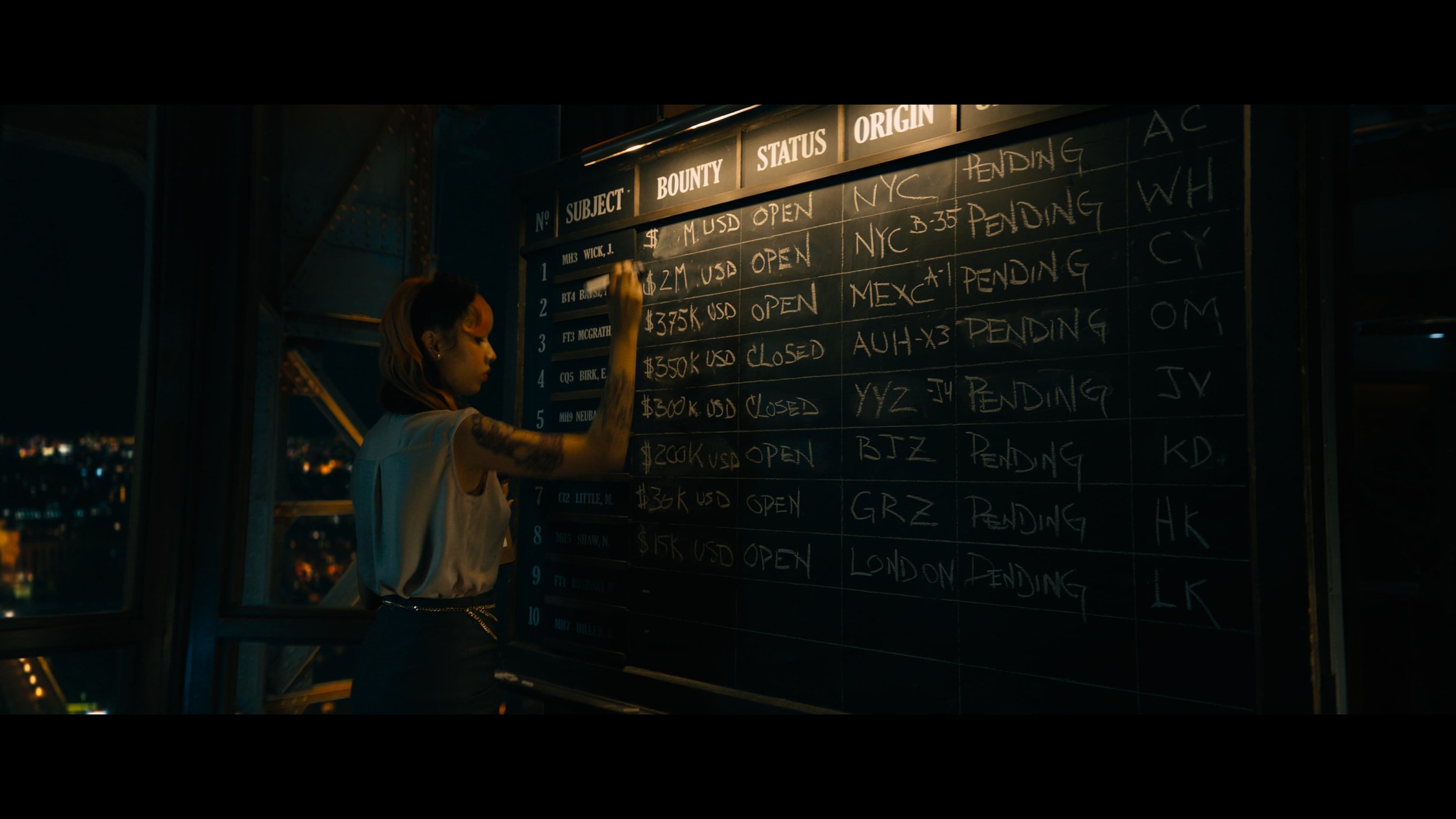
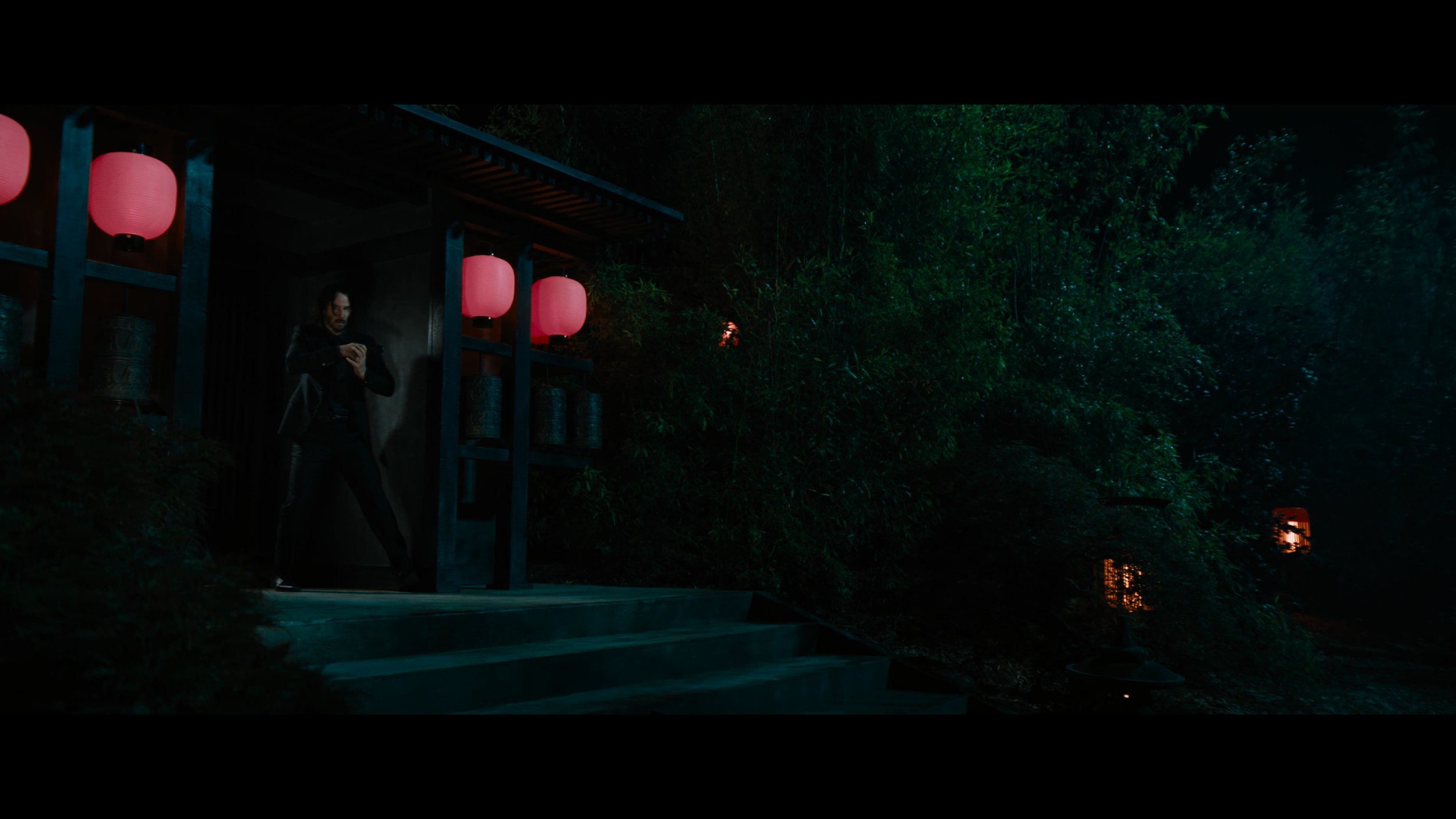
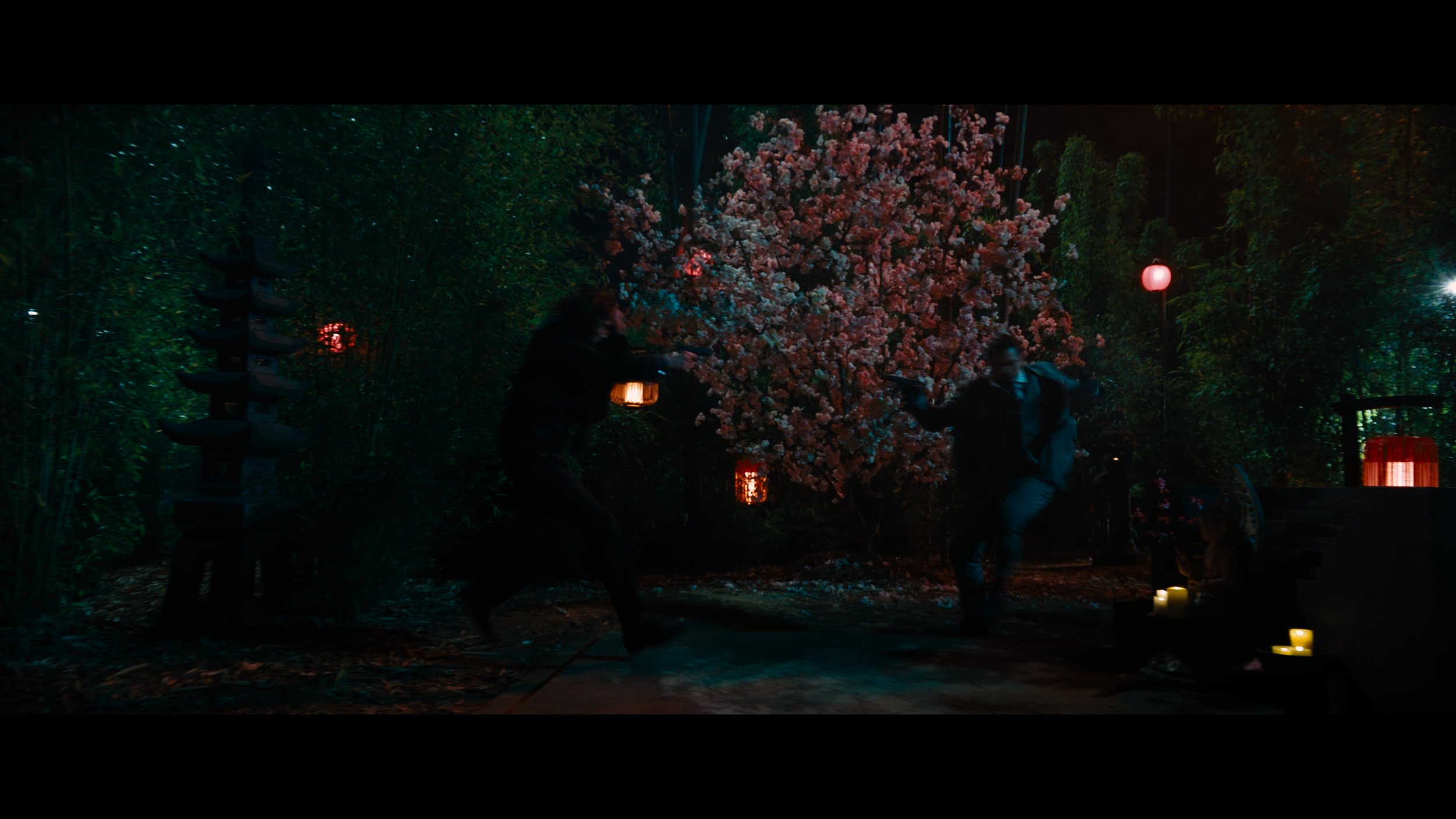
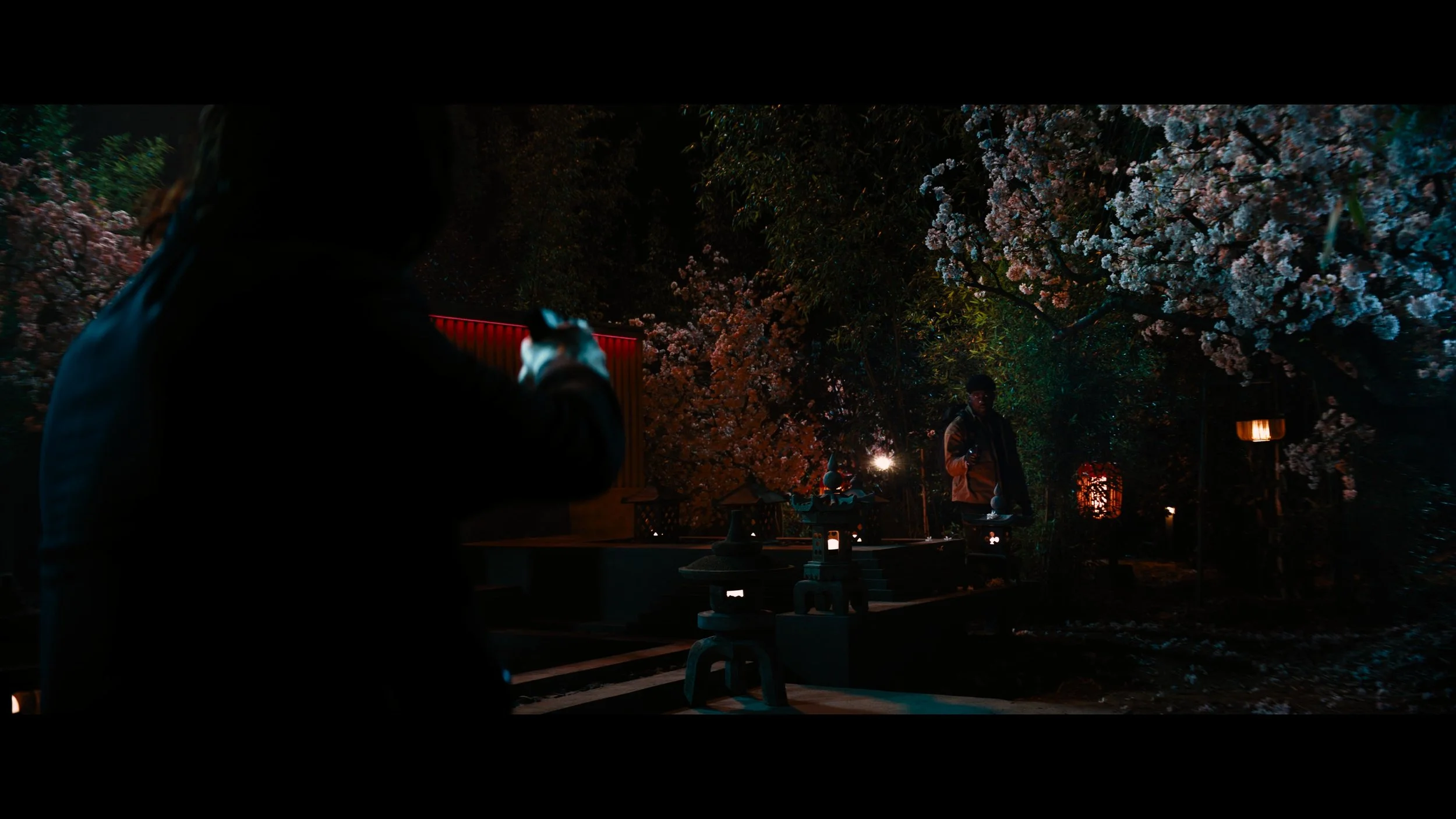
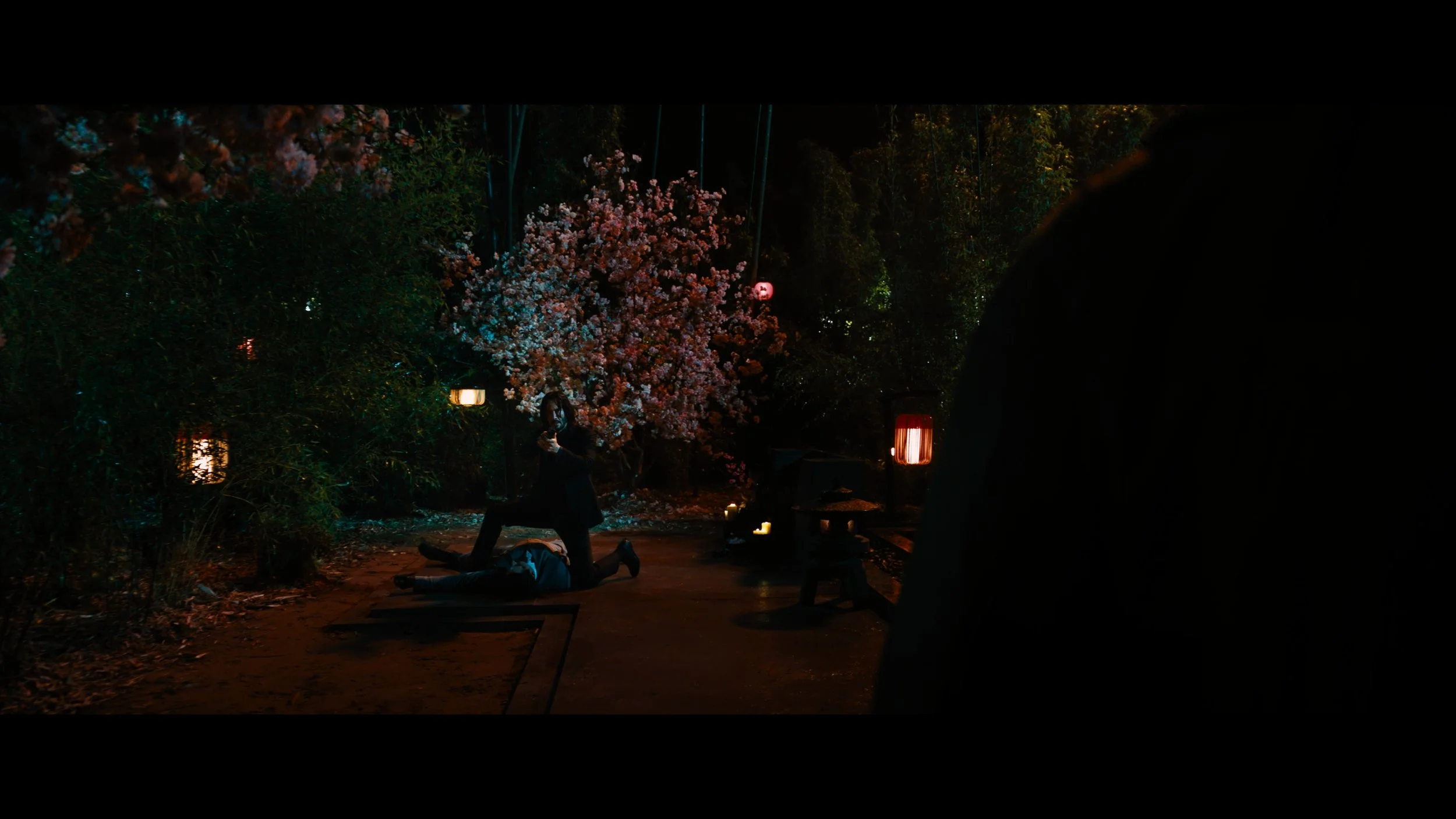
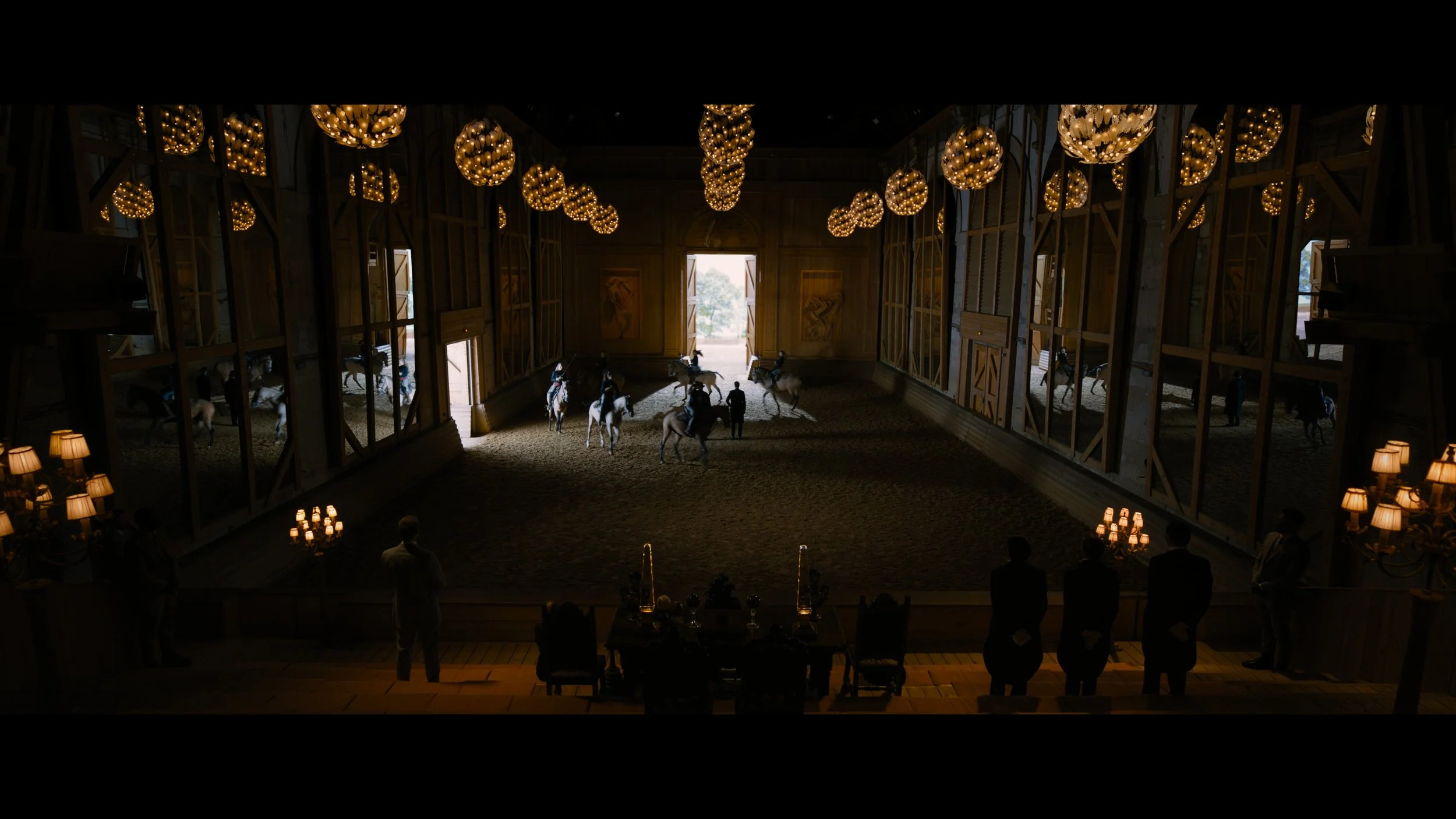
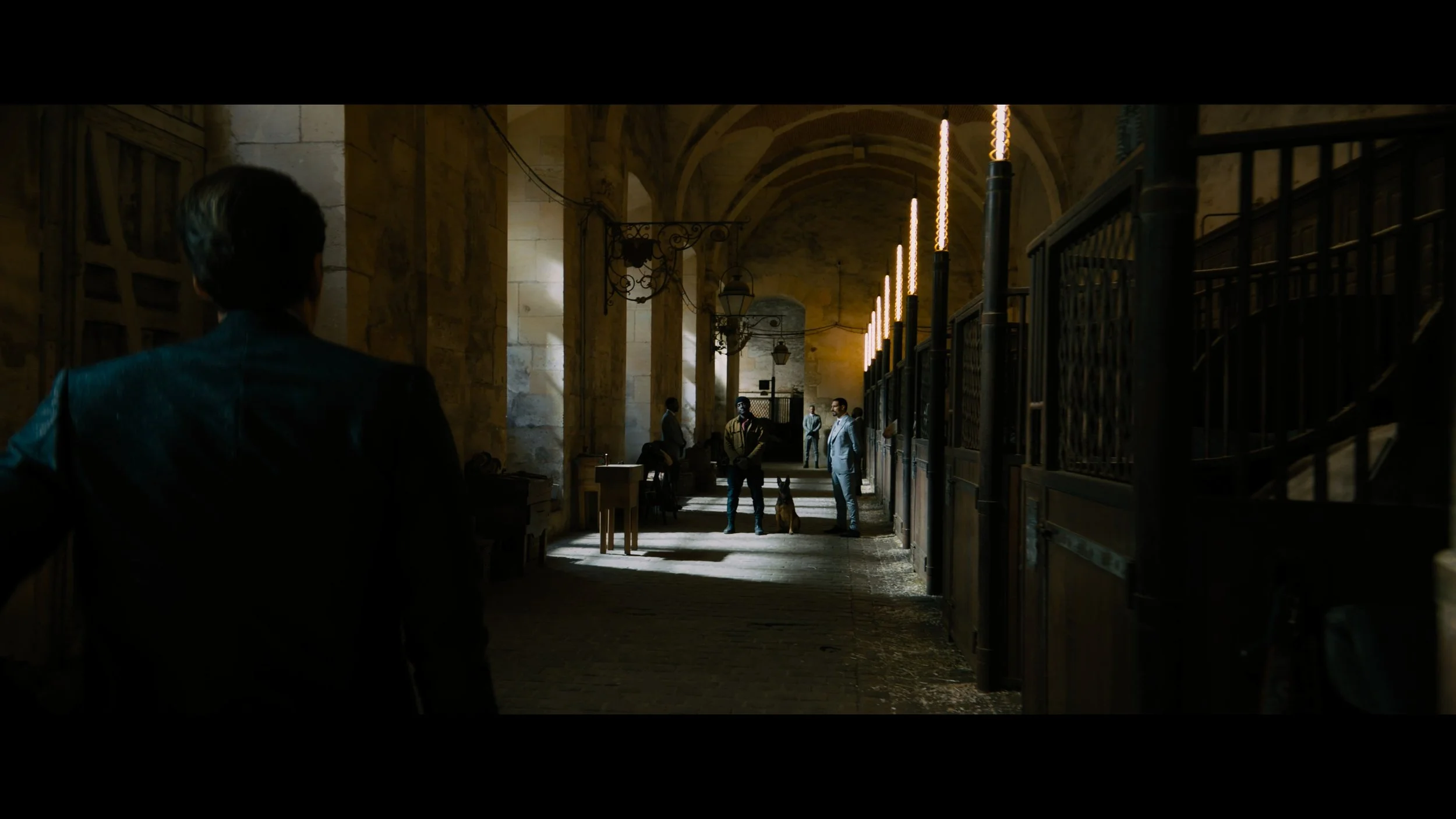
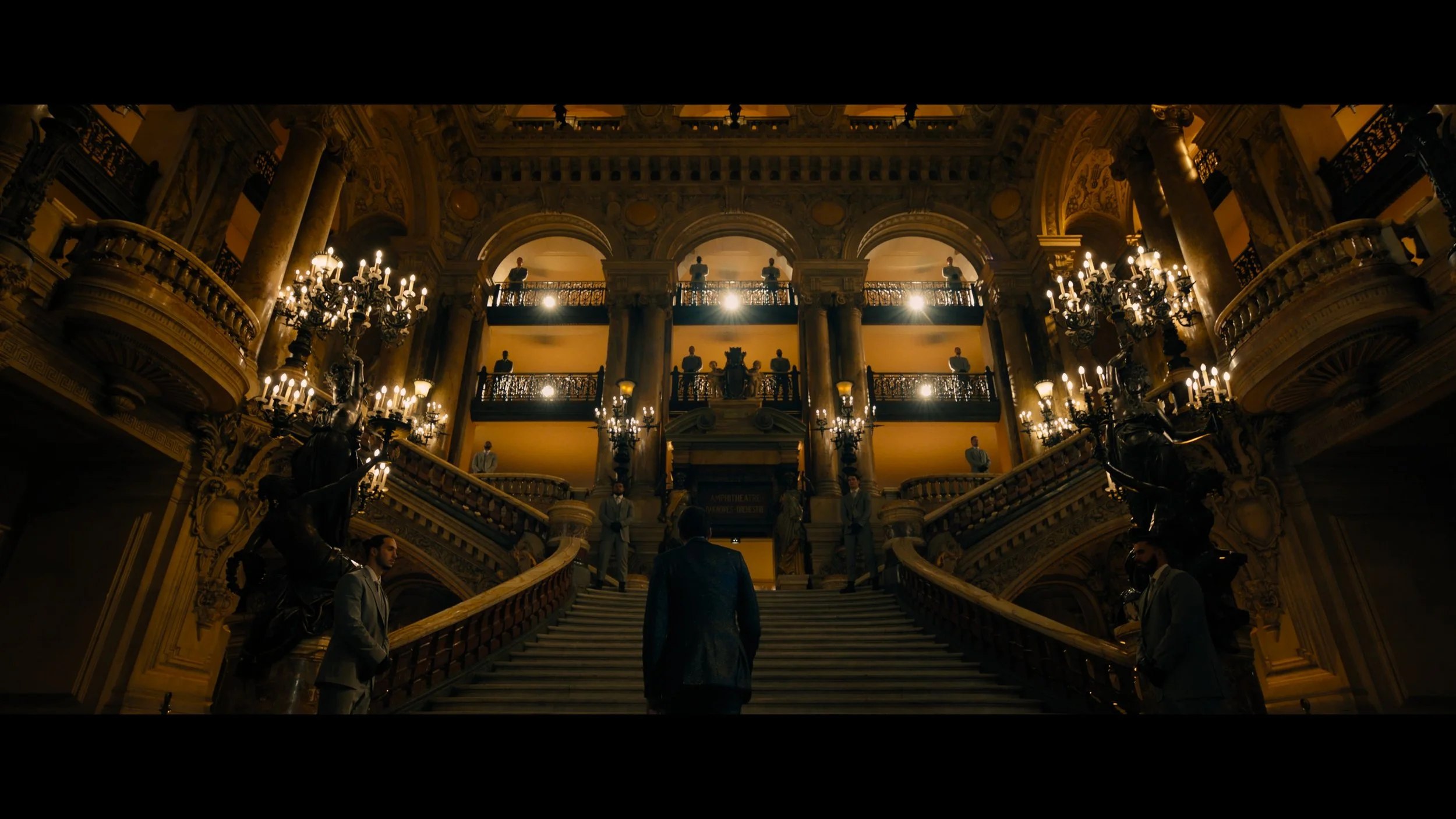
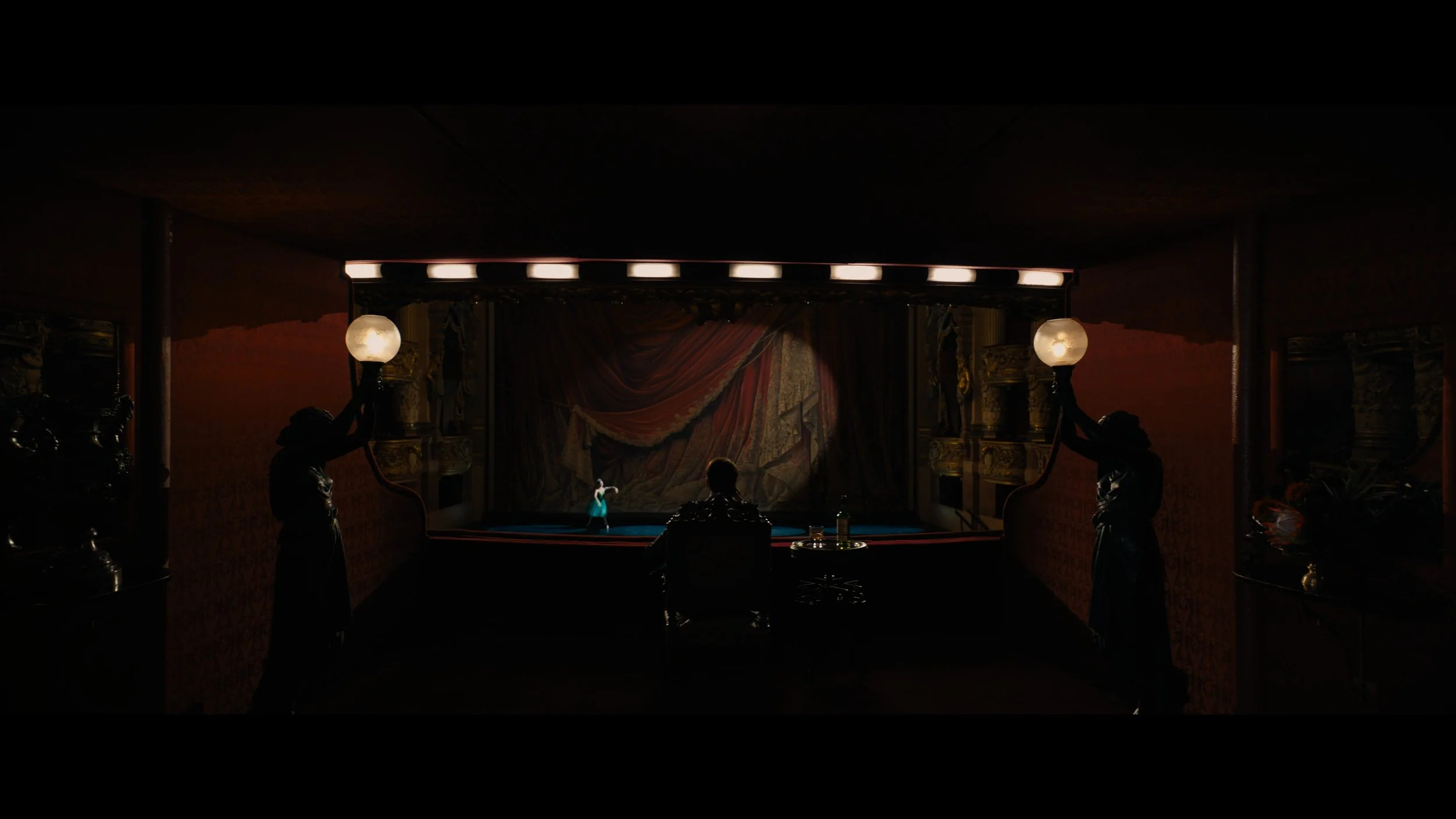
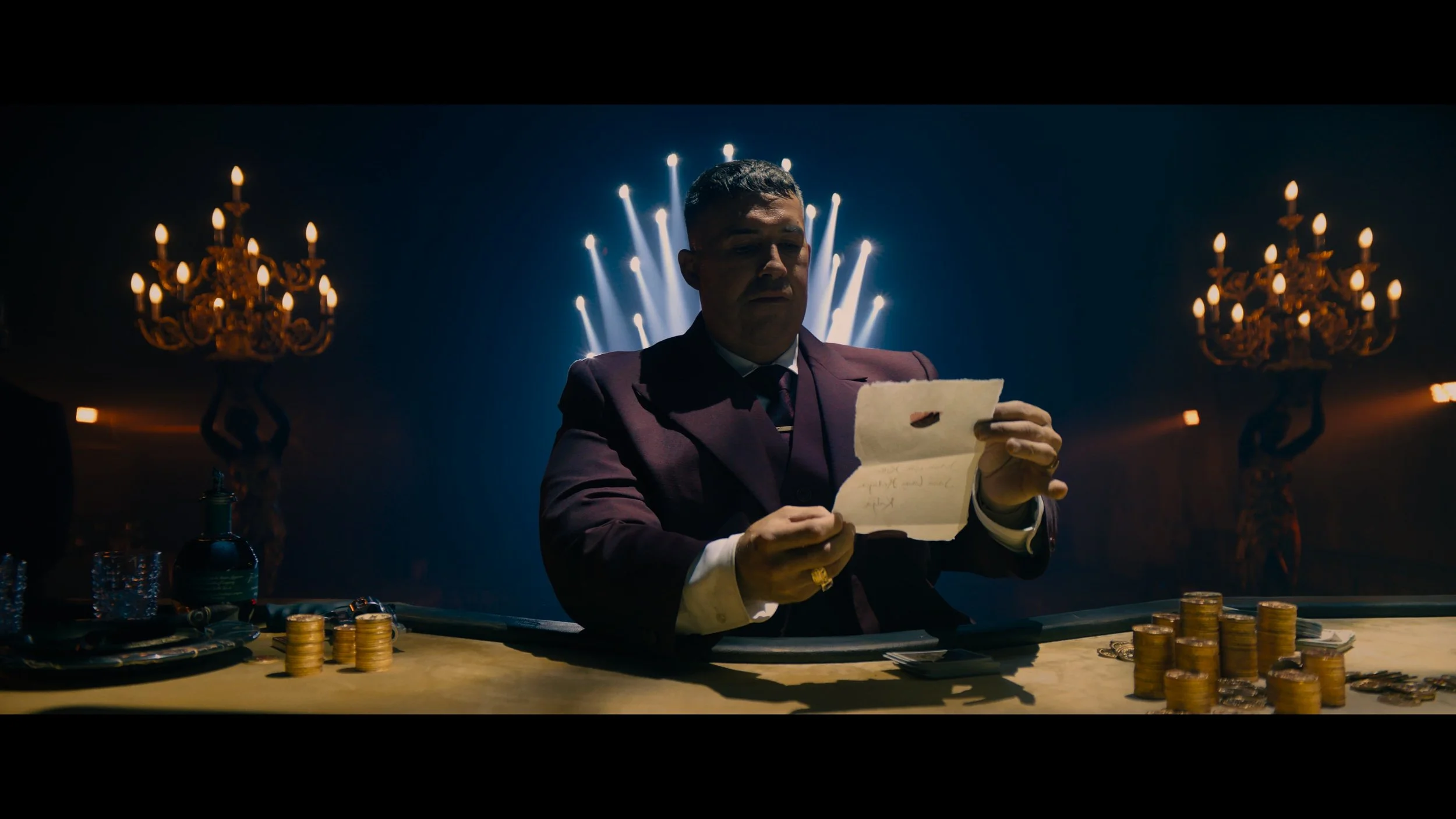
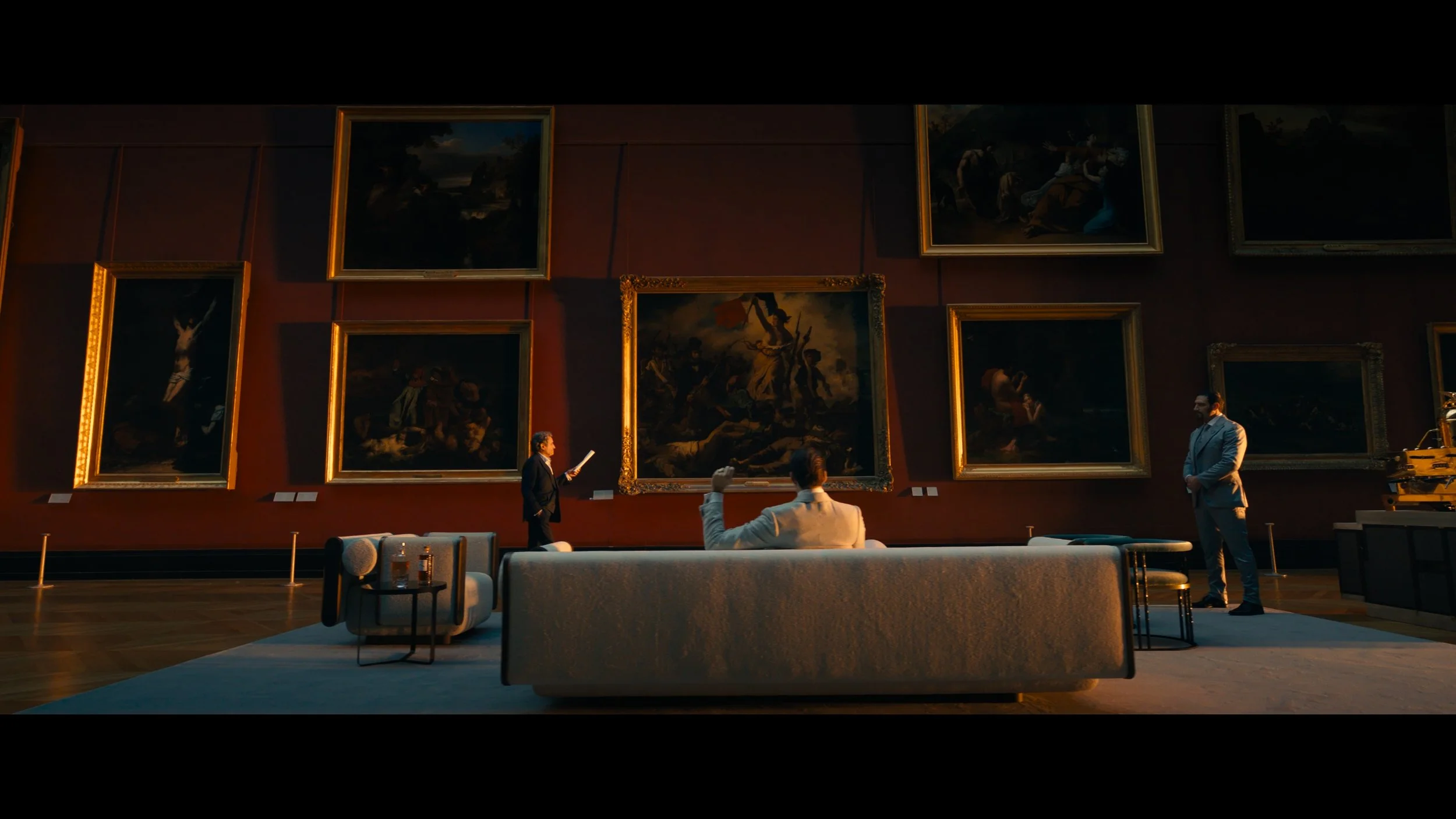
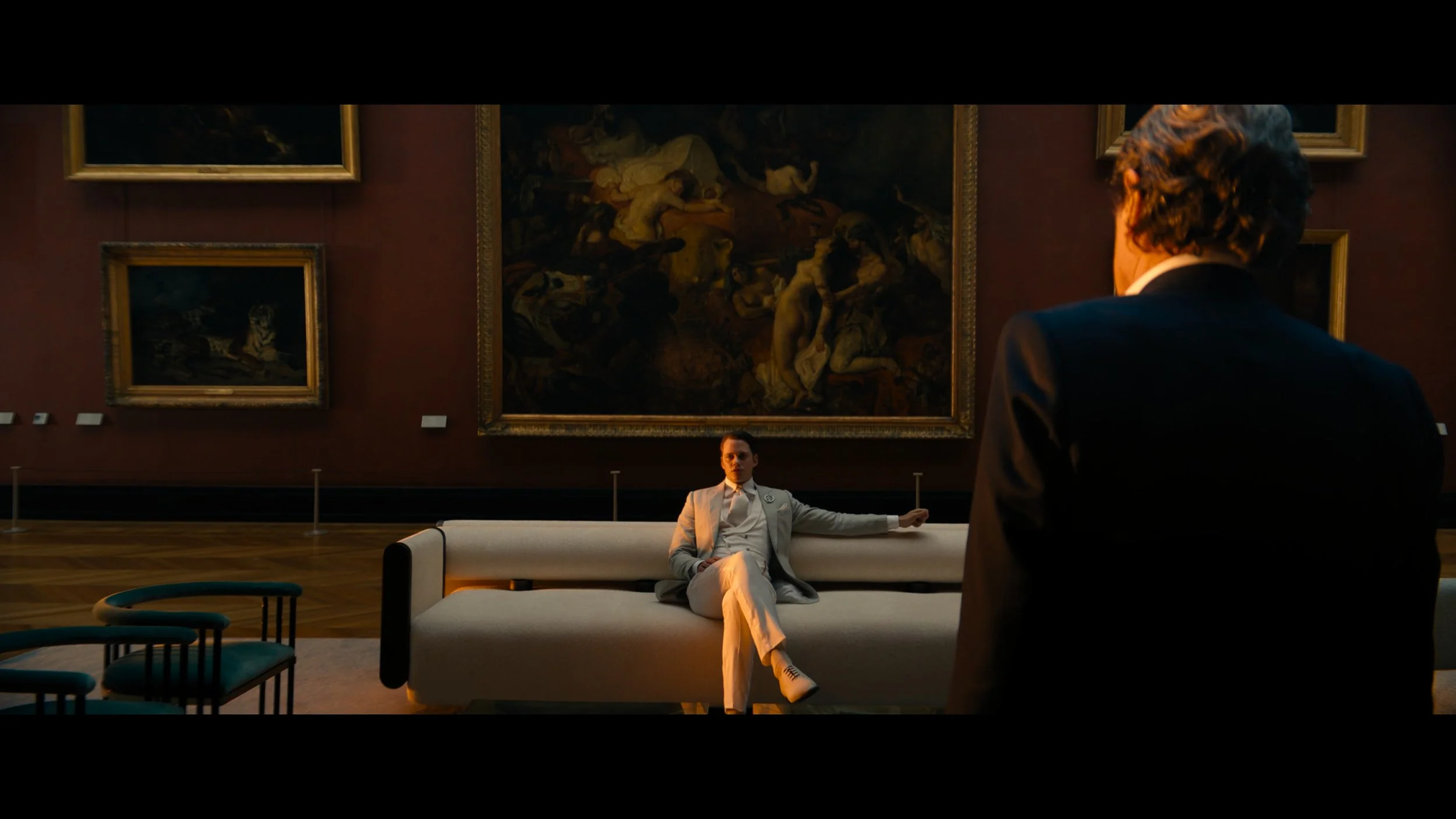
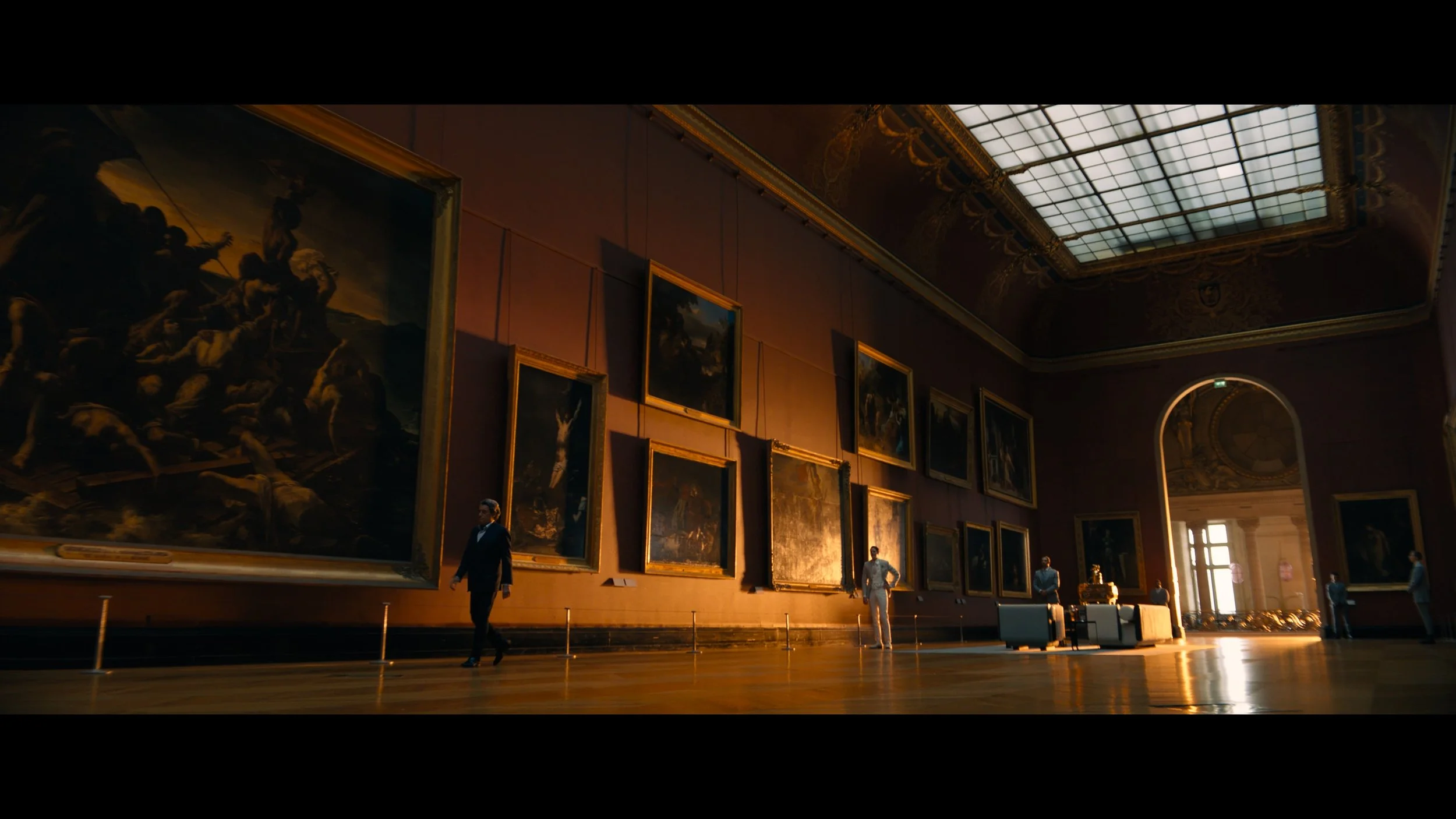
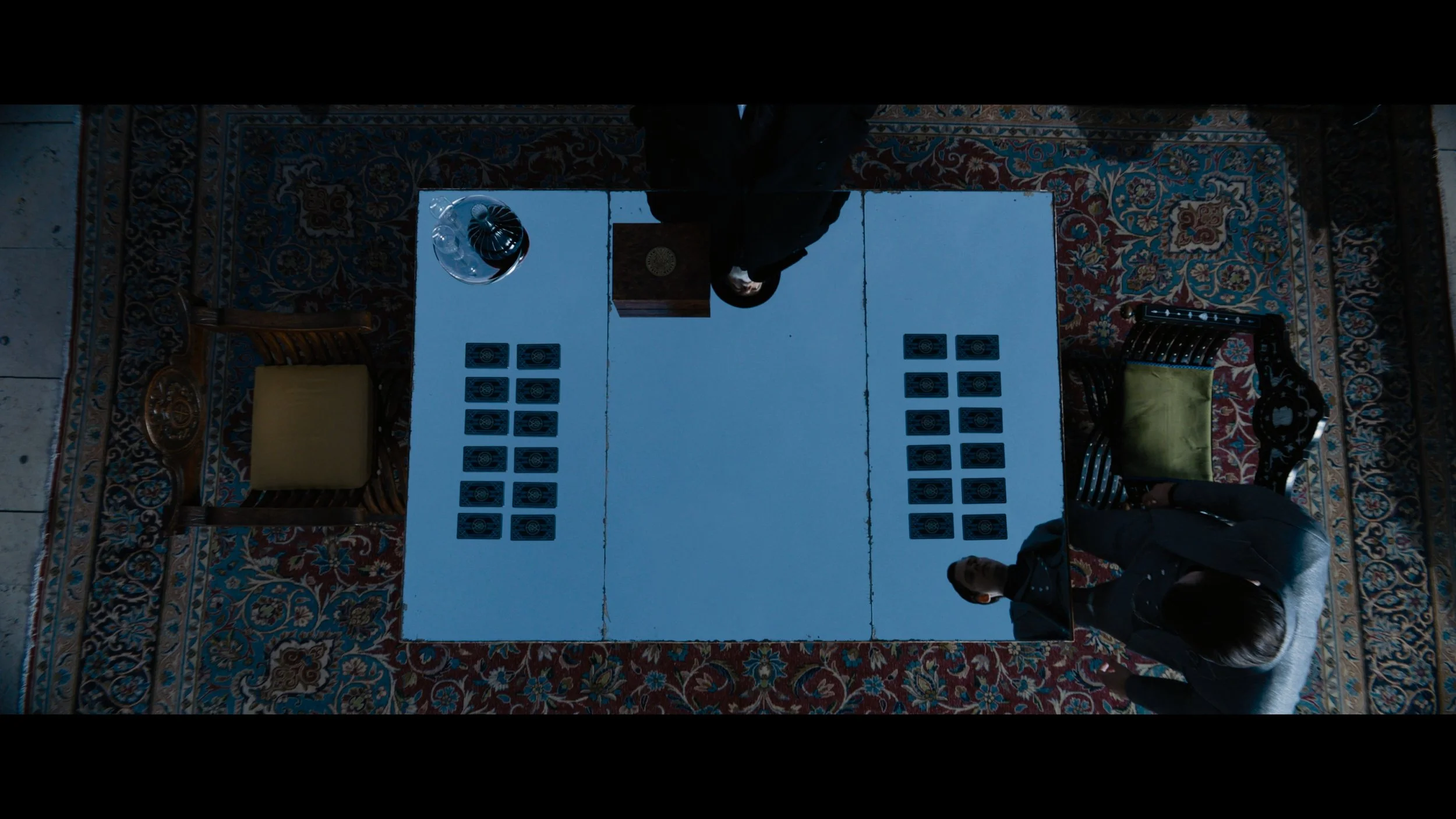
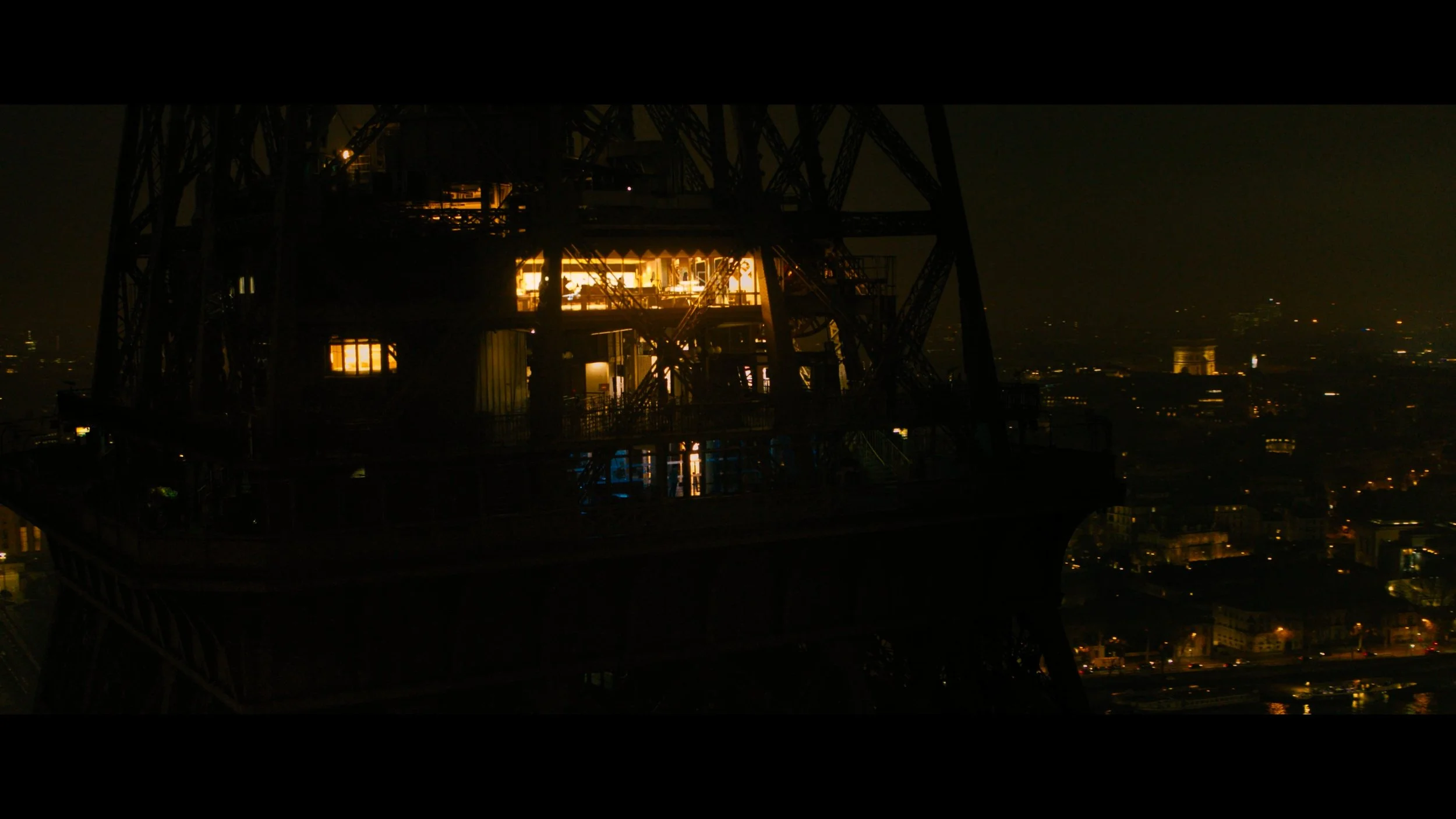
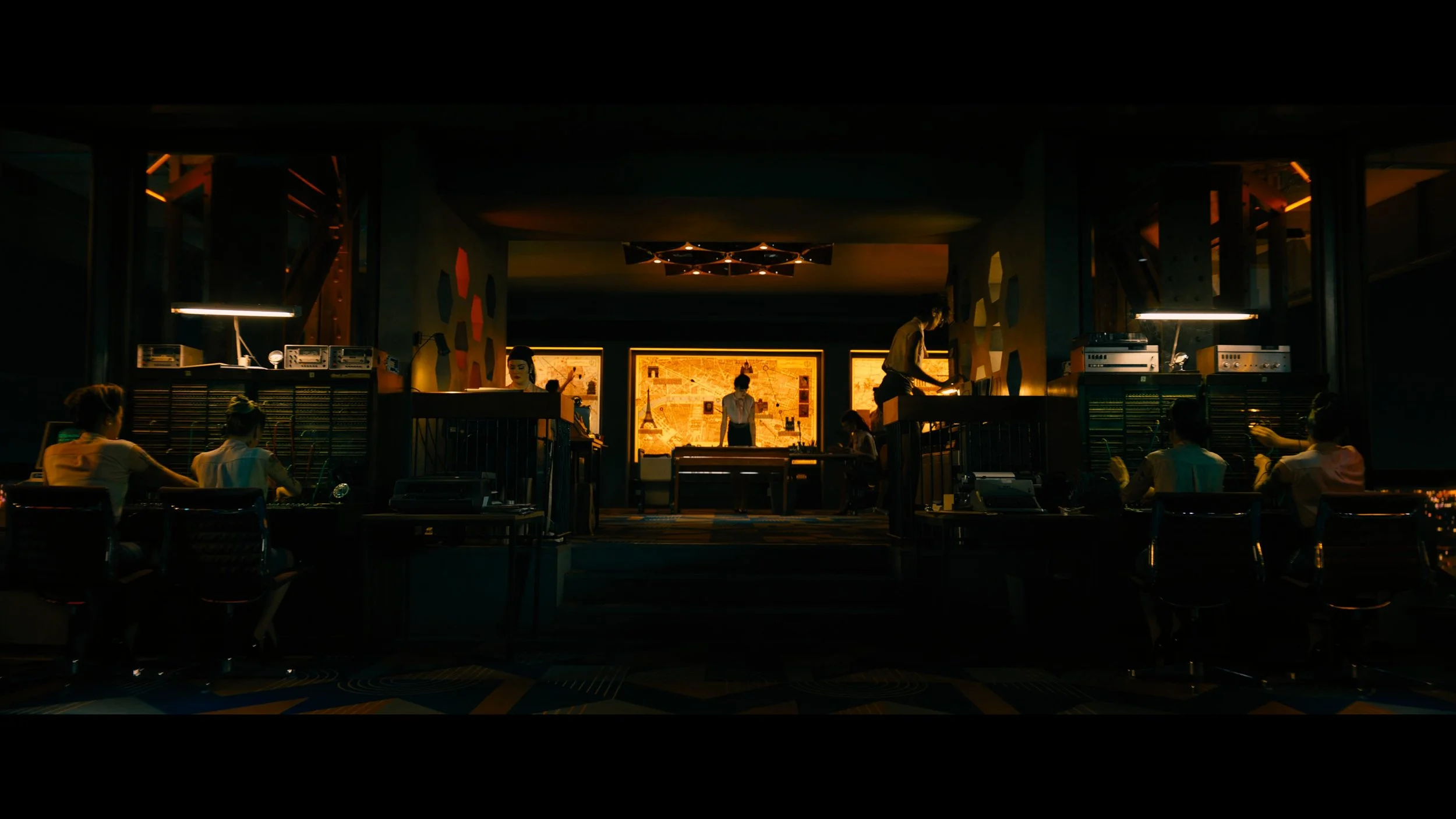
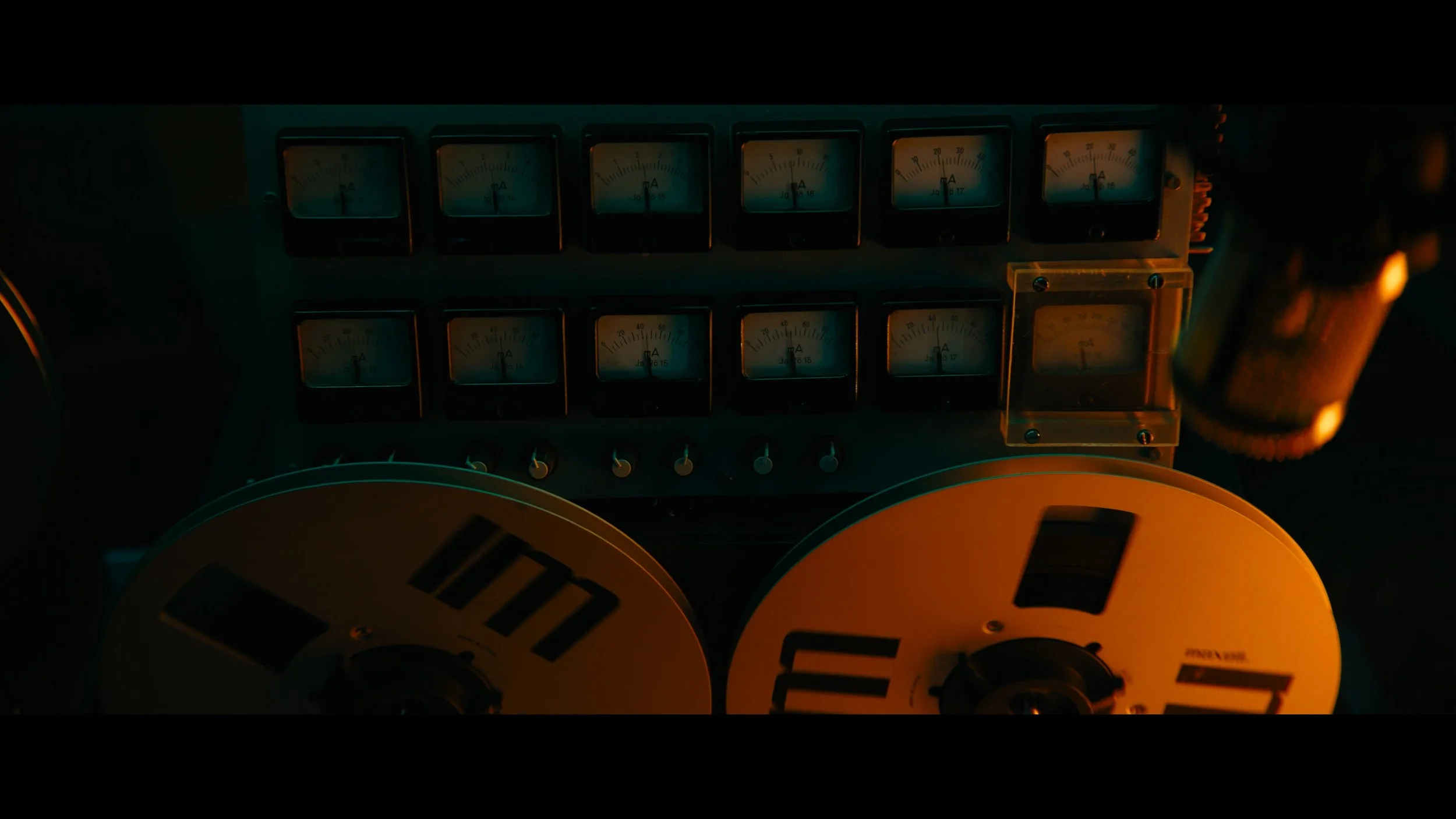
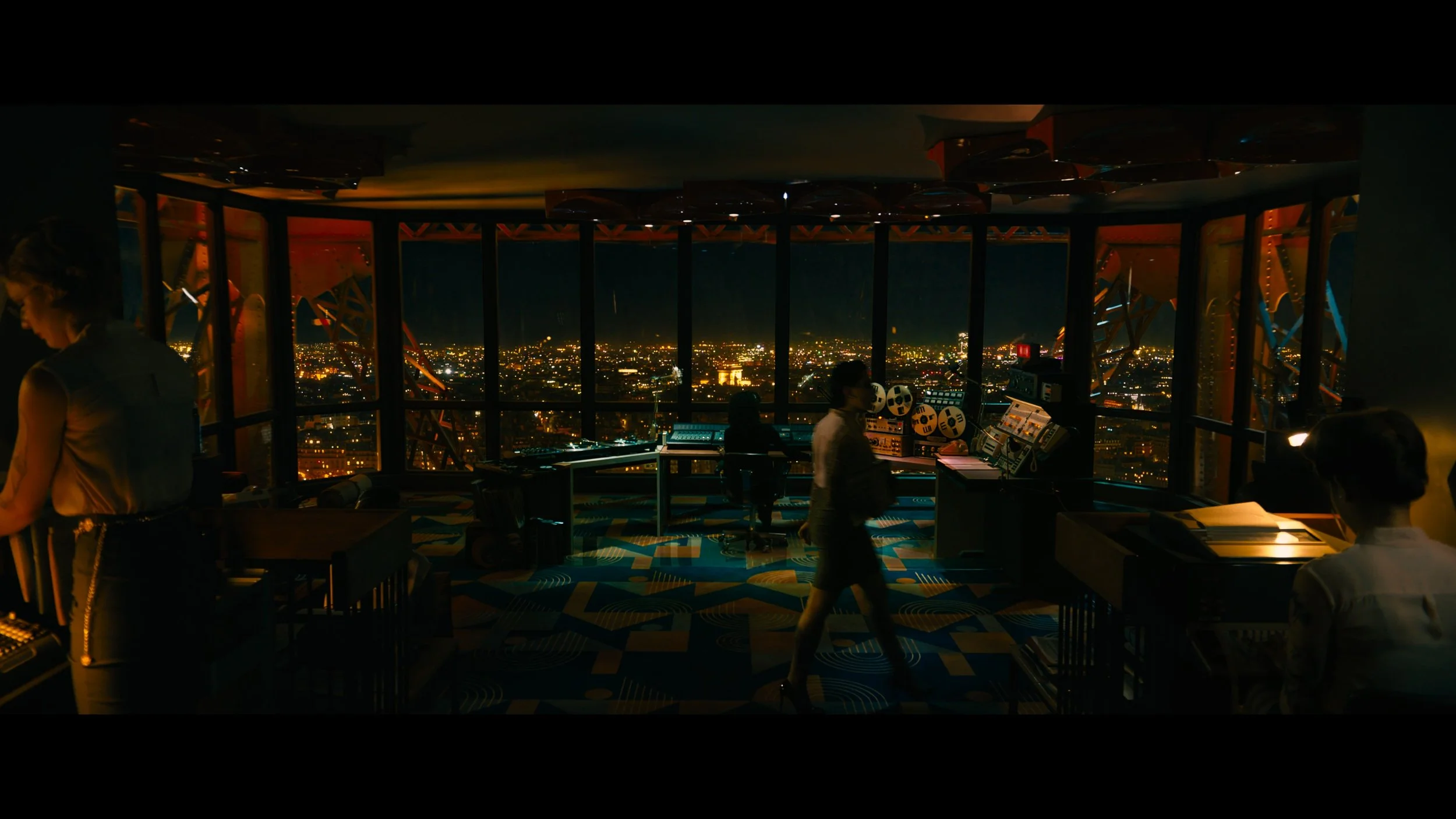
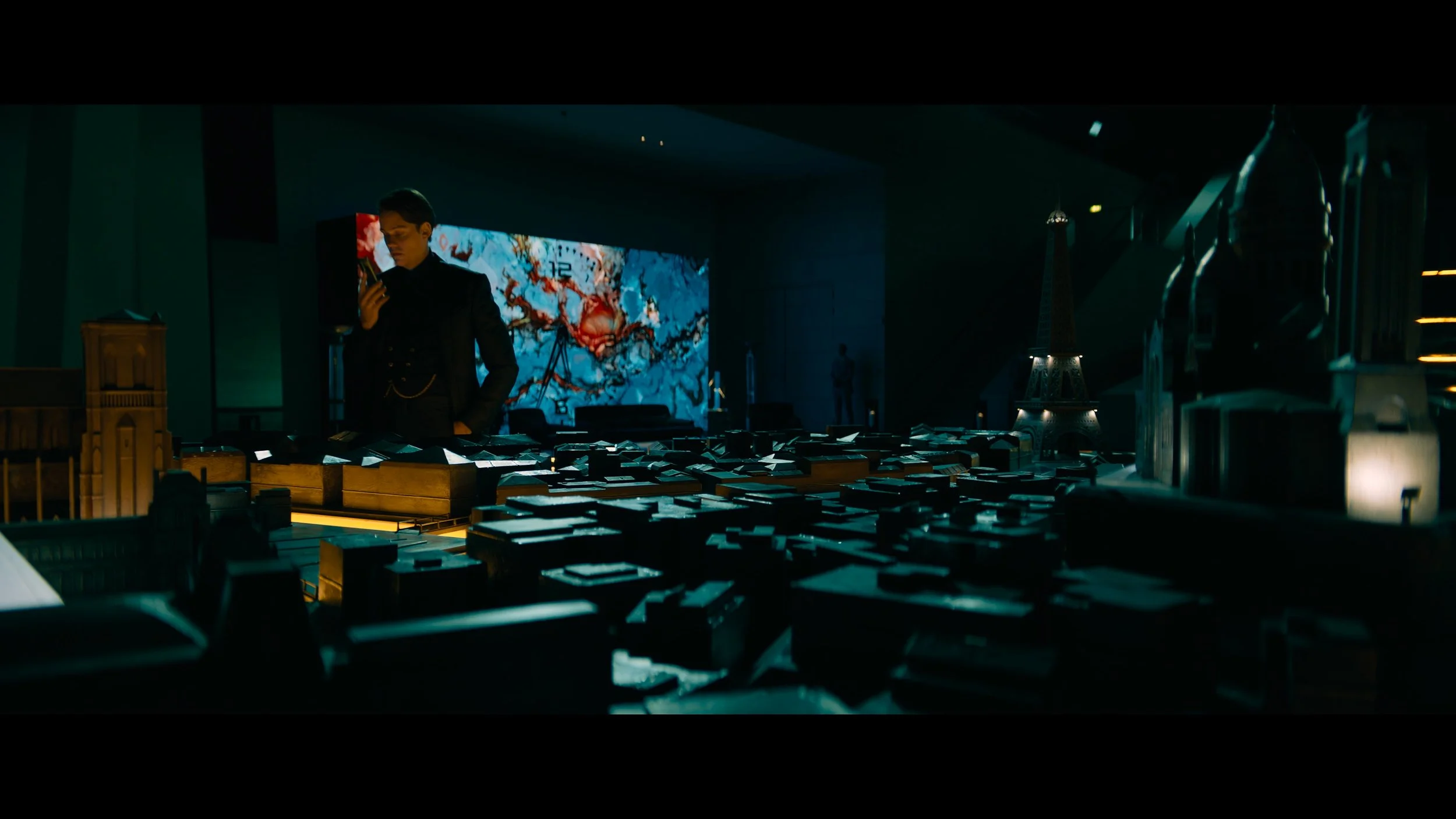
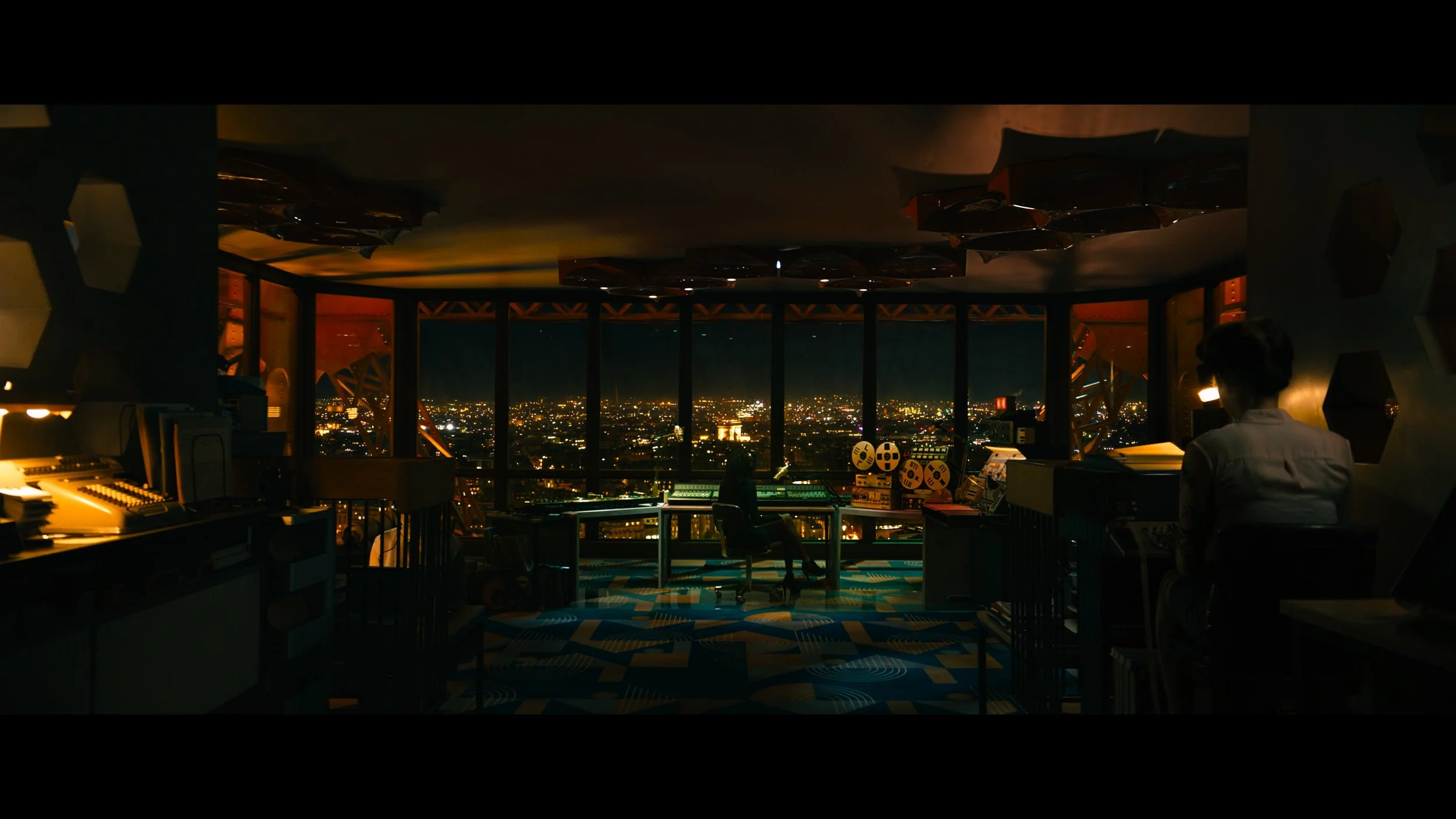
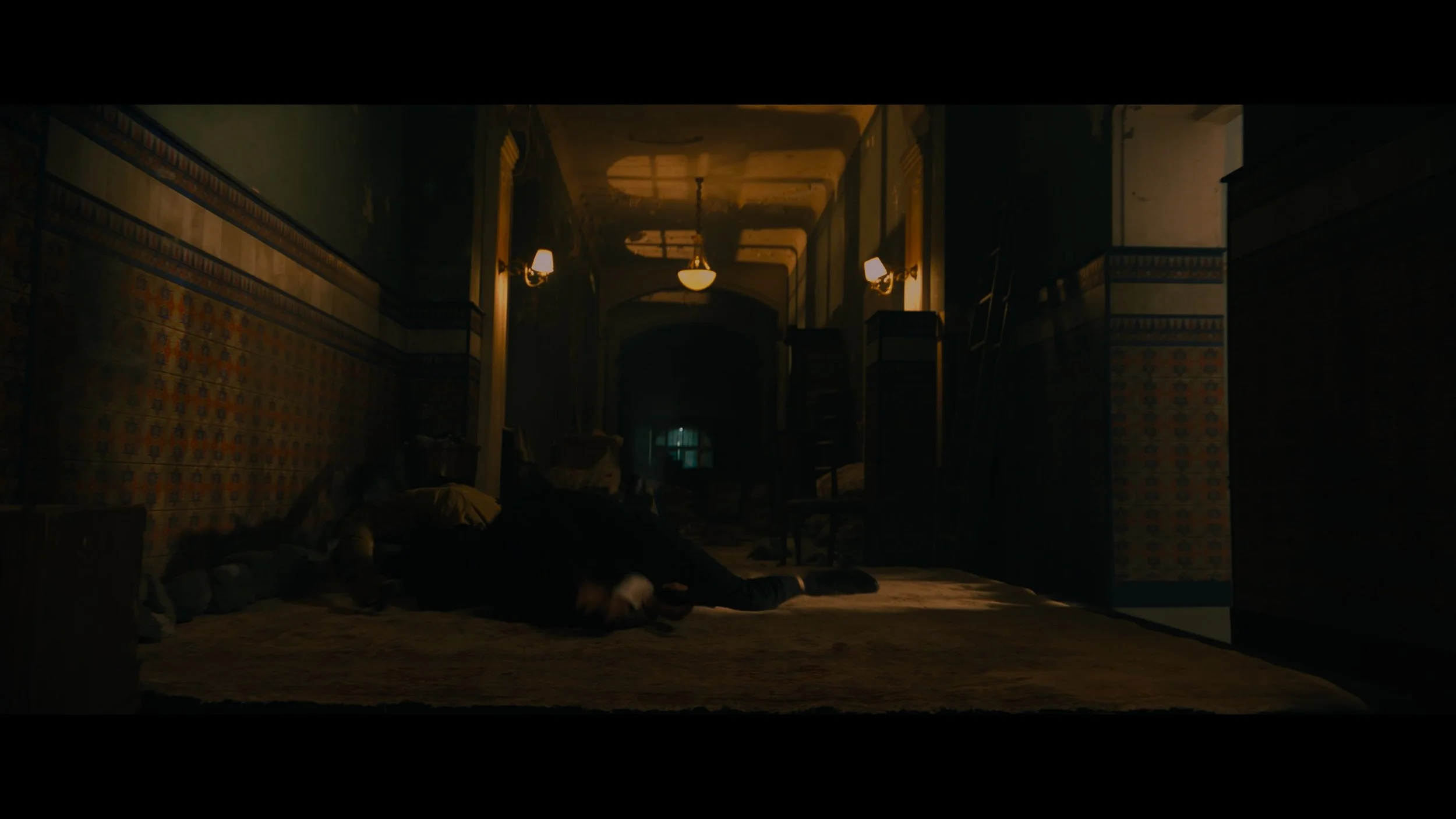
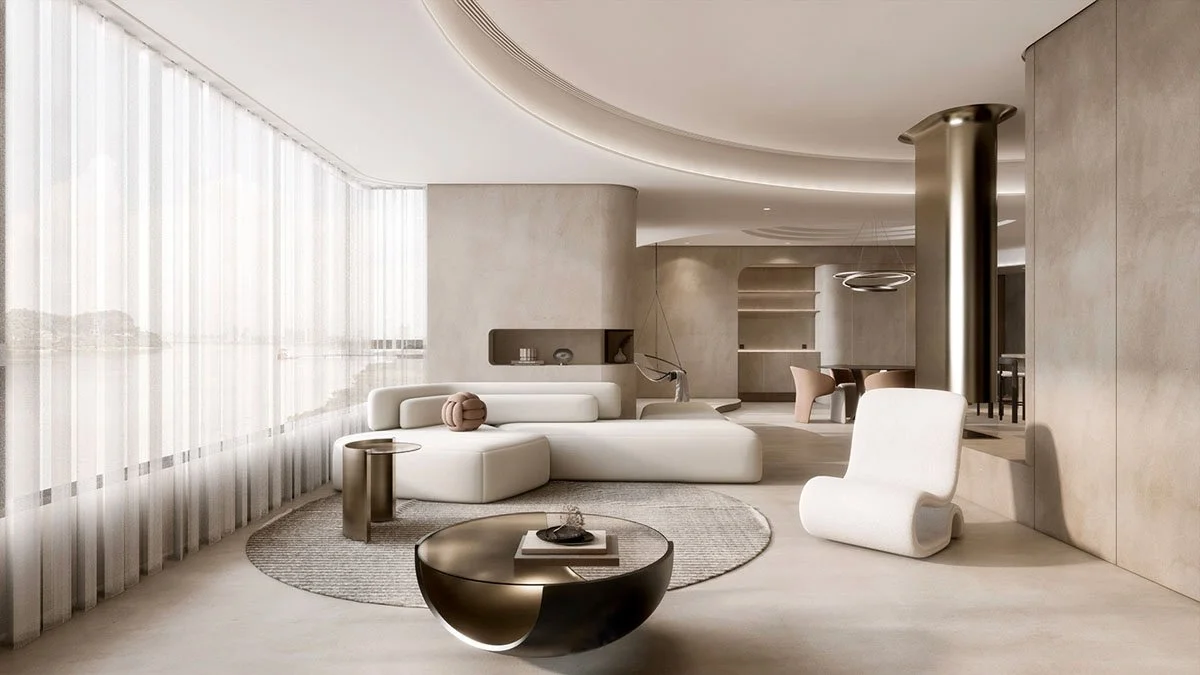
For example, every time the antagonist - Marquis Vincent Bisset de Gramont - appears, the French opulence (under the Rococo style) is flourishing on screen: operas, museums, stables, or king size rooms showcase an exquisite amount of detail and an efficiently spent production budget. Kavanaugh does not stop there though. Instead he expands his presentation to include a radio station inside the Eiffel Tower (resembling an updated version of the one seen in The Warriors’ (1978)), the Elder’s camp in the deserts of Morocco, John Wick’s training ground, or Koji’s vast Continental in Osaka. The latter, especially blends together several elements of Japanese sensibilities. Zen interior design, neon lights, minimalism, cherry blossoms, bonsais, ukiyo-e paintings, and water features create, sensational pictures of poetic beauty. A look at the Continental’s rooftop or water gardens are enough to demonstrate the quiet, minimal luxury that perpetuates the world of John Wick.
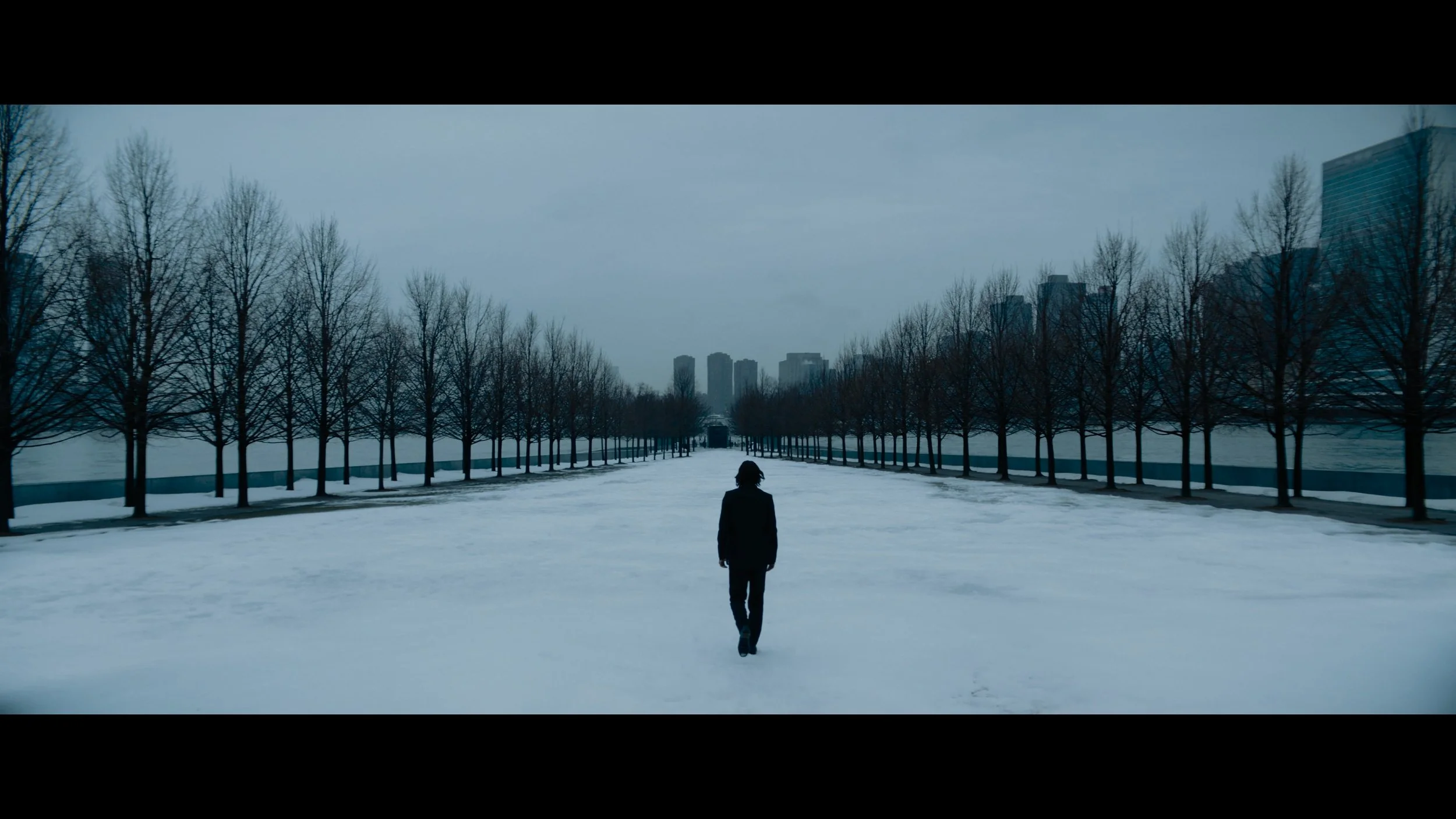
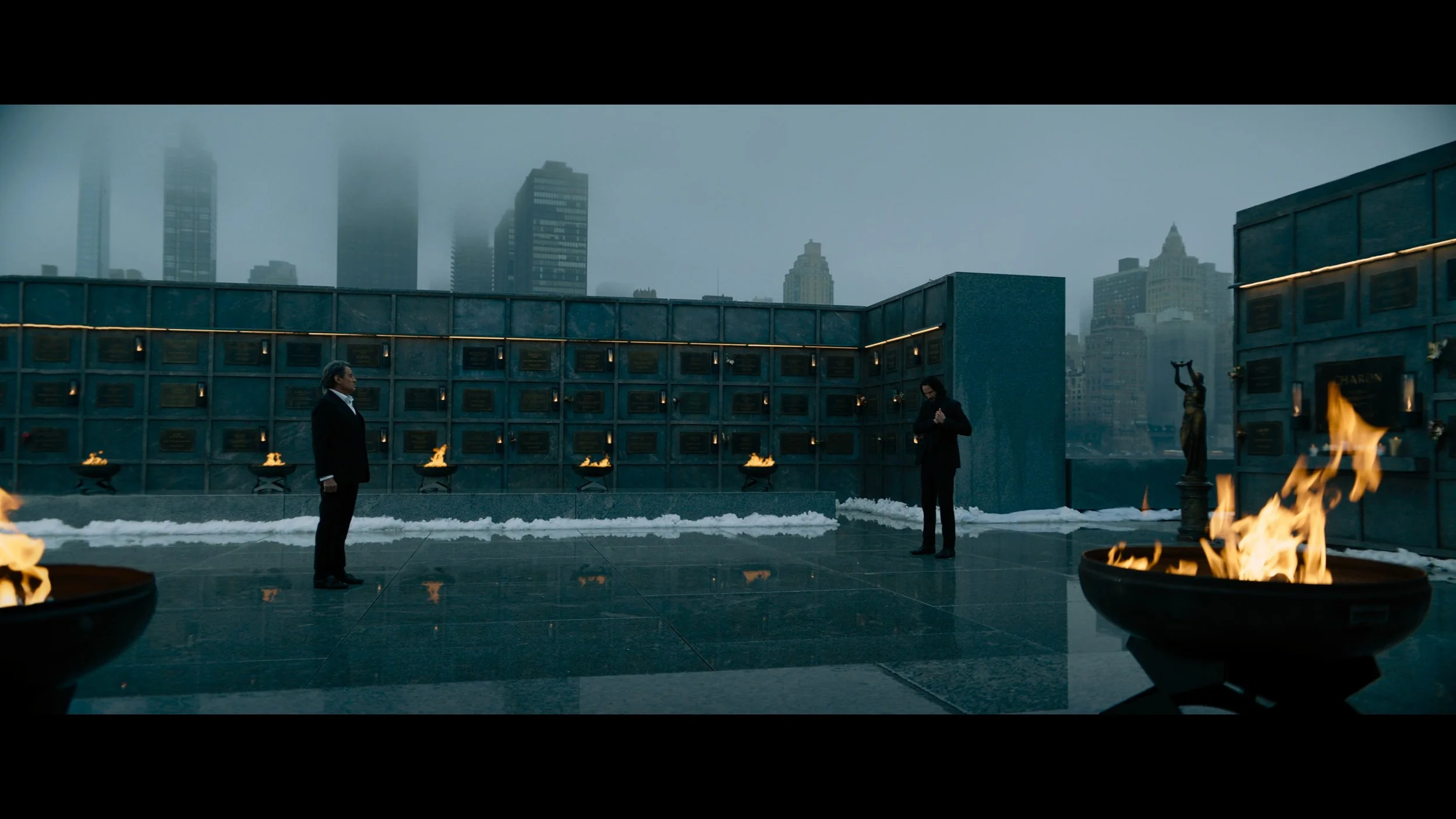
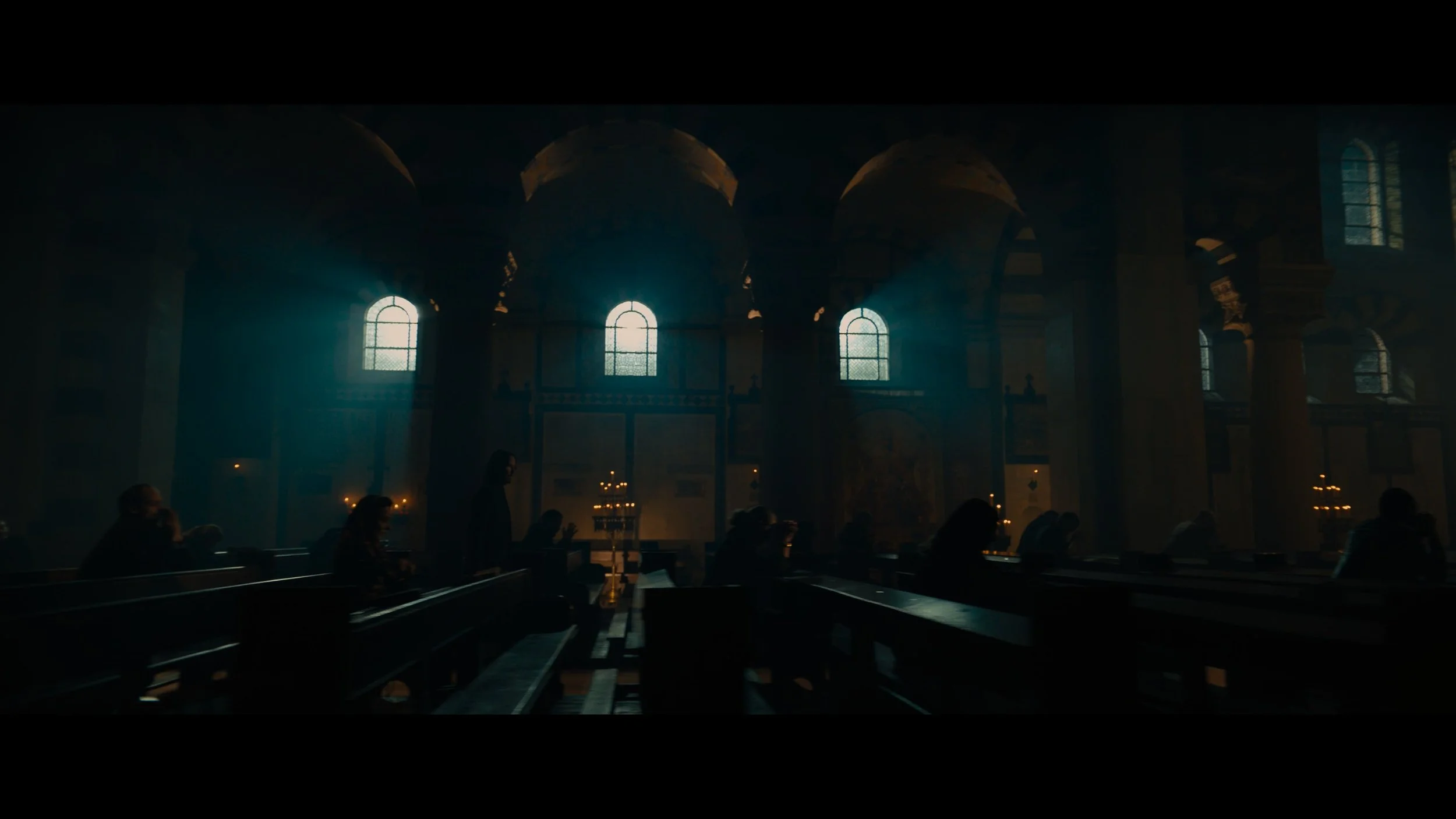
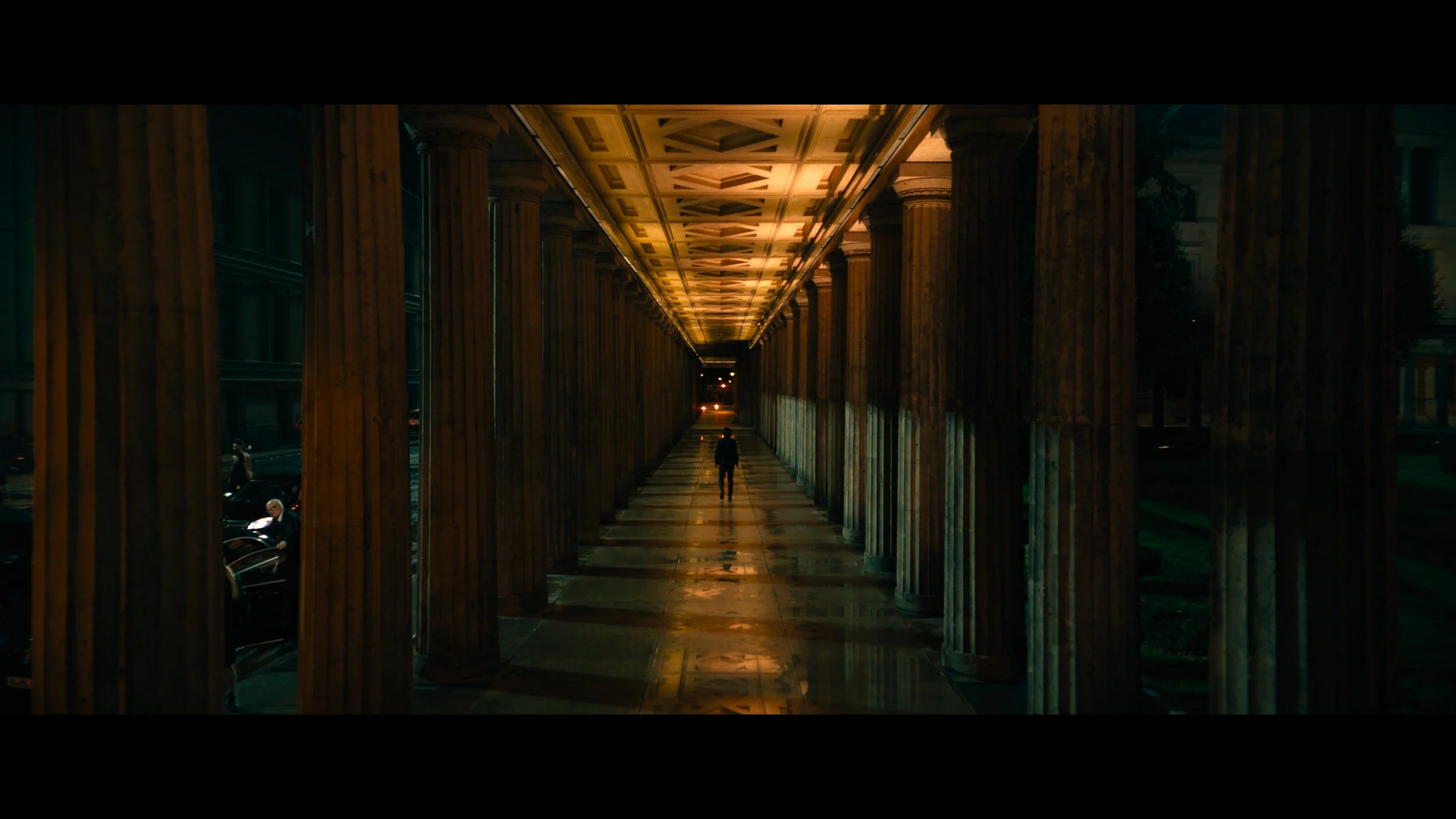
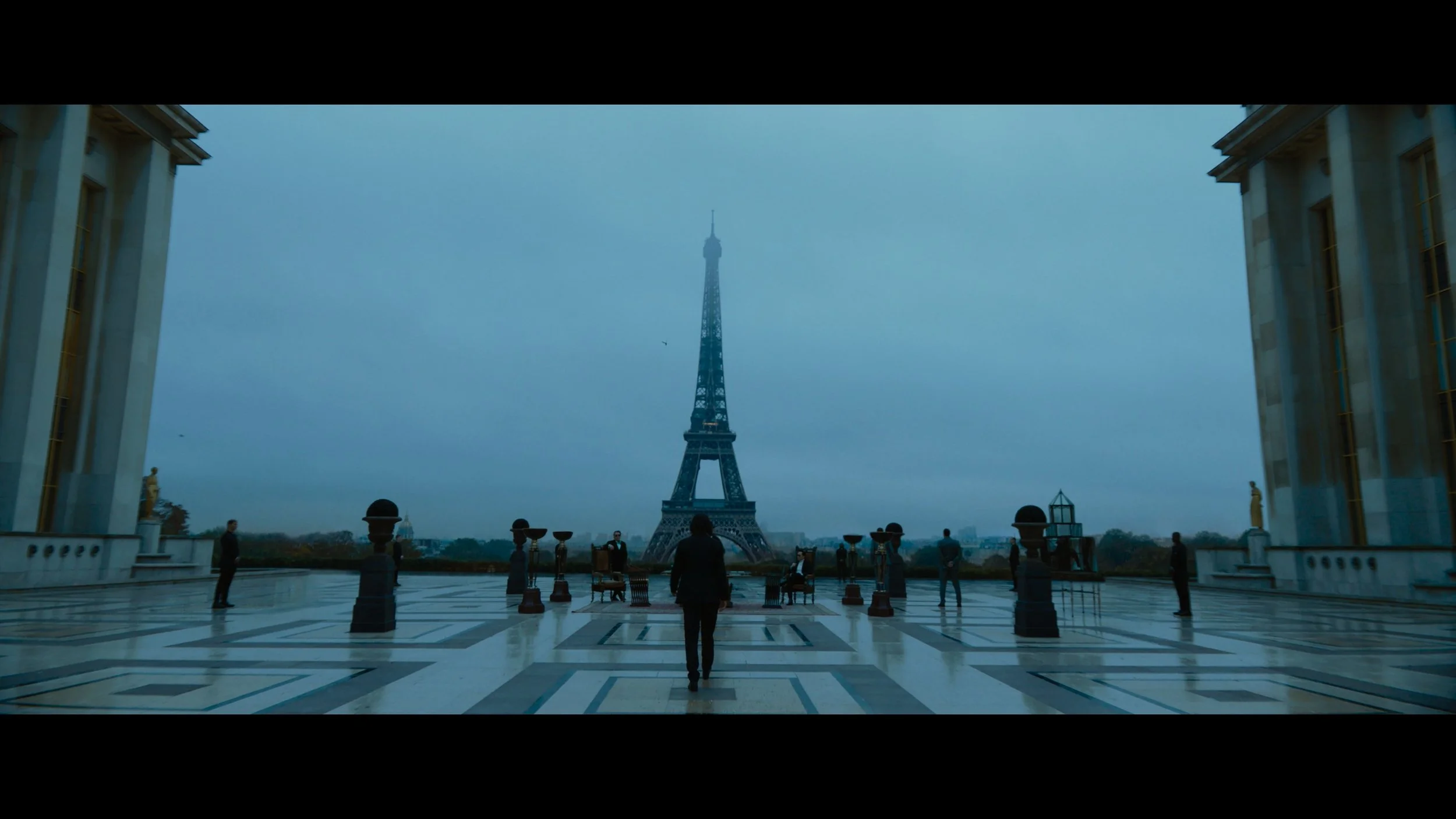
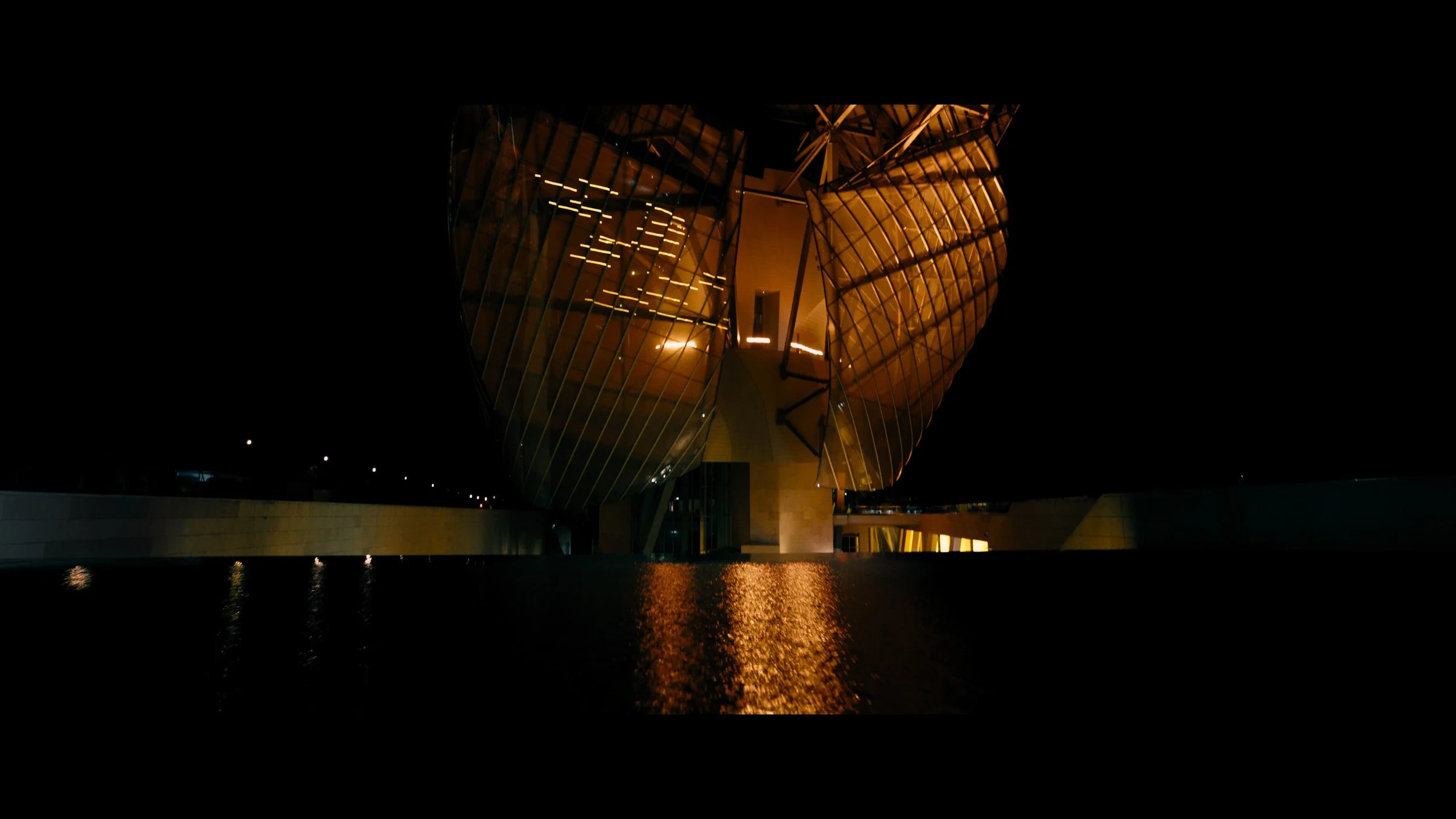
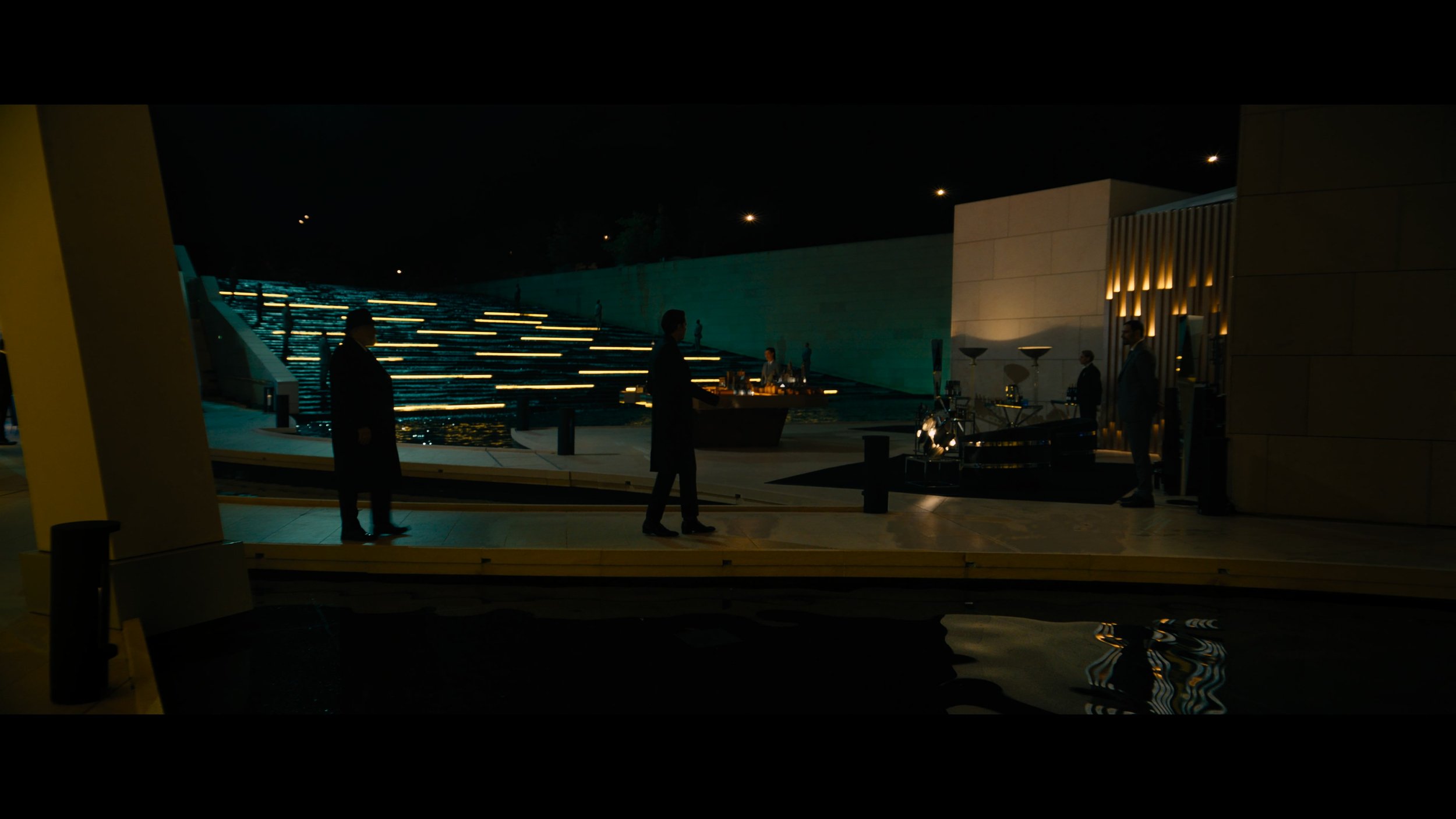
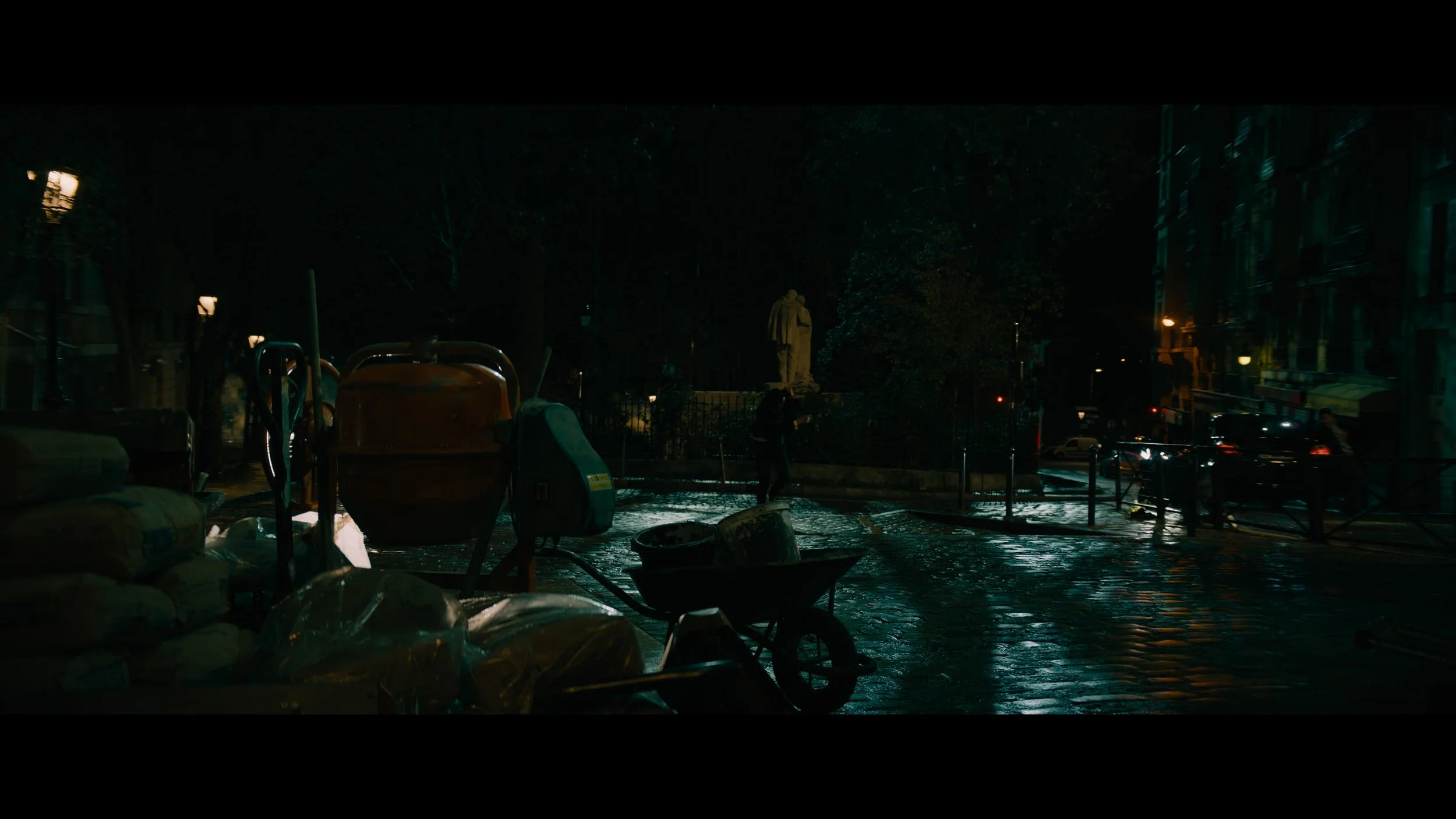
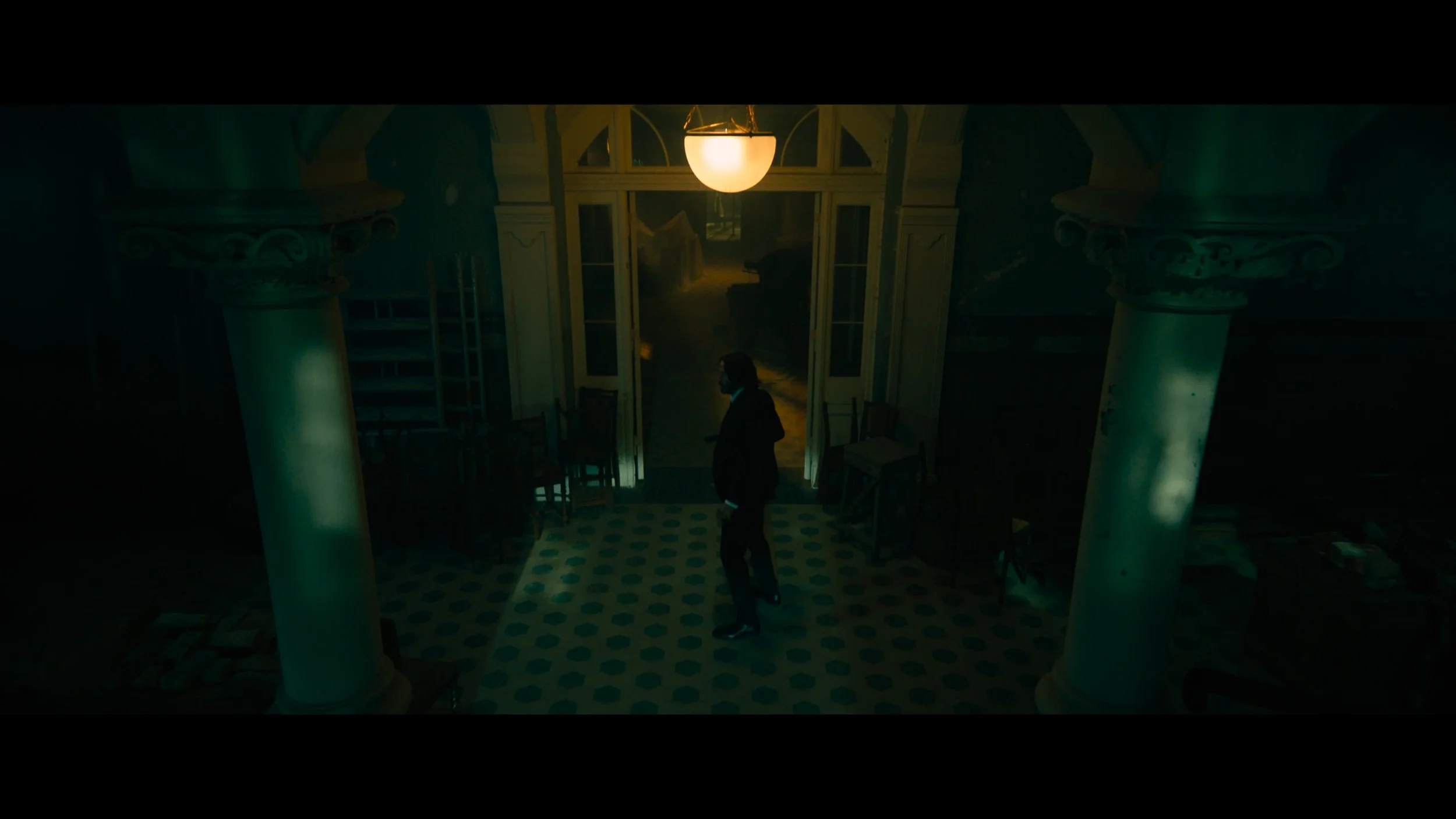
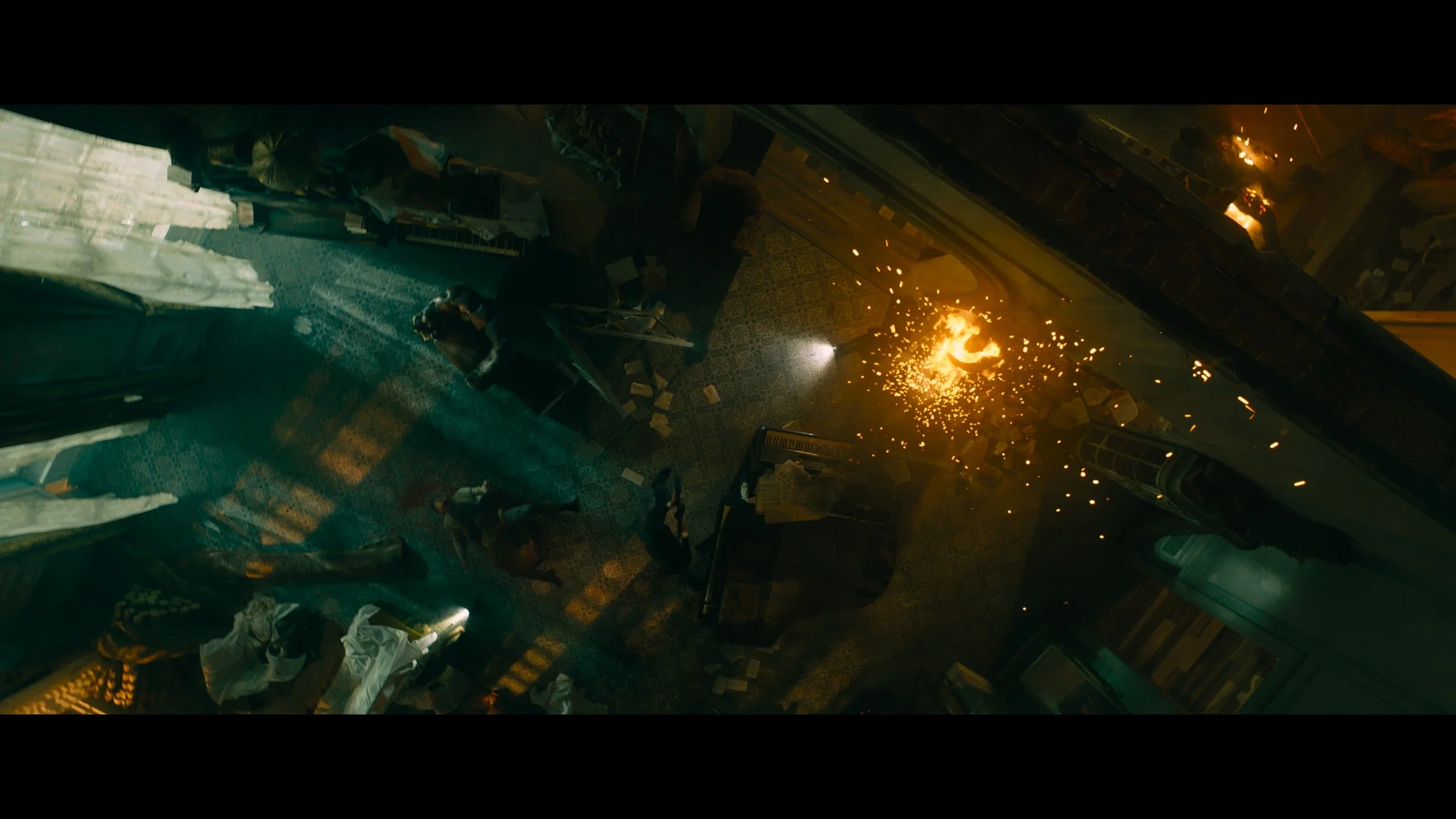
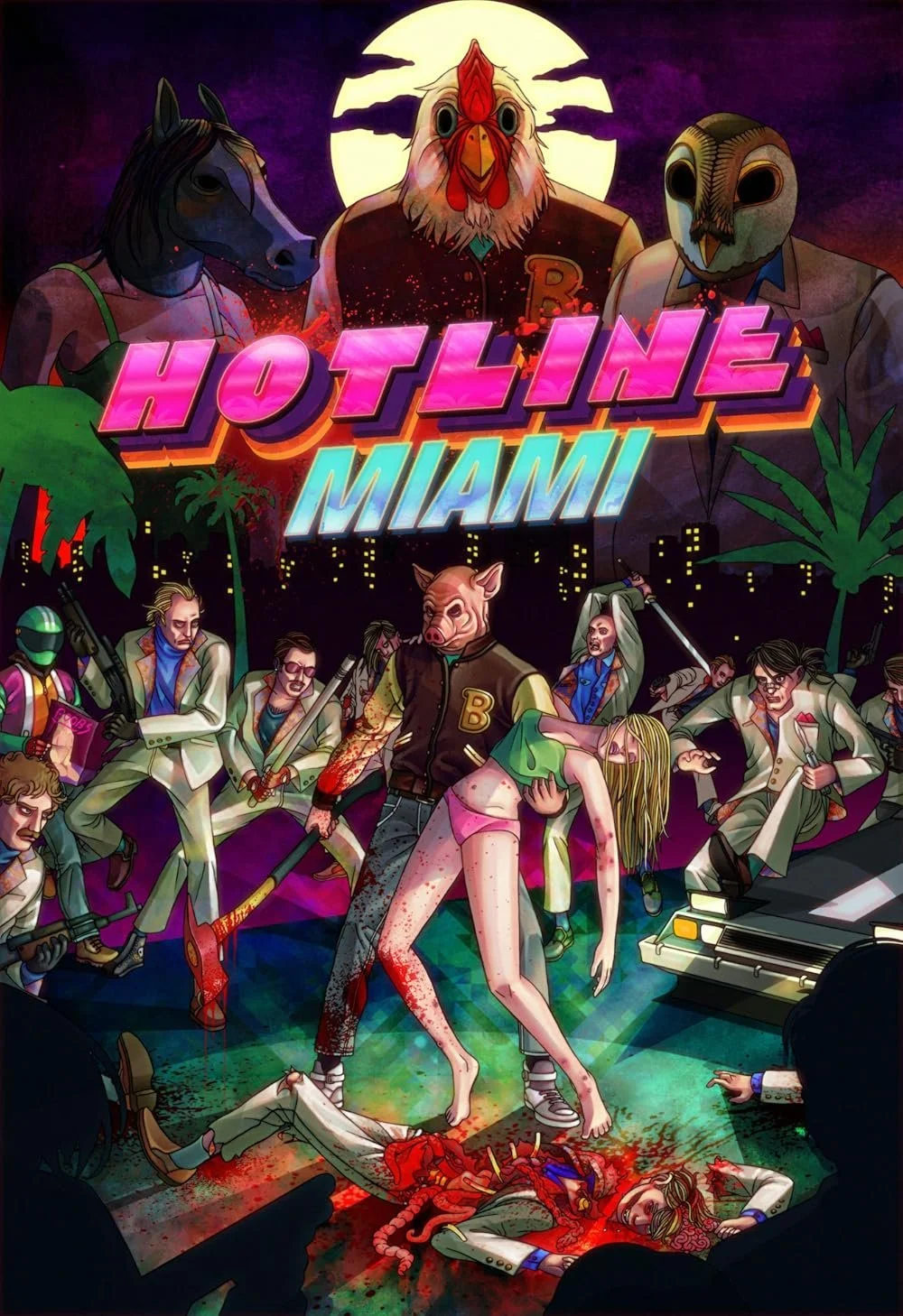
Each set is convincing enough to tell a story of its own boasting influence from a plethora of art forums, whether it is architecture styles, videogames, or particular places of interest. Christian Orthodox Churches, abandoned Parisian flats (for that top-down shoot-em-up sequence, look to Hotline Miami (2012), a videogame), or the re-dressing of real places such as the Beaver building in New York, Tokyo’s National Art Center, Pari’s Place du Trocadéro or the Fondation Louis Vuitton, ooze genuine celluloid appeal, screaming wealth, power, and exclusivity.
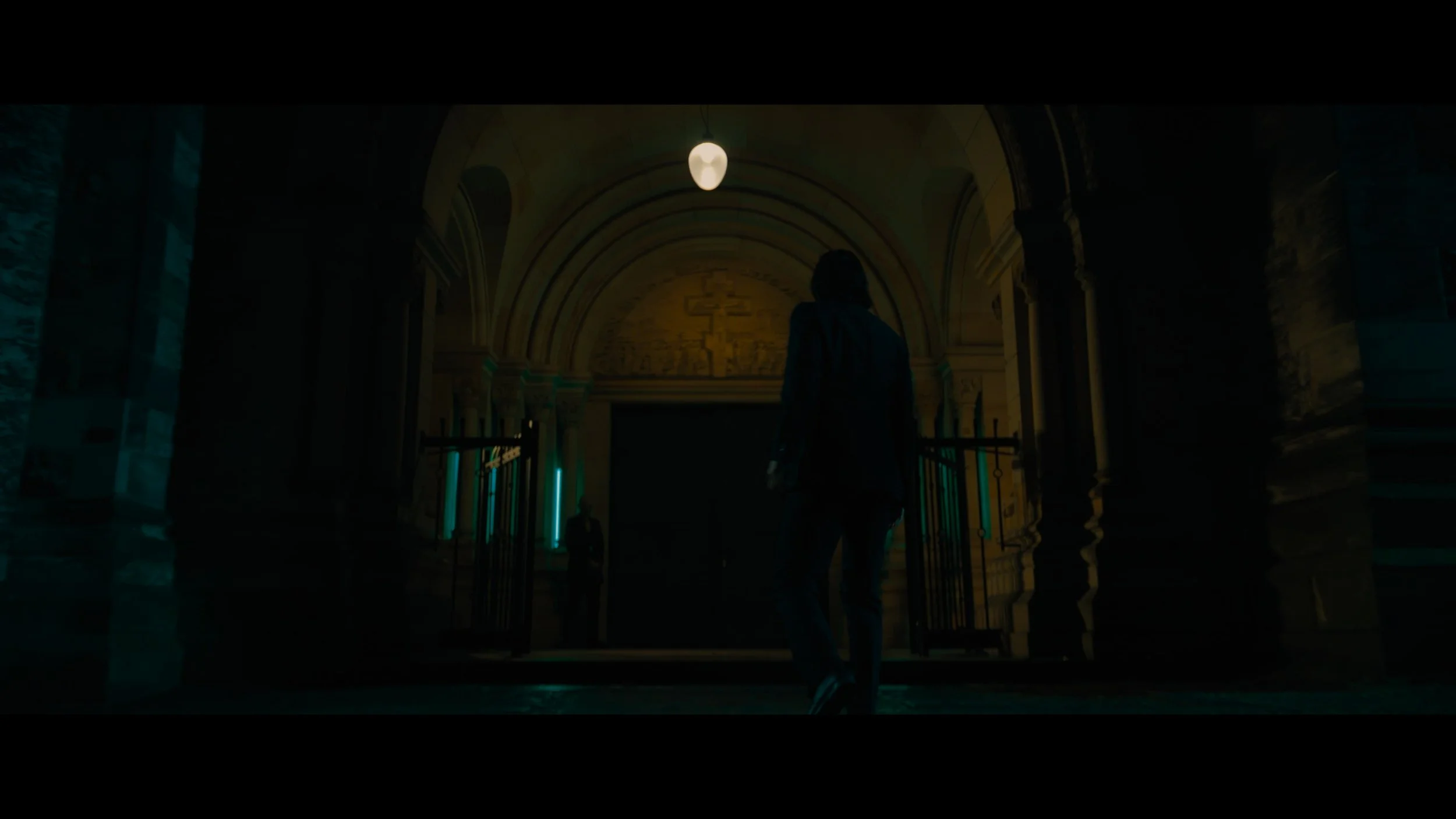
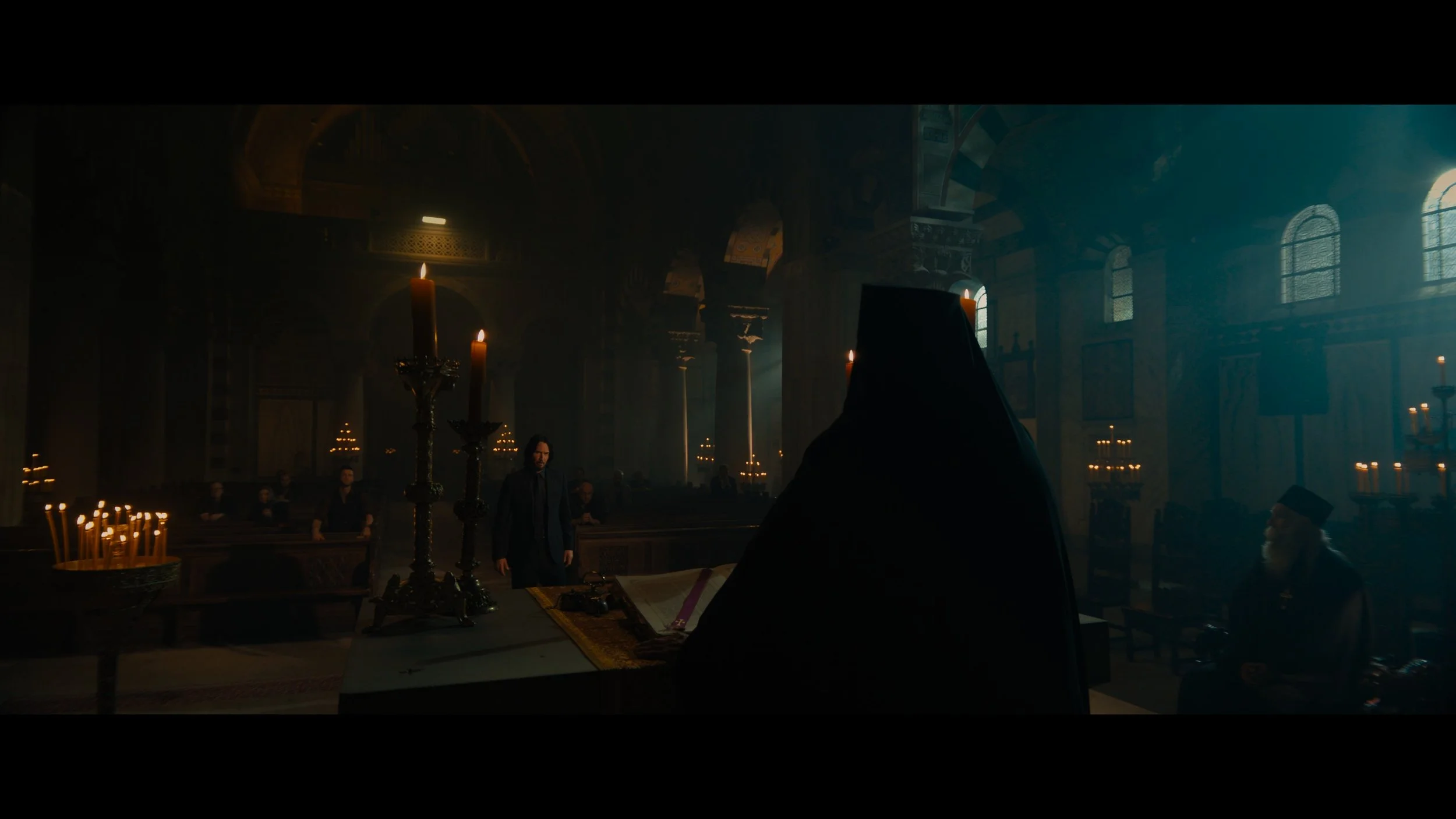
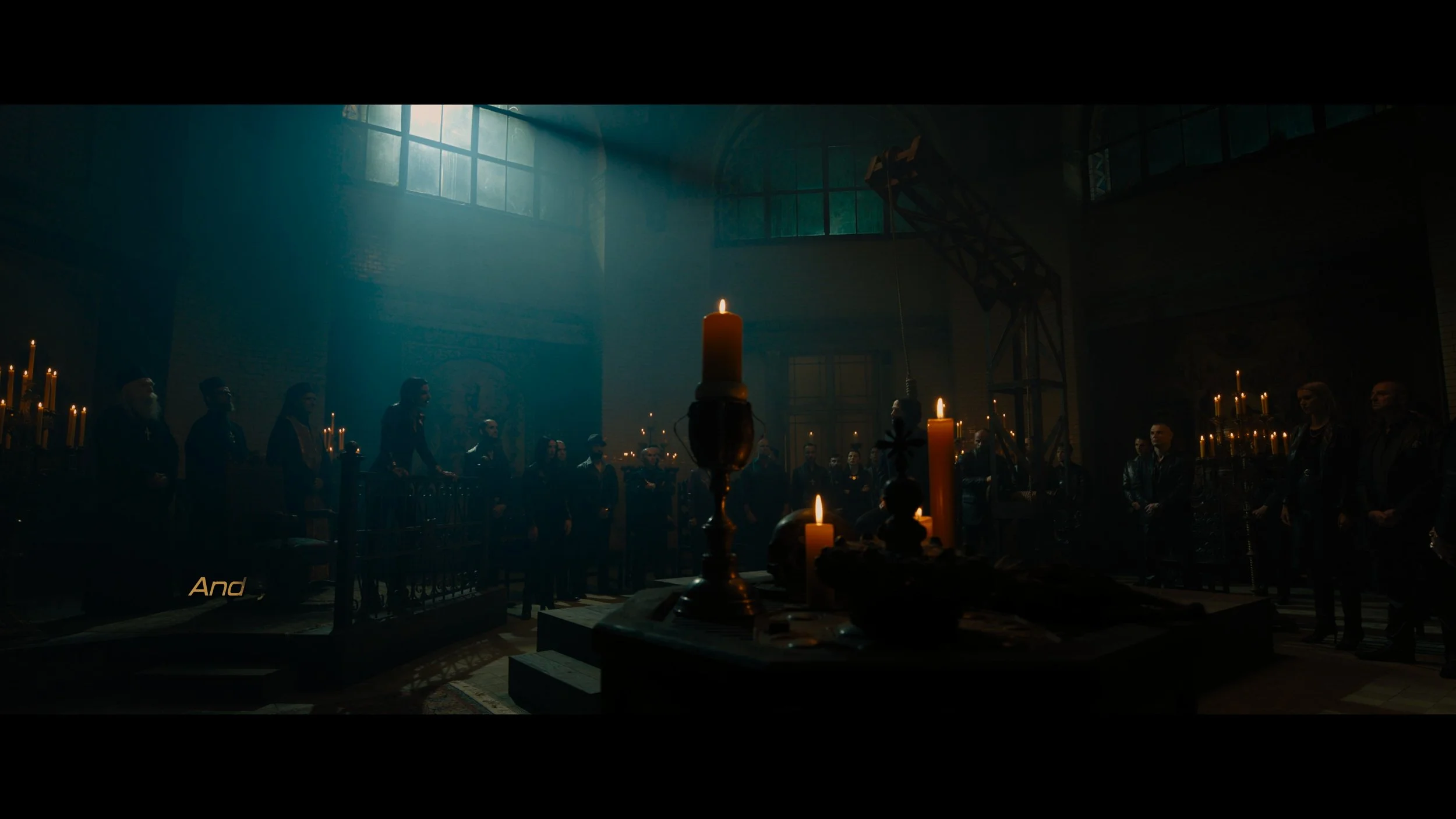
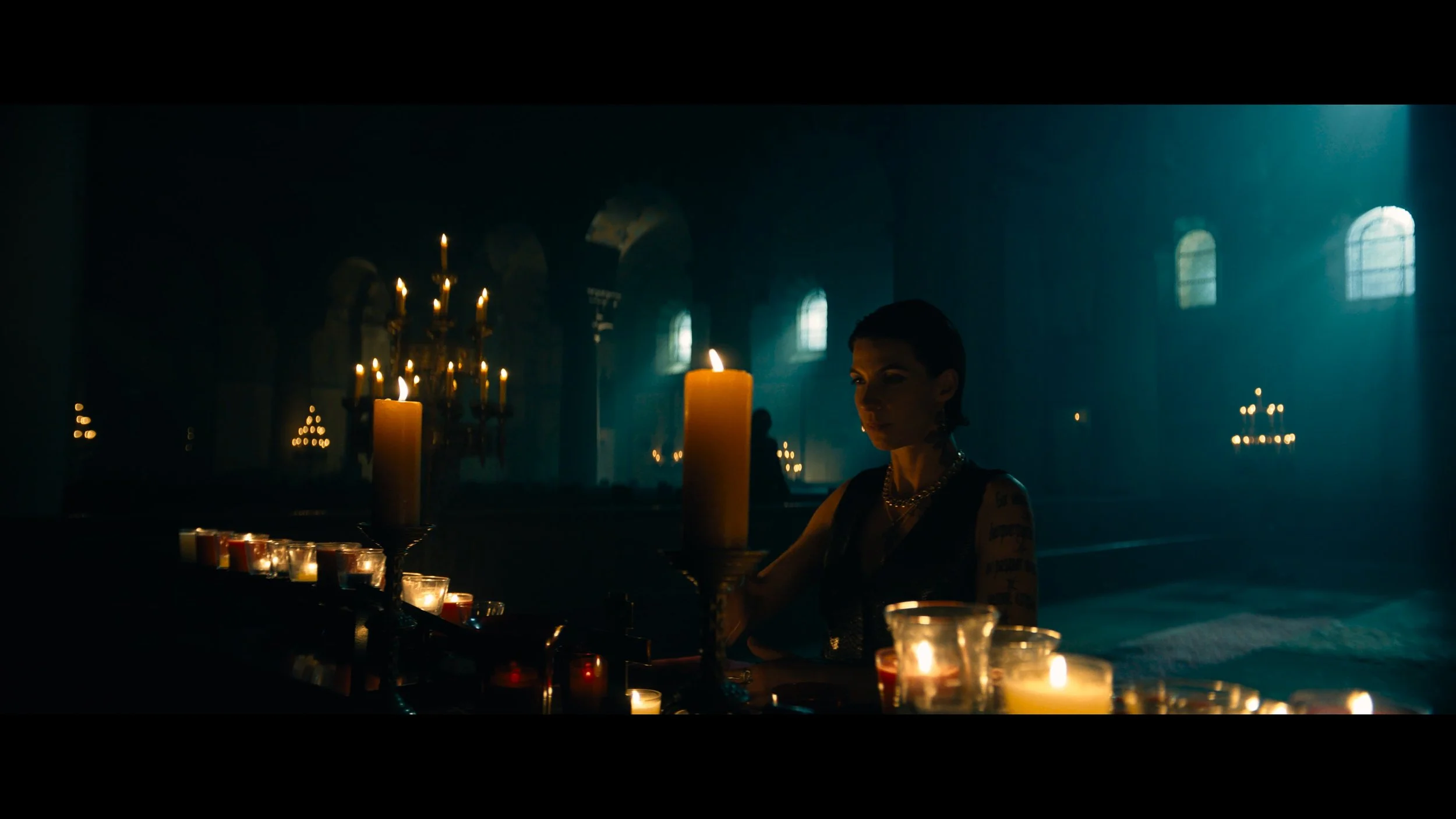
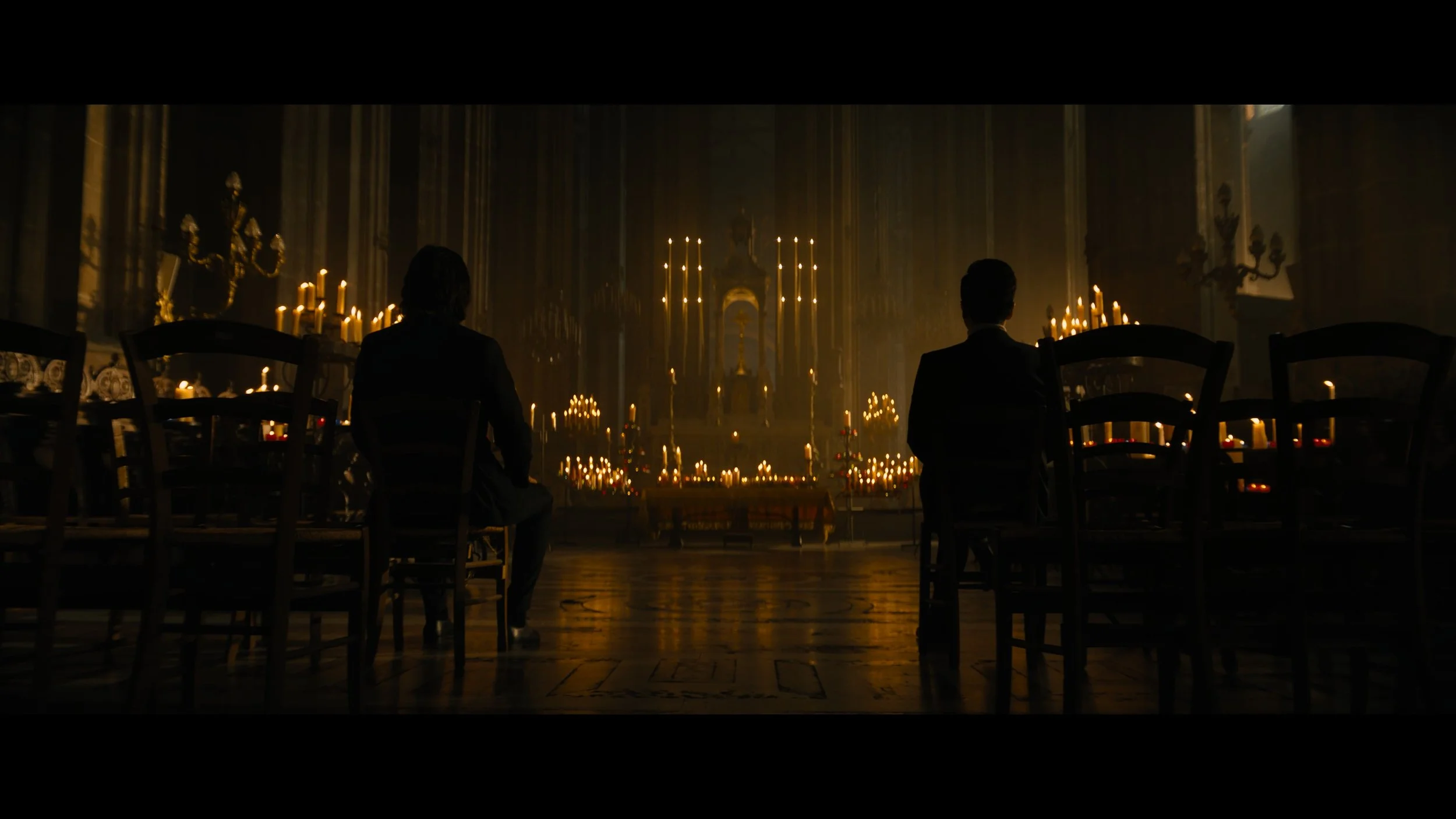
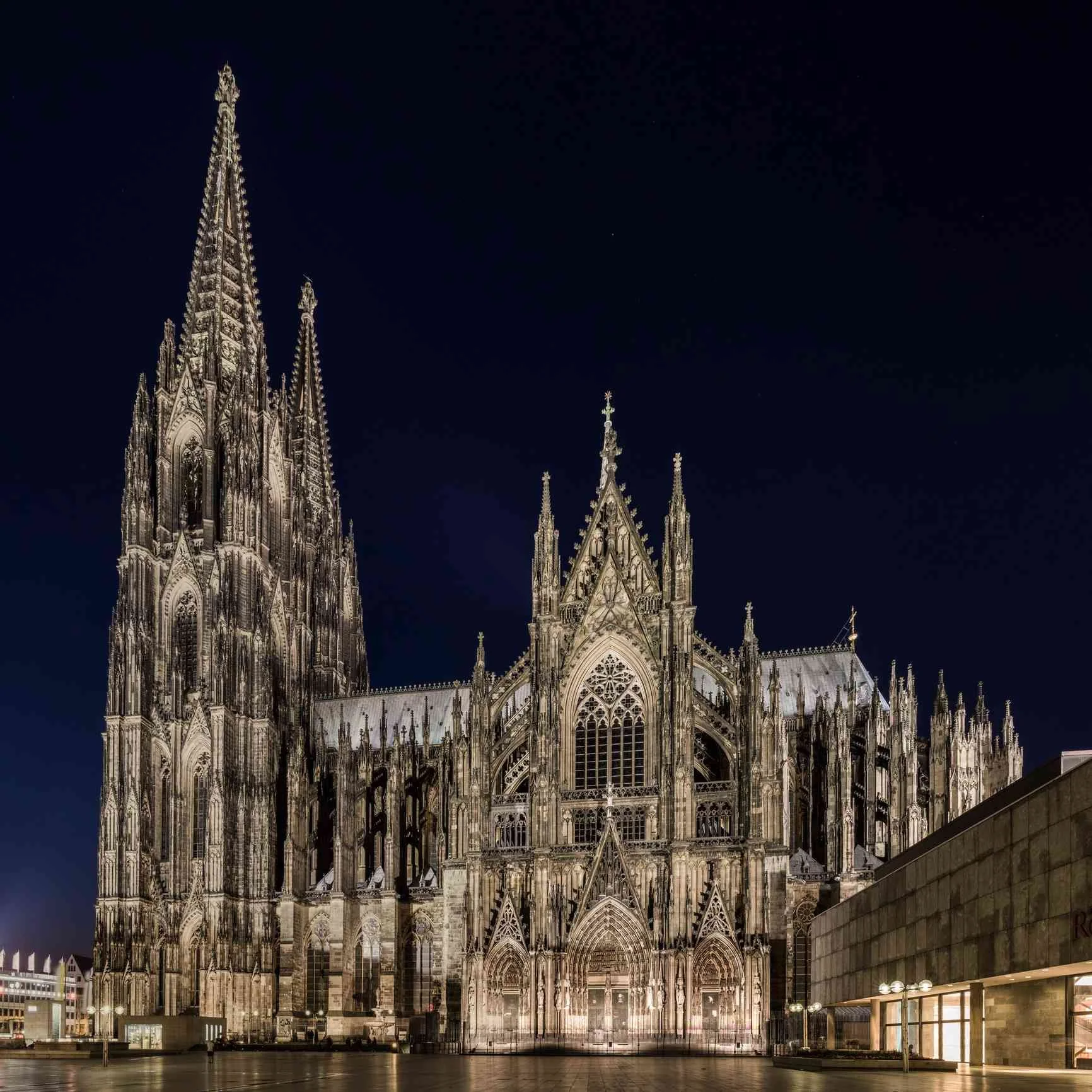
It’s like a cinematic gentlemen’s club; each room is an impeccably designed location adhering to specific codes of conduct; from old school diplomacy to a full on battle royale. When John meets Caine before the film’s 40 minute showdown, it is not just a banal environment that is been used. It’s inside a masterpiece of the Gothic-style: the Saint-Eustache church. Stahelski and Kavanaugh emphasize the church’s gothic presence and add an extra layer of light: thousands of candles. This is not a place of worship, it is temple for reconciliation and contemplation, emotions reflected vividly in the background. John Wick Chapter 4 breaks the ceiling by deploying an expansive world under slick European styles with a dash of high-tech Japanese Zen-ism and luxury minimalism.
Colors
Dark saddle brown, simple black, dark teal, blue charcoal, Maastricht blue, matte light blue, carmine, zydeco, white skin, royal dark green, summer orange, luxury black, bail hai, alert tan, black pearl, dark blood
Influences
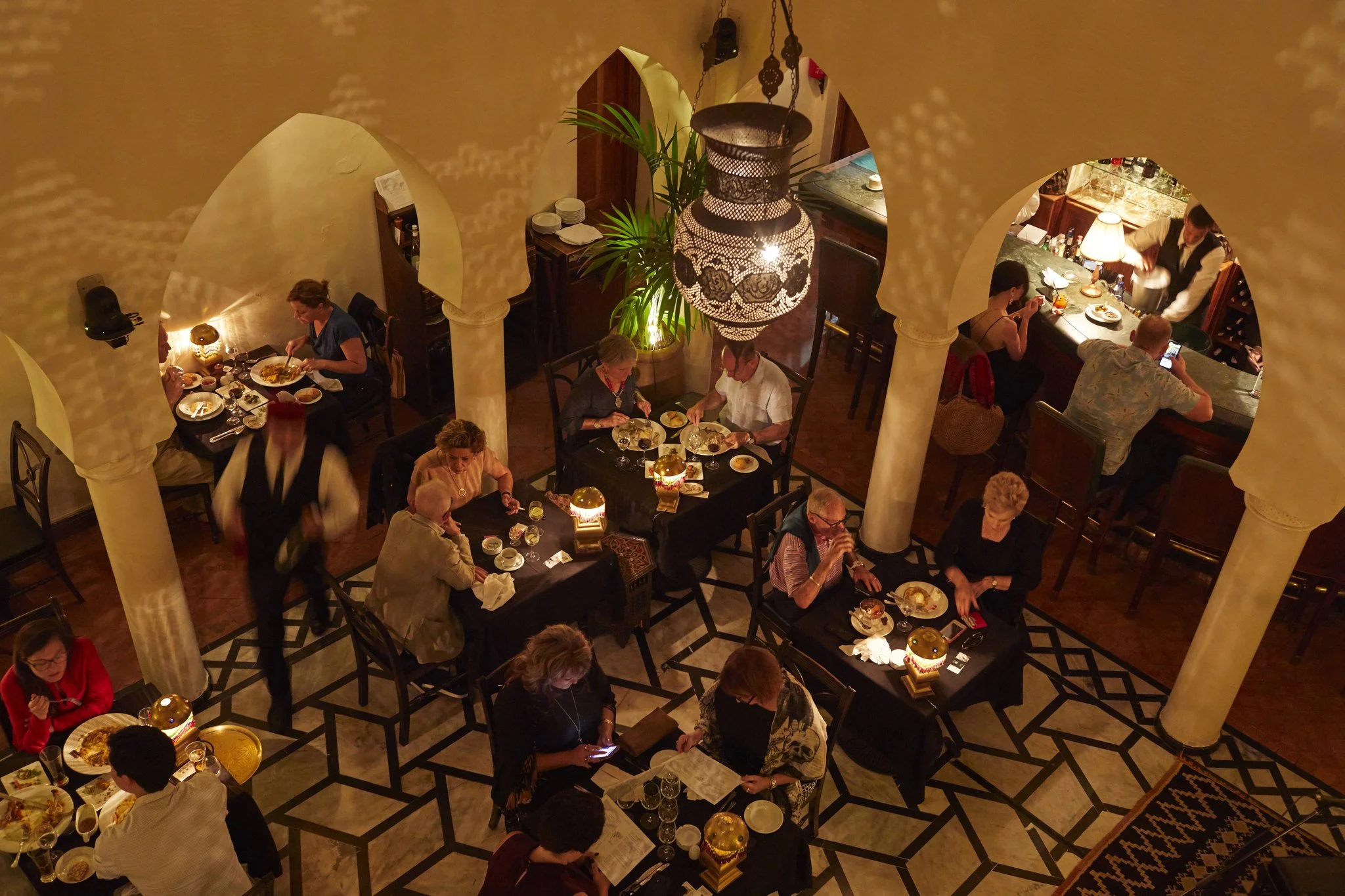
Cafe Americain
The Berghain

Baroque painting style
Luxury minimalism
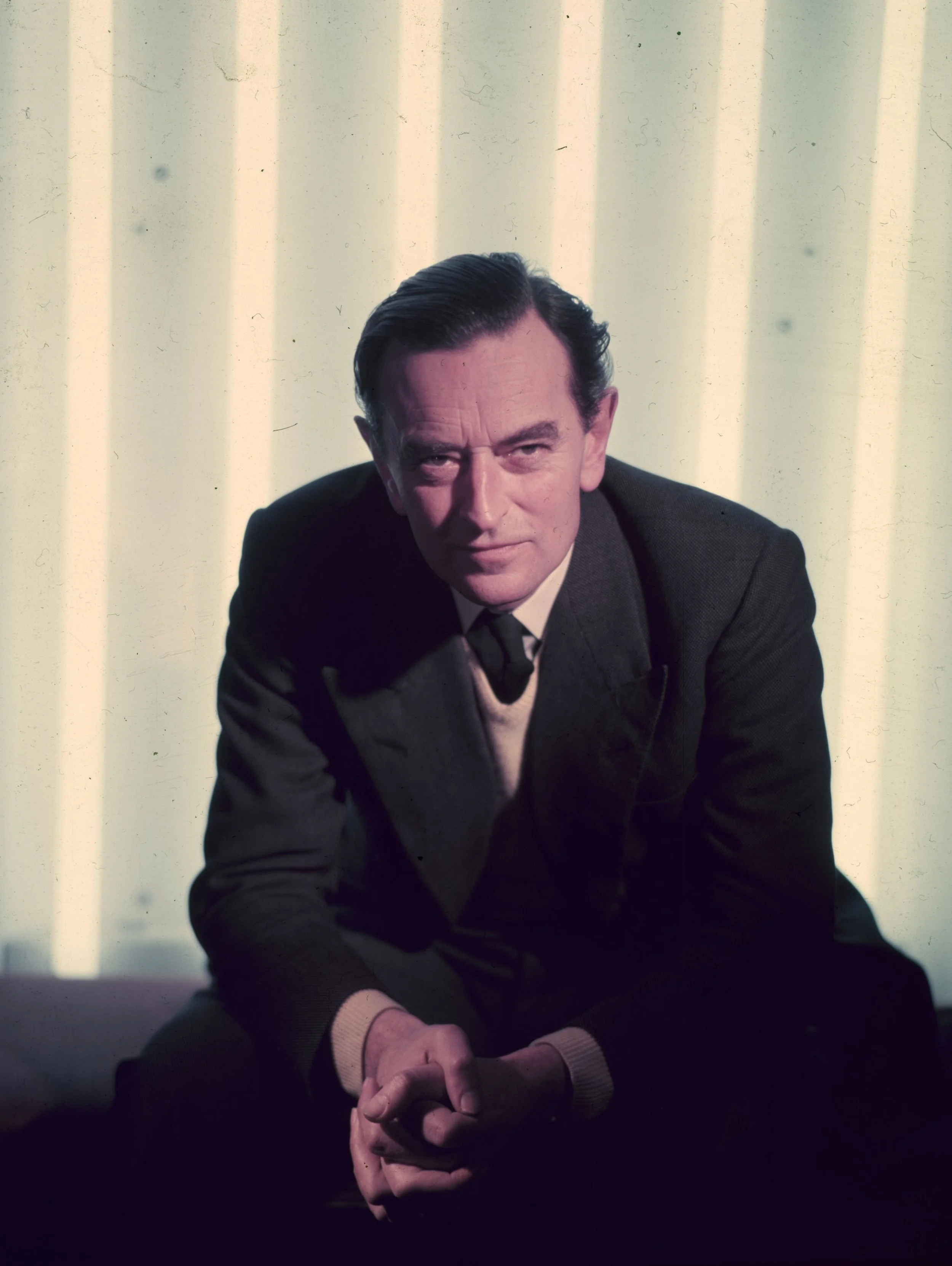
David Lean
Hotline Miami
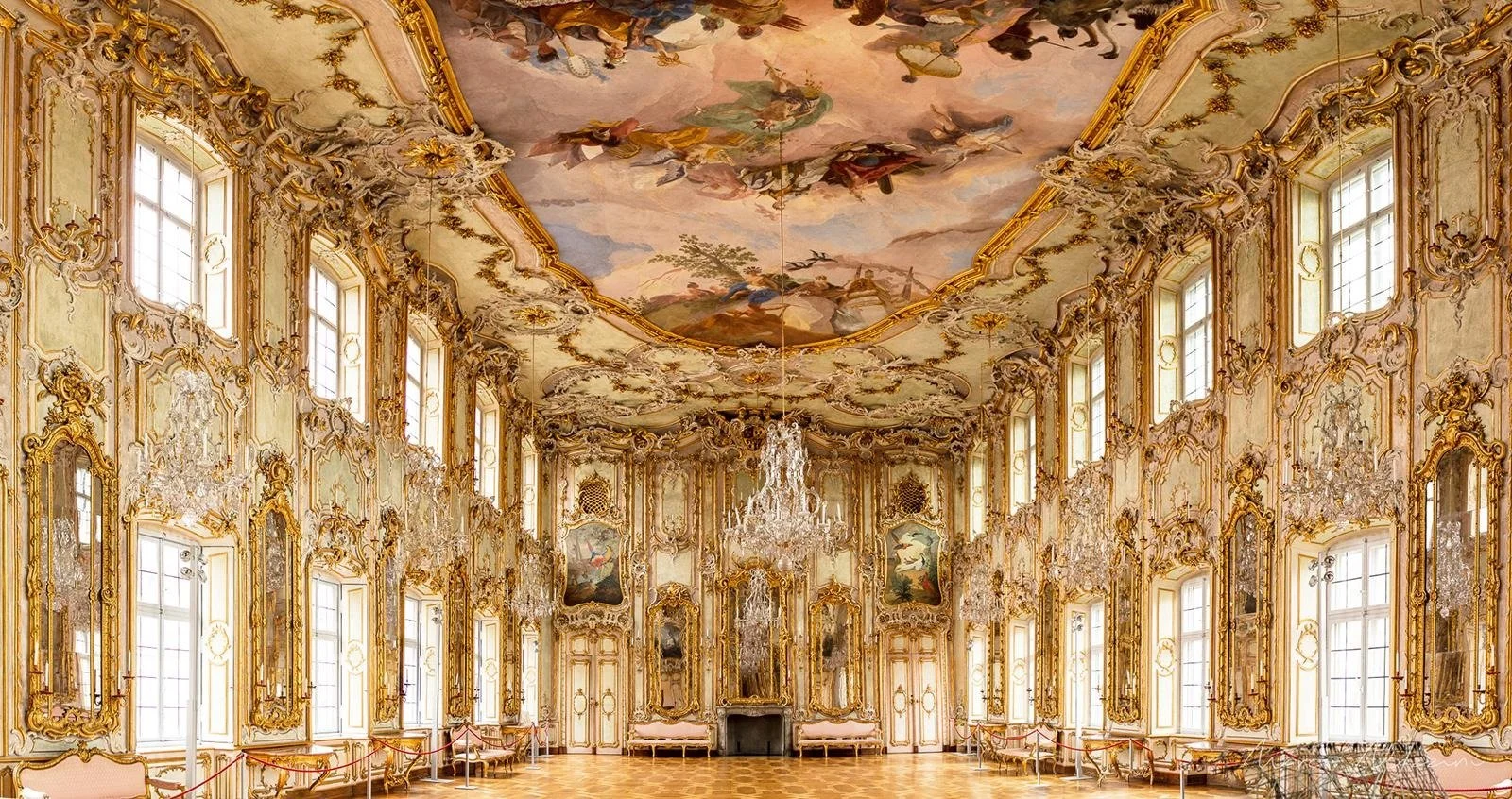
Rococo style
Gothic architecture
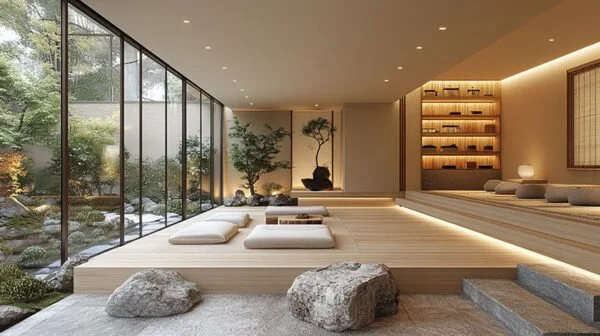
Zen interior design
Chiaroscuro