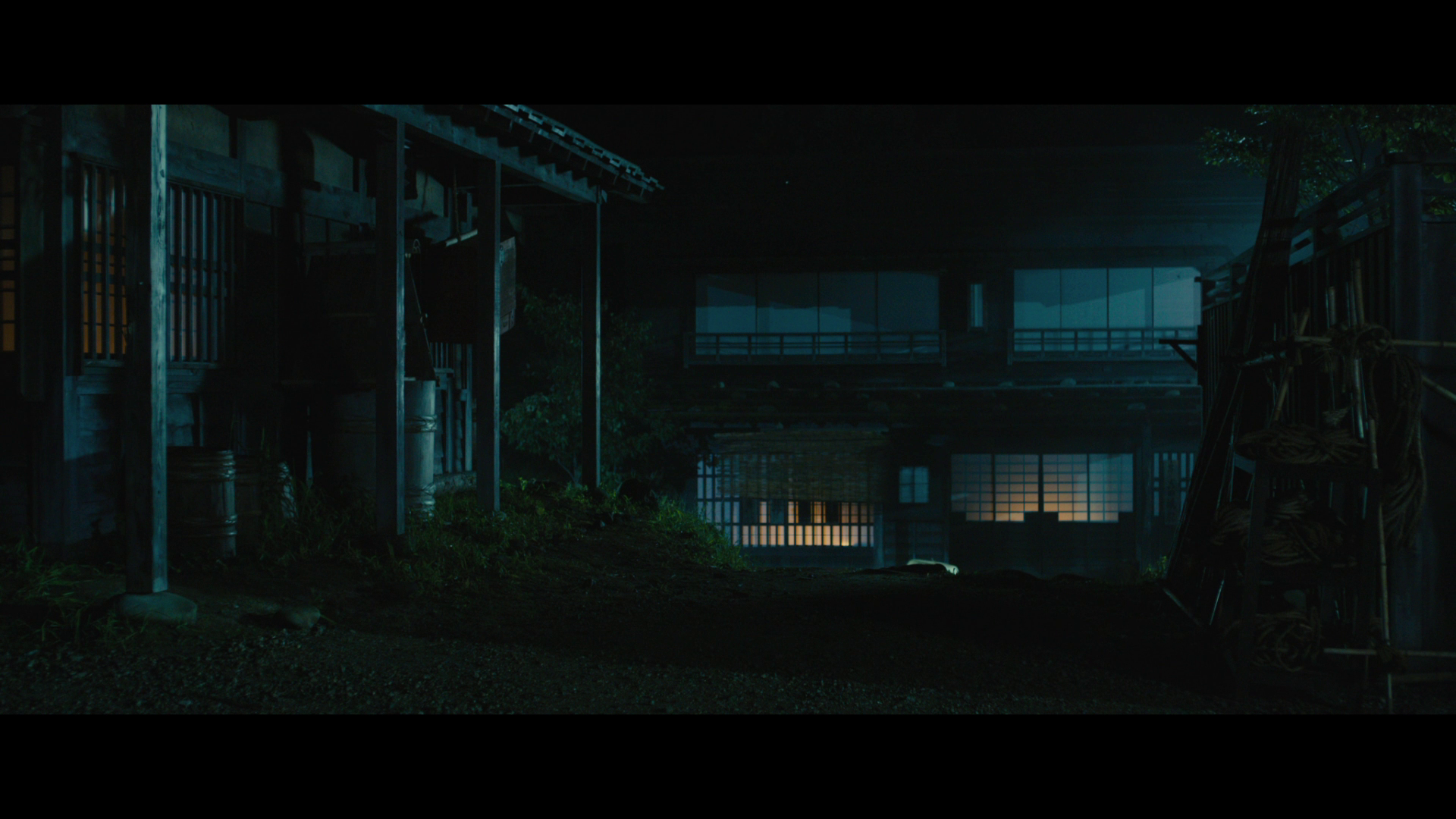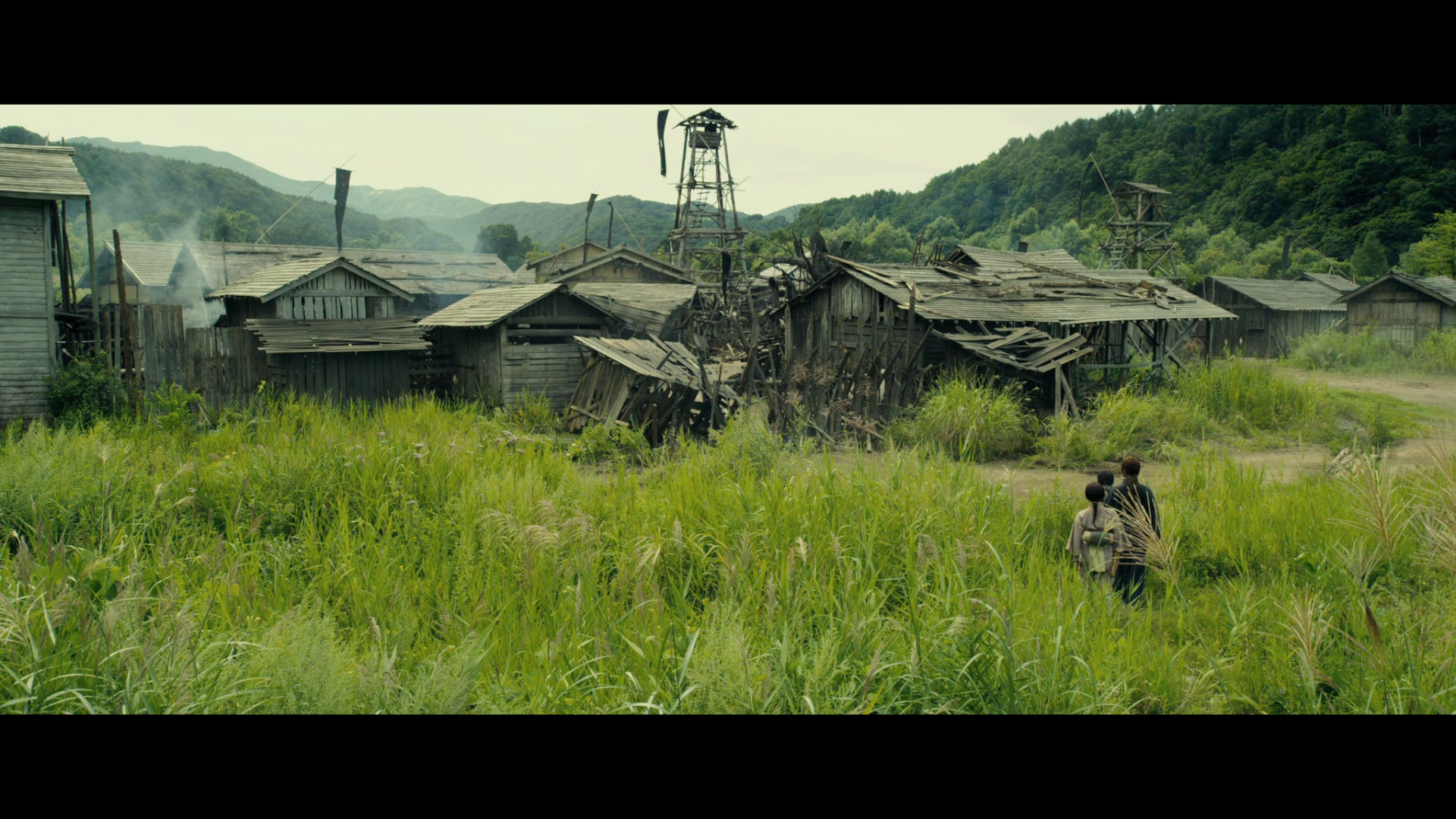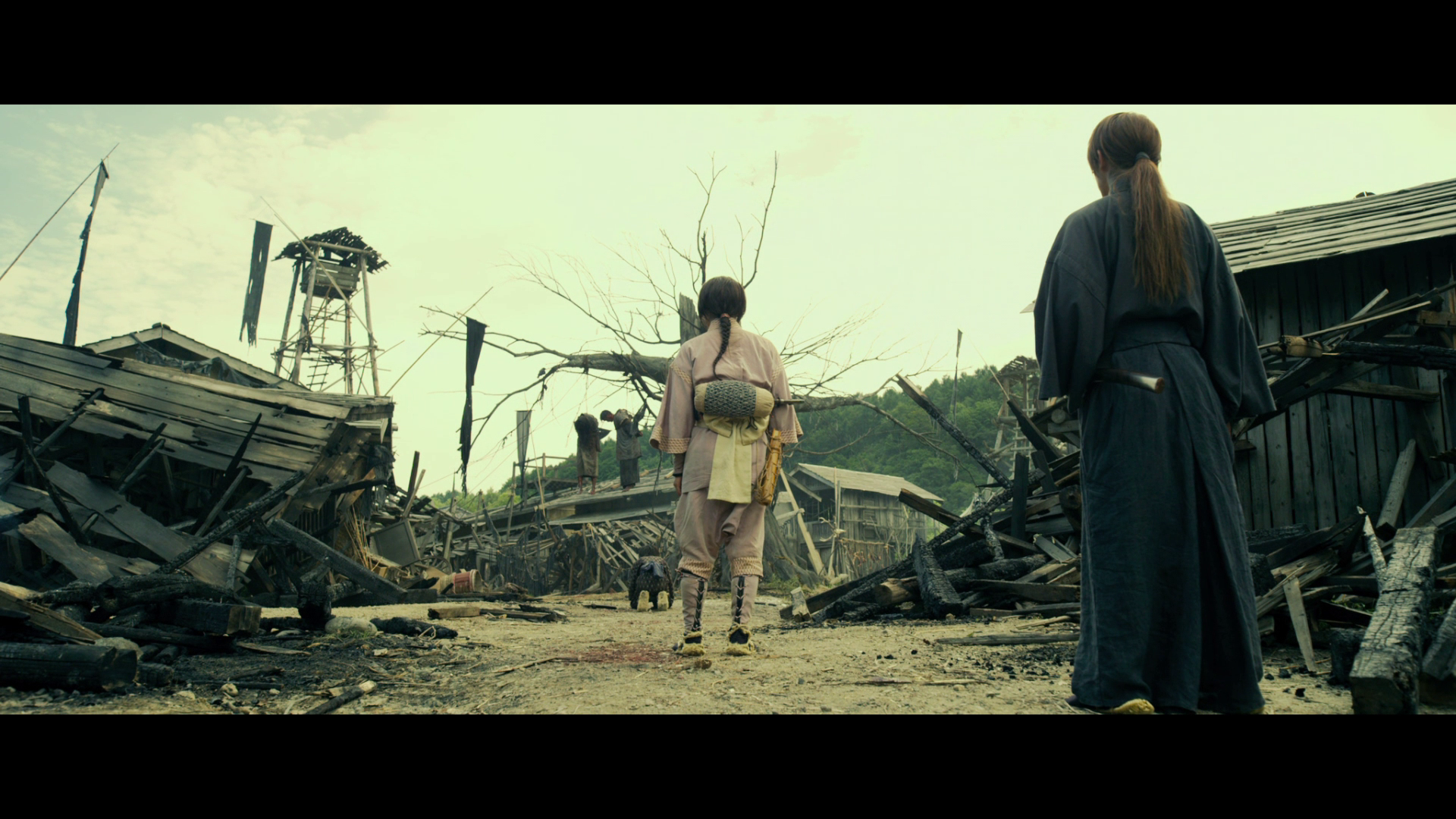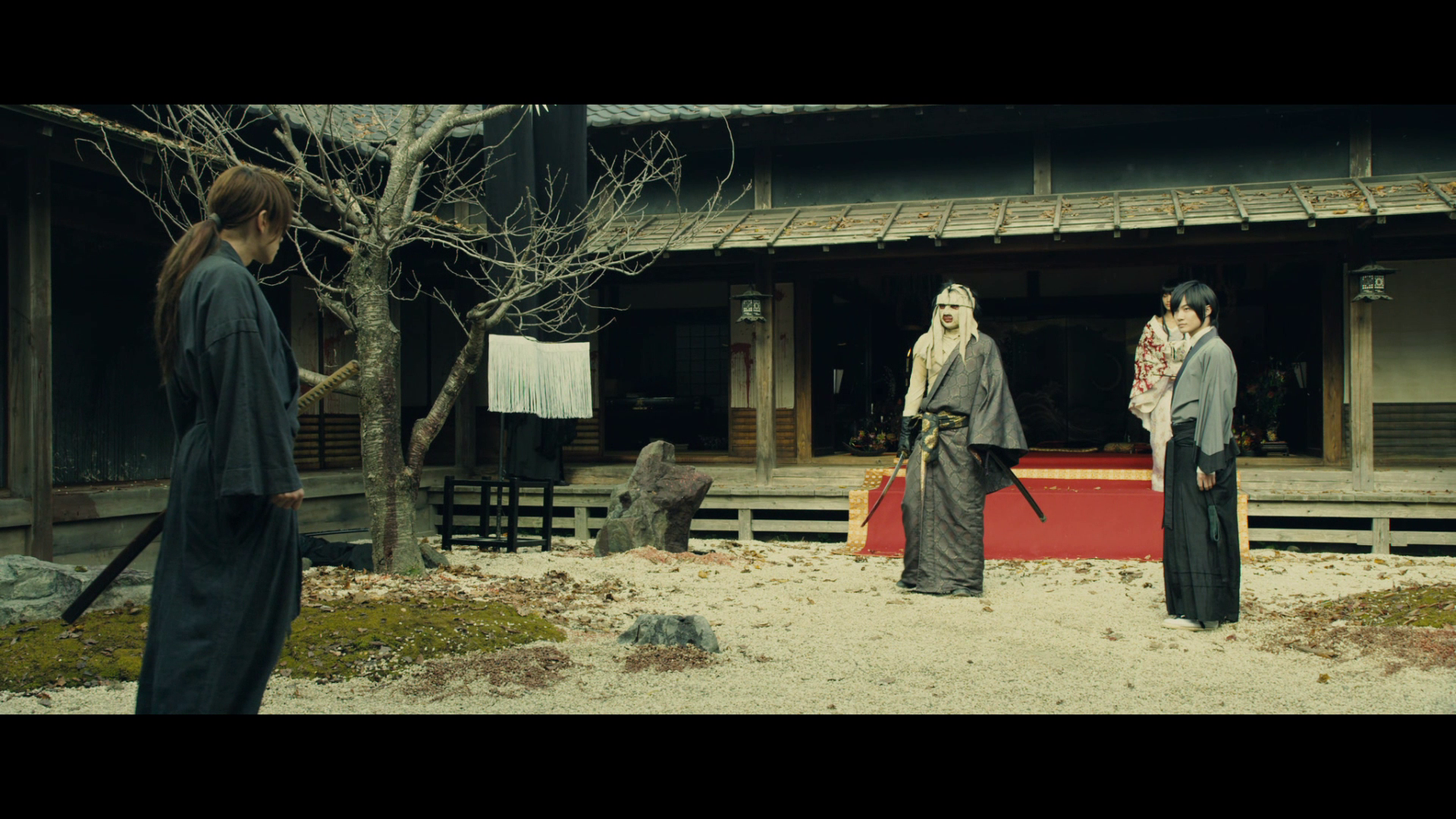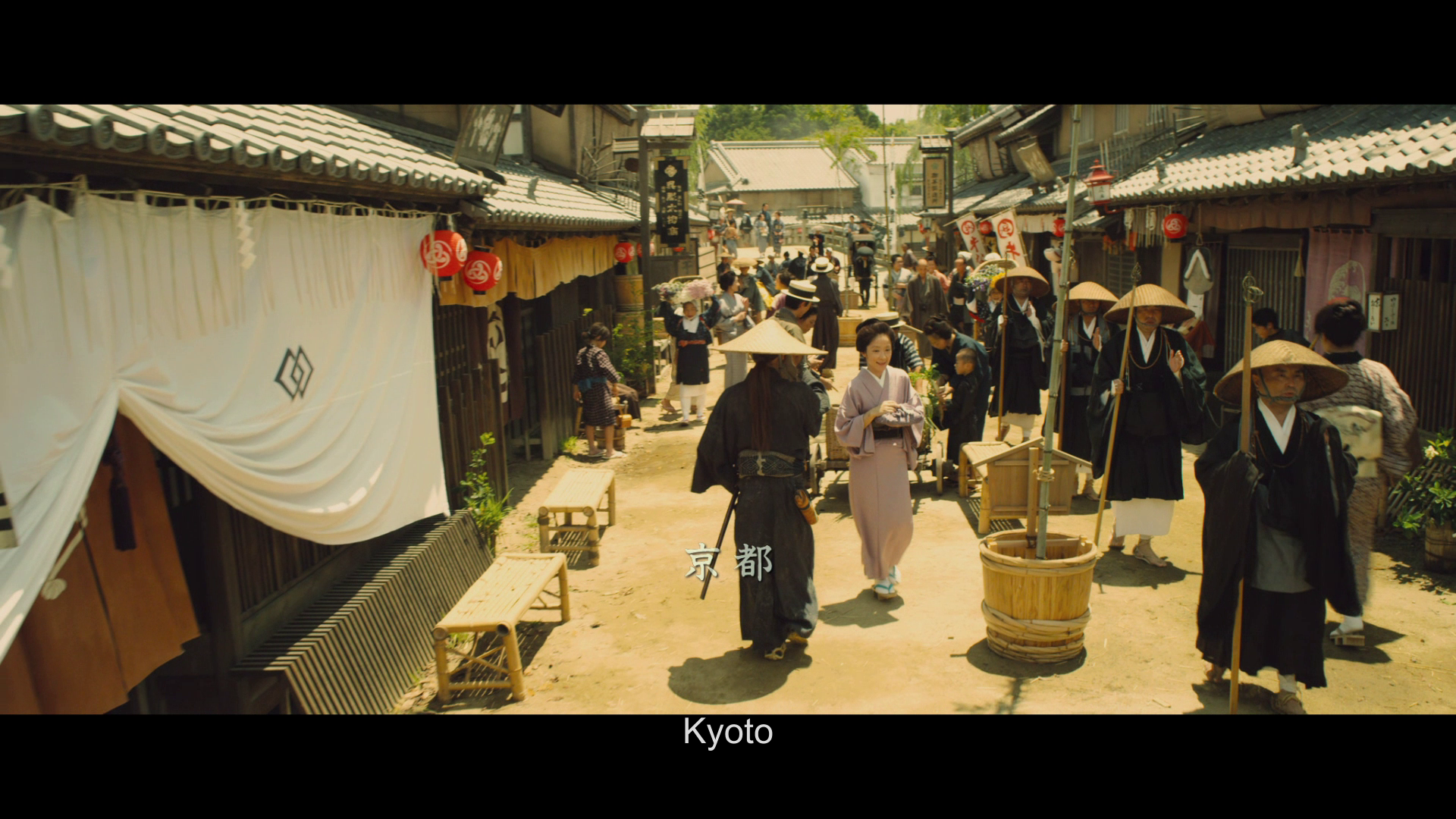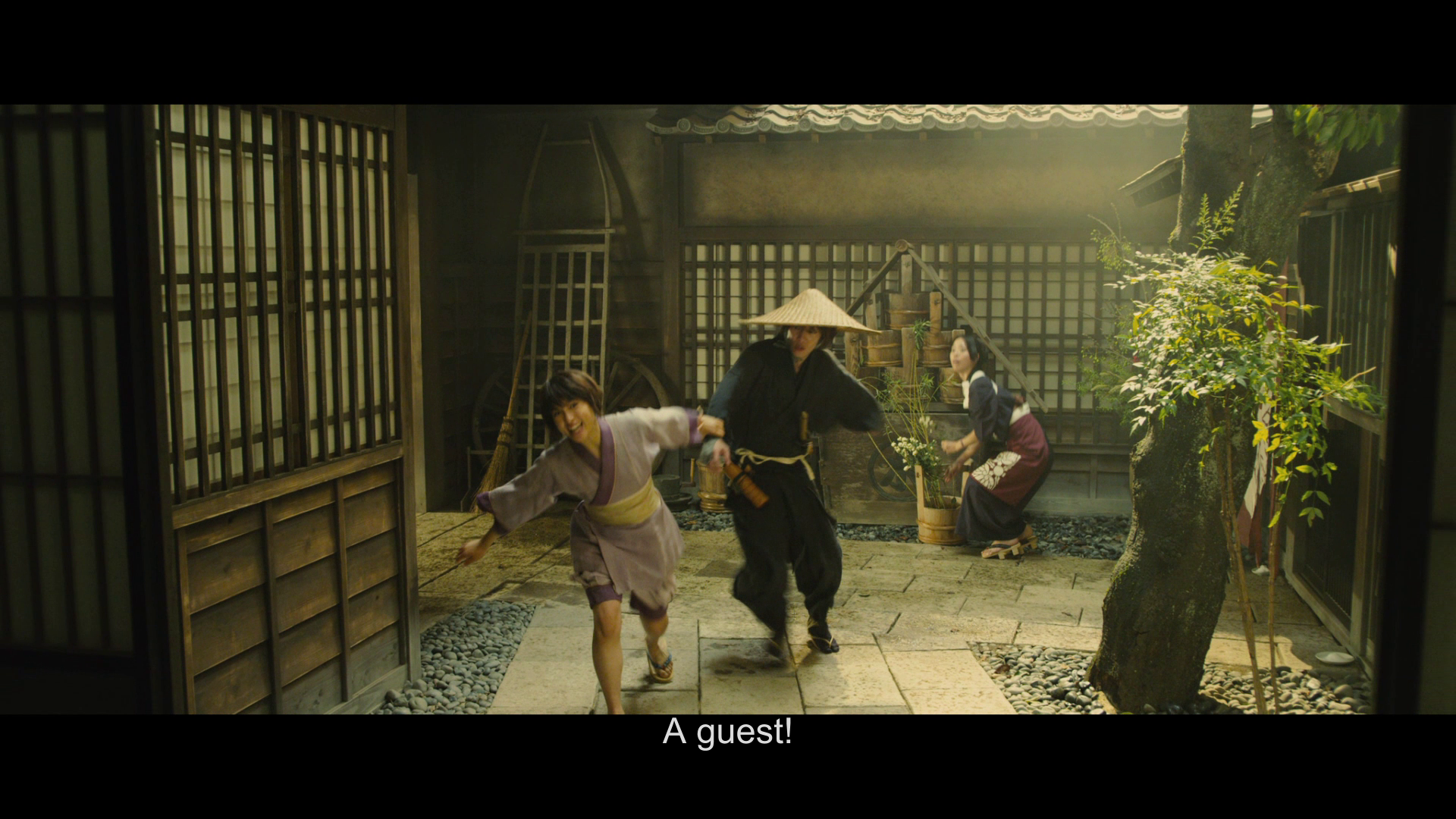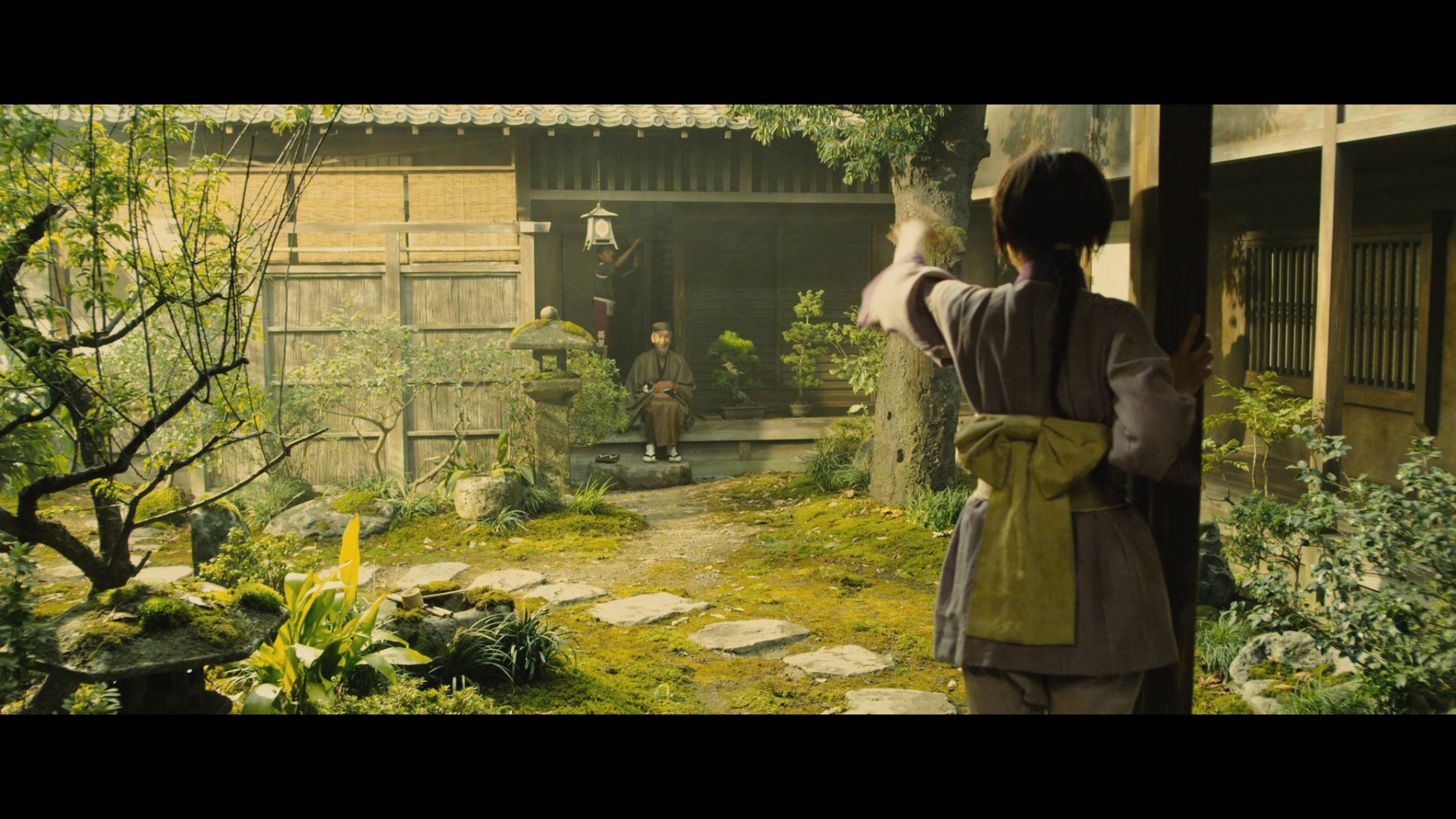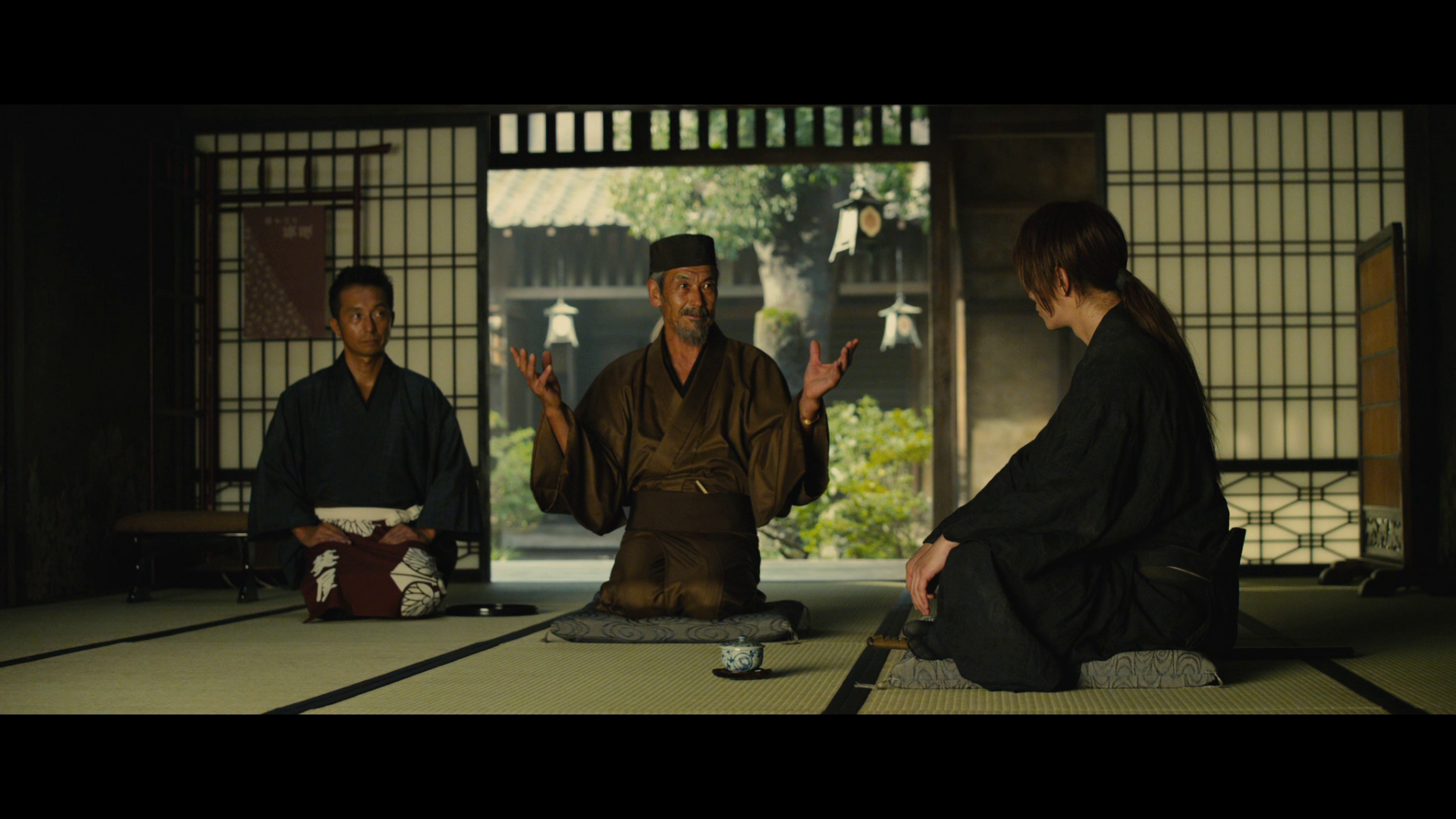
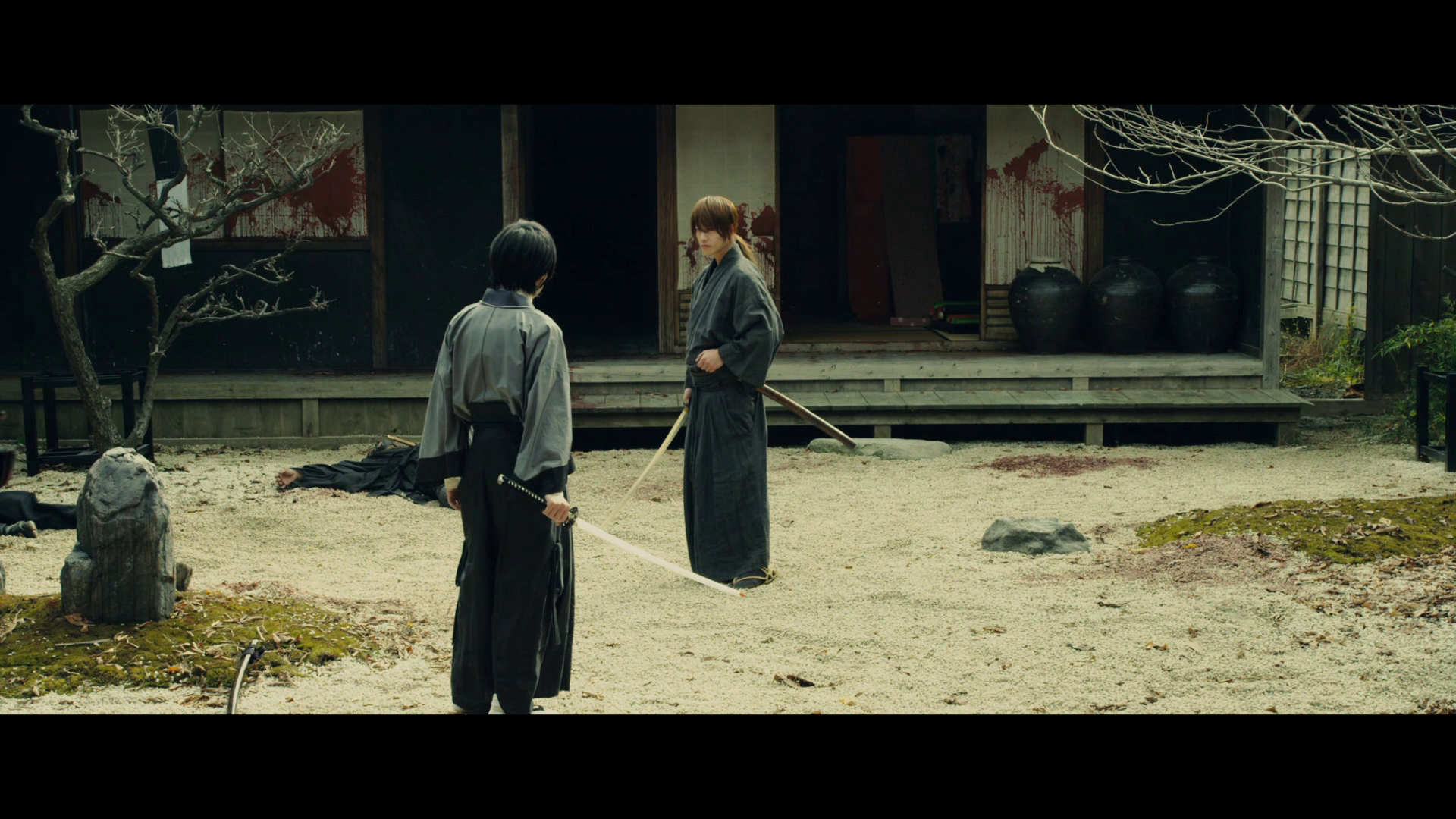
The production design of Rurouni Kenshin: Kyoto Inferno (2014)
Director: Keishi Ohtomo
Director of photography: Takuro Ishizaka
Summary
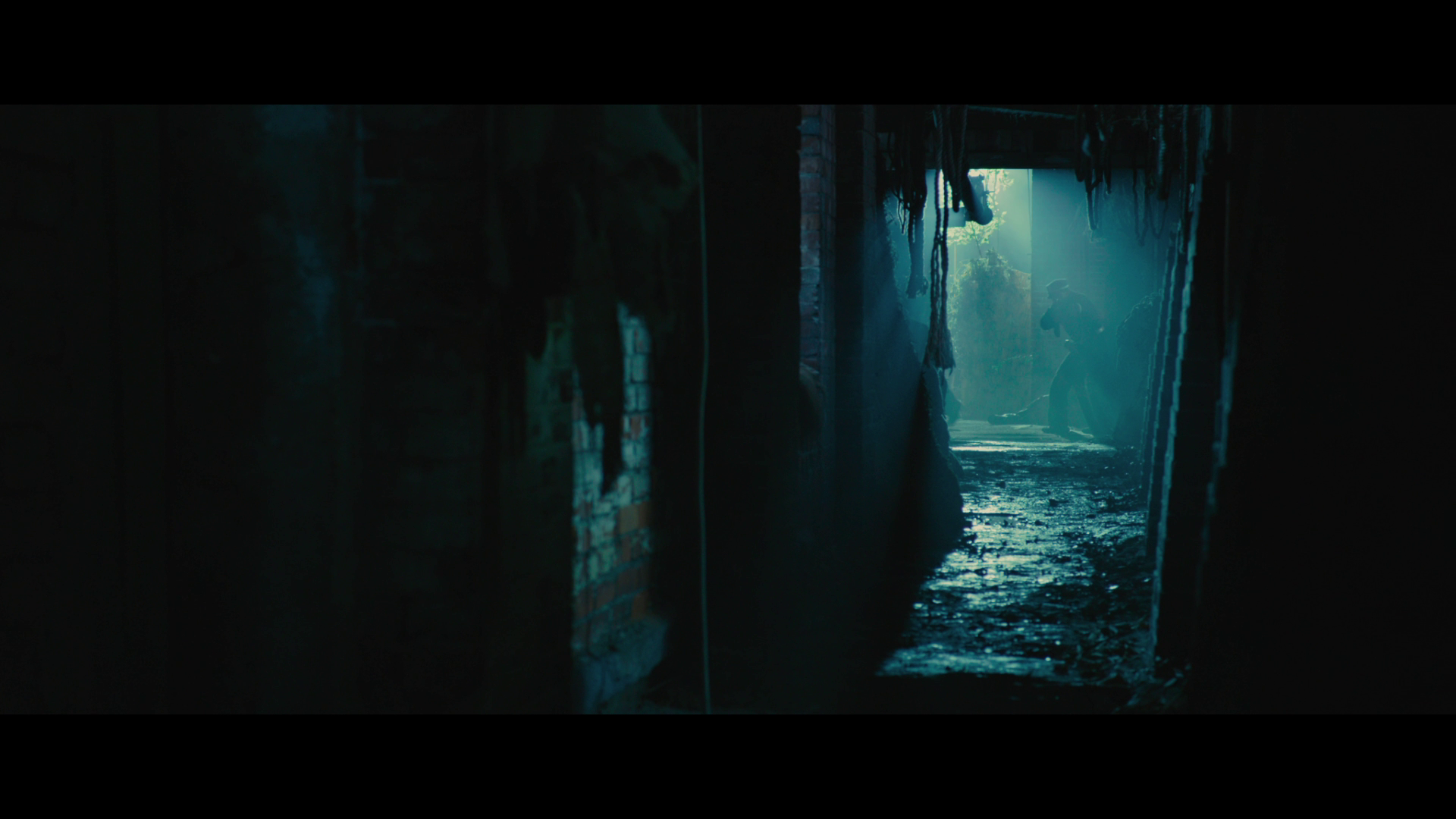
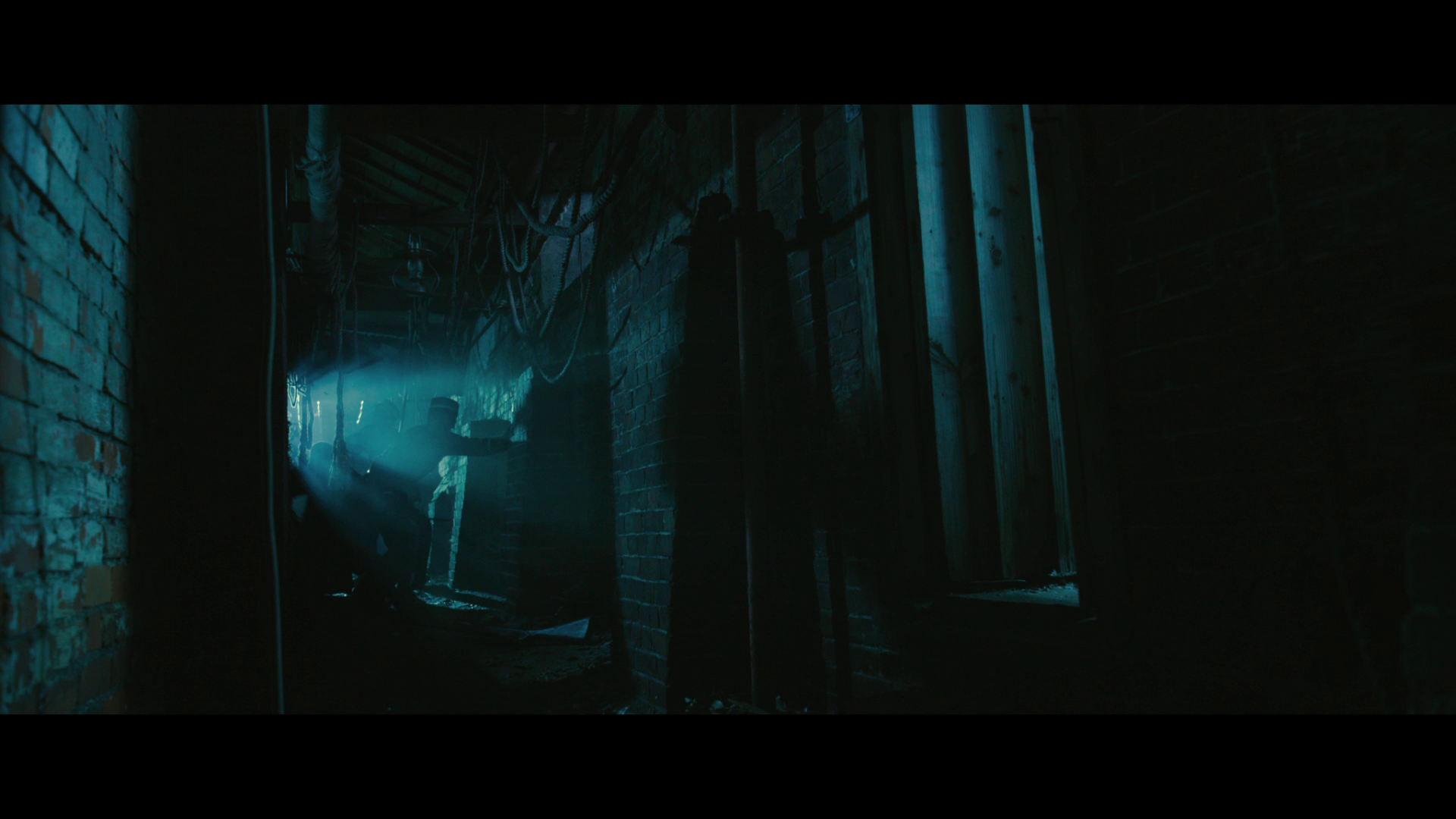
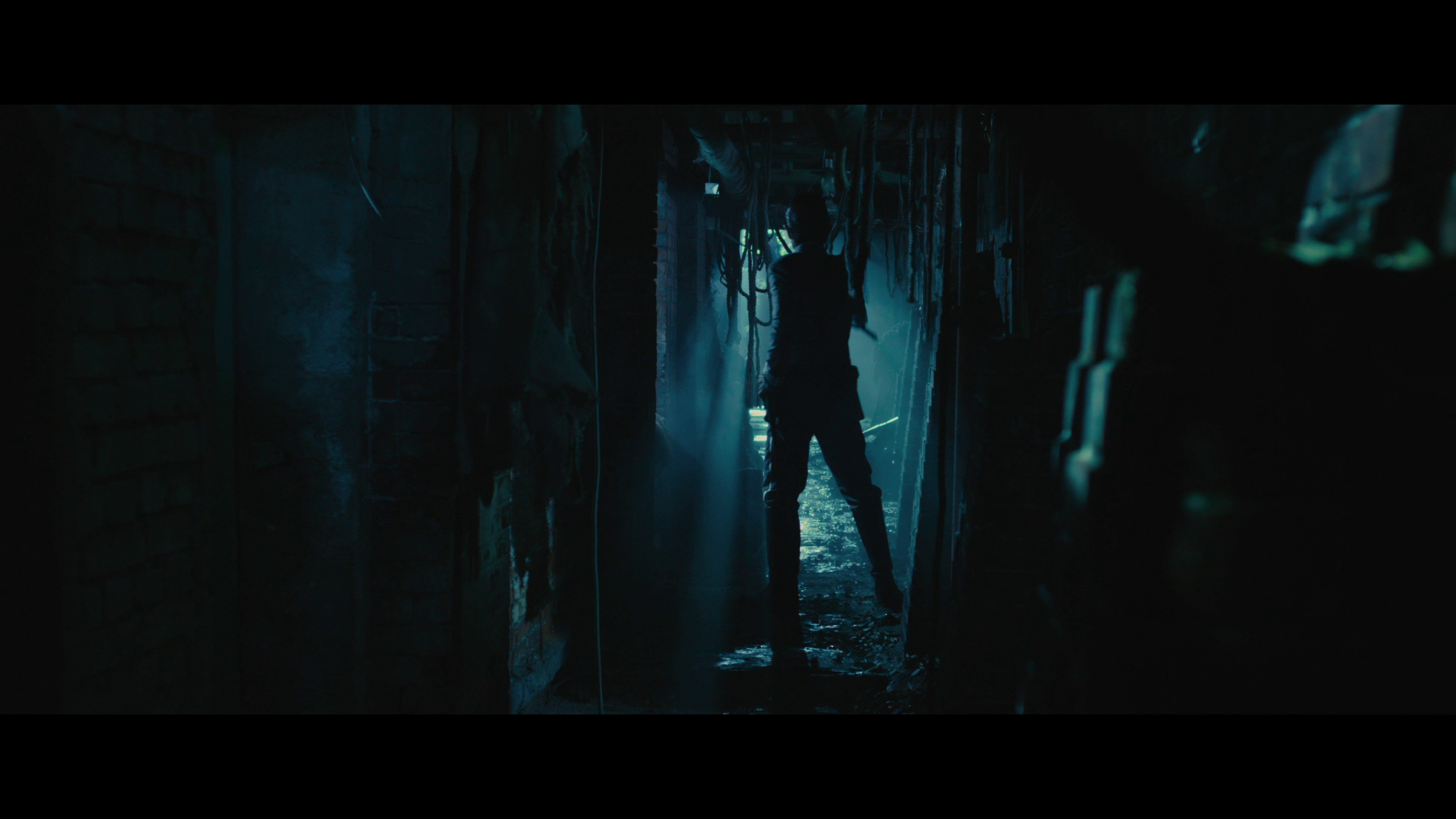
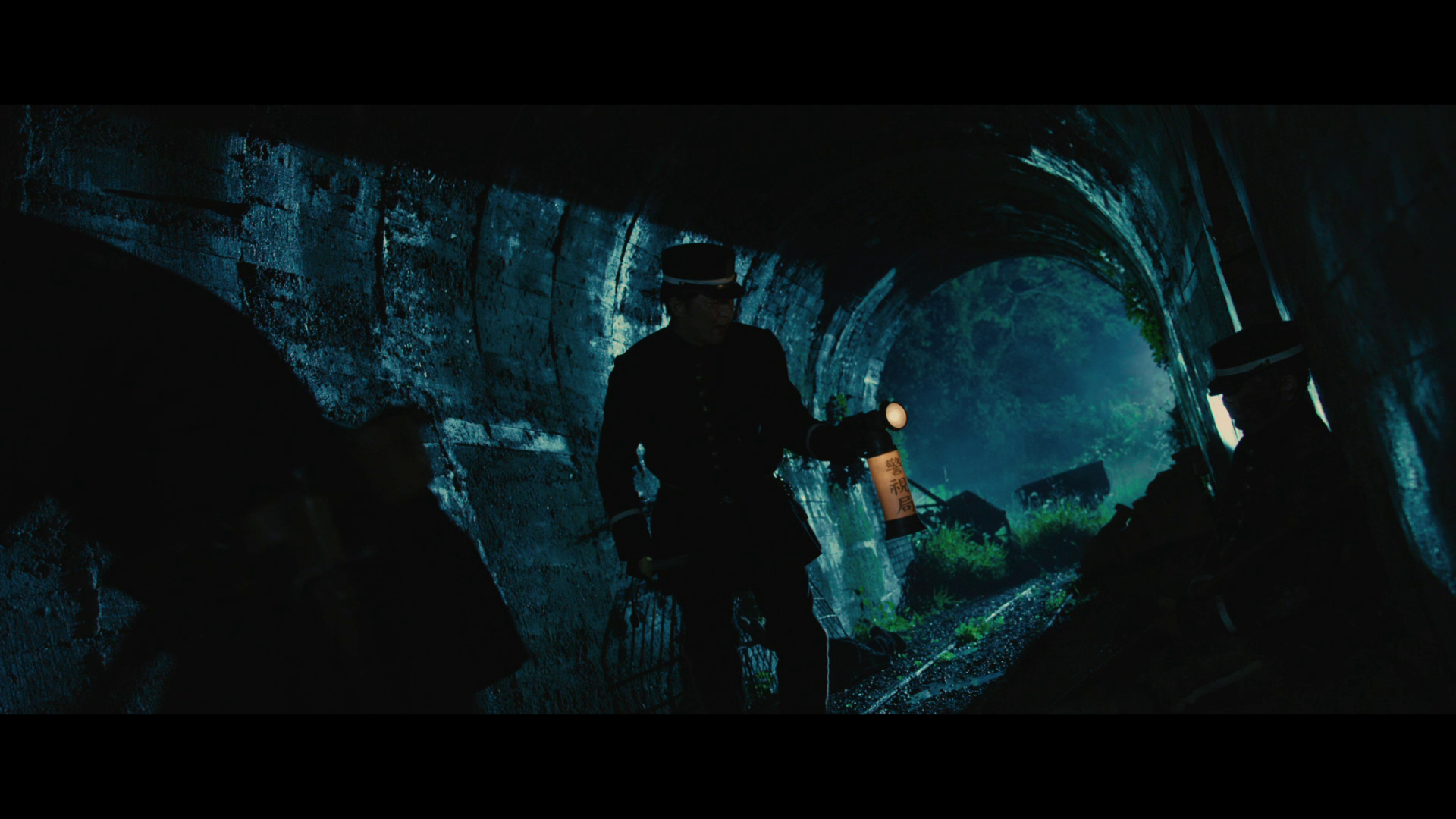
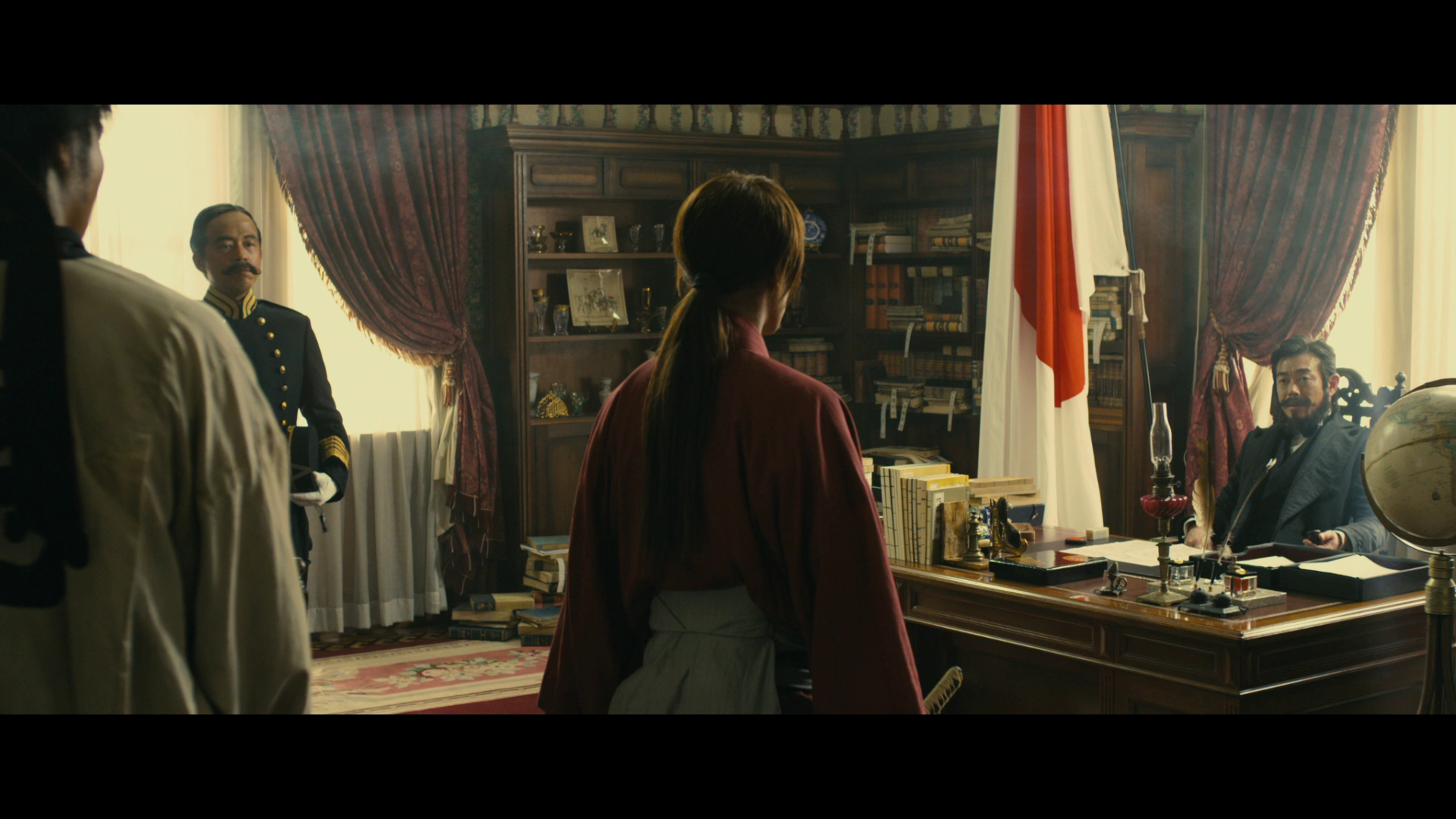
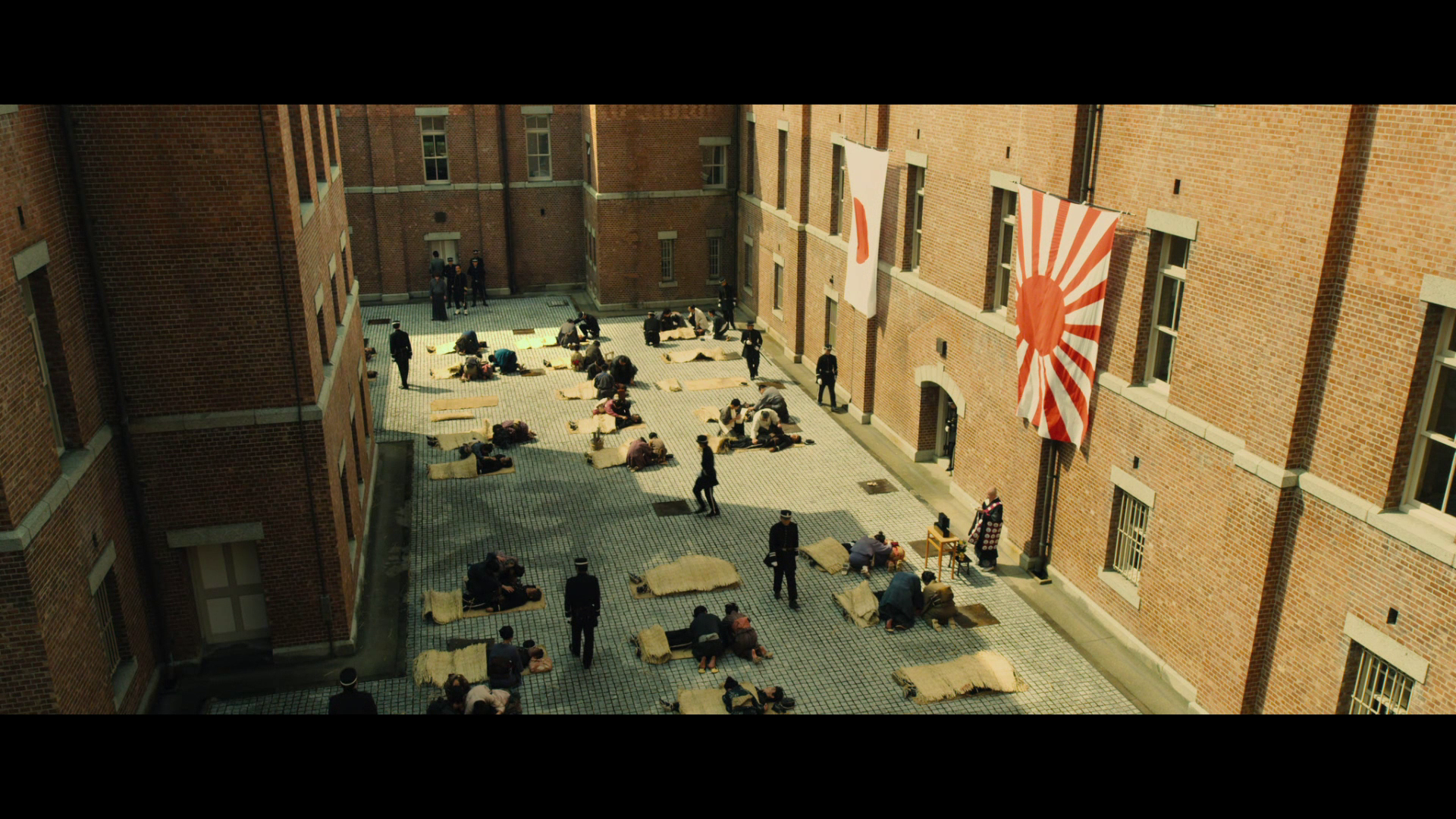
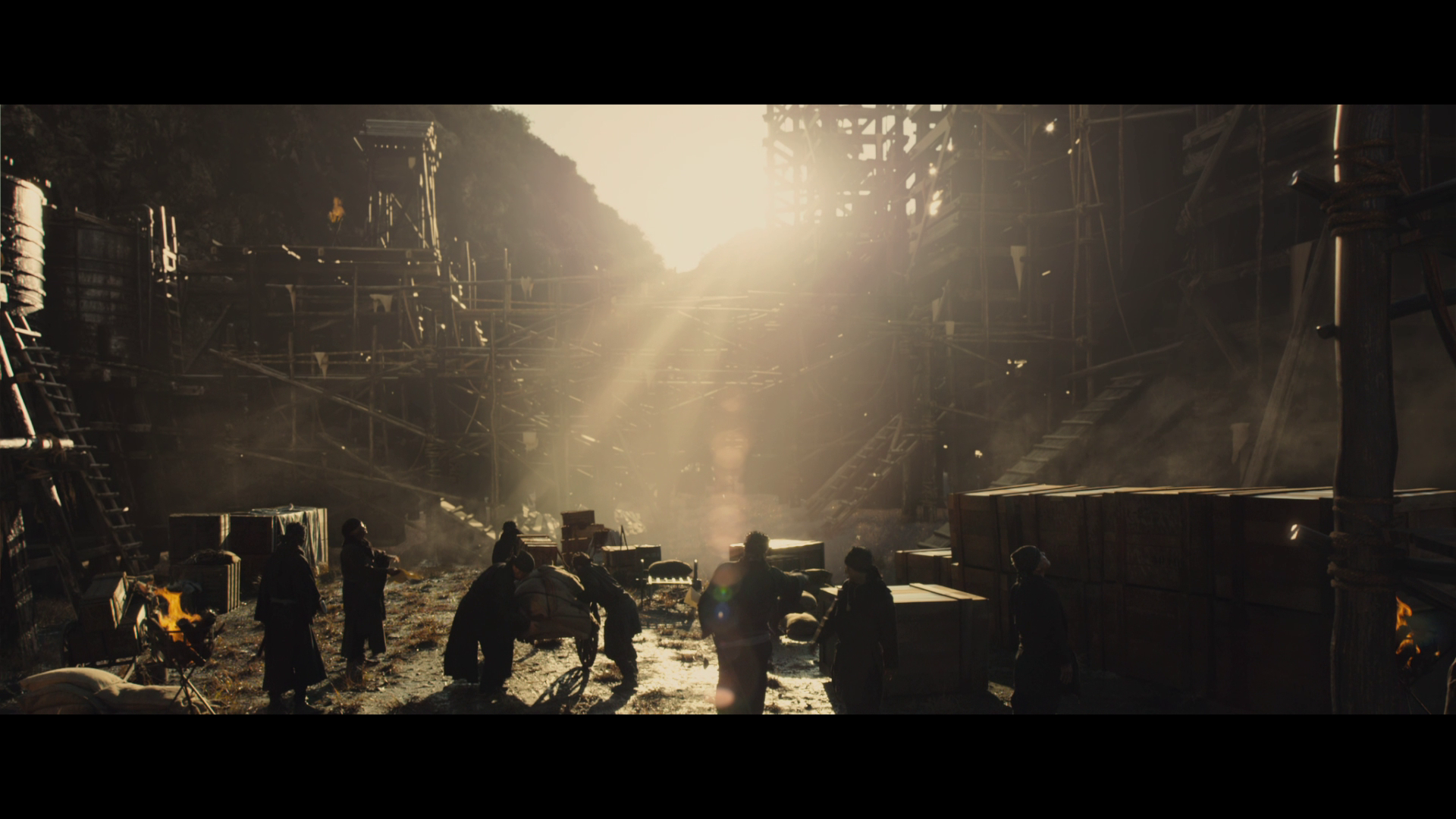
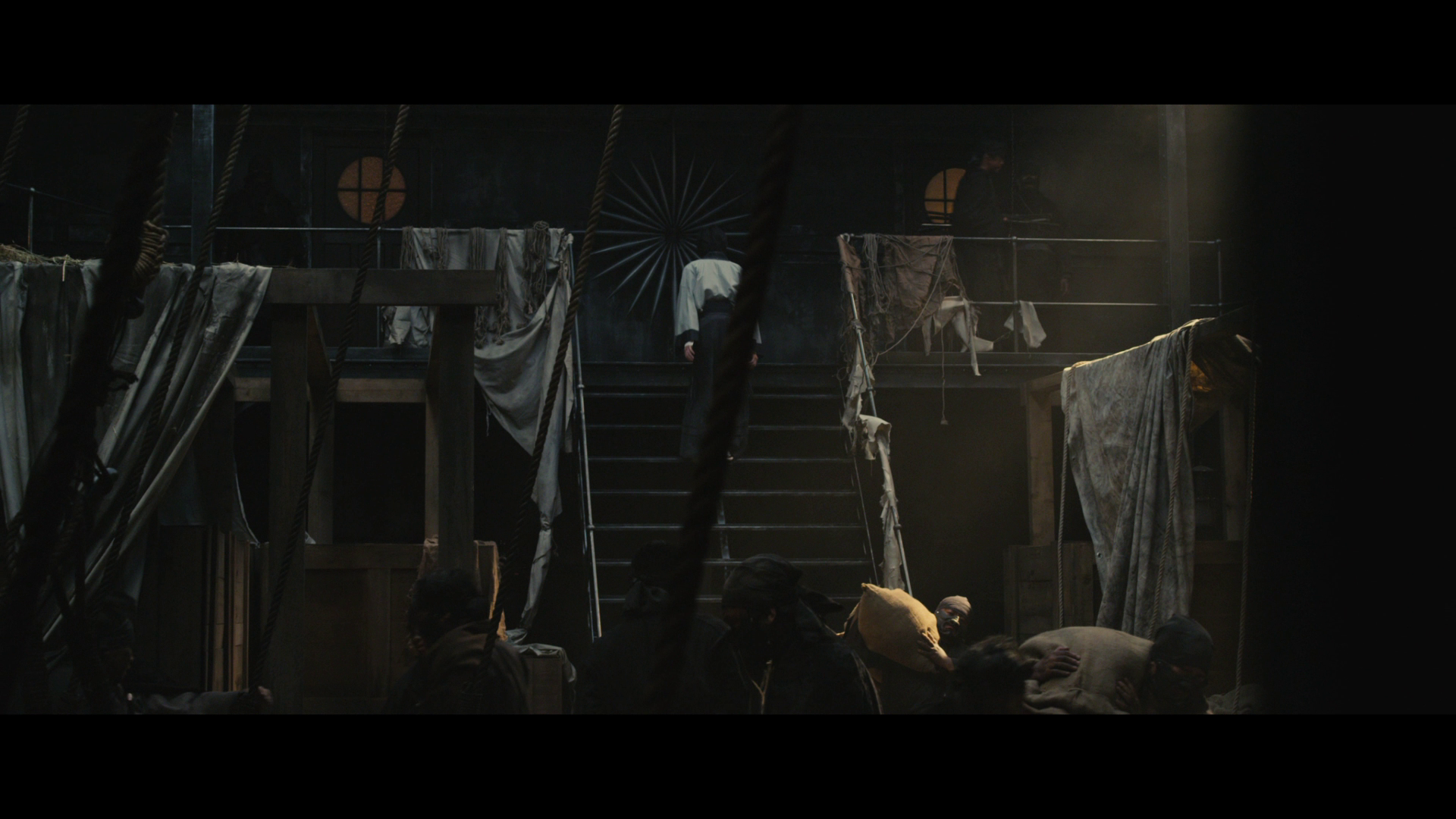
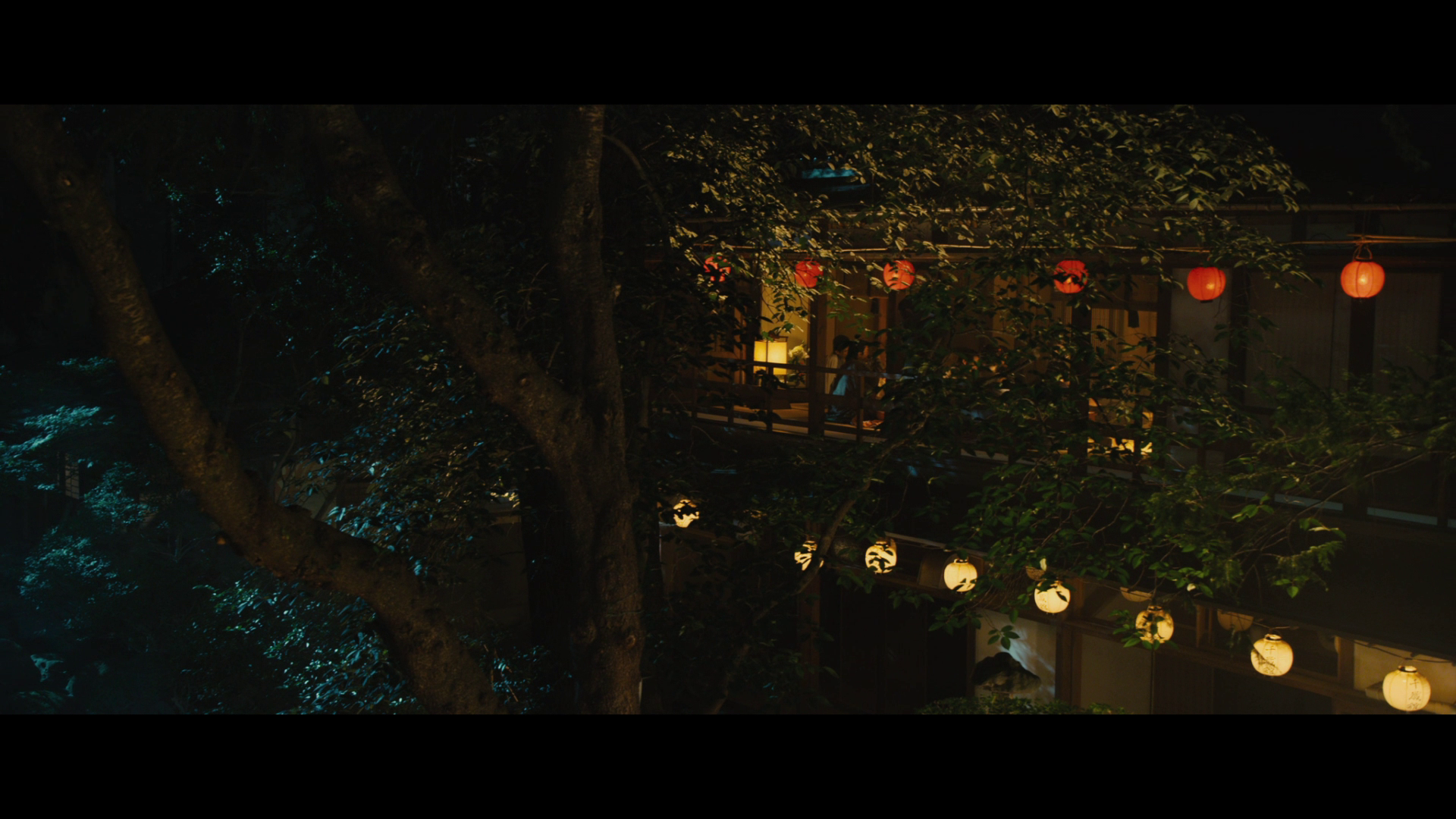
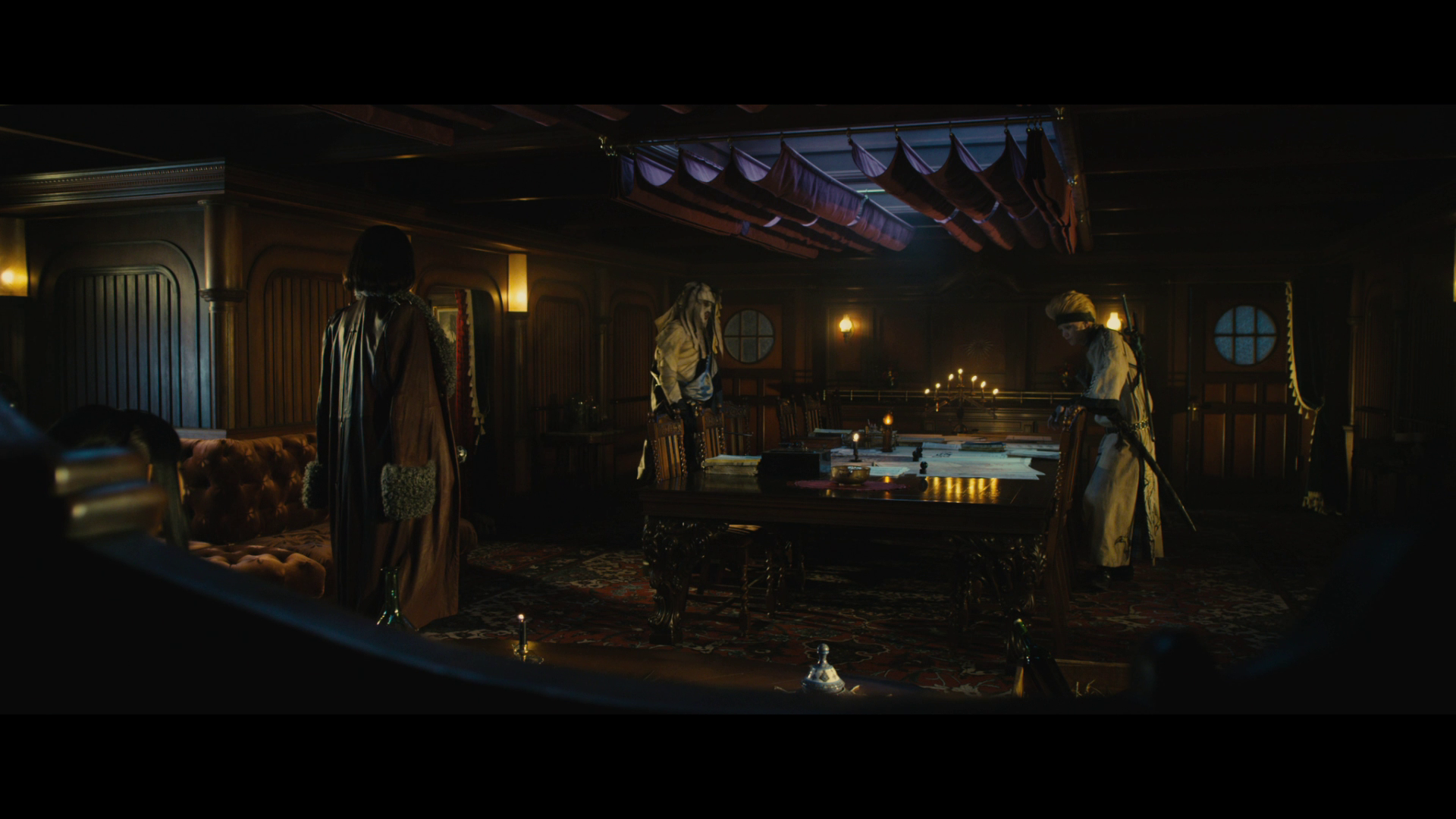
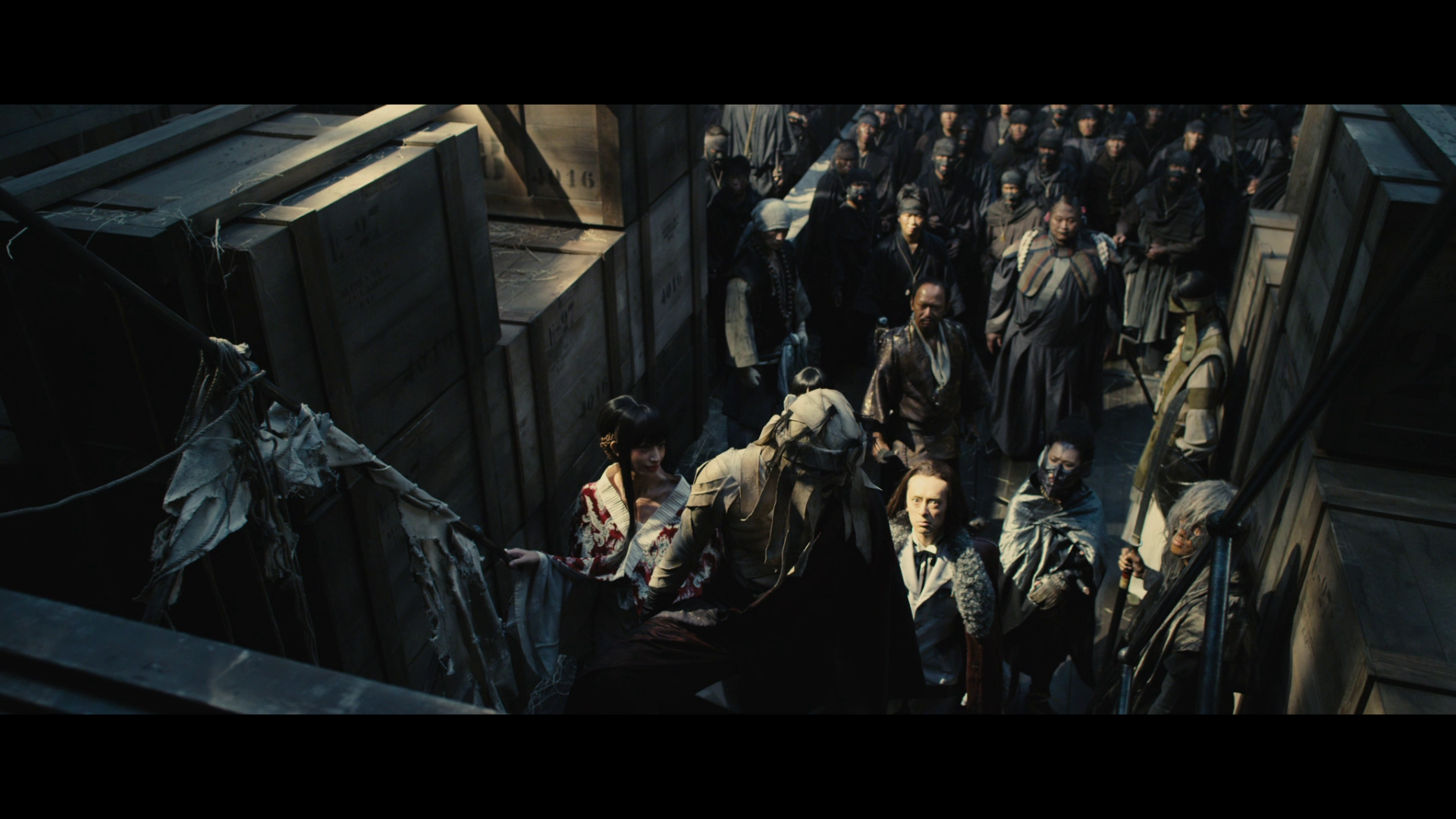
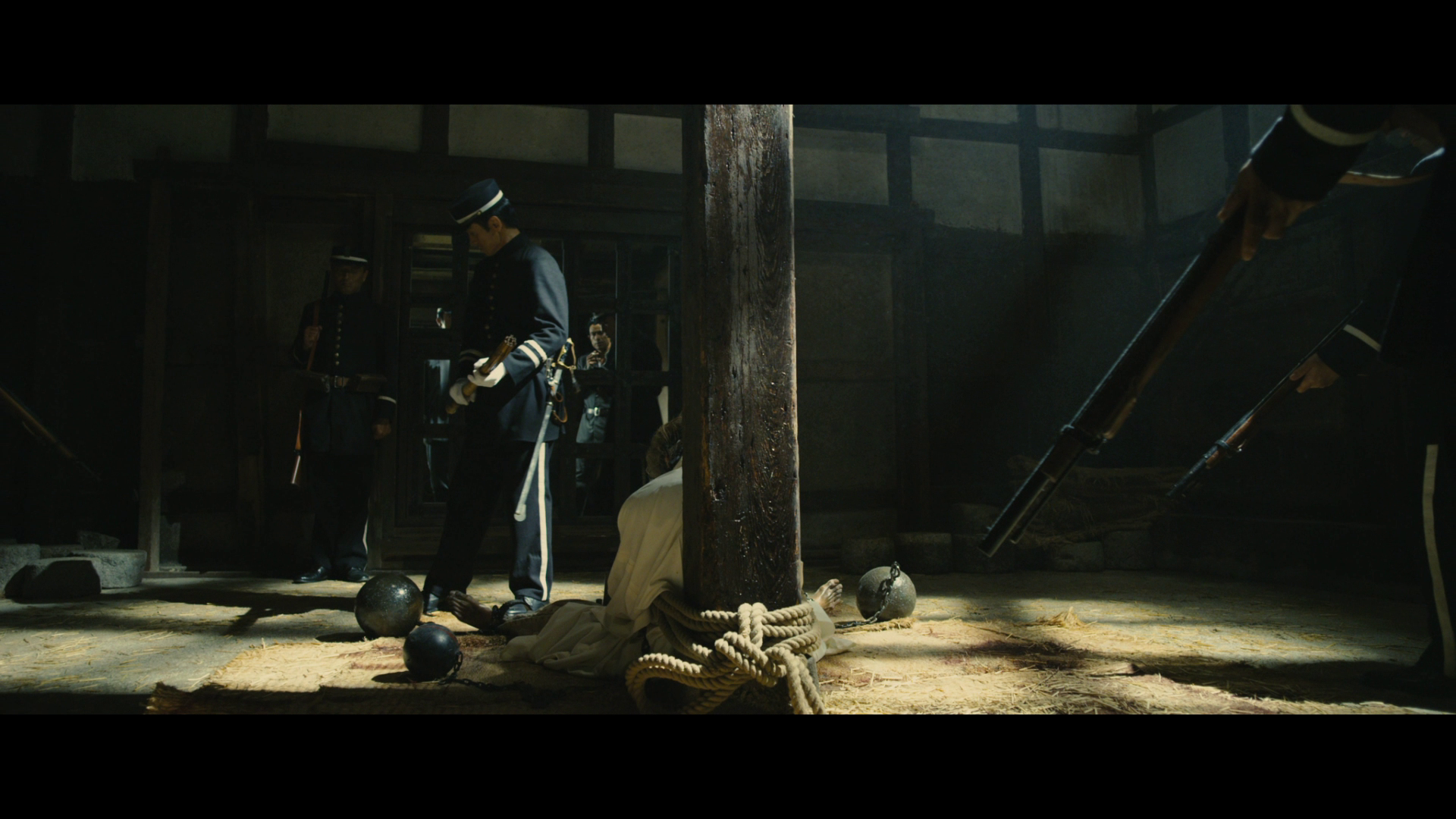
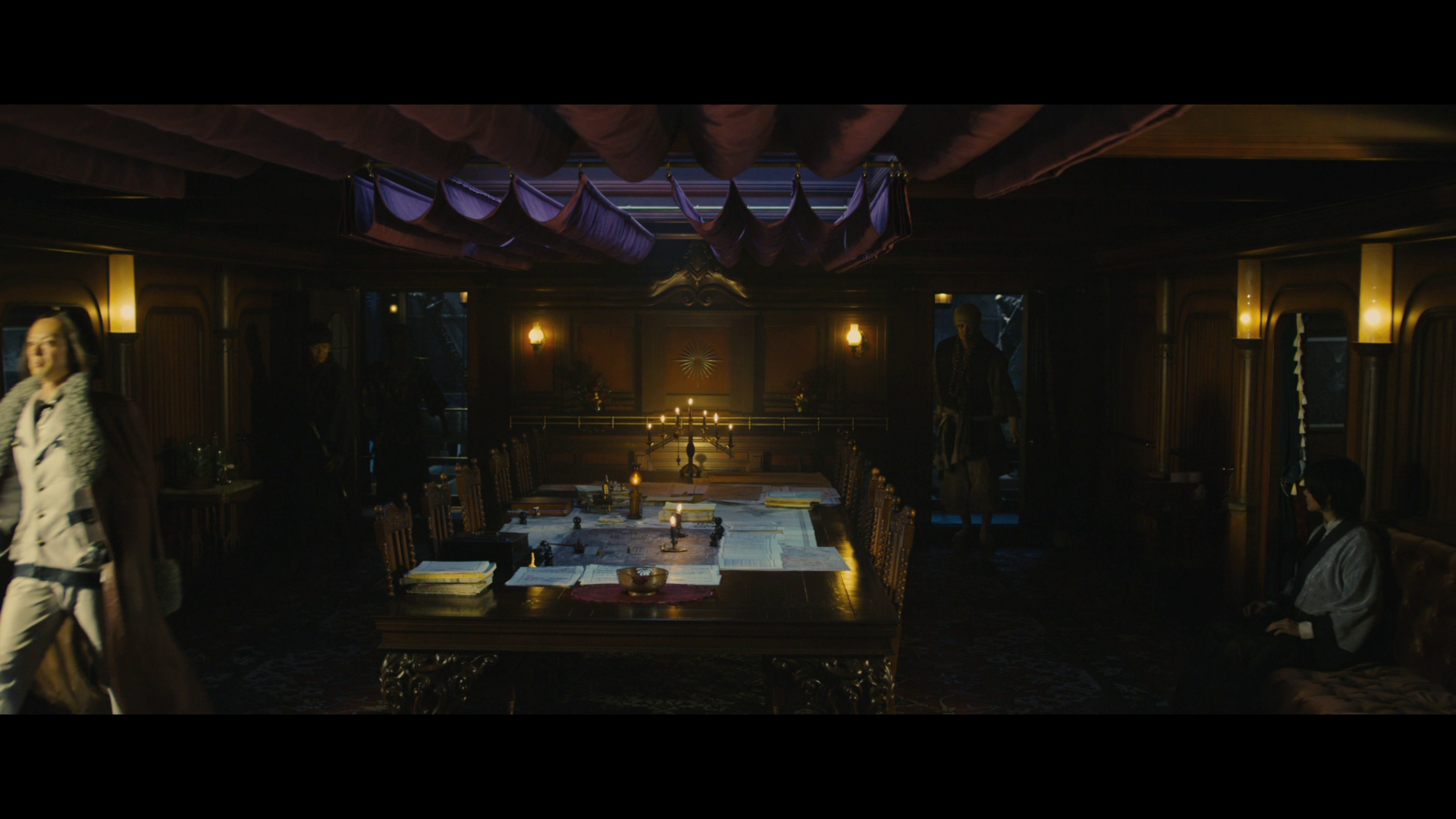
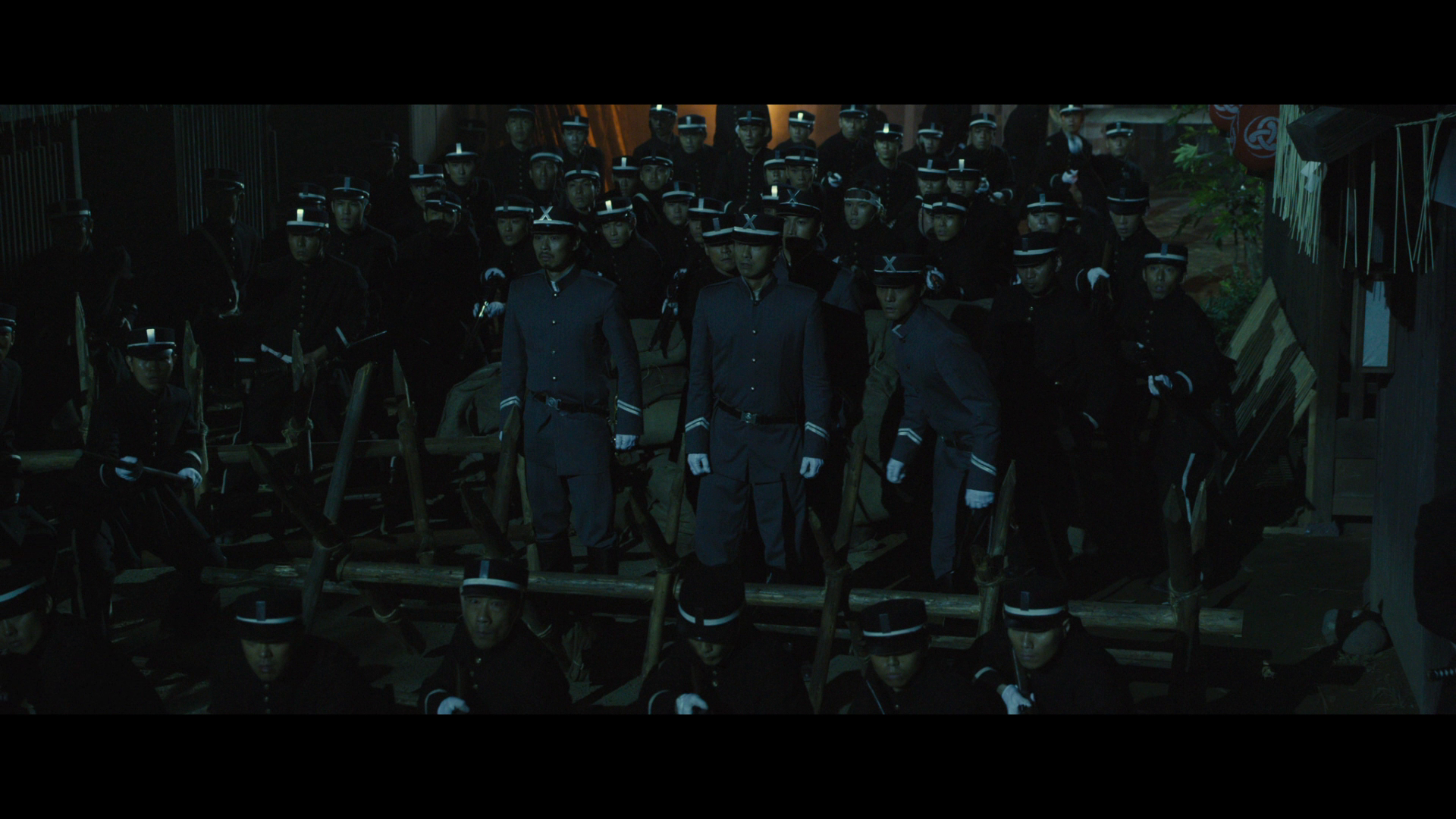
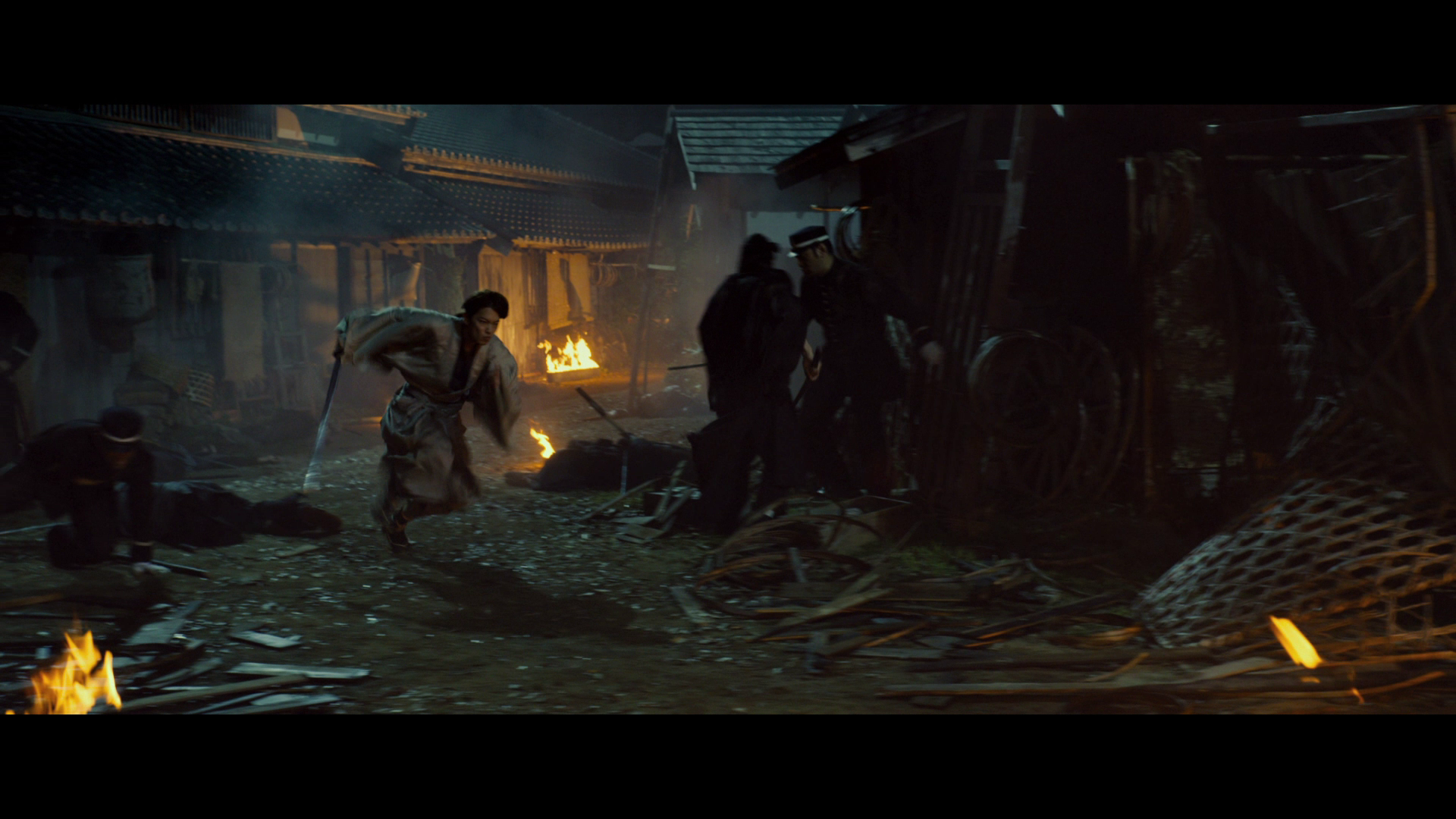
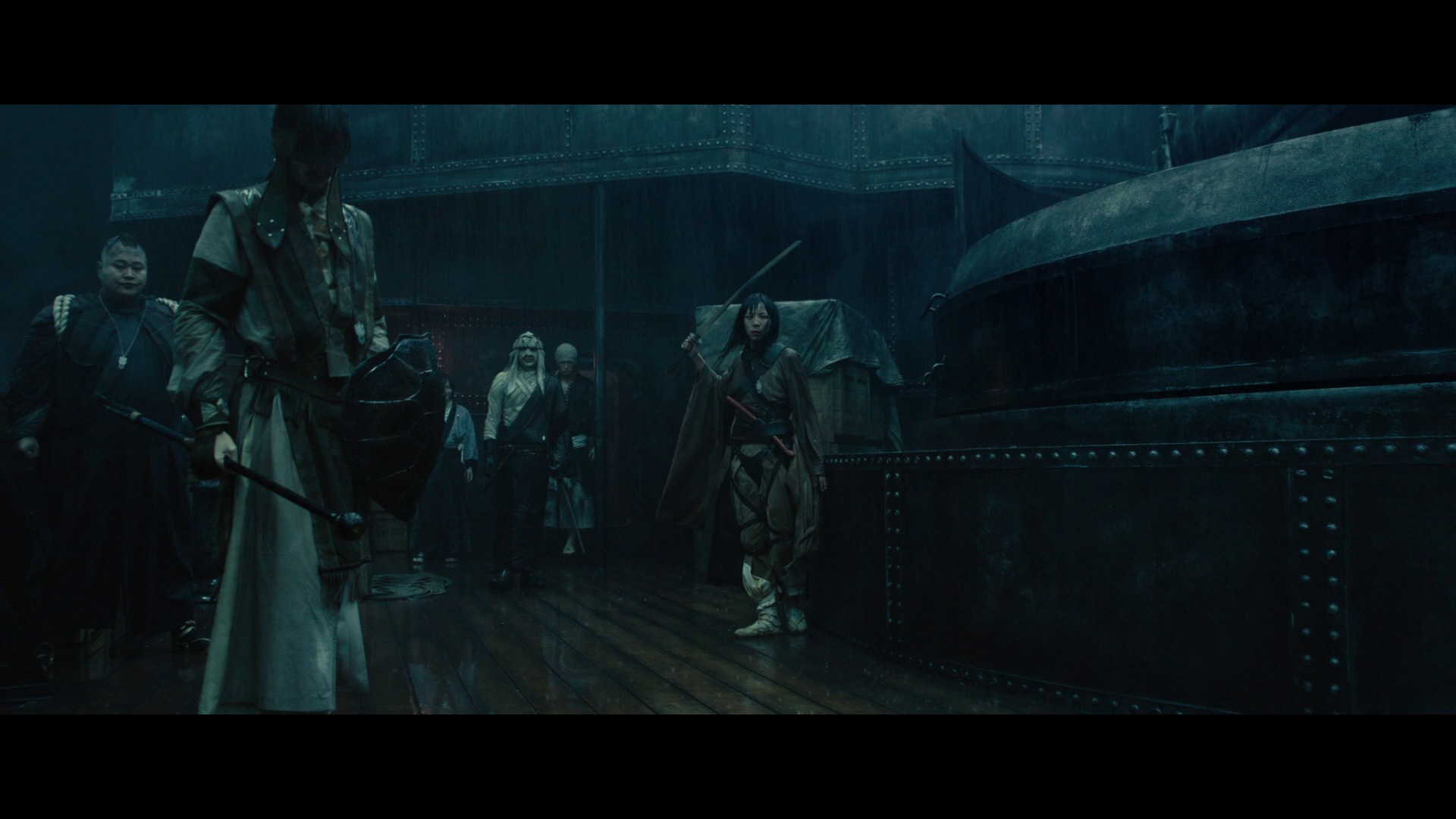
Kyoto Inferno is bigger, badder and much more expansive than its predecessor. This is being reflected in its vivid production design from Sou Hashimoto. Like any other typical Japanese film, there is not much external influence here considering the story takes place ten years within Japan’s own Meiji period. Thus, it’s natural, of course, to see the new style of architecture in Japan’s infrastructure (e.g., red brick and Western influenced buildings) and Western style warships.
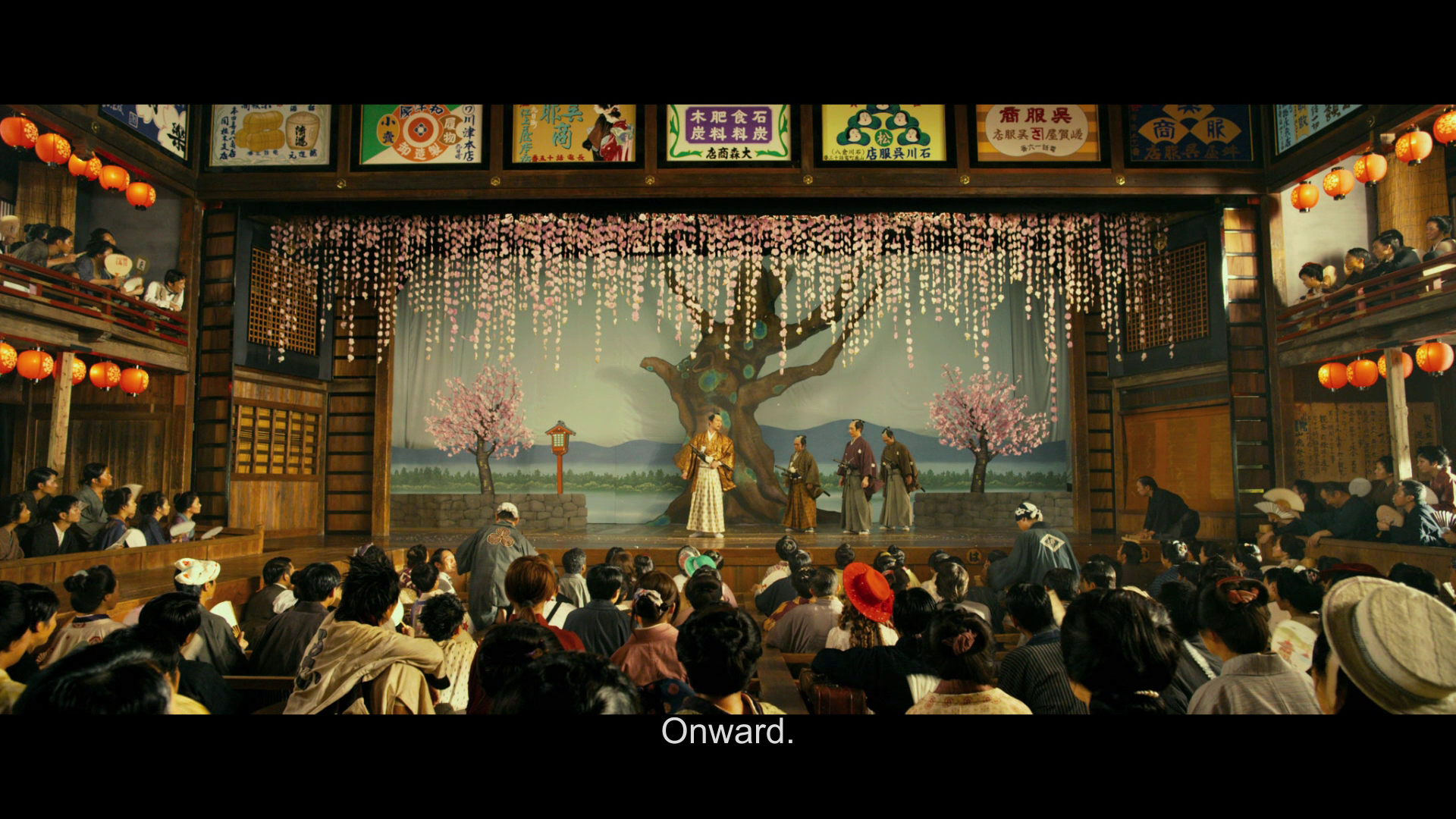
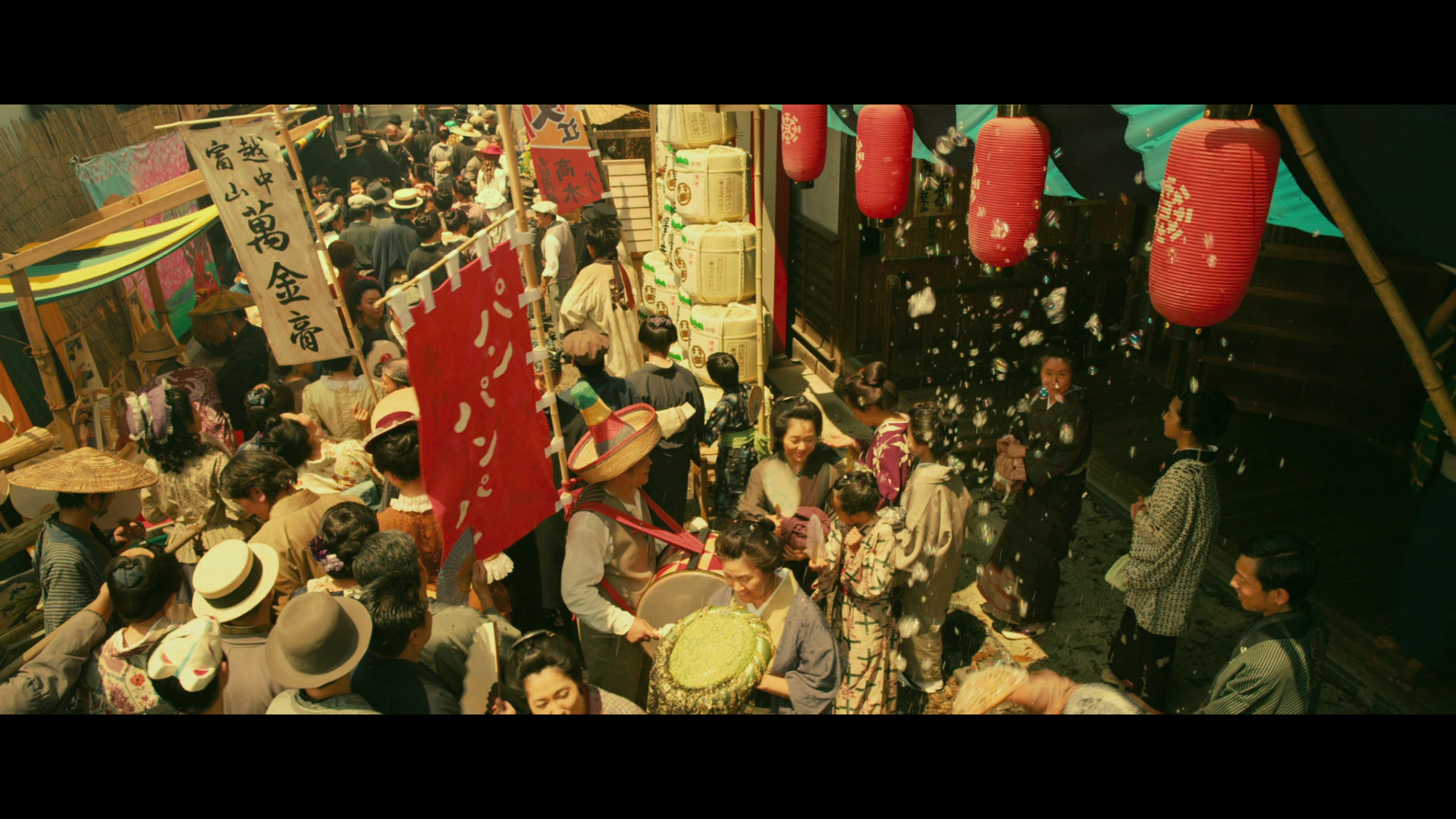
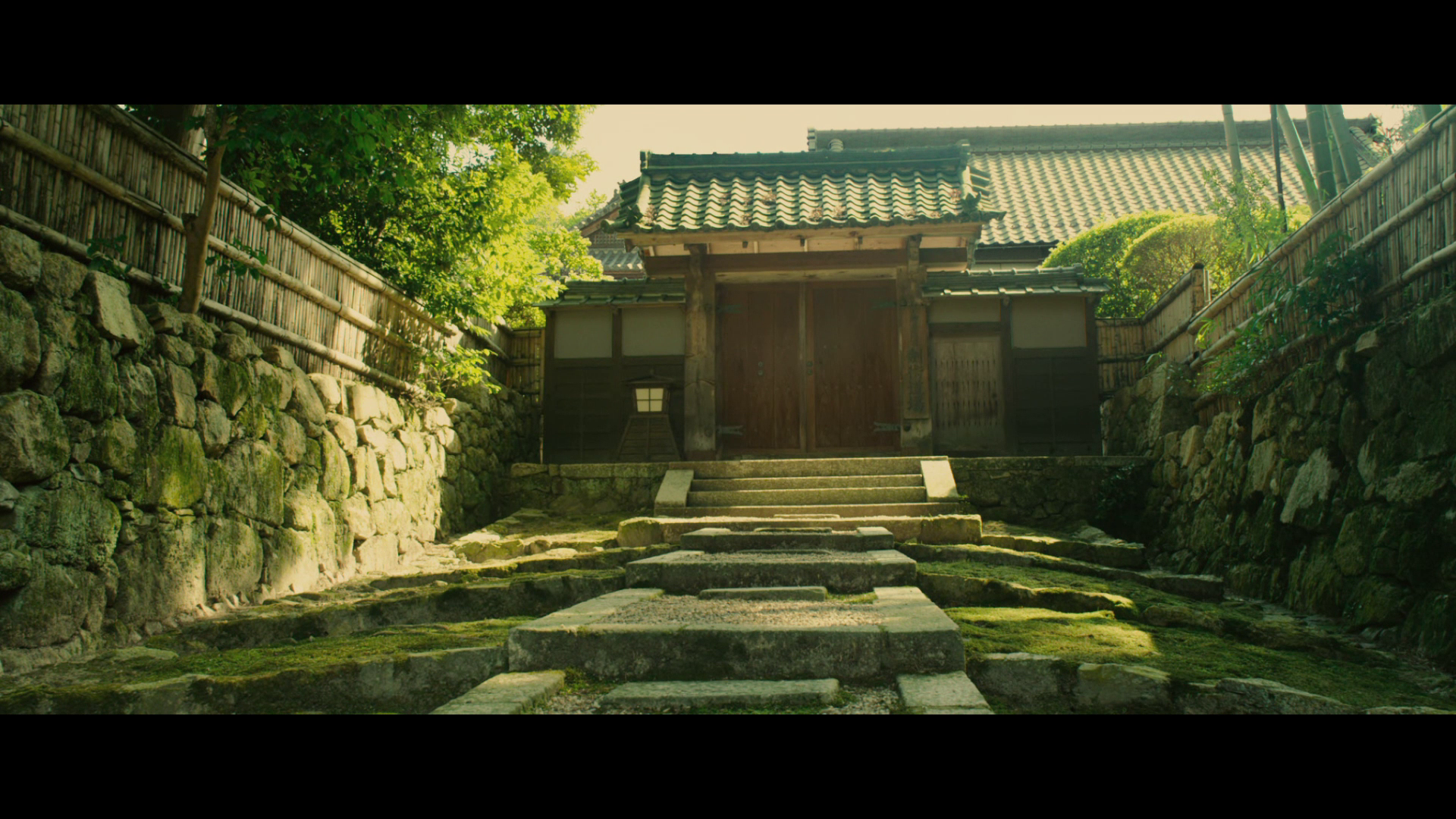
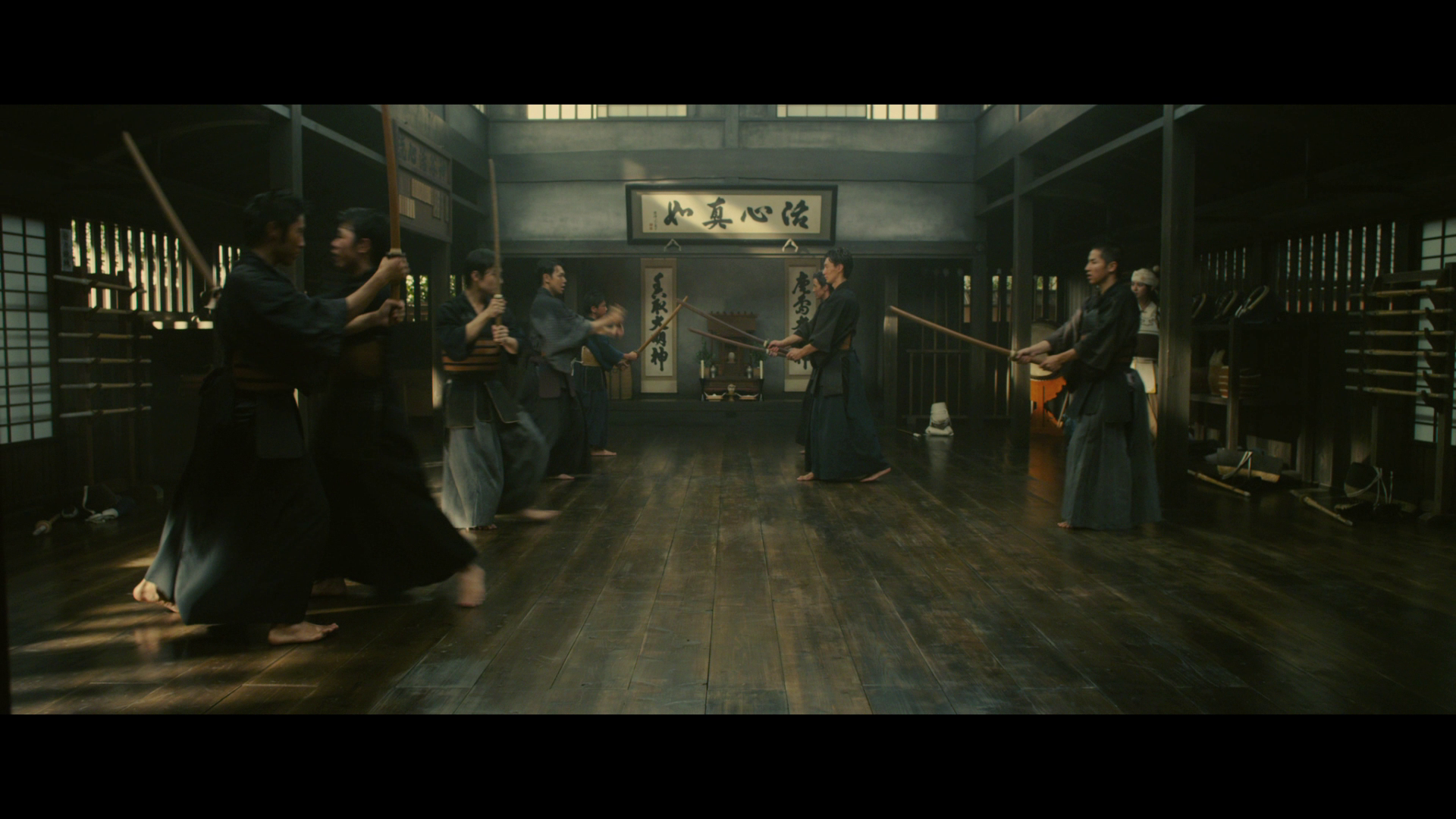
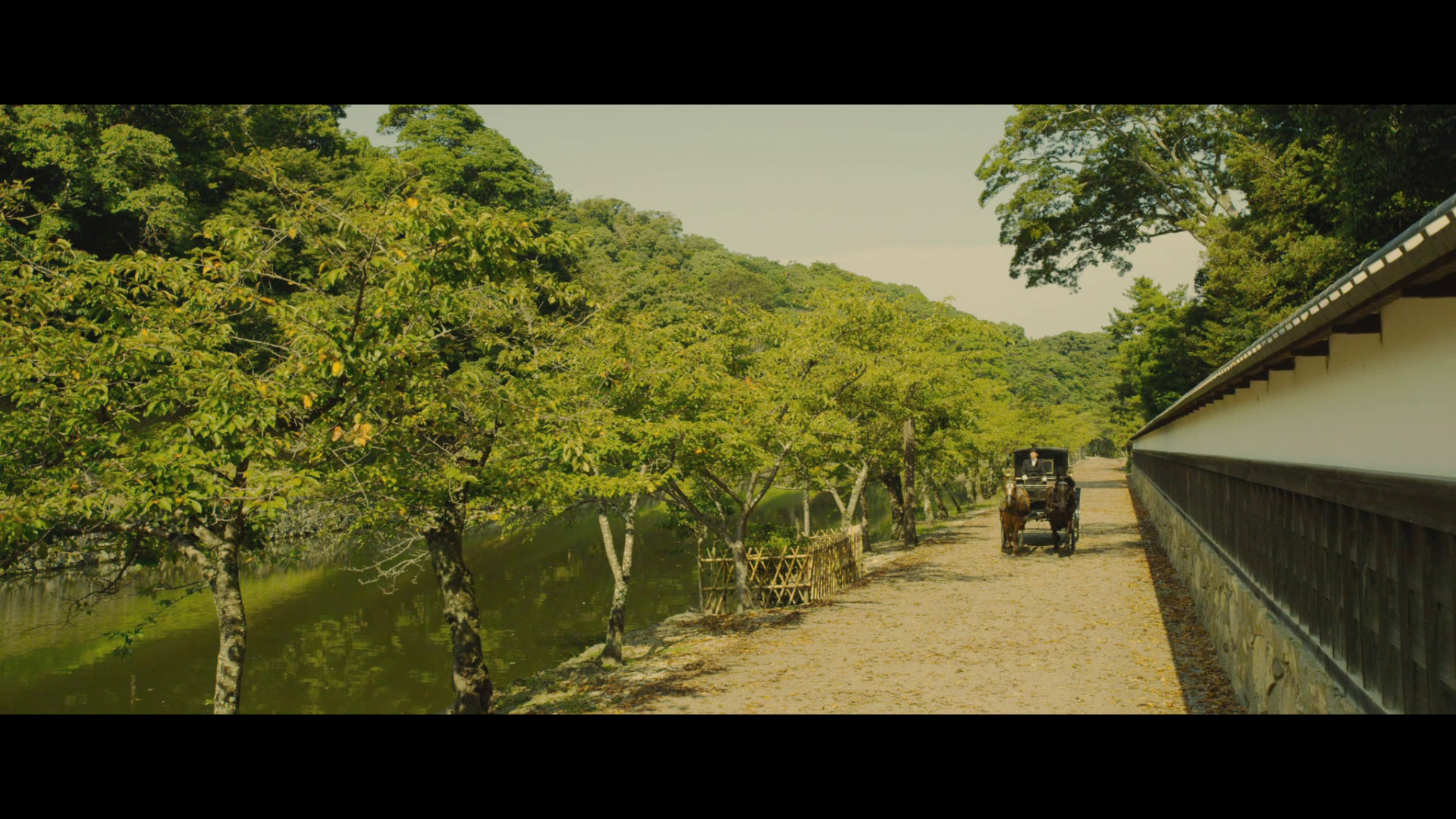
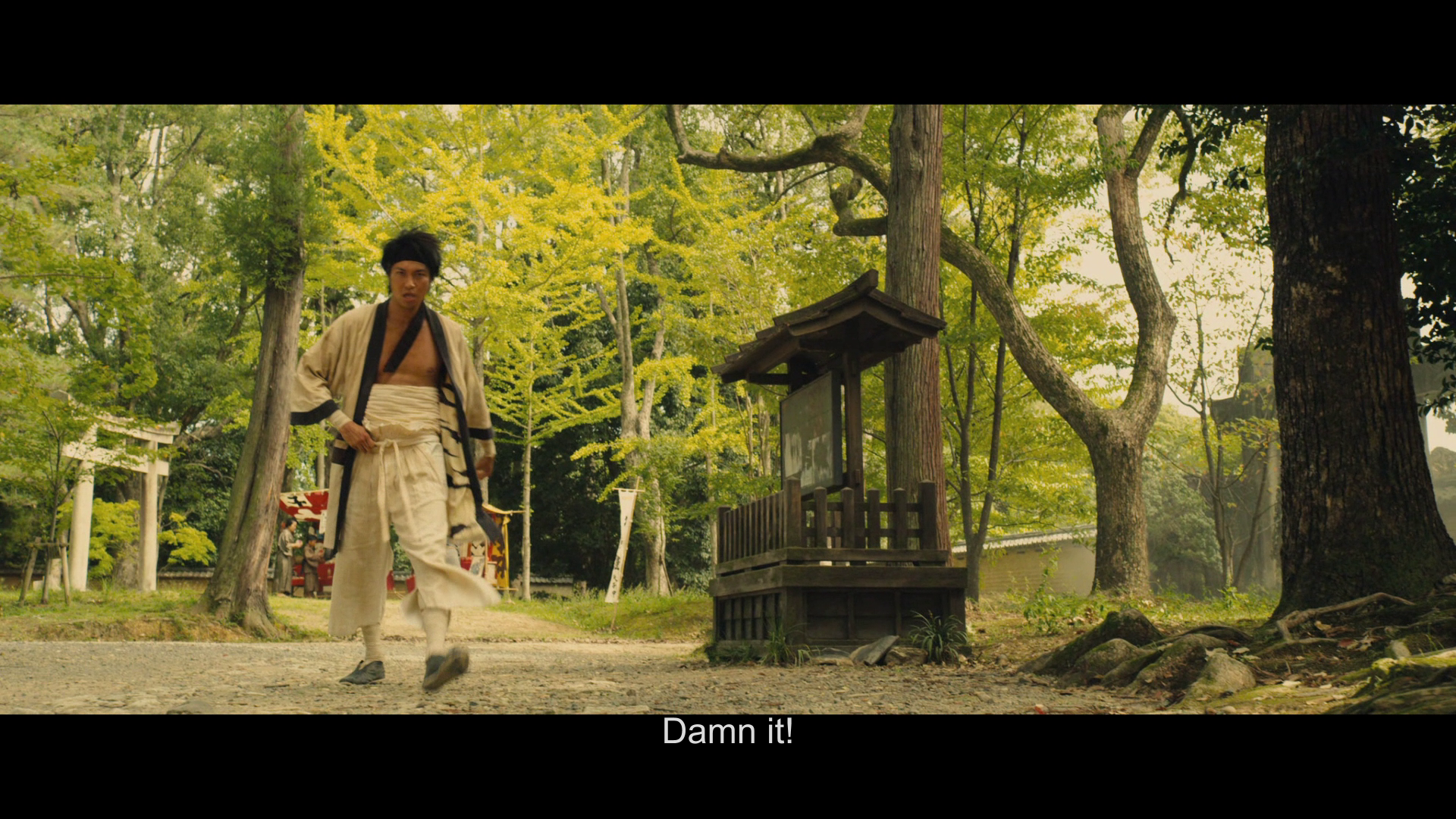
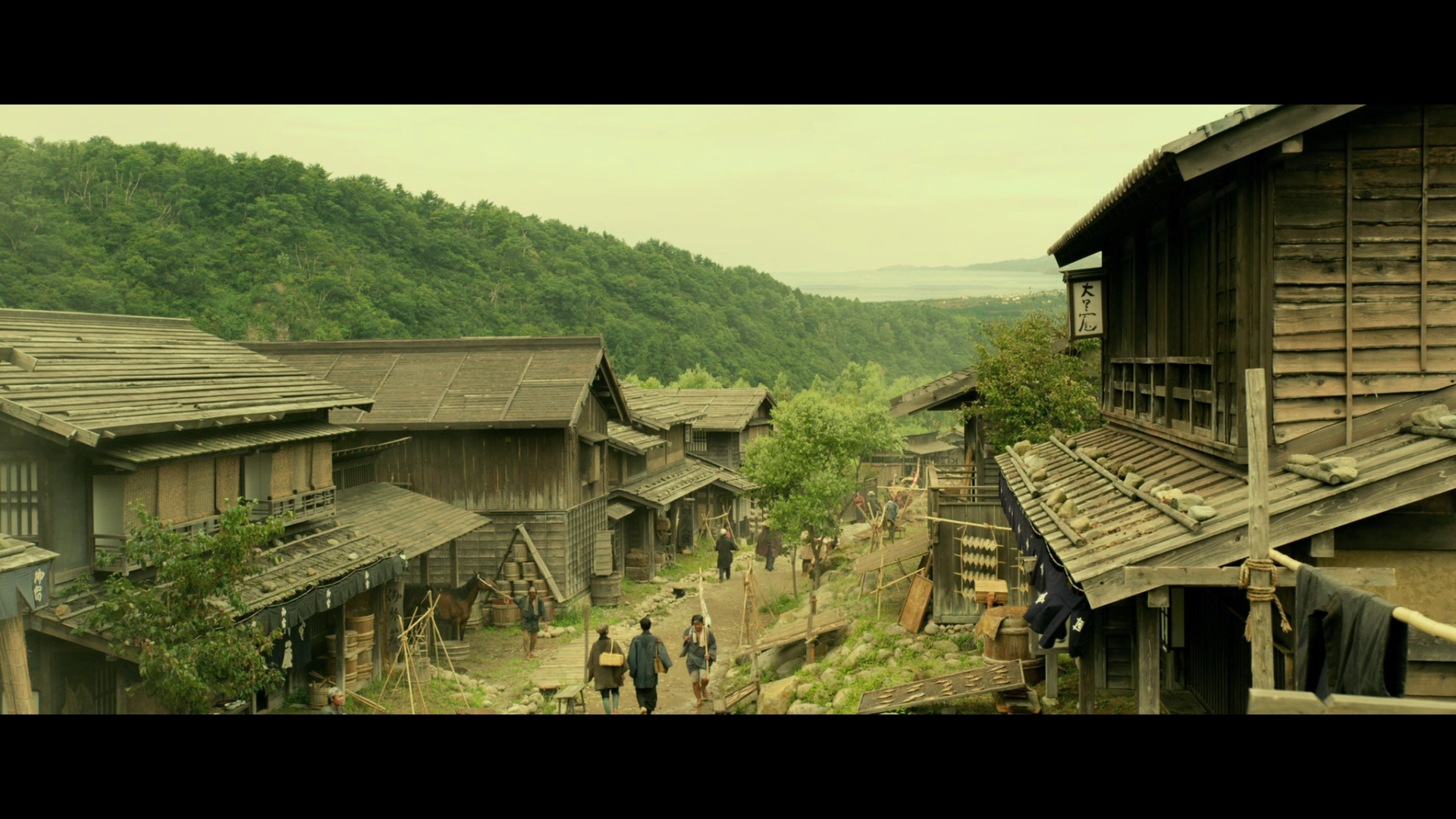
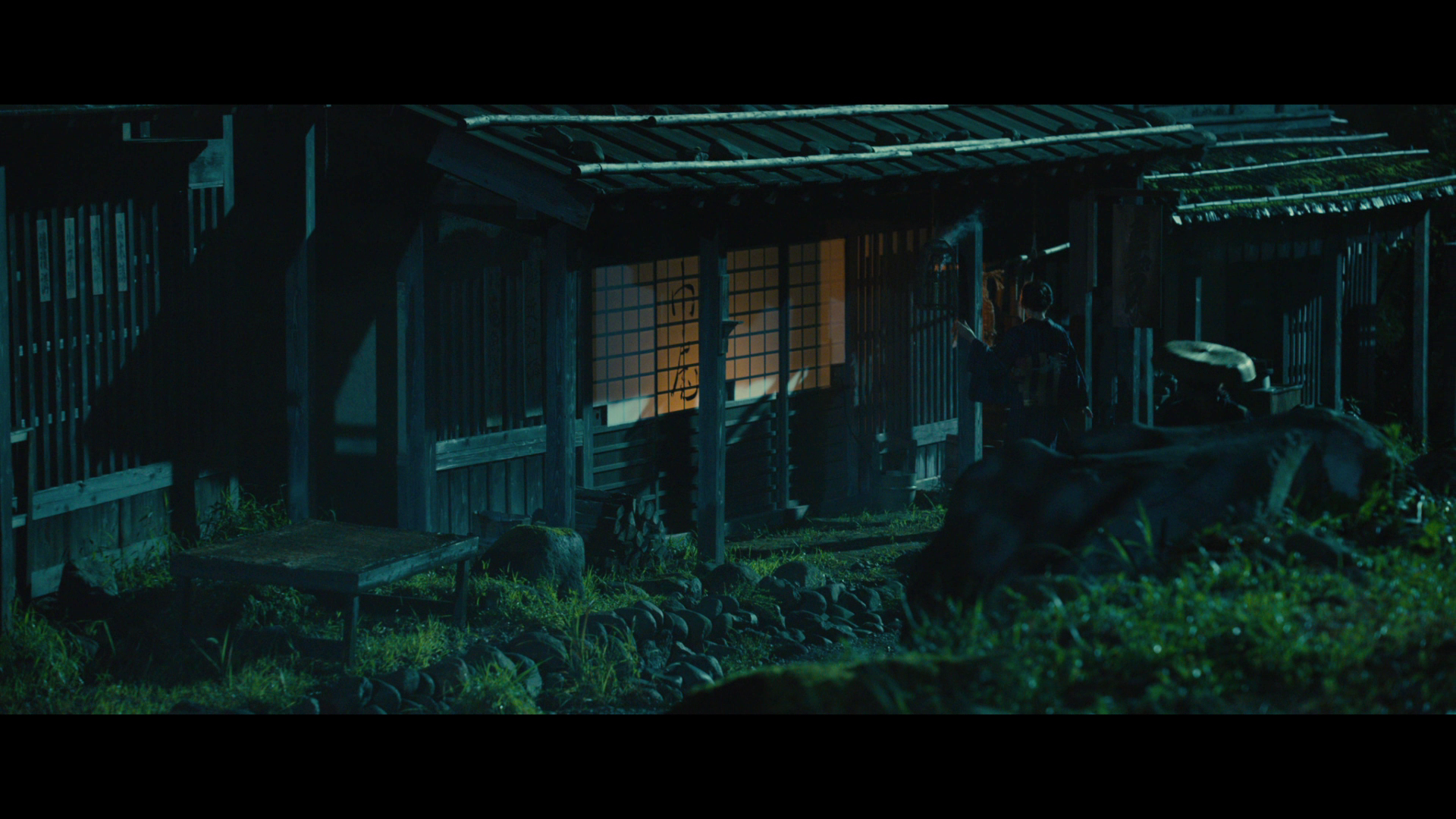
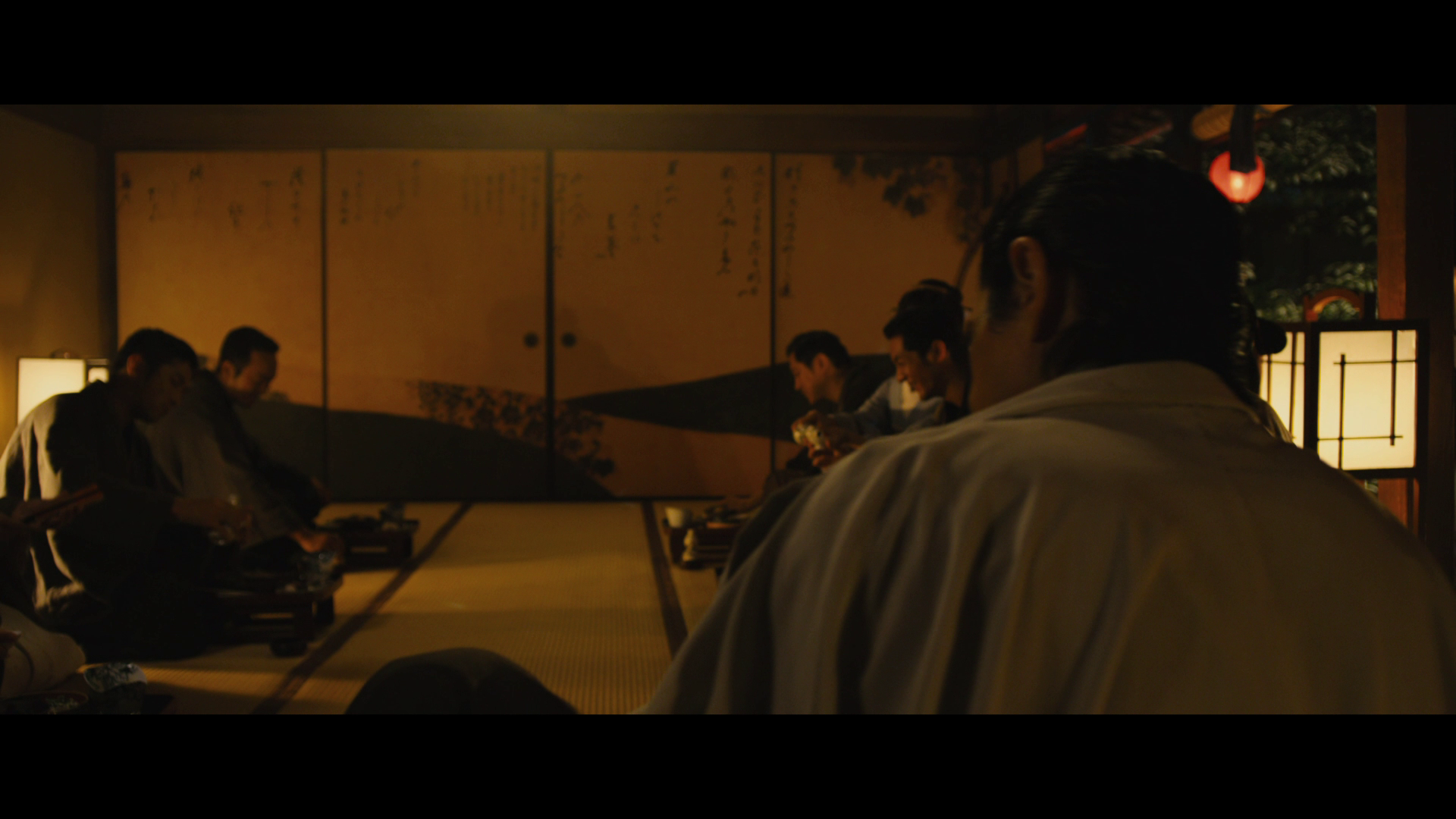
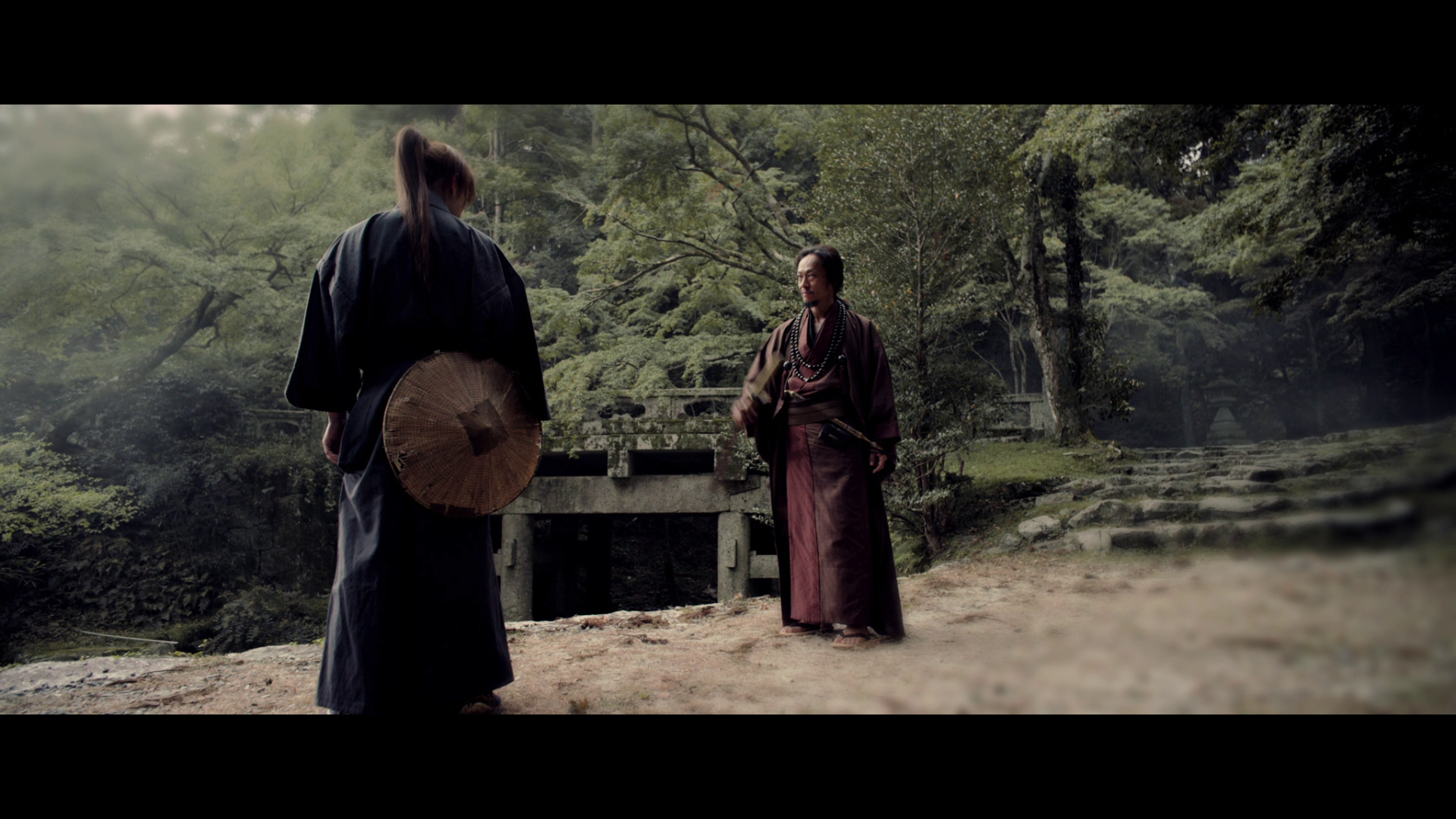
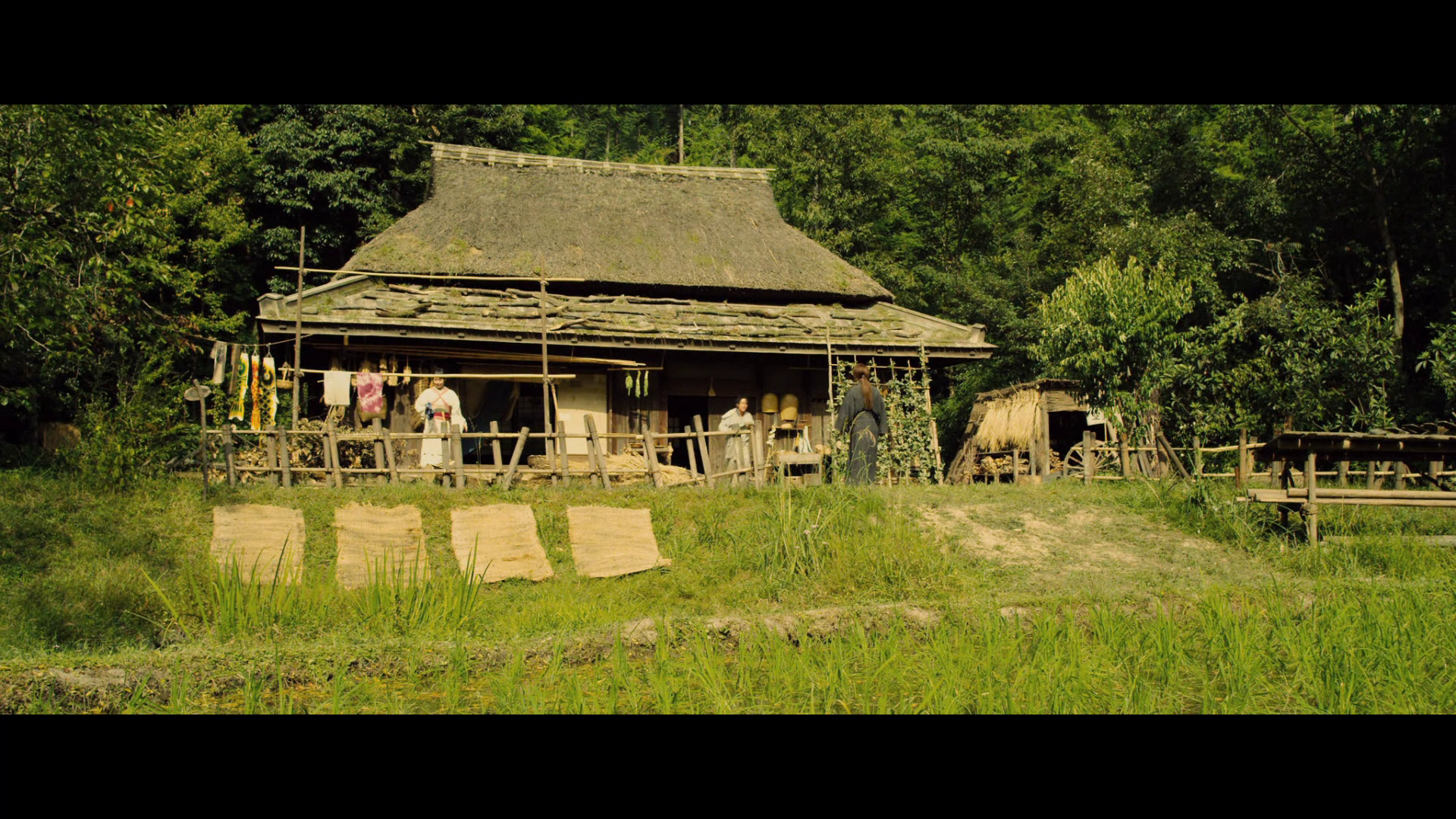
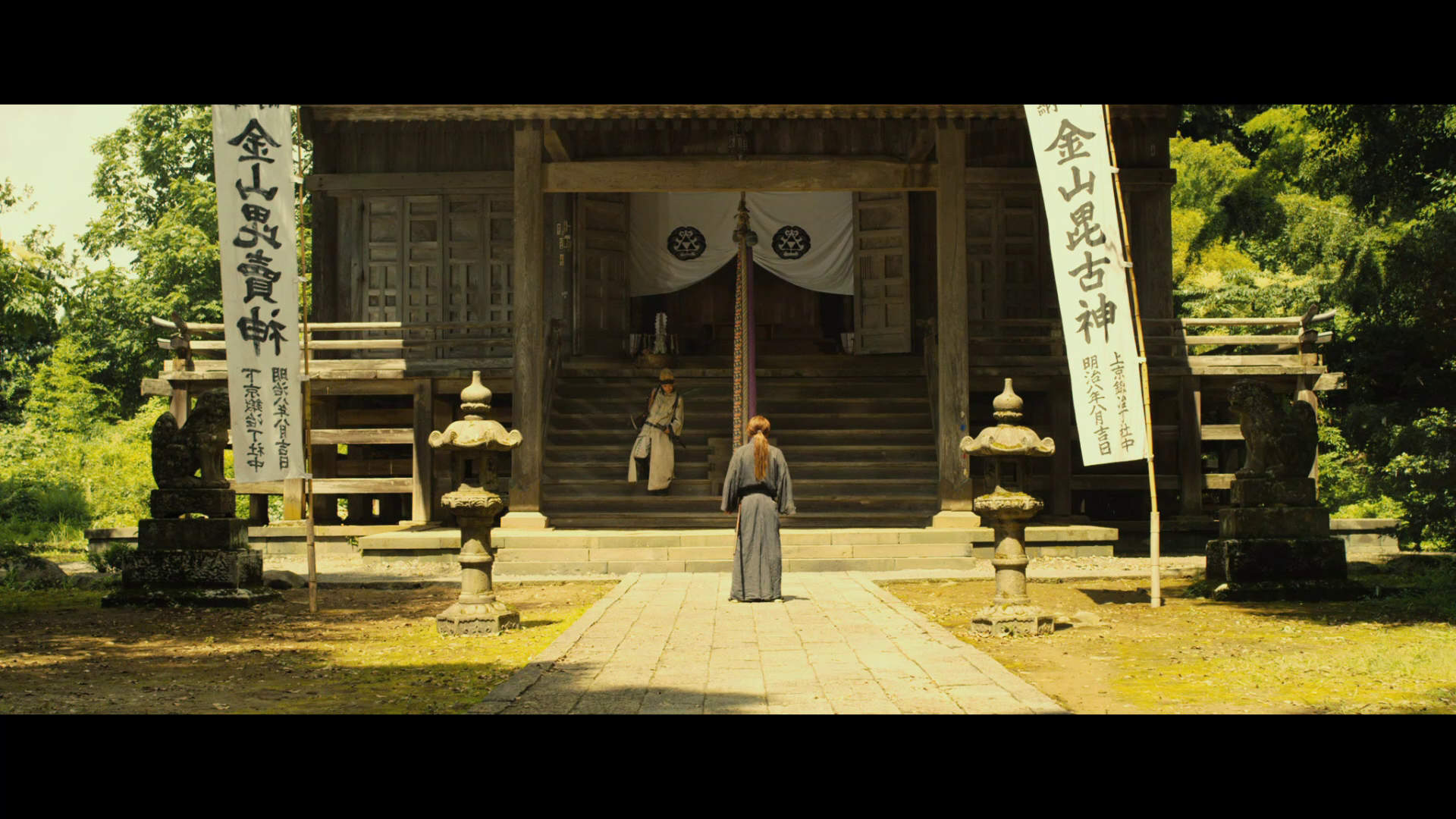
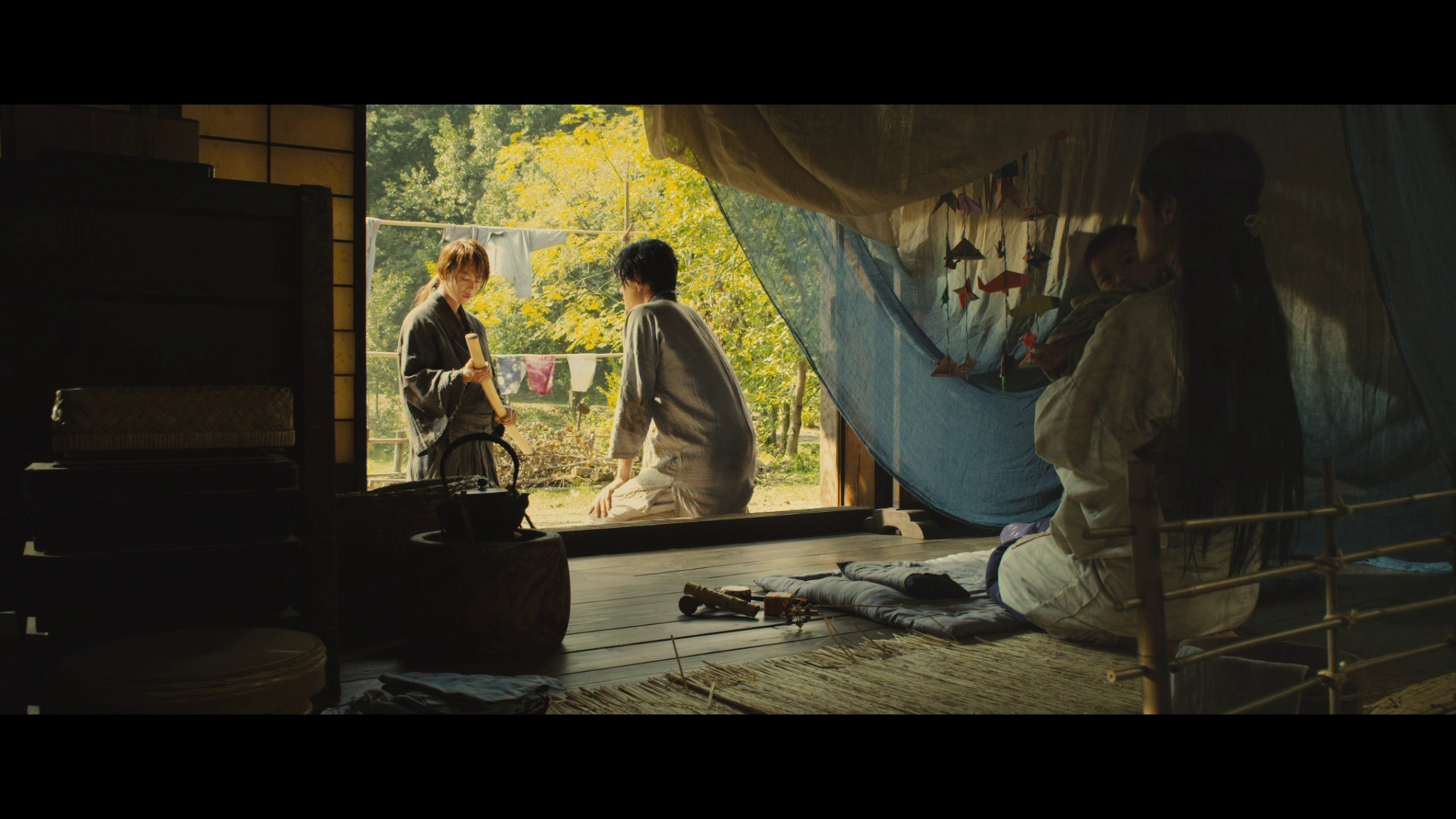
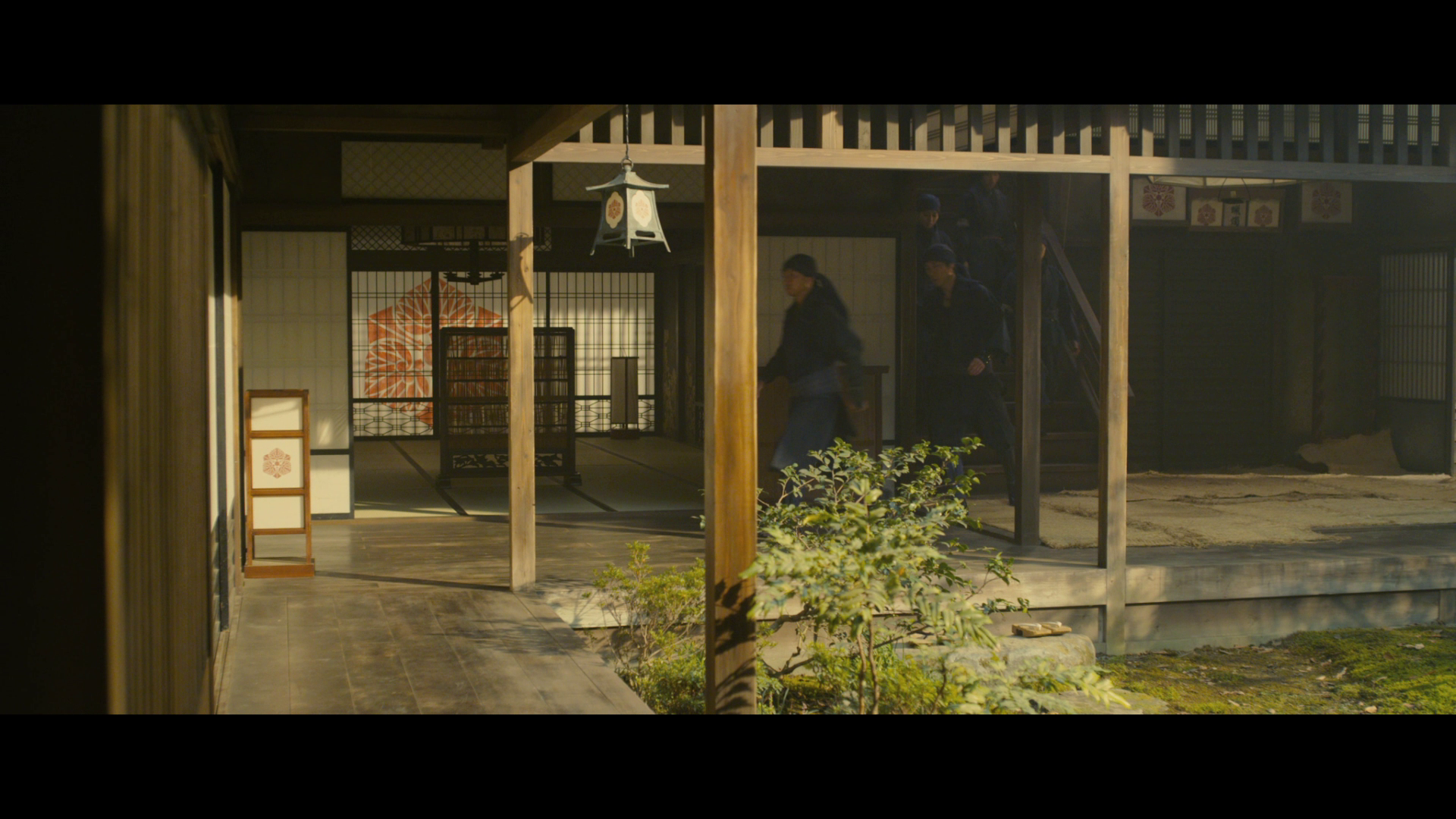
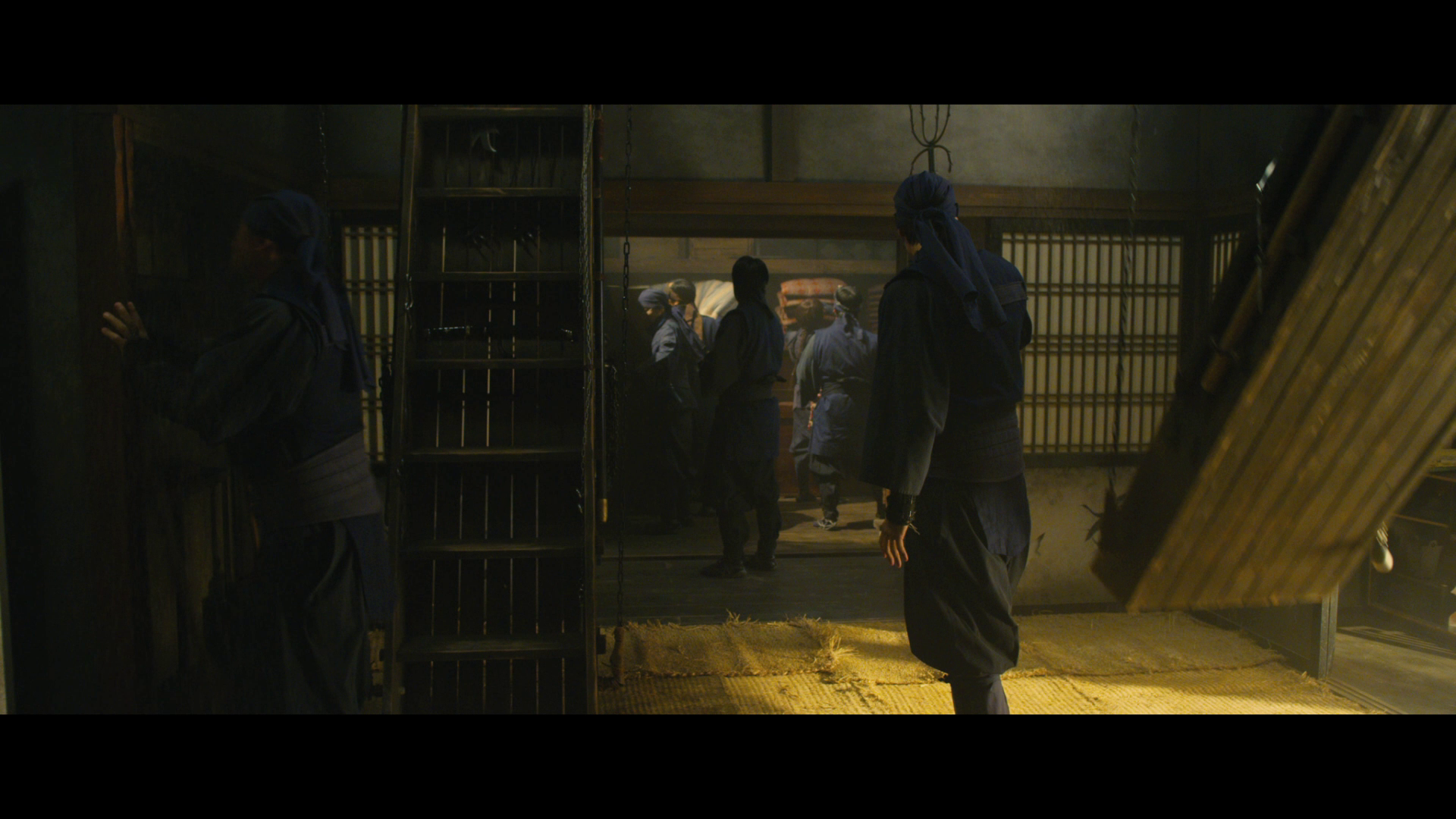
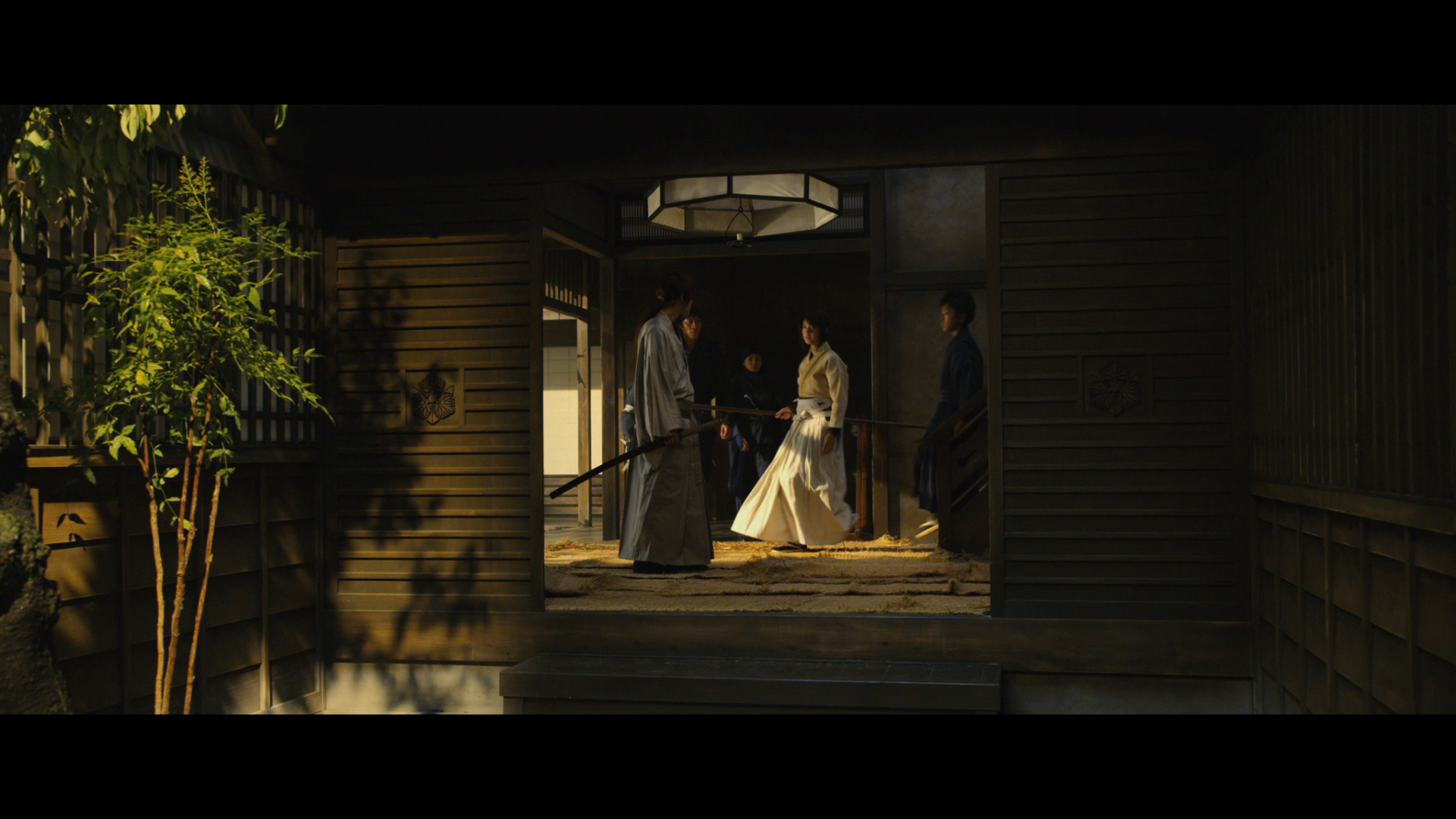
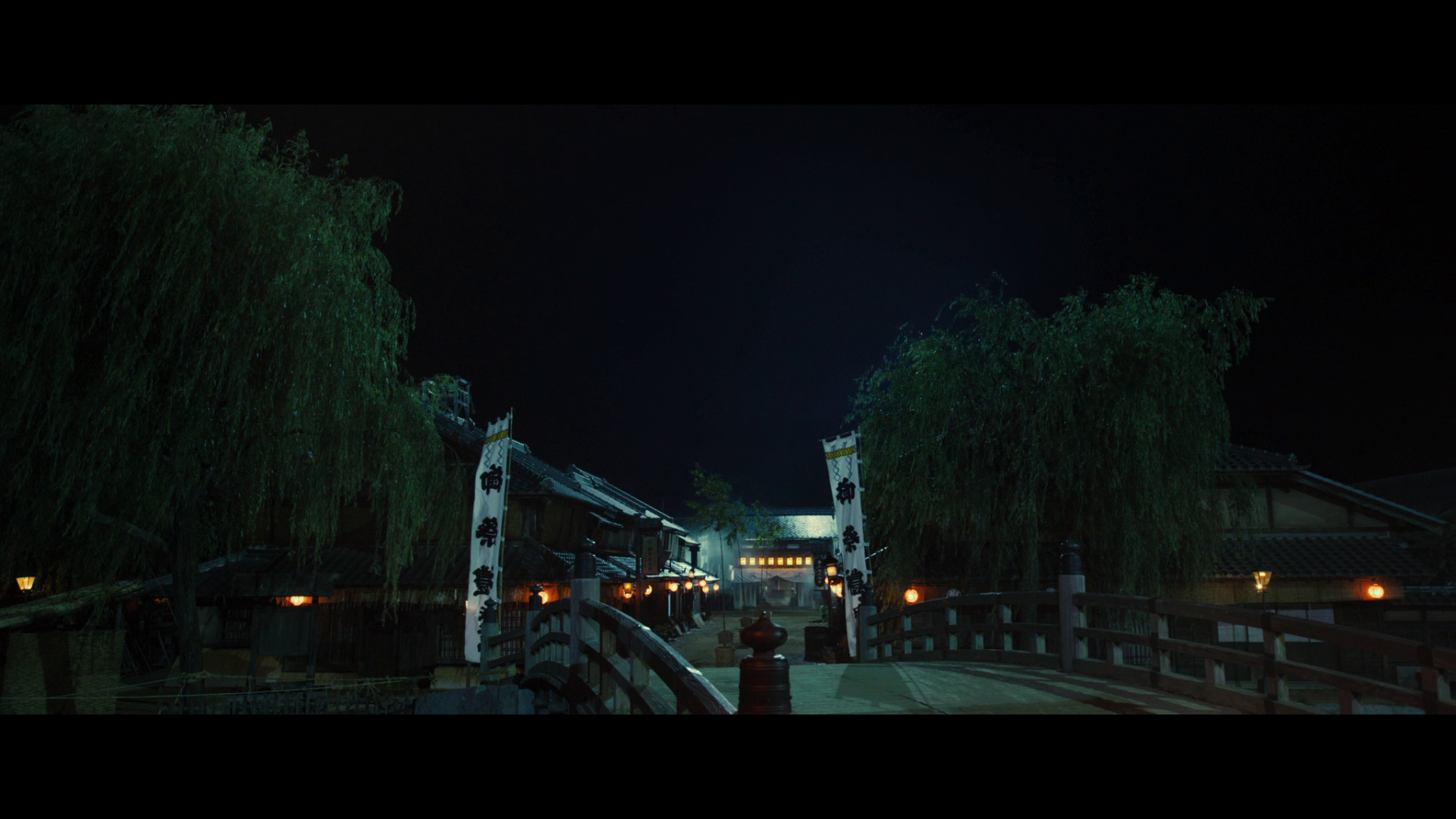
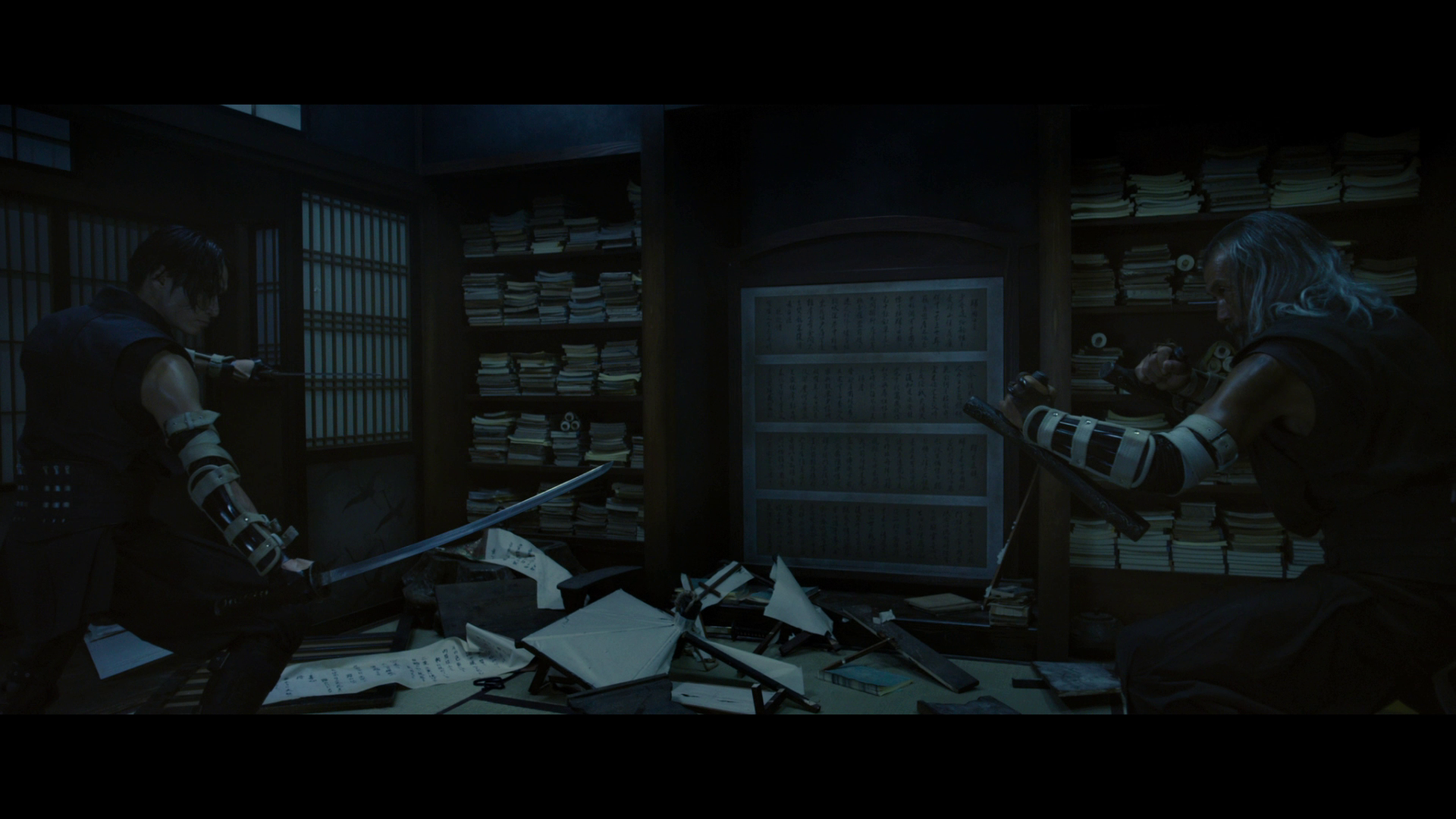
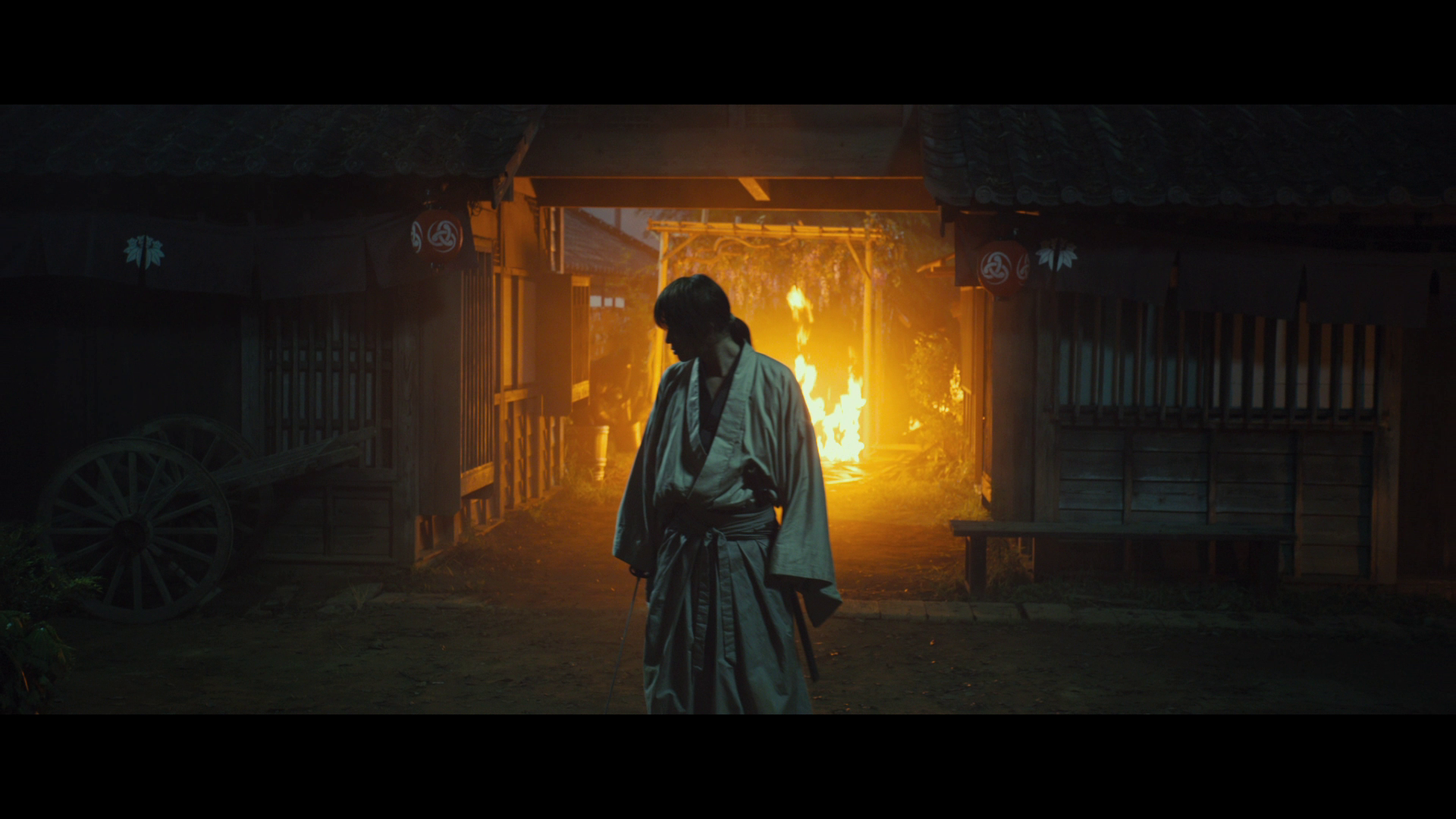
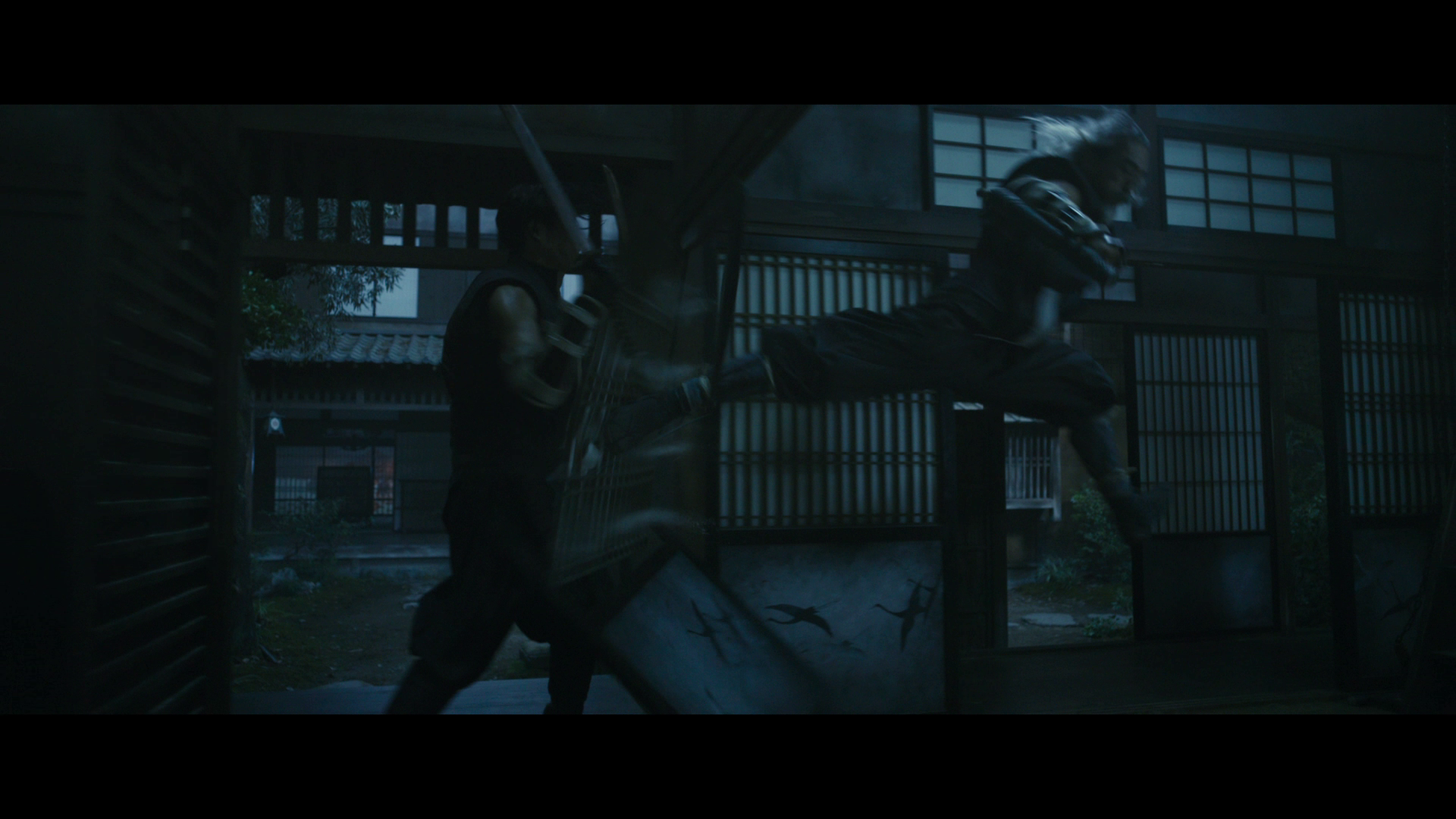
Nevertheless, this does not mean Hashimoto does not find the time to create (or recreate) the typical Japanese sensibilities. These are represented through Shinto shrines, traditional house aesthetics and the magnificence that Japan’s own ex-capital, Kyoto, used to be a place for craftsmanship and culture unique in the whole world.
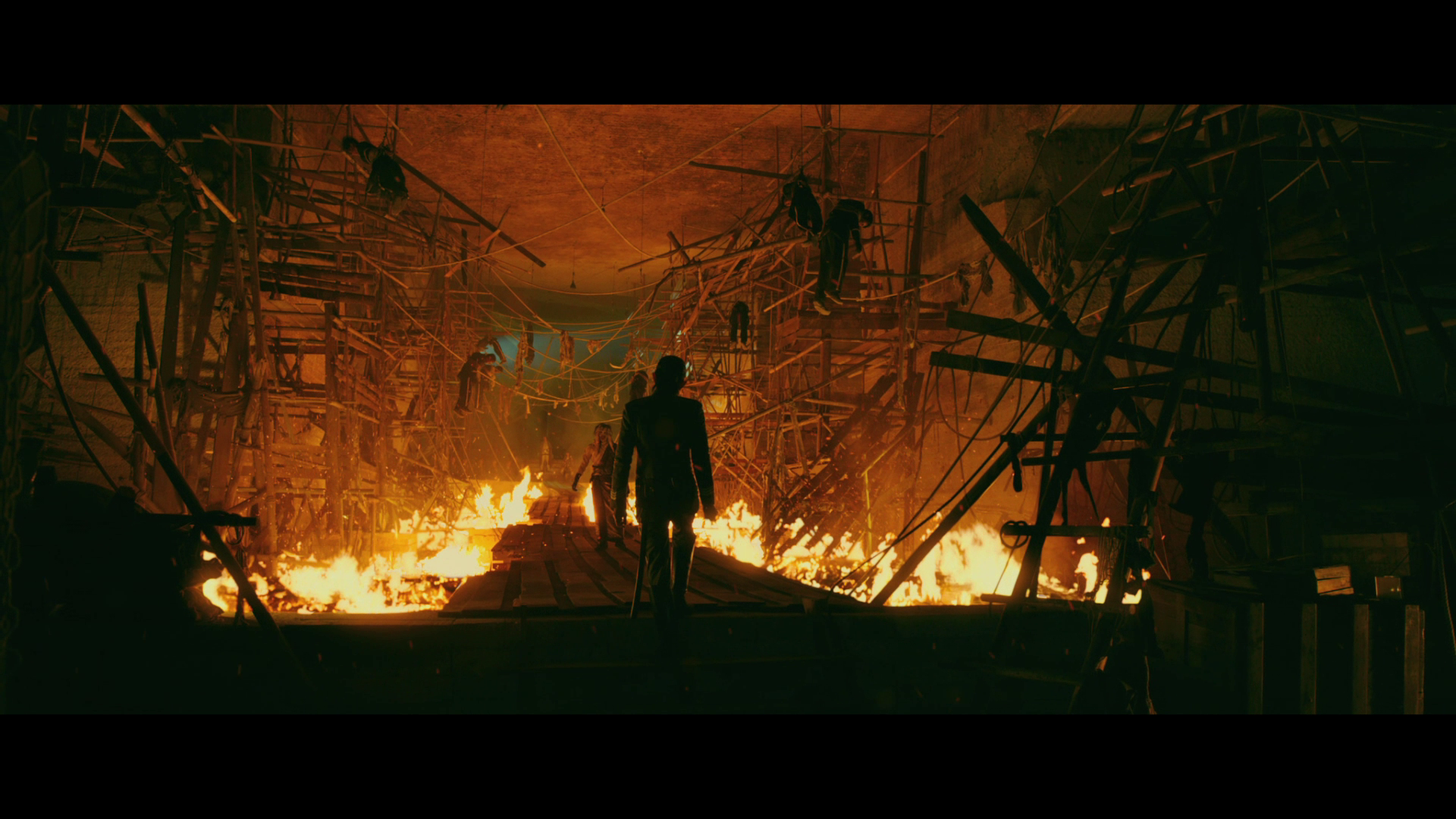
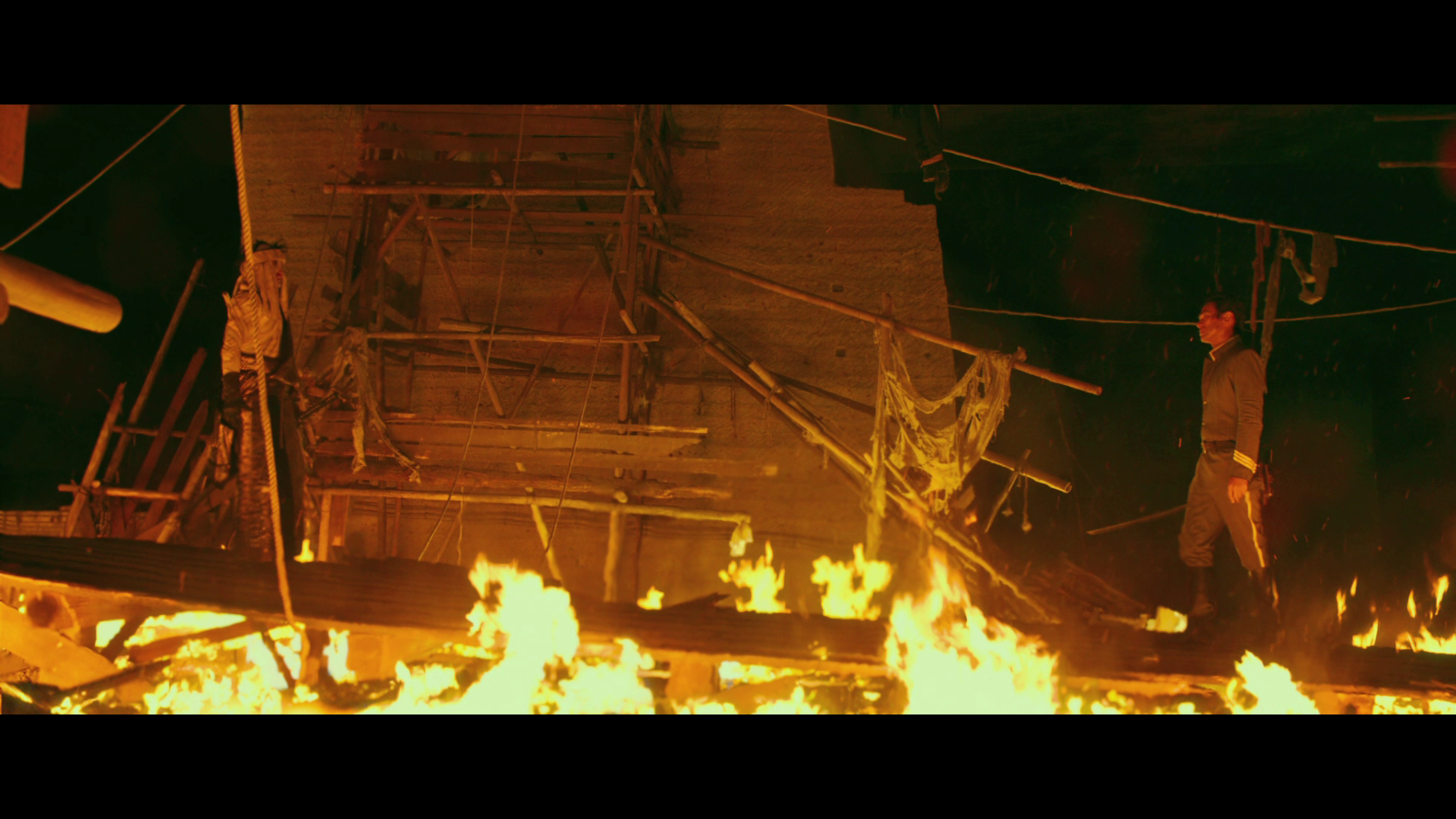
Hashimoto carefully combines these elements with the more action oriented aspects of Kyoto Inferno like the villain’s design. His fiery introduction resembles something of the descriptions that can be read in Dante’s Inferno or John Milton’s Paradise Lost, yet it bears some sort of resemblance to the jidaigeki manga on which it is based, similar to Kenshin’s own outfit and stylistically unique comrades.
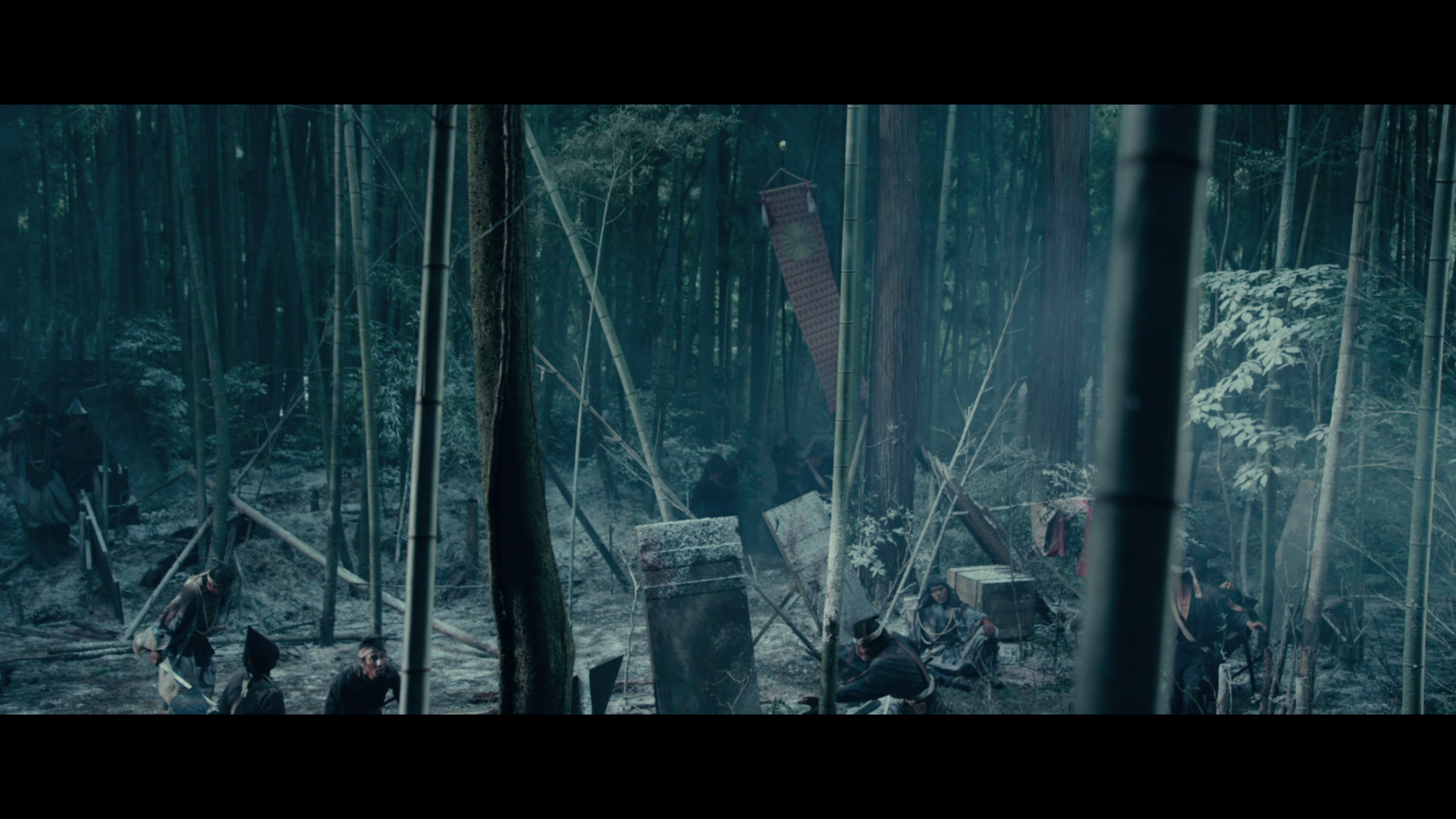
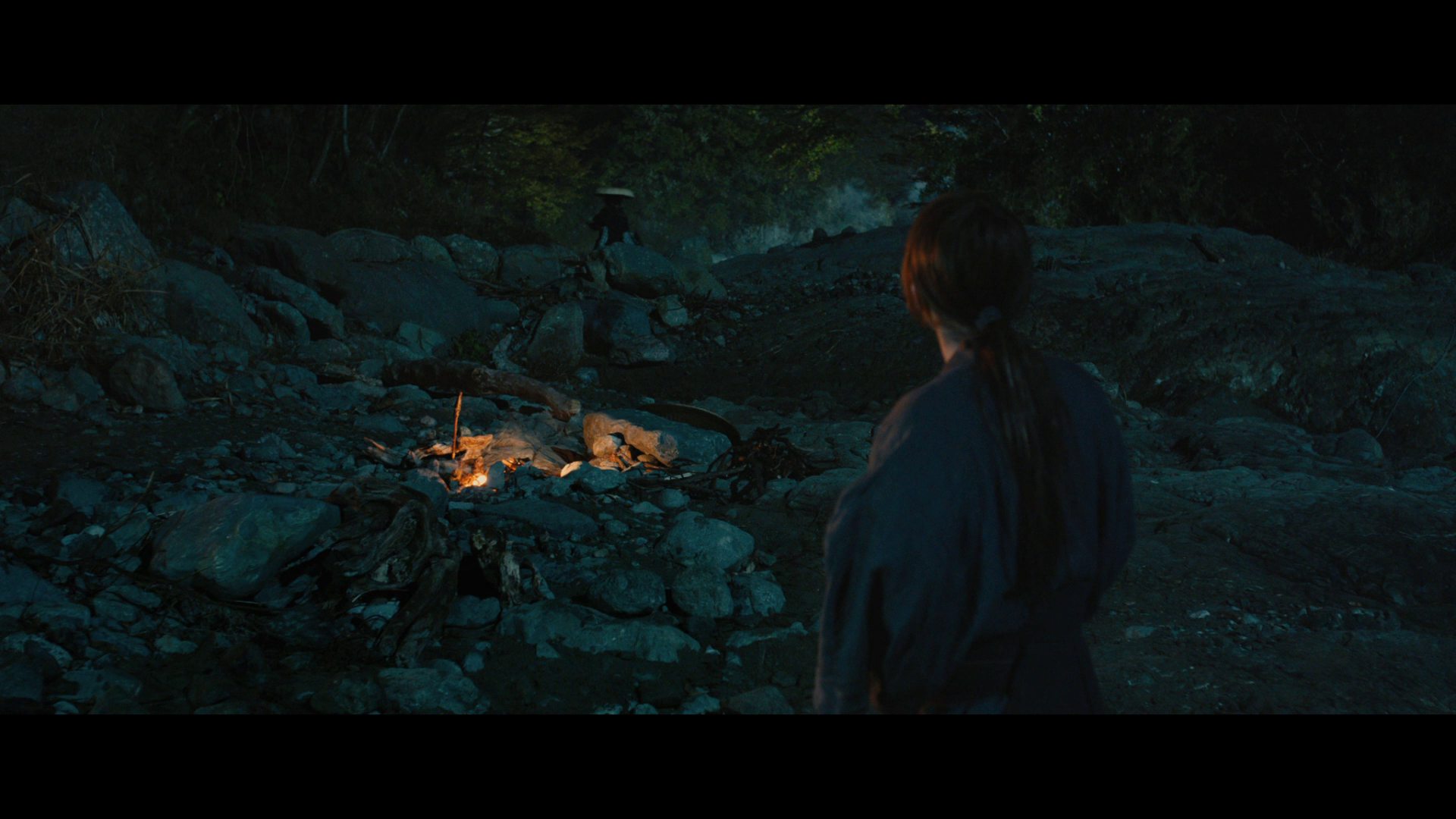
Each shot is composed like a two-dimensional painting boasting natural, non-CGI enhanced visuals that emphasize Japan’s unique take of man’s place in nature. Whether this is with the carefully integrated lifestyle inside nature or the more militaristic and expansionist take which Shishio brings to the storyline, Hashimoto never shies away from exactly this approach; an organic integration of several styles that never once overwhelms the screen or feels remotely kitsch.
Colours
Black Forest, dark crispy brown, warm chocolate, Singapore, marsh, citron green, rustic sage, Virgo, old turquoise, Mikado, metallic bronze, winter black, gunmetal gray, chrome oxide green
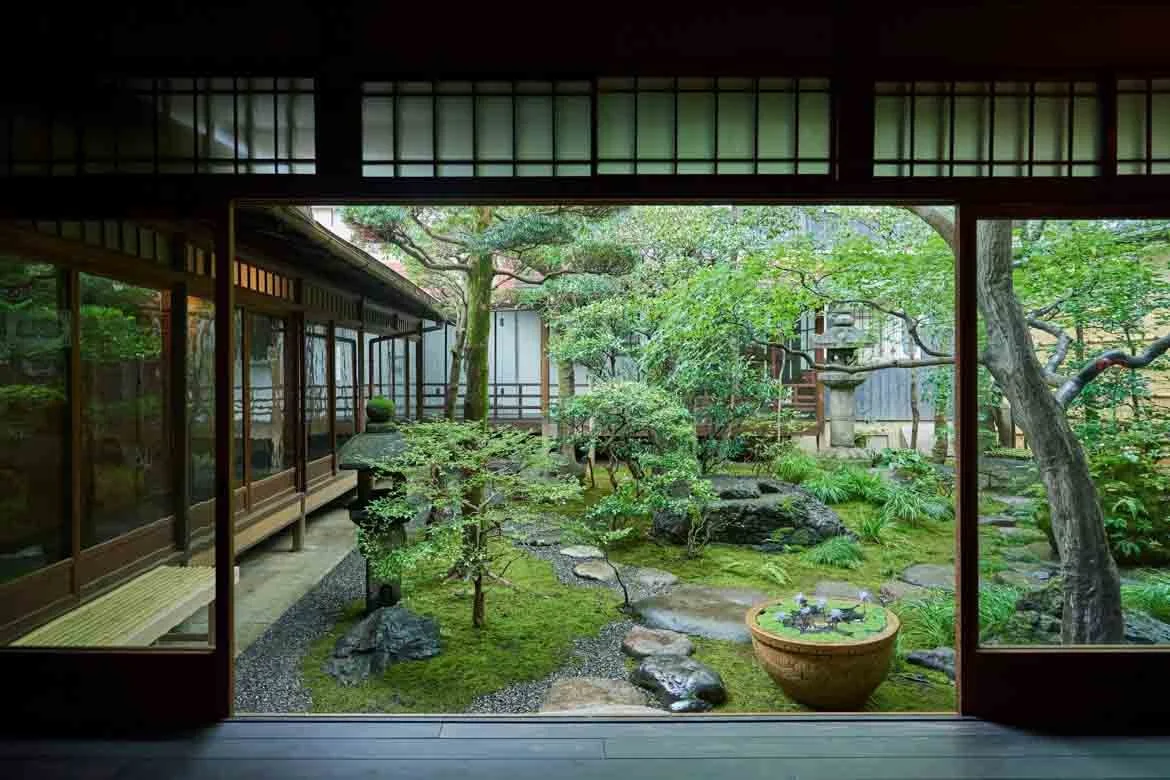
Japanese house architecture
Influences
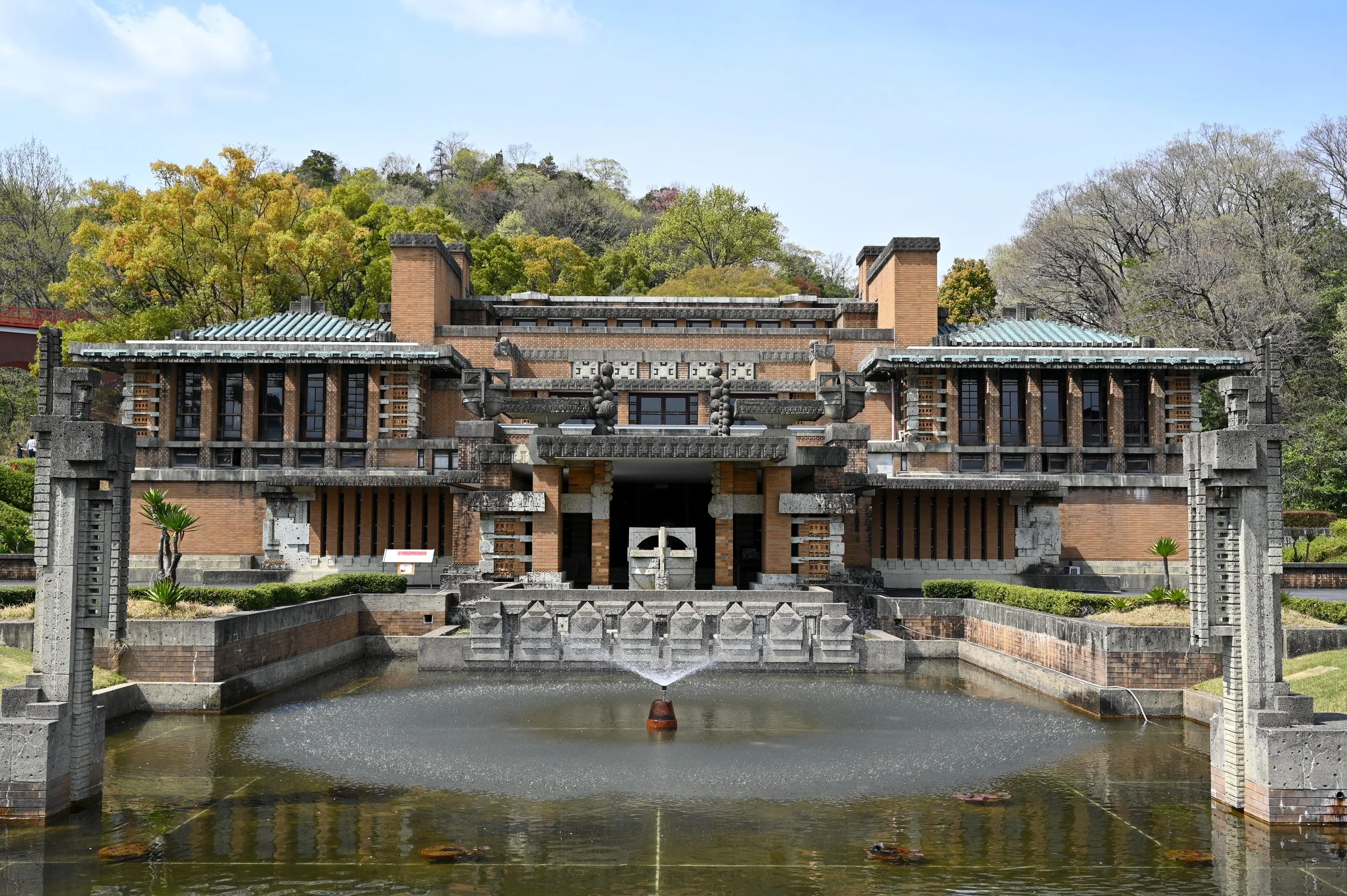
Meiji era architecture
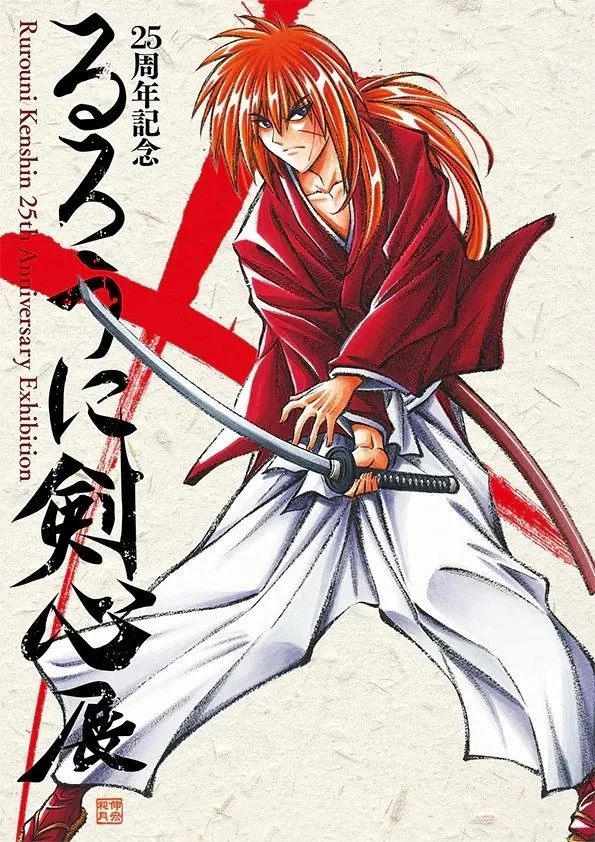
Rurouni Kenshin manga
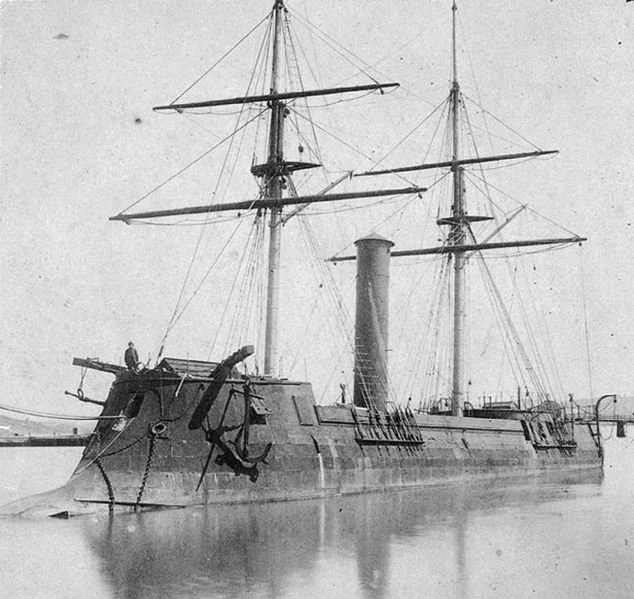
Japanese western style warships
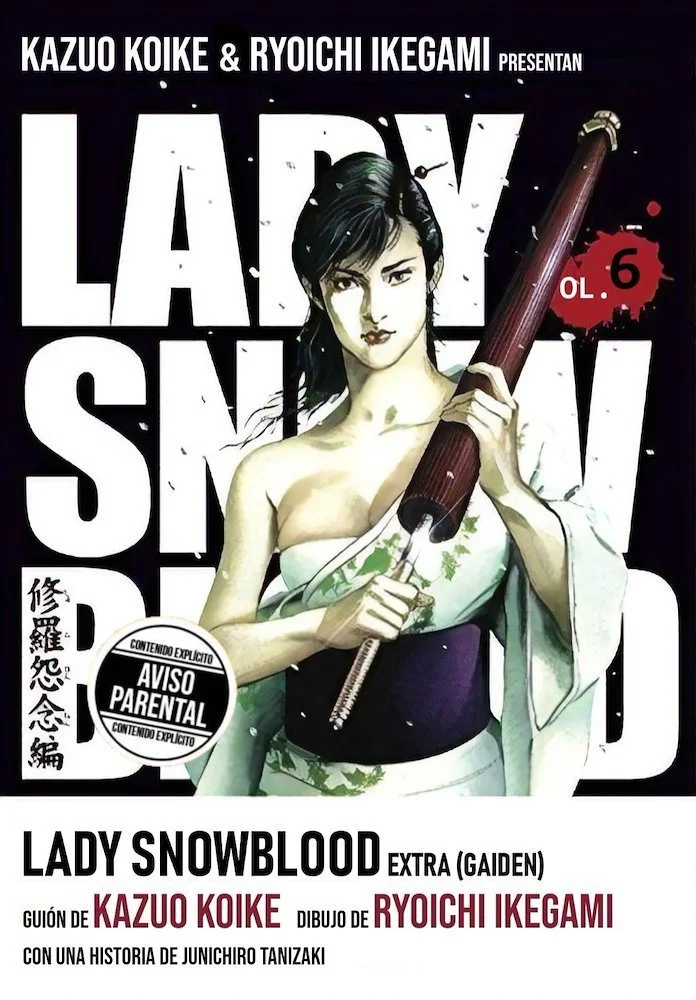
Jidaigeki manga
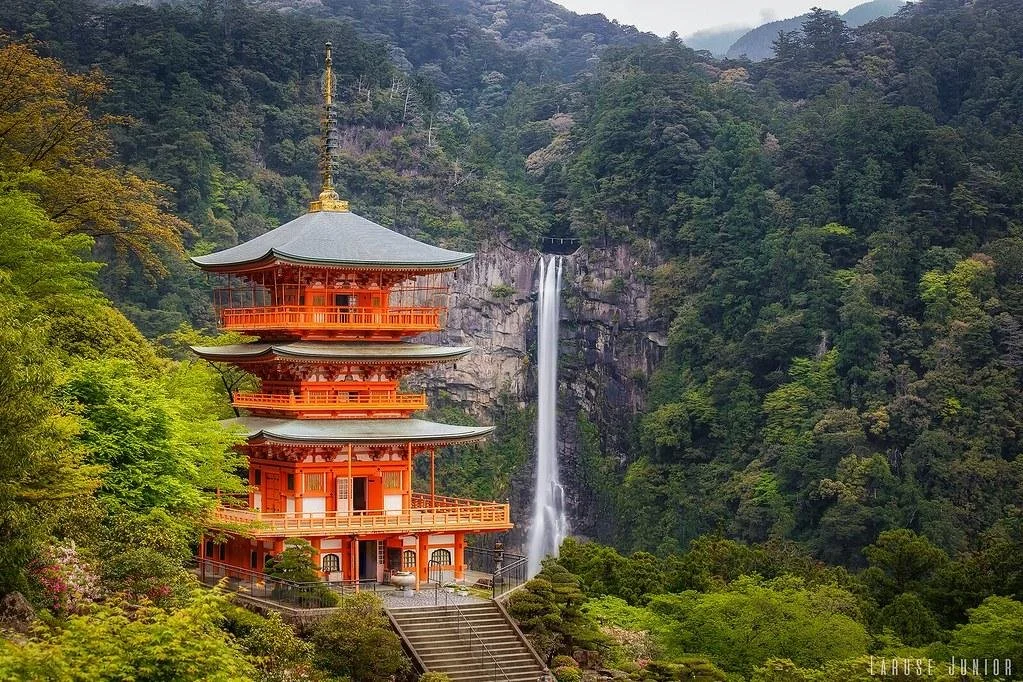
Shinto architecture
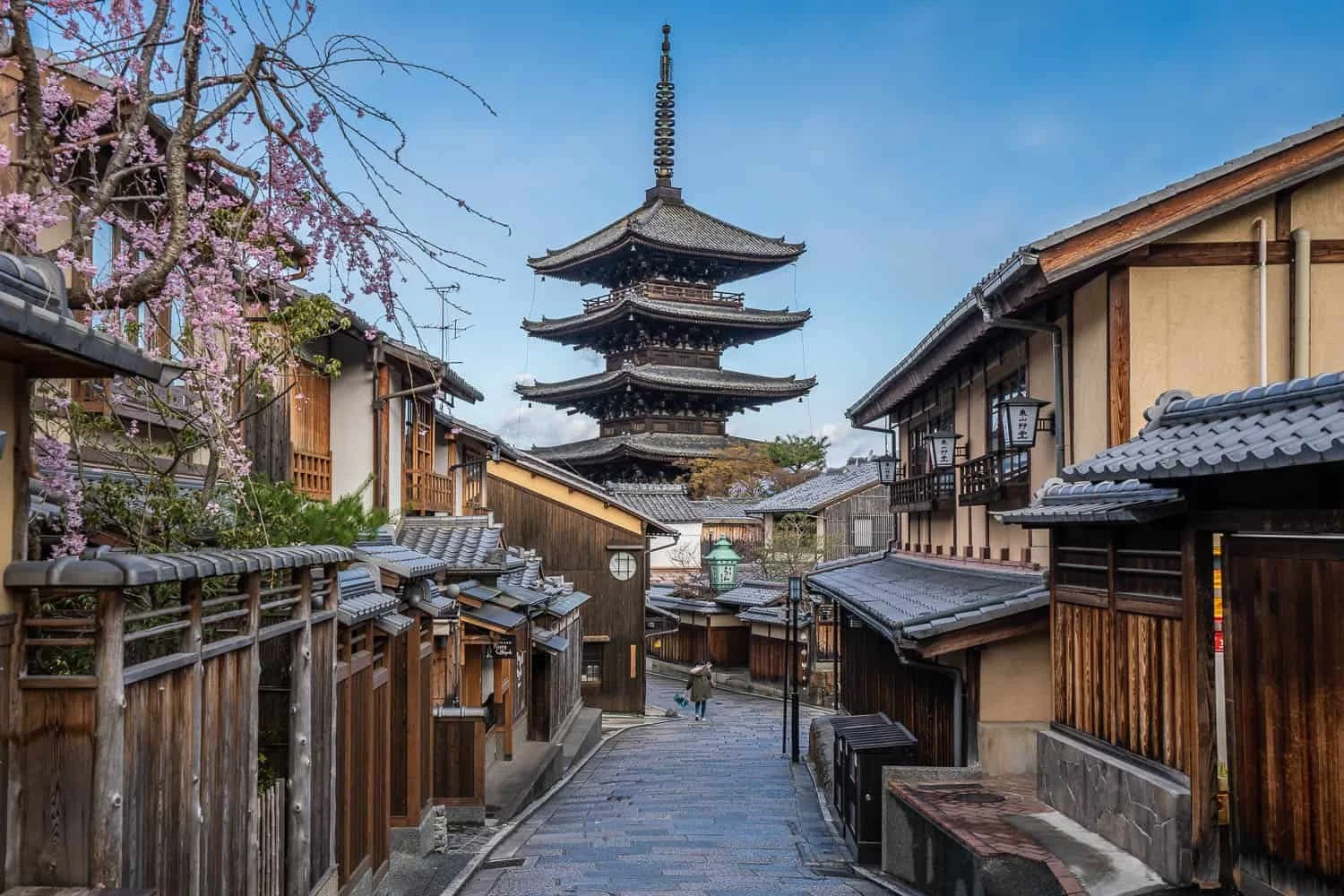
Kyoto