
The production design of Sleepy Hollow (1999)
Director: Tim Burton
Production designer: Rick Heinrichs
Summary
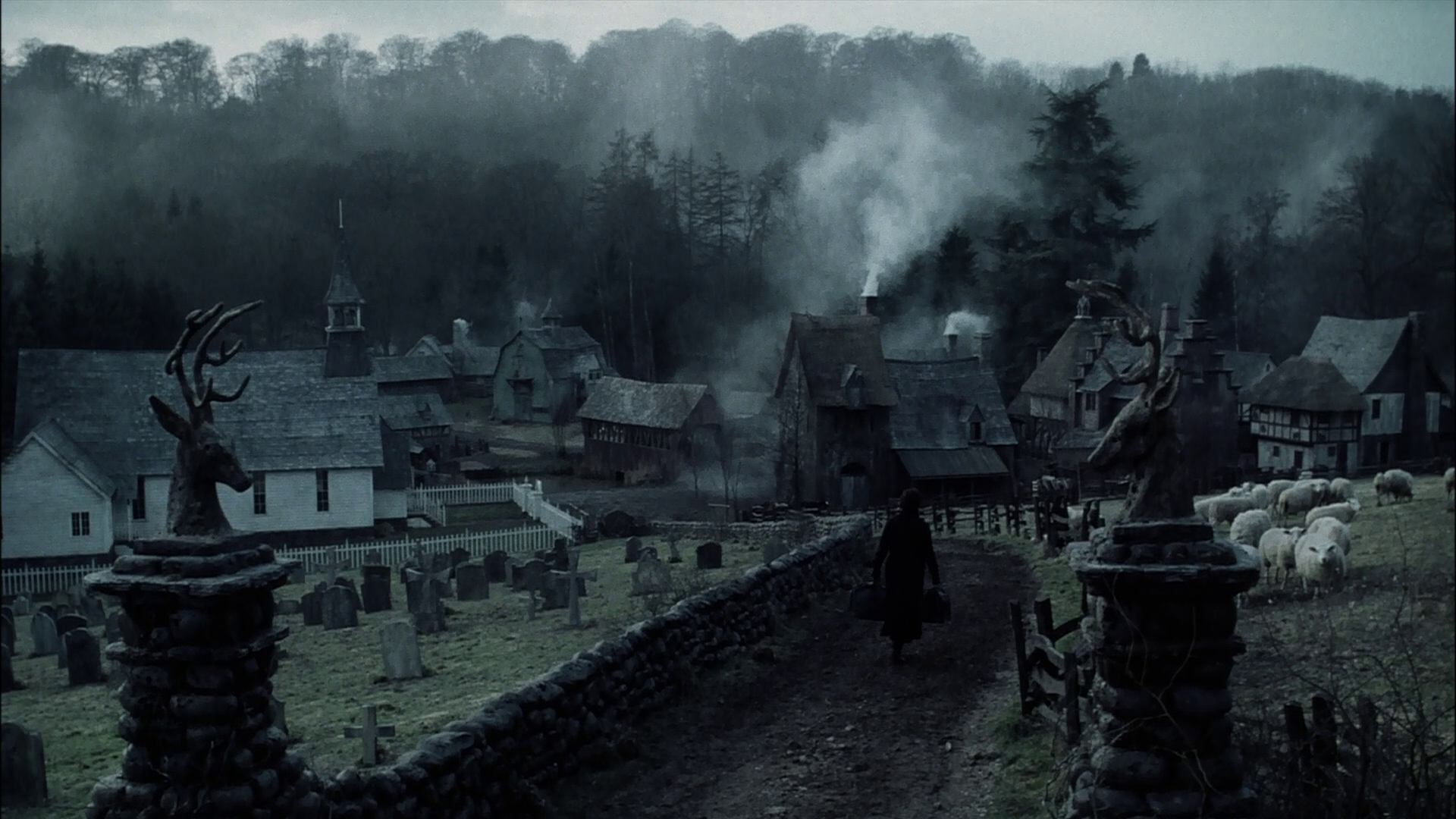
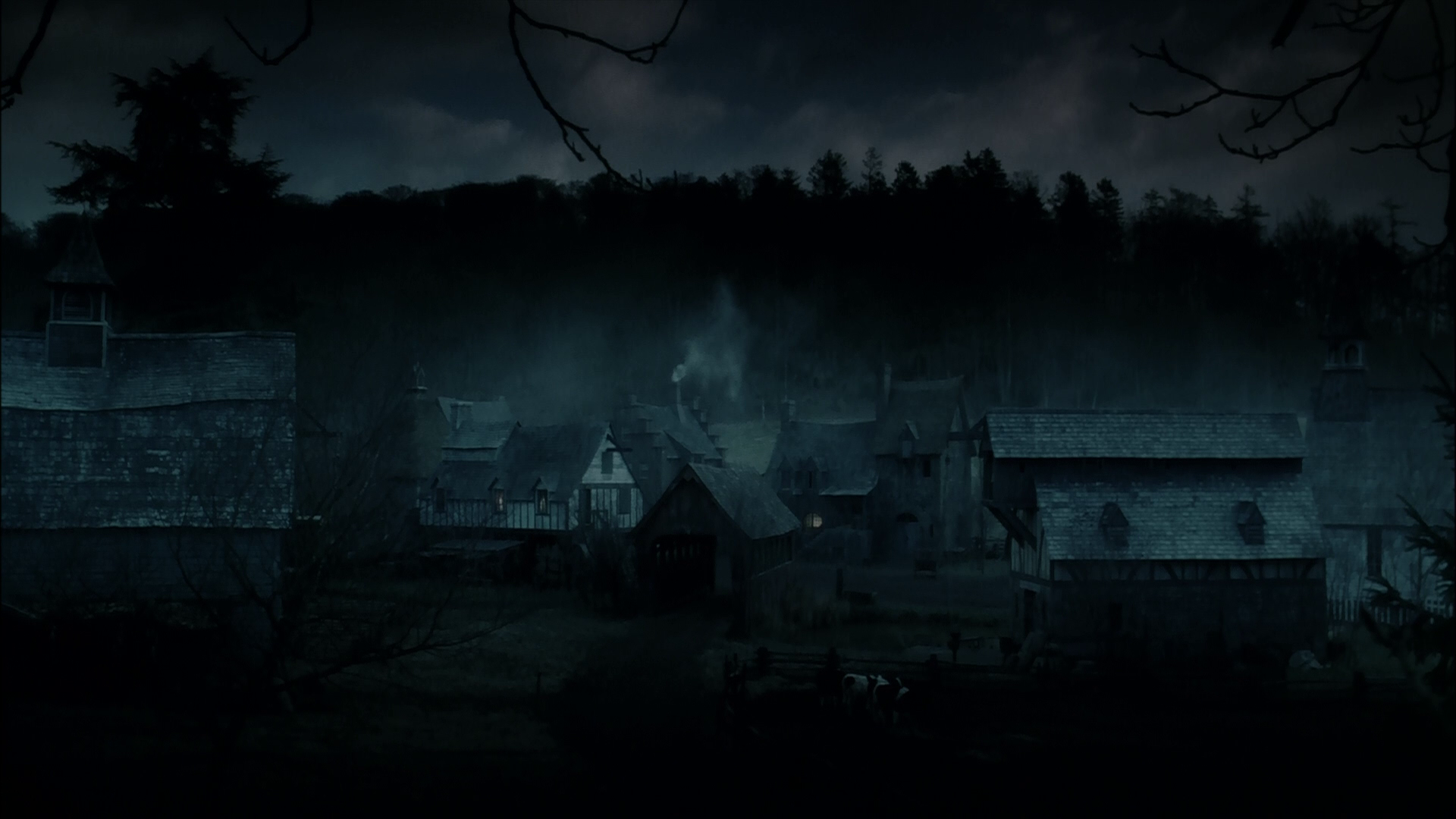
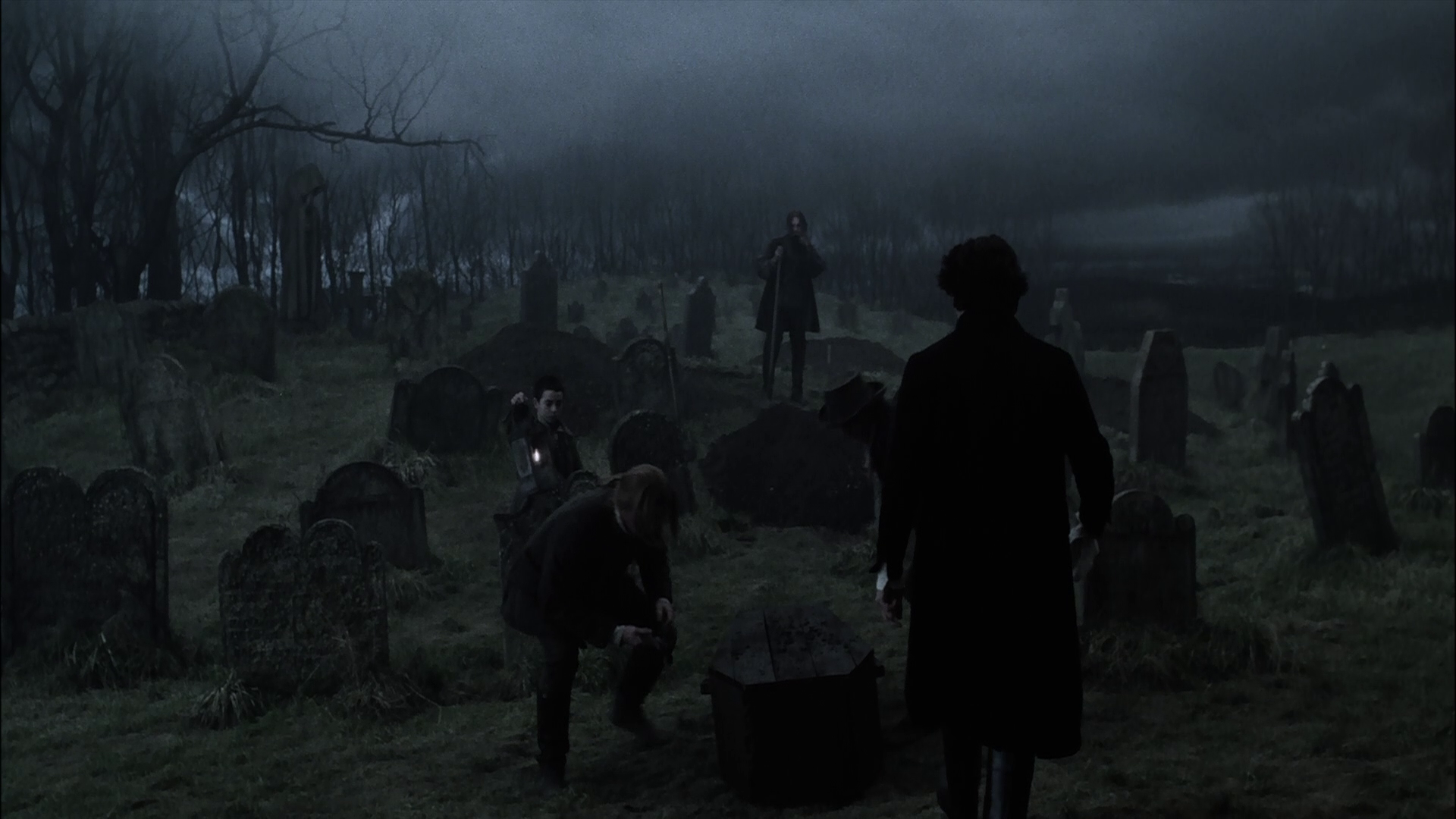
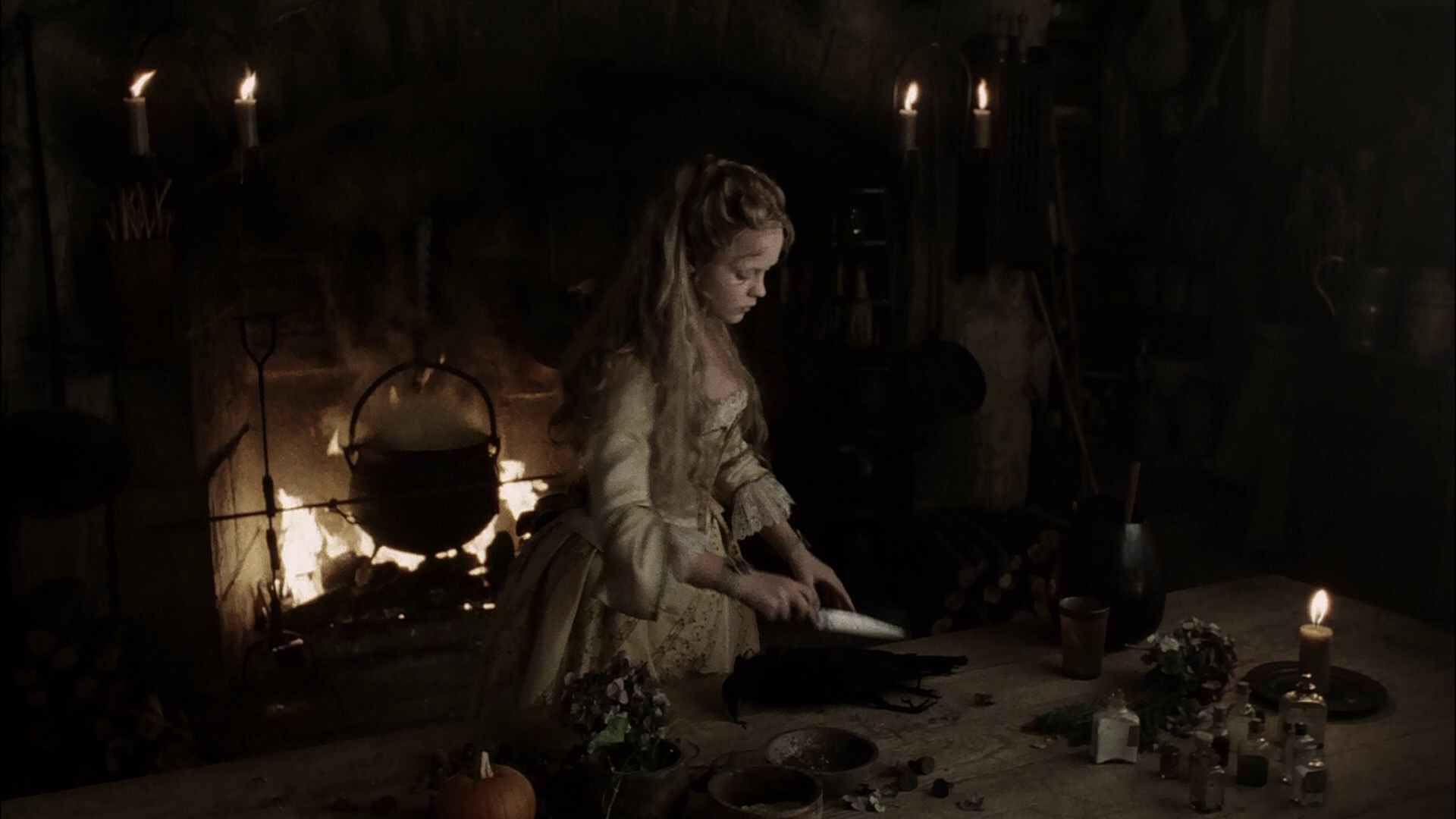
Described on this website as the most beautiful horror film ever made, Tim Burton’s Sleepy Hollow made waves back in 1999 not because of its engaging supernatural story and appealing cast of eccentrics but due to its wonderful, almost monochromatic presentation of the Headless Horseman tale.
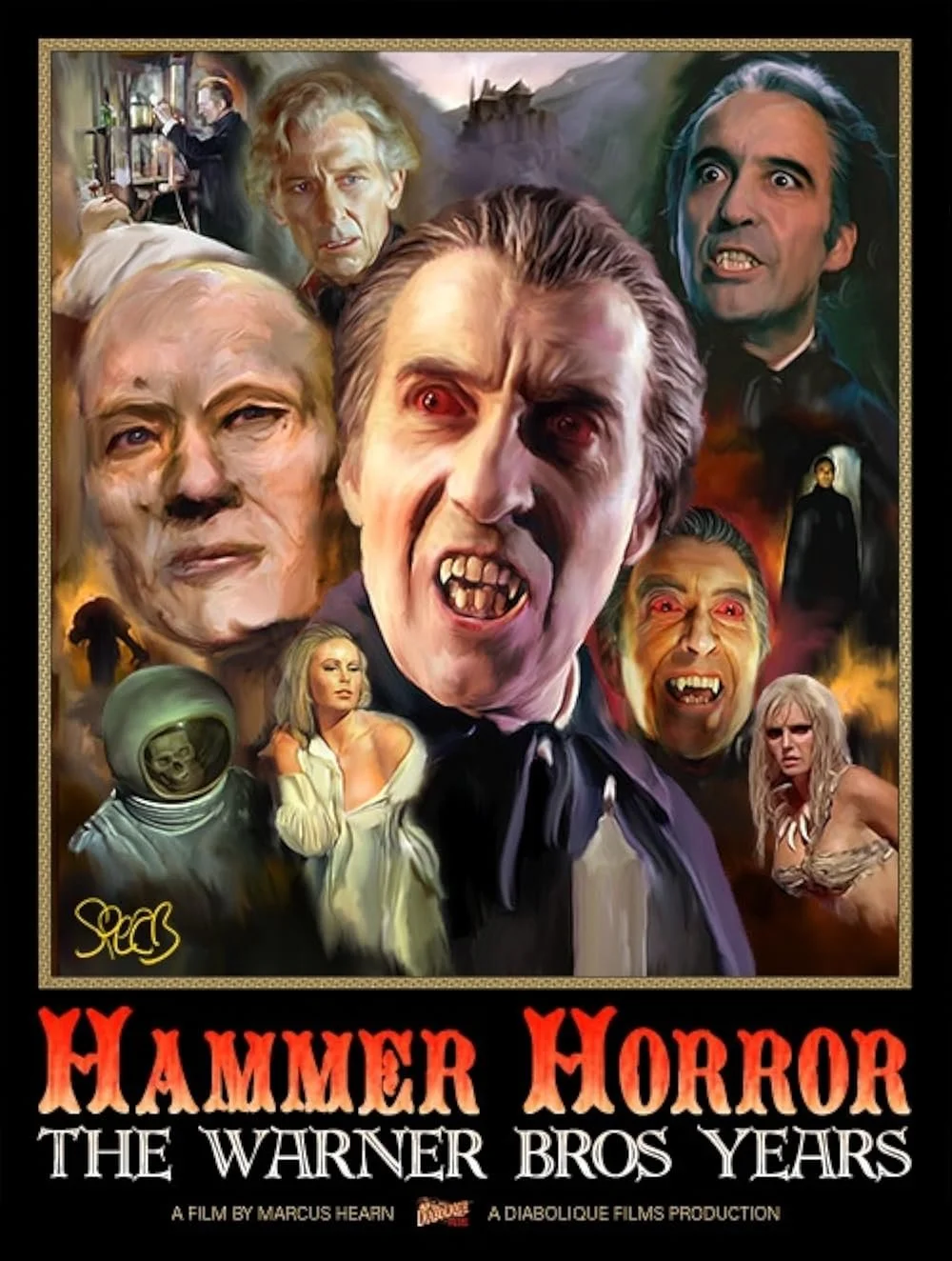
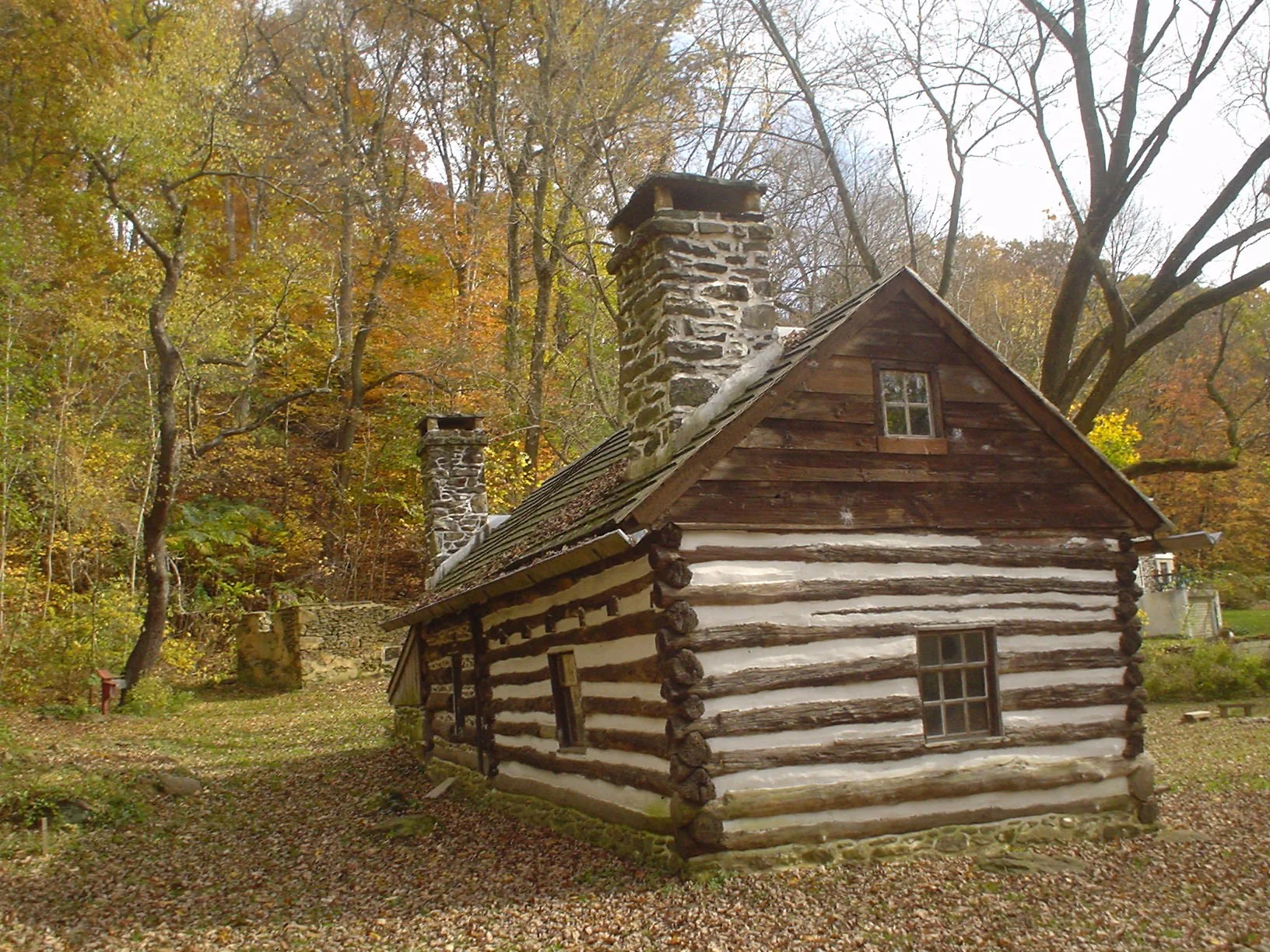
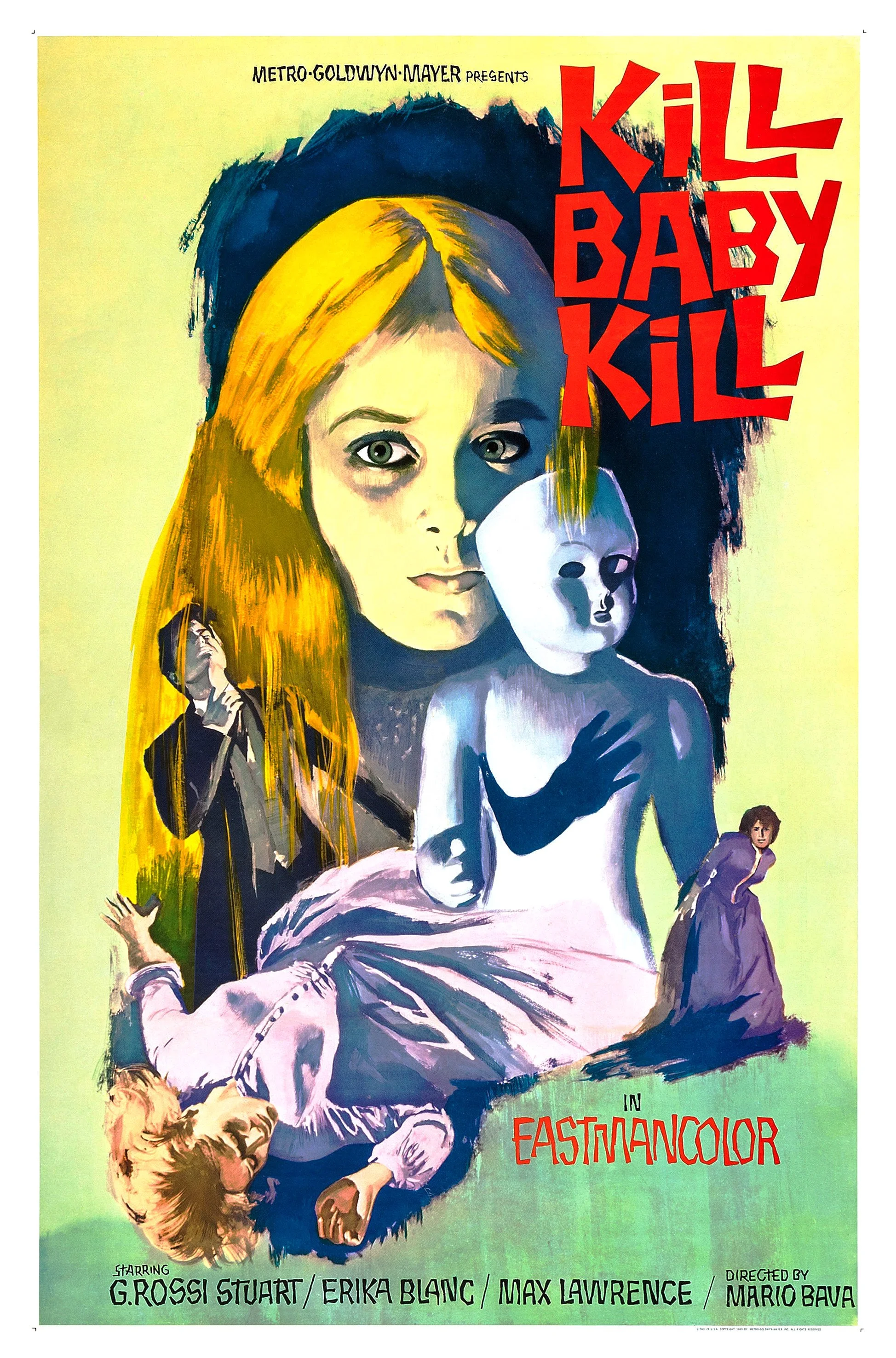
Burton shot this story of rolling heads in stages overseen by Rick Heinrichs who rightfully won the 2000 Oscar for best art direction. Heinrichs brought to life Burton’s homage to Hammer’s (especially Dracula Has Risen from the Grave (1968)) and Mario Bava’s gothic horror motion pictures (Black Sunday (1960)). American colonial architecture was a primary source of inspiration but when combined with the aesthetic of the Hammer/Bava flicks, Sleepy Hollow was not meant to look like any other horror movie you had seen before.
Lacking color and drenched in rich and smoky blacks for most of its running time - with the exception of the temptress color, a trademark trait of Hammer productions where rich red used for blood caused dramatic contrast with the dark environment, the forests of the Sleepy Hollow village are pure nightmare fuel. They project an otherworldly sense of dread; nobody would venture alone into these woods and Heinrichs is doing a fantastic job at emulating a superb and unmatched atmosphere of eeriness with meticulous detail.
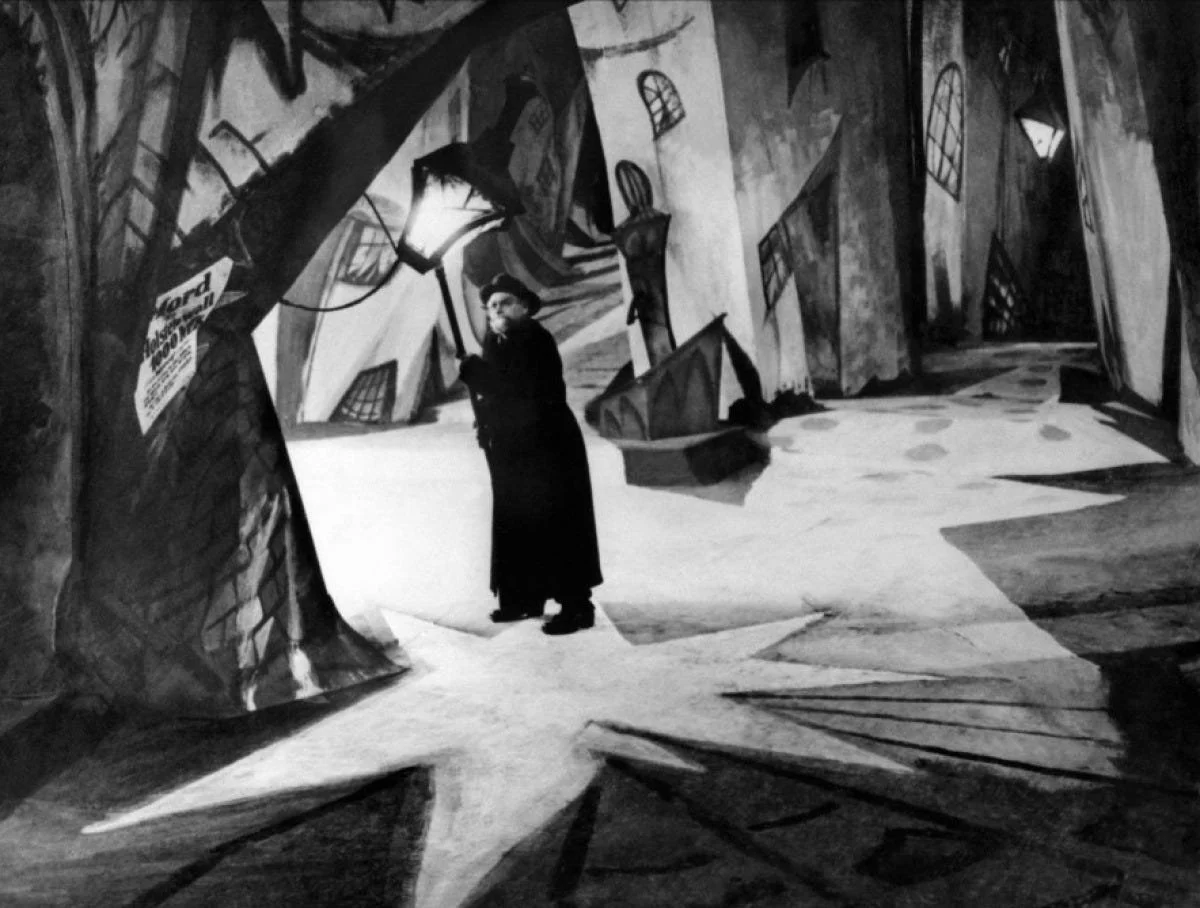
Besides this, the visuals benefit from its German Expressionism influences - particularly in the scenes that see Johnny Depp’s Ichabod Crane dreaming. Burton and his production designer seem to hyper-express the forests, rooms and even an 18th-century NYC with tall, slender buildings and unusual designs as opposed to relying on a more naturalistic approach. There is a specific quality to this film that has not been replicated to this day. Burton was the perfect director to blend together all these visual references taking surprising cues from unexpected sources like Dr. Seuss illustrations when it comes to onscreen handmade drawings. The whole thing is staged as an expensive and one-of-a-kind cinematic production of Grand Guignol, worthy of all the praise one motion picture can get.
Colours
Feldgrau, outer space, rich black, dark lava, smoky black, dark vanilla, American silver, jet, gray asparagus, cola, titanium, smoky black, temptress
Influences
Mario Bava horror films
German expressionism
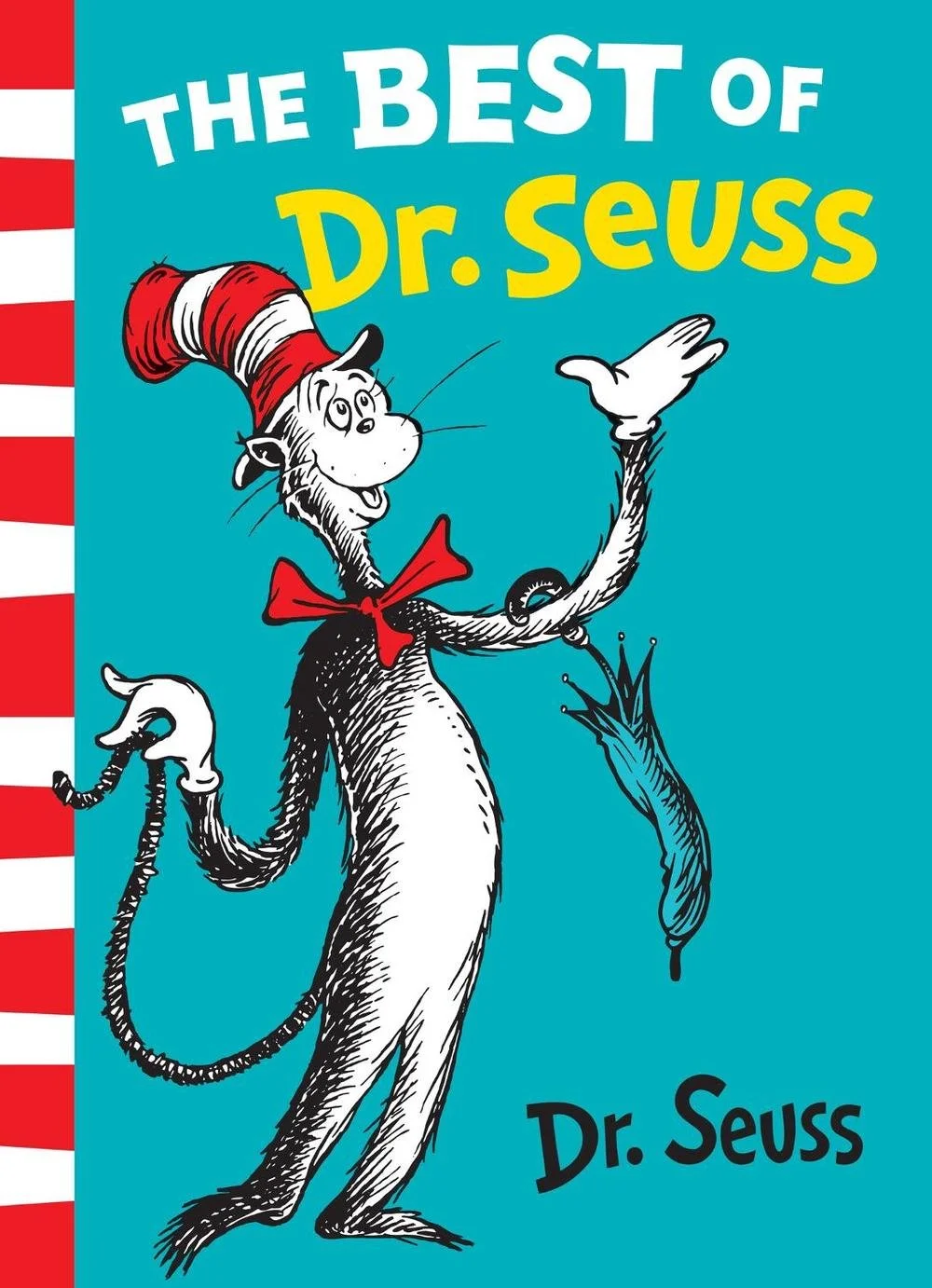
Dr Seuss illustrations
Hammer horror films
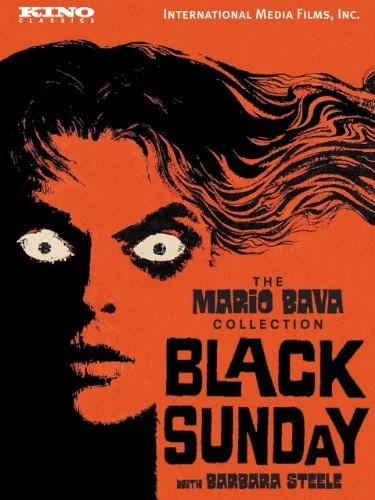
Black Sunday (1960)
American colonial architecture
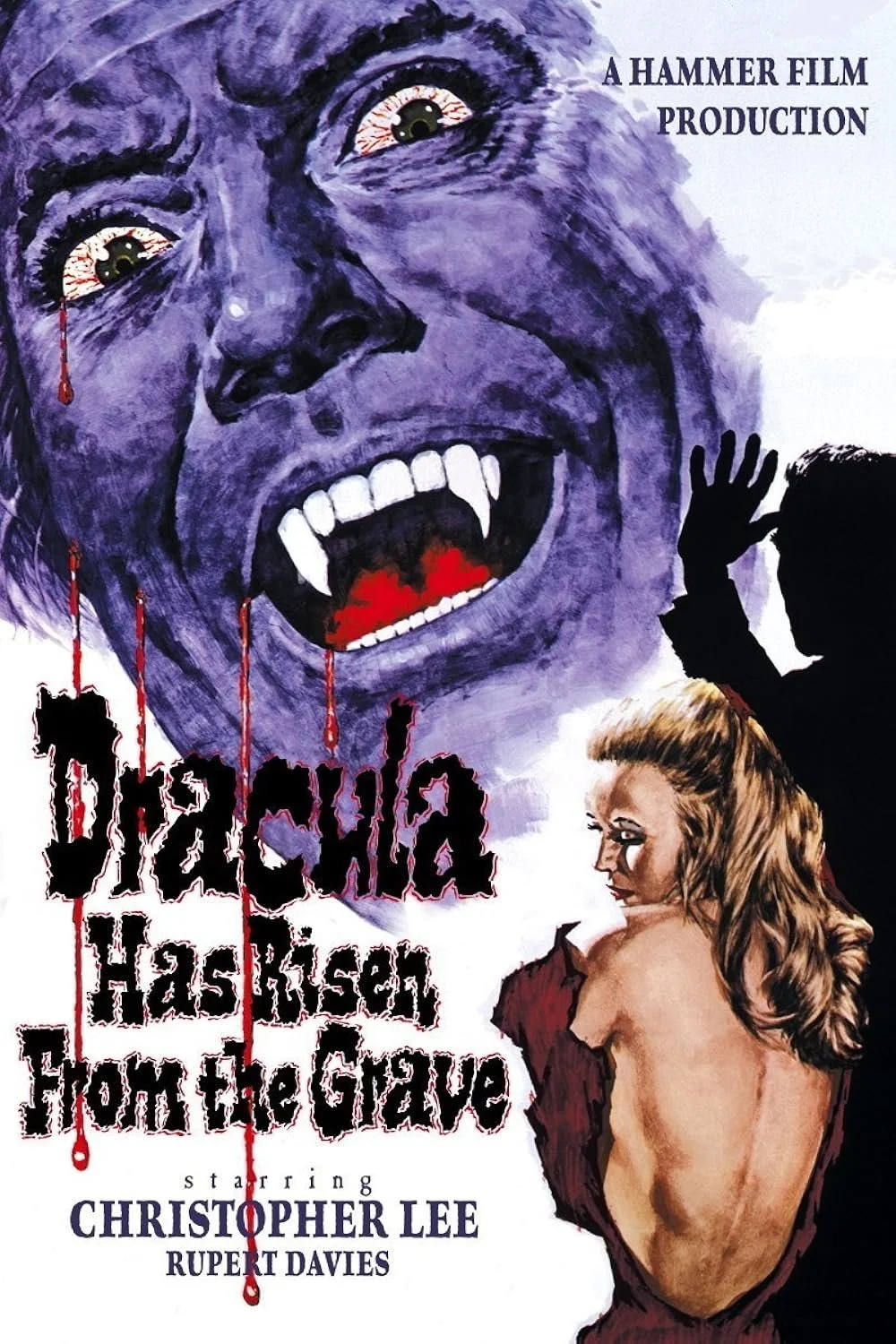
Dracula Has Risen from the Grave (1968)