
Summary
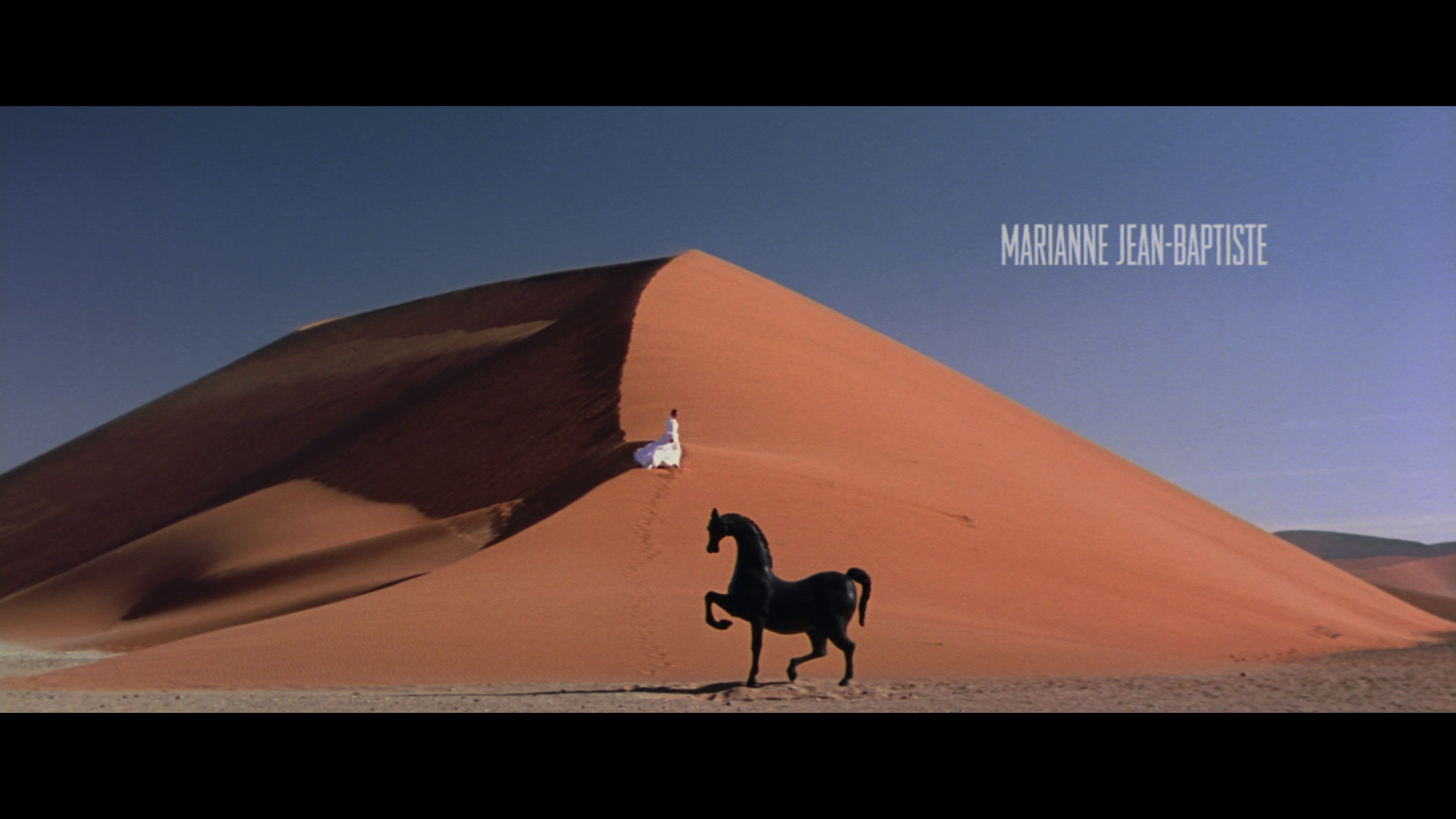
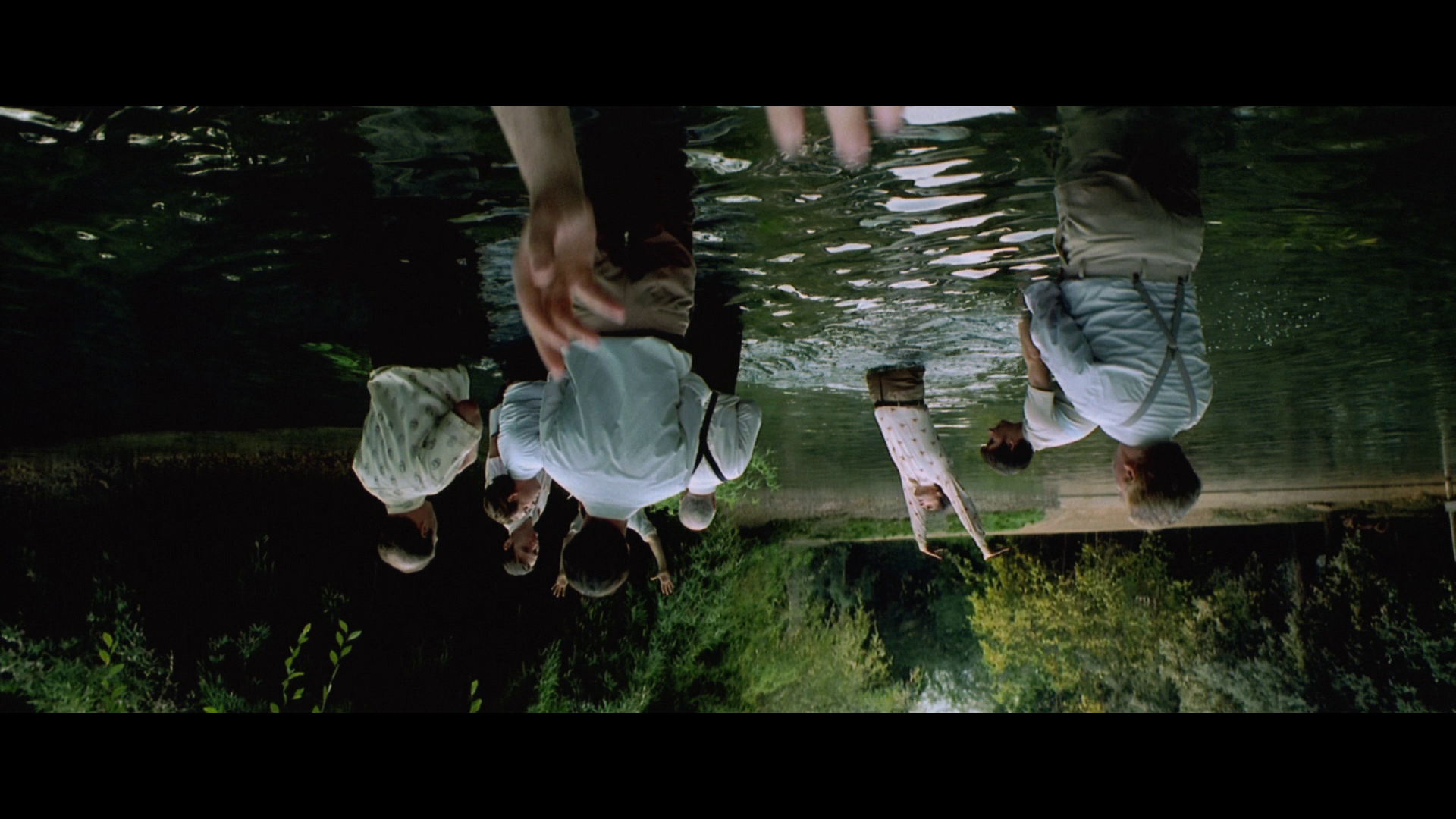
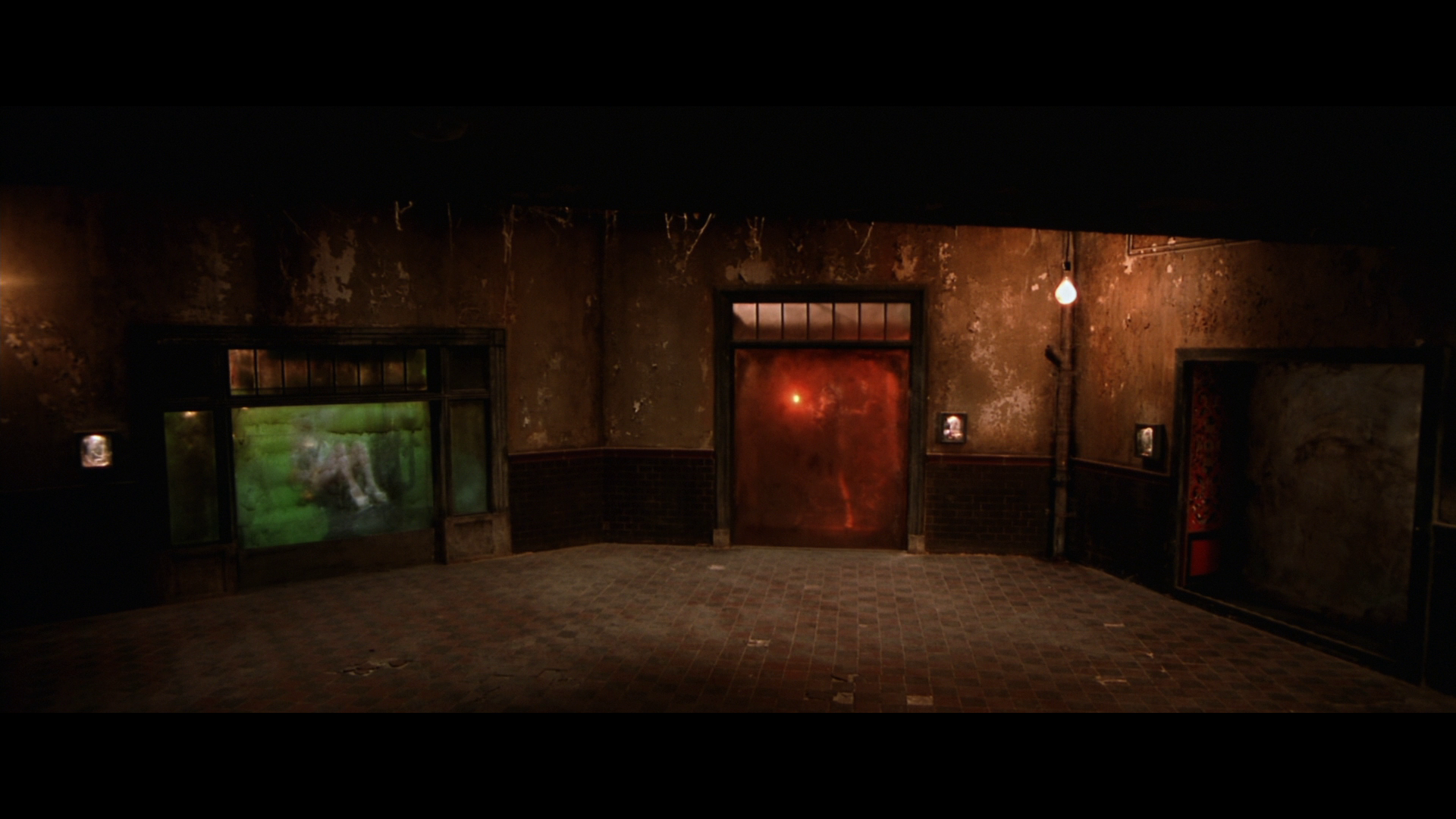
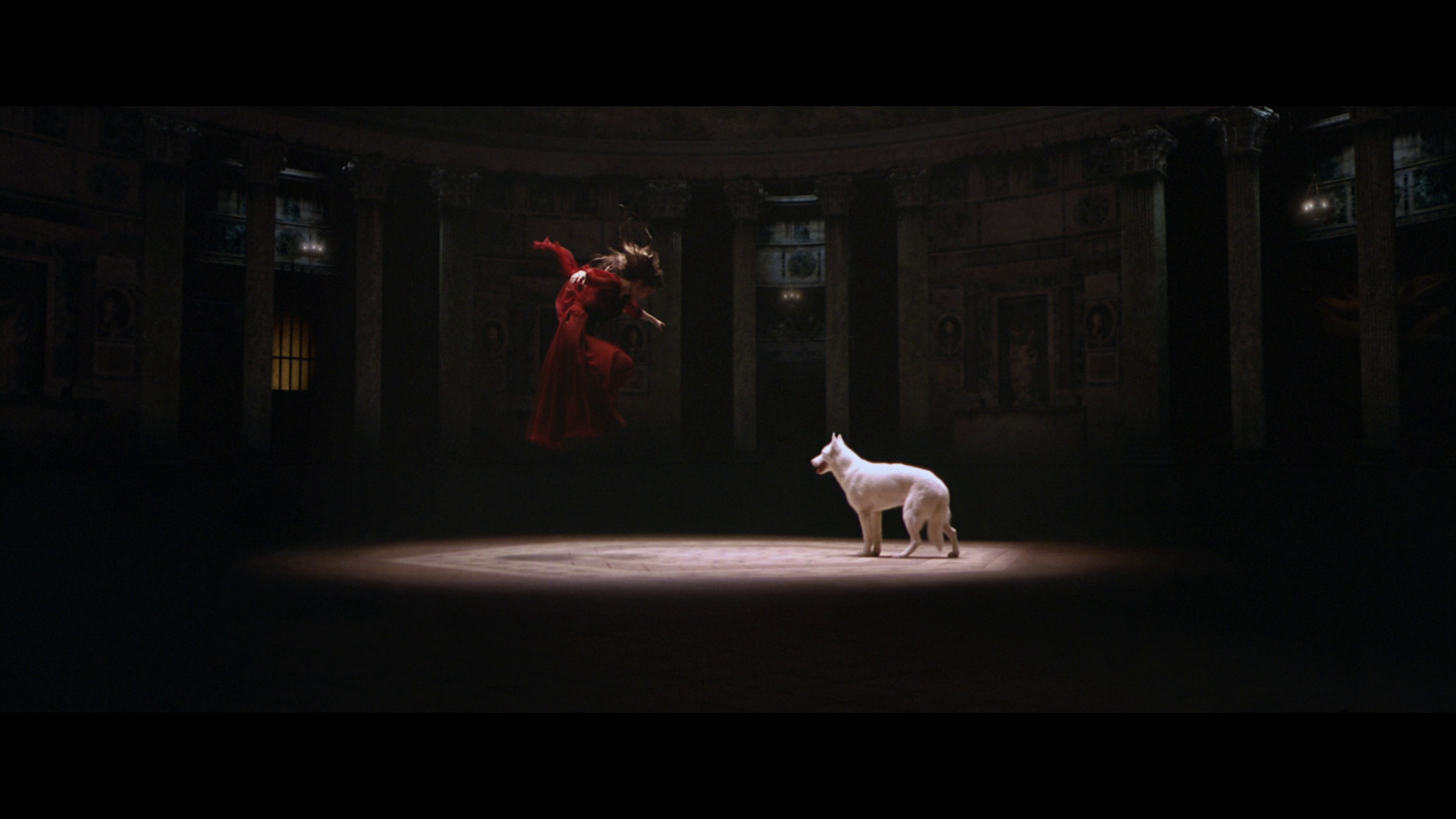
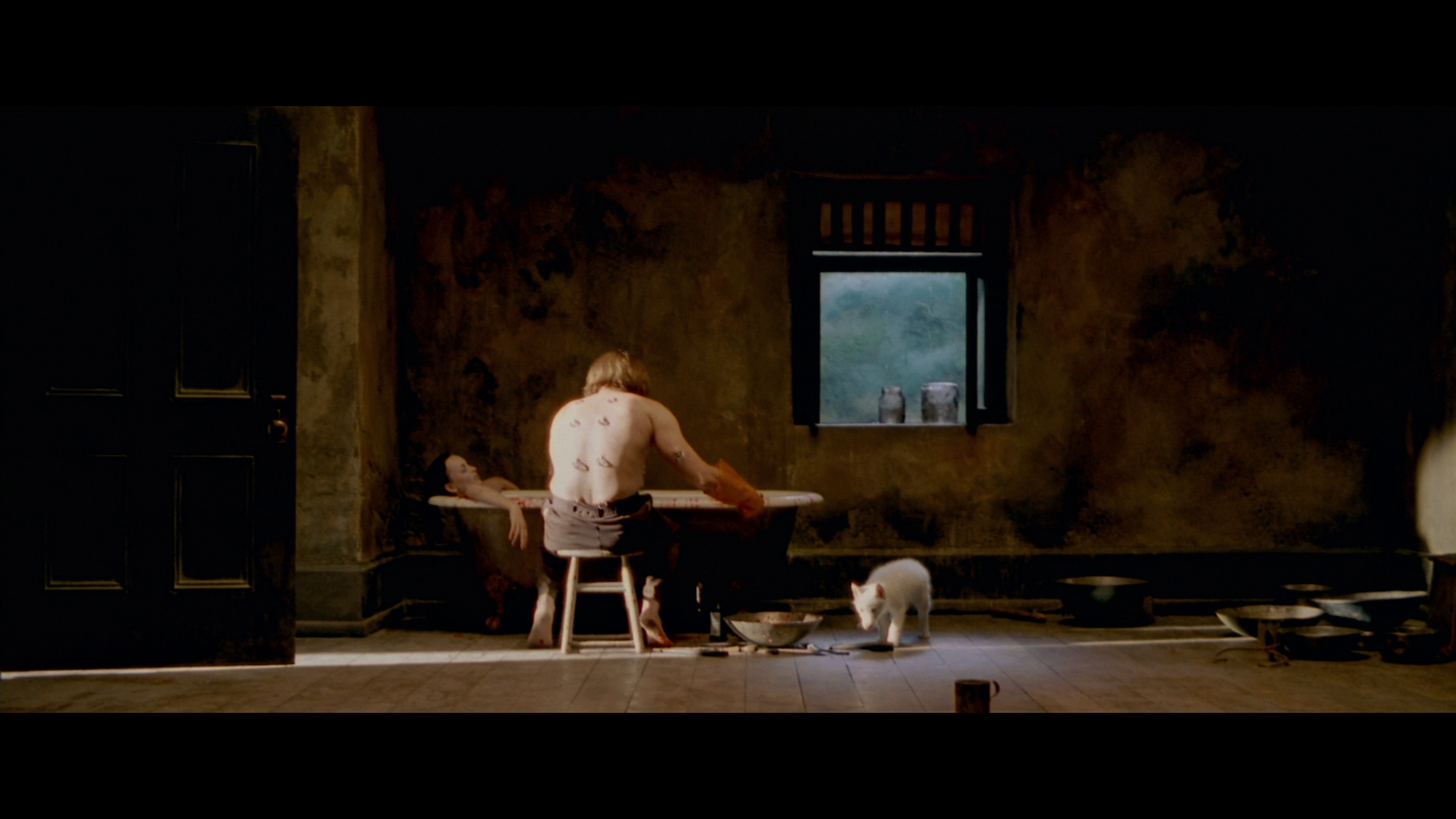
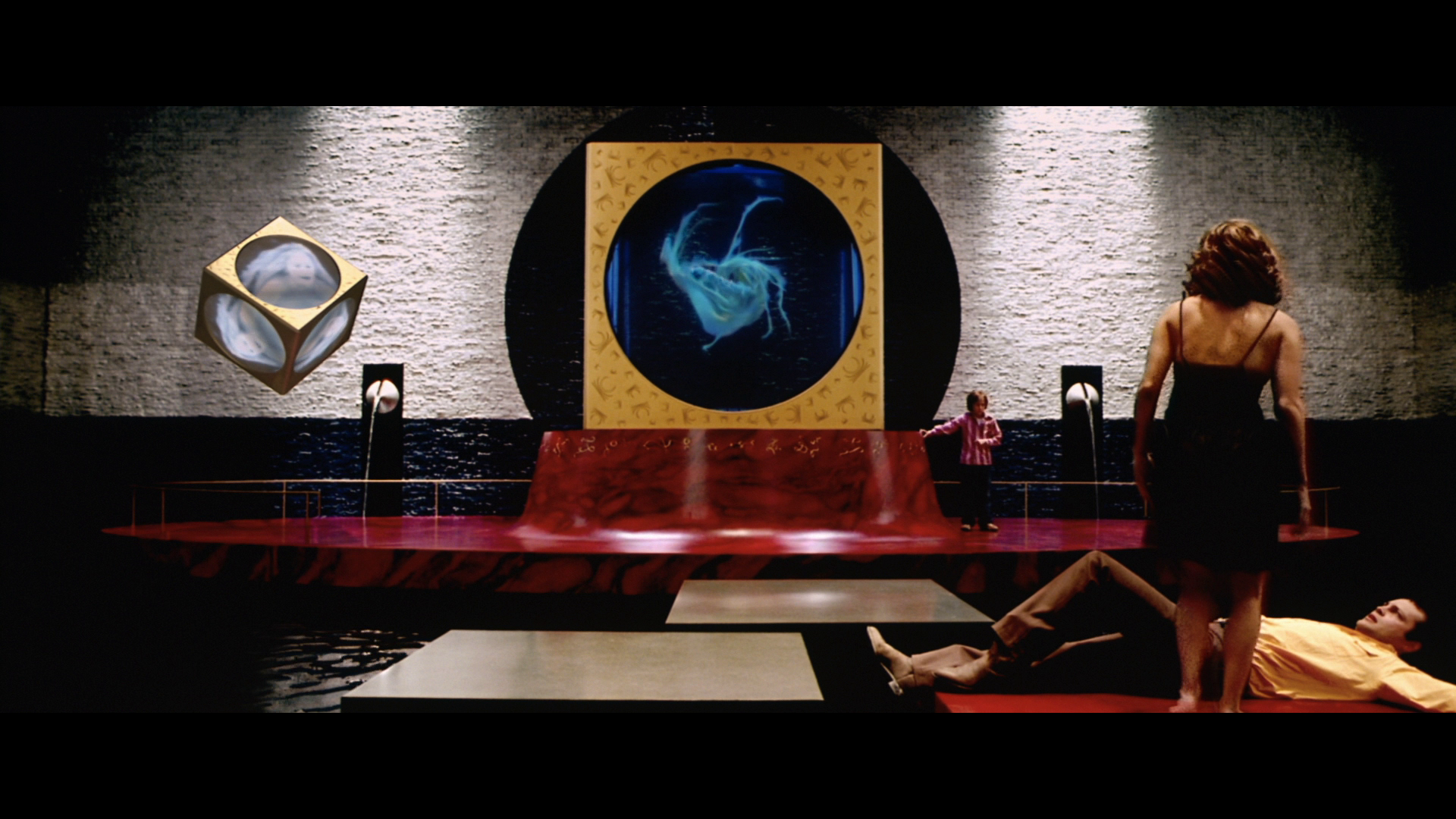
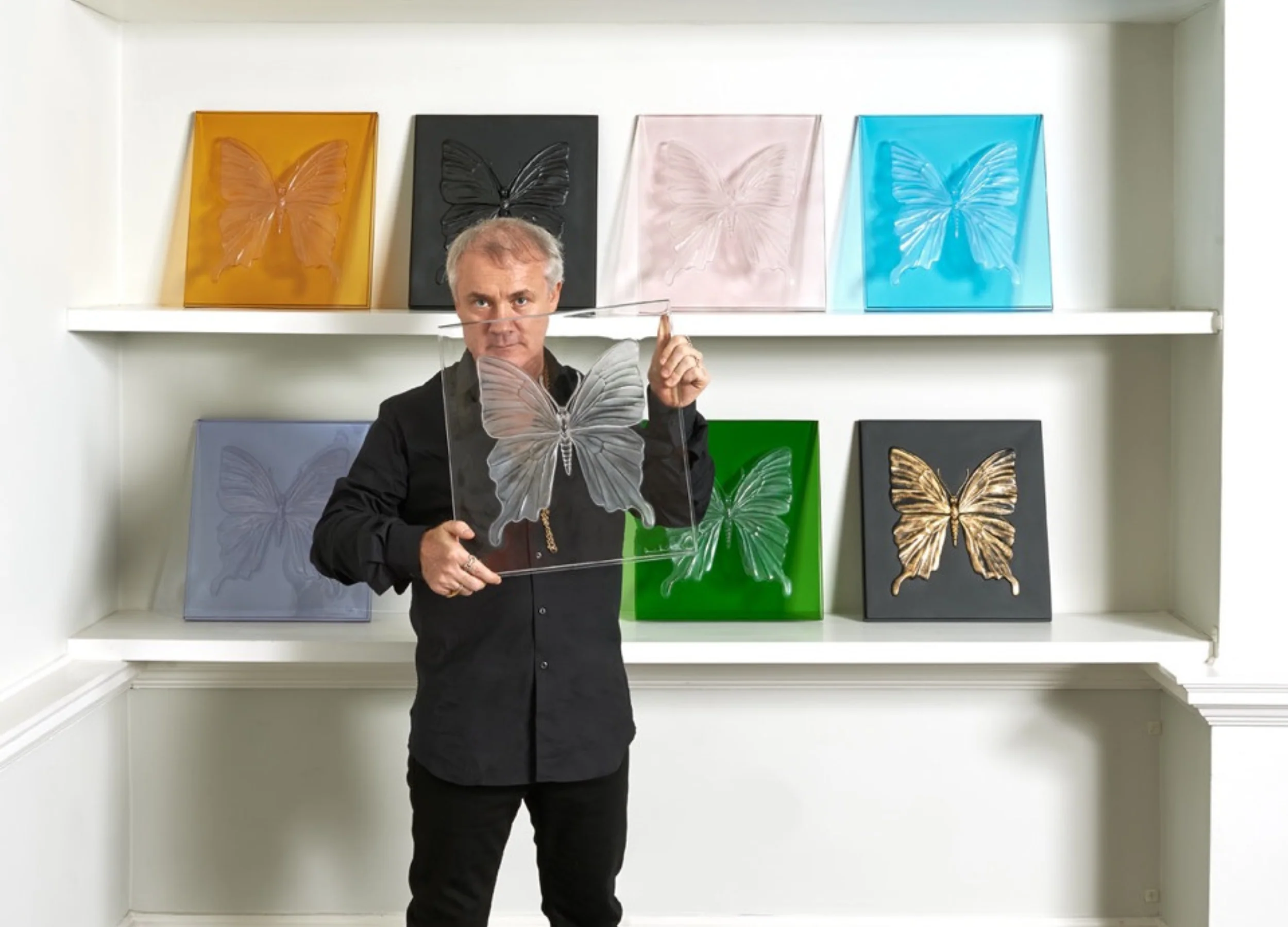
Tarsem’s The Cell remains one of the most ambitious artistically films in the history of cinema. Its hard R-rated story enables Tarsem (who had music video background) to bring together several artistic mediums to visualise uncompromisingly a serial killer’s mind - pictures of extraordinary beauty combined with pure nightmare aesthetics to produce something truly outstanding. Installation artists like Damien Hirst (e.g., Some Comfort Gained from the Acceptance of the Inherent Lies in Everything) were used to bring forward the disturbing details of Carl Rudolf Stargher’s fragmented psyche while the cold, desolate and arsenic dressed style of Swiss surrealist H.R Giger (e.g., Schacht), Norwegian painter Odd Nerdrum (e.g., Dawn), and the Brothers Quay’s dehumanizing outputs were used for the environments where King Stargher roams free, a monster wearing impeccable costumes that linger in memory long after the credits roll due to the genius that is Japanese designer Eiko Ishioka (Bram Stroker’s Dracula (1992)).
The style in the sequences set deep inside the villain’s subconscious was inspired by the music videos of Mark Romanek (e.g., Closer, The Perfect Drug, Bedtime Story) fused with the style of Floria Sigismondi who directed many Marilyn Manson videoclips and Tarsem’s own work in R.E.M’s Losing My Religion; Simply put there is an extraordinary level of decadence mixed with magnetic beauty - it’s appalling and captivating at the same time just like the first time J.Lo’s character get introduced unwillingly to King Stargher in all of his silk velvet curtain pulling glory! Fans of contemporary art will have a ball with The Cell uncovering hidden meanings behind each frame since it offers for something for everyone.
Colors
Crystal and yonder blue, cafe noir, light and roman silver, vampire and Chinese black, blood, Tuscan and organ red, arsenic, patriarch, bistre, chestnut, temptress
Influences

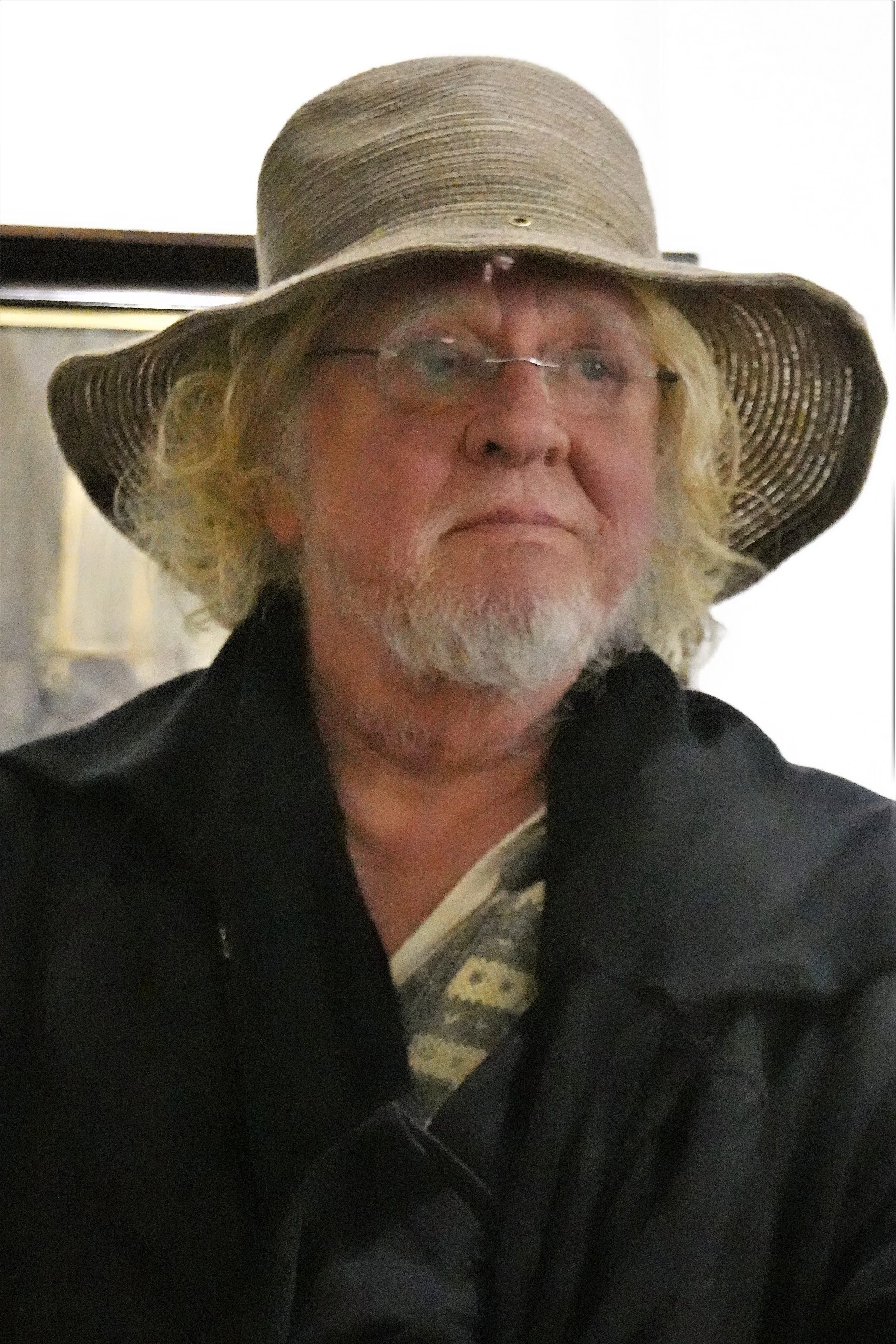
Floria Sigismondi
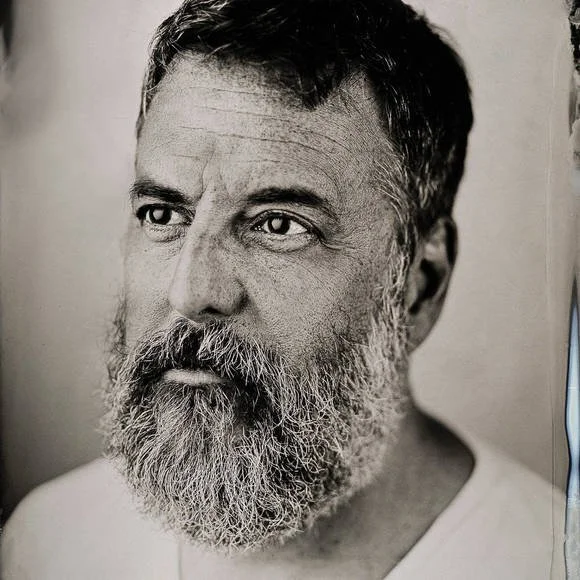
Odd Nerdrum
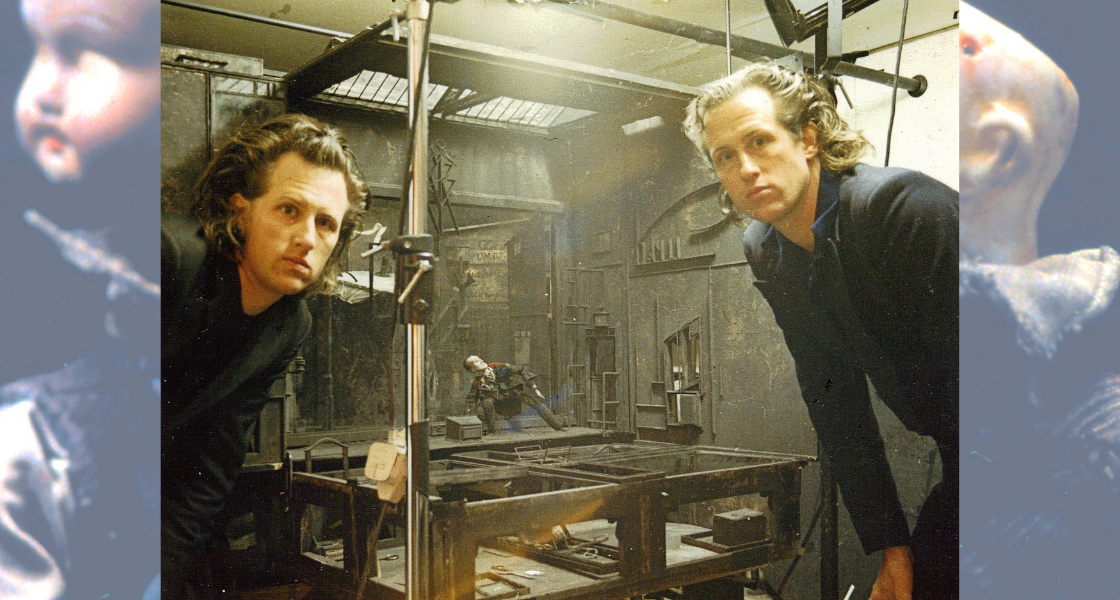
Brothers Quay
Mark Romanek
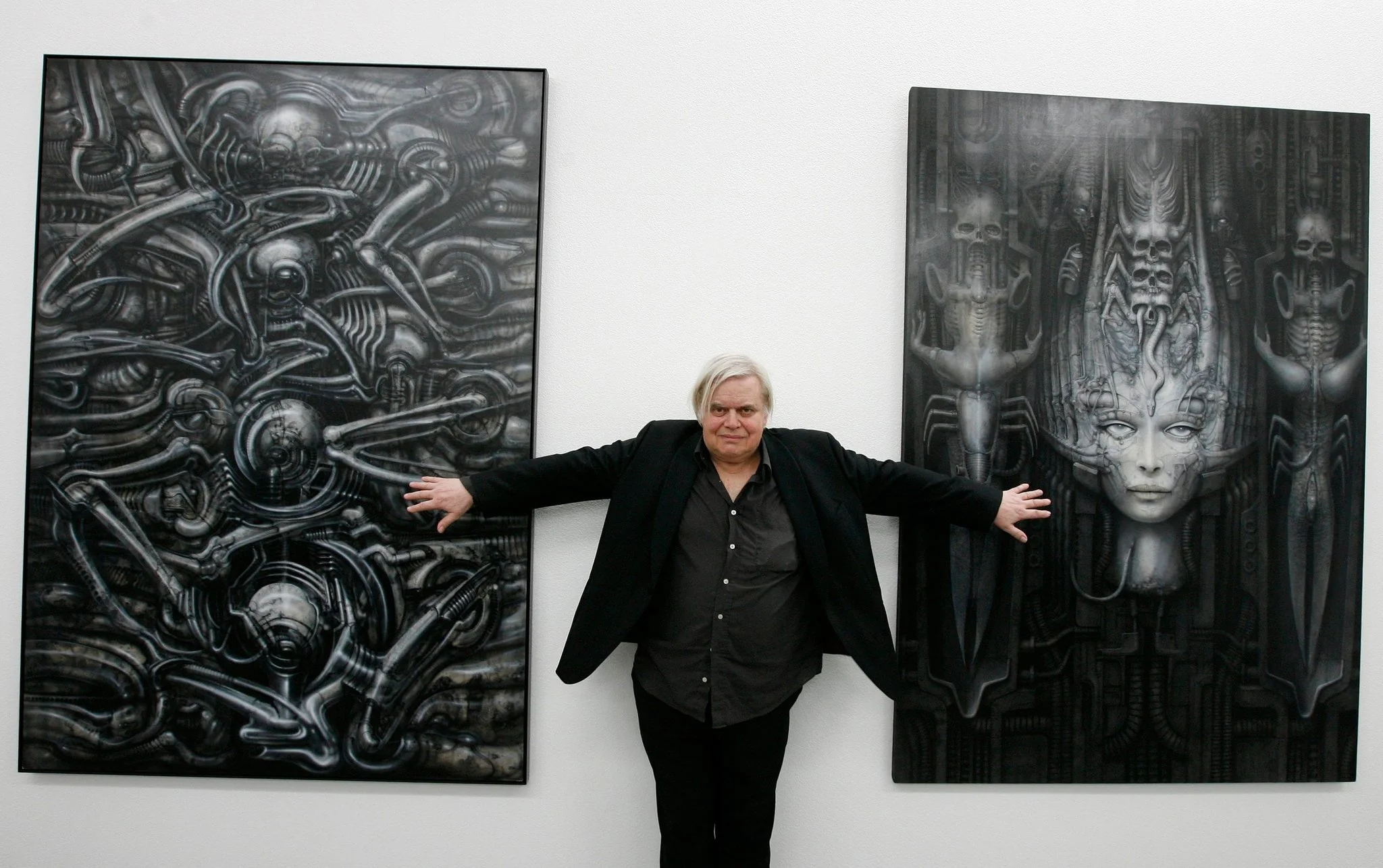
H.R. Giger
Damien Hirst