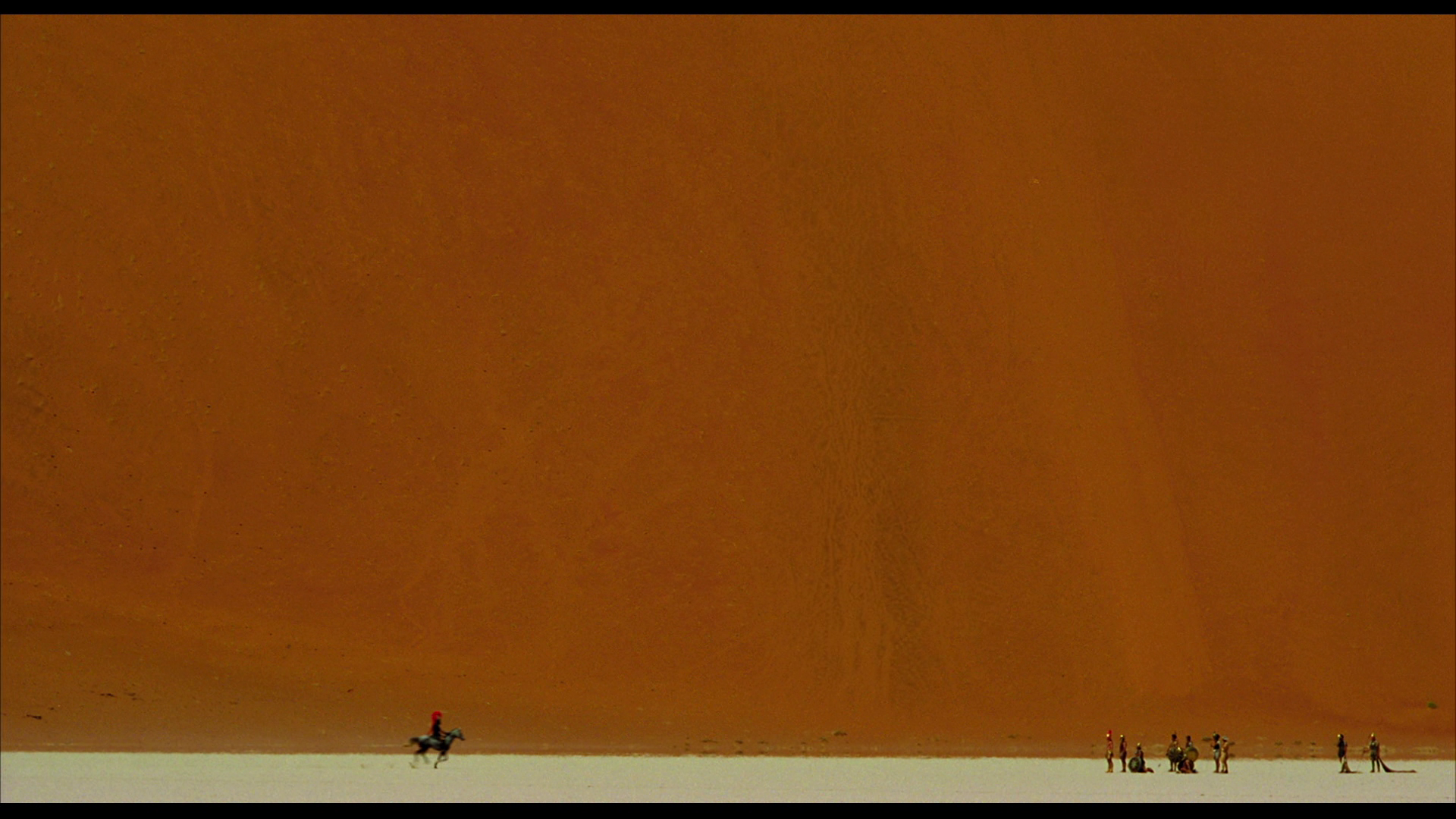
The production design of The Fall (2006)
Director: Tarsem
Production designer: Ged Clarke
Summary
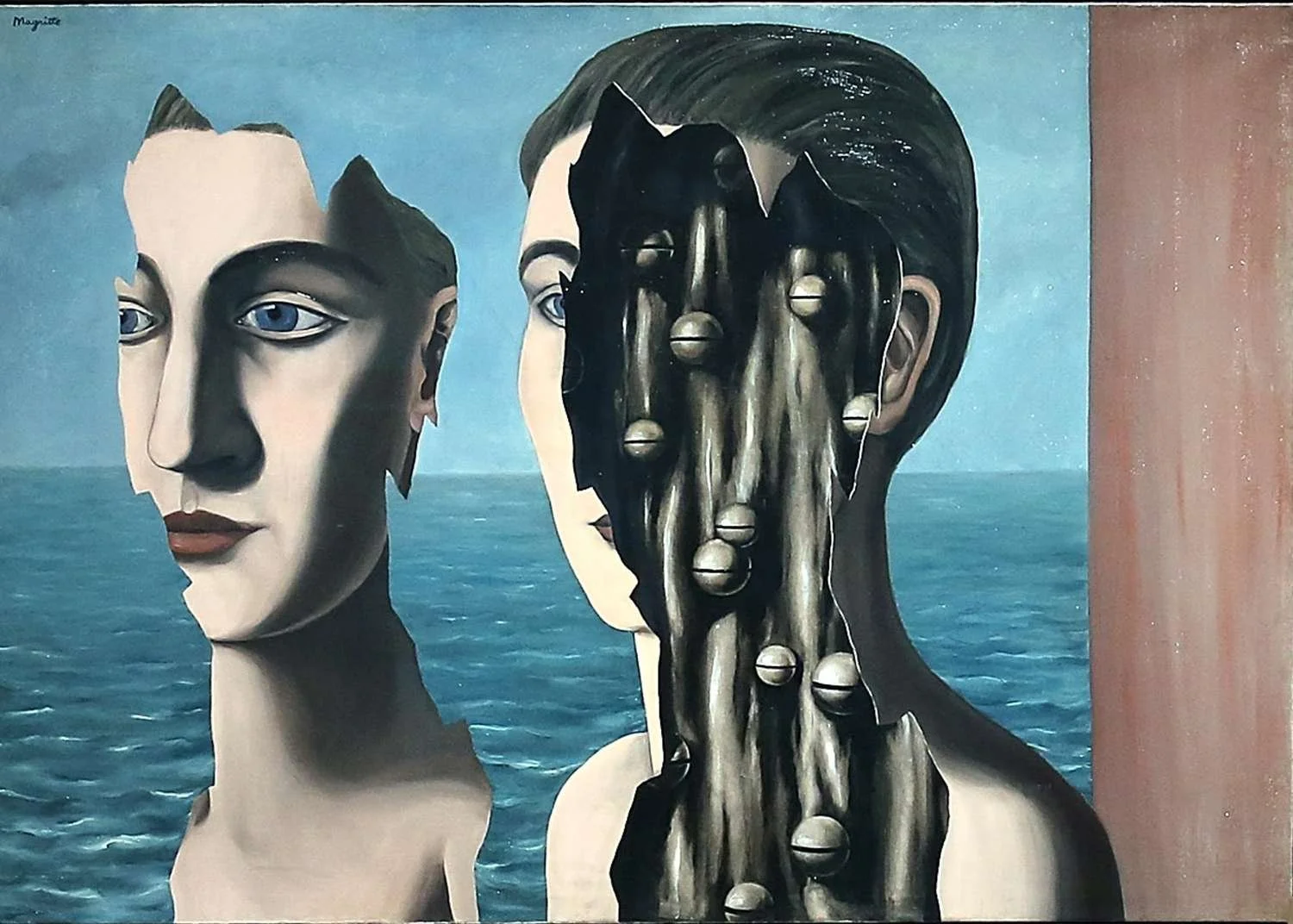
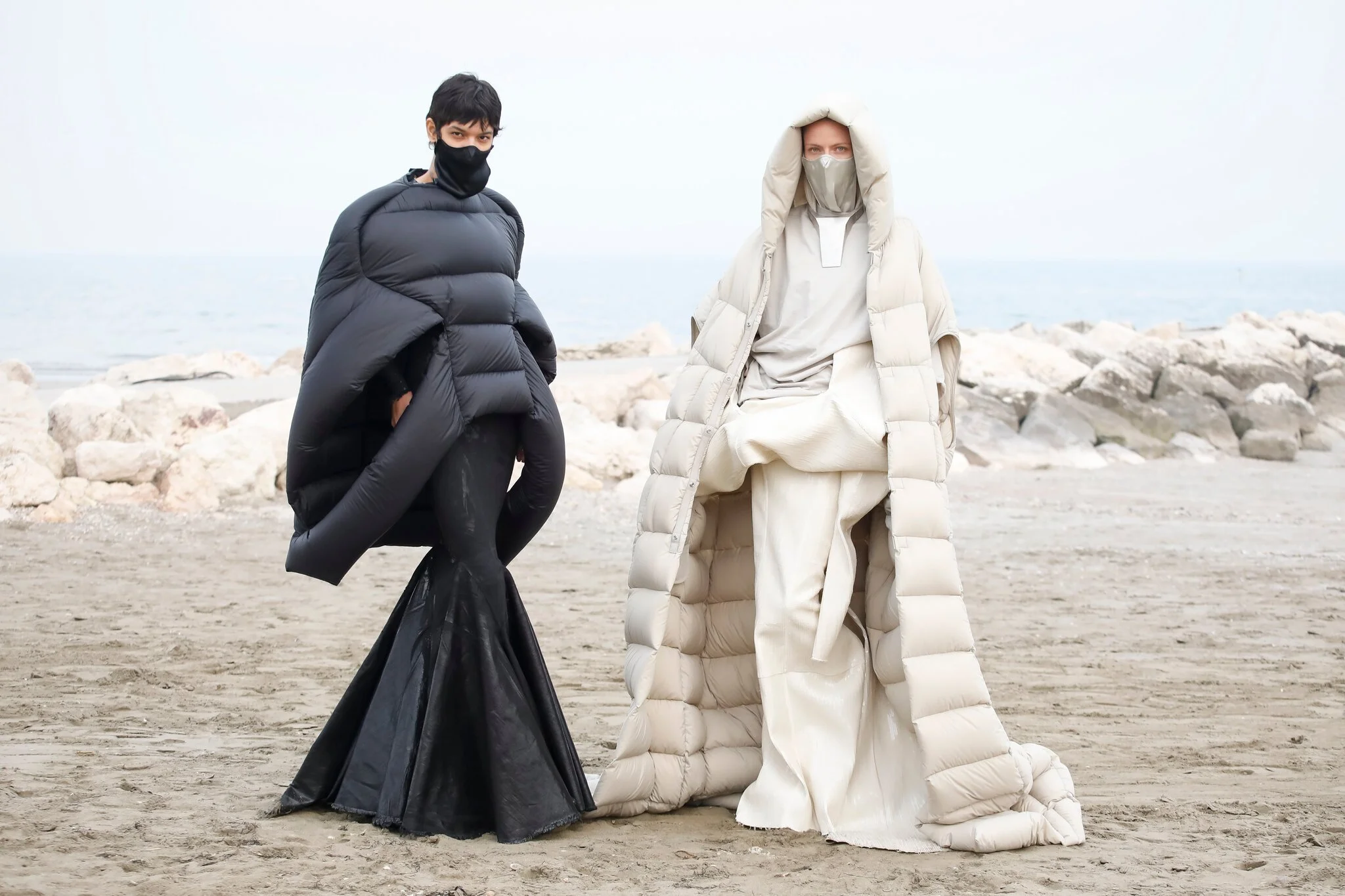
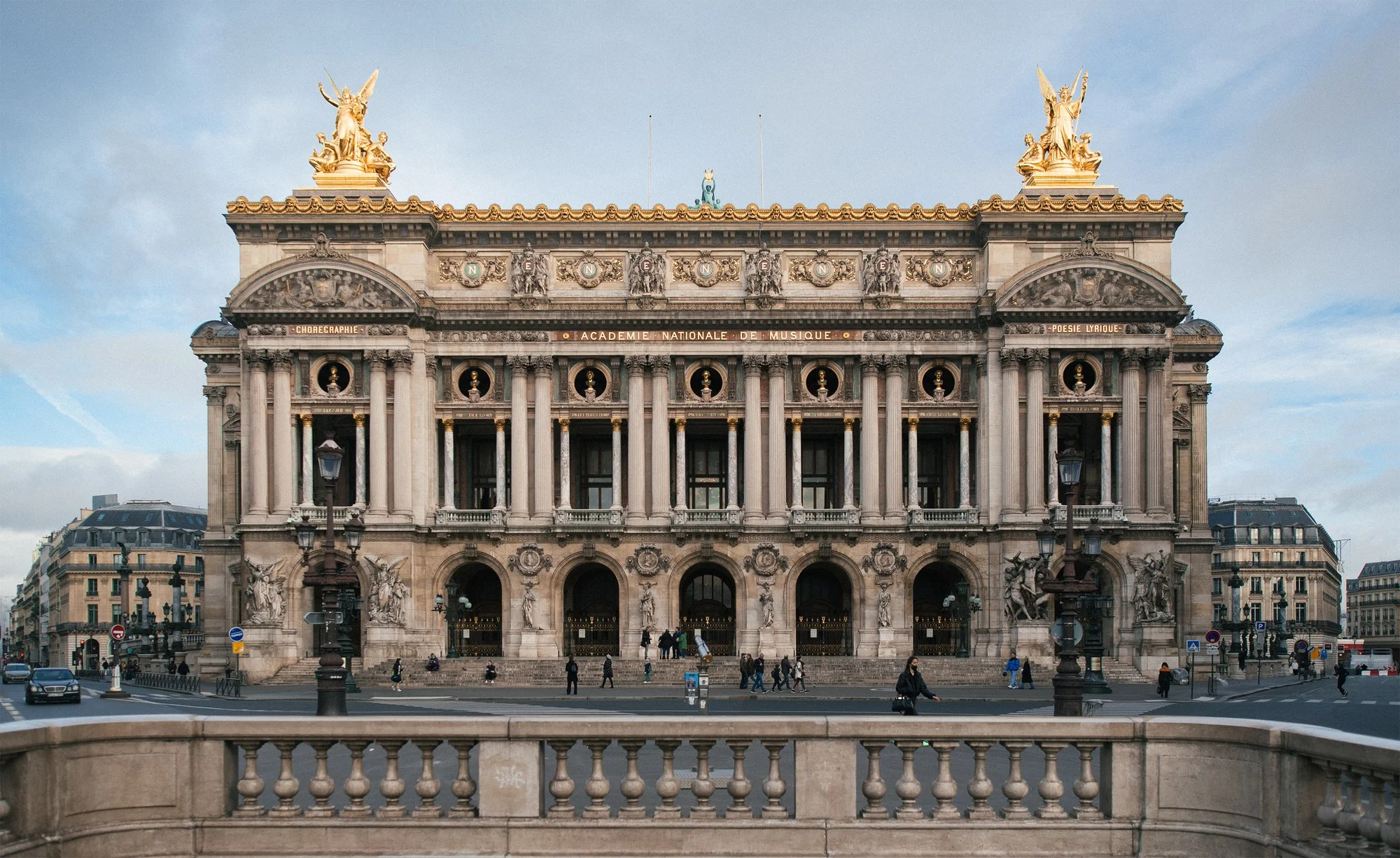
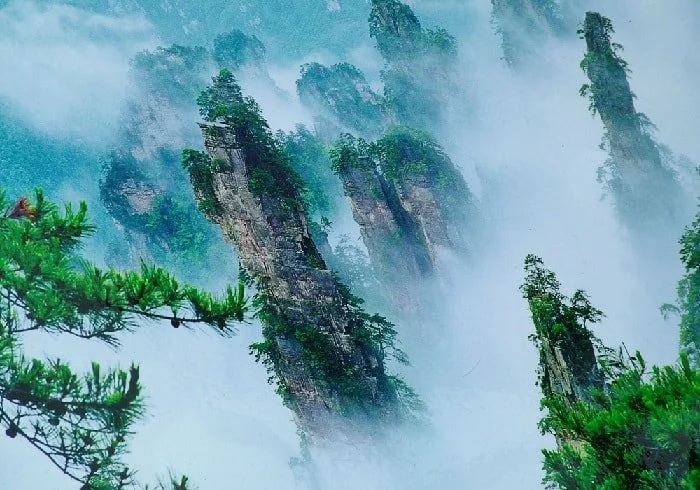
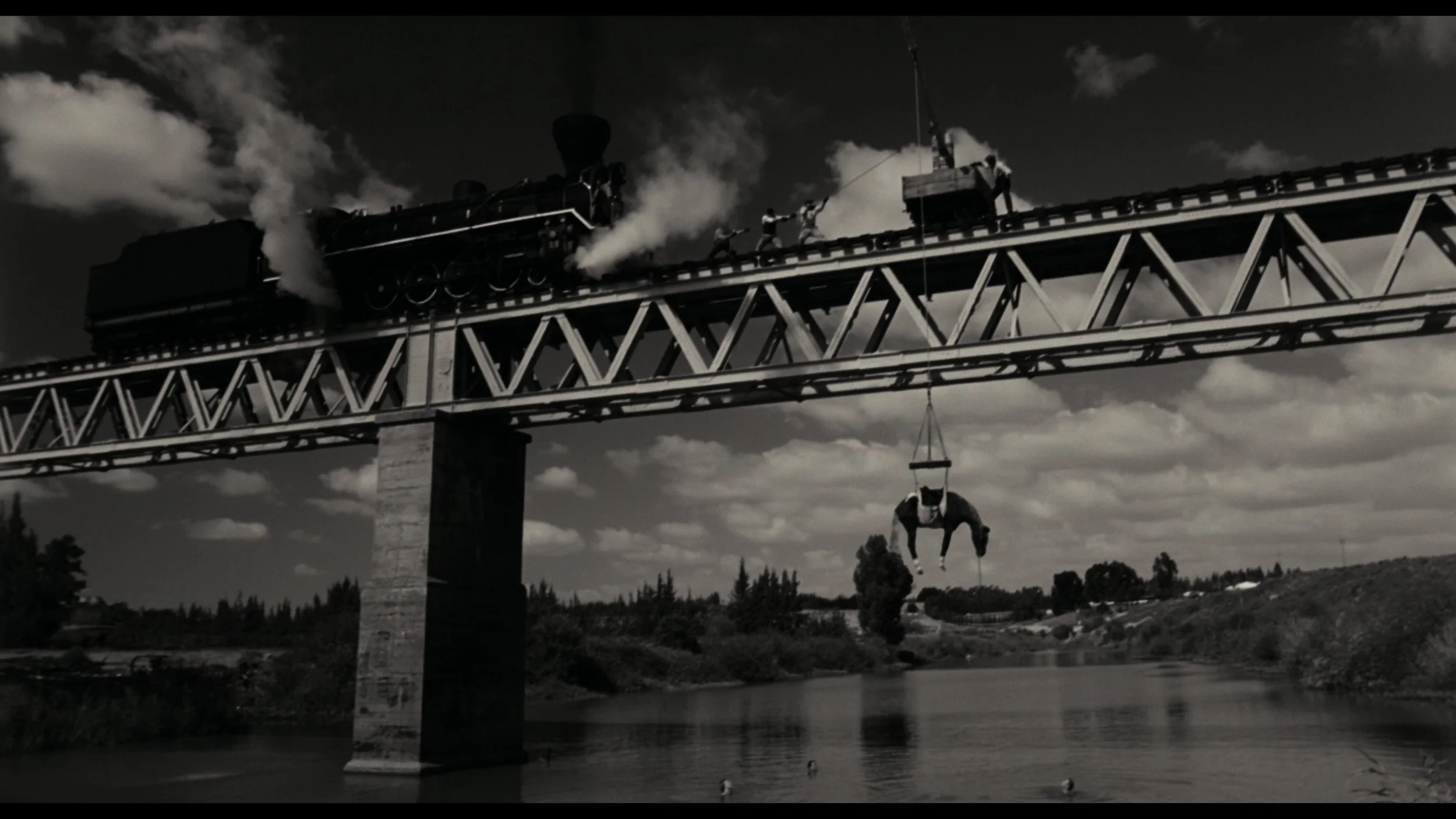
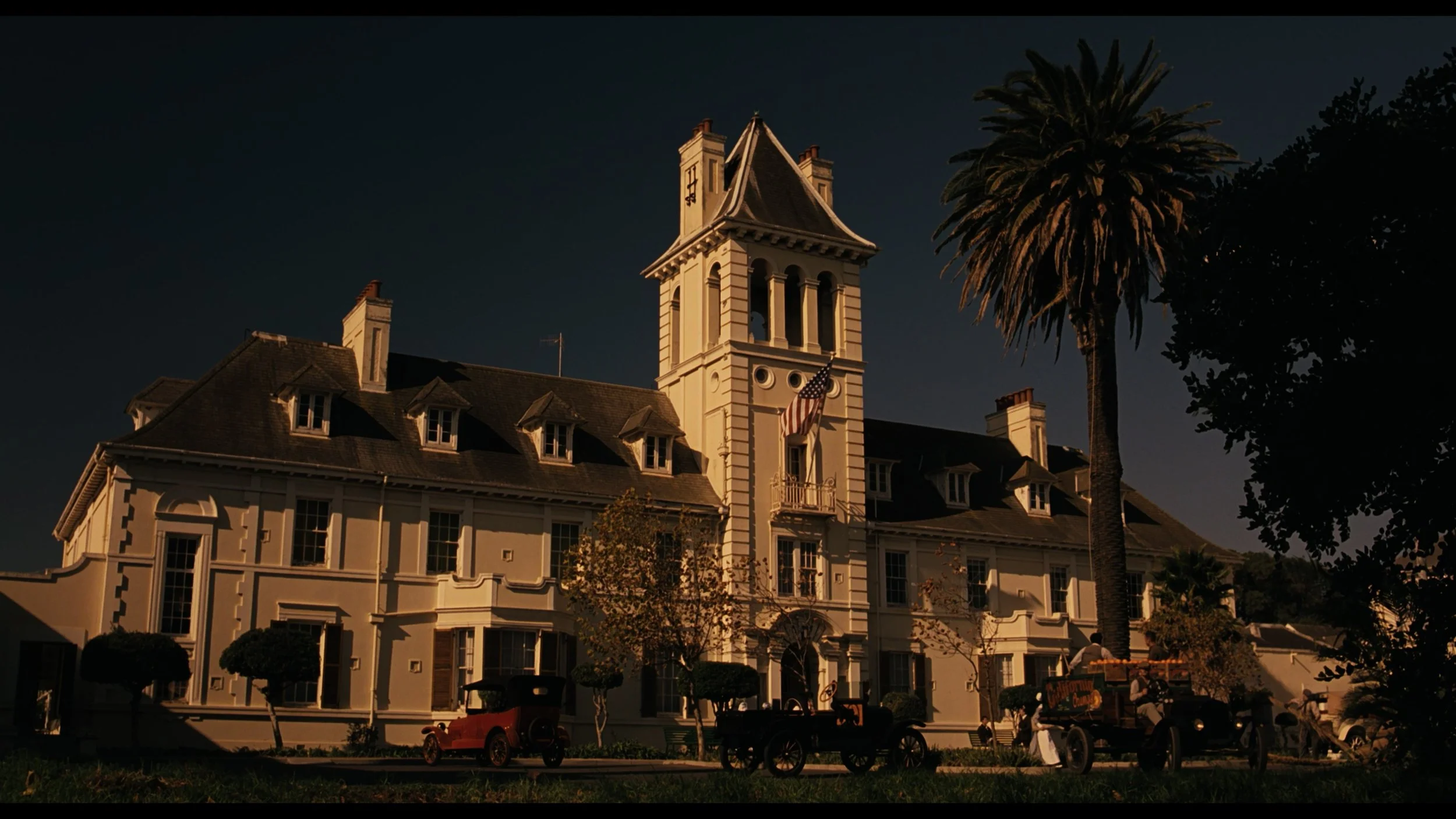
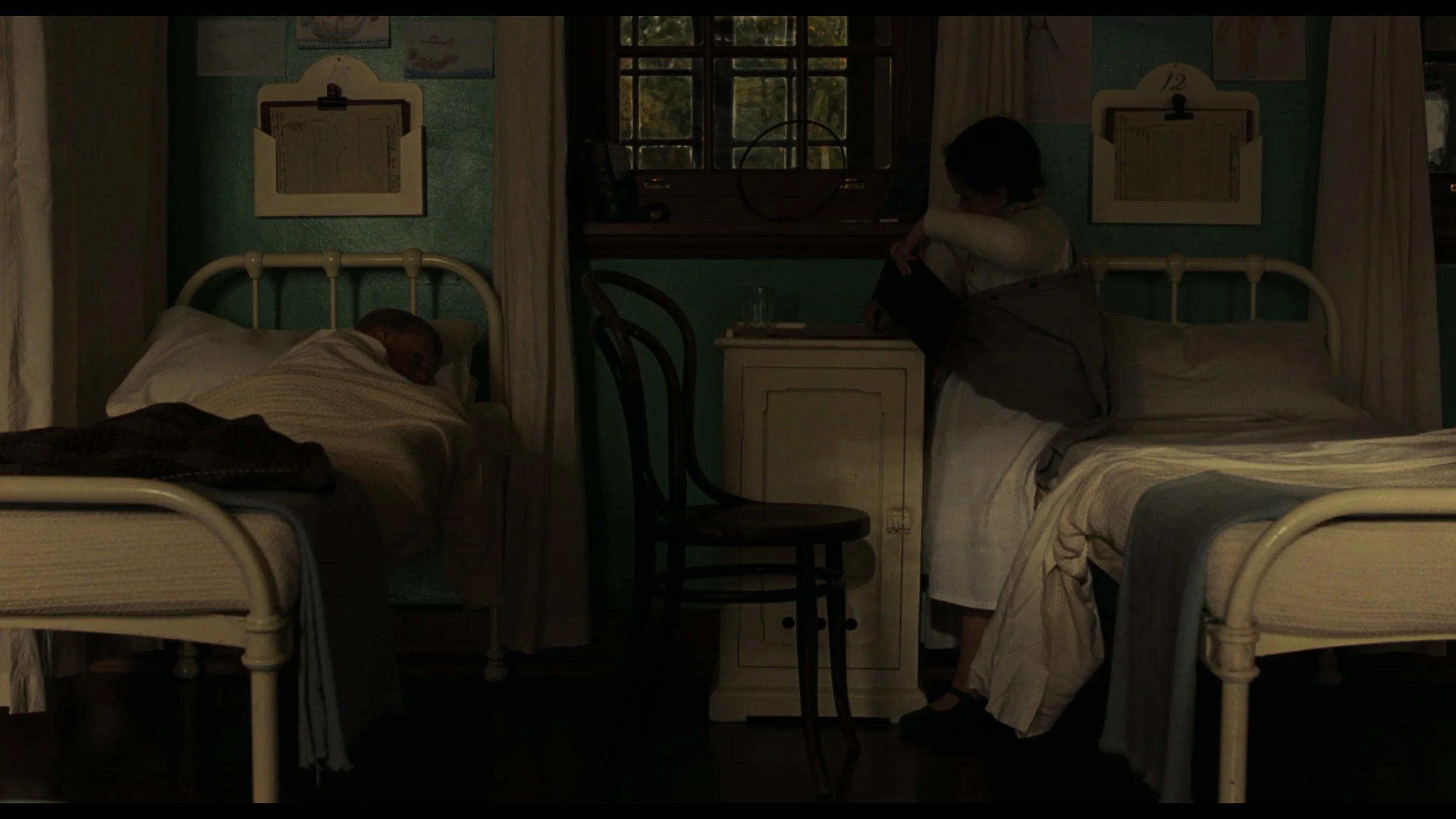
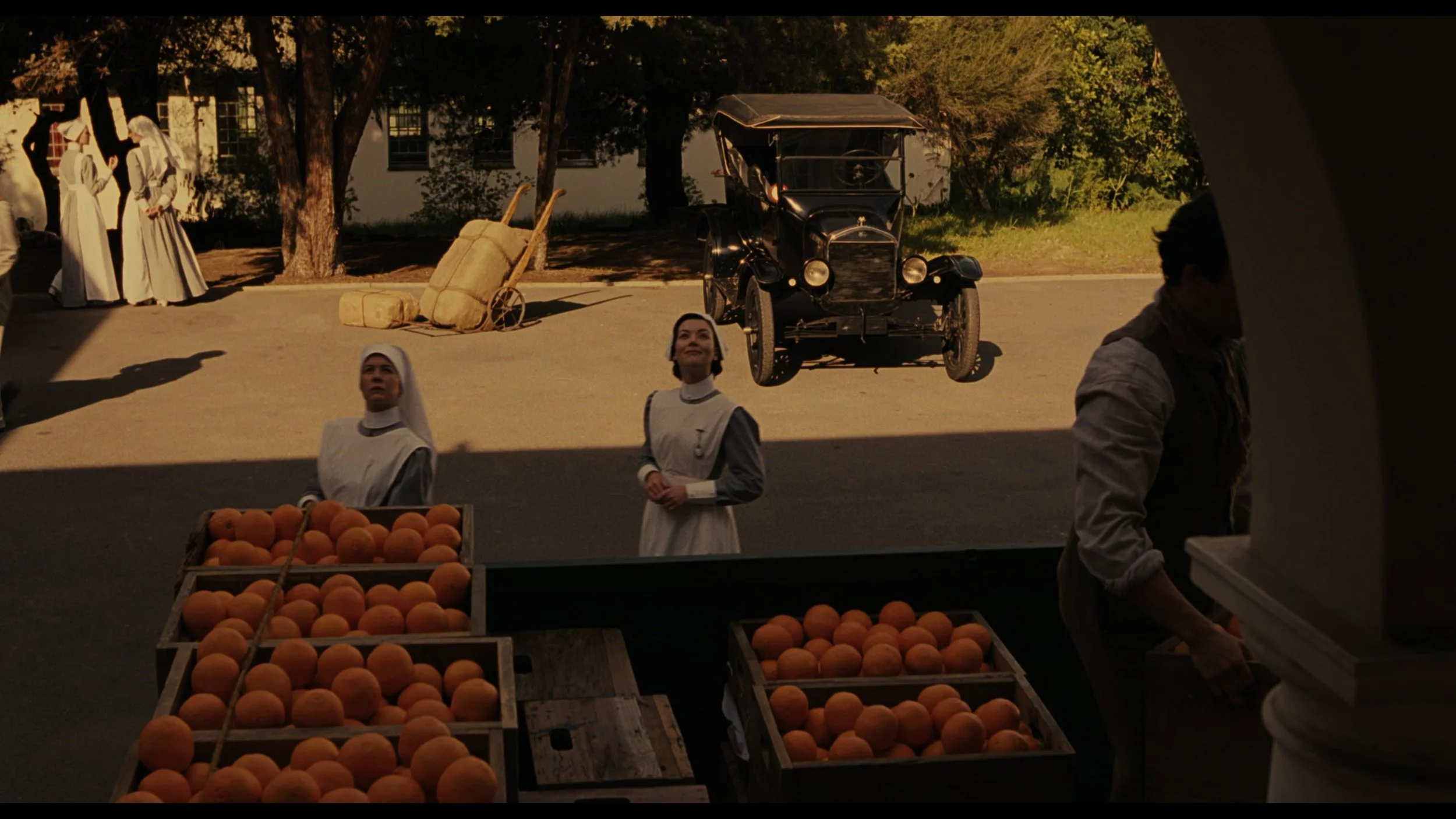
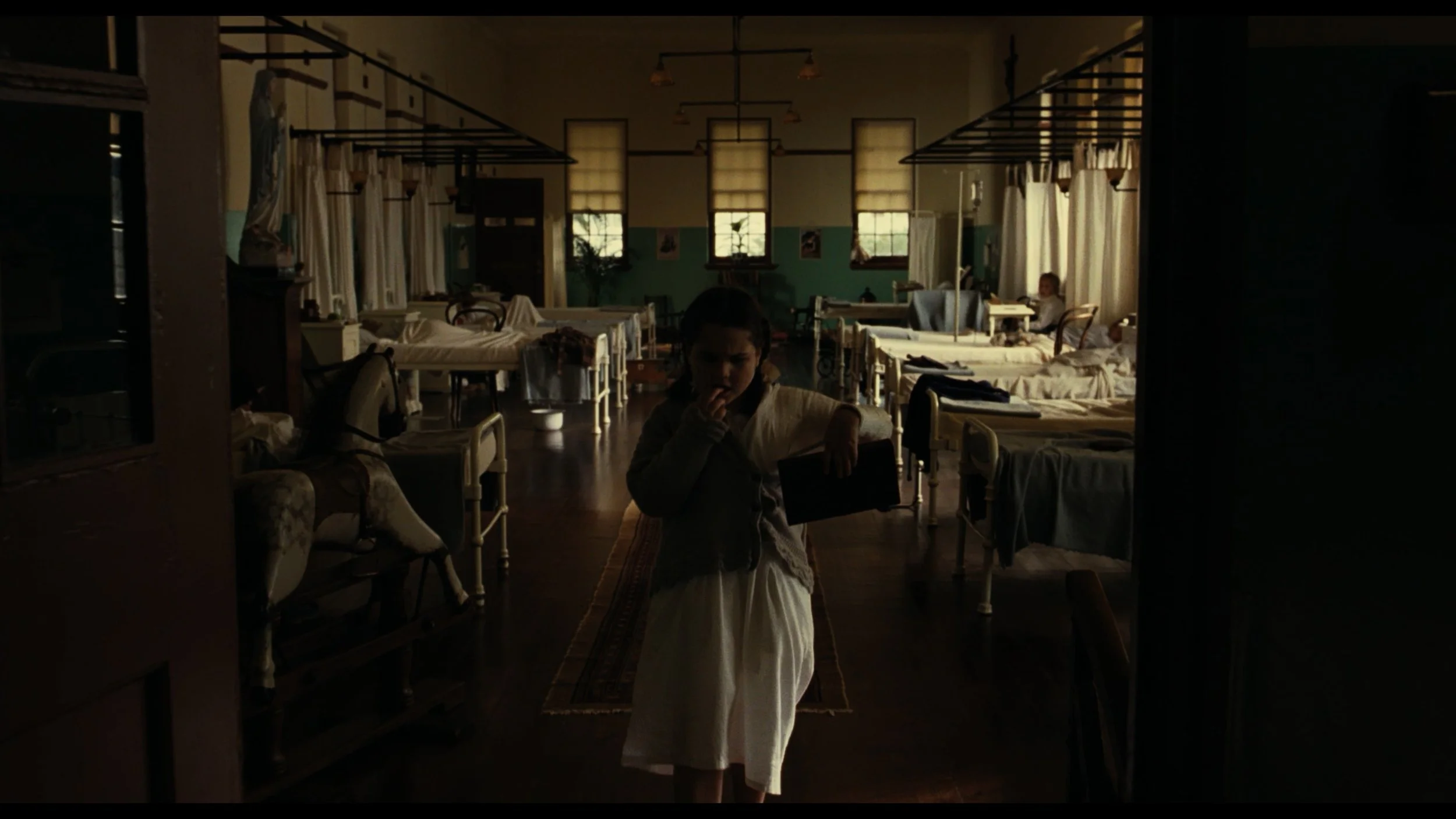
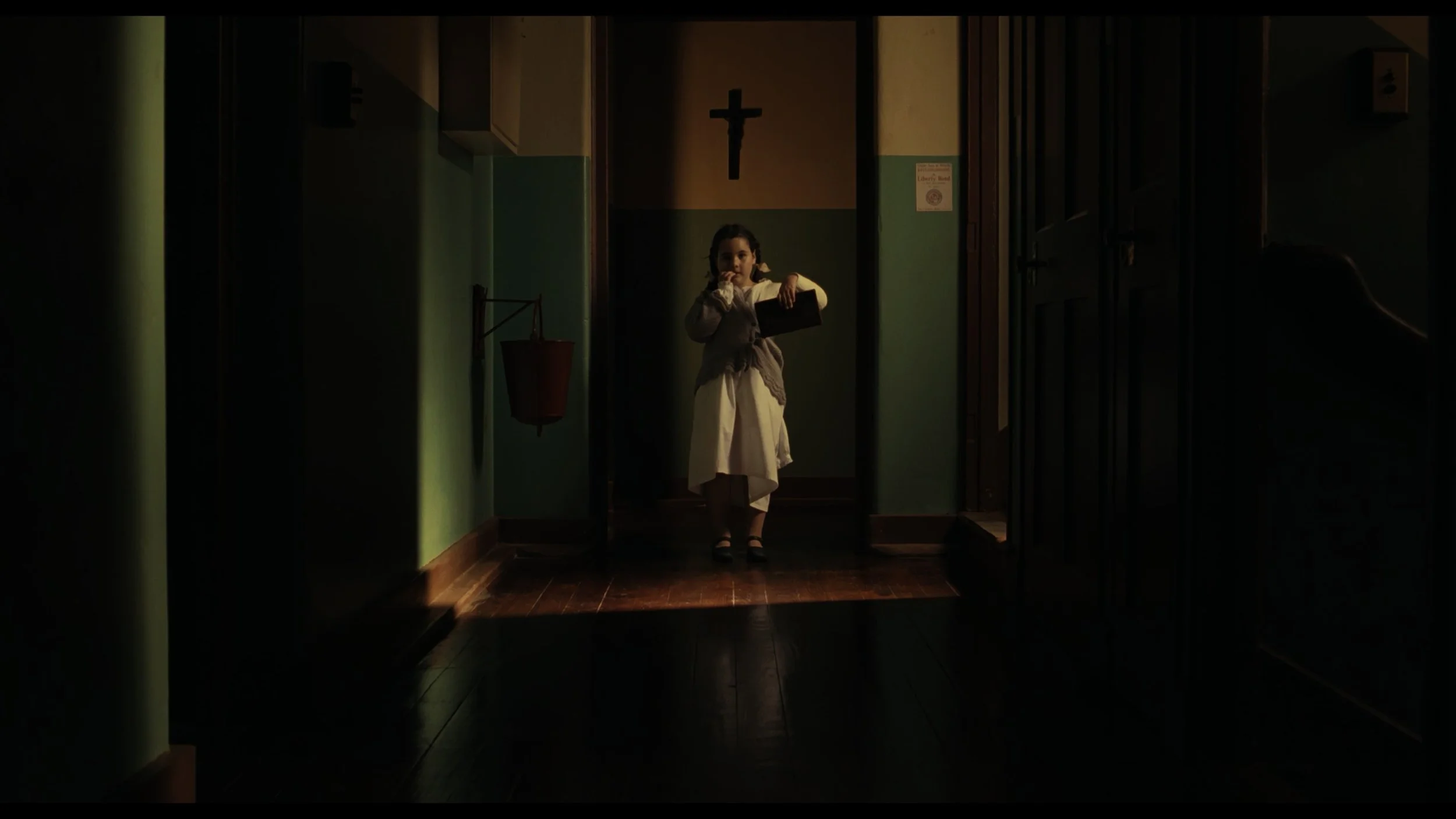
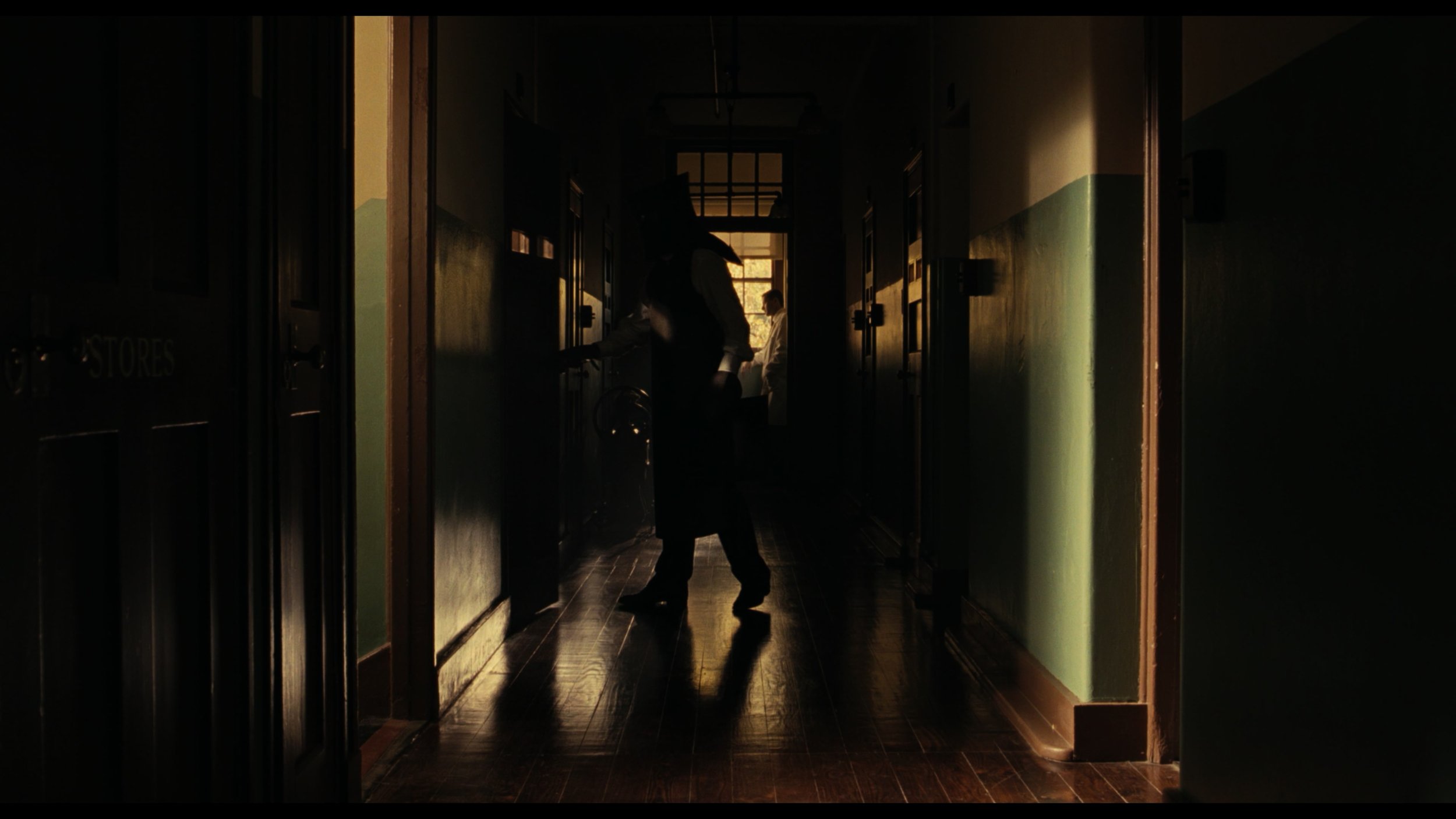
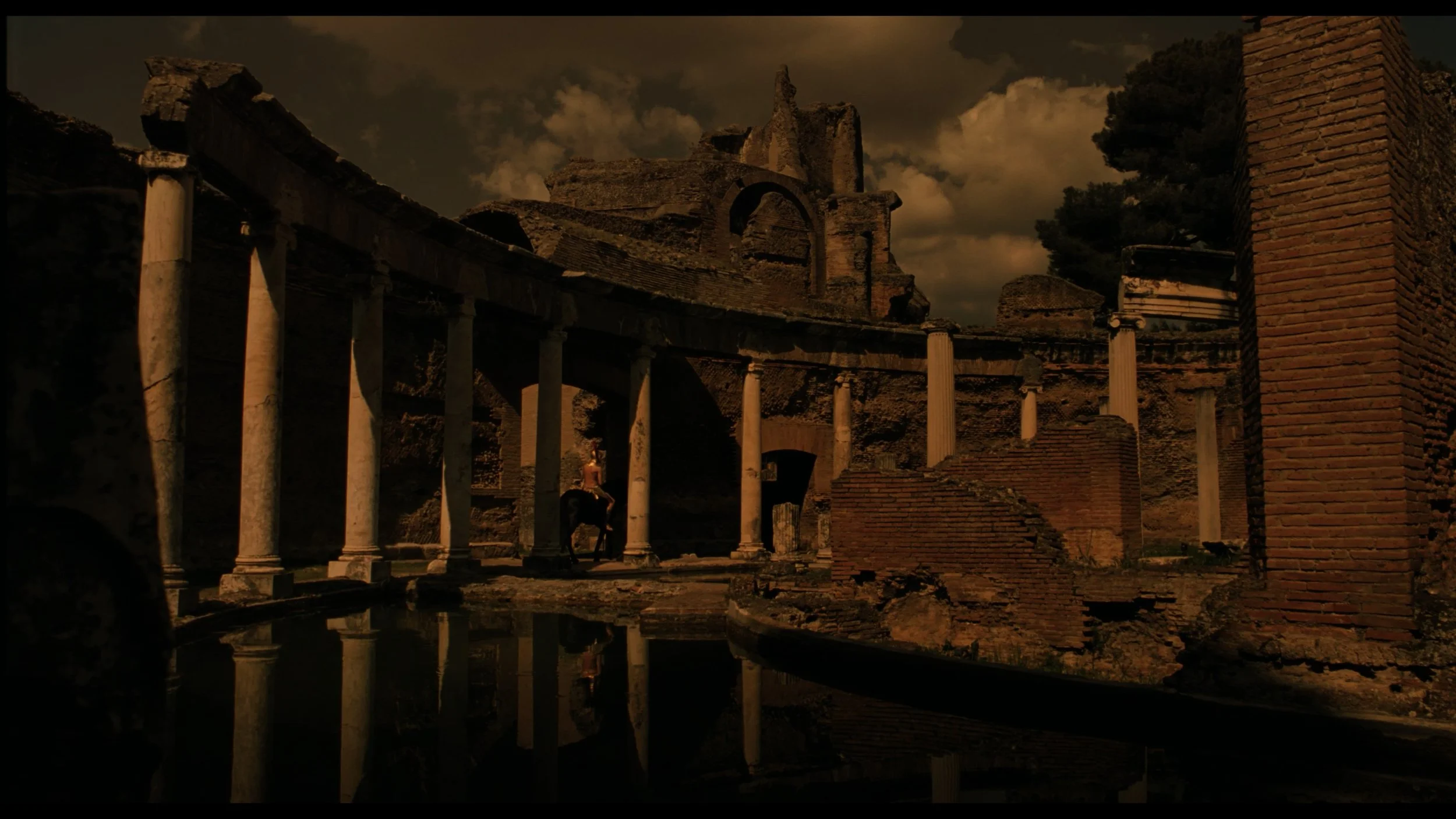
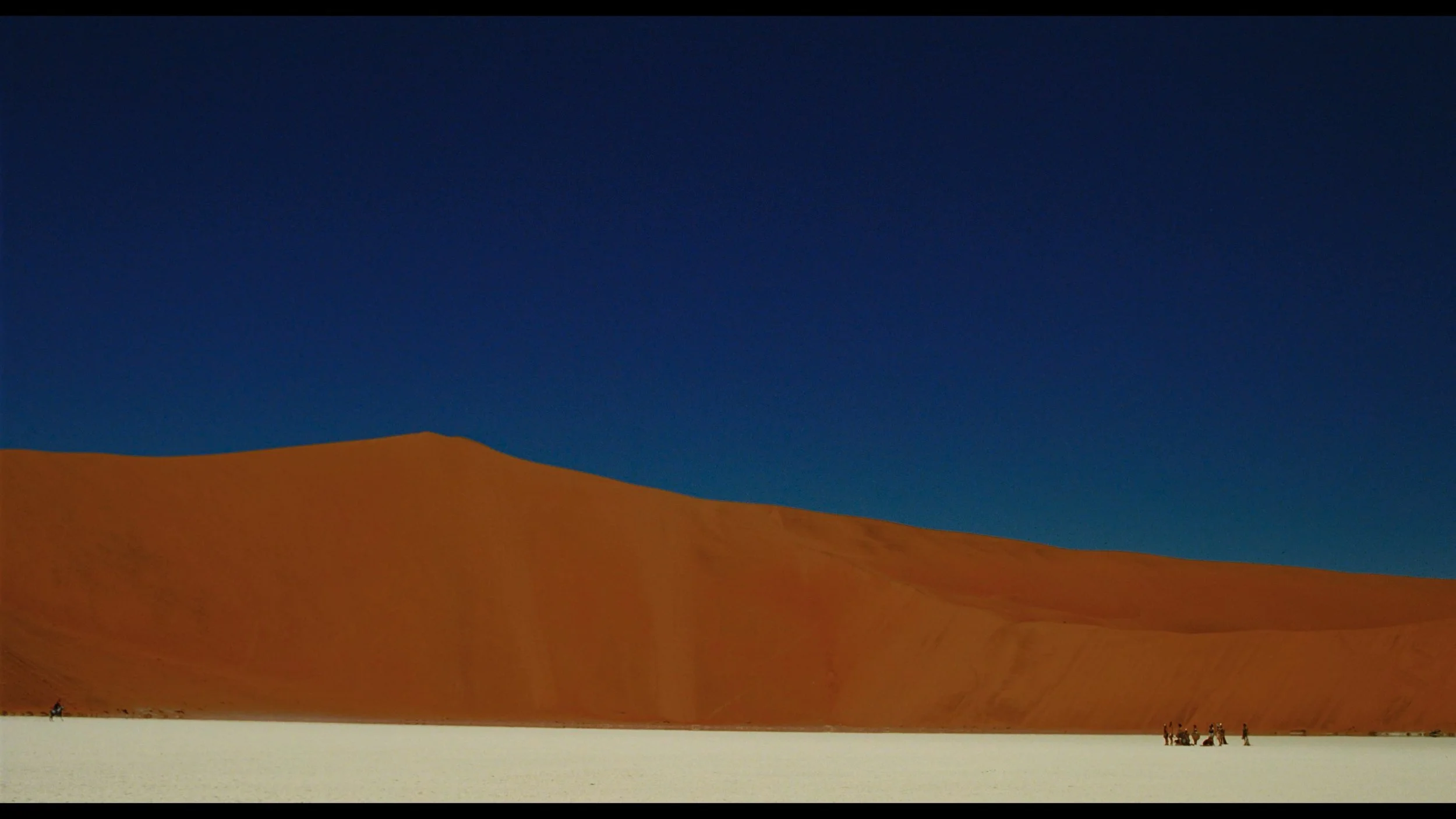
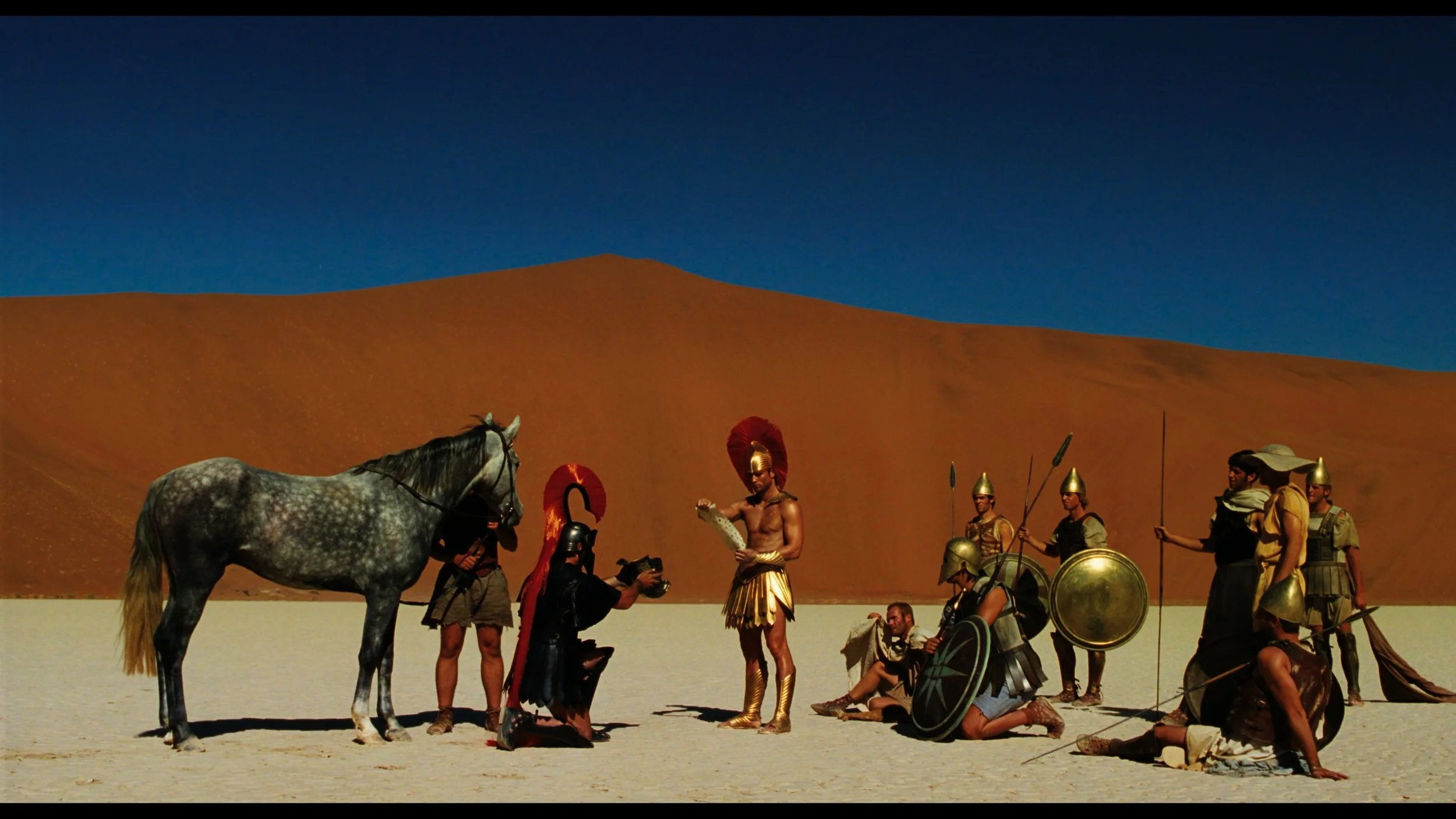
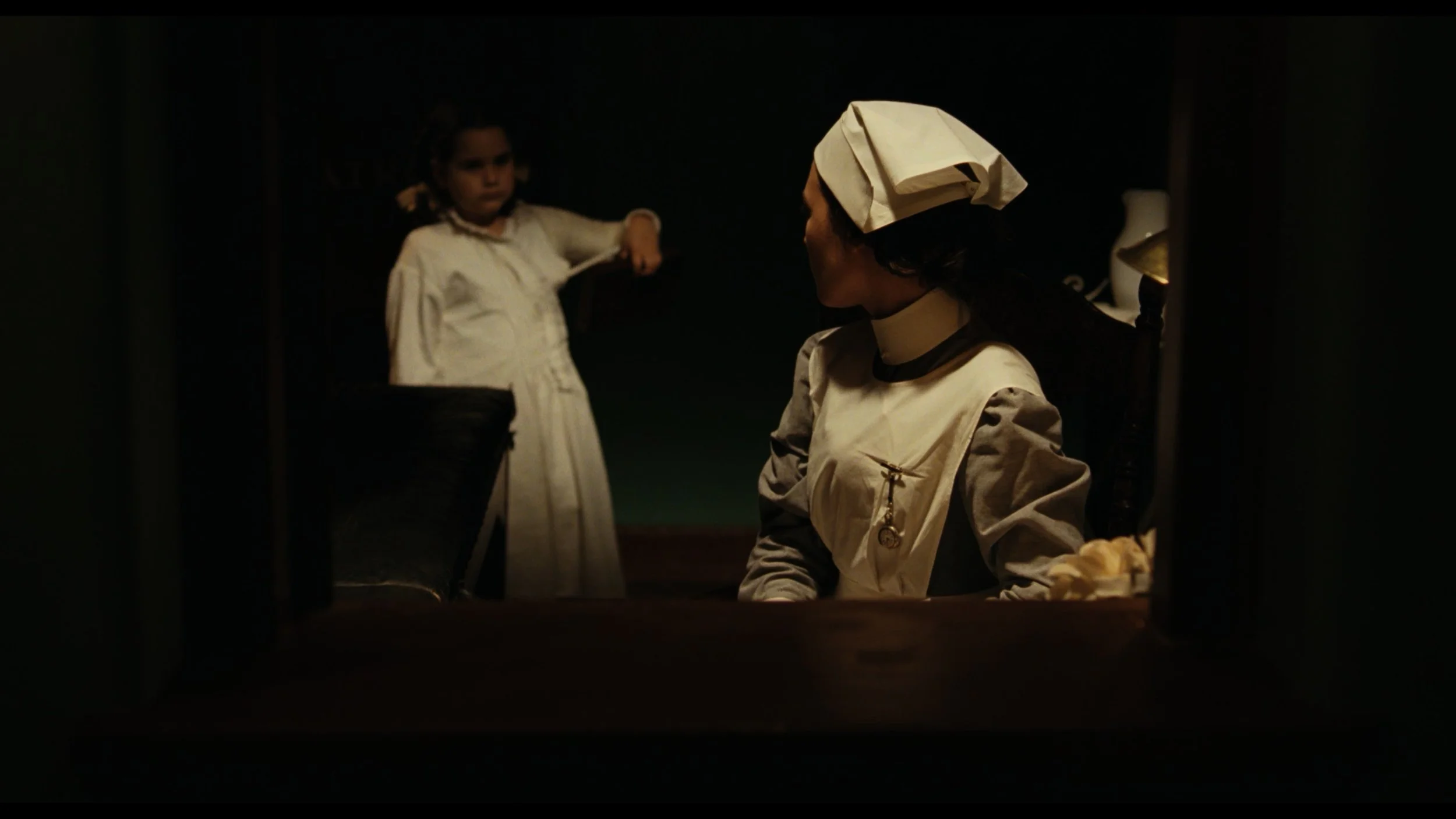
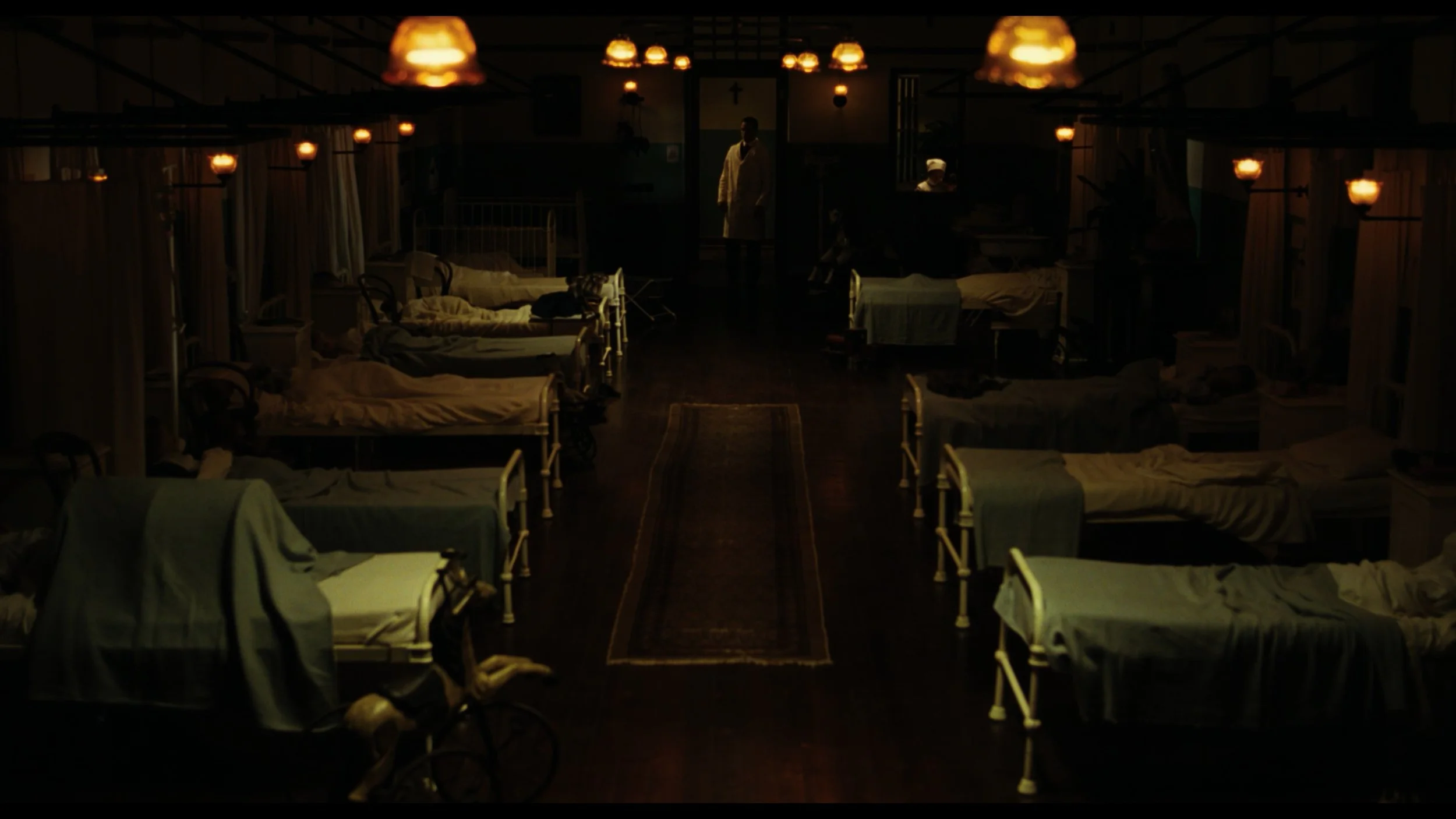
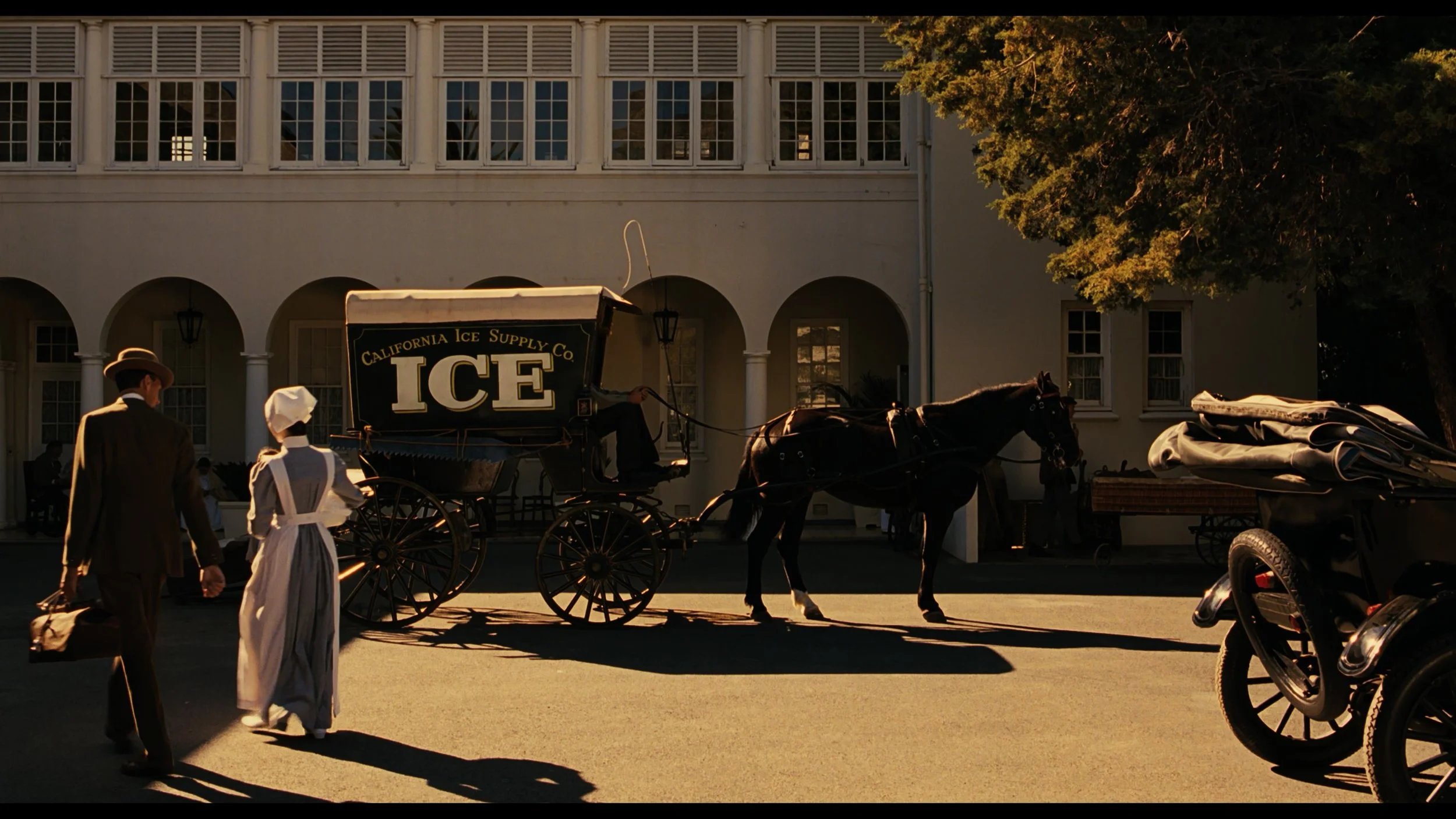
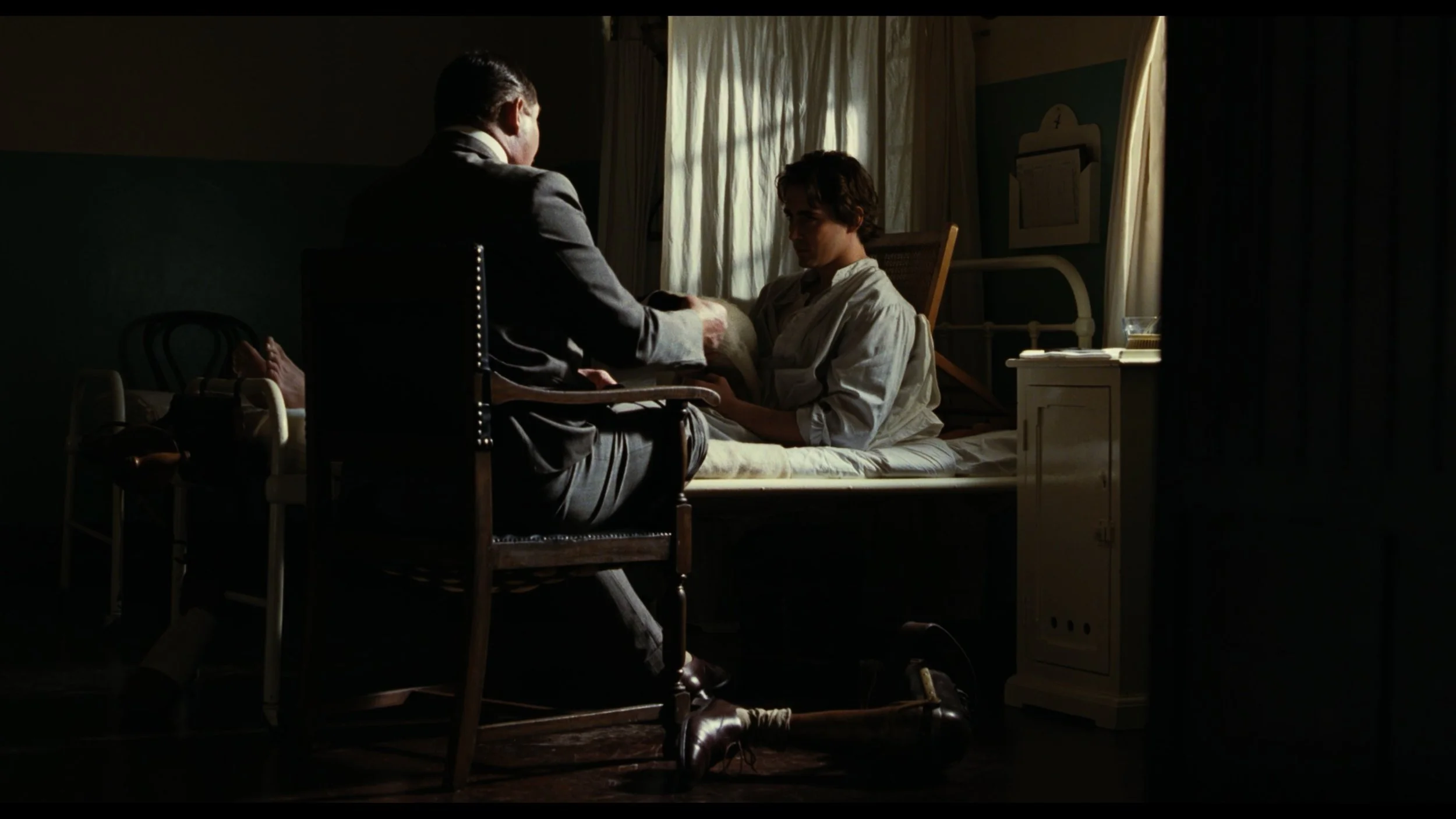
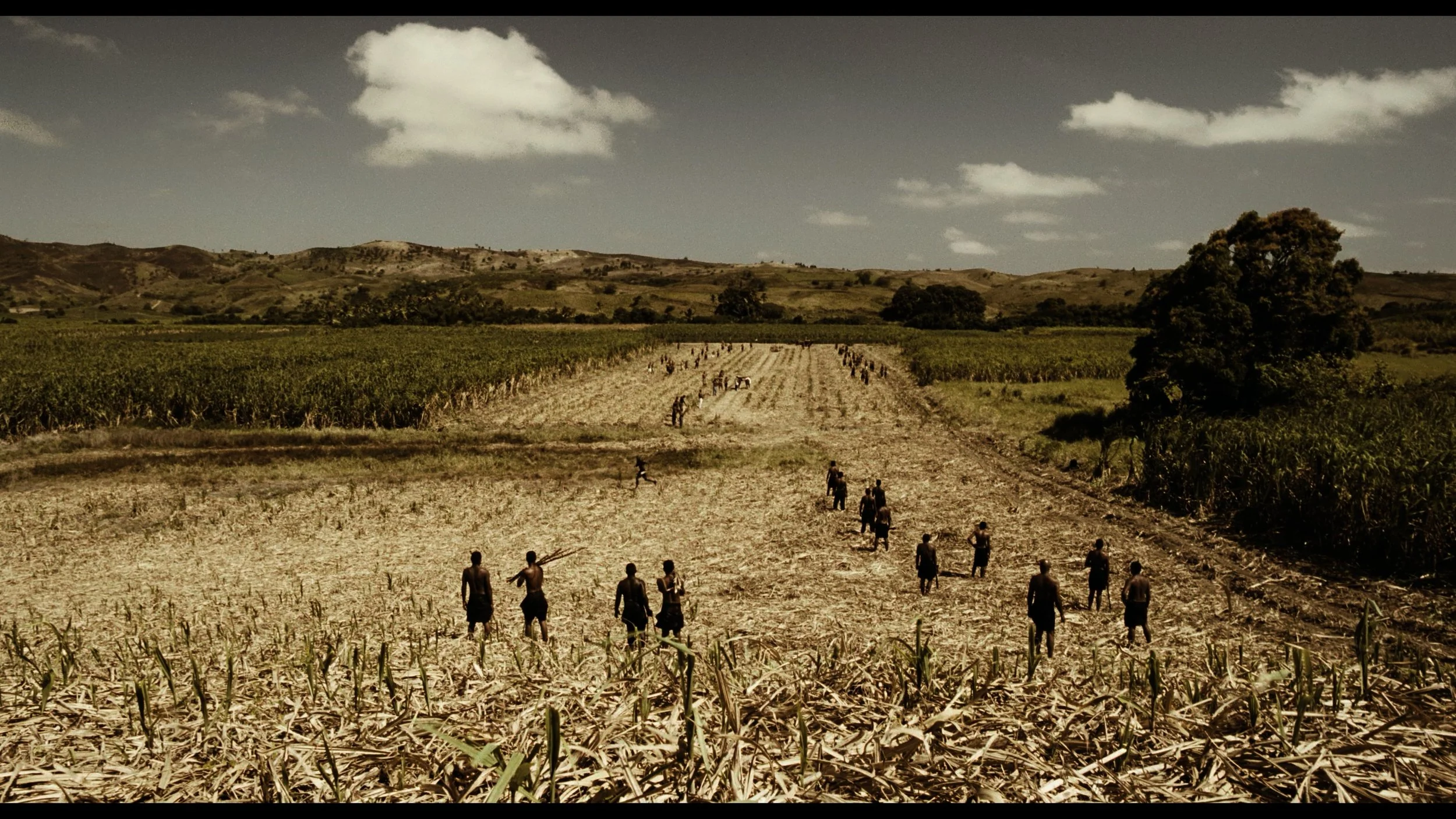
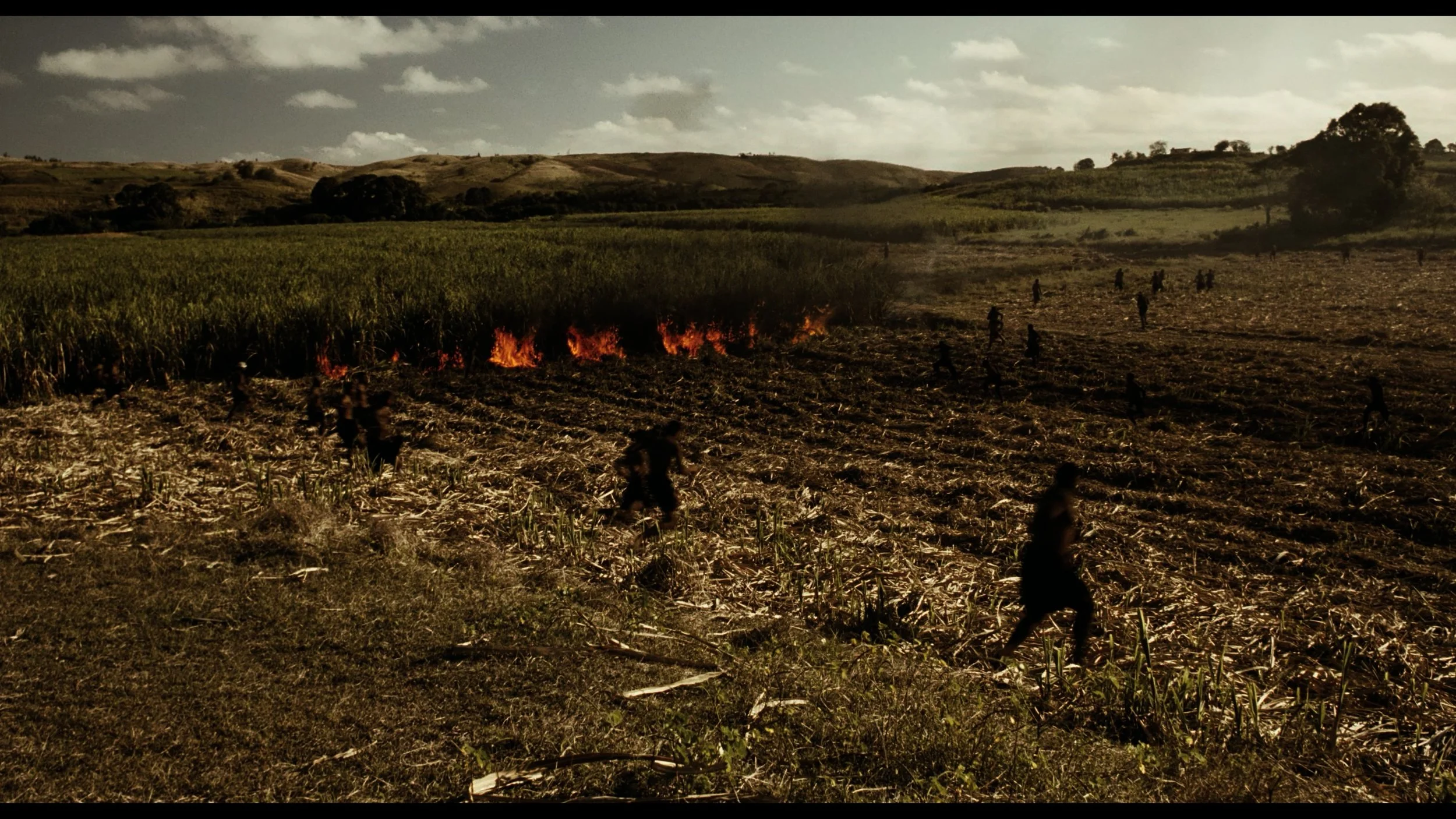
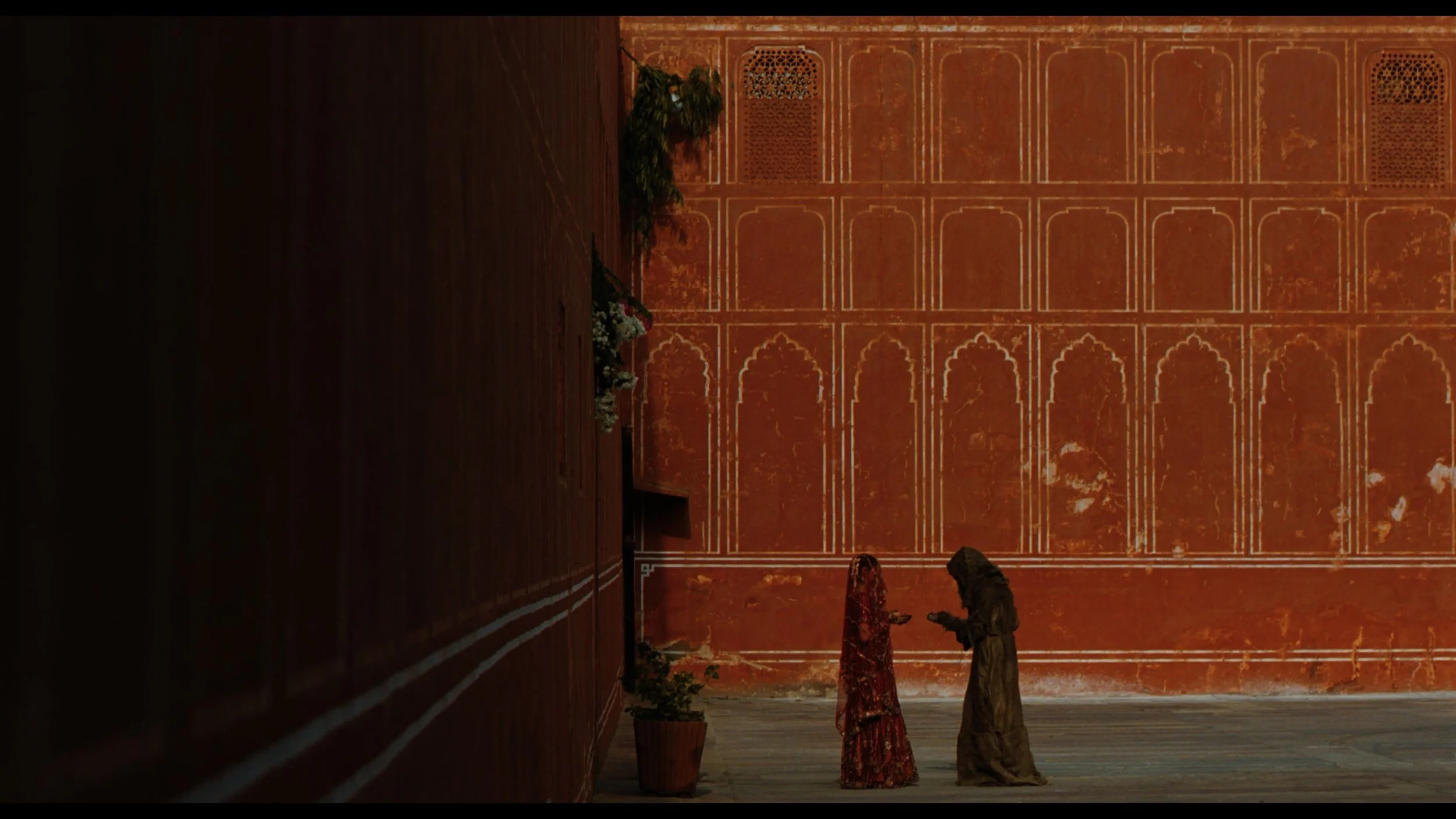
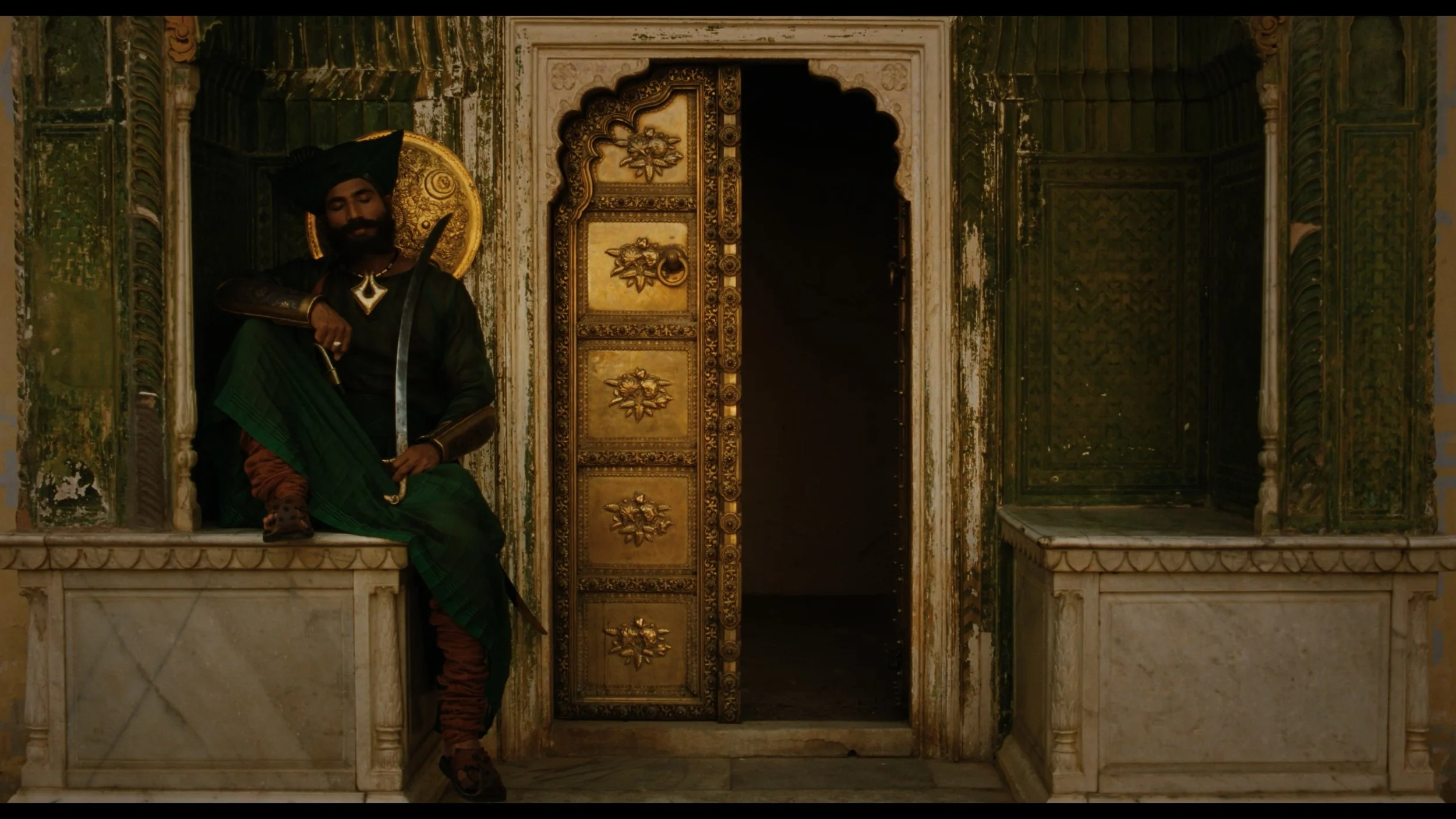
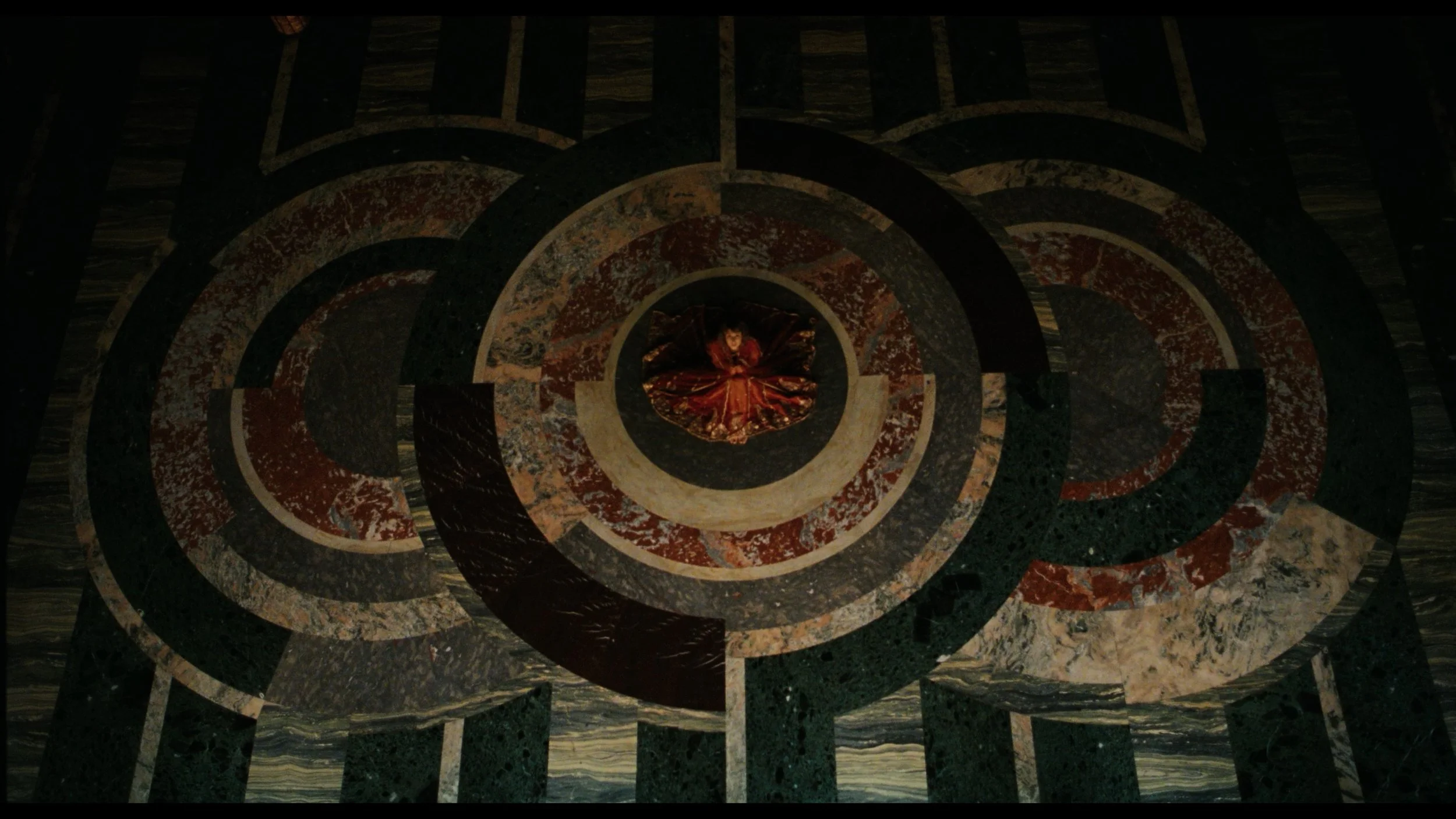
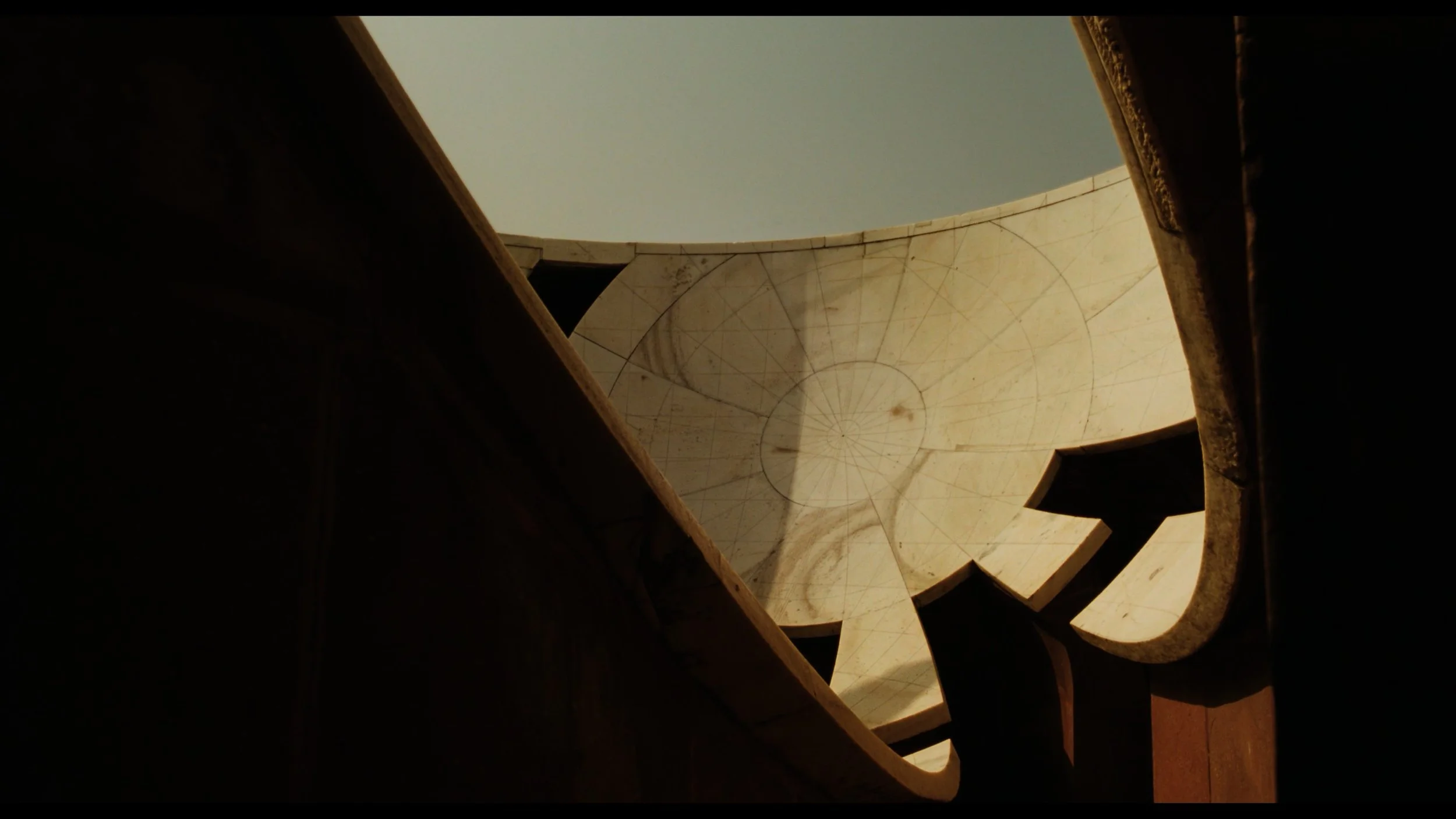
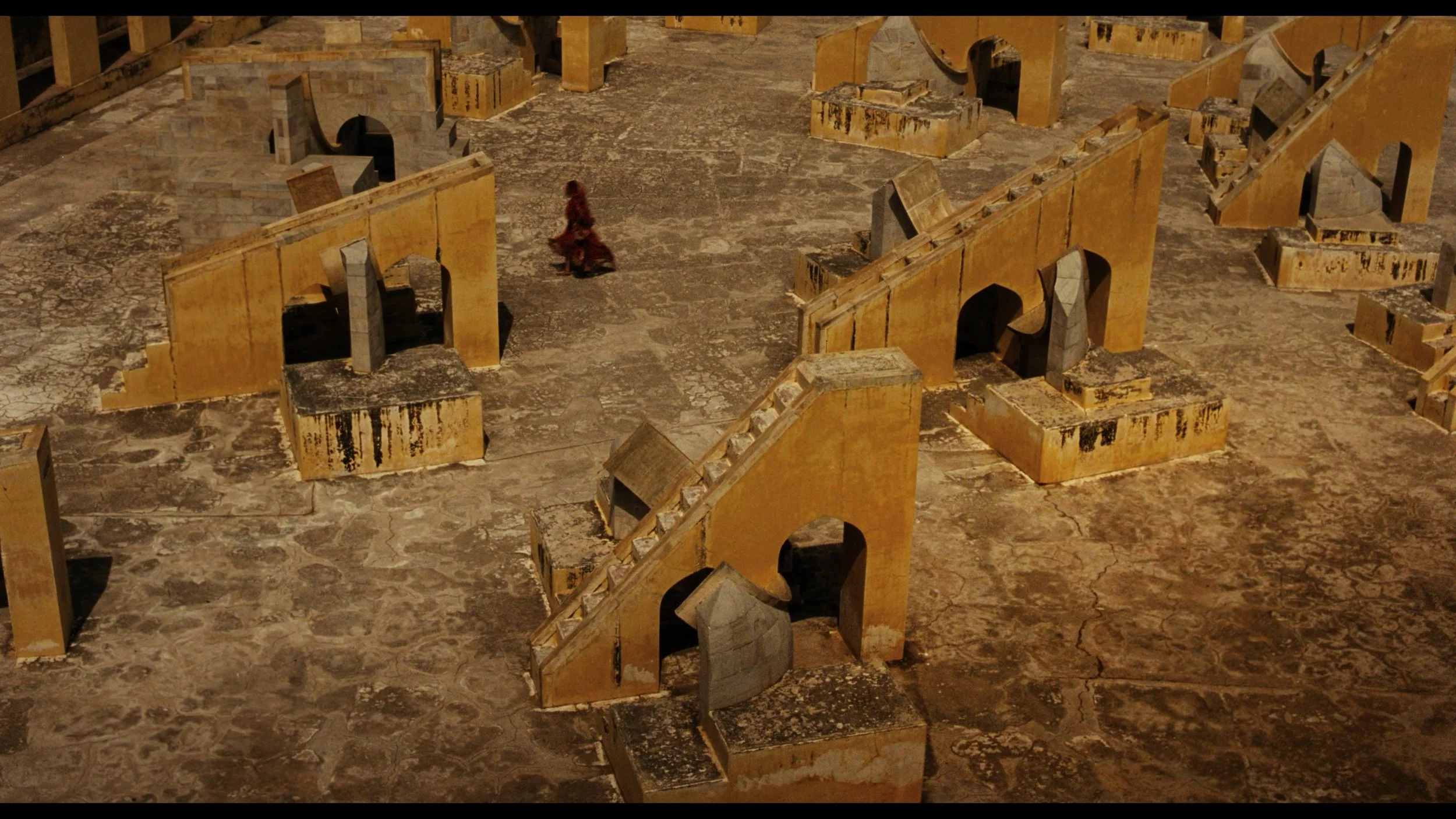
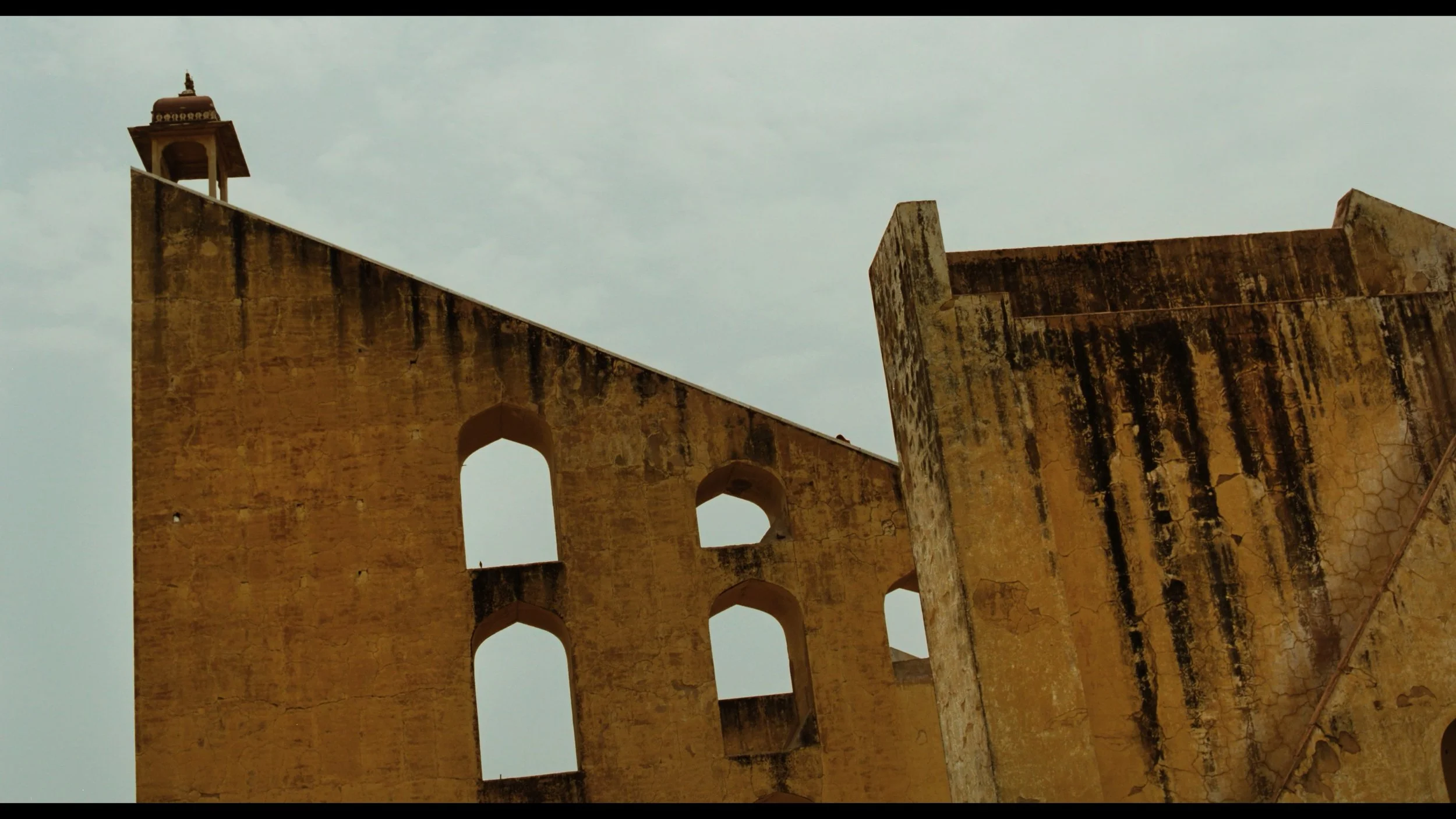
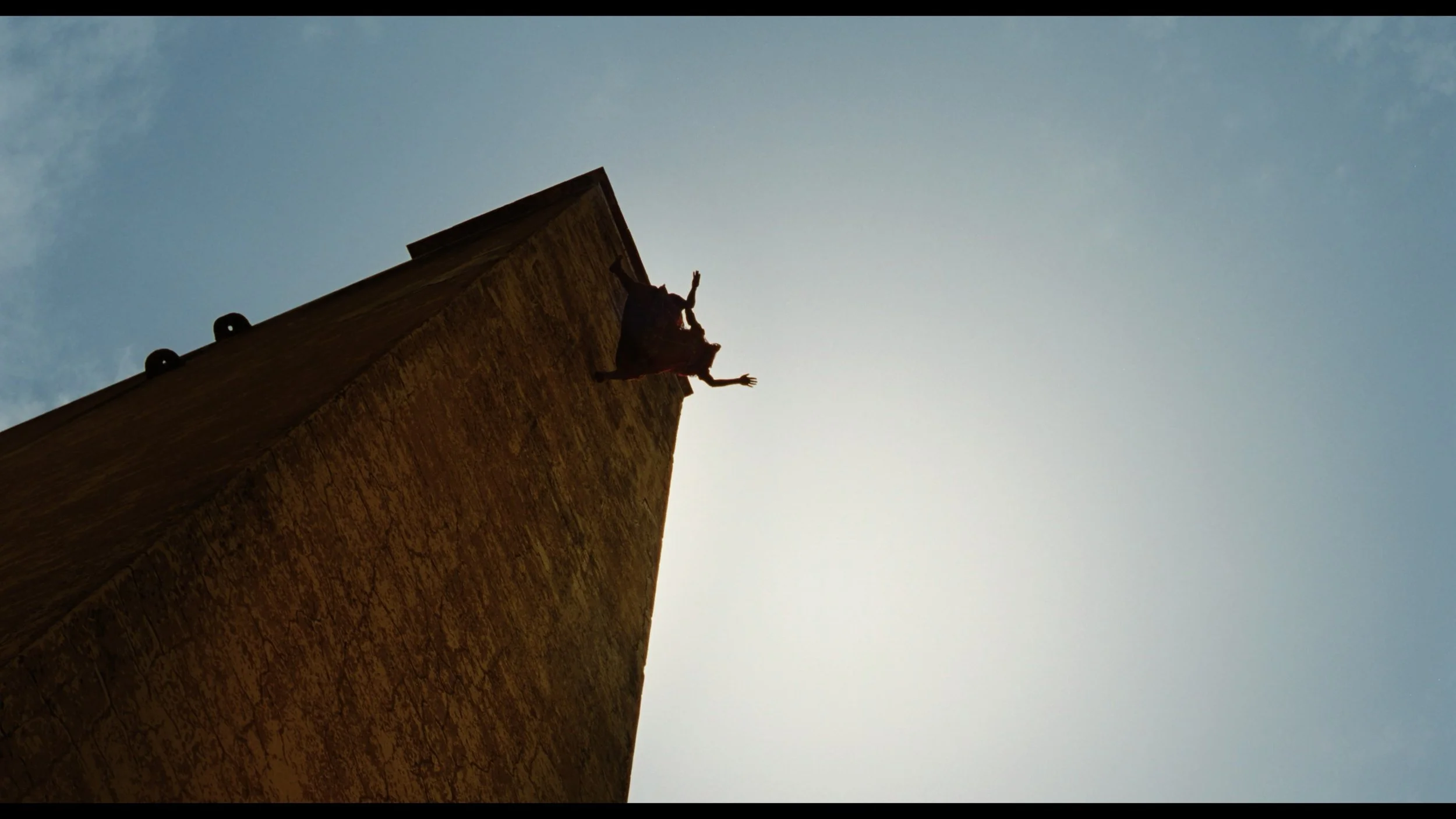
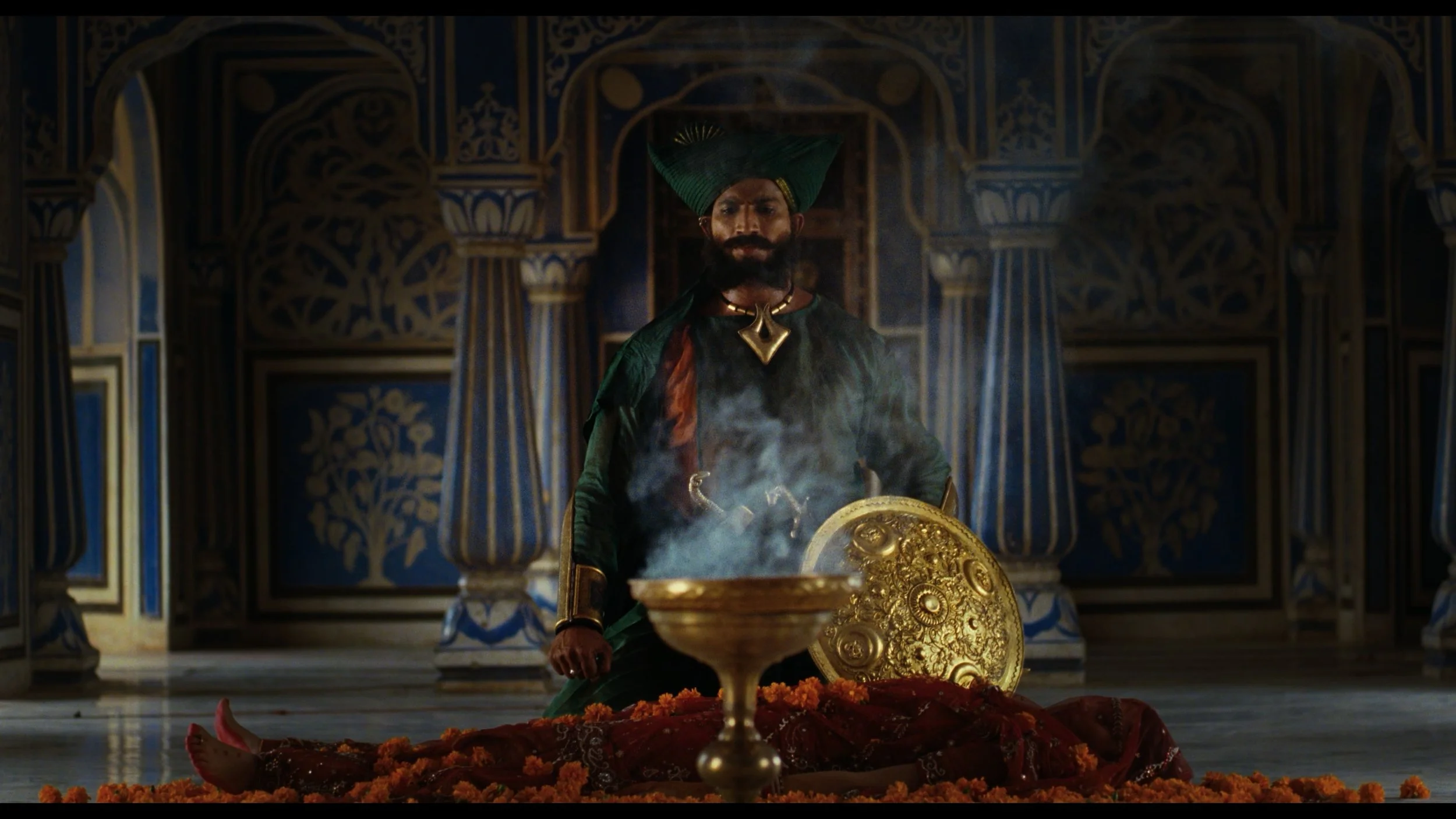
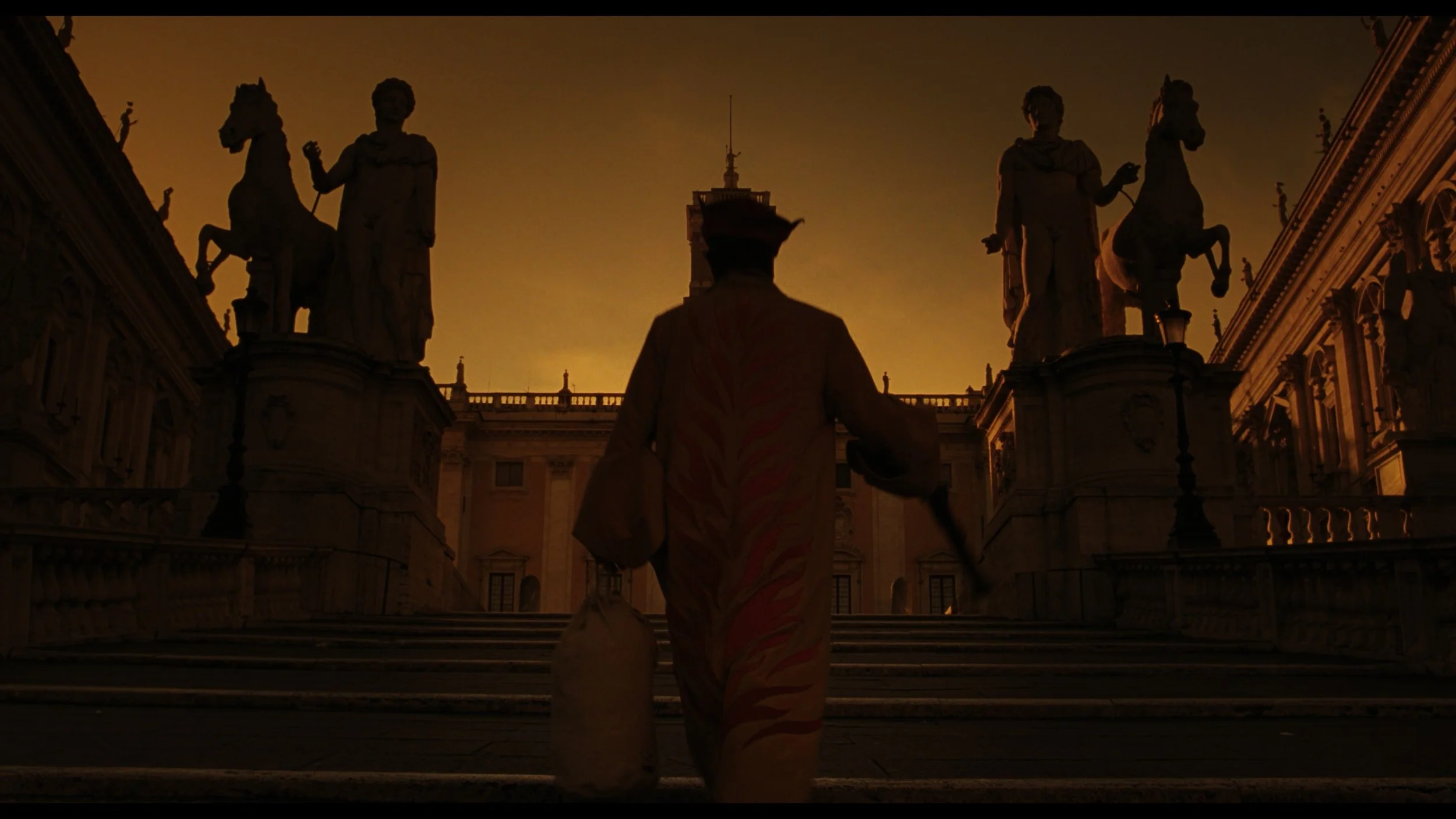
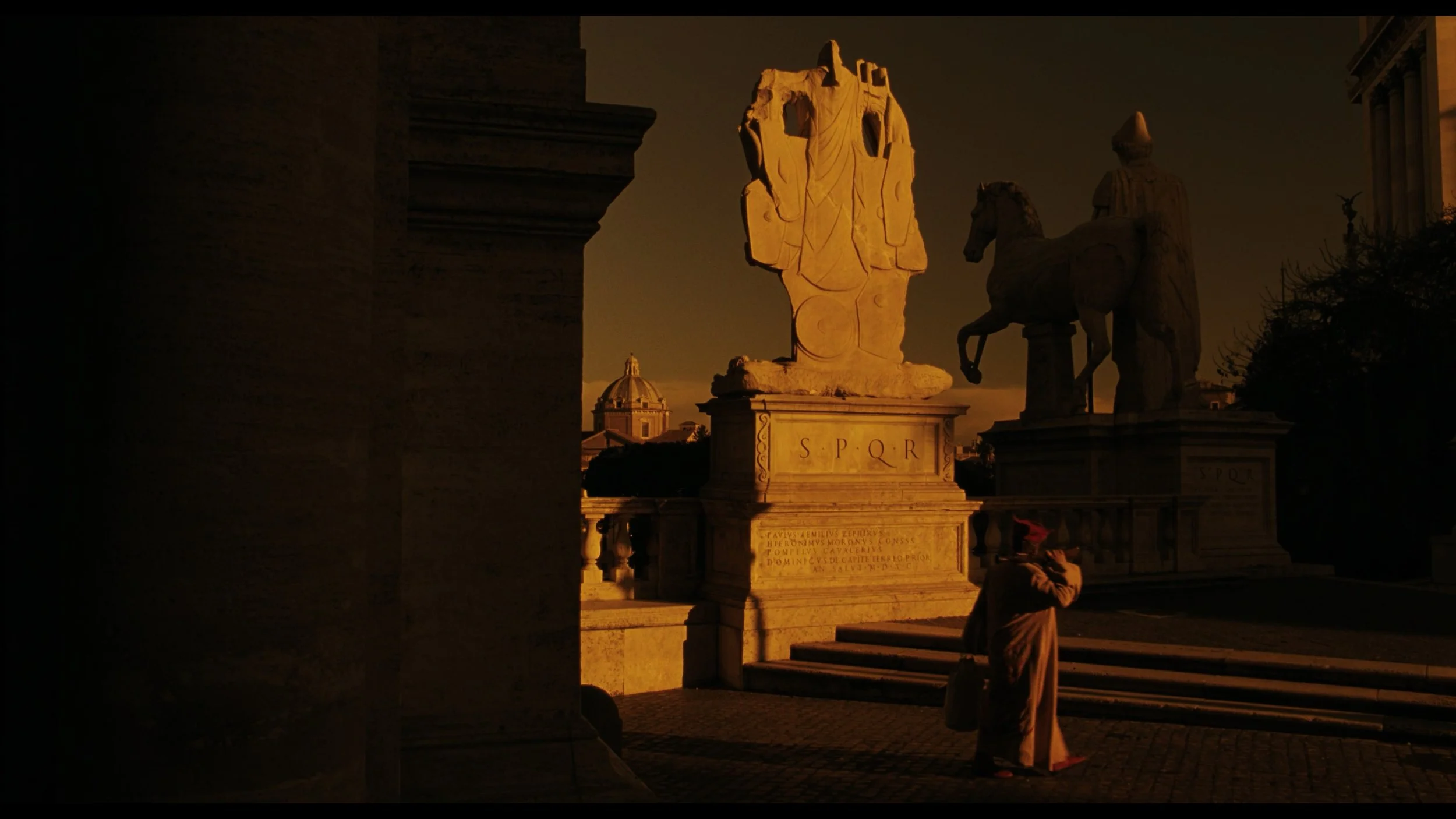
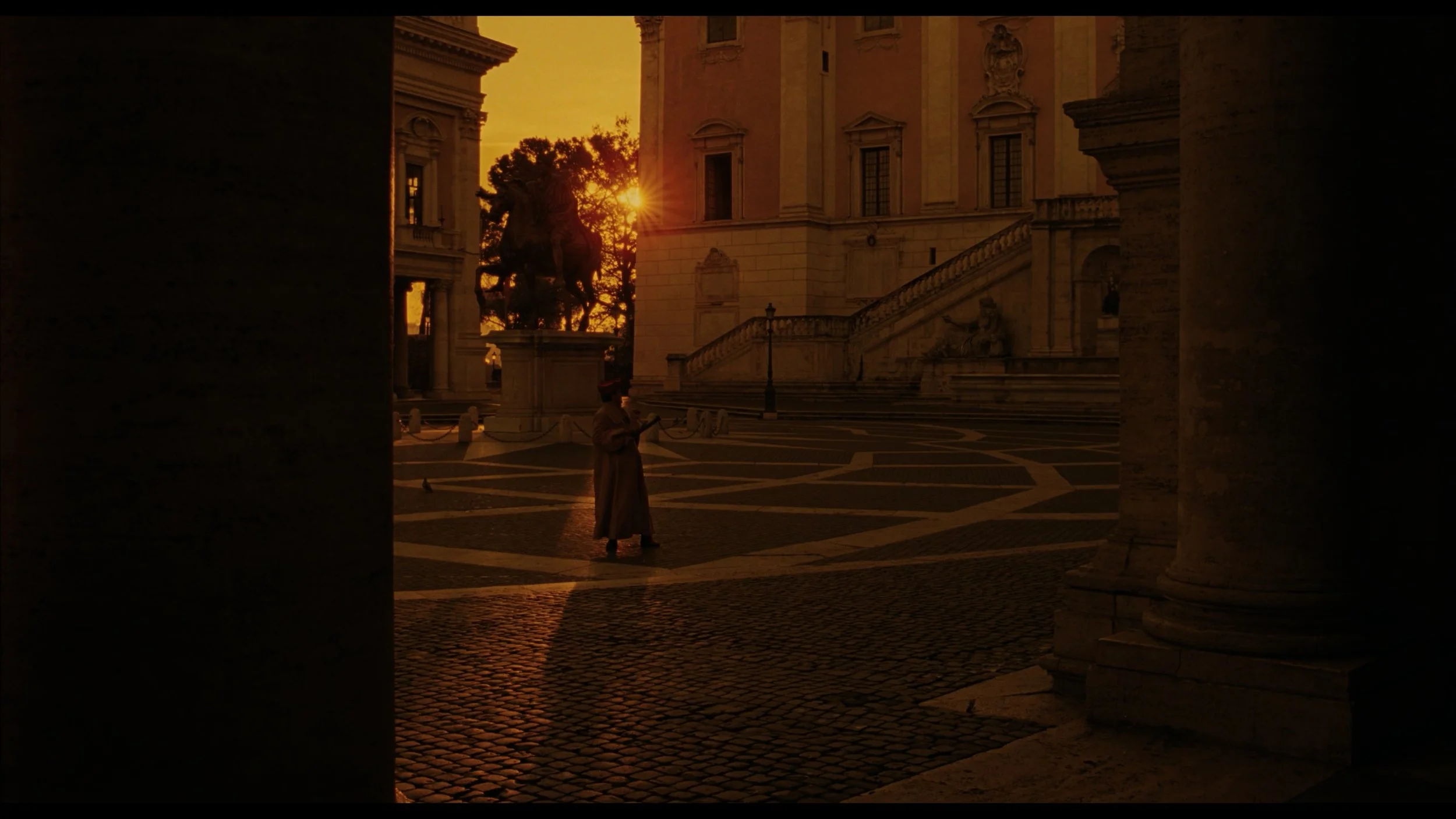
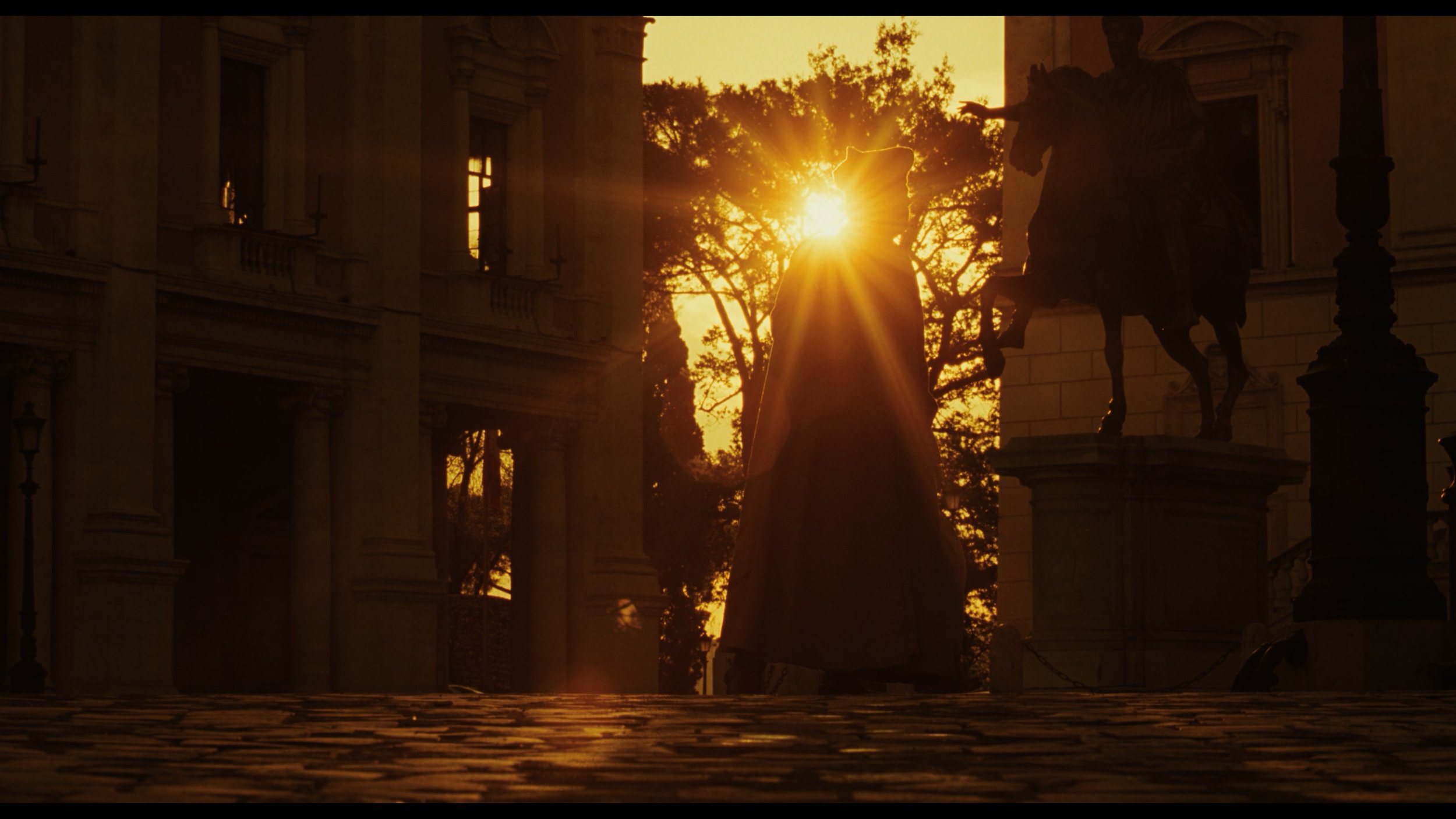
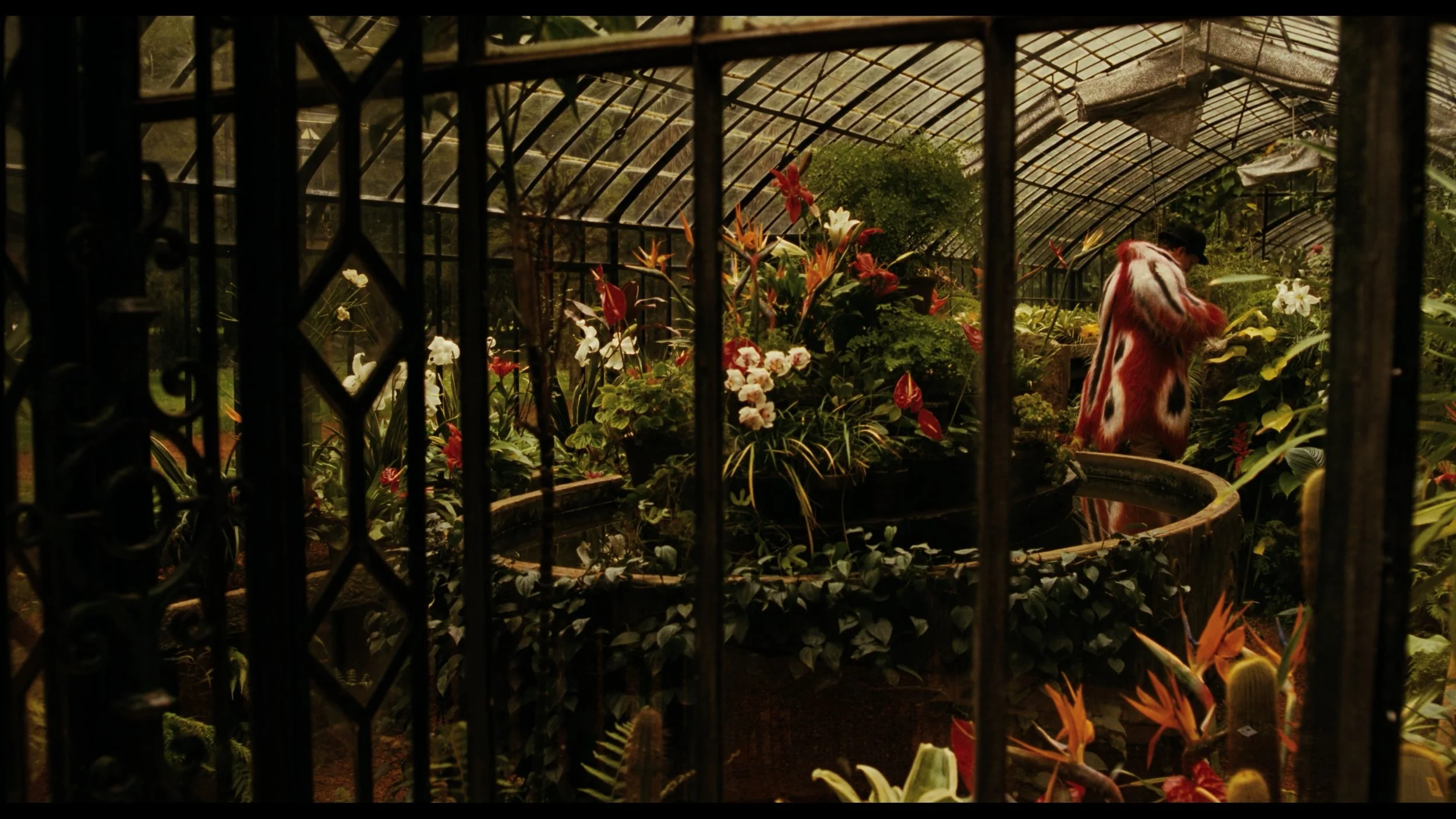
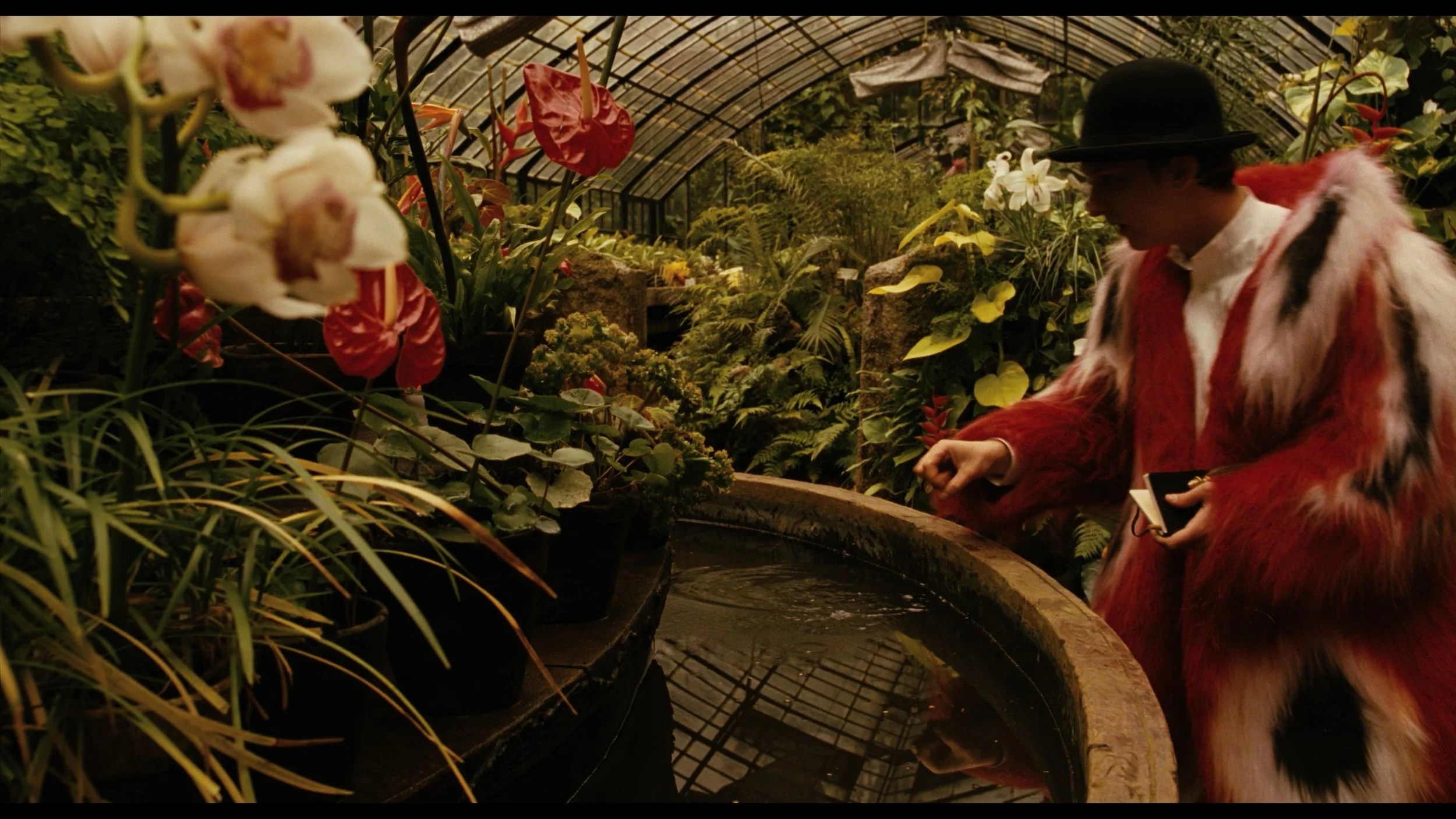
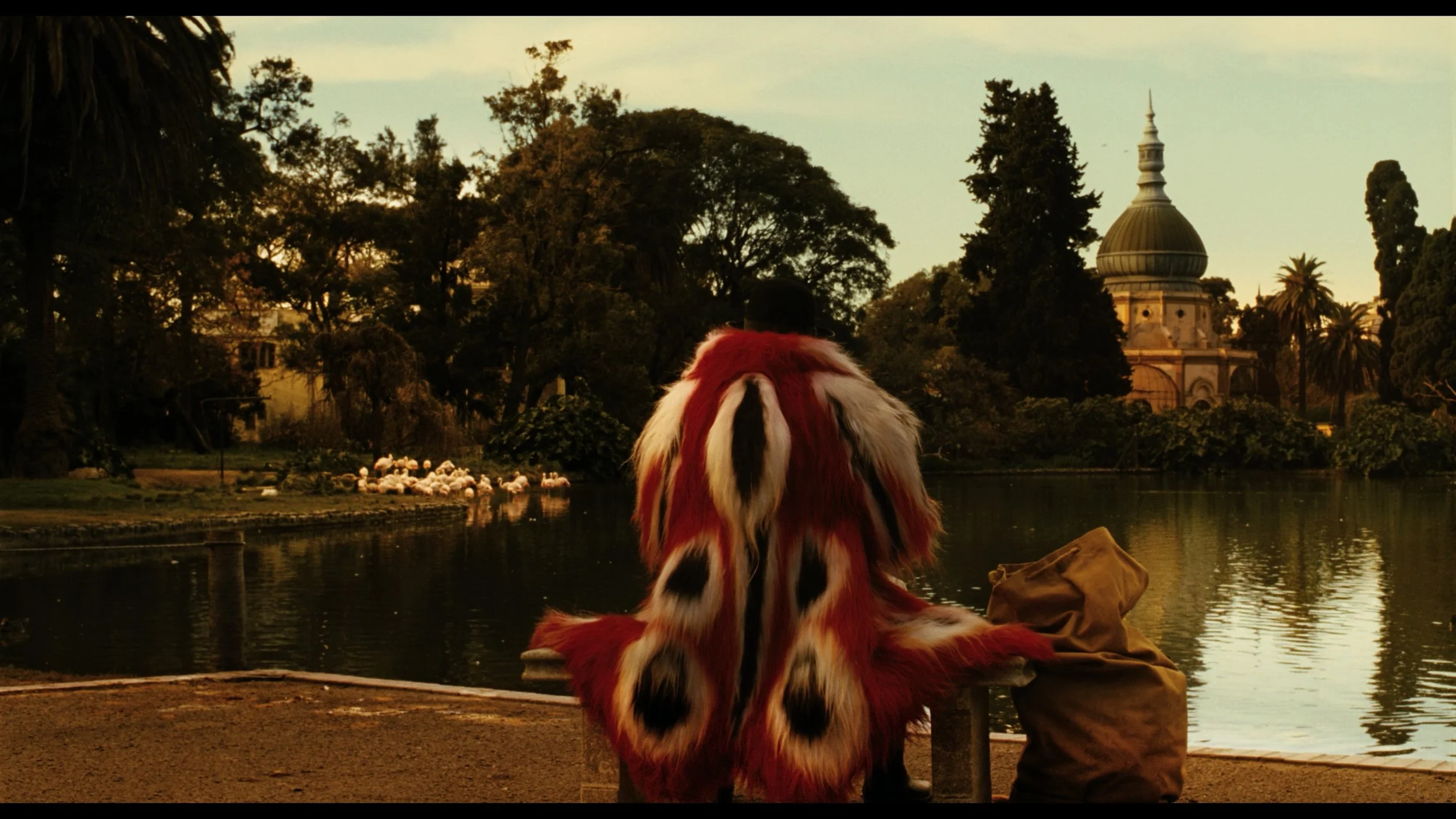
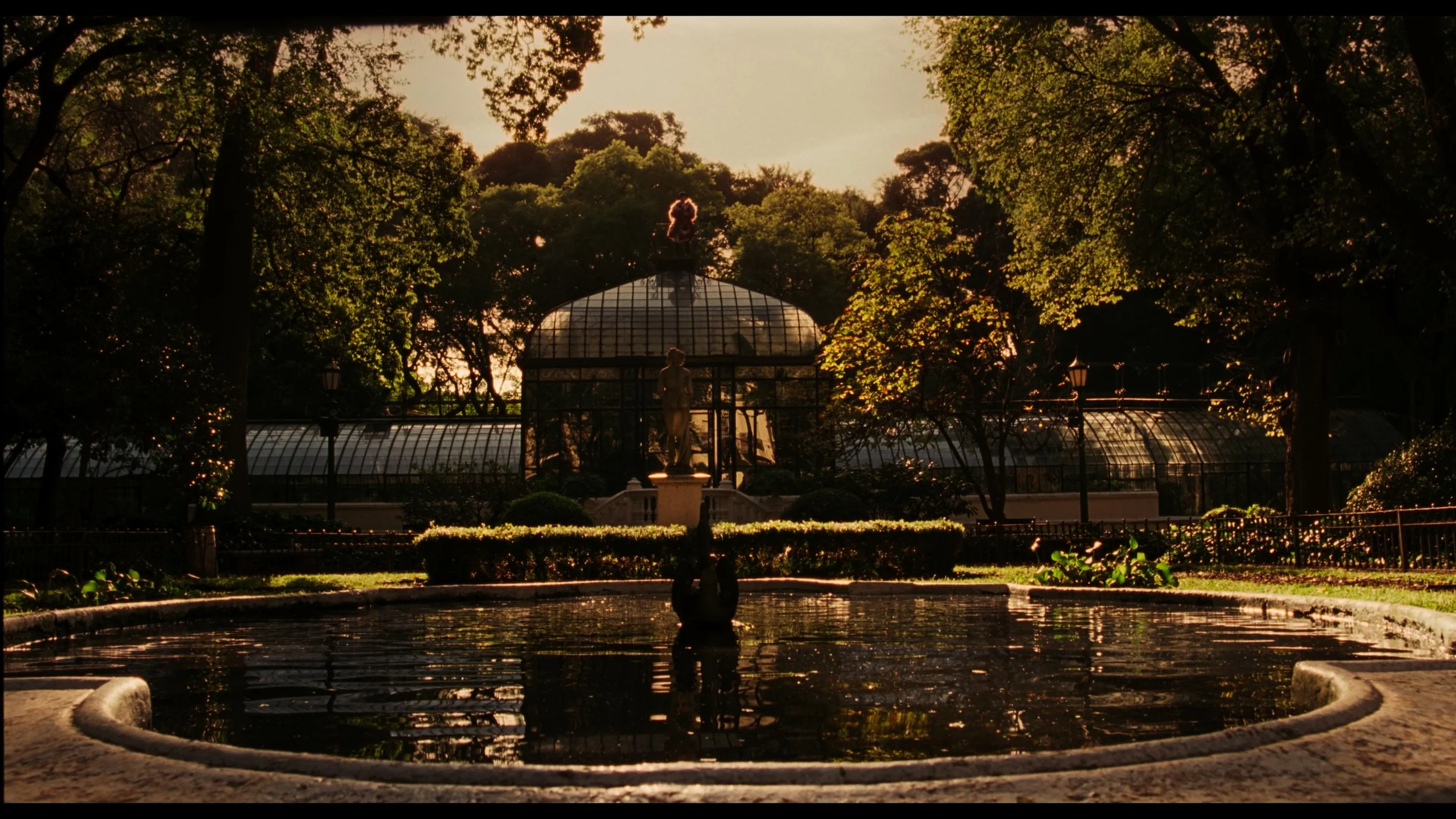
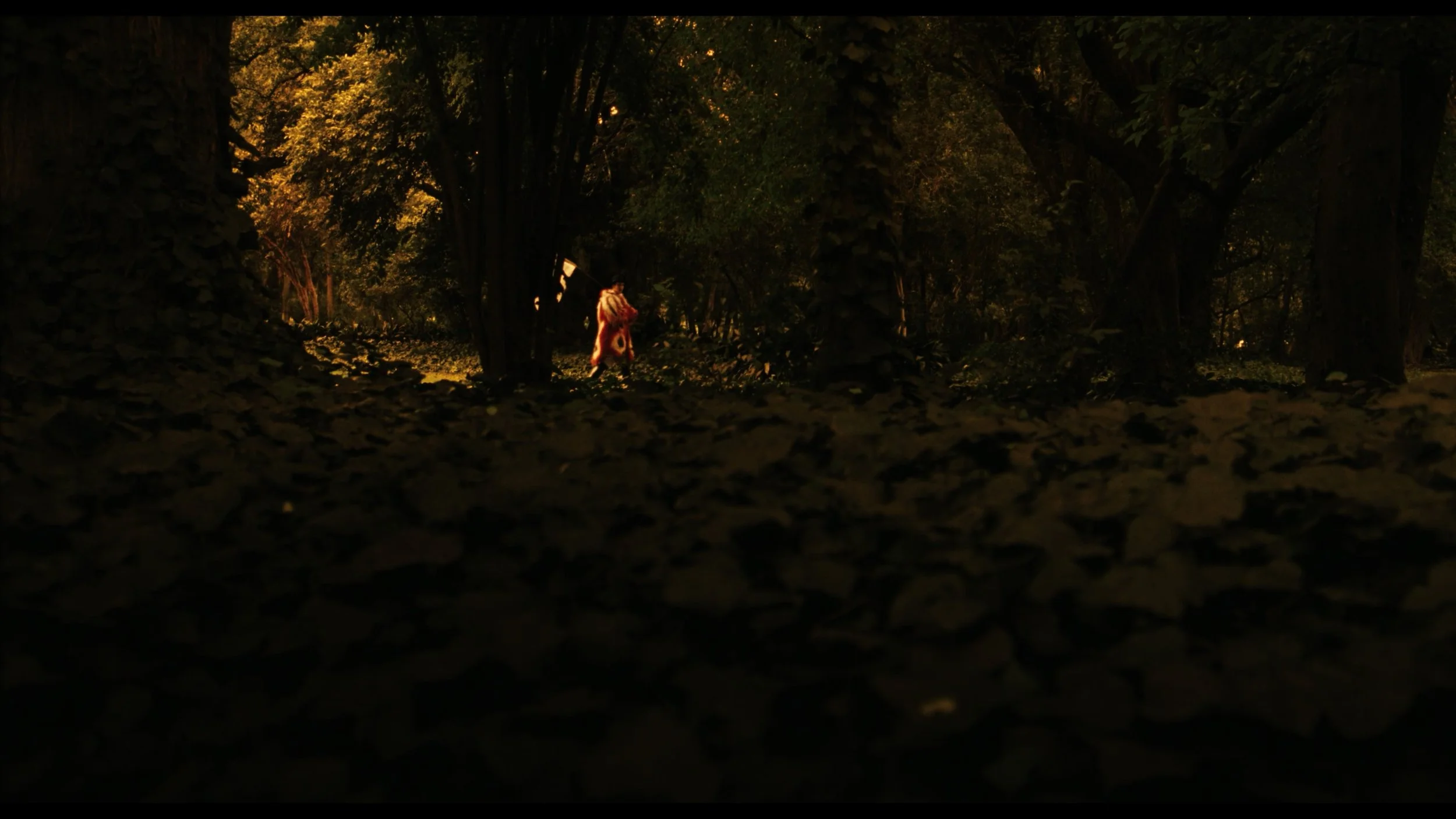
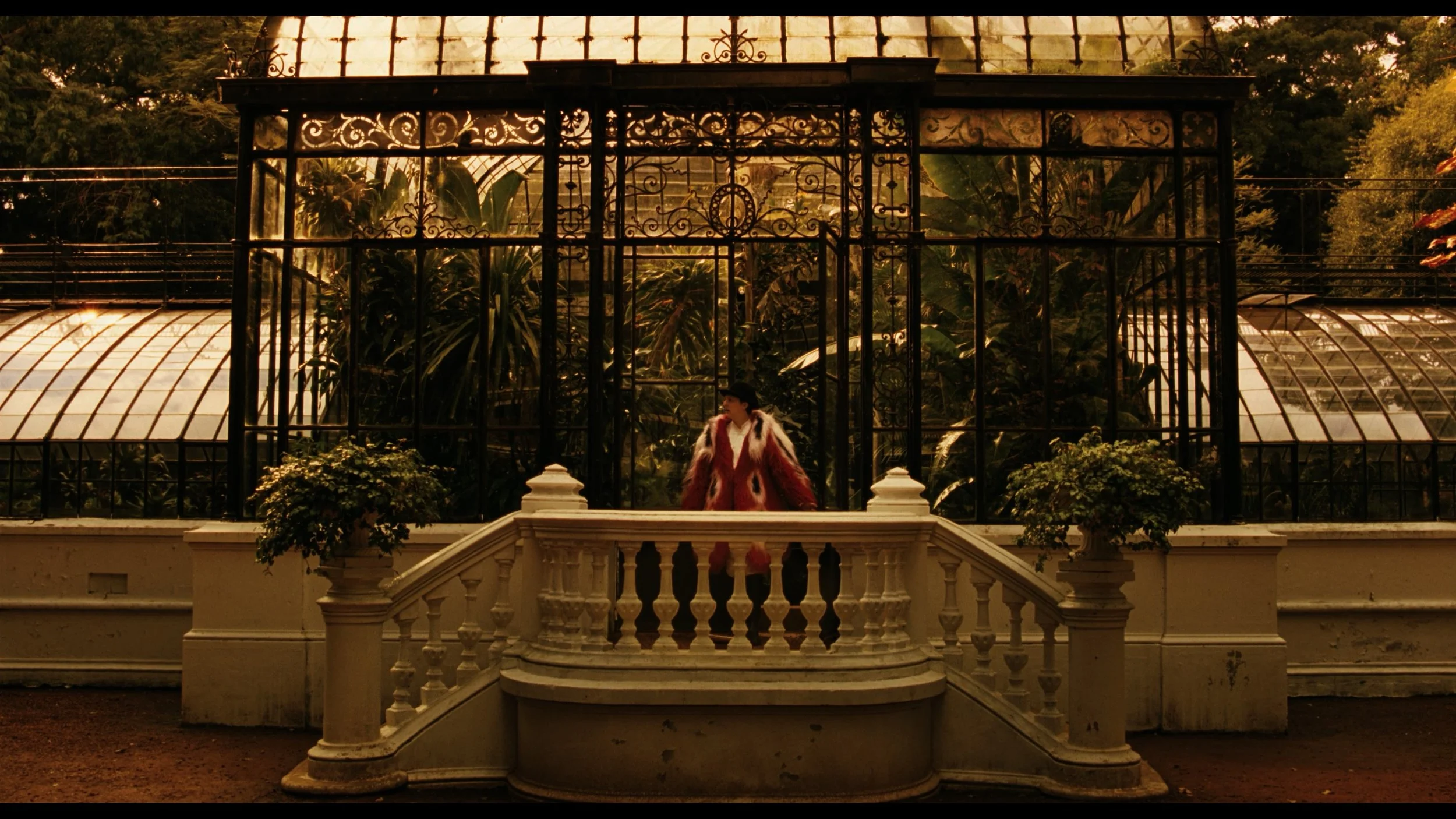
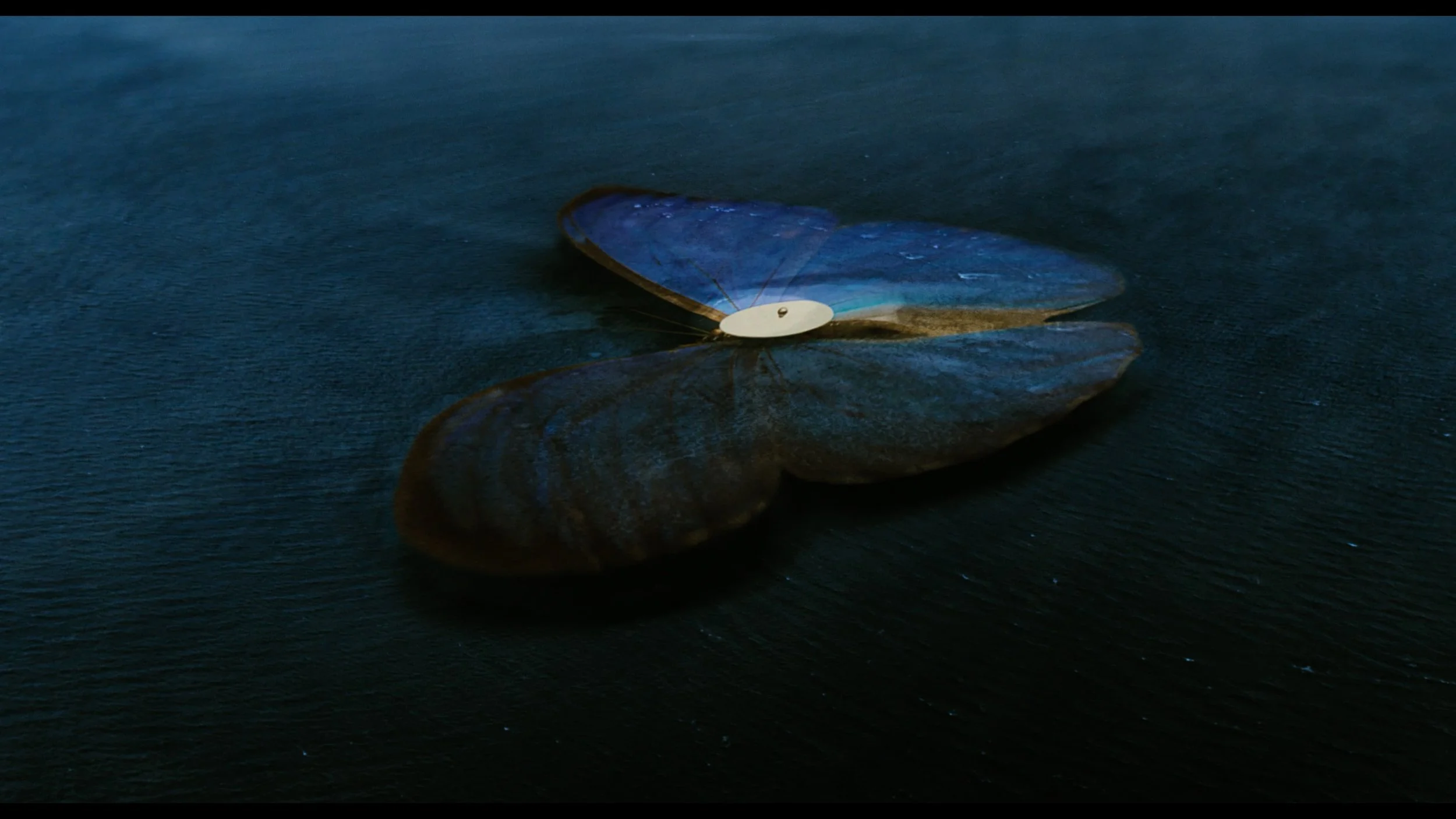
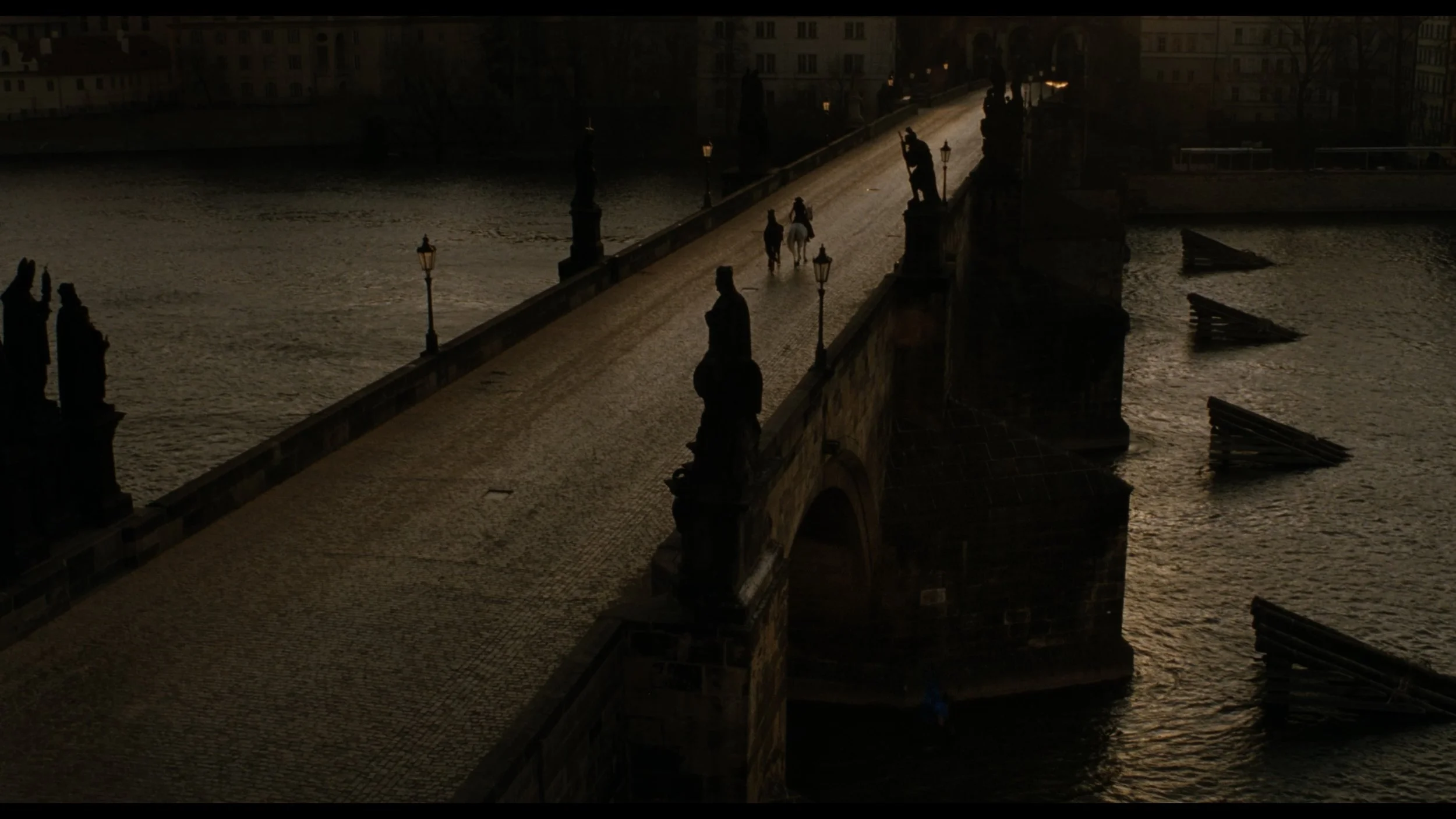
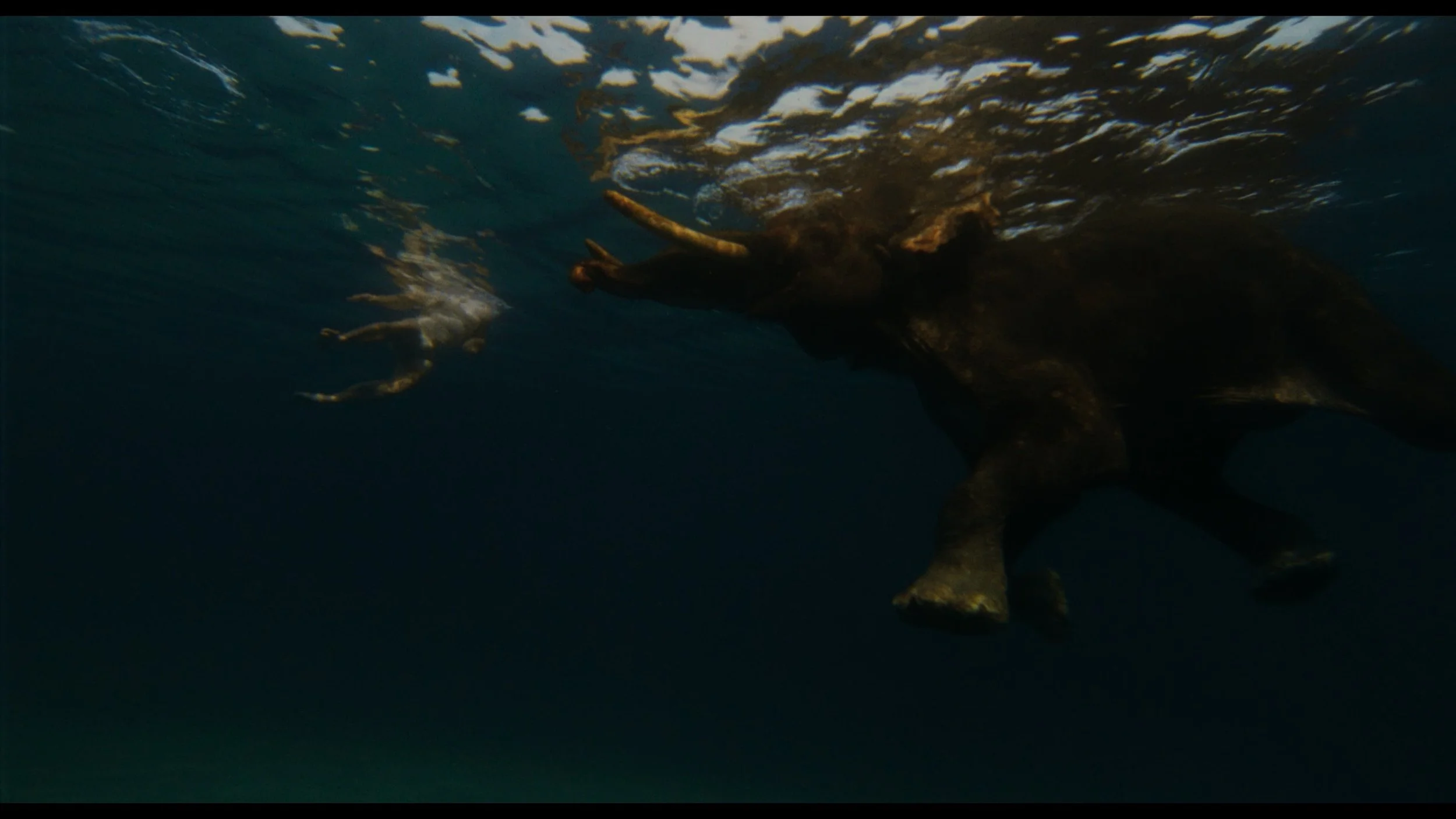
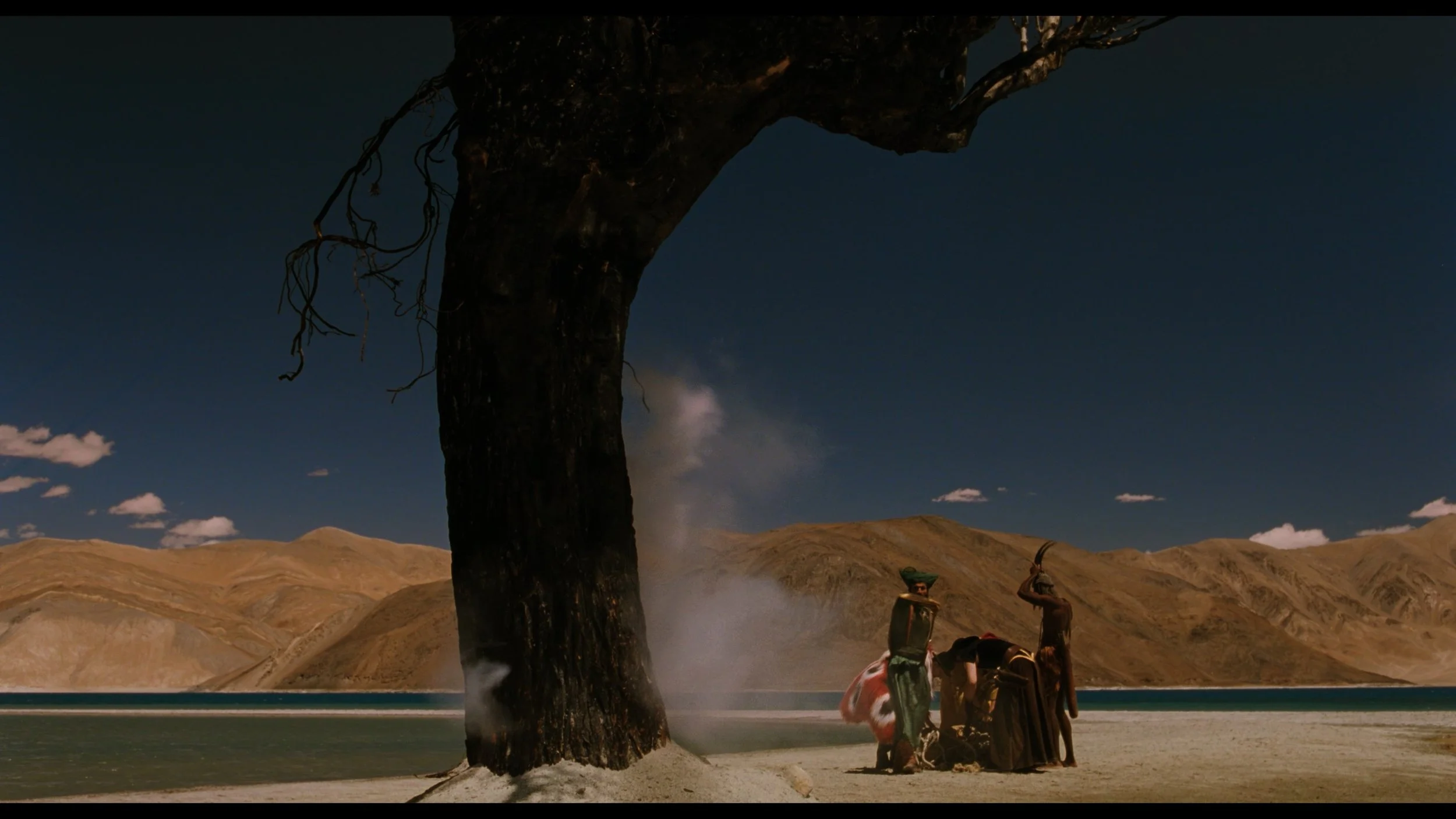
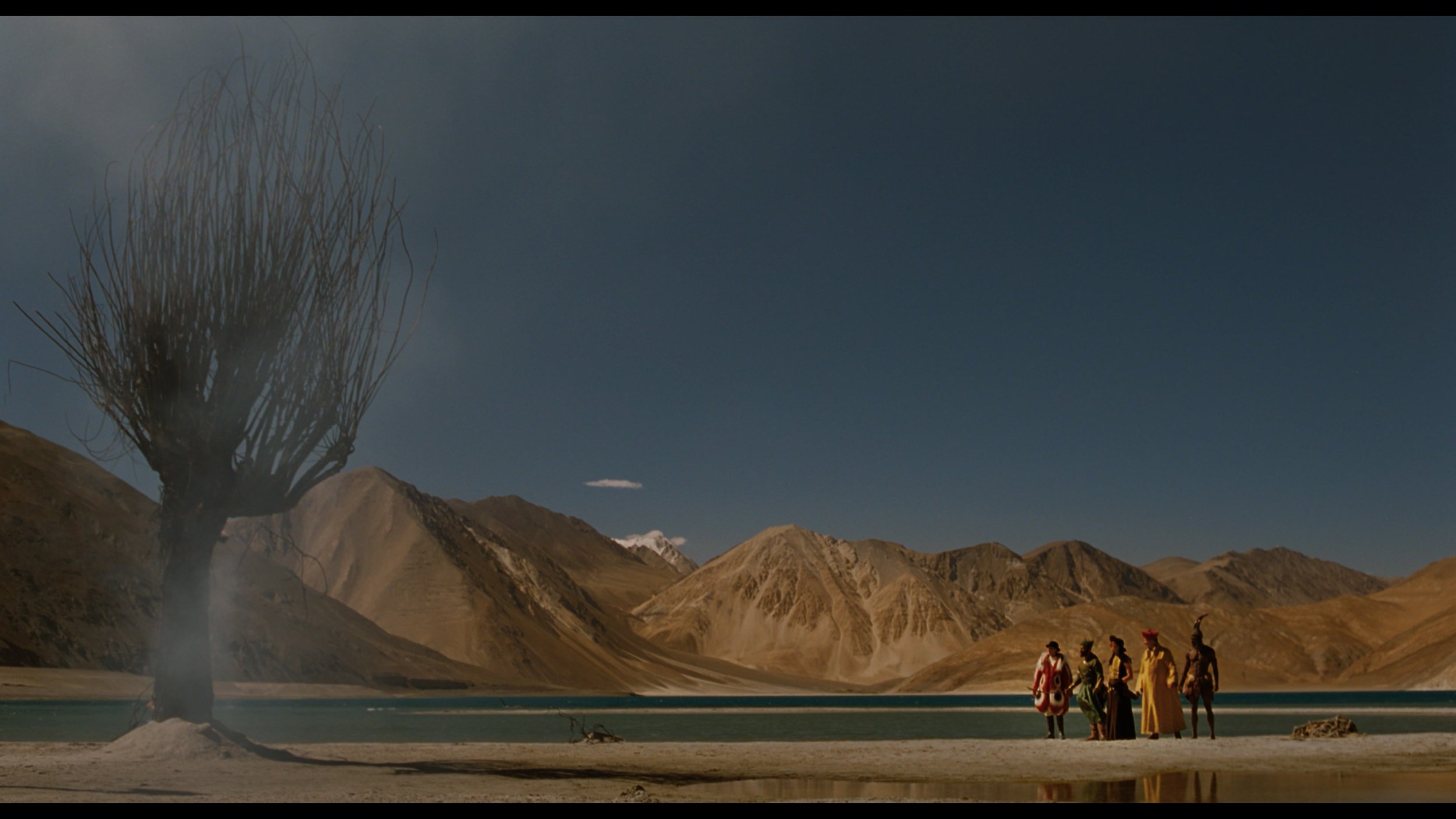
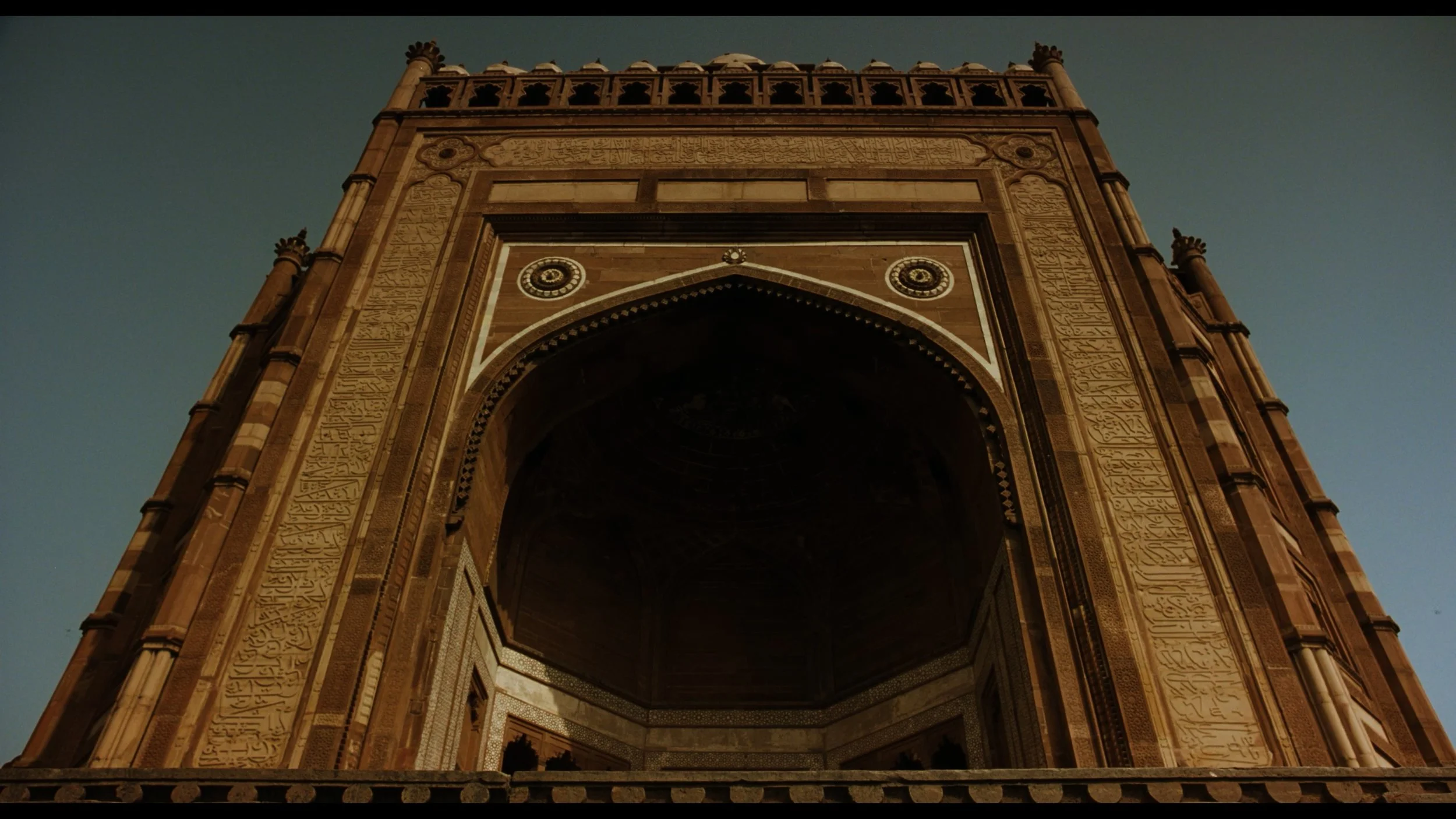
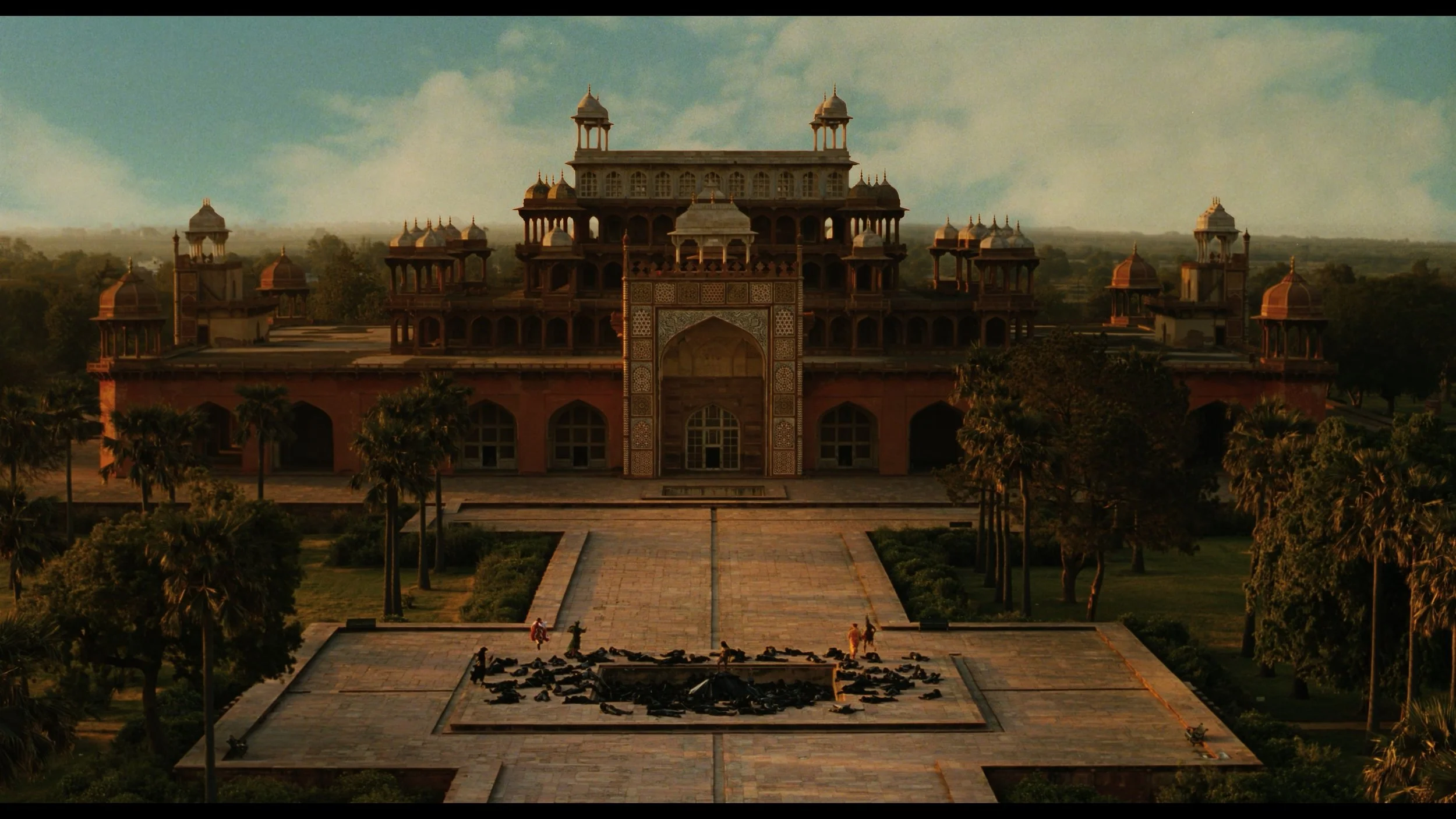
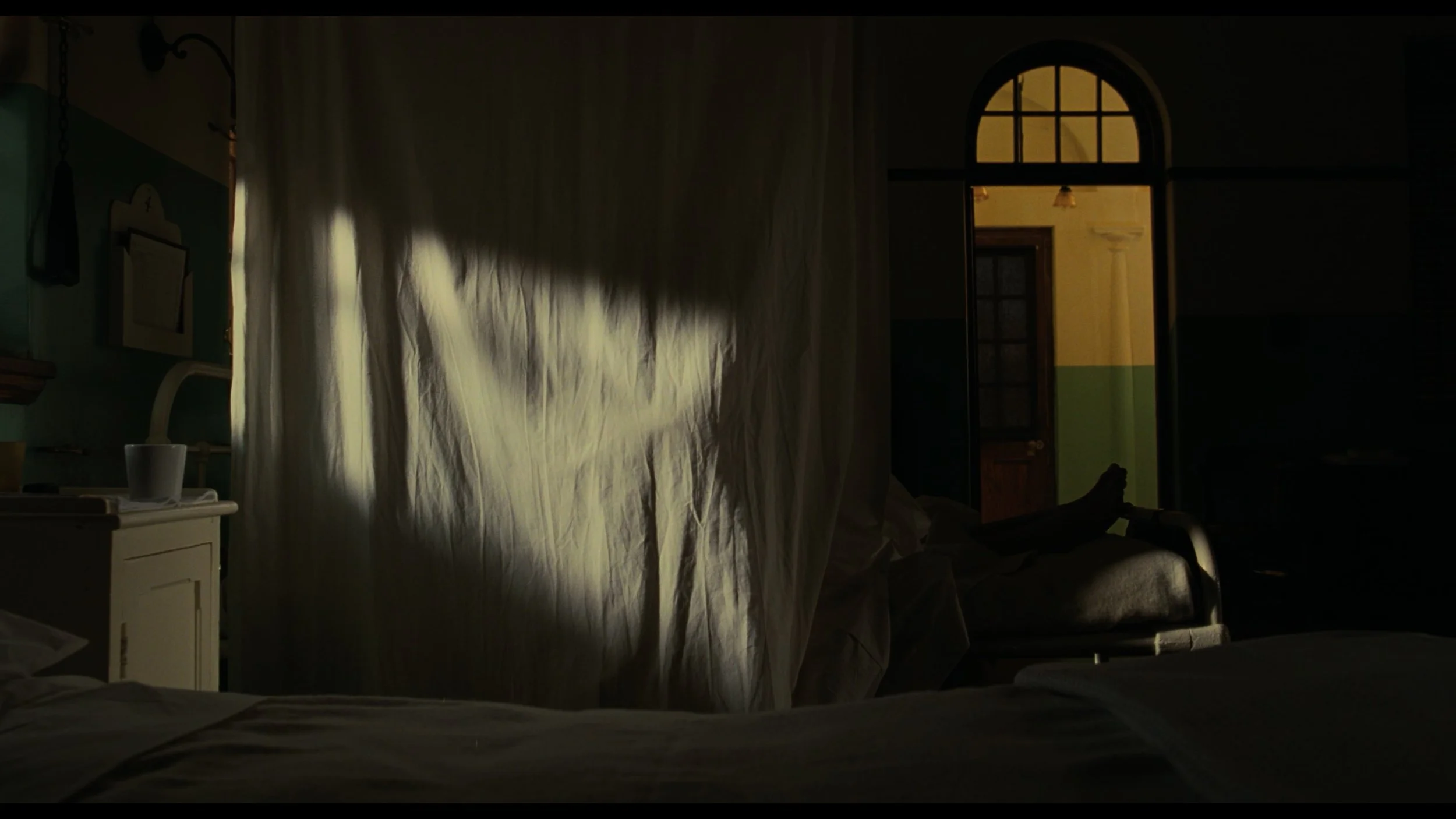
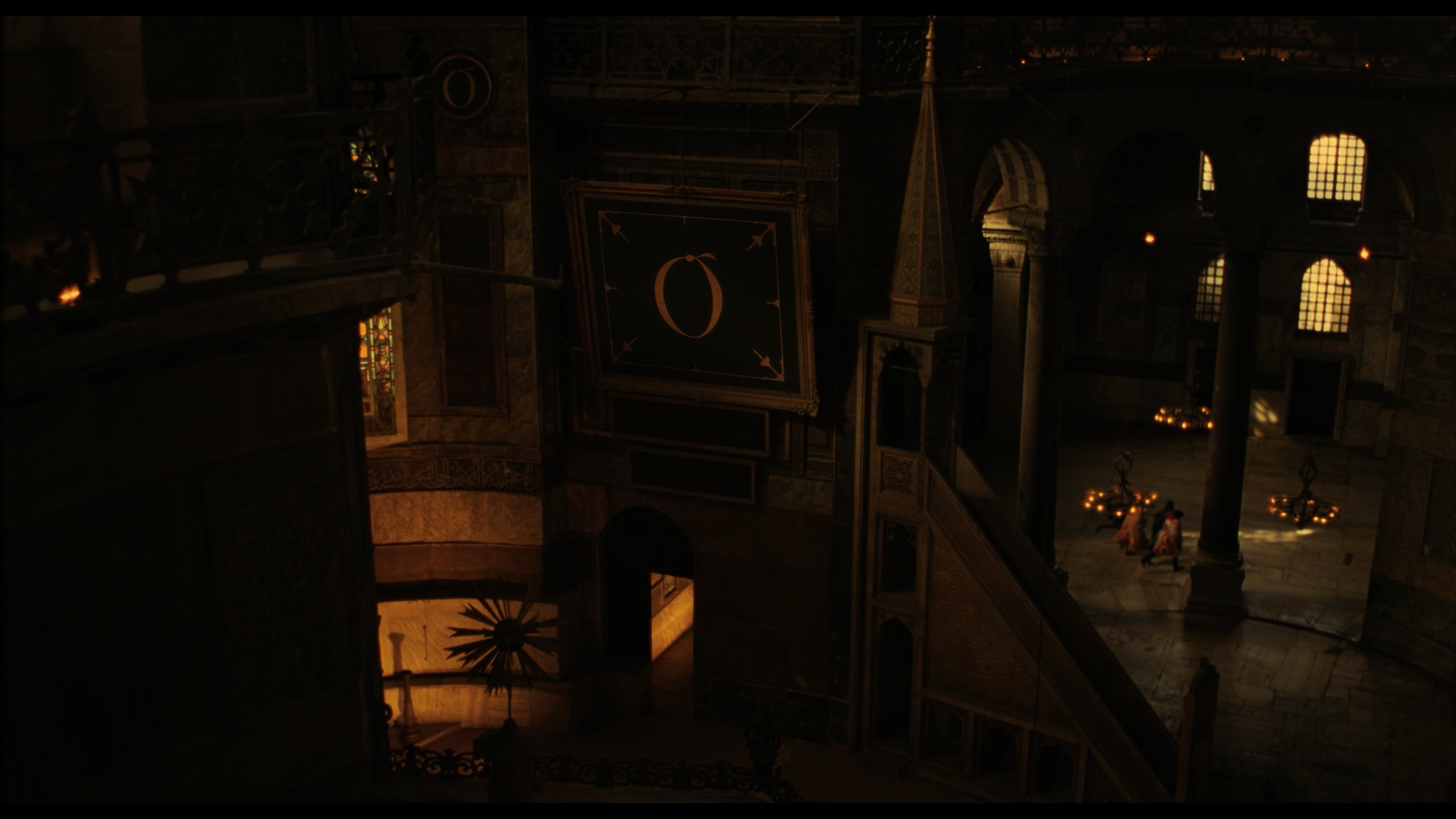
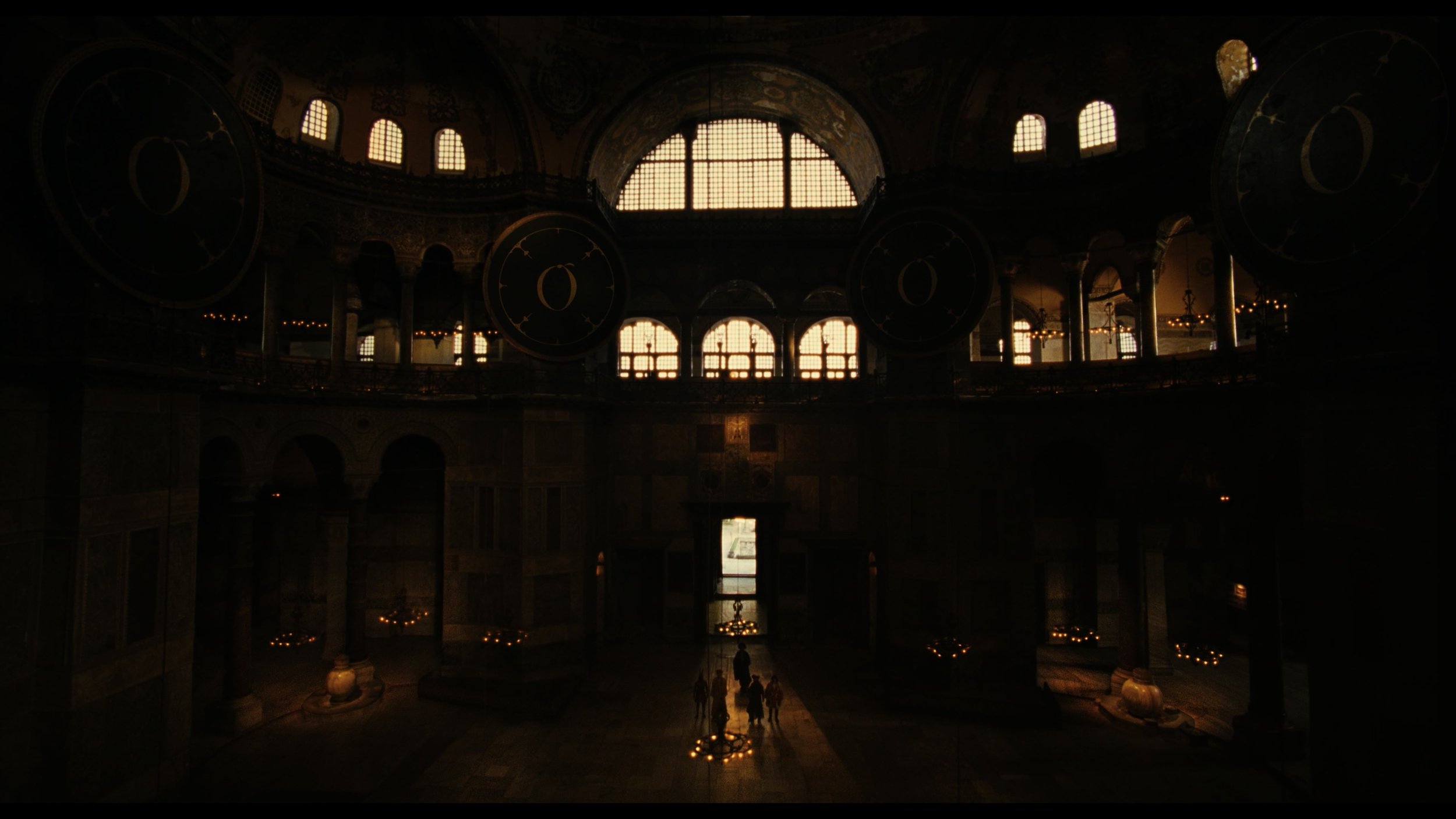
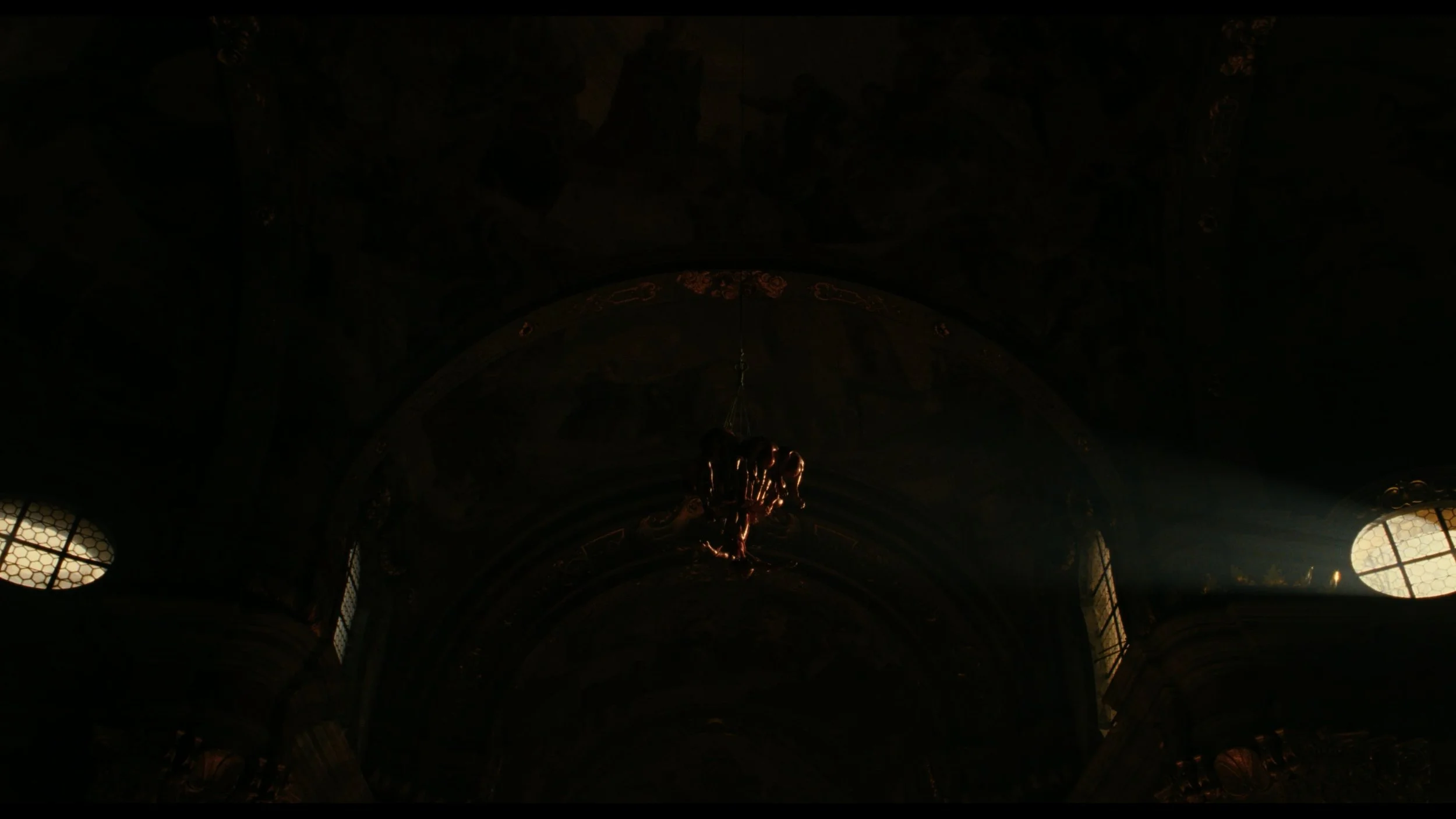
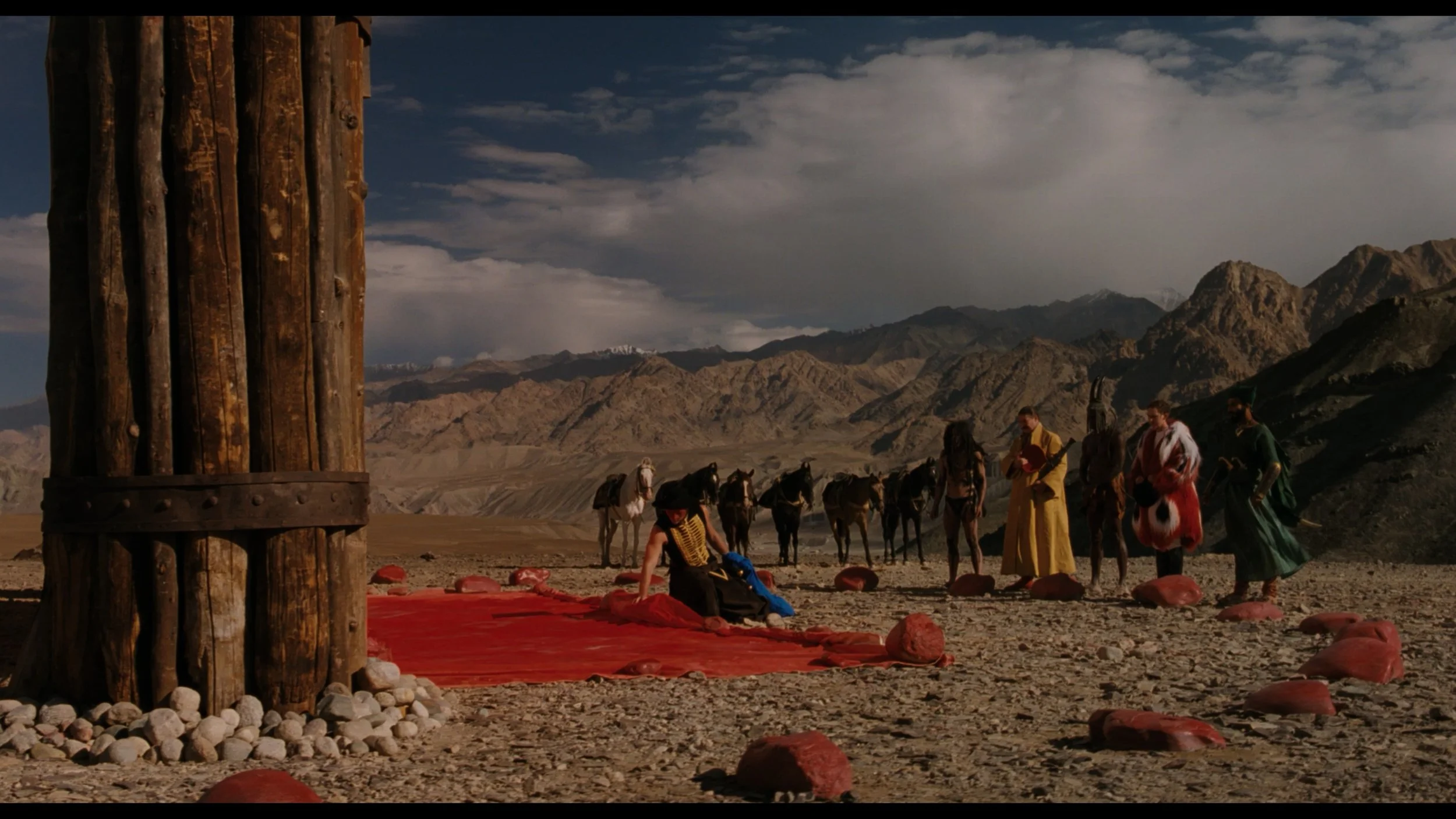
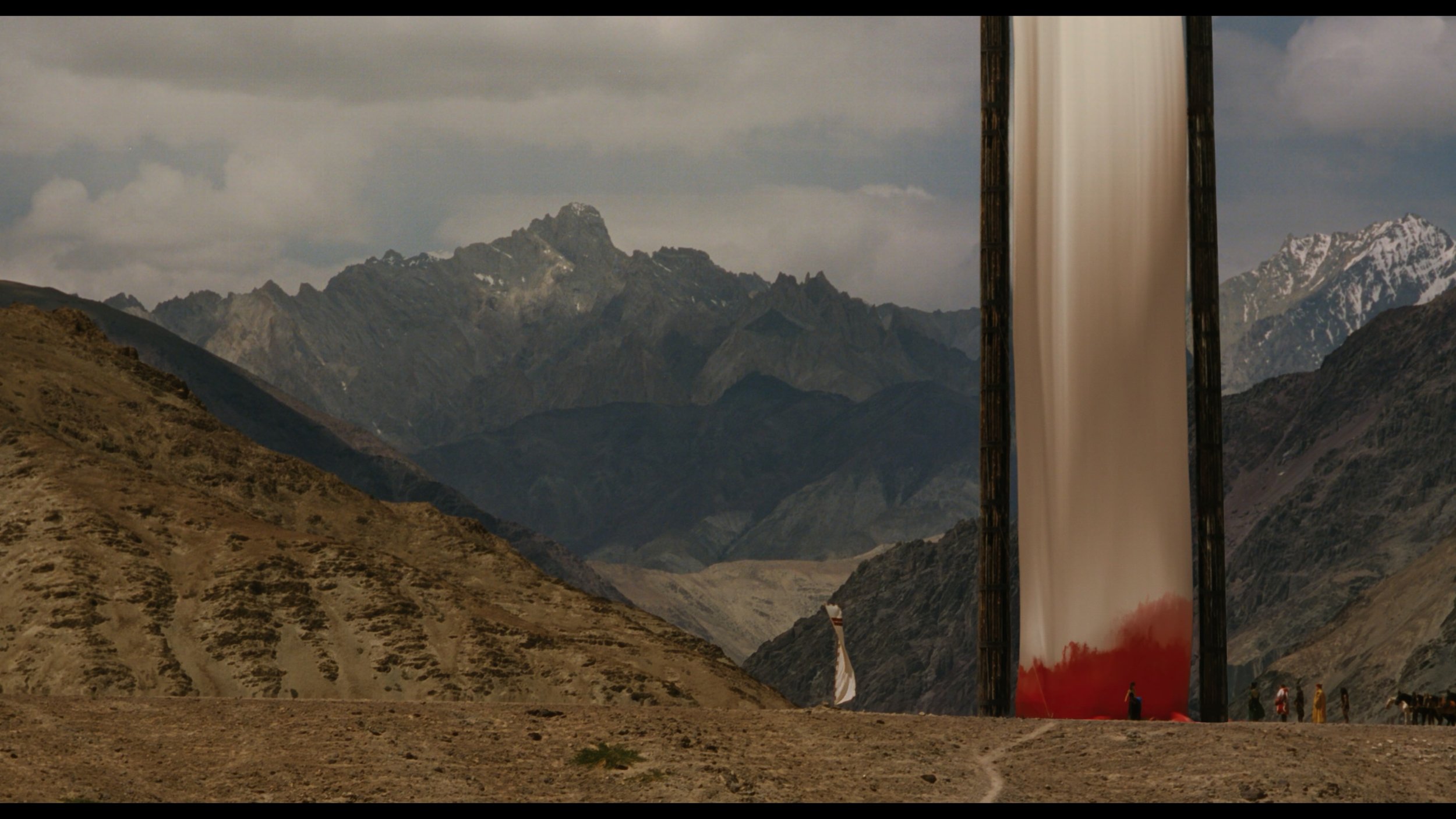
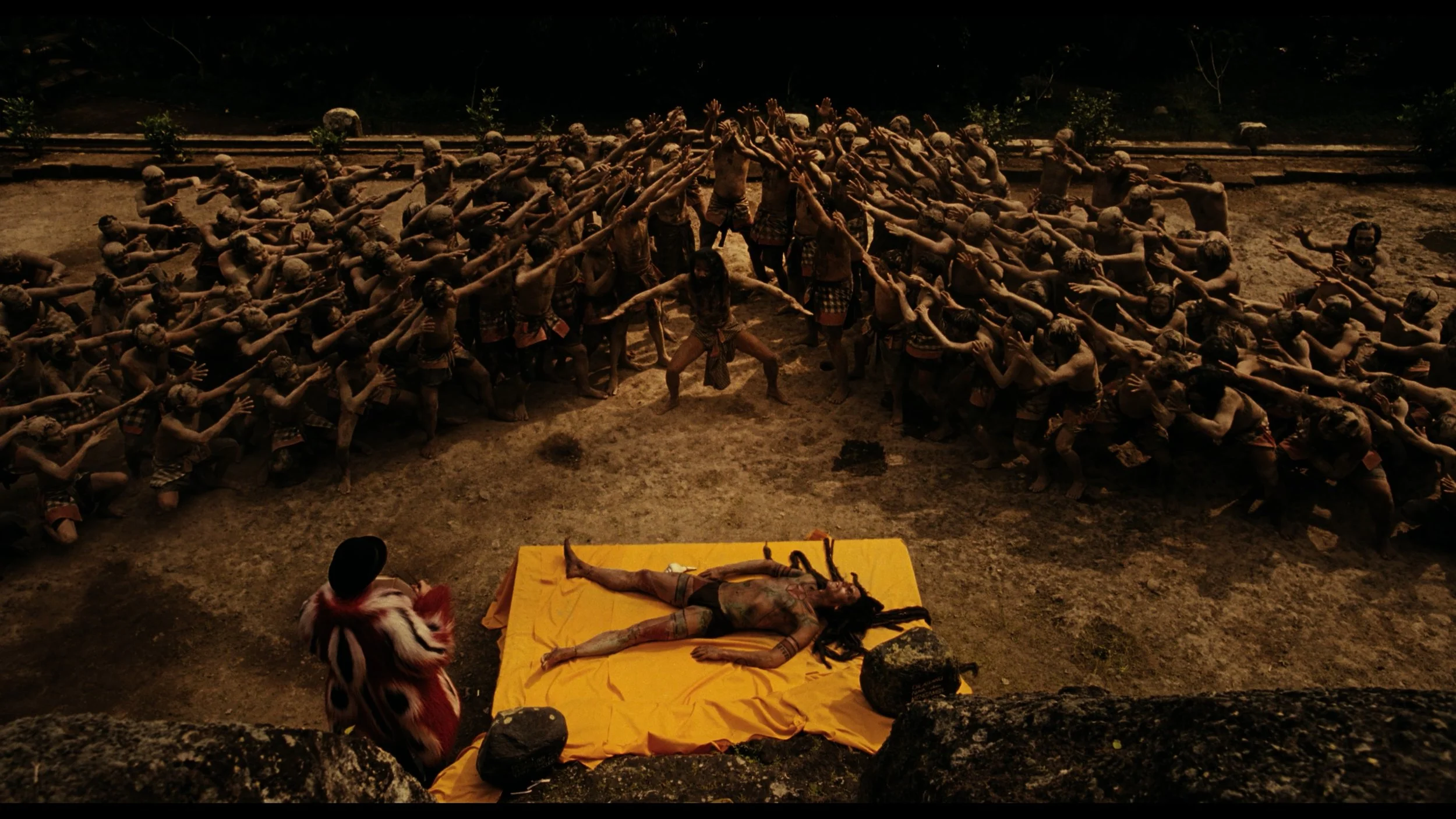
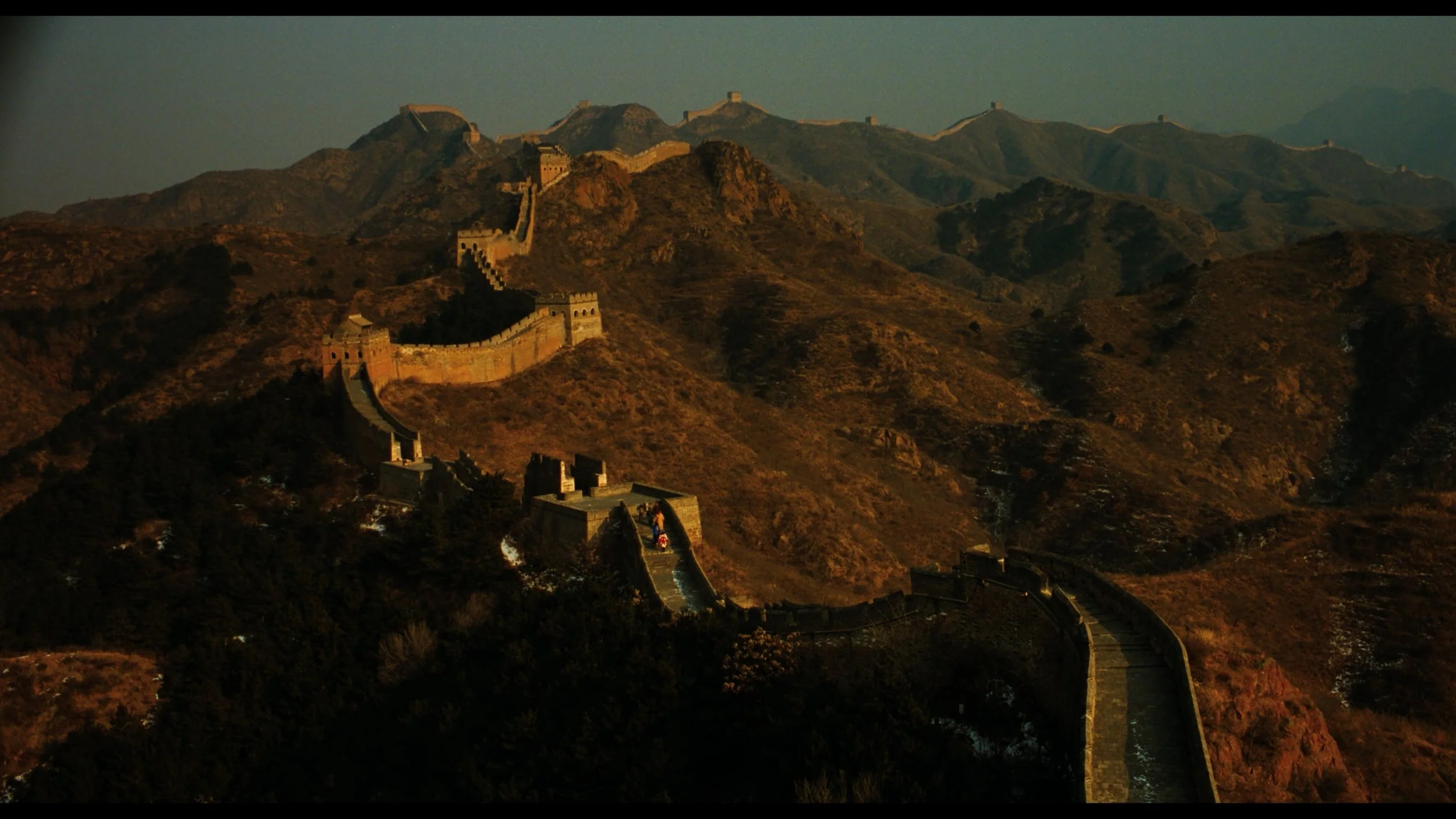
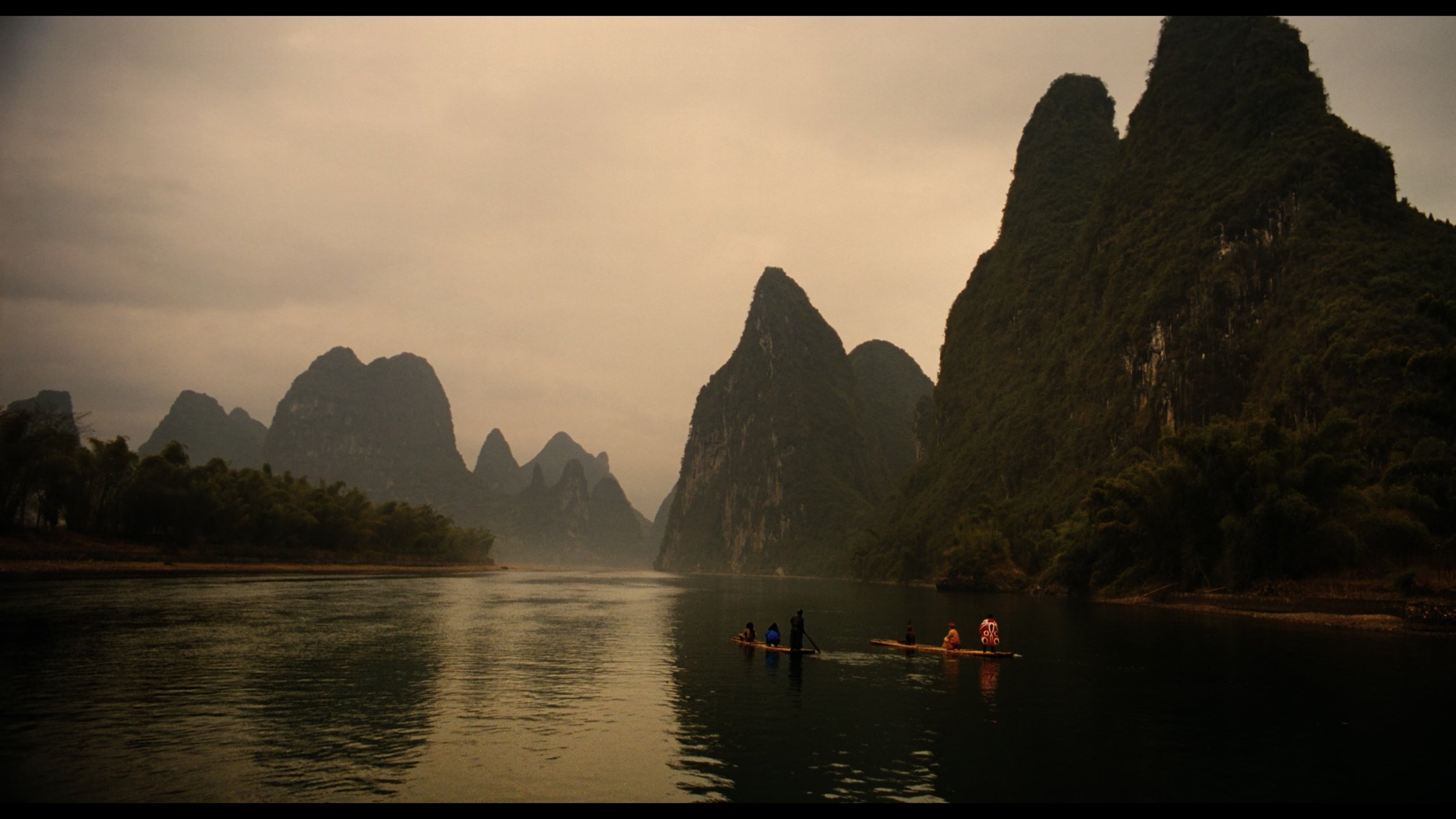
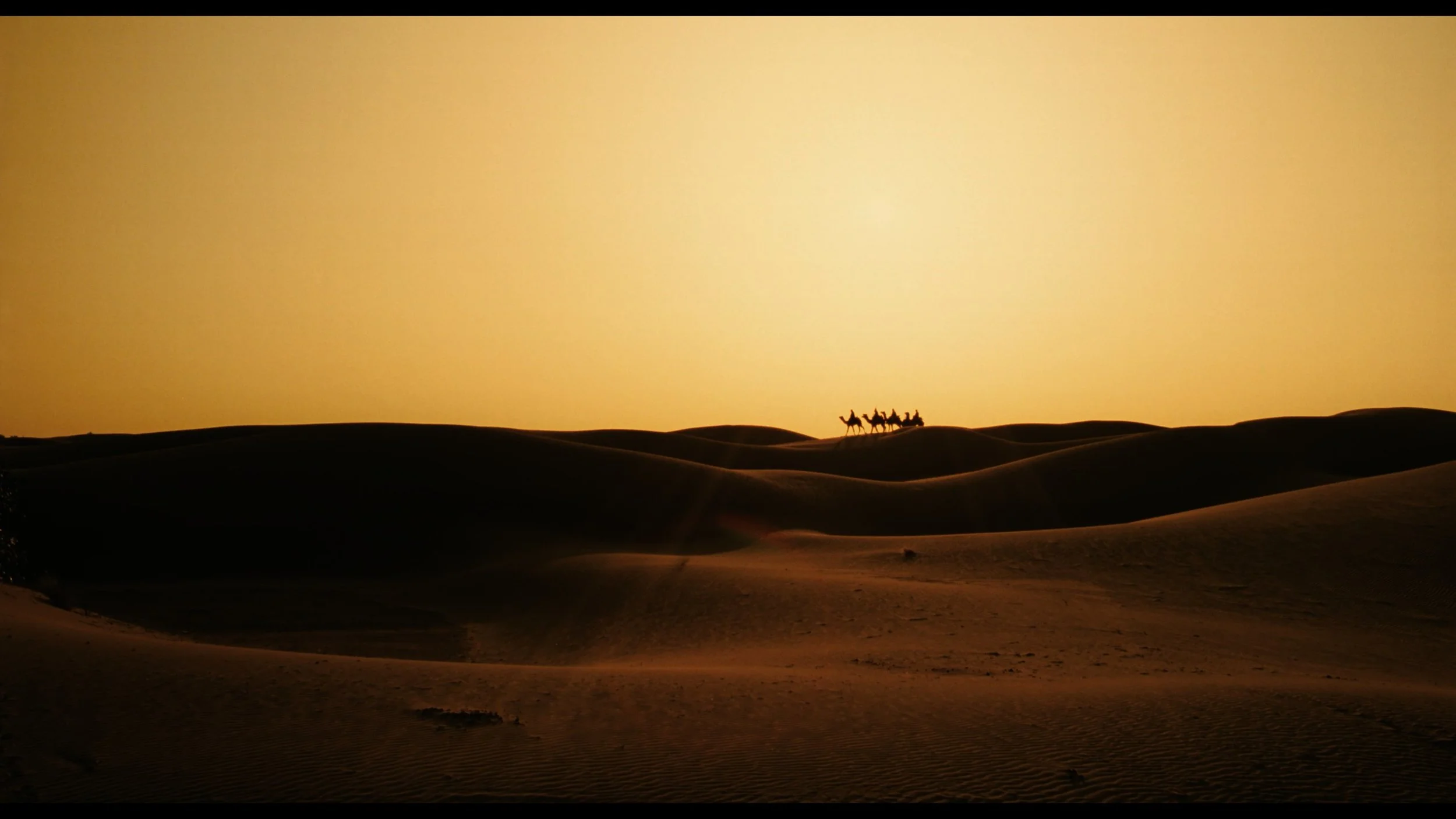
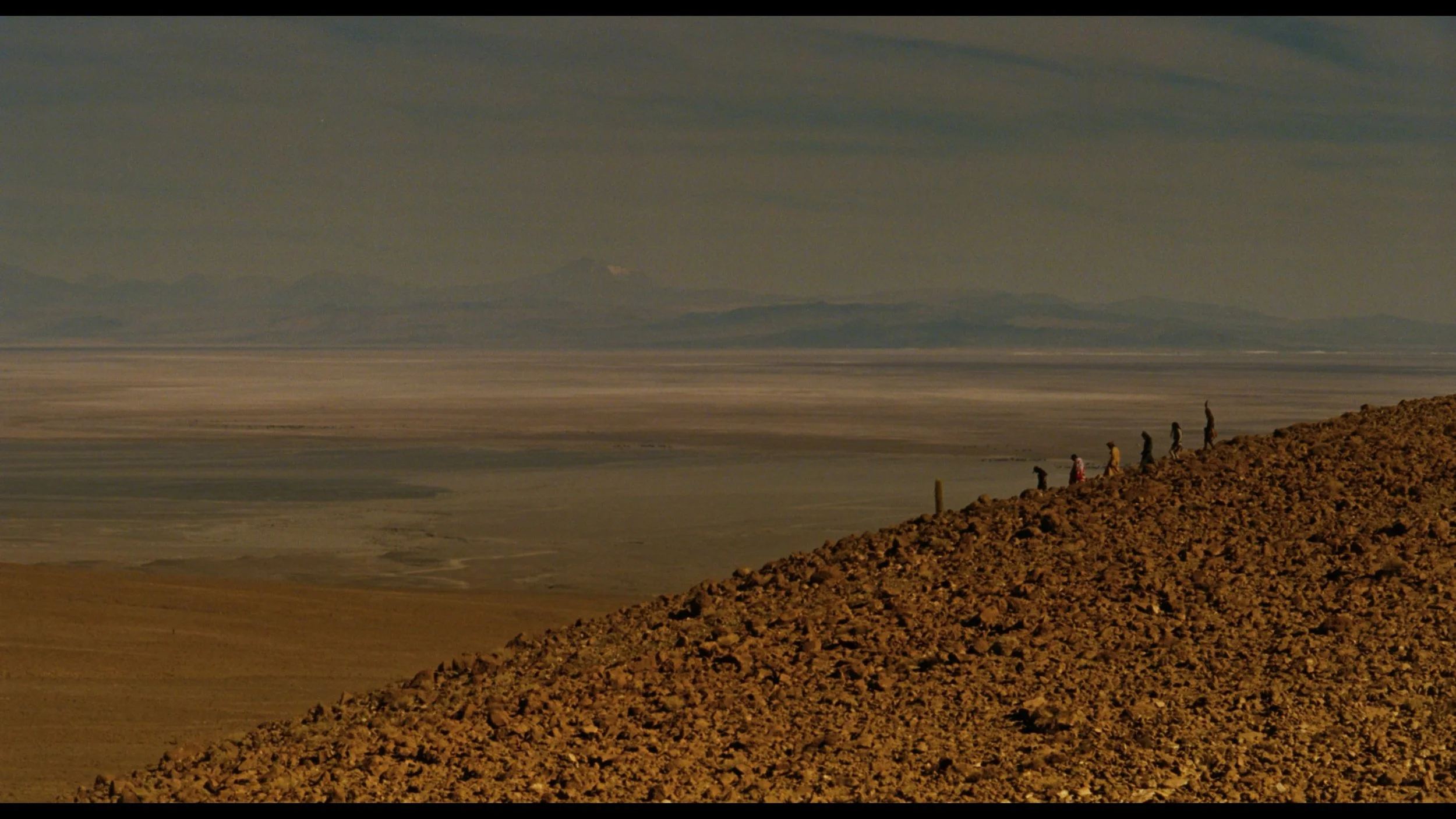
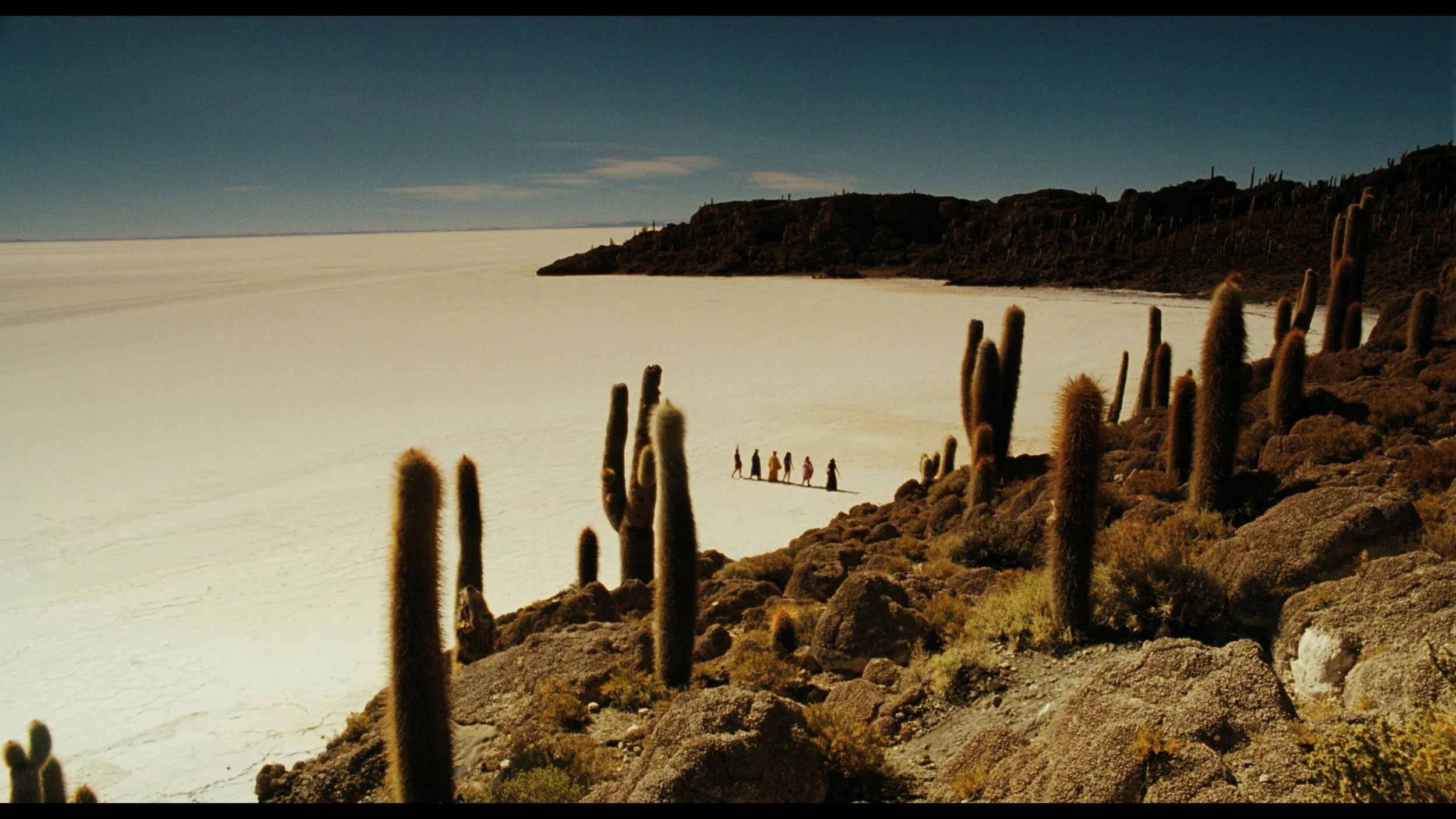
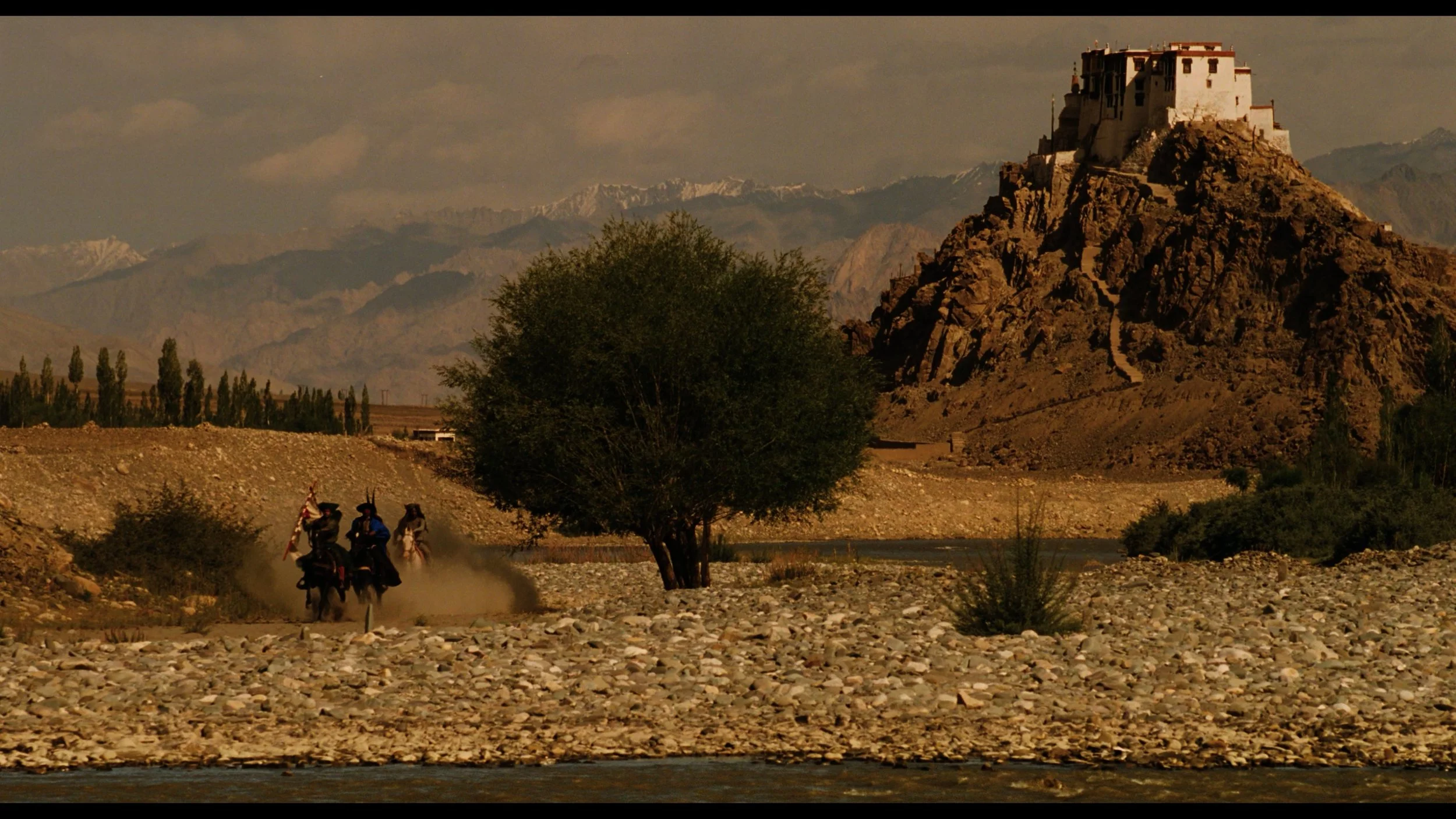
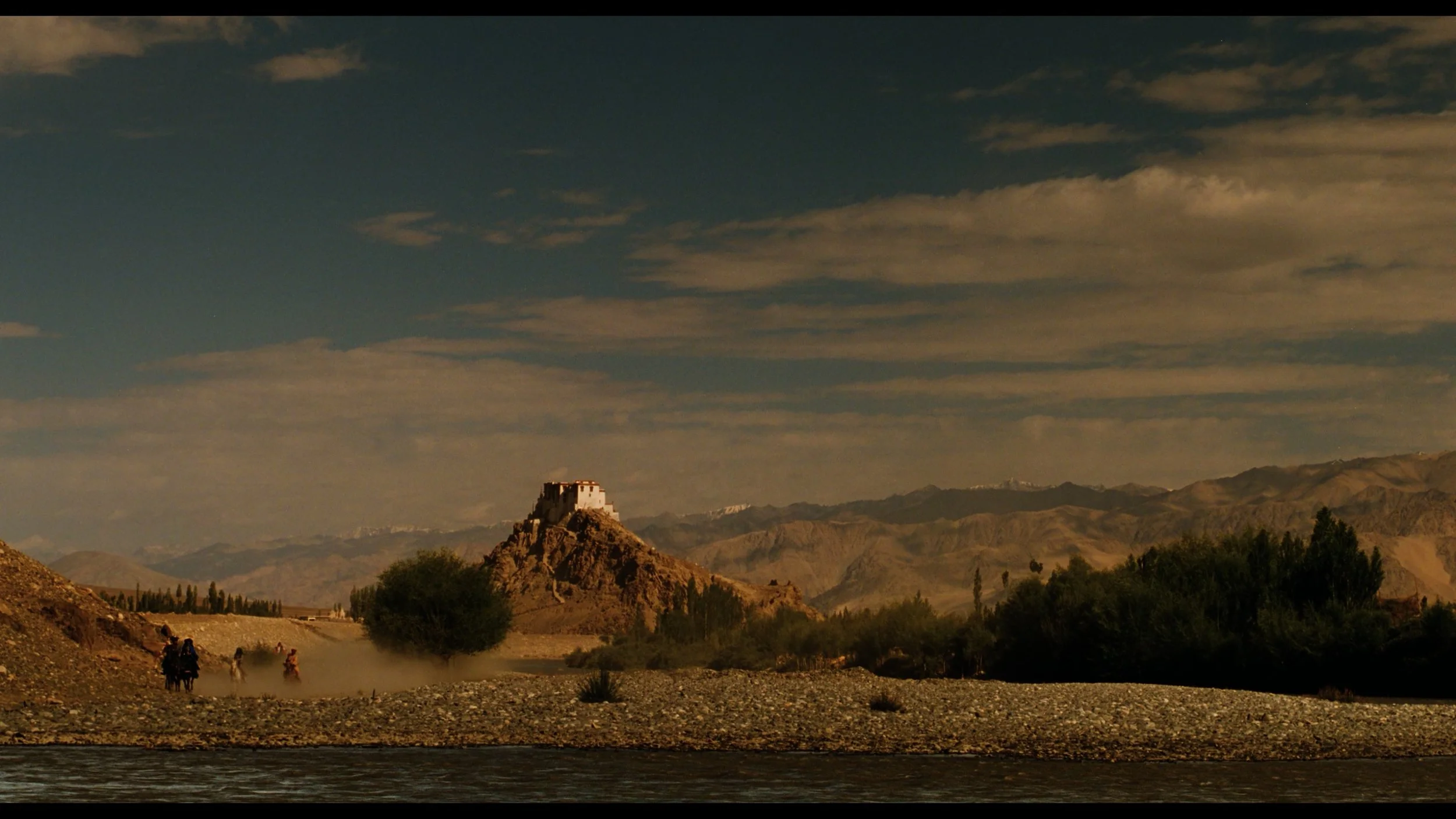
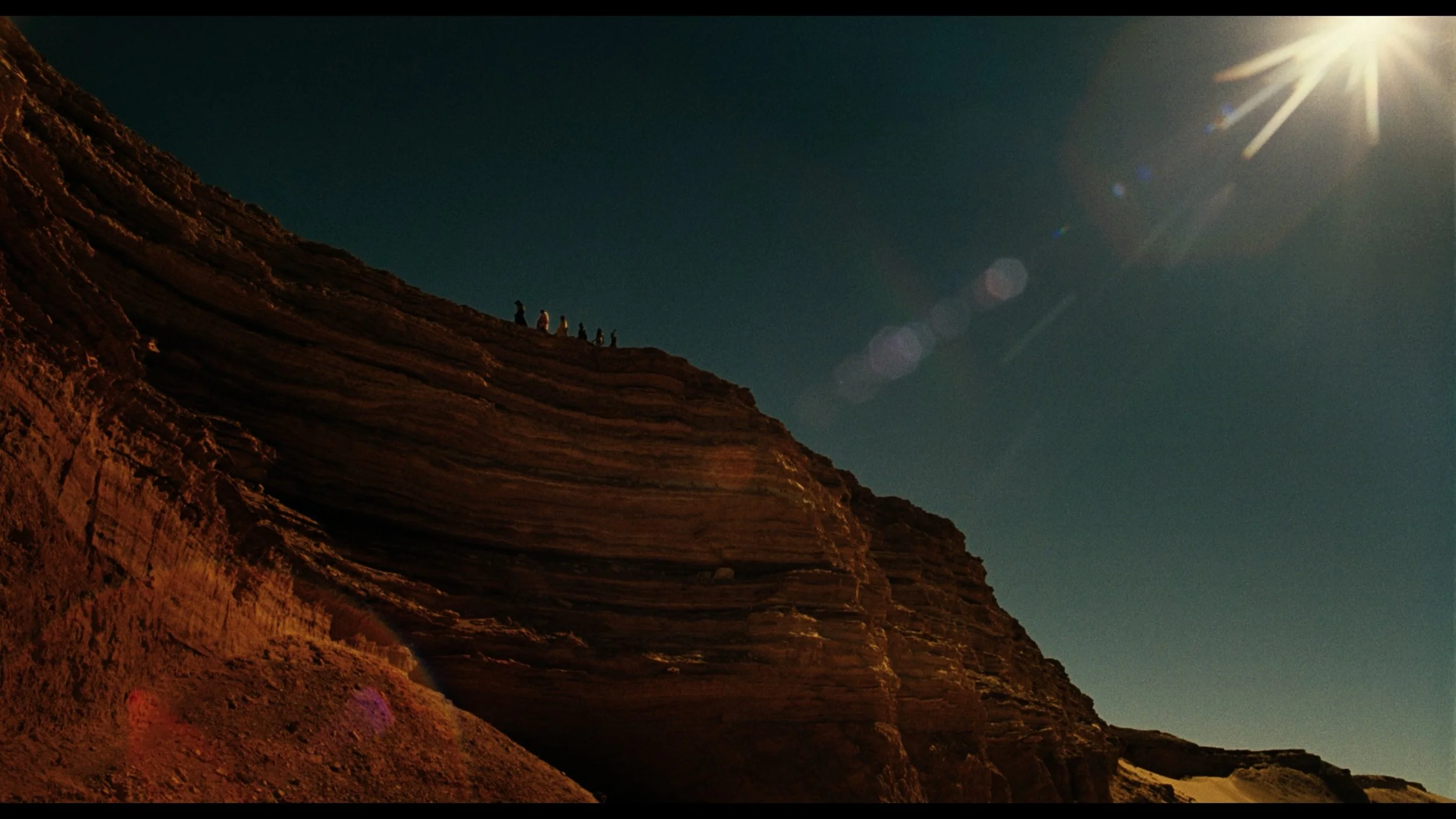
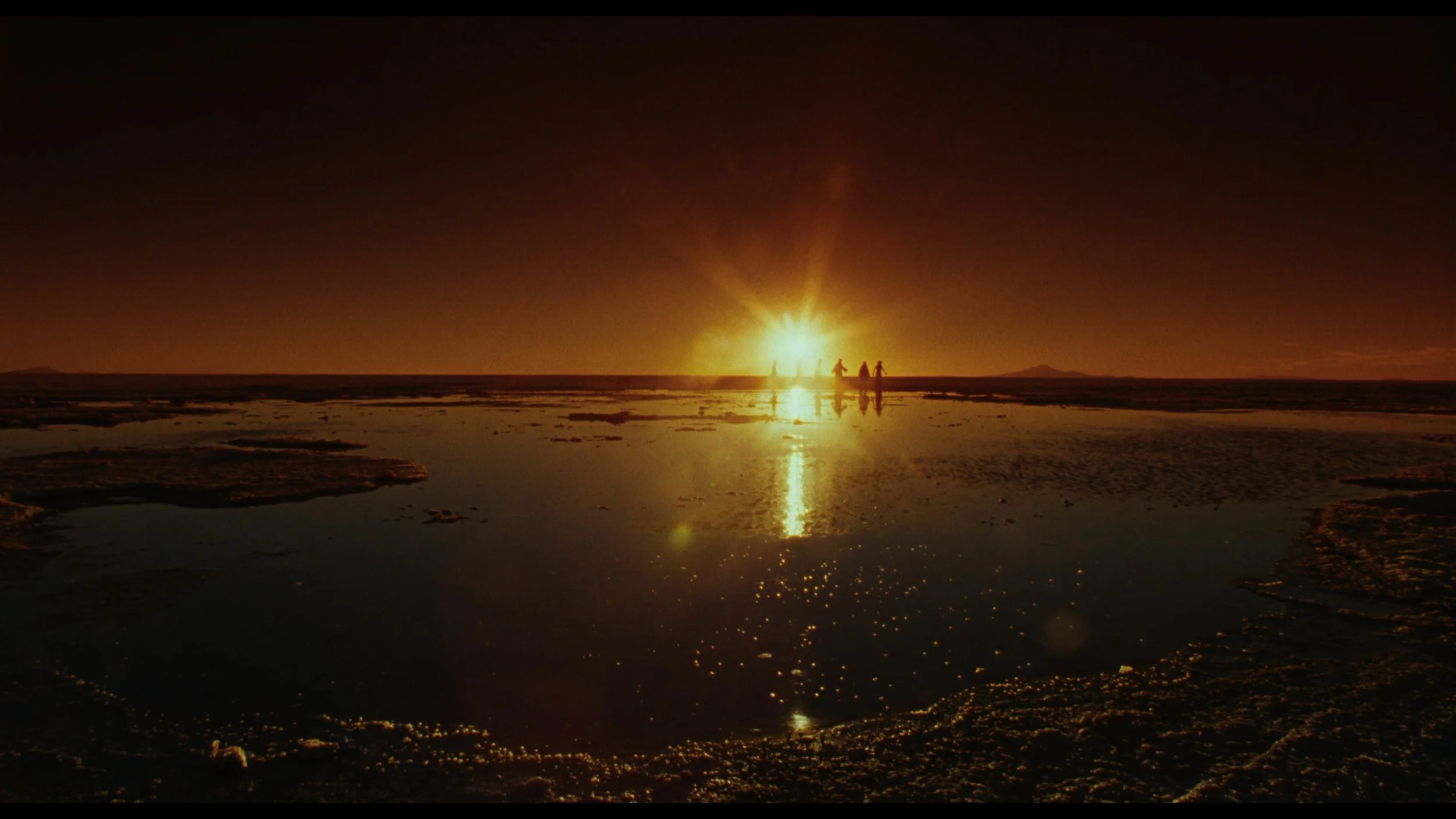
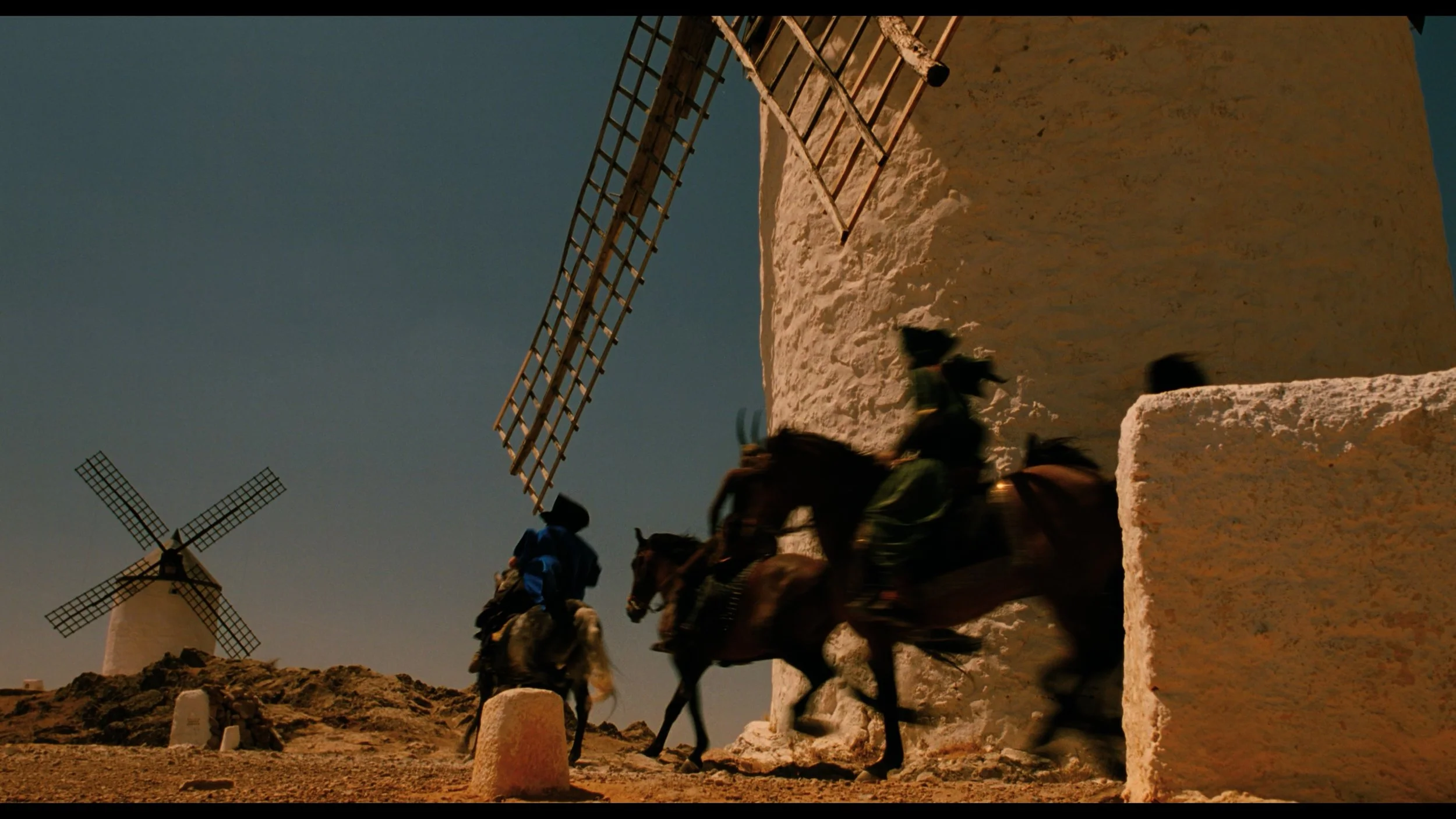
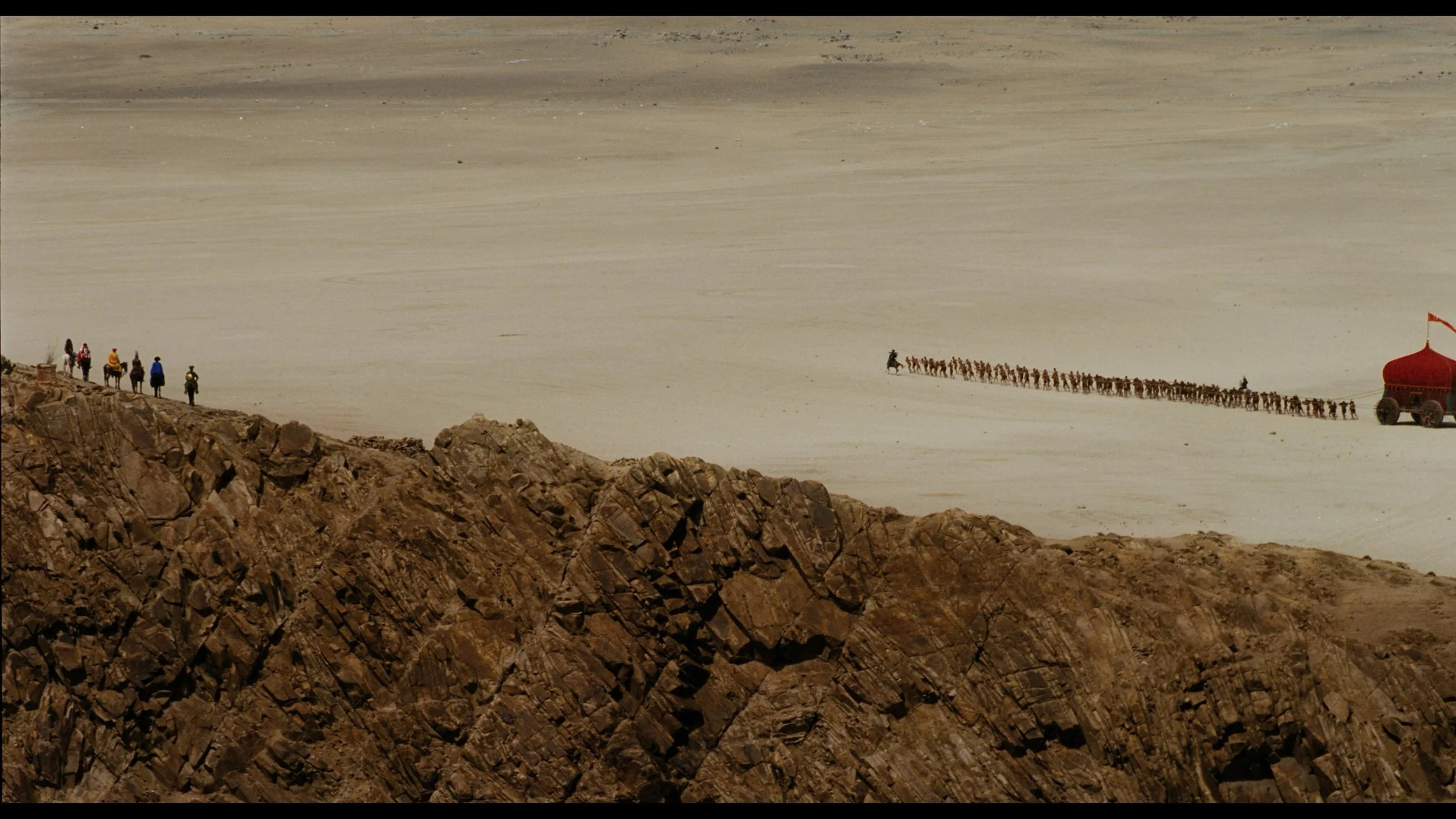
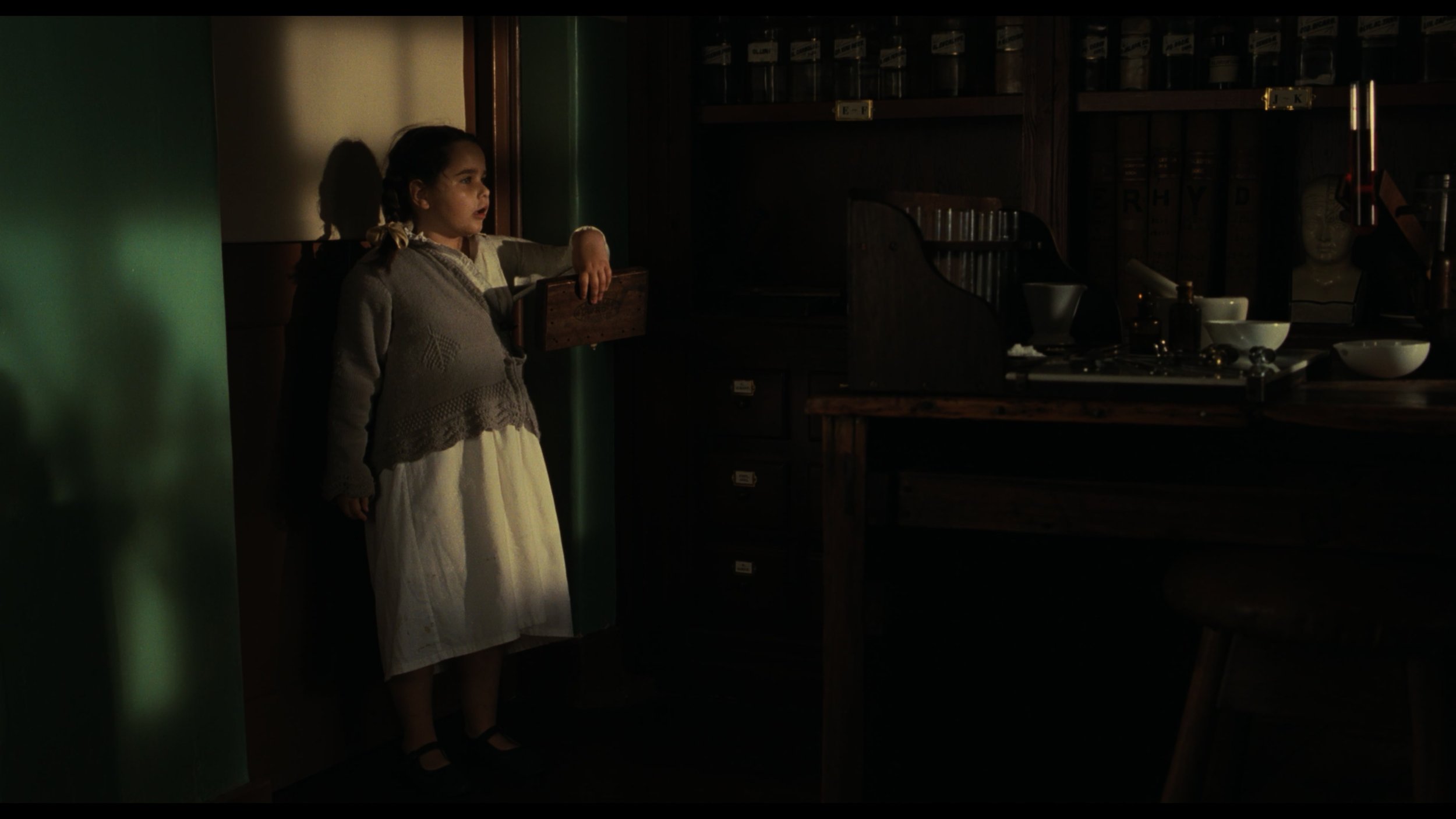
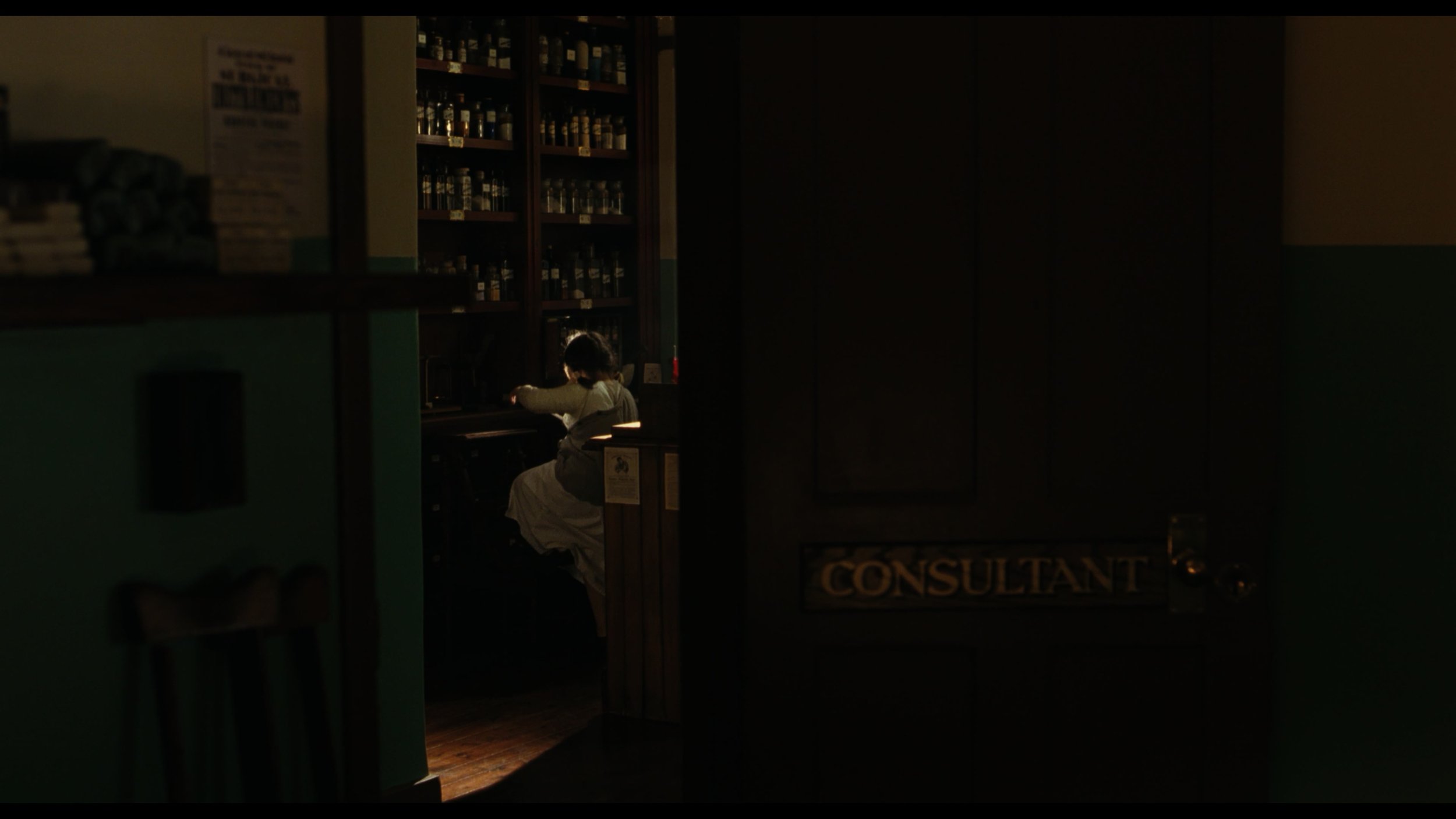
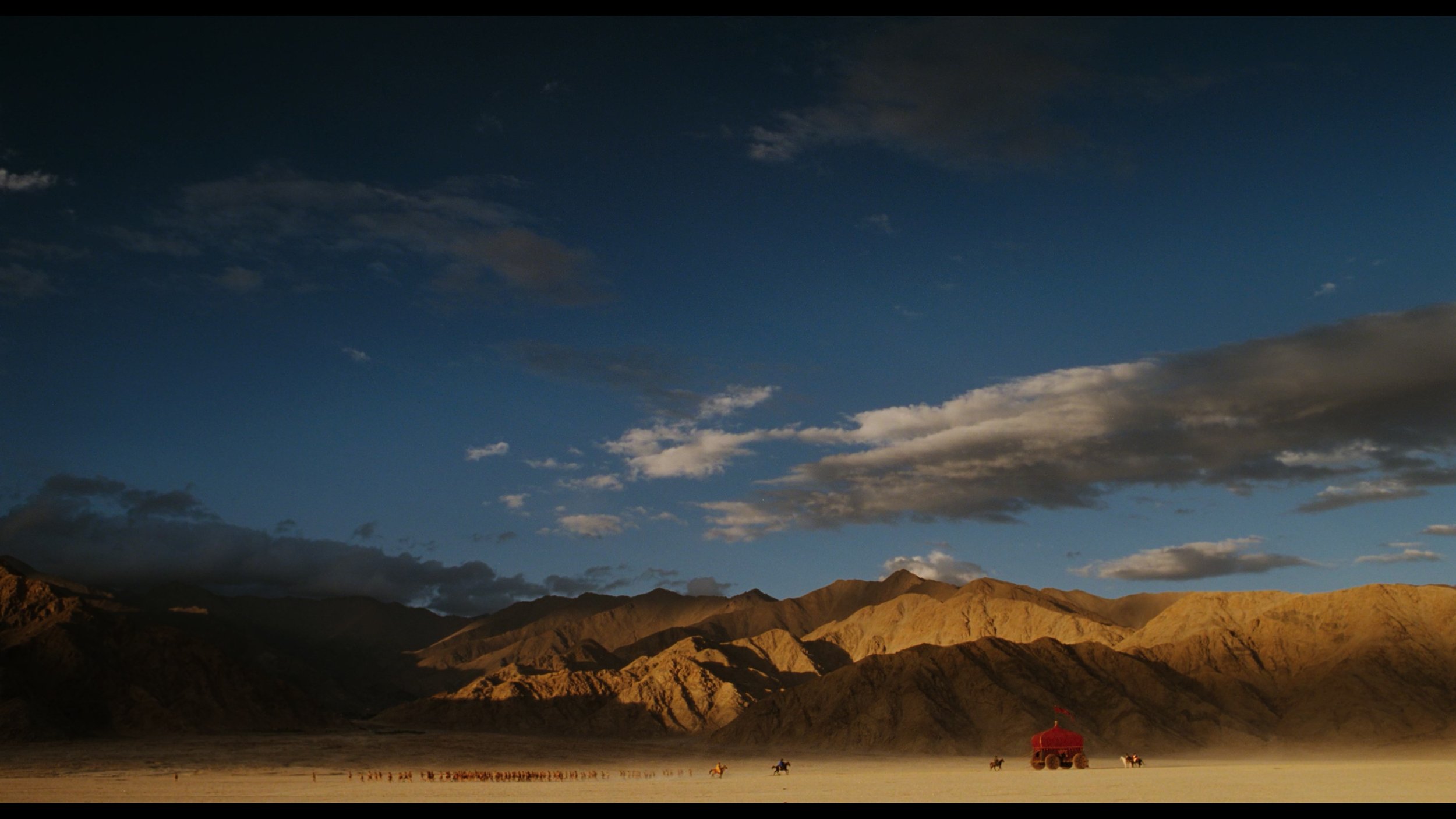
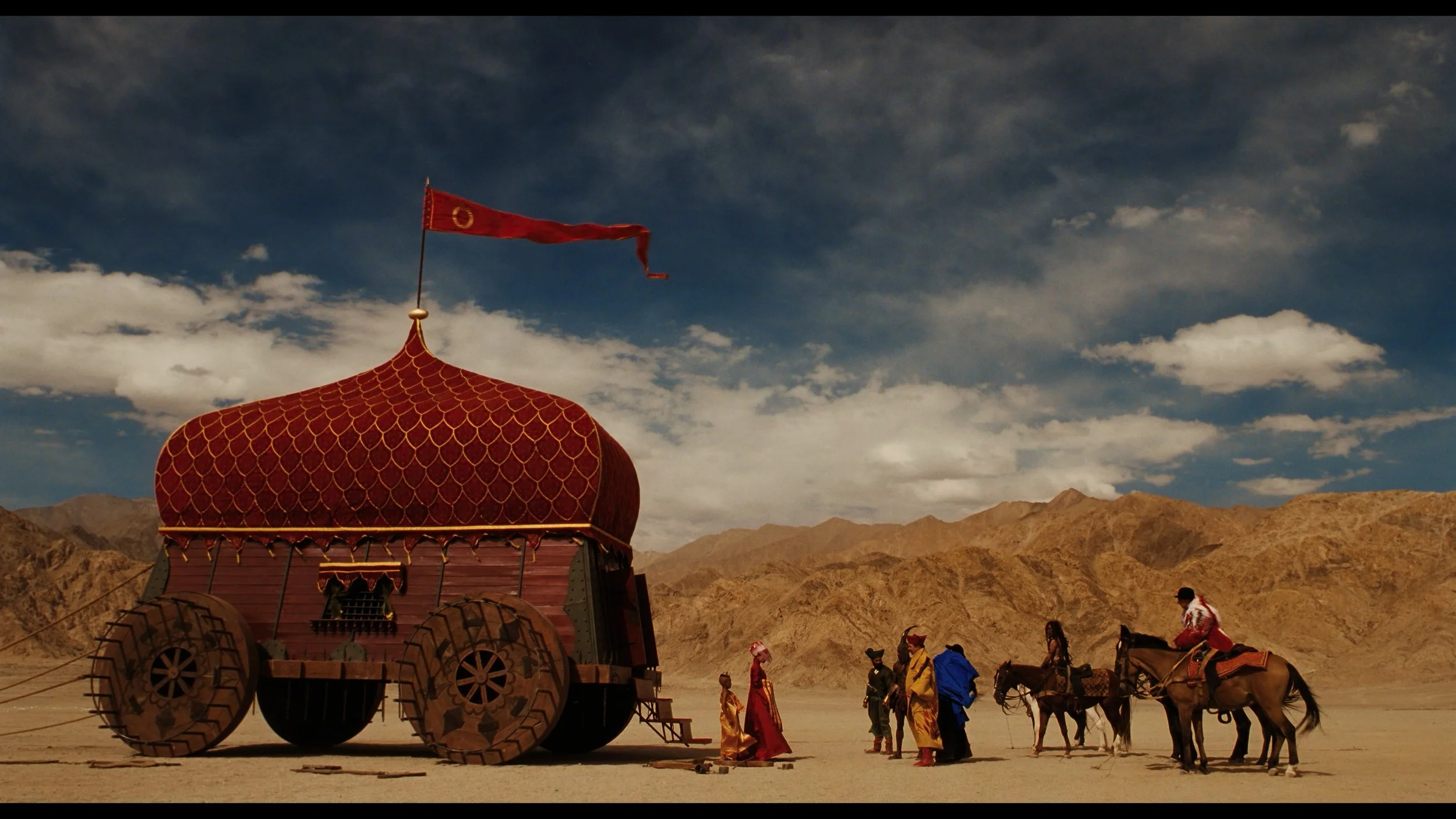
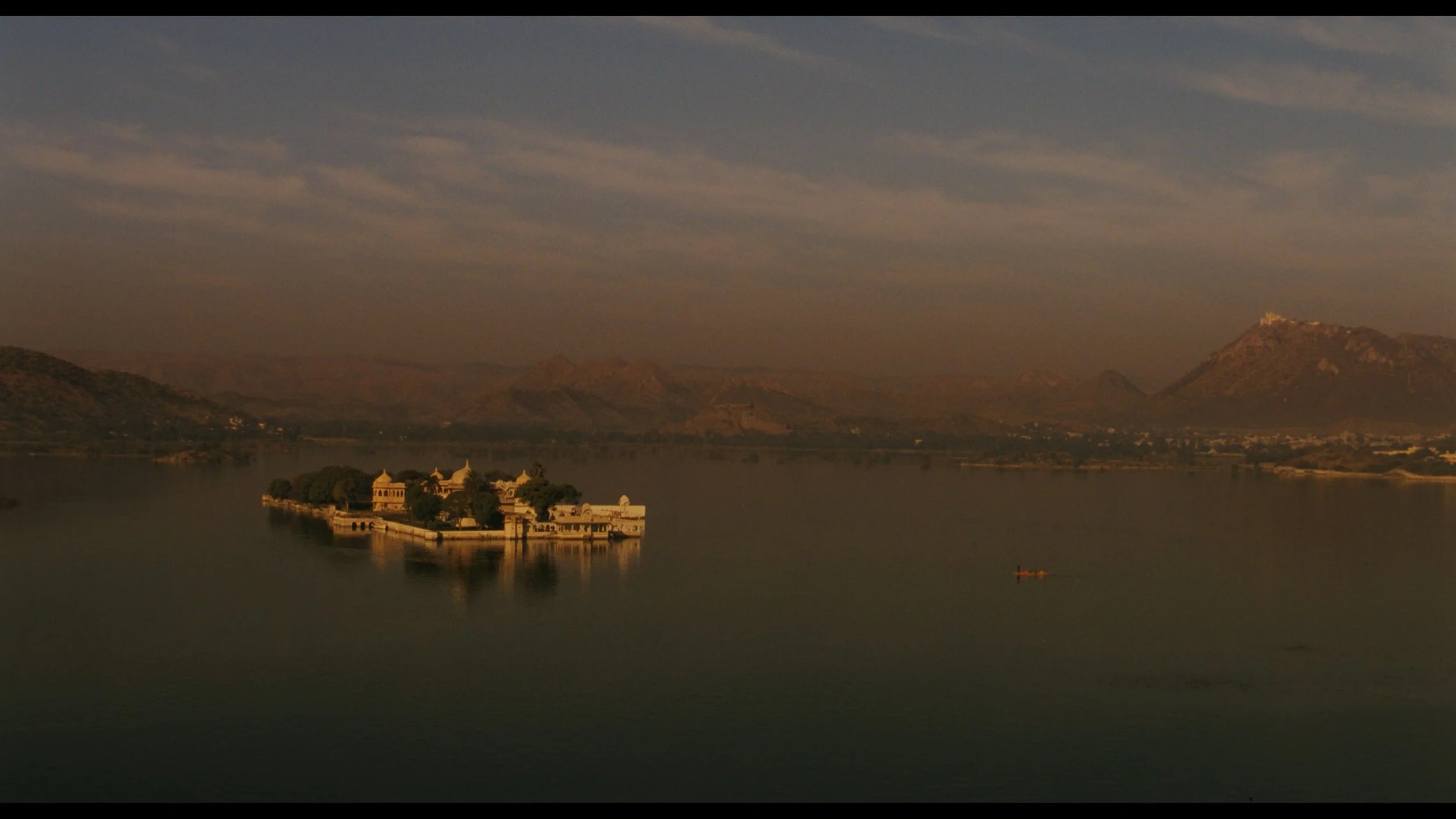
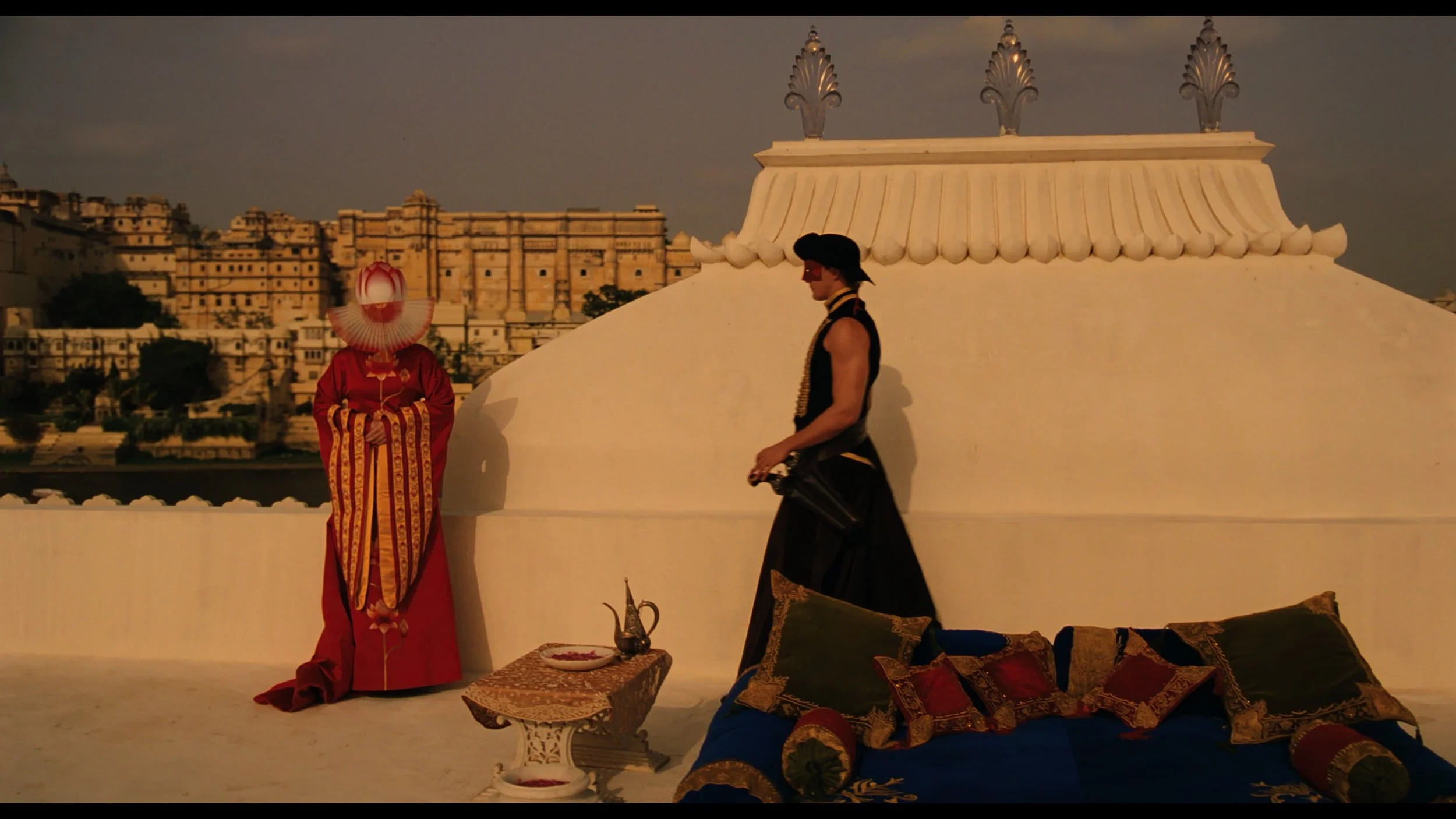
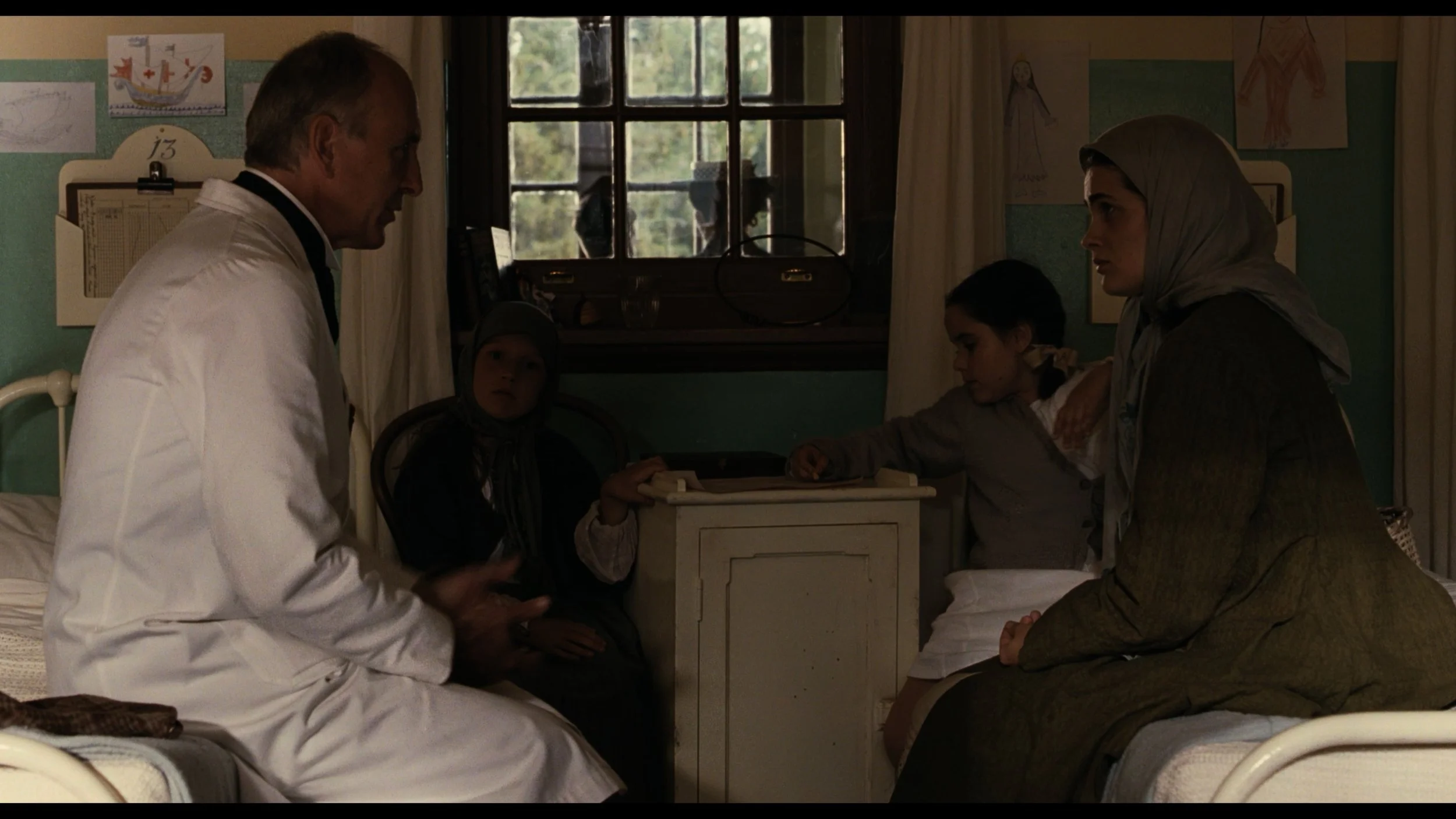
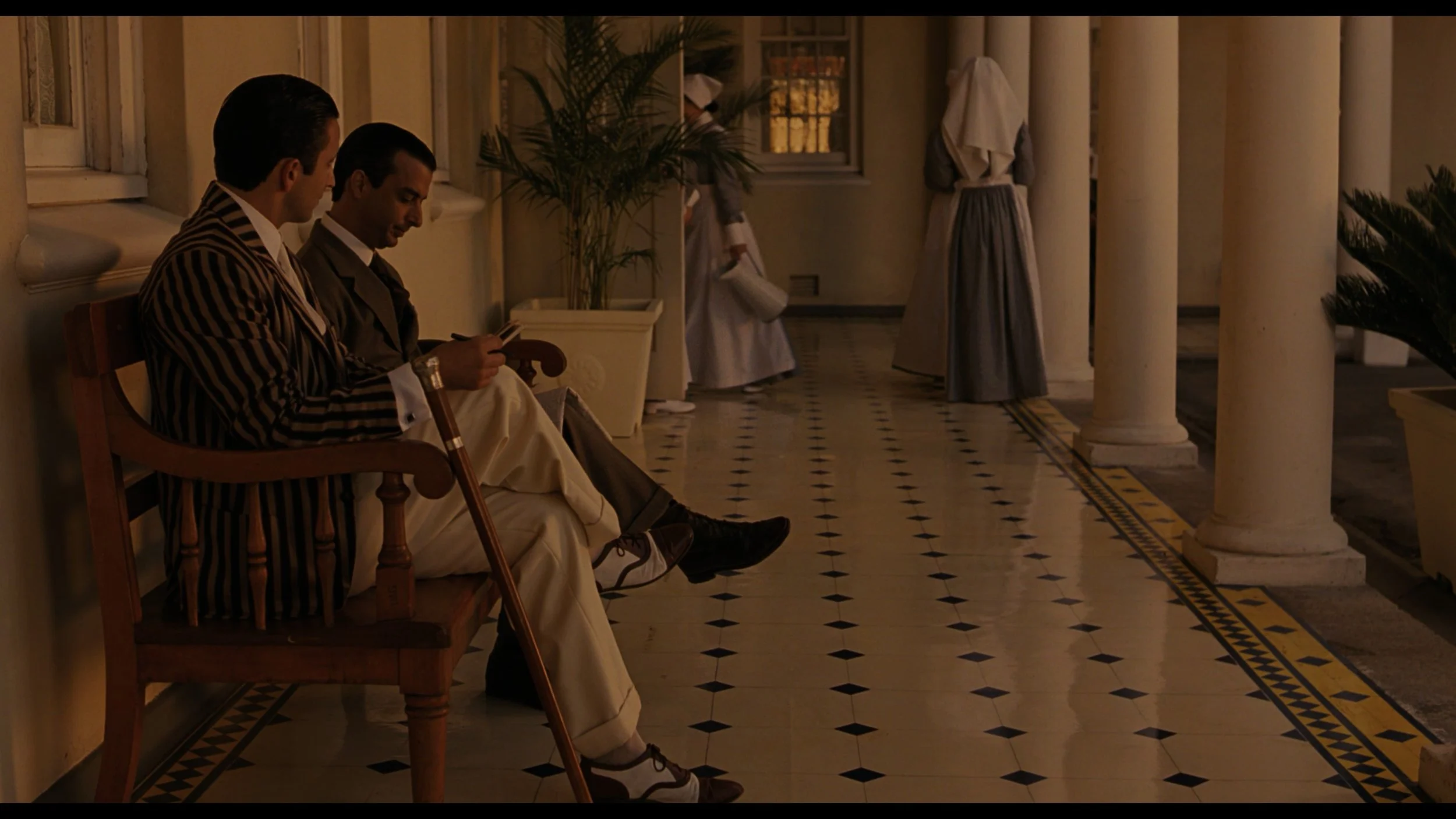
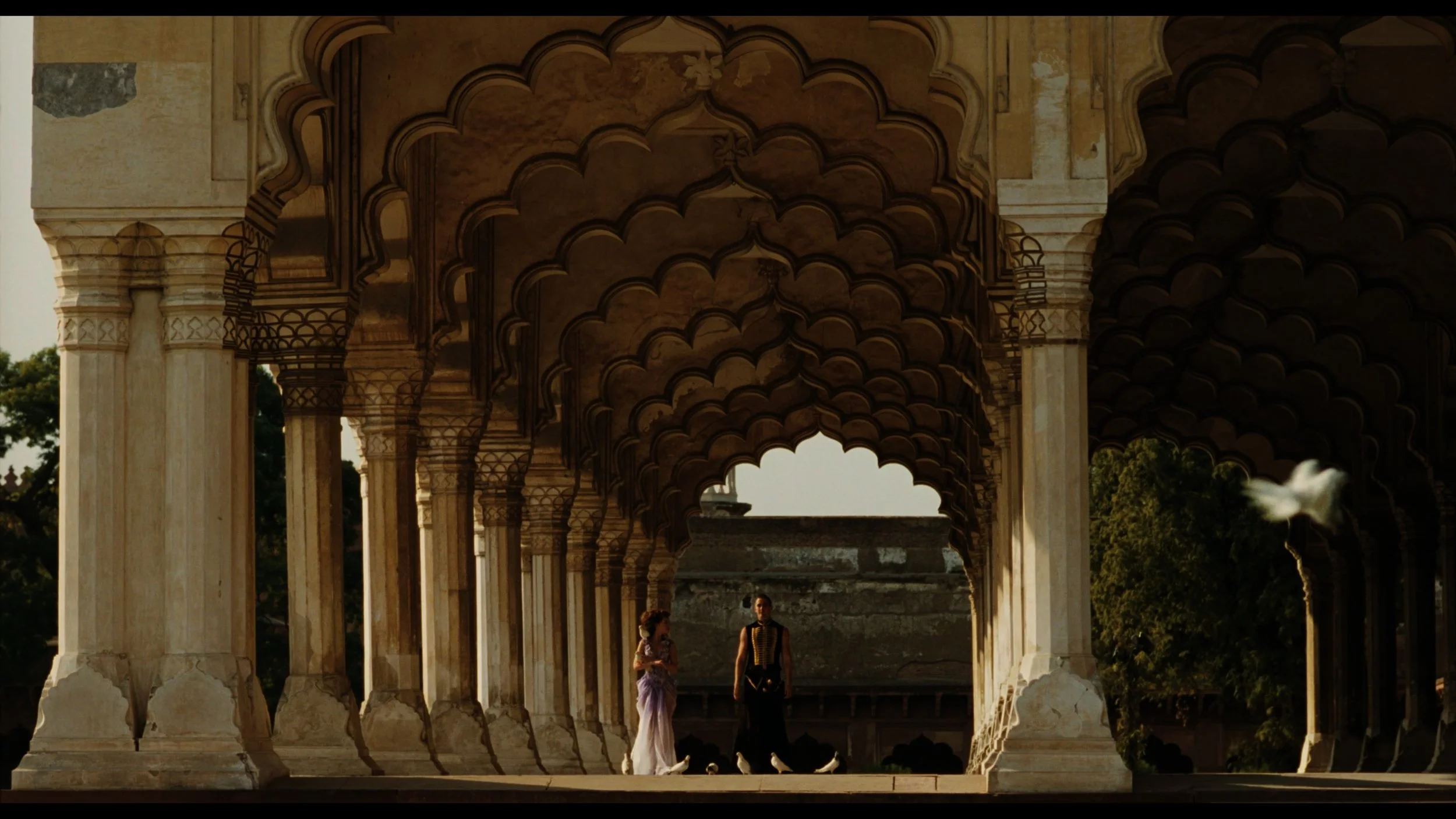
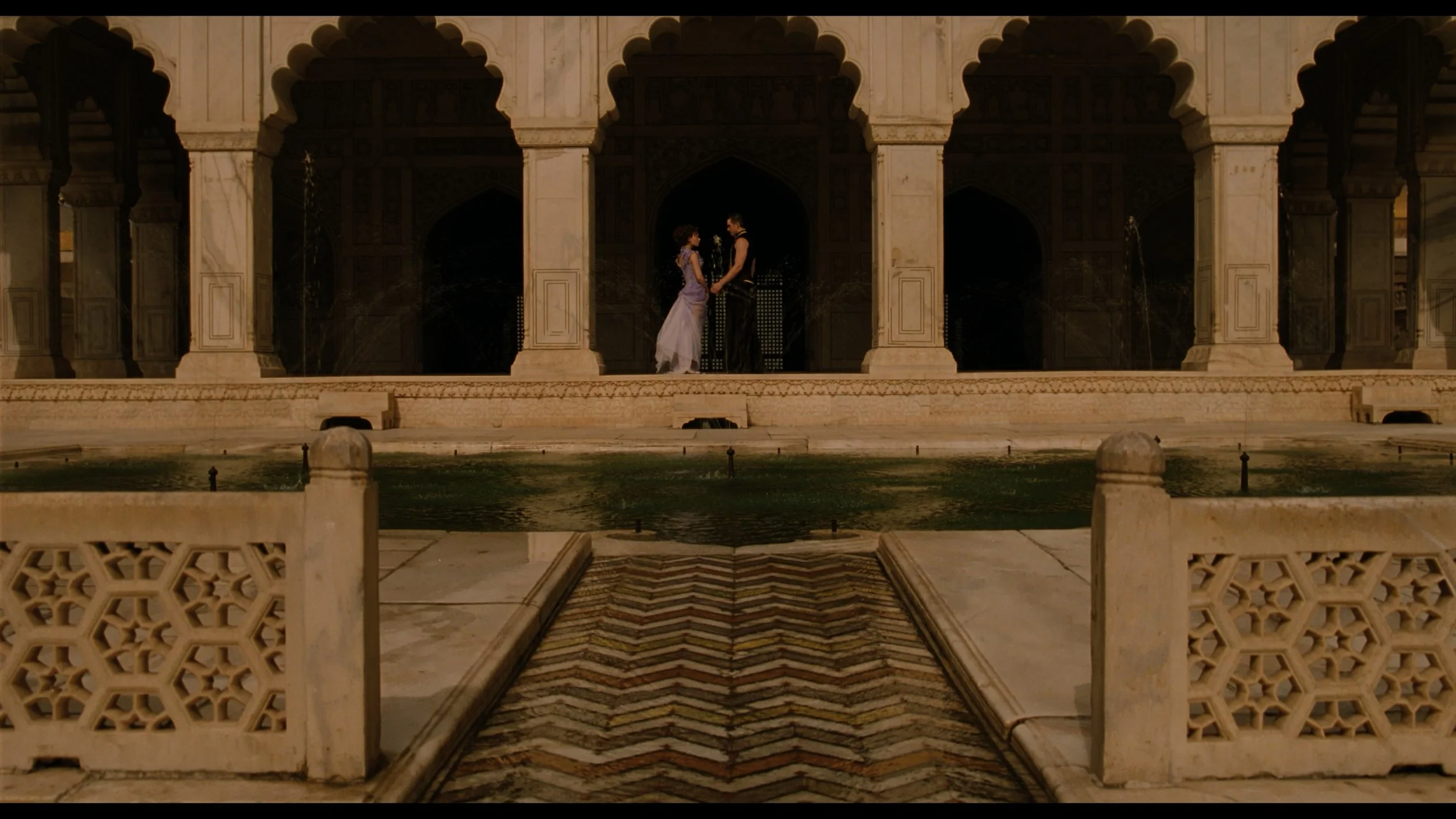
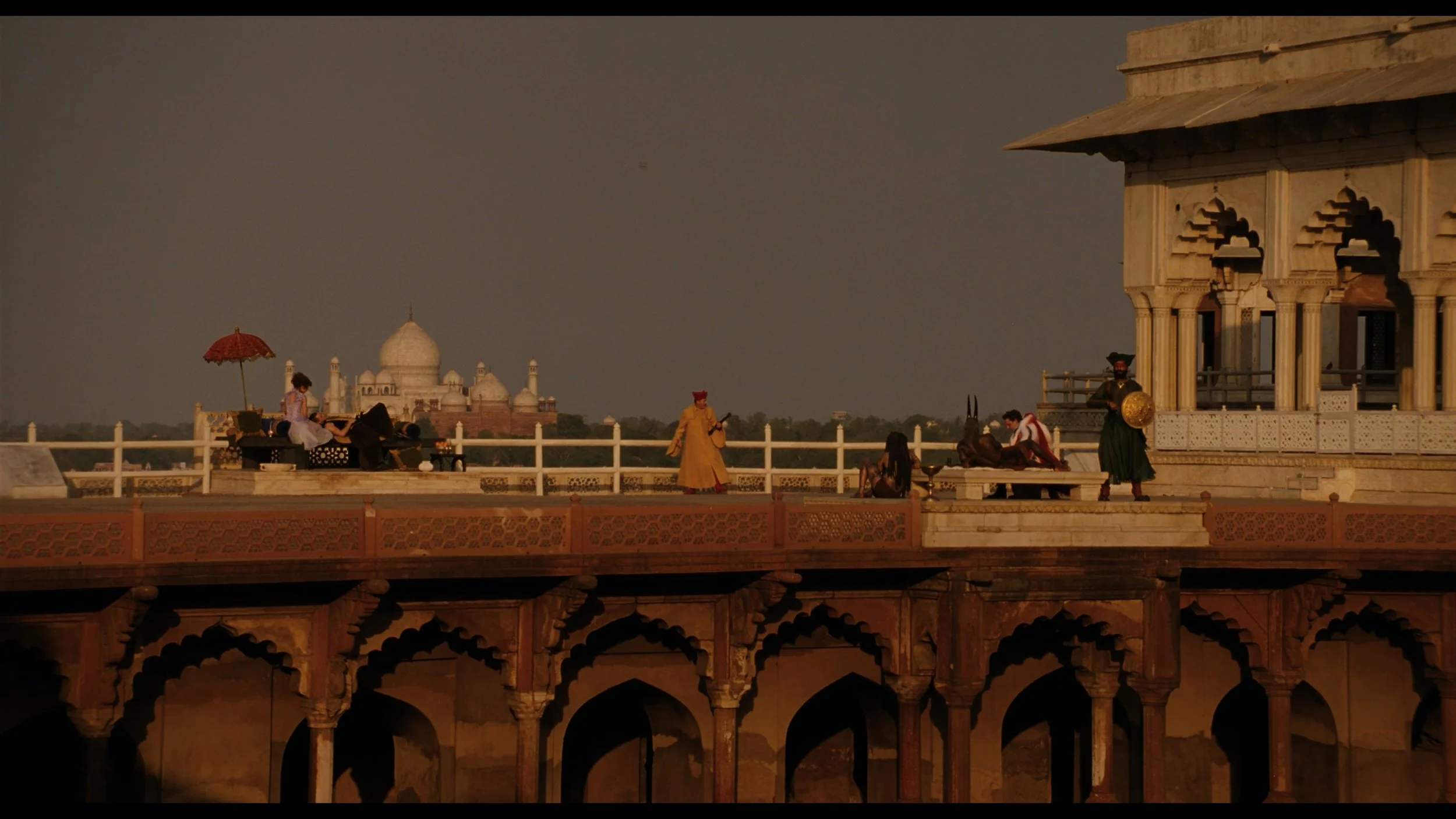
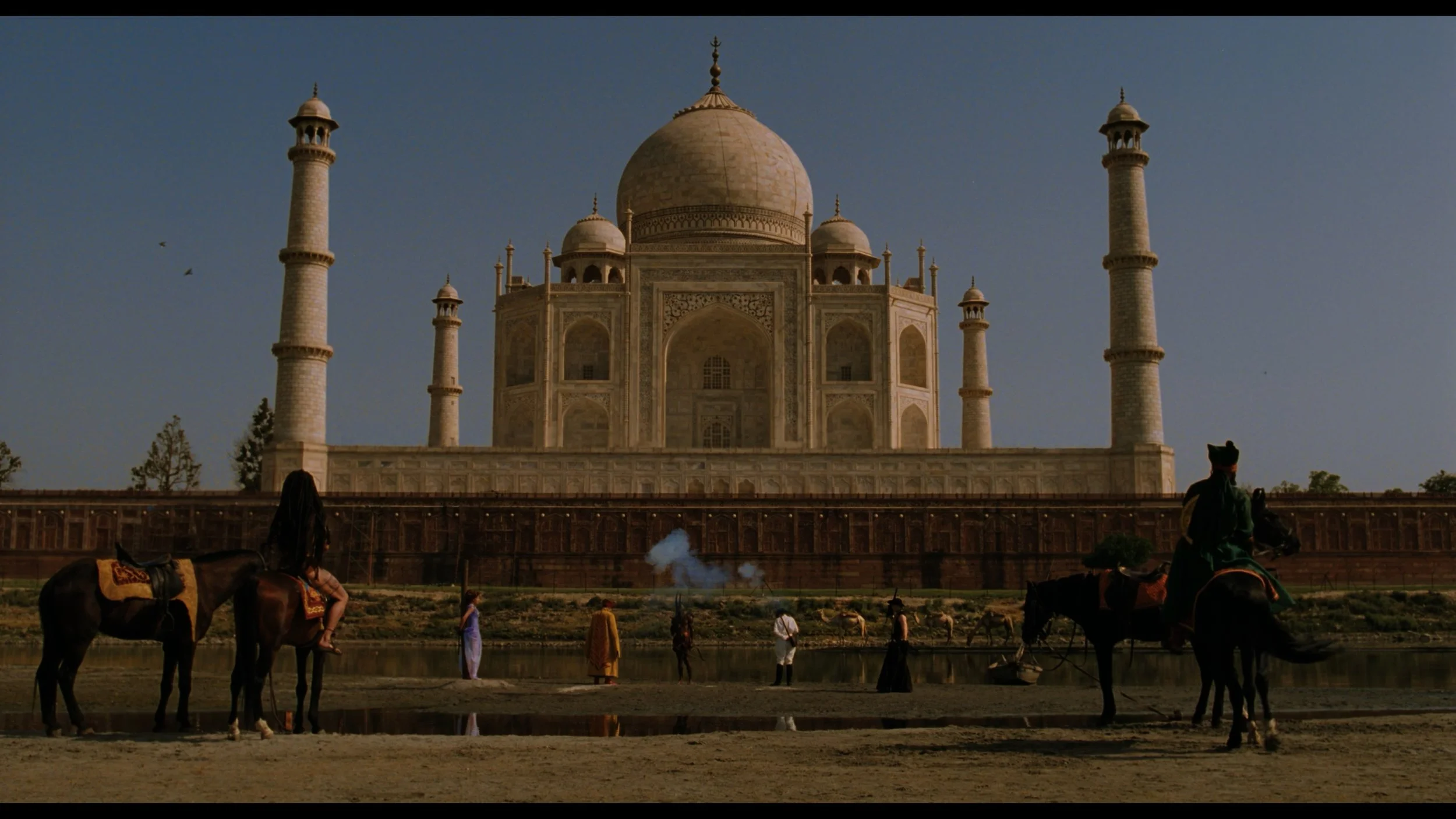
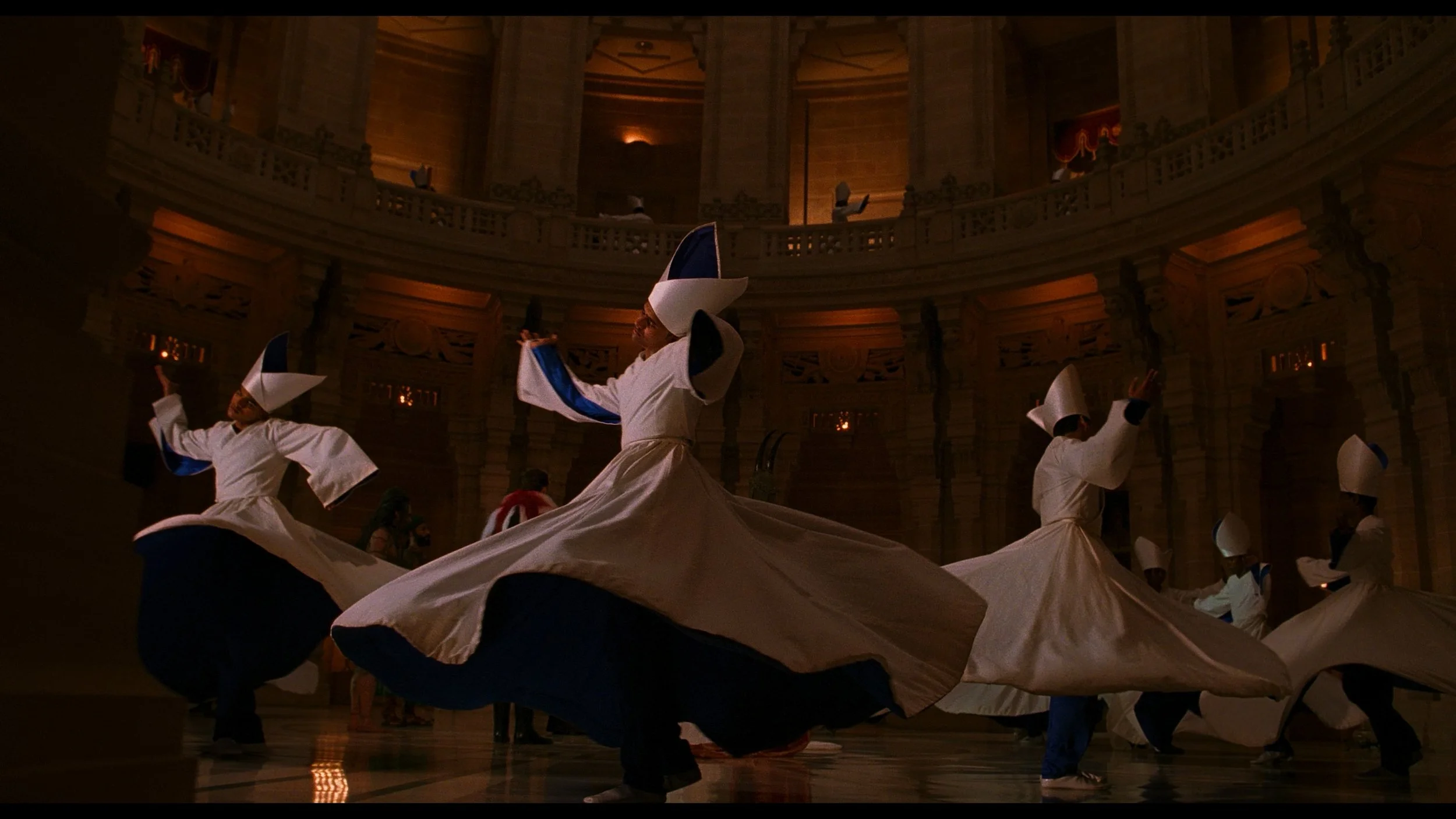
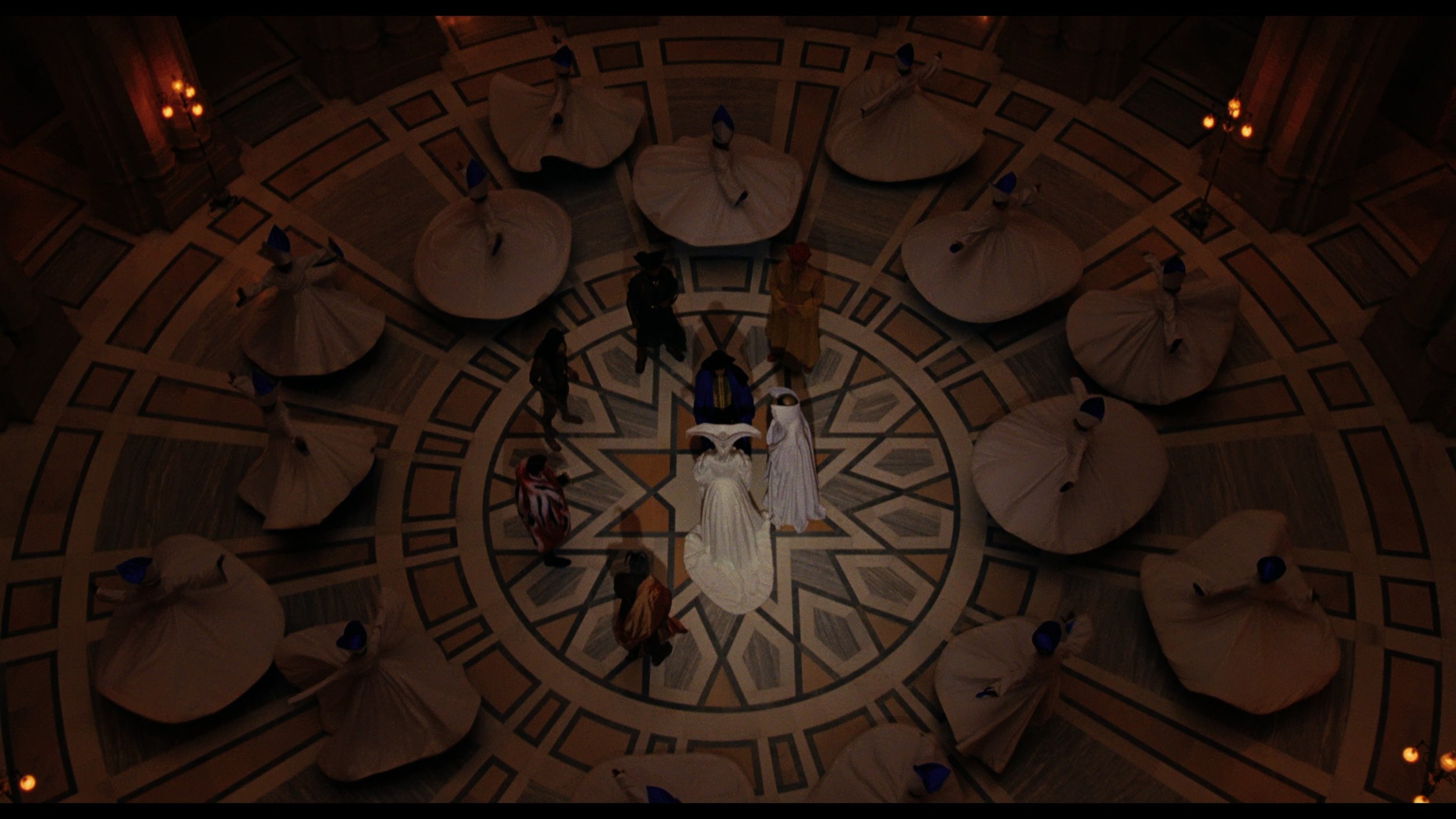
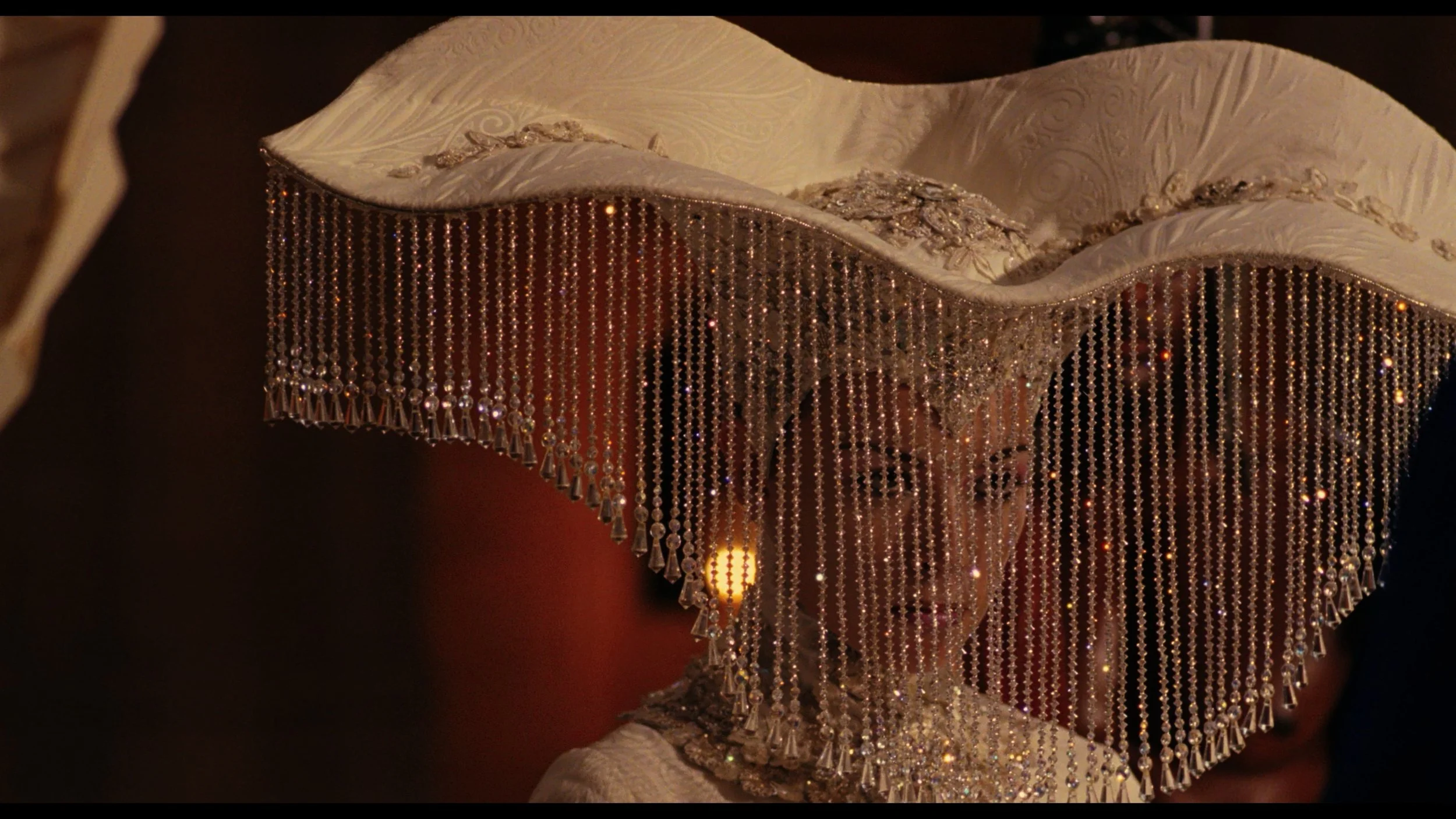
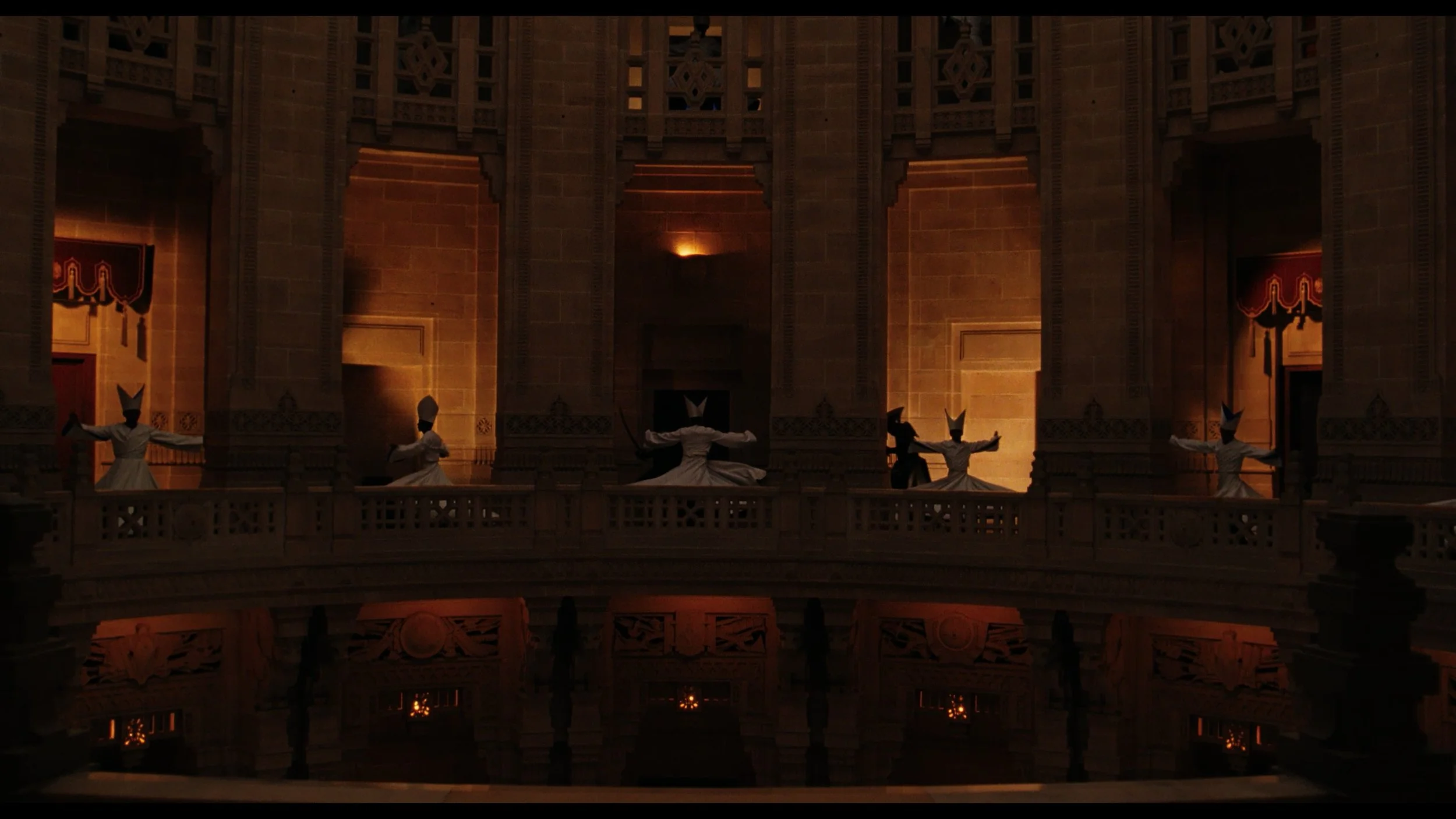
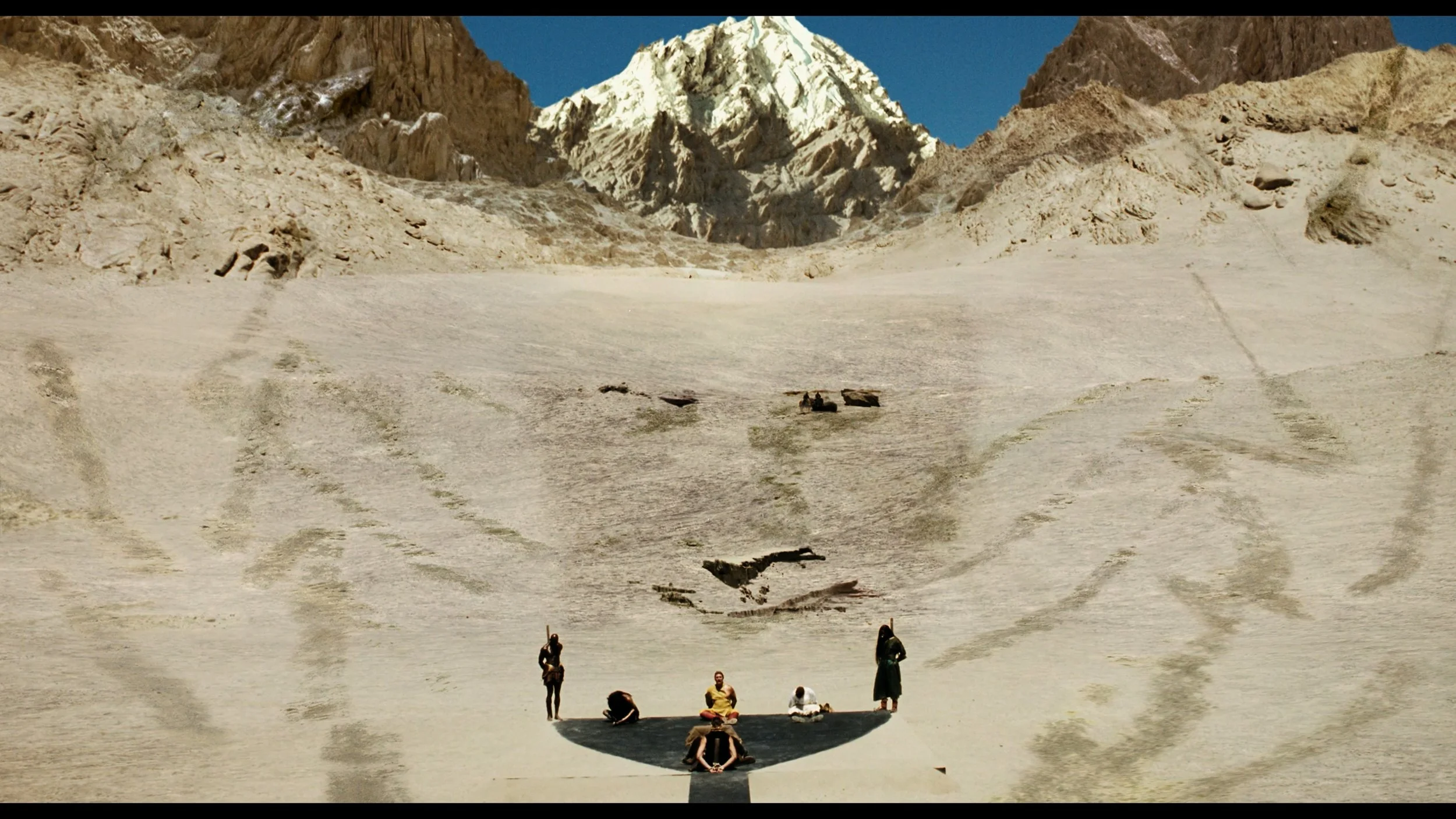
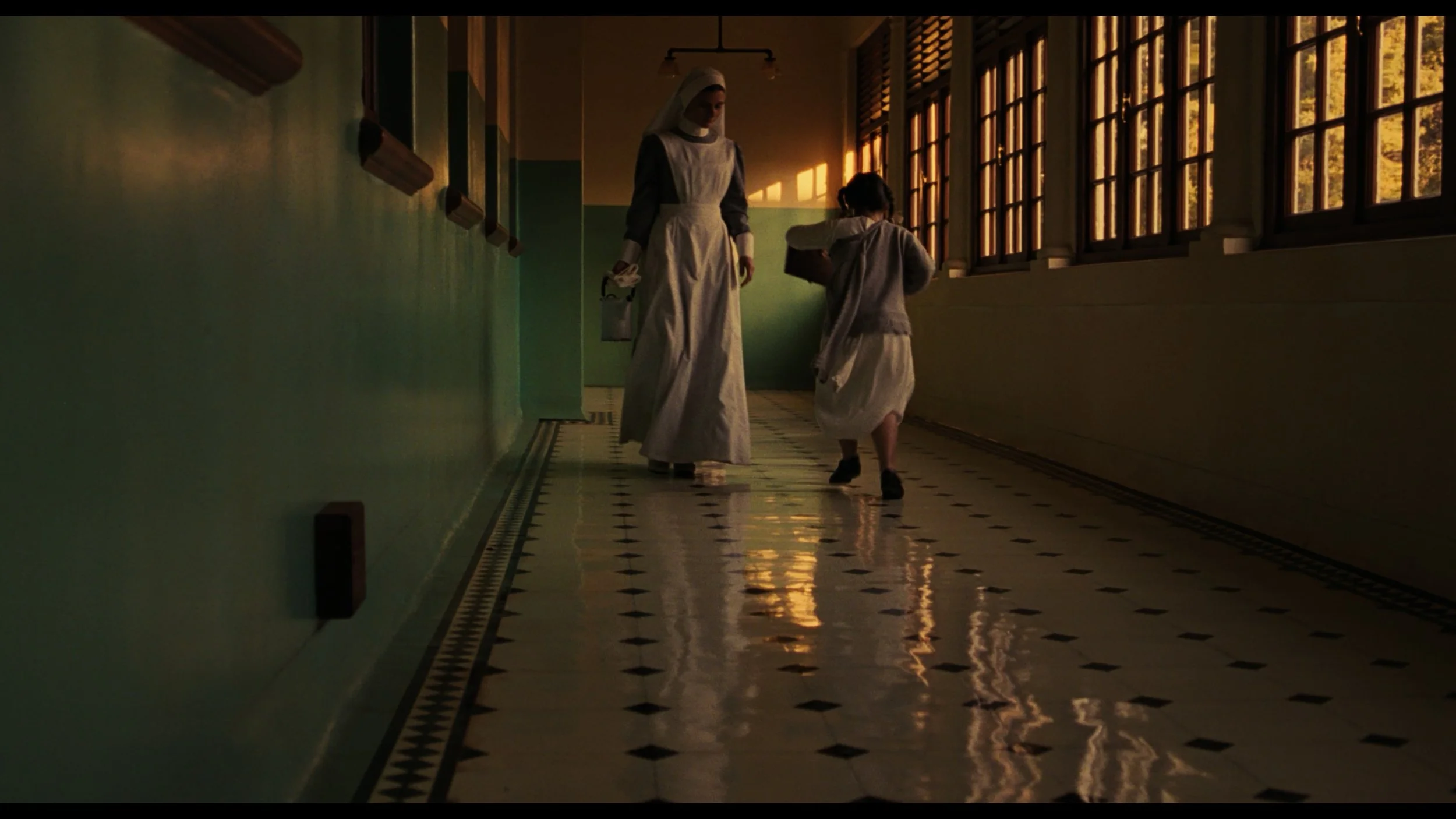
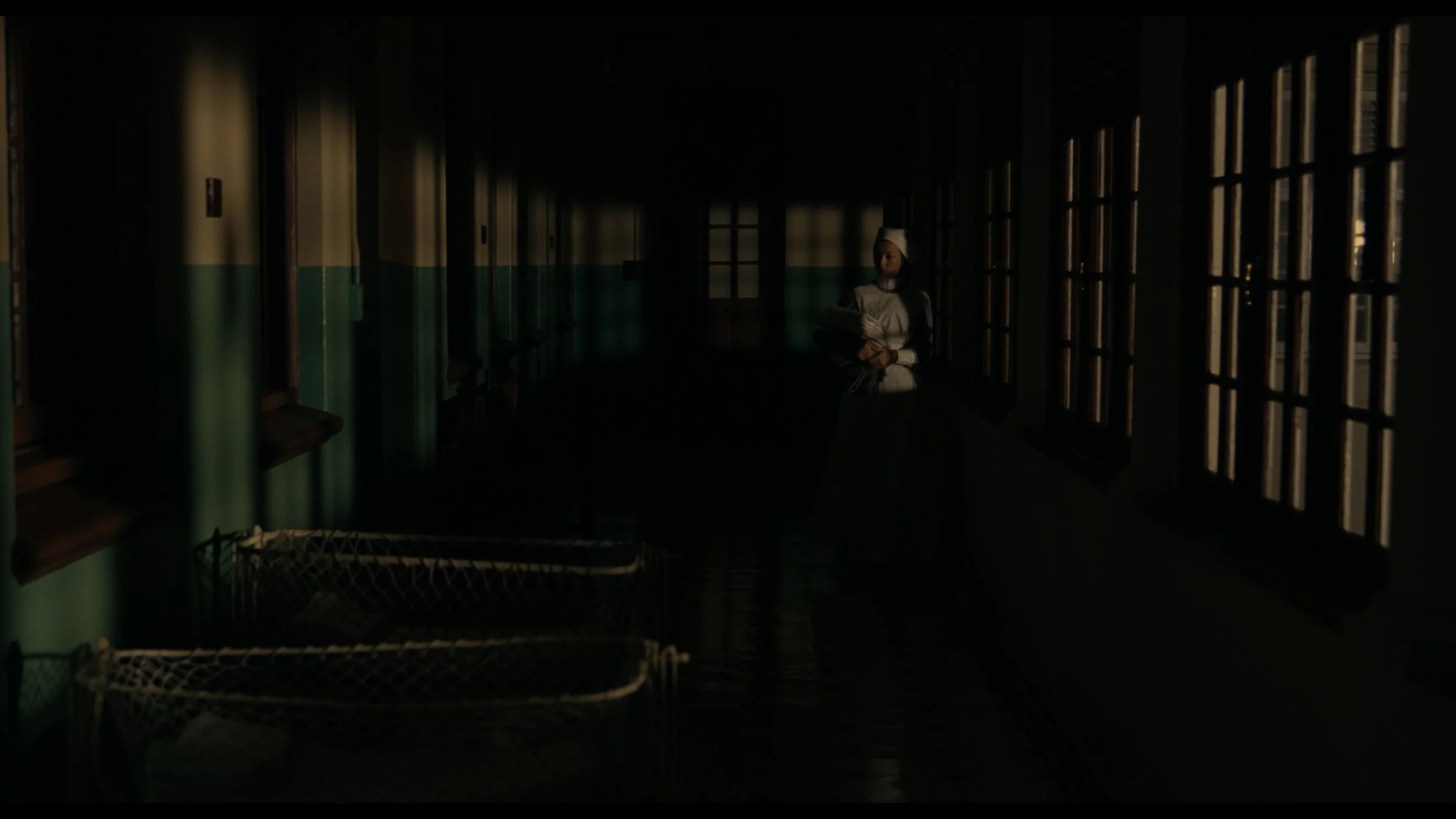
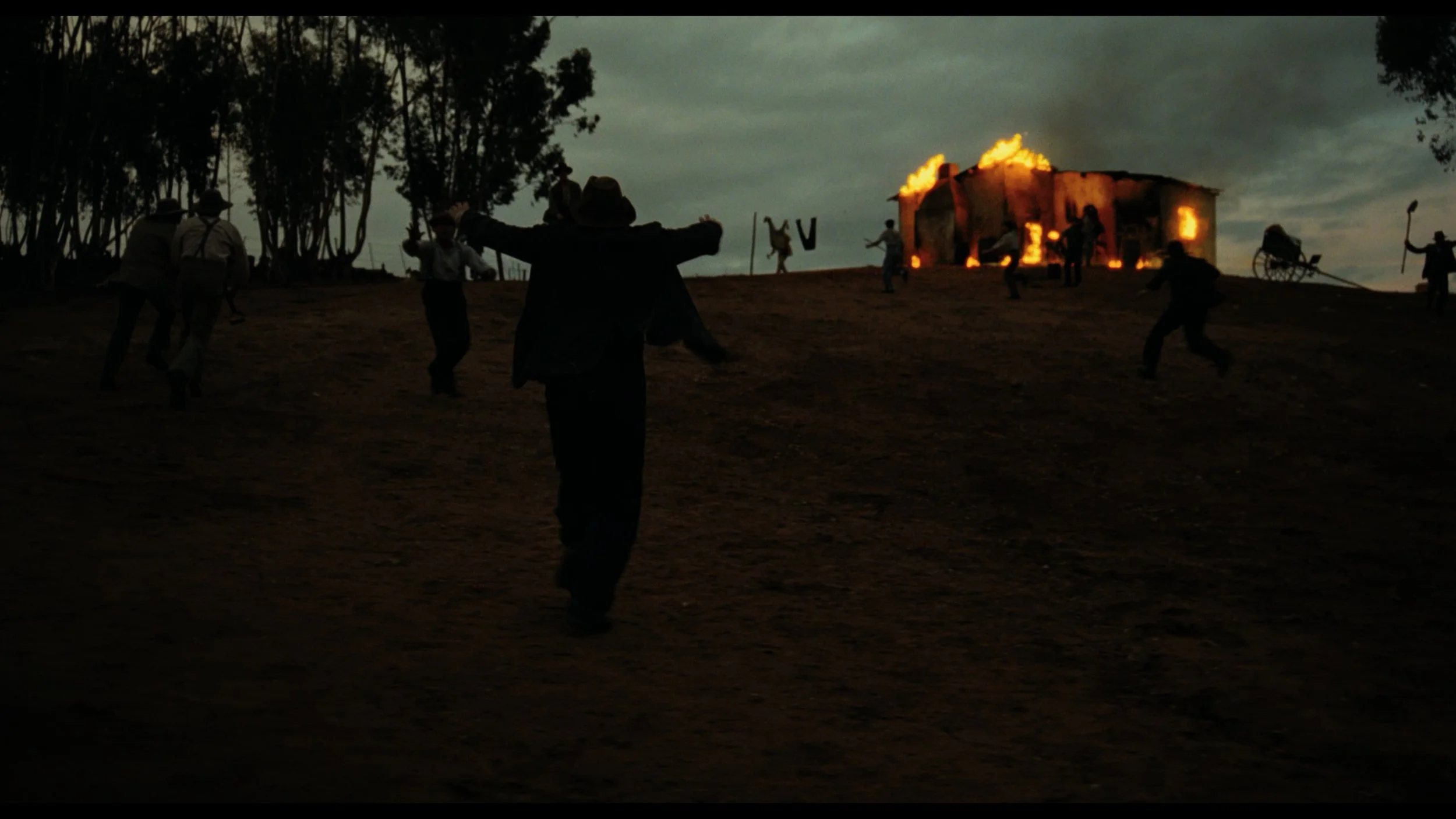
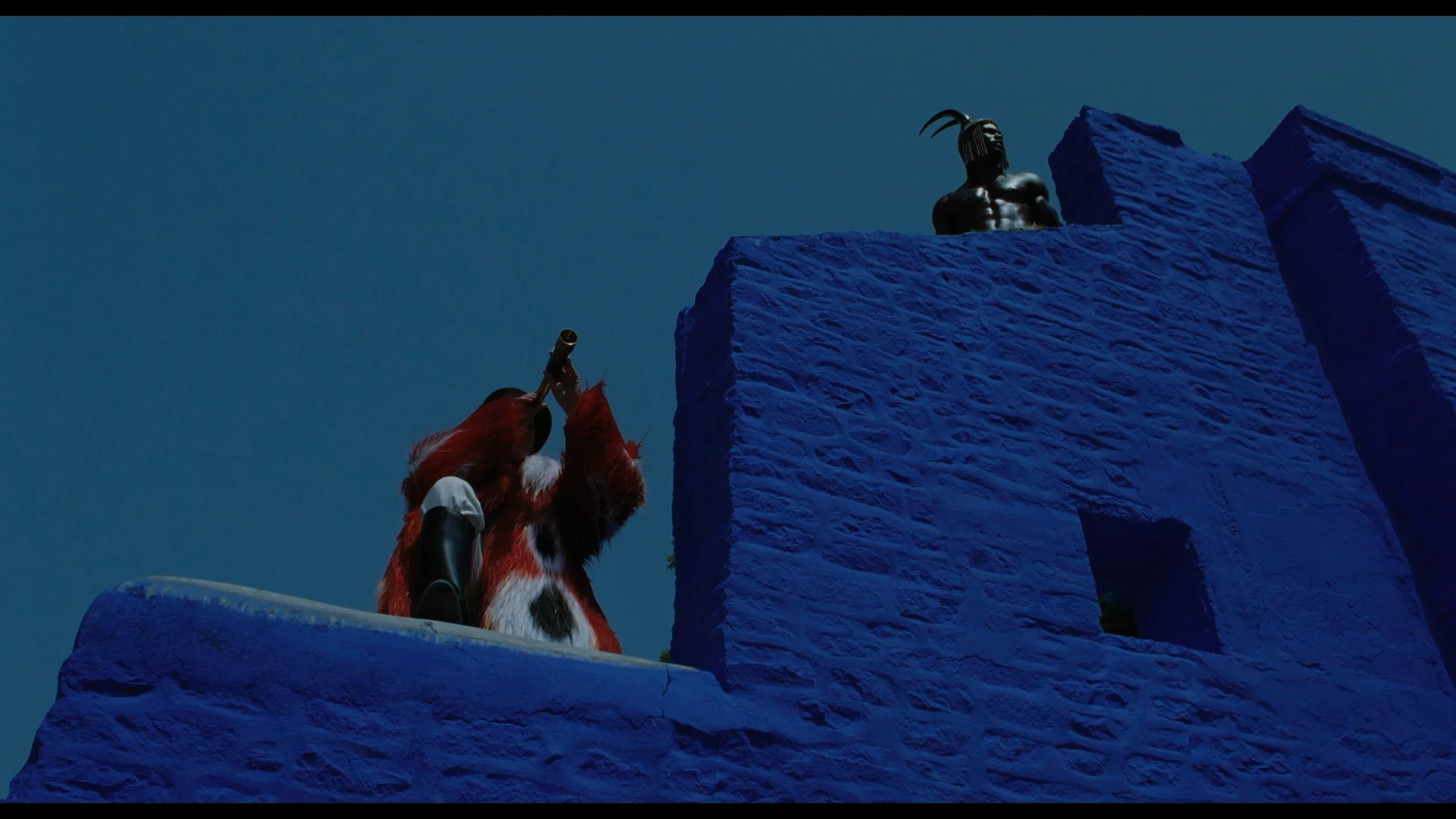
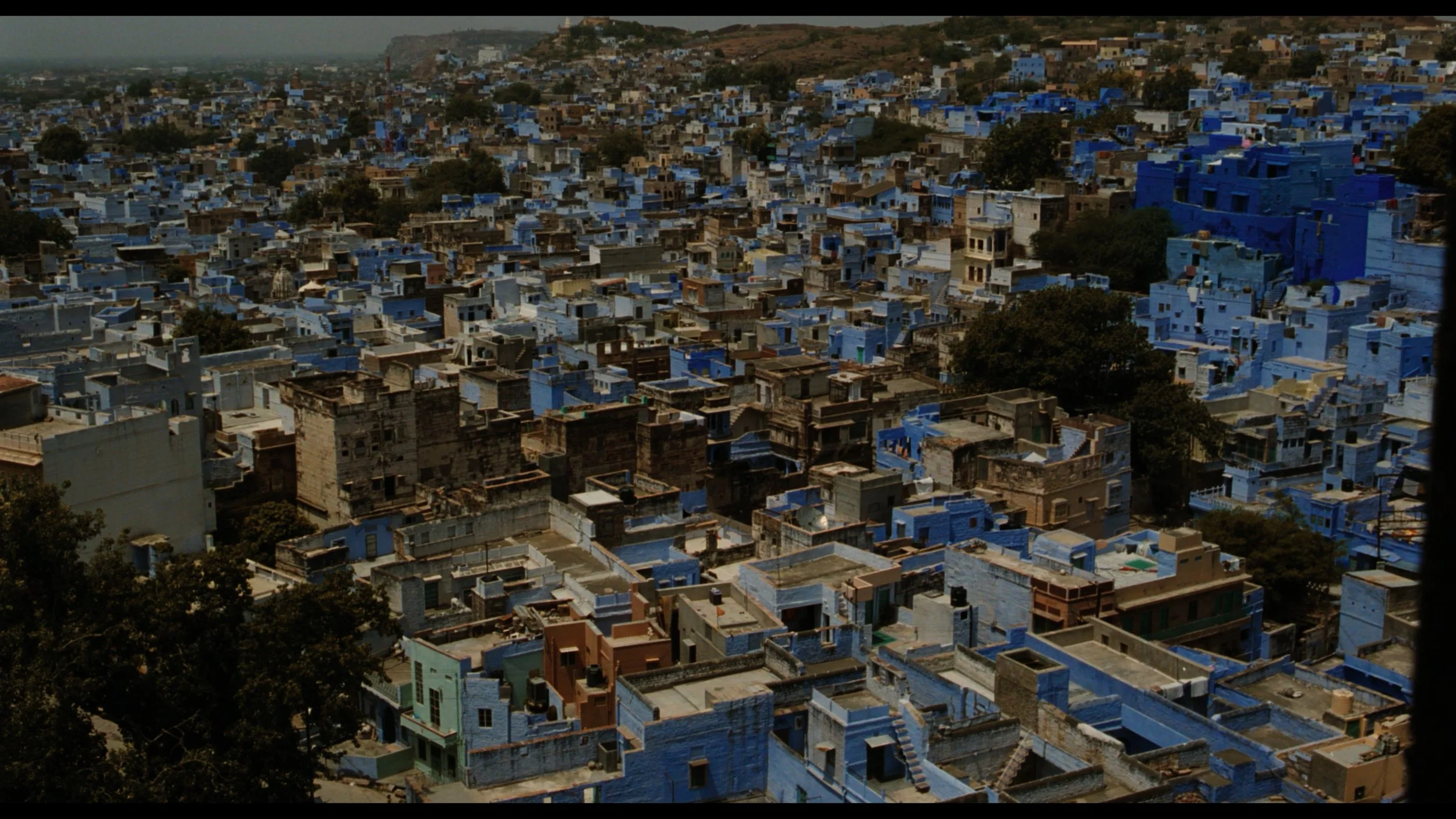
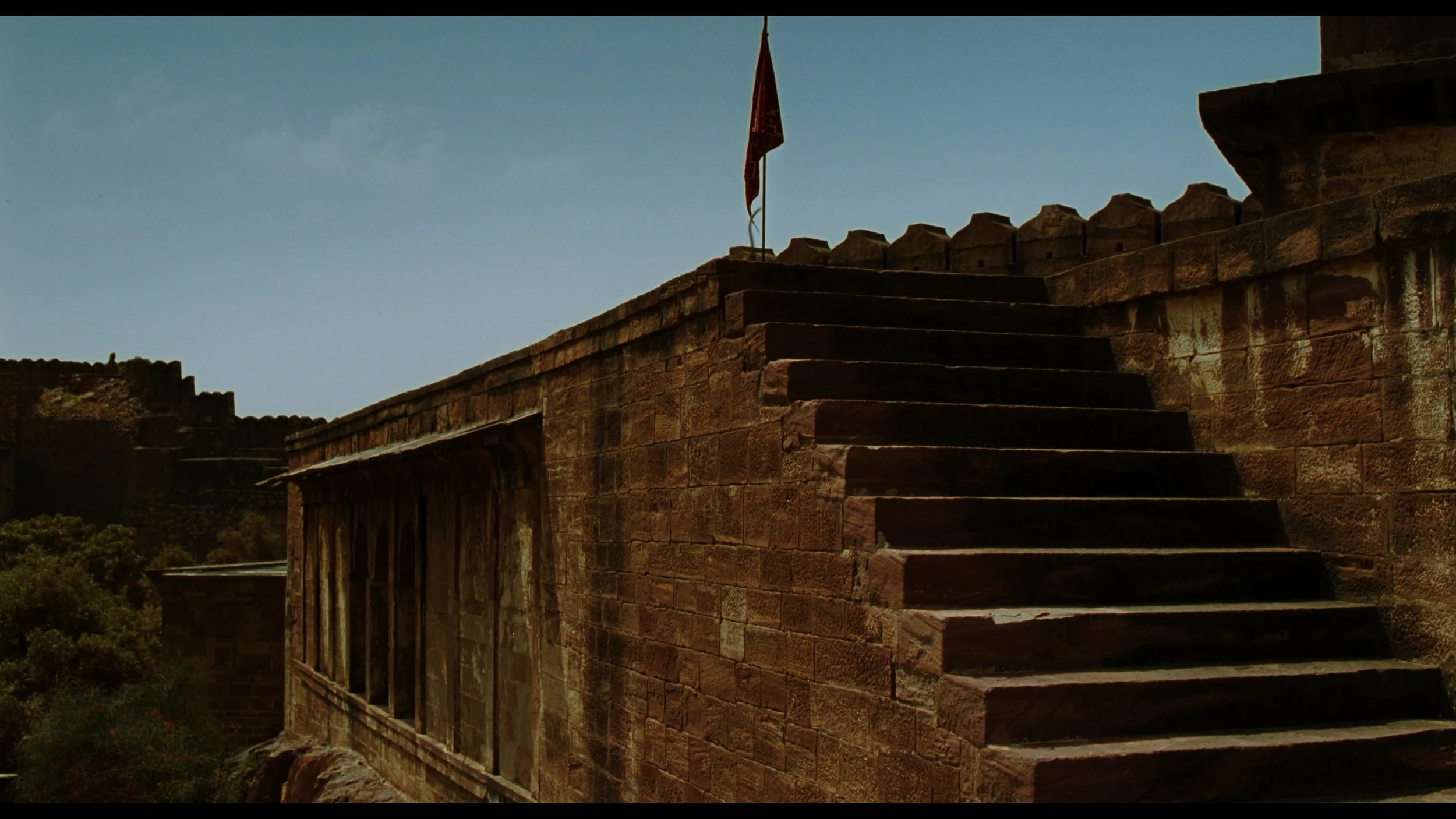
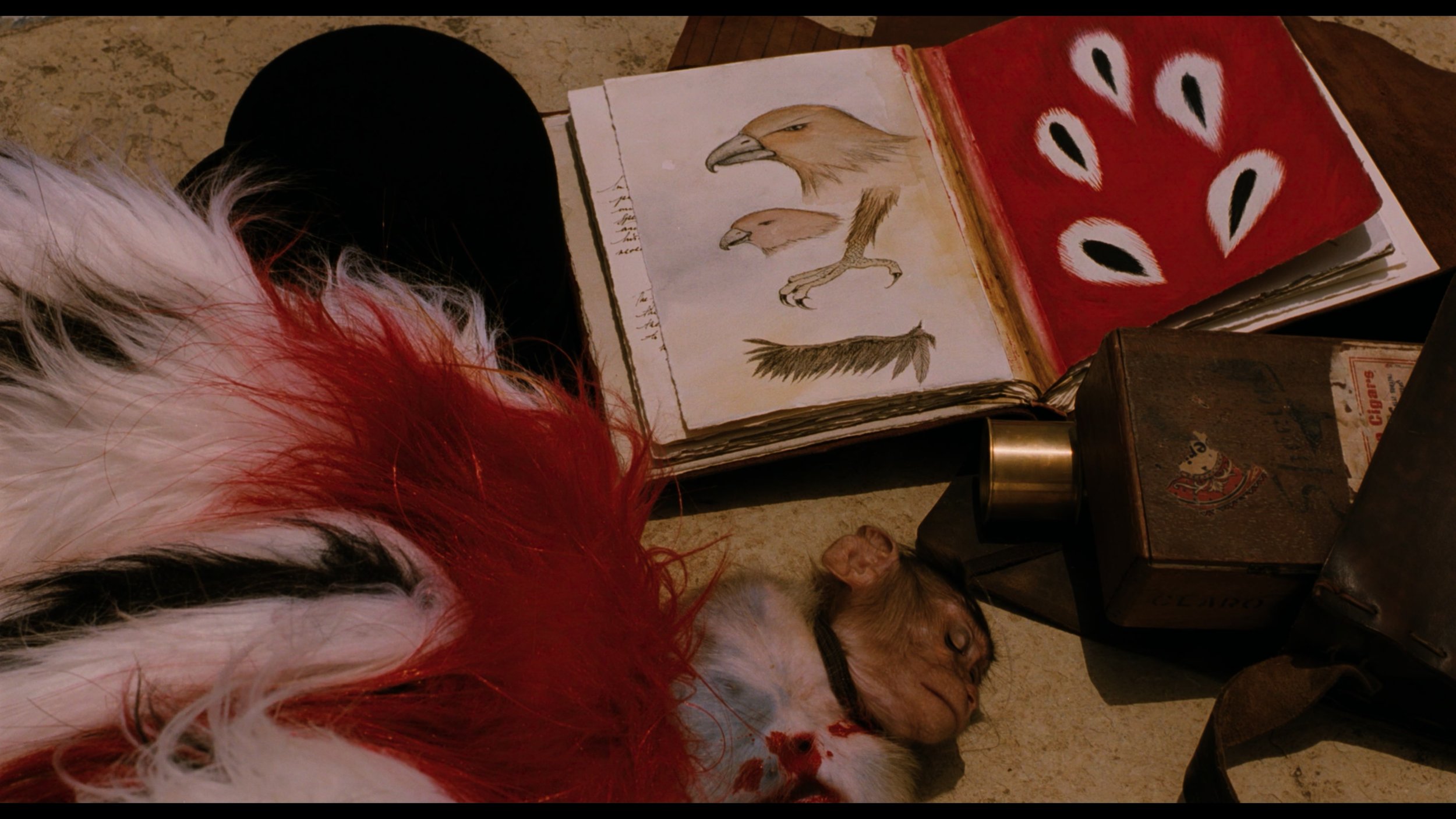
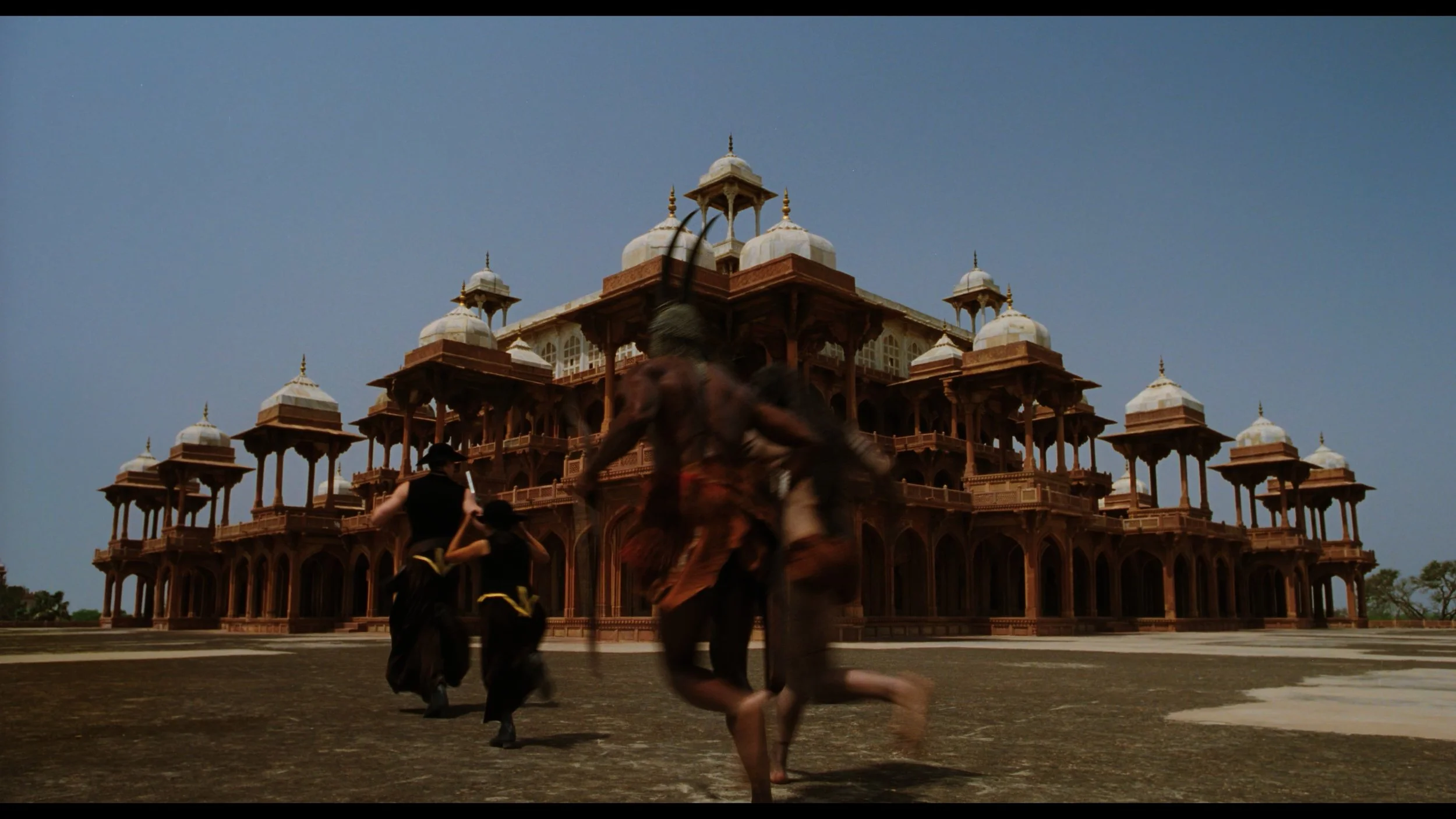
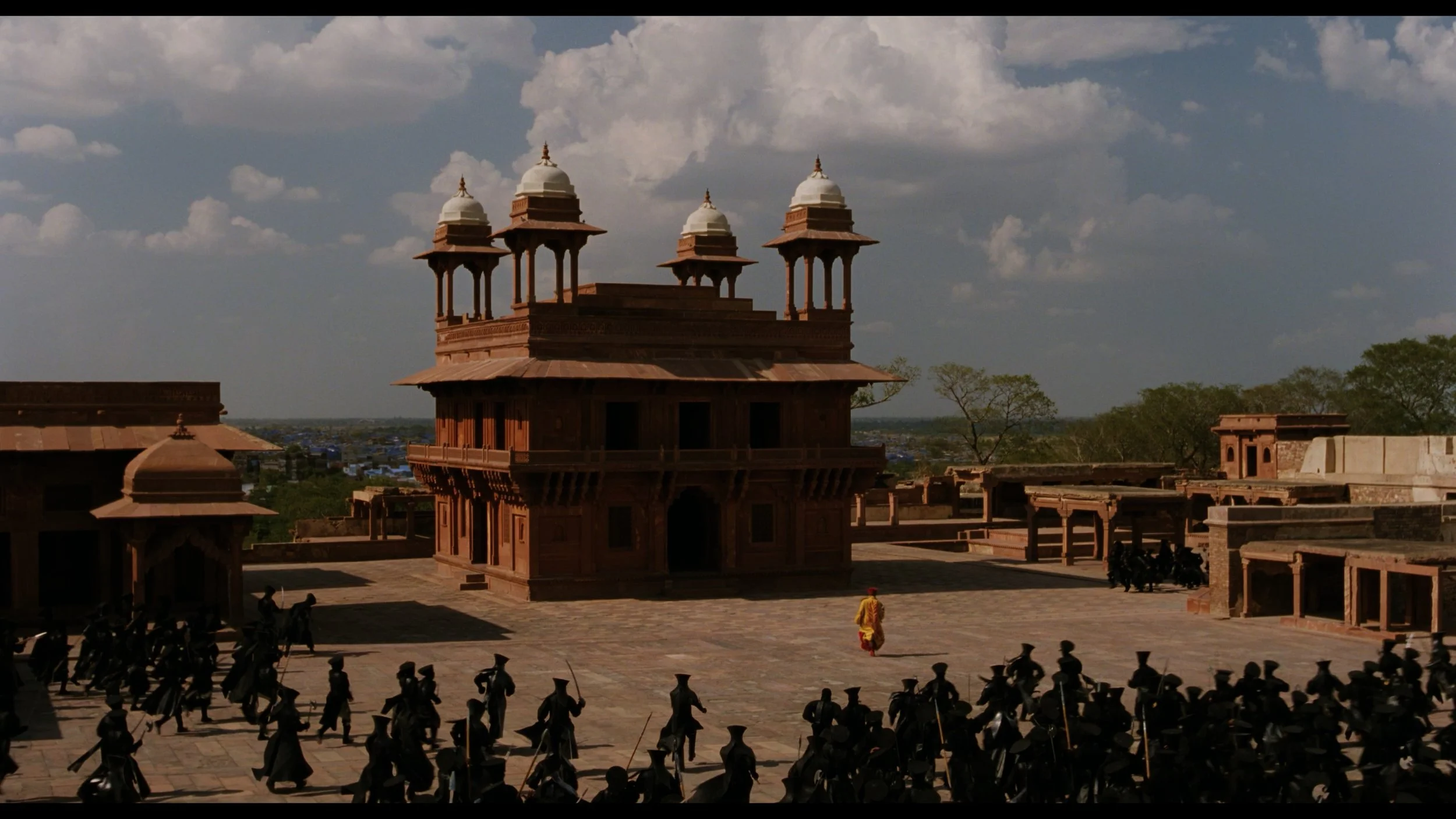
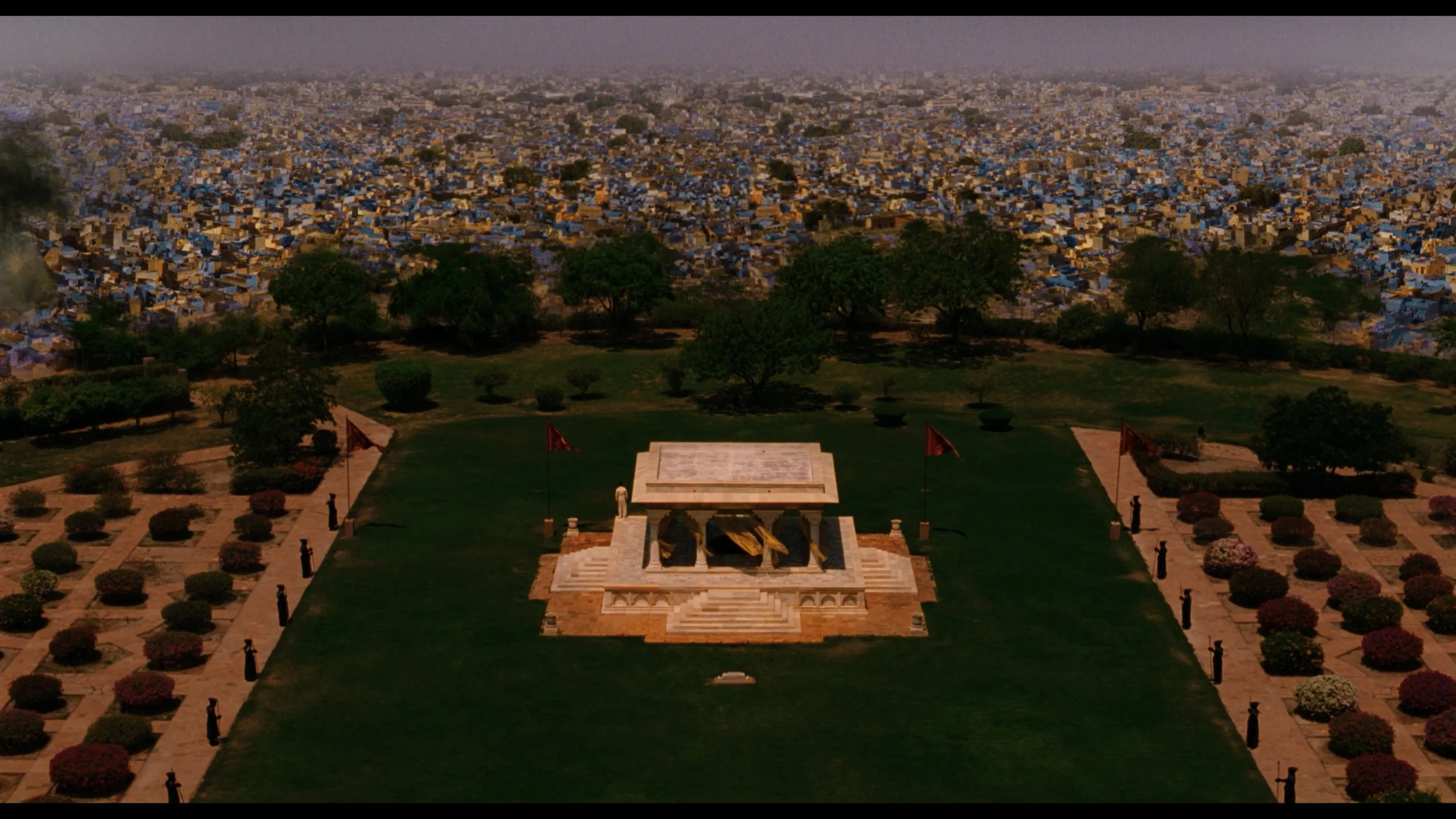
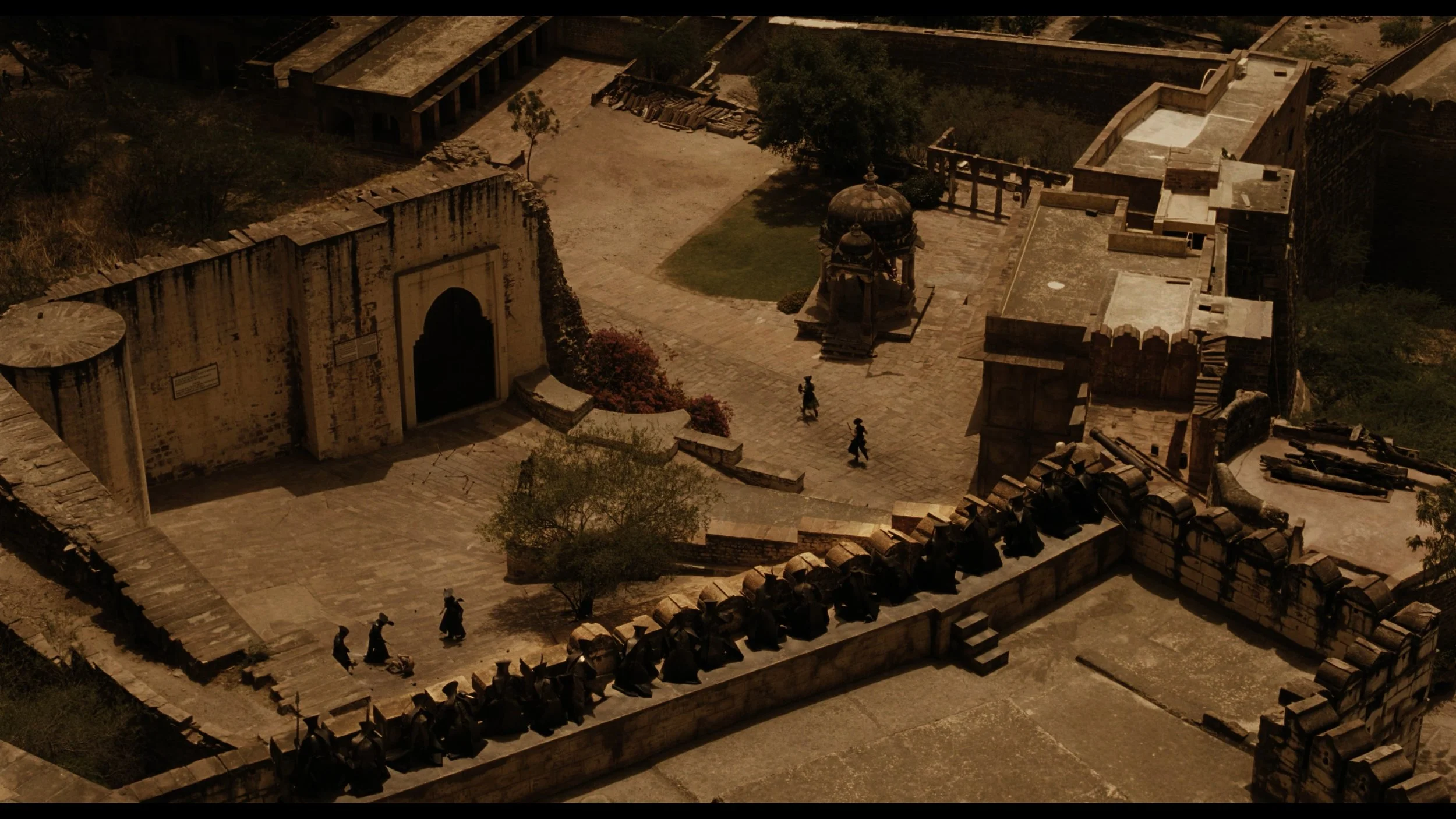
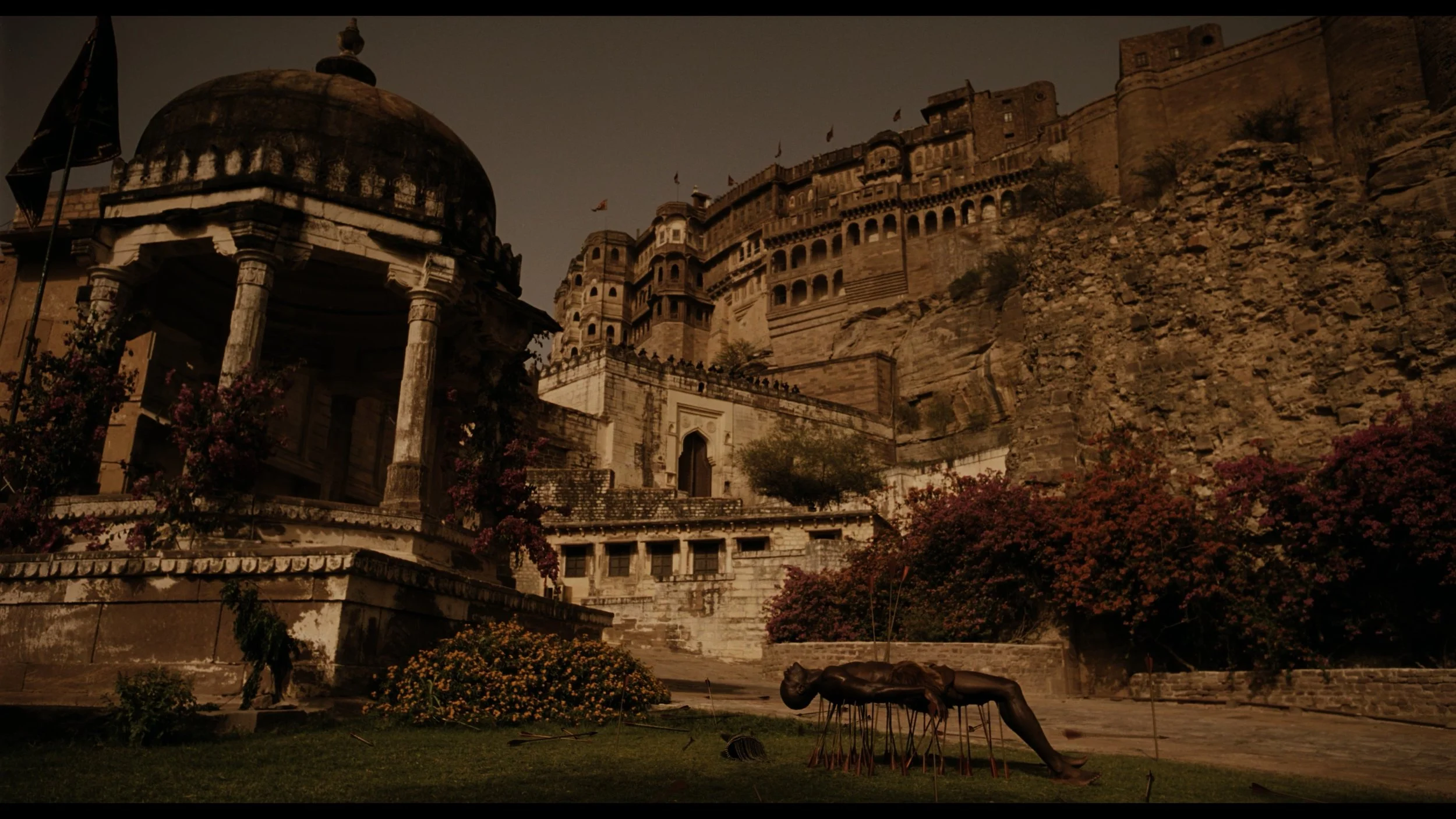
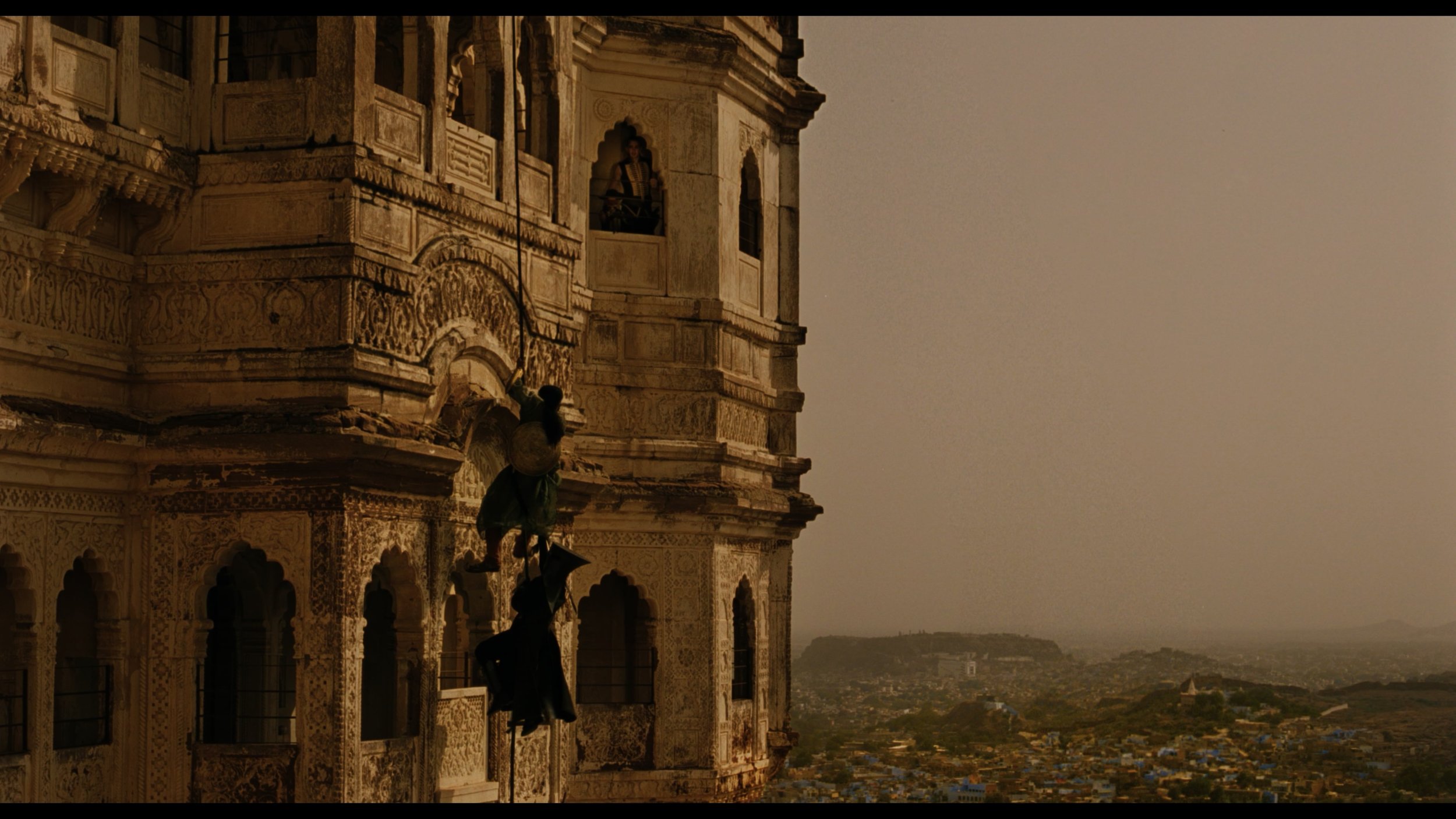
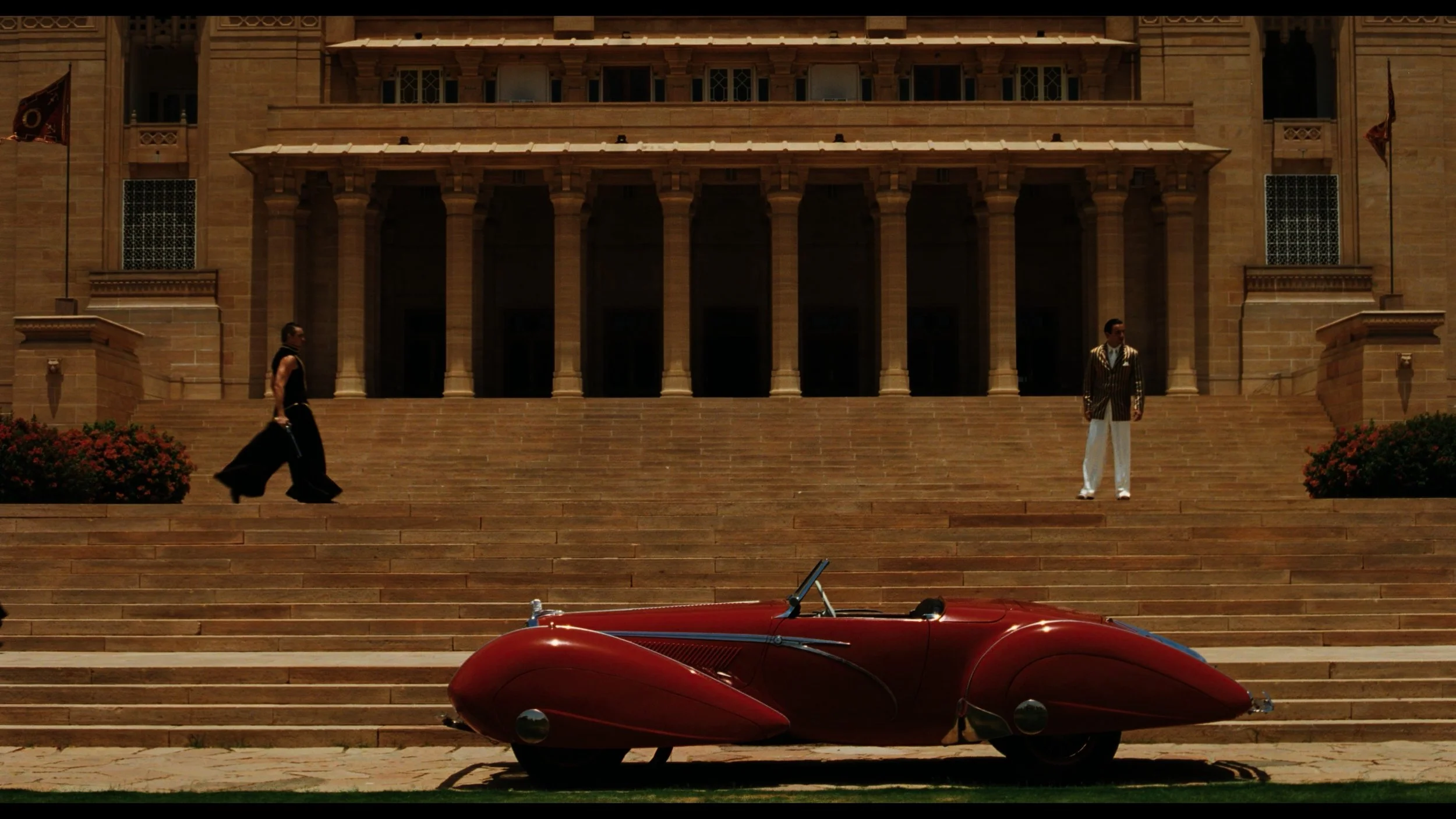
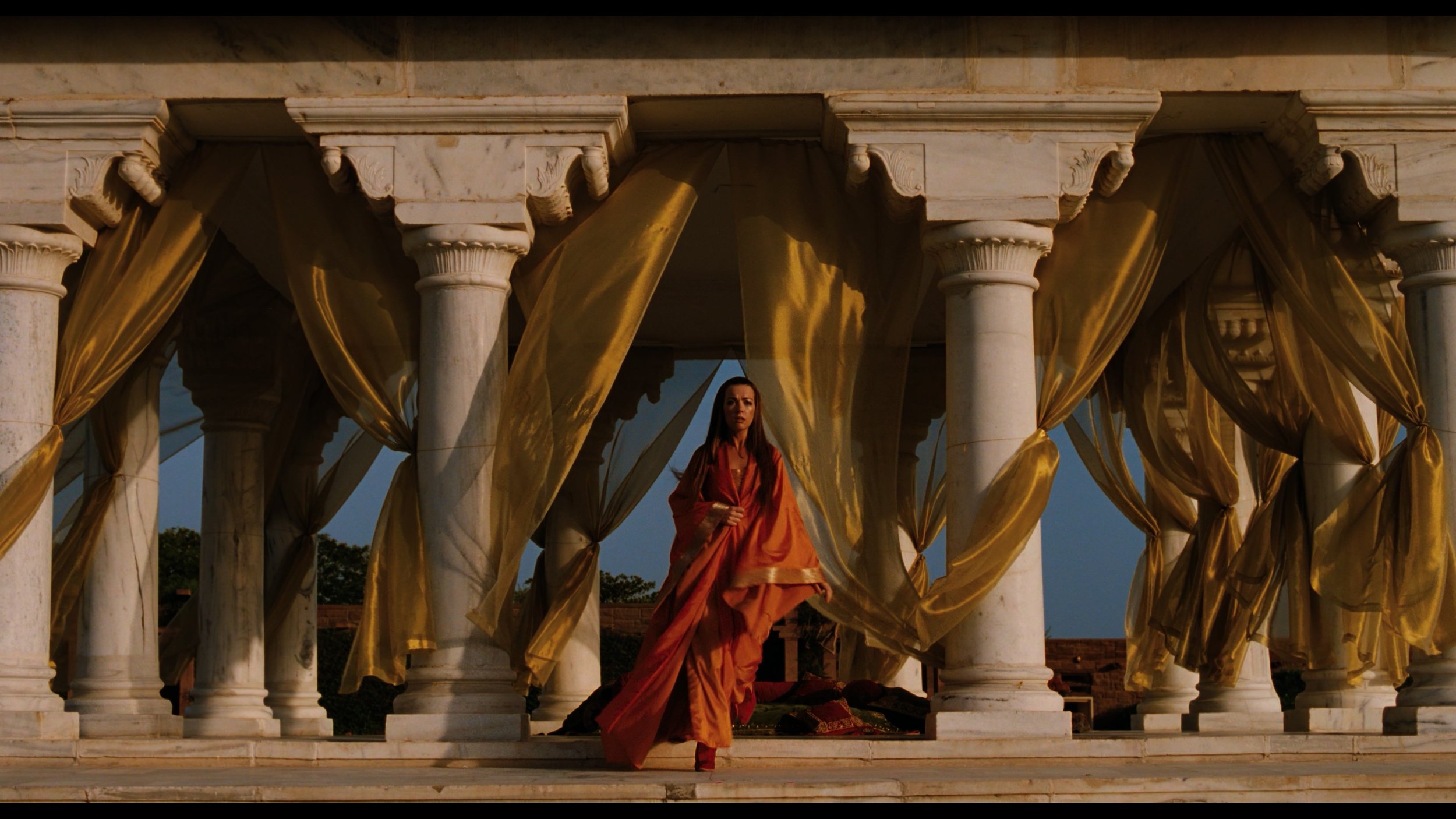
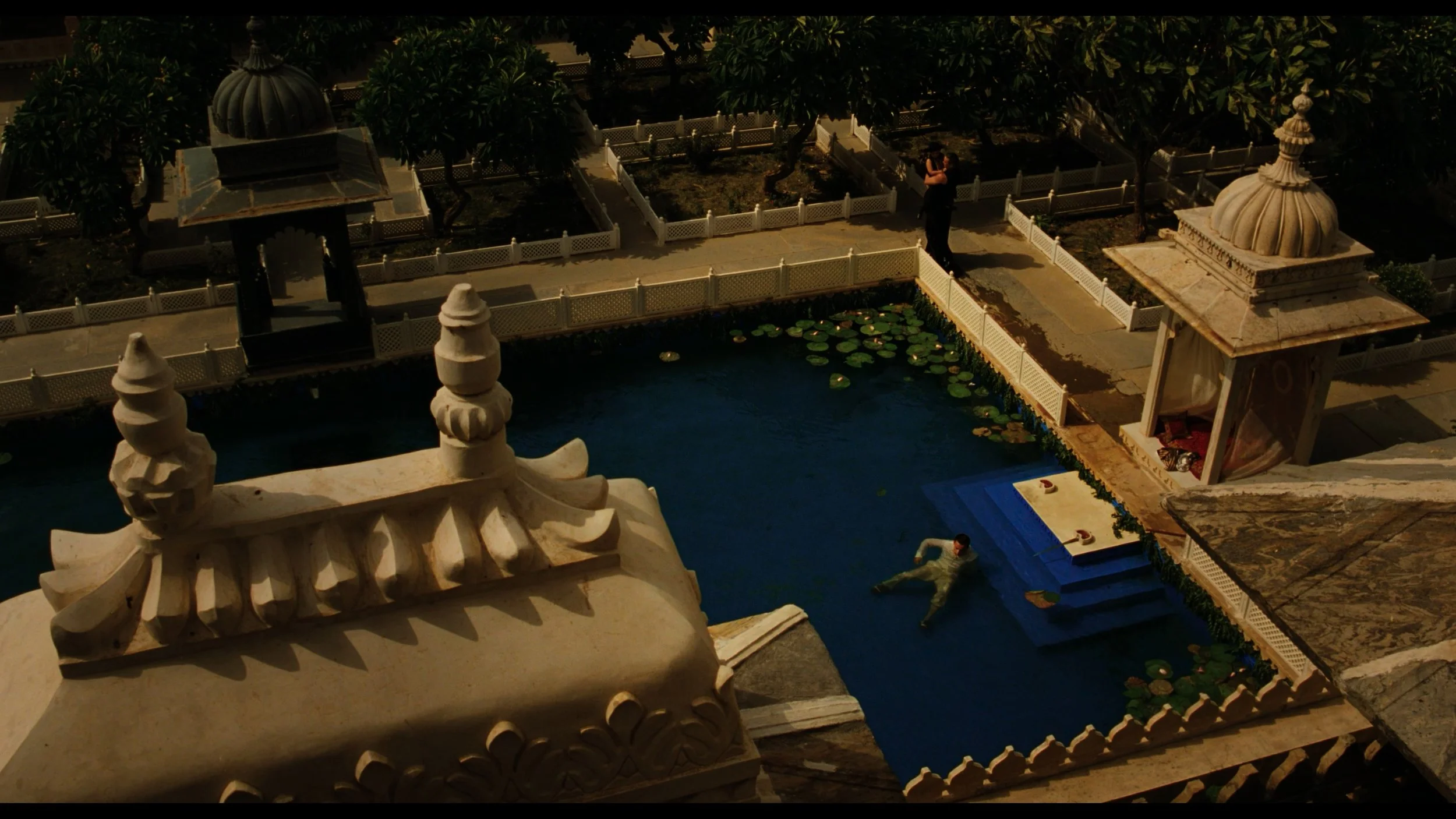
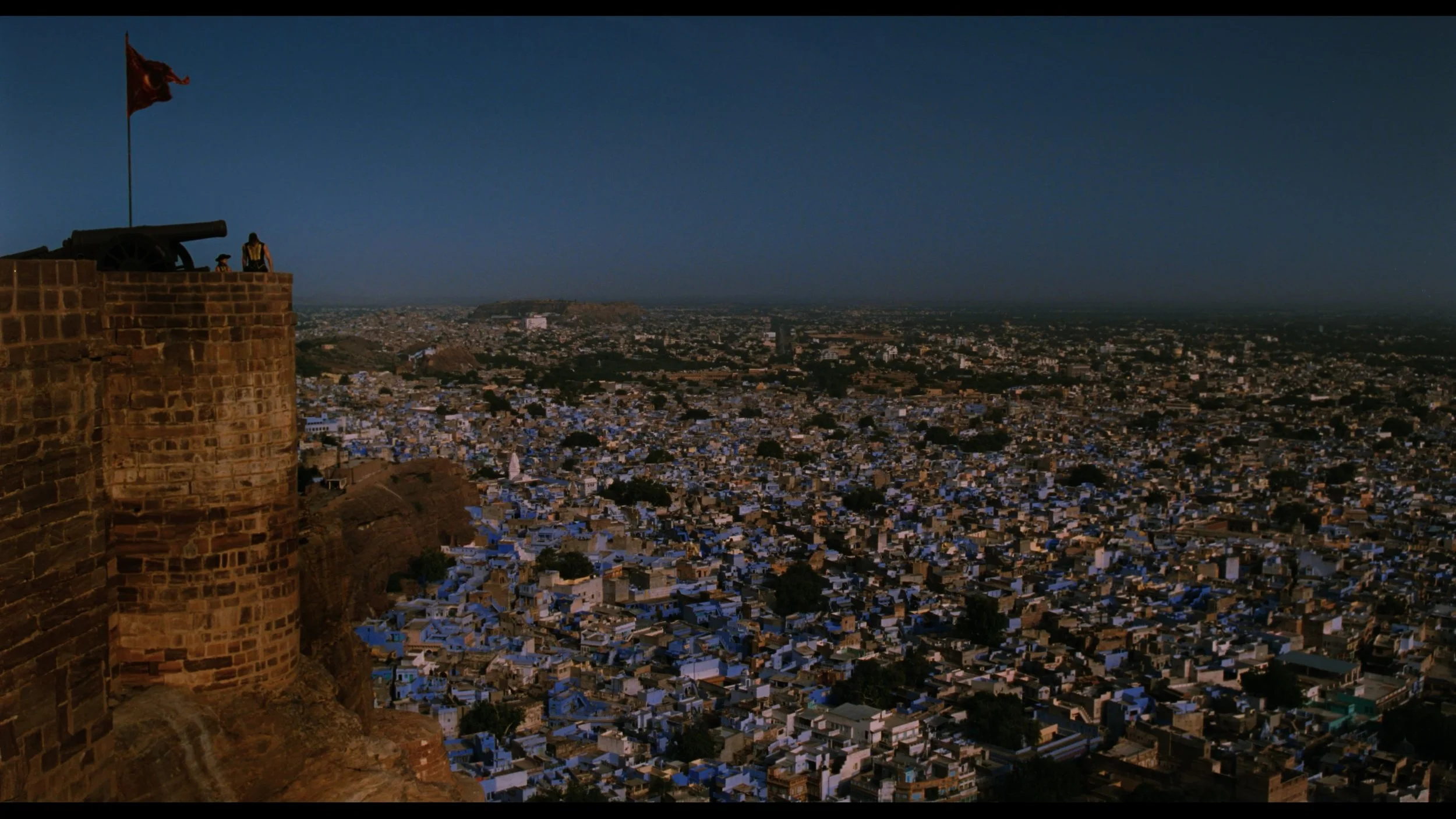
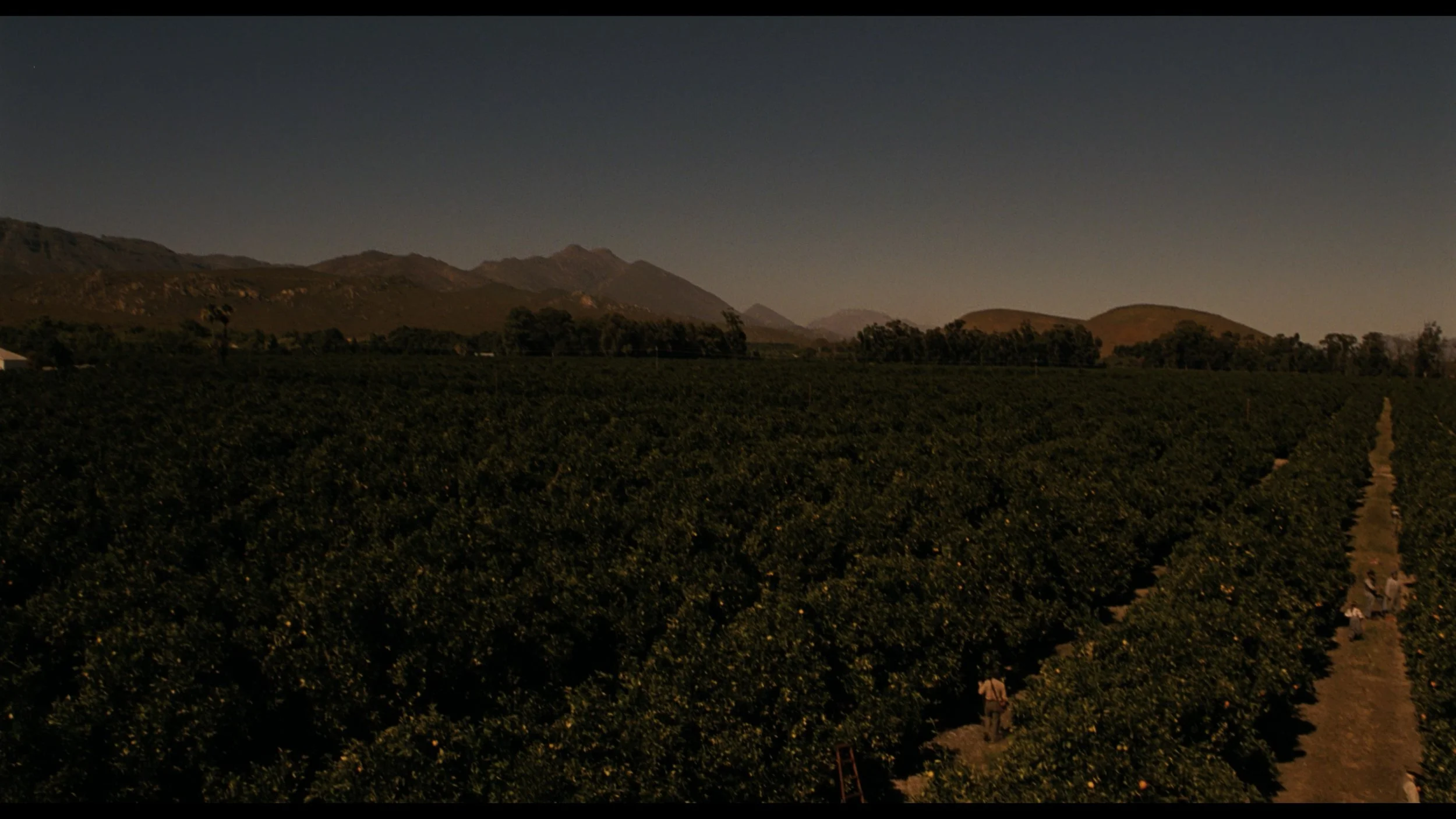
Tarsem’s The Fall is an ambitious visual masterpiece. Bearing an exquisite, otherworldly aesthetic without an ounce of special effects, director Tarsem went around the world to create brilliant, dream-like images full of surrealistic traits and real life architecture. This resulted into a collage of several art styles and movements with a dash of natural yet ethereal landscapes. Because the story exists inside Alexandria’s mind, it operates without adult logic or boundaries. As such we see vast deserts, impractical, vibrant, avant-garde inspired costumes (by legendary designer Eiko Ishioka), Islamic-influenced mansions, bottomless stepwells, butterfly-shaped islands, swimming elephants, and more which come and go to life through Ged Clarke’s sensational production design.
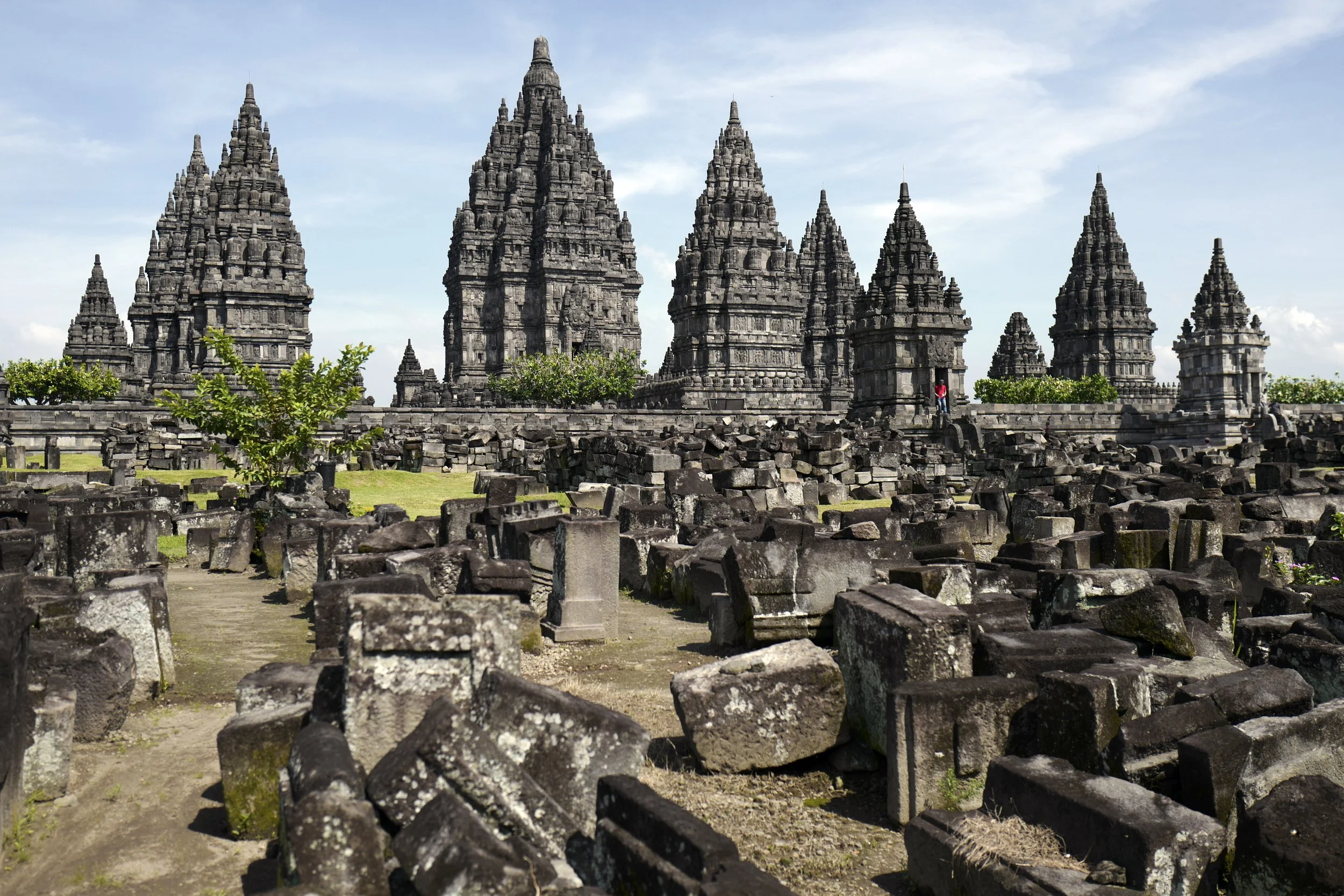
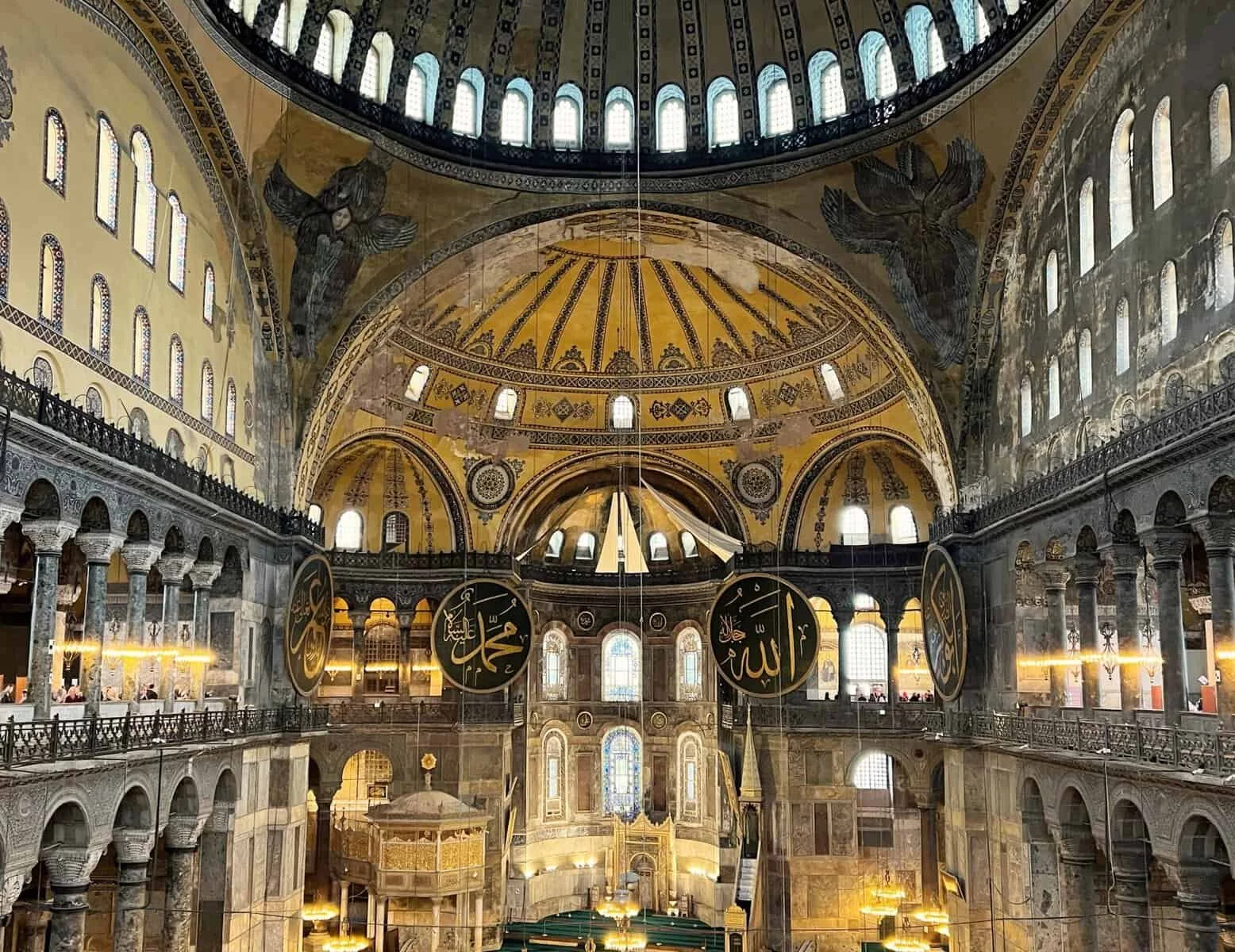
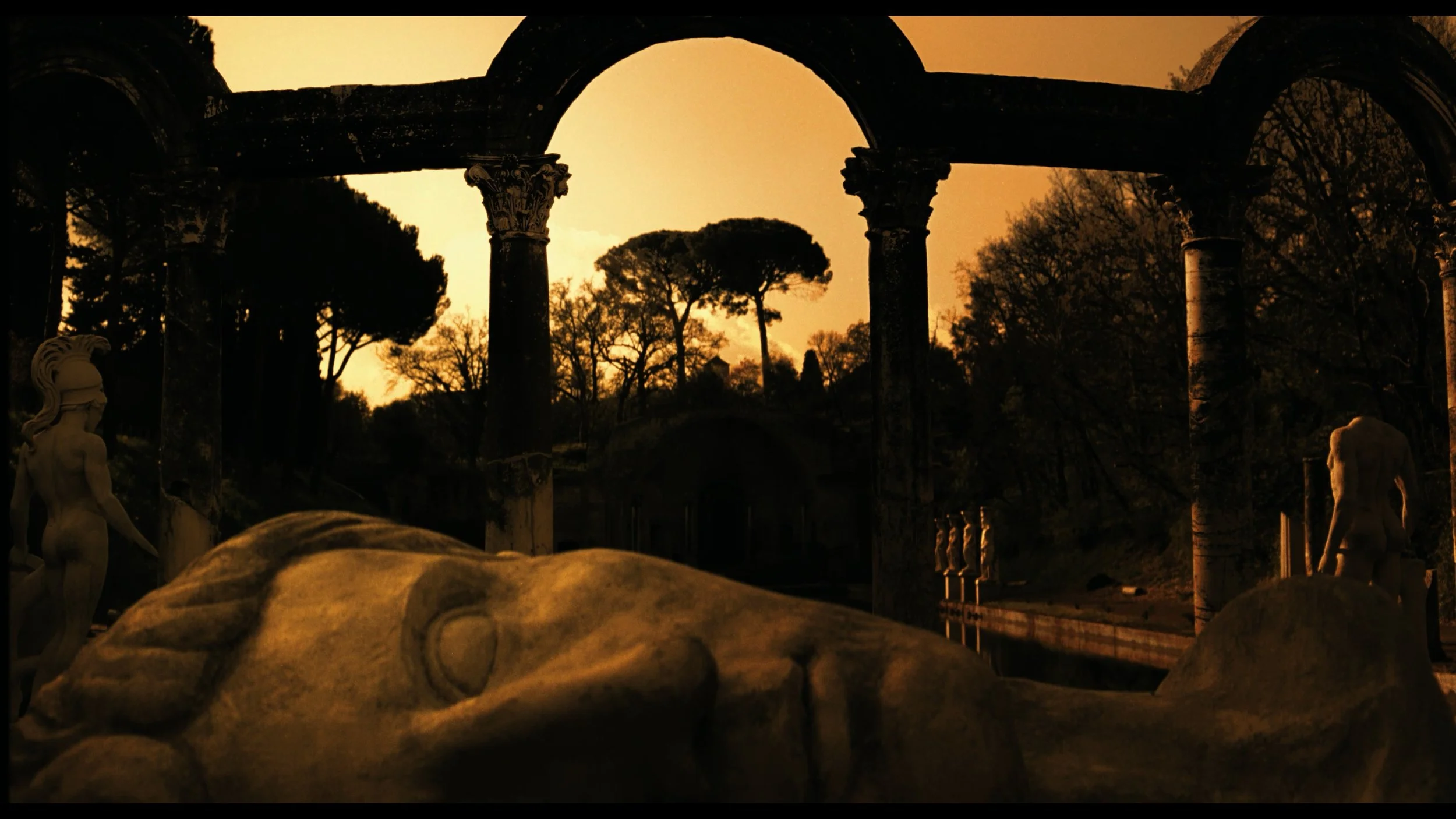
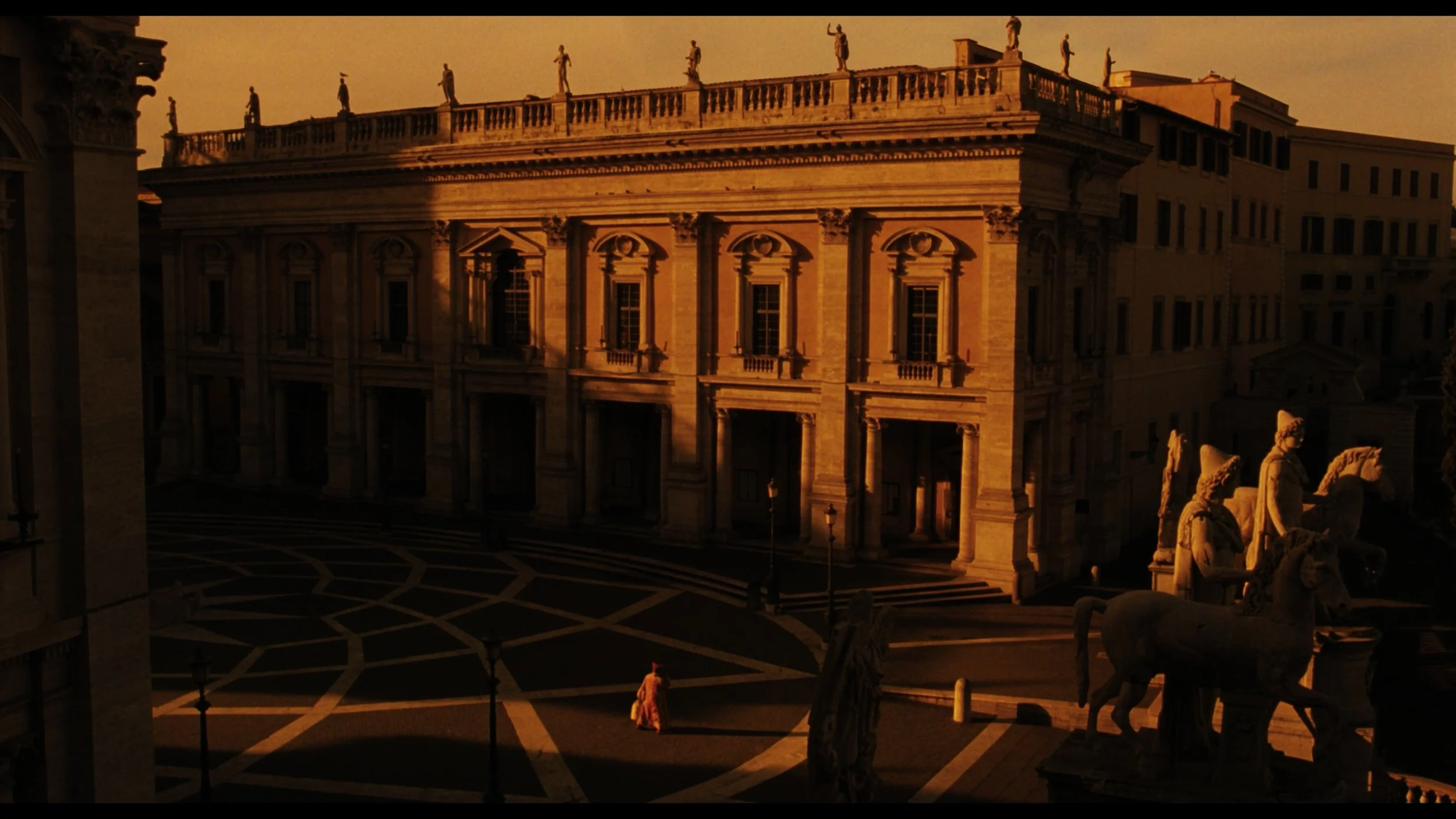
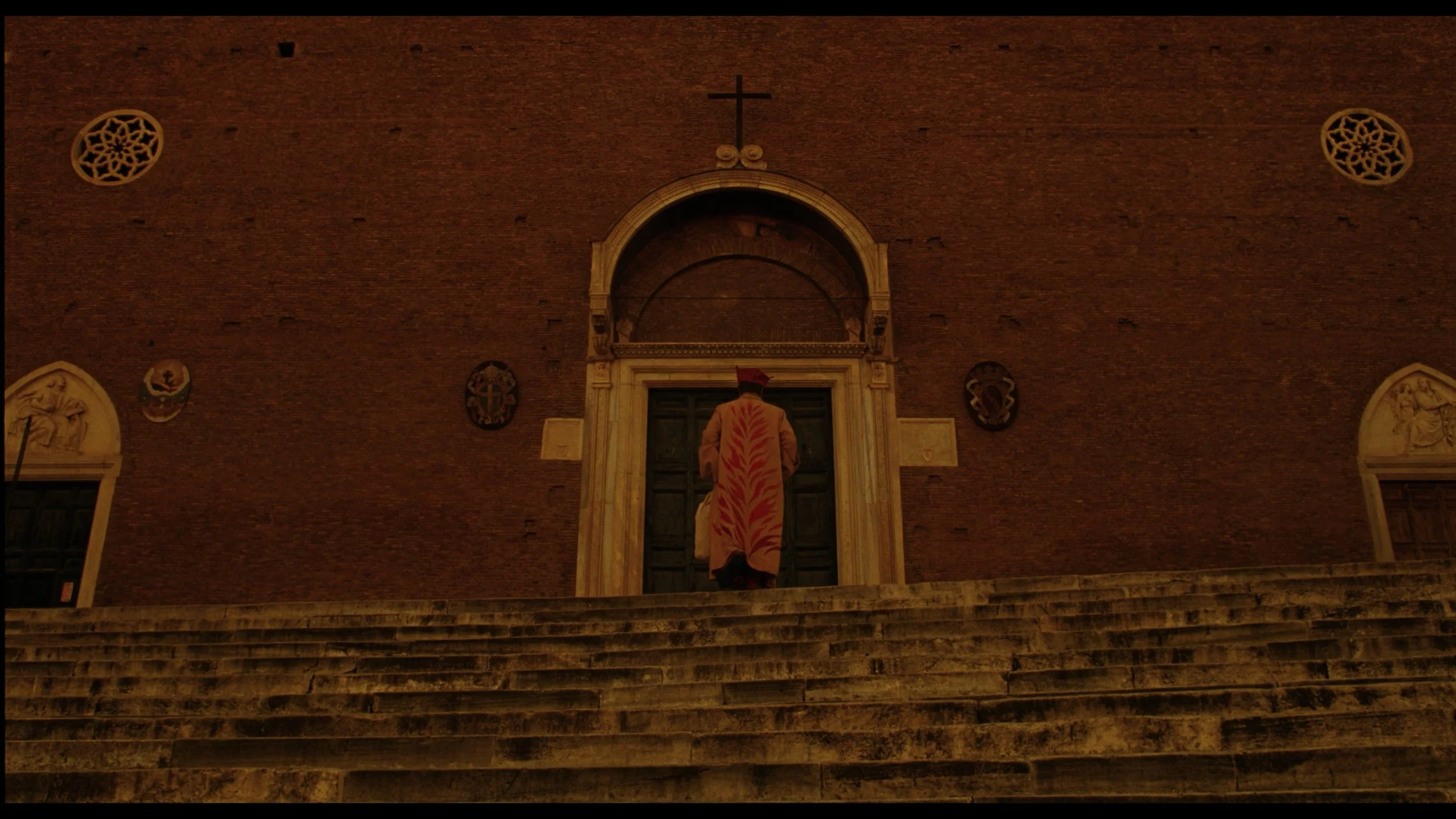
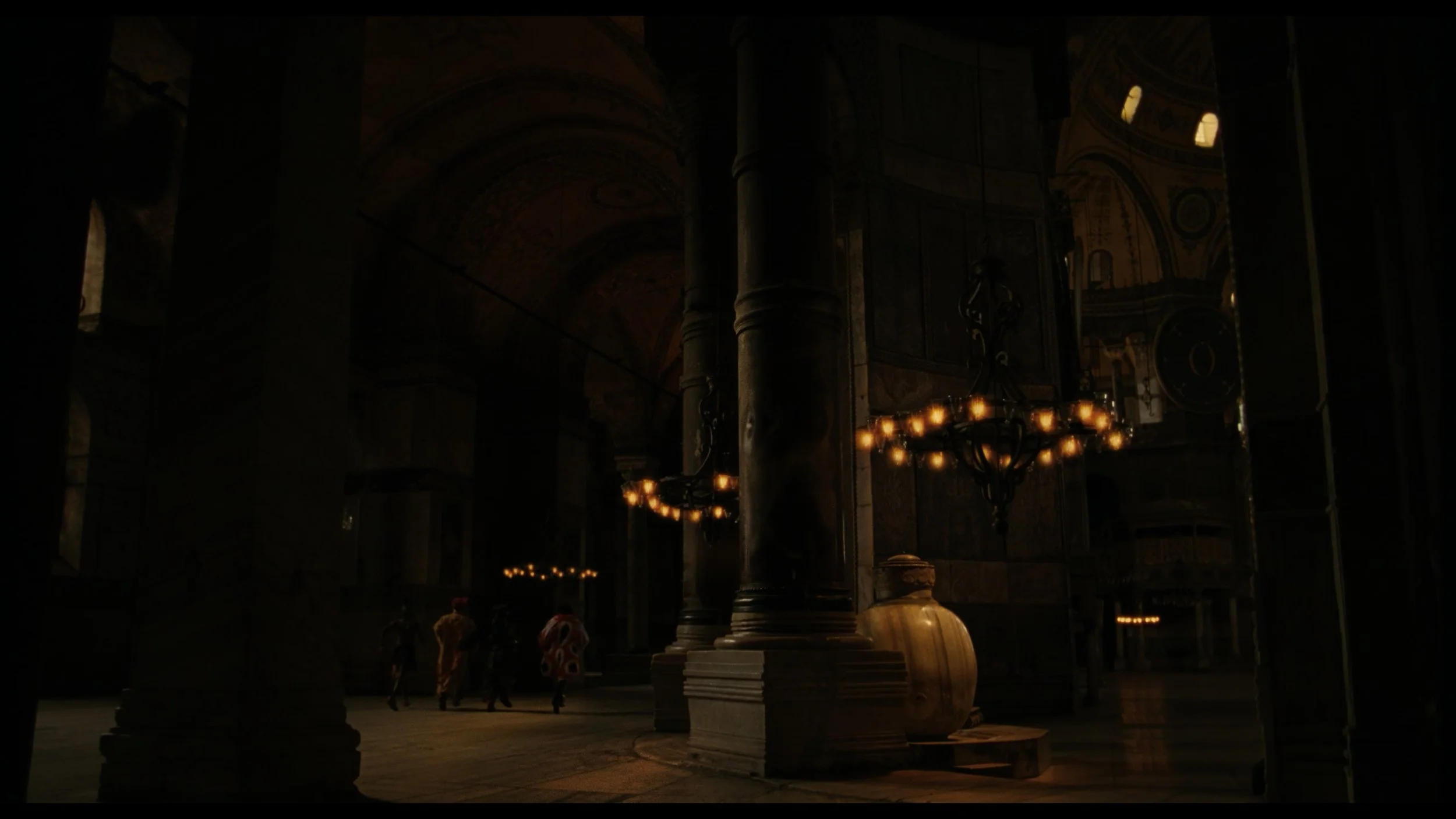
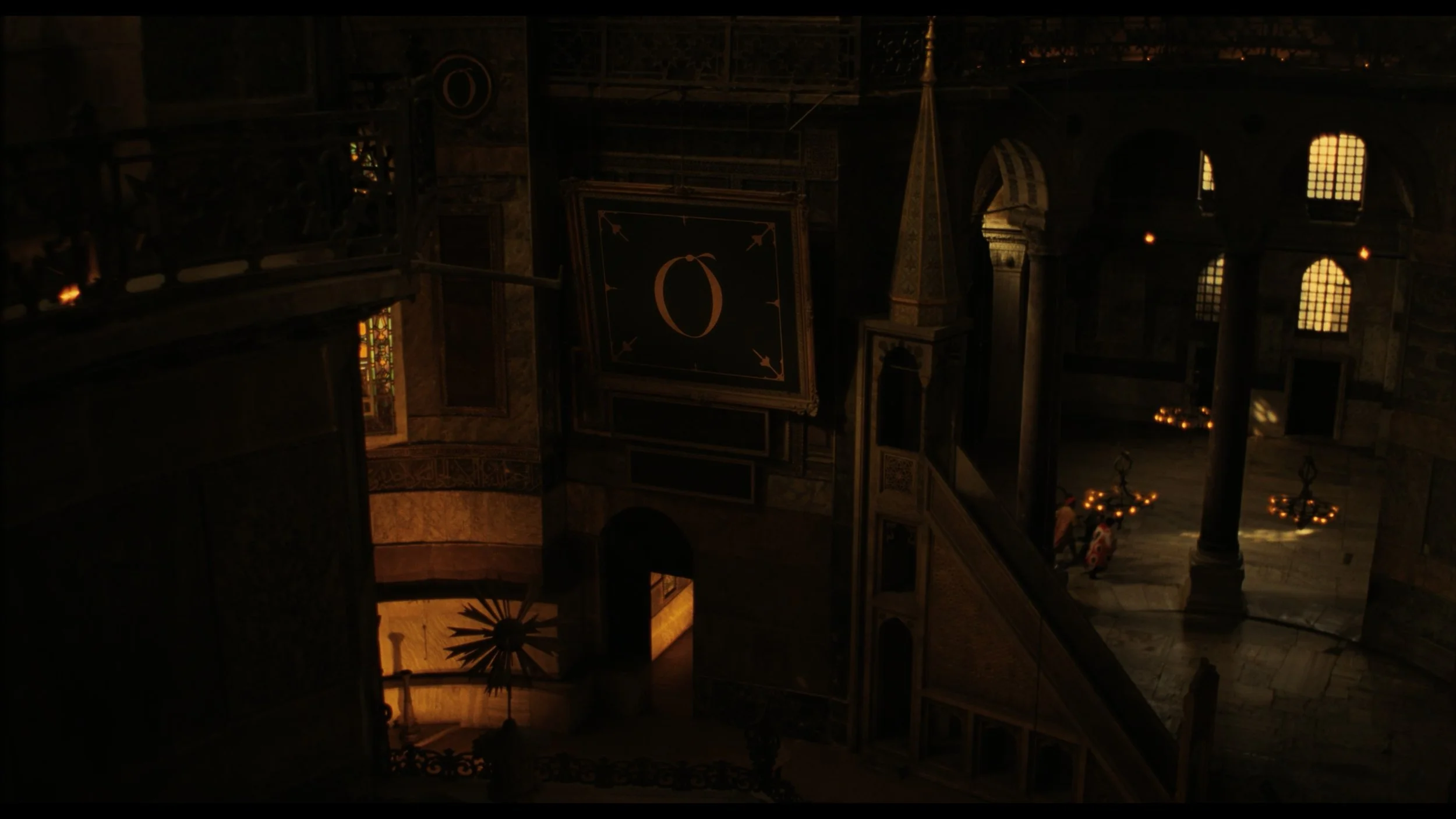
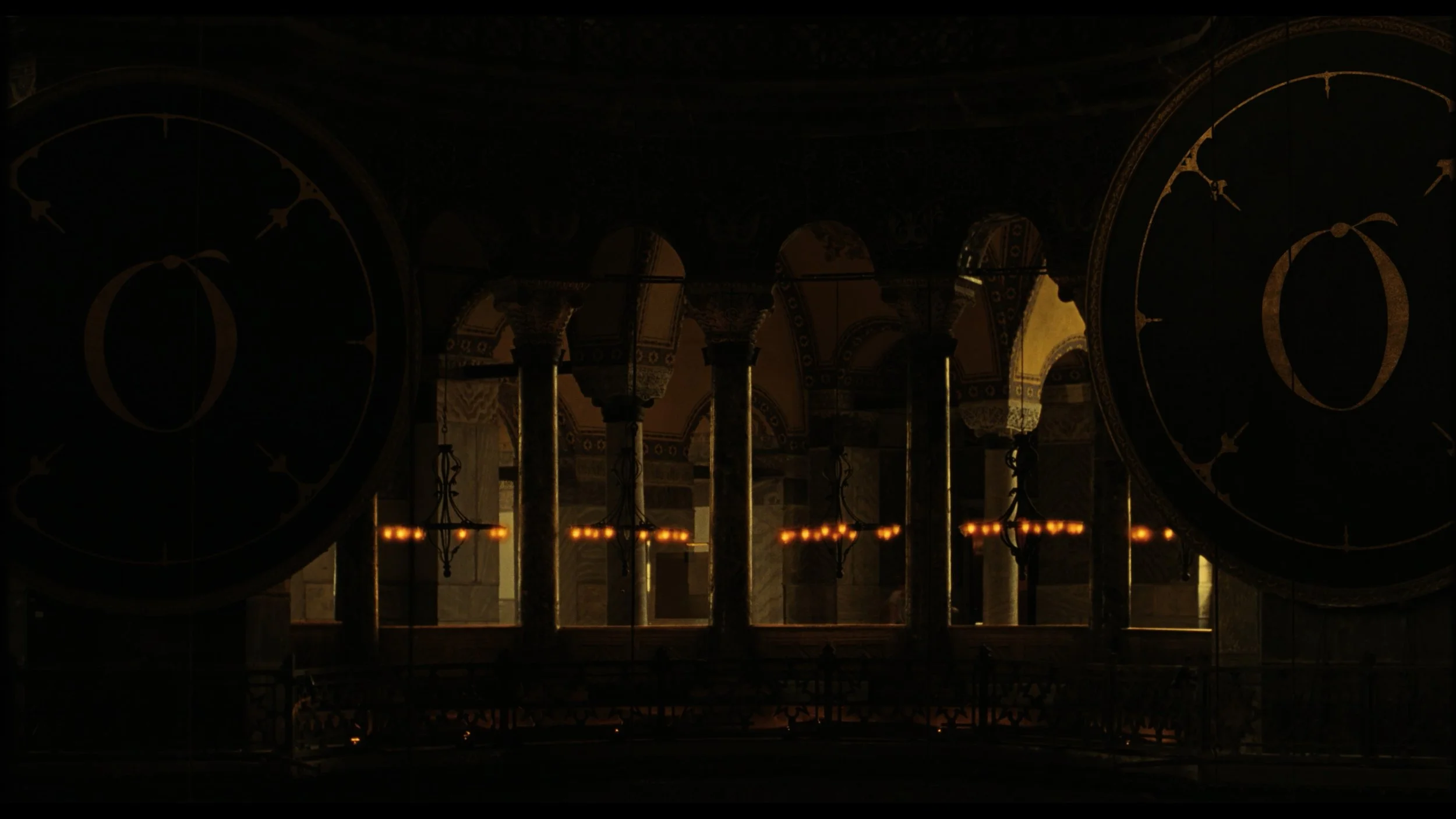
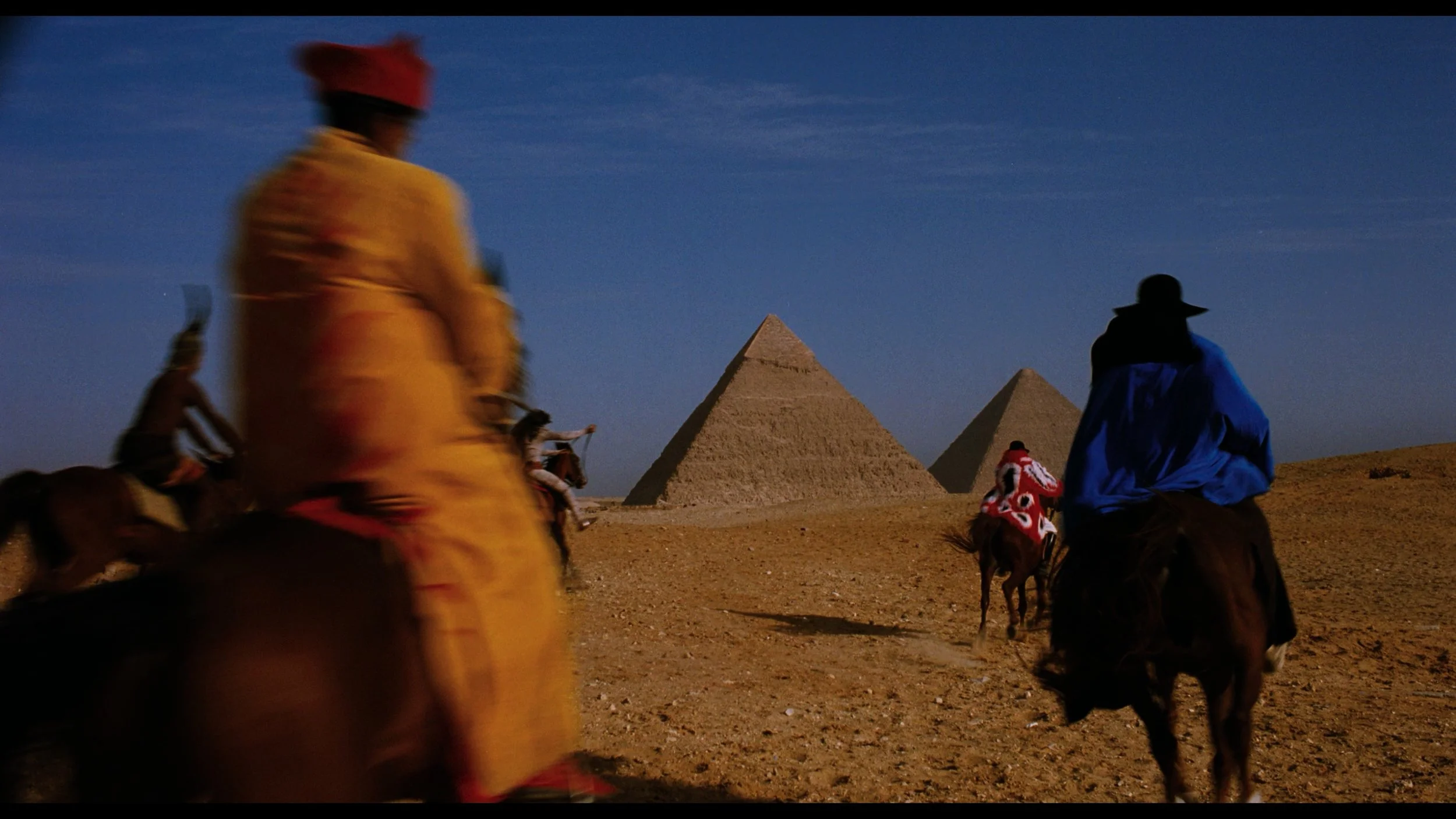
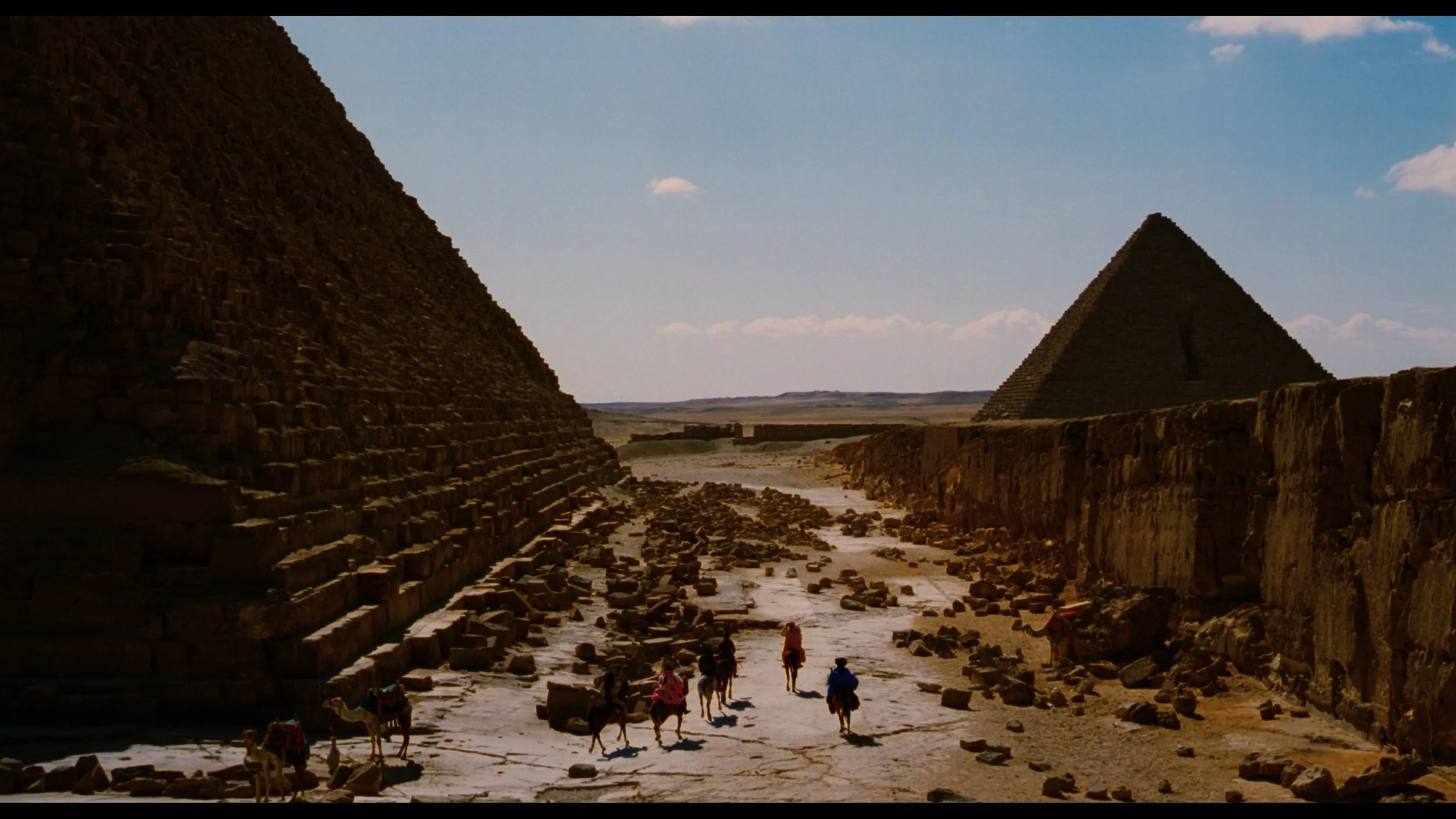
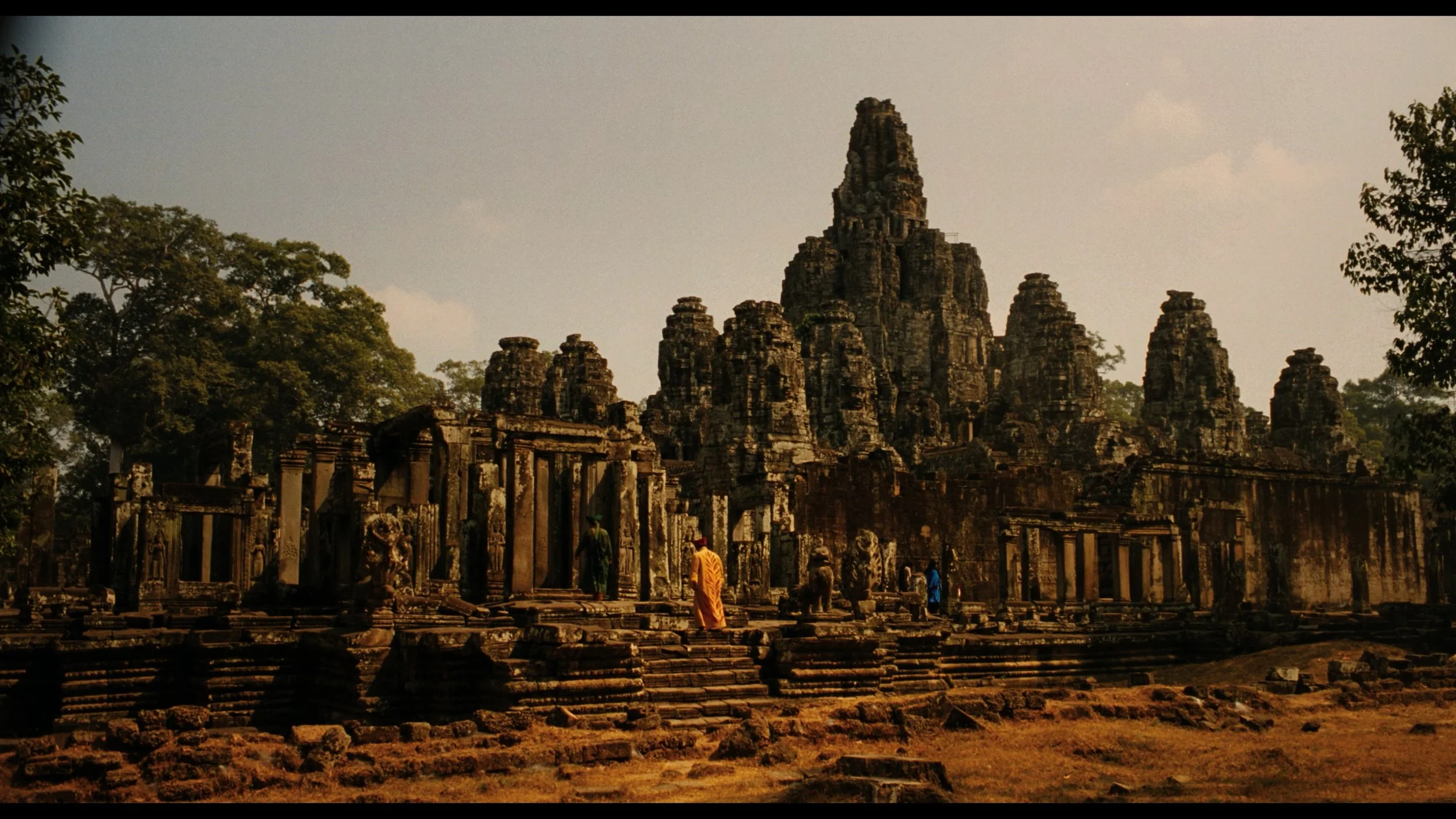
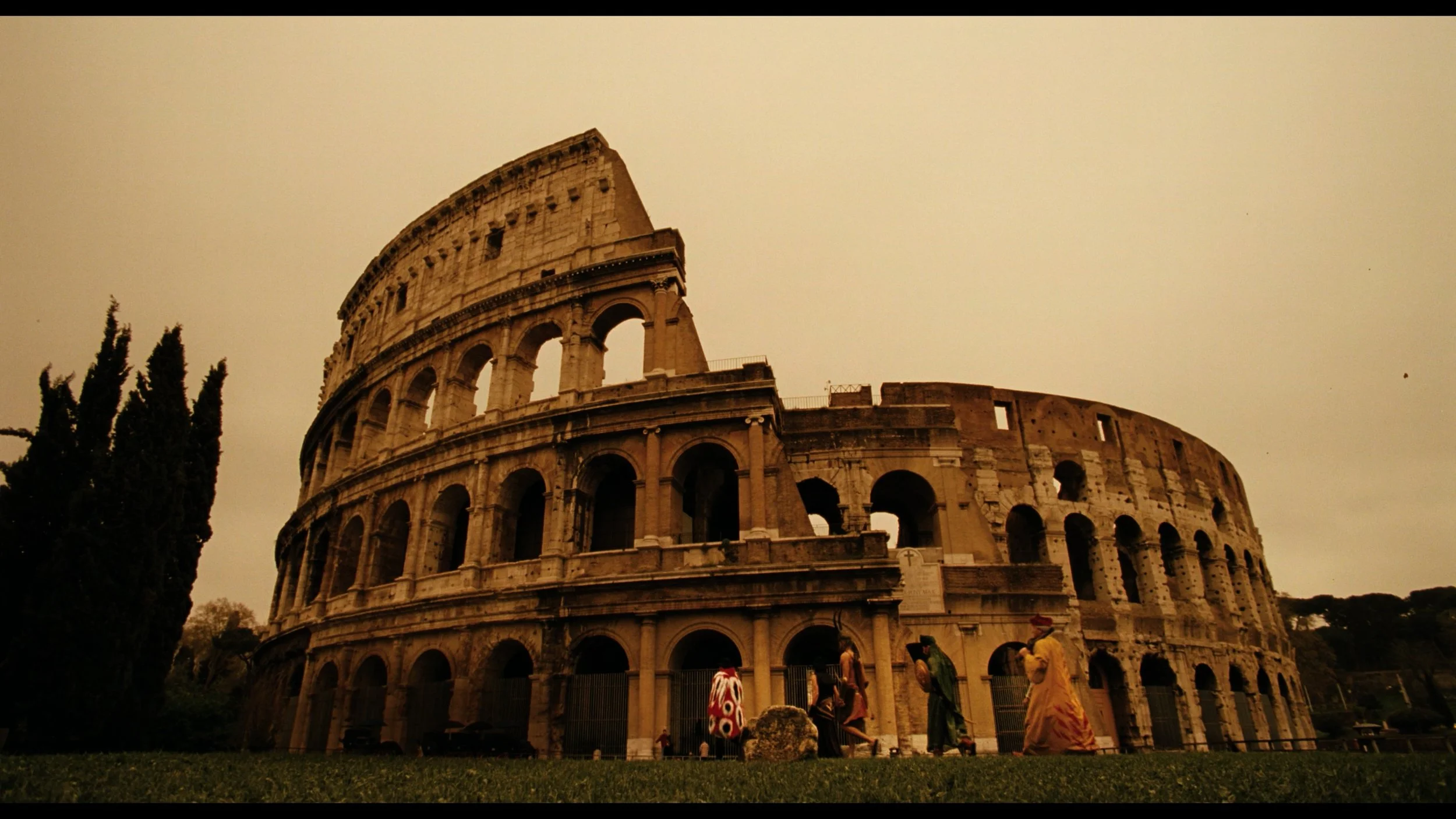
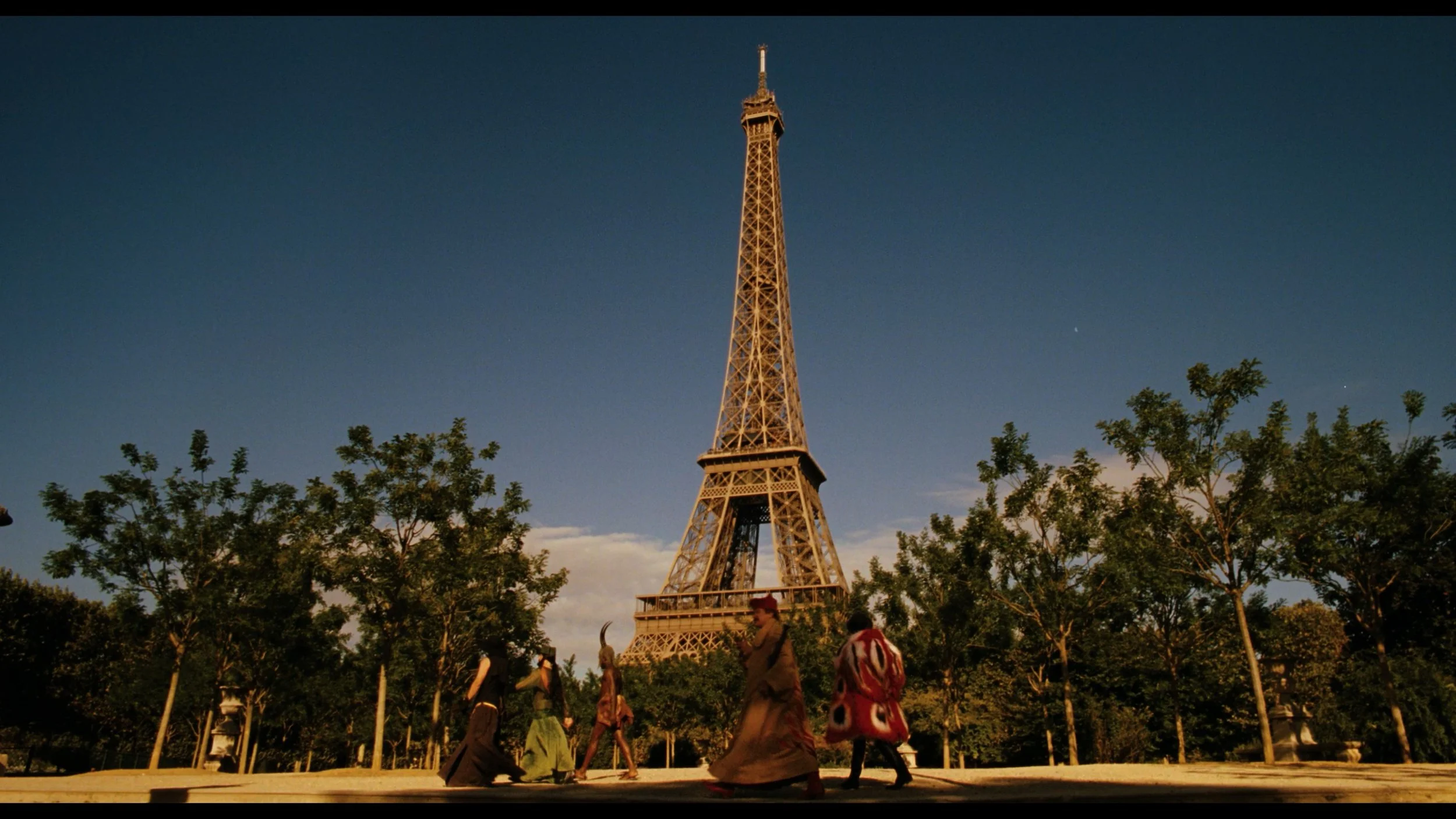
What Clarke has accomplished here though transcends the limits of similar movies like The NeverEnding Story (1984). These man-made and natural landscapes and buildings are real used to create a world where possibilities are endless. In a quick montage, Alexandria imagines the 6 group strong of heroes traversing the world throughout famous monuments. Giza pyramids, Indonesia’s rice fields, Agia Sophia are some of the world’s famous monuments and regions that are being presented as places of adventure.
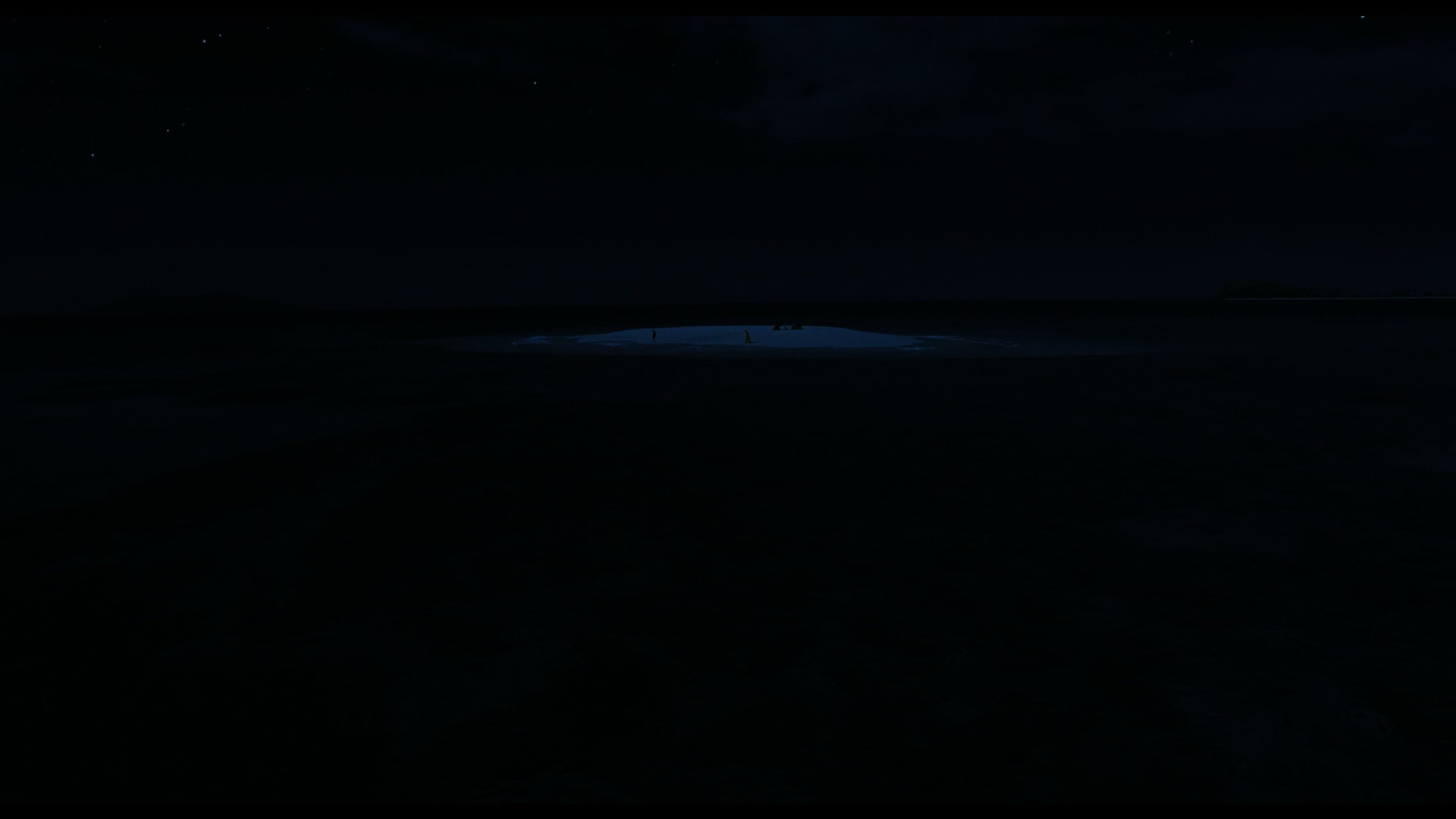
Yet Tarsem and Clarke go beyond a meticulous onscreen presentation but focus on conceiving some of cinema’s most finest and mesmerizing transitions - a dead butterfly seamlessly dissolves into an island in the middle of an ocean or a flash on a priest’s smile reveals a negative print on a white-scorched desert. Other visuals include a man exiting a tree, another falling backwards on the arrows that have pierced his back, and even a stop-motion sequence involving a brain surgery bears a sense of peculiar, eccentric beauty. If Salvador Dali was alive, he would have wholeheartedly endorsed this motion picture.
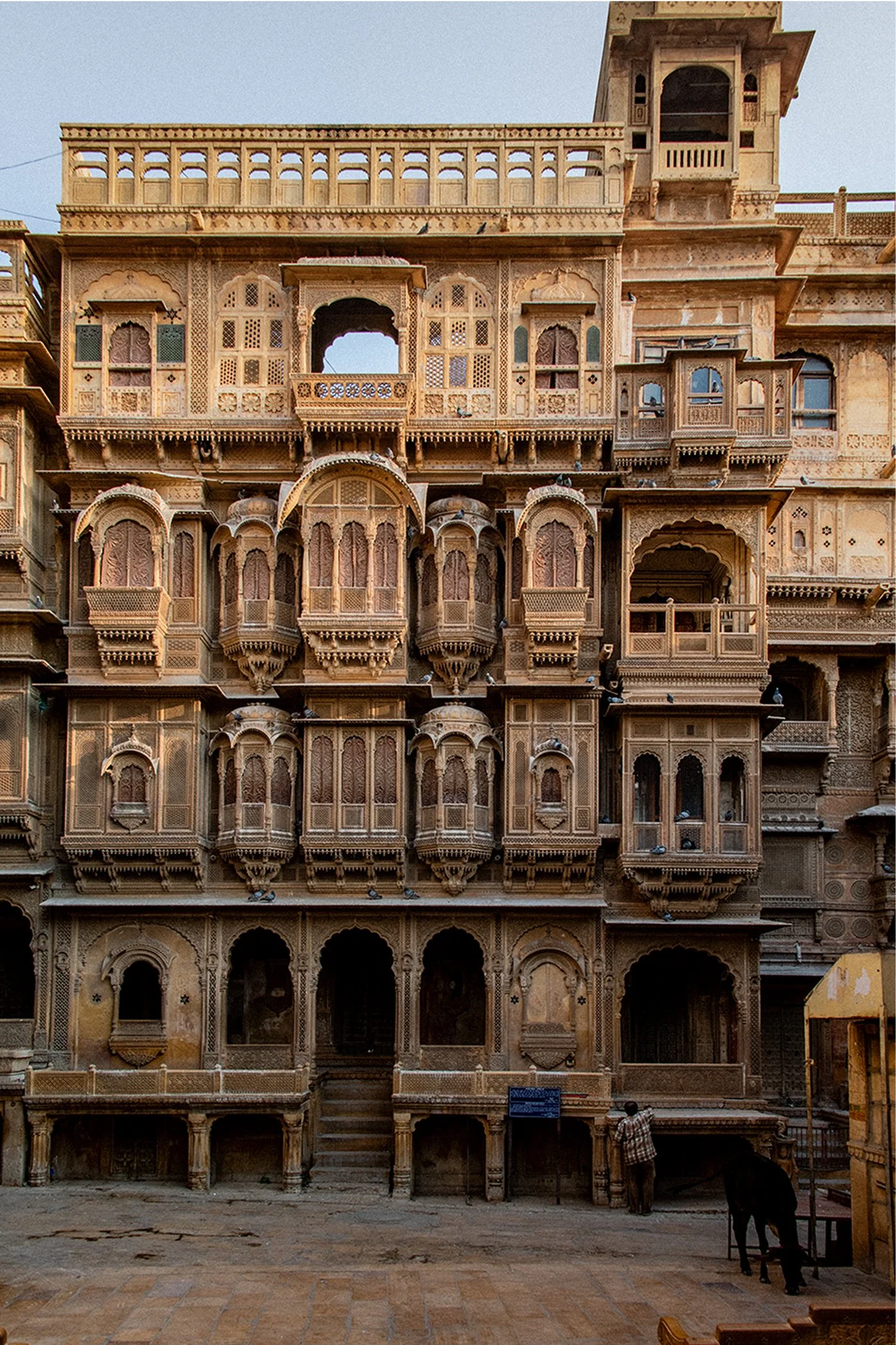
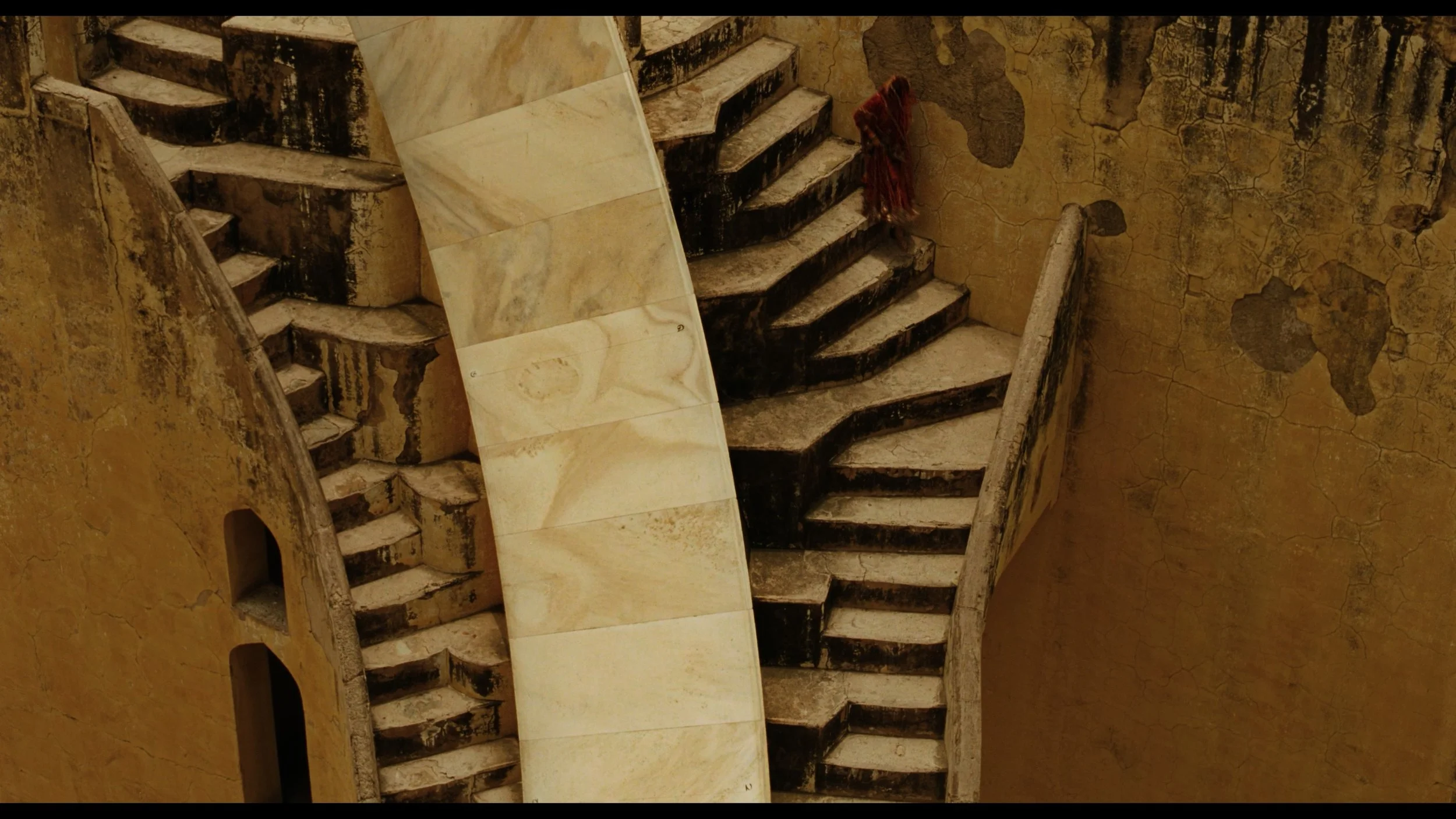
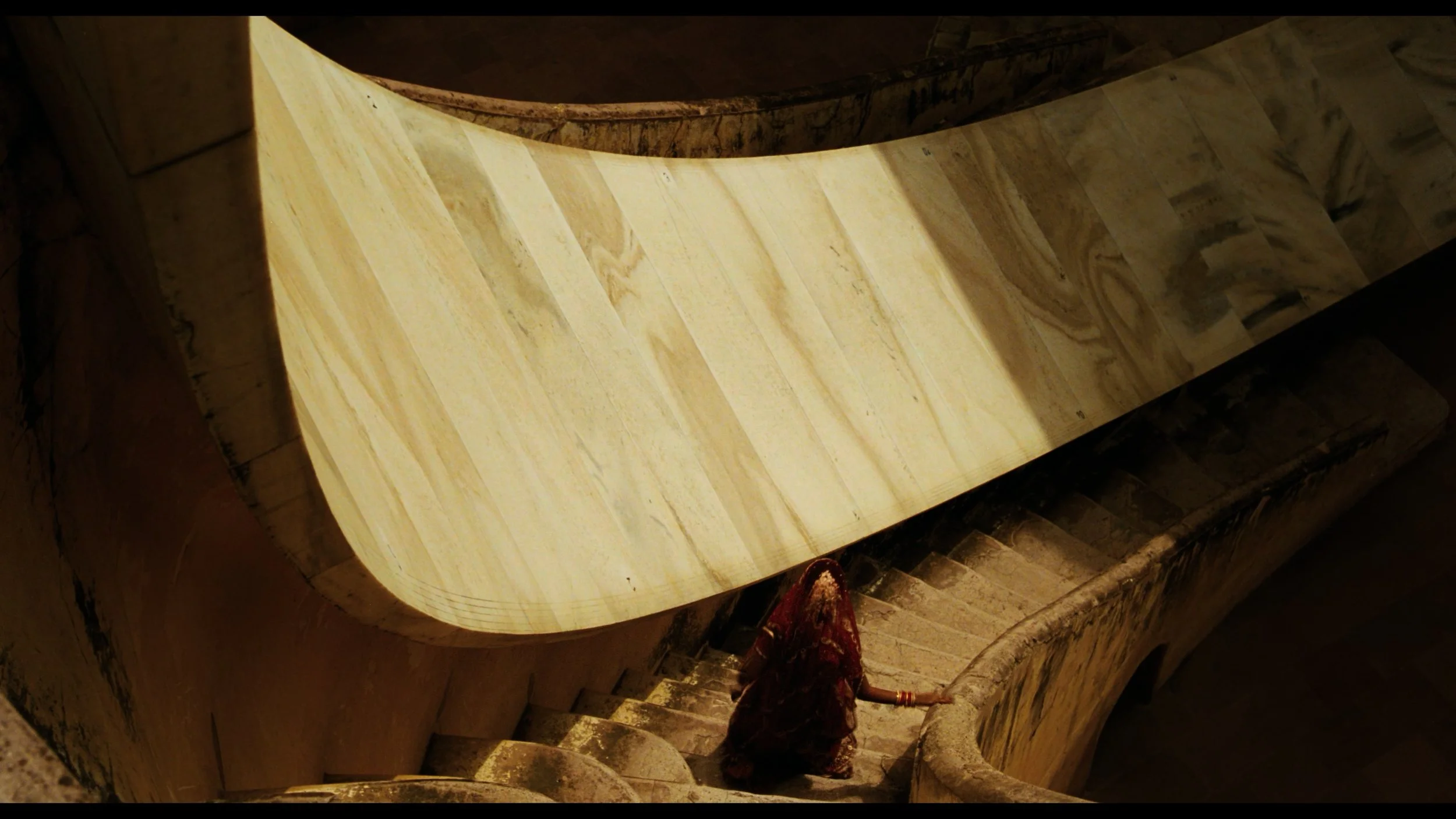
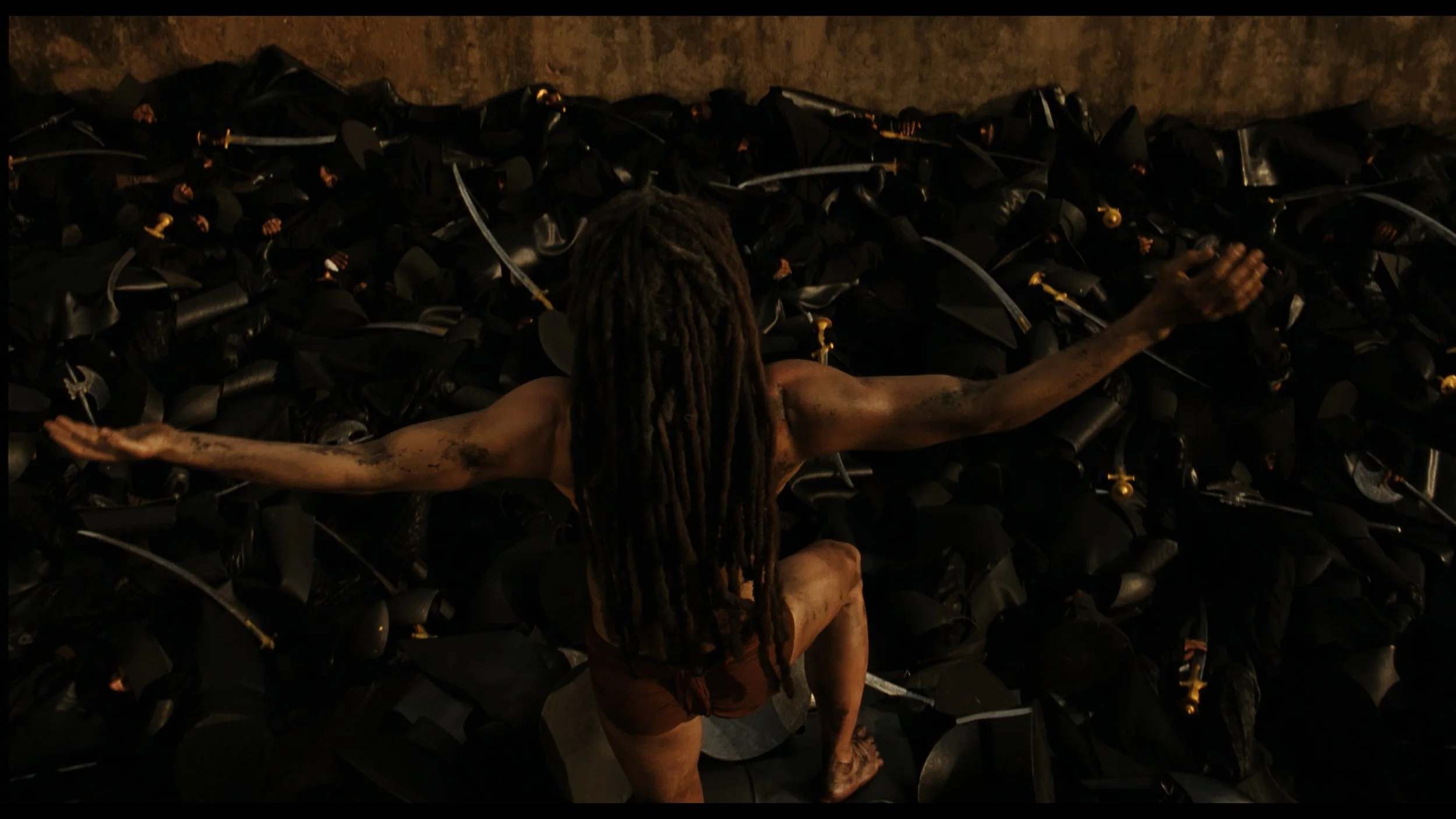
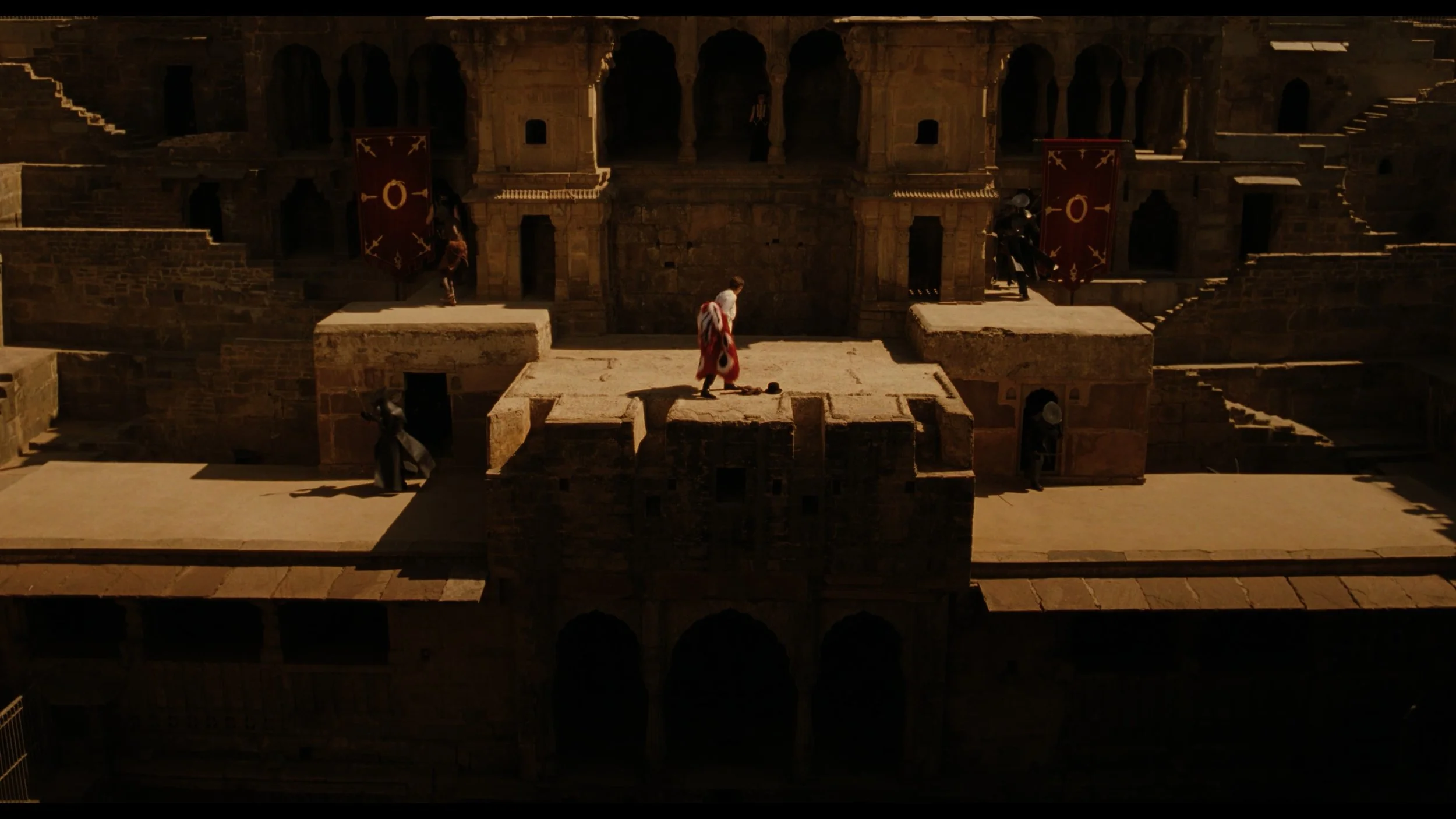
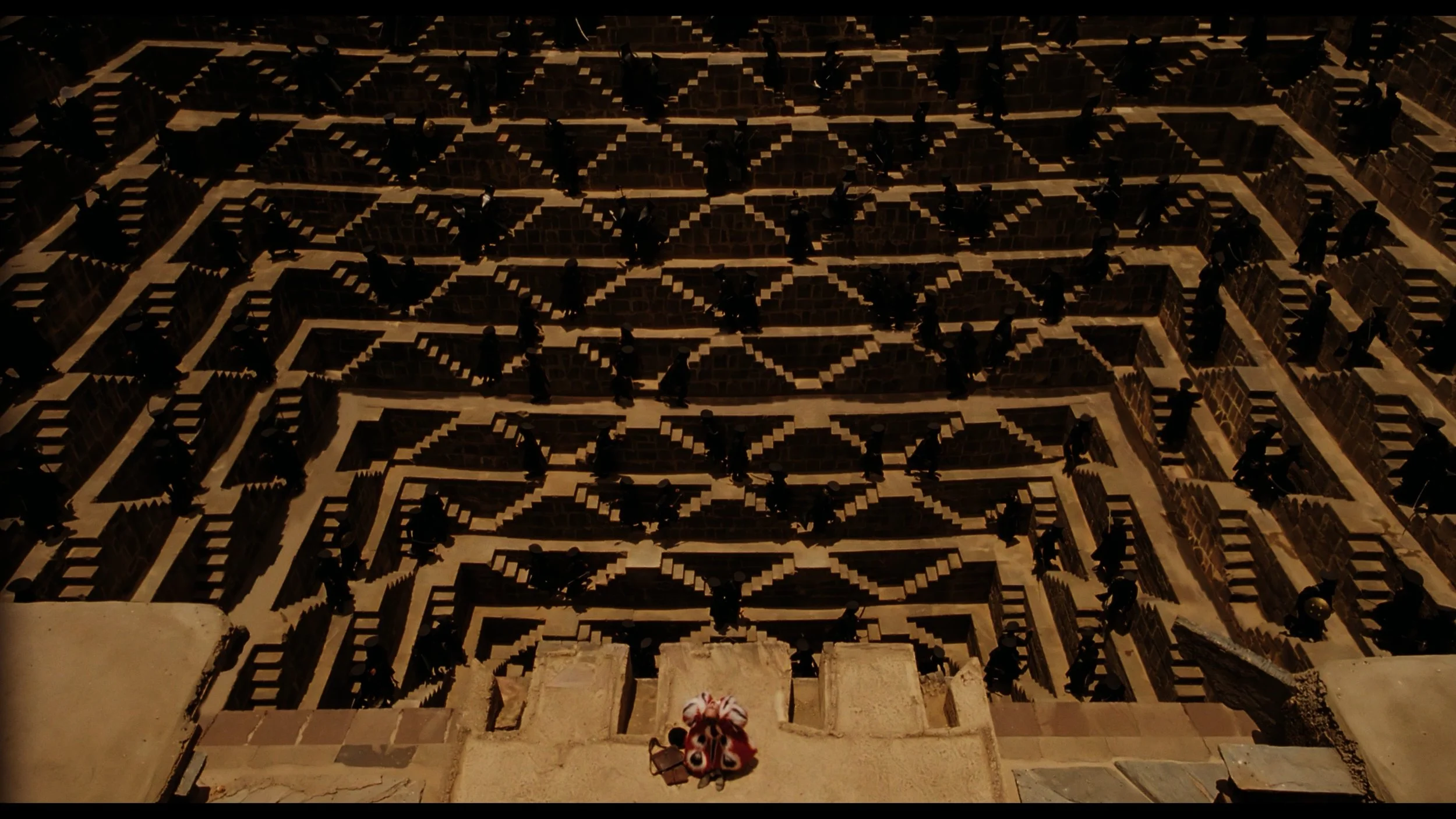
At times, The Fall can be viewed as style over substance, favoring stunning shots over narrative depth with each segment merely generating anticipation for the next display of marvelous architecture (ranging from Indo-Islamic to Ancient Roman and Hindu) and lyrical expressionistic designs that blend together myriads of disciplines to create something entirely new. Take for example the stepwell of India’s Chad Baori: empty and surrounded by its infinite stairs across three sides. The presence of black armor extras ascending though invokes a feeling of a factory coming back of life; or a black river eroding the earth itself depending on our own interpretation.
Moments like these cement Tarsem’s The Fall more as a piece of modern art and less as an independent passion project which was ultimately deprived of a cinematic worldwide distribution. Instead the movie transcends its role as a storytelling device and becomes something entirely else altogether. It is a genuine vehicle that allows the audience to see in vivid detail styles of architecture and art - from geometric Indian stepwells to monumental Mughal gateways and stark natural landscapes - under impeccable cinematography and a playful, cathartic direction.
Colors
English blue, copper canyon, everglade, cioccolato, neutral yellow, graphite black, Lebanese black, punga, classic maroon, star sapphire, bronze
Influences
Hindu architecture
Surrealism
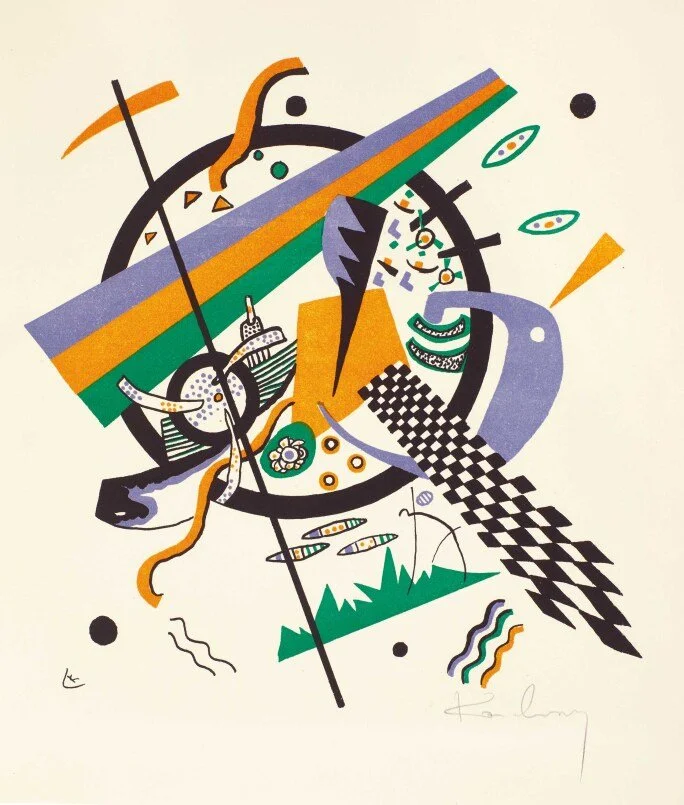
Lyrical expressionism
Avant garde style
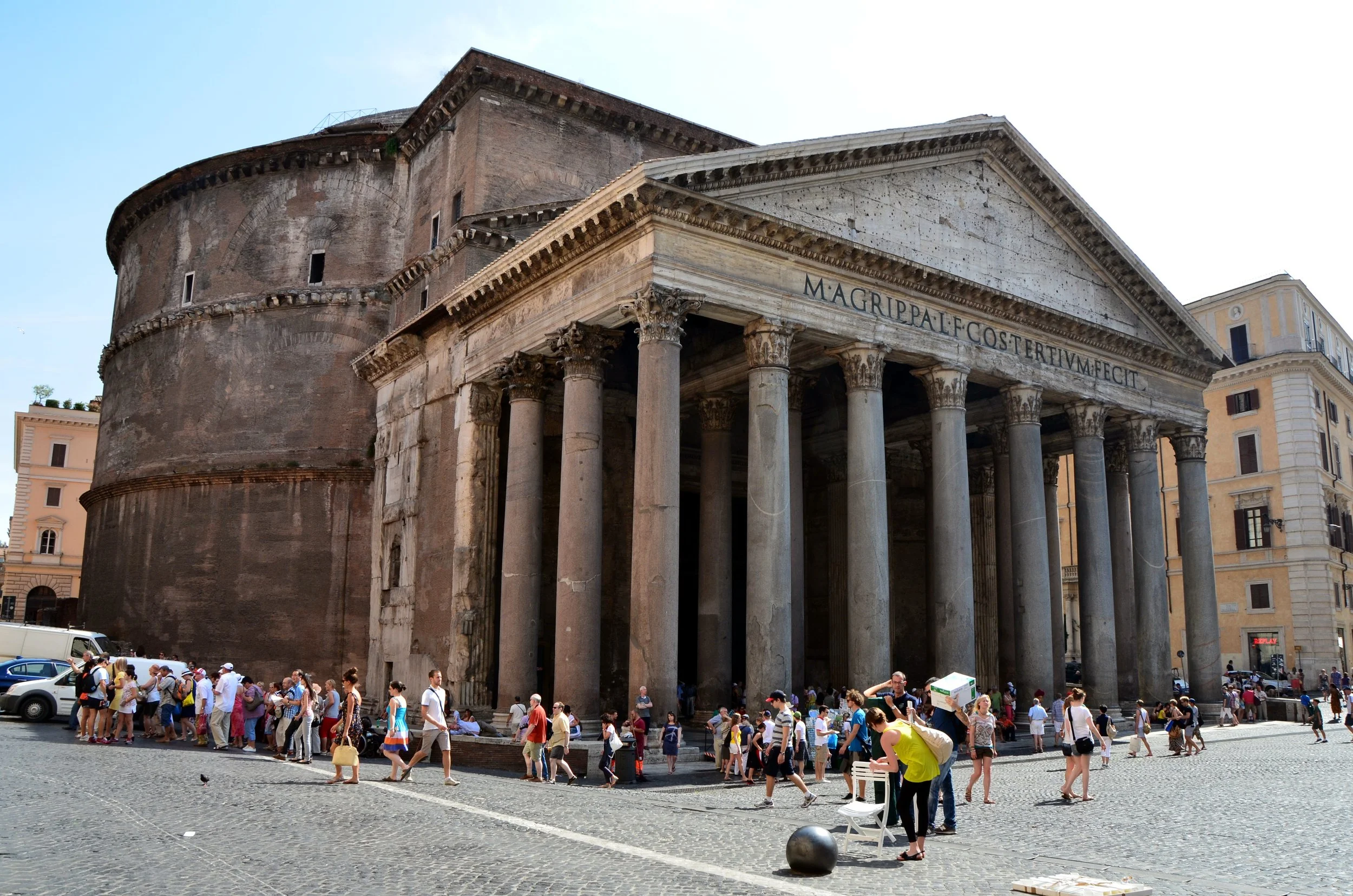
Ancient Roman architecture
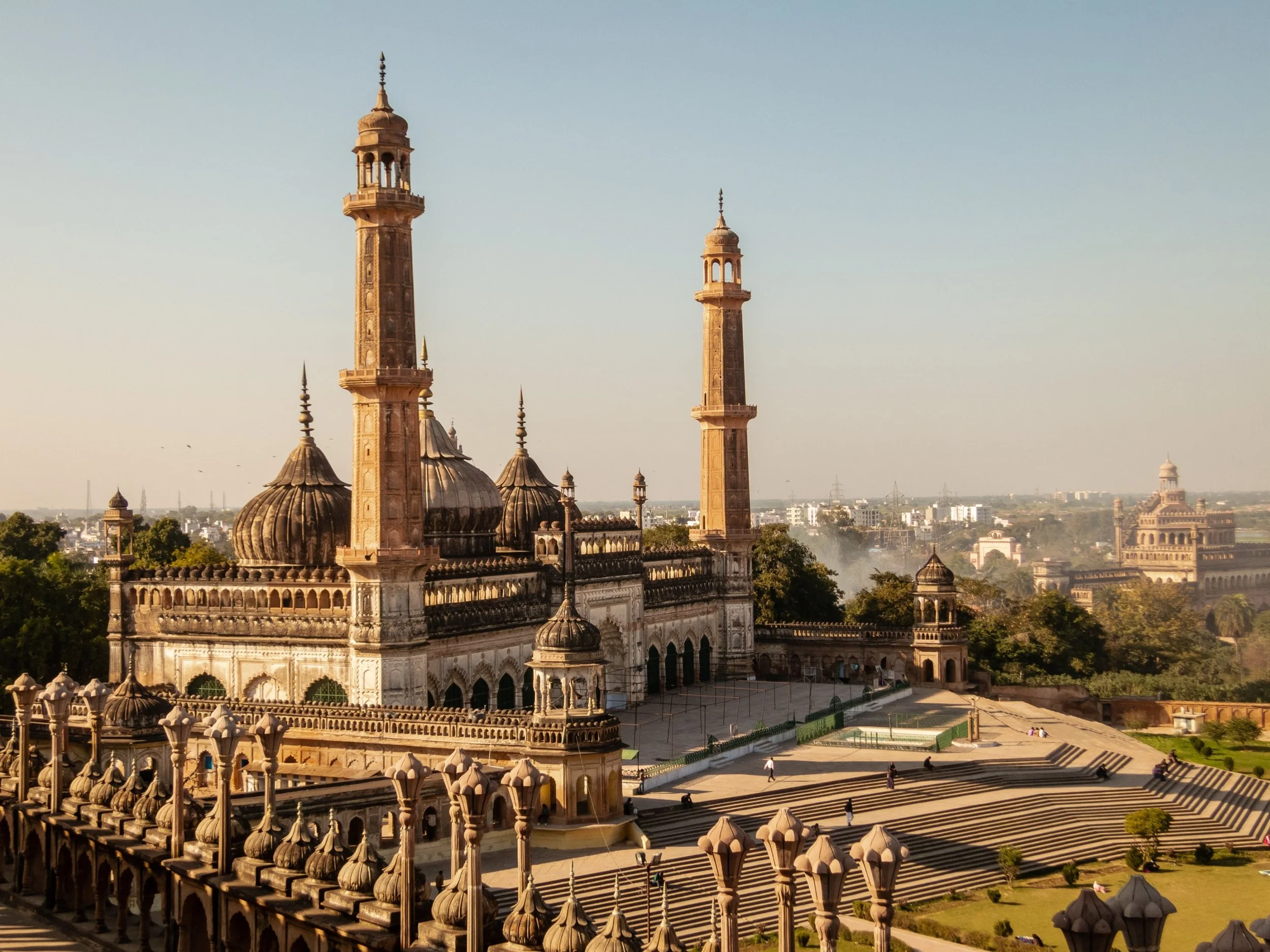
Indo-islamic architecture
Surreal natural landscapes
Eclecticism architecture
Rajasthani Vernacular architecture
Byzantine architecture