
28 Years Later: The Bone Temple (2026)
Director: Nia DaCosta
Starring: Ralph Fiennes, Jack O’Connell, Alfie Williams, Erin Kellyman
Primary genre: Post-apocalyptic
Secondary genre: Horror
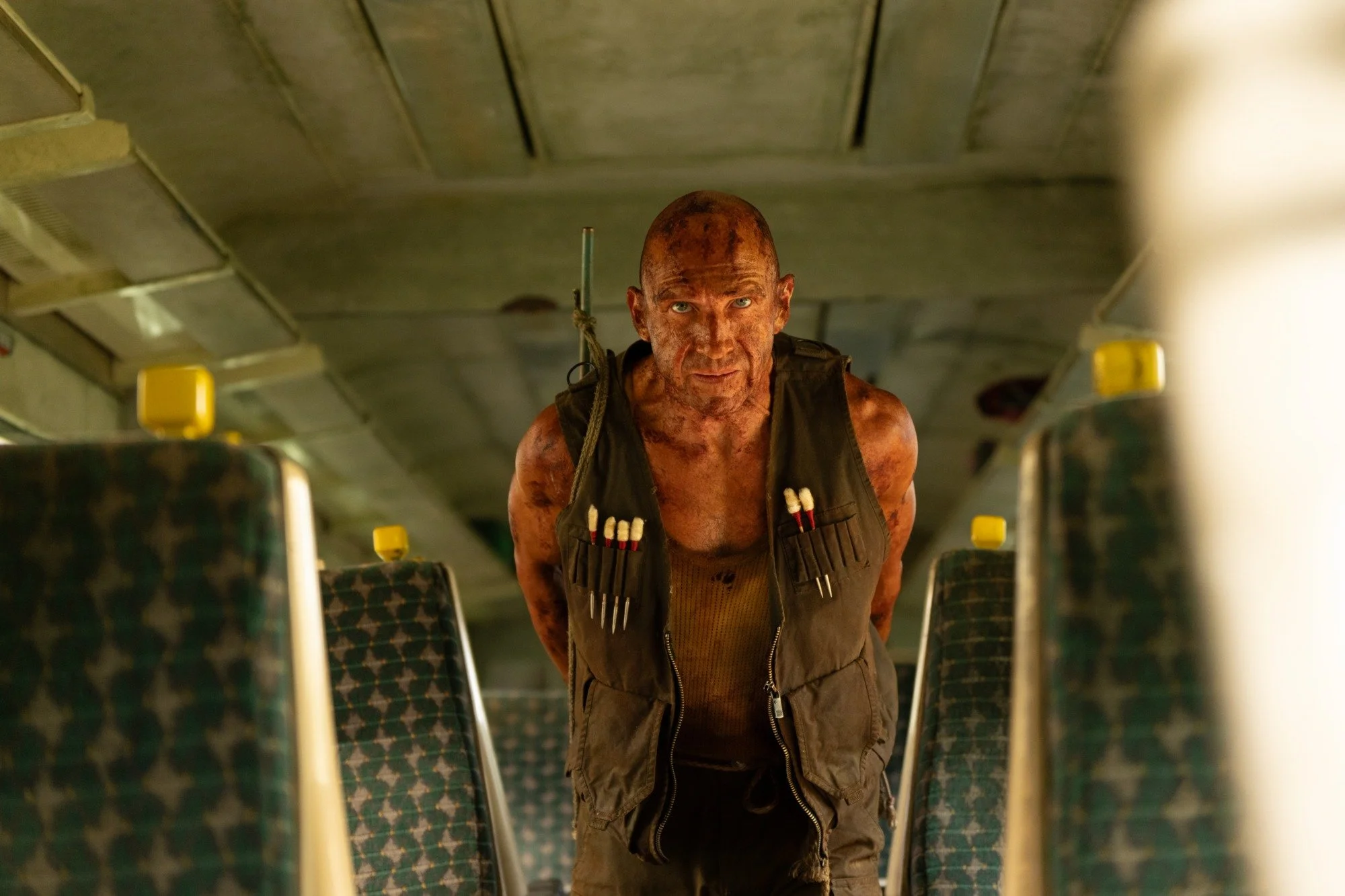
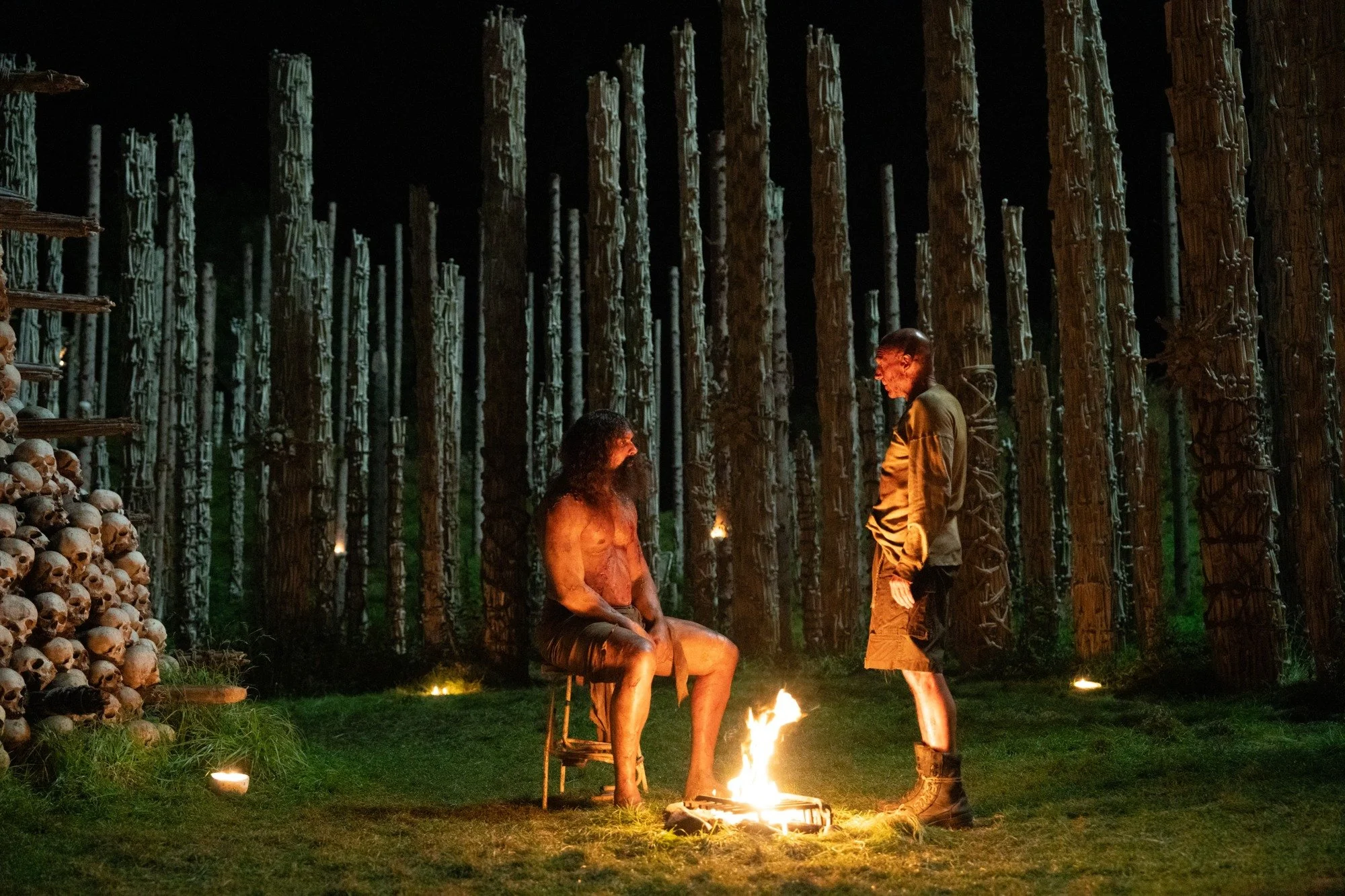
28 Years Later (2025) had a spectacular first teaser trailer. Desolate, creepy, and hopeless, Danny Boyle’s return to the horror genre was primed for something truly special. Then the actual movie was released and despite being a financial success, the audience was less keen to be duped again. This tonally uneven sequel with baffling decisions that reached slasher levels of stupidity, a myriad of plot conveniences, unintentional laughs, and most importantly, not a single moment of terror resulted in a box office failure for The Bone Temple six months later. Thus, one of the most visceral horror entries in recent memory disappeared from existence altogether.
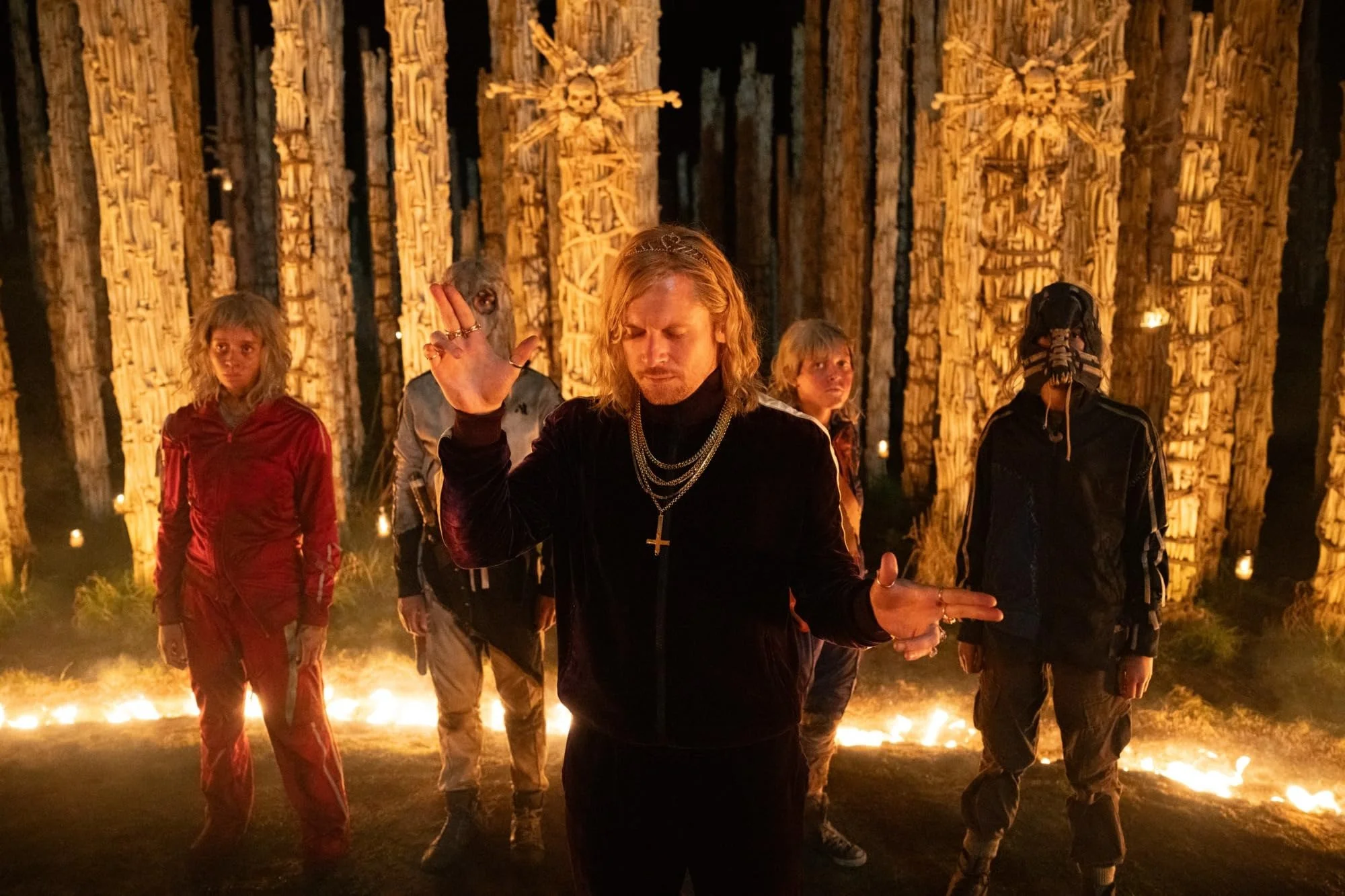
DaCosta’s flick is what 28 Years Later should have been: tense, interesting, thrilling, and following the golden rule of horror films: featuring characters that you care whether they live or die. While there are infected (who appear when the plot demands it), the horror elements stem mostly from the loss of our humanity, represented here by Sir Jimmy Crystal. Played with quiet menace, enough charm, and an excessive amount of apathy, Jack O’Donnell is sensational: a master manipulator whose experience during the outbreak has been twisted to fit his own trauma by believing demons roam the earth. He is doing Old Nick’s (aka Satan) work on earth, causing as much misery as he can with his followers - equally broken individuals all sharing the same name as the UK’s most infamous music show host, who turned out to be a prolific child abuser, Jimmy Savile.
While their cameo at the end of 28 Years Later was distracting and actually unnecessary, their role in DaCosta’s movie is deliciously meaty. Striking a nerve every time they are on screen, they are destined to clash with Ralph Fiennes’ kind-hearted ex-NHS doctor.Ian represents hope and kindness, while Sir Jimmy represents sadism and depravity, placing two radically different individuals on the same chessboard.
“If you can’t help me with my problem, I’m going to force-feed you your own intestines until you can no longer breathe.”
Thus, Spike takes a backseat to all this stuff - his family/village are never mentioned or seen - but considering how much compelling is the material here, Garland should not be blamed for trying to limit the scope and the array of characters. This, nevertheless, does give the film a feeling of a self-contained story considering all the stakes, characters, and current state of the world introduced in 28 Years Later.
DaCosta seems in her element away from the anemic Candyman (2022) and the corpo-product that was The Marvels (2023). The director is great at crafting suspense, taking cues from Tarantino’s way of presenting cinematic violence and tension. Brief glimpses of the aftermath or the use of sound are enough to make the audience wince, putting forward a strong case for UK’s post-apocalyptic countryside being a hell on Earth in a different color scheme. So when the violence happens, it hits effectively hard and fast and it matters without having a sense of gratuity but one of pertinence.
Despite being the fourth film and the middle chapter of this new trilogy, The Bone Temple’s finale is where this motion picture goes completely bonkers, cementing it as the most compelling entry in the running infected saga since the original. It is the sequel we deserved but got six months later. Now, let’s see how Boyle and Garland decided to conclude this story assuming the third chapter gets made and whether they will undo the goodwill of DaCosta’s efforts.

The sequel that we deserved first
+Compelling performances
+Eerie atmosphere
+Fascinating clash of heroes, antiheroes and villains
+Small and intimate scope
+Bonkers finale
+Great use of the power of suggestion
-Williams takes a back seat