
Happy Together (1997)
Director: Wong Kar-wai
Starring: Tony Leung, Leslie Cheung, Chang Chen
Primary genre: Romance
Secondary genre: Drama
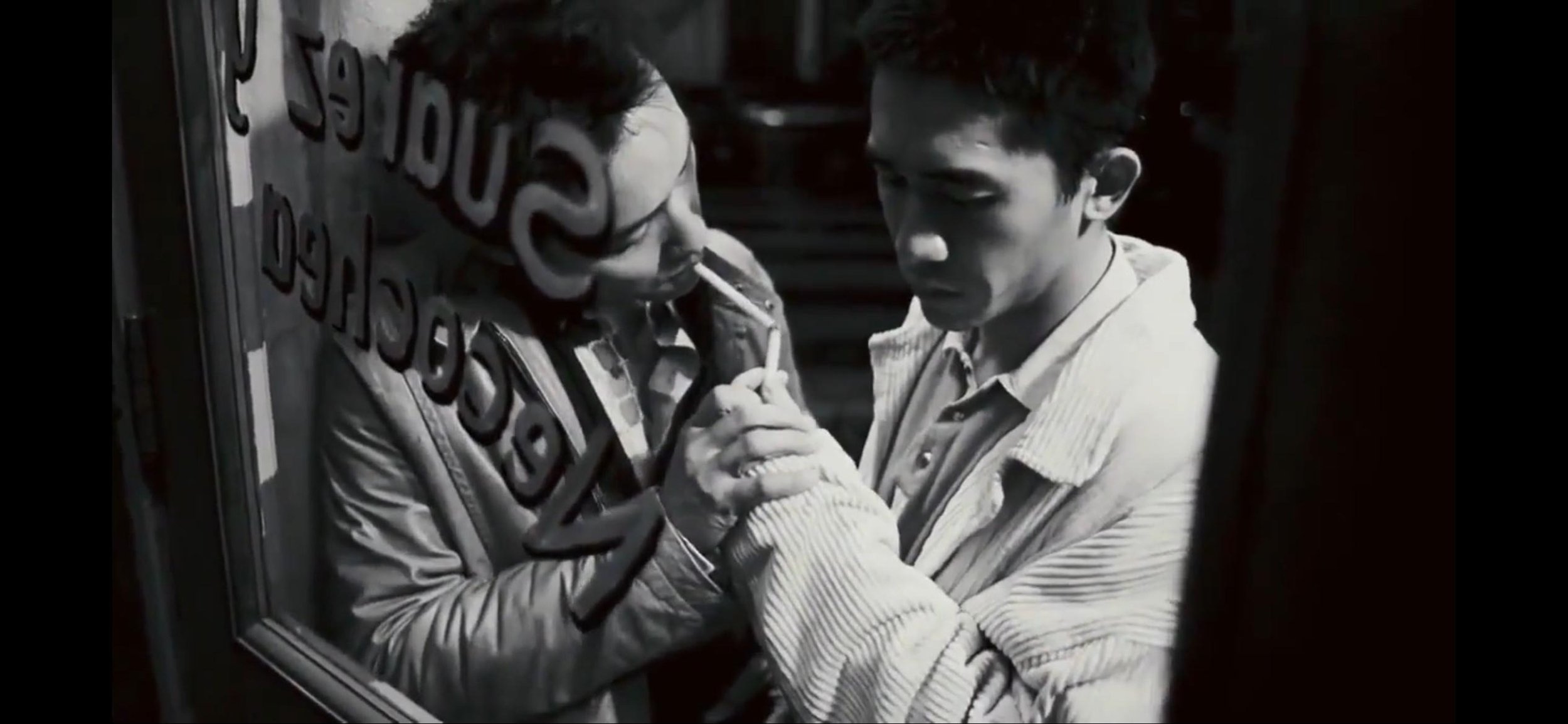
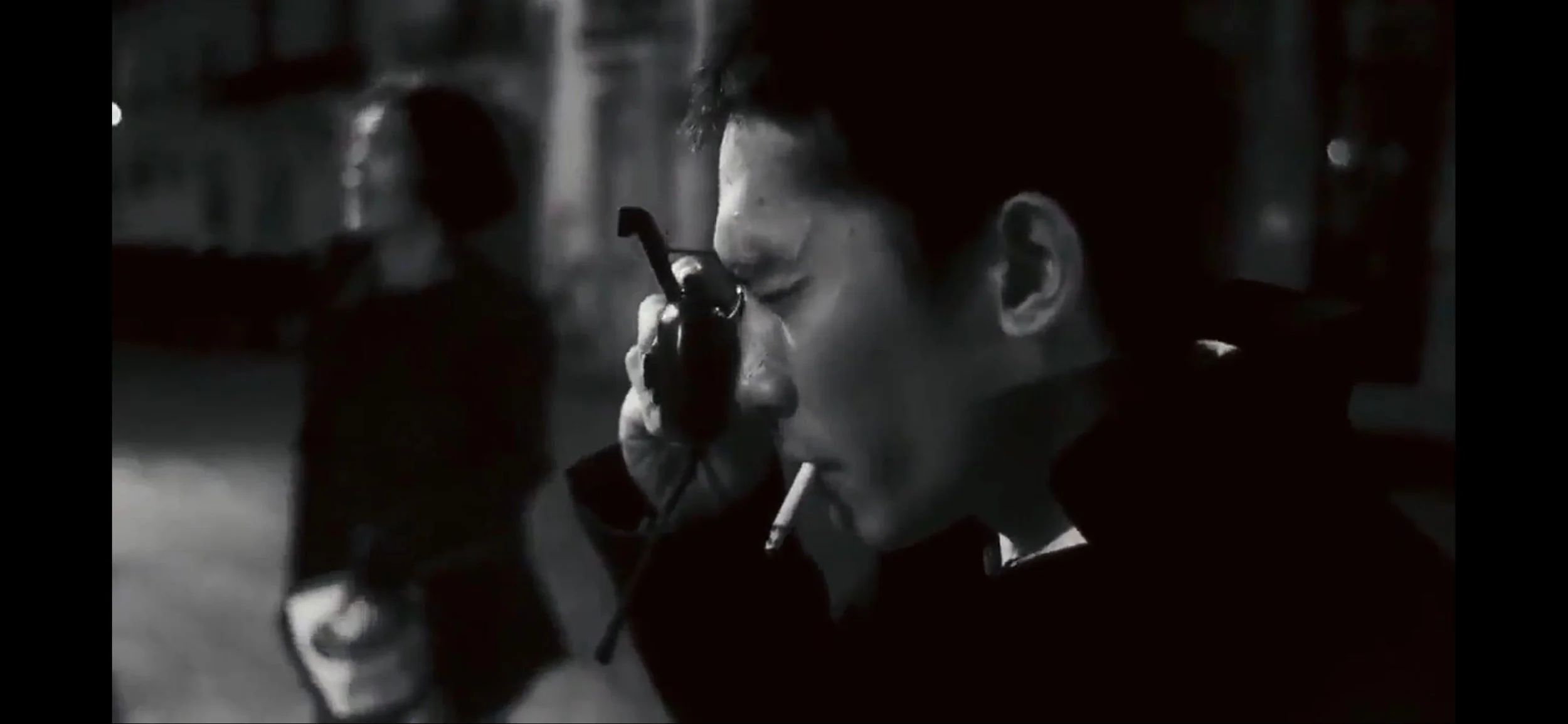
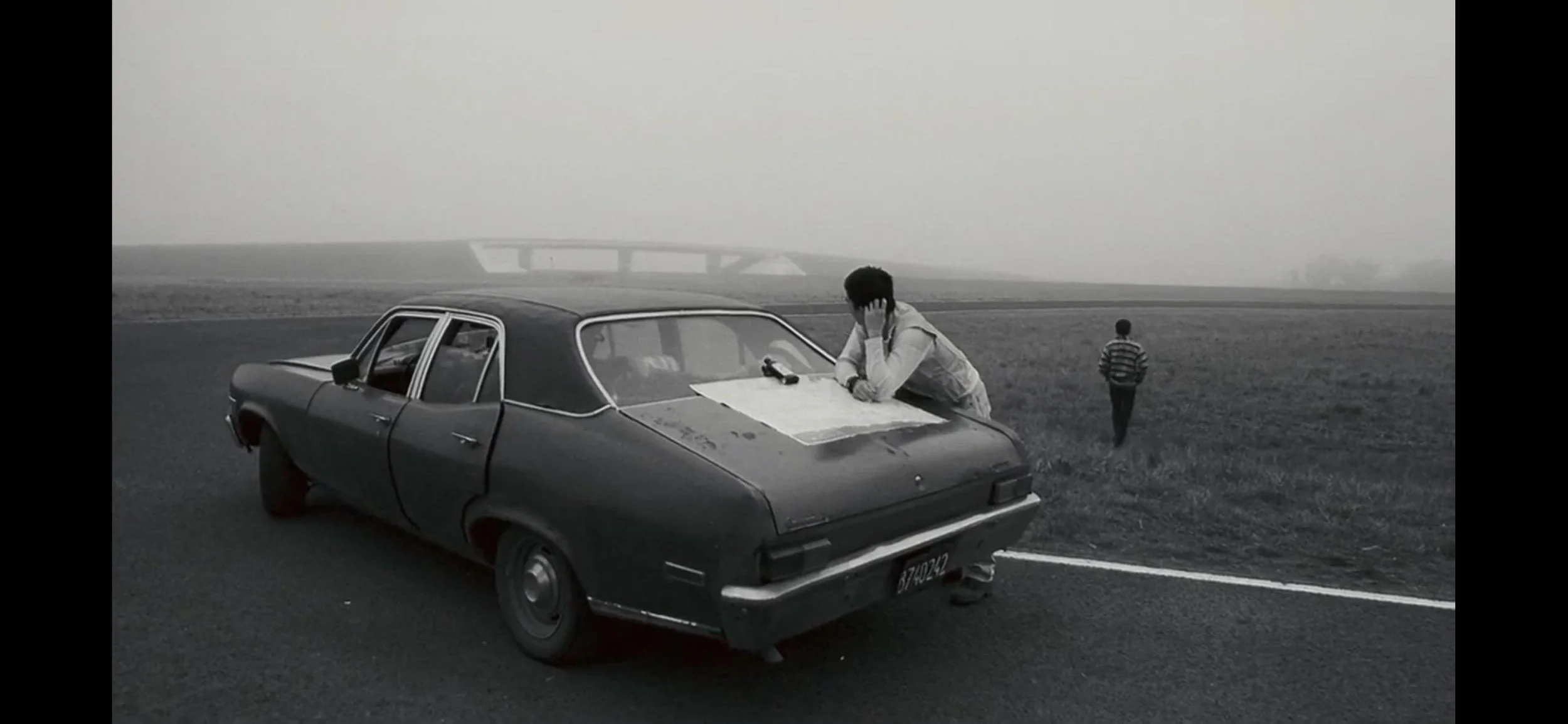
One of the most unique voices in Hong Kong cinema, beloved Wong Kar-wai was known for his naturalistic (albeit stylish) direction on human relationships, loneliness, isolation, love and pop bustling soundtracks (Chungking Express (1994), Fallen Angels (1995), In the Mood for Love (2000)). Happy Together is no exception with the only difference being one of the few films (in Asia and worldwide) to depict mainstream-wise a gay relationship.
“Turns out that lonely people are all the same”
Featuring two of the best dramatic actors that Hong Kong (and in general) cinema could offer, Happy Together does not rely on stereotypical and flamboyant portrayals of queerness but dissects the dynamics between two people falling in and out of love that happen to be men. Kar-wai’s script takes a grounded route avoiding explosions of infidelity accusations and anticipated gay behaviour. Of course, it makes sense when you have Tony Leung and Leslie Cheung (one of the few Asian superstars to be openly bisexual) giving grounded, and most importantly, wounded performances that would resonate with many, gay or not. Their scenes together work not as a shrine to infantile romance but as a testament about the ups and downs of two humans with their own faults and personality quirks. There is no nice montage here of sleeping together, watching a movie, and feeding each other ice cream but constant frustration and occasional submission to their lover bearing a unique, authentic and lifelike quality.
Leung and Cheung’s relationship is a complicated one: there is love, hate, distrust, paranoia, empathy, and anger that perhaps represent the overall sentiment of Hong Kong at the time after it was handed over to China by the British. Like the city’s citizens, Ho and Lai are uncertain about the future, fleeing to Argentina without a plan and getting lost in the process where their assimilation is marginal at best. At this level, Happy Together could be seen as highly political but it is not. Shot on location, the movie offers an interesting glimpse of Buenos Aires and its surroundings (landscape and culture-wise) with two men (don’t forget, this is 1995) trying to fit in as best they can while navigating the complexities of their own relationship.
Christopher Doyle’s magnificent cinematography is a visual metaphor for Ho and Lai’s turbulent dynamics and the director uses everything he can to suggest this. From Ho’s claustrophobic apartment to the tango bar he works as a doorman, we are too close to the action the same way the characters are with their feelings. Kar-wai makes this even more evident with an uncut shot of the Iguazu Falls which is perhaps the movie’s most powerful visual. The lack of music allows the audience to sink into this constant rumble of moving water; yet, there is hope. We observe from afar nature’s power, a cluster of swirling emotions and if we let ourselves be impulsive, it is then we might experience overwhelming loss, isolation, and Kar-wai’s favorite concept: wasted opportunities. Ho and Lai represent two radically different individuals that do not match but somehow, when they elect to surrender, they end up experiencing something more than suspicion and frustration.
A landmark motion picture for cinema and LGB representation as a whole, Happy Together went to places where films involving queer characters such as Priscilla: Queen of the Desert (1994) could not ever dream to cross due to their caricatured representation that demanded the subjugation of the mainstream. Happy Together will break your heart while maintaining a glimmer of hope inside the darkness of the human heart. The last act is a stunning example of character growth, and optimism that even in the face of any sort of adversity, the human spirit can find something meaningful and move forward.

Landmark drama about human relationships
+Sensational performances
+Doyle’s hypnotic cinematography
+Naturalistic romance depiction
+Soundtrack
+Lots of dramatic heft
+Kar-wai’s stylish direction