
In the Mood for Love (2000)
Director: Wong Kar-wai
Starring: Tony Leung, Maggie Cheung, Ping Lam Siu, Rebecca Pan
Primary genre: Romance
Secondary genre: Drama
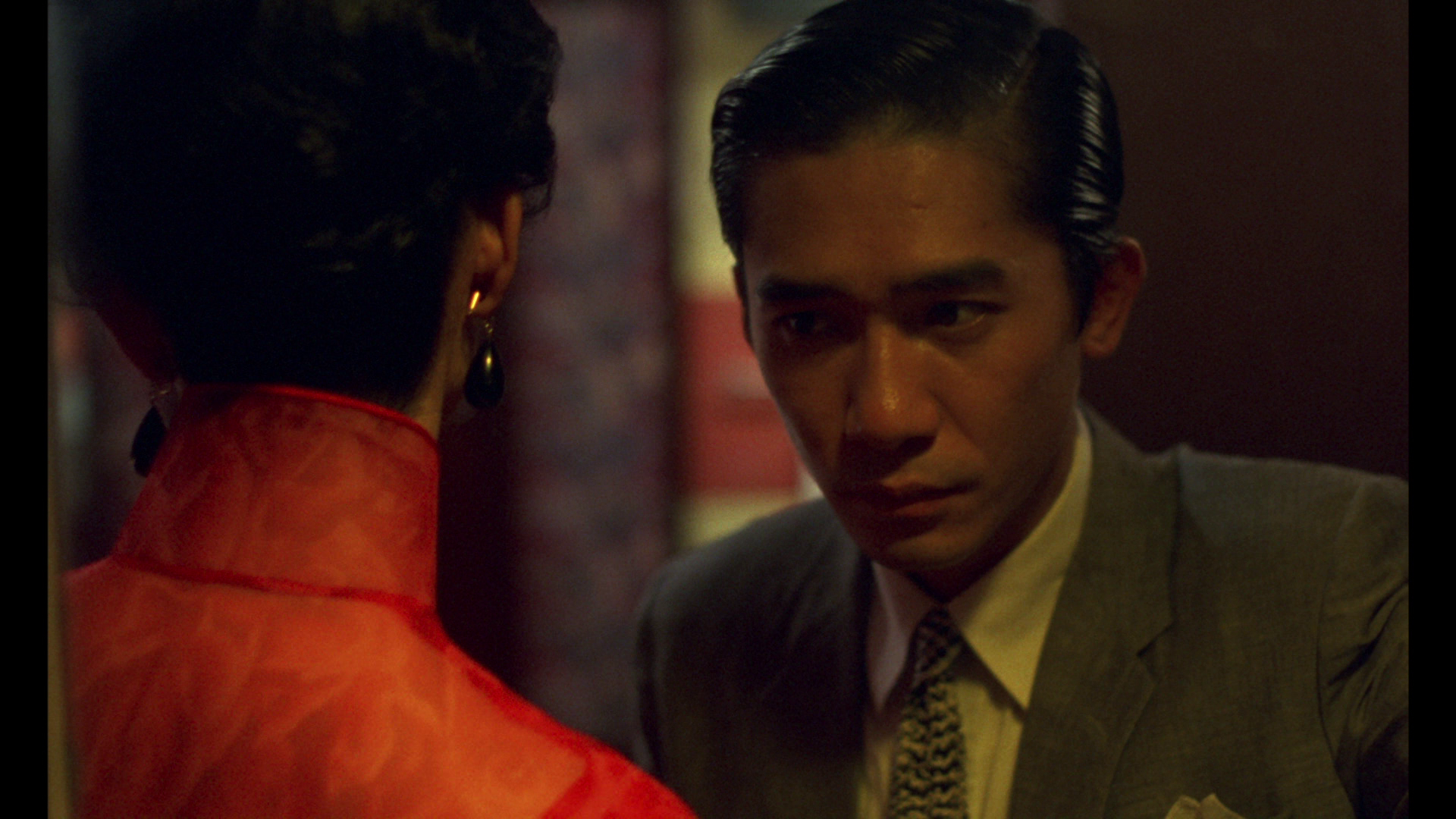
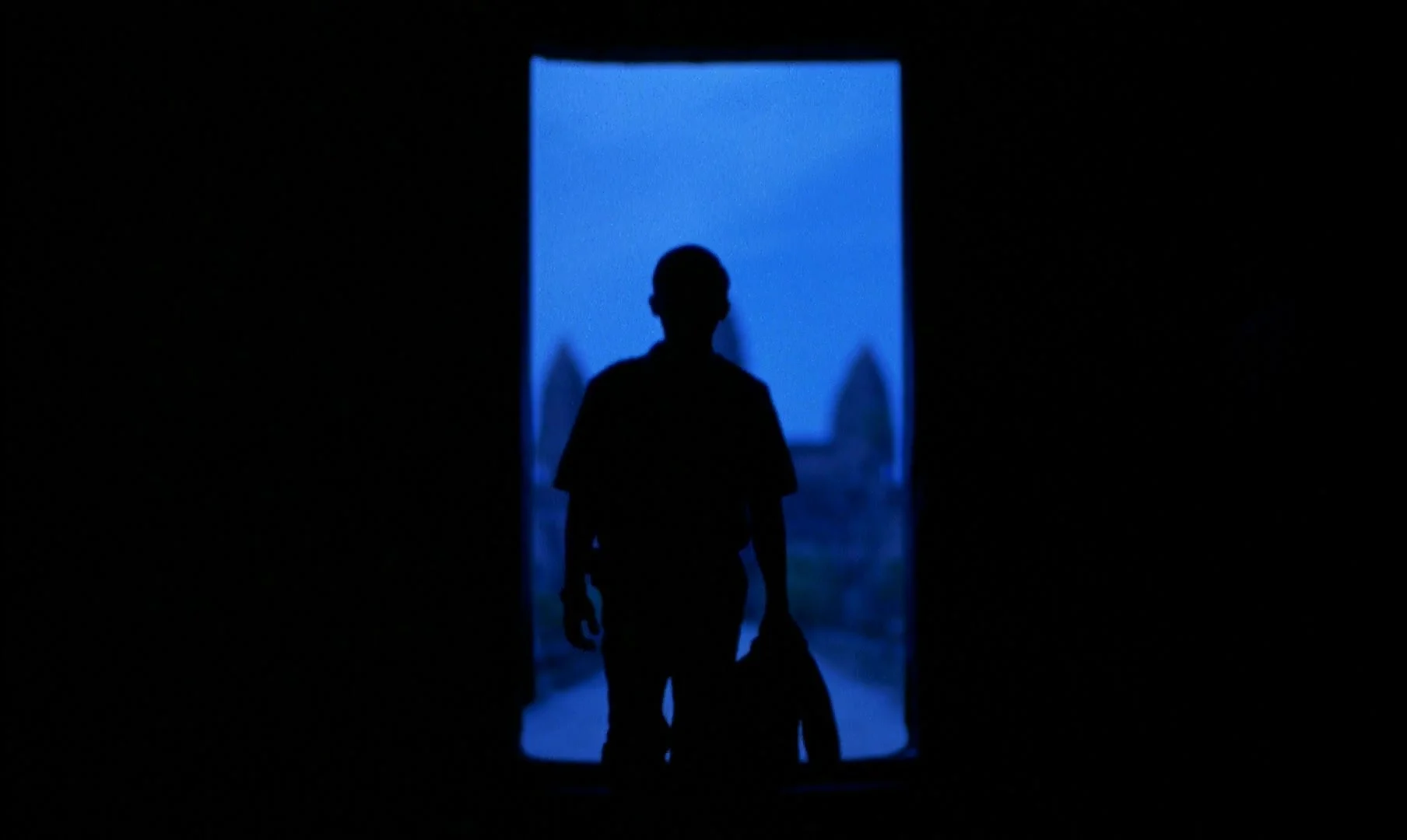
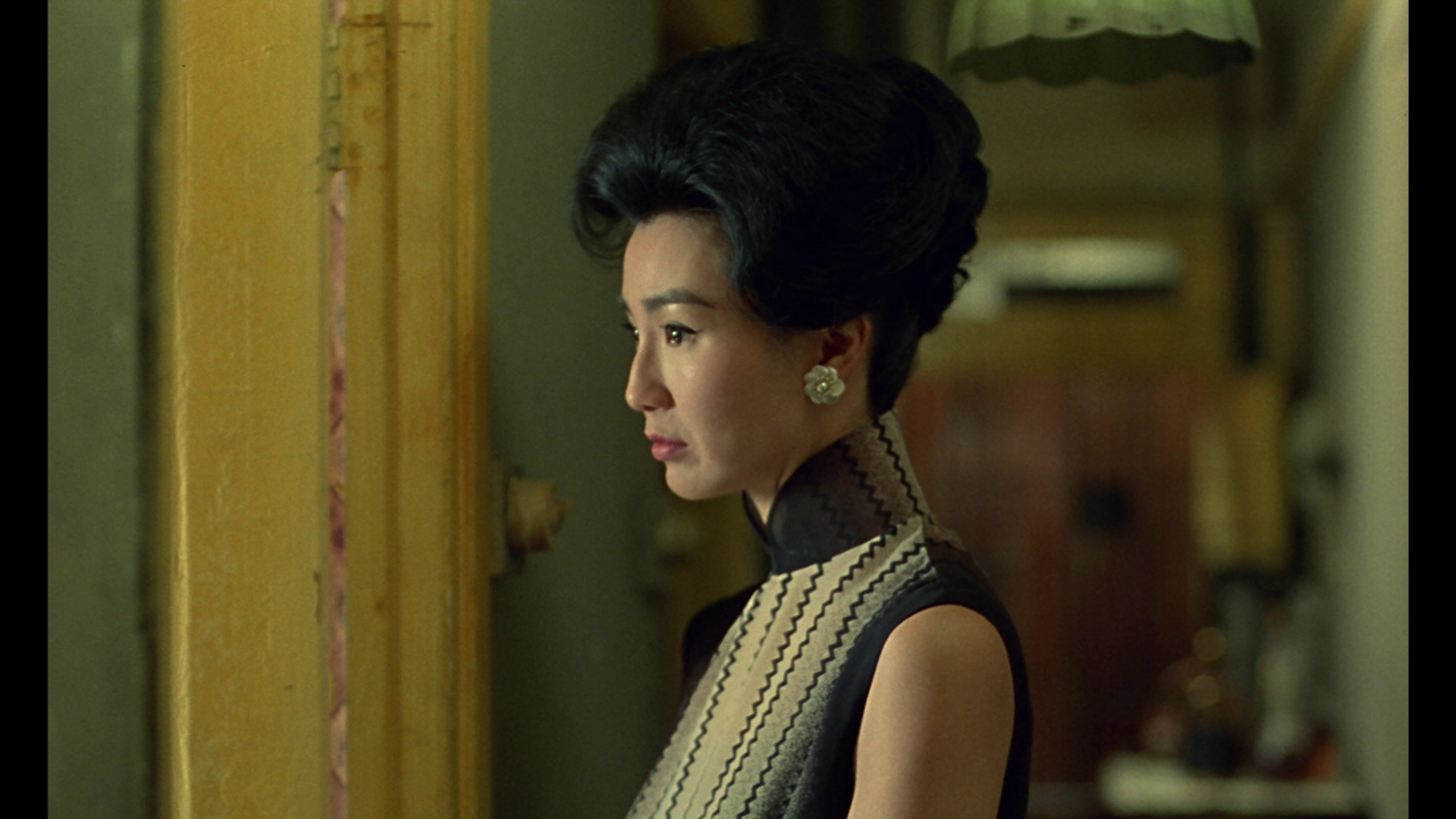
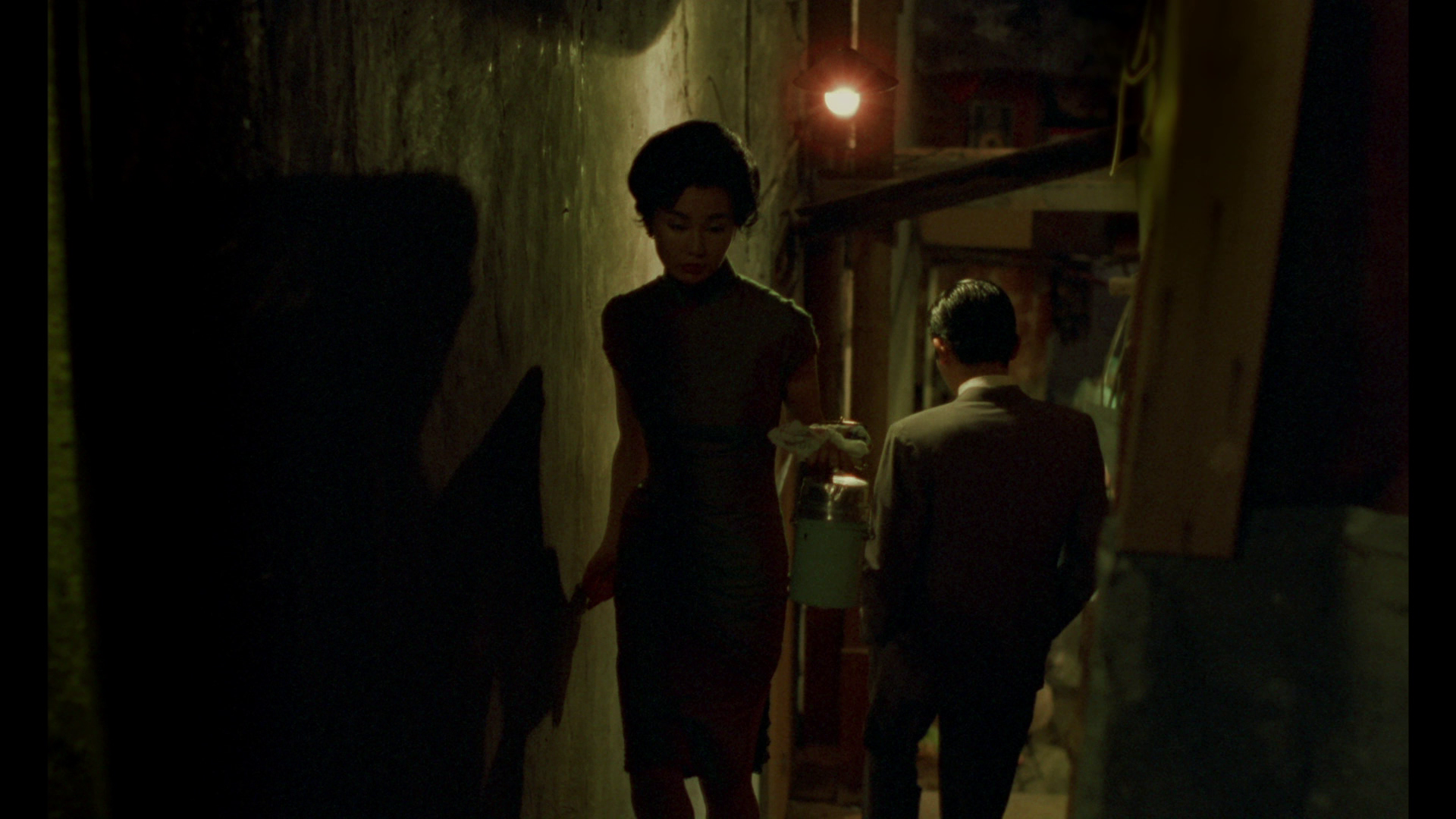
Wong Kar-wai was at his creative peak when he released In the Mood for Love, a tight drama that veers away from the traditional structure of cinematic romance. Following success after success, especially after two masterfully conceived outputs (Chungking Express (1994), Happy Together (1997)), In the Mood for Love bears a dream-like quality with the sunglasses-wearing director at his most mature.
Exclusively at its heart is a romantic relationship between two people whose vicissitudes of fate brought them unexpectedly together. What is fascinating though is how Kar-wai approaches this. Alienating the base elements of clumsily falling in love, hang out, have sex, sustain a bit of emotional turmoil in order for the guy to come back and claim the girl in a final selfless move, Kar-wai shows how adult and sophisticated individuals behave in a beautifully recreated 60s Hong Kong around key concepts such as loneliness, betrayal, wasted opportunities, and introspection.
“I sometimes wonder what I’d be if I hadn’t married. Have you ever thought of that?”
The now iconic dresses (aka cheongsams) which Maggie Cheung wears in each scene are a single part of this esoterically oneiric quality the film boasts. There is the claustrophobic cinematography of Kar-wai regular, Christopher Doyle framing each inspiringly designed flat, corridor, cafe, or alley as a microcosm where only two people can be present at the same time; a third person or an additional source of buzzing movement would render the shot excessively crammed. And then there is the soundtrack, a natural extension of what is going on instead of seeking to invoke specific emotions, coming rarely in our acoustic awareness.
Most peeps used to have their movie romance laid out plain and easy and those would definitely not favor Kar-wai’s lyrical, yet grounded approach. The story is extremely lean lacking explicit mentions of time and date and thus, requiring the viewer to pay attention as to where we are, what might have happened off screen, and why. When Chow and Su Li-zhen meet, it seems that time stops for them and us. Both are struggling with their own married reality collapsing and their feelings for each other which if they act upon them, they think they will be consumed by guilt despite their own spouses’ continuous cheating. This fascinating dilemma of impulsive action vs sentimental restraint is the hook to draw the audience in, to debate endlessly subtle clues, hidden metaphors, or the purpose of it all.
As opposed to Hong Kong’s fame being reliant strictly on action outputs, extravagant stunts, and sensational fight choreography, from the mid-90s, a new breed of filmmakers sought to record tales of substance taking a more central role in Asian cinema and Kar-wai’s drama is rightfully so a prime example of this train of thought and an all time highly influential piece of art. Its style, shot composition throughout, and naturalistic cinematography inspired many others including Sofia Coppola’s masterpiece Lost in Translation (2003). But then again, such a type of film ultimately is being judged on the merits of its protagonist duo. Tony Leung continues his streak of being one of Asia’s most versatile actors. However, it is Maggie Cheung’s tour-de-force performance that sticks with you long after the short credits have rolled. Cheung (who started as Jackie Chan’s girlfriend in his Police Story flicks (1985-1992) is a classy leading lady robbed of an acting award for her work here; a look and a subtle hand movement is enough to say a lot declining to use stereotypically passionate outbursts.
The unorthodox (not for those reasons you would think) finale generates even more speculation around its meaning which some describe it as profound, others as a lush expression of … you guess it, love. Either way, In the Mood for Love is a gorgeous example why movies matter and how they can captivate our essence entirely.

Gorgeous and grounded romance
+Doyle’s cinematography
+Kar-wai’s dreamy direction
+Eloquent production design
+Triumphant acting by Cheung
+Layered romance exploration
+Room for interpretation