
Interview with the Vampire (1994)
Director: Neil Jordan
Starring: Brad Pitt, Tom Cruise, Kirsten Dunst, Antonio Banderas
Primary genre: Horror
Secondary genre: Gothic
Nominated for: Best original score, art direction
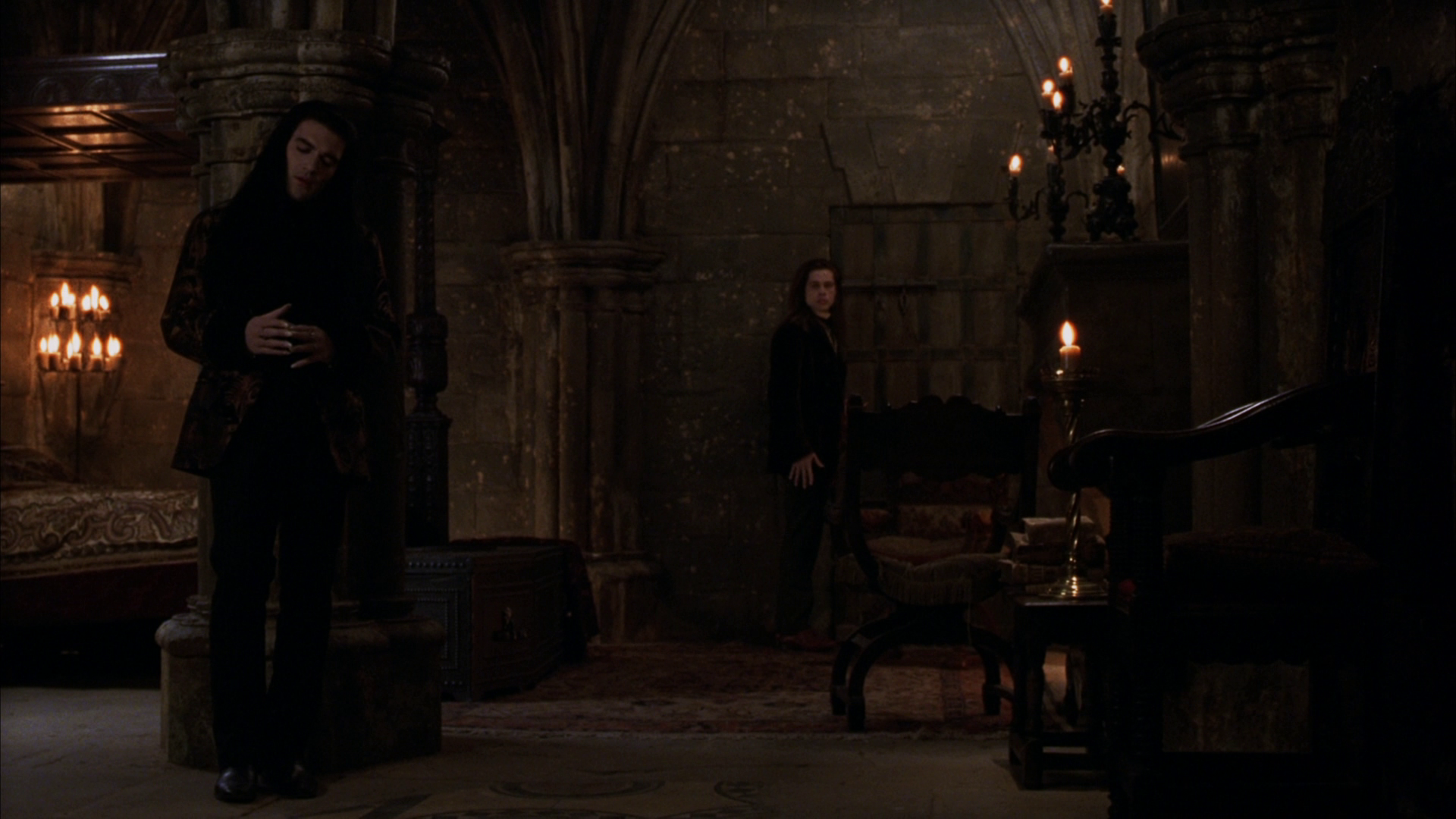
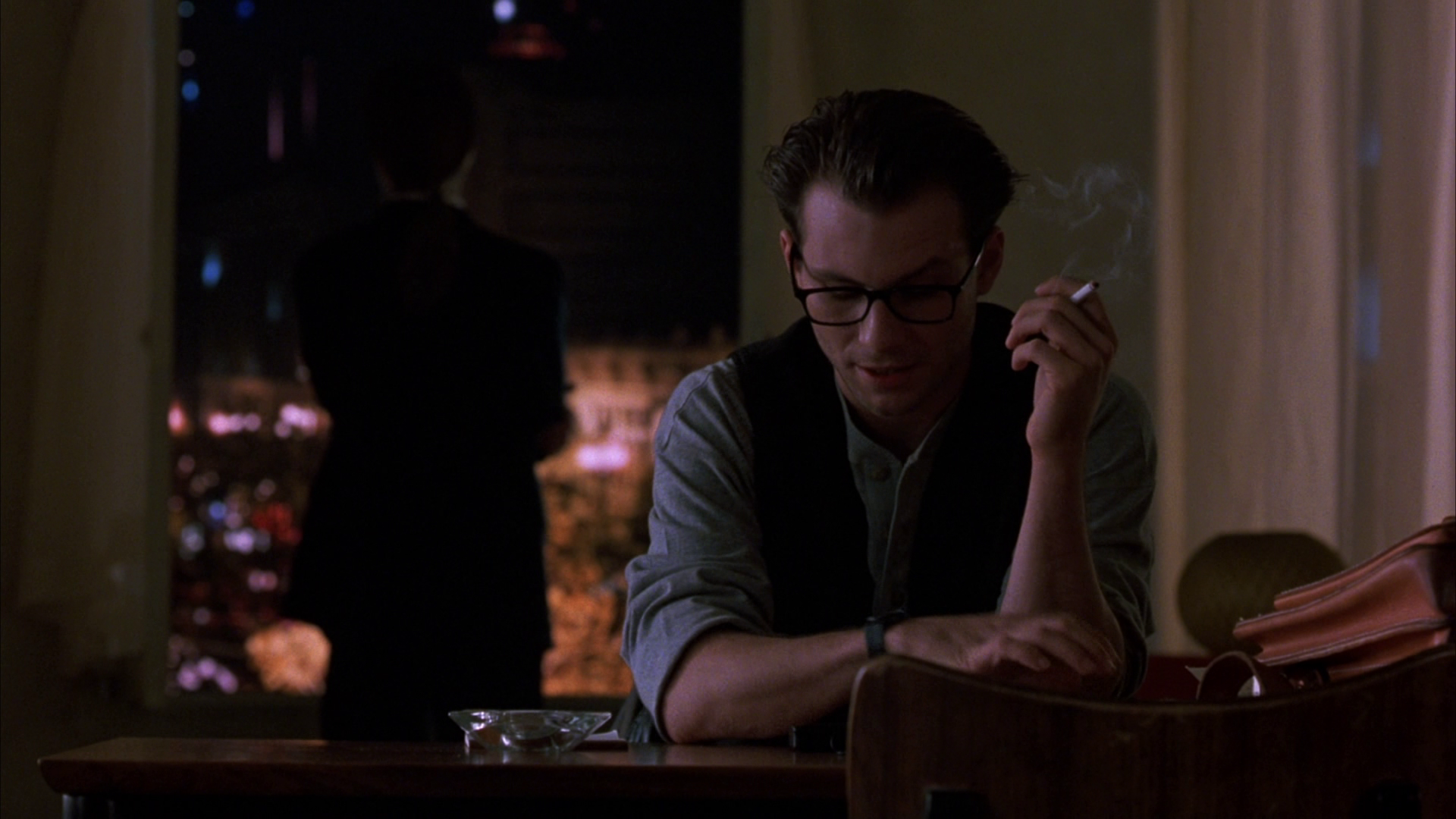
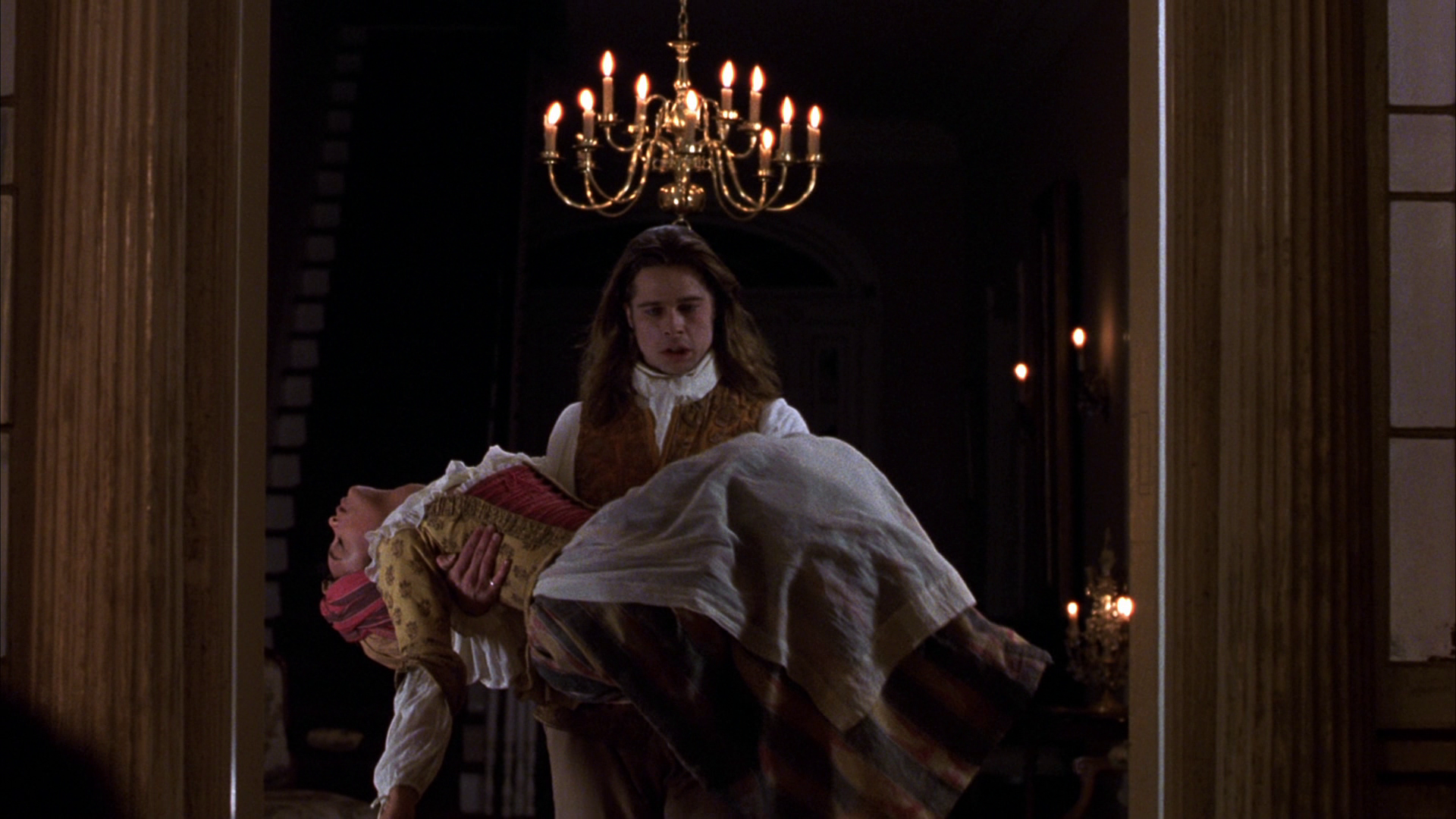
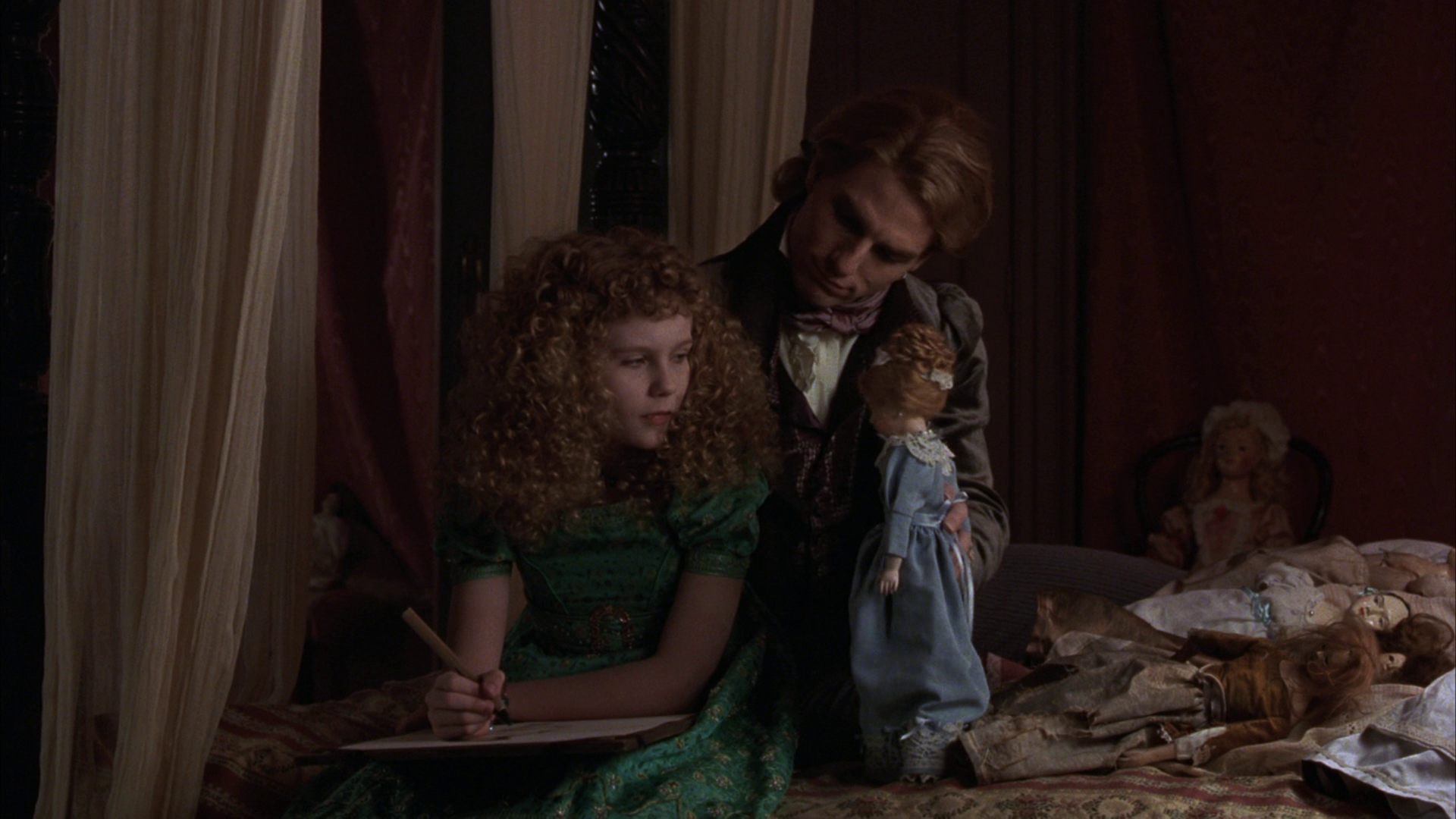
When interviewed about the new vampire breed in Blade II (2002), Guillermo del Toro said that you won’t get scared when Brad Pitt comes after you and from a monster perspective, he is right. The predators in Anne Rice’s world and Neil Jordan’s star-studded gothic horror are not evil beings that can make us tremble in fear but fascinating individuals who parade (invisibly) throughout the eons of history not dissimilar to what Francis Ford Coppola’s Oscar worthy Dracula did two years prior.
Beginning near an 18th century New Orleans, manic-depressive Louis becomes an undead courtesy of Lestat and the duo’s relationship will be the catalyst for a 200-year-old story. The novel and Rice’s own screenplay lean heavily towards the raw emotions that such individuals could experience. Being a living ghoul does not mean you shouldn’t have a taste for the aristocracy or the fine arts, though and as such, the emotional turmoil between Louis’s refusal to “eat” and Lestat’s manipulation takes place. These fully fledged characters have their own traits and goals offering fascinating aspects that will be explored in the film’s vast time period with interesting supporting players coming and going.
“Your very presence irritates me!”
Rice’s script dares to venture to box office poison territory for the 90s inserting strong homoerotic tones and Neil Jordan (The Company of Wolves (1984)) backs her up in his oneiric direction that detracts itself from nasty and gory horror (although Lestat playing Beethoven's Moonlight Sonata with a disfigured face hidden by a curtain is enough to unnerve anyone). Interview with the Vampire is not particularly scary but then again, it does not try to be. It is more inclined to go through its unique queerness utilizing the hottest stars of the era in truly unconventional roles (Pitt and Cruise represent a gay couple with their own adopted daughter) attracting humans and vampires alike with blood sucking serving as a sex metaphor.
It is a big gamble that ultimately paid off both critically and financially. While the transfixing Antonio Banderas has come hot from the more flexible European cinema (an Pedro Almodóvar regular), Pitt and Cruise are, well, cruising through territory uncharted for the American cinema. Pitt’s open-mouthed, blank-stared Louis is by far the least competent; the actor lacks the pathos for such a multi-dimensional character and only when he is being interviewed by Christian Slater’s tacky journalist, we get to see glimpses of his talent which will develop much later on. Yet, the ultimate revelation is … Tom Cruise who is absolutely sensational as Lestat in his finest role. Whether he is prowling around, playing the piano or psychologically tormenting a prostitute, his antagonist is a complex creation sharing eclectic chemistry with a preteen Kirsten Dunst who will have you believe she is a old woman in a girl’s body. Their interactions are the stuff most actors would envy to be a part of giving the film a mature edge that the majority of related flicks lack: dramatic heft.
Vampire movies were either cheap or plain-looking until Coppola’s take as a grandiose opera. Neil Jordan feeling confident that a new and different approach can be done, displays a Gone with the Wind (1939) scope with a Grand Guignol twist. From the opening shot, you feel you have stepped into the past and the production design is on fire: swamps, theater productions, underground lairs, cemeteries, plantations and a 19th century Paris bear stunning details. The cinematography by Philippe Rousselot (Dangerous Liaisons (1988)) complements Jordan’s epic shots contrasting the cleverly implemented, almost surrealistic, effects by Stan Winston (Jurassic Park (1993), The Terminator (1984)). Elliot Goldenthal’s Oscar-nominated score opts for the romantic/baroque approach instead of an orchestral cacophony echoing with own work (Lento in Alien 3 (1992)) and thus, completing Jordan’s motion picture in all fronts.
Those who prefer a straightforward horror flick will be disappointed as this is a highly erotic, queer tale of male relationship and companionship supported by spectacular acting and blockbuster production values. It is perhaps the best 90s genre entry and one of the most decade defining films.

Vampire film with values and heart
+Incredible production design/score
+Dynamic direction
+Intriguing take on vampirism
+Cruise, Dunst, Banderas are sensational
+Stan Winston’s macabre effects
-Pitt lacks the required pathos
-Not scary