
Baraka (1992)
Director: Ron Fricke
Starring: -
Primary genre: Non-narrative
Secondary genre: Documentary
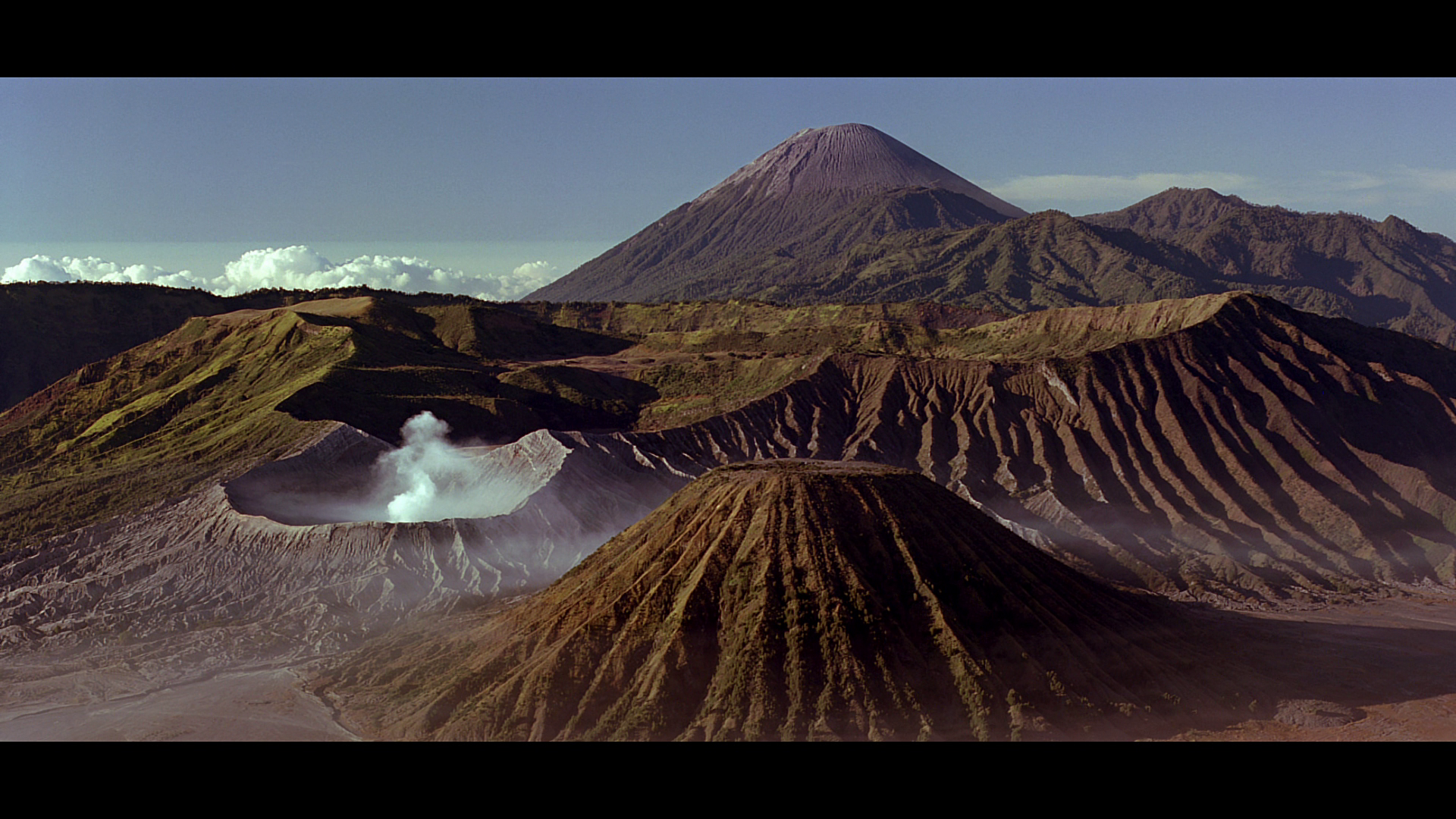
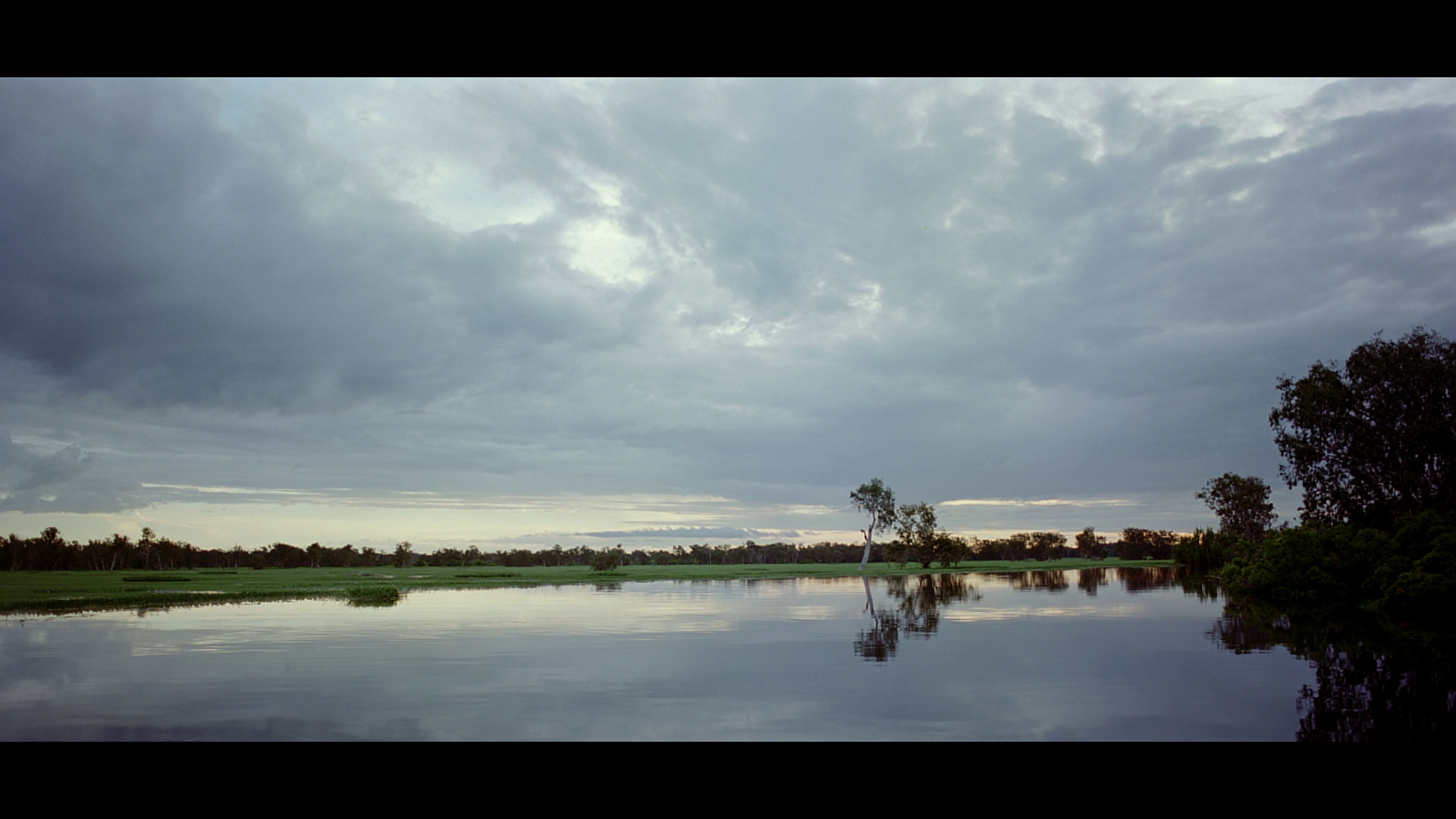
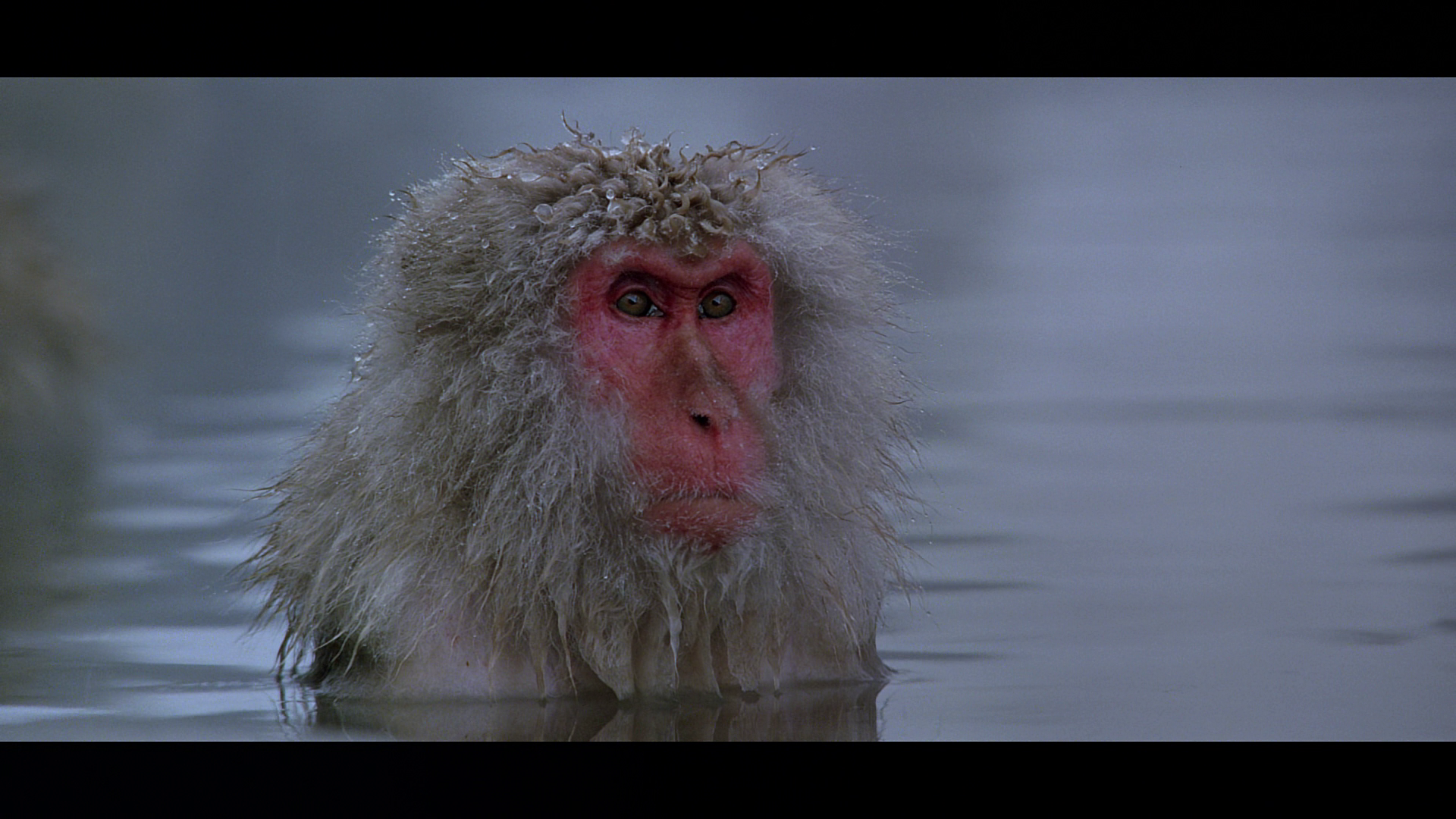
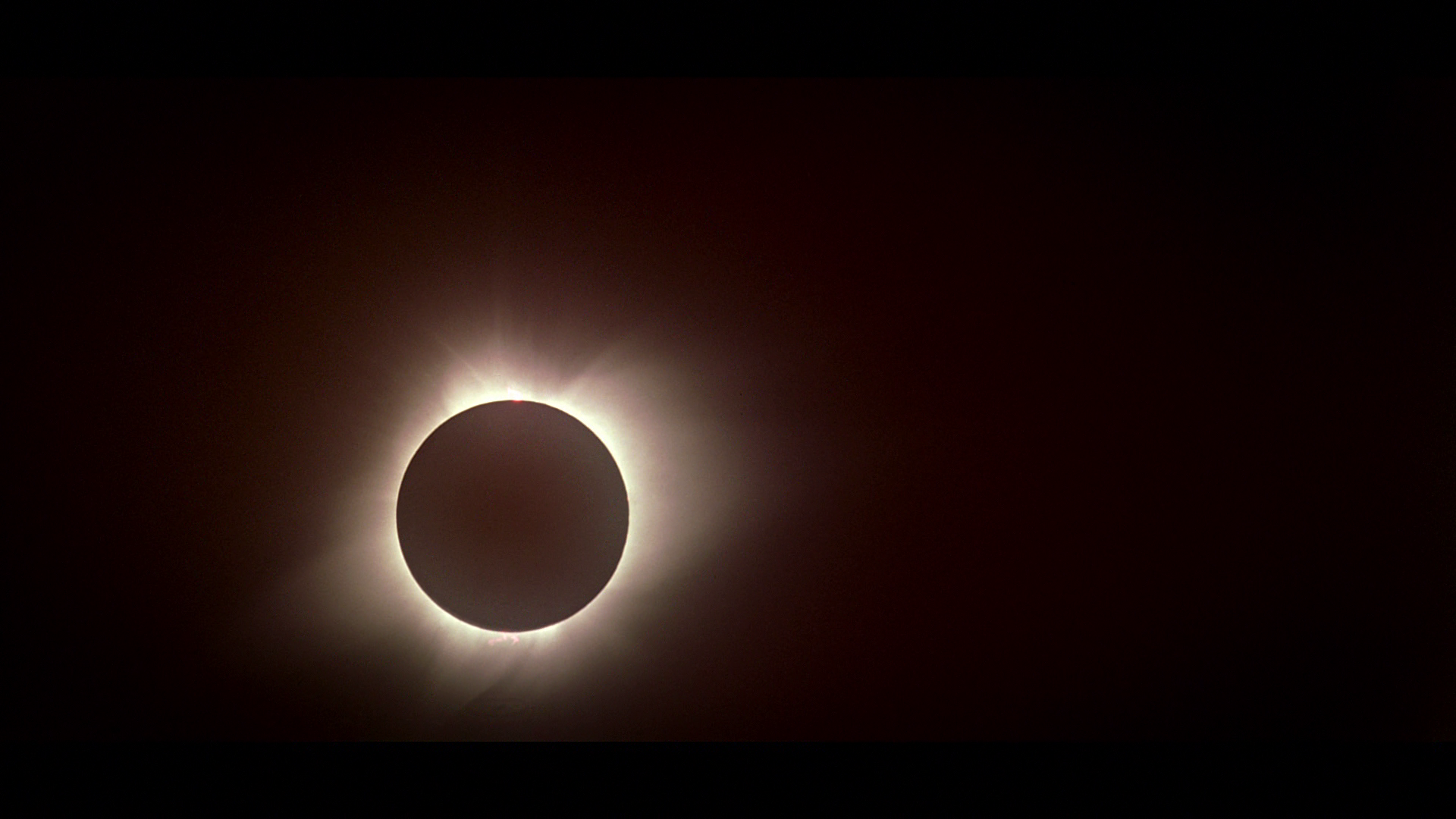
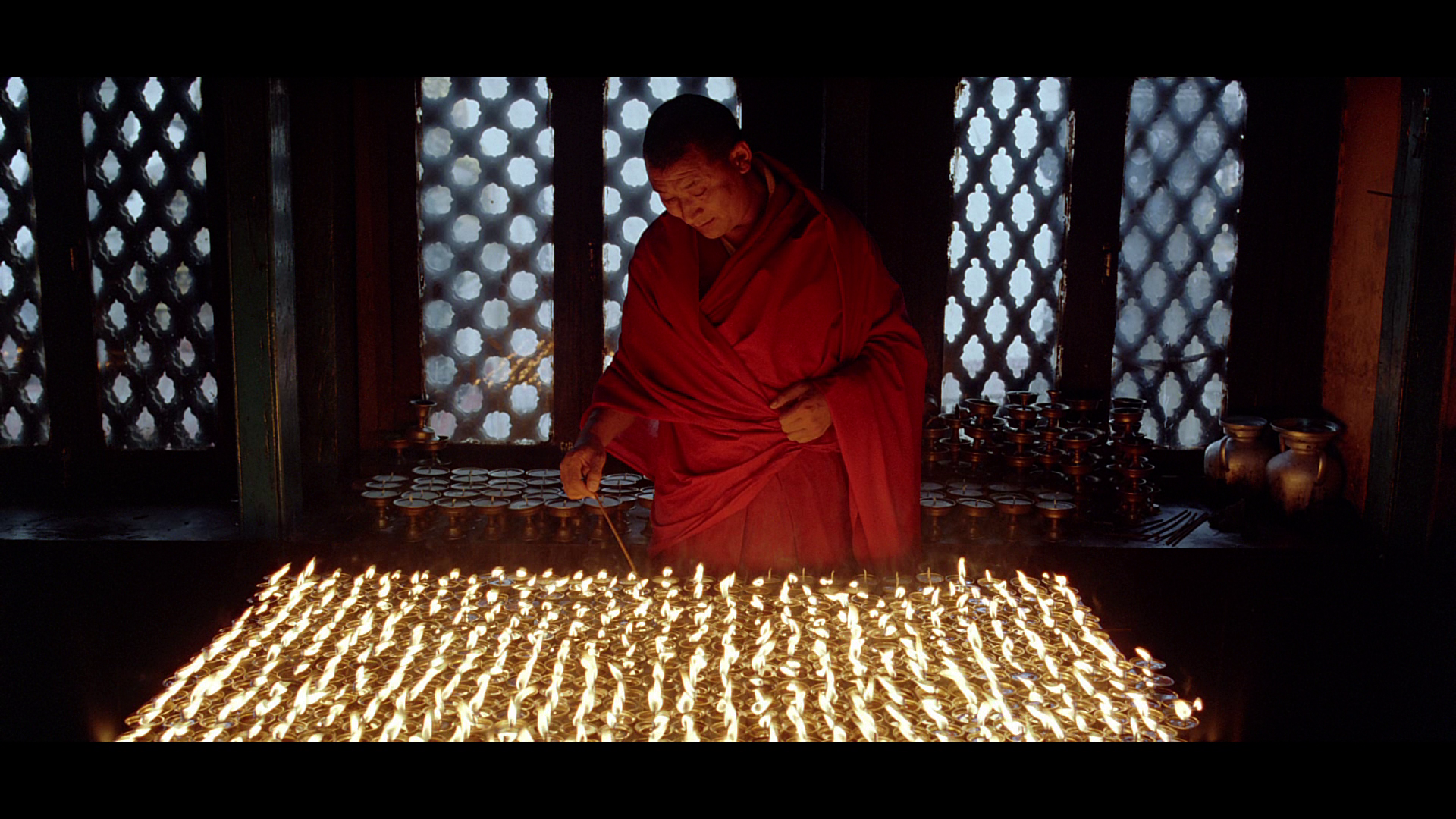
What is Baraka? Is it a collection of incredibly powerful images tied together with invisible yet common philosophical threads? Or an expansive, naturalistic take on humankind’s current situation that embraces a bleak, industrial-based future devoid of poignant connections? It turns out Ron Fricke’s non-narrative documentary is all of the above and much, much more. Famous movie critic Roger Ebert said: “If man sends another Voyager to the distant stars and it can carry only one film on board, that film might be Baraka“ and this is the most accurate summary of thoughts about what is actually Baraka.
Meaning blessing in Islamic context and filmed in 1992 across 24 countries and 152 locations that range from metropolises (e.g., Tokyo, Cairo, Hong Kong), natural wonders (e.g., Uluru, Grand Canyon, Iguazu Falls) and architectural marvels (e.g., Empire State Building) to spiritual places of all sorts (e.g., Mecca, Church of the Holy Sepulchre), tribal residual areas, and scenes of societal unrest and conflict (e.g., Gulf War), Baraka is a stunning achievement for one man’s vision (and persistence) to present to the world exquisitely detailed shots in order to evoke a sense of awe, wonder, and confrontation in every context; whether this is a breathtaking landscape, Balinese men performing the Kecak dance, or children going through piles of garbage for usable goods, there is some serious display of raw, sentimental value that draws upon many audiovisual aspects rarely seen, encountered, or discussed in our daily lives.
Weaving several themes across long, loosely connected segments, Fricke uses his remote locations and the more accessible “modern” civilizations to suggest how spirituality can still be an option amidst all the technological boom, social isolation, and economic turmoil. The prologue sets the stage for what is to come; the peace and tranquility that people have felt by practicing a modest, mind-based lifestyle for thousands of years, and what it denotes to us. Those two-legged creatures have evolved across millennia only to forget nature, tradition, culture, and contentment.
Fricke does not implement a presentism view though on human activity. He is merely a curious observer showcasing ritualistic practices of all sorts (e.g., the lighting of candles by a Buddhist monk, the dancing of Indigenous tribes in the Amazon and Australia) enabling you to soak in elements that make us the most dominant species on the planet with the only connection being not wealth or skin color but our quest to seek something higher and more abstract than our deeply established hierarchical structures which have become inherently more reliant on technology.
This new, artificial god has provided plenty of opportunities for mankind to overcome obstacles, yes, but it has also led to unforeseeable ones. The tobacco industry sequence, for example, is fascinating strictly from a commercial perspective where hundreds of workers in tight environment mass produce a new form of drug available for everyone irrespective of age, sex, region, or religion and thus, continuing to fuel the socioeconomic difference between employees and corporations.
All locations including the Rio de Janeiro’s Favela da Rocinha and the towering city of neon-glazed Tokyo are being given an extra dimension through Lisa Gerrald’s powerful vocals (from her Dead Can Dance days) and Michael Stearns’ organic score; the smiles of young girls looking directly at the camera while they are surrounded by mountains of trash, the homeless in Brazil, or the indifference of daily commute are practical, thought-provoking moments that should raise questions about our identity, purpose, and final destination. This could not be reflected better in the form of a solitary monk cruising through the biggest metropolis (back then) in the world focusing on his verses in a sea of people who come and go wherever capitalism or modern society has designated them to travel to. This is further exacerbated by the Butoh dance performances of a trio whose exaggerated expressions and silent screams are meant to represent our own inner turmoil and forgotten humanity within the increasingly disruptive and never-ending stimulus around us.
Baraka should be seen and experienced by everyone. It is a film designed to help us understand our place in this beautiful planet we inhabit shot by with tremendous patience to showcase a universal cultural perspective that we hardly ever think about in terms of life and phenomena.

A spiritual masterpiece
+Out-of-this-world cinematography
+Ambient driven score
+Thought provoking images
+Exquisite sound mixing
+Sensational time-lapse sequences
+Compelling case for humankind’s culture and nature’s power