
Kokuho (2025)
Director: Lee Sang-il
Starring: Ryo Yoshizawa, Ryusei Yokohama, Mitsuki Takahata, Shinobu Terajima
Primary genre: Historical
Secondary genre: Drama
Nominated for: Best makeup and hairstyling
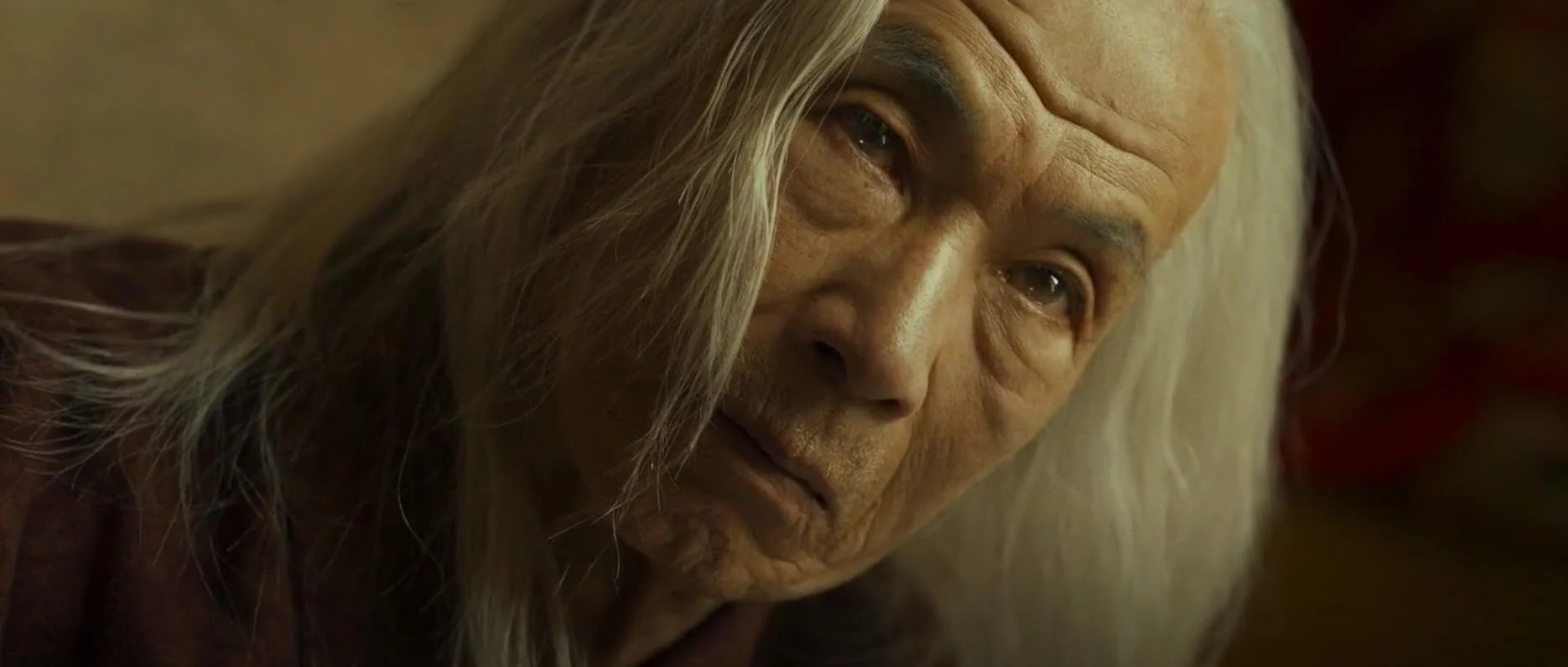
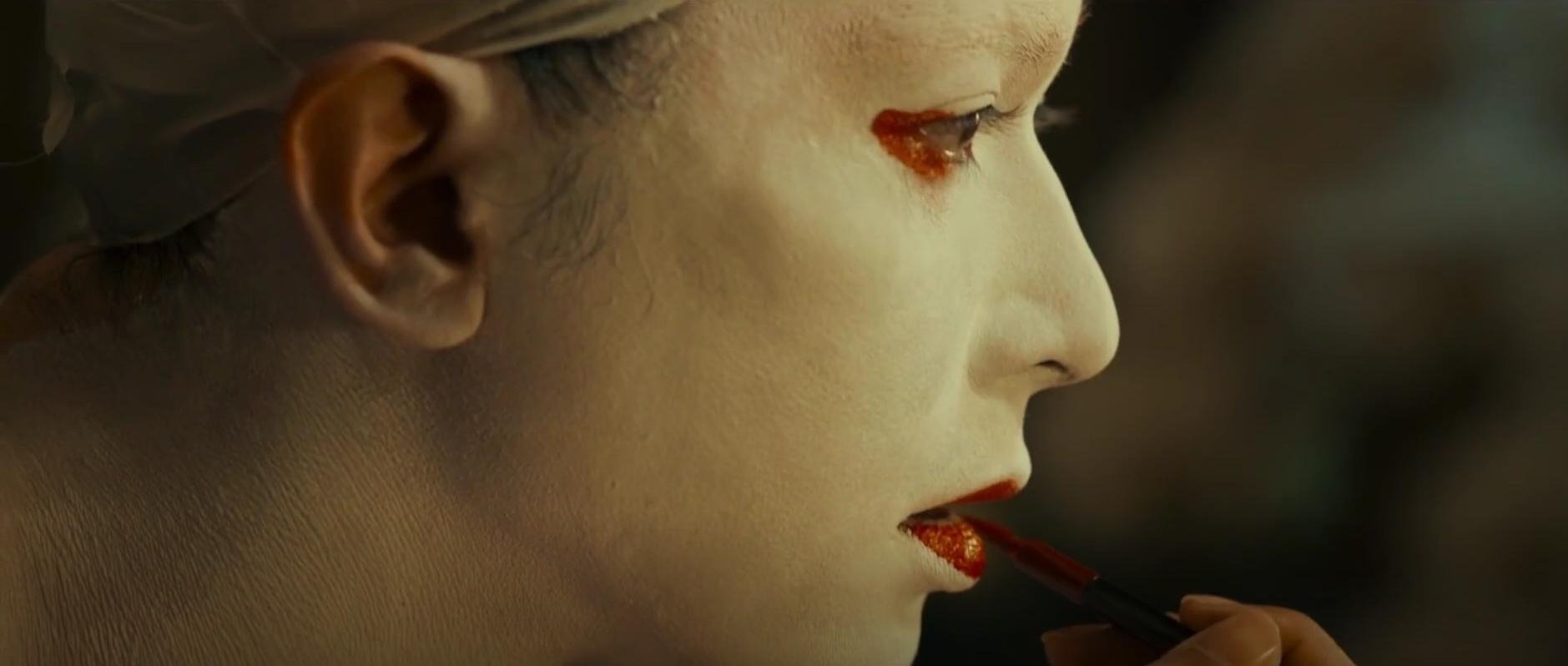
Many cinephiles declare the highest grossing live-action Japanese film of all time as a masterpiece for the ages. And from a certain perspective, they are right. After all, how many original movies do you know or can you count that, besides being commercially successful and critically lauded dare to avoid modern political messages, pandering to absurd minority requests, and showcase a traditional approach to an art form which has not seen the mainstream light? Not many.
Kokuho is wholeheartedly Japanese both in its presentation and its central theme. Whether this is appealing or not, it’s up to someone’s particular cinematic taste. Those who know what they will get in the dramatic presentation from the land of the rising sun, would anticipate all the culture’s usual trademarks: melodrama, emotionally manipulative music, extremely large cast of characters that have no introduction, period eclipses, crying, shouting, women who support the cruel tutelage of their boyfriends, husbands, or partners and an hour and a half being spent on watching actors portraying theatre actors and performing plays. Not the easiest watch for the uninitiated.
“You were born into a family of actors so your family blood will always protect you.”
Kokuho’s novelty though resides in its subject matter: the art form of Kabuki that sees (only) male actors wearing exaggerated makeup in a strict set of moves with the most famous ones being those who play female roles. It is a fascinating (and foreign to the West) concept to explore under the lens of a historical drama that covers many decades of our protagonist’s personal artistic odyssey. Those unfamiliar with Kabuki might find the persistence and cruel tutelage that comes from the Japanese world of art difficult . At three-hour mark, Kokuho might feel too much but to be honest the first hour goes by really fast courtesy to exceptional acting from the young actors, the film’s compelling and peculiar coming-of-age story involving the main lead’s Yakuza boss father and his adoption from a talented family of actors. It sets the stage then for an unusual quest around the strict societal sensibilities of Japan and a person’s own agenda in a world that never had such a glimpse behind the curtain. Kikuo has to overcome several obstacles; from personal tribulations, confidence issues to social stigma and the complexity of romance all the while maintaining his passion and psyche intact. These are compelling stuff rarely examined in modern western motion pictures.
Yet, you can see how the story is based, structure-wise, on a novel (by Shuichi Yoshida). As we reach the teenage years era and almost throughout the finale, director Sang-il stumbles a bit by shifting perspectives between Kikuo and his stepbrother offering a bigger variety of emotions. However, you can’t help but wonder whether a sole focus on our protagonist would have enhanced not only the pacing of the movie but its soul too. Alternating between key moments and time periods further accentuates this feeling and towards the end, we are getting several Lord of the Rings: The Return of the King (2003)-like mini finales (coupled with musical crescendos).
Kokuho is highly ambitious compacting decades of storytelling and mostly sticking the landing. While rocky in certain places particularly due to a very melodramatic third act and an anemic script reveal, when it is good, it is simply excellent. Packed with stunning production and costume design, cinematography, and makeup that transcend the boundaries of theatre and viewership blurring the lines of genius, desire, and madness, Kokuho has plenty of moments open to interpretation. There is a previously unseen level of detail reminiscent of Darren Aronofsky’s The Wrestler (2008) and Black Swan (2010) and how people can be consumed by their craft; their self is their bigger enemy. What for us is a good or bad performance to judge, for those behind it is a way of living that defines everything they stand for.
Sang-il captures stunning visuals even though most of the film takes place in the restricted forum of the Kabuki theatre; whether this is a snowy restaurant in Osaka or when Min Tanaka’s (brilliant) national living treasure (the film's title translated), as an actor performing the Heron Maiden by Mangiku, these are moments worthy of acclaim. It is a shame then that despite the emotional clashes, the manipulations, the tears, the drama and the short-lived joy, Sang-il elects to cater to the aforementioned traditional tropes of its culture to really win the audience when it already had.

Immersive, excessive, and melodramatic
+Immersive first half
+Production, costumes, photography
+Acting esp. Tanaka and Watanabe
+Fascinating tutelage odyssey
-Third act is pure melodrama
-Several faux finales
-Lack of focus halfway through