
The Cell (2000)
Director: Tarsem
Starring: Jennifer Lopez, Vince Vaughn, Vincent D’Onofrio, Jake Weber
Primary genre: Science fiction
Secondary genre: Psychological
Third genre: Horror
Nominated for: Best makeup
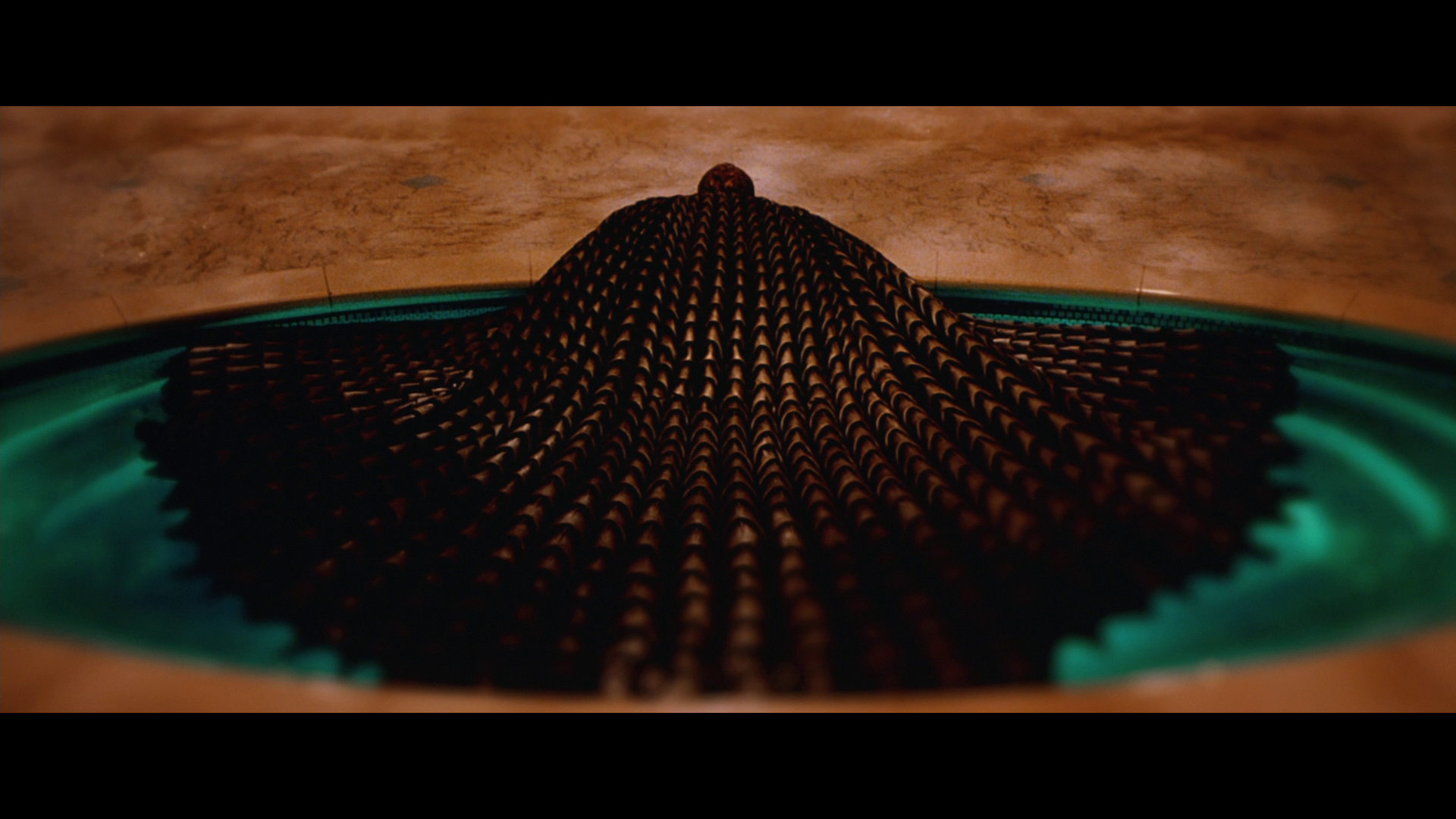

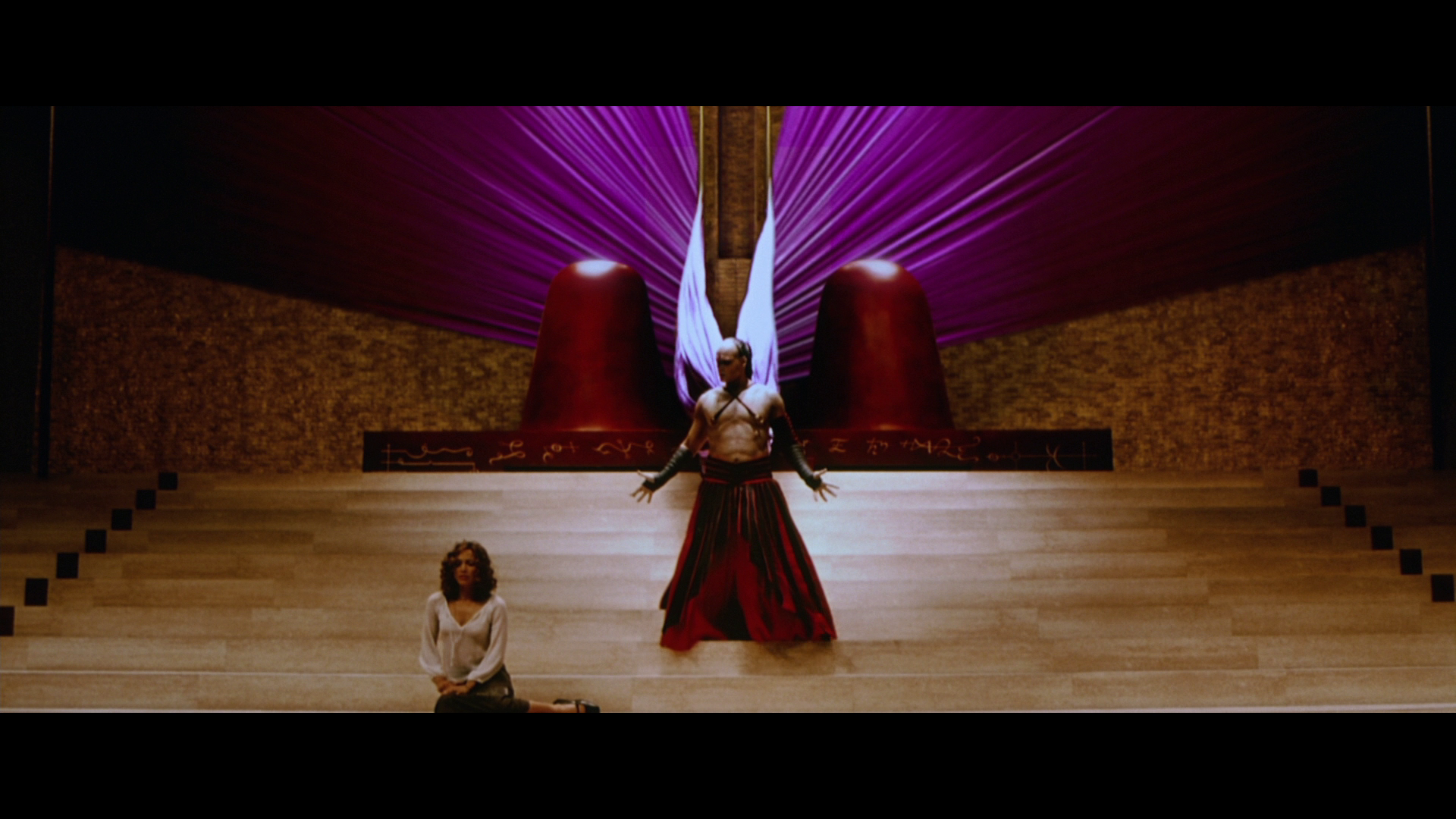
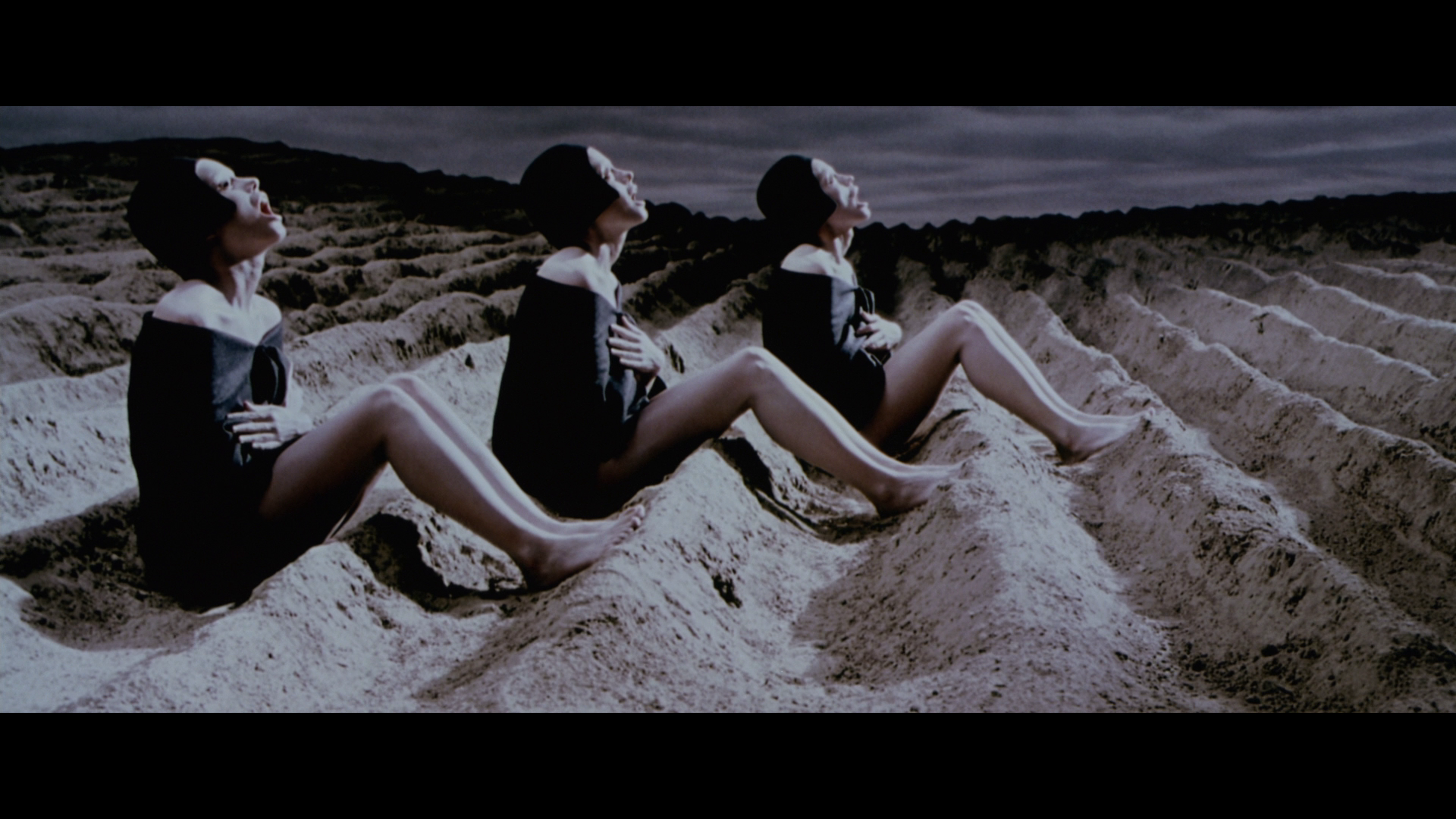

Victim of a polarized reception during its release, The Cell was unfortunate. Coming after The Matrix (1999), audiences were more invested in slick action rather than BDSM-inspired acid trips. Time though is the best critic and Tarsem’s adult oriented wet dream is now regarded as the visual masterpiece it always intended to be. Our sensibilities have (drastically) changed, society has become more tolerant (or numb) resulting in less gasps and more appreciation. Thus, moving away from its obvious shock value, The Cell offers an inventive take on the serial killer trope, one that literally puts the audience in the mind of a very “unusual” antagonist.
Clawing its way into Roger Ebert’s infamous 4-star films, The Cell offers genuine stakes and appealing individuals that come with a sense of realism as opposed to glorified archetypal roles. Despite the initial critical disdain, the treatment of its schizophrenic antagonist is hitting all the right notes with existing research literature in neurology, psychology, and psychiatry offering clues on the debate of nature vs. nurture reporting that sometimes, monsters are a product of their environment. So when J. Lo’s heroine dares to enter this (very) disturbed dream world to extract crucial information for the latest victim’s survival, we are there with her hoping her best can save an innocent life.
Maintaining a continuous momentum, Tarsem gives equal screentime to his acting trio and puts forward plenty of eye candy even in the most basic of proceedings: a shot behind a plane, a slo-mo frame of a landing helicopter, or panning across the positions of in-waiting SWAT teams. He seems to be an expert in presenting things visually without tiring the audience with information overload, a feat made easier from a coherent and tight script.
“Where do you COME FROM?”
Yet, The Cell’s undiminished power comes in its gargantuan artistic merit. The production design is nuts showcasing major art mediums and schools in a pastiche which involves rotating camera angles, zooms, slo-mo, speed up takes, and fade outs (among other things) that betray Tarsem’s creative origins. This playground of art is remarkably effective in highlighting Catherine’s (and our own) disorientation inside Stargher’s twisted kingdom which is a mix of famous works from H. R. Giger, Odd Nerdrum, and Damien Hirst with a Marilyn Manson-esque dash, and a sprinkle of the baroque. All bets are off and Tarsem bestows landscapes of all sorts; deserts, palaces, and darkly lit, picture-framed rooms that are the stuff of nightmares (in this case for real), solely exist to display the finest form of surrealism.
Continuing the fascinating trend she started with Francis Ford Coppola’s Dracula (1992), 8 years prior, costume designing genius Eiko Ishioka delivers pop culture defining pieces especially for Vincent D’Onofrio, who is so convincingly good as the extremely troubled individual, undergoing several costume (and makeup) changes-each one outdoing the previous. From his now cinema-defining thronal descent to his final aquatic emergence, D’Onofrio carries the movie with his terrifying presence perfectly matched by Howard Shore’s (Silence of the Lambs (1991), Lord of the Rings: The Fellowship of the Ring(2001)) equally ethereal and bombastic (and interestingly orientally inclined) score.
Jenny from the Block is … ok. However, someone with more conviction (e.g., Cate Blanchett) would have pushed the film deeper into emotional territory so when the final confrontation does arrive, you wish to be instantly gripped instead of being mesmerized by another meticulously built set. Good for her though not capitalizing in sexy (and lame) lingerie roles and championing non-mainstream vehicles of this kind. And speaking of the finale, you would have expected Stargher to have more gravitas but honestly after all the on-screen child maltreatment, sexual violence, and physical torture, perhaps it is for the best to finish the damn thing.
Still, due to its visceral, and sophisticated visual ambition, The Cell is a masterpiece, a film nobody has managed to surpass. As we limit our imagination with AI slop, The Cell makes a very compelling case for human ingenuity demonstrating that when there is a will, there is a way to conceive and deliver an outstanding motion picture that can and should alter our own perception of what is cinematically possible.

Sensational visual masterpiece
+Sensational costumes by Ishioka and production design
+Incredible visuals
+Tarsem’s magnetic direction
+Interesting psychoanalysis for serial killers
-Some scenes are still hard to watch
-Needed an actress with more pathos
-Final confrontation needs more weight