
Genuine atmospheric movies can be a handful. Of course, it depends on what each cinephile considers a strong atmosphere and whether it is a positive one or a negative one. It also helps if the film is being supported by an exquisite production design, cinematography, sound effects, and directorial style as well as benefitting from the content of a thrilling story. Examples include Chris Columbus’ Home Alone (1990) which, since its release, has become synonymous with Christmas due to its vibrant setting and feel-good tone, Kiyoshi Kurosawa’s Cure (1997) with its bleak and stale ambience that engulfs Tokyo, and Chad Stahelski’s neo-noir vibe in his ultra-successful John Wick franchise (2014-2023).
Budget and box office
Setting up an atmosphere most of the times has not been a priority for many filmmakers. Plenty have opted out of emphasizing it in genre entries, focusing instead on capturing nuanced performances or displaying technical achievements. A notorious example is Christopher Nolan who favors blunt, desaturated visuals for dialogue-heavy segments. The Wachowskis, on the other hand, although they used many sets from Alex Proyas’ Dark City (1998) for the opening scenes of their first Matrix (1999) to invoke the same neo-noir mood, for their Reloaded and Revolutions (2003) sequels, decided to drop it in order to push spectacular action sequences, ambitious special effects, and a larger-than-life scope. For others like Christophe Gans, Paul WS Anderson, David Lynch, Lars Von Trier, or Terrence Malick, atmosphere is seen as an absolute must. This type of director needs it as it is seen as an essential ingredient to tell the story. The environment and the lighting setup are key factors in establishing the overall tone and if done sloppily, then, for instance, an otherwordly tale set in a coastal town (i.e., John Carpenter’s The Fog (1980)) would end up looking banal and uninspired. In that movie, invoking a sense of dread is a must, otherwise its supernatural terror would have fallen flat. Thus, it is only logical for films aiming to have a distinct look ranging from oneiric to pure nightmare fuel to be the ones to mesmerize audiences around the world the most.
Critical reception
Environments: Cities (L.A., Detroit, Silent Hill, nameless city), forest (3), spaceship, space colony, parallel world
Time period: Futuristic (3), contemporary (4), 17th century, 18th century (2)
Production decade: 1980s (2), 1990s (4), 2000s (2), 2010s, 2020s
Antagonists: Androids, gang leaders, Devil (2), monsters, aliens, witches, emotional manifestations, lion, cultists, hell, serial killers
10. Blade Runner (1982)
MVP: Although you might think Ridley Scott was the visionary behind this landmark film, it was Lawrence G. Paul’s designs that marked an entire genre for decades to come.
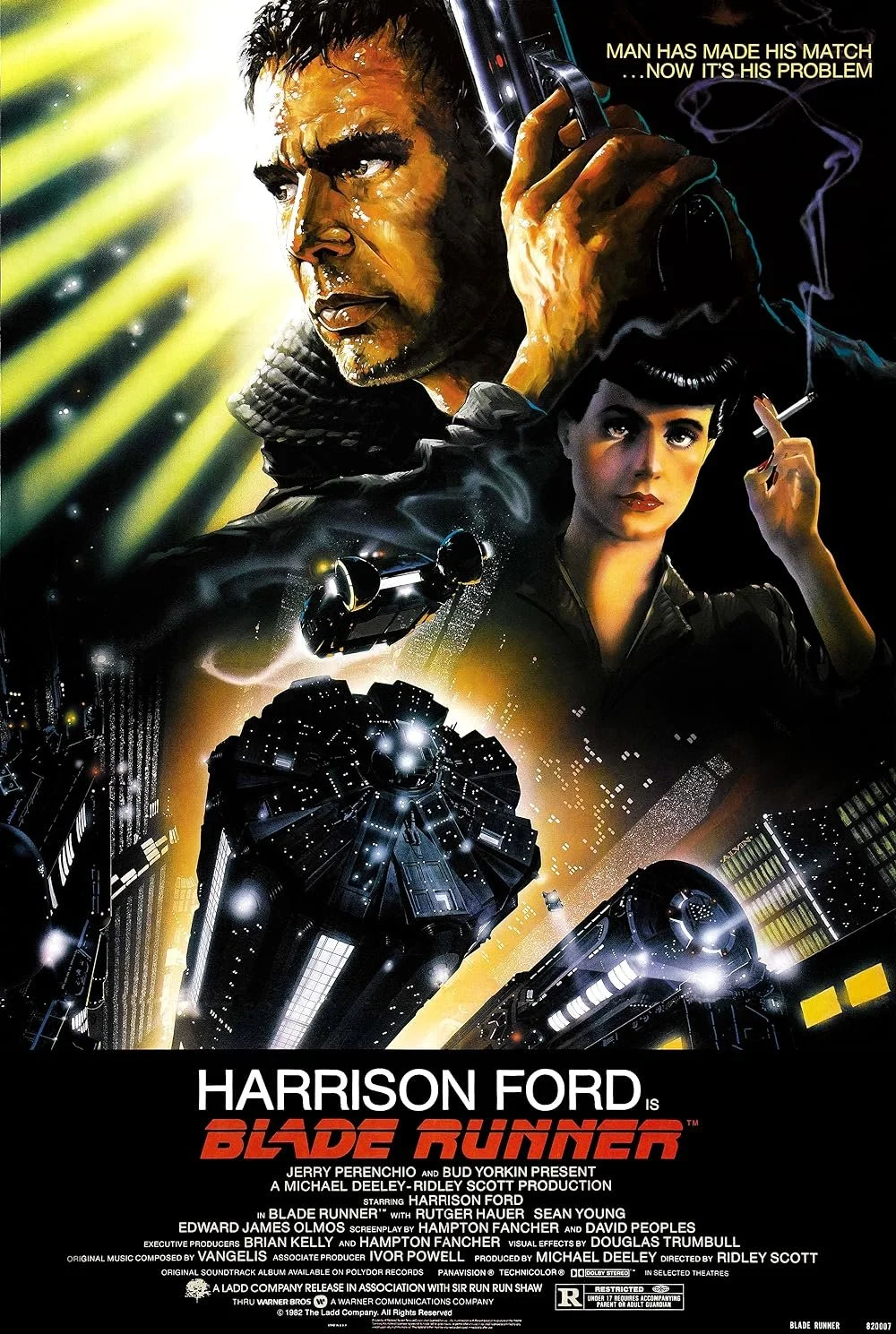
Ridley Scott’s massive achievement in science fiction filmmaking, visual storytelling, and art direction, demonstrated an uncompromising cyberpunk world that remains to this day wholly relevant. Scott shoots laconically less keen on crafting an action entry (despite the misplaced marketing campaign) and more interested in a case study towards human attributes within a world where the artificial can be, well, more human than human. Exploring such themes does not take a toll on the movie’s aesthetic which showcased a dystopian, rainy L.A. where mega-corpos are at the top of the food chain represented literally as towering pyramids amidst a sea of industrial buildings. Once we are on the ground, there is a mish-mash of East and West full of neon signs, fluorescent umbrellas, “artificial” animals, trashy roads, stacked apartment blocks, and decayed residences. Scott captures this overbearing future at every frame converting man simultaneously into a part of the crowded foreground and background. The carefully placed lighting characterizes L.A. extra moody with its shades of gunmetal blue, deep blacks, and golden cues gorgeously engulfing a soulless, rain-soaked metropolis.
Production design
🎭🎭🎭🎭🎭
Cinematography
🎥🎥🎥🎥🎥
Dread
😧
Decay
🏚️🏚️🏚️🏚️
Atmosphere
🕯️🕯️🕯️🕯️🕯️
Sound design
🔊🔊🔊🔊🔊
Visuals
🧑🎨🧑🎨🧑🎨🧑🎨🧑🎨
Atmosphere: Neon-lit, rain-soaked, dystopian, urban decayed
9. Aliens (1986)
MVP: Adrien Biddle’s metallic cinematography. It really gives LV-426 and its colony a very unfriendly sentiment.

Contender for the best sequel ever made, James Cameron’s answer to Ridley Scott’s groundbreaking science fiction horror (Alien (1979)) replaced terror and claustrophobia with a rollercoaster ride of suspense and guns, lots of guns. Interestingly though, the film opts for a Lovecraftian albeit grounded approach. Since the colony on LV-426 has gone quiet, it is up to an elite marine force to investigate just what the hell happened down there. When our group finally lands, Cameron creates a hair-raising atmosphere of extra-terrestrial unease, the thick rain being a nice touch of incoming doom. The amazing production design is packed with environmental details and tastefully placed lighting sources leaving enough room for our imagination to fill in the blanks. As the action relocates to a nearby atmosphere processing station, the deeper the marines go, the more bio-organic the environment becomes leading to the reveal, that it is not one xenomorph, but several through the clever use of a motion tracker and James Horner’s pizzicatos. If keeping you at the edge of your seat was the goal, Cameron receives A+ in staging and execution.
Production design
🎭🎭🎭🎭🎭
Cinematography
🎥🎥🎥🎥🎥
Dread
😧😧😧
Decay
🏚️
Atmosphere
🕯️🕯️🕯️🕯️🕯️
Sound design
🔊🔊🔊🔊
Visuals
🧑🎨🧑🎨
Atmosphere: Militaristic, tense, claustrophobic, industrial
8. The Crow (1994)
MVP: Alex McDowell’s production design combined with Proyas’ style, gave birth to this gothic version of Detroit.

Alex Proyas wanted his Crow to be a monochromatic comic book movie for the big screen. Although the studio refused to back his idea, he attempted to use in this adaptation as less color as possible. Shot entirely at night, on a visual level, The Crow is a treat oozing a noir vibe with a contemporary feeling of urban decay to reflect present day Detroit which cements itself as a character in the film from the opening panoramic shot. In its gothic cathedrals, warehouse metal clubs, trash-filled alleys, crammed apartments, deteriorating buildings, and a handful of lighting sources under a never-ending rainy weather during Halloween, The Crow’s tone is completely unique and oppressive. It can be easily described as a supernatural Blade Runner (1982) with a rock/metal aesthetic. Consequently, the environments where Eric battles Top Dollar and his cronies enhance the film’s otherworldly identity even if they are mostly based on reality. There is something mystifying seeing an undead person walking alone in the night streets of a faceless city to deliver justice and Proyas does not waste any shots resulting in a triumph of style over substance.
Production design
🎭🎭🎭🎭🎭
Cinematography
🎥🎥🎥🎥🎥
Dread
😧
Decay
🏚️🏚️🏚️🏚️🏚️
Atmosphere
🕯️🕯️🕯️🕯️🕯️
Sound design
🔊🔊🔊🔊
Visuals
🧑🎨🧑🎨🧑🎨🧑🎨🧑🎨
Atmosphere: Rain-soaked, gothic, supernatural, urban decayed, metal
7. Seven (1995)
MVP: Darius Khondji whose visual style makes Seven a true standout and a game-changer resulting in several copycats.
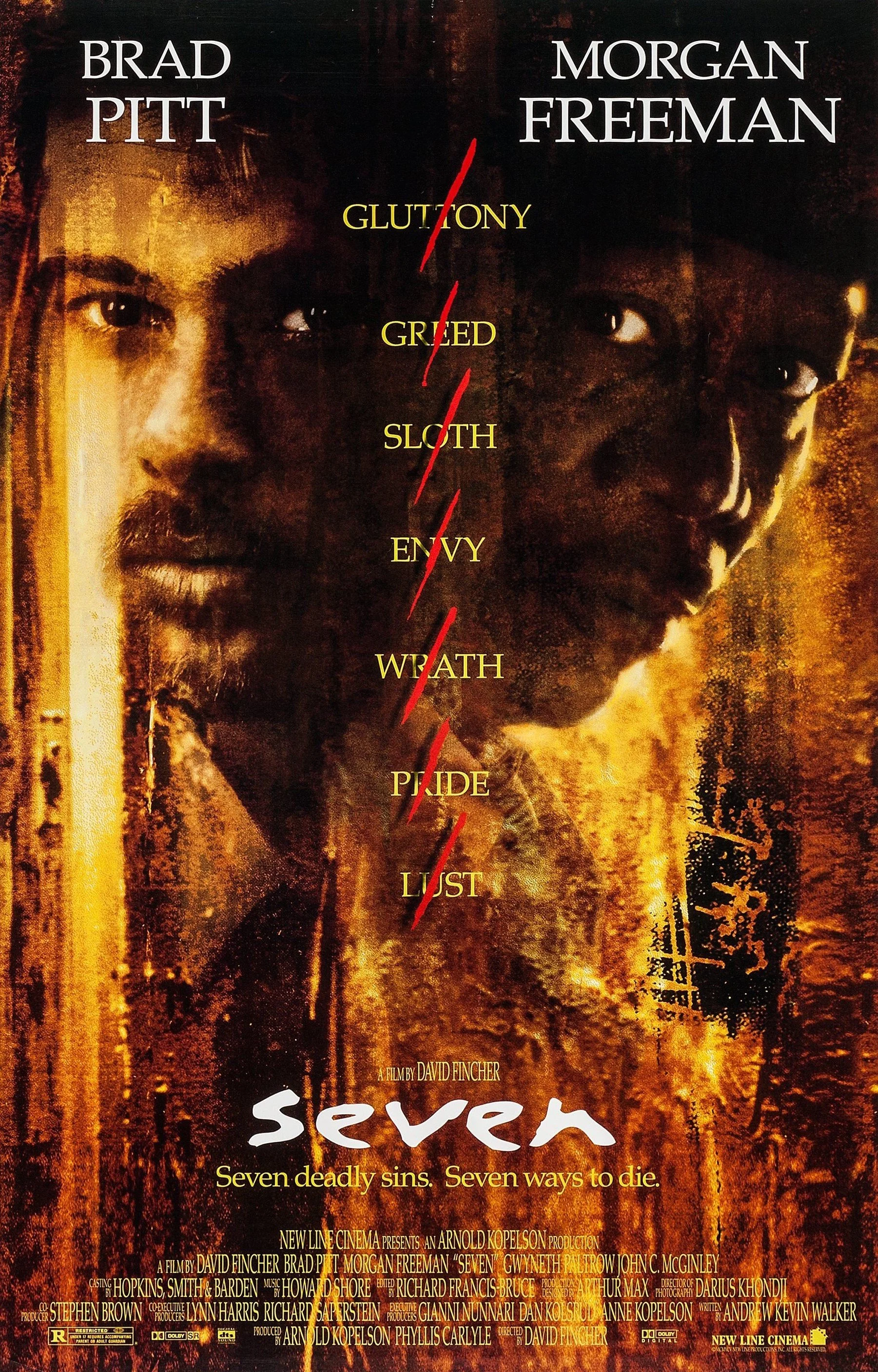
Seven shares some elements with The Crow. Both feature a lot of rain, a city at the brink of collapse due to skyrocketing crime rates and social apathy. While Eric’s mission was one of vengeance, Seven takes the serial killer trope and creates something entirely new separating it from the psychological intensity of the Silence of the Lambs (1991). Boasting more interesting thematic layers and a tendency to cause discomfort, its biggest draw is its aura. Despite the straightforward story - a lunatic kills people based on the seven deadly sins, Fincher shoots his nameless city as an urban hell on Earth, characterized by minimal lighting, endless rain, and architectural deterioration. Nightclubs, condos, back alleys, police stations, residences, and more look like they barely hold it together. When Seven moves towards its murder material, the atmosphere is not one of horror or anxiety but instead one of asphyxiation. It strangles the good out of people, swallowing those who wish to stand above (i.e., Detective Mills). At the end, darkness devours light with the latter letting itself go extinct in a movie that will receive plenty of resonance today.
Production design
🎭🎭🎭🎭🎭
Cinematography
🎥🎥🎥🎥🎥
Dread
😧😧😧😧😧
Decay
🏚️🏚️🏚️🏚️🏚️
Atmosphere
🕯️🕯️🕯️🕯️🕯️
Sound design
🔊🔊🔊🔊
Visuals
🧑🎨
Atmosphere: Dread, rain soaked, nihilistic, urban decay, bleak
6. Event Horizon (1997)
MVP: Joseph Bennett creates a floating hell within the space-gothic ship that is Event Horizon, a visual novelty to this day.

The scariest film according to Film Mining 101, Paul WS Anderson’s follow-up to his successful Mortal Kombat (1995) was a bold gamble for the director’s career. This sci-fi horror boasts quality actors, a non-conforming script, hellish visuals, and a jaw-dropping production design by Joseph Bennett. Event Horizon, the ship that mysteriously returned after drifting in space for 7 years, is covered by an excessive atmosphere of dread, particularly in the movie’s first two-thirds which are considered among the most tense in cinema history. Anderson’s direction takes inspiration from Kubrick placing the viewer at the center of this novel aesthetic for maximum uneasiness all the while using zoom ins and outs, rotating shots, and wide framing to showcase the doomed vessel in all its techno-gothic glory. A truly unnerving feeling sticks to the audience from the moment the crew of Lewis and Clark sets foot in this gigantic metal coffin. Anderson’s flick oozes so much foreboding you can slice and dice it with a knife assisted by the exquisite sound design and the actors’ believable characters and reactions as the madness and panic take over.
Production design
🎭🎭🎭🎭🎭
Cinematography
🎥🎥🎥🎥
Dread
😧😧😧😧😧
Decay
🏚️
Atmosphere
🕯️🕯️🕯️🕯️🕯️
Sound design
🔊🔊🔊🔊
Visuals
🧑🎨🧑🎨🧑🎨
Atmosphere: Hellish, cosmic, gothic, claustrophobic, dread
5. Sleepy Hollow (1999)
MVP: The duo of production designer Rick Heinrichs and cinematographer Emmanuel Lubezki whose work resulted in the most beautiful horror film of all time.
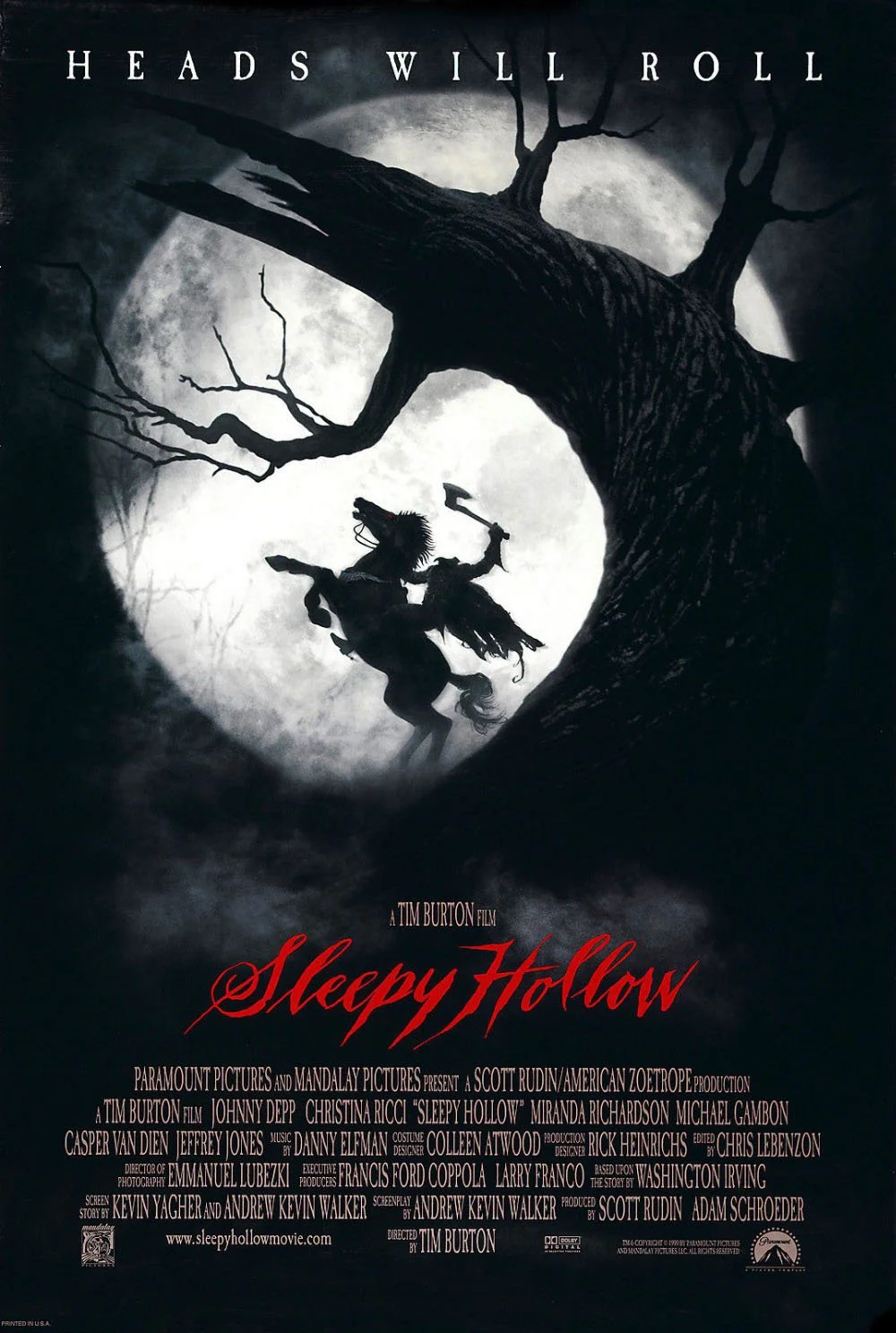
Not many cinephiles were hotly anticipating an adaptation of Washington Irving’s Legend of Sleepy Hollow. Yet, Tim Burton at the height of his creative powers delivered a sensational love letter to the 70s horror Hammer flicks. Elevated by Danny Elfman’s oneiric score, Sleepy Hollow feels a bit eccentric for a creature feature. Bypassing elements such as the macabre humor and a rather unconventional hero, this is Tim Burton at his darkest, at least visually. Shot exclusively on soundstages, the Oscar-winning production design is off the charts giving birth to a superb whimsical, gothic tone of unease which surrounds the little town of Sleepy Hollow and its mysterious murders. Burton enriches frame after frame with dense autumnal forests in almost an earthy, monochromatic palette disrupted only by crimson red when heads roll. Never before has a filmmaker captured so efficiently the dark and deep woods creating a very unsettling mood. From the opening credits that see Depp’s Ichabod Crane travelling to the cursed town to his character’s surreal dream sequences, Burton handcrafts a film of exquisite, candlelit style.
Production design
🎭🎭🎭🎭🎭
Cinematography
🎥🎥🎥🎥🎥
Dread
😧😧😧😧😧
Decay
🏚️
Atmosphere
🕯️🕯️🕯️🕯️🕯️
Sound design
🔊🔊🔊
Visuals
🧑🎨🧑🎨🧑🎨🧑🎨
Atmosphere: Maccabre, autumnal, whimsical, misty, candlelit, gothic
4. Brotherhood of the Wolf (2001)
MVP: Christophe Gans’ direction. He employs every known directorial trick to render this 18th century French province as a unique place.

Brotherhood of the Wolf was France’s answer to Sleepy Hollow. However, unlike Burton’s movie which leaned heavily into a more suitable for cinematic presentation approach, Christophe Gans’ flick played with an actual true tale: that of the Beast of Gévaudan which involved roughly 100 women and children being mysteriously killed/devoured. Gans blends together efficiently several genres avoiding Burton’s German Expressionism homage and like its featured monstrosity, Brotherhood of the Wolf is completely different. Its style is way more varied featuring a variety of period settings such as forests, brothels, aristocratic mansions, and underground caves that contribute to an expanded scope. After all, this was one of the most expensive French motion pictures in history. Cinematographer Dan Laustsen provides the film with a distinct identity amidst its plethora of element-heavy scenes: there is rain, fog, snow, mist, and more which are used to enhance the creepy atmosphere around a monster roaming free in the woods. Along with a superb sound design, Gans transforms the French countryside into a most dangerous environment straight from the breathtaking opening scene.
Production design
🎭🎭🎭🎭🎭
Cinematography
🎥🎥🎥🎥🎥
Dread
😧😧😧😧😧
Decay
🏚️
Atmosphere
🕯️🕯️🕯️🕯️🕯️
Sound design
🔊🔊🔊🔊🔊
Visuals
🧑🎨🧑🎨🧑🎨🧑🎨
Atmosphere: Candlelit, autumnal, occult, misty, baroque
3. Silent Hill (2006)
MVP: Carol Spiel. Not only her design has scope and does not feel cheap but she has to create sets for three worlds: the real one, the Silent Hill one, and the hell one convincingly.
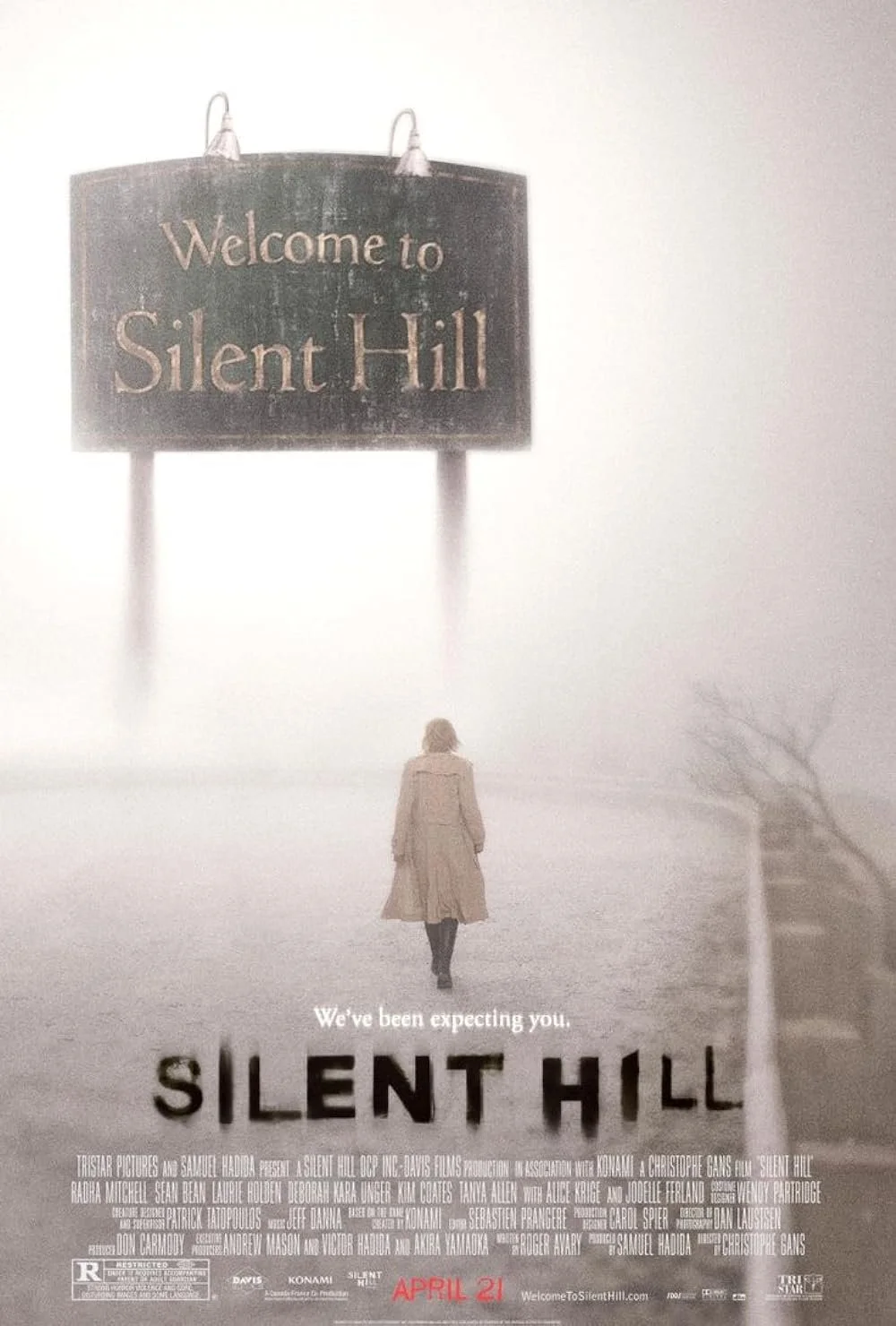
The next film of Gans is also the next one in this list. When it was released, Silent Hill was not a hit with critics. Besides some enthusiasm towards its heavy visual look and inspired monster design, everything else was sharply criticized. Yet, time has been kind to this adaptation of Konami’s psychological horror behemoth. Although the script by Roger Avary (co-writer of Pulp Fiction (1994)) is convoluted, it is evident the scorched city of Silent Hill is the main protagonist here. Featuring several iconic locations and identical shots from the video game, Gans relishes in his efforts to emphasize an ominous climate and surreal dread. This foggy, ash-falling-from-the-sky city with its decayed and abandoned shops and houses is quite an unnerving sight, especially the way Gans positions his camera angles. You know in your gut something is wrong even if you can’t put your finger on it. When Silent Hill converts itself into an industrial hellscape full of peculiar creatures, its atmosphere is further heightened to one of panic and hopelessness. Silent Hill might be two hours long but its extraordinary vibe sets it apart from other horror flicks.
Production design
🎭🎭🎭🎭🎭
Cinematography
🎥🎥🎥🎥🎥
Dread
😧😧😧😧😧
Decay
🏚️🏚️🏚️🏚️
Atmosphere
🕯️🕯️🕯️🕯️🕯️
Sound design
🔊🔊🔊🔊
Visuals
🧑🎨🧑🎨🧑🎨🧑🎨
Atmosphere: Foggy, nightmarish, hellish, dread, surreal
2. The VVitch (2015)
MVP: Jarin Blaschke. His cinematography suggests the sinister presence of a witch deep inside the New World’s woods.
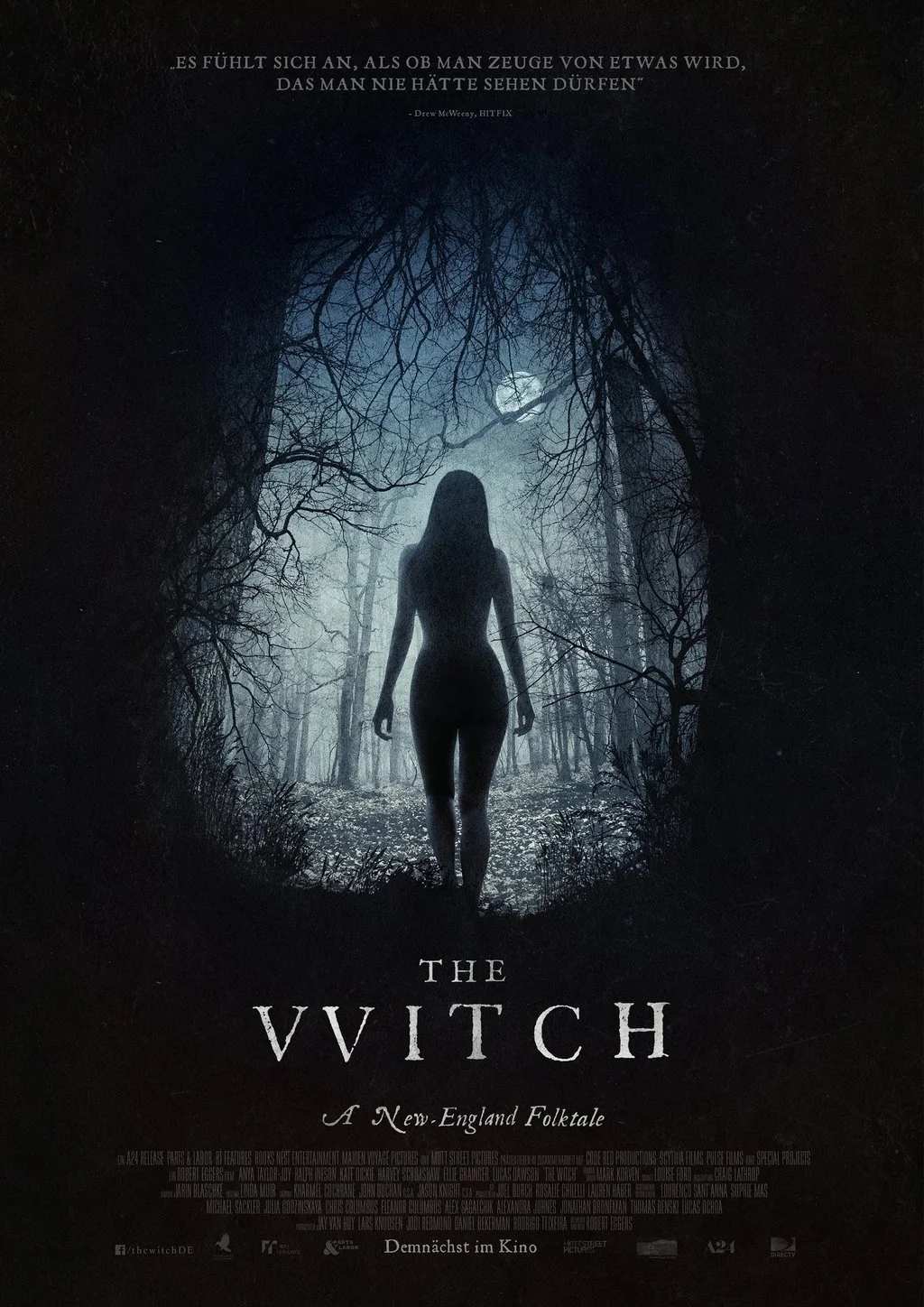
No matter how hard Robert Eggers tries, so far he has not surpassed his directorial debut, The VVitch. While using the lingo of 17th-century New England, a family is banished from a Puritan settlement to the wild woods. What follows is an exercise in slow-burning, supernatural anguish. Eggers manages to make witches very scary (coming hot after Rob Zombie’s in-your-face portrayal in his Lords of Salem (2012)) hinting most of the times at his foe’s abnormal powers and presence with her minimal appearances landing hard. Of course, what stands out is the increasing paranoia between the various family members whose faith is being put to the test amidst infant abductions, a billy goat named Black Philip who is supposed to be the Devil, lack of food, and other inexplicable phenomena. Although the use of non-modern language can be exhausting due to the dense material, Eggers’ direction and Jarin Blaschke’s cinematography render this period, folk horror tale remarkable. The Witch’s scenography really sets the tone and the ambience for a movie that refuses to play by the rules seeking to deliver an unyielding vision of evil witchcraft.
Production design
🎭🎭🎭
Cinematography
🎥🎥🎥🎥🎥
Dread
😧😧😧😧😧
Decay
🏚️
Atmosphere
🕯️🕯️🕯️🕯️🕯️
Sound design
🔊🔊🔊🔊
Visuals
🧑🎨🧑🎨
Atmosphere: Dread, bleak, autumnal, puritanical
1. Backrooms (2026)
MVP: Kane Parsons’ Lynchian direction turns all the big bright, yellow rooms, places that should never be visited alone.
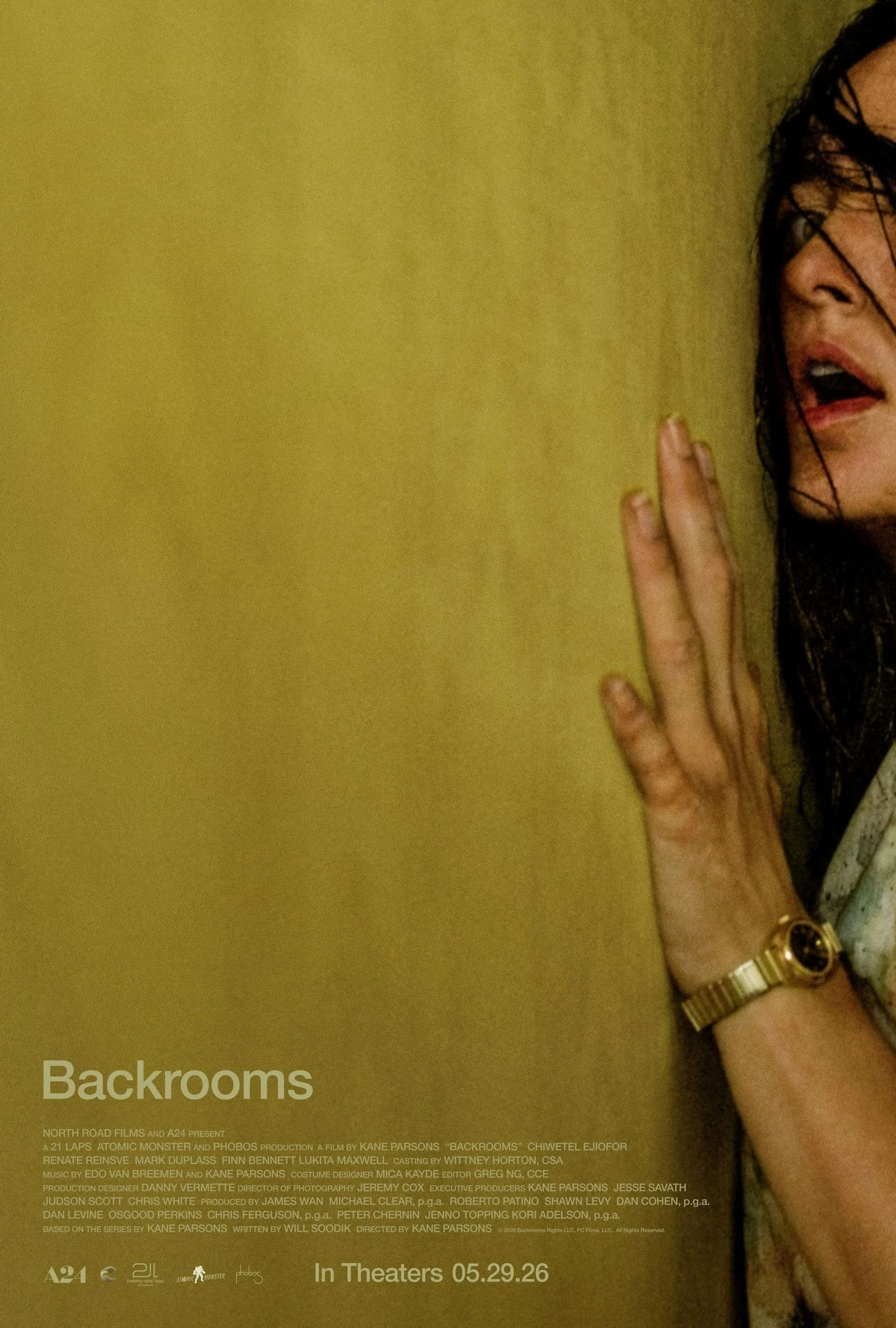
Kane Parsons’ Backrooms is way better than it has any right to be. Most importantly, it relies heavily on its titular concept, its backrooms to create a profound sense of uncanny disorientation. While other entries in this list bear a more sinister agenda within their atmospheric settings (e.g., whether this is the Devil’s work or a creature roaming free killing unsuspecting humans), Backrooms excludes itself from this equation. Instead it leans closely into psychological drama territory, with Chiwetel Ejiofor’s protagonist taking the plunge into an uncharted space where minimalism, bright lighting, nonsensical architectural choices, and randomly placed everyday items co-exist together. Thus, the production design here for a 2026 flick refusing to rely on AI-generated crap or CGI backgrounds, is off the charts. Each room is like an unsolved puzzle reeking of bizarre discomfort and dismay; something is off in walking through endless corridors of liminal rooms. For that reason, Backrooms is one of the most atmospheric movies in recent memory going toe-to-toe against other heavyweights in this list.
Production design
🎭🎭🎭🎭🎭
Cinematography
🎥🎥🎥🎥
Dread
😧😧😧😧😧
Decay
🏚️
Atmosphere
🕯️🕯️🕯️🕯️🕯️
Sound design
🔊🔊🔊🔊🔊
Visuals
🧑🎨🧑🎨🧑🎨
Atmosphere: Liminal, flurescent, dread, sterile, surreal