
Seven (1995)
Director: David Fincher
Starring: Morgan Freeman, Brad Pitt, Gwyneth Paltrow, John C. McGinley
Primary genre: Crime
Secondary genre: Thriller
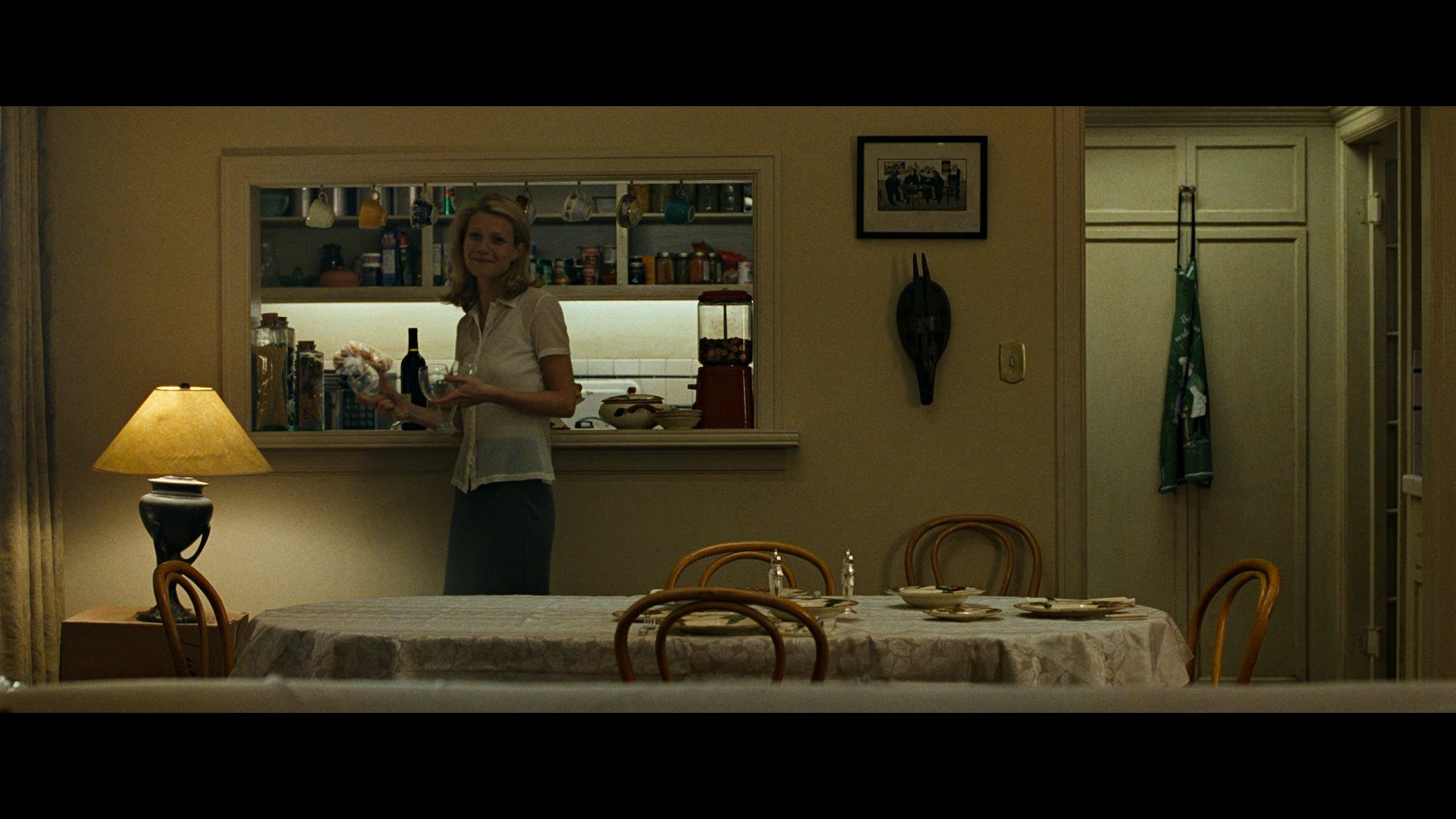
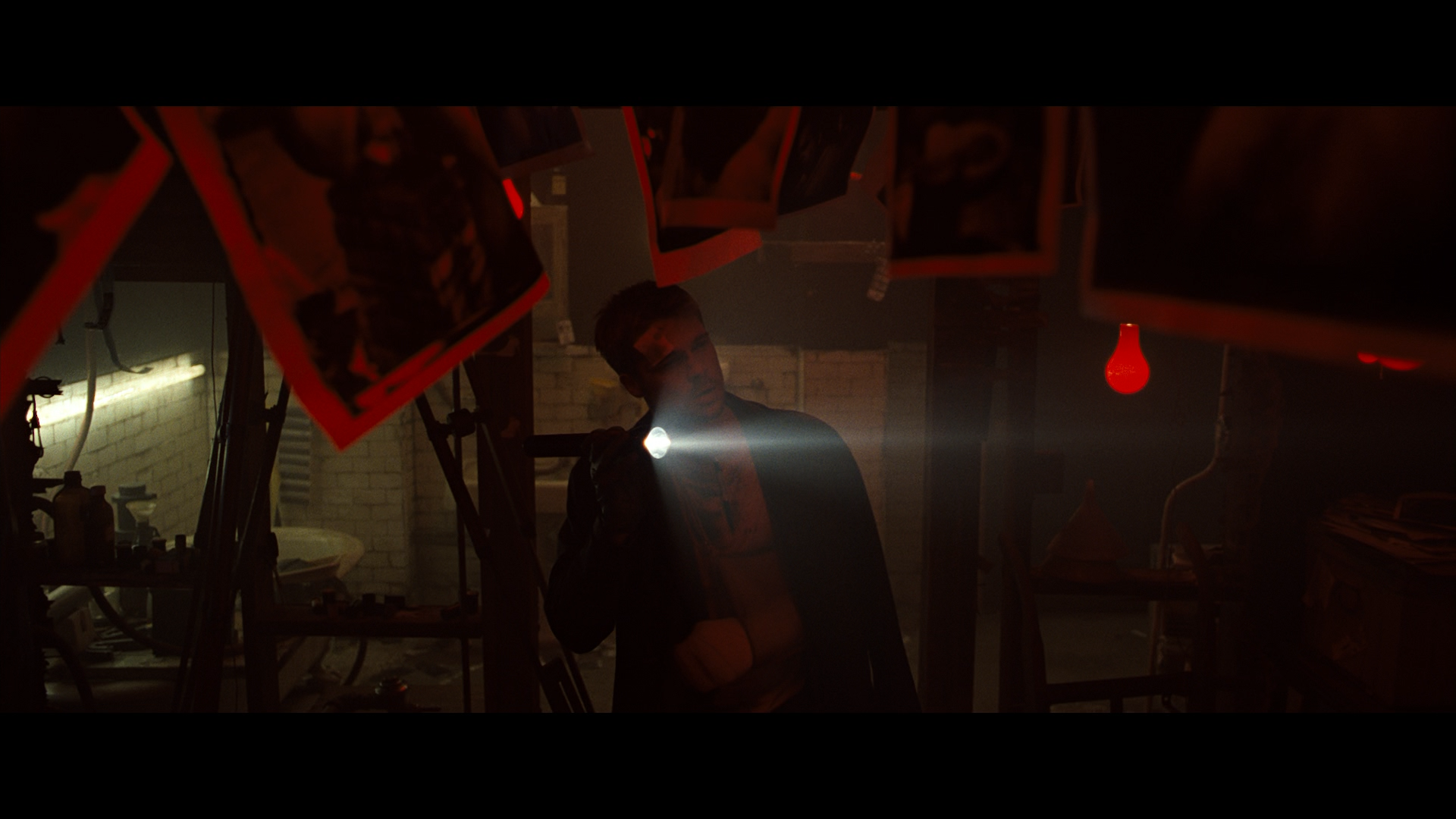
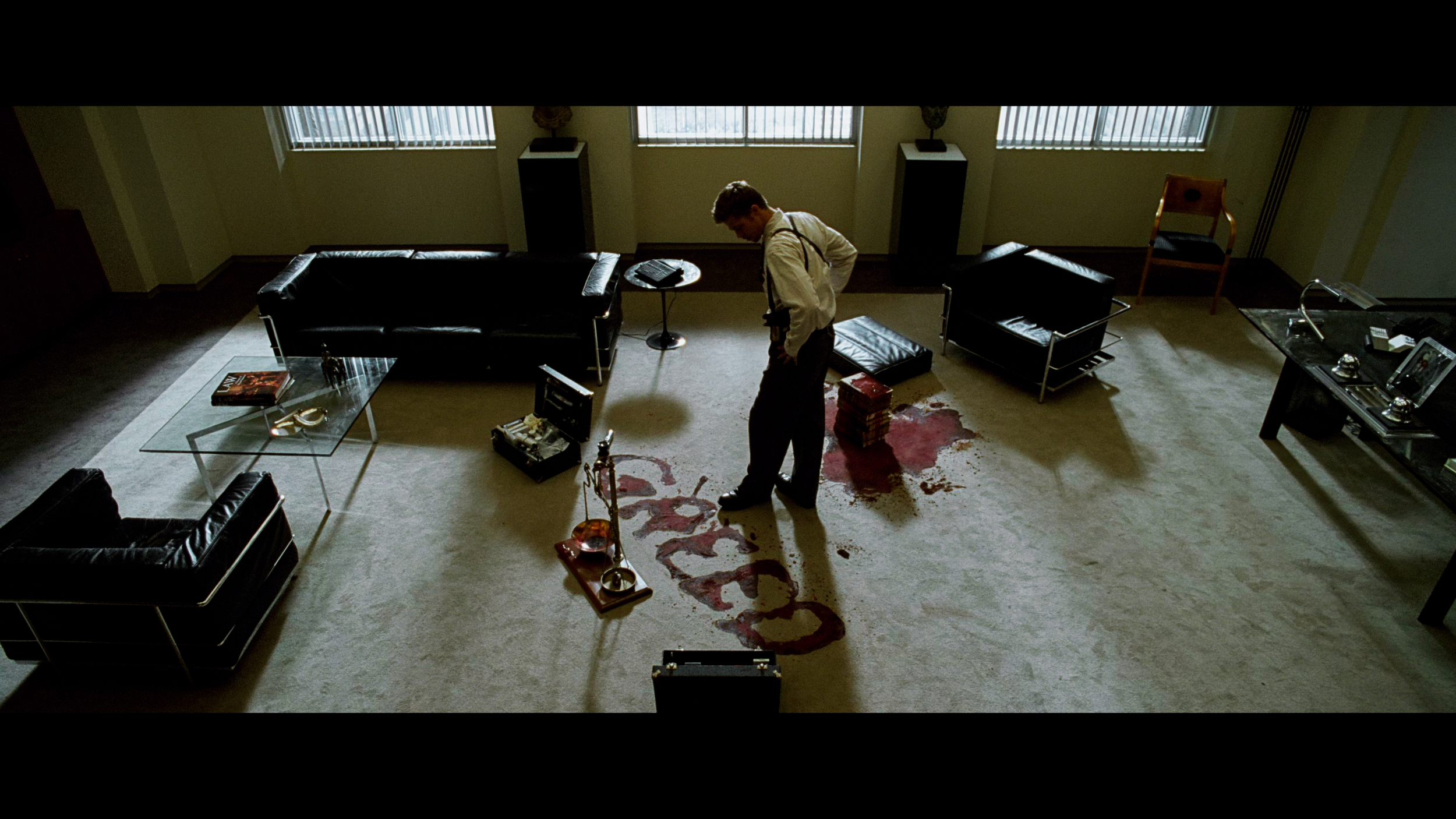
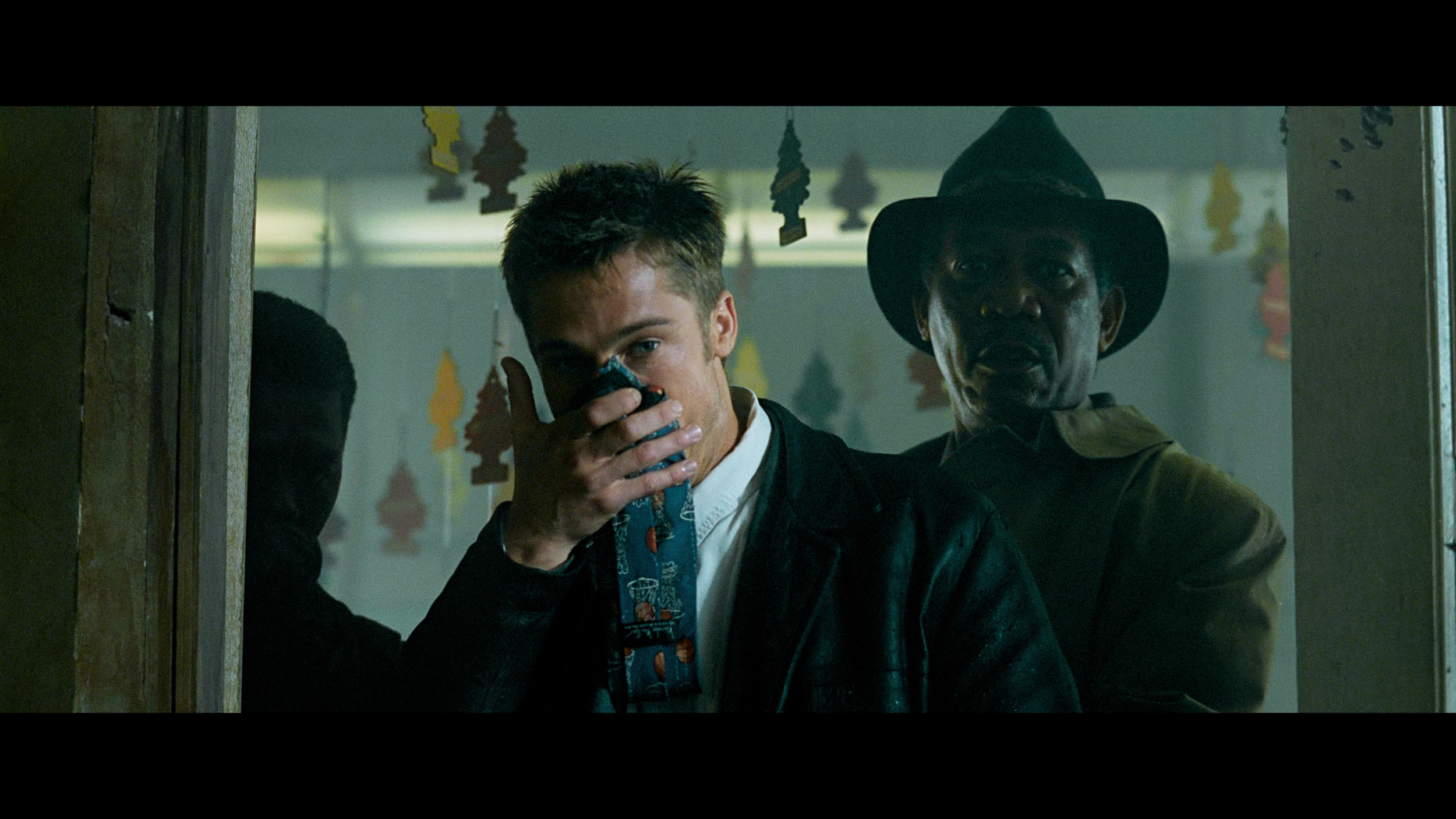
With landmark films there is a tendency after a while to downplay their significance to celluloid. In the 90s plenty of examples can support this statement: Titanic (1997), Dances with Wolves (1990), and Forrest Gump (1994) might have made an initially strong and critically acclaimed impression but after being re-examined several years later on, they are not as amazing as we thought them to be. Thus, movies that pushed boundaries due to their fearless material and ingenuity have been rightfully cemented in the pantheon of all time greats. David Fincher’s Seven is one of these flicks whose importance has been extended gracefully decades after its release surpassing key competitors like Silence of the Lambs (1991). Just look at how many imitators it inspired (Kiss the Girls (1997), Resurrection (1999), The Bone Collector (1999), The Batman (2022)). As it stands, Seven is intellectually and thematically more relevant than a deranged cross-dresser and a fictional portrayal of a genius psychopath. From its iconic and original (and much copied) credits, Seven establishes atmosphere under an MTV-esque edit with several necessary details about the incoming killings.
“You’re no messiah. You’re a movie of the week. You’re a fucking t-shirt, at best.”
While its central topic is linked to the identification of a serial killer whose methods rely on the seven deadly sins, Seven makes a compelling case about man’s nature without relying on gore, extensive scenes of torture, OTT performances, or bourgeois jump scare tactics. The atmosphere here is one of dread even on residential premises, visualized through decay and societal decline in a contemporary (and unnamed) metropolis that can be easily seen as a representation of an urban Hell. With crime at every corner, those few left to hold the reigns of the law, good will, and sanity are all alone in their effort to fend off the city’s apathy and indifference which puts its denizens into a continuous state of limbo.
The script is populated by authentic characters displaying and expressing emotions that have almost nothing heroic about them away from the Lethal Weapon’s (1987) playfulness or for Clarice to kill the villain and save the day. Andrew Kevin Walker’s words (Sleepy Hollow (1999)) aim to primarily dissect the human psyche in an environment where excessive acts of violence have become the norm and it is in this foundation where Brad Pitt’s detective Mills and Morgan Freeman’s detective Somerset have a verbal banter against each other; is it do your best against the occurring abyss or leave it be?
Fincher directs voyeuristically capturing a never ending rainy architectural maze at its ugliest both on the inside and on the outside combining elements from Blade Runner (1982) and The Crow (1994). Externally, the rainy weather obscures acts of cruelty asphyxiating human interaction; everything looks cold, distant, and emotionally unavailable. Internally, each environment is crammed with a lot of stuff, dark and isolated invoking the primal fear of the unknown; whether this is a library, a police station, or a flat, each setting feels unique worn down by the power of time oozing dread. Arthur Max’s production design showcases a grotesque state of decay and rot across the board and Darius Khondji’s cinematography is an all-time-winner setting up the stage for an unseen Grand Guignol spectacle that never arrives but is always hinted in the killing aftermath with some unnerving score by Howard Shore, already the go-to composer for original serial killer entries (Silence of the Lambs, Seven, The Cell (2000)).
Its infamous murder scenes (supported by Rob The Thing (1982) Bottin’s macabre effects) are a twisted version of modern installation art pieces inviting the audience and our heroes to think what these despicable works meant to comment on reminiscent of like Joel-Peter Witkin’s or Edward Munch’s style. You could argue Seven is ultra nihilistic in its misanthropic message in order to inflict maximum psychological damage on cinephiles. Yet, it carefully lays out a path that we should not follow but if we do, we have no one to blame but ourselves. In a brilliant scene between a sex club owner and Pitt’s Mills, it seems there is no difference which side of the fence you are sitting on. You either survive or you don’t so moral high ground is not an option.
Seven is one in a million masterpiece where are the right parts have come together in the right time; where ambition, creativity, and desire to create something unique has led to a movie boasting several layers along with an unforgettable ending. By the end, you will be thinking a lot about what has happened, why, and who was right; the filmmakers, the antagonist, the heroes, or the city itself?

Masterpiece
+Superb and layered screenplay
+Incredible production design
+…and cinematography
+Fincher’s claustrophobic direction
+Measured performances
+No jump scares
+Shore’s unnerving score
+Atmosphere of dread and decay