Summary
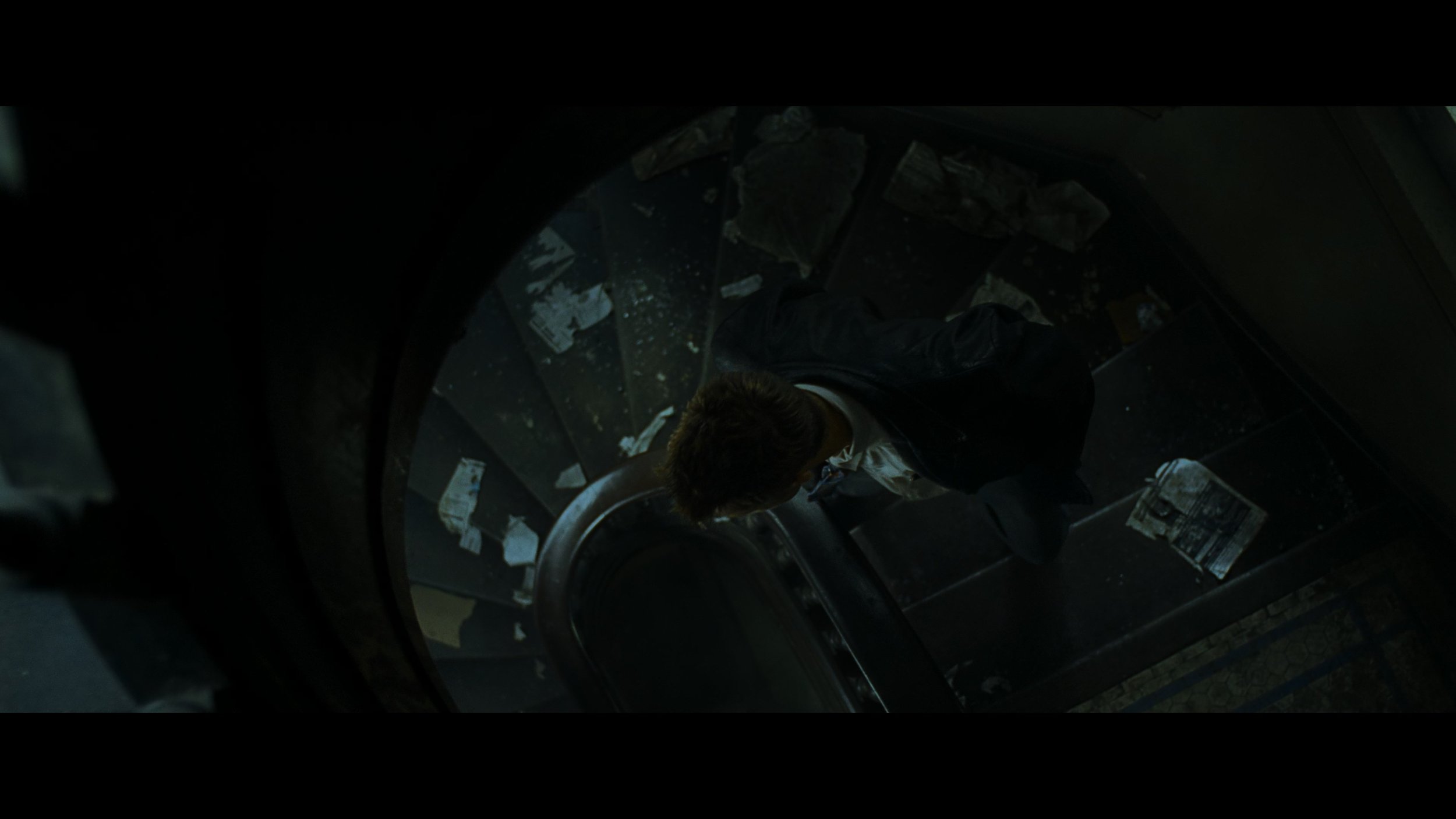
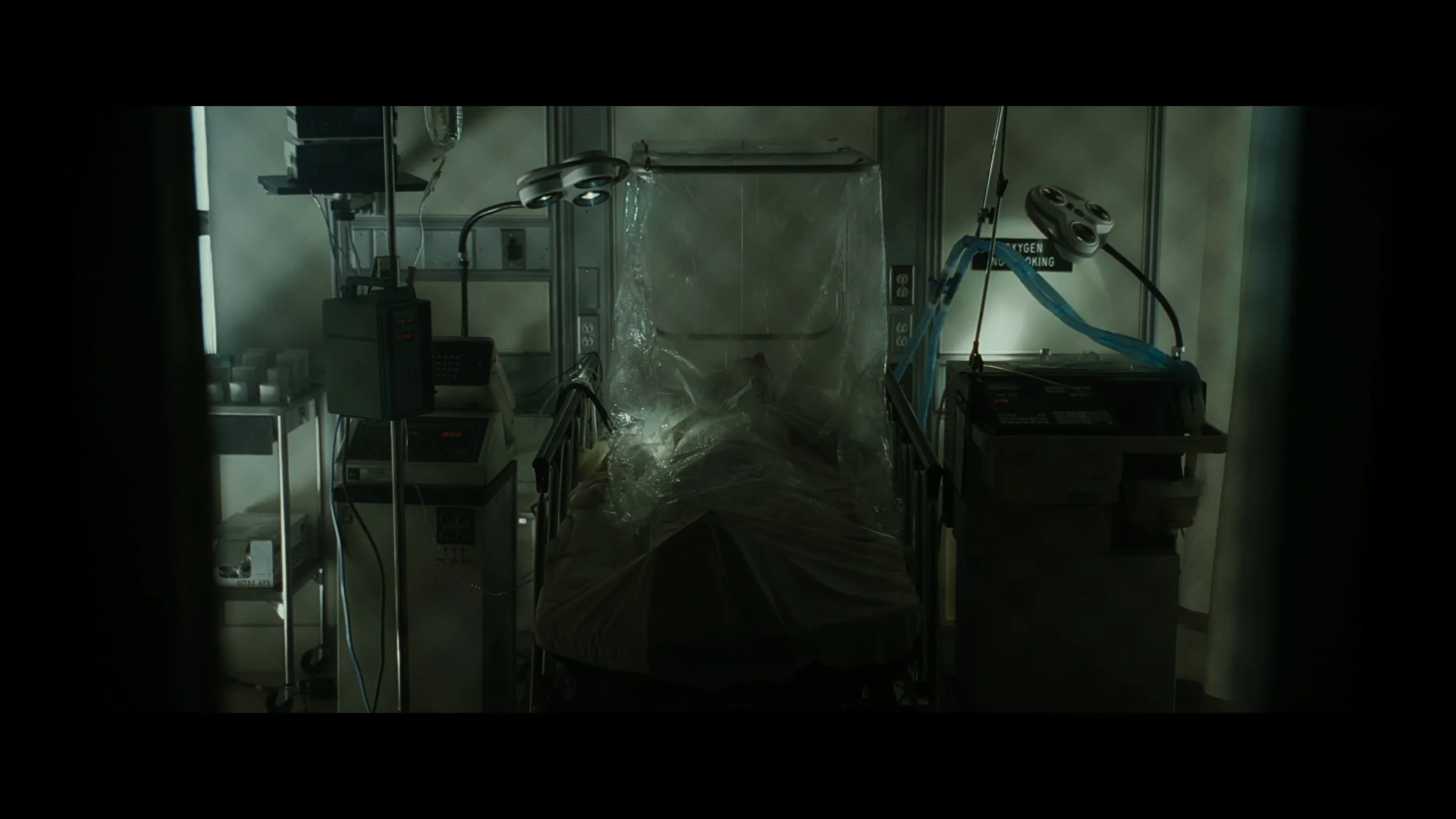
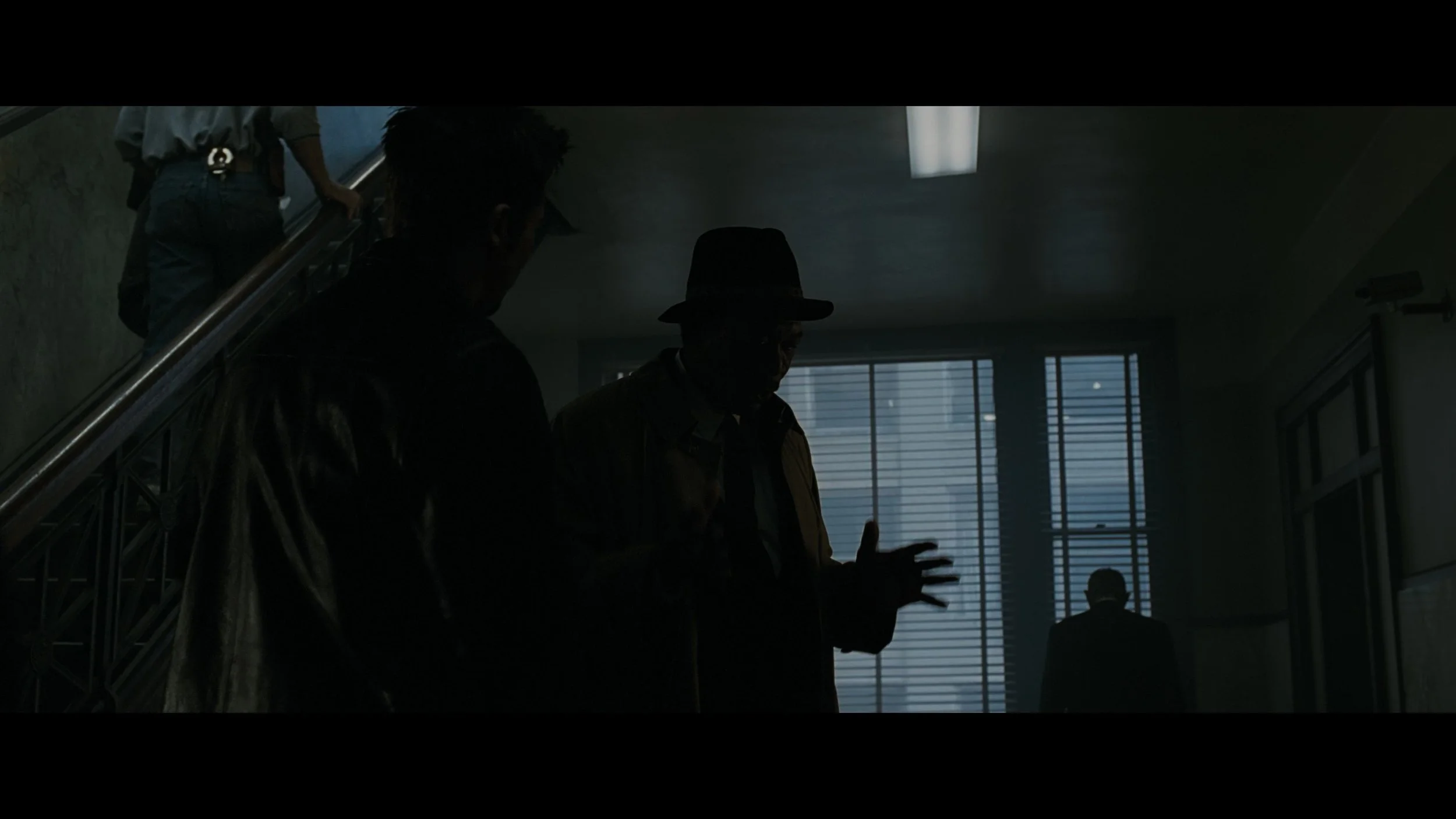
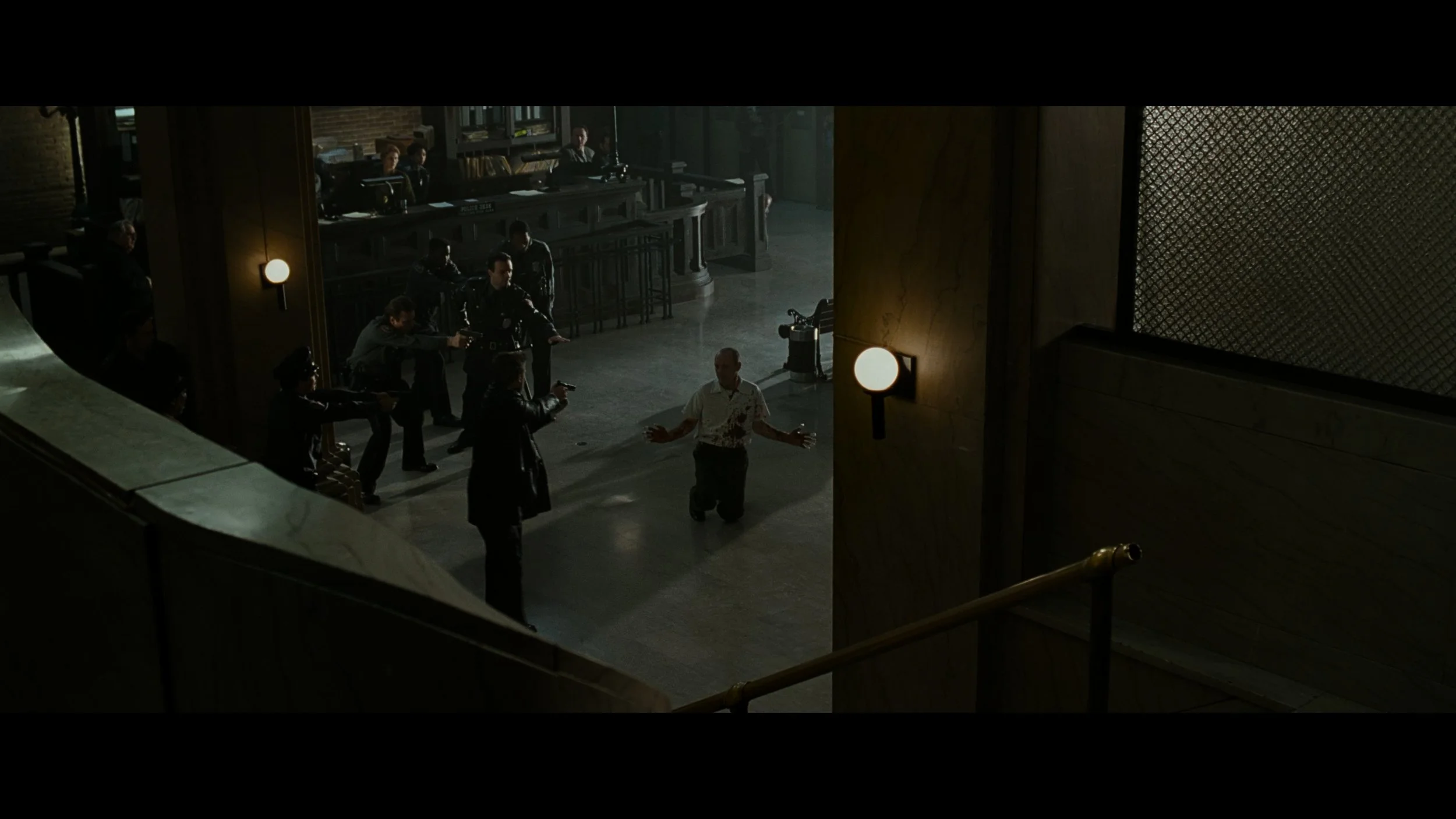
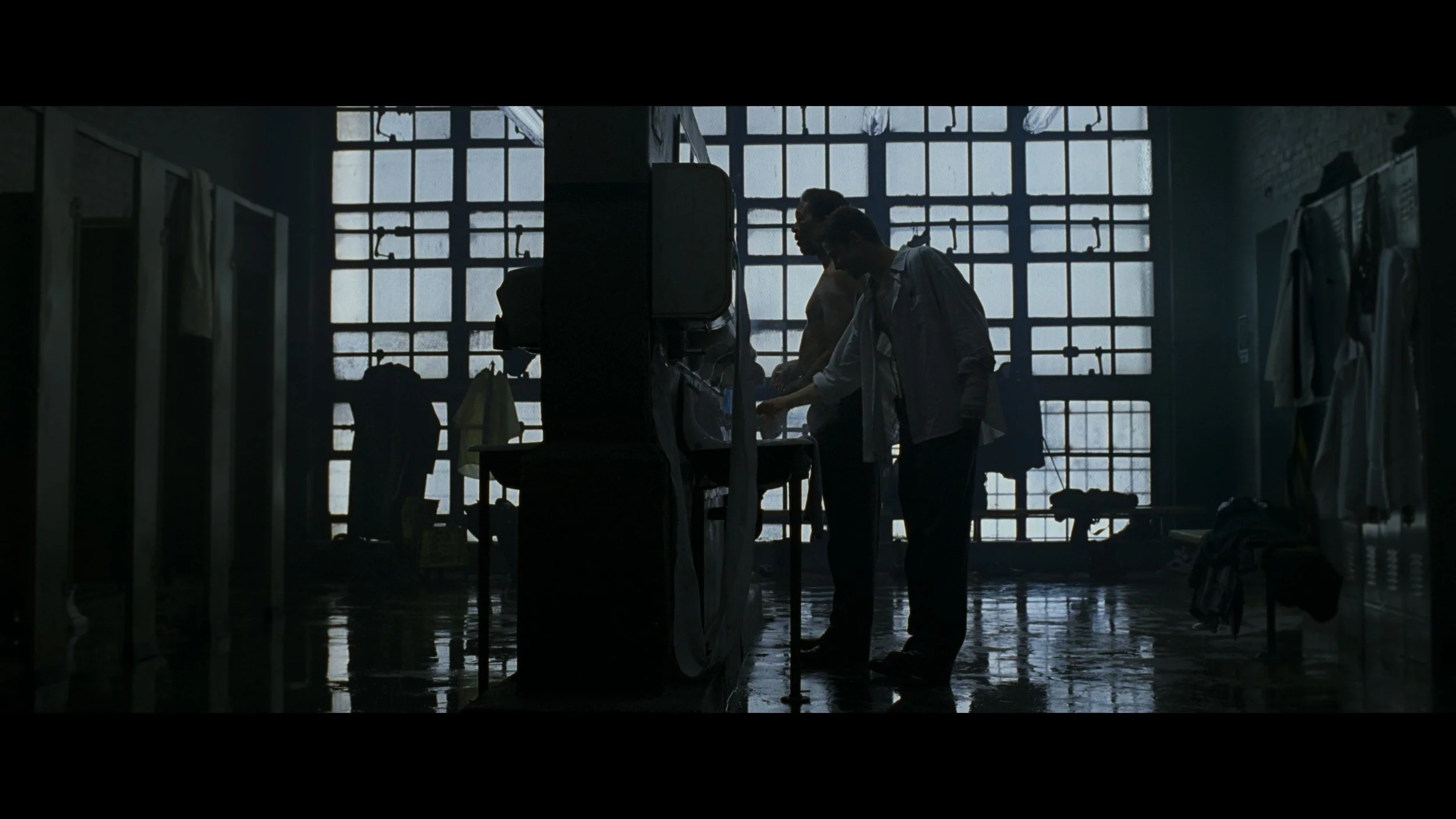
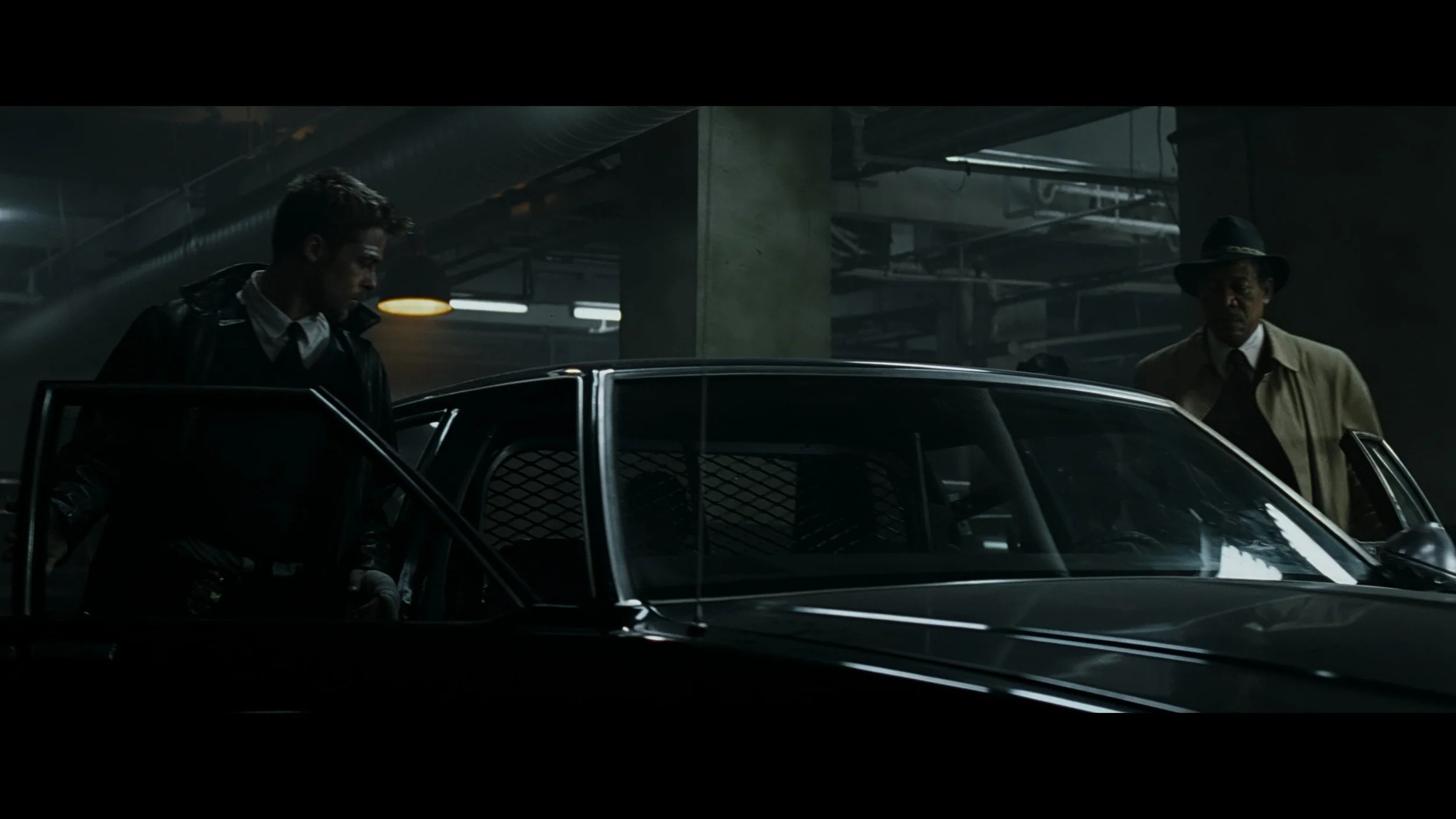
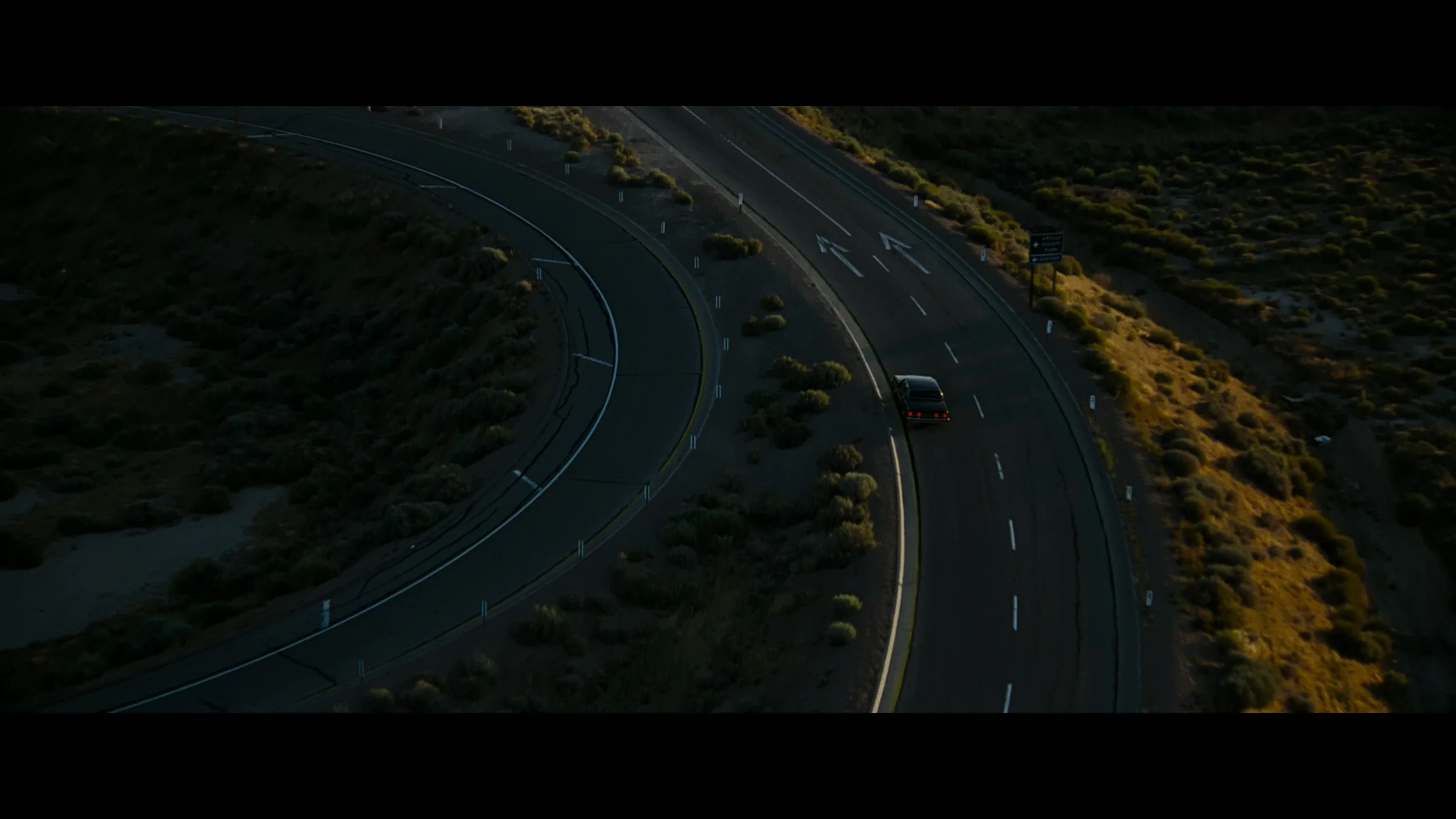
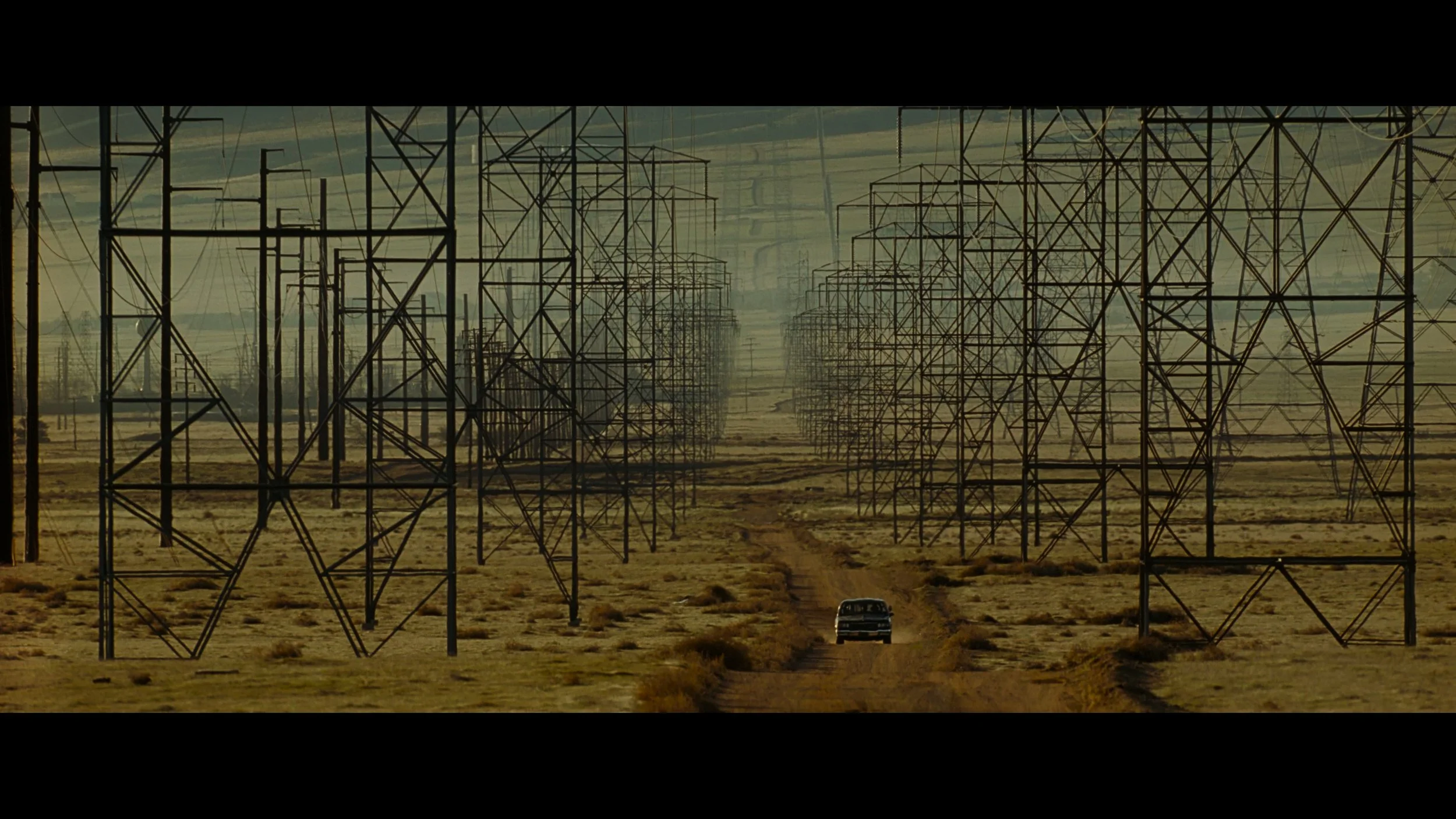
A legendary film, David Fincher’s Seven reshaped singlehandedly the serial killer for the big screen. From its disturbing opening credits and its presentation of post-murder crime scenes which flirt with Avant Garde to its decayed production design and Nietzschean exploration of apathy vs. hope amidst a killing spree of biblical influence. One element that further enhances Fincher’s vision for a “black and white film in color” is Darius Khondji’ bleak cinematography.
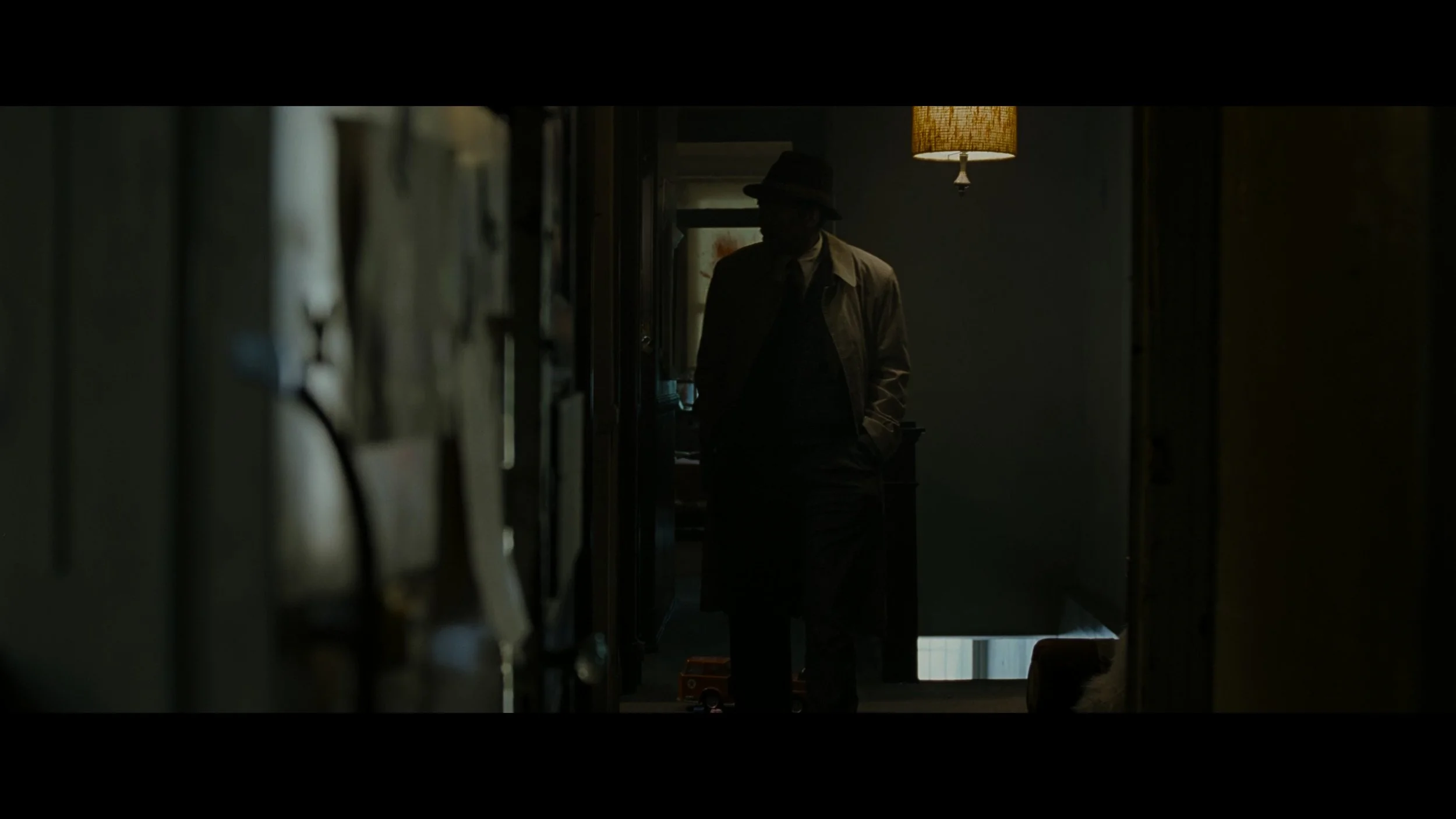
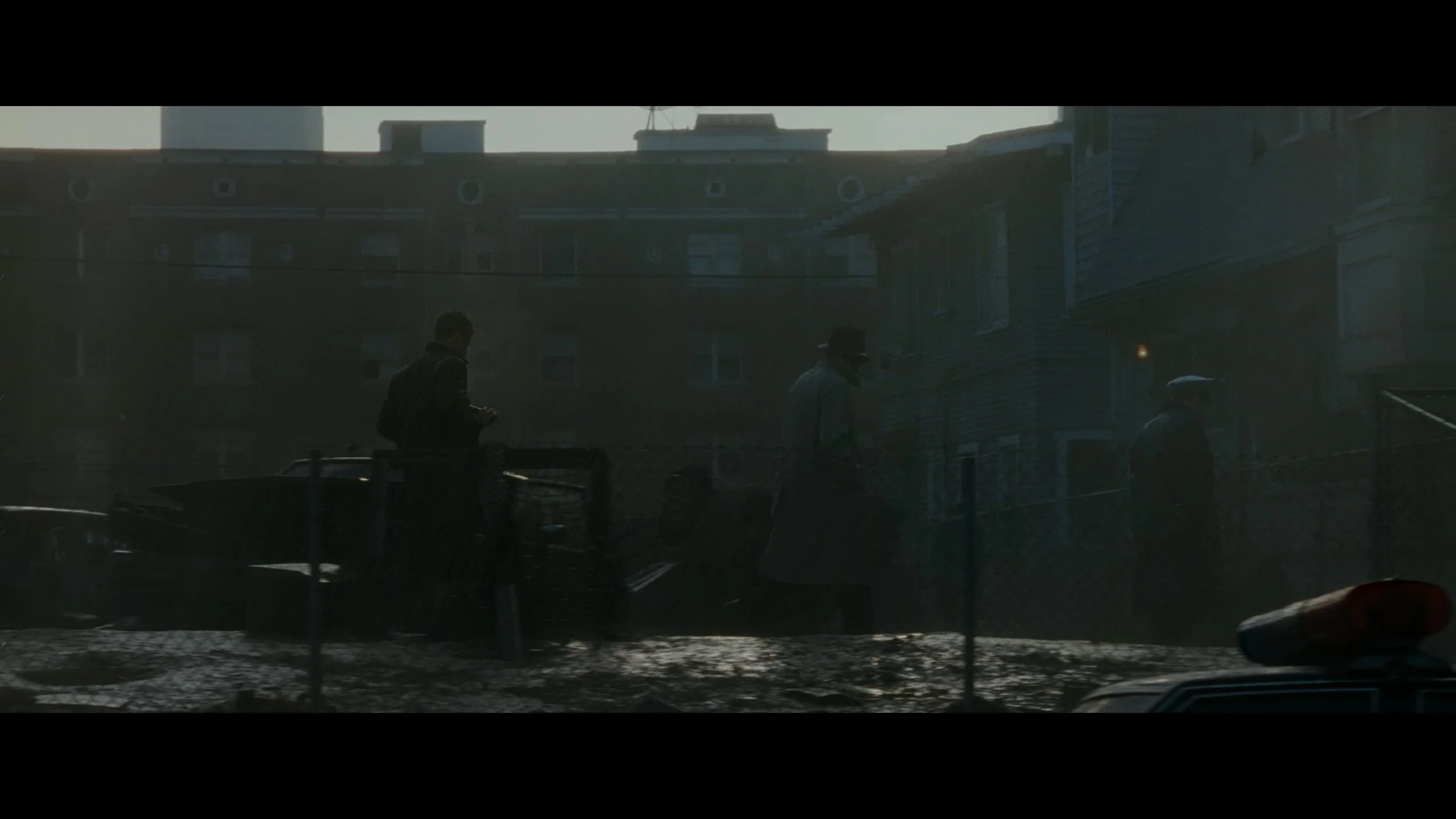
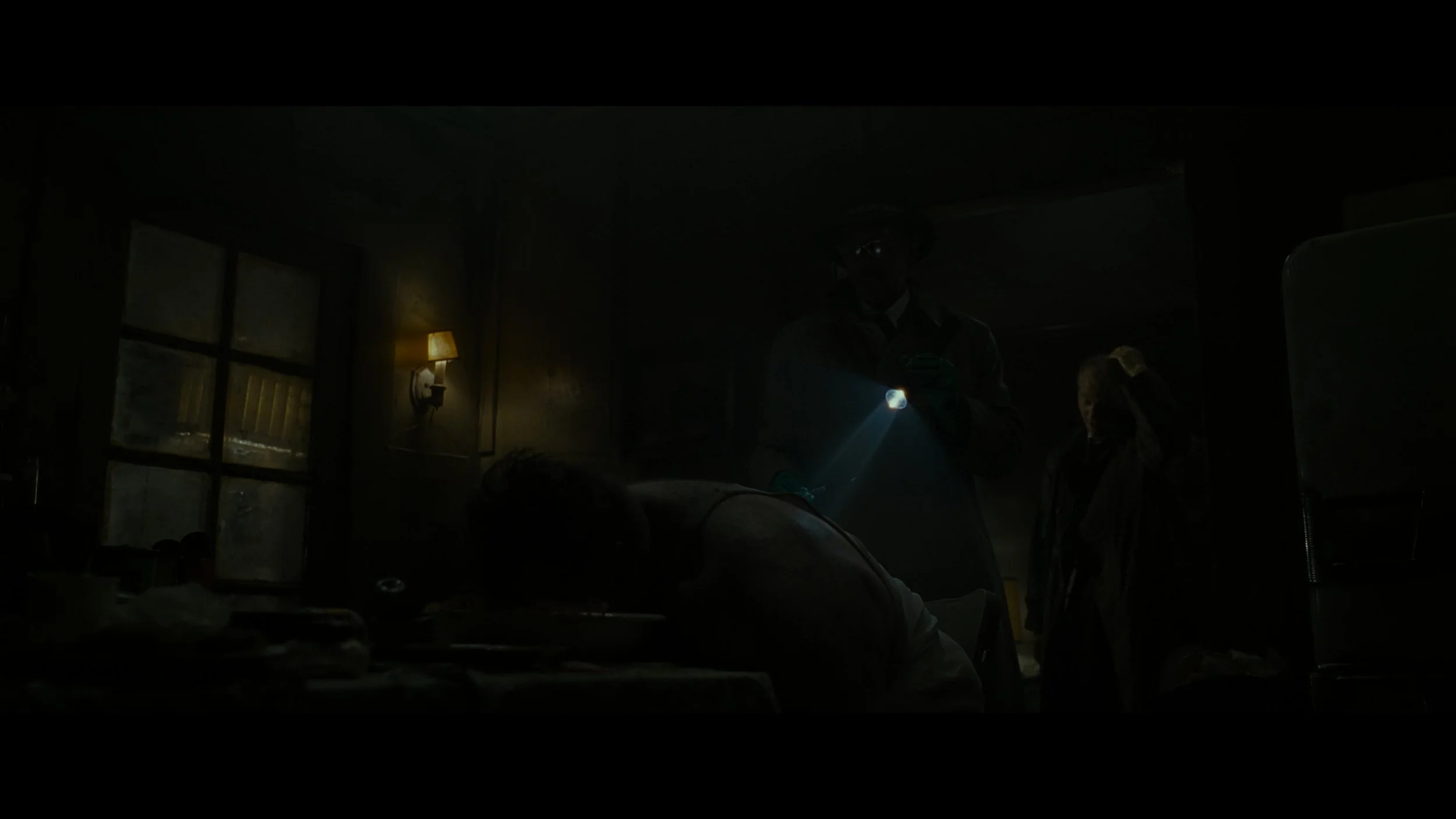
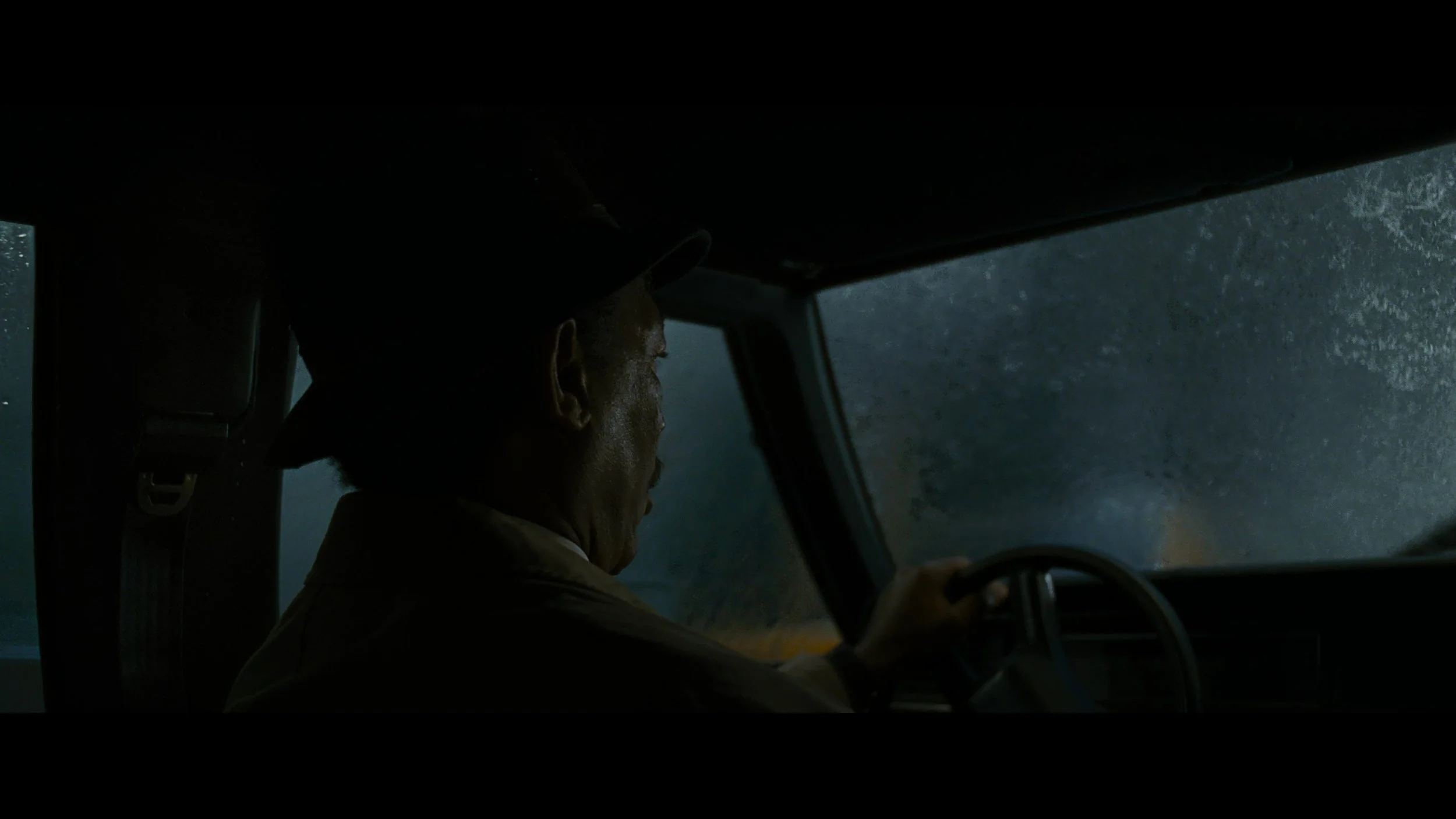
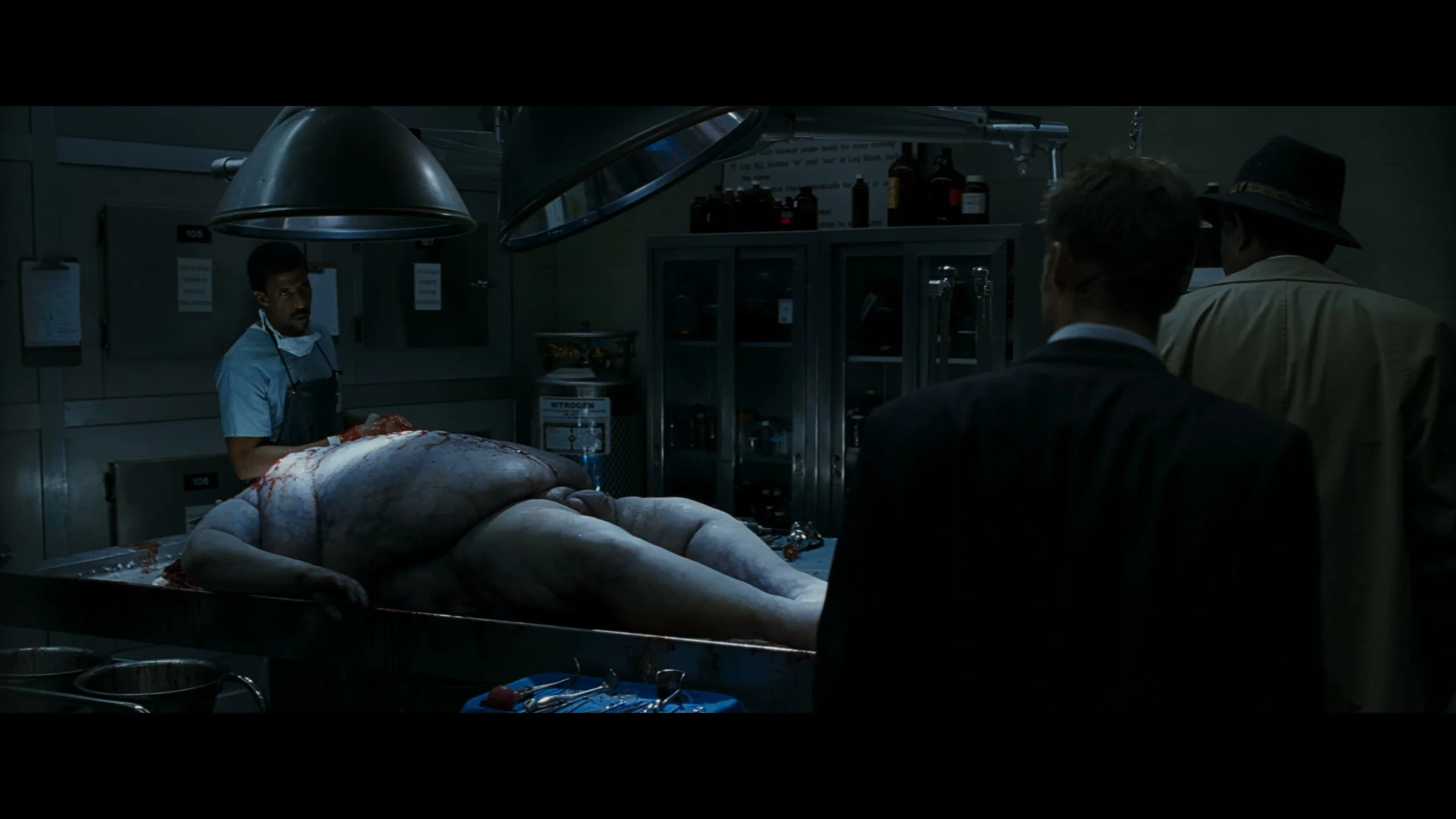
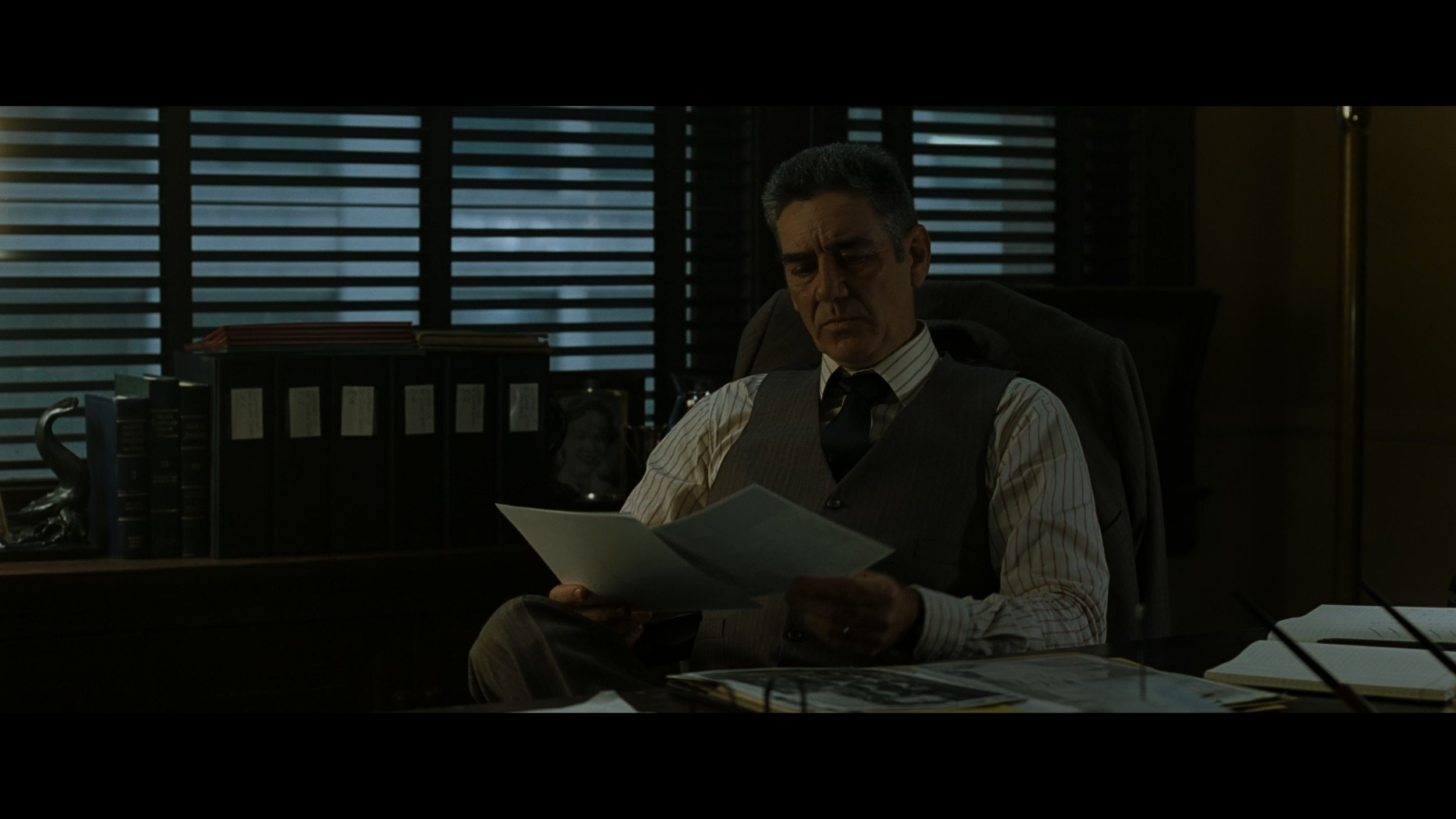
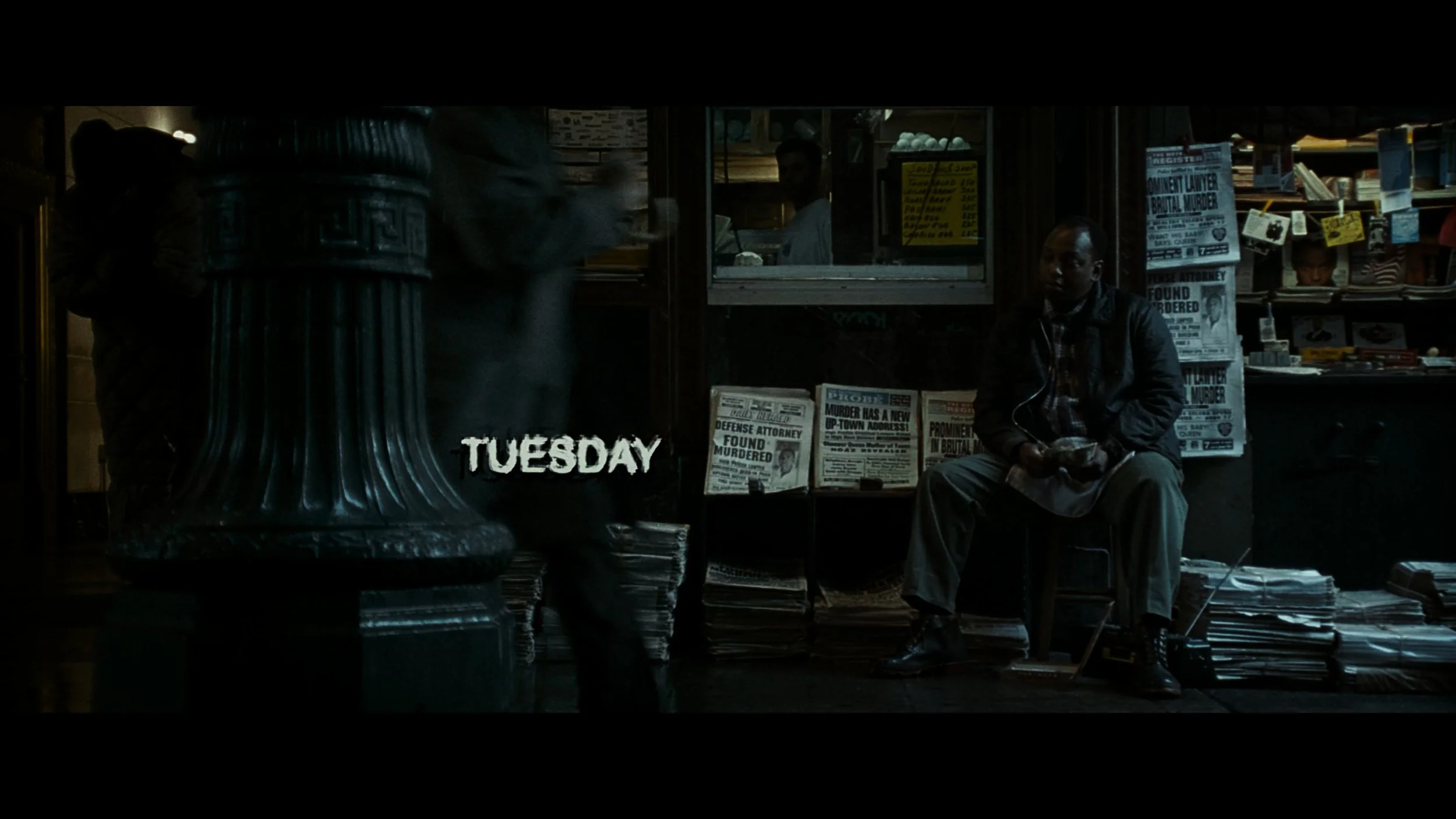
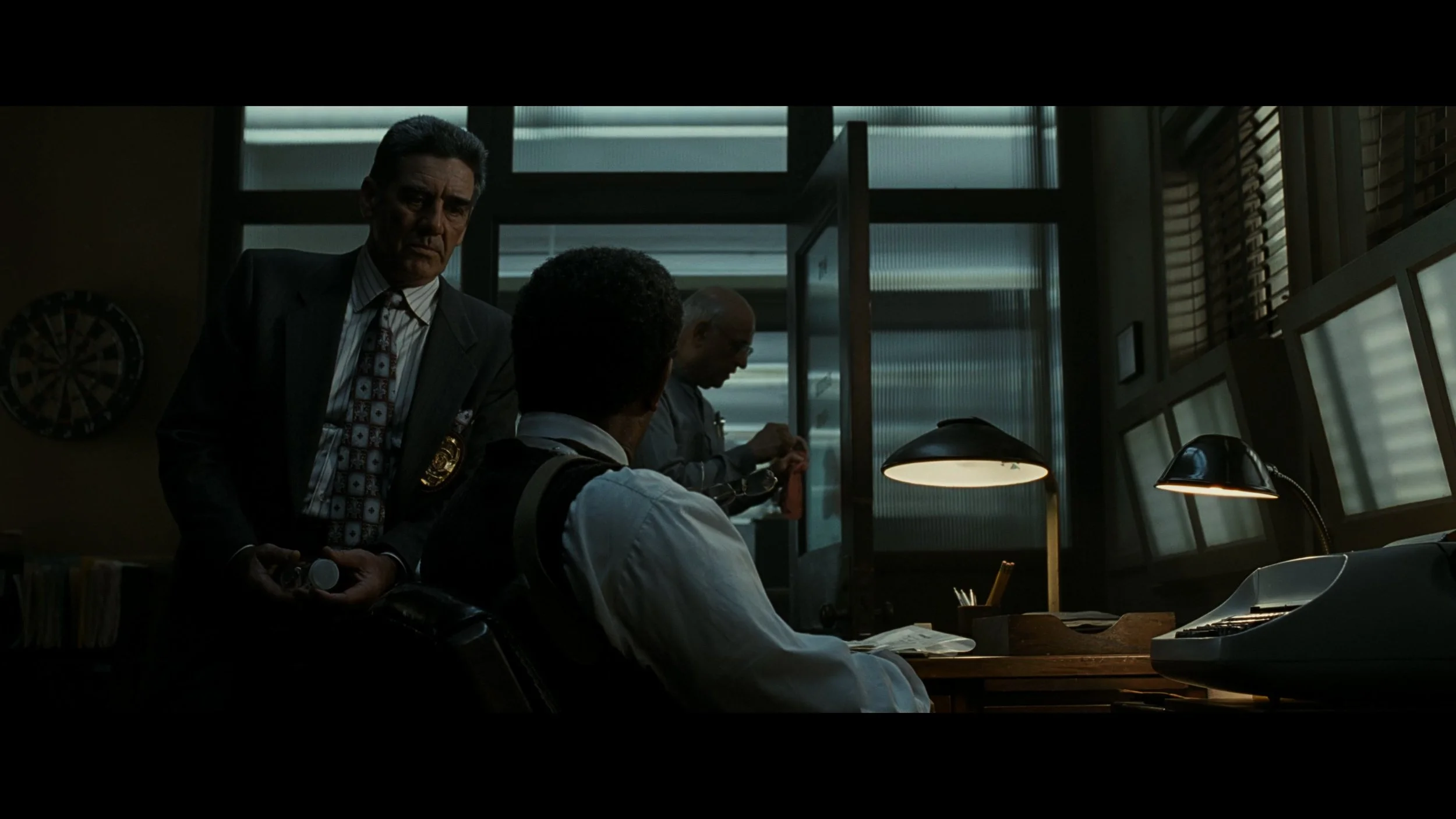
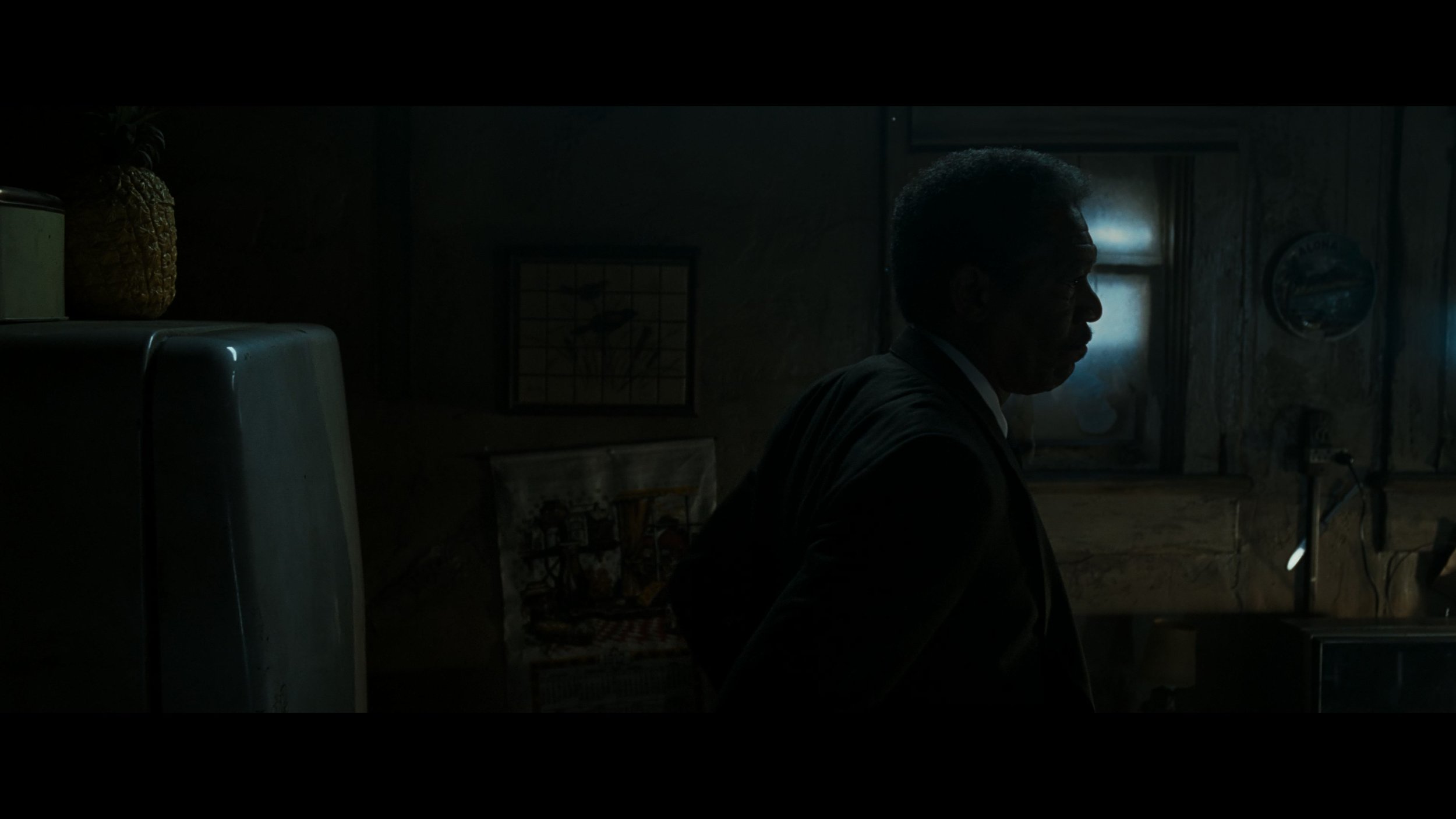
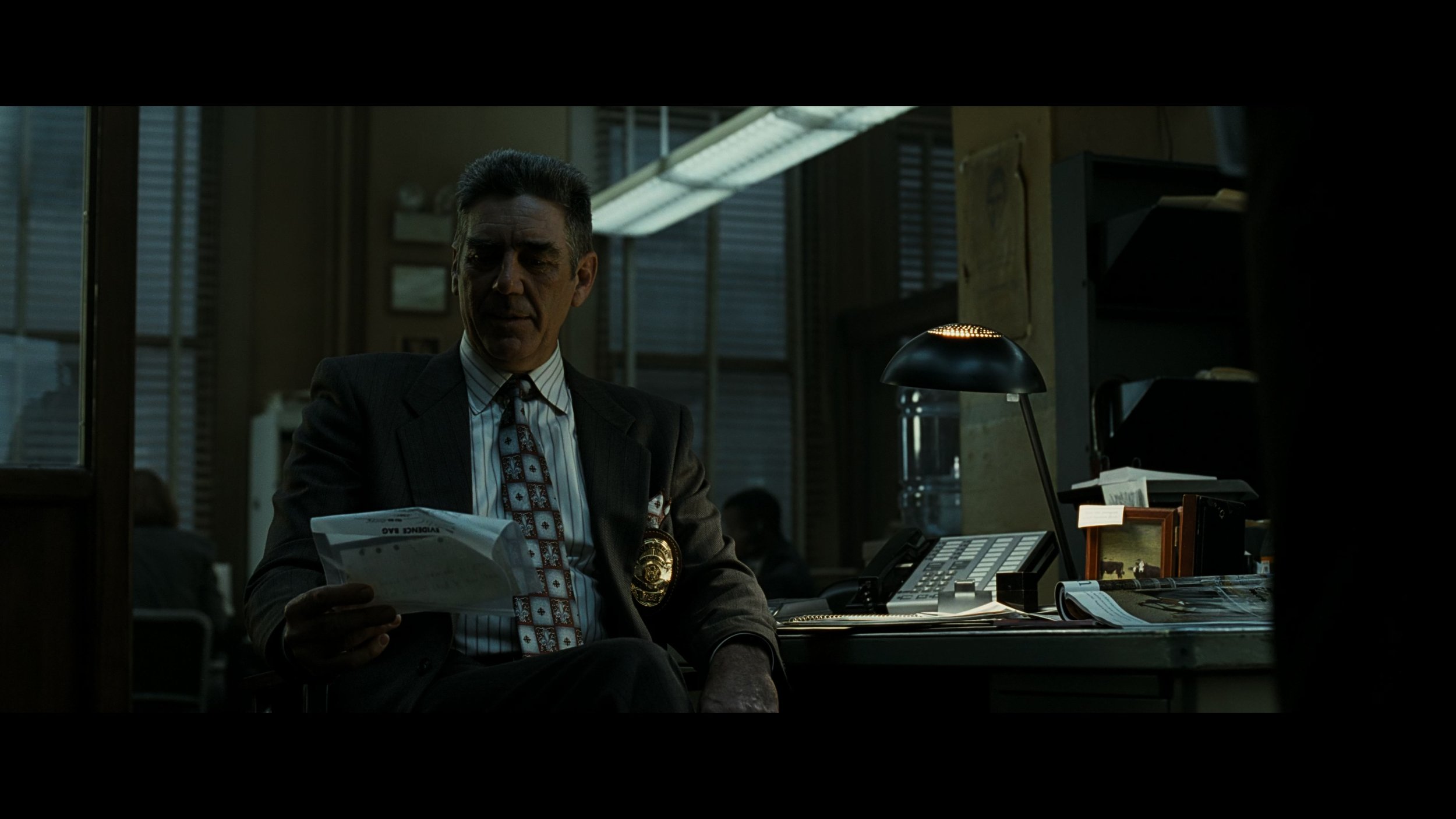
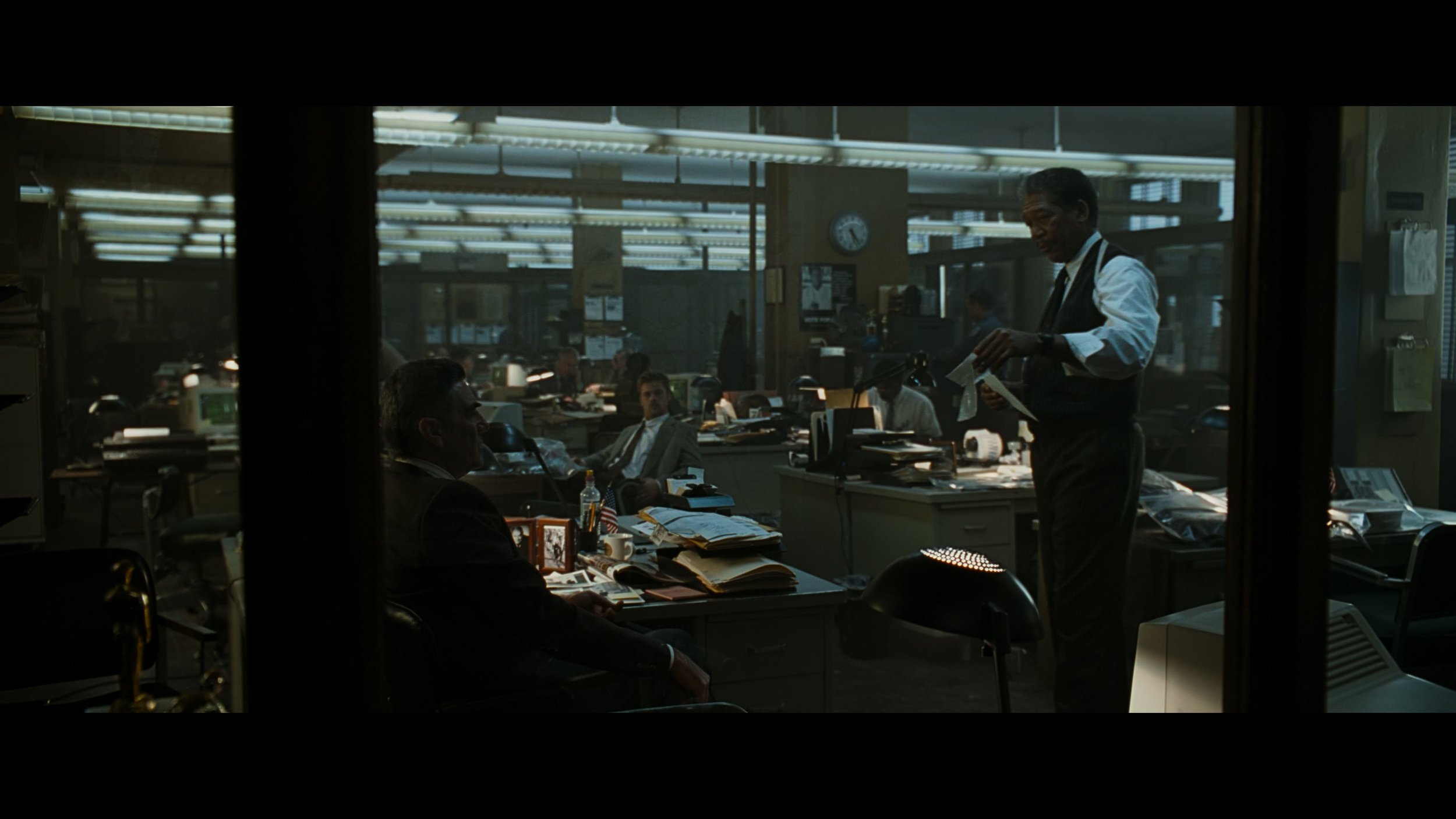
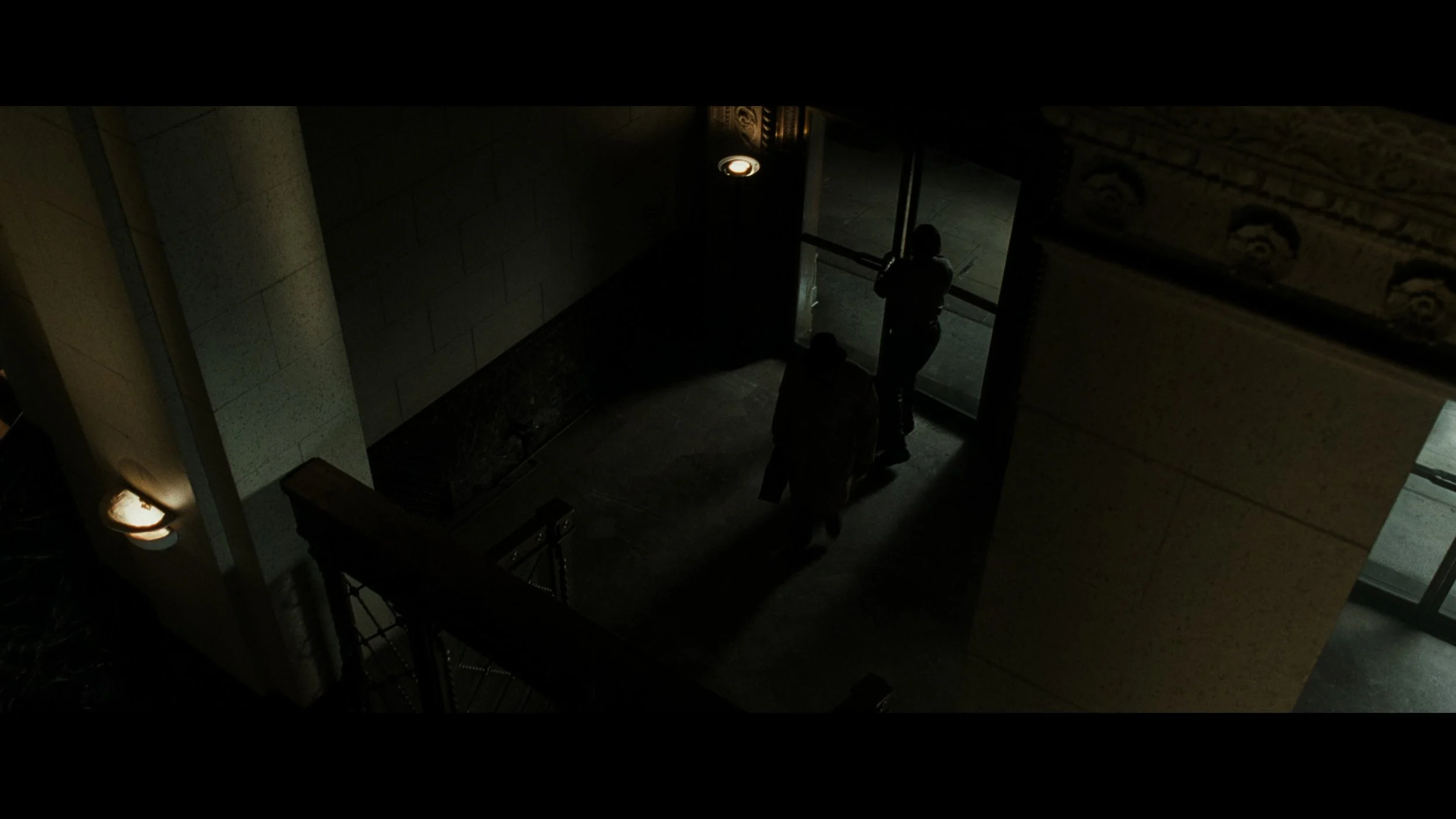
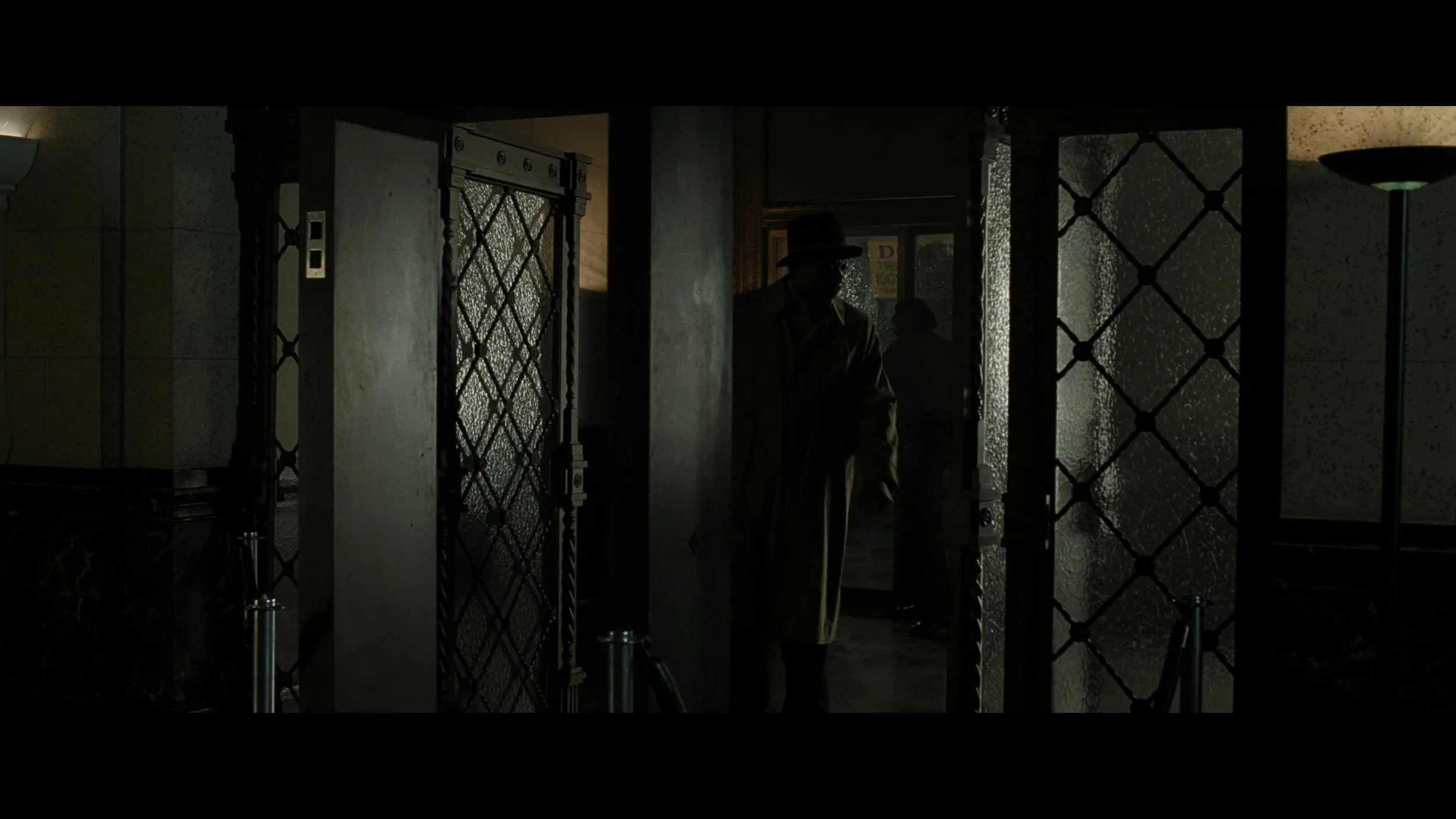
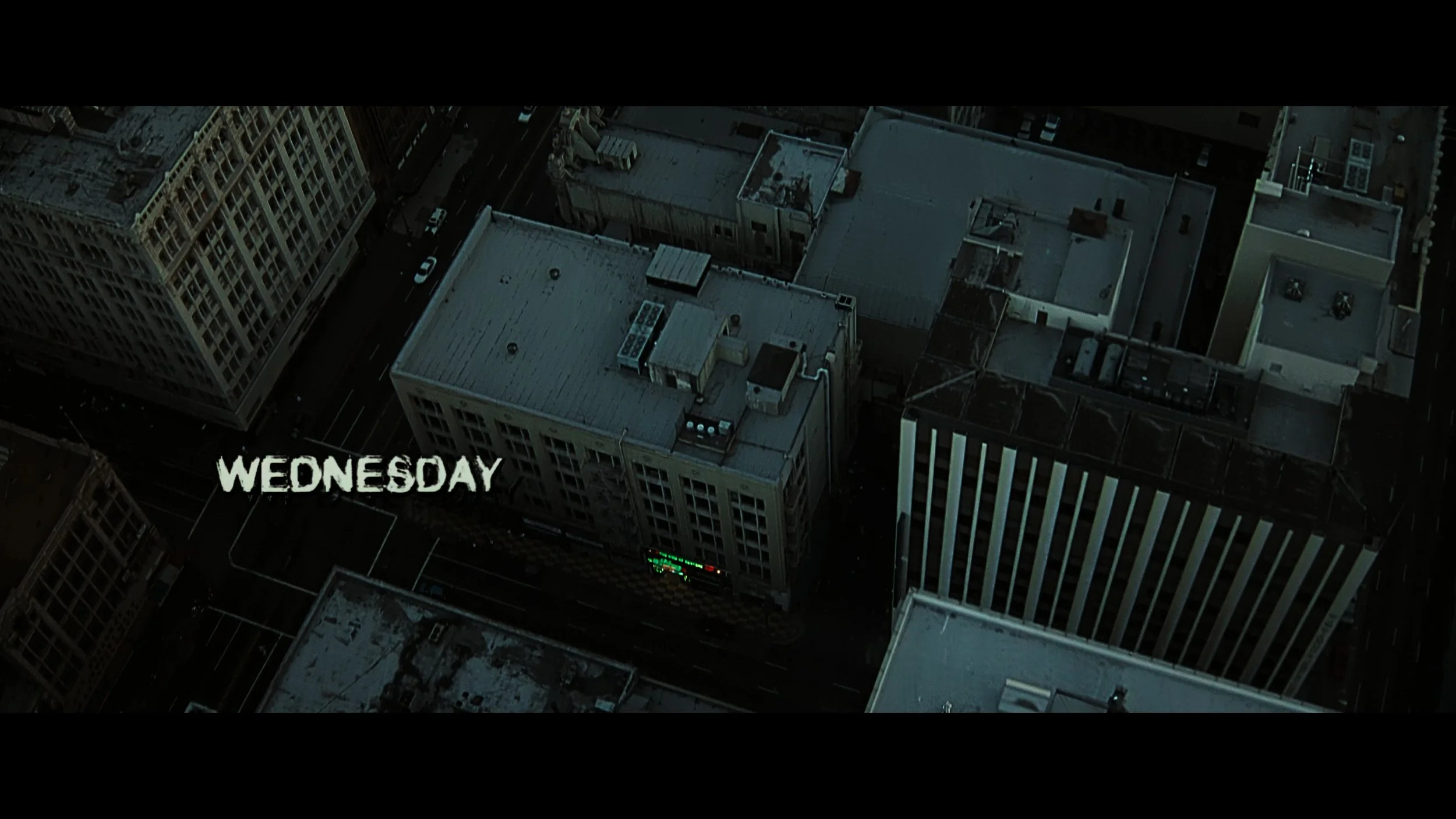
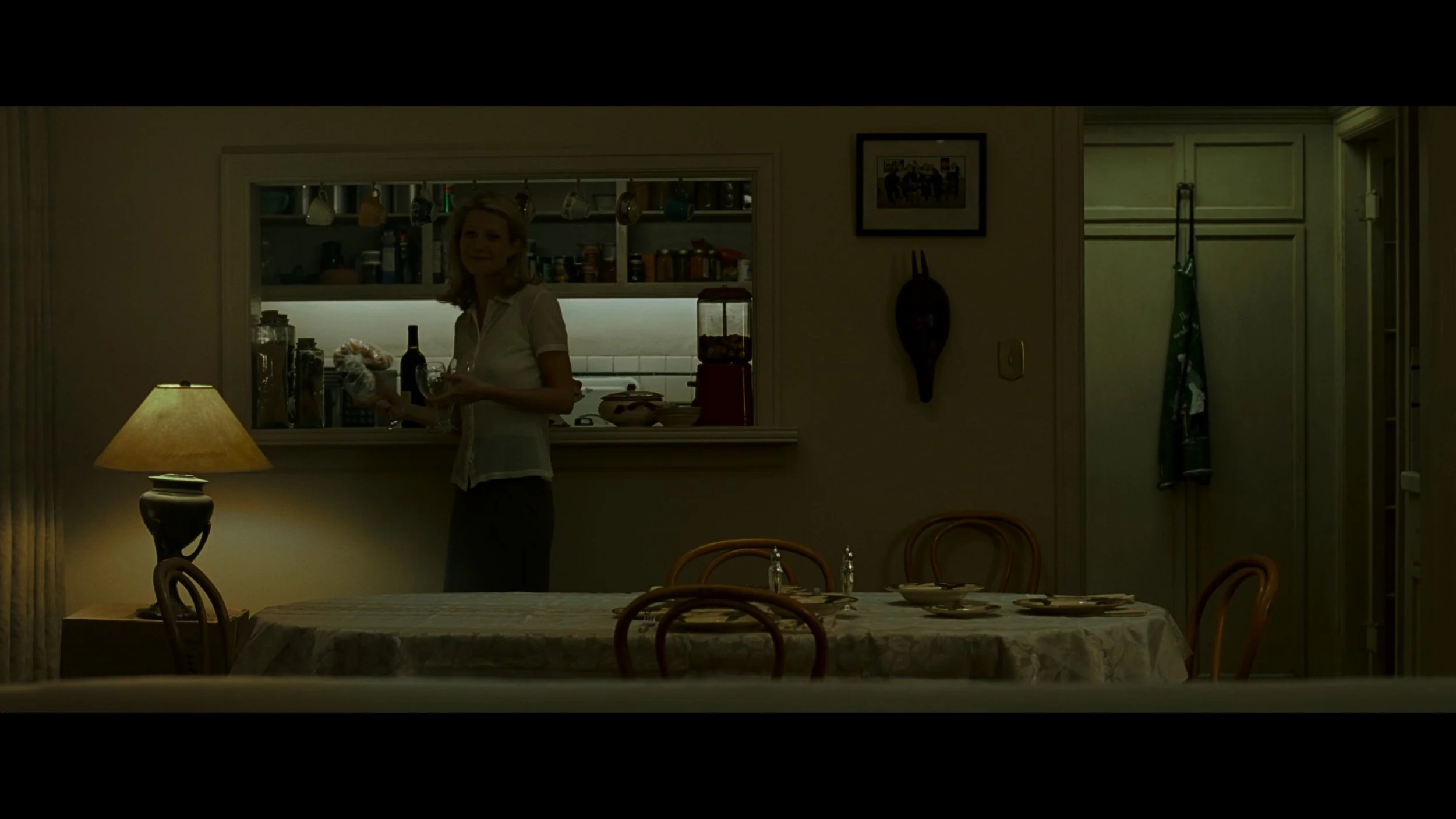
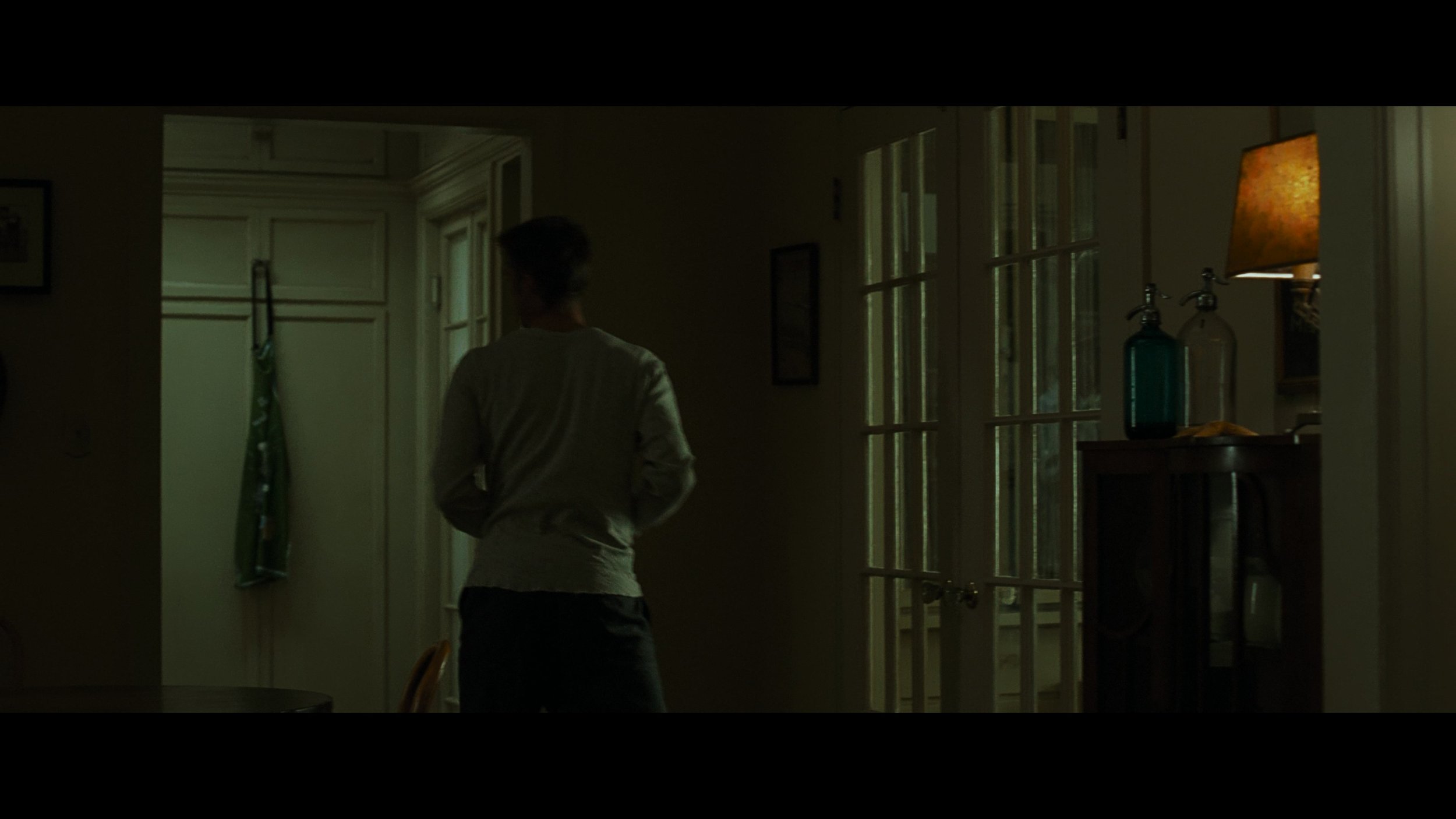
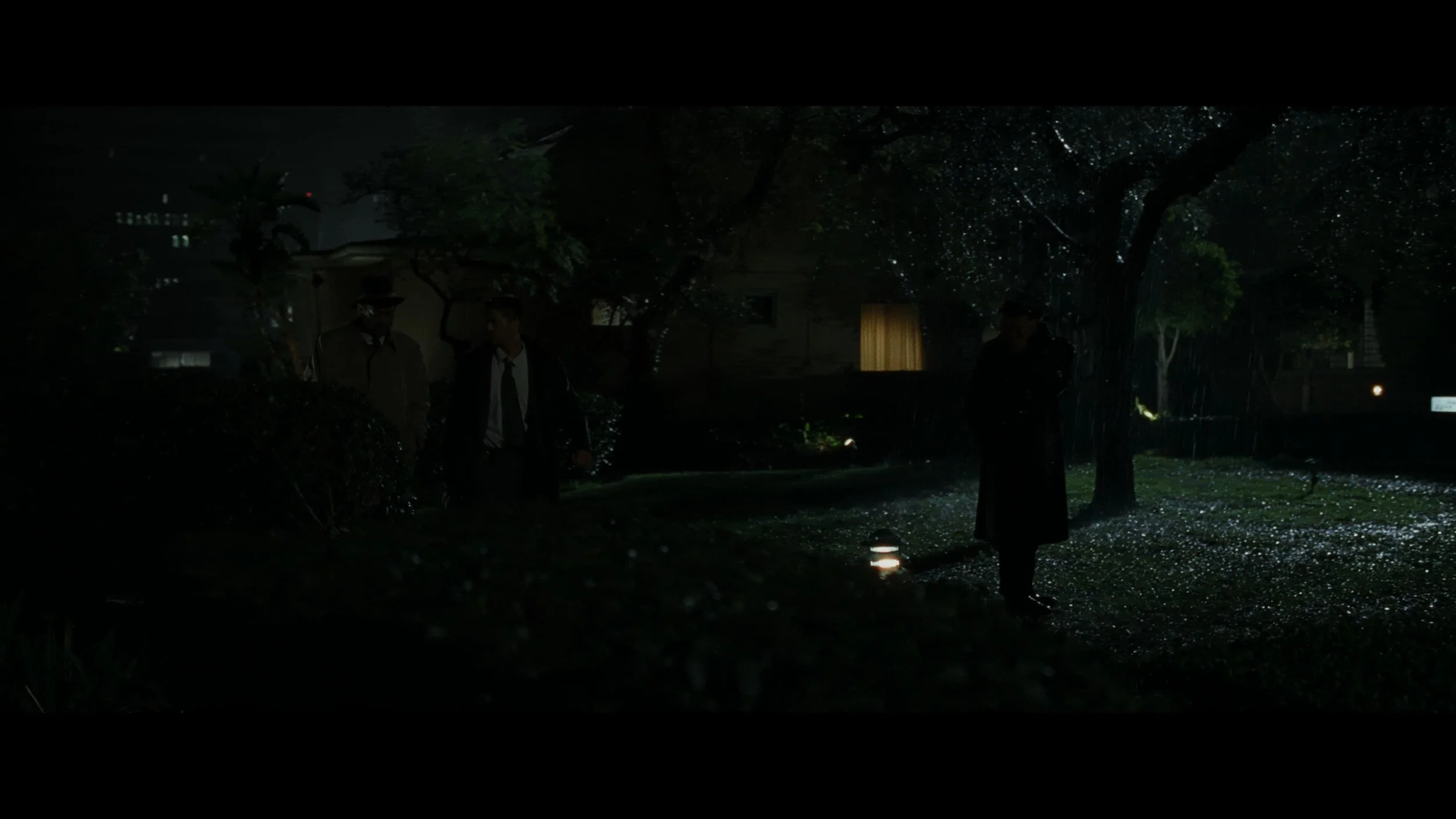
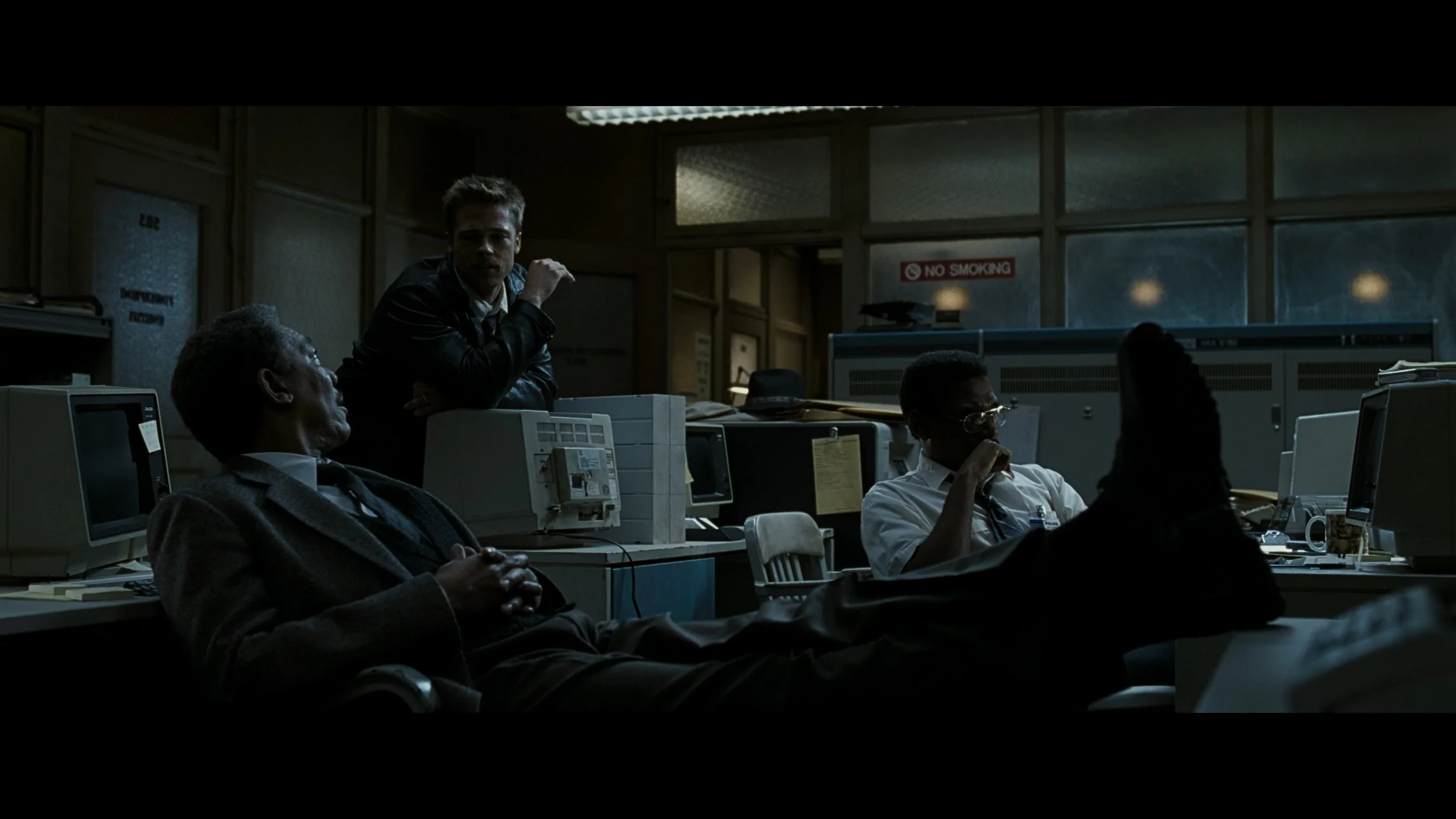
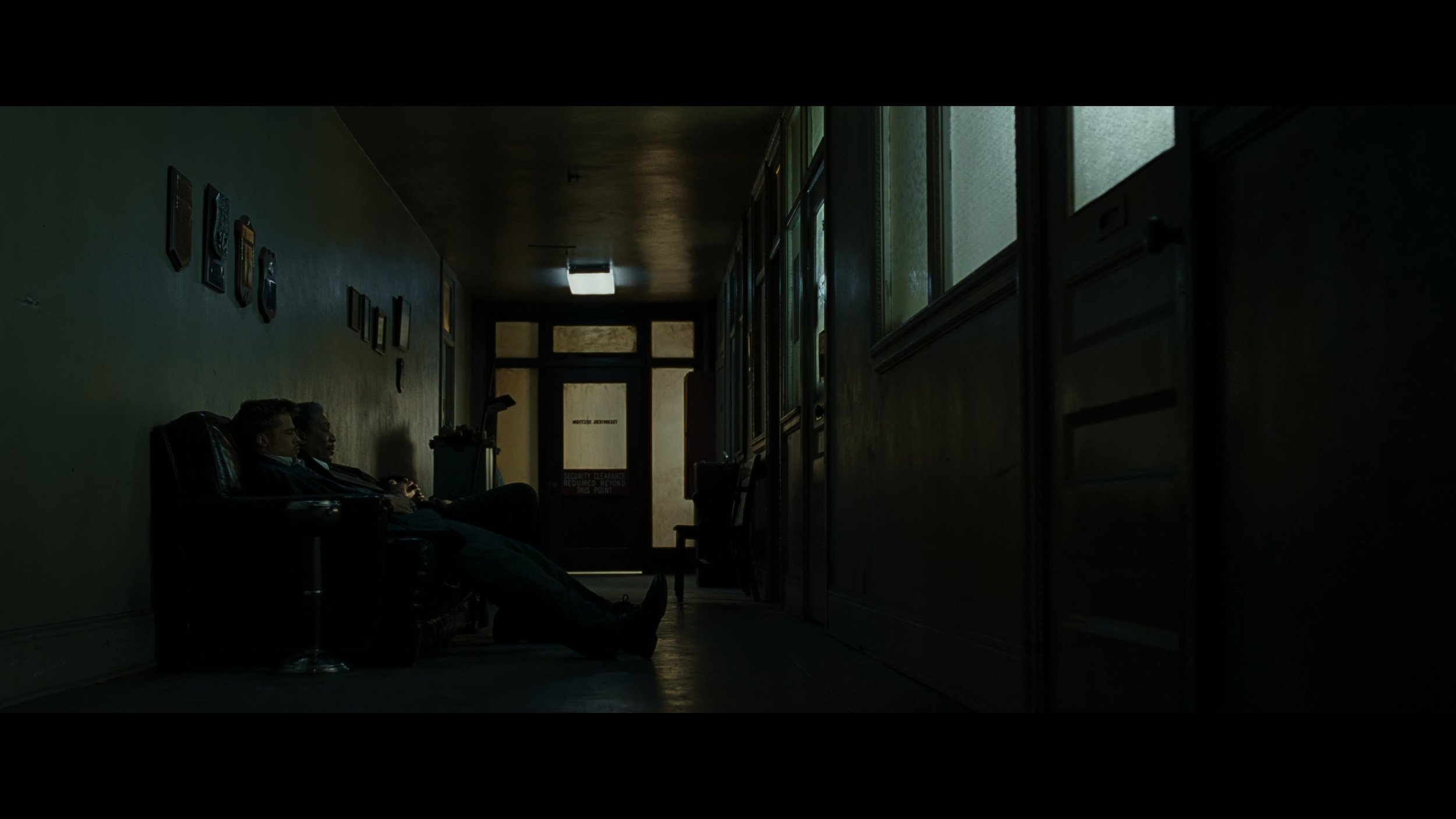
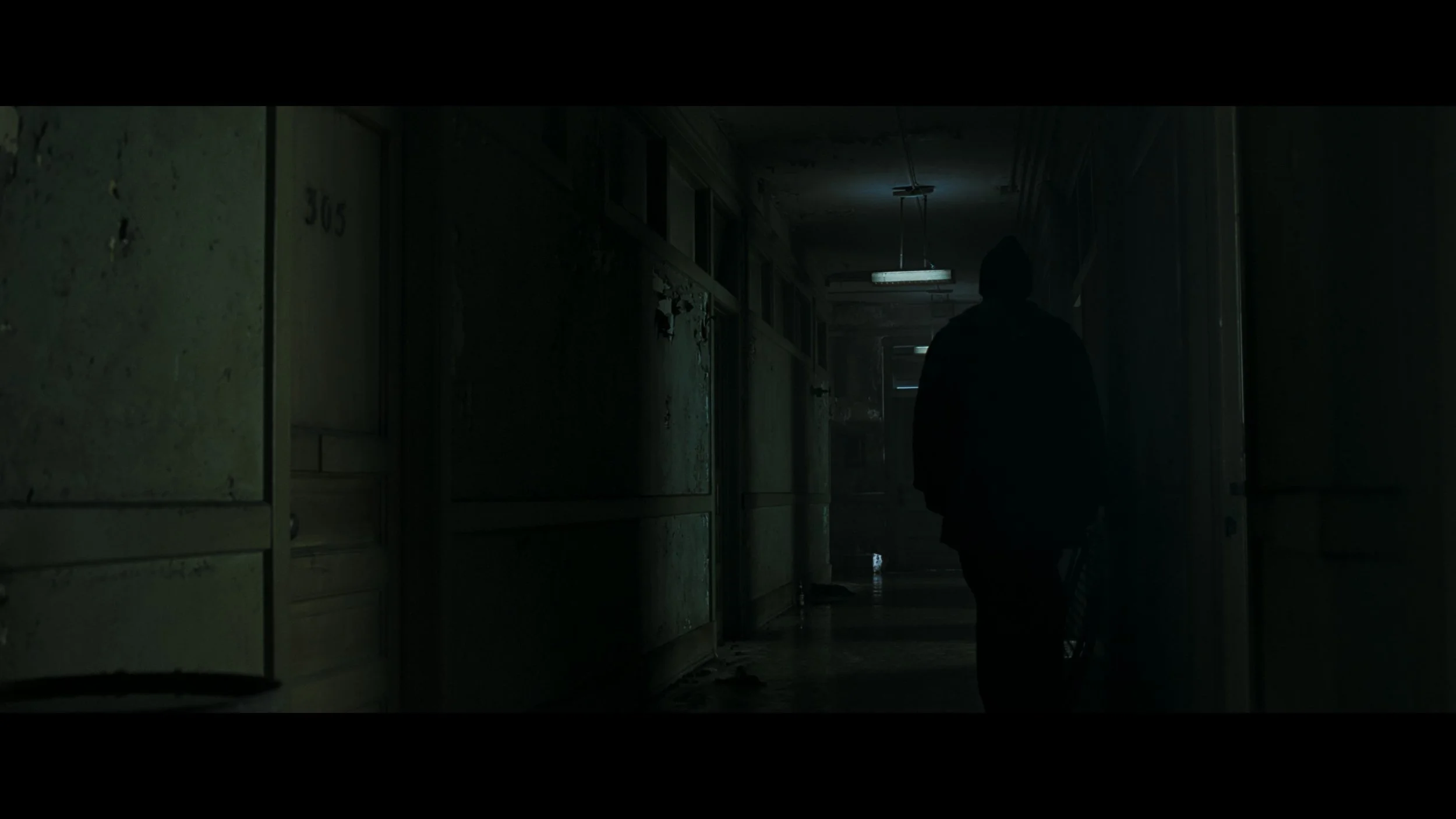
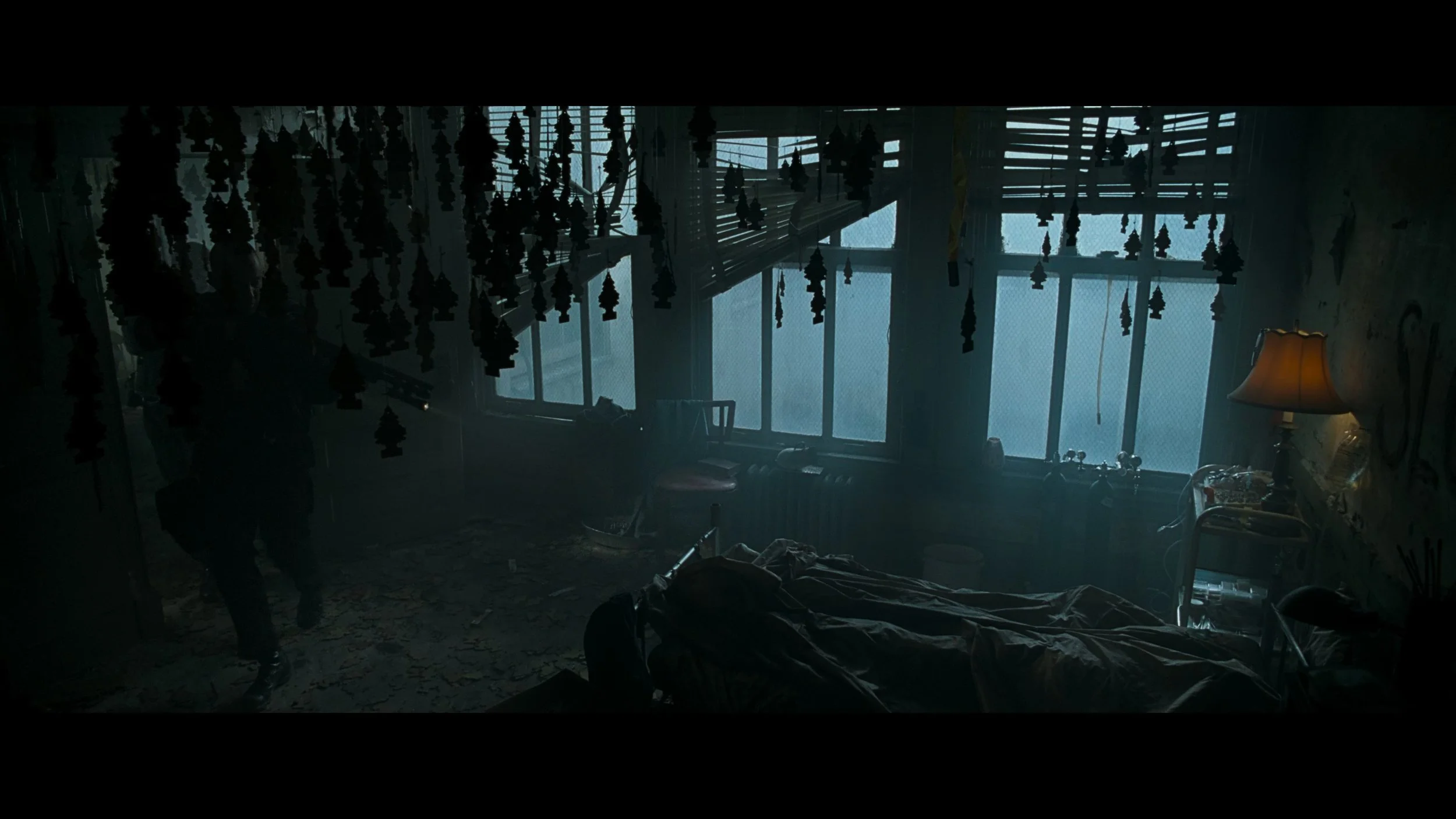
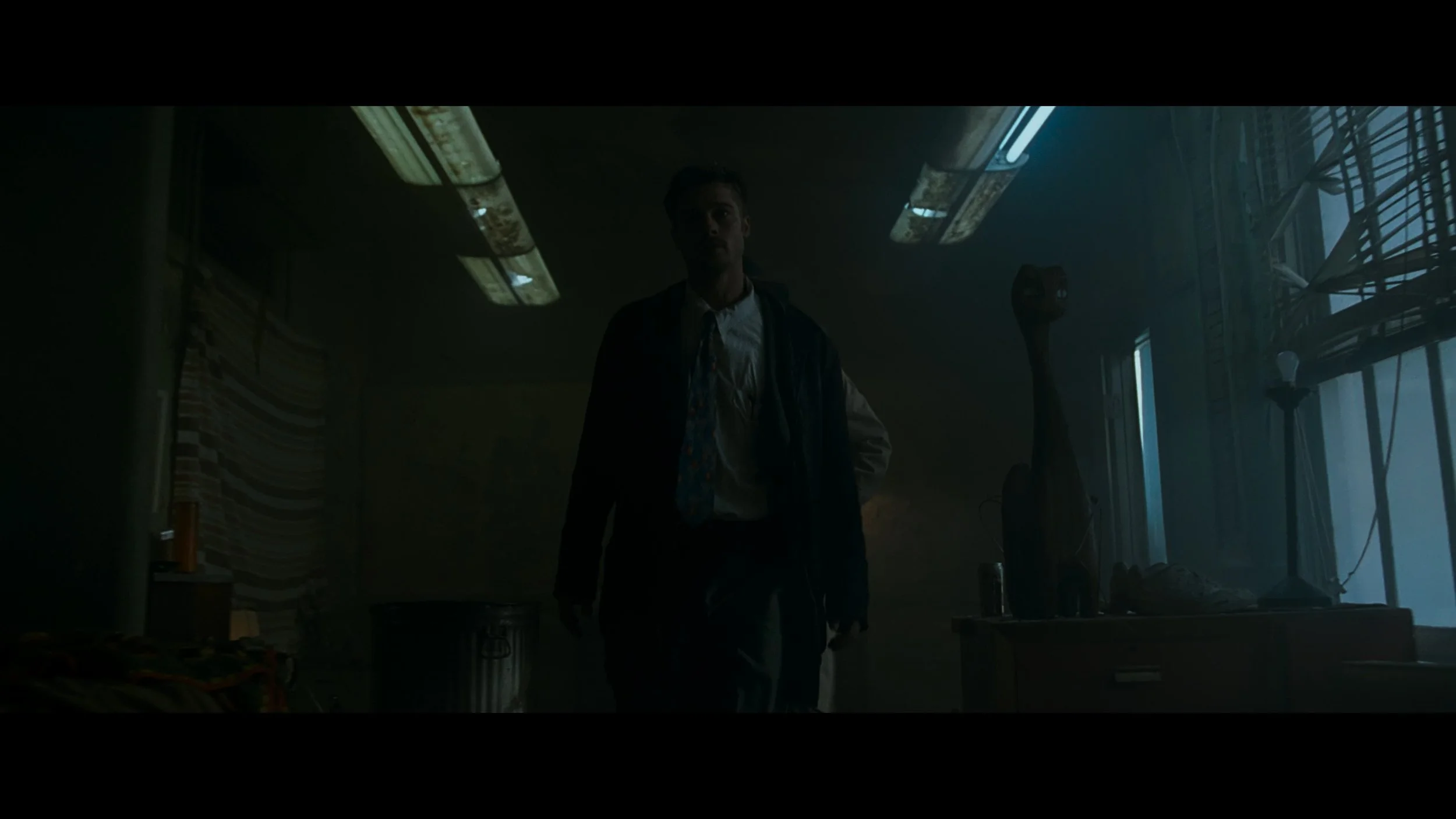
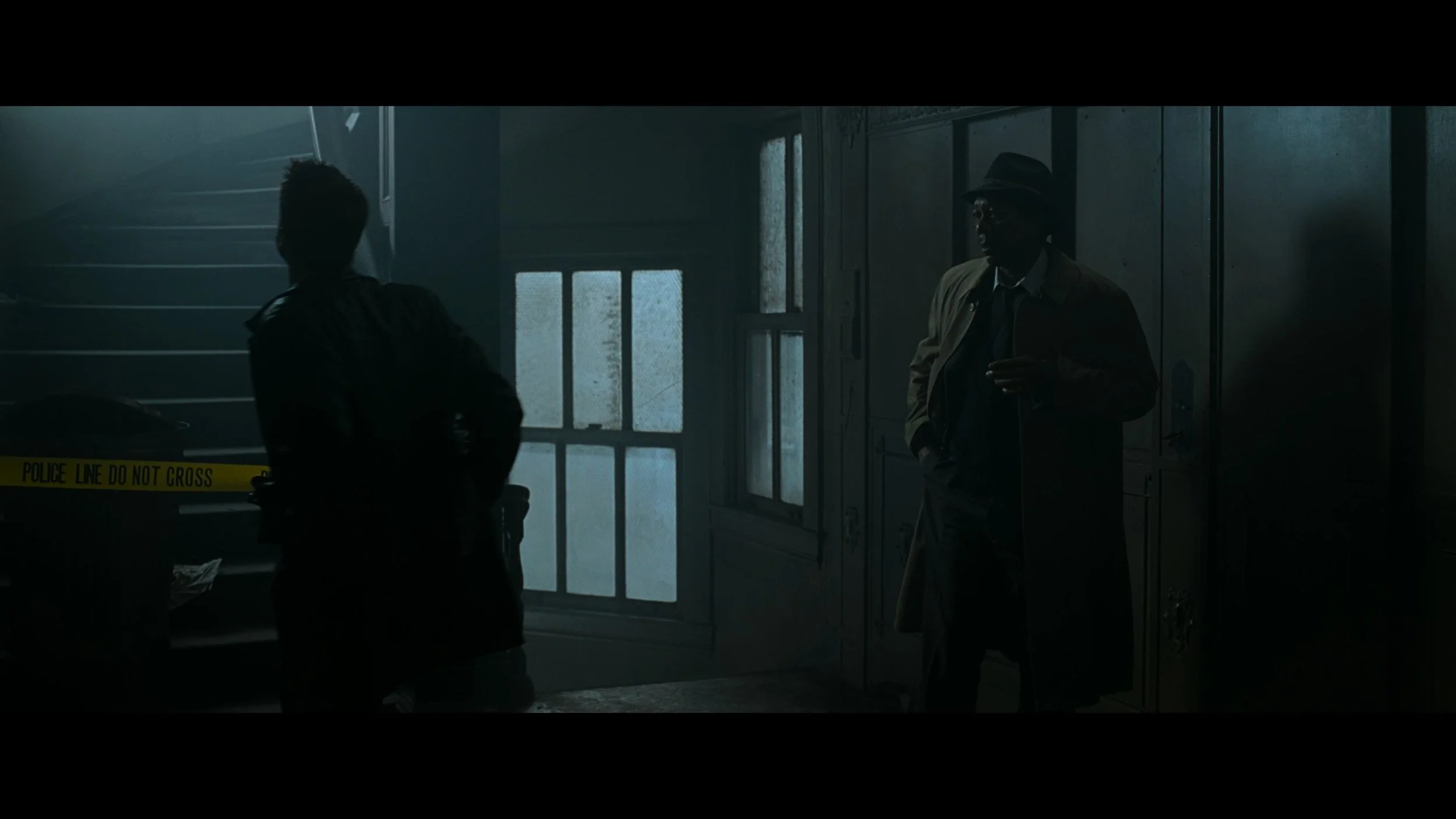
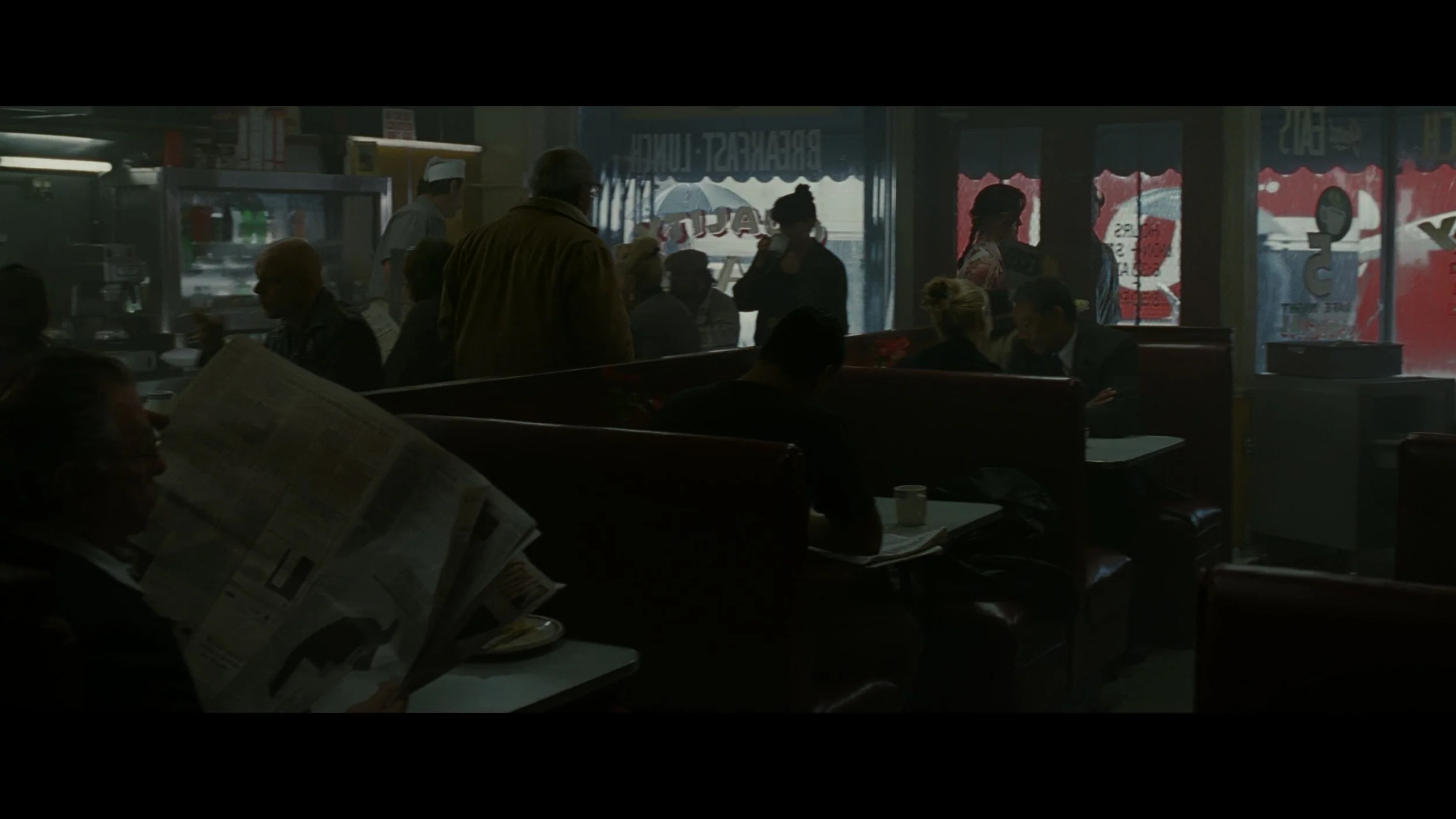
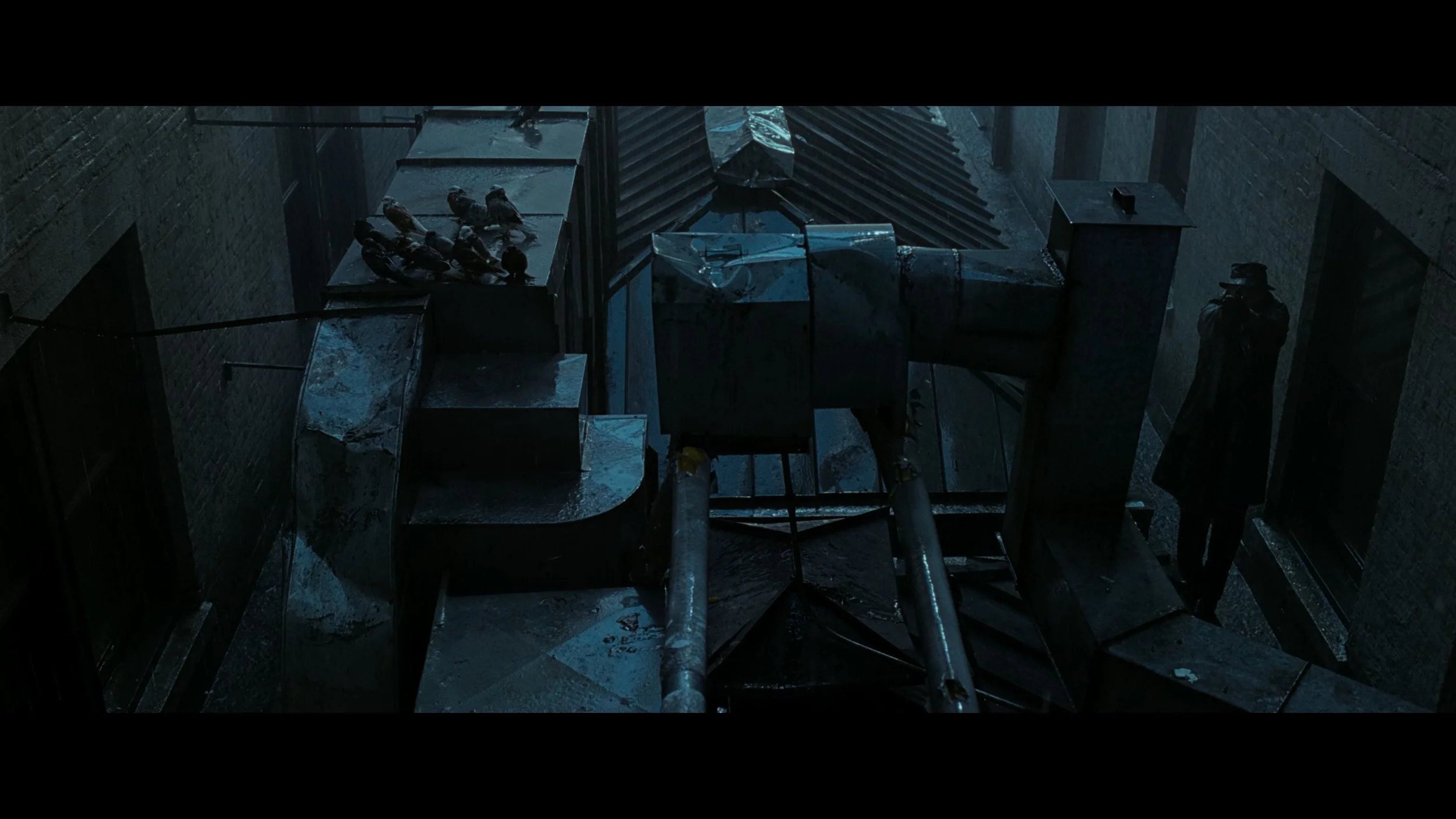
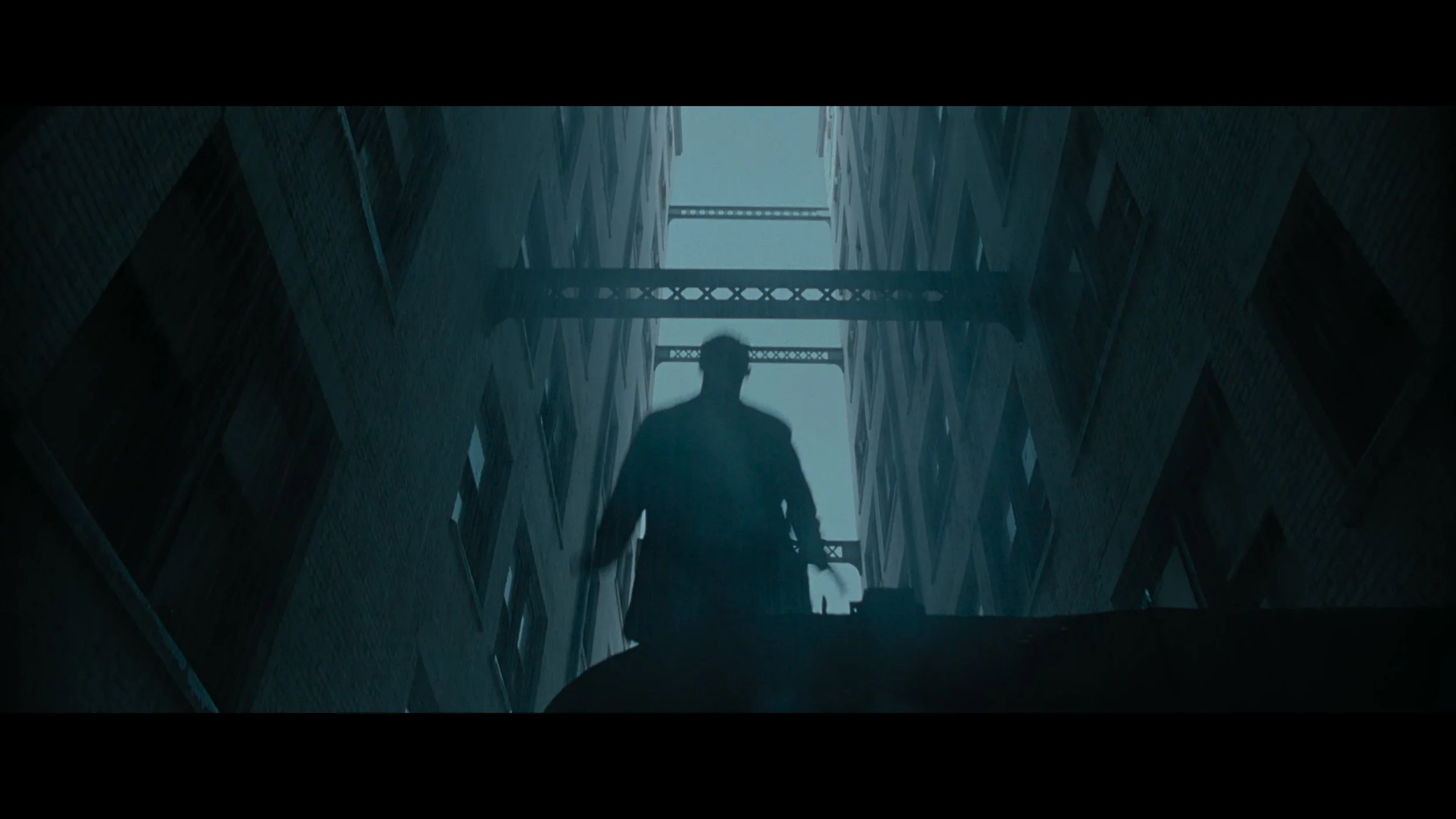
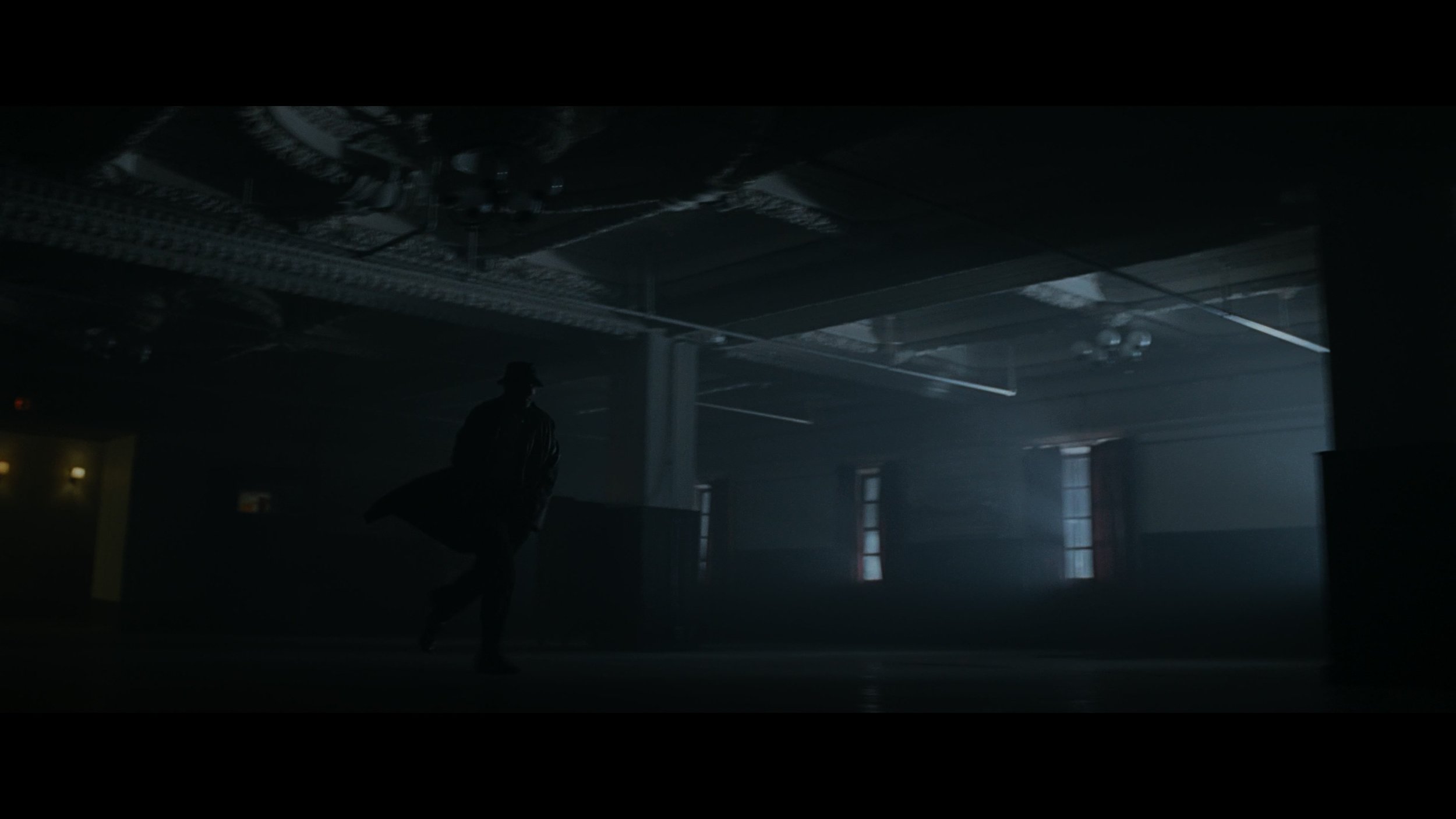
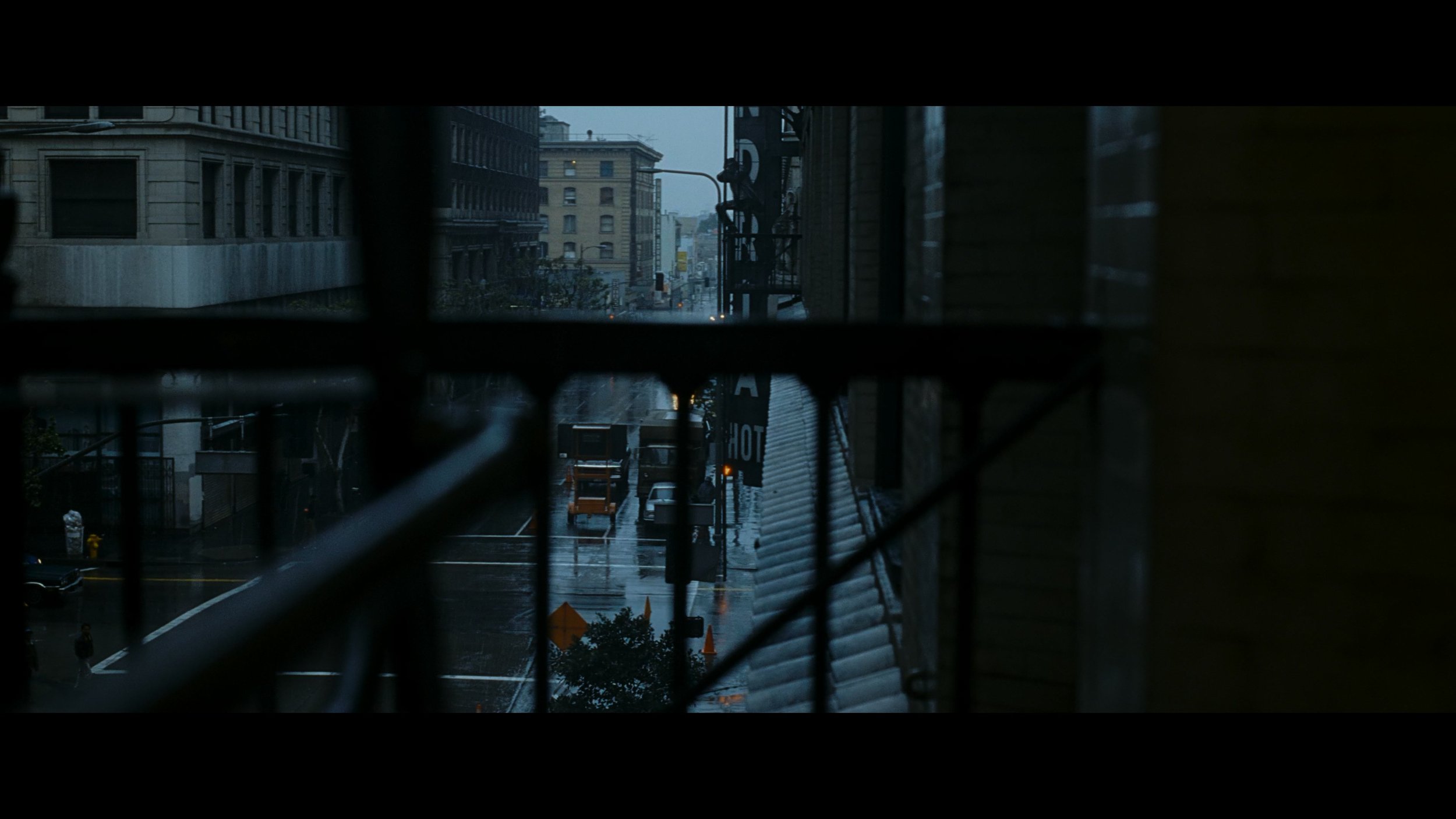
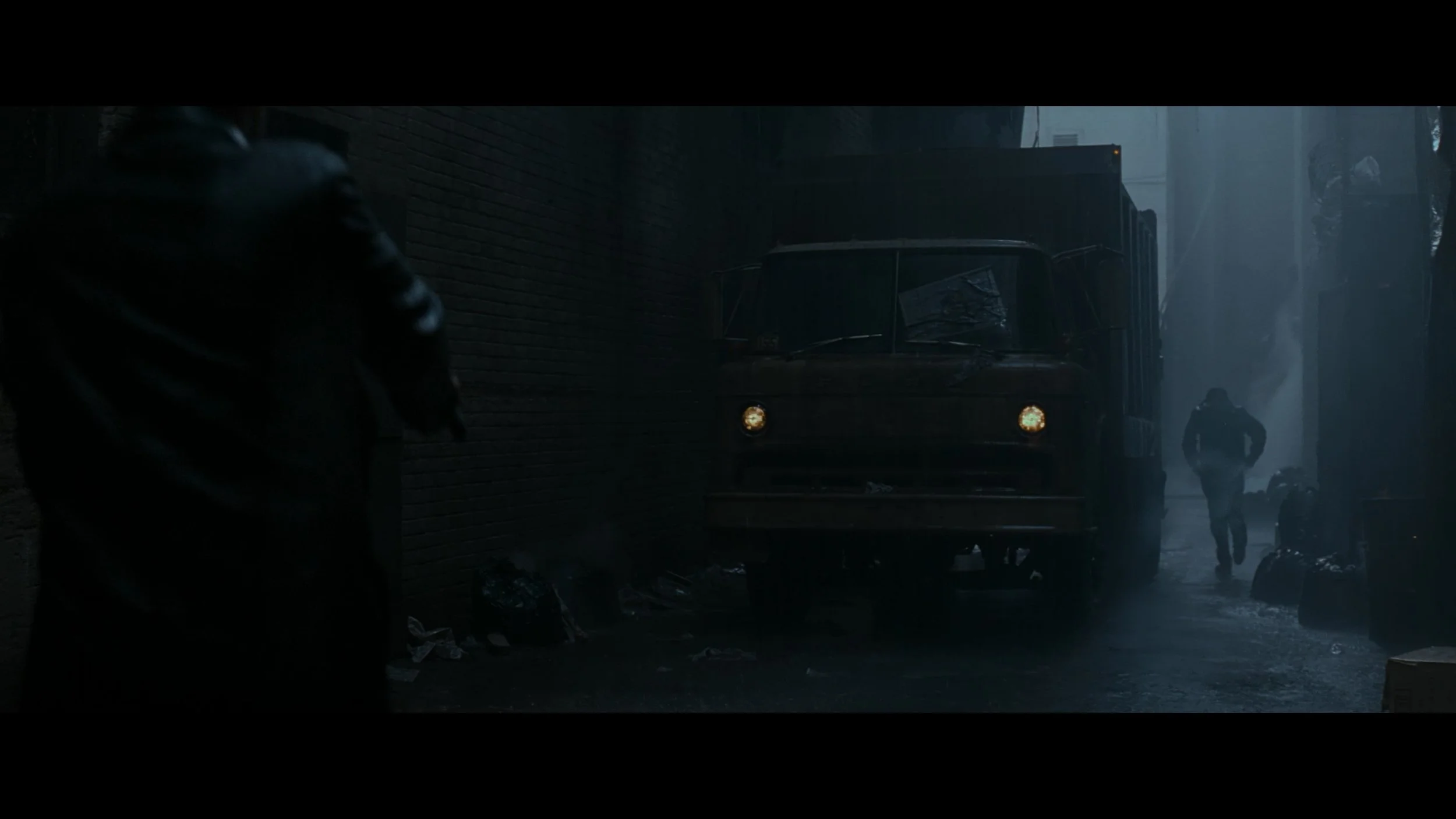
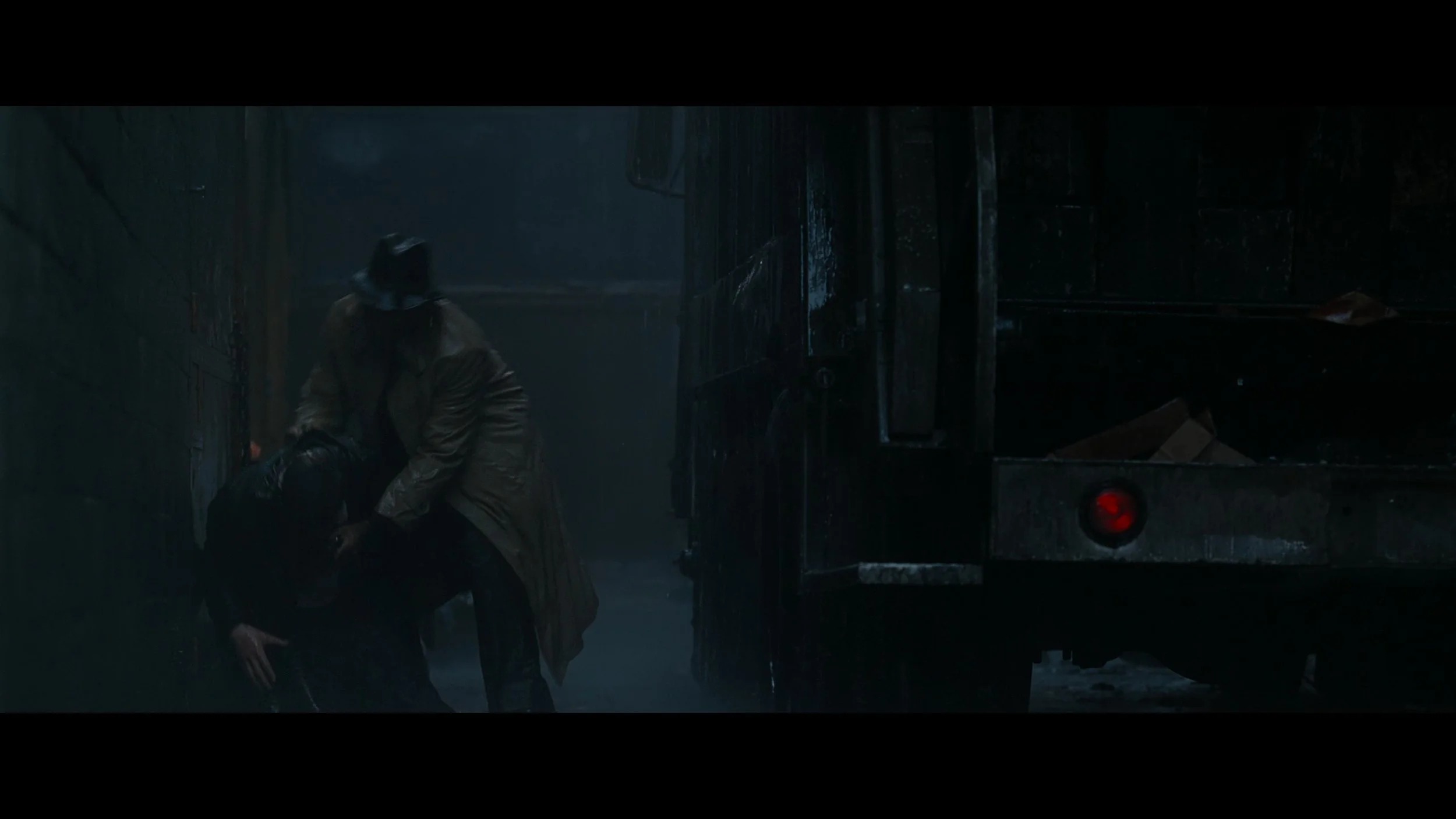
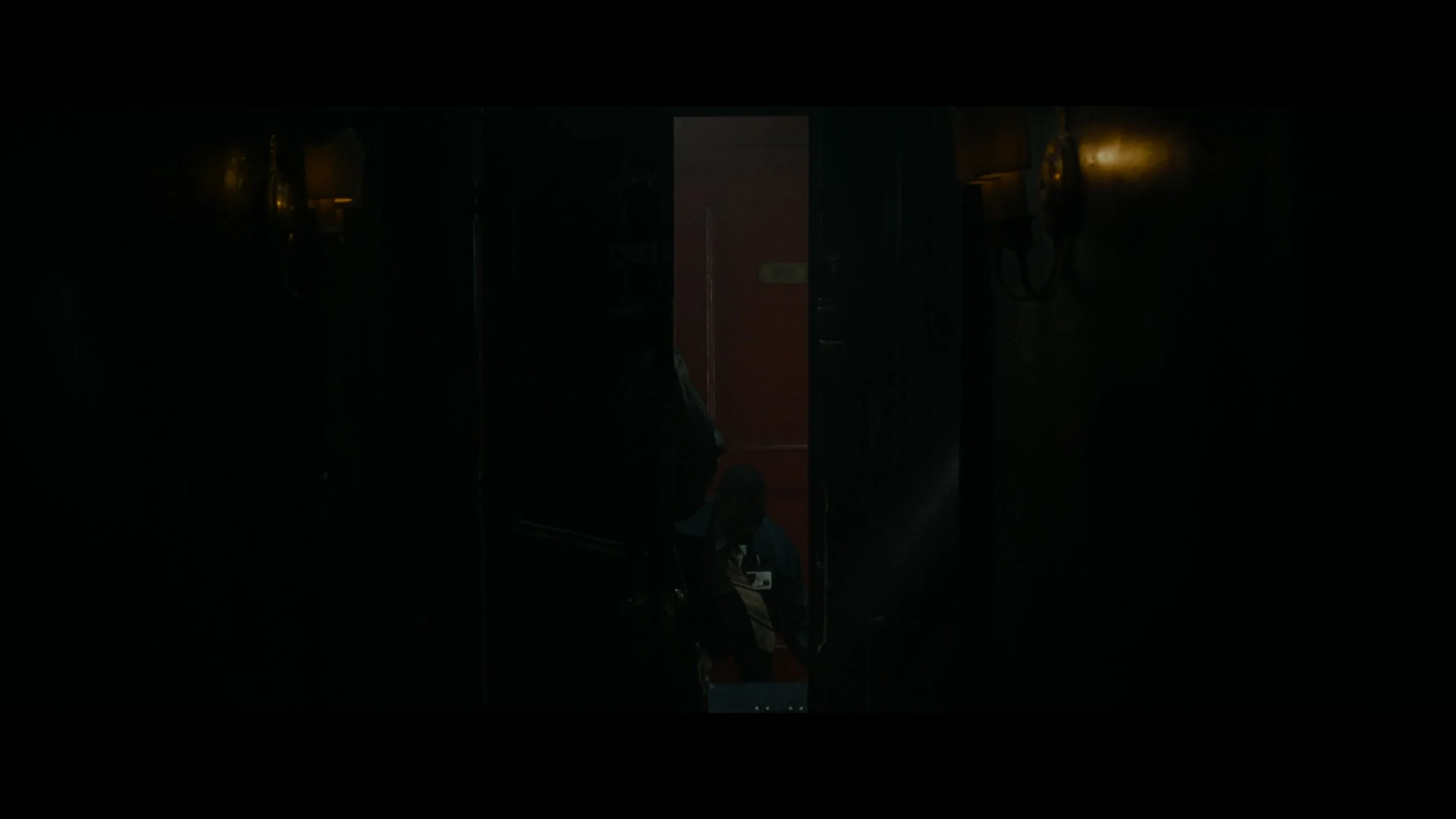
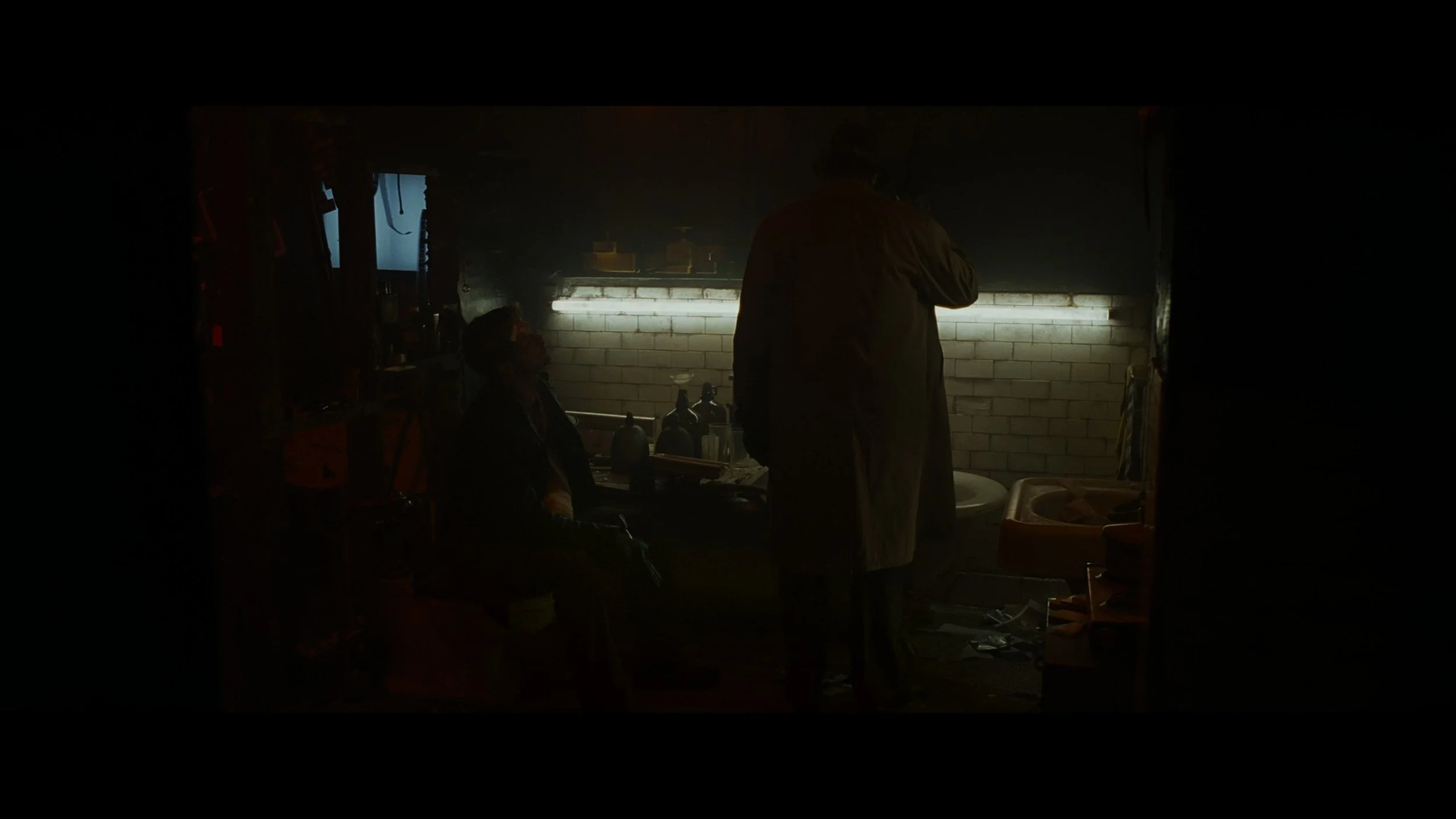
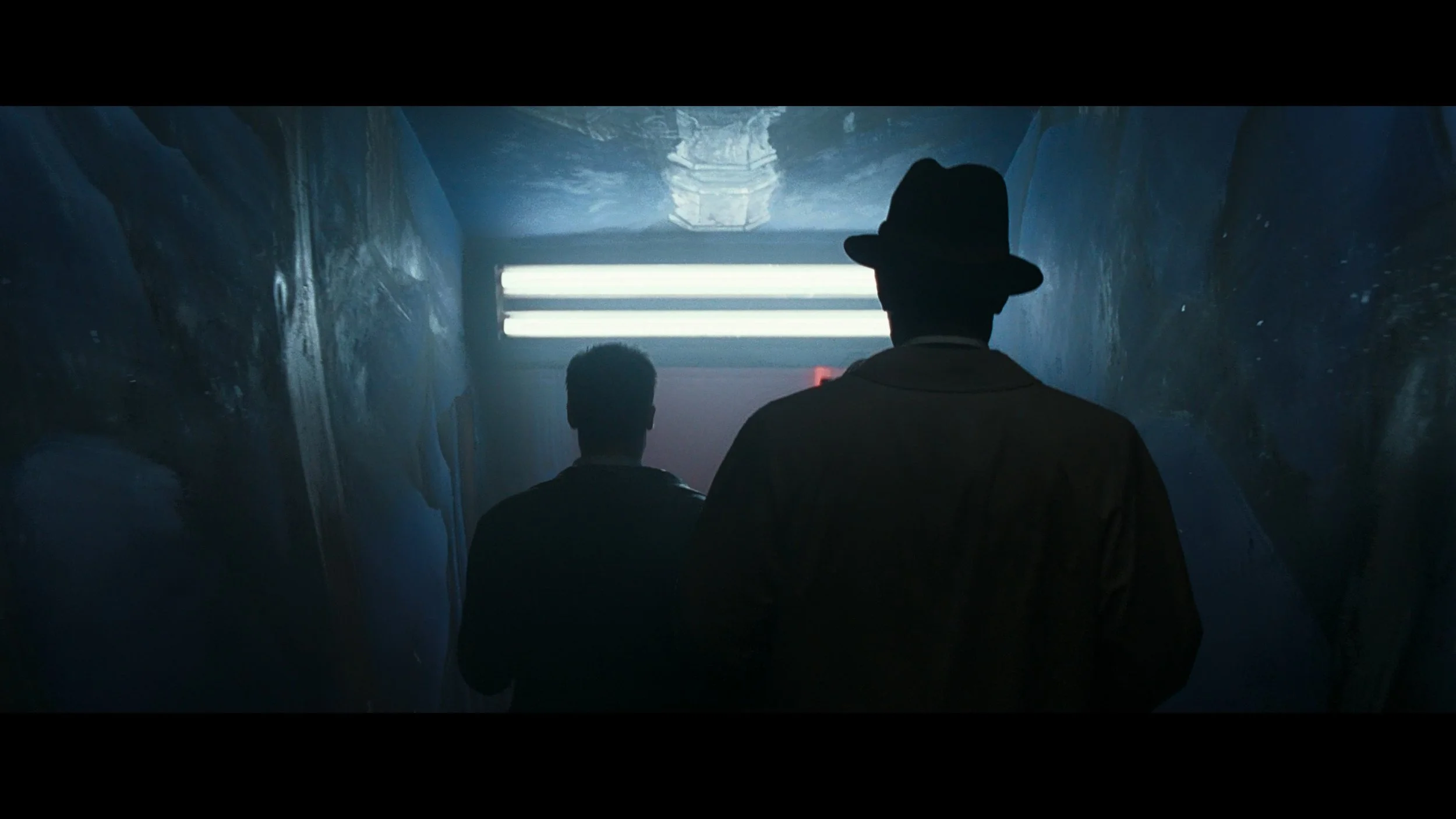
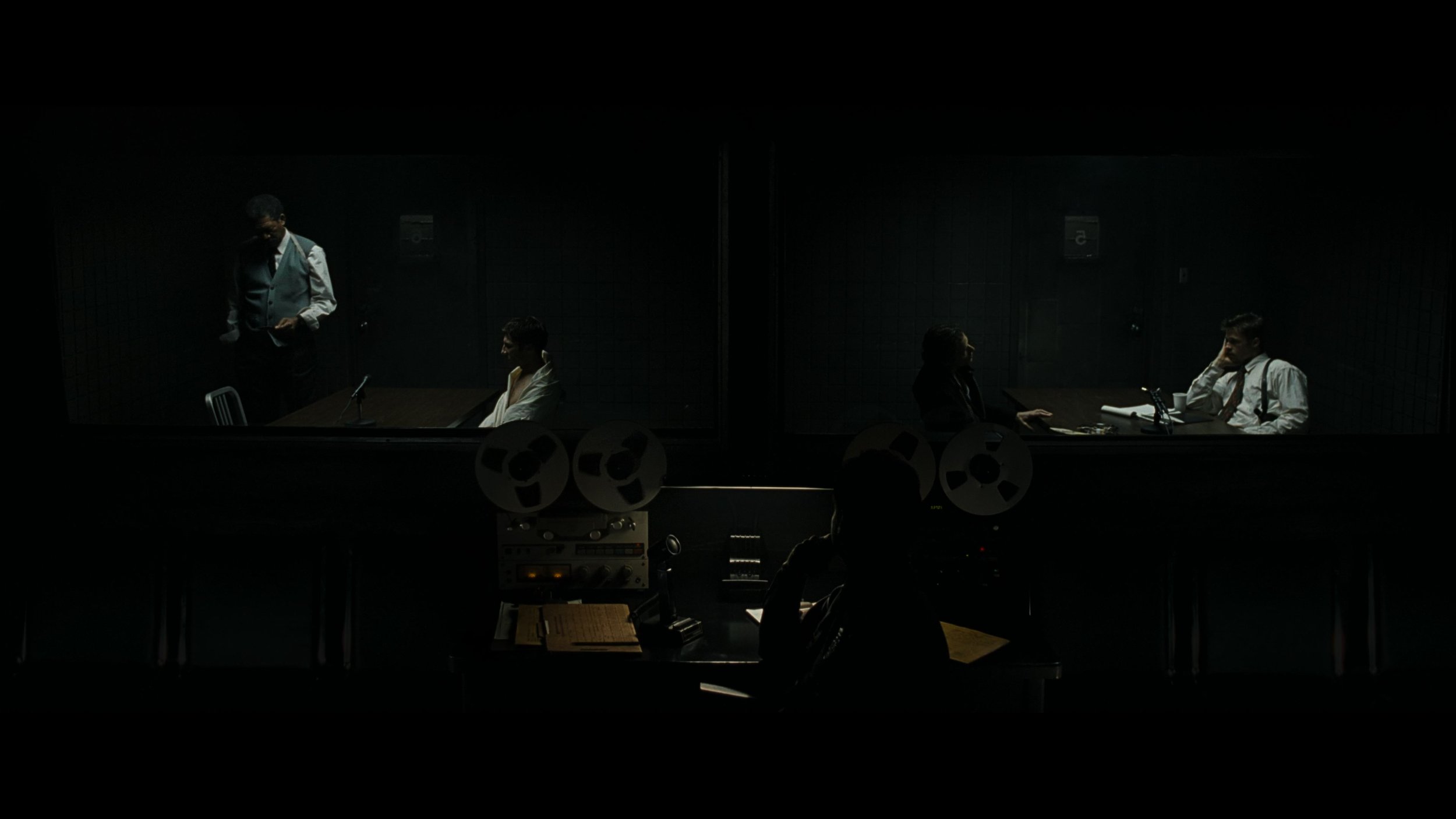
Known for his perfume ads, Khondji gives a unique aesthetic in this nameless American city which is soaked in never-ending rain, and boasts tight, barely lit interior spaces, and distant exteriors. For this style, he used as a template the TV show Cops (1989), to give a sense of contemporary discomfort for the characters of Mills and Sommerset.
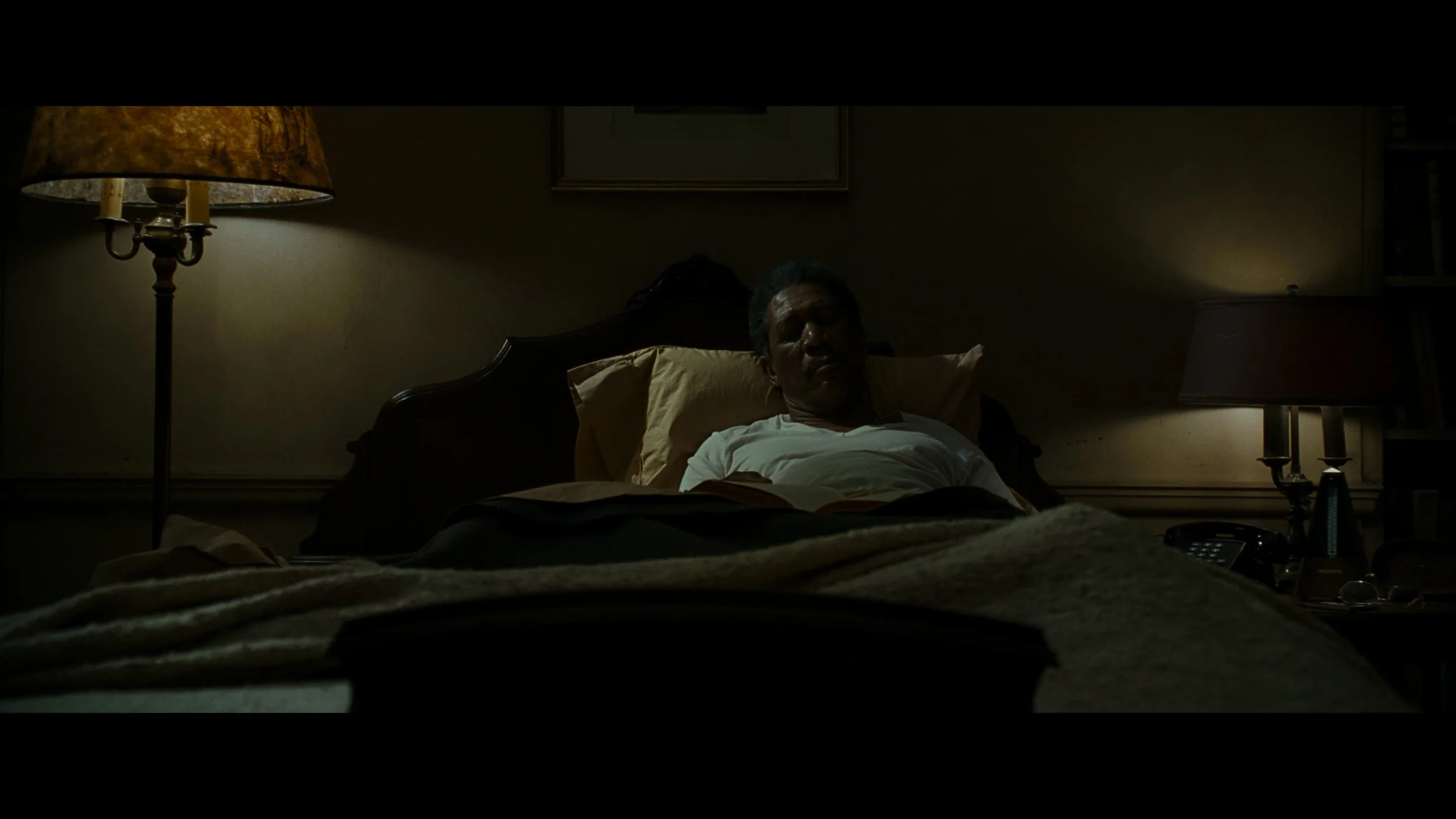
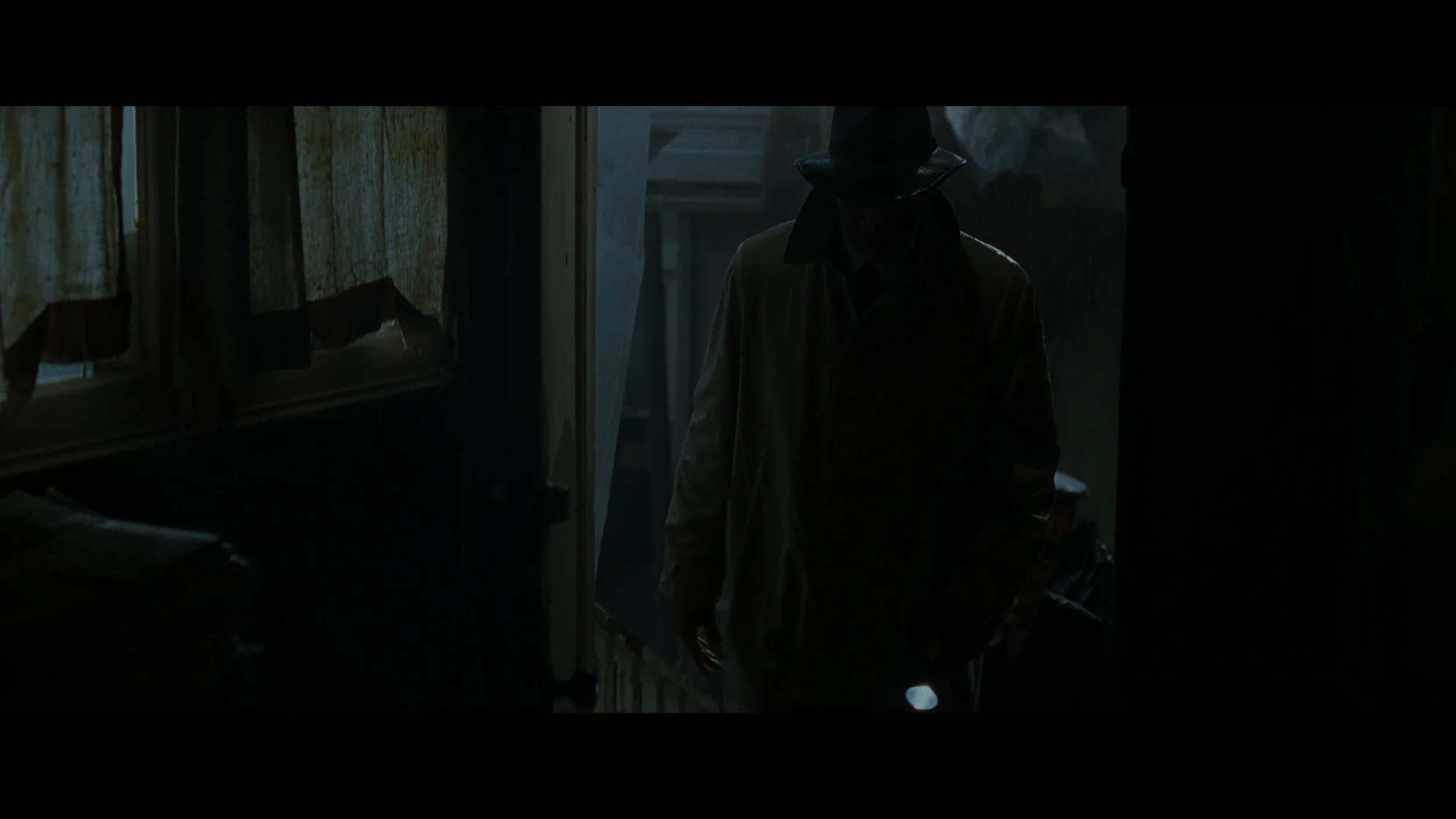
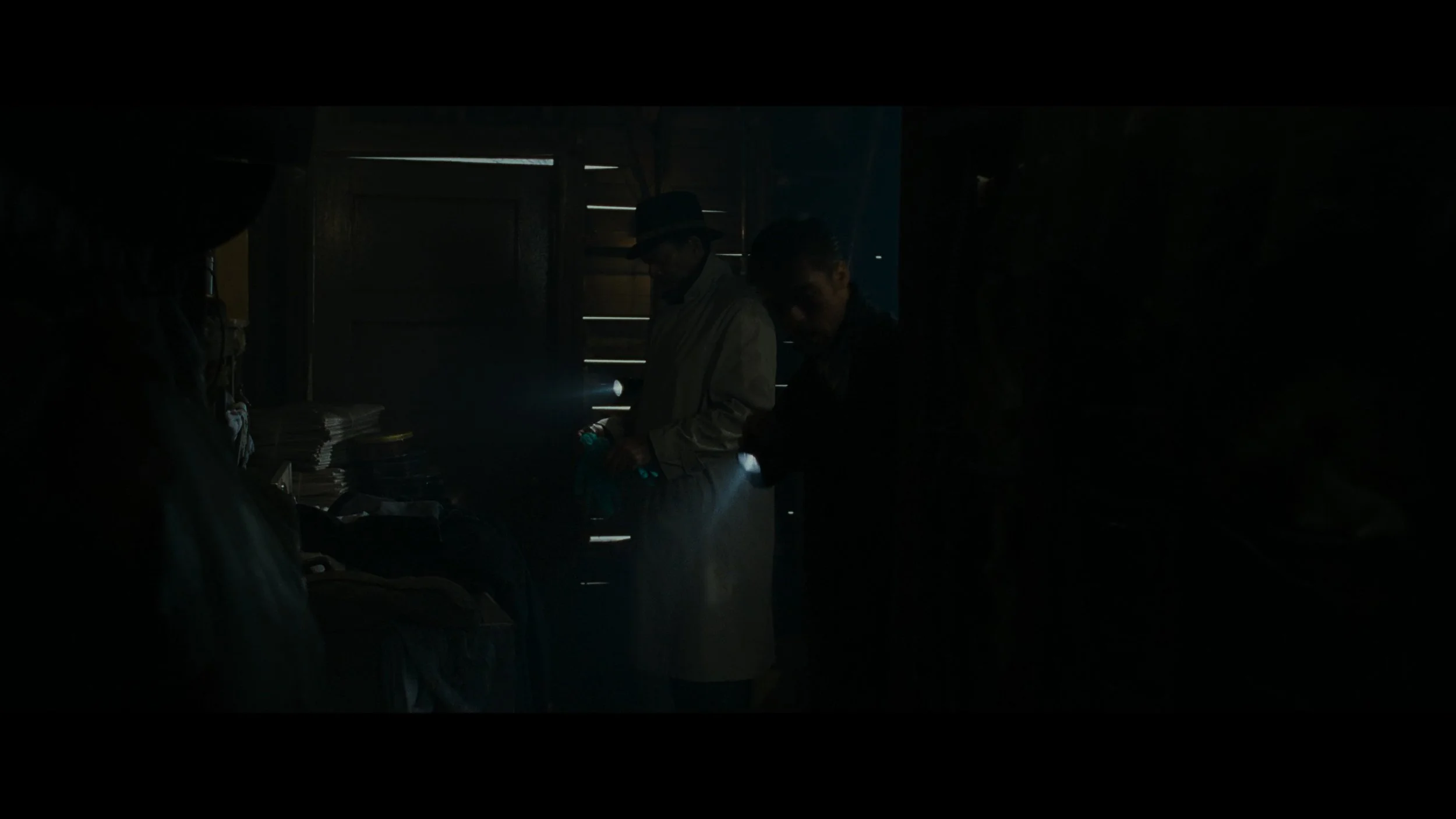
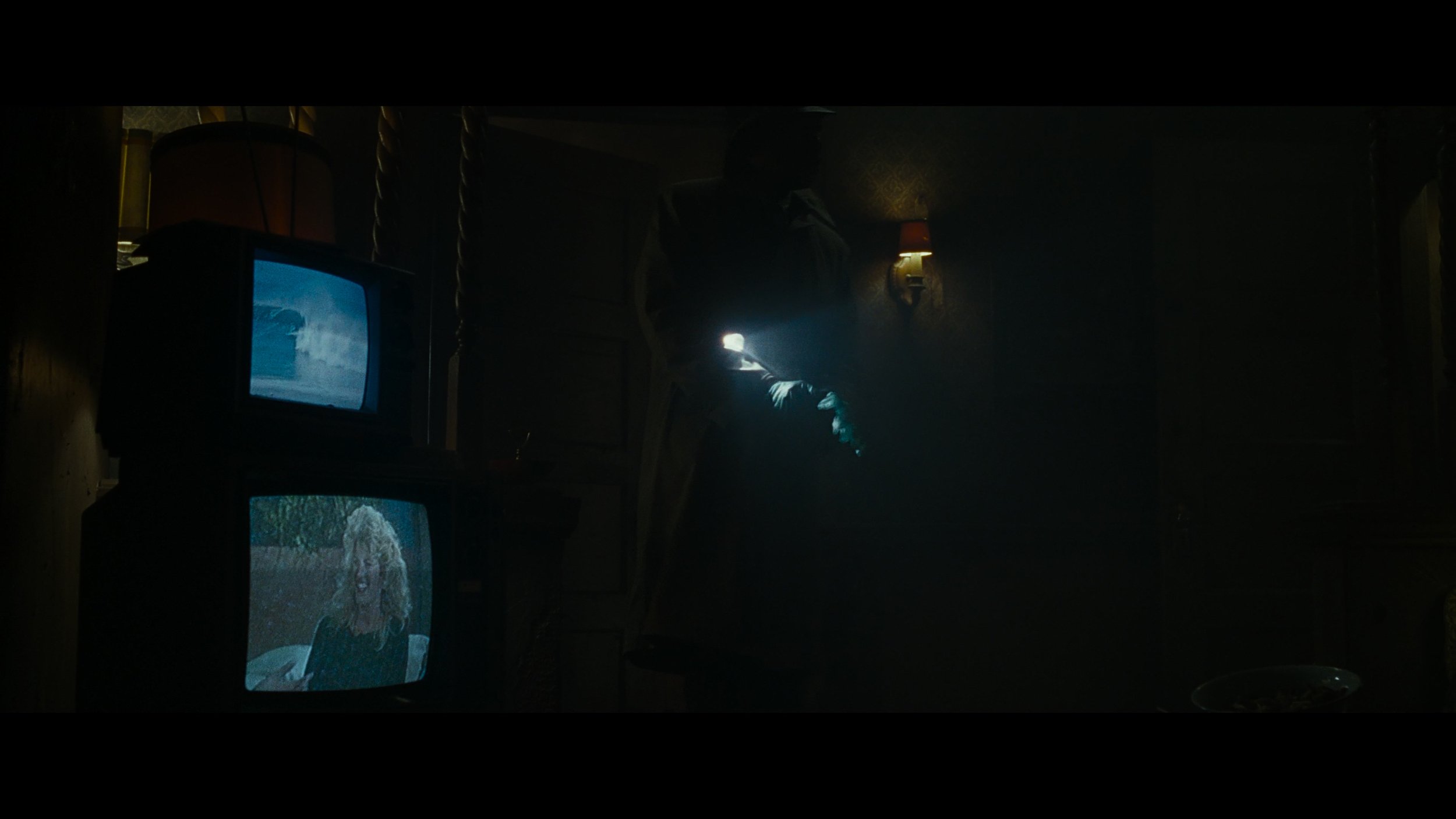
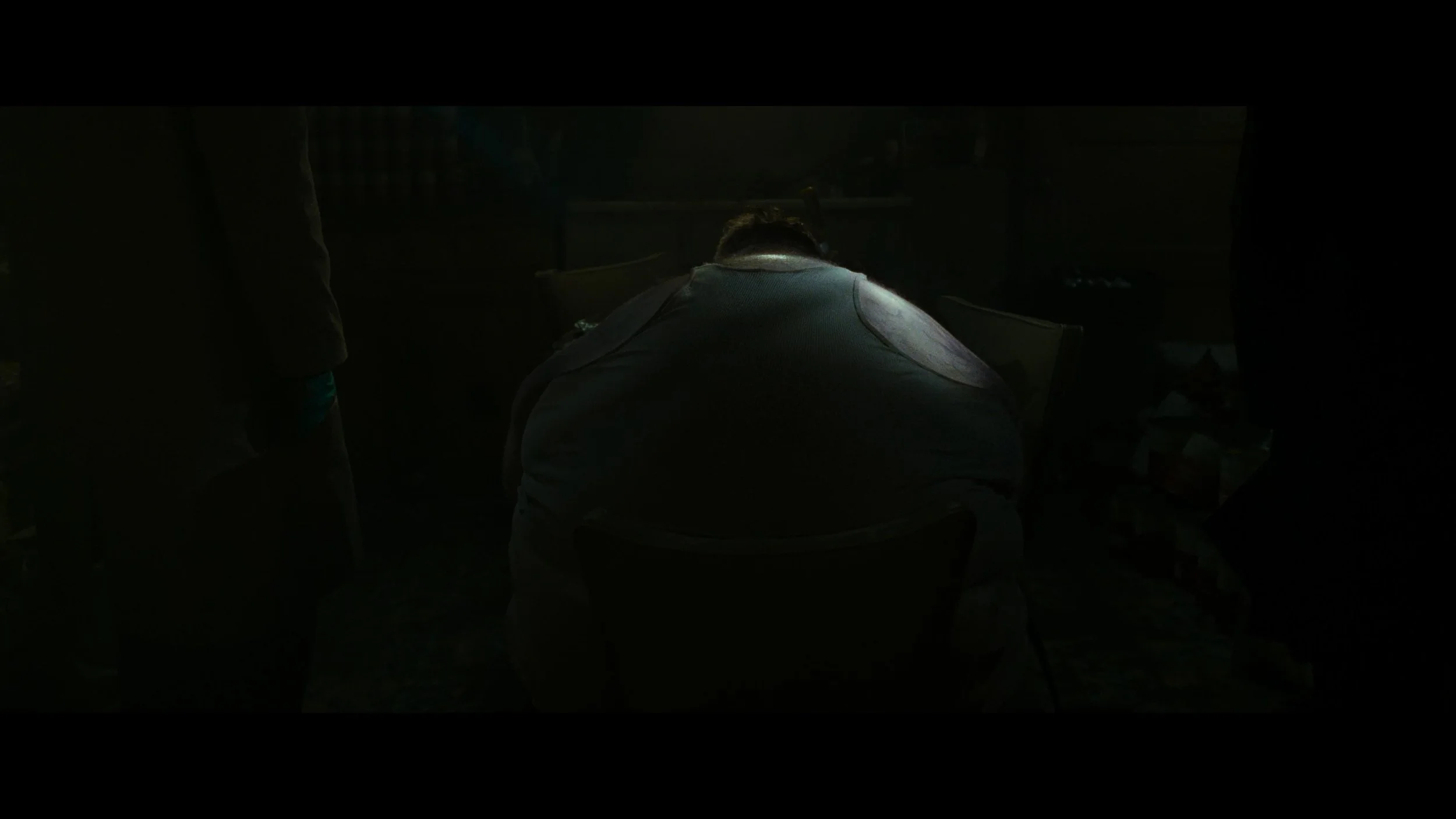
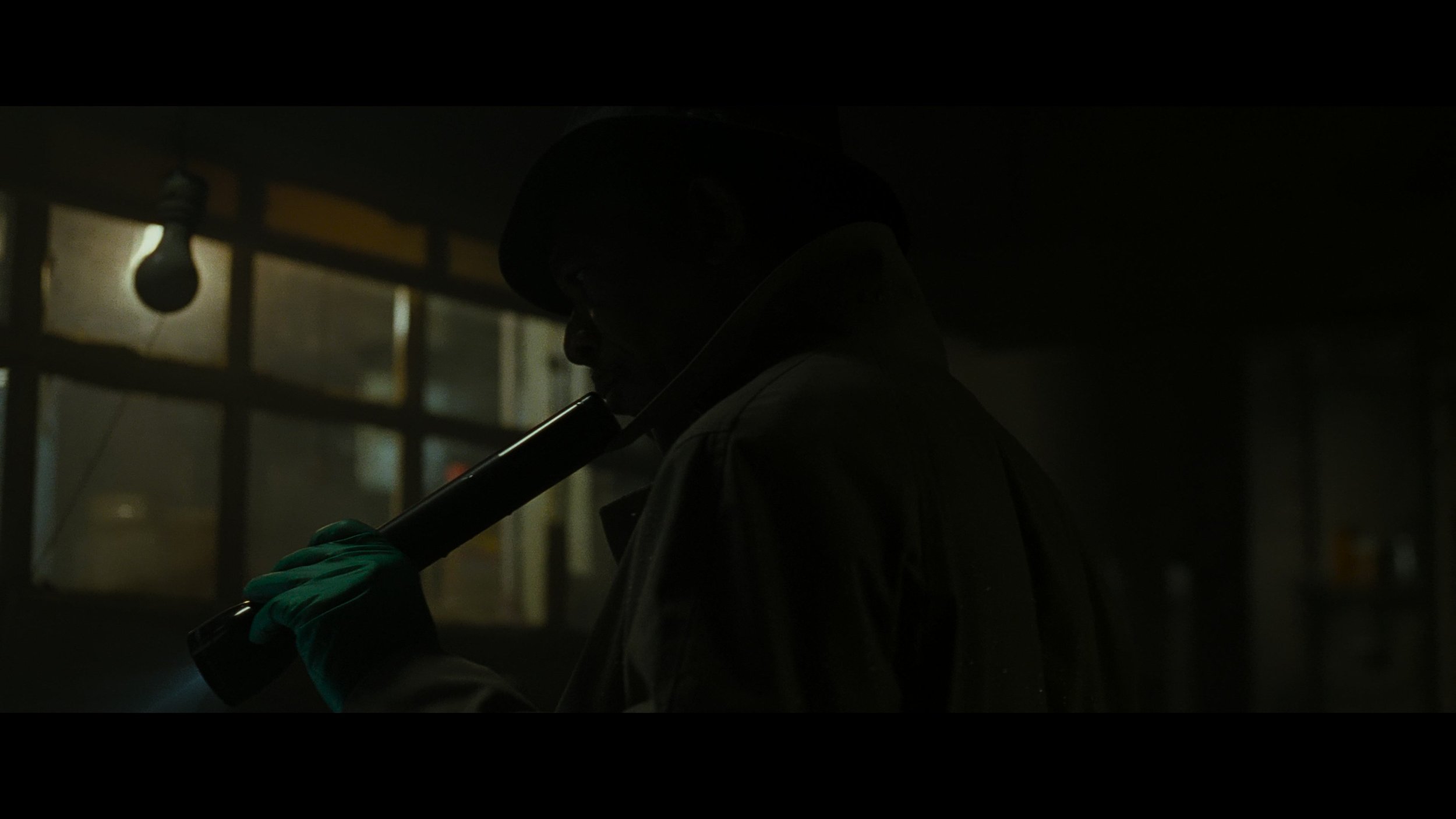
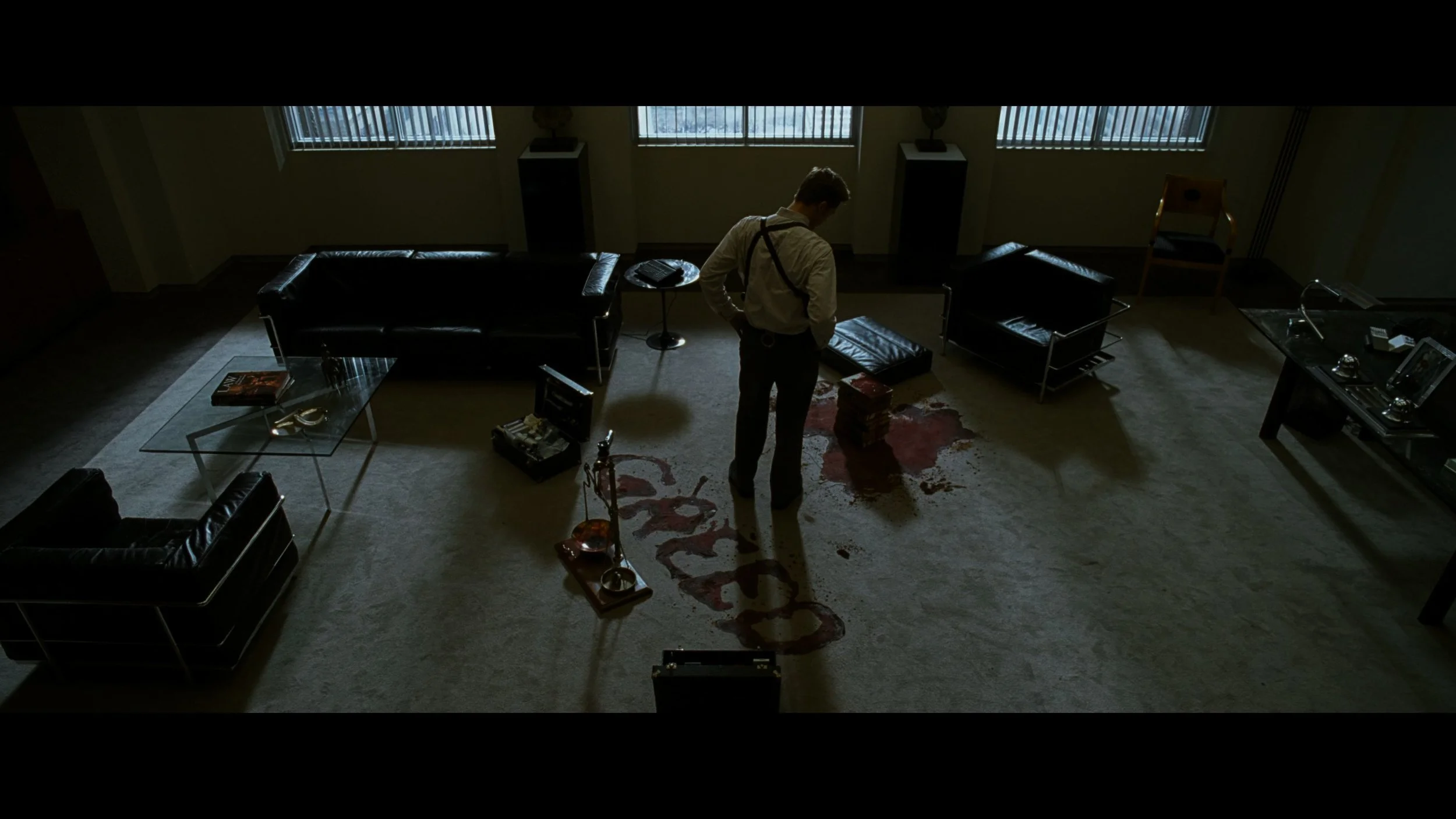
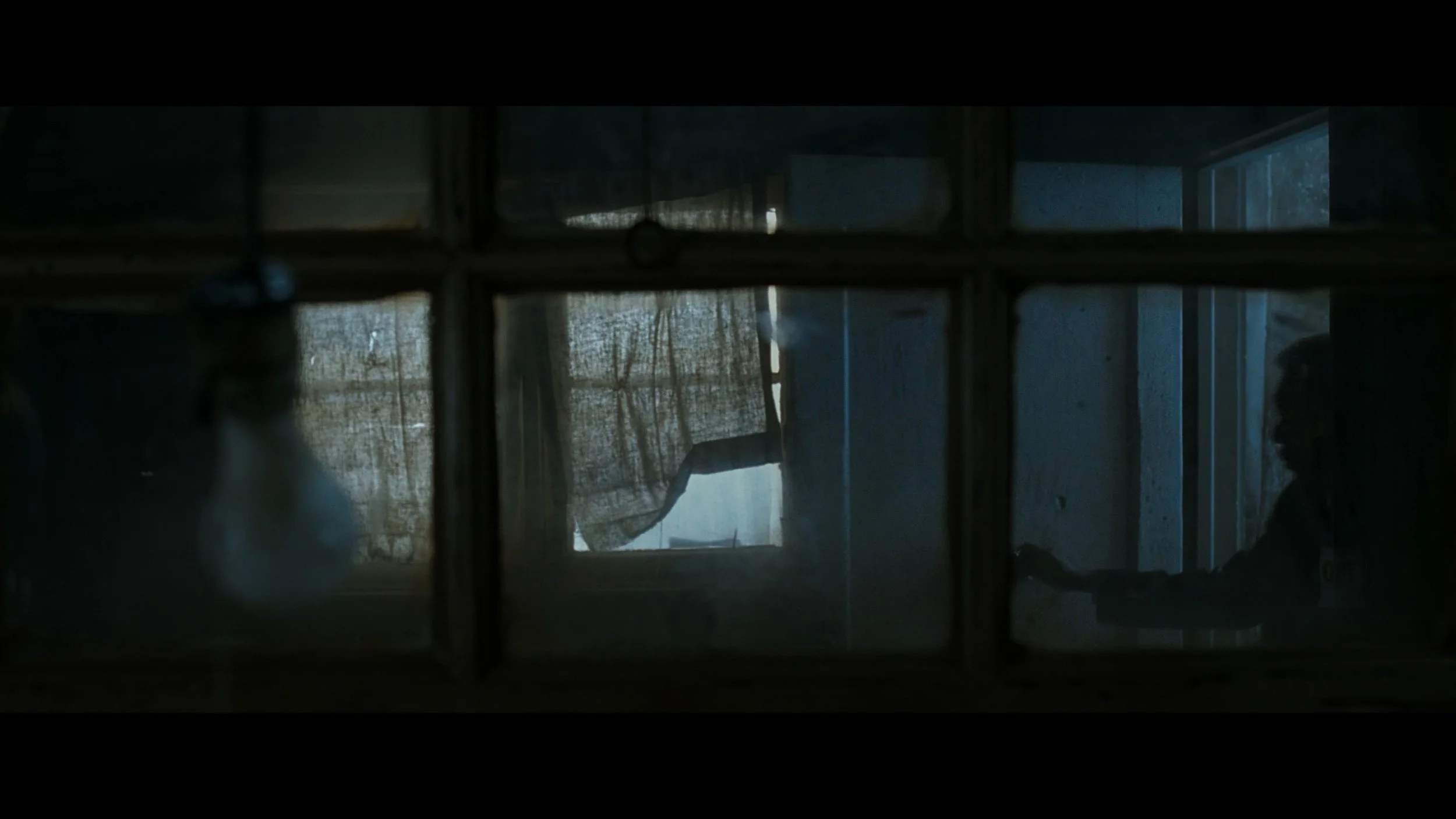
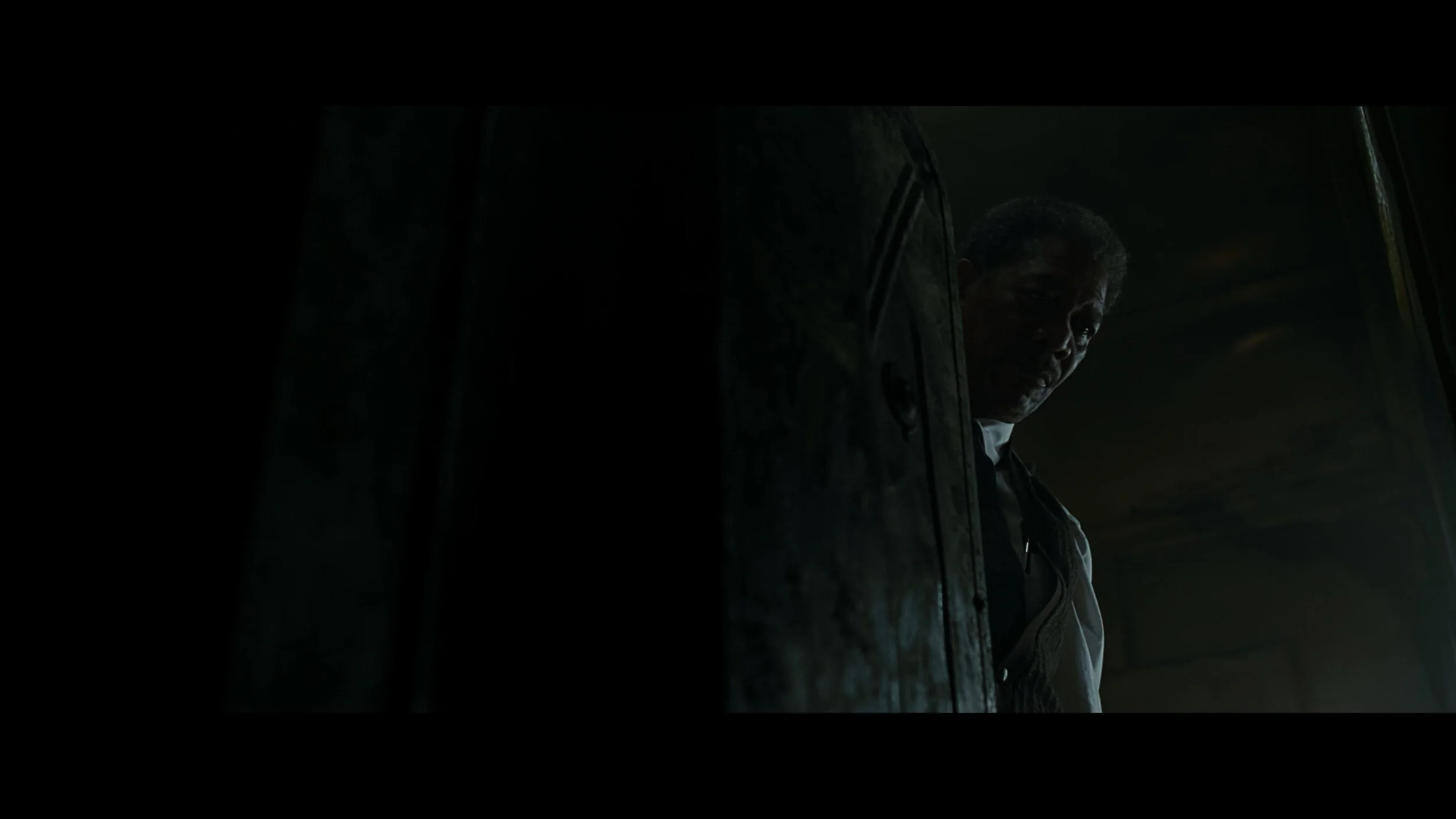
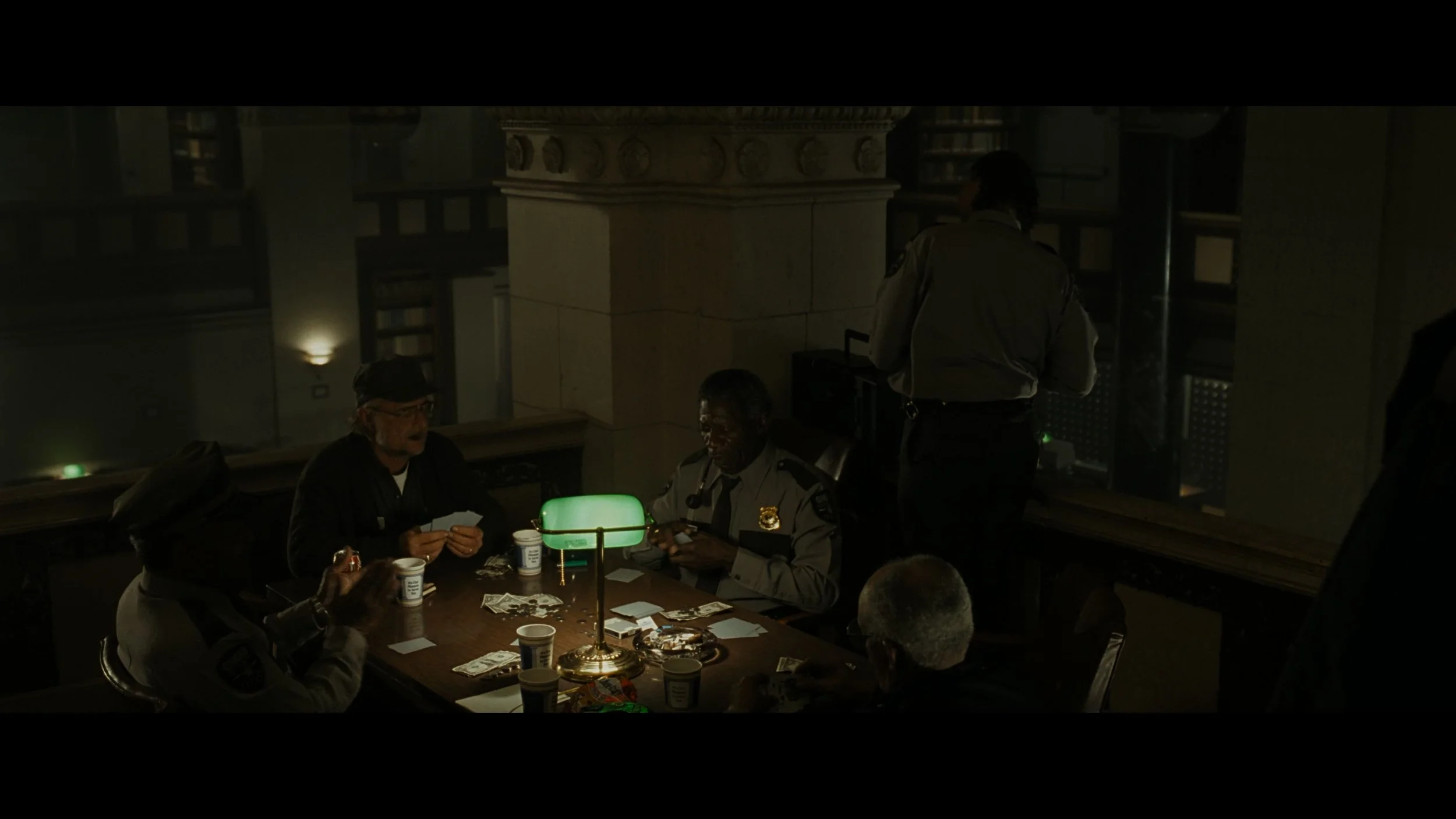
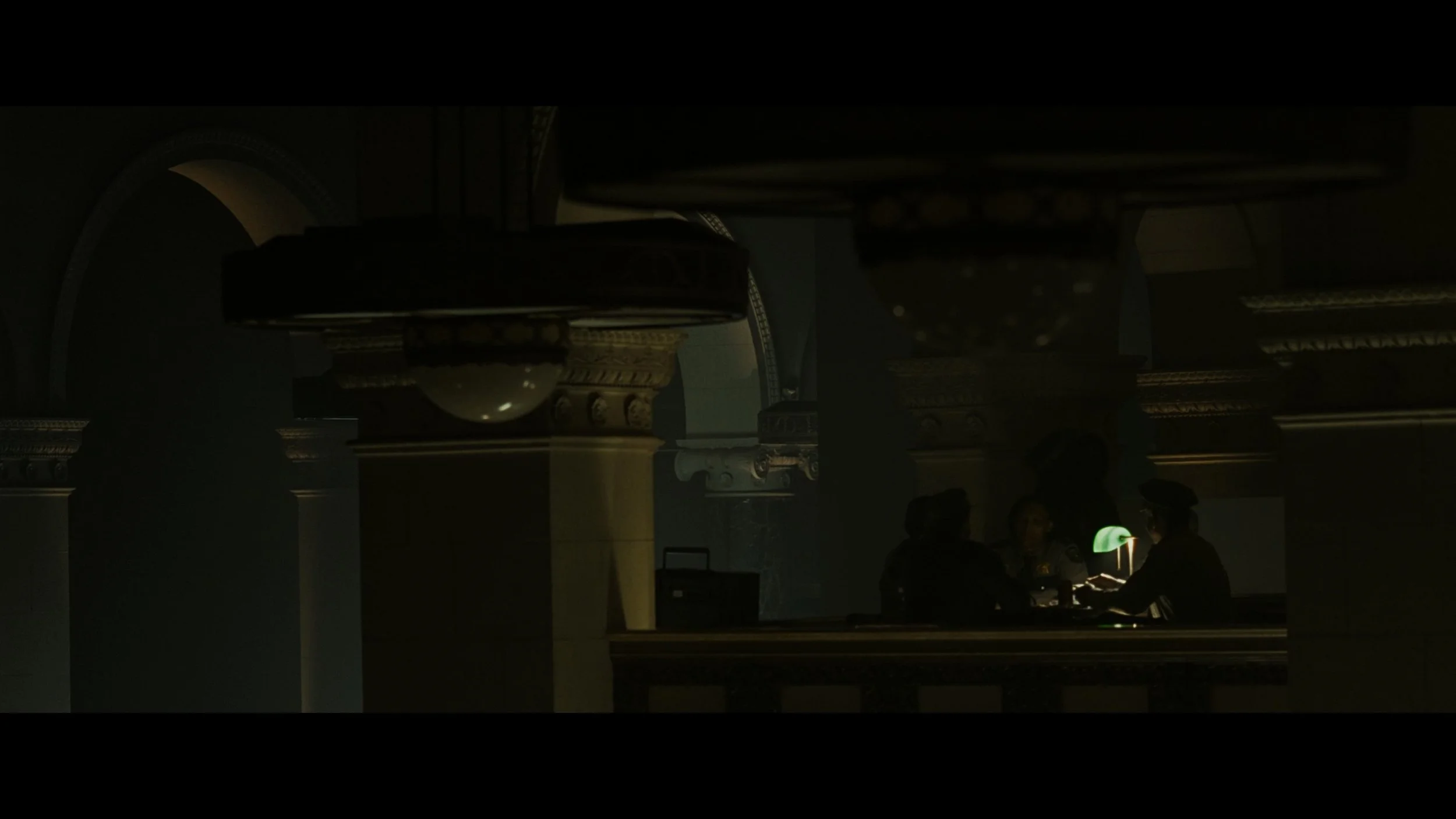
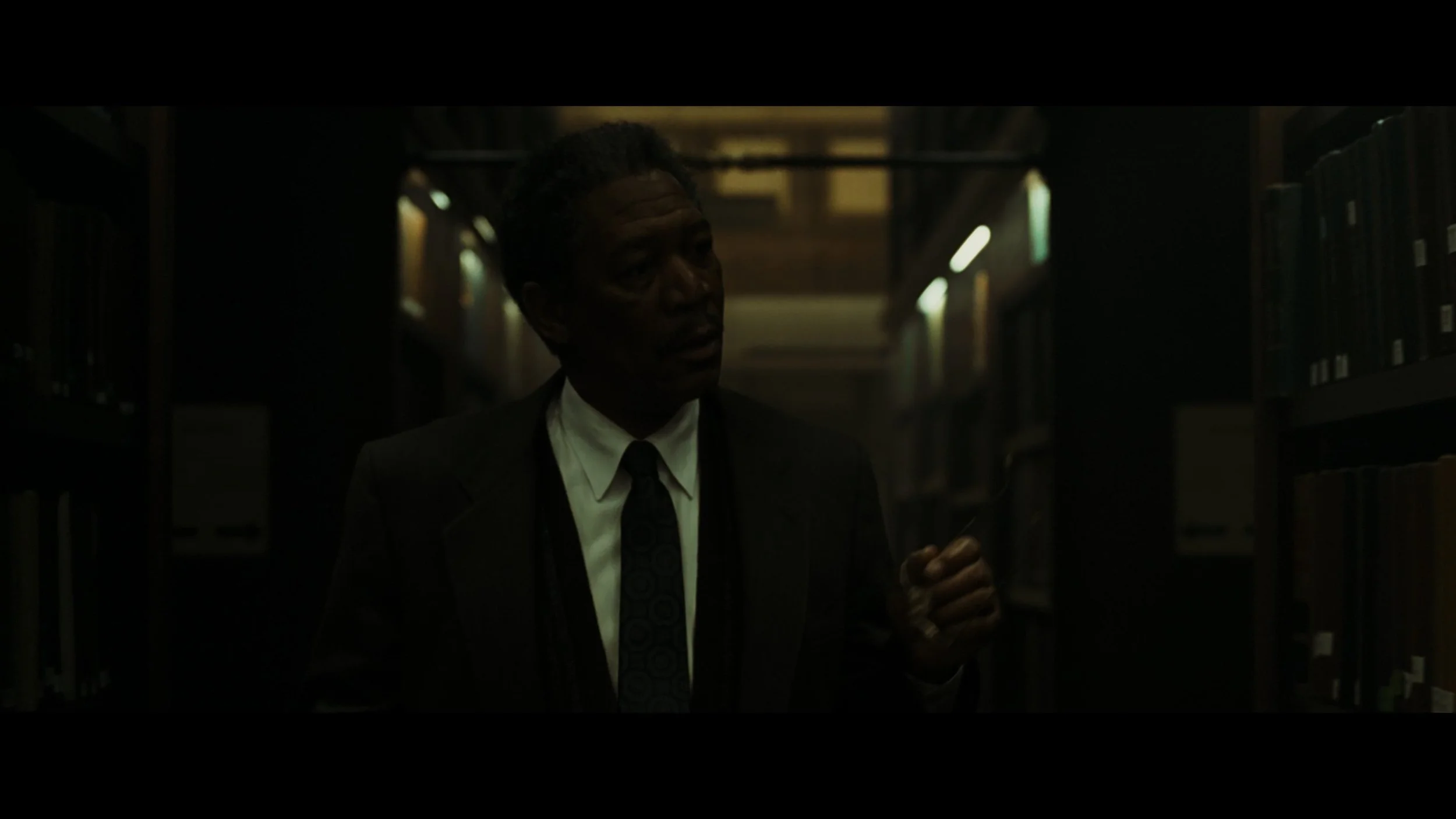
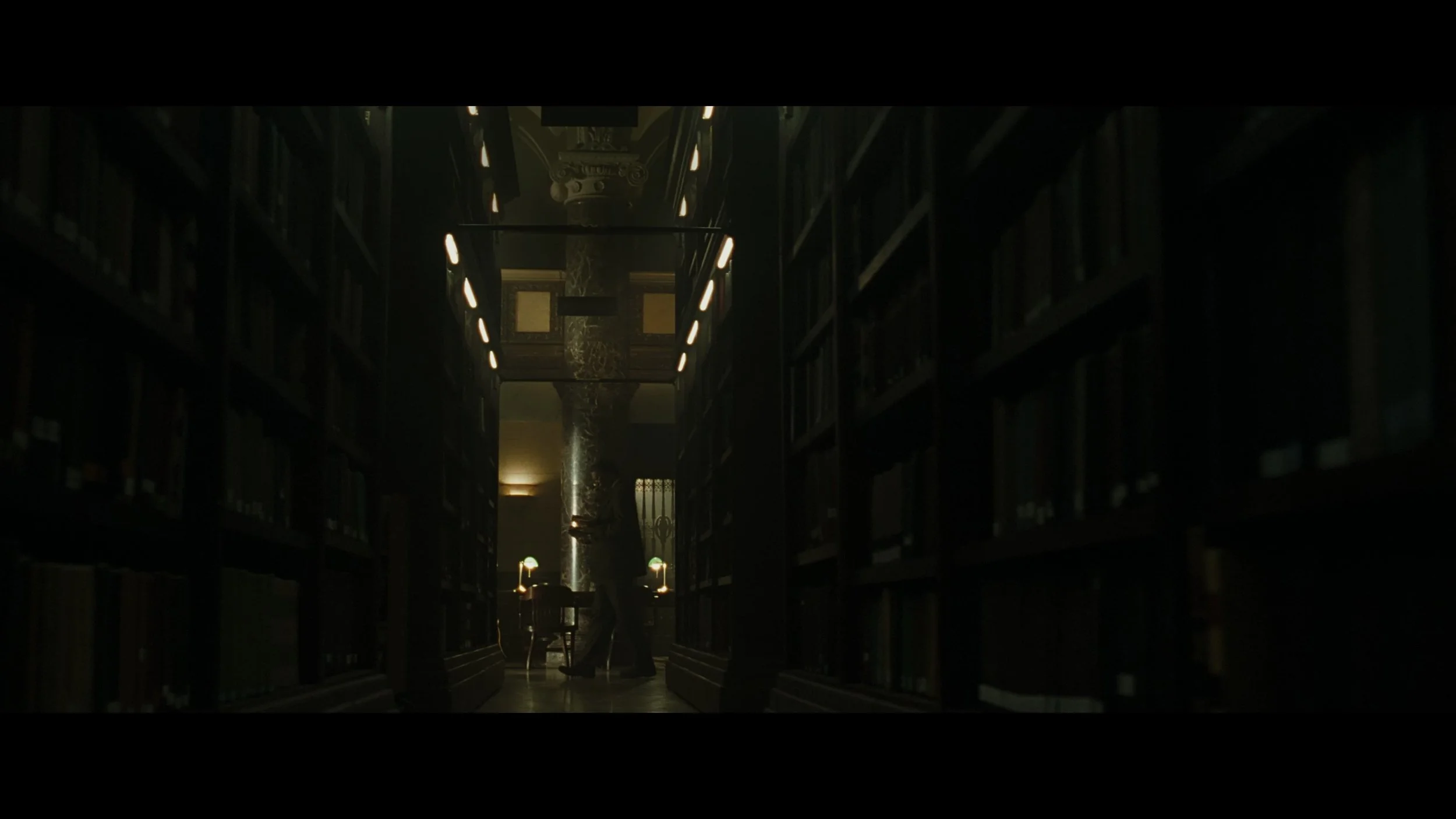
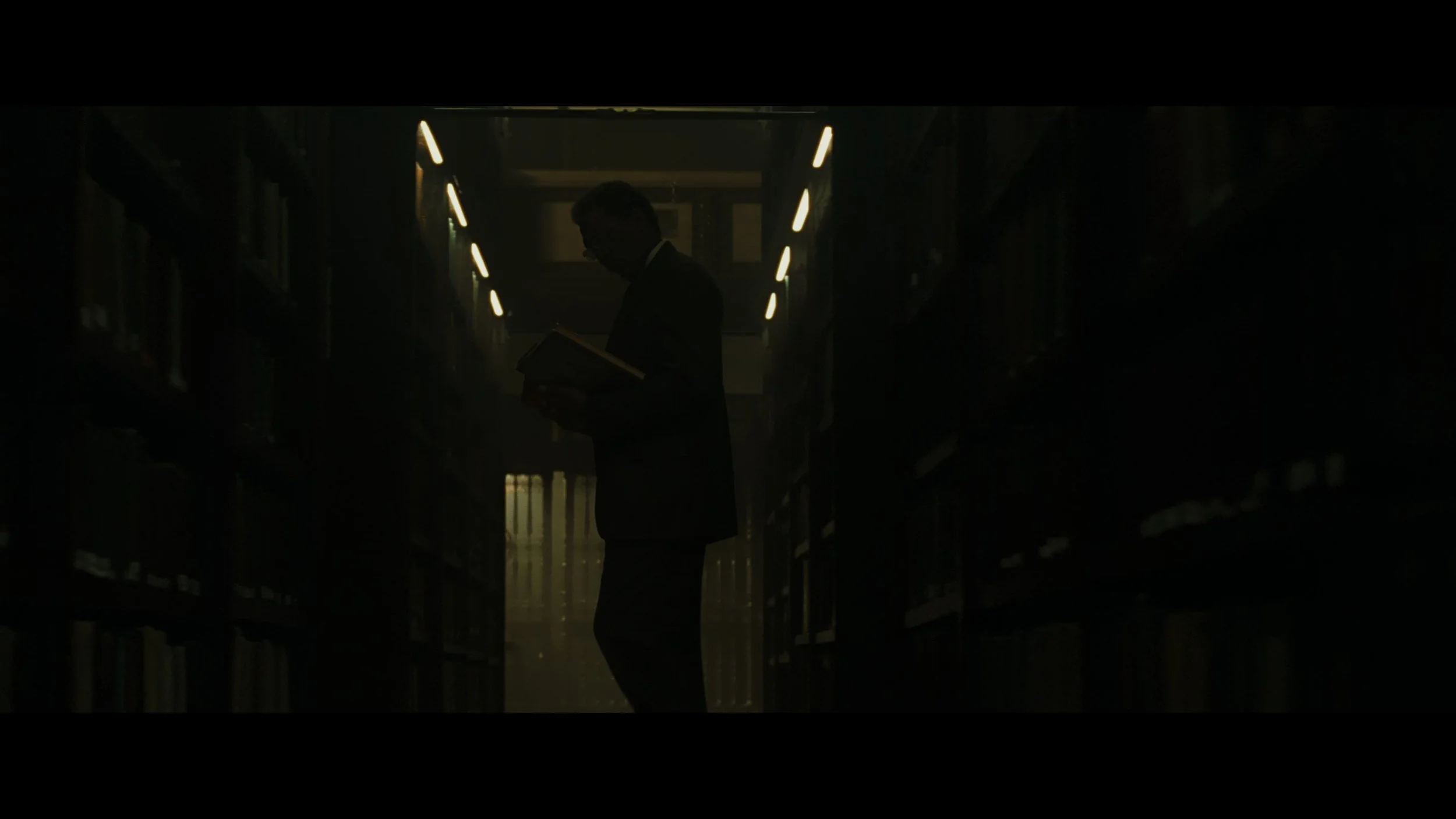
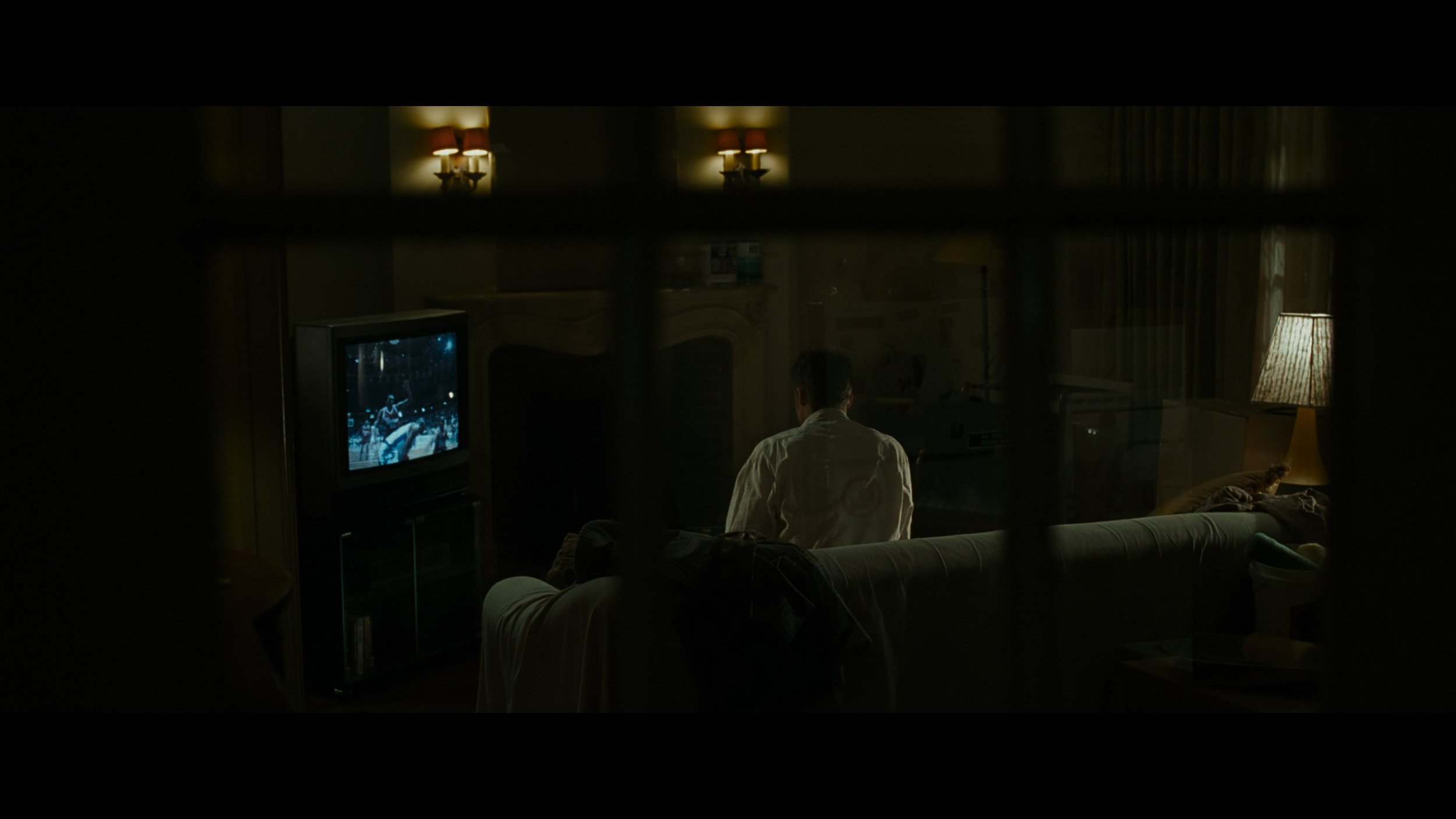
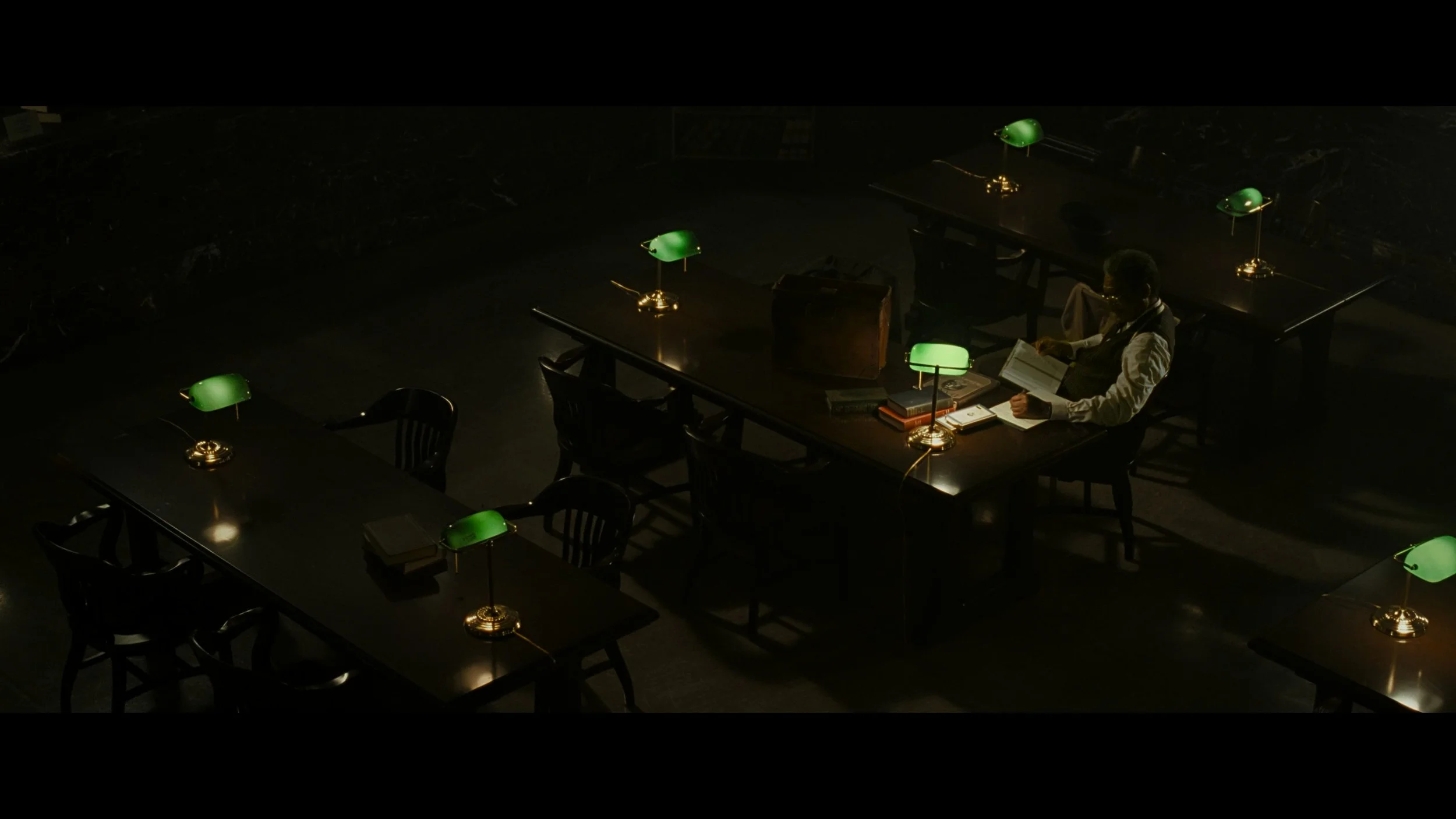
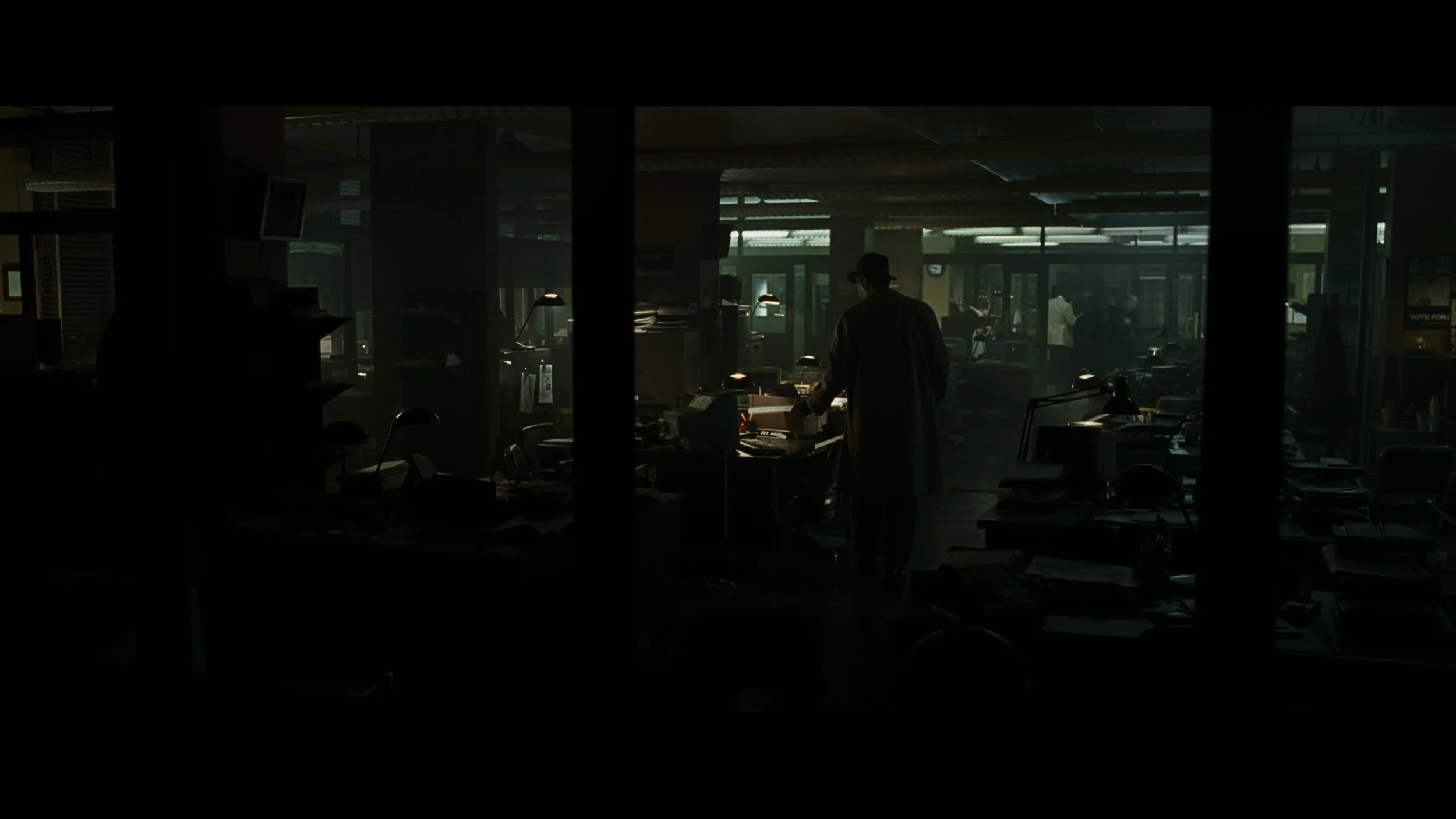
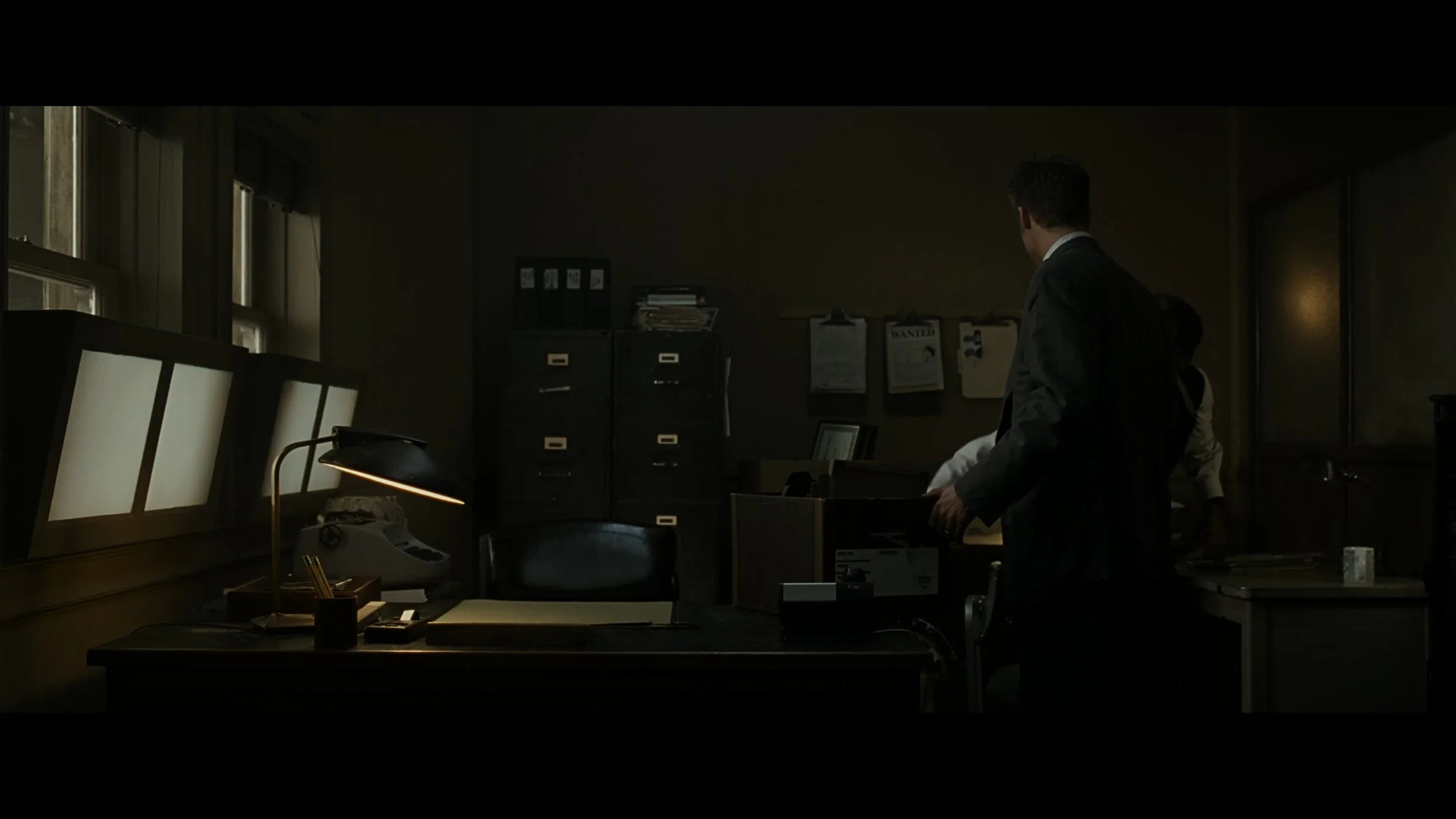
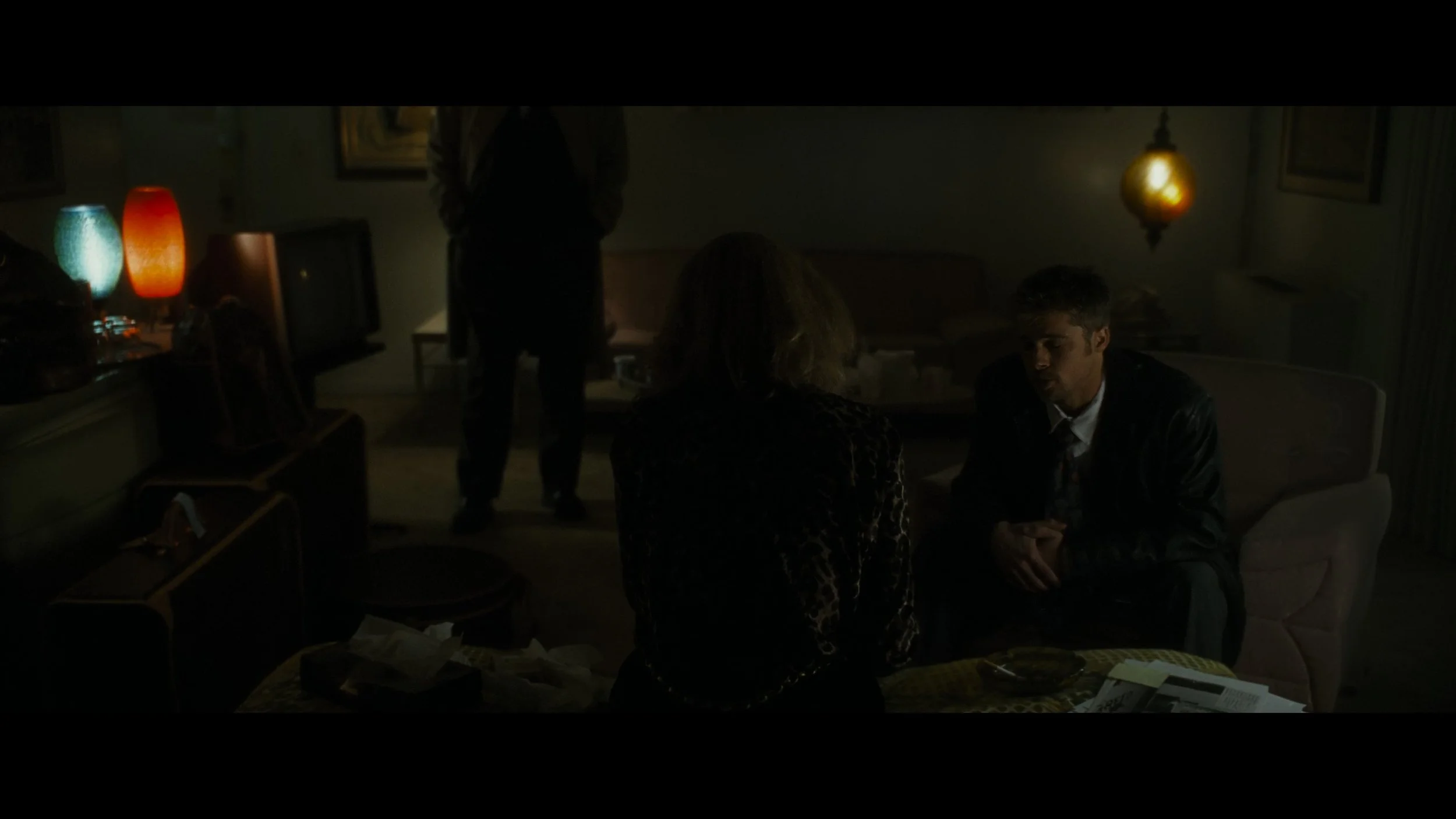
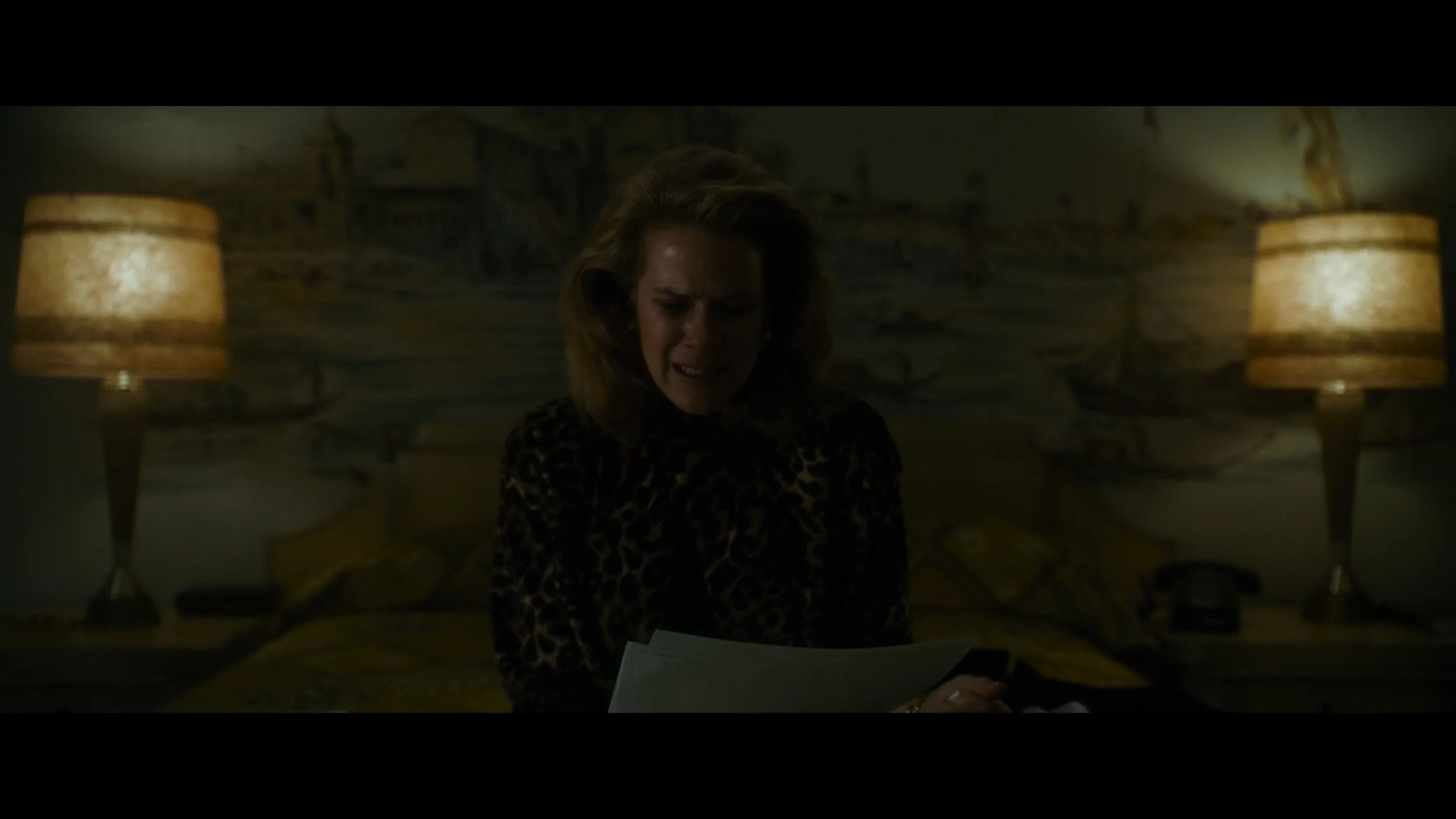
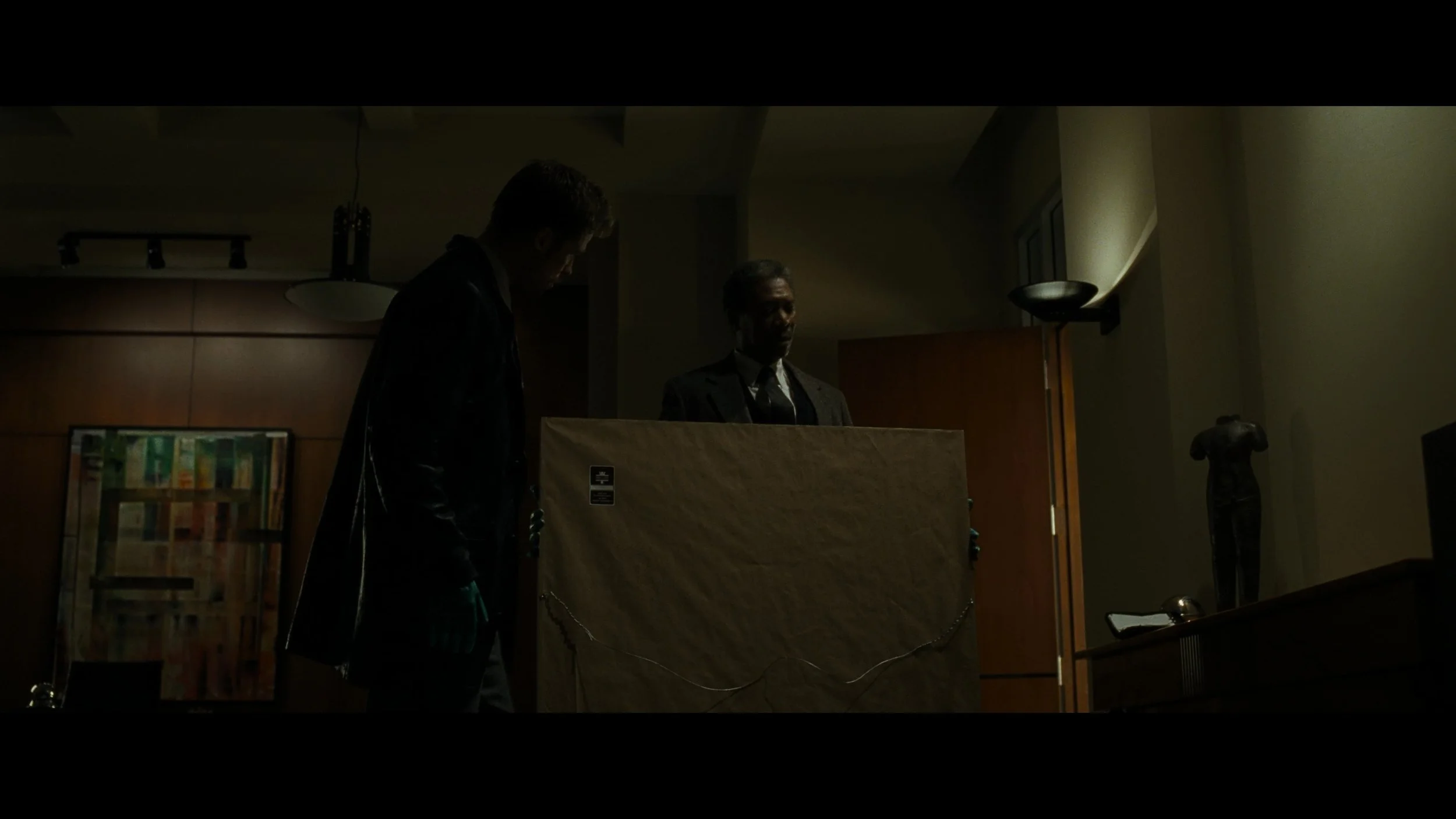
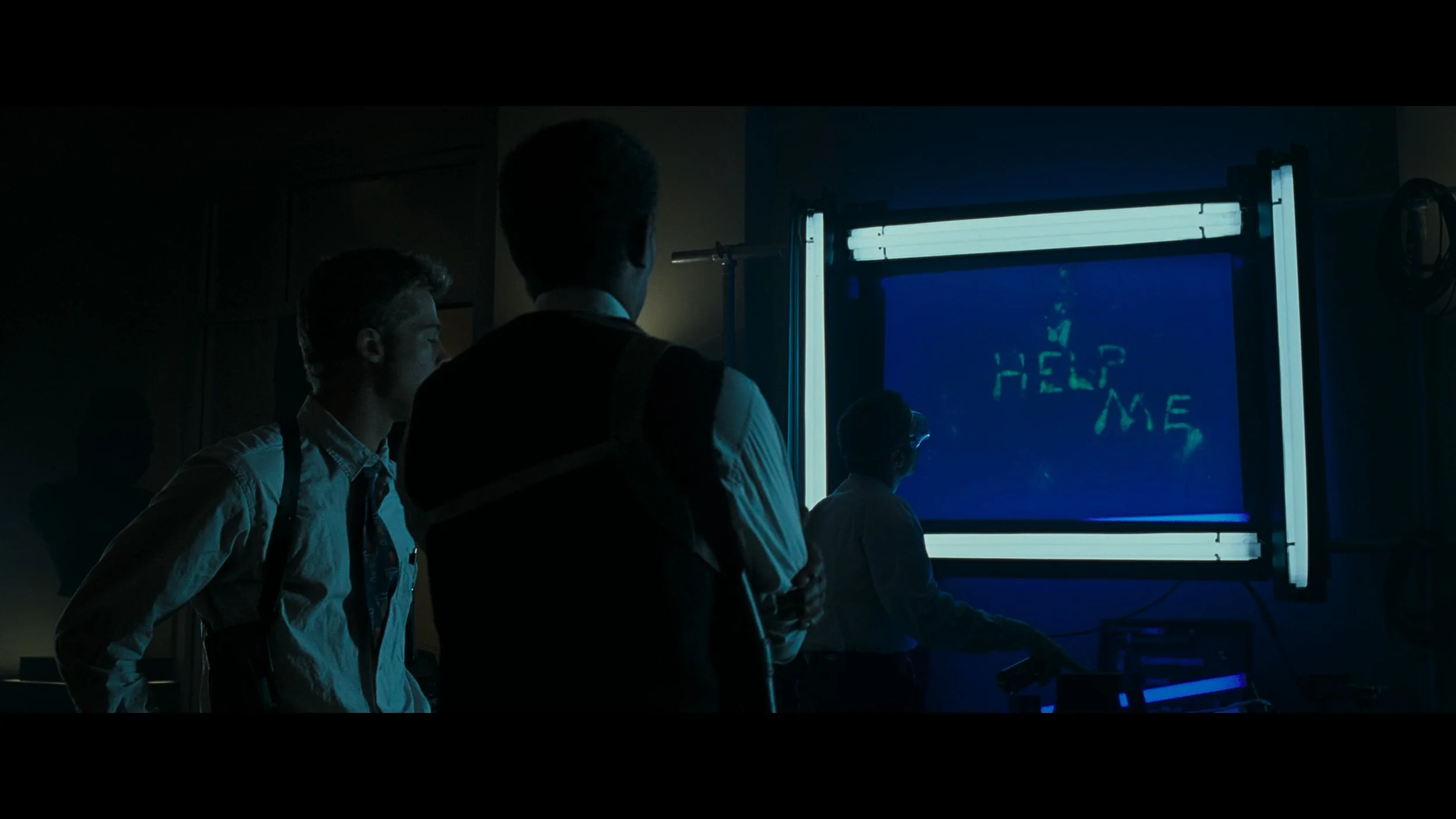
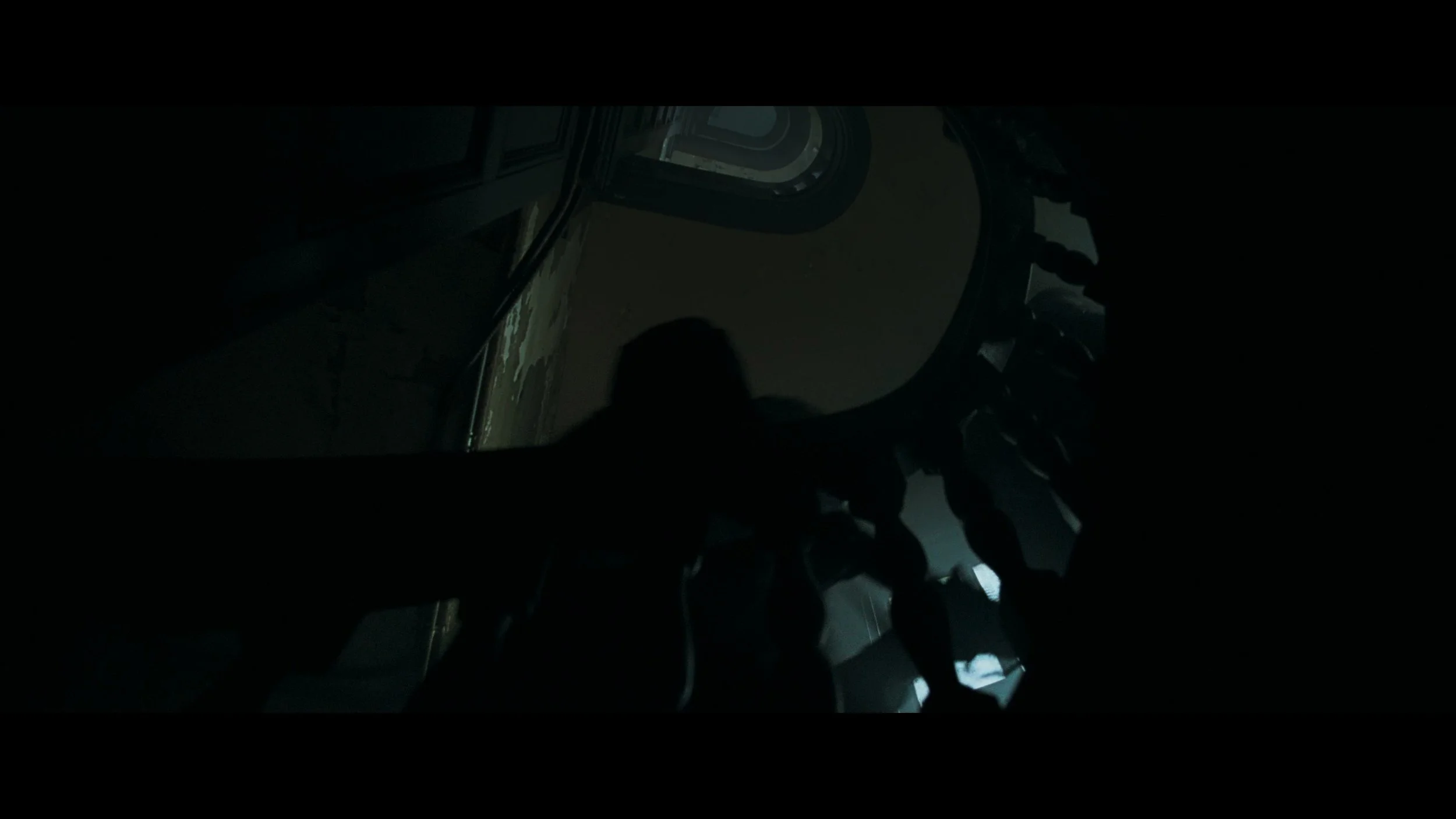
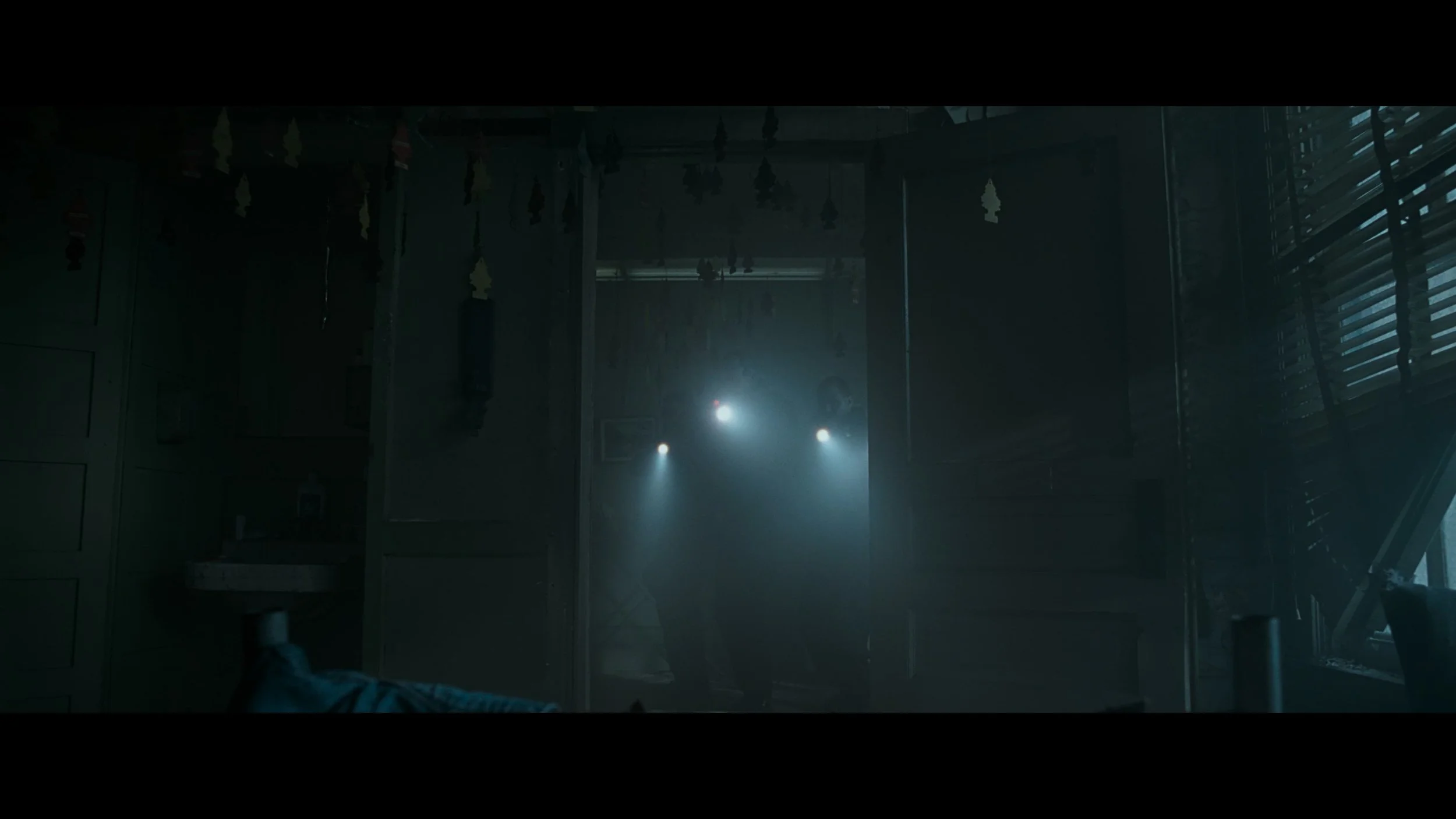
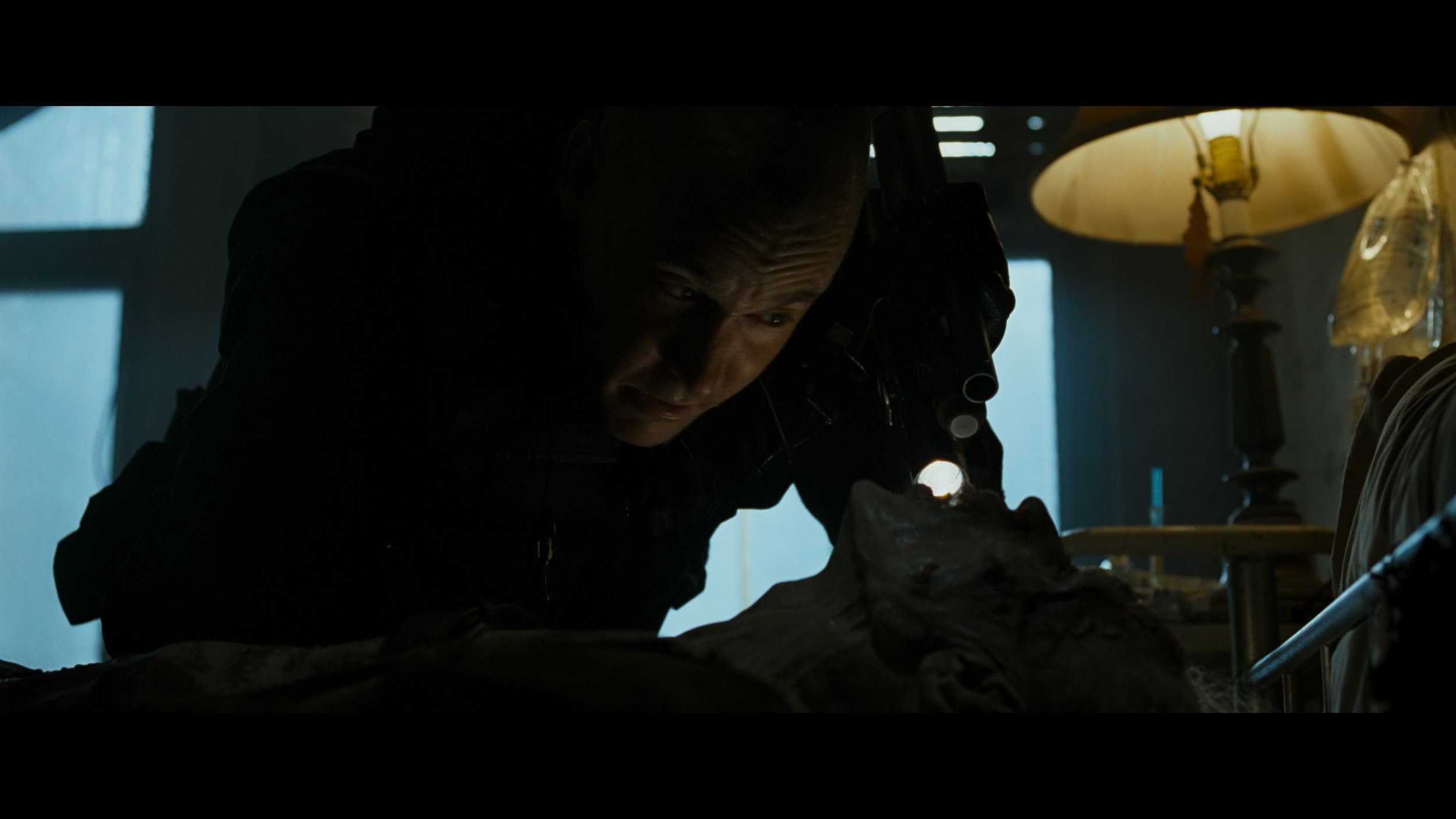
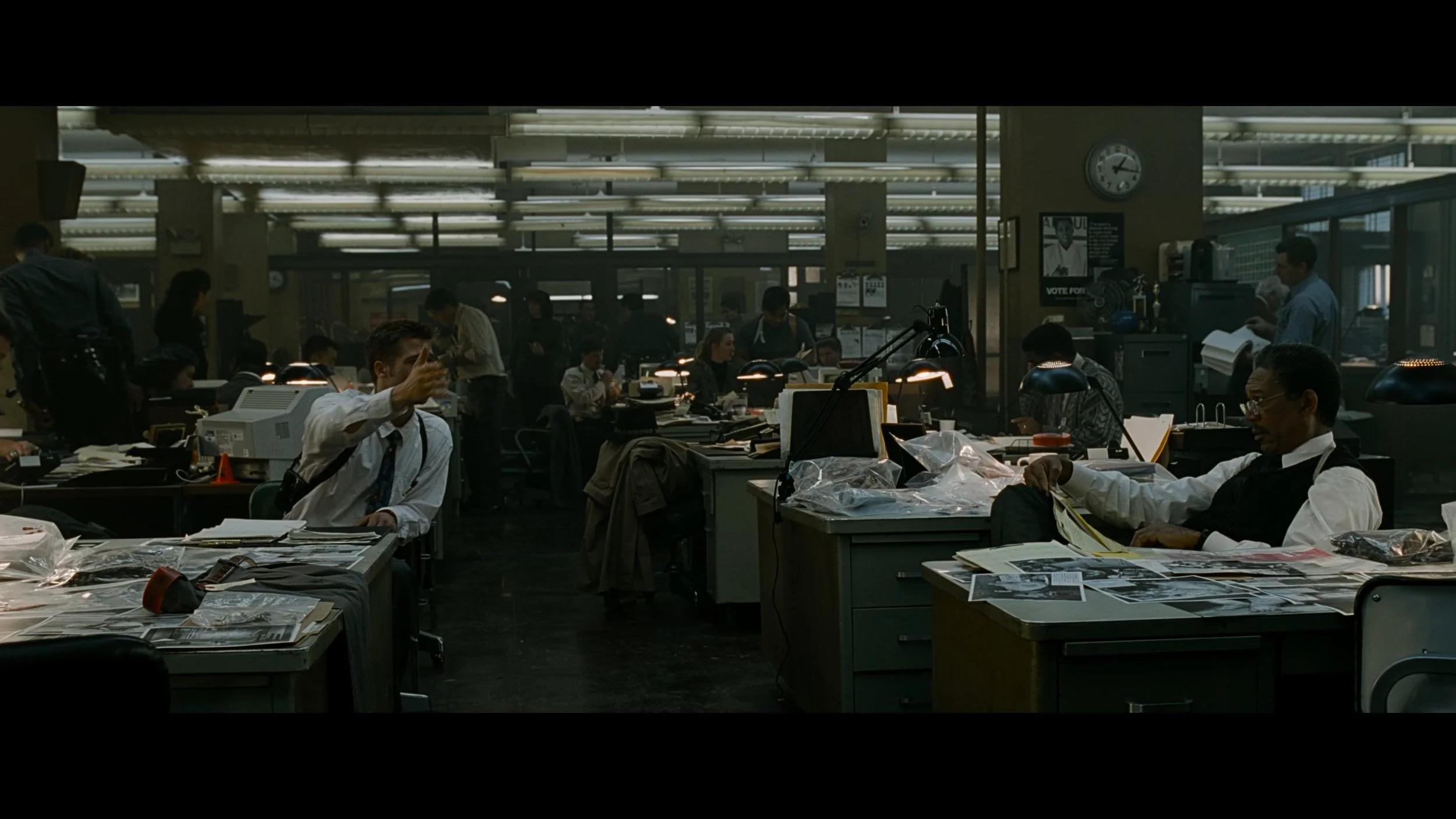
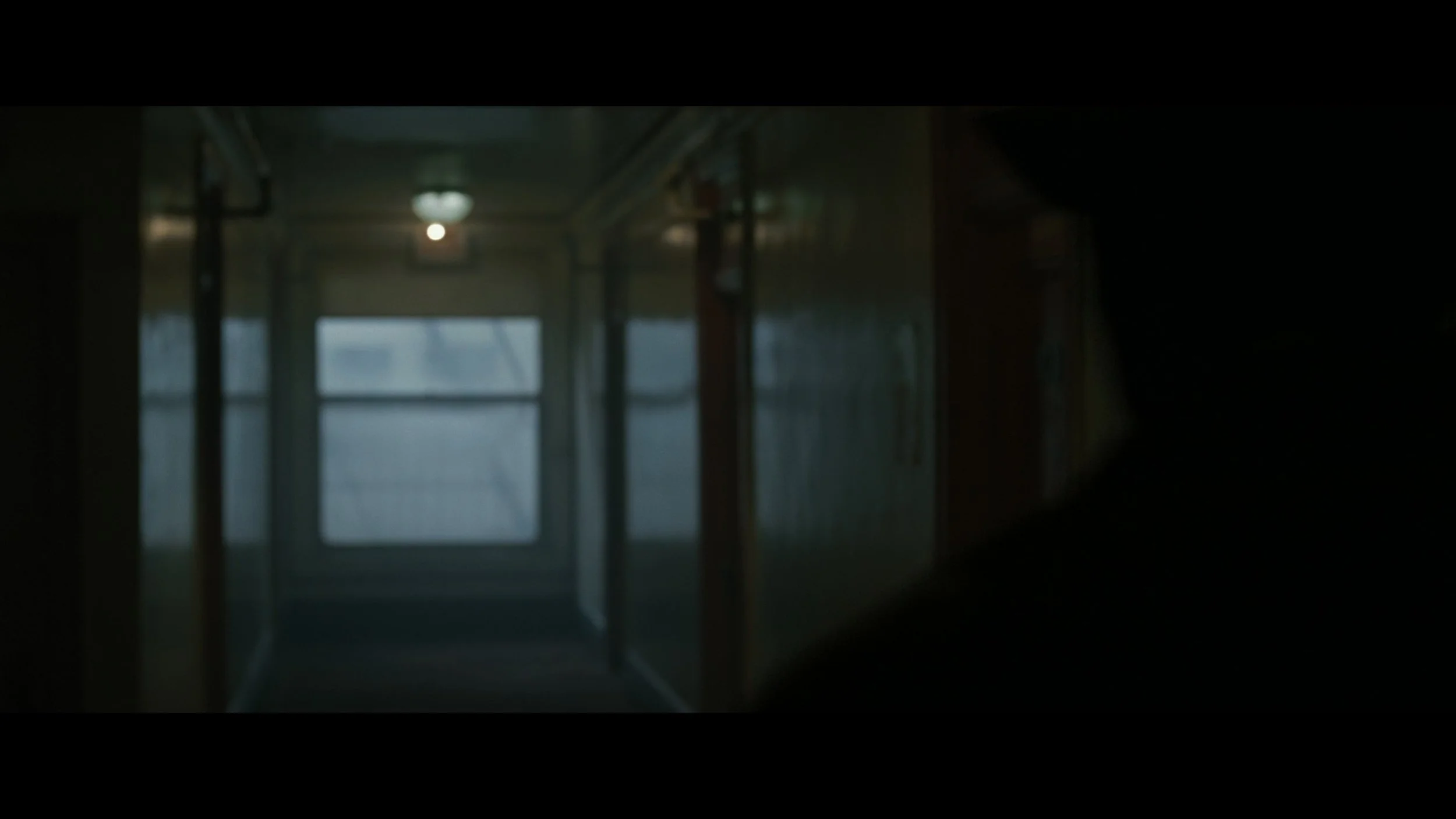
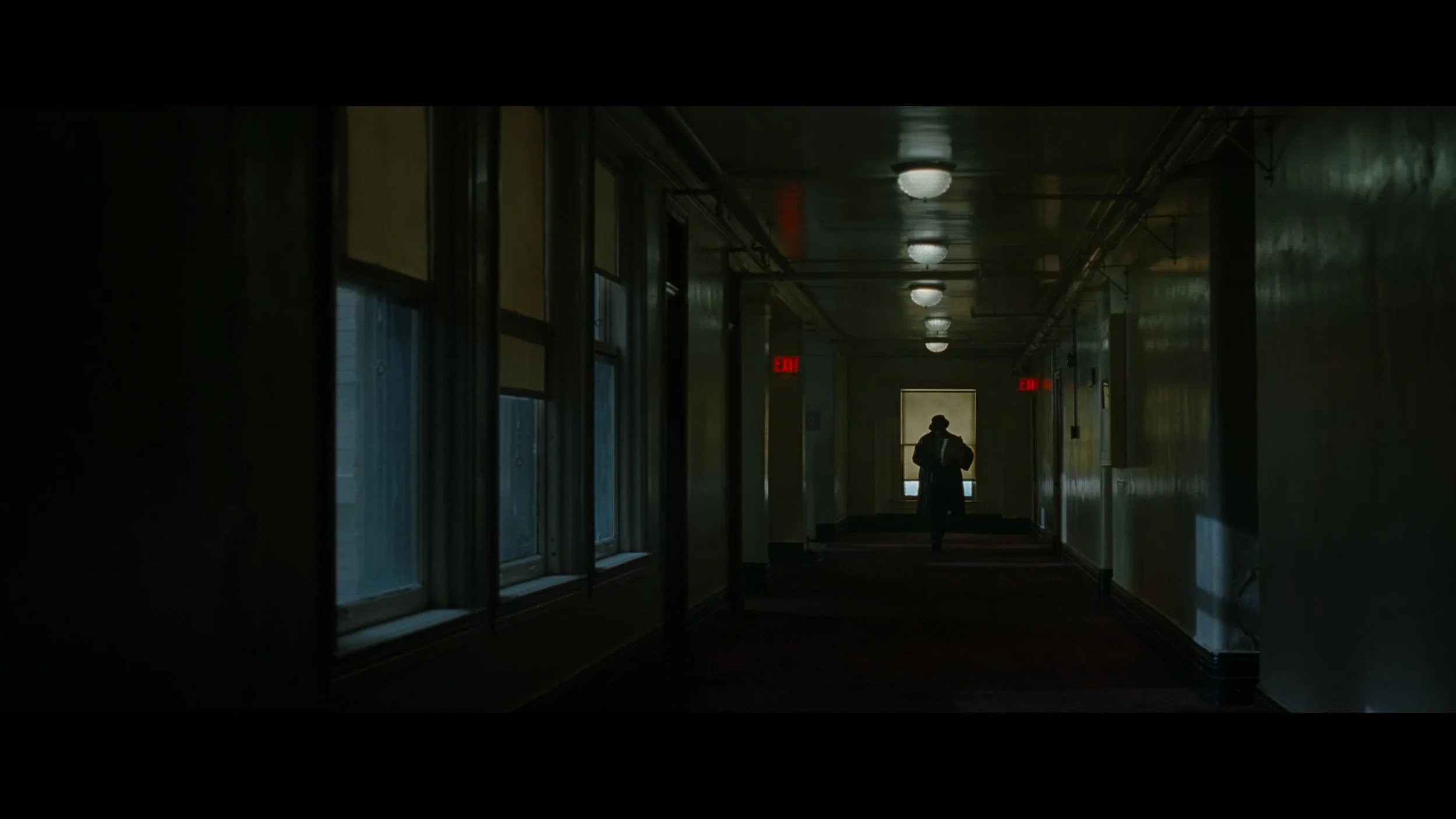
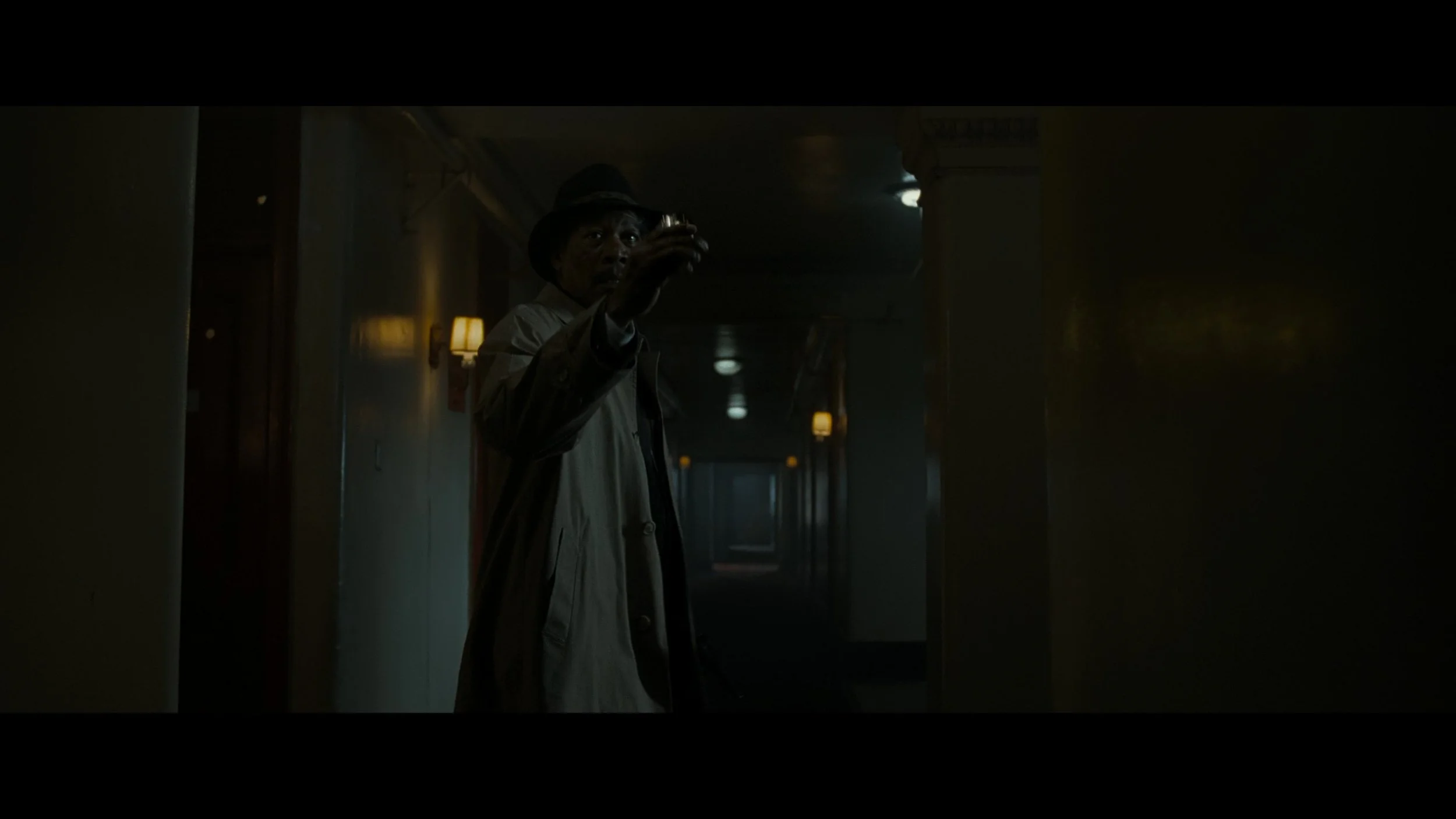
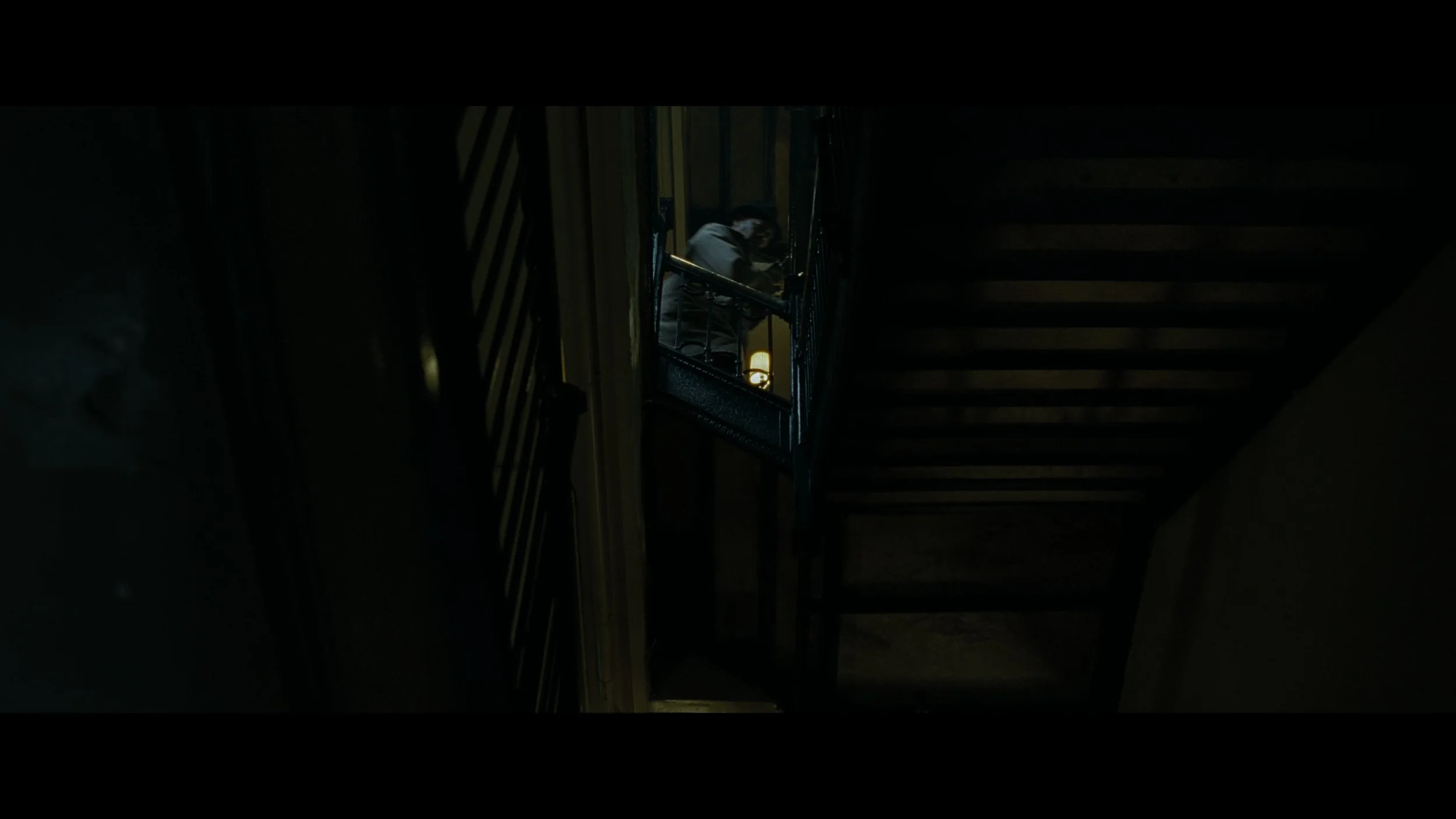
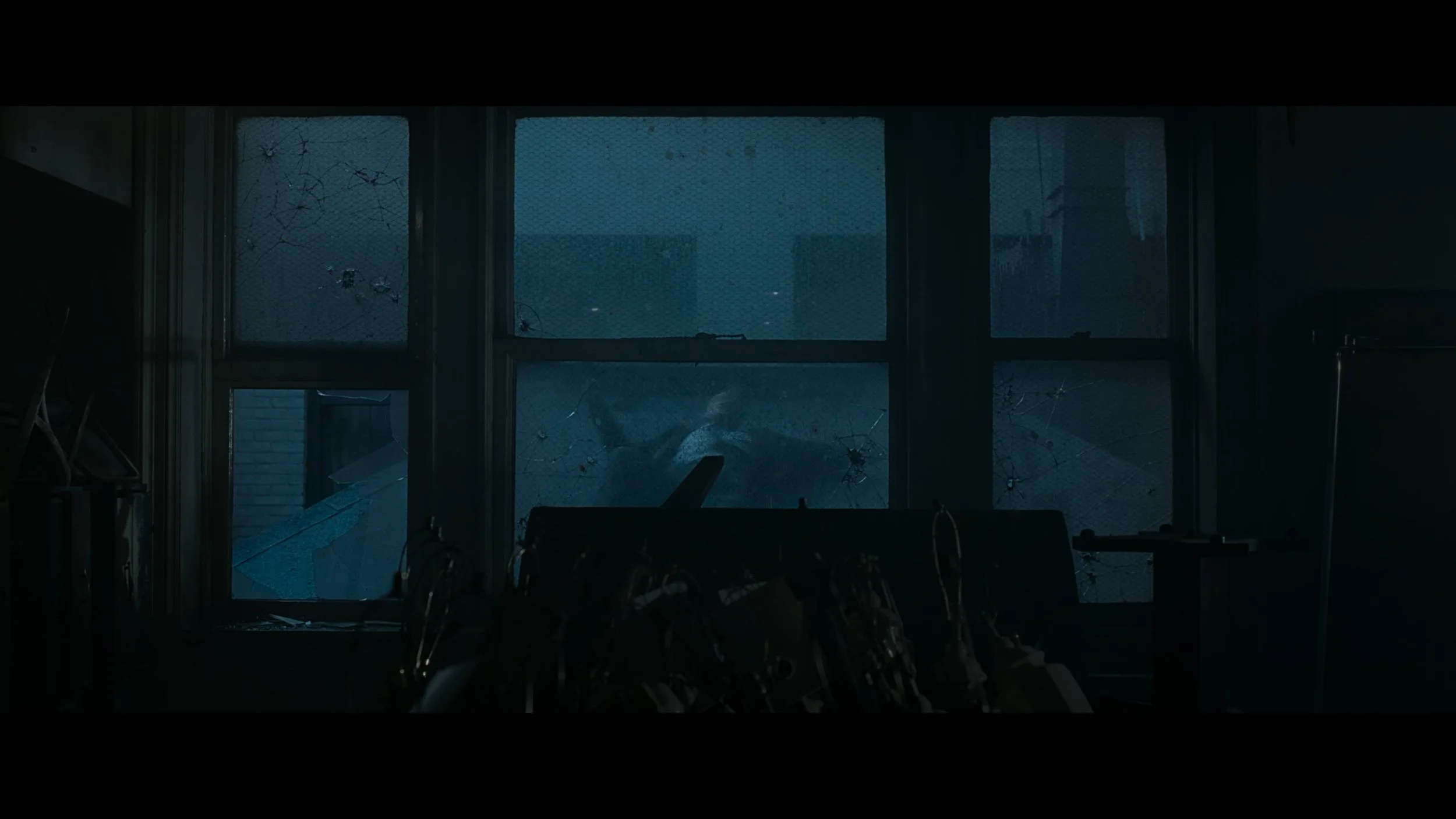
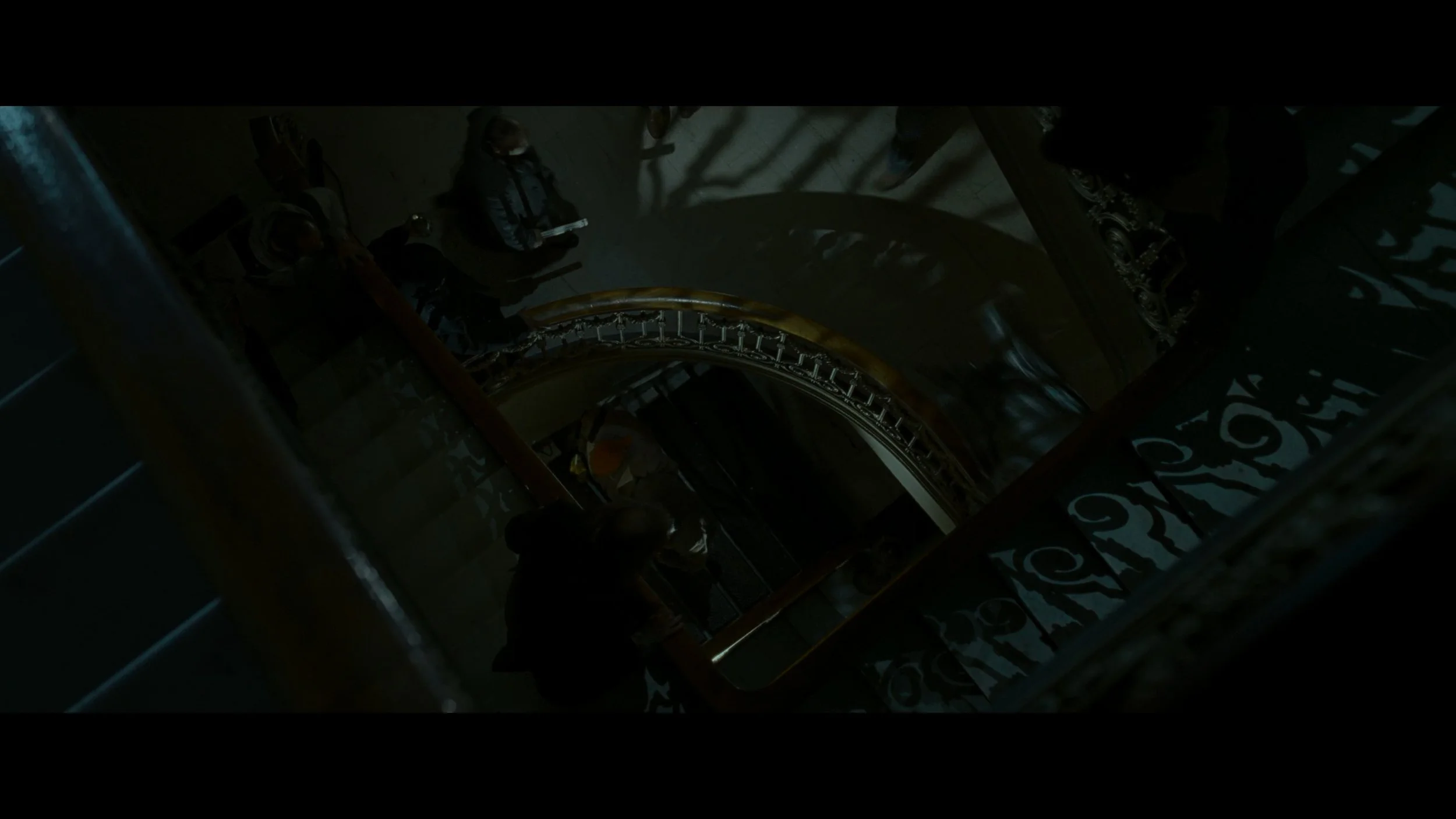
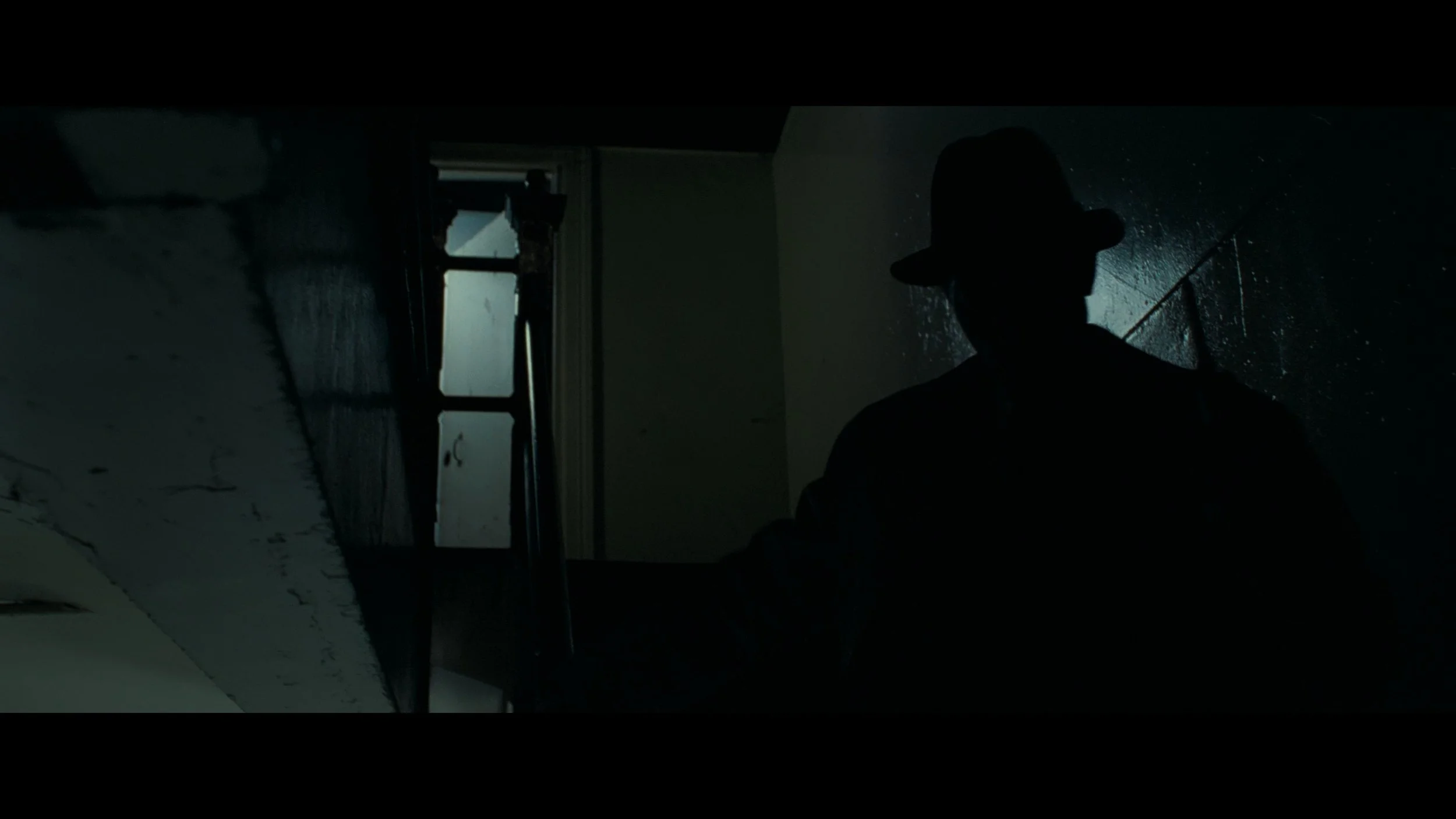
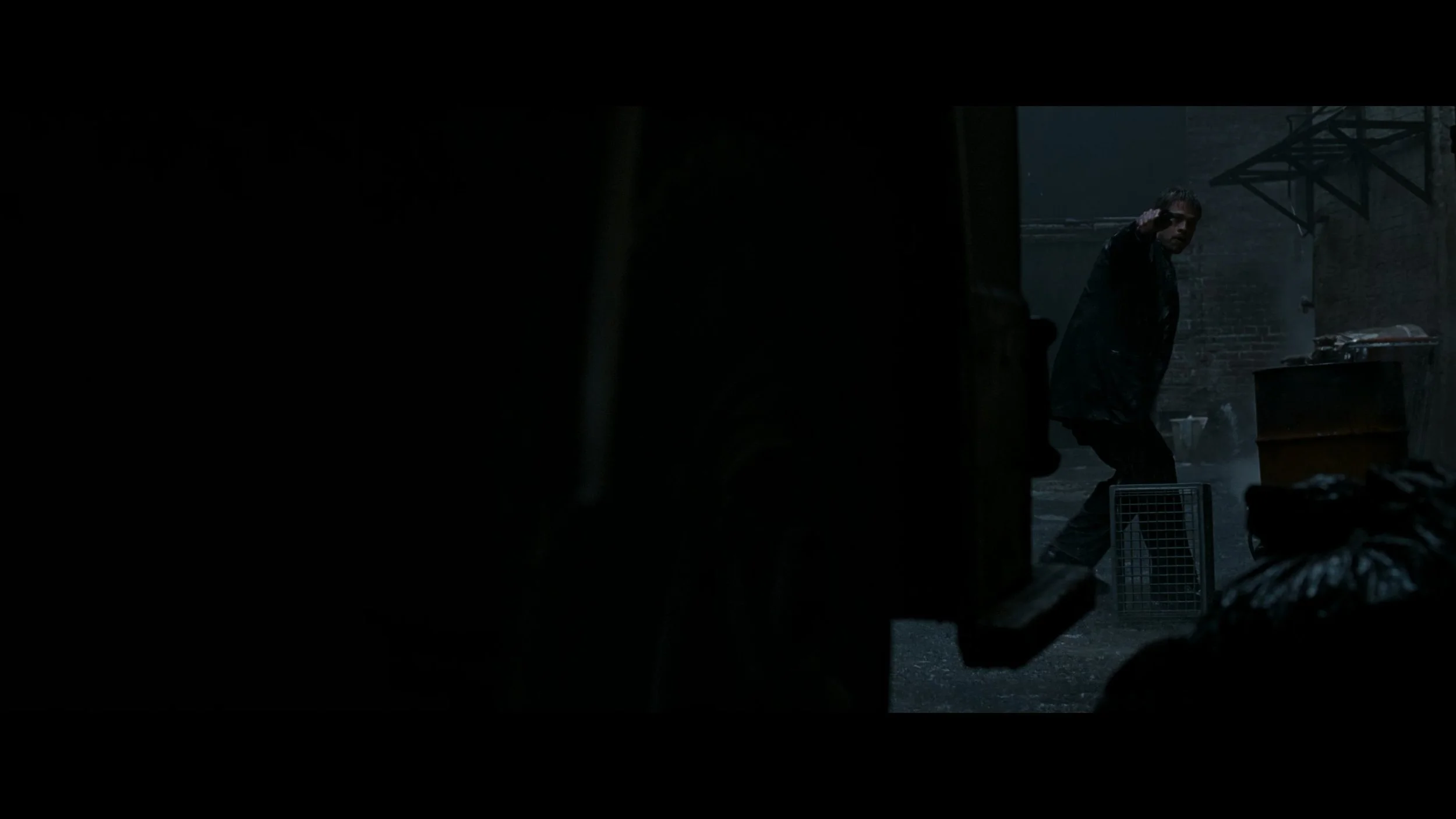
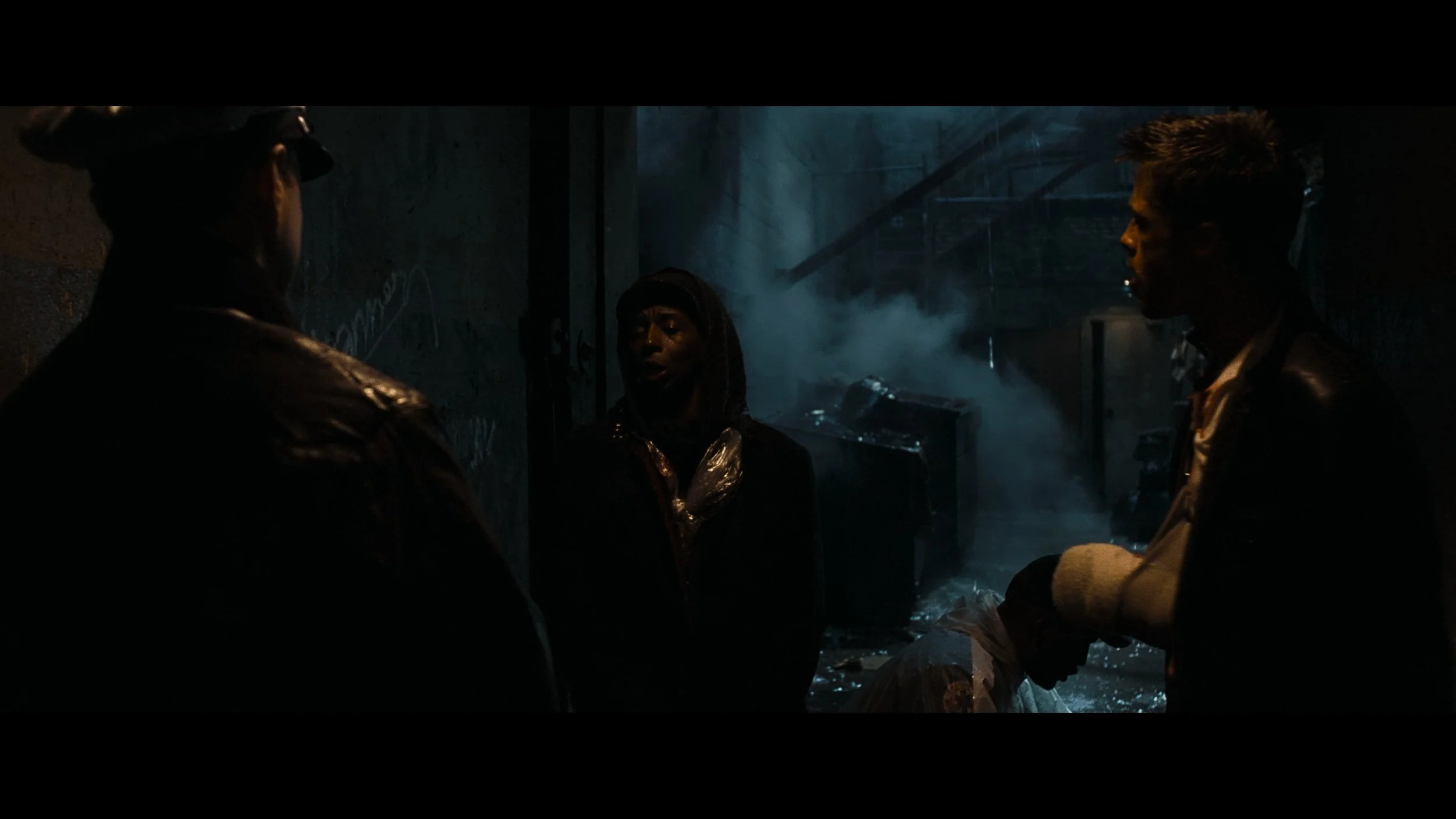
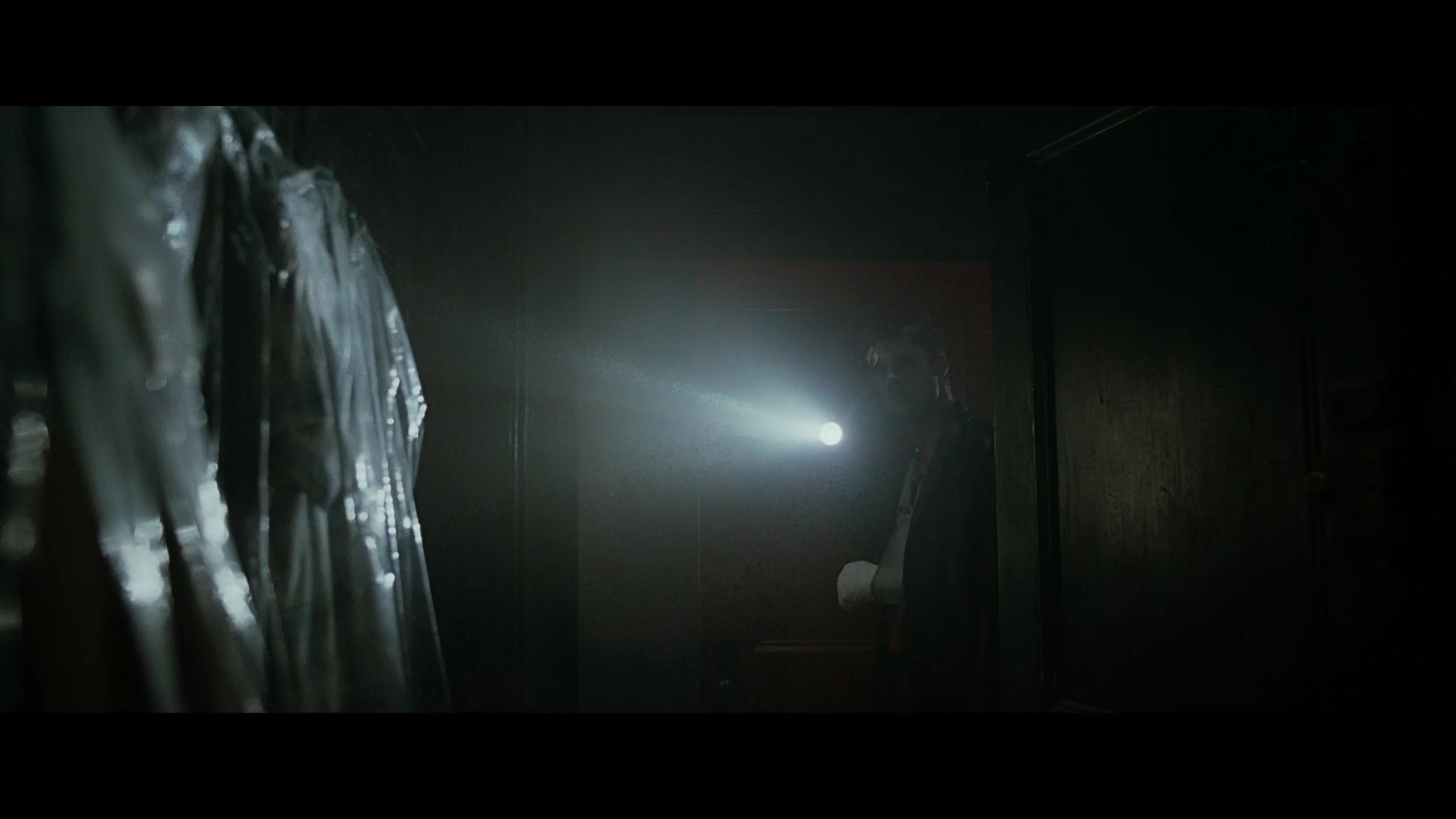
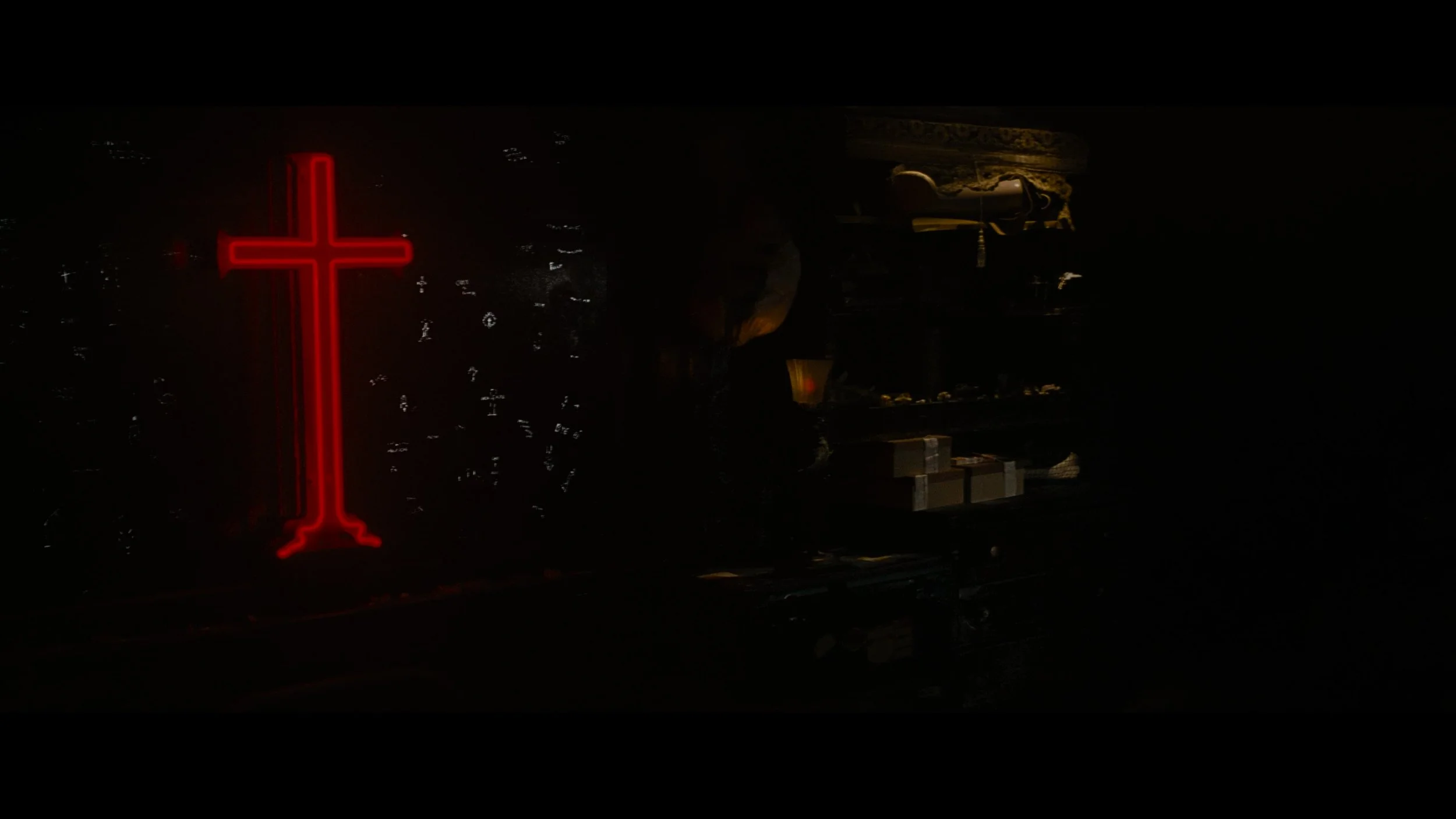
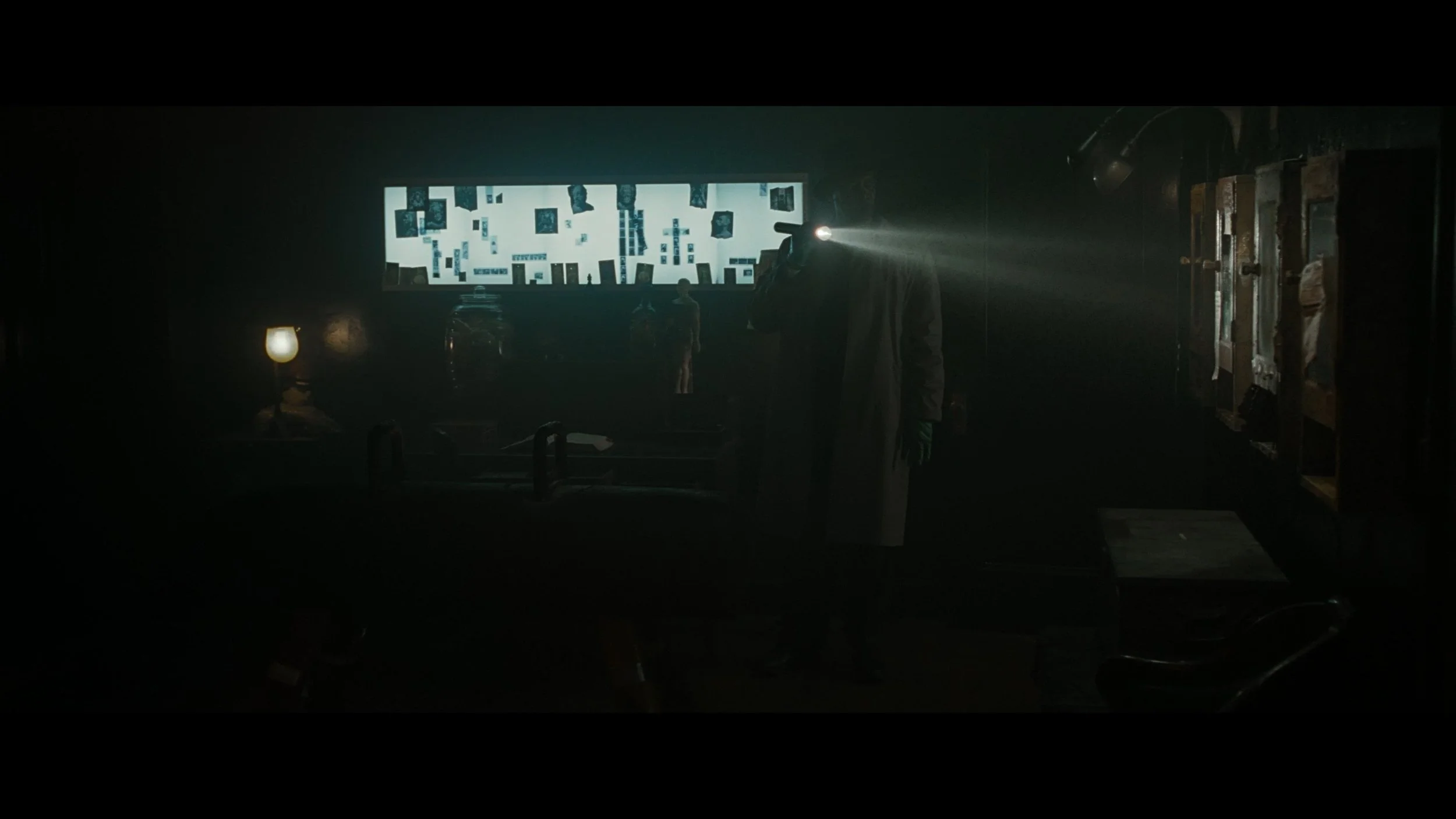
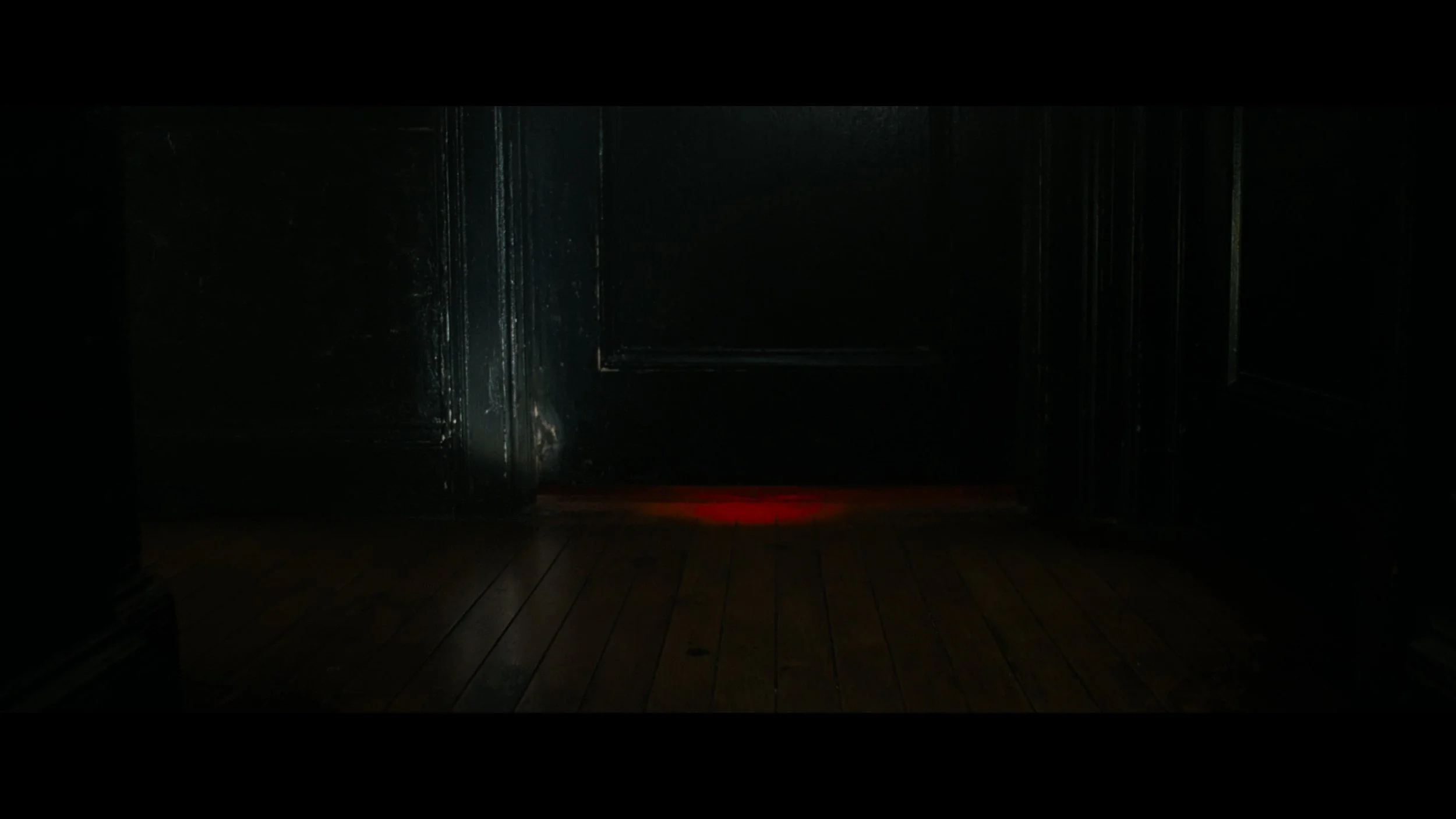
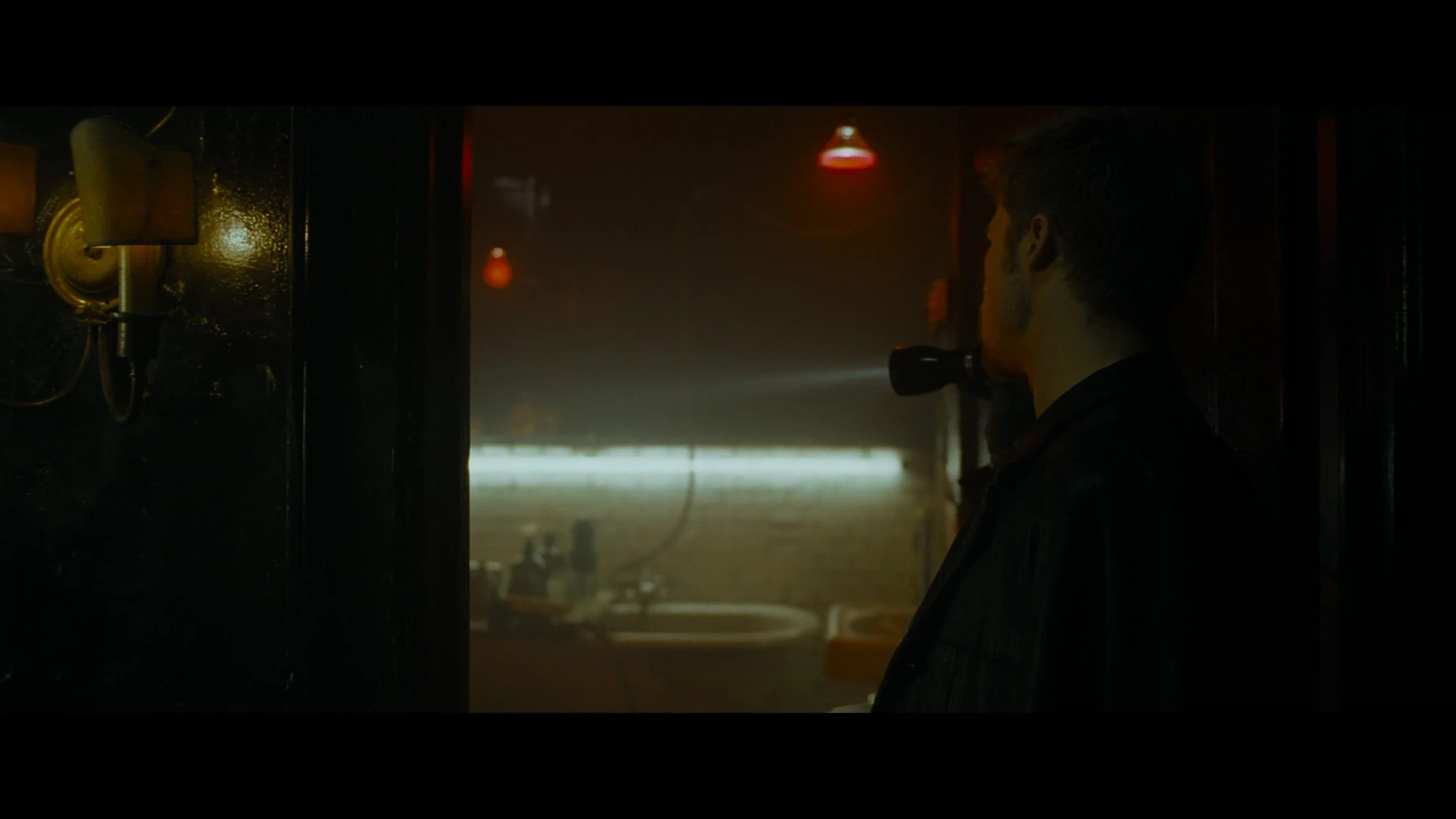
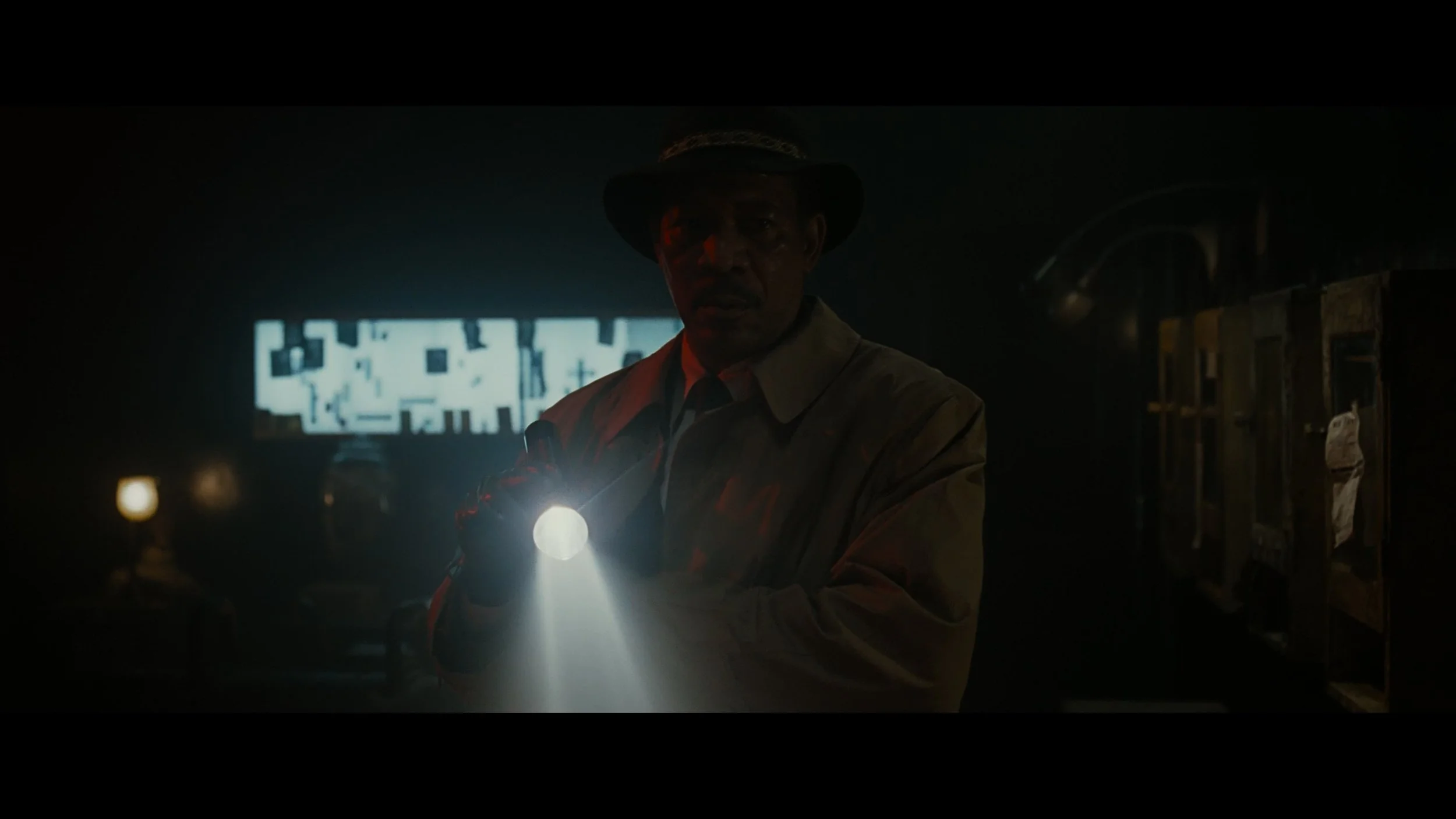
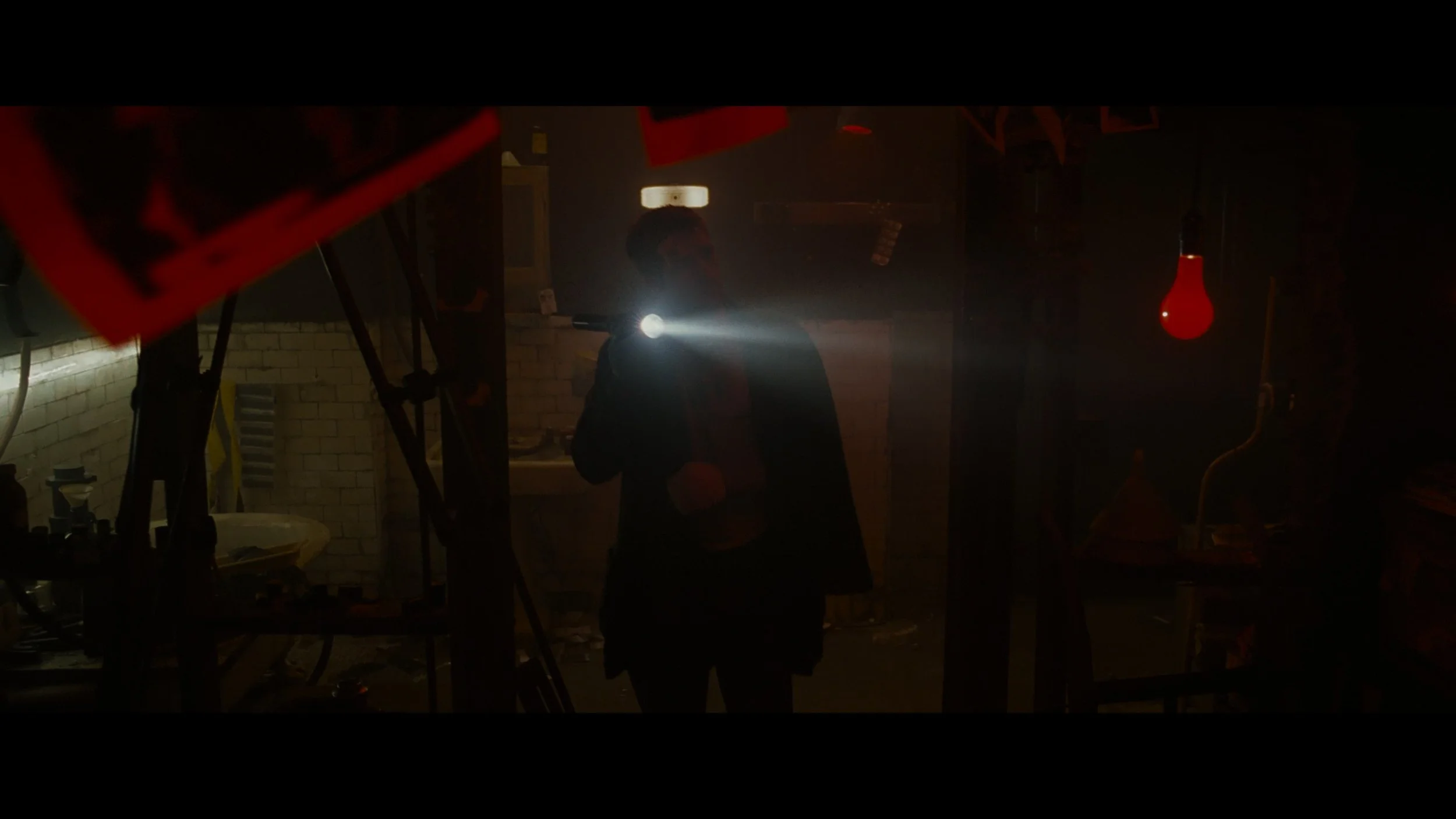
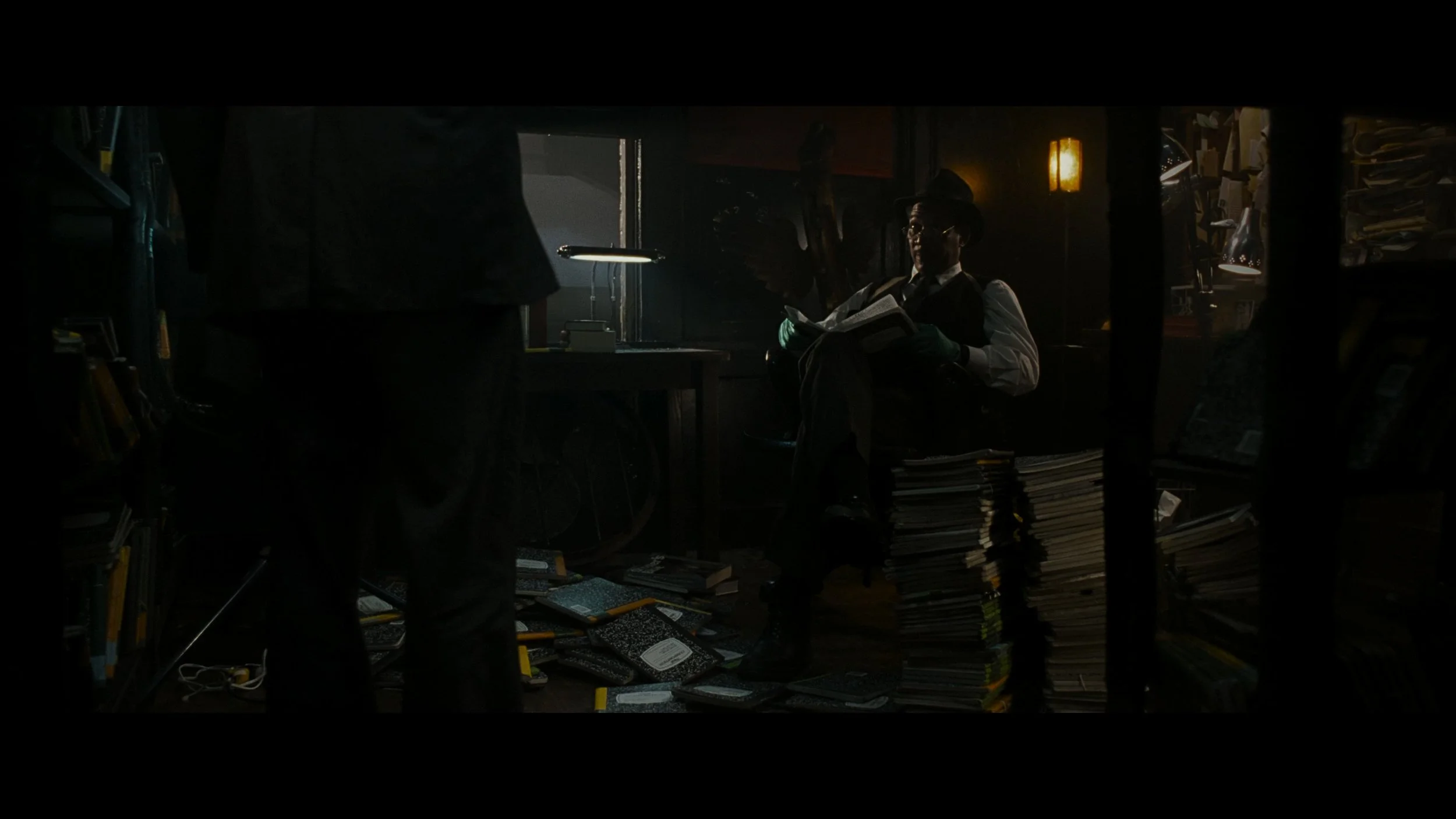
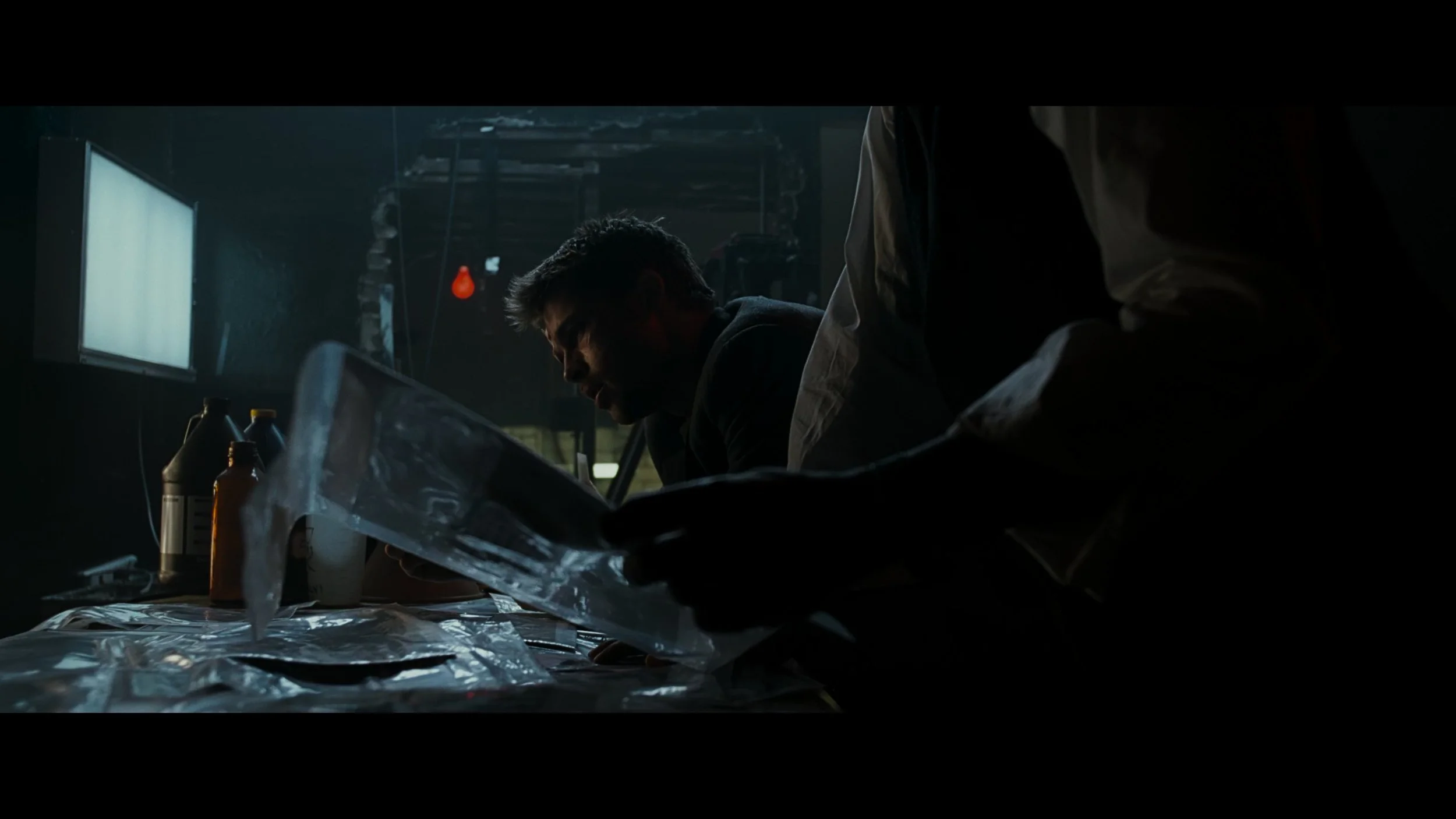
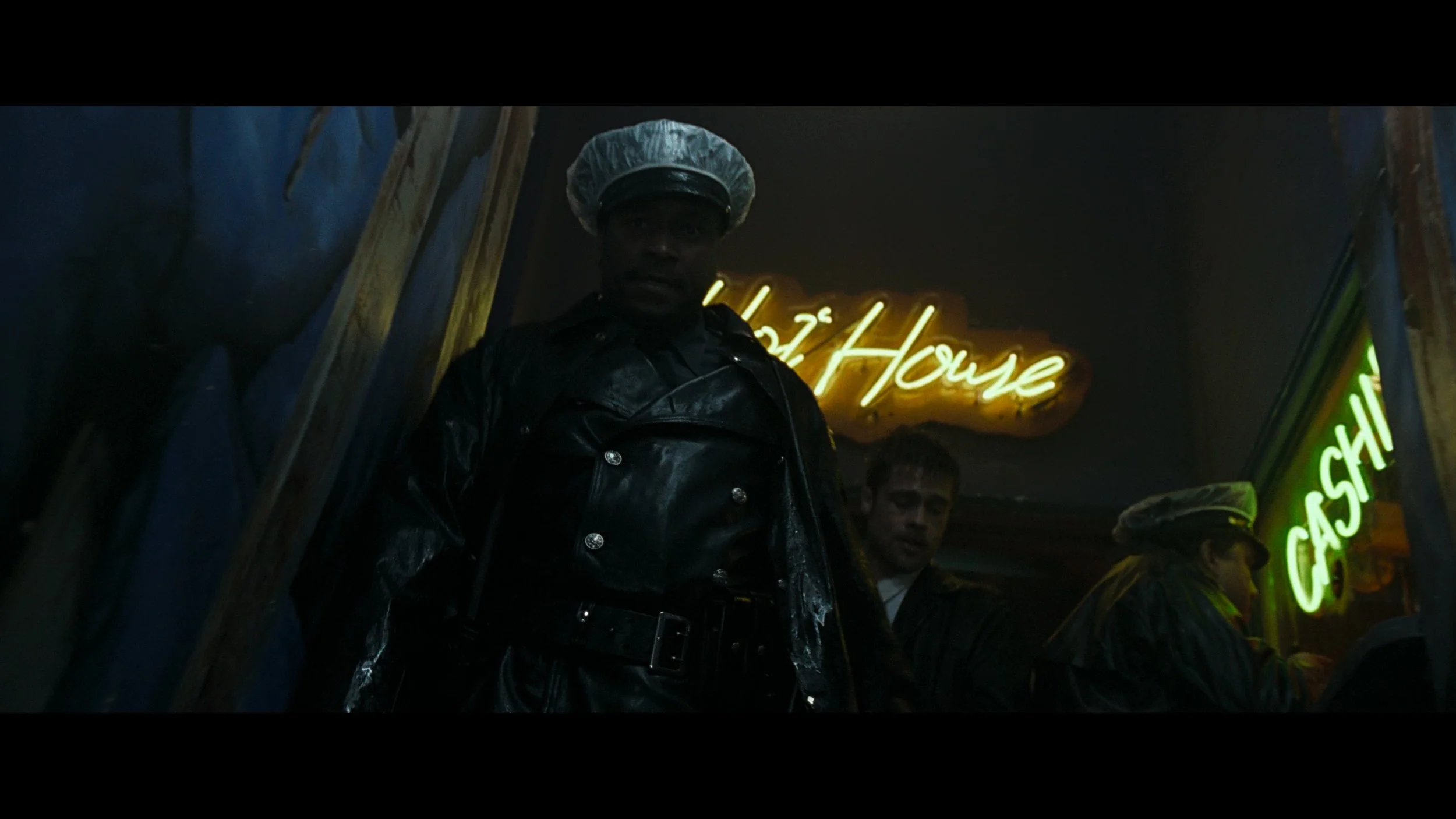
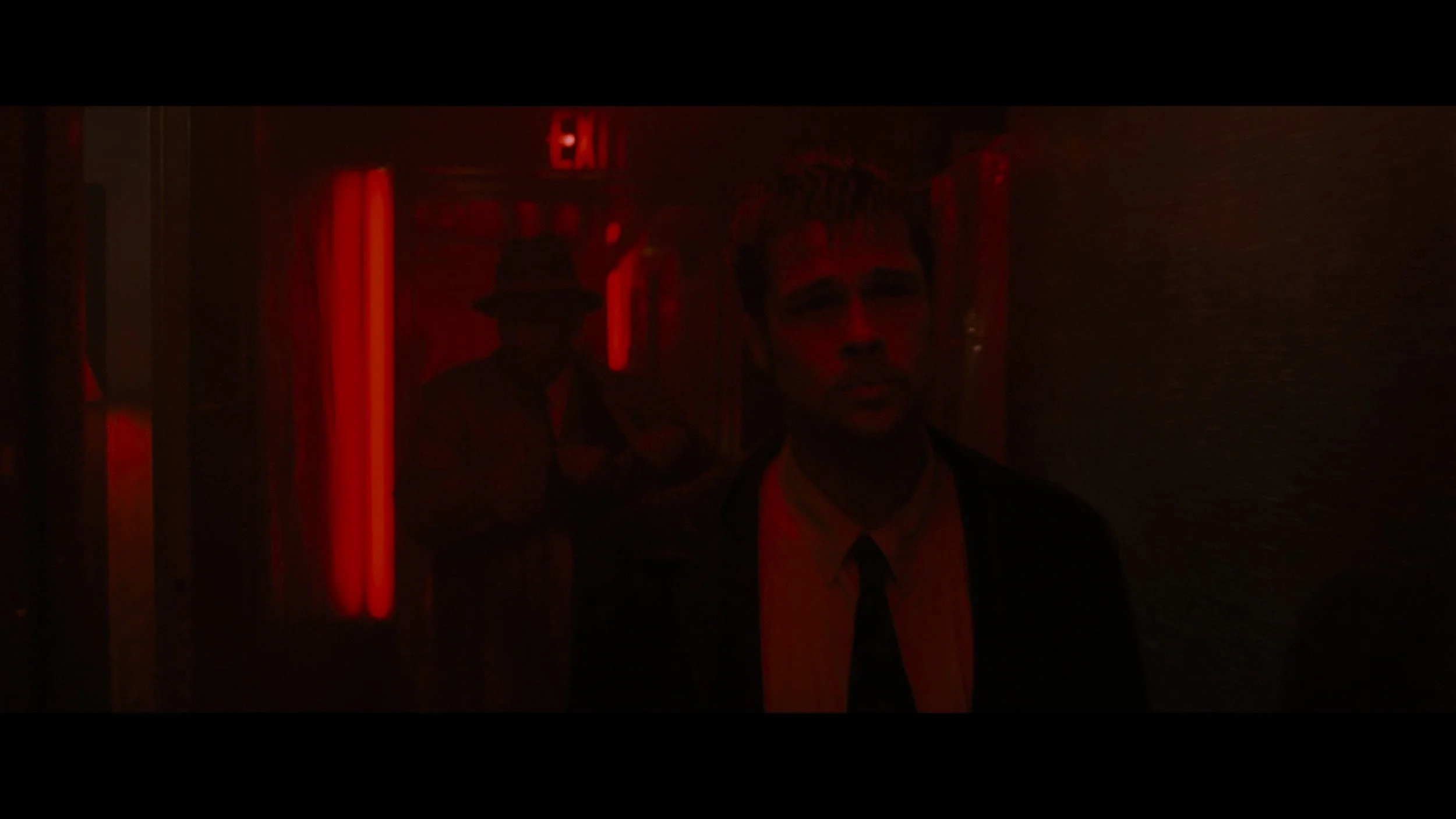
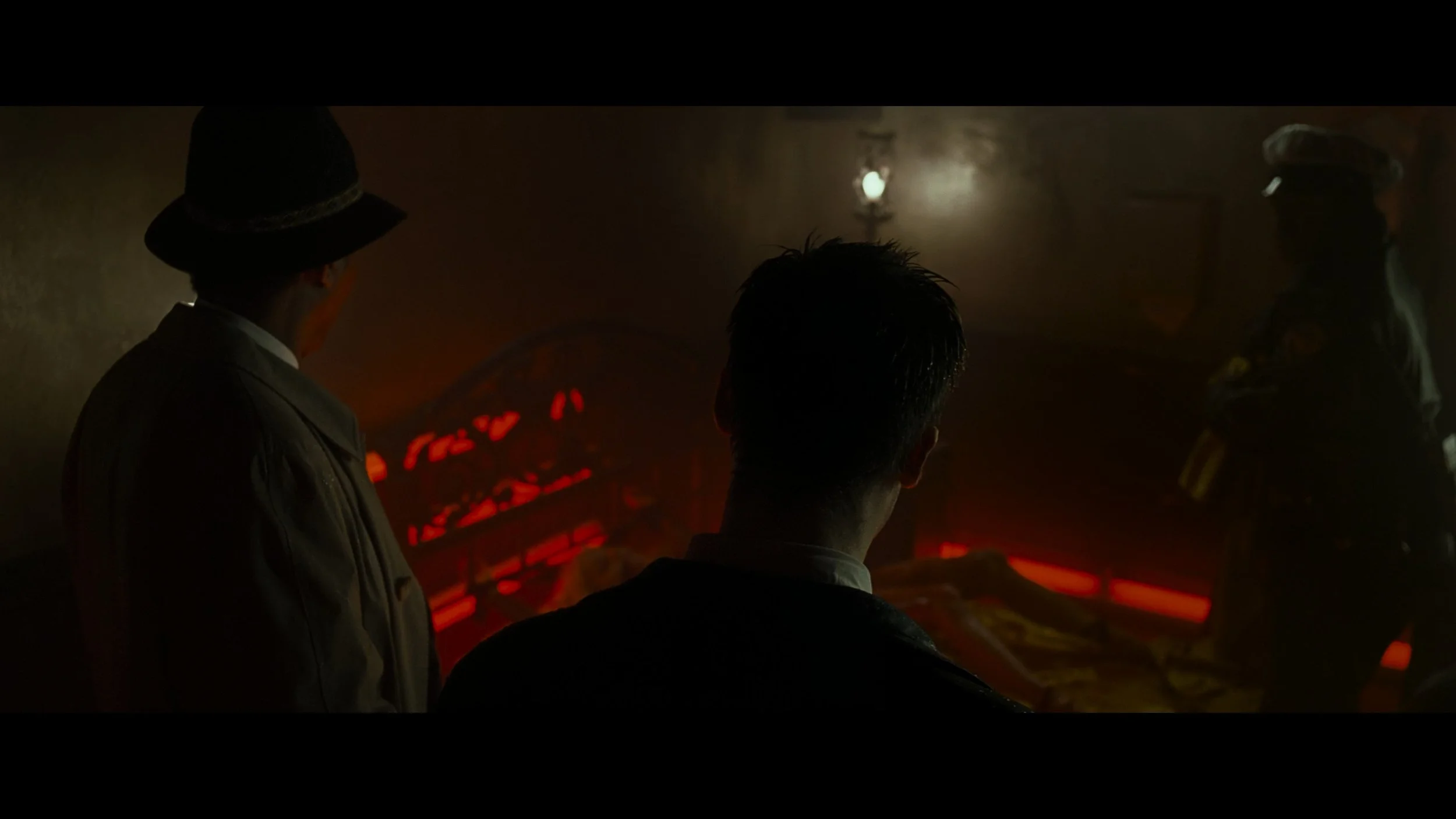
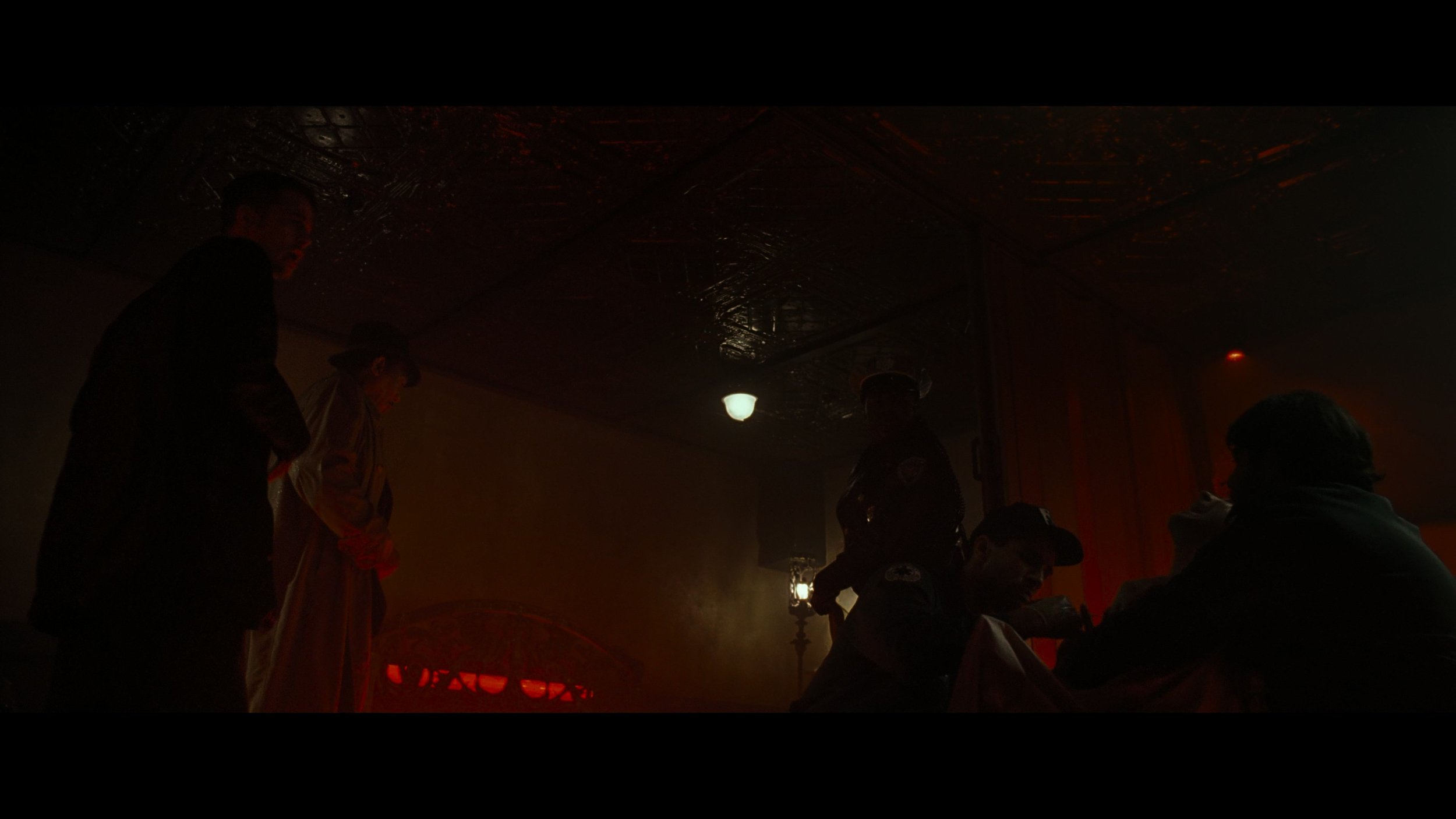
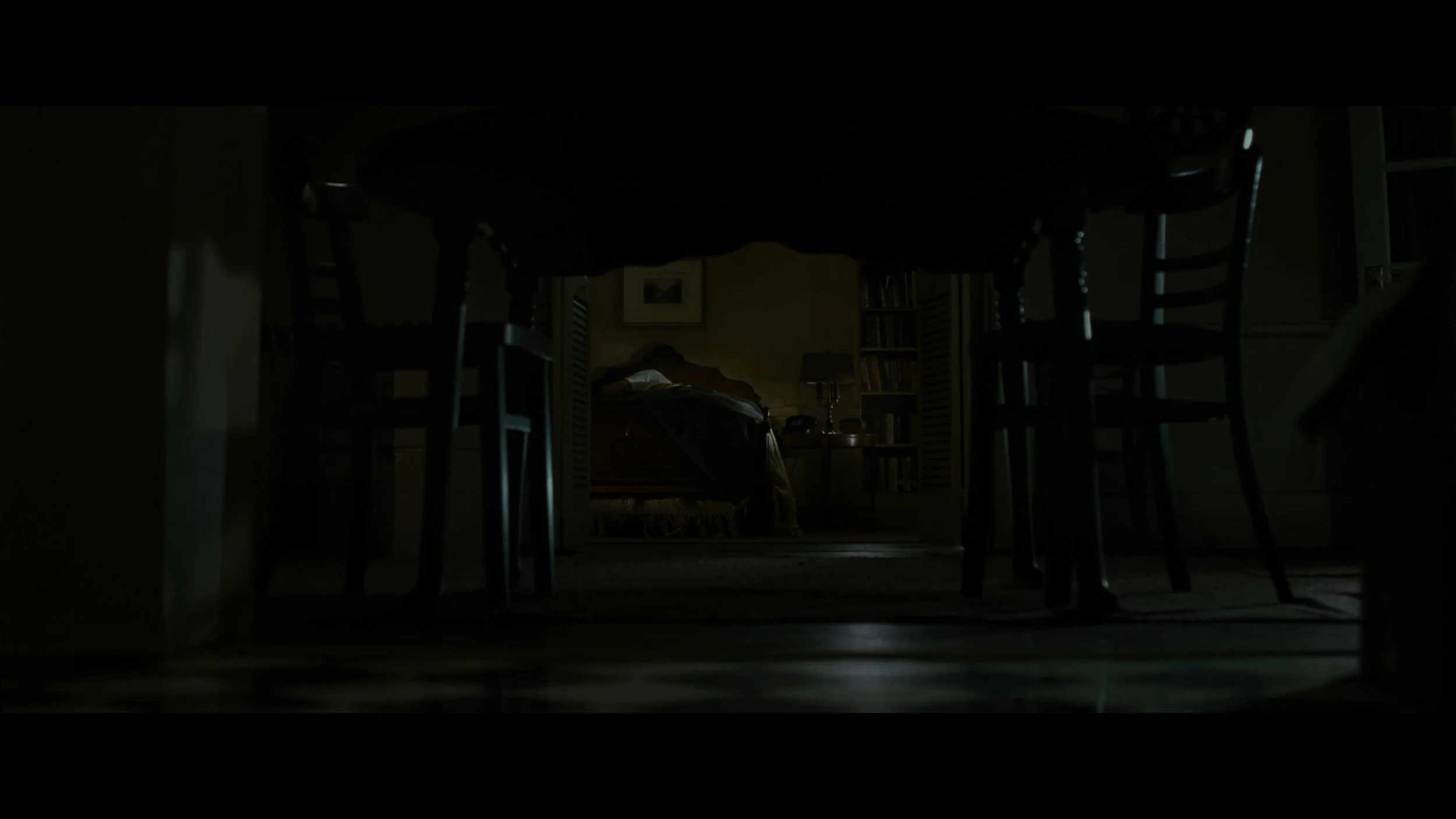
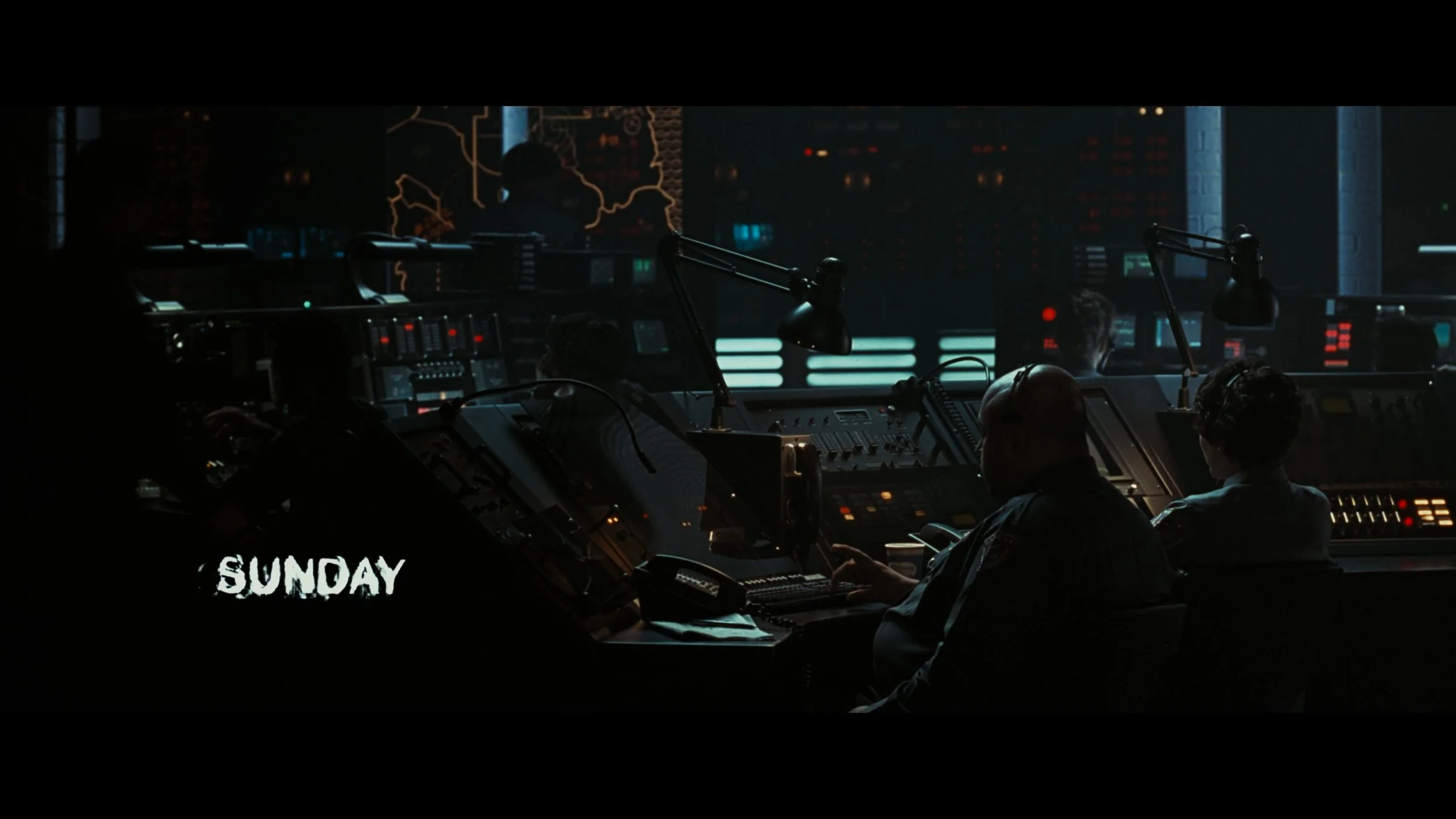
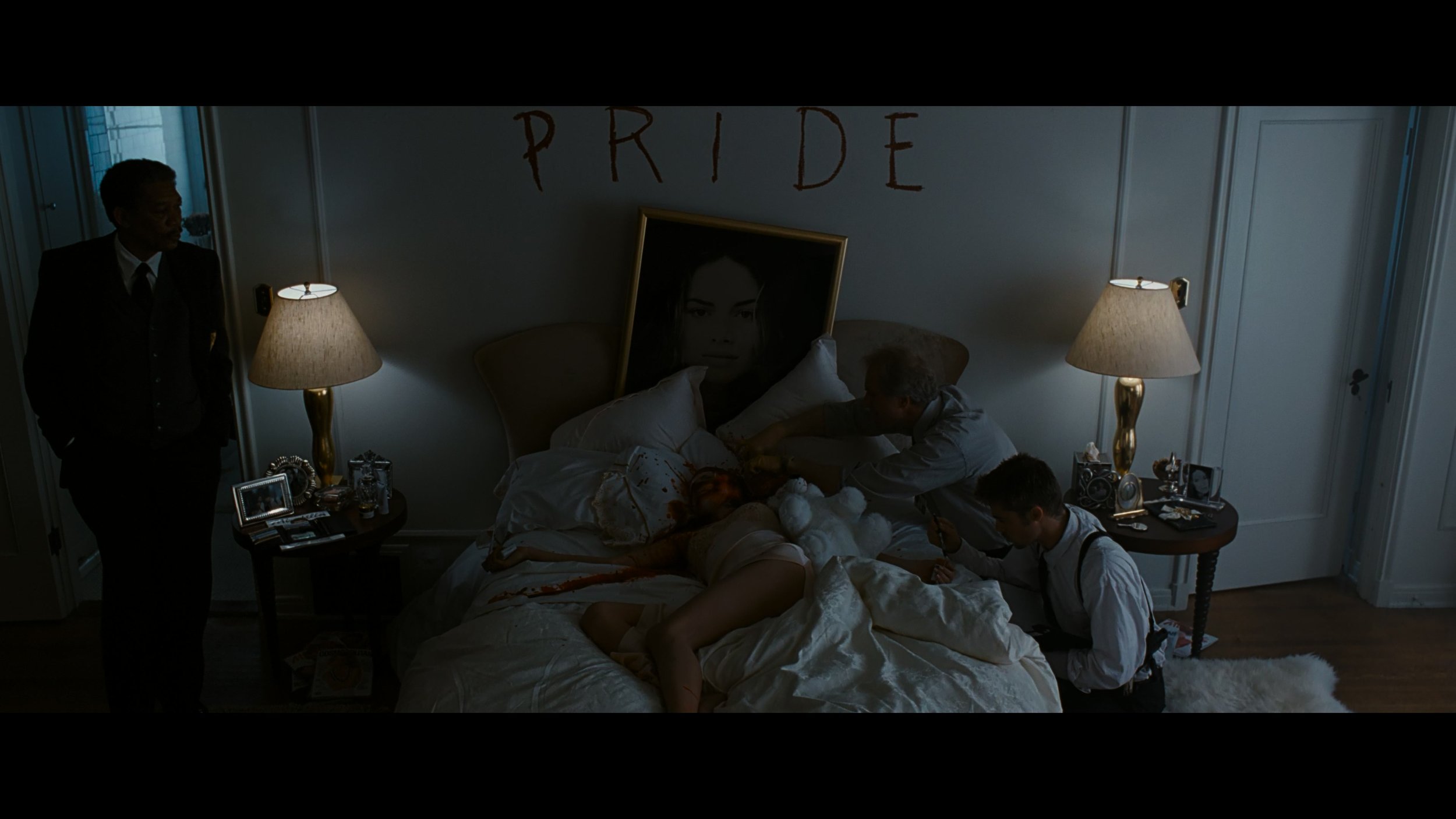
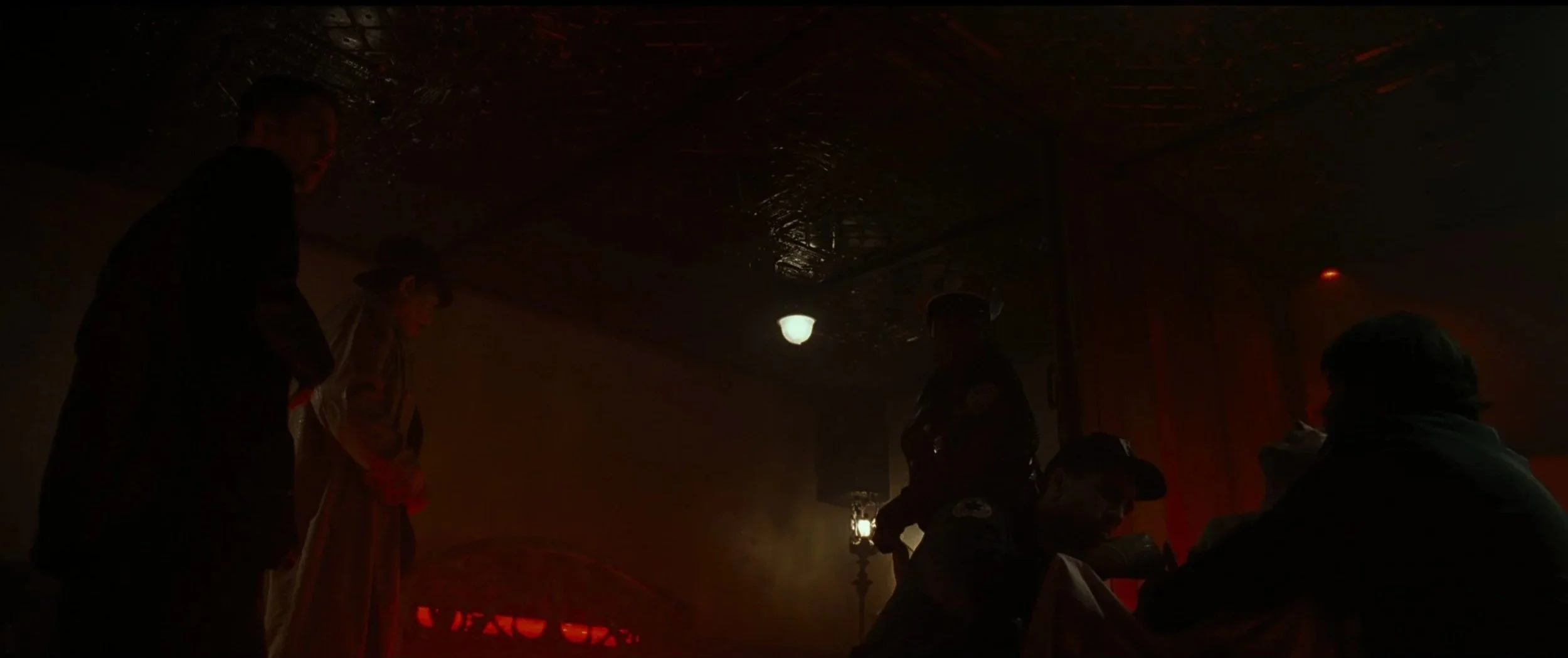
He also applied specific lenses such as Panavision Primo to extract a sharp image under solid contrast and Kodak film stocks to accentuate the deep blacks of the night-time exteriors. This clever choice led to certain scenes bearing a single illumination like the character’s flashlight or a neon sign. Consequently, Fincher and Khondji force the audiences to see exactly what the on-screen characters see, a tactic taken from the Alan J. Pakula’s Klute (1971). Both director and cinematographer point out that further and perhaps more extreme ugliness, depravity, and immorality lies in places where no light is present; where sinful deeds occur according to the doctrine of the story’s antagonist. Whether this is an underground nightclub, a sex shop, a penthouse, or a simple flat, all these environments house and hide humanity’s worst traits (i.e., the seven deadly sins).
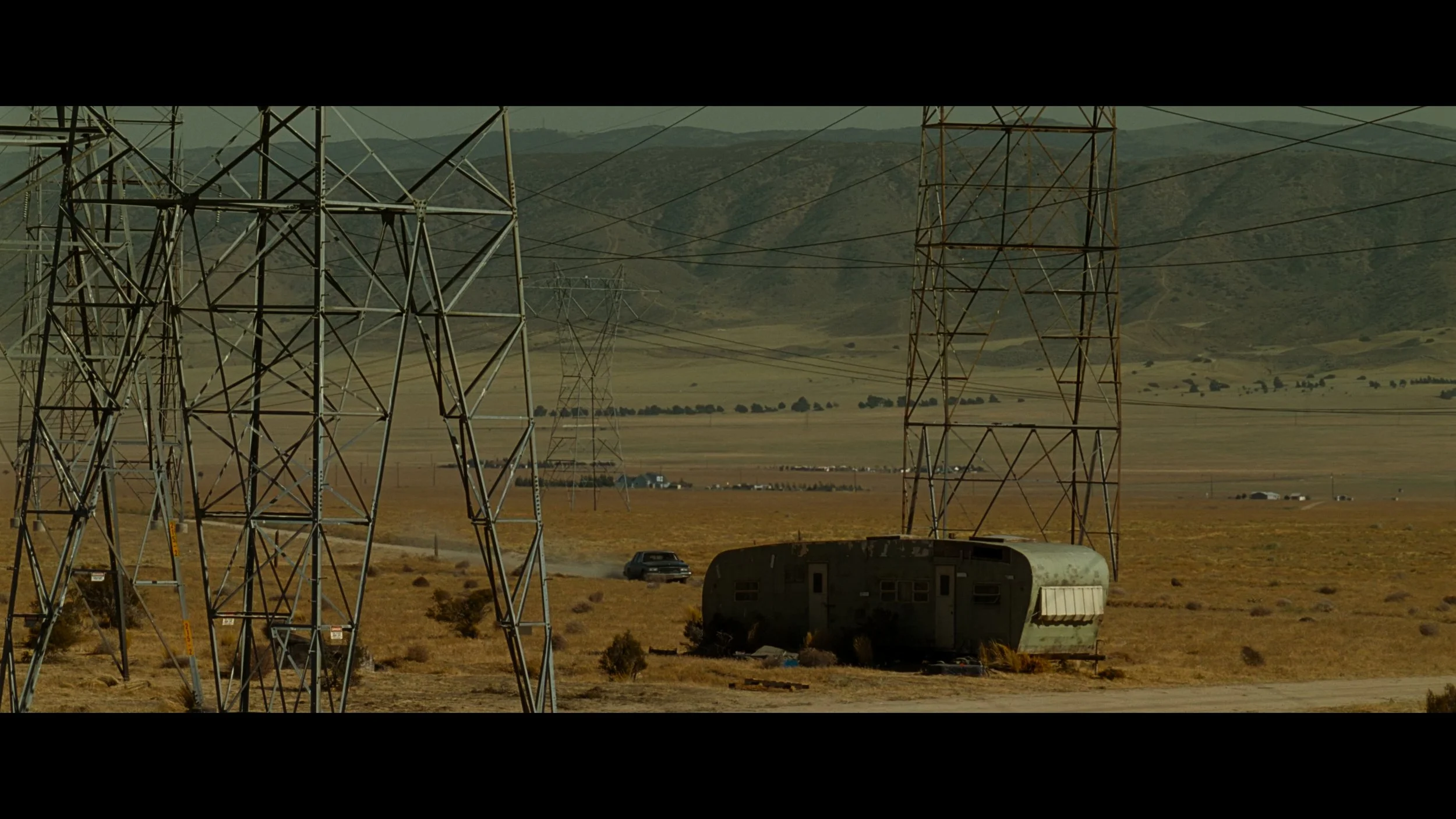
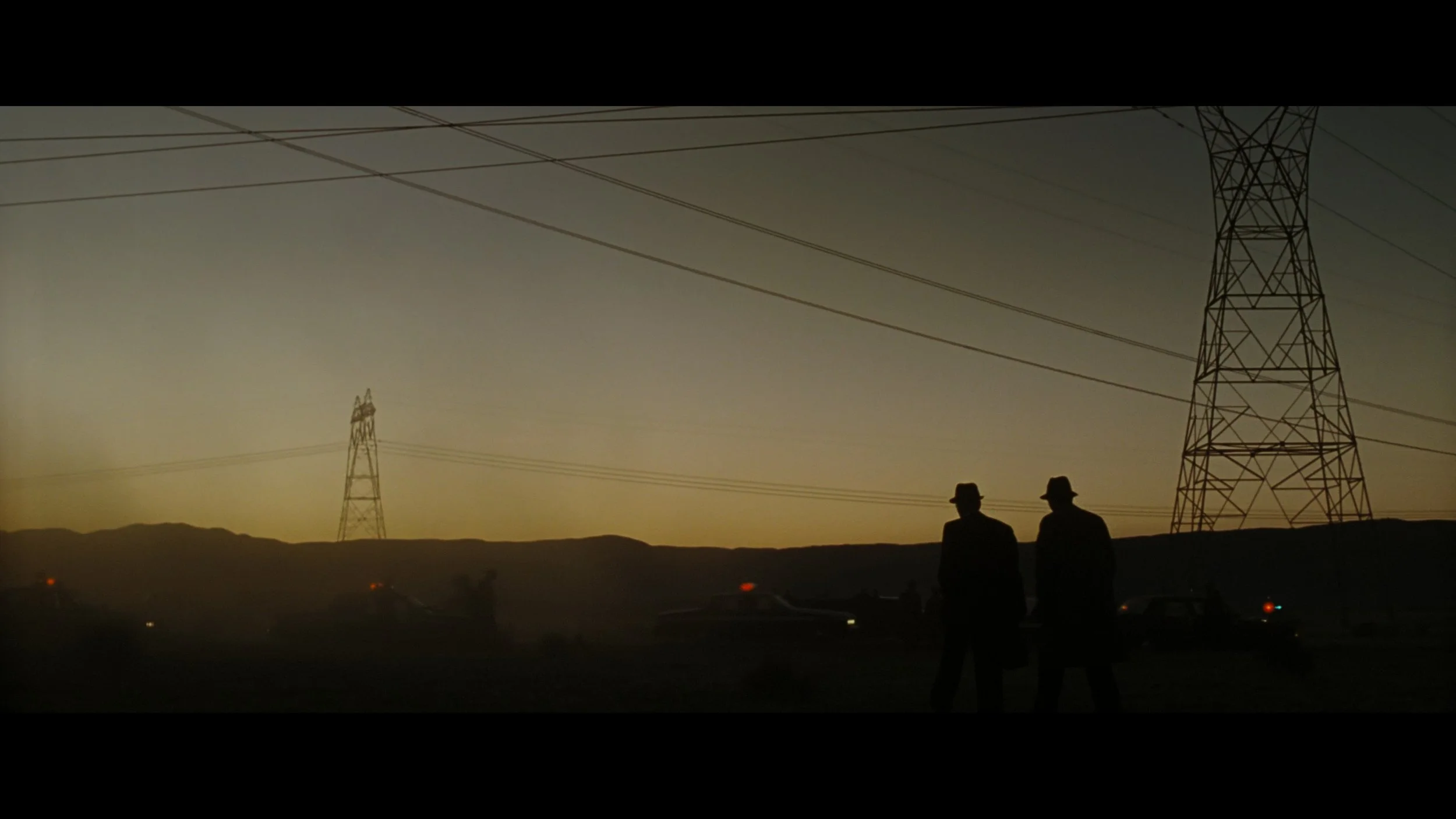
Seven‘s profound sense of realism is imposed through its quite particular color palette: from the aforementioned deep blacks, and the warm light of Chinese lanterns, to green color gels, and the cold hues of Kino Flosto, lighting sources are used effectively and efficiently to invoke a sense of dread, misery, despair, anger, and at the worst of the cases, apathy, and hopelessness including open spaces like the desert finale. According to the making of, this look was achieved through a chemical process called bleach bypass and keeping the silver in the film stock results in deepening the dark, shadowy images.
Seven, however, extends beyond its careful lighting composition throughout its biblical tale of contemporary sins. Its widescreen compositions are used for intimacy rather than big vistas, another tactic lifted from Klute. This surprising approach in a story around sadistic (off-screen) killings, places at the heart of this tale our protagonist duo who in the desperate attempt to stop a deranged lunatic are completely alone in almost every single setting. The sequence that sees Sommerset walking in an empty library after guest hours with Bach’s Air on the G String is a perfect example of elevated atmosphere even in the least place to be likely meet your demise. And this is why Seven’s cinematography remains a top contender and a point of reference for so many movies, cinephiles, and fans.
Influences

Cops (1989-2005)
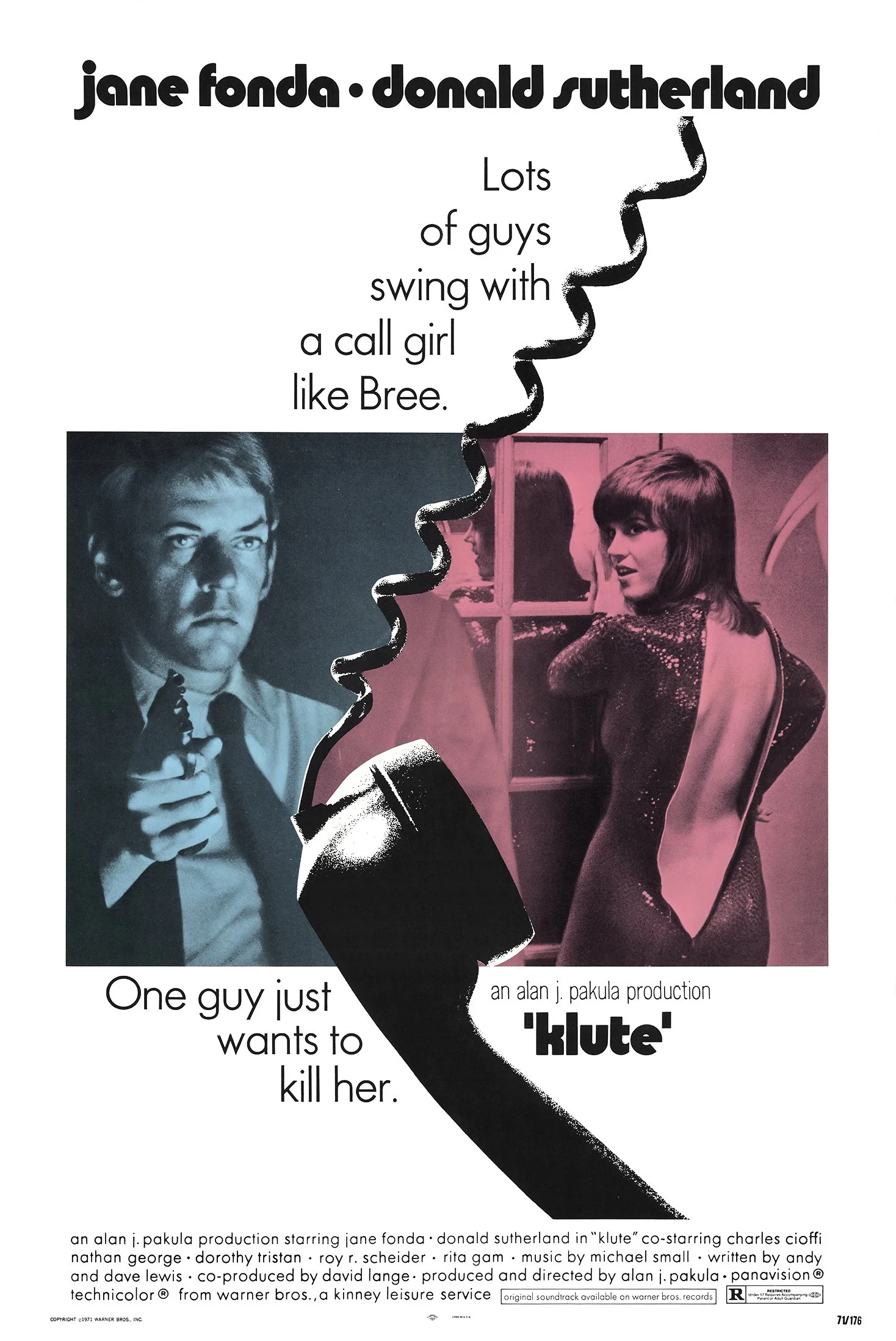
Kluto (1971)