Summary
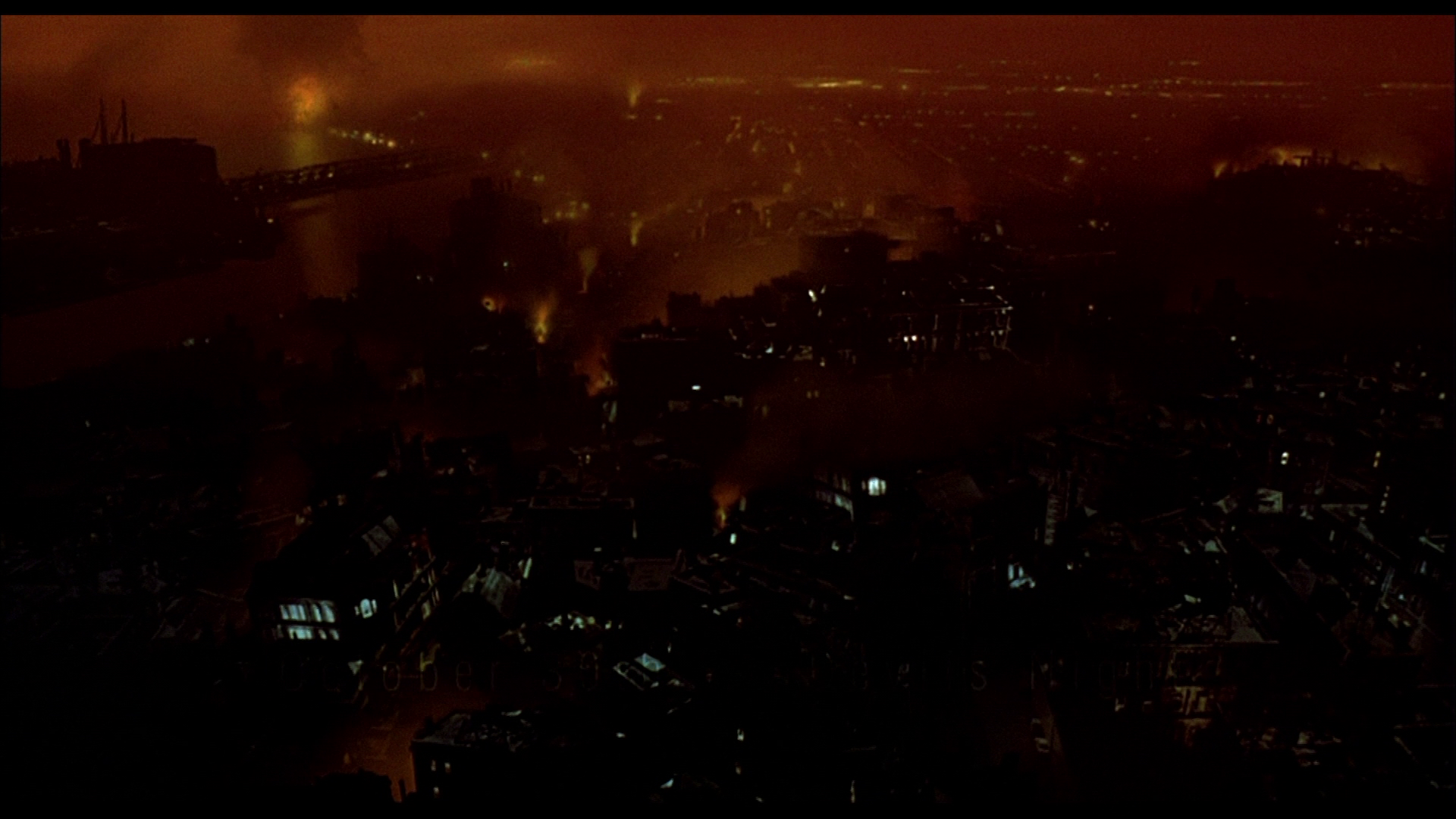
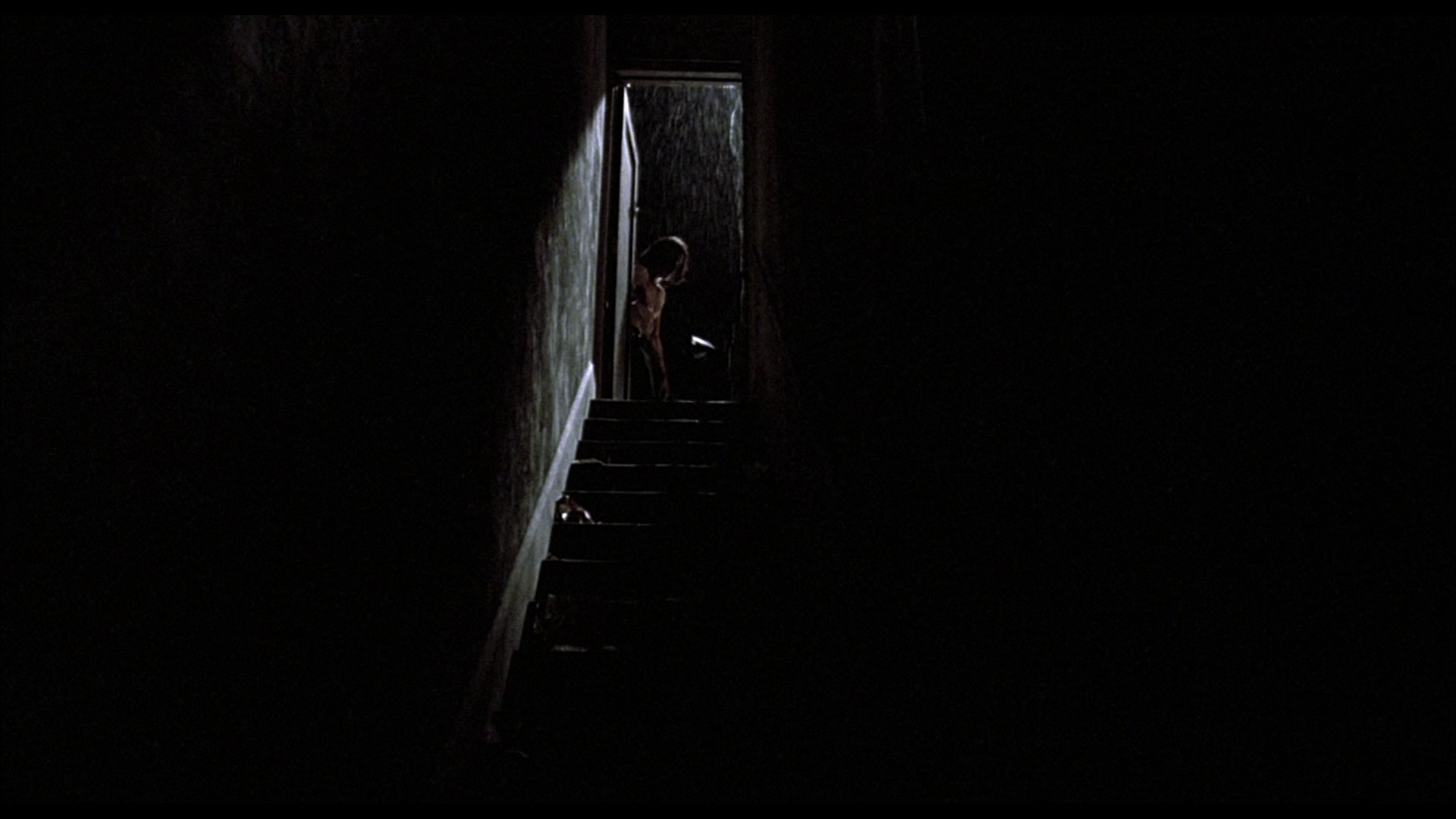
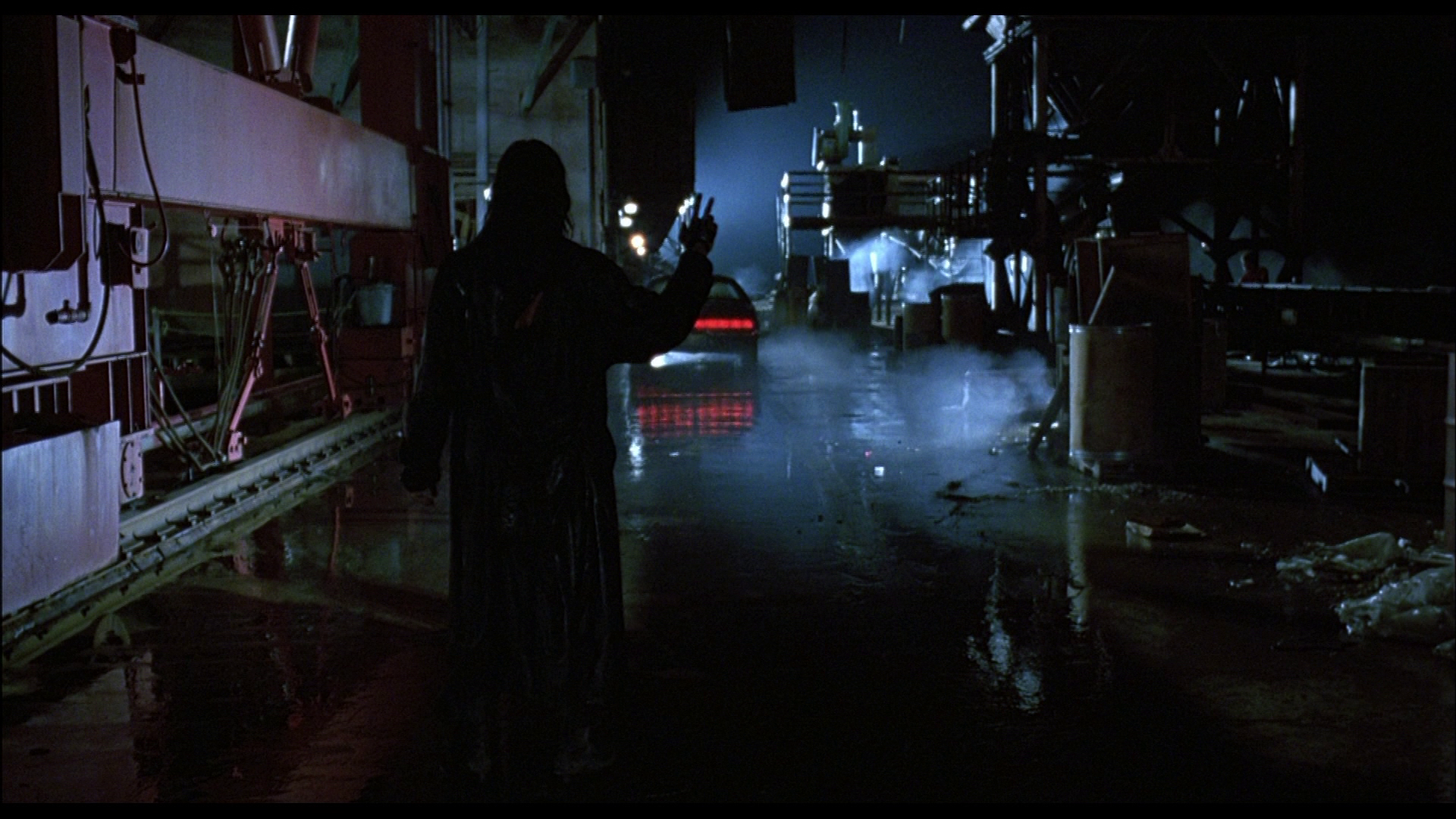
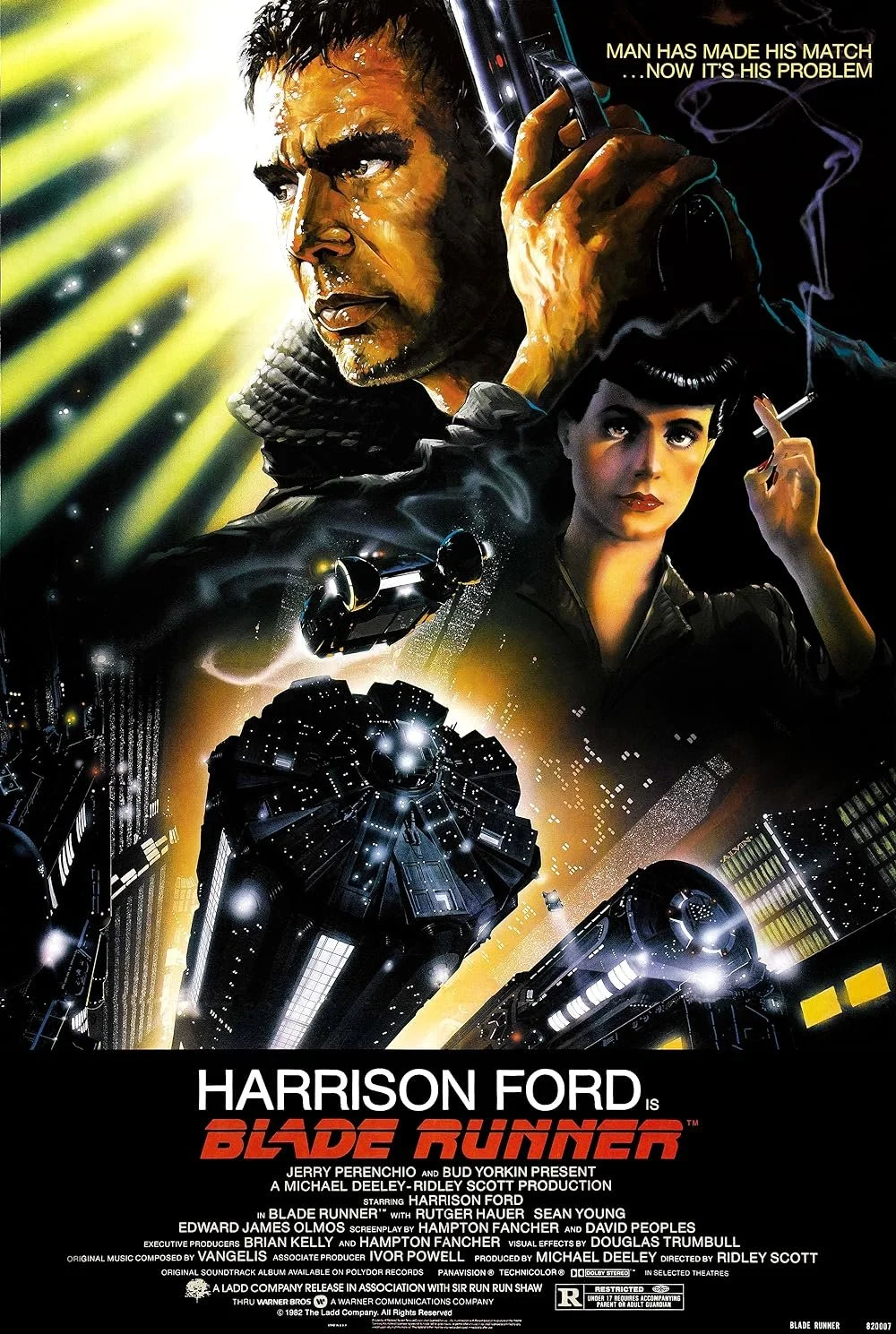
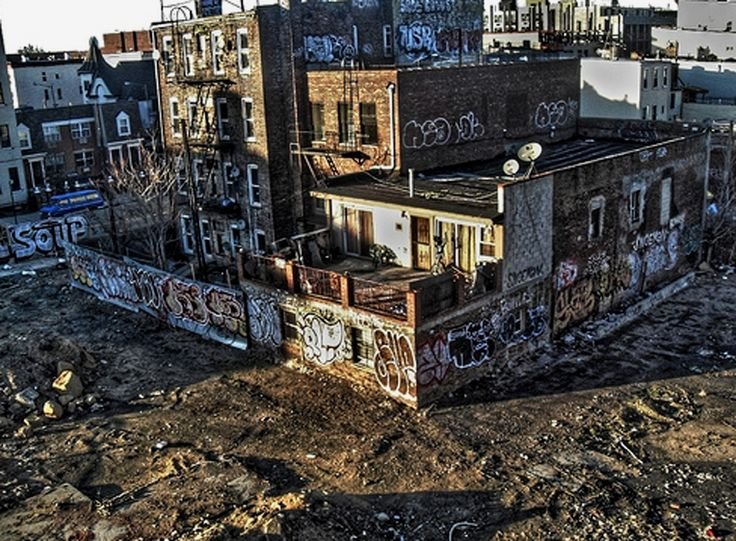
If melancholia, tragedy and sadness could be represented in the visual medium of a movie, then Alex Proya’s The Crow has done a terrific job. An almost monochromatic adaptation of James O’Barr graphic novel, The Crow” is a gothic noirish film defined exclusively by its unique visual style. Alex McDowell’s production design strongly contributes to this imposing a Blade Runner-esque approach to the city of Detroit - keeping the trash-filled alleys and streets and never-ending rain and replacing the dizzying neon signs, gigantic screens and cyberpunk elements with faded billboards, graffiti, crumbled buildings and industrial clubs. This Detroit city resembles more of a decayed Gothic European capital rather than something modern where everyone seems to be living on some kind of claustrophobic loft or warehouse whose only light source are candles.
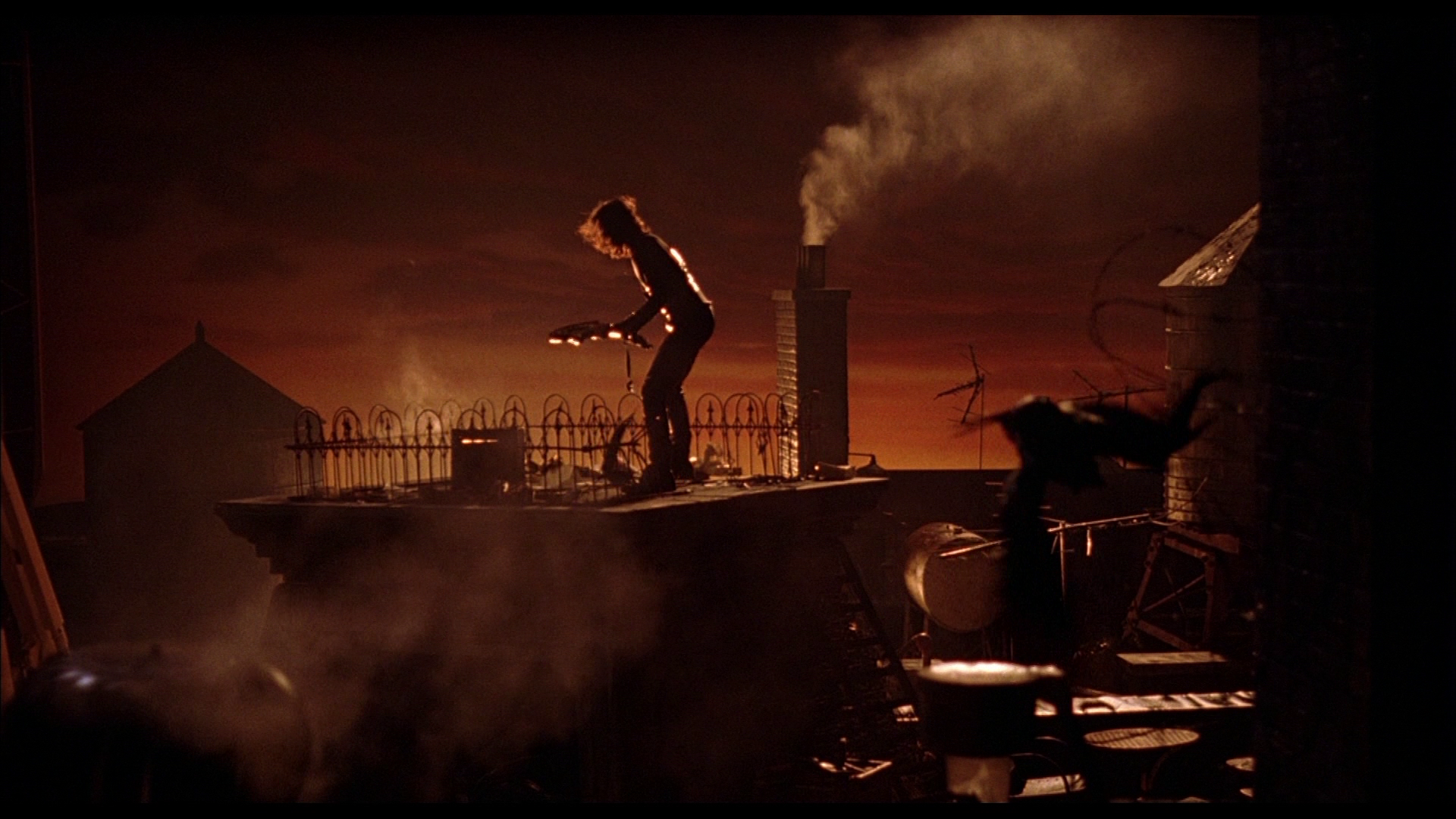
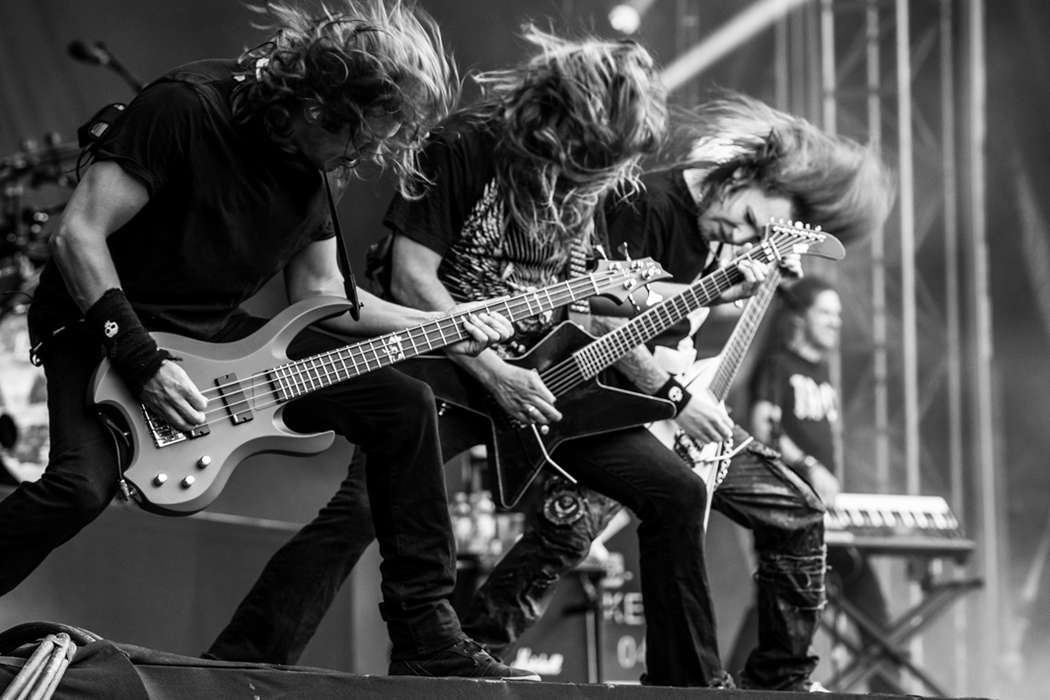
There is no room for color except for touches of imperial red and orange flame to illustrate the story’s several revenge driven sequences. Besides the opening scene that is drenched in warm palettes, the entire film is deprived of any standout color grading. This Gothic metropolis is as black as its soul; an urban arena filled with criminal scum and danger at every turn. Eric’s profession as a rock musician and Top Dollar’s headquarters above a club further ground the look into strictly metal and rock culture aesthetic: long hair, leather outfits, fishnets, black and white decor, slim figures, drugs, candles and a garage, industrial look illuminate the distinct environments.
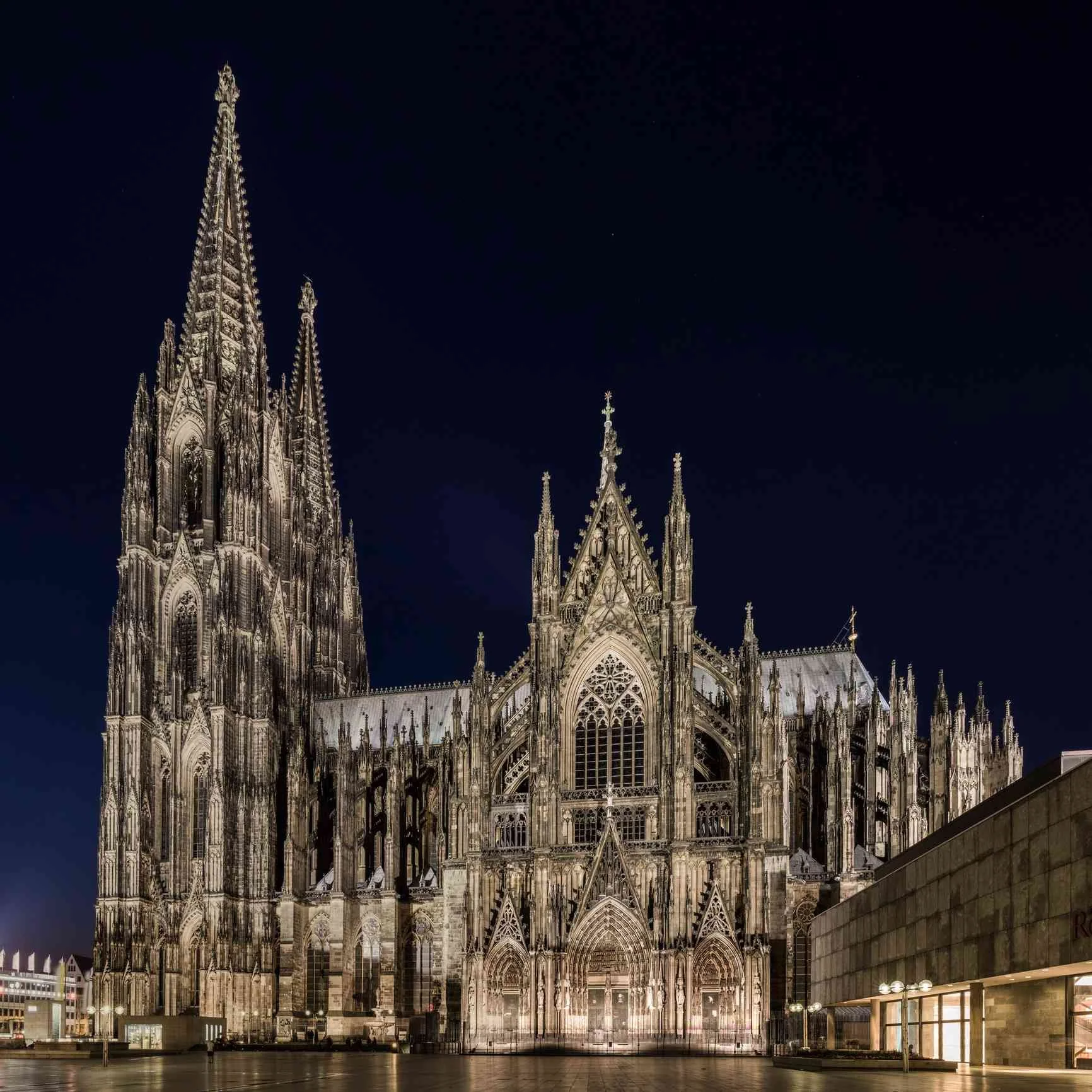
The crowning achievement is the cathedral where the final confrontation takes place: a gloomy and lonely structure complemented by gigantic gargoyles and an endless ceiling that feels like a reverse abyss whose look has been heavily inspired by ultra Gothic architecture.
Colours
French puce, rich black, shadow blue, gunmetal, vampire black, deep taupe, black coral, dark electric blue, licorice, black chocolate, blue yonder
Influences

Rock culture
Metal culture
Blade Runner
Gothic architecture
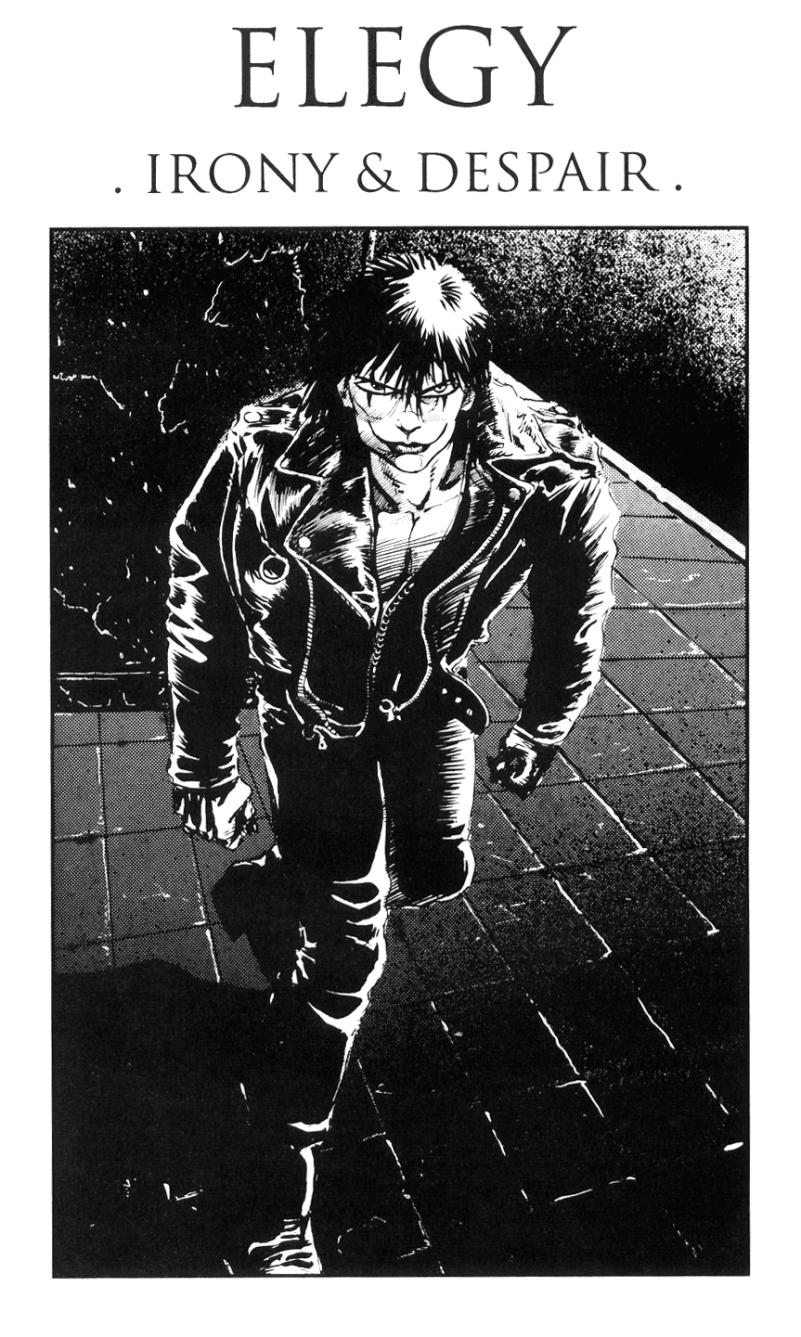
The Crow
Detroit