
Rurouni Kenshin: The Final (2021)
Director: Keishi Ohtomo
Starring: Takeru Satoh, Mackenyu, Emi Takei, Yusuke Iseya
Primary genre: Period
Secondary genre: Drama
Third genre: Action
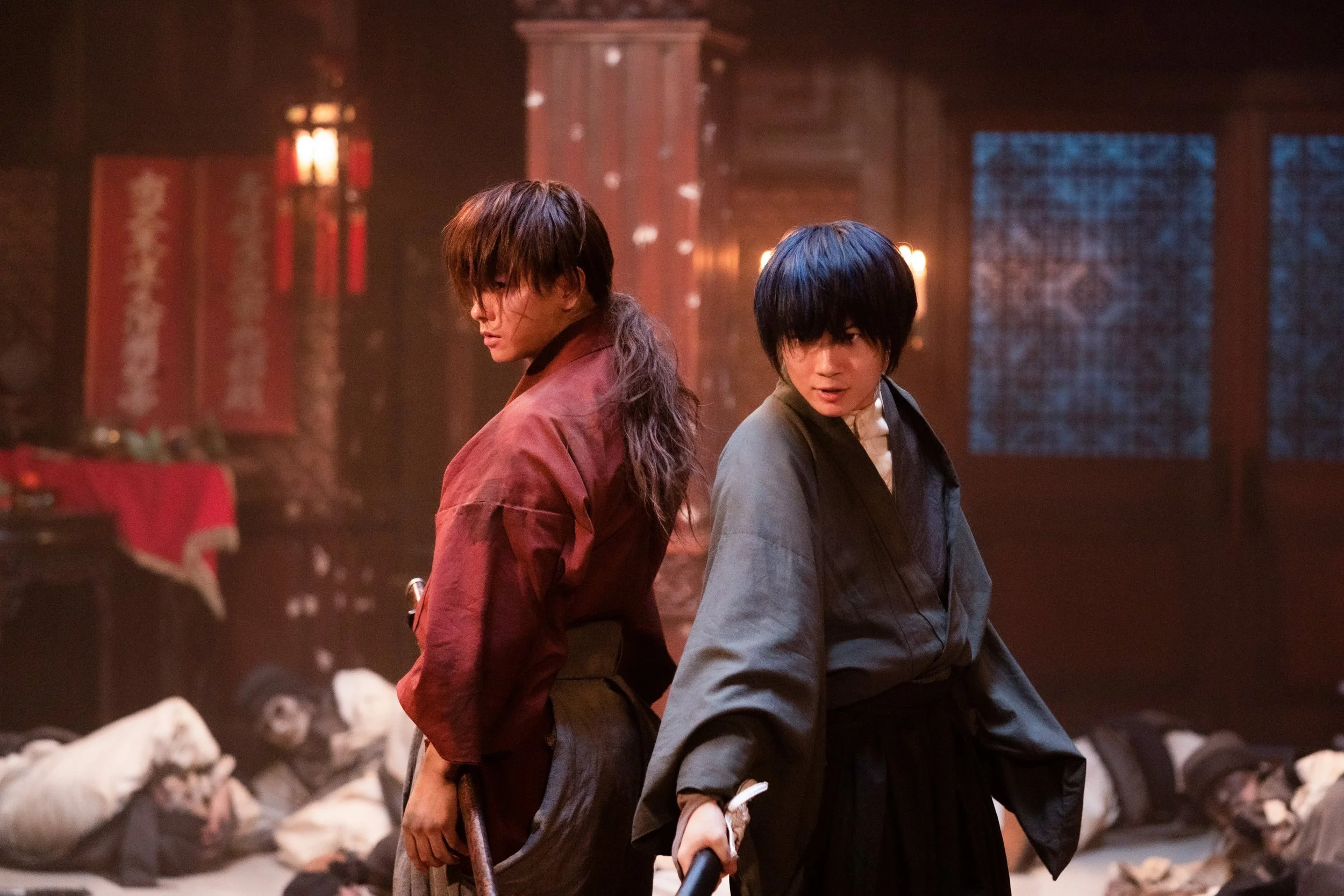
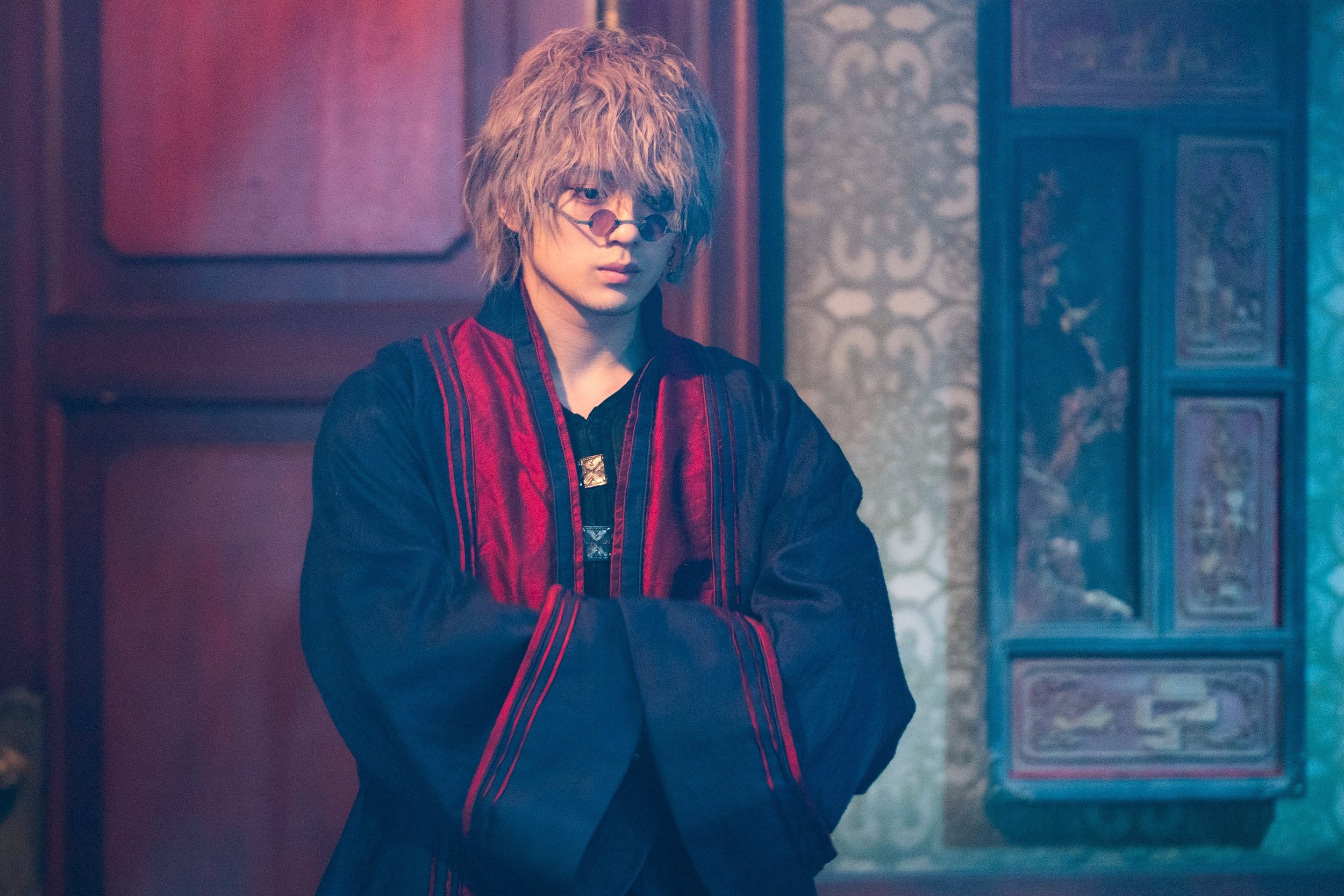
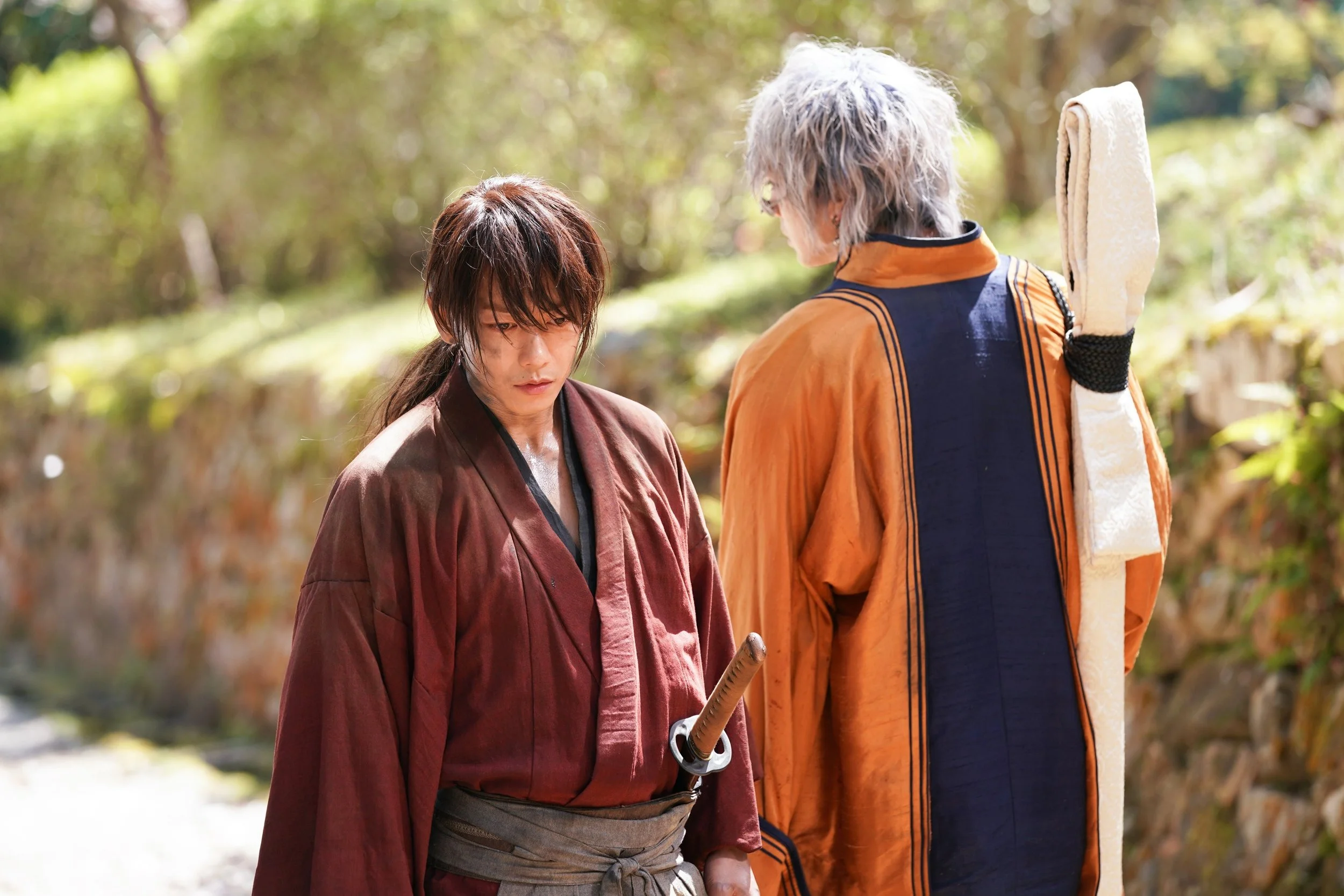
Seven years after Himura Kenshin fought in the bowels of a warship (and barely survived) Makoto Shishio, it was time for another big screen adaptation of “Rurouni Kenshin”. This time, villain duties fall on the shoulders of Sonny Chiba’s son, Mackenyu as Enishi, a mysterious weapons dealer from China. In the prologue, Enishi yielding diplomatic immunity from China, wrecks havoc at Tokyo’s train station unfolding a string of events tied directly to Kenshin’s past and actions.
As such, “The Final” is the only movie in the franchise that confronts Himura’s past and its emotional toll. Kenshin seeks to wash his red ledger on his own carrying a number of sins inside him without dragging others down. Keishi Ohtomo’s script almost relegates the protagonist to a side character as his pacifism and regret take center stage, witnessing brutal acts of violence that are serve as retribution for his own a decade later.
Like all the other movies in the series, the expansive supporting cast consists of glorified cameos, each sprouting philosophies around the central conflict between Himura and Enishi which forms the heart of the story. The dominant force here is Mackenyu; he sells every scene he is in with sheer presence clad in a gorgeous Chinese-inspired wardrobe. He generates more vulnerability (and intensity) as the film progresses on in moments that gain deeper weight after watching “The Beginning” (2021).
Unlike the initial trilogy, which leaned heavily on Japan’s struggle to find its place amidst a modernizing world - exploring political violence and its ripple effects in an era where warriors became obsolete, “The Final” is a straightforward tale of revenge. Displaying a case of right vs wrong under a beautiful Japanese backdrop and top notch production values, “The Final” seeks to move the heart. Although its intentions are noble, its unusually slow pace and frequent stillness might test the mainstream audience’s patience; the film becomes more dynamic only when Enishi is scheming or screaming in a few moments that pathos is being invoked.
“I despise everything about you! This country you’ve made!”
In the 2020s, one wonders whether “Rurouni Kenshin” can be relevant? The answer is yes. Director Keishi Ohtomo continues to mesmerize four films in with clashes which are not only spectacular to watch but feature sensational choreography, long takes and wide framing - all performed with the precision of a Bolsoi ballet production. While skirmishes keep viewers engaged, some are less thrilling, and the final battle - a series trademark - is perhaps the weakest until Kenshin faces the final boss. Under the supervision of the series MVP Kenji Tanigaki, the climatic showdown between Himura and Enishi lingers long after the credits roll. The speed, the moves and stuntwork are impeccable showcasing the actors’ commitment to the celluloid of creating something unprecedented. This may be the best swordfight of the last twenty years. Your jaw will drop, your eyes will pop, 100%.
“The Final” is a solid, fitting ending for the tortured life Himura has led since he first grabbed a sword. It may not reach the heights of another recent fourthquel (i.e., Chad Stahelski’s “John Wick Chapter 4” (2023)) but it offers plenty to keep your eyes glued to the screen due to creative team’s action staging. If only, there was more dramatic (and cathartic) gravitas, this would have been a perfect conclusion.

Solid if slightly disappointing conclusion
+Sensational fighting
+Relatable villain
+Kenshin vs Enishi is peak human creativity
+Satoh always reliable
+Satoh’s musical score
+Solid ending
-Pacing issues
-Needs more gravitas
-Satellite characters have nothing to do